Urban Gardening 101: How to Deal with Contaminated Soil

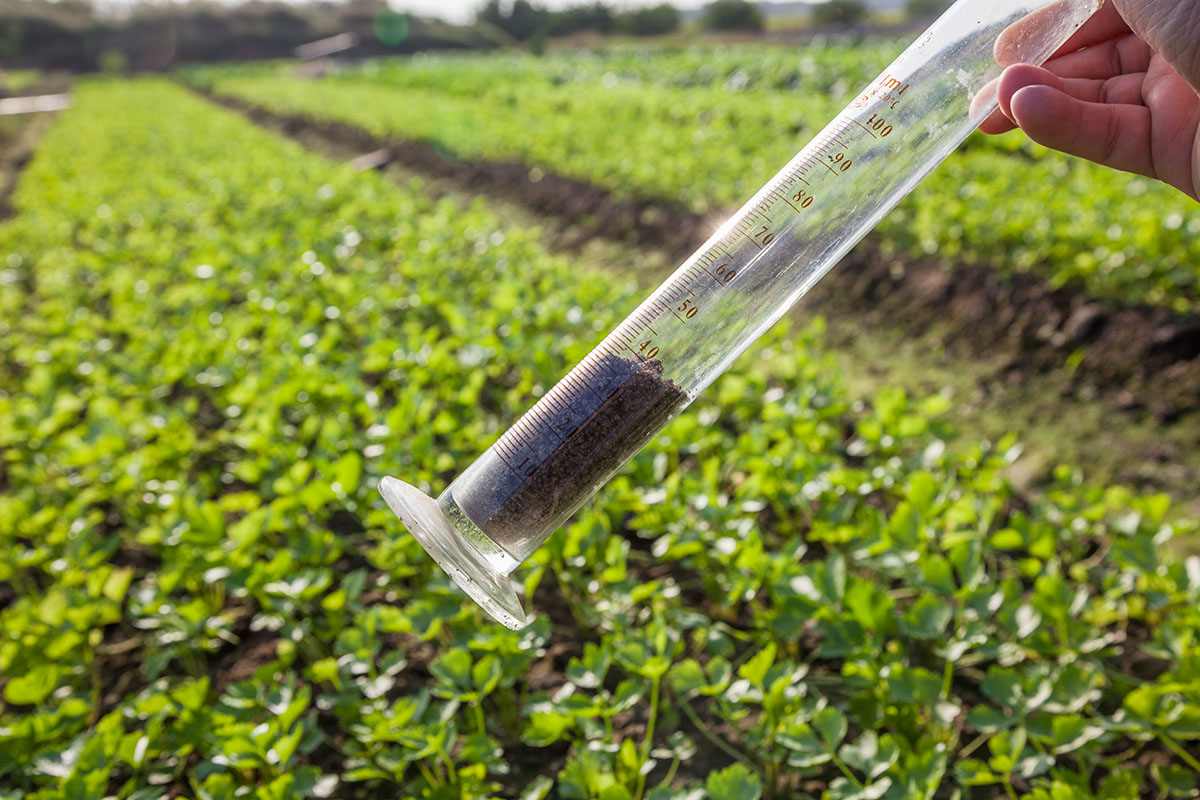
Urban soils are particularly prone to contamination. 50 years ago, your yard could have belonged to a farmer, who, perhaps not knowing any better, disposed of old bottles of anti-freeze or contaminated diesel in a hole out behind the tractor garage. Or perhaps the remains of a fallen down outbuilding, long ago coated in lead-based paint, was buried on your property buy a lazy contractor when your subdivision was built.

For those wanting to garden on non-residential urban property – school yards, church grounds, parks, commercial areas, vacant lots – the likelihood of contamination is even higher. There is no telling what sort of past activities took place there, all visible signs of which have disappeared. Prior the 1970s, environmental rules were very lax, and it was not uncommon for all sorts of hazardous chemicals to be dumped at any location where they were used. Many such chemicals persist in the soil for decades, if not longer.

The good news is that if the property was redeveloped (any significant new construction, demolition, or change of use) since environmental laws tightened, it would have had to go through a strict assessment to determine if contamination was present. If anything unacceptable was found, the owner would have been forced to remediate the soil before starting construction. However, if the property has remained more or less as-is since the 1970s (or earlier), it is unlikely that anyone has ever investigated what might be lurking in the soil.

READ THE REST OF THE ARTICLE: https://modernfarmer.com/2018/06/urban-gardening-101-how-to-deal-with-contaminated-soil/

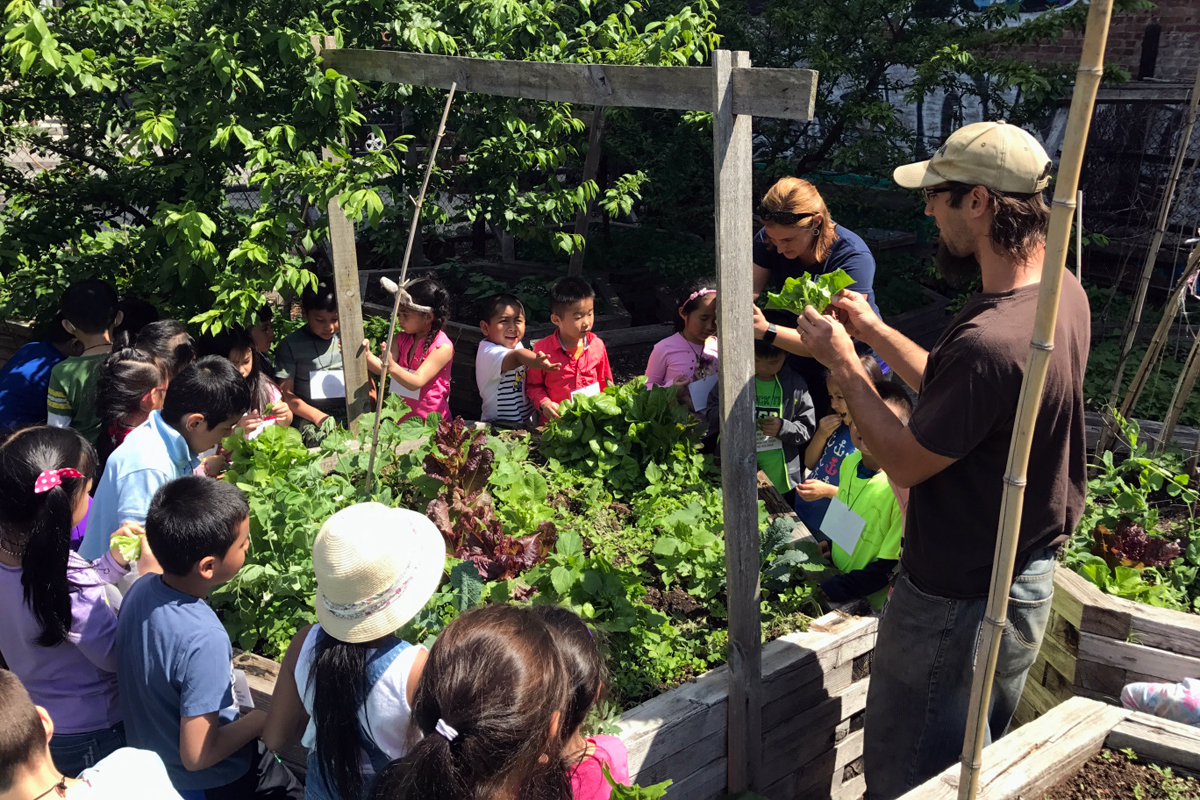
What Would Make Urban Agriculture in New York City More Equitable?

180305-urban-farms-top2Reverends Robert and DeVanie Jackson, founders of the Brooklyn Rescue Mission Urban Harvest Center in New York City, are proud of the fig trees and raised beds in their organization’s urban garden. Since 2002, local students and senior citizens have tended the crops that help stock the mission’s food pantry. A mile and a half away, Bushwick City Farm, which started in 2011 with volunteers reclaiming a vacant, garbage-strewn lot, now provides free, organically grown food to in-need community members.

Despite deep roots in their communities, both of these urban farms are at risk of collapse. The Jacksons may lose their land in March unless a crowdsourcing campaign can raise the $28,000 they owe the bank for the lot, located in a rapidly gentrifying neighborhood. And though the owner of Bushwick City Farm’s lot originally told the farmers they could use the space, in August, he changed his mind and gave them 30 days to vacate. The owner has yet to enforce that order, but that could change at any moment.

“We’ve got 30 chickens there, and we didn’t have anywhere to go; we felt like we were participating in the community and he wasn’t,” said Bushwick volunteer James Tefler. “The neighborhood rallied around us and we had meetings with city government representatives.”

Read the FULL STORY: “CivilEats.com

Teens Cultivate Urban Farm In Hamilton Heights, Manhatten

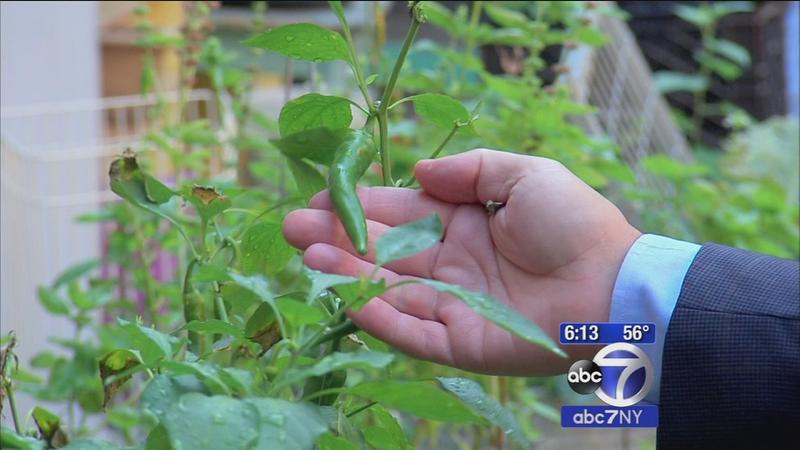
“All of our food here is grown by the kids but the community comes in and takes it for free,” said Rodriguez. “We don’t charge. There is no membership. They come in, take what they want, measure, and then we know how much we’ve grown throughout the year.” – Nando Rodriguez

Read the full news article on ABC 7 NY here:  http://abc7ny.com/food/teens-cultivate-urban-farm-in-hamilton-heights/1101080/


My Last Post From NYC

Please Note: There will be no posts over the next two weeks, so I can wrap things up here in NY and get settled in LA. I’ll be back to regular posting starting April 12, 2010.

Wow, it’s hard to believe that it’s been a year (and a day) since I started writing this blog. March 25, 2009 was my first post when I decided to grow a small window garden. Here I am one year and a day later writing my last post from NYC as I head out to LA in just over a week.

During this year I’ve learned a lot and have connected with some great people. For my last post from the NY, I decided to do a timeline of events of that led up to where I currently am:

March 29, 2009 Deciding to Grow a Small Window Garden: This is the post that started it all. I wanted to rebuild our broken down window garden and grow some vegetables. Little did I realize how much this would change my life.

April 5, 2009 Built My Window Garden: Invested about $60 and built the window garden to plant my vegetables on.

April 8, 2009 Built an Indoor Compost Bin: For about $20 I built my own compost bin that I kept in my kitchen.

April 11, 2009 Can’t Grow Vegetables On My Window Garden: After building the window garden and talking to some people, I realized that it gets no direct sunlight and wouldn’t work as planned.

April 14, 2009 Gardening in Containers & Upside Down: With my roommates permission to utilize his fire escape, I looked into container gardening and learned more about self-watering containers.

April 15, 2009 Expanding My Vegetable Garden to Brooklyn: My Grandmother grants me permission to set up a garden in her backyard as well.

April 25, 2009 Starting a Vegetable Garden in Staten Island: Decided to expand to another borough and grow at my parents house in Staten Island.

April 26, 2009 Recycling and Making a Cheap Vegetable Garden: I decided that I wanted to do it as economically and earth friendly as possible using items that were free and going to be sent to landfill anyway.

May 7, 2009 Composting Mistake: Too Many Greens: Made my first mistake in composting by putting too many greens into the pile. The smell was horrendous.

May 23, 2009 Set Up My Fire Escape Vegetable Garden: After all the preparation, got my first ever planting done my fire escape.

May 26, 2009 Vegetable Gardening – Brooklyn Style: This garden took me two days to get planted.

June 17, 2009 The First Vegetable Harvest from My Fire Escape: A few short weeks after planting on my fire escape, I was able to harvest my first salad.

June 24, 2009 The Woman Behind My Brooklyn Vegetable Garden: My Grandmother is introduced to everyone.

July 10, 2009 Not Guilty. I Did Not Kill My Lettuces: After harvesting my lettuce, I thought that I killed them. I learned that they’ll continue to grow.

August 3, 2009 Do Not Use Soda Bottles for Upside Down Herb Planters: After three unsuccessful attempts, I learned that growing herbs in soda bottles upside down was not a good idea.

August 14, 2009 Starting a Hanging Herb Garden Using Recycled Soda Bottles: Since the upside down soda bottles failed, decided to grow them right side up.

August 24, 2009 Cherry Tomato Does Not Mean Small Plant: One of the most important lessons that I learned – just because the fruit is small doesn’t mean the plant will be. The cherry tomato plant grew to be taller than me.

August 28, 2009 Mariann Started a Vegetable Garden How About You? Received my first email from a reader that she was inspired to start her own garden. This is what makes it all worth it.

September 9, 2009 Cinder Block Gardening: I start to get creative and plant in the cinder block in my Grandmother’s backyard.

September 23, 2009 Urinating on my Tomato Plants I heard that urinating on the soil of your tomato plants is supposed to be good for them, so I gave it a shot.

September 25 & 28, 2009 Learned two lessons – Plant celery individually in containers and Don’t combine herbs in the same container.

September 30, 2009 Testing Soil pH the Old Fashioned Way: No need for fancy equipment. I test my soil the old school way – by eating it.

October 5 & 7, 2009 Final Fall Plantings in My Backyard Vegetable Garden & On My Fire Escape Garden: I went big on my fire escape and planted 10 hanging planters using soda bottles.

October 10, 2009 Conflicting Info About Growing Cauliflower in Containers: One of the reasons that I enjoy experimenting and not reading too much on gardening is because of a post like this. My cauliflower wasn’t growing well in the containers. In the comments, many people commented with different reasons why. All of the information is great, but it just goes to show that there is no one right way.

October 14, 2009 What to do When Cucumber Plants Yellow: Much like the cauliflower post above, the same thing happened here. There were many different ways suggested to help remedy my yellow cucumber leaves.

October 16, 2009 Used Phone Books In For My Container Gardens: Finally came up with a use for all the phone books that get tossed into the landfill. They were put under the containers to keep from off of the cold ground.

October 19 & 21, 2009 Made Miniature Greenhouses for the Hanging Soda Bottle Planters and Small Plastic Greenhouses: I attempted to build greenhouses that were cheap and functional for my gardens.

October 30, 2009 Don’t Forget About Feeding Your Plants: Plants aren’t a set it and forget type thing. They need to be fed and nourished as well.

November 4, 2009 What To Do After Harvesting Your Vegetables: After harvesting some celery, I planted lettuce in the same container thinking that the celery was done. It wasn’t and continued to grow because that’s what plants do.

November 9, 2009 Started a Worm Composting Bin: Made my first venture into the world of worm composting.

November 23, 2009 Scrapping the Small Plastic Greenhouses: Realized that the small plastic greenhouses were a bad idea and scrapped them.

December 2 & 4 Urban Kinder-Garden Workshop Day 1 & Day 2: Conducted a two urban gardening workshop with the parents and students of a kindergarten class of Kester Ave Elementary School in Sherman Oaks, CA.

December 14, 2009 Killing My First Set of Worms: This would start the trend of worm killing for me.

January 4 & 6, 2010 Ending My First Gardening Season on my Fire Escape and in my backyard vegetable garden: The freezing winter temps finally knocked out both of my gardens.

January 8, 2010 Finding Seaweed for my Compost: I wanted to compost my gardens since my gardens had died off. I spent the day scouring Brooklyn in the search of some seaweed.

January 13, 2010 Container Garden Froze: The weather dropped too quick and froze up the containers. This made it impossible to break them down.

January 20, 2010 More Worm Composting Problems: I kill a second set of worms.

February 8, 2010 Swear Off Worm Composting: After killing a third pound of worms, I decide to chill with the worm composting for a bit.

February 12, 2010 Ordering Vegetable Seeds for the First Time: I place my first order for vegetable seeds for the 2010 season.

February 26, 2010 Making Compost Containers of All Sizes: I start to use a plastic tub, cat litter bucket and coffee containers to compost in my kitchen.

March 8, 2010 Receiving the Worm Factory 360: After hearing about my worm failures, Natures Footprint Inc, sends me one of their Worm Factory 360s to help me (and the worms) out.

March 12, 2010 Moving My Garden and Life Out to LA: I decide to pack up my garden and things to head to the left coast for LA. It’ll make for a much better growing season.

March 15, 2010 What’s the Best Way to Ship Worms? The worms have been thriving in the Worm Factory 360, but I needed to figure out how they were going to make the cross country trip with me.

March 17, 2010 Finishing Breaking Down the Brooklyn Garden: The garden finally defrosted and was able to be broken down.

March 24, 2010 My Grandmother on my Move to LA: Never one to hold back her thoughts my Grandmother shares her thoughts on me moving to LA.

This brings me to today just over one year after I started this blog with my last entry from New York. It’s kind of a metaphoric ending of the first chapter. When I land in LA and start up again it will be the beginning of a new one.

Thank you to everyone who has read and shared their experiences with me. Over the past year I’ve been able to connect with some really great people because of this blog.

Aight, I’m outtie and the next time you see me gardening, I’ll be on the left coast. Biggie is still better than Tupac.
Moving My Garden and Life Out to LA

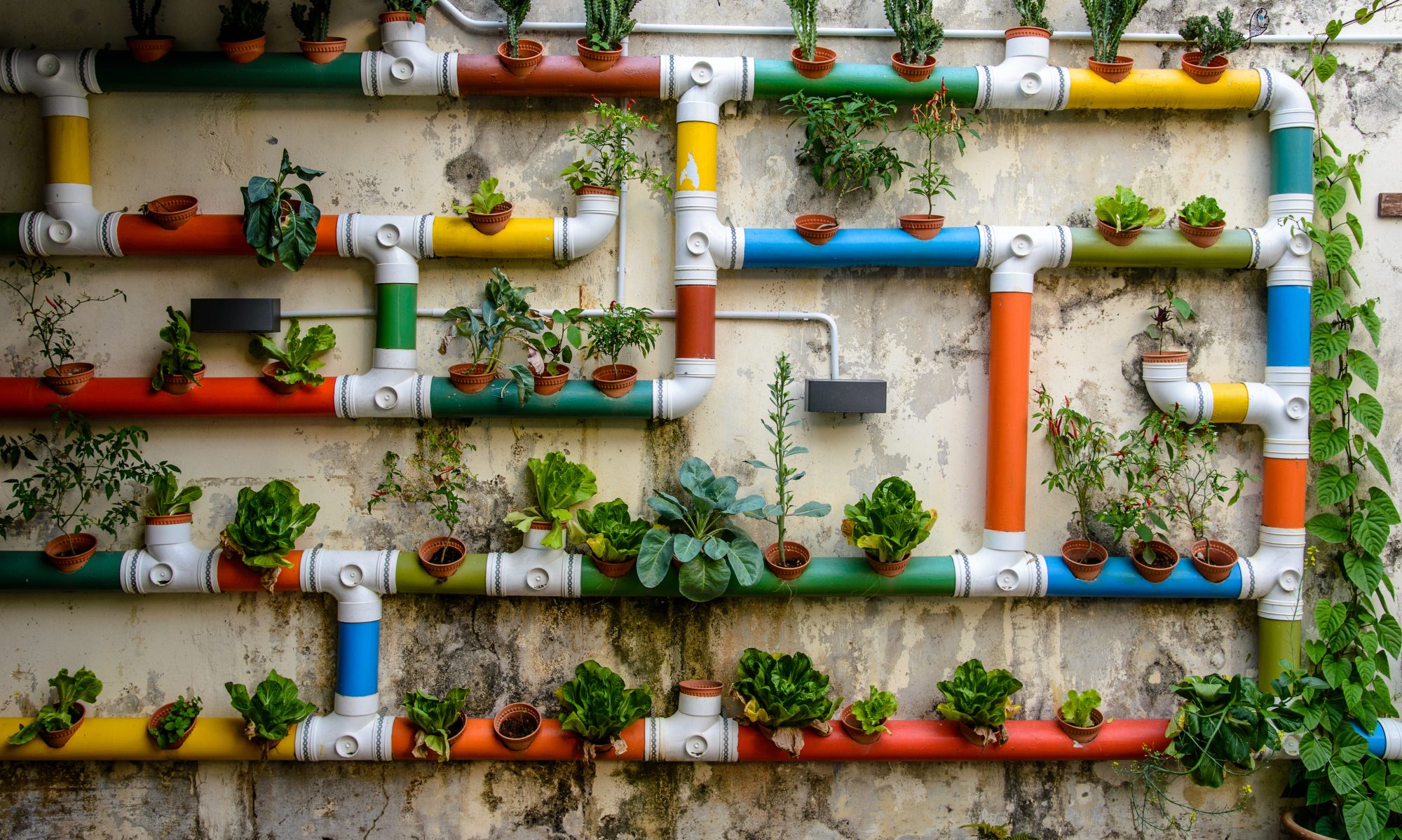
The weather is starting to finally brighten up in NYC, enough for me to start my seeds, but I won’t be doing any fire escape gardening this year because I am moving across the country to Los Angeles.

By no means does this mean that I am going to stop gardening. It just means that I won’t be gardening on a fire escape. I’ll be trading it in for a balcony.

I’ve proven it possible to grow your own organic produce on a fire escape in NYC. Now I’ll show that you can do the same on a balcony in Los Angeles.

Growing my own food has become part of who I am and what I do. No matter where I am, I’ll find a way to grow. Whether that location is NYC, LA or wherever I may wind up next. Growing your own food is possible anywhere.

The weather in LA will enable me to grow more and do it year round. It’ll be a whole new learning experience and challenge, but one that I’ll embrace. I’ll take the knowledge and memories that I gained from the fire escape, including the gardening mistakes that I made, and continue to expand my knowledge.

Fire escape or not, I’ll be growing my own food and hopefully continue to inspire people to do the same. It’s possible no matter where you are.

httpv://www.youtube.com/watch?v=2vuB2Q_glGk

Five Gardening Mistakes I’ve Made

Since I’m still new to this gardening thing, I’ve made plenty of mistakes in my first year. I’ve also had many successes as well, with the most memorable being my first lettuce harvest.

For this post, I’d like to share the Top Five Gardening Mistakes that I’ve Made. Life ain’t perfect and neither are my gardens. I know hard to believe.

I’ve made these mistakes, learned from them and have become better at gardening (and life) because of it.

  1. Putting too many food scraps in the compost bin. This was one of my first mistakes and happened before I even planted my garden. Luckily, it wasn’t a tell-tale sign of things to come and easily rectified. Though the smell in my apartment was absolutely horrendous for a few days.
  2. Upside down herb gardening. When I first started this, it seemed like a great idea and looked cool as hell too. The first time around, they all died in less than a month. So I tried again with the same results – dead herbs. Then I realized I should turn grow the herbs out of the top, not the bottom…duh.
  3. Planting cherry tomatoes on my fire escape. It was great that I was able to get fresh, ripe tomatoes from my fire escape, but the plant grew to be way too large for my fire escape. I definitely won’t grow it again in such a small space.
  4. Plant fewer or single plants in each container. The celery plant that grew alone in a container was more than double the size of the ones that were packed together. Also I had combined herbs into containers, which stunted the growth of some of them. It was just a case of me being greedy and trying to plant as much as I could.
  5. Worm composting. I went through not one, not two, but three sets of worms that I killed. What can I say? I’m a worm serial killer. They were literally dying to get away from me. It was a major fail.

These are only five of the mistakes that I’ve made while gardening this first time around. There were plenty more and there will be plenty more to come. None of which will stop me from continuing to garden.

What are some gardening mistakes that you’ve made?

Taking Back Our Food From Corporations

Day 28: Harvested My Own Vegetables
Not sure if it’s me or the crowd that I keep, but it seems like a food revolution has started. People are starting to take food back from corporations.

This is one of the reasons that I started to garden. I wanted to get back in touch with my food. I feel that America has lost its connection with food for business and corporate reasons.

The fact that gardening on my fire escape allows me to harvest my meals so that I can trace my produce from fire escape to table still amazes me.

There are no words that can explain the joy that goes into growing, harvesting and eating your own produce. Food is the fuel that energizes and nourishes our bodies. Somehow we’ve given that responsibility to someone else.

By starting to garden, I’m taking that responsibility on myself. Being in an urban environment hasn’t stopped me and it hasn’t seemed to stop others as well. Urban gardens and farms are in the news more and more lately.

Stacey Murphy founded BK Farmyards as a decentralized urban farming network in Brooklyn.

BK Farmyards puts the farmers in consumers back in touch, cutting out the middle man. They help to transform people’s backyards into farms. The residents pay for the farmers to tend to the land and make it bountiful and get to keep some of the produce. Those without land to farm on can pay for the produce that is harvested in their neighbors yards.

New York isn’t the only urban area that is getting into the gardening and farming. In South Florida there are lots of gardens and farms starting to pop-up.

The reason that they are starting is the same – people are looking for more locally grown produce that they grew on their own.

Mid-westerners factor urban farming and gardening into their plans for revitalization. Parts of western Pennsylvania and eastern Ohio have already started to move forward.

Grow Pittsburgh has the vision of, “Grow Pittsburgh envisions the day when growing and eating healthy, local food is commonplace. ”

Similar programs have started in Youngstown and Cleveland, Ohio with Akron not too far behind in the urban farming and gardening space.

The food revolution has begun. Are you on board?

Getting Into and Out of My Fire Escape Garden

I’m sure that most of you think that having a fire escape garden is easy. Well it aint’s.

You already know that my fire escape garden is out of my roommate’s room.

There is a radiator that is in front of the window that the fire escape is out of. On the radiator is a bunch of stuff that I need to take off each time I want to go out. Then I have to open the gate and the window, which doesn’t freely open.

Once the window is open, I can get out onto the fire escape. Not that simple though. The radiator is mad shaky, which makes it difficult to use as a stepping stool. There is also about a foot or so of window ledge that I need to clear as well.

On the way out of the fire escape, it’s just as difficult again because of the shaky radiator.

Contrary to popular belief, fire escape gardening is much more dangerous than you think it would be and that’s just getting to and from the garden.

Check out this video to see what I’m talking about.

httpv://www.youtube.com/watch?v=_xrbAHDAwo0

Ordering Vegetable Seeds For The First Time

When I asked for help buying vegetable seeds, I got all kinds of advice and suggestions, which are much appreciated.

Spinach, chard and all sorts of greens were the most recommended. I don’t really eat that many starchy veggies like carrots and beets, so didn’t want to get those for my fire escape garden.

Since I only have three containers for veggies and the hanging soda bottle planters, I really wanted to maximize the space for productivity.

I decided to do all greens and lettuces in the containers and ordered some herbs for the hanging planters. I decided against growing cucumbers and tomatoes because they just get too large for the fire escape and there isn’t enough sunlight for the peppers.

This first round of seeds: Here is what I ordered from www.SeedsNow.com:

I’m also going to have to order some seeds for my backyard vegetable garden.

What do you think of the selection for my fire escape?

My Fire Escape Garden and the Fire Code

The complaint that I often hear about my fire escape garden is that it is a fire hazard and that I’m putting lives at risk.

I do respect the fact that it is a fire escape and a means for people to evacuate the building in case of an emergency. This is something that I take seriously because on January 29, 2003, my apartment burned down.

This is just one reason why I make sure that there is a clear foot path for people to walk and that the hand rails are available to use.

Screenshot 2014-04-10 17.40.00Technically, my garden violates the fire code because I am storing items on it. I also break the law daily when I j-walk. I’m not trying to be a smart ass, but it’s one of those laws that’s not always enforced.
The landing space of the fire escape is about 2’x3′ with the containers taking up about 8″. That leaves 16″ of foot space, which is plenty of room for someone to safely walk.

The one potential hazard was the cherry tomato plant, which wasn’t a small plant. I won’t be growing that on the fire escape in the future.

With all of that being said, I do maintain the integrity of the fire escape while using the available space to grow fresh organic vegetables.

What do you think about my fire escape garden?

My Fire Escape Garden Isn’t Outside Of My Room

One misconception about my fire escape garden is that it is outside of the window in my room. Well, it’s not.

The fire escape is actually outside of my roommate’s window. So I have to go through his room to get to it.

One of the windows in my room is where I initially planned to garden. I even built a window garden, but it gets absolutely no sunlight.

Having the fire escape outside of his window puts me at his mercy for taking care of the garden. If he sleeps in late or goes to bed early, I can’t tend to it. I also have to be extra cautious when bringing things to and from the garden, especially compost.

Having the garden out of his window is also one of the reasons that during the winter months, I couldn’t take the containers in and out during the night.

This is what I go through for my fire escape garden.

httpv://www.youtube.com/watch?v=gtbIF80duZM

Help Buying Vegetable Seeds For The First Time

The kind people at SeedsNow.com have contacted me and offered to help me out with some seed packets to get my garden started.

I’ve never started from seed before and I like experimentation (with growing vegetables that is). My plan is to continue the fire escape gardening, backyard vegetable gardening and potentially expand that to the garden beds.

I’m leaning towards some of their Seed Banks.  What would you recommend me getting or would like to see me experiment with?

Troubleshooting My Worm Composting Problems

It’s time for me to troubleshoot my worm composting problems again.

After starting my worm composting bin in my kitchen, they died when I made a composting mistake and drowned them out. This time I kept the bin too dry and the worms died.

I brought the container into the worm lady at the Lower East Side Ecology Center in the Union Square Farmers Market. I wanted to see if the bin was the issue.

She looked over the bin and said that it looked fine. Her recommendation was to fill up the bin about 3/4 of the way full with shredded newspaper bedding and to gently rinse it with water until they are moist, but not dripping wet.

After I wetting the bedding (get it wetting the bedding?), she told me to dump the worms on top and let them sit out in the light for a few minutes until they dug themselves into the bedding.

When they dug themselves into the bedding, I was to put some food scraps in the bin for them and continually add throughout the week. She also recommended to sprinkle coffee grinds or to put tea bags into the bin to keep up the moisture, but not too much. I learned that lesson already. If you don’t have either, you can use a spray bottle to mist the bedding.

This is my third time with the worms. Any additional advice for me? What else might I be doing wrong?

httpv://www.youtube.com/watch?v=PtOWyt3Zjpc

Breaking Down and Composting My Fire Escape Garden

Since my fire escape garden died after the snow storm in December, I needed to break it down.

Breaking these down were definitely easier than breaking down the ones at my Grandmother’s.

Yes these froze up as well, but I was able to bring them indoors to defrost for a day.

Some of the dead plants that were above the soil line weren’t completely frozen. I was able to trim those off and toss into my indoor aerobic compost bin.

The rest I had to wait to defrost. I put them in my room next to the heater. For those of you that have never been in an NYC apartment, the heat is controlled by the building and is blasted. It’s 20 degrees out and I still have my windows open.

Needless to say, the next morning they were defrosted. I piled on a layer of the potting soil onto the plant trimmings, followed by a layer of blended food scraps and coffee grinds.

I then layered on another big layer of soil to help balance out the greens. The lesson that I learned back in May still sticks with me – don’t put too many food scraps into your compost pile. That smell was horrific.

To make doubly sure I put a layer of shredded newspaper on the pile as well. It’s now all covered up and sitting in my kitchen.

I also kept a container of soil to use and put on the compost pile as needed. The excess and muddy soil I brought to my community compost center.

This was my final step in finishing up my first season of fire escape gardening.

I’ll have to look back at my success and failures and start to get ready for the spring plantings.
httpv://www.youtube.com/watch?v=-iUYIUOPZgU

My Winter Container Gardening Ended In December

My fire escape container garden did not make it through the first big snowfall of the season.

Once the snow cleared up a little, and I was able to check things out. The small plastic greenhouse was sunken in because of the snow. When I took the cover off, the red peppers and kales were dead. Luckily I was able to get one last harvest out of the kale a few weeks back.

Unfortunately, I hesitated on the cherry tomatoes and they died.

The tops of the miniature greenhouses were nearly all blown off and one of the hanging soda bottle planters looked like it was growing snow.

Now that everything is done I’ll be able to look back on my first season of gardening and see all of the lessons that I learned. I’ll have to clear off the fire escape and get ready for the spring.

What advice do you have for me for the 2010 season?

httpv://www.youtube.com/watch?v=ZuQSrM74L0g

My Favorite UrbanOrganicGardener Moments of 2009

With this being my last post of the year, I wanted to share with you my favorite moments from UrbanOrganicGardener.

This might seem a bit self-serving, but when I first set out and started this project my goal was to get just one salad. It’s turned into a bit more than that. I’ve been able to get that salad (and many more), but I’ve also been able to connect personally with many of you and that’s really been the best part.

So I’ll close out this year with some of my faves:

Like I said my goal was to get one salad, so when I harvested veggies from my fire escape for the first time is up there for me.

Not only harvesting the salad, but eating the salad ranks high up there as well. The fact that I was able to trace my produce from fire escape to bowl was a bit overwhelming for me. Just check out the video in the post.

A few months into the blog, I started to receive emails from readers about starting their own gardens after seeing what I did.

Mariann in Arizona was the first to send me a note. She was hesitant at first and had lots of questions. The best part about her garden was that it was a way for her and her teenage son to bond.

A few months later her garden was doing well. She was able to harvest lots of basil and her cucumber and tomatoes were starting to fruit and blossom.

Annie also hit me up to tell me that she started her own urban garden in Washington, DC. She used some soda bottles, planted and hung them in her backyard.

Earlier in the month, I was on the left coast and did an urban gardening workshop with a kindergarten class in Sherman Oaks, CA.

I got to work with the kids and parents to get the class set up with their very own Urban-Kinder Garden. The first day was spent with the parents setting up the self-watering containers and talking to them about the importance of growing your own food.

On the second day, I worked with the parents and the students to set the garden up and start their own worm composting bin. This event was definitely one of the highlights for me of the whole experience – getting to work with the kids. Mad fun.

Without all of you none of this would have been possible. I sincerely thank all of you and look forward to learning more and keeping this journey going in 2010.

What were your favorite UrbanOrganicGardener moments of 2009?

Harvesting Kale From My Fire Escape

The kale has been doing well on my fire escape garden. With the weather dropping into the 20s, I decided it was time to harvest and eat it because that’s what it’s there for.

In harvesting my lettuce, I learned that you should pick the outer most leaves. Otherwise the plant will bolt. Personally, I don’t want it to bolt and want it to keep producing more food for me.

After I picked me some kale salad for lunch, I put the small plastic greenhouse back over it. The question that I have no is will it continue to grow in this 20 degree temperature?

httpv://www.youtube.com/watch?v=6OJImG8RZ_M

Did Urinating On My Tomatoes Help Them?

Here we are three months after I urinated on my tomato plants. If you recall, I did this because it’s supposed to make them grow larger. Did it work?

It’s hard to say, but the plant is still fruiting and blossoming. So they didn’t necessarily grow larger, but it could’ve helped to extend their lives.

Can that be attributed to my magical urine? I’m not really sure because I think that started to tinkle on them too late in the season. There are a million and five factors that effect the health of the plant like remembering to feed them, planting them at the right time and keeping certain ones out of the cold. It makes it difficult to isolate a specific incident.

With that being said, I’ll start to relieve myself on my tomato plant earlier in the season next year. I’ll also be bottling up my urine for those of you who would like to purchase it.

The more pressing issue at the time is the fruit that’s on the tomato vines. Some are light red and some are green. I’d like for them to vine ripen, but the weather is supposed to drop into the 20s. What do you think I should do? Pick them? Or leave them?

httpv://www.youtube.com/watch?v=LiiANuKpwq4

Kale is Thriving in the Cold Weather

This is the first check in of my fire escape garden since returning from my Urban Kinder-Garden Workshop in Los Angeles.

The weather has dropped into the 40s here and 30s at night, but the kale plants are thriving in this cold weather. Once I removed the small plastic greenhouse from them, they still look healthy and to be growing.

The container with the red peppers in it didn’t look as well. I think it might be on it’s way out. I was able to pick one small pepper from it, but the leaves were looking all kinds of wilted. Going to leave it up to see how much longer it’ll last though.

A few weeks ago, I did some housecleaning on my fire escape by removing some of the hanging soda bottle planters.

This week I removed about four more – a kale, mint and two lettuces because they were on their way out.

The good thing is that the kale is doing well in the cold weather. I’m not sure if it’s because of the greenhouse or if it naturally does well in the cold or a combination of both.

What do you think? Whatever the answer is, it’s December and I gots some kale on my fire escape.

httpv://www.youtube.com/watch?v=MojwRNZEYyM

December Gardening Is Upon Us

Before I left for my Urban Kinder-Garden Workshop in Los Angeles, I scrapped the small plastic greenhouses in my backyard vegetable garden.

Now that I’m back, December gardening is upon us. So far the garden is holding up better than I thought it would. This proves that the self-watering containers are pretty low maintenance because I didn’t check on them in two weeks and everything didn’t die.

Here’s a quick summary of how the plants are holding up.

The kale plants are looking good and don’t show signs of slowing down.

I already know that I should’ve left the celery plant alone after I harvested it.

The red pepper plants have fruit, but the leaves are wilting, so I’m guessing that it’s on it’s way out.

Both of the spinach plants are showing signs of dying. Not sure if it’s because of the weather or because of lack of nutrition. The green malabar stem snapped due to the wind. I likely should’ve had better support for it.

The cucumber plant is definitely dead and has no chance at revival. At least I know to plant my cucumber earlier in the season.

The chives and nasturtium both seem to have been infested by slugs. I say that because of the way they look and because I saw some slugs in those containers before I left.

Much like everything else in this experience, it’s a first for me. The weather hasn’t dropped too low yet (40s at night), but it’s expected to over drop into the 30s over the next week.

Due to my bad planning in the backyard with the greenhouses, I’m going to start taking down the containers that are totally dead. Then I’ll look back and do more thorough evaluations on what went right and wrong.

What are your December gardening plans?

httpv://www.youtube.com/watch?v=PV-I48Y8HbY