 GMOs are feeding the world…
GMOs are destroying our health and environment.
With all of the conflicting information out there about GMOs, it’s hard to understand.
That’s why I am going to break down the basics of GMOs for you and tell you why you should care.
What are GMOs?
GMO stands for Genetically Modified Organism and is most often referred to when it comes to our food.
The DNA from other plants, viruses, animals and bacteria are injected into the cells of existing species. This is supposed to make them more resistant to the rain, drought, pests, etc. Up until this point, these viruses and bacteria have never been a part of the human food supply.
More information on what GMOs are
- 3 sources to buy your non-gmo vegetable seeds: Where to Buy Vegetable Seeds
- The Good Human: What Are GMOs and Why You Should Avoid Them
- NonGMOProject: About GMOs
This sounds great. What’s so bad about them?
At face value this might sound great, but there are risks that are involved in such technology. GMOs have not been proven safe and have significant restrictions or outright banned in over 30 countries across the globe.
They are widely grown and used in the food supply in the United States and there is no way for us to know. GMOs should be labeled, so we can make decisions for ourselves. Whether they are good or bad is a moot point. It’s a right to know issue.
I’ll say it again —
It’s not about if GMOs are good or bad. It’s about our right to know what we are eating. — Tweet This
More information on the effects of GMOs
- RodaleNews: Genetically Engineered Food Gets Doused With Extra Chemicals
- GMO Journal: 6 Reasons to Avoid GMOs
- Organic Consumer Association: Unintended GMO Health Risk
Who produces GMOs?
The company that is responsible for producing most of the GMOs is Monsanto. This is the same company that produced Agent Orange during the Vietnam War. They are a chemical company and now they are producing our food. To me that’s reason enough not to trust their “food.”
Monsanto has been able to patent their GMO seeds, so they own the seed. They also have an exclusive deal with Scotts Miracle-Gro who sells Round-Up.
Now there is a company that owns and sells a seed that is resistant to a spray that they profit off of also. Monsanto makes money off the consumer on both ends.
The fact that a company can own a seed and have that much control over our food supply is a scary thought. Monsanto currently owns about 90% of the seed supply out there. That means they control distribution, costs, etc. Scary.
More information on Monsanto
- OrganicLifestyleMagazine: Monsanto Company Profile
- GreenCartoon: Monsanto Made WMDs I Bet They Make Healthy Food
- Free online documentaries about Monsanto
The World According to Monsanto
httpv://www.youtube.com/watch?v=Rml_k005tsU
The Future of Food
httpv://www.youtube.com/watch?v=EnD-DiDRIJA
If GMOs aren’t considered safe, why would government allow them in our food system?
“The Federal Food, Drug, and Cosmetic Act requires the FDA to prevent consumer deception by clarifying that a food label is misleading if it omits significant, “material” information,” said Naomi Starkman founder of Civil Eats and contributor to the Just Label It campaign.
“In 1992 however, the FDA issued a policy statement that defined “material” by the ability to be sensed by taste, smell, or other senses.
The FDA determined that GE Foods were “substantially equivalent” to conventionally produced foods, so there was no material difference – and no labeling was required. After almost 20 years, this policy is still in effect today.”
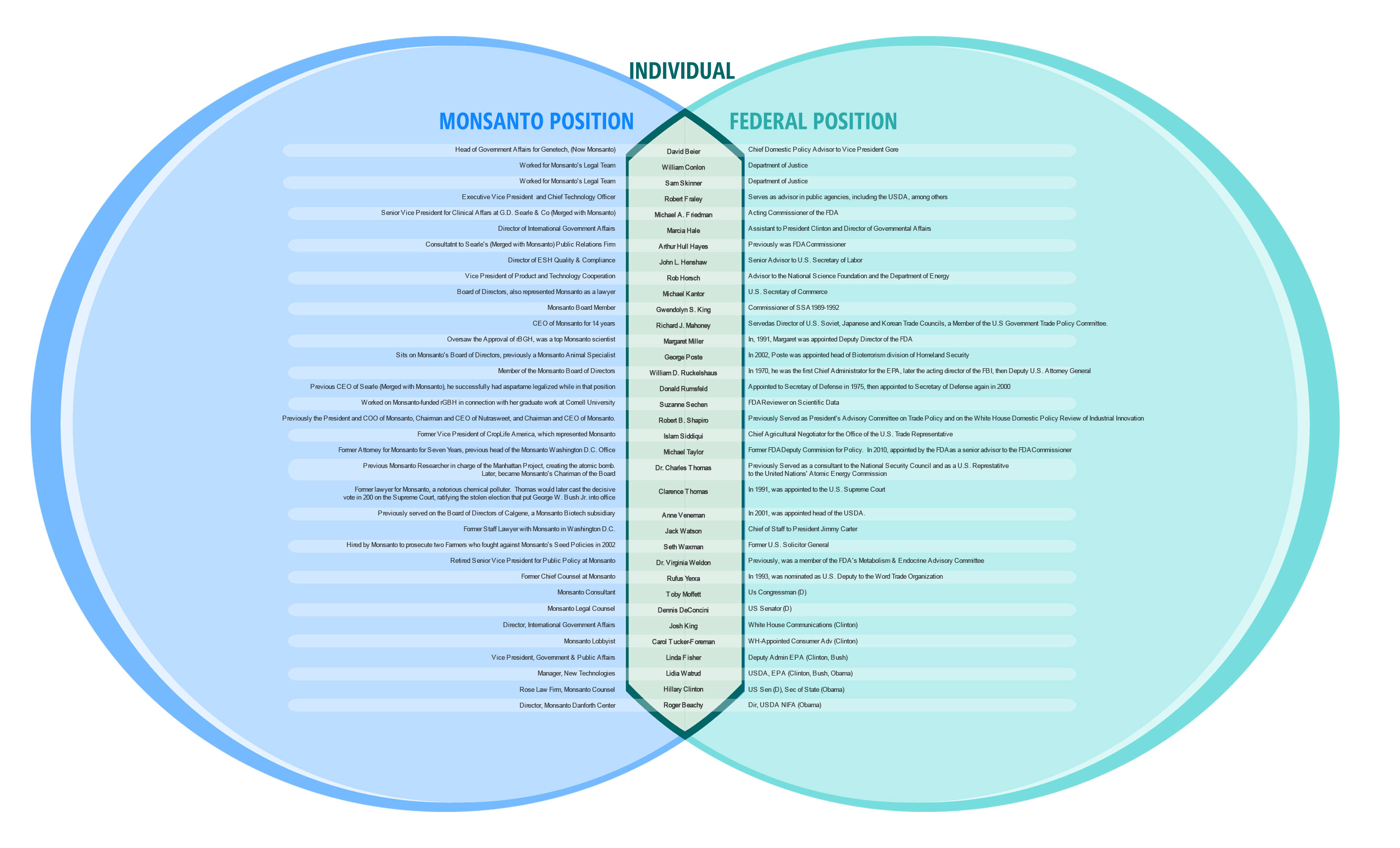
If you also look closely at who holds federal positions, you will notice that many of them have held positions with Monsanto as well. Click the image below to get the full picture of the connections between Monsanto and Federal Positions.
What are the most common GMOs?
According to the Just Label It campaign:
- 59% of sugar produced in the US is made from sugar beets and 90% of the beets are genetically engineered
- Over 90% of canola oil is genetically engineered
- 90% of the cotton planted in the US is genetically modified
- 94% of all soybeans planted in the US are genetically modified
- 88% of US Corn is genetically modified
Your turn
Now on to the most important part…what you can do.
- “If you are looking to avoid GE foods, your best options are to buy USDA certified organic, as the USDA organic standards prohibit the use of GMOs,” said Starkman. “Look for Non-GMO Project Verified goods, and to buy unprocessed foods such as fruits, vegetables because few whole foods are genetically engineered.”
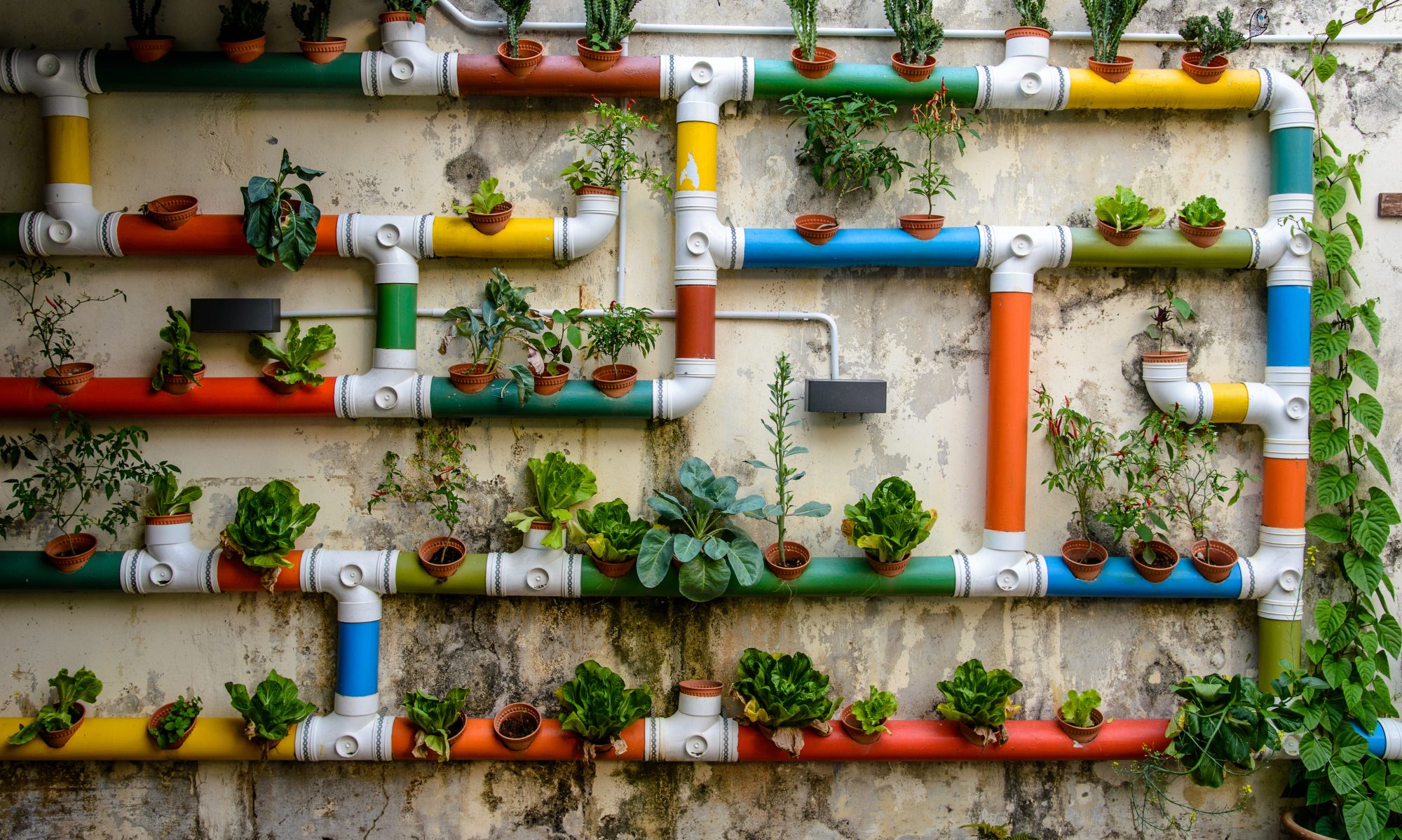
- Start your own urban garden using non-gmo seeds.
- Sign the petition at JustLabelIt.org to let the FDA know that you want GMO foods labeled as such.
- Use the buttons below to share this post with friends and family to let them know about GMOs.
 How can that title not grab your attention?
 You know
 Michelle Moore
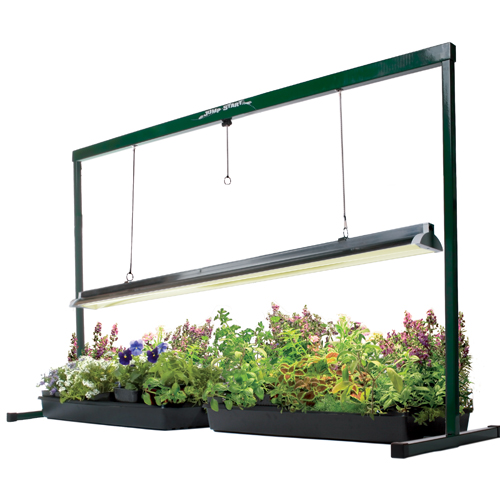 Provide the red spectrum as well to encourage blooming.
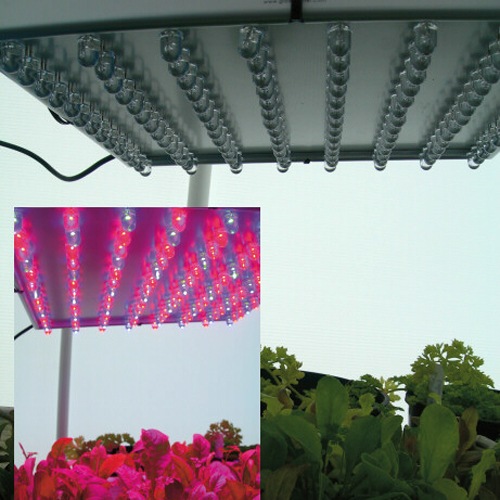 The newest type of grow lights use LED technology.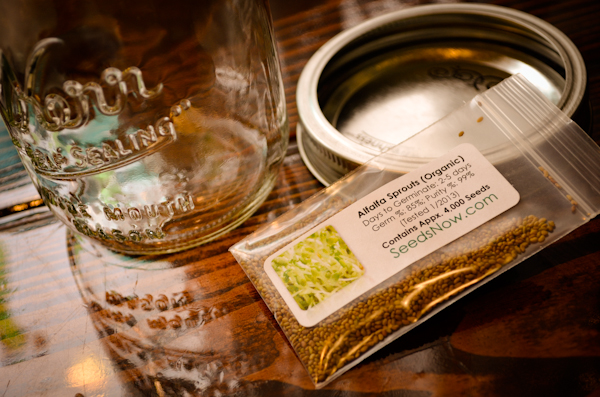
 Today I am going to show you the easiest way that you can start to grow your own food.
 Do you have problems watering your seeds?
 Mint is a commonly grown herb in
  Which herbs should you start from seeds?
 Deciding what to grow is an important decision.
 What can I grow?
 When you live in an apartment your space is limited.
 I’m going to be moving in the next couple of weeks.
 The strangest posts wind up causing some controversy.
 Winter is the time of year when many raising red worms will find it difficult.
 Some believe that one of the best investments to currently make is in an