
How You Can Make Gardening Cheap

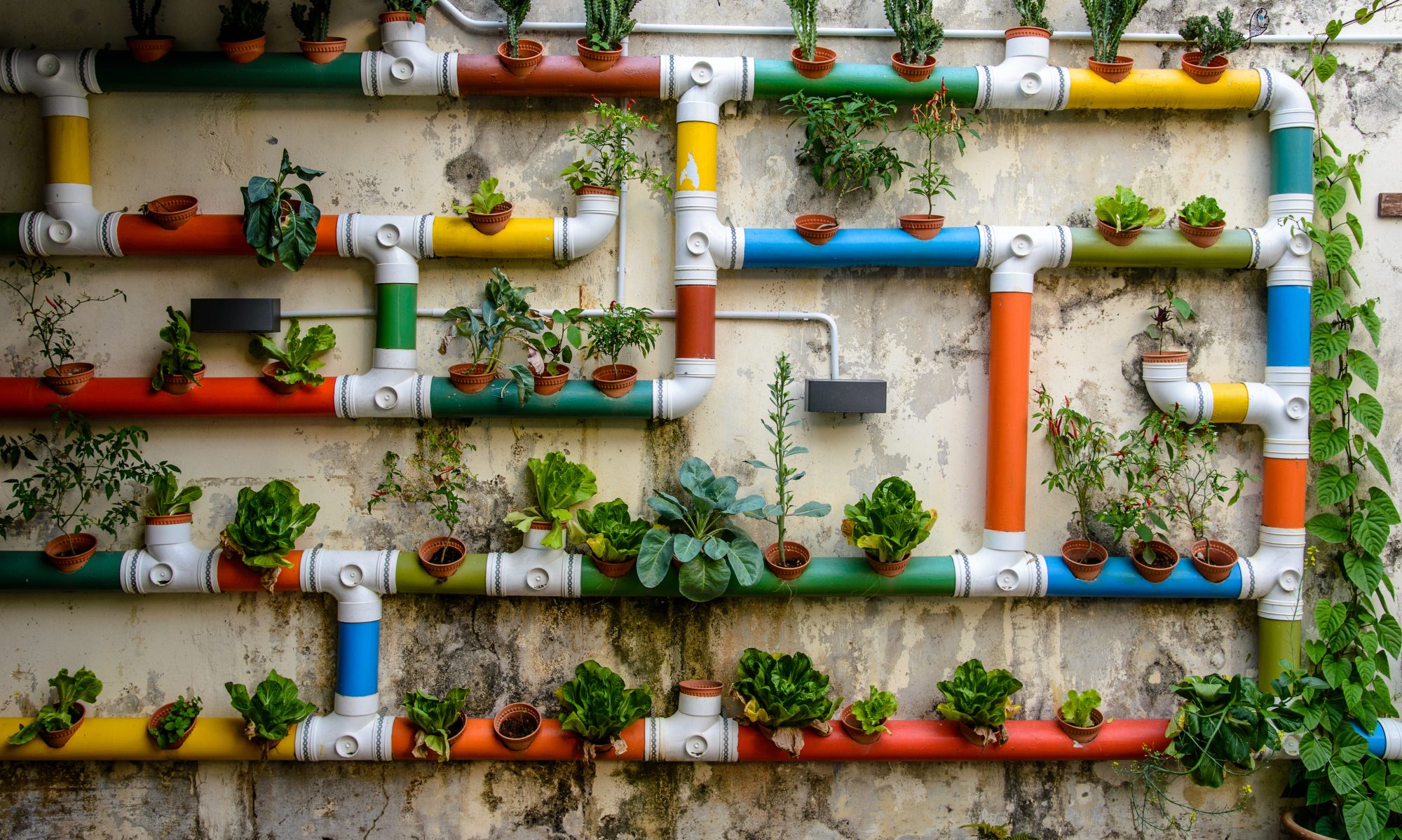
One of the reasons that people won’t start growing their own food is that they say that it is too expensive. There are free and cheap resources out there, you just need to seek them out. Here are some ways that you can make gardening cheap, so that you can start to grow your own food.

  • Local Department of Sanitation or Office County Extension They usually have free events or programs throughout the year where you can get free resources such as compost or mulch. This past weekend, I attended an open house held by LA’s Bureau of Sanitation where I walked away with bags of free compost, mulch and a tomato plant.

    During the week, at nine different locations, you can get free mulch and compost (at certain locations) at . All you need to do is bring your own shovel and container.

    Most cities usually offer compost bins at a discount to their residents as well.

  • 5-Gallon Containers Check your farmers markets, delis and restaurants. Most will gladly give them to you because they are just going to throw them away. If not, offer up a dollar or two. These are great to make self-watering containers with.
  • Soda Bottles Unfortunately soda bottles are everywhere. If you don’t drink soda, then check your local recycling bin or ask friends and family to save them for you. You can use them to make hanging soda bottle planters or self-watering containers made out of a soda bottle.
  • Coconut Shells If you buy coconuts, then save the shell and you can plant shallow rooted herbs and veggies in them like lettuce.
  • Horse Manure Call up any local horse stables or riding academies to see if they have any horse manure that you can take off their hands. Most usually do and will give it away for free or for a small cost. It makes a great addition to compost.
  • Cafes and Coffee Shops Hit up your local cafe or coffee shop and ask them for their coffee grinds. Most keep them on hand to give out to local gardeners. The grinds works great as a fertilizer and help to feed the plants. They also make a great addition to your compost.
  • Beaches The next time you are at the beach make sure to bring some sand and seaweed home with you. If you are having drainage issues, the sand will help with that. The seaweed will really help to mineralize certain plants.
  • Free Tomato Seeds WinterSown.org offers 6 packets of free tomato seeds when you send them a self-addressed stamped envelope.

These are just a few ways that you can make gardening cheap. Nearly all of these resources are readily available to you, you just might have to inquire a bit and seek some of them out. Lemme know if I can help you to find them in your area.

What are some other great local resources that can help to make your gardening cheap?

httpv://www.youtube.com/watch?v=yleqMj1WouU
Using Worm Leachate In The Garden

I’m using the worm leachate that was produced by the Worm Factory 360 in my garden. The leachate was mixed up with 3 parts water and put into a spray bottle and the plants were sprayed down.

Since my kale leaves are yellowing, aphids have infested my purple kale and cabbage worms wiped out the oak greens, I’m hoping that this will help to help both fertilize the plants and to keep the the insects away.

The leachate is produced by all of the excess moisture that the worm bin has been drained out of the worm bin. This is different than compost tea, which is made from brewing up finished compost with water.

I’ve heard that leachate isn’t as desirable to use in your garden as worm tea because some of the matter in it might not be fully broken down and in a toxic state. I know I’m crazy and still decided to give it a try and sprayed some on my plants. What’s the worst that’s going to happen?

httpv://www.youtube.com/watch?v=5p_dV1qwOX0

What Causes Yellow Kale Leaves

I haven’t had the best of luck on my balcony garden. The oak greens were wiped out by cabbage worms and the purple kale had an aphid infestation.

Now the leaves on my kale containers are continuing to yellow. From what I’ve heard and read there a bunch of causes for the leaves of kale to yellow.

It could be a lack of nitrogen, so I added coffee grinds to help with the yellow leaves. That didn’t work.

I’ve also read that it could be because of poor drainage. I stopped watering them for a bit. That didn’t work.

Someone else said that it could be due to lack of watering. I watered more frequently. That didn’t work.

The most important thing is that kales are a decent size, so I am gonna harvest and eat them before the end of the week.

This is another reason that I don’t read many gardening books (except for “Grocery Gardening” ) and listen to the “experts” because there is no one right answer.

I’m sure there are a million other causes that people can think of for yellow kale leaves. What are they?

httpv://www.youtube.com/watch?v=DoQ06KH794c

Aphid Infestation Wiped Out My Purple Kale

A few weeks ago the cabbage worms killed the container that had the oak greens in them. This week an aphid infestation has wiped out the container with the purple kale.

The natural garden pest control worked well for a bit, but I couldn’t keep up with them. There were massive gray clumps of them on the plant each time I went out there.

When I had my fire escape garden in New York City, I had no insect problems at all. In the two months that I’ve had my balcony garden, the insects have already wiped out two containers.

I still refuse to use any kind of pesticides or nasty ass chemicals. What I’ll have to do is buy some netting and make row covers to keep the insects out.

Between killing all the seeds and two containers falling victims to insects, I’m not having the best of luck in LA so far, but I’m still gonna keep on growing.

httpv://www.youtube.com/watch?v=nr6PEl_KT90

“Grocery Gardening” Book Review

I’m not really into gardening books because in my opinion most are boring and don’t hold my interest. This made me a bit hesitant to read Grocery Gardening by Jean Ann Van Krevelen (@JeanAnnVK) since she is a friend of mine.

My beef with most gardening books is that they are usually written for people that are already into gardening and over the heads of people who are mildly interested. This book is written for someone who is curious about growing their own food or seeking out fresh locally grown sources.

You aren’t going to walk away from this book with detailed instructions of what to do, which is what I like about it. It doesn’t scare you away with all of the intricate details. Grocery Gardening provides high level information about planning, mulching, identifying pests in your garden and more.

Once you know what you’re interested in, you’ll have to seek more detailed information on it. My favorite part of the book, besides my fire escape garden being featured on page 20, is the breakdown of each edible.

For each herb and vegetable basic information is given on how to plant, grow, varieties of, seeking out the next best choices if you aren’t growing your own and how to preserve. Common pests and diseases for each herb and veggie are provided, which you can then reference back to the beginning of the book as to how to control.

Since it’s food that you’re growing, recipes are included to give you ideas of how to prepare the food once it’s been harvested.

If you are curious about growing your own food and looking for a book to read, Grocery Gardening is one that I’d recommend. It’s a simple read and will help to get you started on growing your own food.

httpv://www.youtube.com/watch?v=cg3U-a7WCCs

Self-Watering Container Made Out of a Soda Bottle

Here’s another creative gardening idea for those of you with limited space. It’s a self-watering container made out of a 2 liter soda bottle.

This self-watering container is made out of a soda bottle, an old t-shirt (or cotton string) and some newspaper. That’s it. Hard to get much cheaper than that. I had seen the idea on Instructables a while back and have been wanting to do it since.

These are just another option for you to start growing your own food besides the coconut shells, hanging soda bottle planters, cinder blocks and three other versions of self-watering containers. Any of these can fit your space regardless of how small your space is.

I’ve planted some basil seeds in mine. Now what’s your excuse for not starting to grow some of your own food? You don’t have to grow a lot. Just one plant will make a difference.

httpv://www.youtube.com/watch?v=P8obfQfu3mM

I’m Not Stopping Because Some Seeds Died

It hasn’t been a great week for my balcony garden. First the oak green leaf container was infested with little black eggs that I later learned was cabbage worm crap. Now my tomato seeds that were doing so well have all died.

I had each of them planted in a plastic strawberry container. Last weekend I went away from Friday to Sunday. When I left on Friday morning, the seeds were doing well. Three of the four seed starter pots were about 2-3 inches and had some leaves.

Before leaving, I watered them and decided to leave them outside. Upon my return, they were all dead. The next time I go away, I’m not sure if I should leave them inside or what to do. I’ll have to figga that out.

Fern from Life on the Balcony wrote a post that this reminded me of titled, “What Gardening Has Taught Me About Life.” Check it out, some great insight from Fern and by people who left comments.

What this has taught me is that I won’t let the setbacks in life stop me. I haven’t had the best of luck with seeds so far, but I’m learning and am now just one step closer to getting it right.

httpv://www.youtube.com/watch?v=o3HpJXvH0Lg

Little Black Eggs On My Plants

The green oak lettuce on my balcony garden has not been doing well at all. When checking out the containers the other day, I took a closer look at it and noticed little black egg looking things that were accumulated at the bottom of the leaves.

I have no clue what they are, but can only describe them as caviar looking. They didn’t budge when I poked the with a stick and there were dozens of them lining the leaves around the soil line. I have no clue what they are and if they eventually grow into anything.

My assumption is that these and the cabbage worms, which I had to pick one off as I was checking out the container, are the reasons for the plant dying.

To be safe, I’m going to dig up the plant and get rid of it. I won’t throw it into my compost. Not sure what I’ll do with the soil though.

What’s your thoughts on what the hell those things could be and what to do with the soil?

httpv://www.youtube.com/watch?v=Zv4_IAGaCPA

Reminder: You can enter to win a Spin Bin Compost Tumbler until Thursday, June 10, 2010 12am PST

Help Needed for the Backyard Gardening Project

I knew that in coming to LA that I would be able to have the balcony garden and was hoping to expand beyond container gardening into actual soil and land.

Luckily, I’ve been able to get access to a huge (at least it’s huge to me) amount of backyard space thanks to David, a friend of Anita. He has offered up his backyard in Reseda to start gardening and growing food in. David ain’t my Gram, but his backyard is definitely bigger than hers.

As of right now the space is completely overridden with weeds. When I checked it out, besides the weeds, it looked to be growing cinder blocks, soccer balls and dead animals. Not the best of growing conditions.

This will definitely be a huge undertaking of a project, especially for someone who hasn’t ever done anything like this before. That didn’t stop me when I first started my fire escape garden, but that was successful. It certainly ain’t gonna stop me now either.

I have the big picture of what the project is going to look like in my head, but there’s lots to be done to get to that point.

This entire project will be too much for me do entirely by myself. I’ll have David, Anita and Eugenie (David’s girlfriend) to help me out, but I’m also looking for people that are interested in getting involved.

It’ll be a great way to learn, meet new people, build community and grow some fresh organic produce. This will be some truly old school type isht. People getting together to grow food.

The details of what will be involved and what you’ll get (besides fresh organic produce) still needs to be worked out, but at this point I want to gauge who is interested.

If you or anyone you know is interested at this point, please fill out the form below, and I’ll contact you. More details on this to come.

httpv://www.youtube.com/watch?v=odzpdhG3sHg

How To Easily Make A Self-Watering Container

One of the best parts about making self-watering containers for your garden is that it’s cheap. Most of the supplies needed are either already laying around the house or you can easily get in your neighborhood.

The best part is that you can grow a ton of different herbs and vegetables in containers just like this.

Container Within A Container and No Pipe
httpv://www.youtube.com/watch?v=nHZ4CLEGh-I

Tools

  • Drill
  • 1/4″ bit
  • 3 1/2″ hole saw for metal and wood
  • 1 1/4″ hole saw for metal and wood

Materials:

  • 2 food grade 5 gallon containers – 1 for planting container and 1 for reservoir container
  • 1/2 deli container for wicking basket

Instructions On How to Make With 2 Containers and No Pipe

  • Use the 1/4″ drill bit to drill holes in the deli container.
  • Attach the 3 1/2″ hole saw attachment to the drill. Drill a hole in the bottom of the container. I’ve found drilling in a counter-clockwise direction to work best.
  • Reattach the 1/4″ drill bit and drill holes in the bottom of the planting container to allow for drainage.
  • Put the wicking basket in the middle of the reservoir container.
  • Place the planting container in the reservoir container aligning the wicking basket with the hole in the middle.
  • There will be a little space between the wicking basket and the planting container. You can duct tape the basket to the bottom of the container, but it’s not necessary.
  • Hold the containers up to the light. You should be able to see through the reservoir container where the planting container is. Using the 1 1/4″ hole saw, drill a hole 1/4″ in the reservoir container below where the planting container is.
  • This is the hole where you will water the plant from.
  • That’s it. You’re done!

Make Sure To Have A Container To Transplant Your Seeds

Yes it might sound obvious, but when you start your seeds make sure that you have a container to transplant them into. I didn’t and had a tray of dead seedlings. This could very well be one of the biggest gardening mistakes that I’ve made.

Last week the seedlings were slanting a bit. This week they are all dead.

A few of the pots were popped open and the roots appeared to be a bit compact causing their demise.

The toilet paper roll seed starter pots are so shallow and don’t allow for much root expansion. There is about 1/2″ of soil at most in each one.

This is not to say that these seed starter pots aren’t good to use. What I am saying is that if you are going to use them to make sure that you have containers or pots readily available to put them in or something larger to transplant them into before putting outdoors.

All is not lost. The dead seedlings were tossed into my worm composter and will eventually make their way back into my urban gardens.

Point your finger and laugh, but I’m sure you’ve made your own obvious mistakes in starting your seeds. Let’s hear them.

httpv://www.youtube.com/watch?v=vA91cqTZkdE

Natural Garden Pest Control Inspired By Mr. Miyagi

I had my first problems with garden insects a few weeks ago. I wound up wrestling cabbage worms and fighting aphids.

Since then, it got me thinking…What would Mr. Miyagi do when faced with cabbage worms and aphids?

It came to me. Mr. Miyagi would use natural garden pest control, so would I.

I’ve been using chopsticks to pick the cabbage worms off the purple kale and toss them off of my balcony garden. The damage that’s been done is pretty serious. They’ve managed to chew up most of the leaves. The kale is looking pretty weak and beaten up. On a good note, I haven’t seen cabbage worms in a few days.

For the aphids I thought, “Spray on. Spray off.” So I made a homemade organic aphid spray using Dr. Bronner’s soap. I’ve been spraying down the plants once a day with the soap, then spraying it off with some water afterwards.

That’s how Mr. Miyagi inspired for my natural garden pest control.

httpv://www.youtube.com/watch?v=M7Q3JM0aO9I

Yellow Plant Leaves: Use Coffee Grinds

The leaves around the base of my kale and lettuce plants are yellowing around the base. I’ve used coffee grinds as a fertilizer to help with this issue.

I think two of the main culprits causing the yellowing leaves could be lack of drainage for the soil or nutrients. I don’t think it’s drainage because there are plenty of drainage holes drilled at the bottom of the self-watering containers.

That leaves me with lack of nutrients as the reason. Coffee grinds are a simple and cheap way to provide the plant with the nutrition that it needs.

If you don’t have grinds around the house, go to your local cafe and ask them if you can have theirs. Most should gladly give them to you. If not, screw em and go to another.

I sprinkled some of the grinds around the base and soil. To make sure that the nutrients are absorbed, I poured (gray) water on top of them. If it was going to rain, I could’ve left the container out and let nature do it’s thing.

What are some other ways to help with yellowing leaves?

httpv://www.youtube.com/watch?v=1DSjc8CGqDc

Update on the Seed Experiment

It’s been a little over a week since I started the experiment with planting the same set of seeds indoors and outdoors to see which would do better.

There were two sets of four different kinds of seeds that were planted in toilet paper roll seed starter pots. They were leaf lettuce, basil, sunflowers and calendula.

At this point, the seeds that were started indoors are performing a million times better. A million times in the sense that they’ve actually sprouted as opposed to the ones outdoors that have nothing to show.

The weather outside has been in the high 60s at night and 50s during the evening. It possibly could’ve dipped down into the 40s.

The carrot and mesclun seeds that were planted outdoors in the containers are starting to show sprouts as well. There are some green carrot tops poking their way through the soil and same for the mesclun.

Mesclun Seeds. May 16, 2010. Carrot Seeds. May 16, 2010.

Yes, the indoor seeds have begun to sprout, but they are leaning and stretching towards the sunlight since they are sitting in an east facing window that only gets the morning sun. I am pretty sure that this should be a concern because they are leaning and looking stretched out.

I’m going to start putting them outdoors for a few hours a day to get them more in the direct sunlight to hopefully straighten them out some. I really don’t want to have to buy grow lights. What do you think?

httpv://www.youtube.com/watch?v=4amGwb9CcOg

Using Coconut Shells as a Planter

After you are done with your coconut, hollow it out out and use it to plant vegetables with shallow roots in them such as lettuces and other greens.

Much like the toilet paper roll seed starter pots, these are the great price of free.

    What you’ll need to get your coconut shell container made:

  • Coconut shell
  • Potting mix
  • Seeds
  • Spray bottle filled with water
  • Drill with 1/4″ bit
    How to make a coconut shell container:

  • Drill 2-3holes in the bottom of the shell. Drill from the inside of the shell.
  • Fill up with potting mix.
  • Dig a small 1/4″ deep hole in the middle of the soil and drop in your seeds.
  • Spray with some water and cover up with soil.
  • Spray down again and place in the sunlight.

[flickrset id=”72157623948778573″ thumbnail=”square” overlay=”true” size=”medium”]

httpv://www.youtube.com/watch?v=8W6F8V_Obxc

Wrestling a Cabbage Worm and Aphids

I was tending to the balcony garden, taking care of the self-watering containers and spraying down the seeds when I noticed a big bit hole taken out of a romaine lettuce leaf.

When I took a closer look at the leaves, I saw a little green critter on the back of a leaf. Pretty sure it was a cabbage worm that was going to town and munching on my stuff.

It took a few attempts to get him (of course it’s a him, right?) off of the plant. A knife was used to get him off the leaf and he fell into the container. I was having a bit of trouble getting him out of the container. Finally, I scooped him out with a piece of paper and tossed his ass off the balcony.

Then I noticed one chilling in the oak greens as well. I got rid of that one much quicker.

Once I got rid of those two little bastids, I was poking around for some signs of more. I noticed little whitish/green bugs on the romaine lettuce as well that I believe are aphids. I just used a water spray bottle to get rid of them.

[flickrset id=”72157623931604197″ thumbnail=”square” overlay=”true” size=”medium”]

Not sure if this is something that I should be more proactive about in preventing. I could just keep checking each morning and wrestling the worms or I could make a garlic or pepper spray to use on the plants to combat the pests.

What’s your thoughts on the best way to handle this? Check every morning? Garlic spray? Pepper spray?

httpv://www.youtube.com/watch?v=VZUotGCoCh0

Which Tomato Seeds To Start In A Small Space?

Now that I have some seeds directly sown and another seed experiment going on, I am trying to figure out which tomato seeds to start for my balcony garden.

I have 7 packets that I received for free from WinterSown.org. You just need to fill out the form, send them a SASE and they’ll send you free seeds. Nice.

I learned on my fire escape that just because they are cherry tomatoes doesn’t mean it’s going to be a small plant. I don’t want to have a tomato tree on the balcony, but would like to grow some tomatoes.

A plant that grows to be about three to four feet tall would be great. I know that there are determinate and indeterminate plants, but am not sure of the exact difference between the two. Help identifying which seeds to start for the balcony would be appreciated.

    I have the following seed packets:

  • Principe Borghese – determinate
  • Silvery fir tree – determinate
  • Old German – indeterminate
  • Pondersoa red – indeterminate
  • Giant Belgium – indeterminate
  • Costoluto Genovese – indeterminate
  • Red pear – indeterminate

My guess is that one of the determinate varieties would be best. It would also help if these people spoke in English and just said, “plant grows to approximately x feet tall.”

Which do you think I should start for the balcony garden?

httpv://www.youtube.com/watch?v=9dD9nHUIMng

Seed Starting Experiment

Last week I direct sowed carrots and mesclun lettuce into containers on my balcony garden. I’m not seeing anything coming up on them yet.

This week, I’m experimenting with starting seeds indoors and outdoors to see which light works better. I don’t have any self-watering containers to direct sow into, but I have seeds. So why not get some started?

For this test, I’m starting a leaf lettuce blend, basil and also some of the flower seeds that I’m going to grow – sunflower and calendula.

I made seed starter pots using toilet paper rolls. For each of the seeds, two were planted indoors by a window and the other two were planted on the balcony.

An old pie tin is being used to hold the pots indoors and the cover is serving as the greenhouse. For the outdoor seeds, a long strawberry box is being used to hold the toilet paper rolls and a cut-up ziploc bag as the greenhouse.

My apartment is east facing and gets about 4-6 hours of direct morning sunlight. It’s been in the 60-70s during the day and in the 50s at night.

Which do you think is going to work better the indoor or outdoor sets?

httpv://www.youtube.com/watch?v=676qYQOEuUs

Why To Use Two Containers When Making A Self-Watering Container

When I started my balcony garden this year, I changed up how I was making the self-watering containers. Last year I used vinyl tile to separate the reservoir from the plant and soil.

It worked well and served it’s purpose, but I learned my lesson when breaking them down. The containers froze up, and I had to wait three months until I was able to break them down.

As I was breaking them down, I noticed that the weight of some of the soil and plants was causing the tile to break. This caused the plants to become to wet and not allow them to drain.

That got me thinking about using two containers. They are called the reservoir and planting containers. The planting container holds the soil and plant. It has holes cut into the bottom for drainage, the pipe and the wicking basket. The reservoir container holds the wicking basket and the water.

One main difference in how the self-watering containers work is that you can easily remove the planting container from the reservoir container. This makes breaking them down a hell of a lot easier.

It also allows for better separation between the reservoir and the soil. All of the holes at the bottom of the planting container give the soil the chance to drain out any excess moisture and for the roots some more breathing room.

Using the vinyl tile definitely worked, but using two containers is much more sturdy and reliable design. Do you think using two containers is better than vinyl tiles?

httpv://www.youtube.com/watch?v=asjJbTCPo1g

Planting My First Seeds On The Balcony Garden

Two more self-watering containers were made and put out on the balcony garden. I started seeds in each of them.

After some discussion about if it was better to start seeds indoors or by direct sowing, I decided it was best to start the carrot and mesclun seeds by directly planting them into the containers.

When I started to plant the carrot seeds, I noticed that the package said, “Packaged for 2009.” It’s now mid 2010. I still planted the seeds and will see what happens.

The mesclun seeds were dated for 2010, so I’m not too concerned with them being ok to grow.

To plant the seeds, I used my finger nail and made some rows in the containers. Took some seeds, put them in the soil and spaced them out about 1/2 – 1″ apart.

I wasn’t about to get all crazy, picking individual seeds and measuring everything out to a tee. My goal is grow food. If it doesn’t grow perfectly, I’ll adjust along the way. This way I got seeds planted and am starting to grow food.

As for the rest of the garden, it’s been about two weeks since I first planted, and I am happy with the way that it’s coming along.

The two containers of kale have grown a noticeable amount, so have the purple kale and romaine lettuce. The oak green container doesn’t seem to have grown too much.

Now I have a total of seven self-watering containers on the balcony.

The next thing that I want to do is start some of the other seeds indoors, so when I make more containers I can transplant them.

As for the carrots seeds that were packaged in 2009, my Grandmother eats food with expiration dates from the 1990s. You think these seeds are gonna grow? What are your favorite seed stories?

httpv://www.youtube.com/watch?v=QrbQWnDdcpg