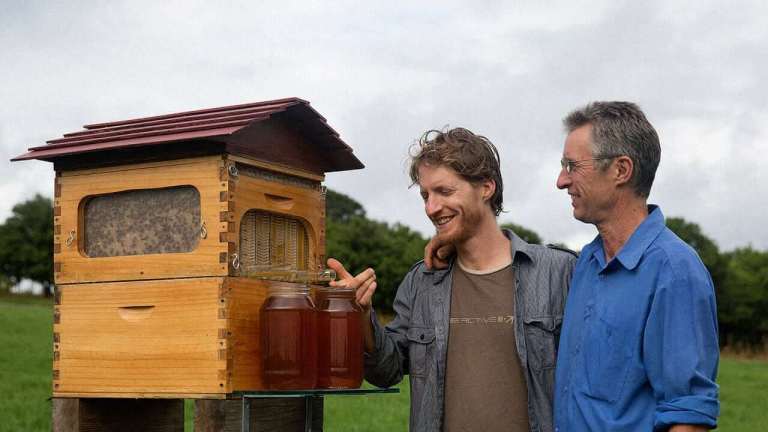
Father and Son Build 50,000 New Beehive Colonies Around the World

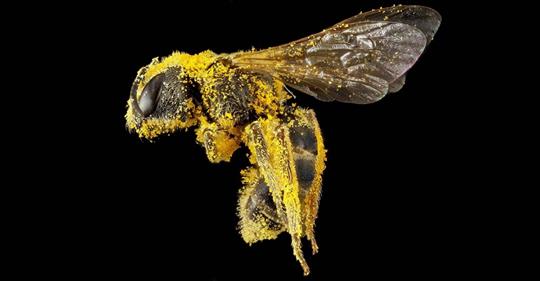
These two men have increased the global honeybee population by 10 percent with their invention – a hive that lets humans harvest honey without harming bees.

The “Flow Hive” is a man-made bee house, that bees can’t tell apart from their own hives, that allows the honey to flow out of it without harming bees.

In the past, bees were disturbed, crushed or made homeless by the invasive methods beekeepers used to harvest their honey.

Now, beekeepers can just turn on the tap and let the honey flow out.

READ THE FULL STORY: https://returntonow.net/2019/10/08/father-and-son-create-50000-new-honeybee-colonies-around-the-world/?fbclid=IwAR1_VL0eoVptoyu0JeUDJlNitN_NvR82E3Oy9akH8m9G0EFjtNlisnU1rB4
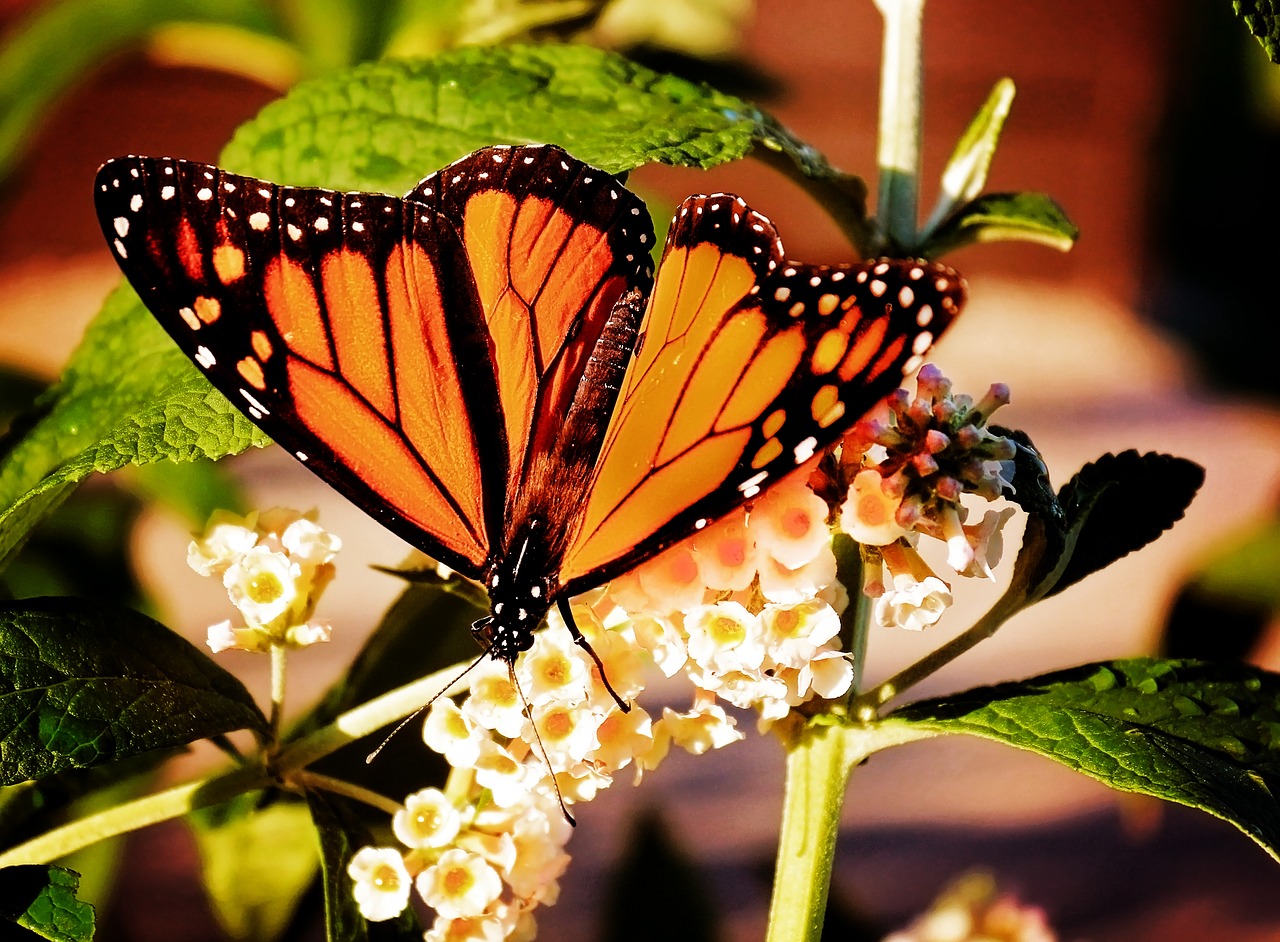
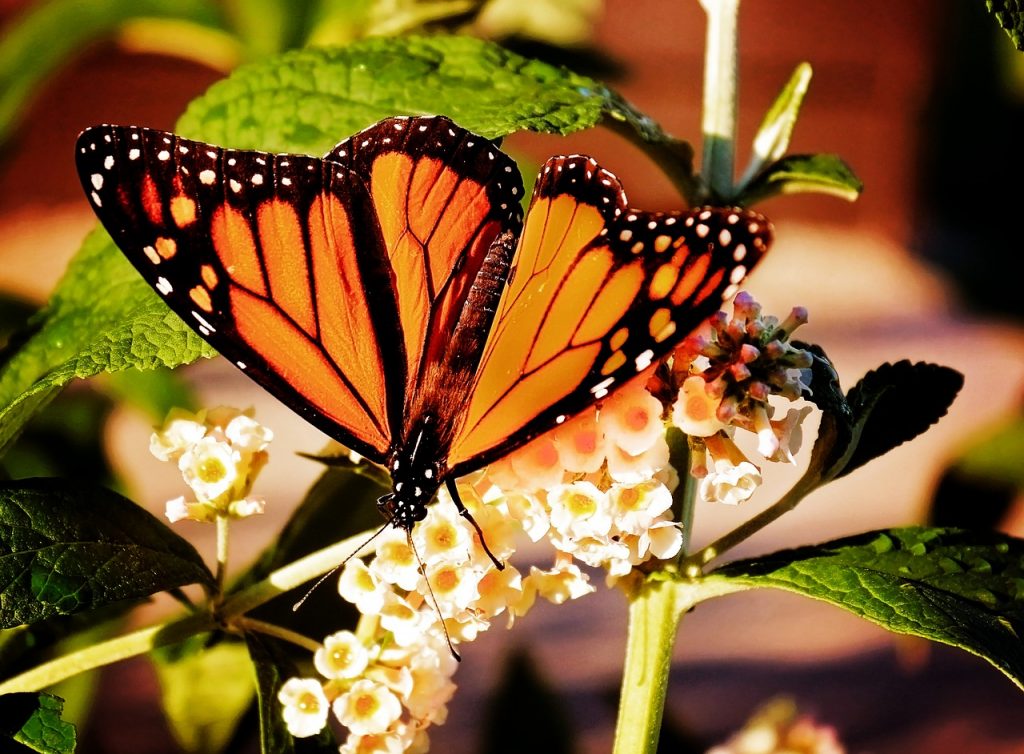
10 Amazing Facts About The Monarch Butterfly

Each fall, millions of monarch butterflies leave their summer breeding grounds in the northeastern U.S. and Canada and travel some 3,000 miles south to Mexico to escape the cold of winter—a migration that’s one of the greatest natural events on Earth.

How much do you know about the monarch butterfly? These 10 facts will amaze!

10 Amazing Facts About The Monarch Butterfly

  1. The adult female monarch butterfly lays tiny eggs covered with a sticky substance on the underside of milkweed leaves, which are extremely toxic. The caterpillar hatches from its egg several days later and survives on these milkweed leaves.
  2. The monarch caterpillar and adult butterfly retain the poison from the milkweed leaves in its body, thus protecting it from being eaten by predators.
  3. Every spring, adult monarch butterflies head north from their winter respite in the southern forests of Mexico and California, and return in the fall—a journey some 2,000-3,000-miles each way!
  4. The monarch butterfly will continue to feed, fly, and reproduce throughout the U.S. and southern Canada, for several generations. It is the fourth generation of monarch butterflies that actually migrate to Mexico in fall.

READ THE REST OF THE ARTICLE: https://www.farmersalmanac.com/monarch-butterfly-facts-32092?fbclid=IwAR0wdxLRkTL4IpbNMsgynMD-XBgDG_Y36hoX1BY3n8wc6UqTSnS_4ISowr4

The Bee Is Declared The Most Important Living Being On The Planet

Its sting hurts a lot, but if they were to disappear, it would hurt much more.
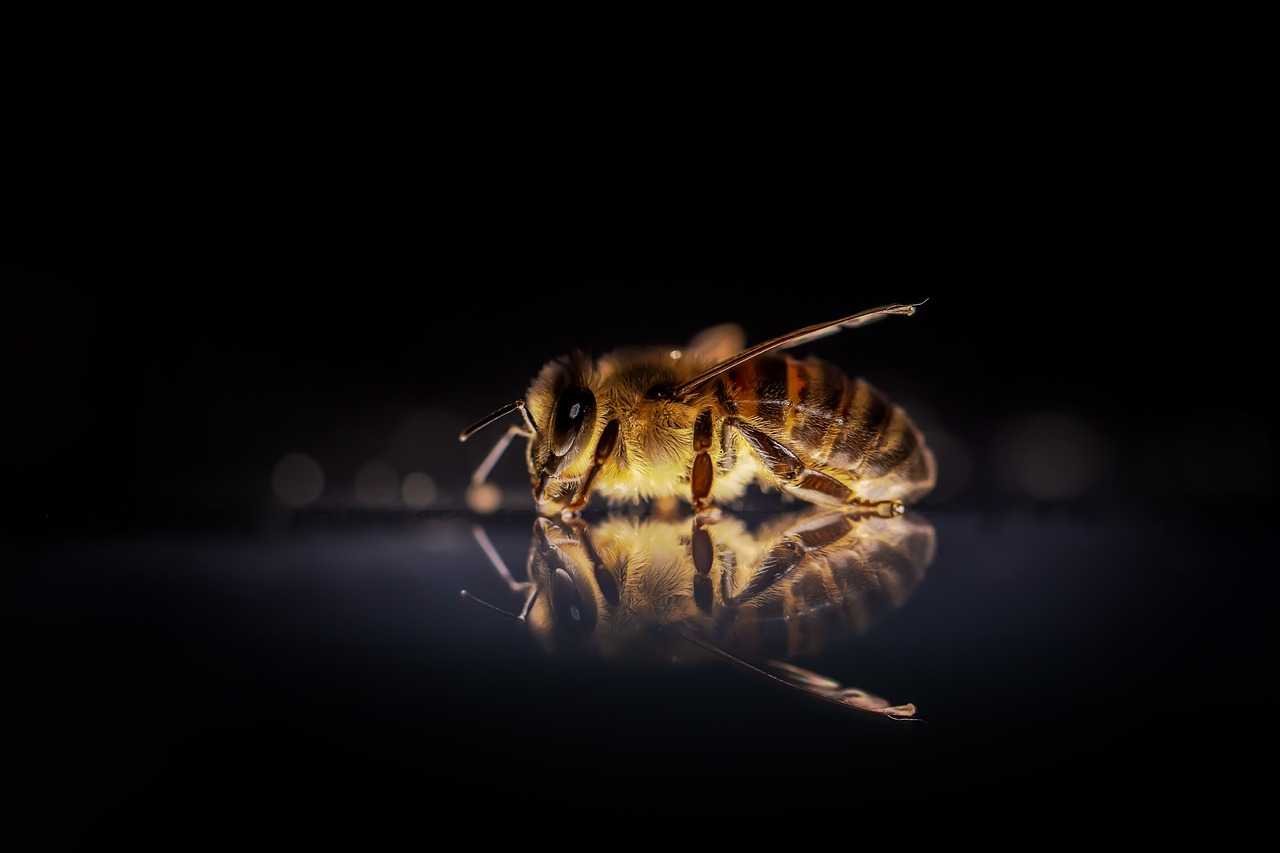
The Earthwatch Institute concluded in the last debate of the Royal Geographical Society of London, that bees are the most important living being on the planet, however, scientists have also made an announcement: Bees have already entered into extinction risk.
Bees around the world have disappeared up to 90% according to recent studies, the reasons are different depending on the region, but among the main reasons are massive deforestation, lack of safe places for nests, lack of flowers, use uncontrolled pesticides, changes in soil, among others.

Peruvian Group Creates Compostable Plates Made Of Banana Leaves

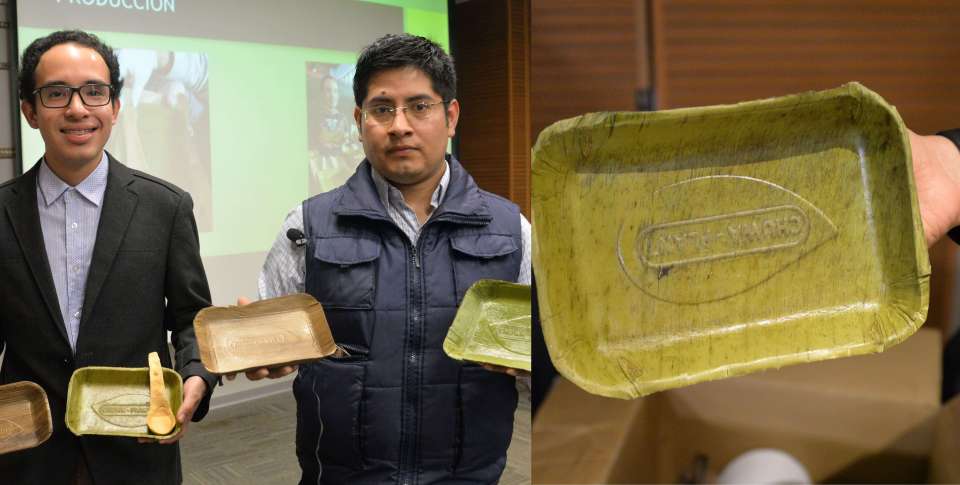
A group of young Peruvians has launched a project called ‘Bio Plant’, which creates disposable plates and bowls made entirely from banana leaves.

With the financial sponsoring from the Innóvate Peru Program (through the Bio Challenge contest which backs the development of innovative solutions focused on sustainability), they were able to design and manufacture specialized machines – a presser, a shipper, and a die cutter – for the production of the biodegradable dishes. With the new equipment, they are able to manufacture 50,000 dishes monthly.

LEARN MORE: https://achnews.org/2019/10/13/peruvian-group-creates-compostable-plates-made-of-banana-leaves/?fbclid=IwAR37xV3QVkXlq5bVLVBLDrKgXooe_8g9xc9bMRcUkzWqRSGkcqlXnIVdAeA

Growing Food Security In The North

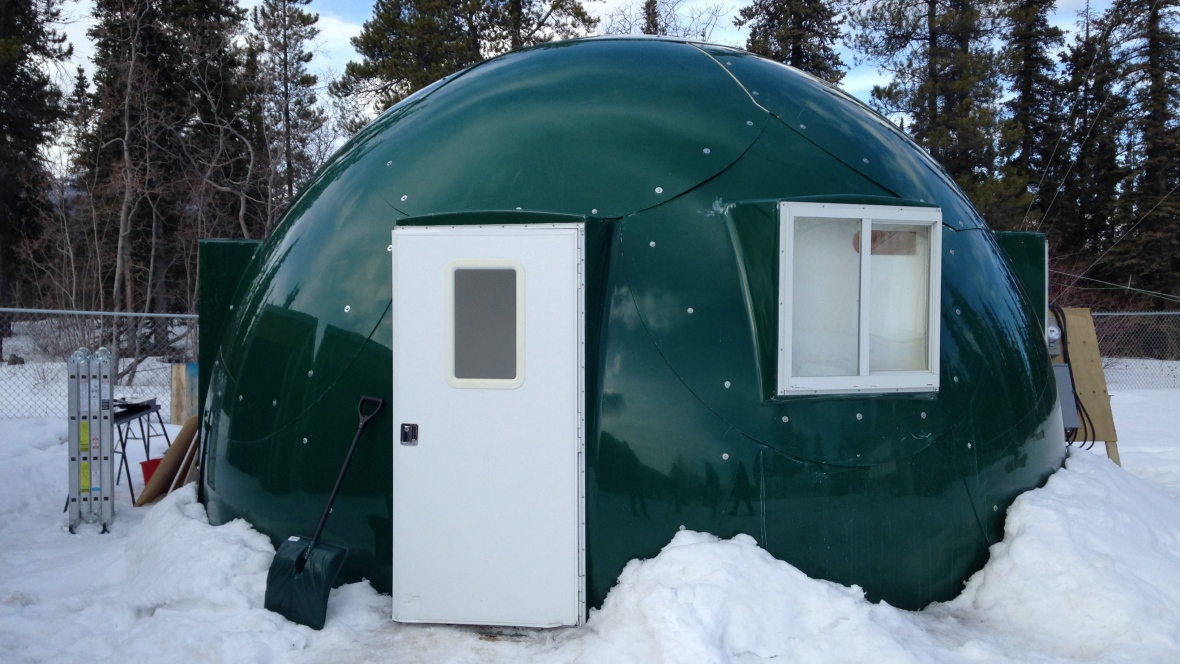
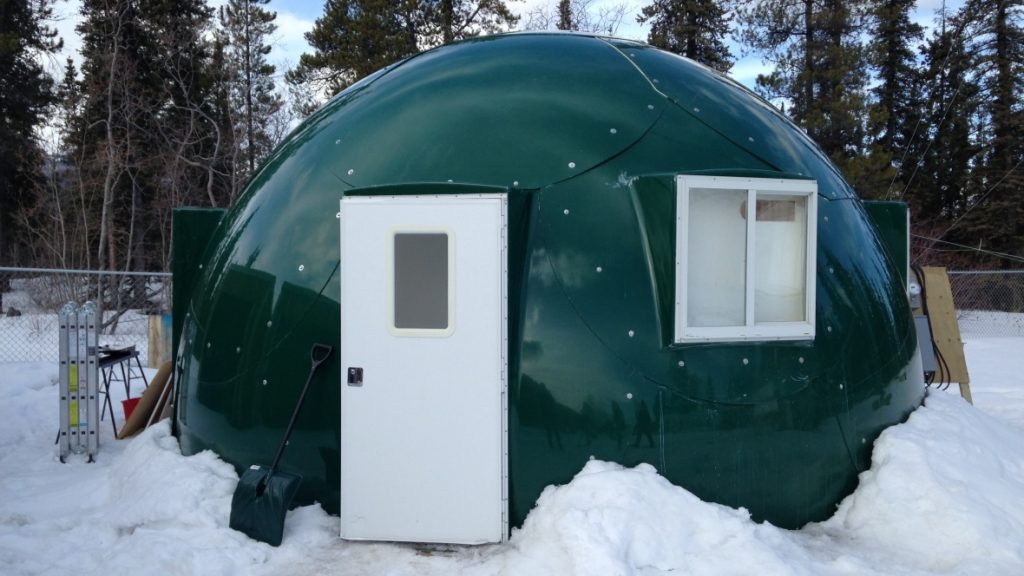
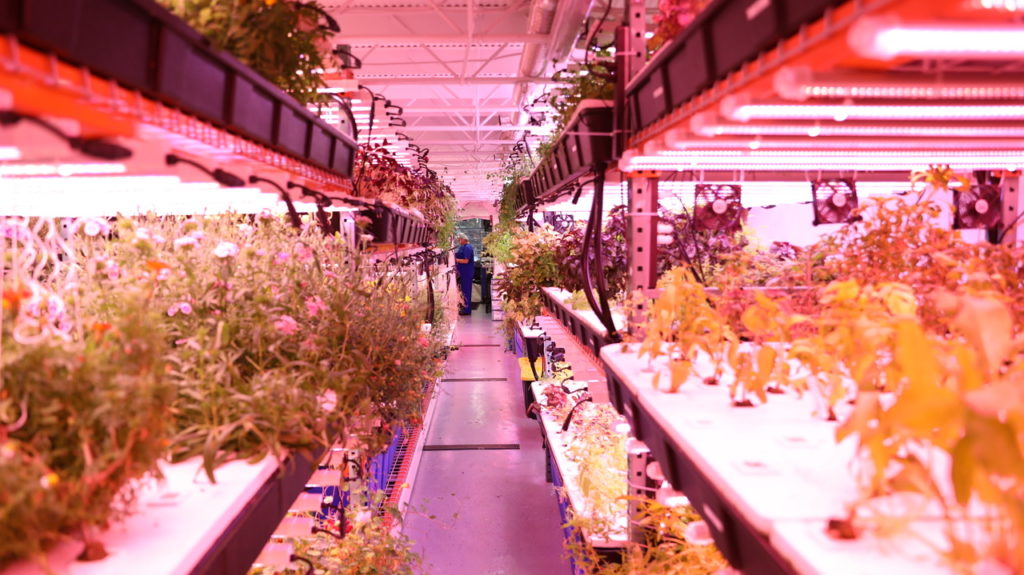
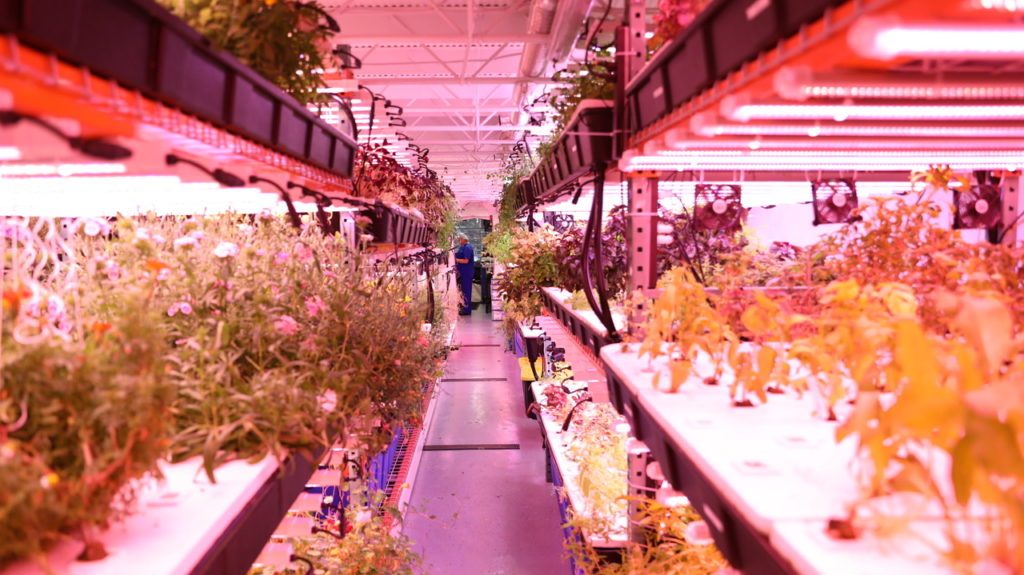
Setting up a garden in a cold climate zone is not that easy. Plants need sunlight and warmth in order to grow, so living in a cold area means you need to make an effort to have a healthy garden. Or you can just follow in the footsteps of this Yukon inventor, who created an off-the-grid greenhouse named Agridome. With the help of this invention, you can grow fresh fruits and vegetables all year round, even if you live in a cold area with endless winter. The Agridome is the invention of Glenn Scott with Yukon College’s Cold Climate Innovation and what he created is an energy-efficient vertical garden.

“Food security is an important issue in the North and we are committed to supporting innovative and affordable technologies to grow our food”, said Stephen Mooney, Director, Cold Climate Innovation, Yukon Research Centre. “The Agridome is like none other and we look forward to working with AgriArctic to develop a product that works for Northerners with the potential of commercialization”, said Mooney.

READ THE FULL STORY: http://www.goodshomedesign.com/growing-food-security-in-the-north/?fbclid=IwAR1uGjVsS39xTjoH9QdNudhzCyx1orSlkUwkZDxDeeLhN_t8GsEF4jBu9oM

Boys, girls club members help run container farm

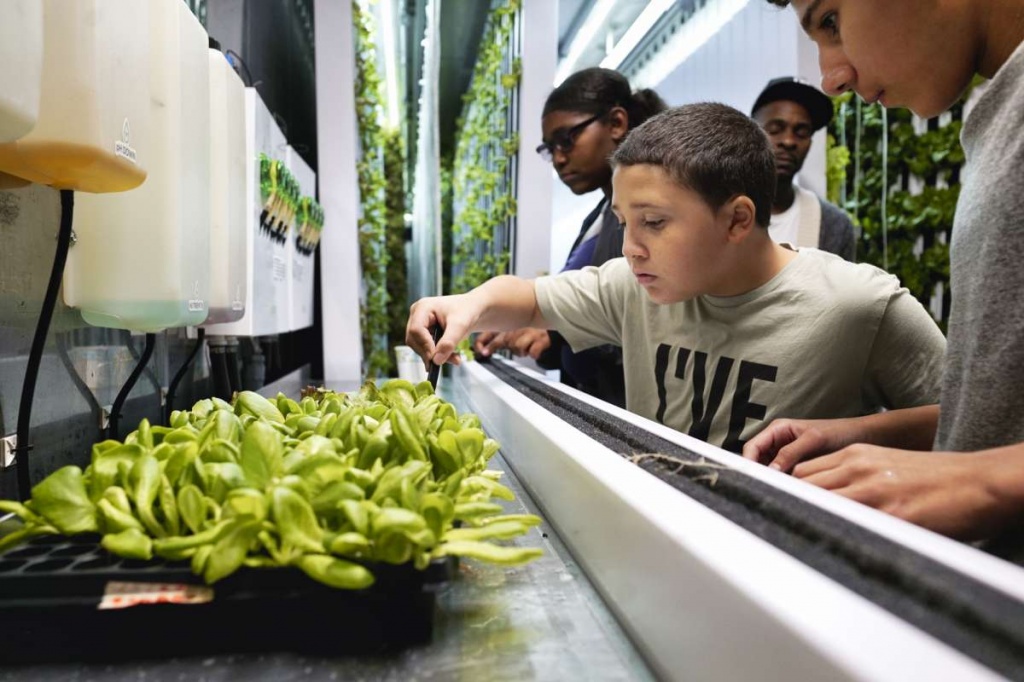
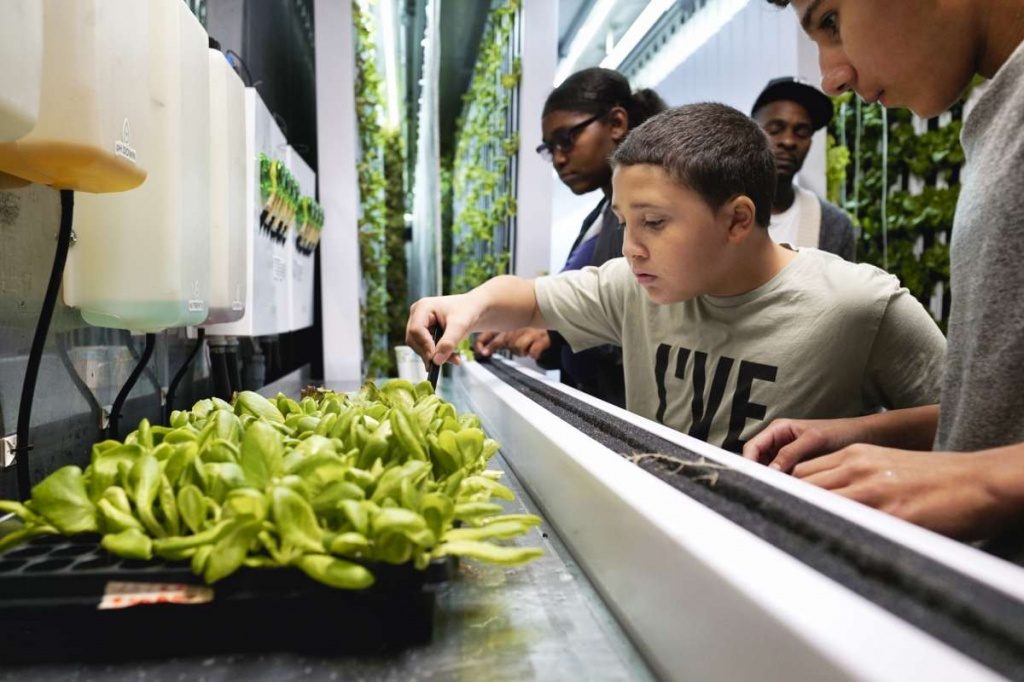
The equivalent of a 2-acre farm that grows 500 heads of lettuce a week hides inside a 40-foot-long metal box in a parking lot near the police station in downtown Troy.

The container farm, as it’s called, or Freight Farm, after the Boston-based company that first introduced hydroponic growing systems in repurposed shipping containers, is a project of the Boy & Girls Clubs of the Capital Area. The $90,000 container farm was a gift from the SEFCU credit union, which for the past two years has operated a similar container farm at its offices near the Harriman state office campus in Albany.

Launched over the summer and overseen by two adult staffers, the farm gives young people who participate in the Troy club’s after-school programs hands-on experience planting, growing, harvesting and selling fresh produce. Although the farm now grows only greens, including two types of lettuce plus kale and Swiss chard, seeds are available for a variety of items, from radishes and beets to herbs and flowers. They are being considered for future crops, according to the club.

READ THE FULL STORY: https://www.timesunion.com/living/article/Youths-get-hands-on-lessons-in-food-production-14557531.php#photo-18489751

The future of farming: How urban agriculture could make big money

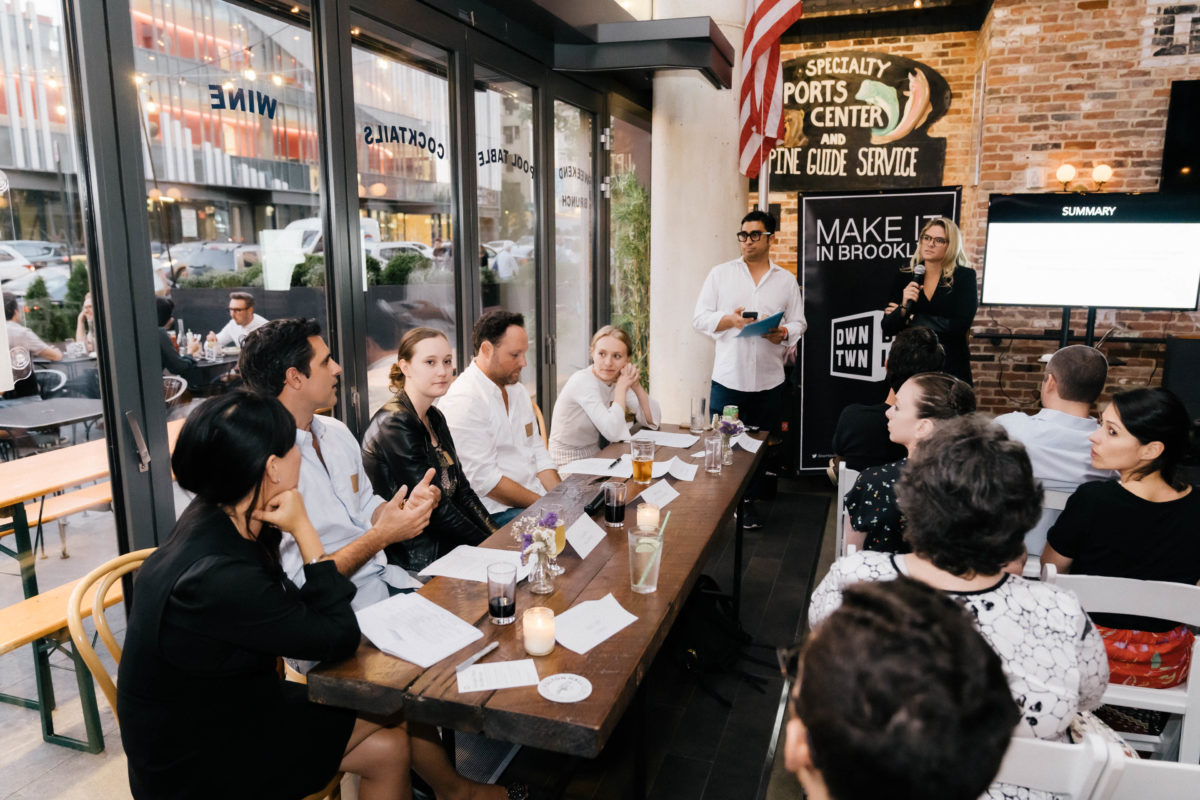
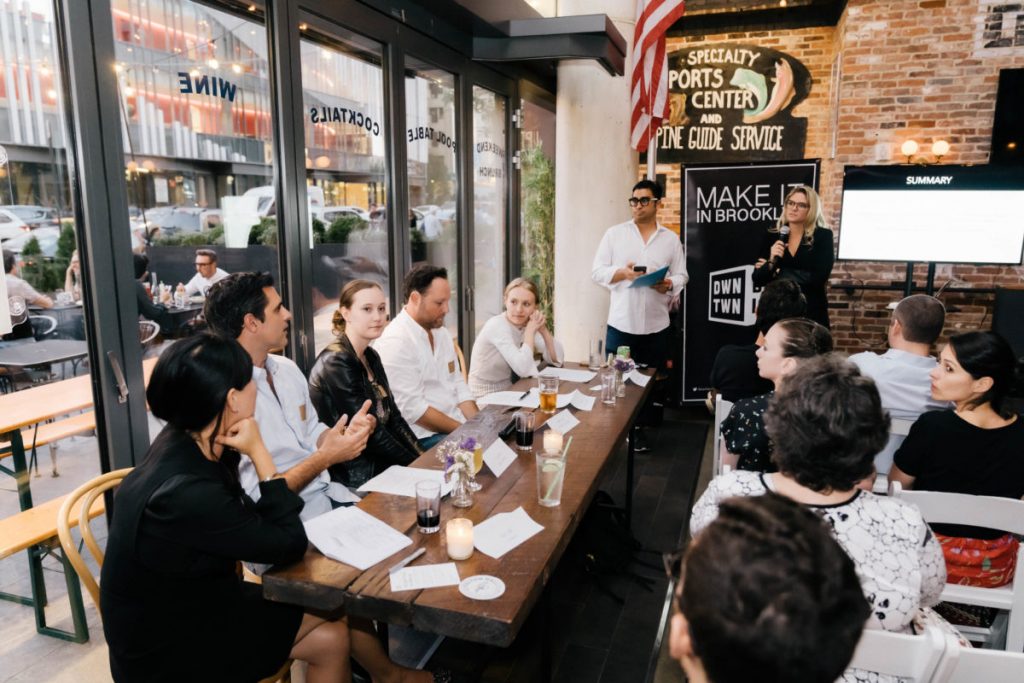
Downtown Brooklyn may seem like an unlikely staging ground for the future of farming — but at Gotham Market Hall in late September, 75 attendees at a “Shark Tank”-style pitch contest bore witness to just that.

The Future of Farming Pitch Contest featured five finalists from the urban agriculture industry, each presenting a three-minute pitch, complete with slideshow and video, to five discerning judges armed with follow-up questions.

At stake: $5,000 in seed money, $20,000 worth of server storage credits for Google’s Cloud for Startups and a free sit down with a consulting firm.

The victor: FoodFul, a company that builds sensors and software for dairy farmers that monitor their cows’ health and feed intake.

“Whenever you win a competition, it’s a great experience,” said Joseph Tarnate, the company’s CEO and co-founder, who presented a pitch that in part chronicled his own childhood growing up on a dairy farm.

READ THE FULL ARTICLE: https://brooklyneagle.com/articles/2019/10/04/the-future-of-farming-how-urban-agriculture-could-make-big-money/

New urban farm at Charleston affordable housing complex to break ground next month

A Charleston nonprofit is set to break ground on a new urban garden that will effectively double the size of its operation, but fundraising efforts for the project are still ongoing.

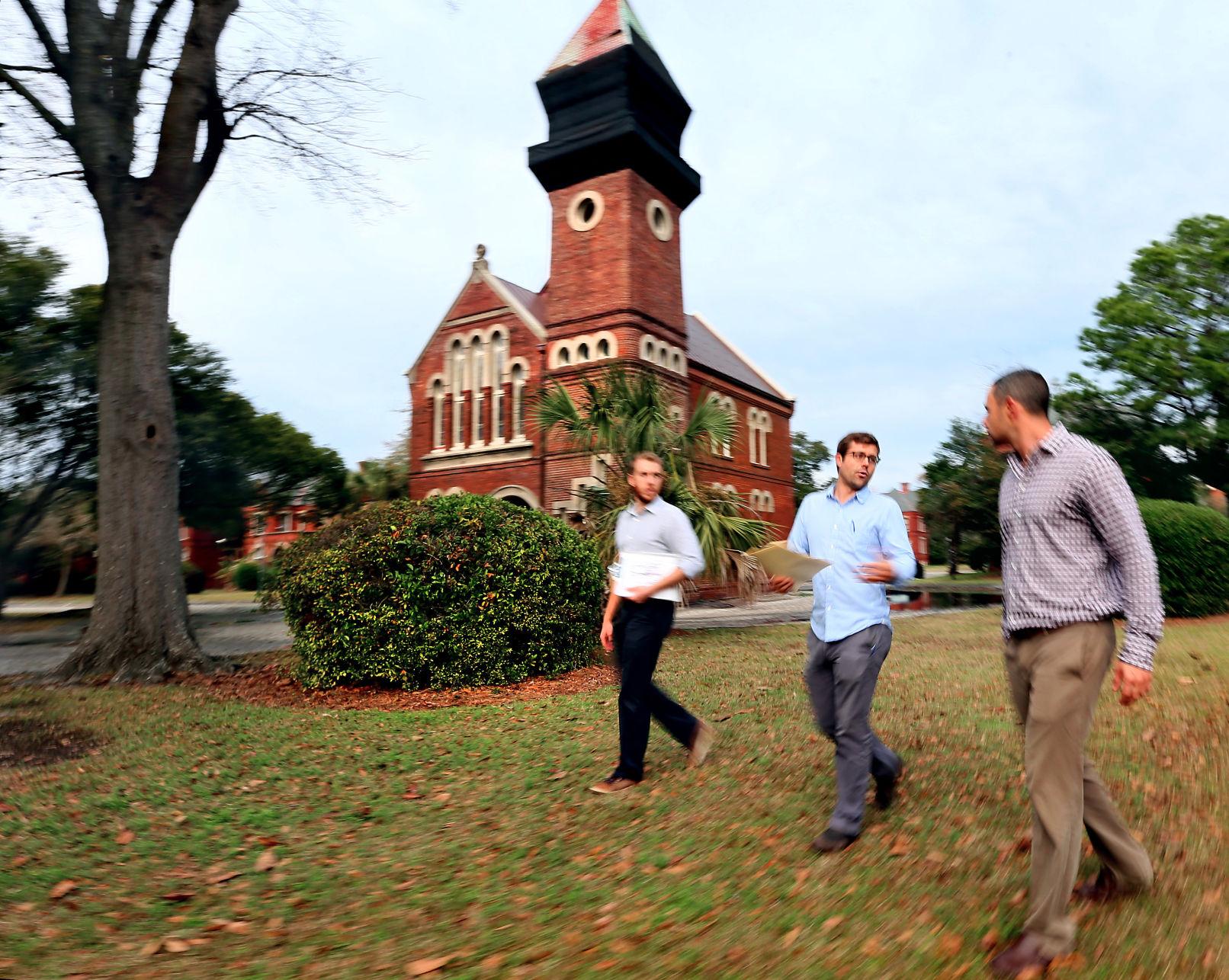
After more than two years of planning, construction of the new garden space at the William Enston Home, an affordable housing complex at King and Huger streets, will start Nov. 15.

The project has raised about half of its $2.1 million goal needed to fund the operation sustainability over the next five years.

“Of that $2.1 million, about one-quarter of it is for the farm infrastructure, and about three-quarters of it is for operations and programming,” said Jesse Blom, the executive director of the Green Heart Project.

The money raised so far will pay for the costs of creating the farm space’s infrastructure, Blom said, which includes a produce stand, a pavilion and raised garden beds. Its final fundraising phase was launched Wednesday.

The last chunk of money will help keep the project going in its early years. Blom said by year six, the hope is the project will make enough money to sustain itself.

READ THE FULL ARTICLE: https://www.postandcourier.com/news/new-urban-farm-at-charleston-affordable-housing-complex-to-break/article_98198032-f1c8-11e9-afbc-7b287230bf6e.html

Large urban farm and orchard planned in north Flint

FLINT, Michigan—Another urban farm is headed to Flint and it will be one of the city’s largest.

Convoy of Hope in partnership with the Urban Renaissance Center’s Ubuntu Village is planning to convert about 4 acres of property in the Civic Park neighborhood into a community resource and garden.

Already launched in nine other countries, the Civic Park agriculture project is the first time Convoy of Hope has made such an investment in the United States.

“I think this is a premiere location for us to do what we do internationally right here in Flint, Michigan,” said Michael Redmon, vice president of Convoy of Hope’s global initiatives.

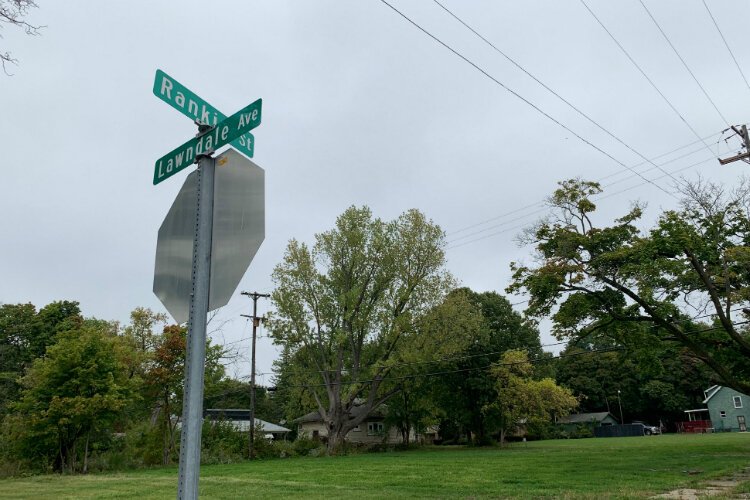
The agriculture project will expand the already-established Ubuntu Village Agriculture House, an ongoing project with a small garden at West Rankin and Proctor streets.

READ THE FULL ARTICLE: https://www.flintside.com/inthenews/largeurbanfarmandorchardplannedinnorthflint.aspx

Arlington’s Only Commercial Urban Farm

If you’ve dined in D.C. at Jose Andres’ minibar, Johnny Spero’s Reverie, or Robert Wiedmaier’s Marcel’s, chances are you sampled produce grown in Arlington.

It’s no secret that interest in urban farming has skyrocketed in recent years, however Arlington-based Fresh Impact remains the county’s only commercial urban farm.

Tucked in an unassuming strip mall on Lee Highway, with no signage or disclosed address, Fresh Impact is under the radar of most Arlingtonians, but well-known among local chefs, particularly higher-end chefs.

Founded in 2017, the company has grown over 300 different rare herbs, varieties of greens, and edible flowers based on the needs of the local restaurant industry.

“One of the primary reasons we located in Arlington was to be as close to D.C., and our customer base, as possible,” said founder Ryan Pierce.

READ THE FULL ARTICLE: https://www.arlnow.com/2019/10/21/startup-monday-arlingtons-only-commercial-urban-farm/

Gorgie City Farm: One of Scotland’s last urban farms collapses

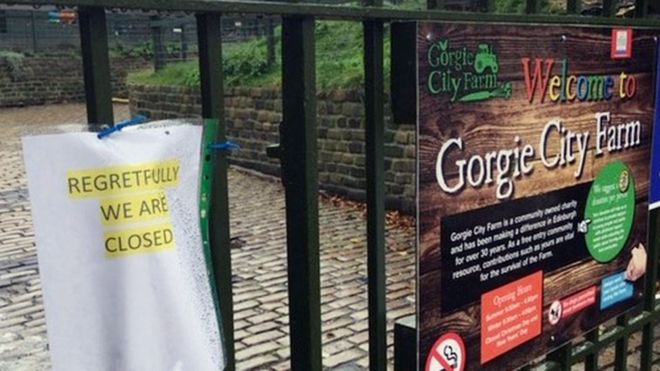
One of the last urban farms in Scotland has closed after going into liquidation. Gorgie City Farm in the west of Edinburgh collapsed with the loss of 18 jobs. The charity gave volunteering opportunities and support to disadvantaged young people and adults.

It has had about 200,000 visitors a year since it was saved from closure in 2016 after a crowdfunding appeal raised in excess of £100,000. MHA Henderson Loggie has been appointed to wind up the farm, which has about 50 livestock and 50 pets. They include sheep, pigs, ducks, geese and chickens and a number of smaller animals including snakes and lizards. The livestock will be sold for slaughter and the pets will be re-homed.

Gail Zencker, the farm’s volunteer and inclusion manager, told BBC Scotland: “I thought I was going to throw up when I heard. “I feel ashamed and personally responsible even although it was a board decision and not mine.

READ THE FULL STORY: https://www.bbc.com/news/uk-scotland-edinburgh-east-fife-50267237

Paris Will Soon Be Home to the World’s Largest Rooftop Urban Farm

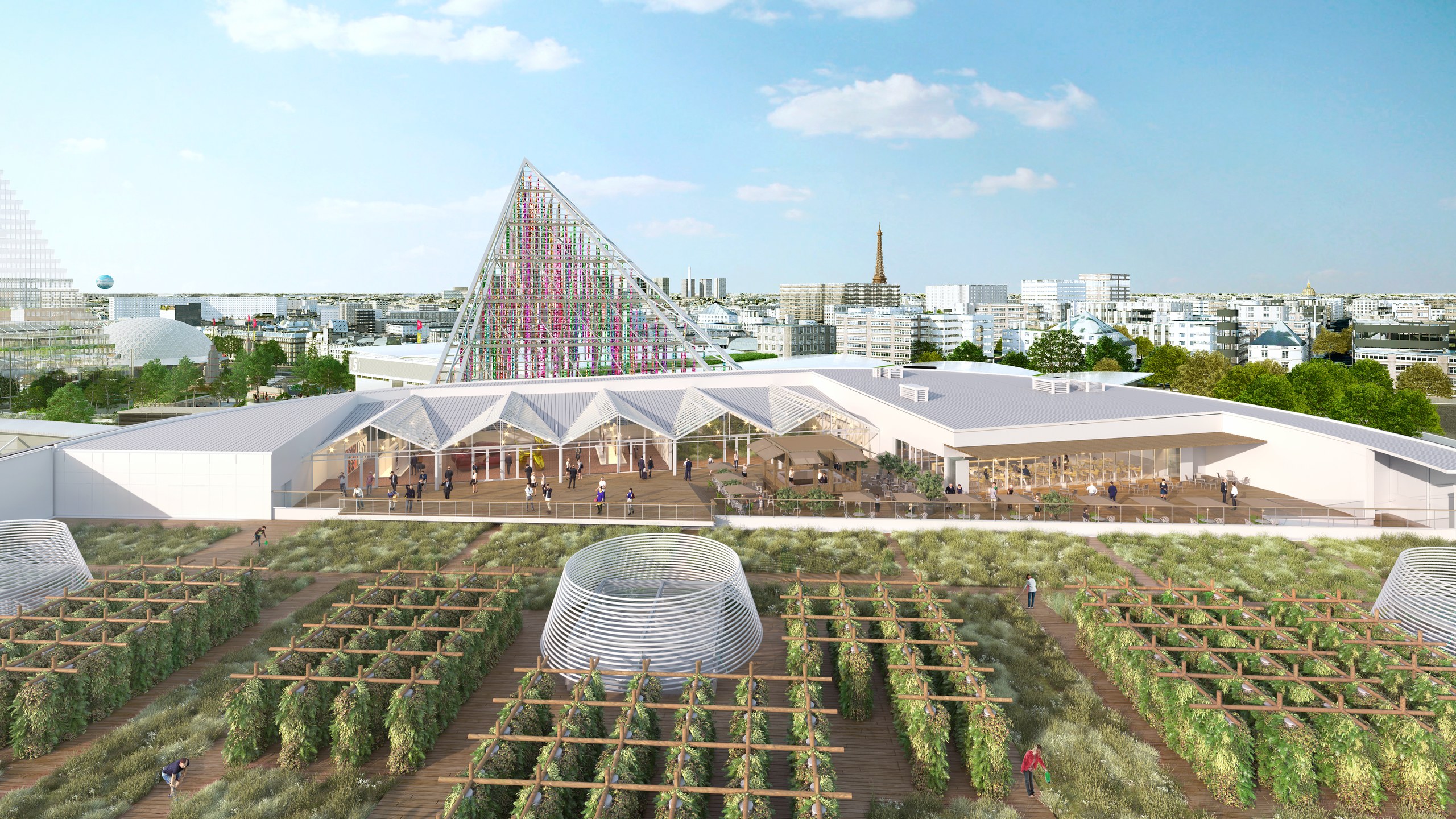
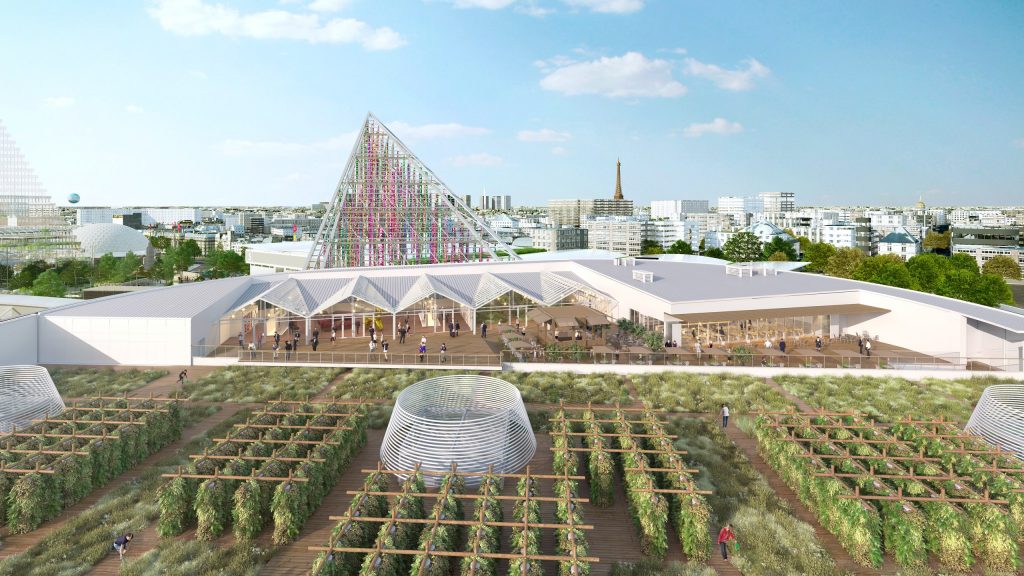
In an Olmstedian effort to bring city dwellers back to nature and to produce a sustainable, local assortment of fruits and vegetables, urban farming company Agripolis is bringing what will be the world’s largest rooftop urban farm to Paris. Situated along the périphérique in the city’s 15th arrondissement, the 150,000-square-foot sprawling green space will sit atop the Exhibition Center at Porte de Versailles when the space opens in 2020. Designed by local French firm Valode & Pistre (who were also responsible for the recent transformation of Gare du Nord), the urban farm is a part of the decade-long renovation project to make the exhibition center a model for sustainable development as the rest of the city follows suit.

“Today, large metropolitan areas are the focal point of a number of ecological issues,” says Clément Lebellé, cofounder of Cultures en Ville, a partner in the project that specializes in urban agricultural development. “These issues include the loss of natural ground cover, pollution, and rainwater management but also societal issues such as the lack of connection between urban dwellers and their food supply.”

READ THE FULL ARTICLE: https://www.architecturaldigest.com/story/paris-will-soon-be-home-to-the-worlds-largest-rooftop-urban-farm

Personal Redemption And Community Opportunity Through Urban Farming [PODCAST]

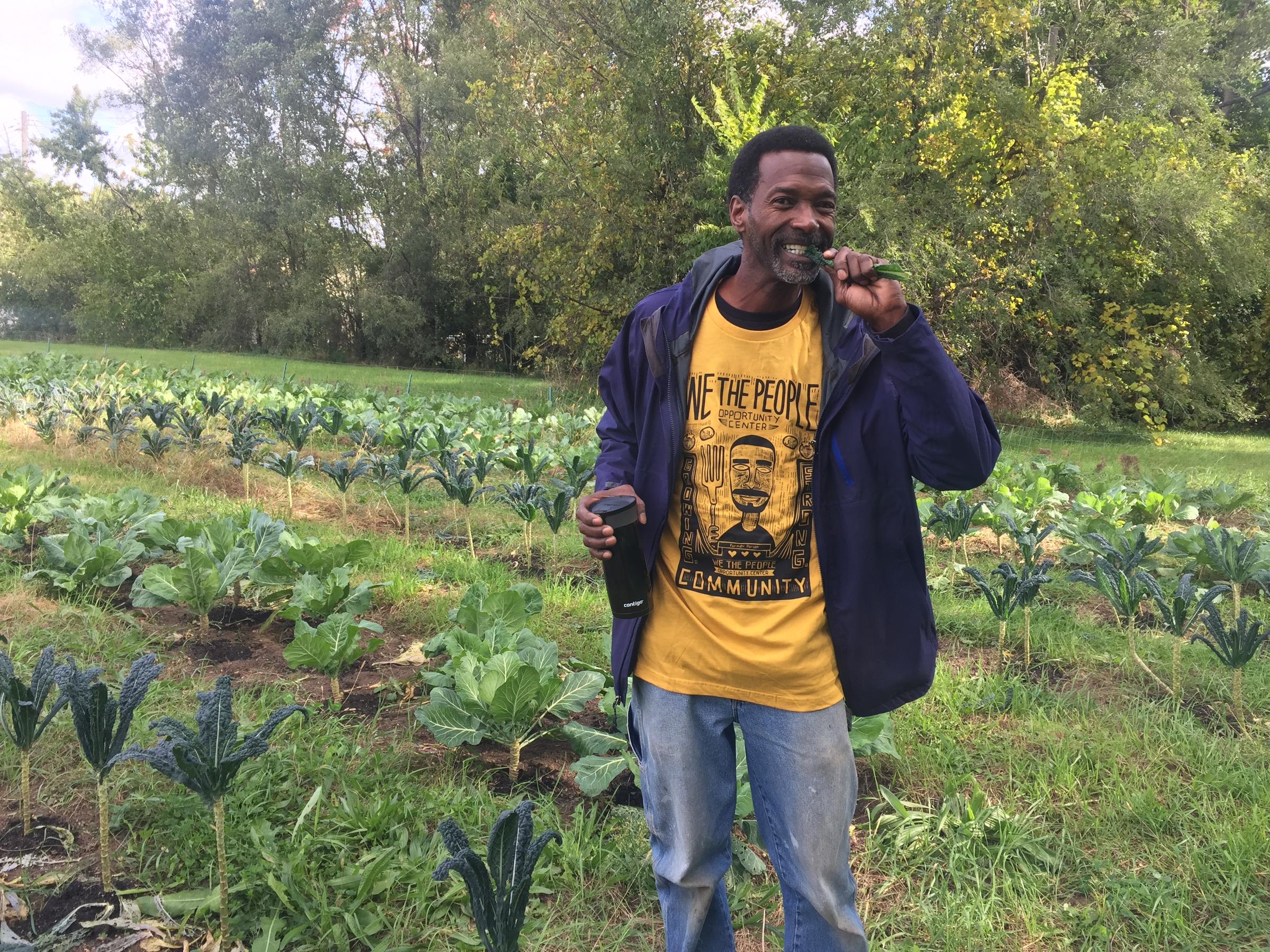
There are many ways to work towards equity and opportunity in our community, but urban farming might not be the first thing that comes to mind.  Melvin Parsons saw the trade as a way forward for himself and is now expanding and giving back through his “We the People Growers Association” and the “We the People Opportunity Center.”  Parson joined WEMU’s David Fair for this week’s installment of “Washtenaw United.”

WEMU has partnered with the United Way of Washtenaw County to explore the people, organizations, and institutions creating opportunity and equity in our area.  And, as part of this ongoing series, you’ll also hear from the people benefiting and growing from the investments being made in the areas of our community where there are gaps in available services.  It is a community voice.  It is ‘Washtenaw United.’

Melvin Parson is the founder of We The People Opportunity Center (WTPOC) in Ypsilanti.  As an urban farmer, social justice and equality activist, Parson founded WTPGA to empower people to make a positive contribution to their community through education and positive social networks using gardening and farming as the vehicle for change.  Melvin was also chosen at The Henry Ford’s inaugural entrepreneur in residence.

LISTEN TO THE PODCAST: https://www.wemu.org/post/washtenaw-united-personal-redemption-and-community-opportunity-through-urban-farming

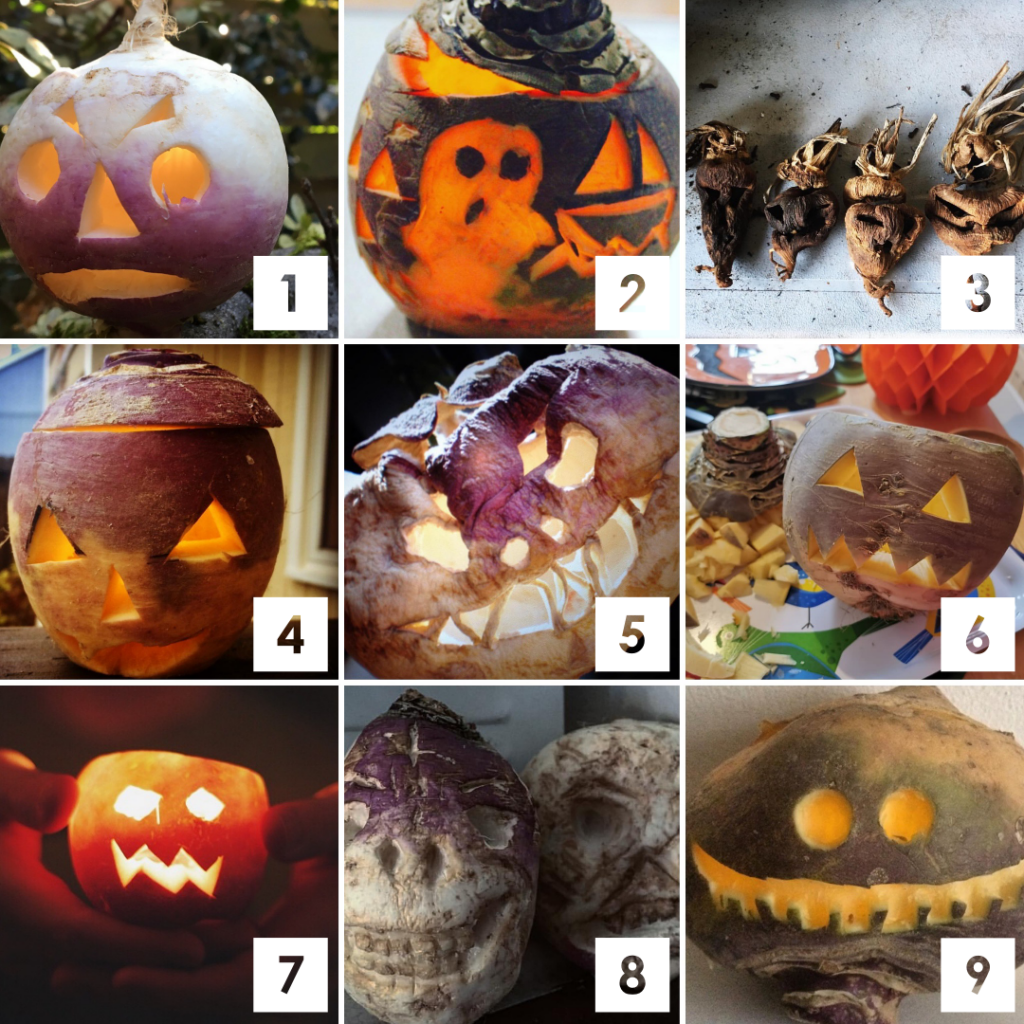
How Jack O’Lanterns Originated in Irish Myth

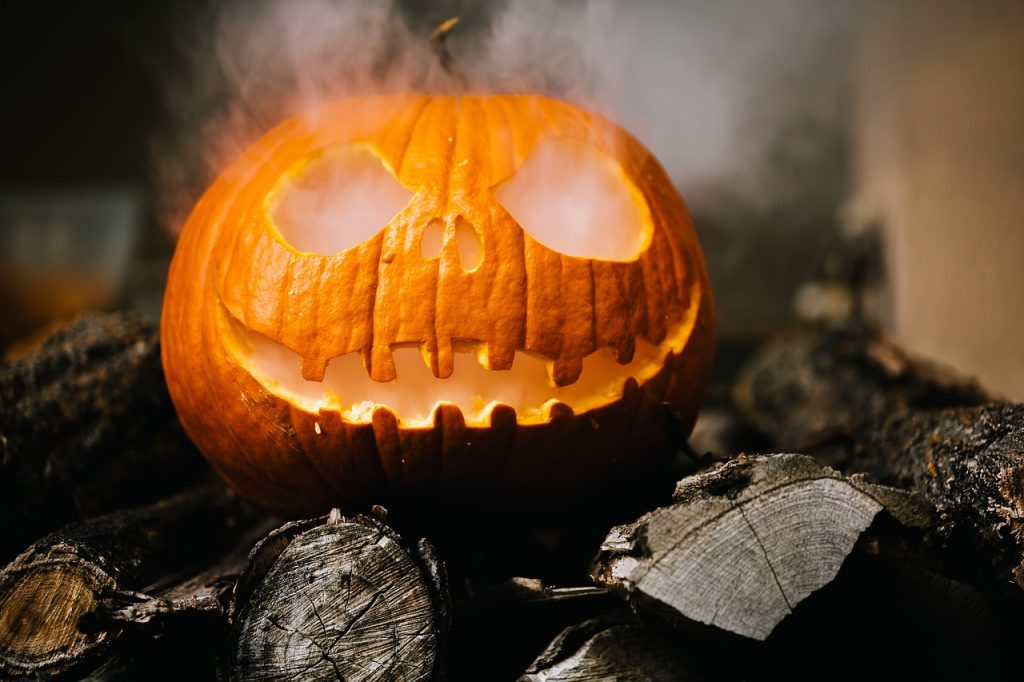
Pumpkins with ghoulish faces and illuminated by candles are a sure sign of the Halloween season. The practice of decorating jack-o’-lanterns originated in Ireland, where large turnips and potatoes served as early canvasses. In fact, the name, jack-o’-lantern, comes from an Irish folktale about a man named Stingy Jack. Irish immigrants brought the tradition to America, home of the pumpkin, and it became an integral part of Halloween festivities.

READ THE FULL ARTICLE https://www.history.com/news/history-of-the-jack-o-lantern-irish-origins

We’ve teamed up with SeedsNow to bring you our favorite carved turnip pictures from Instagram…

1. @pennycandyhm
2. @squarefootgardening
3. @inferno_designs
4. @kris10mbrush
5. @shawwns
6. @obvioszebra
7. @chrismillerphoto
8. @outlaw.scum.drb
9. @lisa_m_molloy

SHOP ALL OF THESE VARIETIES AND MORE at http://www.SeedsNow.com/

Join the UOG Seed Club TodayORDER BEFORE 11:59 PM PST November 4th to receive a shipment NEXT MONTH! https://www.urbanorganicgardener.club

Grand Opening Of ‘We Grow Microgreens’ Urban Farm In Hyde Park

BOSTON – Wednesday, October 30, 2019 – Building on his commitment to increasing access to healthy foods and supporting small businesses, Mayor Martin J. Walsh this morning joined the owners of We Grow Microgreens, elected officials, and community members to celebrate Hyde Park’s newest small business, which will bring healthy greens to grocery stores, restaurants, and farmers markets across the City. The urban farm was made possible thanks to land made available by Boston’s Department of Neighborhood Development and Community Preservation funds.

“I am proud of the City of Boston’s commitment to the revitalization of this vacant land, creating a new farm and a new gathering space that all of Hyde Park can enjoy,” said Mayor Walsh. “I want to thank the owners of We Grow Microgreens for investing in Readville and their community. The involvement of many partners brought a new business, a new community resource, and a new farm and new life to this empty space.”

READ THE FULL ARTICLE: https://patch.com/massachusetts/boston/grand-opening-we-grow-microgreens-urban-farm-hyde-park

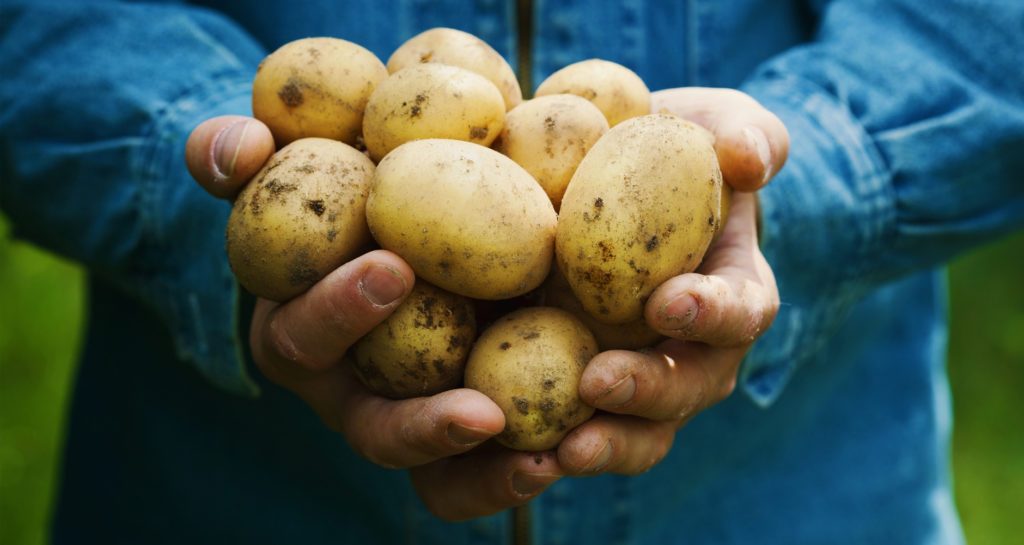
The Man Who Made Potatoes Popular

In early fall, in Maine’s far northern Aroostook County, schools close for “potato recess”—also known as harvest break—as students help out with the potato harvest. It’s an annual tradition for one of America’s most beloved crops: the humble potato. The potato has come a long way to be a very popular vegetable in the United States and throughout Europe. But that wasn’t always the case.

The Not-So-Hot Potato

While the potato was becoming a part of European cooking ever since the Spaniards brought them to the continent in the mid-1500s, the French were not so hot on the potato. They refused to accept the vegetable, referring to it as “hog feed” and believing that these tubers caused leprosy. In fact, the French Parliament officially banned potatoes in 1748.

READ THE FULL ARTICLE https://www.farmersalmanac.com

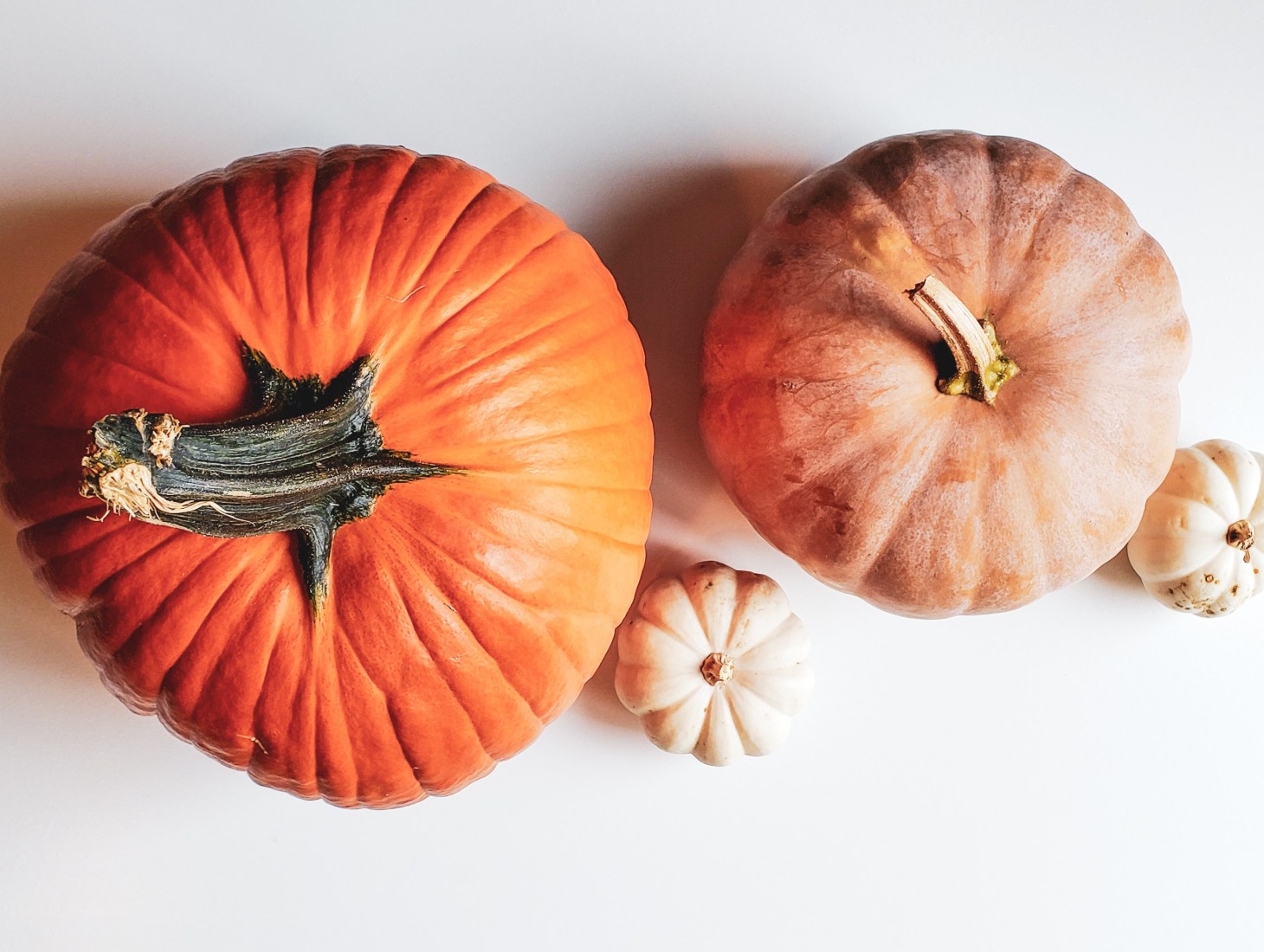
How to Reuse a Halloween Pumpkin

How many of you even think to reuse a Halloween pumpkin? Reusing my Halloween pumpkins is something I’ve been doing for many years. I guess I get it from my parents as I always remember the sad, droopy jack-o-lanterns getting a second life. Most of the time we fed them to our horses or wildlife, but occasionally, we made pies. And we ALWAYS saved the seeds to roast. Throwing something like pumpkin into the garbage would have been extremely odd.

Every year, we produce nearly 1.9 billion pumpkins in the United States. Most of which go completely uneaten. With our food waste rising to almost 40% being extra mindful of our pumpkin waste should be something to consider this year. Not to mention that pumpkins are SO much more than just fall decor.

Pumpkins are packed with essential nutrients and vitamins and can make some pretty darn yummy things. I can put away some pumpkin pie. I don’t even care, I’ll eat a whole one if presented the opportunity. But aside from pie, there are so many things that can be done to reuse a Halloween pumpkin.

READ THE FULL STORY https://zerowastenerd.com/how-to-reuse-a-halloween-pumpkin/?fbclid=IwAR2hO7SU-Xh_6tJOMbUFRj485J5Kq6xbng7BH_hweSSA6fo8tNhTnqmJMpc

Chicago lawmakers push stricter legislation for urban farming

CHICAGO — Urban farming has become more common in Chicago neighborhoods, and now lawmakers have begun pushing for stricter legislation that could regulate the number of animals for each household and impose more requirements.

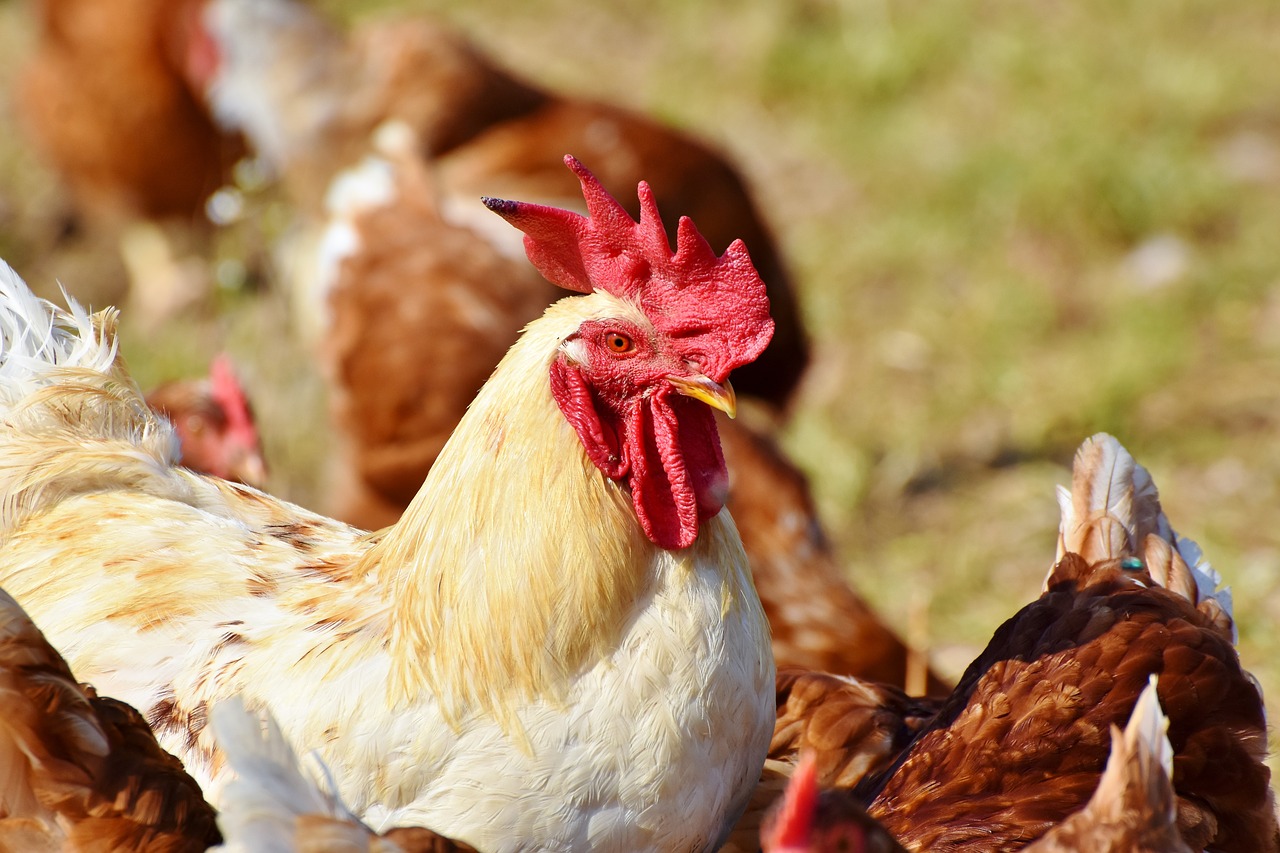
A recently proposed ordinance would ban roosters from residential areas in the city and allow no more than six hens and two livestock animals per household. Livestock animals are considered four-legged farm creatures, including pigs and sheep, the Chicago Tribune reported.

A pro-chicken lobby in Chicago is rallying against these proposed laws, arguing such issues already are addressed by existing laws, including a ban on cockfighting and fines for excessive noise.

READ THE FULL STORY https://wgntv.com/2019/10/19/chicago-lawmakers-push-stricter-legislation-for-urban-farming/

Motown to Growtown: Detroit’s Urban Farming Revolution


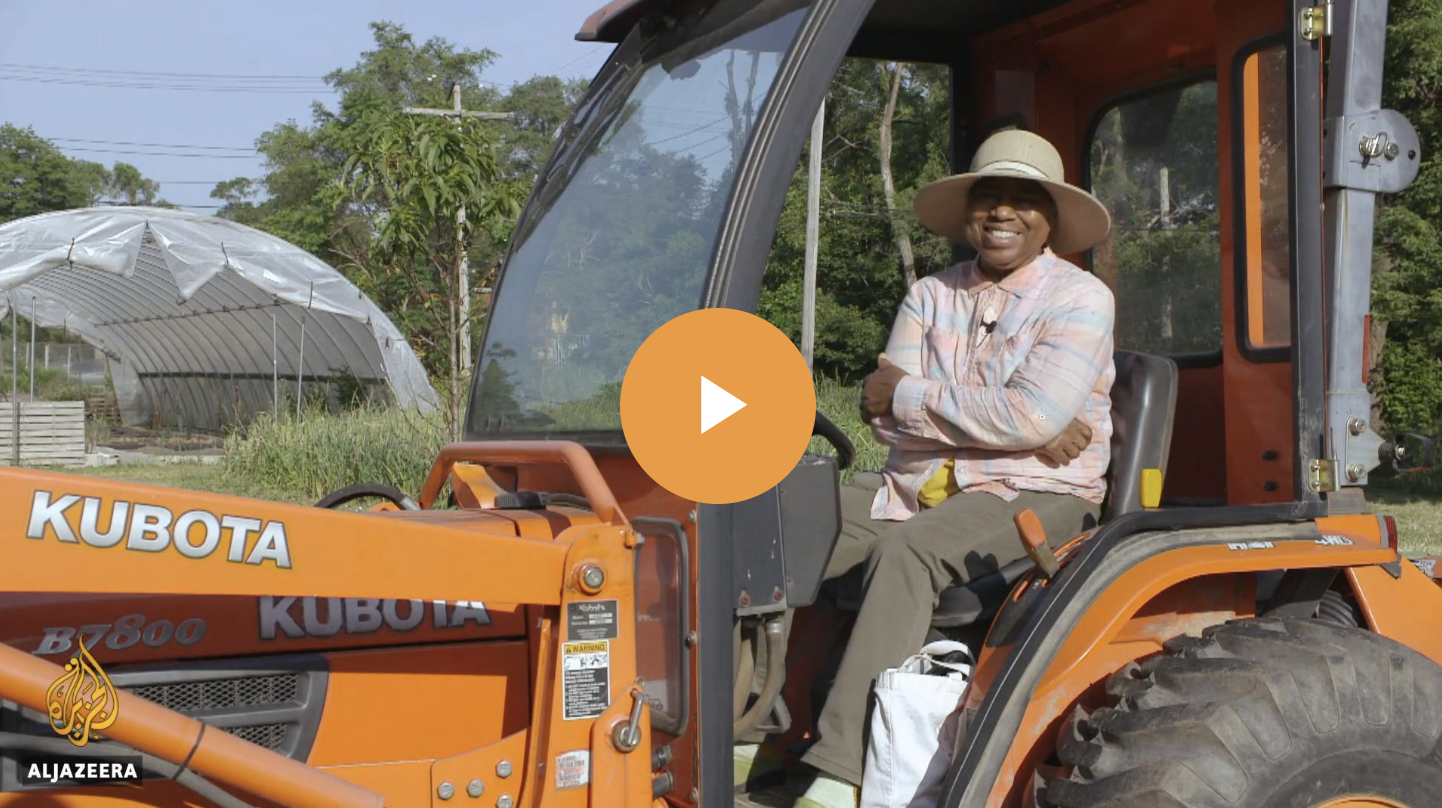
Rising from the ashes of decades of urban decay, the US city of Detroit is fast becoming an urban farming capital.

Many residents are now producing organic food locally – reducing the environmental footprint of their food by cutting down on carbon emissions from transport and on chemical inputs.

They are also helping revive communities as new green spaces and farmer’s markets crop up, providing neighborhoods with fresh fruits and vegetables.

Plots of land range from backyards, to seven-acre (2.8 hectares) community farms, to plans for large-scale commercial farms.

In 2012, Al Jazeera met the local residents at the center of the city’s urban farming revolution. Several years on, Rewind returns to visit them to see how the movement has progressed.

READ THE FULL STORY: https://www.aljazeera.com/programmes/rewind/2019/10/motown-growtown-detroit-urban-farming-revolution-191014065733719.html