Connecting New Yorkers to Plants, Gardens, and the Environment

BBG is the Brooklyn partner for the NYC Department of Sanitation’s Bureau of Recycling and Sustainability’s NYC Compost Project hosted by Brooklyn Botanic Garden, which helps to reduce waste in NYC and rebuild city soils by giving New Yorkers the knowledge, skills, and opportunities they need to produce and use compost.

Brooklyn Botanic Garden’s Community Greening programs promotes urban greening through education, conservation, and creative partnerships. Programs include free, seasonal workshops on sustainable food-growing topics, Making Brooklyn Bloom, an annual spring symposium on sustainable urban home/community gardening, the Brooklyn Urban Gardener(BUG) certificate program that cover the basics in urban gardening and community greening, and the Community Garden Alliance, a collaborative network of community gardeners in Brooklyn, most of whom engage in urban farming and food production practices.

BBG’s adult education program offers a range of lectures and workshops to help people better connect with their food system. The curriculum is organized into categories ranging from  art, floral design, food, gardening, and horticulture to nature and wellness, and include courses in container gardening on rooftops, introduction to organic vegetable gardening, soil science 101, and seed starting   Interested adults can either take a one-time drop-in class or enroll in a series. For the very serious, the BBG offers certificates in horticulture and composting, which require successfully completing eight courses.

READ THE FULL ARTICLE: https://www.nycfoodpolicy.org/community-spotlight-series-brooklyn-botanical-garden

Urban Gardening 101: How to Deal with Contaminated Soil

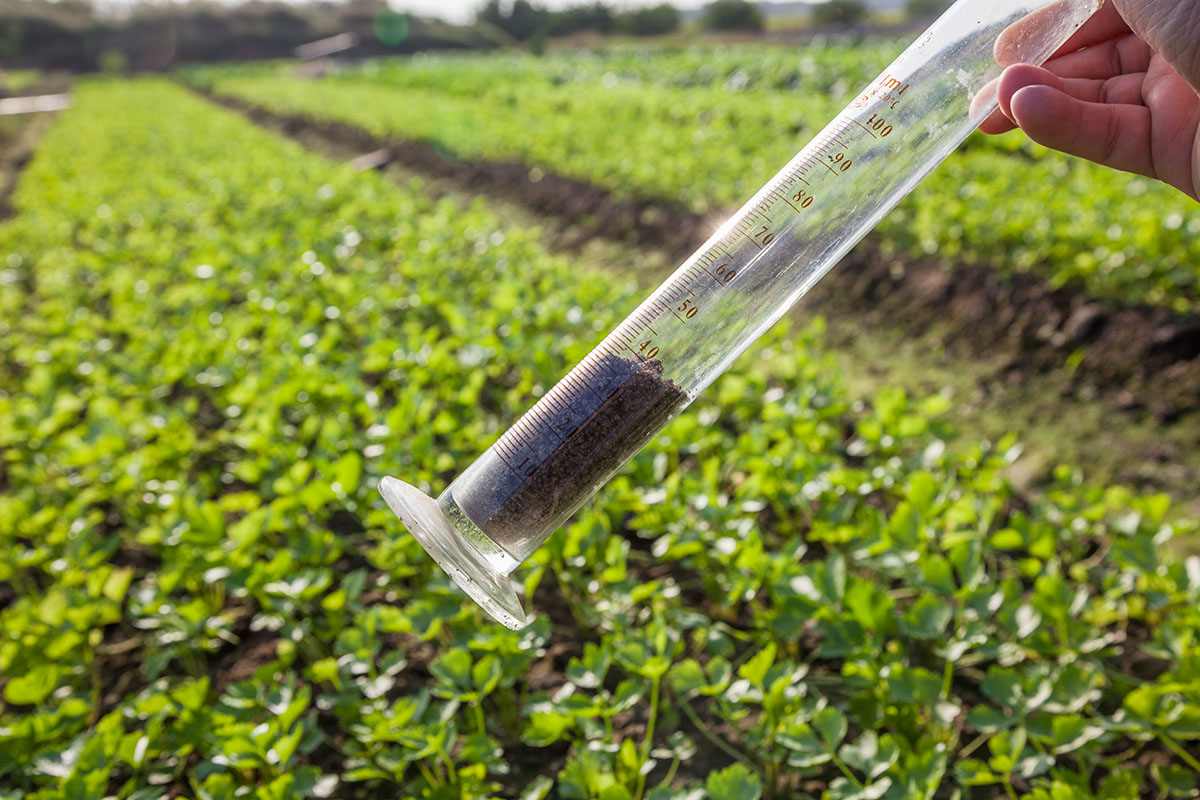
Urban soils are particularly prone to contamination. 50 years ago, your yard could have belonged to a farmer, who, perhaps not knowing any better, disposed of old bottles of anti-freeze or contaminated diesel in a hole out behind the tractor garage. Or perhaps the remains of a fallen down outbuilding, long ago coated in lead-based paint, was buried on your property buy a lazy contractor when your subdivision was built.

For those wanting to garden on non-residential urban property – school yards, church grounds, parks, commercial areas, vacant lots – the likelihood of contamination is even higher. There is no telling what sort of past activities took place there, all visible signs of which have disappeared. Prior the 1970s, environmental rules were very lax, and it was not uncommon for all sorts of hazardous chemicals to be dumped at any location where they were used. Many such chemicals persist in the soil for decades, if not longer.

The good news is that if the property was redeveloped (any significant new construction, demolition, or change of use) since environmental laws tightened, it would have had to go through a strict assessment to determine if contamination was present. If anything unacceptable was found, the owner would have been forced to remediate the soil before starting construction. However, if the property has remained more or less as-is since the 1970s (or earlier), it is unlikely that anyone has ever investigated what might be lurking in the soil.

READ THE REST OF THE ARTICLE: https://modernfarmer.com/2018/06/urban-gardening-101-how-to-deal-with-contaminated-soil/

Urban Farmers Grow Crops in Brooklyn Parking Lot

Square_Roots_Web

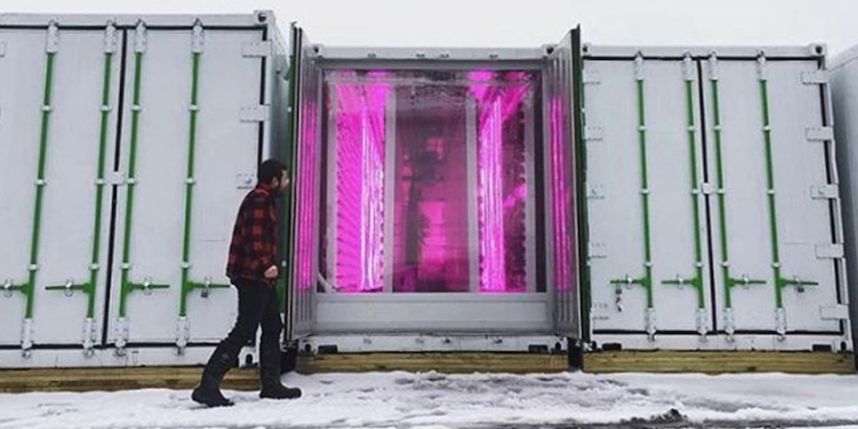
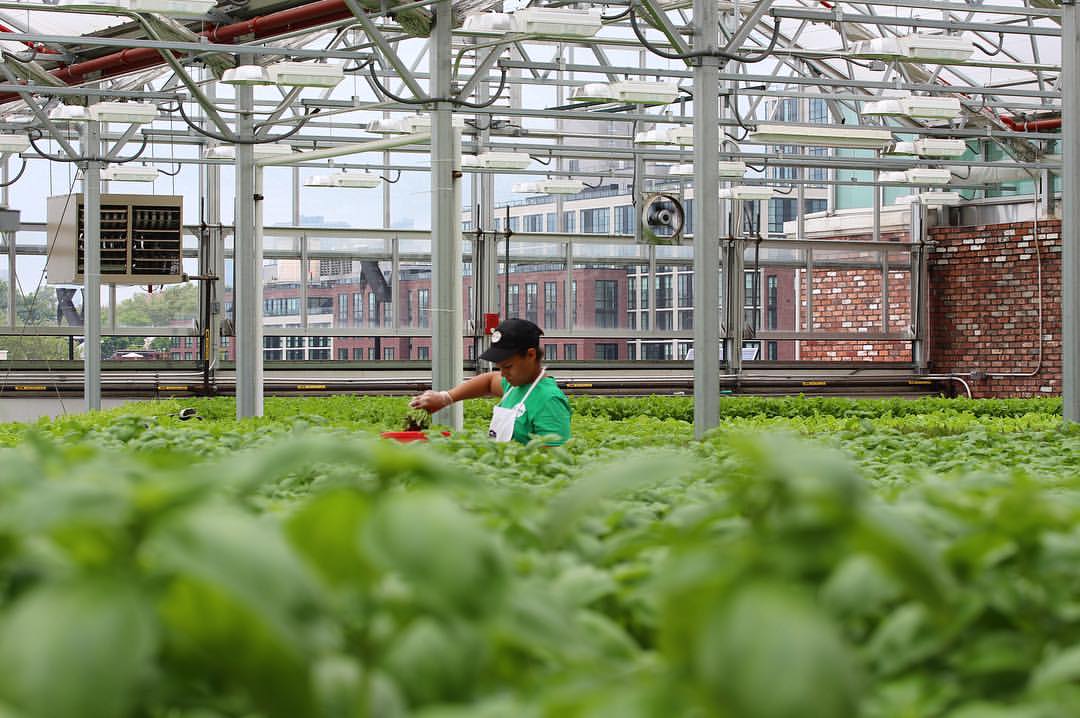
“These farms aren’t your traditional sprawling upstate acreage tended by laborers or a guy on a tractor in bib overalls. Set up near where Jay Z grew up, they’re 10 steel shipping containers converted into hydroponic vertical farms, meaning crops grow in tower formation with recycled water and without soil.

Inside the LED-lit modular containers are rows of panels sprouting pesticide-free plants in a controlled climate — so freezing temperatures and snow pose no problem. Each container produces an annual harvest equivalent to an estimated two acres of land.

Square Roots raised seed financing to build the campus, which cost more than $100,000. Then, 10 young farmers were chosen from more than 500 applicants for a yearlong stint that started in November.”

Read the entire article at: “Metro.us

WHY URBAN FARMING MAKES SO MUCH SENSE FOR NEW YORK CITY

tmg-article_default_mobile
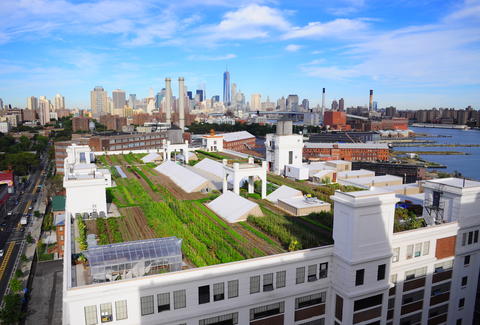
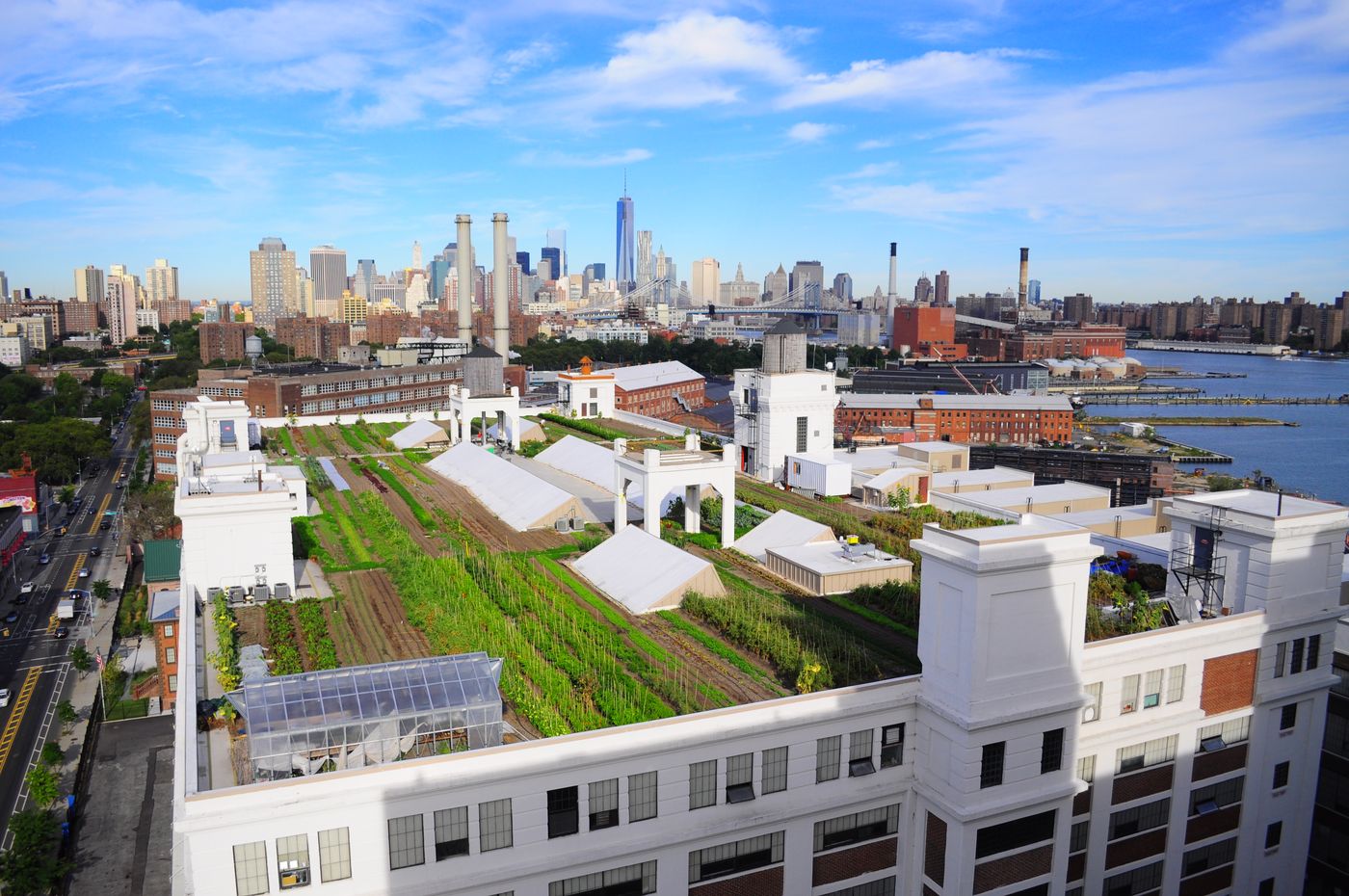
The Brooklyn Grange is an urban farm that sits upon a high-rise in Brooklyn Navy Yard. Teamed with it’s sister farm in Long Island City, Queens, the two farms are producing more than 50,000 lbs. of fresh vegetables and herbs in just 2.5 small acres of space.

“This is truly seed-to-plate agriculture, with no use of fossil fuels,” says Anastasia Cole Plakias, Brooklyn Grange’s vice president and founding partner, of the latter program. “People walk over from where they live, and go home with produce that was picked that morning.”

To read the rest of the article, visit: “Thrillist.com

Brooklyn’s Rooftop Farming Industry is Booming

13640829_10153669563545843_4022045150882189251_o

Remember when rooftop farming might have been viewed as a trend that would soon blow over and pass? People who yearned for open spaces to grow food but couldn’t imagine giving up their urban city life or loft? Well good news, it seems as if rooftop farming isn’t going away anytime soon. In fact, it’s “staying power” has been said to have the potential to transform cityscapes all over the world.

dsc_0150-0

“Brooklyn is full of backyard chicken coops and rooftop apiaries. But seeing the sophistication and skill level of the pros makes me think that urban farming as a business and food source will outlive the fad. The Navy Yard roof, on which Brooklyn Grange has a 20-year lease, required some skillful designing and planning.”

Read more about Brooklyn’s Booming Rooftop Industry, here: “Technical.ly

Urban Farm Pod’s Brilliant Plug-in Ecology Could Revolutionize Urban Farming

Urban-Farm-Pod-by-Terreform-ONE-2-1020x610

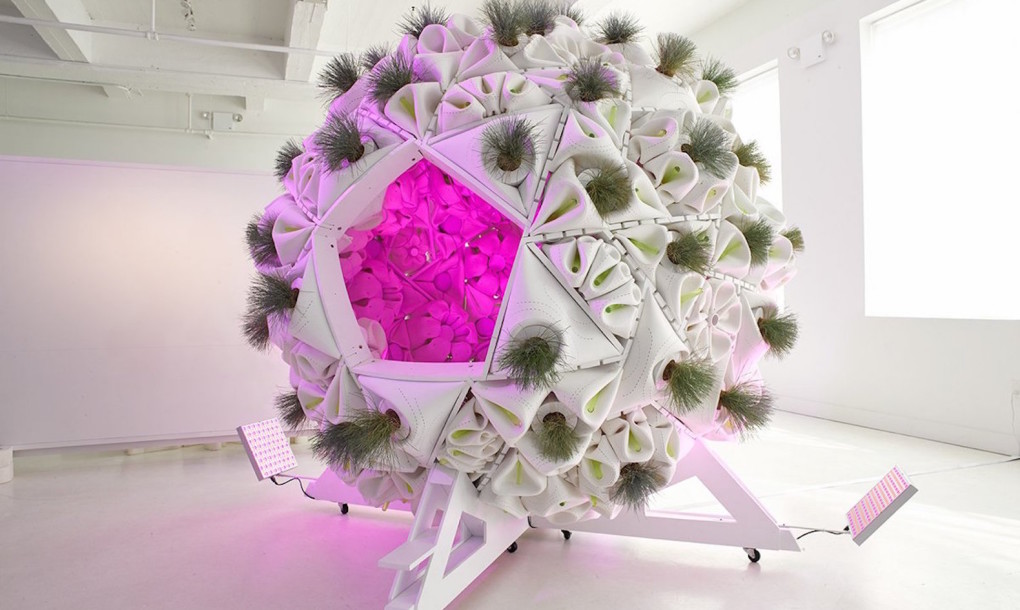
When someone mentions urban farming, you probably picture vertical farms in large empty warehouses, however one company believes it could very well take on a spherical shape.  Recently a new prototype has been released and people can’t stop talking about it.  The new Urban Farm Pod is a futuristic look at what growing your own food might look like.  It can be thought of as a living eco-system, that you simply “plug-in”.  Future urban farming tools like this would allow urban nuclear families the ability to grow their own food and at the same time produce energy.

Read more about the NEW Urban Farm Pod over at: “Inhabitat.com

A Temporary Urban Farm Grows in Brooklyn

nbk_farm_foodKarma1-5This post is originally from munchies.vice.com

If you walked along the Manhattan side of the East River sometime in the last 100 years and cast your eyes across the water, you likely saw it: a grimy white building adorned with a big, yellow “Domino Sugar” sign—an emblem of another time.

At the height of its success, the Williamsburg factory refined over half of America’s sugar supply and employed around 5,000 people; the foundation of your grandmother’s cakes and your favorite breakfast cereals were likely sugar-spun inside those walls. Following a long labor strike, the factory closed its doors for good in 2004, leaving a symbol of American industry to crumble and decay as the neighborhood around it transformed. Glossy high-rises replaced factories; upwardly mobile young people replaced drug deals and working-class residents. Last year, artist and provocateur Kara Walker erected a 75-foot-long black female sphinx made entirely of bright white sugar inside the factory and called it “The Subtlety,” though it was anything but subtle. It was a pointed critique of America’s addiction to the sweet stuff, and who and what was sacrificed in order to make it. 
nbk_farm_foodKarma1-1

This past March, despite the outcry of locals and preservationists, construction workers tore down the Domino Sugar Factory, leaving nothing but molasses-covered rubble and, for the first time since 1882, a clear view across the river. This being Williamsburg, the clear view won’t last long: Two Trees, the developer responsible for turning DUMBO into the highly coveted, highly priced neighborhood it is today, is building a $1.5 billion complex on the land. The plans include yet another shiny high rise as well as a mixed-use commercial space in the adjacent, still-standing brick building, and five acres of public park along the river.

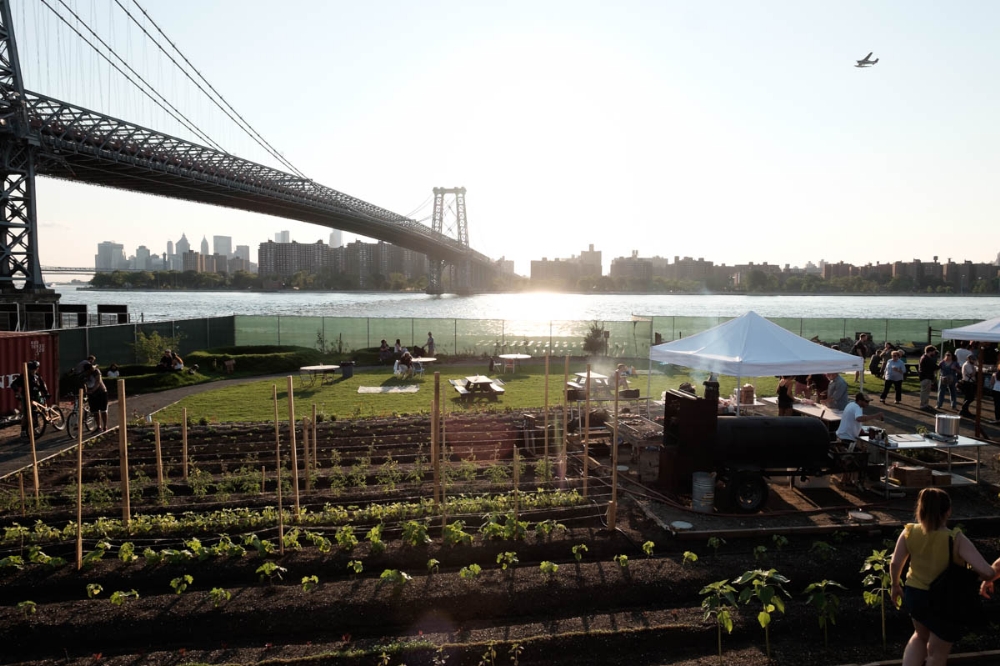
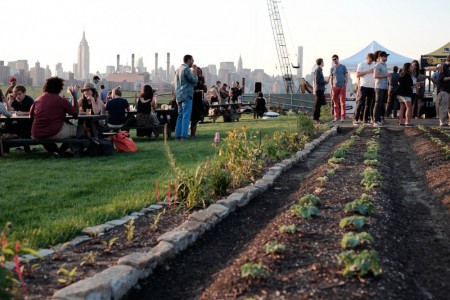
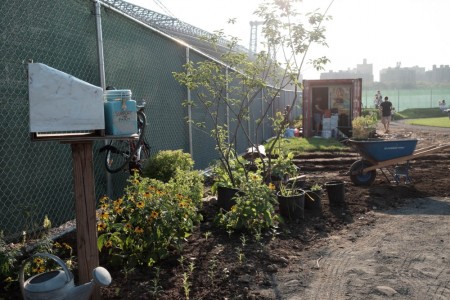
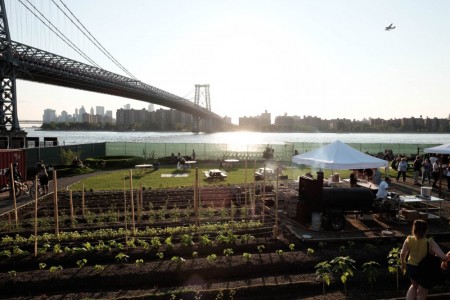
There’s still two or three years until that park and the adjacent apartments and offices materialize, but change is afoot on this stretch of land on the Brooklyn waterfront, which Two Trees has leant to a for-profit enterprise called North Brooklyn Farms. Spearheaded by two young urban farmers, Henry Sweets and Ryan Watson, the farm’s team of volunteers and their stable of shovels, repurposed building materials, and plants have been doing a delicate dance with one of Brooklyn’s most ambitious developers for the past three years. They’re growing okra, arugula, eggplant, kale, cucumbers, tomatoes, cut flowers, and vines—all without knowing how long they’ll be able to hold on to their patch of soil.
nbk_farm_foodKarma1-8

Until this summer, the farm has been planting food on a smaller, squarer plot of land just across Kent Street at South 4th Street known as Site E, which had been sitting empty behind chain link fence for almost ten years—a familiar site in New York. David Lombino, the director of special projects at Two Trees and a lifetime New Yorker, still bitterly recalls the unused construction sites of his youth: the developer Sheldon Solow’s long-untouched lot along the FDR highway; a former Gimbels department store on 86th Street; a Bloomberg Towers building on 58th Street that was left vacant for a decade. “This city is littered with sites that lay fallow for a few years before construction,” he told me.

Site E didn’t have the waterfront access or the crystalline views of Manhattan that the new farm plot does, but when Two Trees offered the Sugar Factory’s former parking lot up for proposals from the community in 2013, Watson and Sweets jumped at the chance to shape a little corner of their city. The two men are no strangers to farming: Sweets, whose long hair and full beard make him the portrait of a Brooklyn farmer, is a native of Kentucky who worked in landscaping and gardening in his home state before apprenticing at Stone Barns, the farm and educational center in Westchester, in 2011. Watson, tan and tousle-haired, worked previously at the Greenpoint Waterfront Association for Parks and Planning. The two met while working at an urban farm in Battery Park City in 2012, and before long began looking for their own growing site. In the fall of 2012, the city denied Watson’s proposal to grow vegetables on a narrow plot of land behind Williamsburg’s McCarren Park pool. When they were awarded Two Trees’ temporary land in October the following year, they knew they’d hit green gold, though their contemporaries weren’t as sure.

“Initially, when our proposal was approved, people in the urban-farming community were like, ‘Why would you want to farm for a year?’ They thought we were crazy,” Watson said of their Site E project, which they farmed for two years. “But we knew the impact it would have. We knew it wouldn’t matter if it was only for one year. We changed kids’ experiences of their city.” 

Story continues here: http://munchies.vice.com/articles/a-temporary-urban-farm-grows-in-brooklyn
 

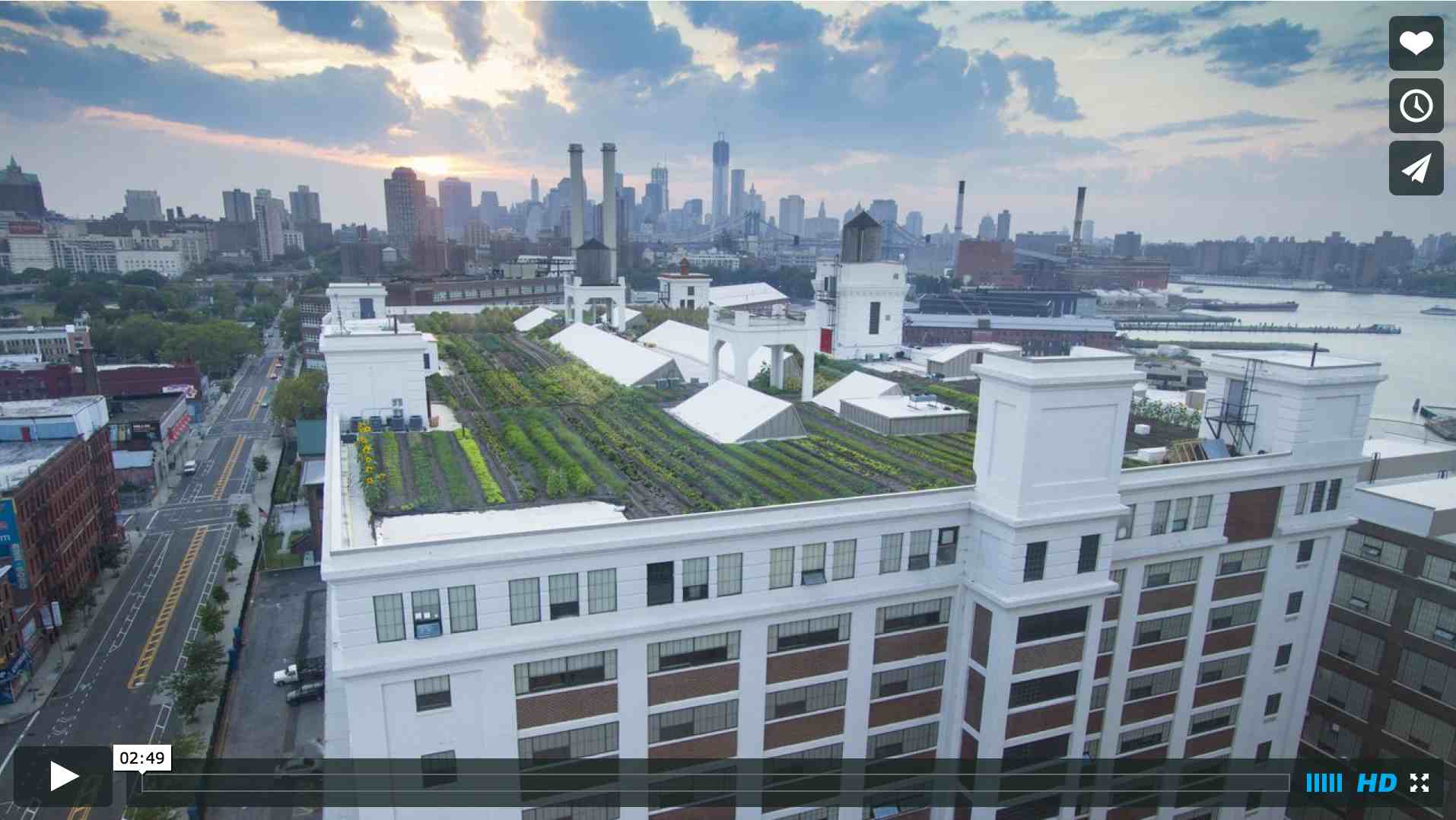
See the largest rooftop farm in the world – the “Brooklyn Grange Farm” (NYC).

A 7-month time lapse documenting the first full growing season at the Brooklyn Grange’s farm in the Brooklyn Navy Yard. At 65,000 square feet, it’s the largest rooftop farm in the world.

Brooklyn Grange – A New York Growing Season from Christopher St. John on Vimeo.

For more info, check out brooklyngrangefarm.com

Shot and edited by Christopher St. John

A big thanks to Ratatat for the music!
Song: Montanita – itunes.apple.com/us/album/classics/id354003618

My Grandmother On My Move to LA

I asked my Grandmother what her thoughts on me moving out to LA were. She is not one to hold back what’s on her mind.

Before answering the question, she wanted to make sure that she was camera ready and asked if her hair was combed and looked decent.

Then she chimed in with, “I don’t like to see you go, but if you think you are going to be happy there, I will be glad for that.”

She then got distracted by some “shmutz” that was on the floor that had to be picked up at that exact moment. After she remembered what she was saying, Gram continued, “I hope you find what you are looking for. What it is, I don’t know, but time will tell.”

I’ve attempted to explain blogging, SEO and social media to her before, but it’s not so easy to explain to a 91-year old who can barely understand a cordless phone.

A request was put in for her to address some of her “fans” on the internet, but she couldn’t grasp the concept of what I was talking about. She thought I was going to bring the internet into her house. Some attempts were made to explain who and what I was talking about, but that went round and round in circles.

When asked to say “goodbye” to everyone, she couldn’t get what I was talking about. So I told her to say goodbye to the garden. She said that she’ll still have hers, but we all know that my backyard vegetable garden is way superior.

That’s it from my Grandmother’s and her house. Closing out another chapter.

httpv://www.youtube.com/watch?v=EsKiqQI39eg

Don’t Start An Outdoor Compost Bin Mid-Winter

I learned another lesson when making an outdoor compost bin – don’t start it in the middle of the winter.

Yea that seems to be pretty obvious and common sense now, but it wasn’t two months ago when I started. Due to the freezing weather, I haven’t been able to turn the compost at all because, well, it’s been frozen. That makes it kind of hard to turn.

Now that I’m moving out to LA, I’ll need to get rid of this compost. I’ll likely just dump it on the garden beds like I did the rest of the soil.

Looking back on the gardening mistakes that I’ve made, they all seem to be common sense. It’s good that I’ve made them though as it’s part of the learning process.
httpv://www.youtube.com/watch?v=ZraDGYdXyd8

Finishing Breaking Down The Brooklyn Garden

Now that the weather has warmed up a bit and the containers aren’t frozen, I was able to finish breaking down the self watering containers in Brooklyn.

Since I’m moving out to LA, there is no need for me to put the remaining soil and plants into the outdoor compost bin.

The soil was just tossed into the gardening beds that I had planned on using. My guess is that it’s likely the most healthy and nutrient dense thing that’s been put in those beds in years.

My Grandmother’s gardener is supposed to be coming in the next week to turn her soil. Hopefully, this soil will help somewhat.

I’ll need to continue to wrap things up as I wind down my time here in NYC and head out to Cali.

httpv://www.youtube.com/watch?v=5LSBkjE3BFk

Five Gardening Mistakes I’ve Made

Since I’m still new to this gardening thing, I’ve made plenty of mistakes in my first year. I’ve also had many successes as well, with the most memorable being my first lettuce harvest.

For this post, I’d like to share the Top Five Gardening Mistakes that I’ve Made. Life ain’t perfect and neither are my gardens. I know hard to believe.

I’ve made these mistakes, learned from them and have become better at gardening (and life) because of it.

  1. Putting too many food scraps in the compost bin. This was one of my first mistakes and happened before I even planted my garden. Luckily, it wasn’t a tell-tale sign of things to come and easily rectified. Though the smell in my apartment was absolutely horrendous for a few days.
  2. Upside down herb gardening. When I first started this, it seemed like a great idea and looked cool as hell too. The first time around, they all died in less than a month. So I tried again with the same results – dead herbs. Then I realized I should turn grow the herbs out of the top, not the bottom…duh.
  3. Planting cherry tomatoes on my fire escape. It was great that I was able to get fresh, ripe tomatoes from my fire escape, but the plant grew to be way too large for my fire escape. I definitely won’t grow it again in such a small space.
  4. Plant fewer or single plants in each container. The celery plant that grew alone in a container was more than double the size of the ones that were packed together. Also I had combined herbs into containers, which stunted the growth of some of them. It was just a case of me being greedy and trying to plant as much as I could.
  5. Worm composting. I went through not one, not two, but three sets of worms that I killed. What can I say? I’m a worm serial killer. They were literally dying to get away from me. It was a major fail.

These are only five of the mistakes that I’ve made while gardening this first time around. There were plenty more and there will be plenty more to come. None of which will stop me from continuing to garden.

What are some gardening mistakes that you’ve made?

How Much Horse Manure To Order For The Soil?

Now that I’ve gotten some advice on planning for the garden beds in my Grandmother’s backyard, I made a call to obtain some horse manure.

I definitely want to add things to the soil to mineralize and amend it. One reason that I want to do this is because Brooklyn soil is known for being flat out nasty and on the border of toxic. The other reason that I want to is because I’ve seen the crap that my Grandmother has put in her soil and I wouldn’t want it anywhere near my stuff. The 60+ years of what’s been put in there ain’t for me.

The first, and only, spot that popped into my mind was the Jamaica Bay Riding Academy in Brooklyn off of the Belt Parkway. Yes, there is a horse riding academy in Brooklyn.

My hope was to call and ask if I could take some of their excess horse manure off their hands. The reality was that they don’t just give it away. They sell it. A 50lb bag costs $5 or I could fill up the bed of a pick-up truck for $25.

Shawna Coronado put over 5,000 lbs of buffalo manure into her garden. My garden area isn’t nearly as big as hers. She did refer to me this link which says 250-300lbs per 1,000 square feet.

Knowing that I’m still not sure as to how much I would need to fill in the garden beds. They are 4’x2′, 4’x6′, 4’x4′ and 4’x4′.

How much horse manure do you think I should buy?

httpv://www.youtube.com/watch?v=yOm0NxUsnVE

Help and Advice for Planning Garden Beds

This spring season, I plan to use some of the garden beds in the backyard vegetable garden at my Grandmother’s.

I got her approval and documented in the video below, but I’m sure that she’ll still have some complaints about it.

There are four beds that measure approximately 4×2, 4×6 (which has a little bit of moss growing on it), 4×4 and 4×4. I’ve seen some of the stuff that my Grandmother has put in her soil, so I’d definitely like to mineralize and amend it.

The plan that I had was to till it and add compost, seaweed and horse manure once the weather warmed up.

The questions that I currently have are:

  • Is there anything else that I should do to mineralize the soil?
  • Should I be worried about the moss? If so, what should I do
  • Is there anything else that I can do now or should be aware of?

httpv://www.youtube.com/watch?v=PErx1227H8Y

Help Buying Vegetable Seeds For The First Time

The kind people at SeedsNow.com have contacted me and offered to help me out with some seed packets to get my garden started.

I’ve never started from seed before and I like experimentation (with growing vegetables that is). My plan is to continue the fire escape gardening, backyard vegetable gardening and potentially expand that to the garden beds.

I’m leaning towards some of their Seed Banks.  What would you recommend me getting or would like to see me experiment with?

Making An Outdoor Compost Bin

I decided to make an undercover outdoor compost bin at my grandmother’s for my backyard vegetable garden in Brooklyn.

Why is it undercover? It is because my Grandmother would flip out if she knew I was composting in her backyard? Why would she flip out? I dunno. She’s 90 and does that kind of thing. We are talking about the woman who freaked out when I brought my first harvest into her house.

Making this outdoor compost bin was very similar to the aerobic compost bin in my kitchen.

This bin also had no cost in putting together as well. All of the tools and materials I already had.

    Here’s how the construction went down:

  • Drilled 1/4″ holes in the bottom of the can.
  • 1/4″ holes were then drilled vertically along the sides of the can about 2″ apart. Horizontally they were about 4″ apart.
  • Collected leaves from the backyard and filled it about half full, then pressed them down until it was about a quarter of the way full.
  • Some of the plants and soil from the containers that I broke down were put on top of the pile.
  • Topped that with some of the Jamaica Bay Sticky Icky (seaweed).
  • Put one last pile of leaves on top.
  • More holes were drilled along the sides to allow for more aeration.

This was a two-day operation. By the time the second day rolled around much of the soil was frozen and couldn’t be used. Luckily, the seaweed didn’t freeze up.

When completed, the compost was put back way in the corner of the backyard where my Grandmother doesn’t go anymore.

Unfortunately, in this weather the compost has froze up. You think it’ll last? How long until I should have some good usable compost?

httpv://www.youtube.com/watch?v=fbpMD-_Dv4c

Breakdown Your Self Watering Containers Before They Freeze

My winter container gardening ended in December, so I started to break down the self watering containers at my Grandmother’s. Once the sun went down the cold became freezing and I had to stop.

When I woke up the next morning to finish breaking down the containers, they were frozen solid. All of the soil that I had been storing in the wheelbarrow was frozen as well.

Unfortunately, I can’t do much until the soil defrosts, which I don’t see happening in the next few weeks. So I’ll have to wait to break down the rest.

There is also about 0 percent change of my Grandmother letting me bring the containers indoors. You heard her reaction when I brought some fresh picked lettuce into the house.

So that’s another lesson learned for me – don’t wait until it’s too cold to breakdown your containers.

Do you have any similar stories to breaking down your gardens in the winter?

httpv://www.youtube.com/watch?v=ZiezAh4q2fY