Chicago lawmakers push stricter legislation for urban farming

CHICAGO — Urban farming has become more common in Chicago neighborhoods, and now lawmakers have begun pushing for stricter legislation that could regulate the number of animals for each household and impose more requirements.

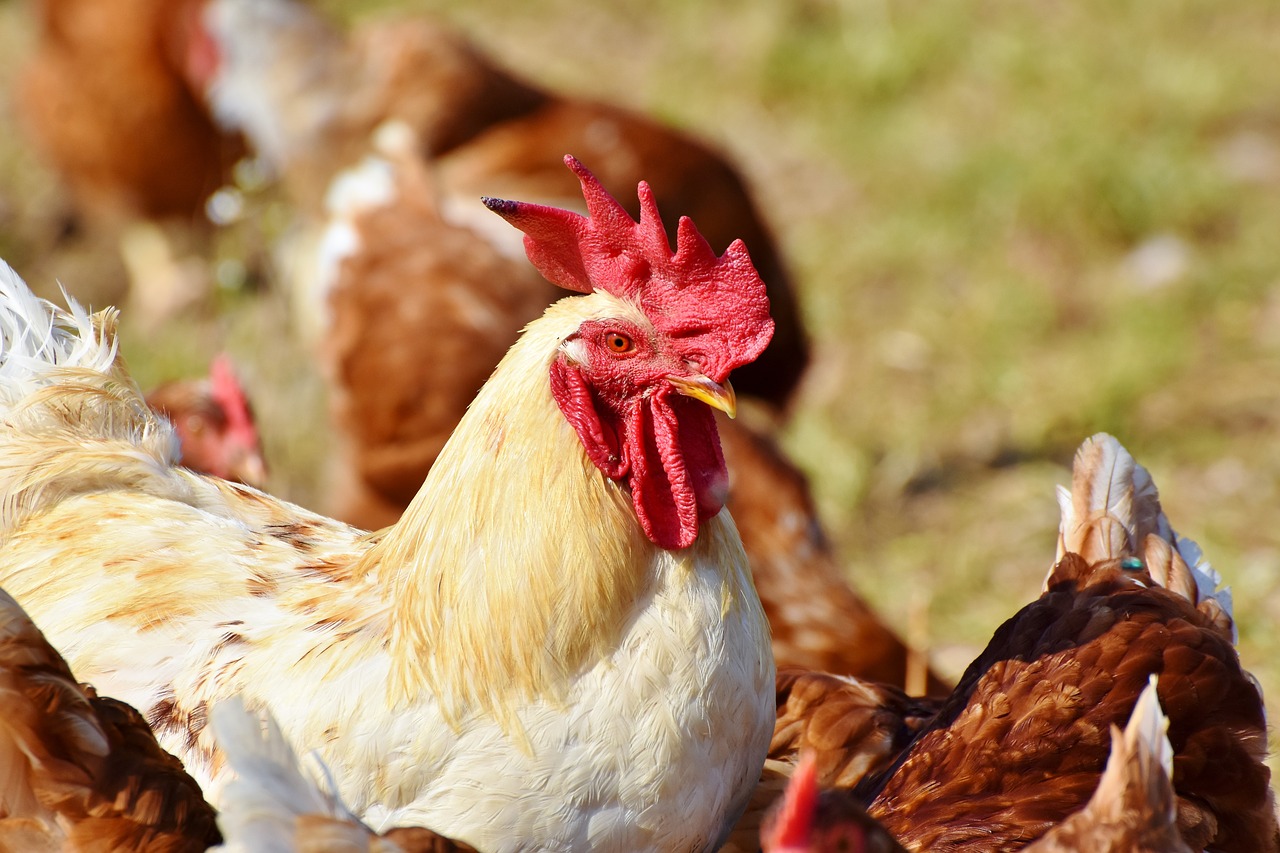
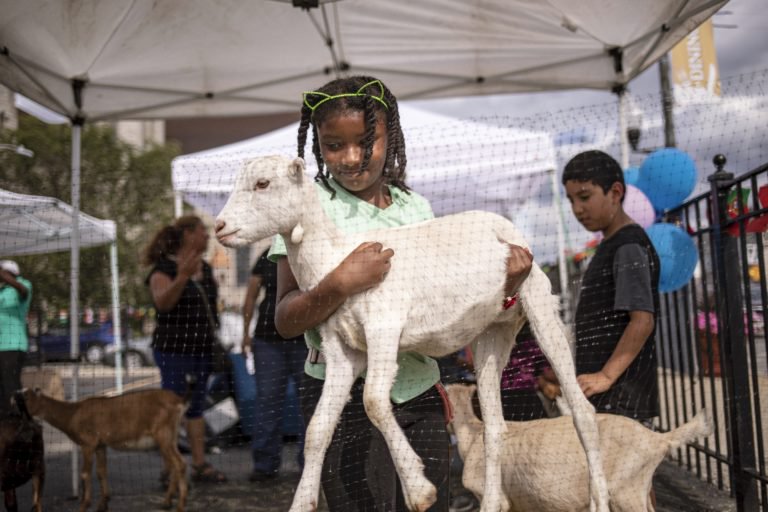
A recently proposed ordinance would ban roosters from residential areas in the city and allow no more than six hens and two livestock animals per household. Livestock animals are considered four-legged farm creatures, including pigs and sheep, the Chicago Tribune reported.

A pro-chicken lobby in Chicago is rallying against these proposed laws, arguing such issues already are addressed by existing laws, including a ban on cockfighting and fines for excessive noise.

READ THE FULL STORY https://wgntv.com/2019/10/19/chicago-lawmakers-push-stricter-legislation-for-urban-farming/

Motown to Growtown: Detroit’s Urban Farming Revolution


Rising from the ashes of decades of urban decay, the US city of Detroit is fast becoming an urban farming capital.

Many residents are now producing organic food locally – reducing the environmental footprint of their food by cutting down on carbon emissions from transport and on chemical inputs.

They are also helping revive communities as new green spaces and farmer’s markets crop up, providing neighborhoods with fresh fruits and vegetables.

Plots of land range from backyards, to seven-acre (2.8 hectares) community farms, to plans for large-scale commercial farms.

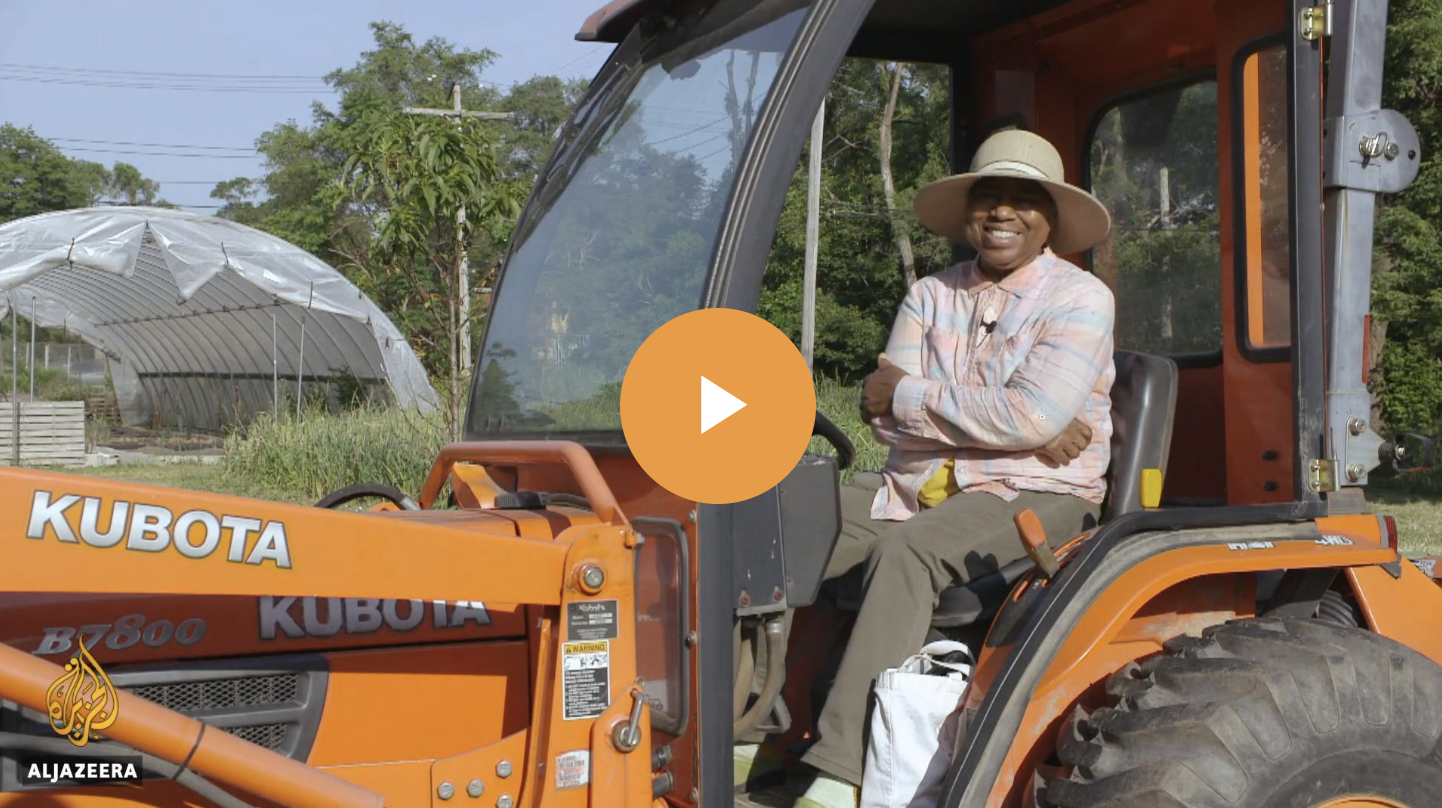
In 2012, Al Jazeera met the local residents at the center of the city’s urban farming revolution. Several years on, Rewind returns to visit them to see how the movement has progressed.

READ THE FULL STORY: https://www.aljazeera.com/programmes/rewind/2019/10/motown-growtown-detroit-urban-farming-revolution-191014065733719.html

This Fall Veggie Benefits Bones, Immunity, Energy & More!

Sometimes, the best foods are underrated, but I hope that’s not the case when it comes to butternut squash. This creamy food hasn’t been around long, but it’s quickly become an incredibly common (rightfully so!) part of many healthy diet routines thanks to all the wonderful things butternut squash nutrition provides.

Why is this such a good thing? Could it be perhaps because butternut squash has enough vitamin A in just one serving to cover your entire day? Maybe it’s because butternut squash nutrition can help you lose weight, prevent cancer and even avoid catching a cold.

All of these reasons (and many more) are great reasons to incorporate butternut squash into your diet — and lest we forget, it also tastes great. So try out some of my favorite butternut squash recipes and get some of the amazing benefits of butternut squash nutrition I outline below.

READ THE FULL ARTICLE: https://draxe.com

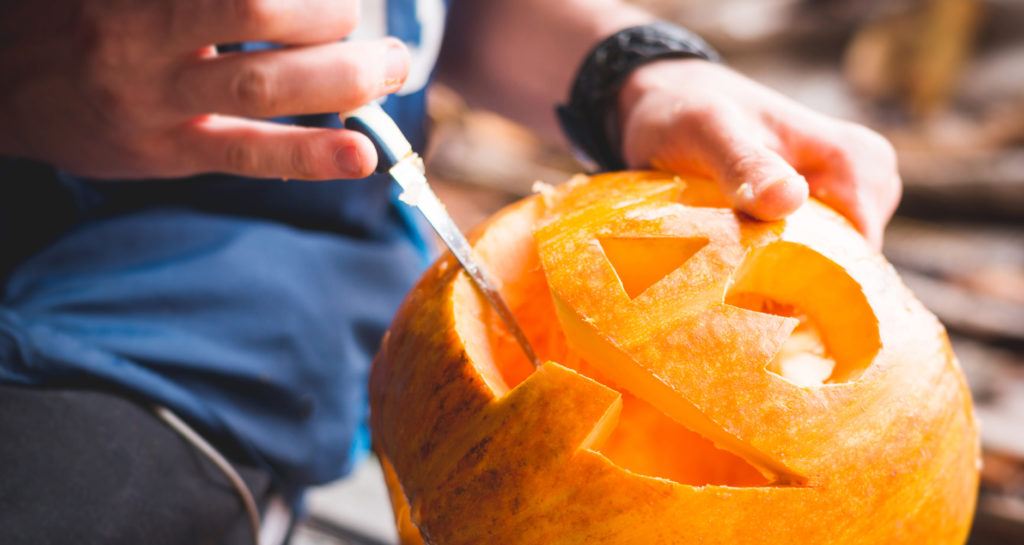
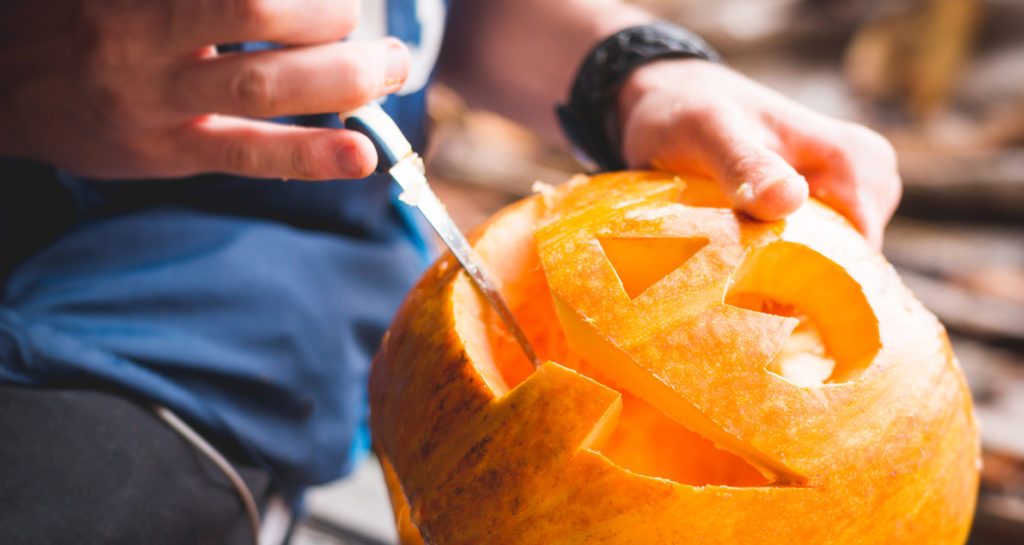
5 Ways To Keep Your Jack-O-Lantern Fresher Longer

Nothing is more unfestive than a sagging, rotting Jack-O-Lantern on your front porch. To be sure your Trick-or-Treaters enjoy your pumpkin artwork through Halloween, we’ve put together some of the best tips to help prolong Jack’s life just a bit longer.

First, try not to carve too early. The pumpkin is a fruit, and once it has been carved, it’s exposed to air and will accelerate the decaying process. So, wait as long as you can, especially if you live in high-humidity regions.

Additionally, be sure that your pumpkin is fully cleaned of the “guts” and seeds. Scrape the interior walls as thoroughly as possible to remove all stringy material. The cleaner the pumpkin, the slower it will decay.

READ: 5 Ways To Keep Your Jack-O-Lantern Fresher Longer

Improve soil and reduce greenhouse gases through regenerative gardening

Jerry and I recently rented an excavator, and I found a brand-new thrill unearthing the large root balls of cut gorse, which had created an almost impenetrable wall of shrubbery 15 feet tall at our new place in Bandon before we spent the last year leveling it to stumps. Although I was excited about clearing away the last remnants of gorse, I was less than thrilled about the dry, sandy earth from which the highly invasive shrubs had finally released their formidable grasp.

What a discouraging stretch of dead dirt! It made me long for the sticky black clay in my yard in east Medford.

Yet, it’s no wonder the disturbed soil that allowed the gorse to thrive was so depleted. The area used to be a network of dusty tractor paths on a farm that was split into smaller acreage decades ago.

Not much else but gorse could grow over the abandoned compacted roads, so the noxious mighty-weed proliferated for 30 years. Its expansive root system exhausted the sand of precious nutrients and moisture. And the greedy gorse gave nothing back but fallen, highly flammable, dead needles and countless seeds, which can germinate after lying dormant for 40 years.

If ever a soil was in dire need of remediation, this is it. As it turns out, fall is an ideal time to replenish the soil, after growers have harvested their summer crops (or 30-year-old gorse shrubs) and before winter crops are planted.

I recently spoke with Scott Goode, environmental scientist and founder of the soil replenishing group Nourishing Systems. Scott made me feel more hopeful about improving the soil through a process called regenerative gardening.

READ THE FULL ARTICLE https://mailtribune.com/lifestyle/home-and-garden/improve-soil-and-reduce-greenhouse-gases-through-regenerative-gardening
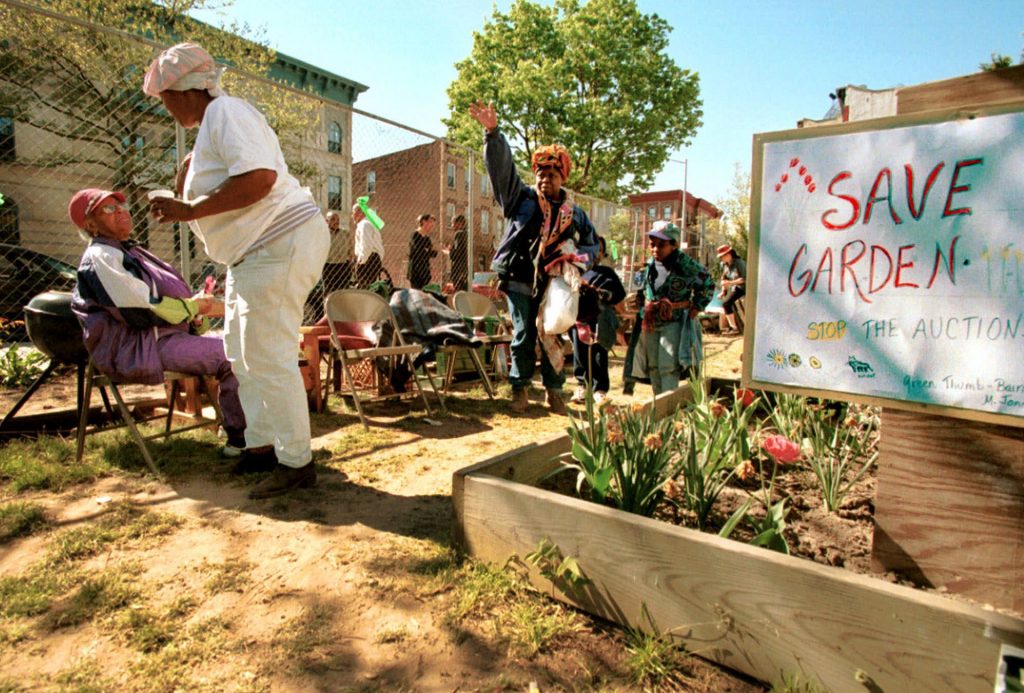
Can an urban agriculture plan cultivate NYC’s community gardens?

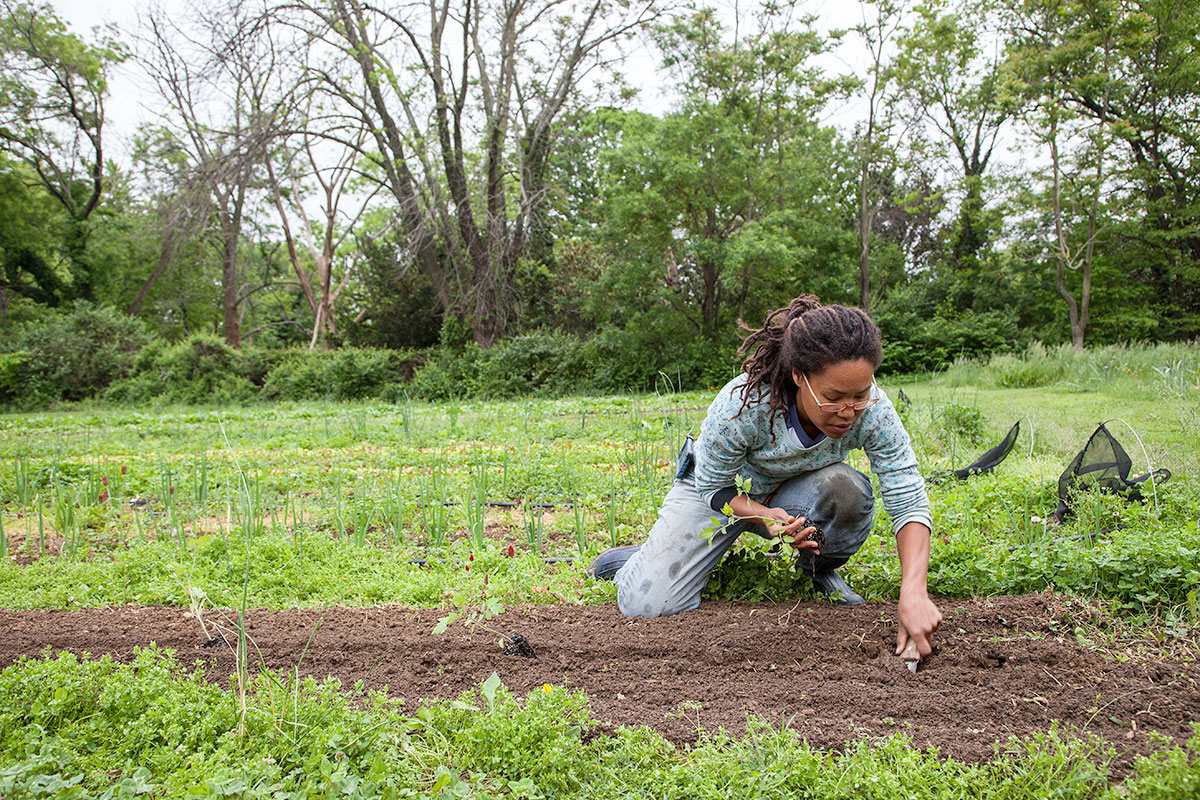
a recent Saturday afternoon, Iyeshima Harris surveyed the bounty of an urban farm on a Brooklyn block with more greenery than buildings: rows of Swiss chard and collard greens, trellises wrapped with long bean vines, and fig trees drooping with fruit.

Harris is the project director of East New York Farms, which operates three urban farms and a garden, along with nurturing a network of 40 community gardens in the neighborhood. Several of its growers sell produce at the organization’s market just outside of one of its farms, dubbed UCC Youth Farm (after United Community Centers, the nonprofit that operates ENYF⁠), which is the only place in East New York where residents can find local and organic produce. The half-acre farm on Schenck Avenue produced 7,000 pounds of fruits and vegetables last year, much of which went back into the farmers market.

“We’re a community that doesn’t have a lot of access to healthy, fresh food, so the community tries to fend for themselves with the gardens,” Harris says. She grew up in Jamaica, but has lived in New York City for much of her life, and has spent that time teaching her neighbors how to grow produce. To her, the work of a community-based urban farm—big or small—goes beyond simply sowing the soil; it’s has to do with cultivating a healthy neighborhood.

READ THE FULL ARTICLE https://ny.curbed.com/2019/10/7/20887684/nyc-agriculture-urban-farming-community-gardens

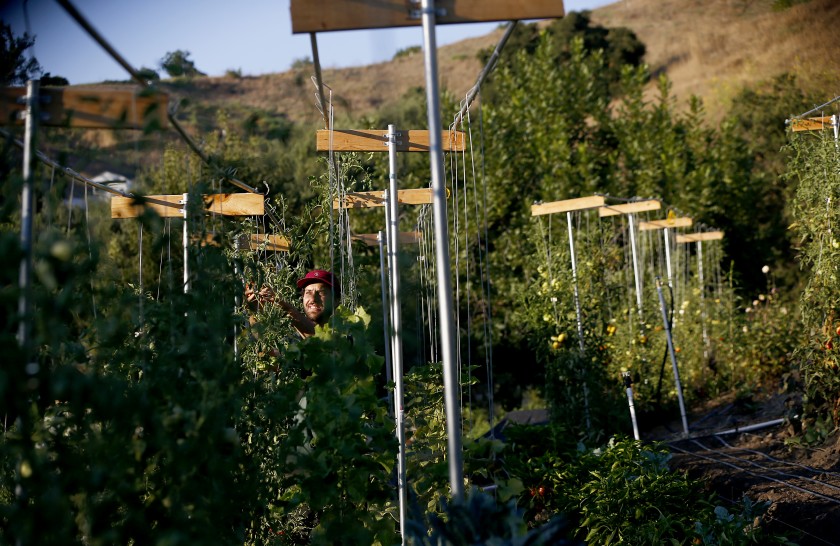
An urban farm grows in Los Angeles. You can be a part of it.

Finding the Avenue 33 Farm is a serious challenge. Plug the address into GPS and you end up on a steep residential street packed with older, neatly landscaped homes. To the west, downtown L.A. fills the horizon and, to the south, your destination looks like a modest home with a slightly scruffy front yard and a long, sloping driveway that ends with a carport.

How can this be the site of a farm?

The answer lies above, an arduous climb up the hill behind the home of farmers Ali Greer and Eric Tomassini, past the covered patio, with the new walk-in refrigerator Tomassini built the week before, past barrels of rainwater and flats of seedlings waiting to be planted, up another set of stairs to an acre-wide sprawl of flowers, tomatoes, peppers and lettuce basking in the sun.

READ THE FULL STORY https://www.latimes.com/lifestyle/story/2019-10-10/avenue33-urban-farm-grows-in-los-angeles

NATIONAL FARMERS’ DAY: WHAT TO BUY TO SUPPORT LOCAL FARMERS

National Farmers’ Day 2019 is today, October 12. It is a day to honor all farmers in the U.S., and pay tribute to great farmers throughout history. But how exactly should you celebrate National Farmers’ Day?

Why not go shopping for products that support your local farms? Alternatively, you could attend farmers’ markets and buy products directly. Some farms will be hosting special events to mark the day. You’ll be supporting farmers and the U.S. industry—and get to enjoy tasty foods and products, too.

Why buy from farmers?

To enjoy fresh products

Shopping locally often means getting to buy fresh, seasonal ingredients. Buying produce from a farmers’ market instead of the megastore is sure to guarantee fresher food and organic products. You could even visit a farm to pick your own fruit and vegetables—you’ll get to see exactly where your produce comes from.

READ THE FULL ARTICLE https://www.newsweek.com/national-farmers-day-support-local-farms-1464075

‘This is a big win’: Pesticide linked to brain damage in children banned in California

LOS ANGELES – A widely used agricultural pesticide that California environmental officials have said has been linked to brain damage in children will be banned after next year under an agreement reached with the manufacturer, state officials announced Wednesday.

Under the deal, all California sales of chlorpyrifos will end on Feb. 6, 2020, and farmers will have until the end of 2020 to exhaust their supplies.

The pesticide is used on numerous crops in the nation’s largest agriculture-producing state – including alfalfa, almonds, citrus, cotton, grapes and walnuts.

State regulators have said chlorpyrifos has been linked to health defects in children, including brain impairment, and to illnesses in others with compromised immune systems.

READ THE FULL STORY https://amp.usatoday.com/amp/3928655002

Farm + Food Lab Inspiring Creative Approaches to Urban Agriculture

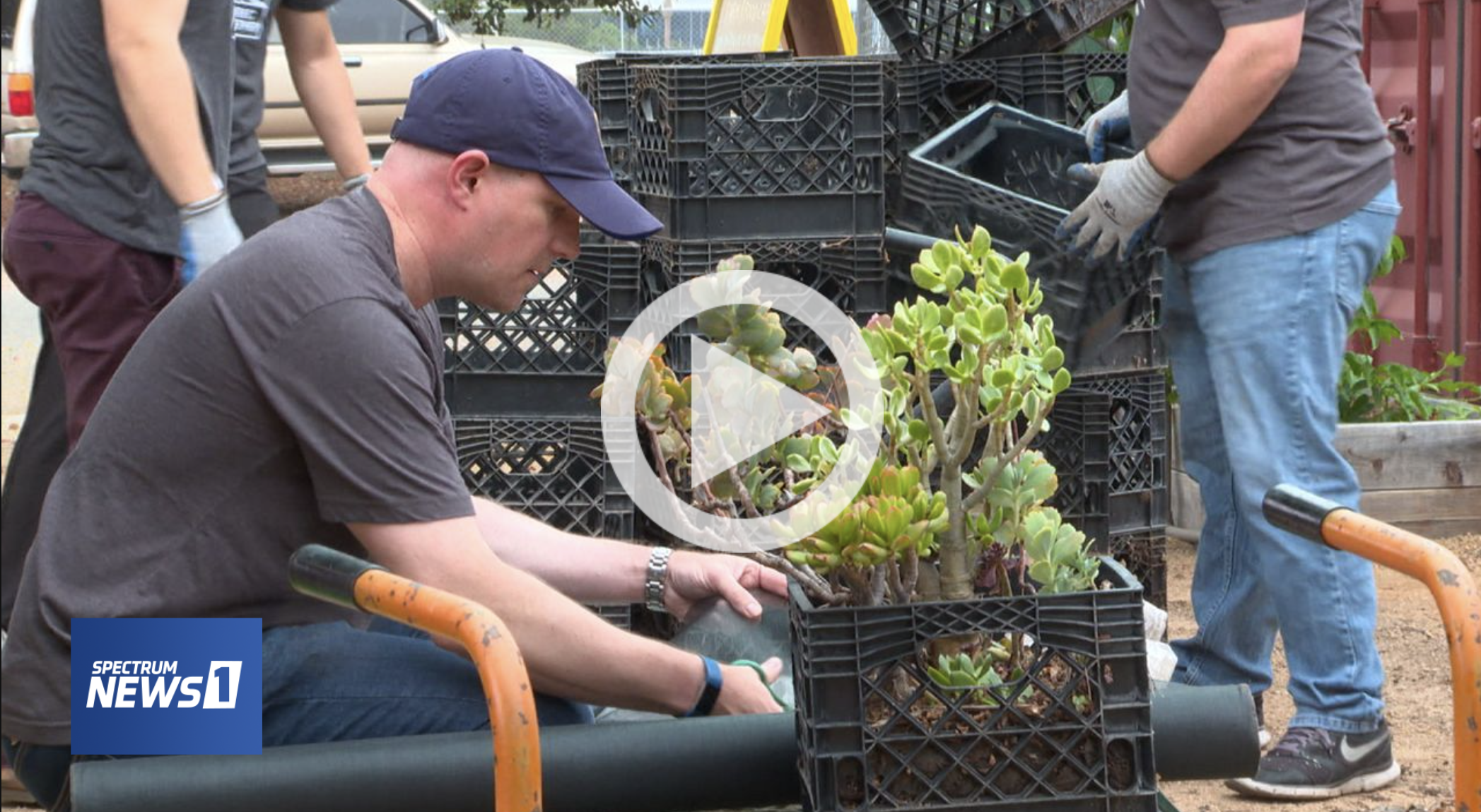
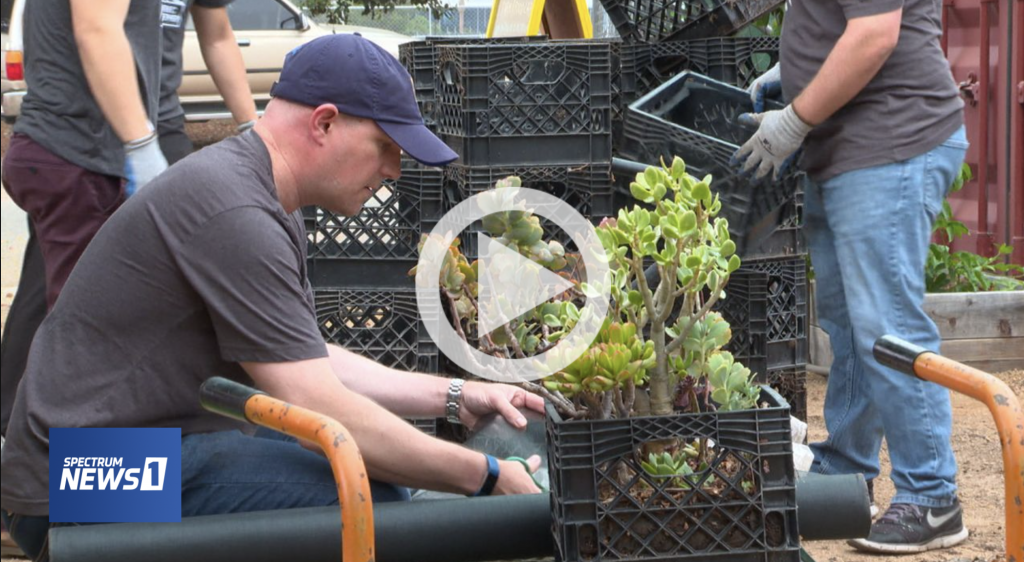
IRVINE, Calif. — Eunice and Olive, two resident chickens at the Farm + Food Lab in Irvine, just returned to a nice clean roost thanks to a volunteer team from the community-based, global design and architecture firm, Stantec.

Throughout the year Farm + Food Lab hosts countless volunteers who come to help maintain the site and to learn sustainable gardening techniques from what is being billed as a “zero waste urban farm.”
Stantec team member Jeff Crawford said he jumped at the chance to get his hands dirty and give back to the community.

“I do enjoy gardening,” said Crawford. “It’s always been a passion. So, when I saw this is one of the three activities that our Irvine office was doing this week this is the one I jumped on. We’re actually getting to see the full cycle from how produce is grown here locally, but also to be a part of the sorting and distribution of that food at local food banks.”

READ THE FULL ARTICLE https://spectrumnews1.com/ca/la-west/news/2019/10/09/farm—food-lab-inspiring-creative-approaches-to-urban-agriculture

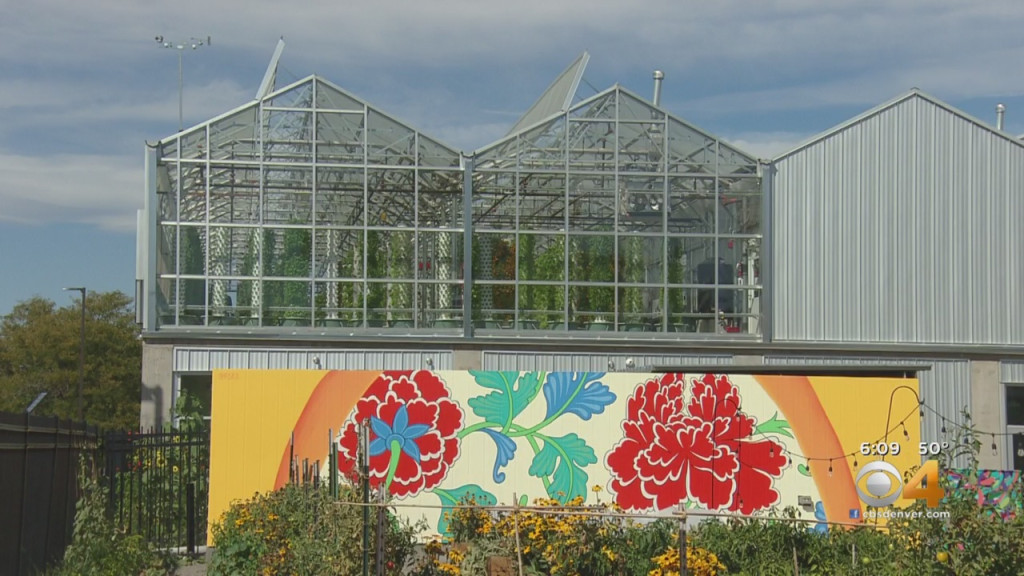
How Urban Farming With Hydroponics Can Help Feed the World While Saving Water

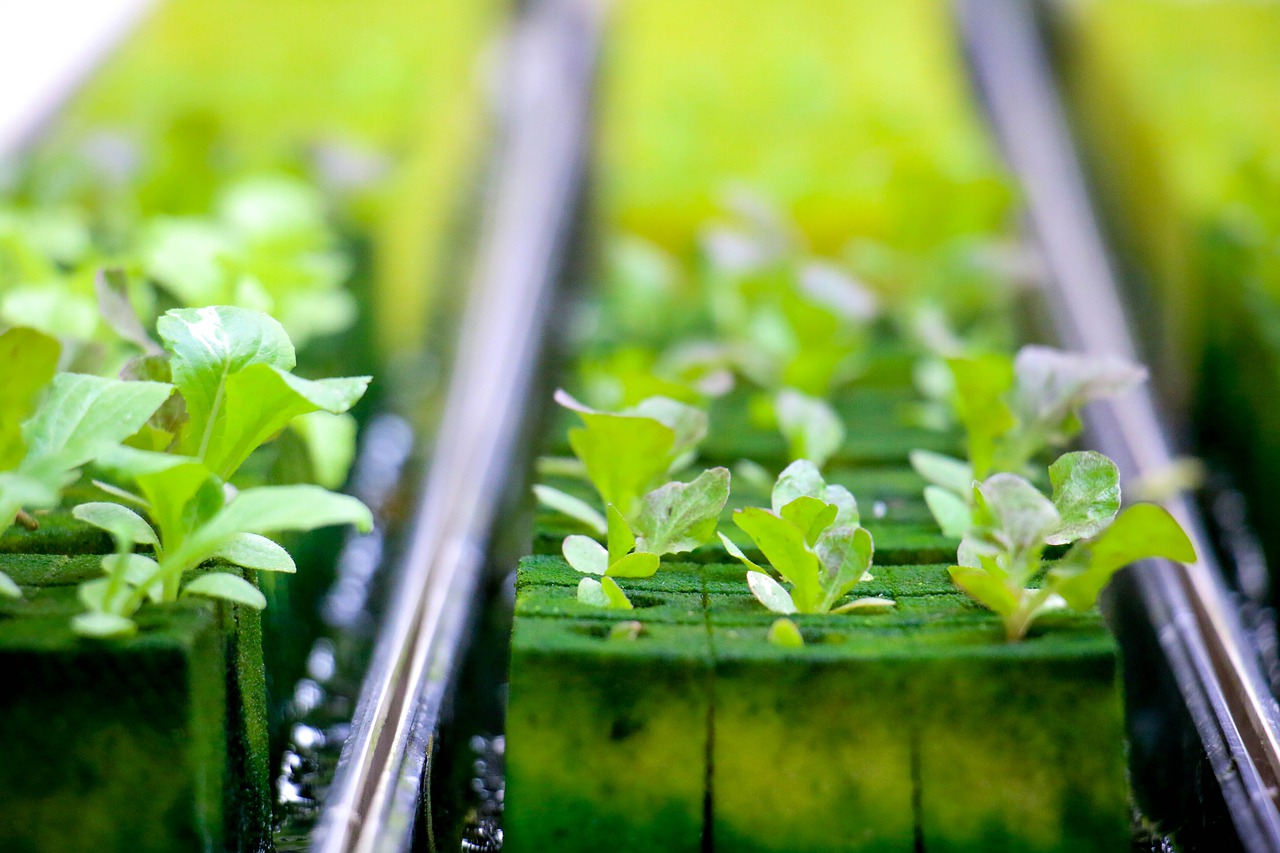
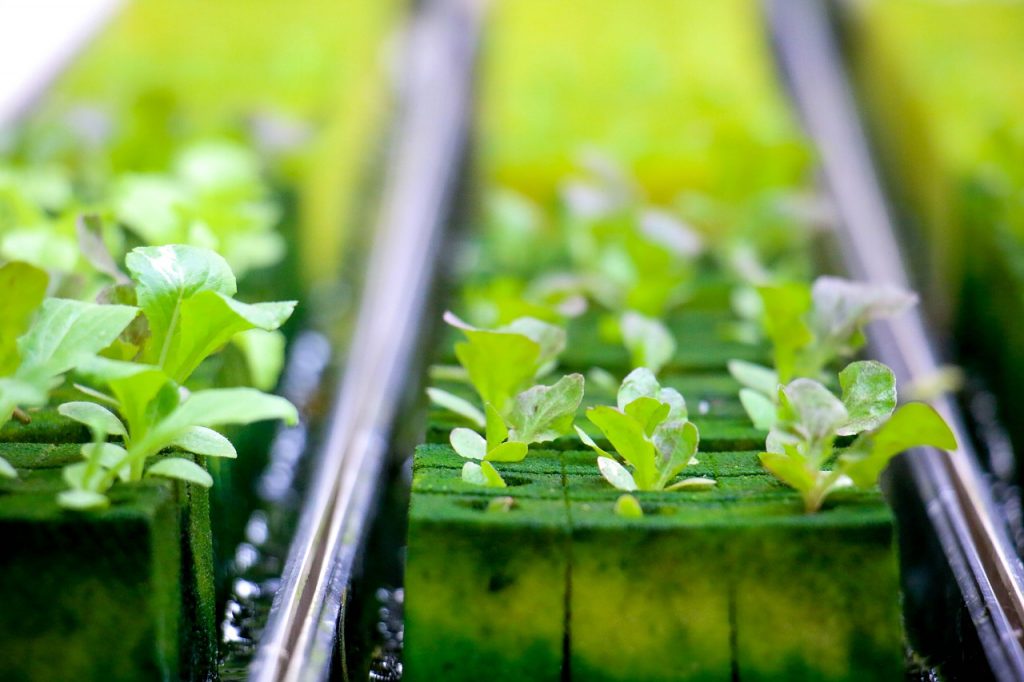
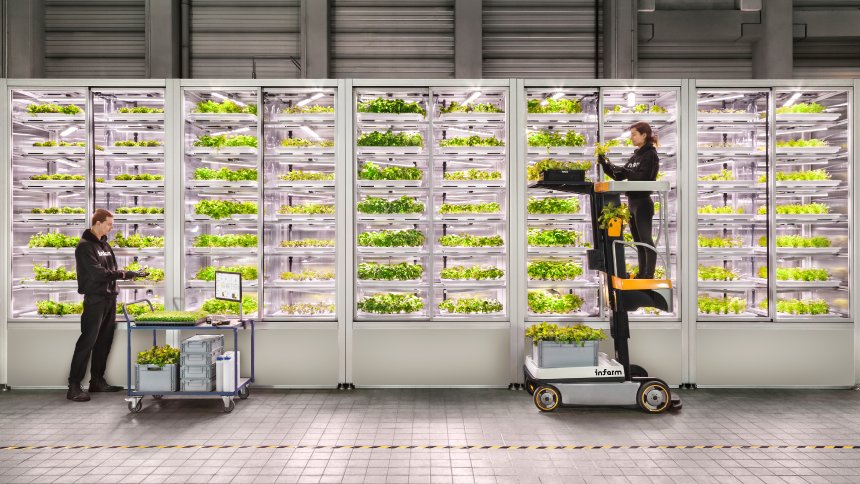
Unlike a traditional farm, the sprouting plants here grow without soil. They flourish atop vast racks with water trenches running through them that are slightly angled so that gravity helps the irrigation water shuttle around the closed system, instead of using energy-sucking pumps to move water around. Nutrients that the plants need are dissolved into the water, which comes from the local municipality’s supply. Any water runoff is purified, nutrient re-enriched, and released back into the channels.

The crops here grow year round and under relatively little stress, because conditions in the greenhouse, including the amount of sunlight and the temperature, are monitored closely by sensors. Water evaporation is also minimal.

READ THE FULL ARTICLE https://weather.com/forecast-change/marketing/news/2019-10-07-urban-farming-hydroponics-help-feed-world-saving-water

The future of farming: How urban agriculture could make big money

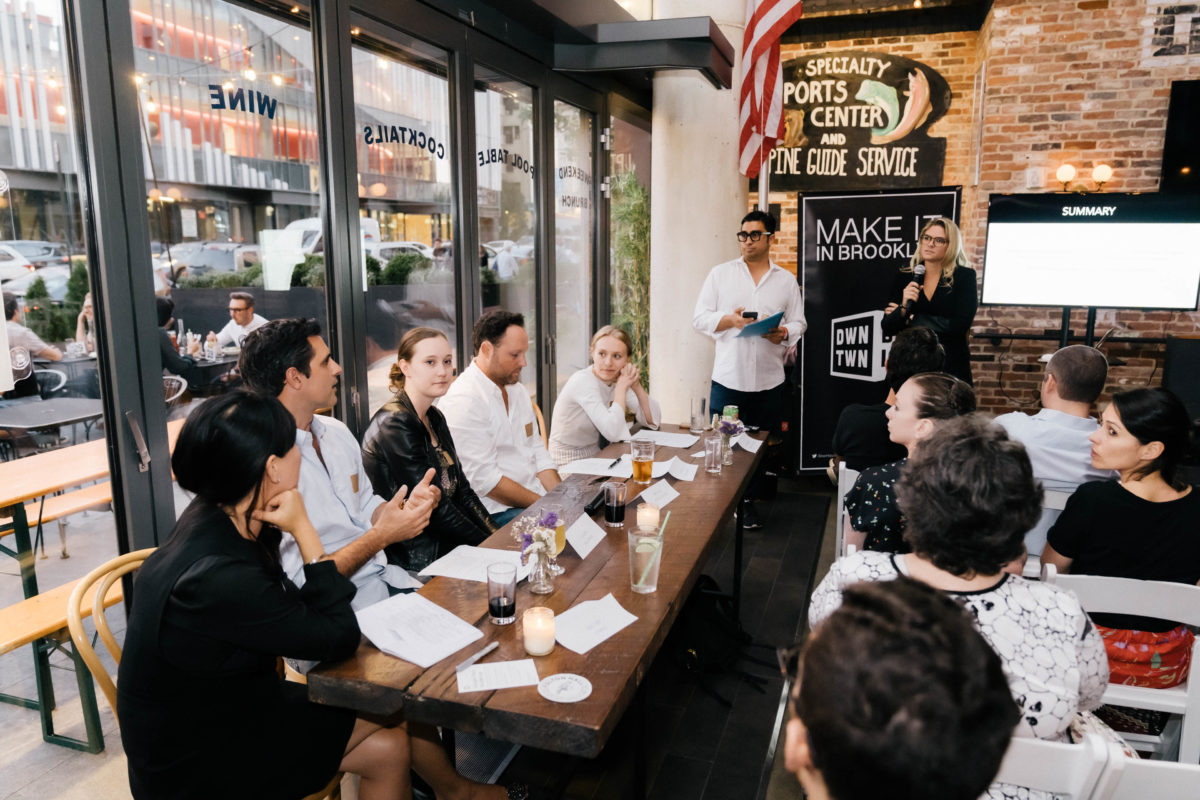
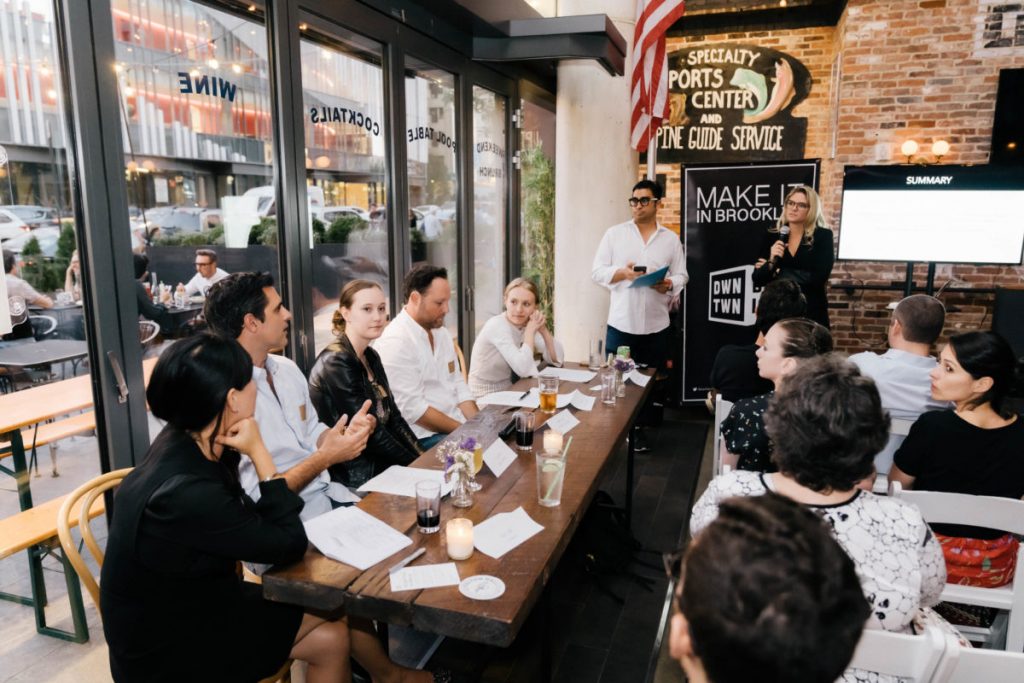
Downtown Brooklyn may seem like an unlikely staging ground for the future of farming — but at Gotham Market Hall in late September, 75 attendees at a “Shark Tank”-style pitch contest bore witness to just that.

The Future of Farming Pitch Contest featured five finalists from the urban agriculture industry, each presenting a three-minute pitch, complete with slideshow and video, to five discerning judges armed with follow-up questions.

At stake: $5,000 in seed money, $20,000 worth of server storage credits for Google’s Cloud for Startups and a free sit down with a consulting firm.

The victor: FoodFul, a company that builds sensors and software for dairy farmers that monitor their cows’ health and feed intake.

READ THE FULL ARTICLE https://brooklyneagle.com/articles/2019/10/04/the-future-of-farming-how-urban-agriculture-could-make-big-money/

Pennsylvania provides $96,000 for urban farming in Allegheny County

Grow Pittsburgh, which promotes regional urban agricultural initiatives, plans to expand through a $50,000 state grant that will help pay for a new greenhouse.

Jake Seltman, executive director of the Homewood-based organization, said Grow Pittsburgh would continue to partner with The Frick Pittsburgh for use of its greenhouse. He said a second greenhouse would provide more plant seedlings to urban and backyard gardeners and schools.

Grow Pittsburgh supports more than 100 community gardens and 30 school gardens.

“This is really going to help expand our operations across the region,” Seltman said. “We’re just really happy and thankful.”

READ THE FULL STORY: https://triblive.com/local/pittsburgh-allegheny/pennsylvania-provides-96000-for-urban-farming-in-allegheny-county/

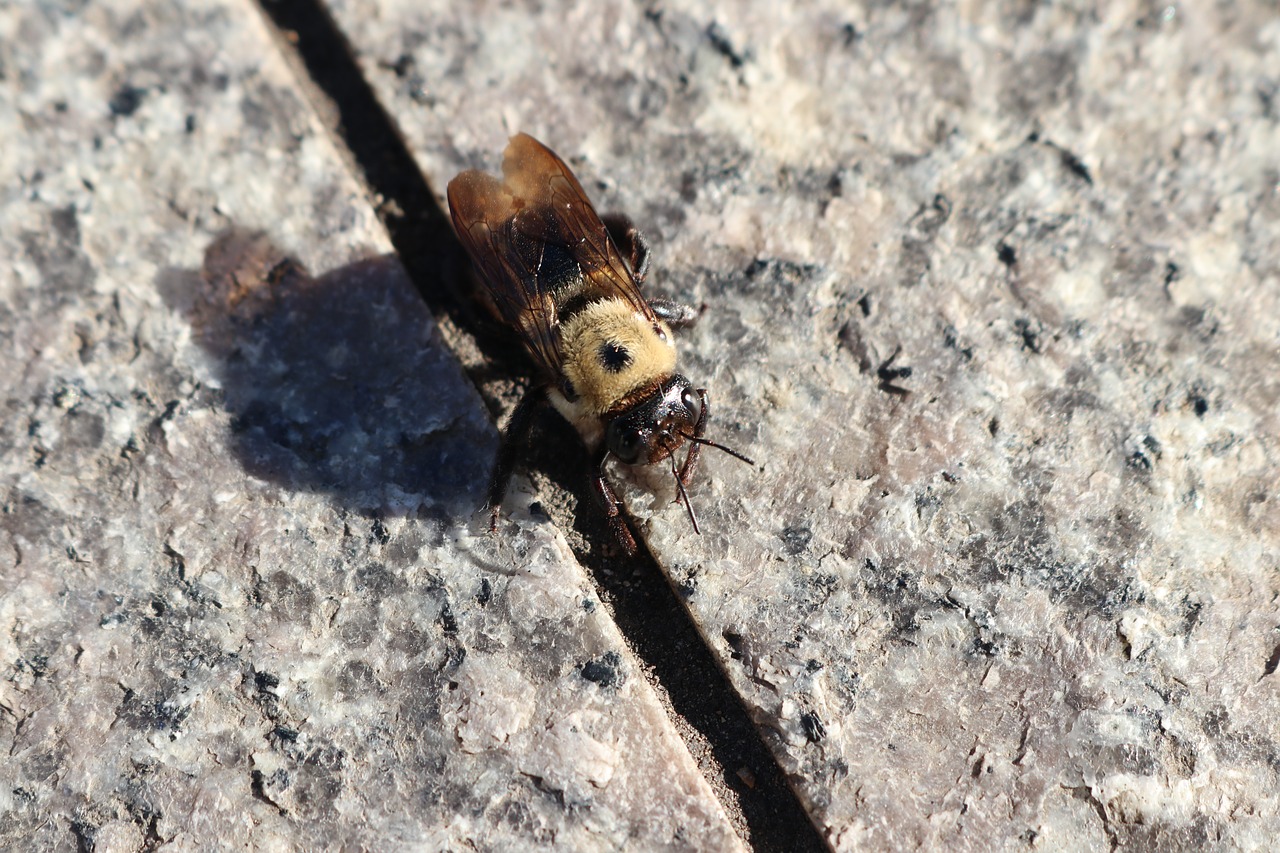
Fall gardening tips to help bees & butterflies survive winter
GREENFIELD — Winter is coming and as the frost begins to linger, bees and butterflies are searching for somewhere to survive the freezing months.

On Wednesday, gardener, photographer and pollinator advocate Larri Cochran will give a talk entitled “Fall Gardening for Pollinators: Helping Bees and Butterflies Survive Winter,” during which attendees will learn how to make a garden bed into a winter home for pollinators.
The free talk, offered by Greening Greenfield’s Planting for Pollinators campaign, will be held at the First Congregational Church, 43 Silver St., at 6:30 p.m. The talk will be followed by questions, and refreshments will be served.

“Having pollen and nectar-providing plants growing right up until hard frost is important to ensure pollinators can load up on food before the winter,” Cochran said. “They also need shelter throughout the year, and food in the early spring.”

READ THE ORIGINAL ARTICLE https://www.recorder.com/b1-Save-the-bees-28886491

The Woman Leading the Way for Urban Farming in the Nation’s Capital

With her background in advocacy, welcoming smile, air of refinement, and down-for-doing-business demeanor, it would be easy to assume that when Gail Taylor visits Capitol Hill in Washington, D.C., every Wednesday, she’s going to meet congressional staffers for high-stakes legislative deal making.

But instead of heading into the halls of Congress in a power suit, Taylor drives into the parking lot of a condo complex near the U.S. Capitol, where she pitches a tent, sets up tables, and unpacks heaps of vegetables. On a recent day, they included orange and purple carrots, dark green cucumbers, heads of green cabbage, green beans, and a milk crate of hardneck garlic. This mid-summer week, she also has baskets of blueberries, red gooseberries, yellow plums, heirloom tomatoes, Presidio rice, and bags of hand-milled flour.

READ THE FULL ARTICLE https://civileats.com/2019/09/26/the-woman-leading-the-way-for-urban-farming-in-the-nations-capital/

Soil Scientists’ Advice to Urban Gardeners: Test for Lead

(photo: @NYCzerowaste)

In the past few years, the issue of soil contamination has gained the attention of environmental groups in New York City. New Yorkers have ample reason to be concerned about their soil. While the city is cleaner than it used to be, decades of pollution left our local soil thick with toxic levels of heavy metals. For years, the presence and persistence of these toxicants were unknown, posing risks to all urban residents.

Fortunately, public support for environmental protection has rehabilitated much of our city soil. But, there is still more that New Yorkers can do, and Climate Change Week NYC is a good time for us to consider how activities like urban gardening and farming can be done in a way that is both healthy for humans and helps to improve the environment and potentially mitigate climate change.
Abating contaminated soil with organic matter helps reduce greenhouse gas emissions because compost sequesters carbon, diverting it from the atmosphere.
READ THE FULL ARTICLE https://www.gothamgazette.com

Urban Farming Takes Off in Germany

When Christian Echternacht gets invited to dinner, he likes to bring tilapia and basil rather than wine or flowers. His friends have grown used to it by now. They know that the fish and the plants have something in common: Both are harvested by Echternacht himself. They make great fish burgers topped with basil mayonnaise.

The ingredients prosper in the urban farm that Echternacht has run with his partner, Nicolas Leschke, for several years. It’s located in central Berlin, on the grounds of the Malzfabrik, a startup hub in the city’s Schöneberg district.

Tilapia at various stages of growth swim around in 13 different tanks, their skin varying shades of silver and pink. The fish don’t weigh much when they arrive at Echternacht’s ECF Farmsystems, as his company is called, but after a few months in his tanks, they plump up to half a kilogram (1.1 pounds) and are ready for harvesting.

READ THE FULL STORY https://www.spiegel.de/international/business/growth-of-urban-farming-in-germany-a-1284485.html


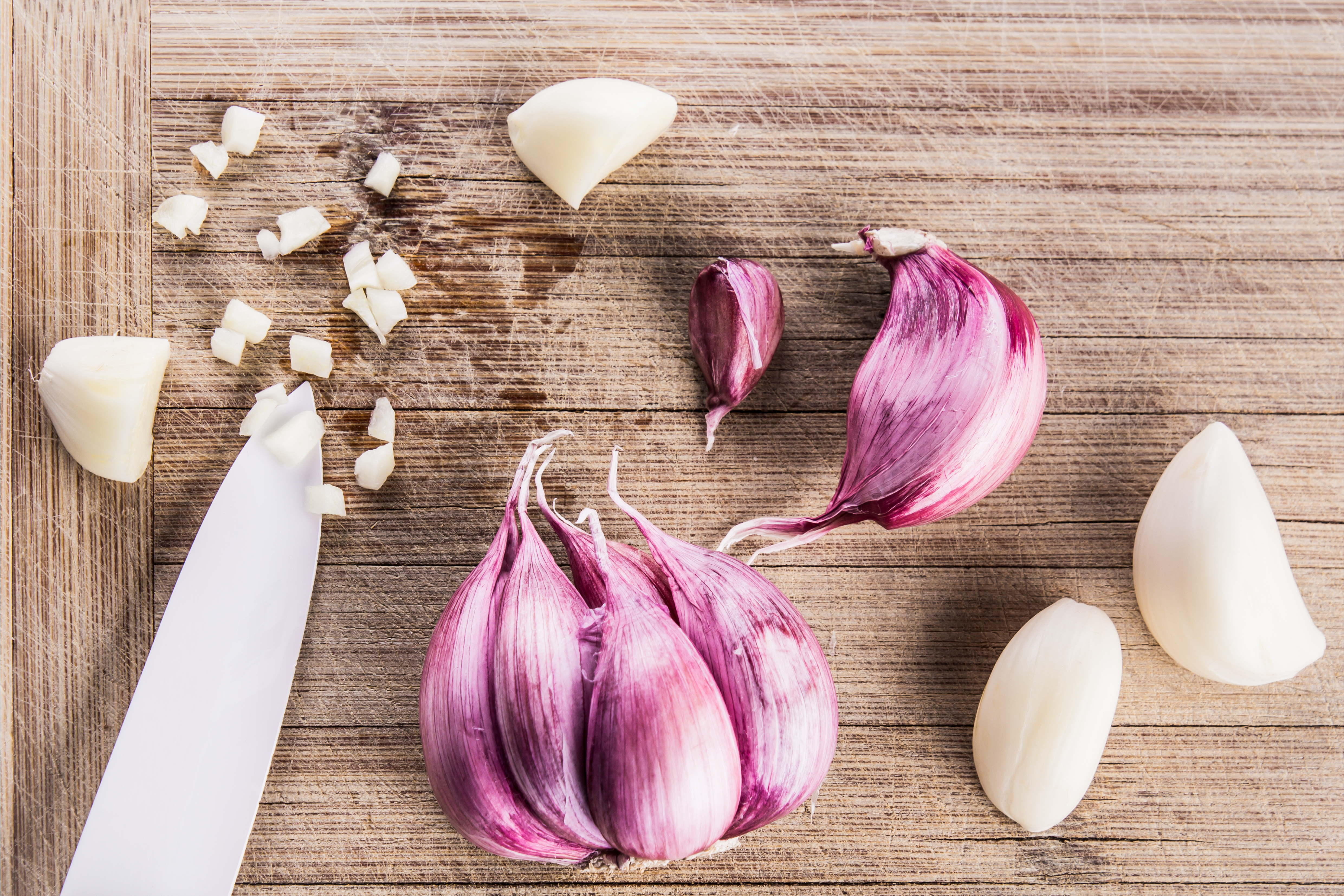
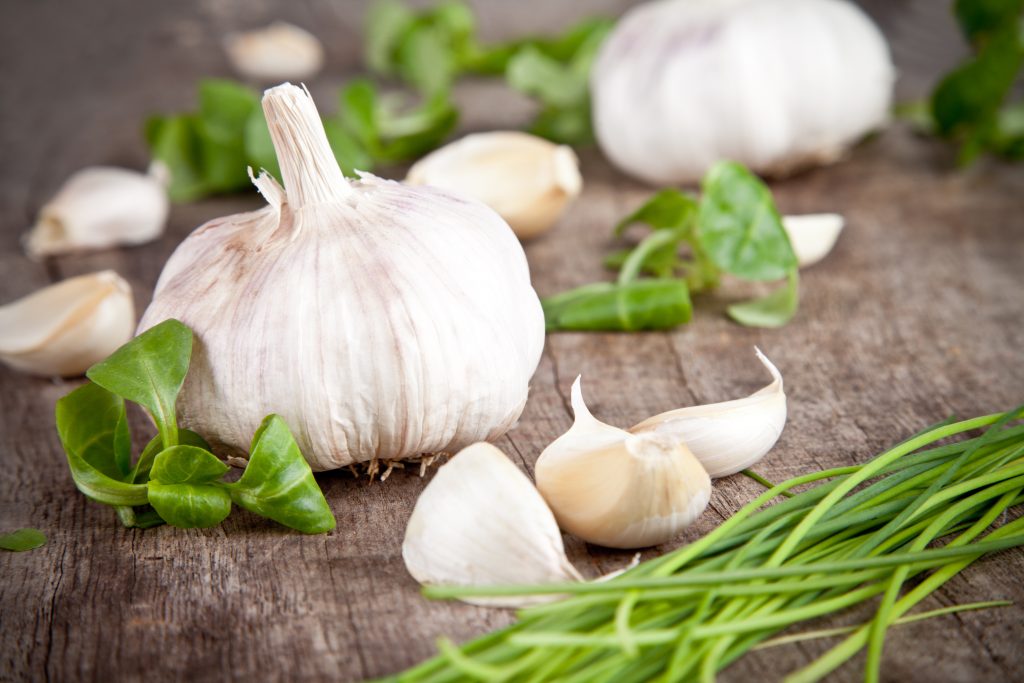
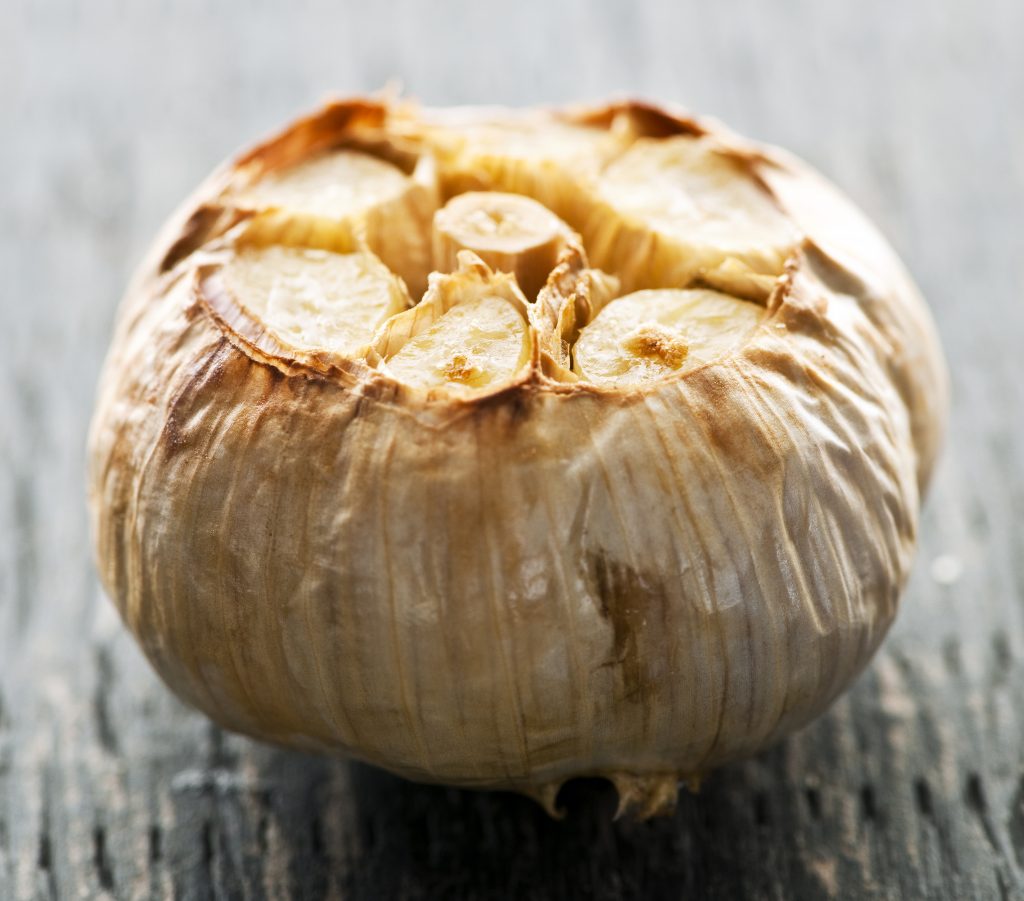
What’s The Difference Between Hardneck vs. Softneck Garlic?

You may have heard some terms thrown around describing certain garlic varieties but what do they mean? Below we’ll give you a brief description of what Hardneck and Softneck really mean in the garlic world.

Hardneck Garlic:

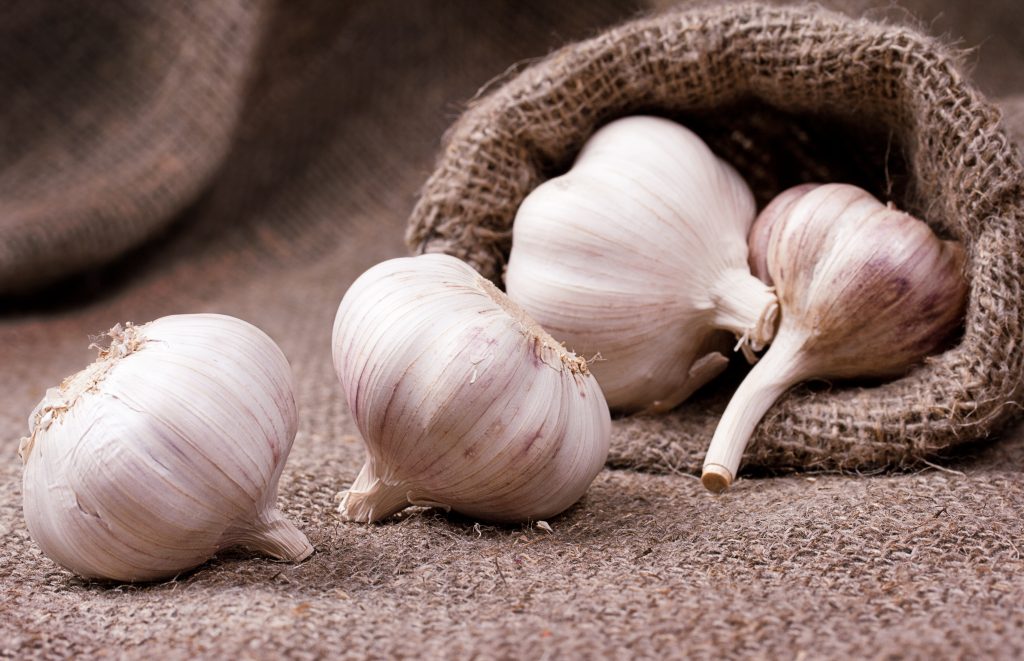
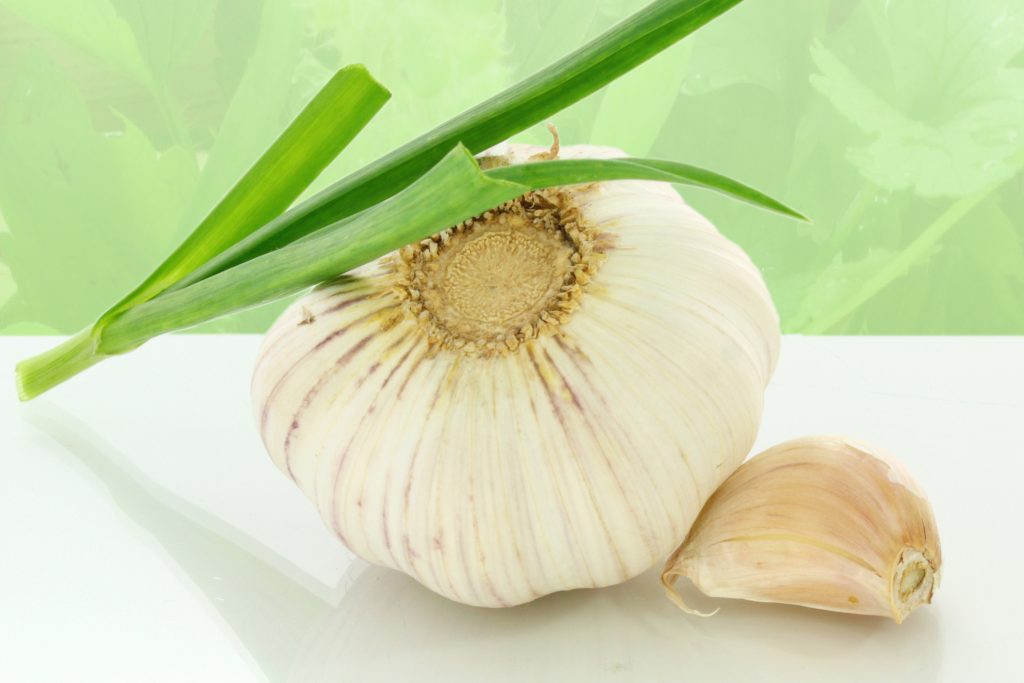
  • Hardneck garlic has fewer cloves per bud than the softneck varieties.
  • They will produce a flower stalk, or scape, that will need to be removed once the plant forms.
  • The cloves are larger than softneck varieties.
  • These varieties will store well for only a few months, so use them sooner than later.
  • Grow hardneck varieties in regions where there is extended cooler weather.

Softneck Garlic:

  • Softneck garlic has more cloves per bud than hardneck varieties.
  • They will not produce a hard flowering stalk, which makes it a great choice for braiding.
  • The cloves are smaller than hardneck varieties.
  • These varieties can easily be stored for up to 9 months.
  • Grow softneck varieties in regions where winters are mild.

Regardless of which variety you think will suit you best, it’s time to start dropping your fall garlic! Garlic can be planted in the spring as soon as the ground can be worked, but fall planting is recommended. Bulbs will grow bigger and more flavorful when you plant them in the fall. Plant 6 to 8 weeks before your first hard frost. In southern areas, February or March can be a better time to plant. Most people generally plant garlic somewhere between October-February.

Key Planting Info:

  • Break apart cloves from bulb but keep the papery husk on each individual clove.
  • Ensure soil is well-drained with plenty of organic matter. Plant in Full Sun.
  • Plant 4 inches apart & 2 inches deep, in their upright position (the wide end down and pointed end facing up).
  • Come springtime, shoots will begin to emerge.

How to Take Care of Garlic

  • Northern states should mulch with straw for overwintering.  Remove mulch in the spring after the threat of frost is over. (Young shoots can’t survive in temps below 20°F on their own. Keep them undercover.)
  • Cut off any flowering shoots that come up in the springtime. They will decrease the size of the bulb.
  • Fertilize with nitrogen, especially if you see yellowing leaves.
  • Water once every 3-5 days during bulb-ing (mid-May through June).

When and How to Harvest

  • You’ll know it’s time to harvest your garlic when the tops are yellow and they begin to fall over. Harvest the garlic before the tops are completely dry.
  • Gently lift the bulbs with a spade or garden fork.  When you remove them from the soil, carefully brush off the soil and let them cure in an airy, shady spot for two weeks. Try hanging them upside down on a string.   The key to curing them is making sure that they have good air circulation.

How to Store Garlic

  • Your garlic will be ready to store when the wrappers are dry and papery and the roots are also very dry. The head of the root should be hard and the cloves should come apart easily.
  • Remote all dirt, roots & leaves. Keep the papery wrapper on—but remove any dirty parts.
  • Bulbs should be stored in a cool (40 degrees F), dark, dry place, for several months.
  • The flavor of your garlic will increase as your bulbs are curing and drying.

Here’s a fact: Your cured garlic can keep well in storage for AT LEAST 6 months, up to an ENTIRE YEAR! Store it in a place with good air circulation, 65-70% humidity, and temps. around 35-50 degrees F.


Ready to SHOP Hardneck AND Softneck Garlic?! Click here!

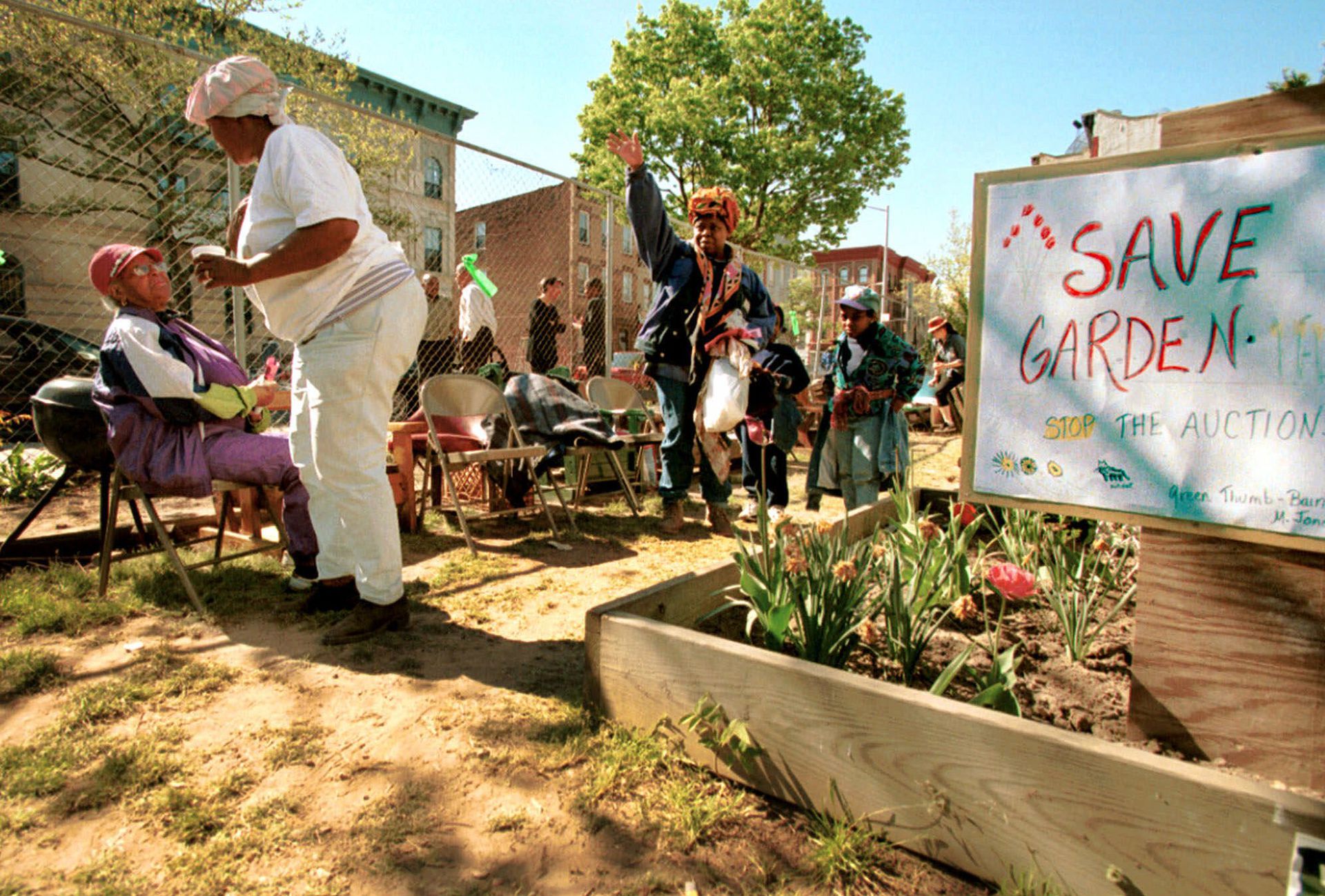
City Gardens Are Taking over Chicago Streets

On his way home, Darnell Eleby paused before boarding the commuter train in Atlanta’s Five Points station and maneuvered his wheelchair to a stop not seen on many mass transit platforms: a fresh food stand stocked with colorful fruits and vegetables from city gardens that are adding some color to the Chicago streets.

Aided by a volunteer, he filled a basket with bananas, apples, corn, and squash and paid with a health program voucher.

“It helps you out when you can’t get to the store,” Eleby said.

In Chicago, nonprofit groups have opened health clinics where staff provide patients with nutrition education and free coupons to area farmers’ markets replete with healthy foods.

READ THE FULL STORY https://usa.inquirer.net/40317/city-gardens-are-taking-over-chicago-streets