
The city trying to make urban living good for your health

If you live in Glasgow, you are more likely to die young. Men there die a full seven years earlier than their counterparts in other UK cities. Until recently, the causes of this excess mortality remained a mystery.

The phenomenon has become known as the Glasgow Effect. But David Walsh, a public health programme manager at the Glasgow Centre for Population Health, who led a study on the excess deaths in 2010, wasn’t satisfied with how the term was being used. “It turned into a Scooby-Doo mystery but it’s not an exciting thing. It’s about people dying young, it’s about grief.”

He wanted to work out why Glaswegians have a 30% higher risk of dying prematurely – that is before the age of 65 – than those living in similar post-industrial British cities. In 2016 his team published a report looking at 40 hypotheses – from vitamin D deficiency to obesity and sectarianism. “The most important reason is high levels of poverty, full stop,” says Walsh. “There’s one in three children who are classed as living in poverty at the moment.”

READ THE FULL ARTICLE: https://www.bbc.com/future/article/20191017-the-city-trying-to-make-urban-living-good-for-your-health
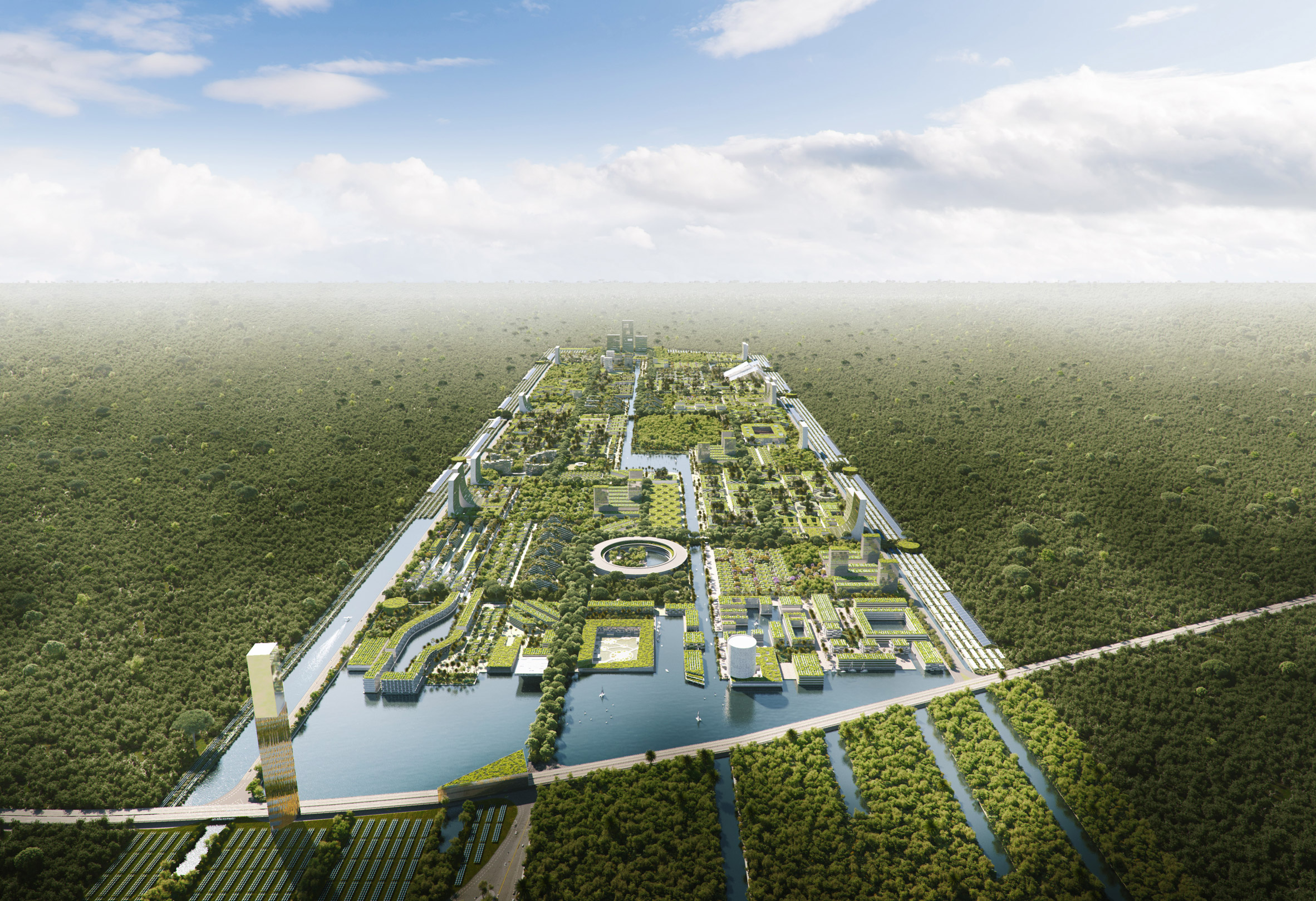
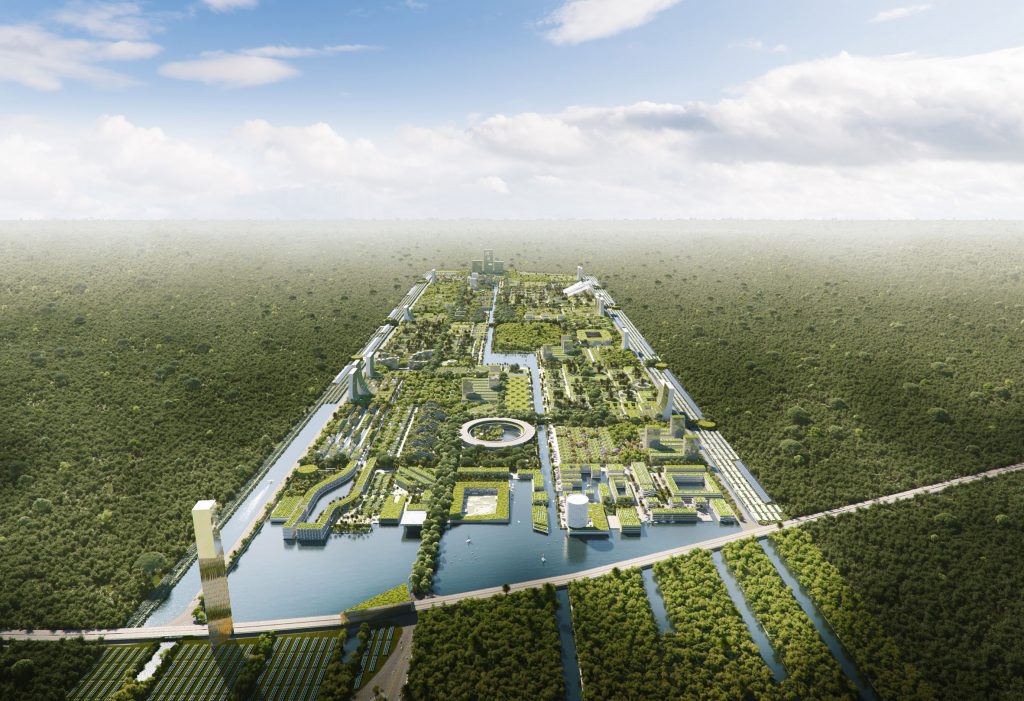
Smart Forest City with in 7.5 million plants for Mexico

Italian architect Stefano Boeri has unveiled plans to create a forested smart city in Cancun, Mexico, that is designed to be a “pioneer” of more eco-efficient developments.

Smart Forest City Cancun is intended to be built on a 557-hectare site near the Mexican city. According to the architect, it will contain 7.5 million plants, including numerous species of trees, shrubs, and bushes chosen by botanist and landscape architect Laura Gatti.

“Smart Forest City Cancun is a Botanical Garden, within a contemporary city, based on Mayan heritage and in its relationship with the natural and sacred world,” said Stefano Boeri Architetti. “An urban ecosystem where nature and city are intertwined and act as one organism.”

The project forms of part of Boeri’s Forest City concept – which will see cities made up of plant-covered skyscrapers rolled out across China’s urban areas – and the abundance of greenery is intended to depollute the surrounding environment.

Boeri’s firm hopes the project will be built in lieu of a huge shopping mall, and reforest a site that was turned into a sand quarry for hotels.

“Thanks to the new public parks and private gardens, thanks to the green roofs and to the green facades, the areas actually occupied will be given back by nature through a perfect balance between the number of green areas and building footprint,” said the firm.

“The Smart Forest City will absorb 116, 000 tons of carbon dioxide with 5,800 tons of CO2 stocked per year.”

READ THE FULL ARTICLE: https://www.dezeen.com/2019/10/25/smart-forest-city-stefano-boeri-cancun-mexico/

HUDA Clinic prescribes food as medicine for uninsured Detroiters

For the first three years Babar Qadri worked as a physician assistant at the HUDA Clinic in Detroit, he says he was “just following everything I learned in medical school.”

“You see a patient with high blood pressure and you give them high blood pressure medication,” says Qadri, known as “Q,” who is now attending physician at HUDA. “You tell them the usual thing that every doctor knows: don’t eat this, don’t eat that, increase your fruits, increase your vegetables, drink more water, blah blah blah. Every patient heard that ’til they’re blue in the face and that’s a story that hasn’t changed.”

But Qadri’s approach changed dramatically when he asked a patient he’d been seeing for three years what she was doing to help her high blood pressure.

READ THE FULL ARTICLE: https://www.modeldmedia.com/features/hudaclinic102919.aspx

Philly is creating first-ever urban agriculture manifesto

Kensington residents have cultivated fresh vegetables on abandoned lots in the corner of Norris and Lawrence streets for seven years. Last year, a portion of the César Andreu Iglesias Community Garden was bought by a developer, and now the owner of the rest of the land wants to reclaim it. The garden will probably lose its ground.

City officials often recognize the various benefits of growing food in the city — it increases food access, it creates community, it makes kids and adults engage with their environment, and it even reduces crime. But when it comes to prioritizing resources to secure the land existing gardens occupy or to help community members to open a new garden, city agencies and representatives don’t always move in ways that support the cause. As a result, well-tended and productive urban farms are threatened every year in Philadelphia. Last year, just a couple of blocks from the César Andreu Iglesias Community Garden, La Finquita closed its doors after almost 30 years of existence.

READ THE FULL ARTICLE: https://whyy.org/articles/philly-is-creating-first-ever-urban-agriculture-manifesto/

Indy’s “Young Urban Gardener” off to NYC for Disney+ screening

INDIANAPOLIS (WTHR) – Austin Hurt, the “Young Urban Gardener” from Indianapolis, is now sharing his story with the world.

We first introduced you to Austin two years ago, sharing his mission to feed the hungry from the food he grows in his east side garden.

Now, he’s being featured in an episode on Disney+ as part of Marvel’s superhero project.

Austin says none of this would be possible without the help from the community.

READ THE FULL STORY: https://www.wthr.com/article/indys-young-urban-gardener-nyc-disney-screening

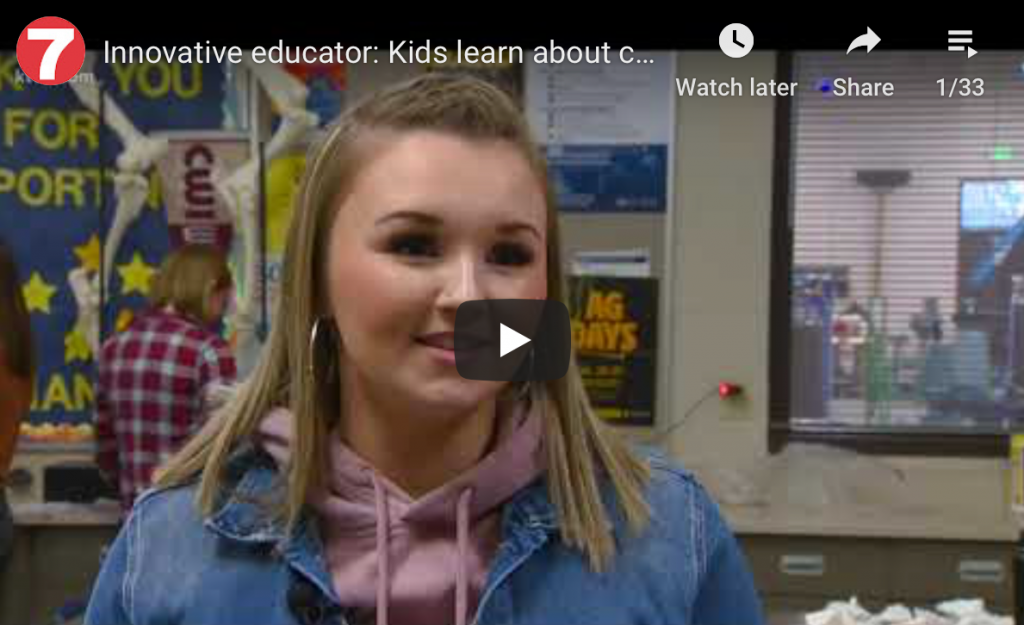
Kids learn about sustainability at the Boise Urban Garden School

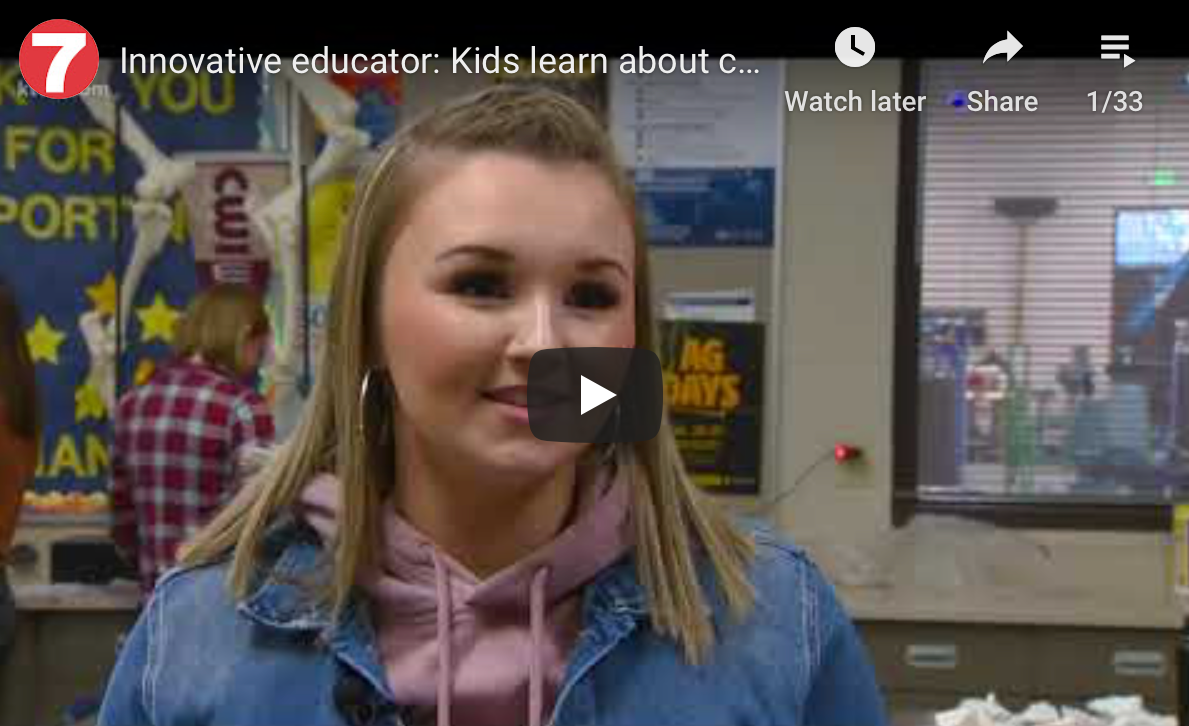
BOISE, Idaho — We’re going to the Boise Urban Garden School this week to meet our innovative educator.

Education, sustainability, community and growth are the values at “BUGS.”

Teachers serve about 10,000 kids at the school every year.

The Boise Urban Garden School called “BUGS” for short — is for everyone.

“We are all about reaching students, families, community,” said Pohley Richey, BUGS culinary instructor.

The main focus though is kids.

“It’s super-duper fun and I feel like I’m helping to hopefully invigorate these kids, hopefully empower, and teach them some good life skills they can use for the rest of their lives,” said Richey.

She teaches cooking classes where the students make simple dishes.

“Right now, we’re making our favorite foods from scratch,” said Mia, a student.

“We’re making ketchup, SpaghettiOs, granola bars, and other things that are healthy for you to eat,” said Aislyn.

READ THE FULL ARTICLE: https://www.ktvb.com/article/news/education/innovative-educators/innovative-educator-pohley-richey-boise-urban-garden-school/277-7d82a34e-7f48-4325-98b4-82a2baa481bd

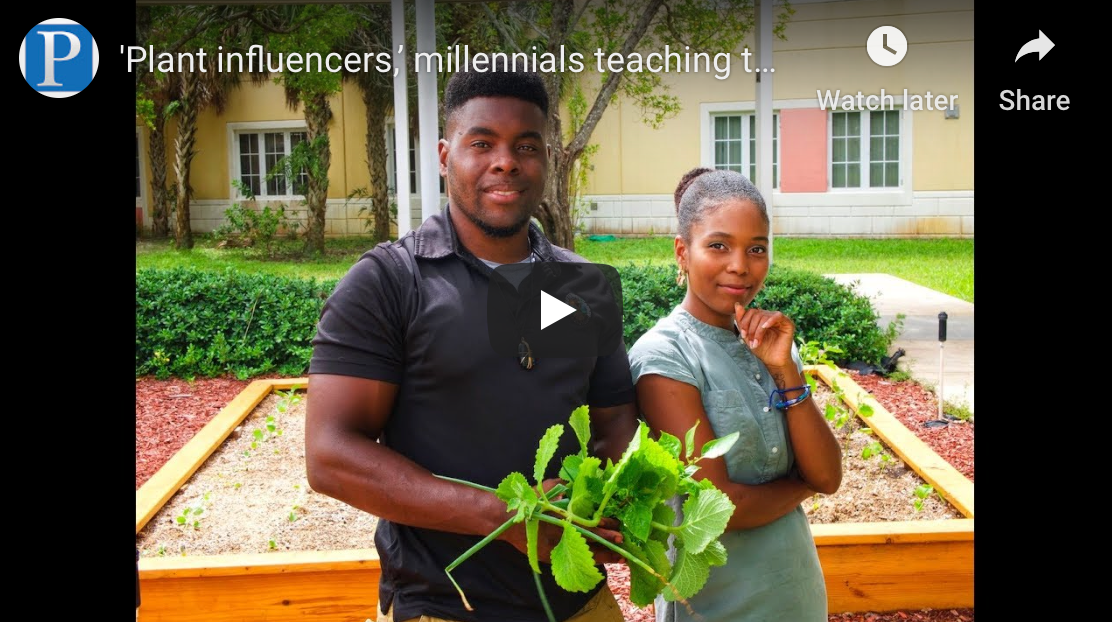
Meet the ‘plant influencers,’ millennials teaching the ways of urban gardening

‘Plants keep our souls alive,’ says Anuella Alexandre, Founder of A Green Community and one of the ‘plant influencers,’ working to keep local schools and businesses green. Roderick Johnson, the founder of Revolutionary Garden, says society is in a “food war,” battling against the chemicals and pesticides that taint our food. The mini biome, their wood-built world of organic greenery, serves as an “emotional support system” and “therapeutic learning environment” for the children, says Anuella Alexandre, who helped bring the garden to the school.

LEARN MORE: https://www.palmbeachpost.com/entertainment/20191011/meet-plant-influencers-millennials-teaching-ways-of-urban-gardening

Urban, home gardens could help curb food insecurity, health problems

Food deserts are an increasingly recognized problem in the United States, but a new study from the Journal of Nutrition Education and Behavior, published by Elsevier, indicates urban and home gardens — combined with nutrition education — could be a path toward correcting that disadvantage.

Researchers from the University of California at San Francisco partnered with Valley Verde, a community-based urban garden organization in Santa Clara County, California, to better understand participants’ perceptions of the health benefits and acceptability of urban home gardening programs. Interest in such programs has been on the rise, and this is a critical next step before beginning large-scale trials of how effective they are.

“This home-based model can play a vital role in urban agriculture and has the potential to directly impact health by tying the garden to the household,” said lead author Kartika Palar, PhD, Department of Medicine, University of California San Francisco, San Francisco, CA, USA. She added that home and community gardens are complementary approaches to urban agriculture, together promoting a more resilient local food system.

READ THE FULL ARTICLE: https://www.sciencedaily.com/releases/2019/10/191007180035.htm

Father and Son Build 50,000 New Beehive Colonies Around the World

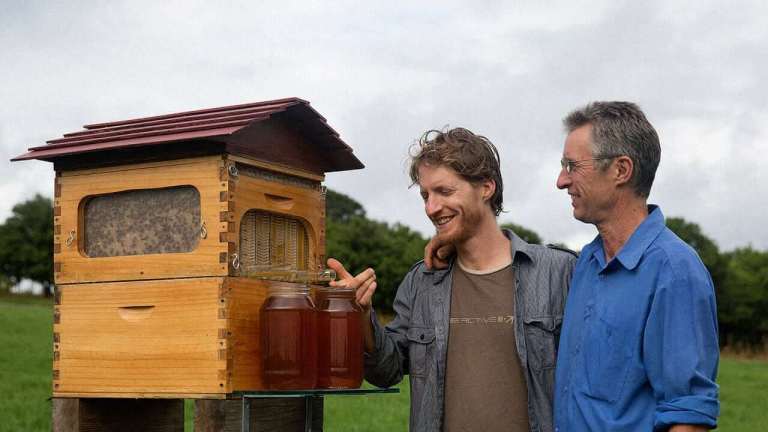
These two men have increased the global honeybee population by 10 percent with their invention – a hive that lets humans harvest honey without harming bees.

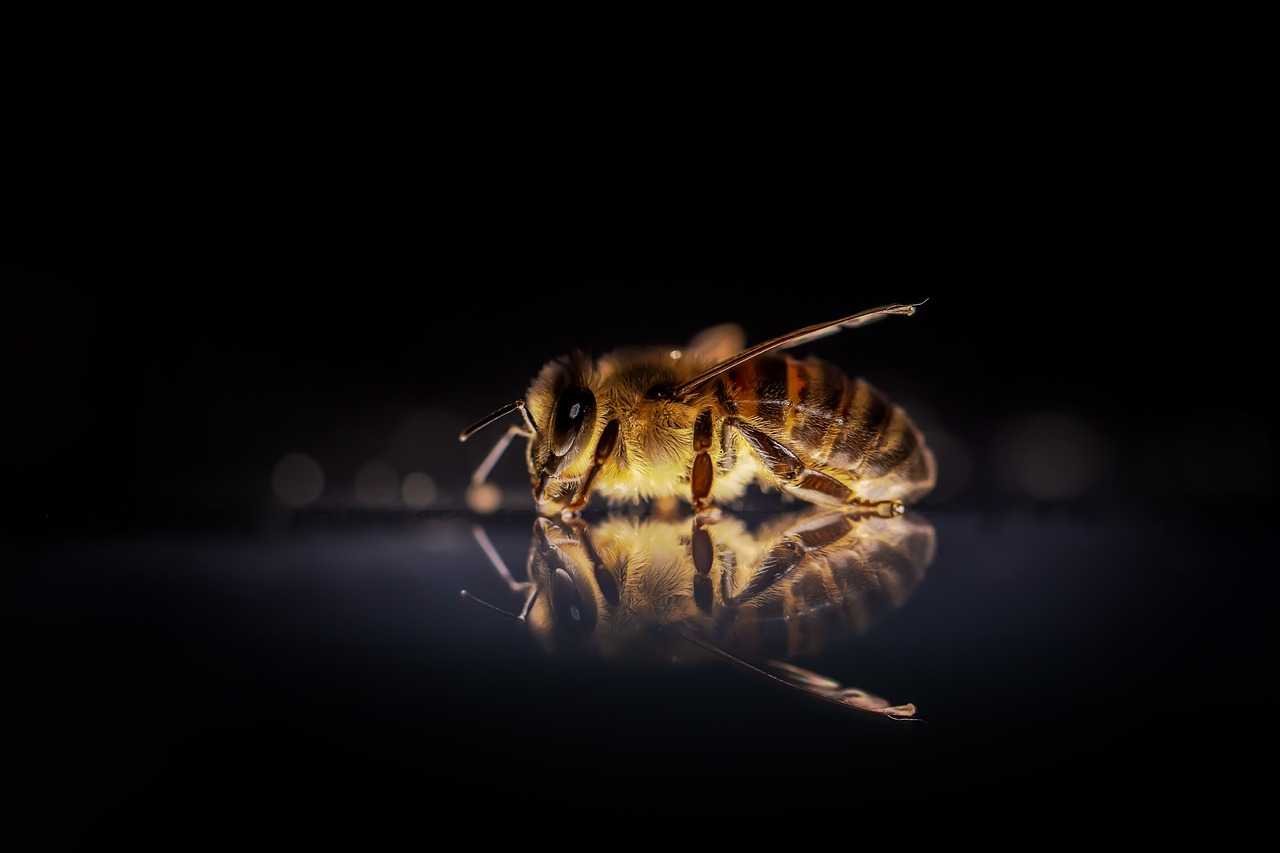
The “Flow Hive” is a man-made bee house, that bees can’t tell apart from their own hives, that allows the honey to flow out of it without harming bees.

In the past, bees were disturbed, crushed or made homeless by the invasive methods beekeepers used to harvest their honey.

Now, beekeepers can just turn on the tap and let the honey flow out.

READ THE FULL STORY: https://returntonow.net/2019/10/08/father-and-son-create-50000-new-honeybee-colonies-around-the-world/?fbclid=IwAR1_VL0eoVptoyu0JeUDJlNitN_NvR82E3Oy9akH8m9G0EFjtNlisnU1rB4

Growing Food Security In The North

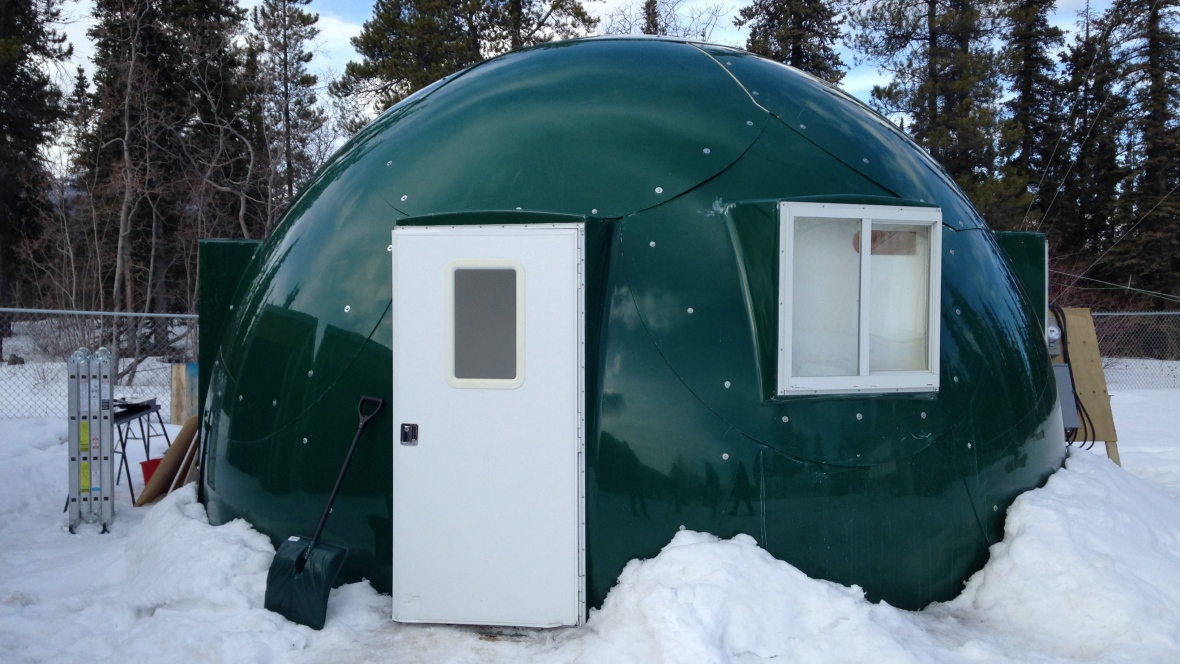
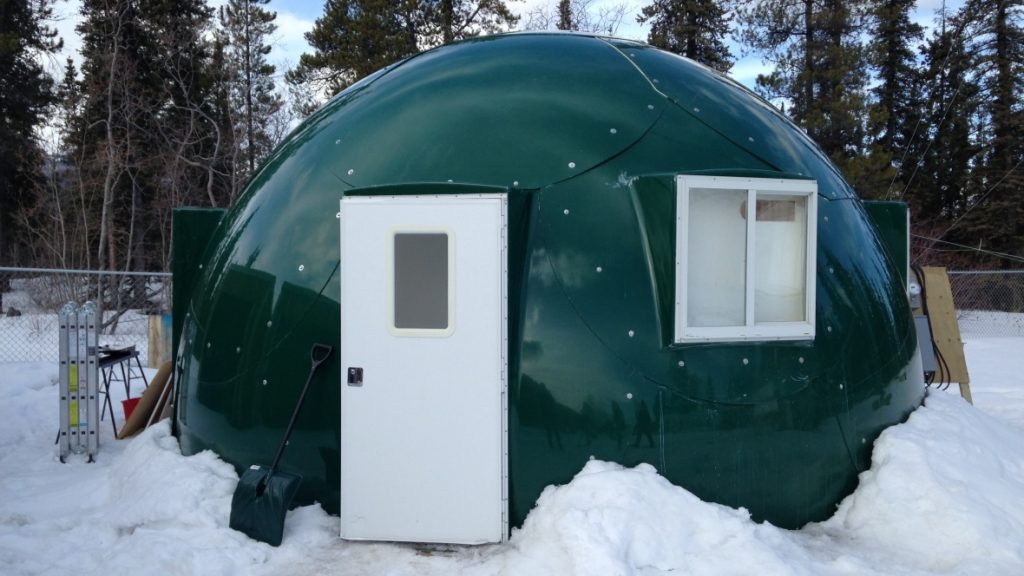
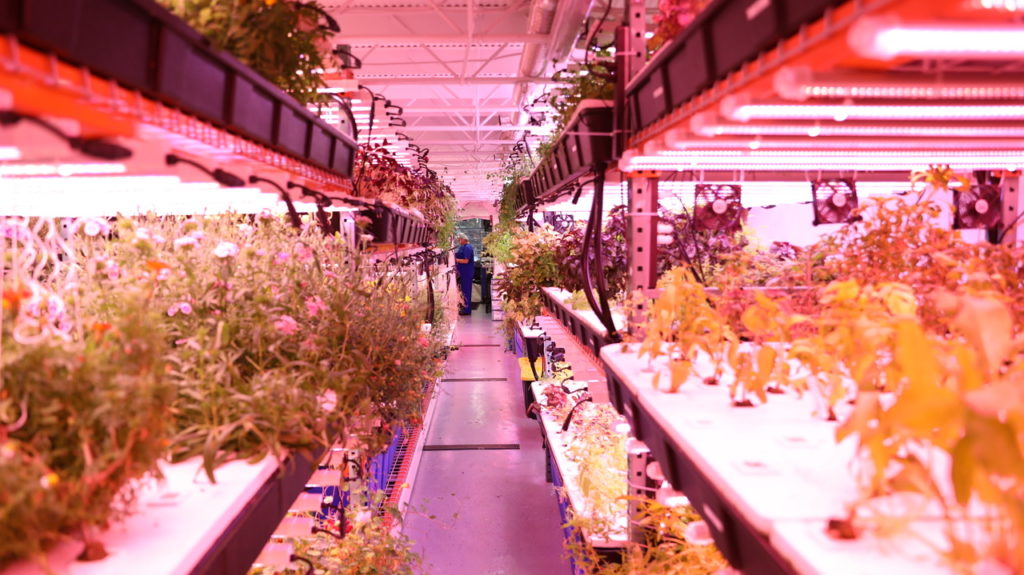
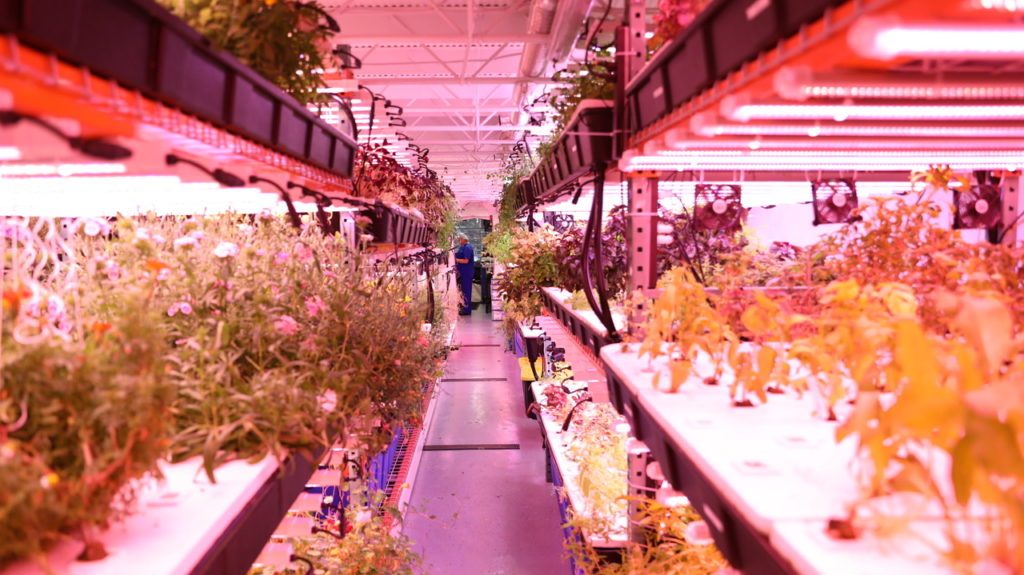
Setting up a garden in a cold climate zone is not that easy. Plants need sunlight and warmth in order to grow, so living in a cold area means you need to make an effort to have a healthy garden. Or you can just follow in the footsteps of this Yukon inventor, who created an off-the-grid greenhouse named Agridome. With the help of this invention, you can grow fresh fruits and vegetables all year round, even if you live in a cold area with endless winter. The Agridome is the invention of Glenn Scott with Yukon College’s Cold Climate Innovation and what he created is an energy-efficient vertical garden.

“Food security is an important issue in the North and we are committed to supporting innovative and affordable technologies to grow our food”, said Stephen Mooney, Director, Cold Climate Innovation, Yukon Research Centre. “The Agridome is like none other and we look forward to working with AgriArctic to develop a product that works for Northerners with the potential of commercialization”, said Mooney.

READ THE FULL STORY: http://www.goodshomedesign.com/growing-food-security-in-the-north/?fbclid=IwAR1uGjVsS39xTjoH9QdNudhzCyx1orSlkUwkZDxDeeLhN_t8GsEF4jBu9oM

Boys, girls club members help run container farm

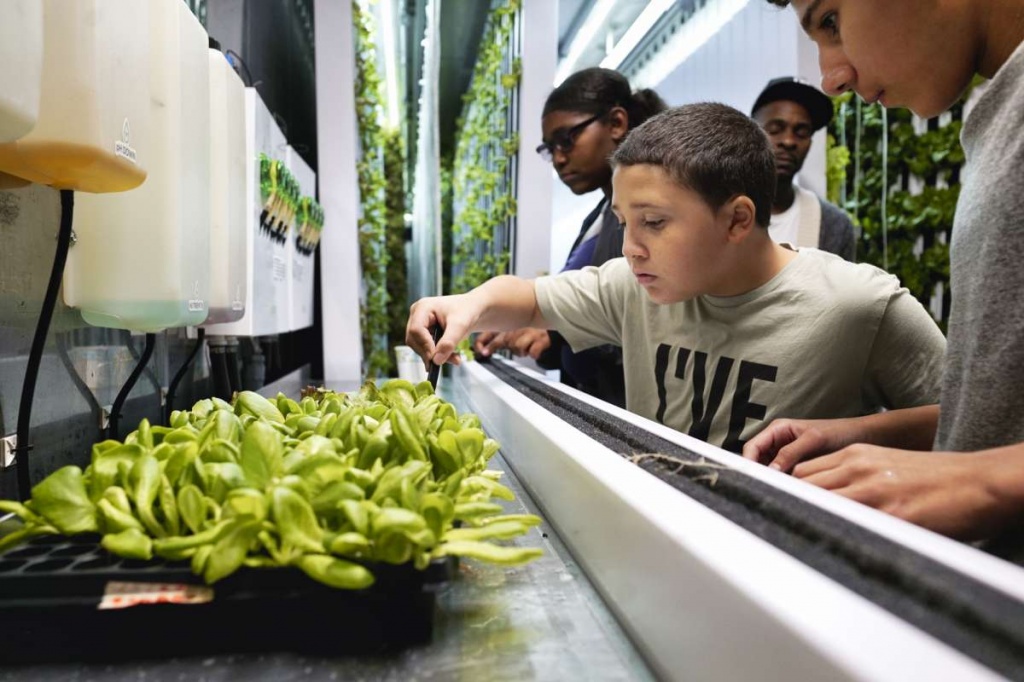
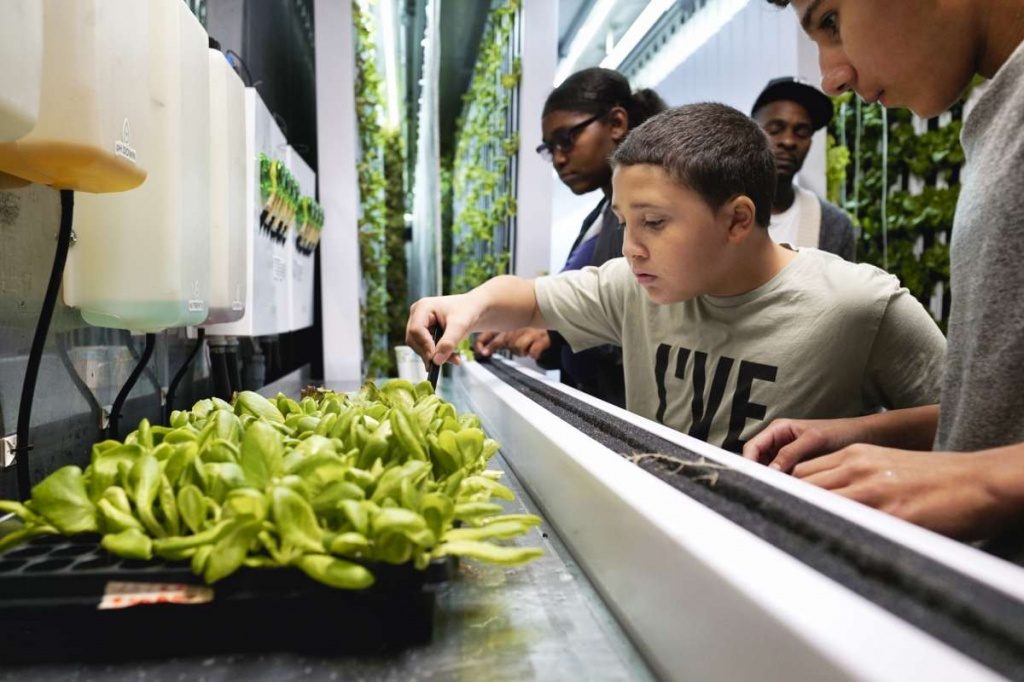
The equivalent of a 2-acre farm that grows 500 heads of lettuce a week hides inside a 40-foot-long metal box in a parking lot near the police station in downtown Troy.

The container farm, as it’s called, or Freight Farm, after the Boston-based company that first introduced hydroponic growing systems in repurposed shipping containers, is a project of the Boy & Girls Clubs of the Capital Area. The $90,000 container farm was a gift from the SEFCU credit union, which for the past two years has operated a similar container farm at its offices near the Harriman state office campus in Albany.

Launched over the summer and overseen by two adult staffers, the farm gives young people who participate in the Troy club’s after-school programs hands-on experience planting, growing, harvesting and selling fresh produce. Although the farm now grows only greens, including two types of lettuce plus kale and Swiss chard, seeds are available for a variety of items, from radishes and beets to herbs and flowers. They are being considered for future crops, according to the club.

READ THE FULL STORY: https://www.timesunion.com/living/article/Youths-get-hands-on-lessons-in-food-production-14557531.php#photo-18489751

The future of farming: How urban agriculture could make big money

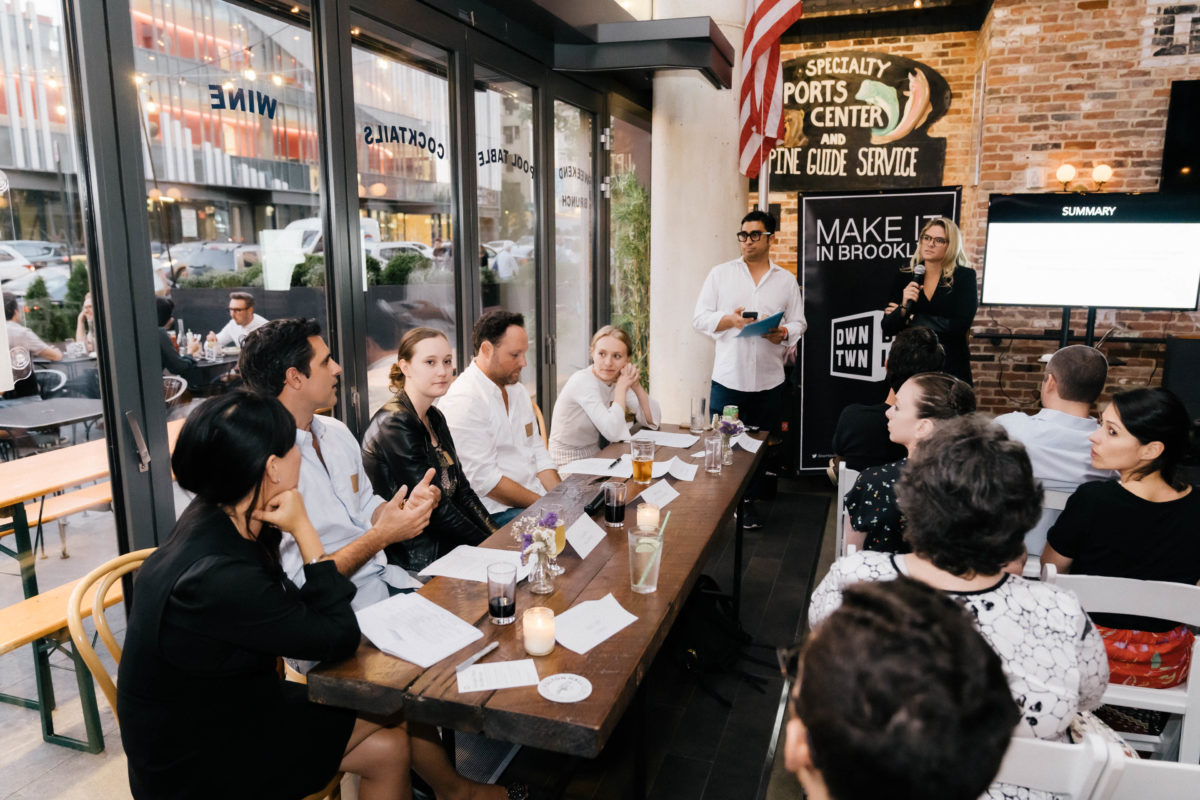
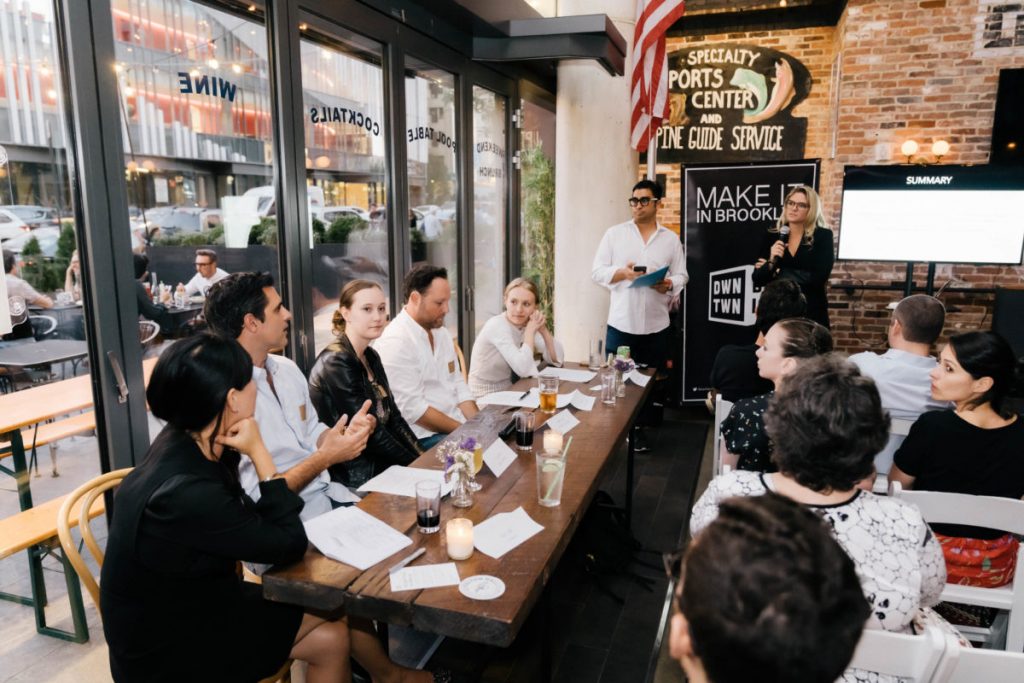
Downtown Brooklyn may seem like an unlikely staging ground for the future of farming — but at Gotham Market Hall in late September, 75 attendees at a “Shark Tank”-style pitch contest bore witness to just that.

The Future of Farming Pitch Contest featured five finalists from the urban agriculture industry, each presenting a three-minute pitch, complete with slideshow and video, to five discerning judges armed with follow-up questions.

At stake: $5,000 in seed money, $20,000 worth of server storage credits for Google’s Cloud for Startups and a free sit down with a consulting firm.

The victor: FoodFul, a company that builds sensors and software for dairy farmers that monitor their cows’ health and feed intake.

“Whenever you win a competition, it’s a great experience,” said Joseph Tarnate, the company’s CEO and co-founder, who presented a pitch that in part chronicled his own childhood growing up on a dairy farm.

READ THE FULL ARTICLE: https://brooklyneagle.com/articles/2019/10/04/the-future-of-farming-how-urban-agriculture-could-make-big-money/

New urban farm at Charleston affordable housing complex to break ground next month

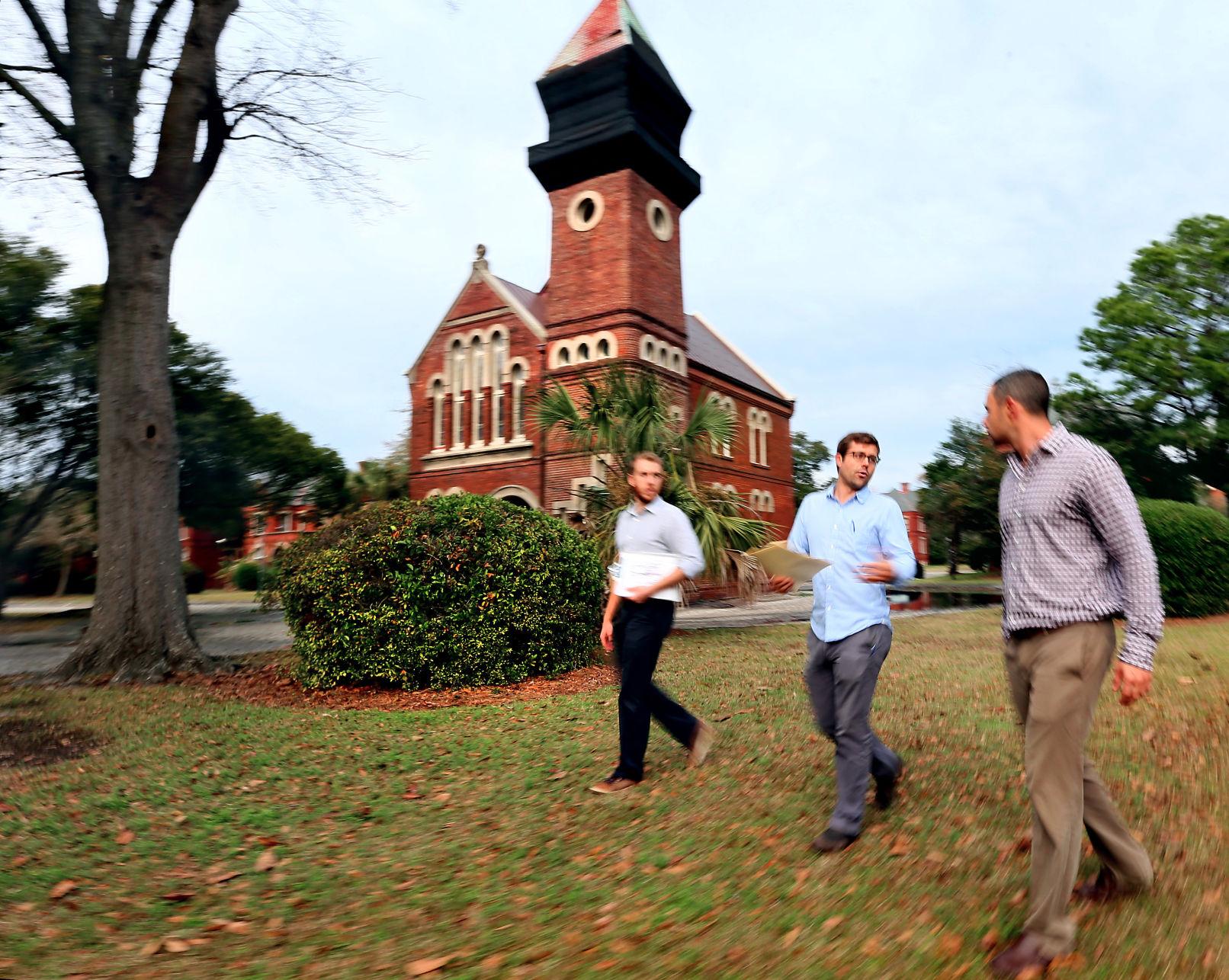
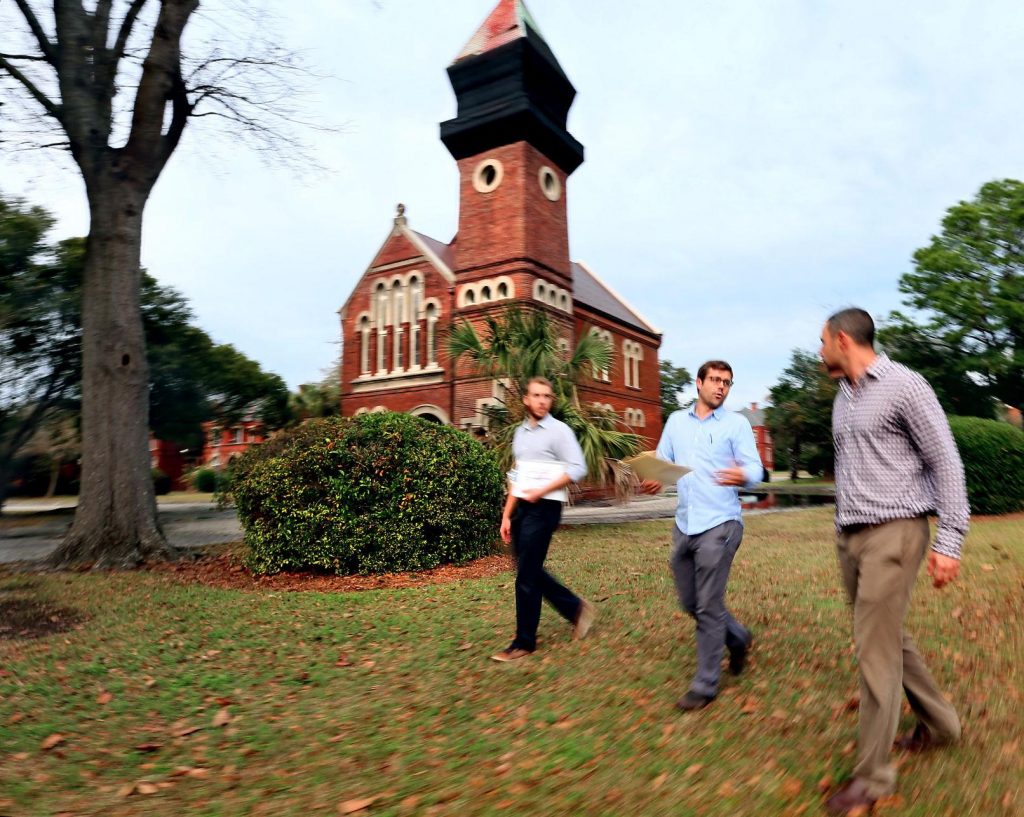
A Charleston nonprofit is set to break ground on a new urban garden that will effectively double the size of its operation, but fundraising efforts for the project are still ongoing.

After more than two years of planning, construction of the new garden space at the William Enston Home, an affordable housing complex at King and Huger streets, will start Nov. 15.

The project has raised about half of its $2.1 million goal needed to fund the operation sustainability over the next five years.

“Of that $2.1 million, about one-quarter of it is for the farm infrastructure, and about three-quarters of it is for operations and programming,” said Jesse Blom, the executive director of the Green Heart Project.

The money raised so far will pay for the costs of creating the farm space’s infrastructure, Blom said, which includes a produce stand, a pavilion and raised garden beds. Its final fundraising phase was launched Wednesday.

The last chunk of money will help keep the project going in its early years. Blom said by year six, the hope is the project will make enough money to sustain itself.

READ THE FULL ARTICLE: https://www.postandcourier.com/news/new-urban-farm-at-charleston-affordable-housing-complex-to-break/article_98198032-f1c8-11e9-afbc-7b287230bf6e.html

Large urban farm and orchard planned in north Flint

FLINT, Michigan—Another urban farm is headed to Flint and it will be one of the city’s largest.

Convoy of Hope in partnership with the Urban Renaissance Center’s Ubuntu Village is planning to convert about 4 acres of property in the Civic Park neighborhood into a community resource and garden.

Already launched in nine other countries, the Civic Park agriculture project is the first time Convoy of Hope has made such an investment in the United States.

“I think this is a premiere location for us to do what we do internationally right here in Flint, Michigan,” said Michael Redmon, vice president of Convoy of Hope’s global initiatives.

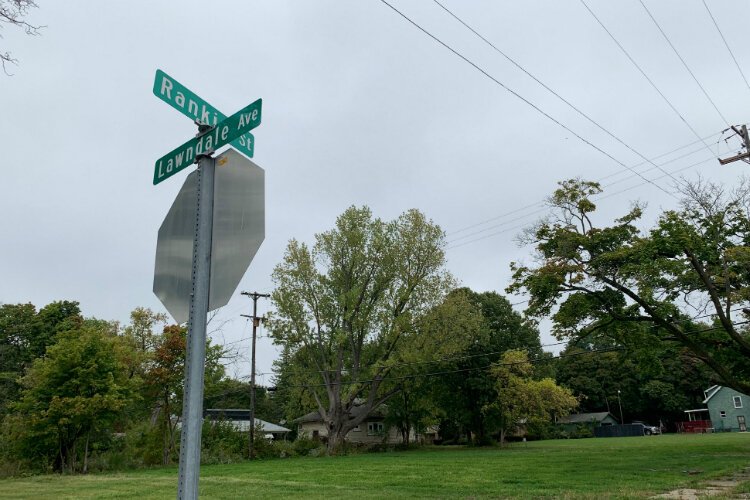
The agriculture project will expand the already-established Ubuntu Village Agriculture House, an ongoing project with a small garden at West Rankin and Proctor streets.

READ THE FULL ARTICLE: https://www.flintside.com/inthenews/largeurbanfarmandorchardplannedinnorthflint.aspx

Arlington’s Only Commercial Urban Farm

If you’ve dined in D.C. at Jose Andres’ minibar, Johnny Spero’s Reverie, or Robert Wiedmaier’s Marcel’s, chances are you sampled produce grown in Arlington.

It’s no secret that interest in urban farming has skyrocketed in recent years, however Arlington-based Fresh Impact remains the county’s only commercial urban farm.

Tucked in an unassuming strip mall on Lee Highway, with no signage or disclosed address, Fresh Impact is under the radar of most Arlingtonians, but well-known among local chefs, particularly higher-end chefs.

Founded in 2017, the company has grown over 300 different rare herbs, varieties of greens, and edible flowers based on the needs of the local restaurant industry.

“One of the primary reasons we located in Arlington was to be as close to D.C., and our customer base, as possible,” said founder Ryan Pierce.

READ THE FULL ARTICLE: https://www.arlnow.com/2019/10/21/startup-monday-arlingtons-only-commercial-urban-farm/

Gorgie City Farm: One of Scotland’s last urban farms collapses

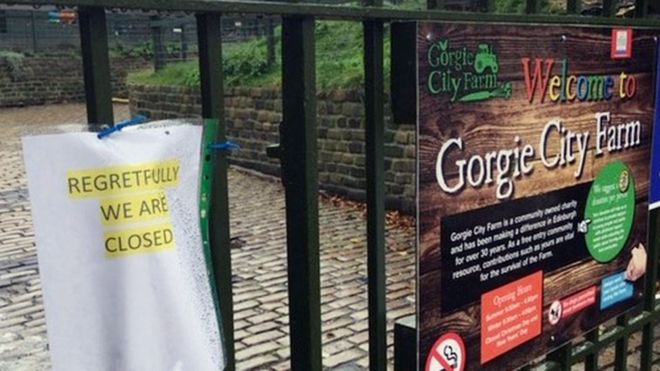
One of the last urban farms in Scotland has closed after going into liquidation. Gorgie City Farm in the west of Edinburgh collapsed with the loss of 18 jobs. The charity gave volunteering opportunities and support to disadvantaged young people and adults.

It has had about 200,000 visitors a year since it was saved from closure in 2016 after a crowdfunding appeal raised in excess of £100,000. MHA Henderson Loggie has been appointed to wind up the farm, which has about 50 livestock and 50 pets. They include sheep, pigs, ducks, geese and chickens and a number of smaller animals including snakes and lizards. The livestock will be sold for slaughter and the pets will be re-homed.

Gail Zencker, the farm’s volunteer and inclusion manager, told BBC Scotland: “I thought I was going to throw up when I heard. “I feel ashamed and personally responsible even although it was a board decision and not mine.

READ THE FULL STORY: https://www.bbc.com/news/uk-scotland-edinburgh-east-fife-50267237

Paris Will Soon Be Home to the World’s Largest Rooftop Urban Farm

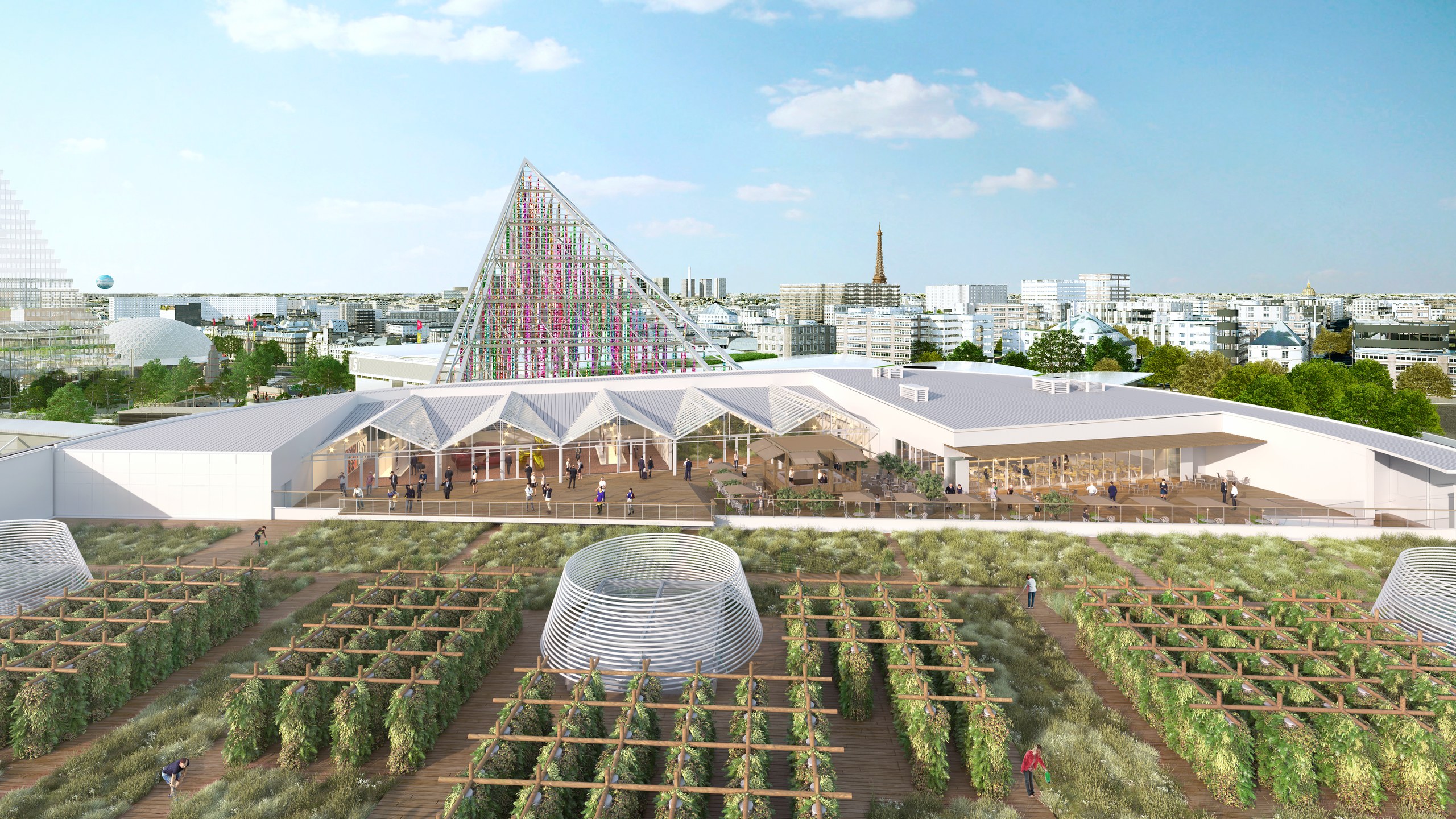
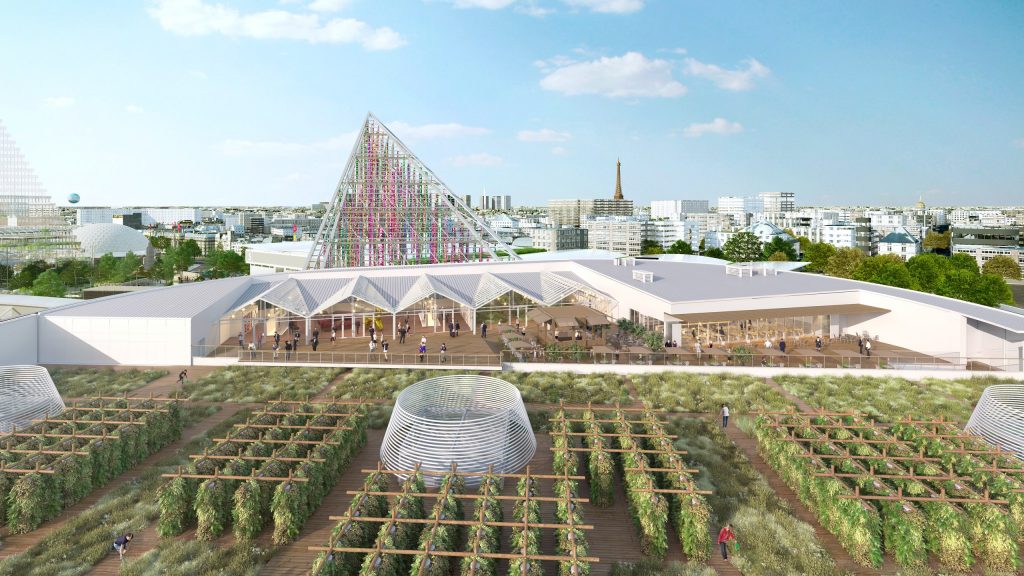
In an Olmstedian effort to bring city dwellers back to nature and to produce a sustainable, local assortment of fruits and vegetables, urban farming company Agripolis is bringing what will be the world’s largest rooftop urban farm to Paris. Situated along the périphérique in the city’s 15th arrondissement, the 150,000-square-foot sprawling green space will sit atop the Exhibition Center at Porte de Versailles when the space opens in 2020. Designed by local French firm Valode & Pistre (who were also responsible for the recent transformation of Gare du Nord), the urban farm is a part of the decade-long renovation project to make the exhibition center a model for sustainable development as the rest of the city follows suit.

“Today, large metropolitan areas are the focal point of a number of ecological issues,” says Clément Lebellé, cofounder of Cultures en Ville, a partner in the project that specializes in urban agricultural development. “These issues include the loss of natural ground cover, pollution, and rainwater management but also societal issues such as the lack of connection between urban dwellers and their food supply.”

READ THE FULL ARTICLE: https://www.architecturaldigest.com/story/paris-will-soon-be-home-to-the-worlds-largest-rooftop-urban-farm

Personal Redemption And Community Opportunity Through Urban Farming [PODCAST]

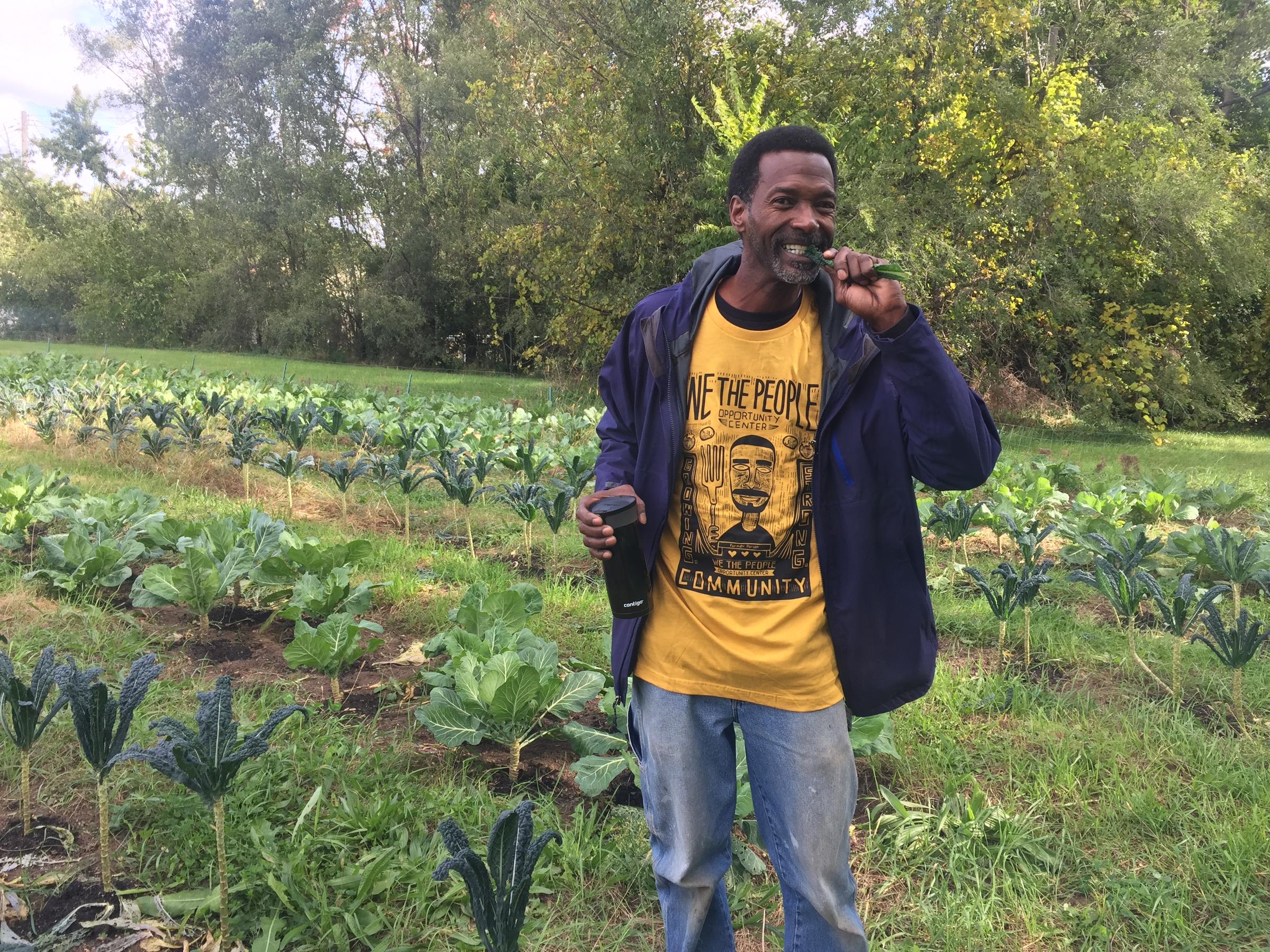
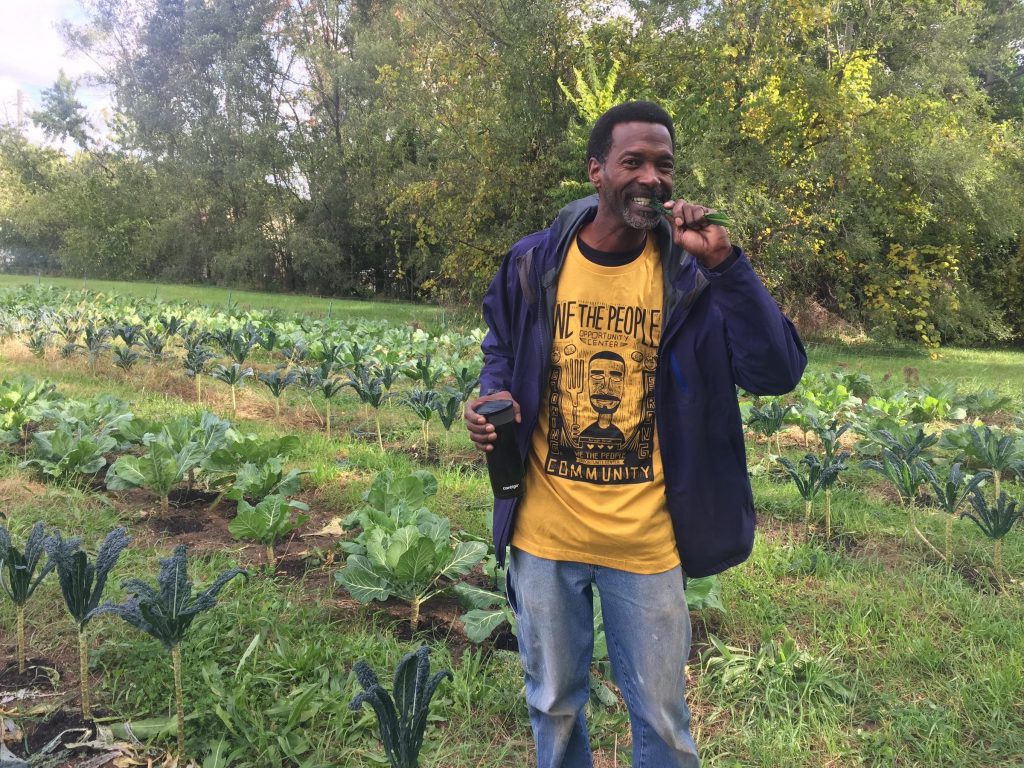
There are many ways to work towards equity and opportunity in our community, but urban farming might not be the first thing that comes to mind.  Melvin Parsons saw the trade as a way forward for himself and is now expanding and giving back through his “We the People Growers Association” and the “We the People Opportunity Center.”  Parson joined WEMU’s David Fair for this week’s installment of “Washtenaw United.”

WEMU has partnered with the United Way of Washtenaw County to explore the people, organizations, and institutions creating opportunity and equity in our area.  And, as part of this ongoing series, you’ll also hear from the people benefiting and growing from the investments being made in the areas of our community where there are gaps in available services.  It is a community voice.  It is ‘Washtenaw United.’

Melvin Parson is the founder of We The People Opportunity Center (WTPOC) in Ypsilanti.  As an urban farmer, social justice and equality activist, Parson founded WTPGA to empower people to make a positive contribution to their community through education and positive social networks using gardening and farming as the vehicle for change.  Melvin was also chosen at The Henry Ford’s inaugural entrepreneur in residence.

LISTEN TO THE PODCAST: https://www.wemu.org/post/washtenaw-united-personal-redemption-and-community-opportunity-through-urban-farming

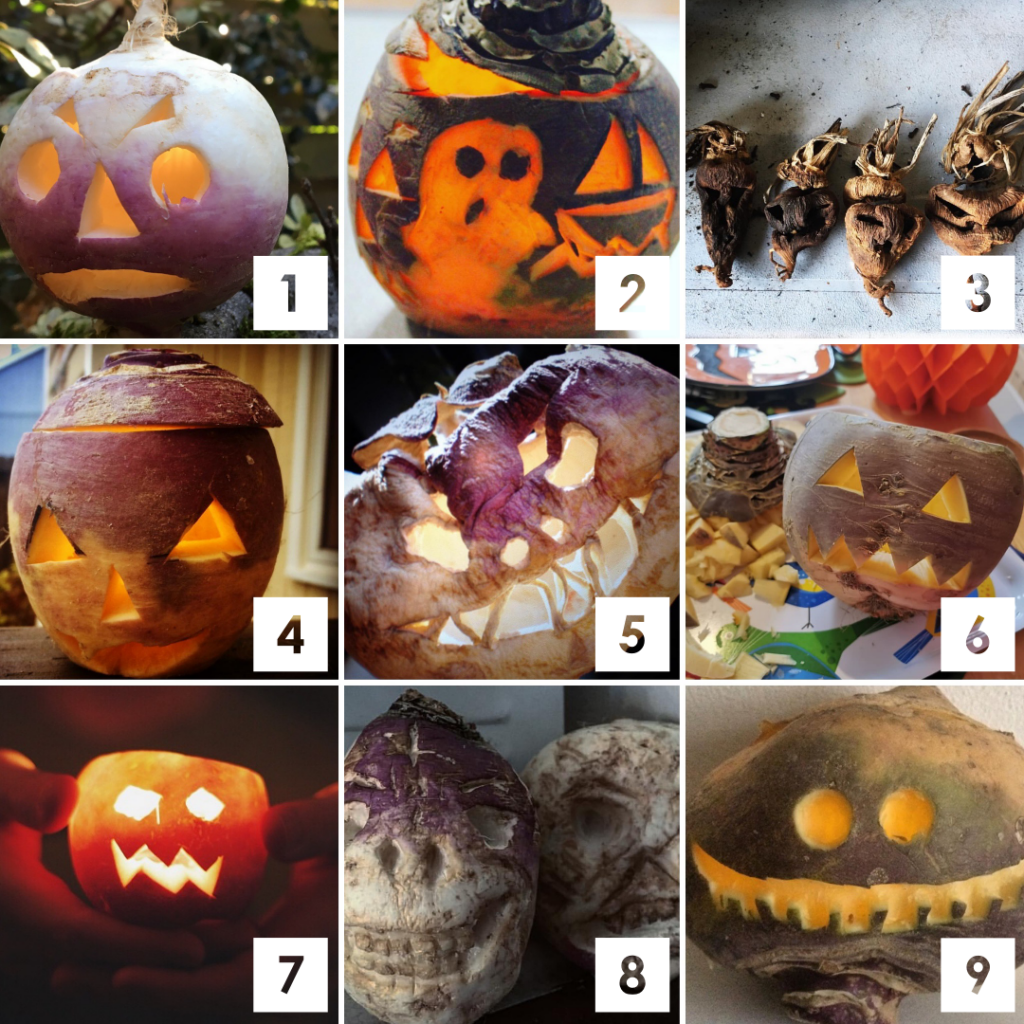
How Jack O’Lanterns Originated in Irish Myth

Pumpkins with ghoulish faces and illuminated by candles are a sure sign of the Halloween season. The practice of decorating jack-o’-lanterns originated in Ireland, where large turnips and potatoes served as early canvasses. In fact, the name, jack-o’-lantern, comes from an Irish folktale about a man named Stingy Jack. Irish immigrants brought the tradition to America, home of the pumpkin, and it became an integral part of Halloween festivities.

READ THE FULL ARTICLE https://www.history.com/news/history-of-the-jack-o-lantern-irish-origins

We’ve teamed up with SeedsNow to bring you our favorite carved turnip pictures from Instagram…

1. @pennycandyhm
2. @squarefootgardening
3. @inferno_designs
4. @kris10mbrush
5. @shawwns
6. @obvioszebra
7. @chrismillerphoto
8. @outlaw.scum.drb
9. @lisa_m_molloy

SHOP ALL OF THESE VARIETIES AND MORE at http://www.SeedsNow.com/

Join the UOG Seed Club TodayORDER BEFORE 11:59 PM PST November 4th to receive a shipment NEXT MONTH! https://www.urbanorganicgardener.club