
Central Oregon Food Pantry Creates Its Own Indoor Garden

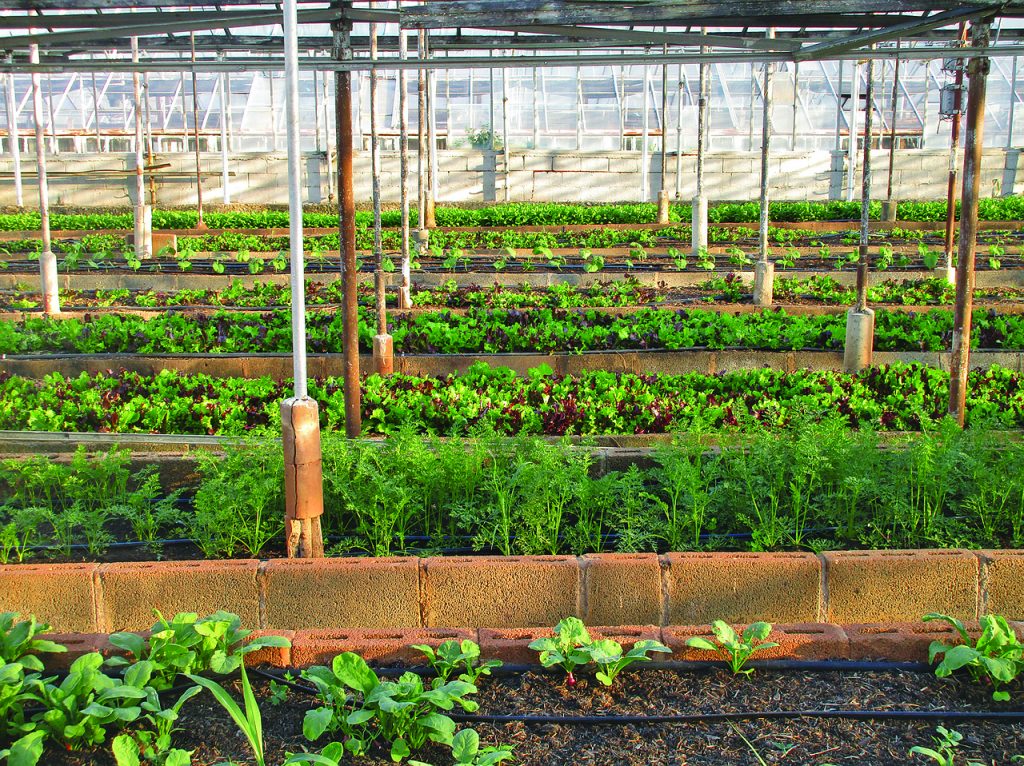
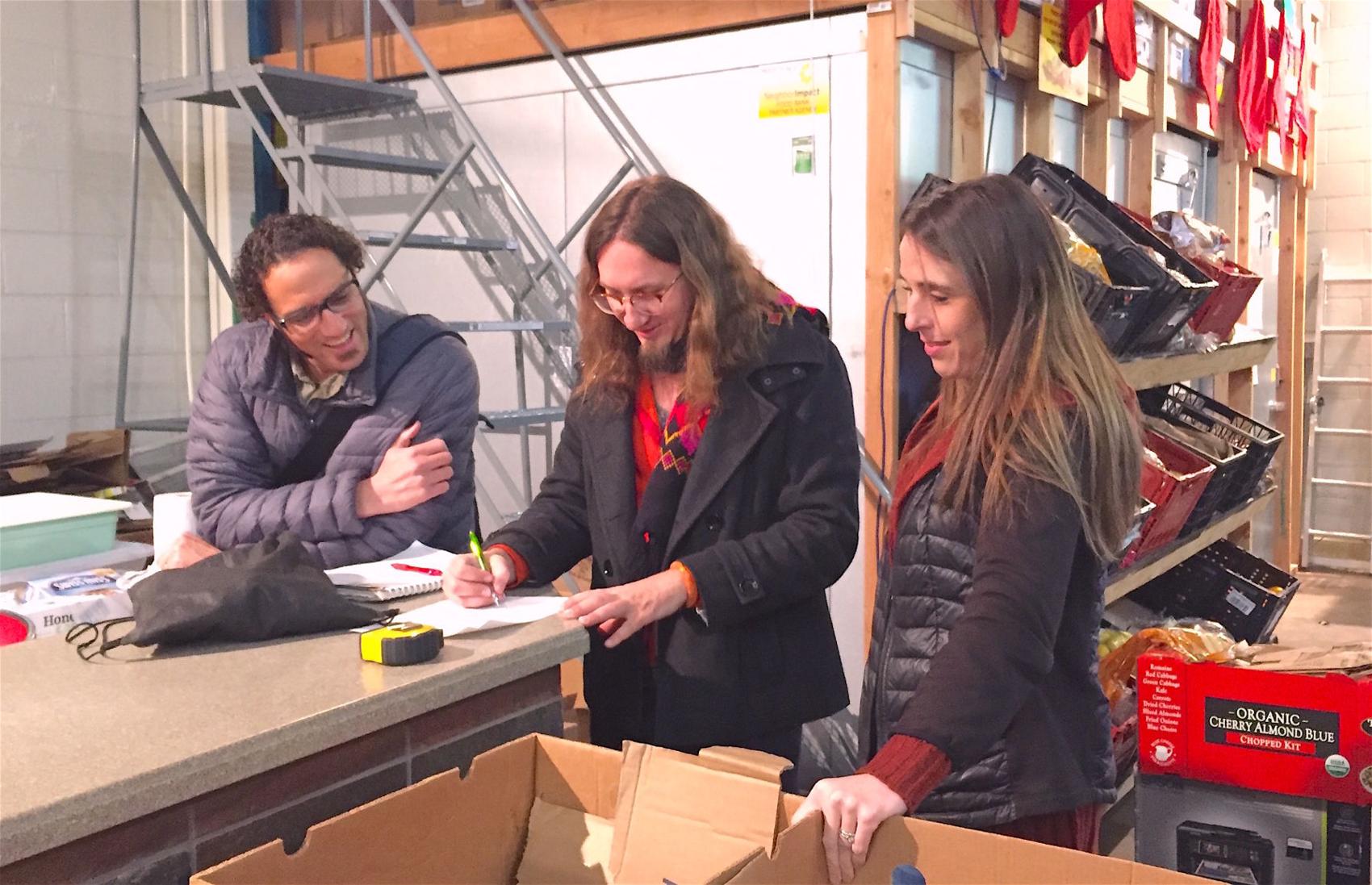
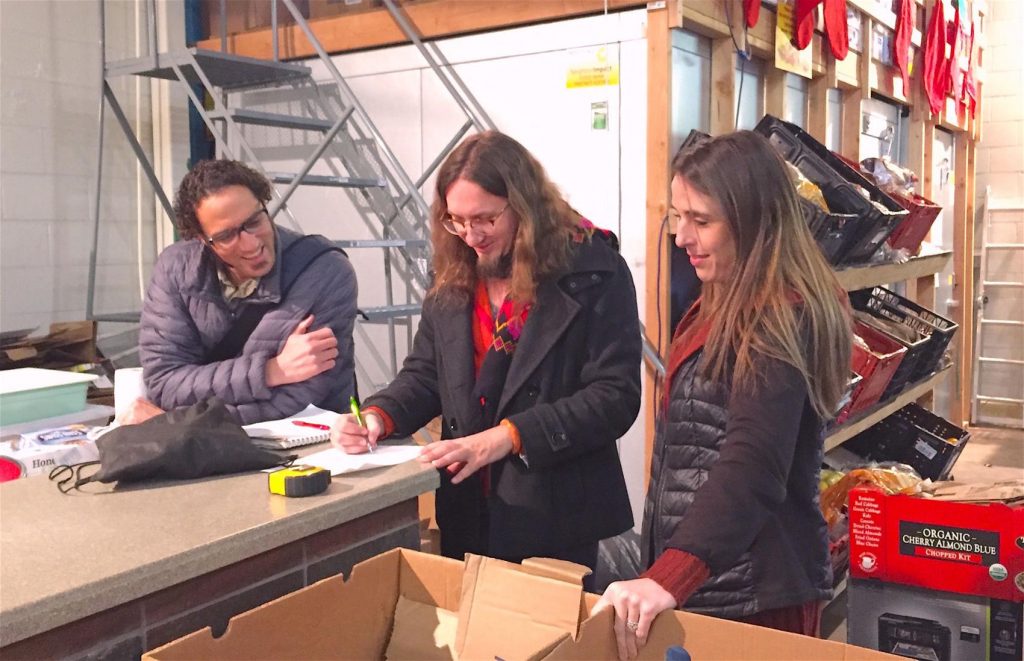
A new nonprofit organization in Bend that focuses on urban gardening is partnering with The Giving Plate to build a garden inside the food pantry. Growing vegetables directly in the food pantry would be a first for Central Oregon.

The new organization, Around the Bend Farms, plans to build a hydroponic garden, which creates a controlled environment to grow vegetables indoors without soil. It will allow The Giving Plate to offer fresh vegetables on-site and year-round, said Ranae Staley, executive director at The Giving Plate.

“It’s a farm-to-table right inside our facility,” Staley said.

Plants grown in hydroponic gardens grow in water, not soil. Nutrients are dissolved in the water, which allows the plants to grow much faster. Among their advantages: Plants can be grown indoors, year-round and more of them can be put in a given area than a traditional soil garden. And there’s no weeding.

The Giving Plate and Around the Bend Farms are trying to raise $15,000 to design and build the indoor garden. So far, the organizations are $11,000 away from their goal.

READ THE FULL ARTICLE: https://www.bendbulletin.com/localstate/bend-food-pantry-creates-its-own-indoor-garden/article_290061d2-2839-11ea-a617-df1993c5596c.html
Farm at Good Samaritan Health Center offers food, community as medicine

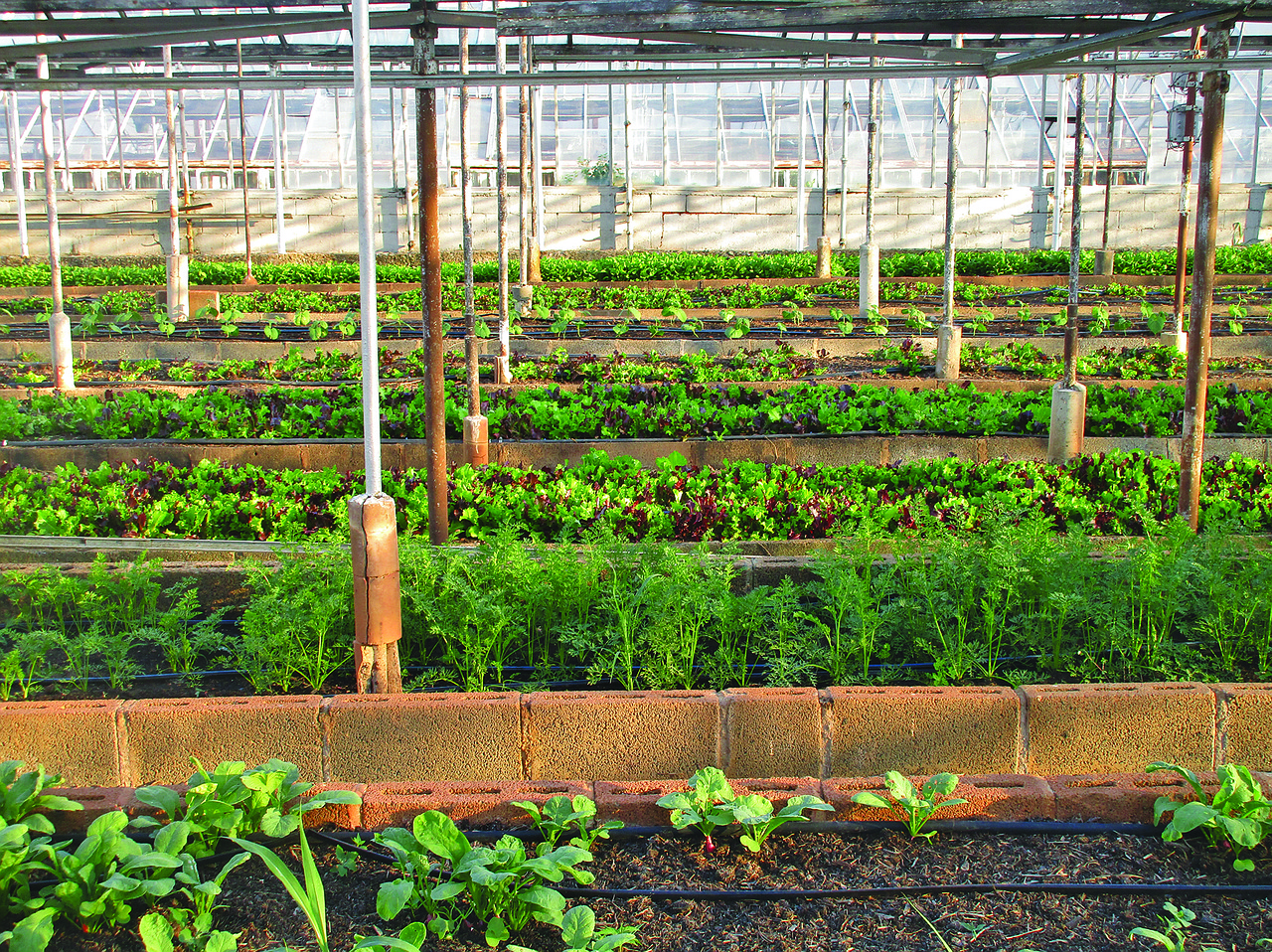
Nobie Muhl braved the wind and rain that signal the approach of winter in metro Atlanta to tend to the strawberries, onions and garlic growing on 1 acre of land just off Donald Lee Hollowell Parkway in Bankhead. As full-time farmers at Good Samaritan Health Center, Muhl, 33, and Alexis Haggerty, 25, didn’t let the dreary weather dampen their enthusiasm for making sure patients at the center have access to fresh produce almost all year round.

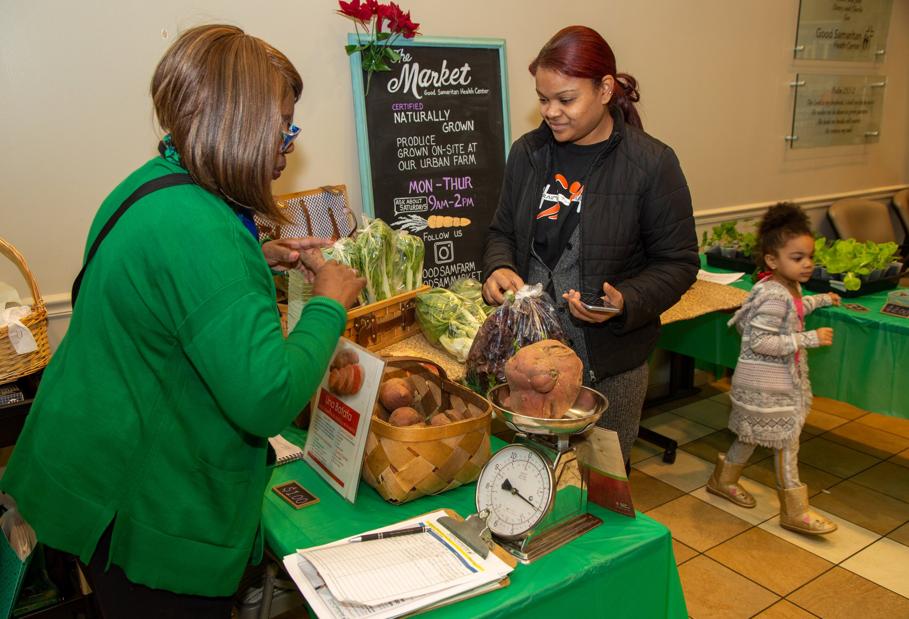
At the center, clients waiting for appointments browsed tabletops filled with an assortment of fruits, vegetables and nuts including strawberry plants, pecans and a variety of greens, all of which were priced at $1 or $2. Anileidi Gomez, 31, examined giant sweet potatoes, a favorite of her four children, as Market manager Loren Ferguson offered a recipe for slow cooker sweet potato soup printed in English and Spanish.

“It’s awesome. I always shop here when we come,” said Connie Lotze, 62, who drives over an hour from North Georgia to bring Jim Nelson, 60, to his appointments at the health center. She helped Nelson, who doesn’t have insurance, find the center years ago, and while they don’t come often, the Market is a highlight when they do. Lotze said she had never seen a health clinic with its very own farm and market.

READ THE FULL STORY: https://www.ajc.com/lifestyles/just-what-the-doctor-ordered/nAuZKvENoVEGGfP4bBYtFM/

16 Initiatives Changing Urban Agriculture Through Tech and Innovation

The United Nations estimates that nearly 10 billion people will be living in cities by 2050. According to a recent publication by the Barilla Center for Food & Nutrition, urban eaters consume most of the food produced globally and maintain more resource-intensive diets including increased animal-source and processed foods — rich in salt, sugar and fats. At the same time, many urban populations — particularly in low-income areas and informal communities — endure acute hunger and malnutrition as well as limited access to affordable, healthy food.

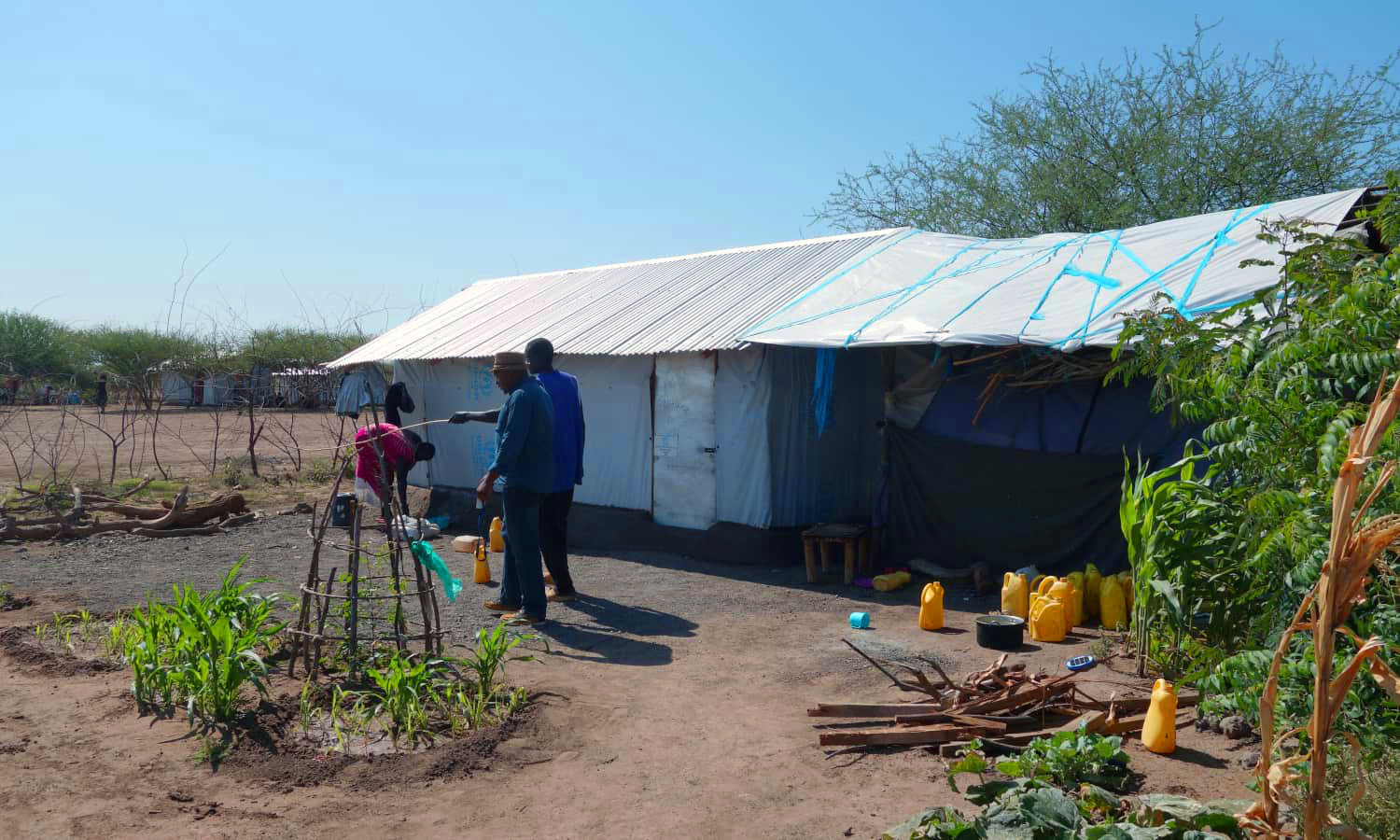
But there are countless ways that cities can feed themselves and create better linkages between rural and urban food systems. In Mexico City, the organization CultiCiudad built the Huerto Tlatelolco, an edible forest with 45 tree varieties, a seed bank, and plots for biointensive gardening. In the U.S., City Growers uses New York City’s urban farms as a learning laboratory for children to reconnect with nature. And in the Kalobeyei Settlement in northern Kenya, urban agriculture represents a tool for empowerment by improving food security, nutrition and self-sufficiency among refugees.

READ THE FULL STORY: https://www.ecowatch.com/urban-agriculture-tech-and-innovation-2642311884.html

Empowering Refugees in Kenya Through Urban Farming

In the Kalobeyei Settlement in northern Kenya, refugees are turning to urban farming to improve food security, nutrition, and self-sufficiency. Kitchen gardens, a project of the multi-agency Kalobeyei Integrated Socio and Economic Development Programme (KISEDP), supplement food distributed by humanitarian aid. The KISEDP program equips households with seeds, tools, and mentorship, helping enable families to set up vegetable gardens using dryland farming techniques.

Droughts and land-use changes in recent years challenge the livelihoods of both refugees and pastoralist communities in Kenya’s desert region. As a response, the U.N. Food and Agriculture Organization (FAO), the World Food Programme, and the Turkana County Government introduced the kitchen gardens in 2017 to combat food insecurity and provide an alternative source of livelihood to both hosts and refugees.

“Food can be a powerful force for social integration,” says Johanna Mendelson Forman, Adjunct Professor at the American University’s School of International Service. Mendelson Forman is also a Distinguished Fellow at the Stimson Center’s Food Security Program. “You can [improve] food security with people that can grow their own food. They can also take the [surplus] product to a place where they can earn a little livelihood,” Mendelson Forman tells Food Tank.

READ THE FULL ARTICLE: https://foodtank.com/news/2019/12/empowering-refugees-in-kenya-through-urban-farming/

‘Give night crawlers, not nightgowns.’ Here’s a Christmas poem about gardening

This Christmas garden poem was written for this column more than 25 years ago.

It is still the most requested encore of any column I have written, and, as a gift to my readers, I grant copyright permission for it to be downloaded and used from my website. Just visit www.binettigarden.com, and you will also be able to see where I am speaking and giving gardening seminars, how to sign up for our trips and where to send garden questions if you need a quick answer to a garden problem.

Now, here’s the poem:

T’was the week before Christmas, and all through the yard, not a gift was given, not even a card.

The tools were all hung, in the carport with care, with hopes that St. Nicholas soon would repair,

The shovel with blade all rusty and cracked, the pitchfork still shiny, but handle it lacked.

When out on my lawn, (it’s brown and abused) I could see poor old Santa, looking confused.

No list had been left for Santa to see, no gardening gifts were under the tree.

But wait there’s still time, it’s not Christmas yet, and gardening gifts are the quickest to get.

You can forget the silk tie, the fluffy new sweater, give something to make the garden grow better.

What you need to know before you plant onions

Old farmers would say of a farmer they admired: “He knows his onions.”

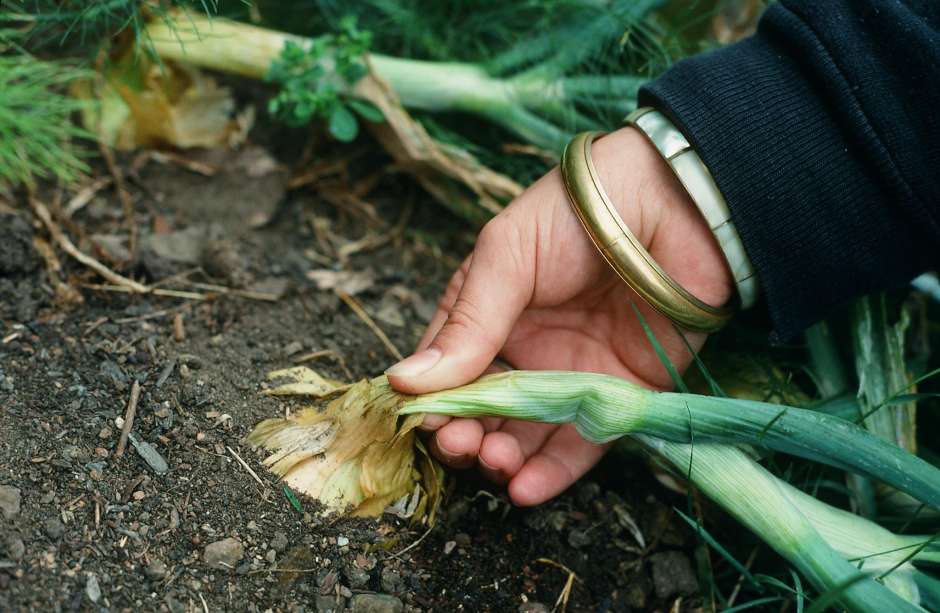
Old farmers are few and far between these days, as is any urban gardener who knows his/her/their onions. In addition to the basic knowledge needed, producing globe onions (also called bulb onions) in our gardens is complicated by our many microclimates. But with a little planning, we can harvest the same big, sweet and pungent globe onions that we see in grocery stores.

Before you start, there are two factors to understand: The first is why you shouldn’t plant too early. Onions should be planted in fall or winter. But if by December, the stem of an onion plant is thicker than a pencil, the plant is likely to flower in the spring, and thus form no bulb. (In fact, it won’t form much that is edible, and then will produce seed and die. Not what you had in mind!)

The second factor is that onion plants start to form bulbs in response to the day’s length. At our latitude, even the longest day, June 21, is not long enough to stimulate a long-day variety to form bulbs, so avoid planting them. Short-day varieties start forming bulbs as early as the third week of January. Chances are the plants will be so small when they get the “bulbing signal” that the resulting bulb will be rather small.

READ THE FULL ARTICLE: https://www.sfchronicle.com/food/article/What-you-need-to-know-before-you-plant-onions-14904723.php

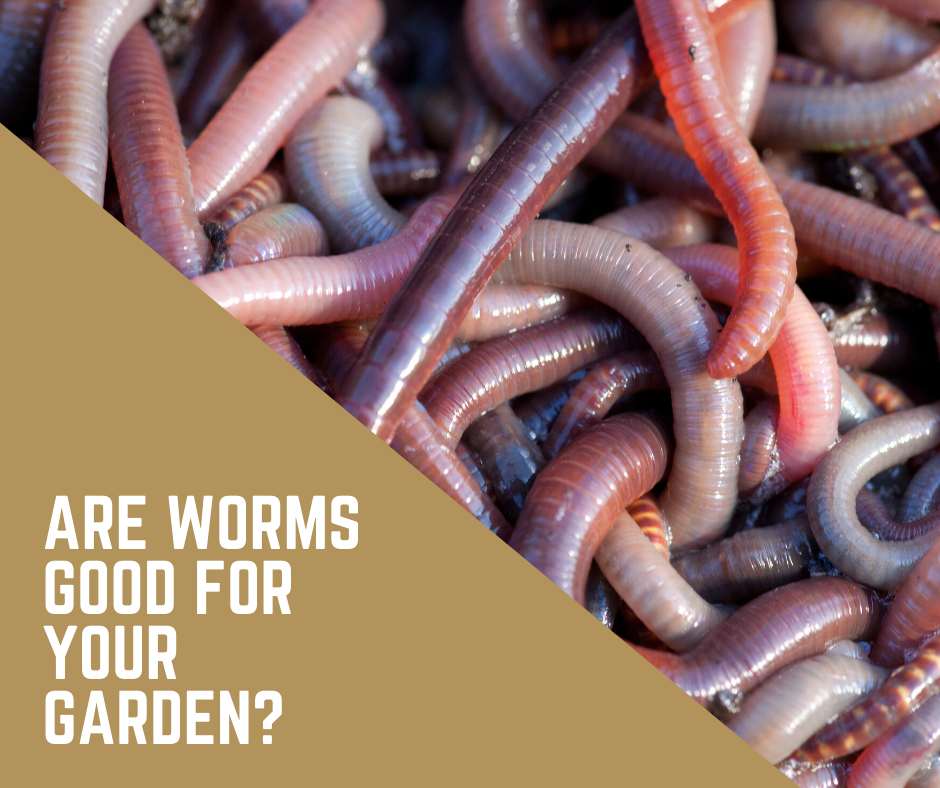
ARE WORMS GOOD FOR THE GARDEN? Why You Should Create a Worm-Friendly Garden


CLICK HERE TO ORDER LIVE WORMS ONLINE

Are Worms Good For Your Garden? 

YES! Worms can be very beneficial to your garden. Nutrient-dense, rich garden soil is crucial to a successful vegetable garden. Healthy soil may include plenty of underground animal & plant activity, such as earthworms and fungi. Worms effortlessly increase the quality of your soil and are attracted to decaying matter while they consume bacteria and nematodes. They also excrete worm castings, which is gardener’s GOLD, or basically one of the best soil amendments you’ll find! Worm castings are rich in nutrients and minerals such as nitrogen, phosphates, and potassium. Overall, worms play an important part in soil construction and the recycling of organic waste.

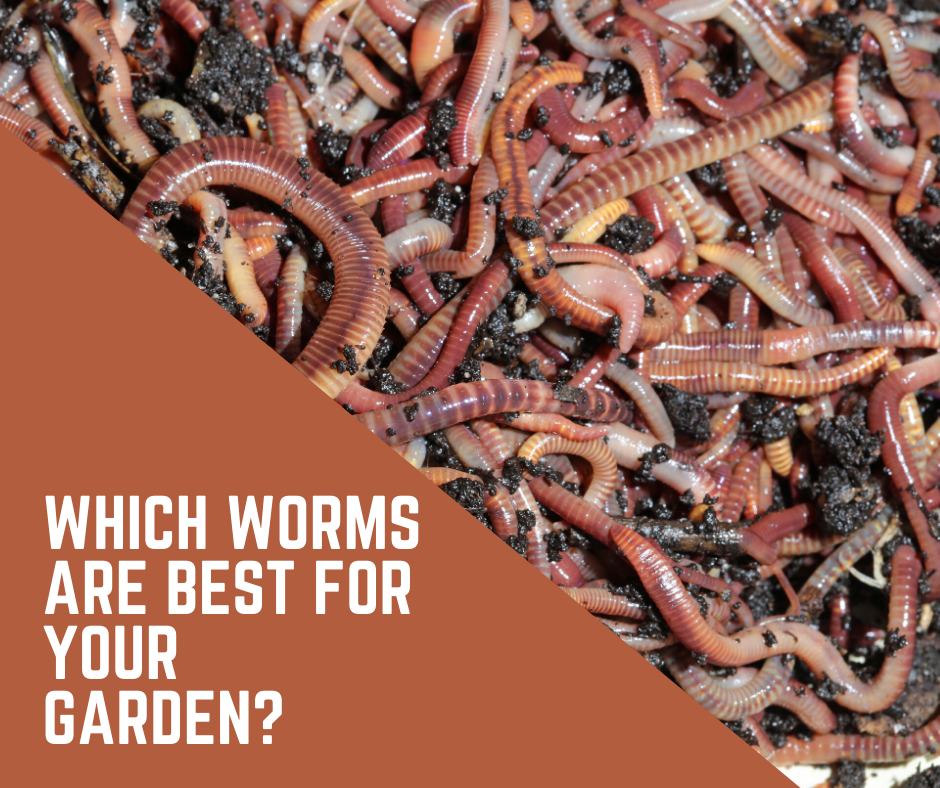
Which Worms Are Best For Your Garden?

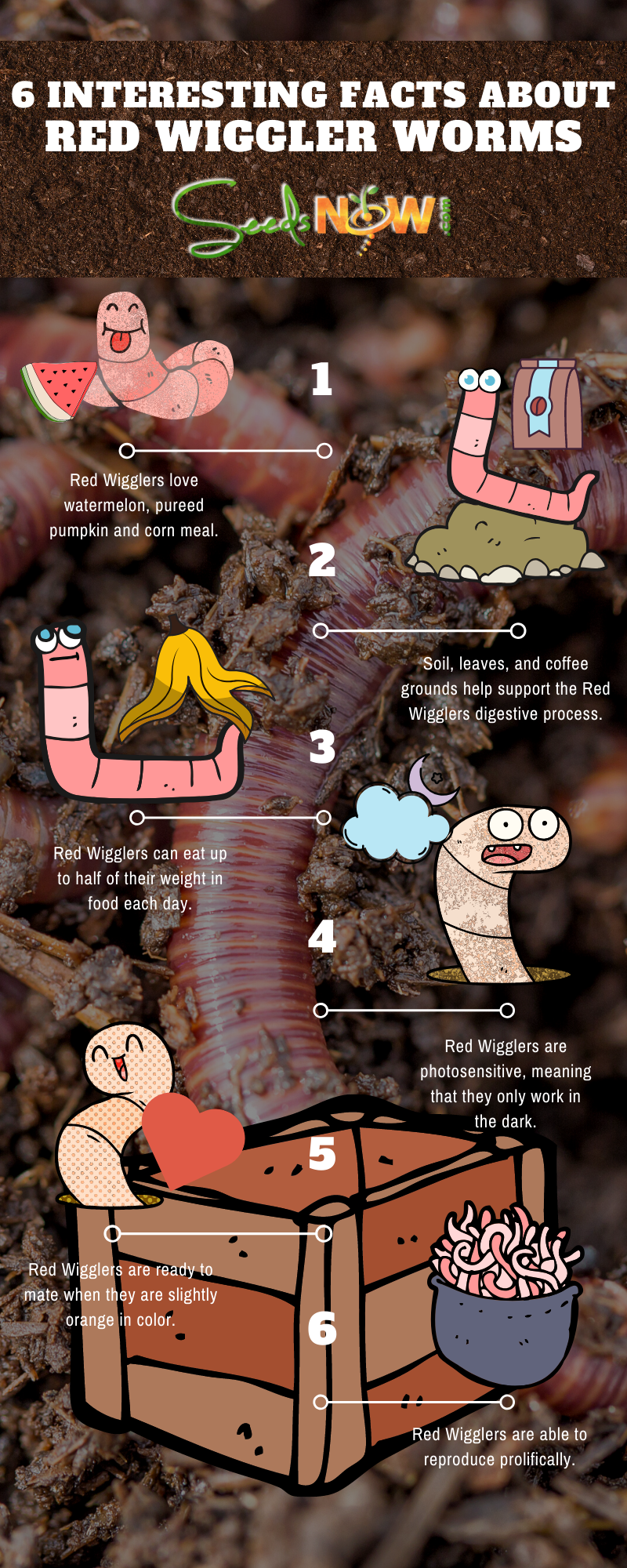
Red Wiggler Worms are often the most sought-after by seasoned gardeners. Although nightcrawler worms can be used, red wigglers are generally agreed upon as being the most effective when processing organic scraps.

CLICK HERE TO ORDER LIVE WORMS ONLINE


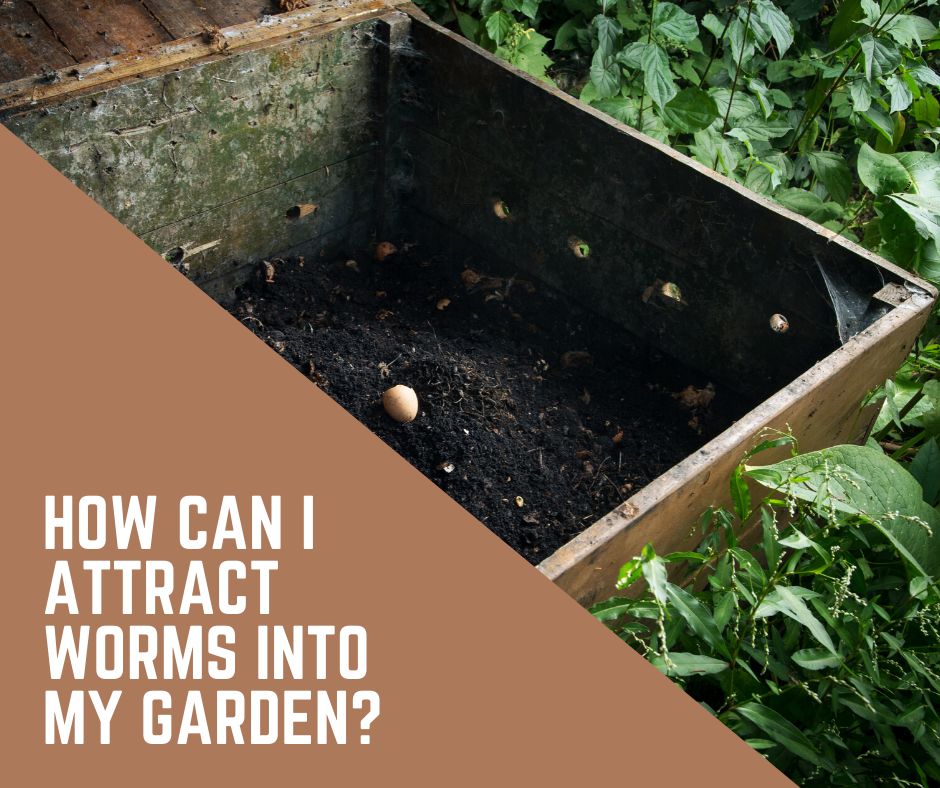
How Can I Attract Worms Into My Garden?

Red Wiggler Worms LOVE eating organic scraps! They usually won’t be found more than a foot or so deep beneath the soil. Look for them as they burrow within compost heaps, animal manure, or piles of leaves. You can also try sourcing them through a local worm farm shop, bait shop or garden center.

CLICK HERE TO ORDER LIVE WORMS ONLINE


How to Build a Worm Tower from a 5-Gallon bucket!

“A real handy and functional item to have in your garden is a worm tower. Not only are the worms fertilizing your soil, but you have a handy “compost garbage” bin at your fingertips. It very easy and inexpensive to make. A bucket, drill with bit and a shovel, that’s it.” – The Abled Gardener


How To Use Worm Castings In Your Garden
“Using worm castings in your garden provides your soil and plants powerful, organic nutrients that help your garden be healthy and productive. In this video, we’ll share what worm castings are, why they are so powerful, and how to use them to feed your garden.” – CaliKim29 Garden & Home DIY
CLICK HERE TO ORDER LIVE WORMS ONLINE


Still Looking For The Perfect Christmas Gift? Join The Club!

🥦🍅🍆Grow your own organic food, year-round! 🥕🌶️🥒

SIGN UP or learn more: https://urbanorganicgardener.cratejoy.com

Join today and become a member of the UOG Monthly Seed Club. Each month, members receive a curated collection of beautiful heirloom/non-gmo seeds & essential seed starting garden supplies – all customized around you, your garden, and location.

💯% SATISFACTION. GUARANTEED.
Join the community today, we promise it will be worth it! Sign-up today and get your first package delivered the second week of every month.

✳️ JOIN TODAY! https://urbanorganicgardener.cratejoy.com

Alemany Farm is San Francisco’s Urban Farming Oasis

We’ve all passed a formerly vacant lot, only to see it’s been seized and taken over by gardeners. There are rows of vegetables, maybe a few flowers and a sculpture of some sort.

The sculpture in San Francisco’s Alemany Farm is a full-sized windmill. That should tell you everything you need to know about its agricultural girth.

The farm, flanked at all sides by freeways, public housing or the slope of Bernal Heights, is carved out of a former junkyard. In the 1990s, the San Francisco League of Urban Gardeners transformed the 3 1/2 acre site into a sprawling garden with avocado trees, artichoke bushes and lavender shrubs.

But the organization folded, the money ran out and the weeds reclaimed the site. Several years ago, a new volunteer group called the Friends of the Alemany Garden took over the farm and whipped it back into shape — in a rambling, English garden kind of way.

READ THE FULL STORY AT: https://www.nbcbayarea.com/news/local/alemany-farm-is-san-franciscos-urban-farming-oasis/2096580/

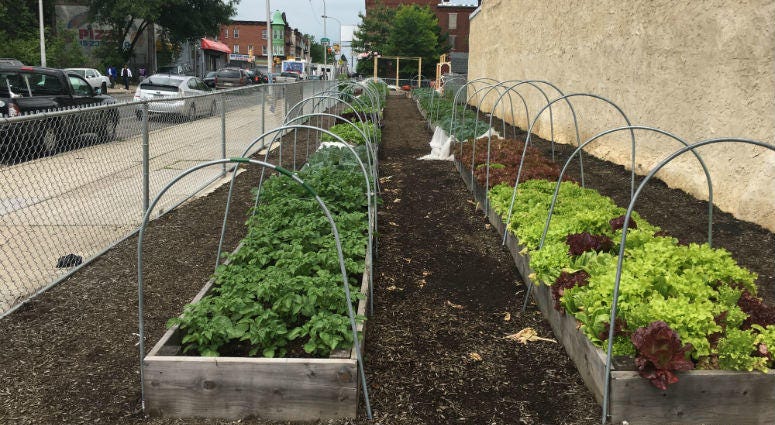
Green gardens sprouting from vacant lots. Urban farmers hope to grow city’s economy.


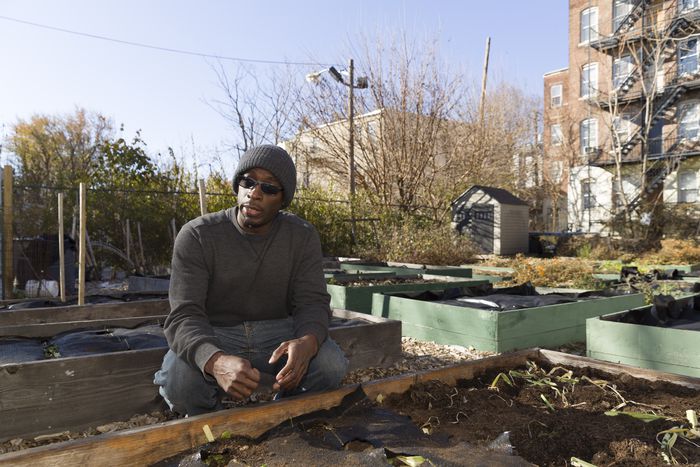
Tobias Fox watches a grey cat slink behind a raised garden bed. In a blink, the furry feline nearly pounces on a squirrel digging through garlic cloves.

“It’s like the nature channel,” Fox says with a laugh. “The cats keep us rodent-free.”

Situated next to an abandoned home and in the shadow of the Cathedral Basilica of the Sacred Heart, Fox’s urban farm has transformed a once-vacant lot into a space where cucumbers latch to chain-link fences, mint grows wild and all kinds of veggies spring from elevated plant beds.

READ THE FULL STORY: https://www.nj.com/essex/2019/12/green-gardens-sprouting-from-vacant-lots-urban-farmers-hope-to-grow-citys-economy.html

Philly’s gardening community gets a chance to grow urban farming throughout city

There’s a push to make urban farming in Philadelphia more sustainable, and the city is asking residents to help them map out a plan.

Before the city puts out an urban farming plan, they’re getting feedback on people’s gardening habits.

“Let us know where they’re gardening, where they’re urban farming, where are their projects. We’re also asking folks to define urban agriculture,” explained Philadelphia Parks and Recreation’s Ash Richards.

Richards said there are roughly 400 urban gardens in the city, and they want to make sure they all have the resources they need to thrive.

READ THE FULL STORY: https://kywnewsradio.radio.com/articles/news/philly-asks-for-feedback-on-urban-farming-from-gardeners

A SMALL URBAN FARM HAS A BIG IMPACT ON YOUNG LIVES

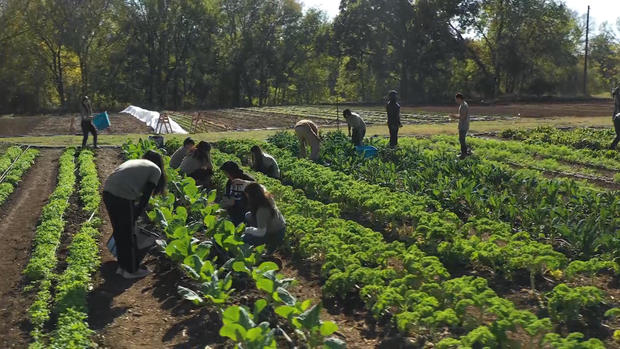
Bright and early one Saturday morning in downtown Austin, Texas, young people hustle to set up a farmers market stand piled high with leafy greens and freshly harvested vegetables. Just a short drive away on a three-acre farm, more youth are preparing to lead a group of adults through a day of planting, weeding, shoveling and learning. This is what Urban Roots is all about.

“One of the most powerful parts of our work is we can engage young people and adults from all walks of life to work across from each other,” explained Max Elliott, co-founder and executive director of Urban Roots. “They’re going to have some differences: They might come from different parts of town, they might have different ages, they might look different. But together we’re working toward a shared goal of nourishing the community.”

READ THE FULL ARTICLE: https://www.wcbi.com/a-small-urban-farm-has-a-big-impact-on-young-lives/

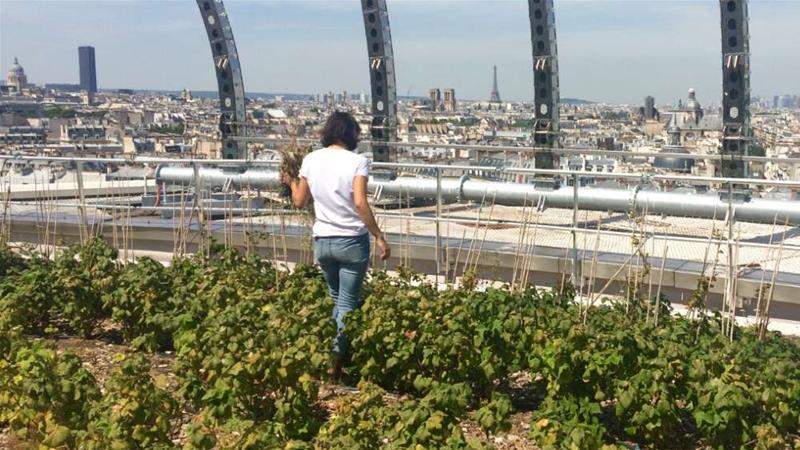
Let them eat the city, say the urban farmers of Paris

Paris, France – Parisian mushrooms are reclaiming their space in the dark spaces under the City of Light.

“When cars arrived in Paris in the 1930s they pushed out “champignons de Paris” (known in English as button mushrooms),” explains Jean-Noel Gertz, CEO of Cycloponics, the start-up that has transformed an abandoned car park into La Caverne, an organic underground urban farm.

Huge quantities of button mushrooms used to be grown using the manure of the city’s horses, so the rise of the car led to an abrupt drop in production. But things have now come full circle.

“Now, with car use declining, Paris mushrooms are pushing out cars,” says Gertz, who is testing the growing of the variety at La Caverne’s existing site below the concrete near Porte de La Chapelle, with plans to launch larger-scale production in a new underground site in the city’s 19th arrondissement next March.

READ THE FULL STORY: https://www.aljazeera.com/news/2019/12/eat-city-urban-farmers-paris-191205152844562.html

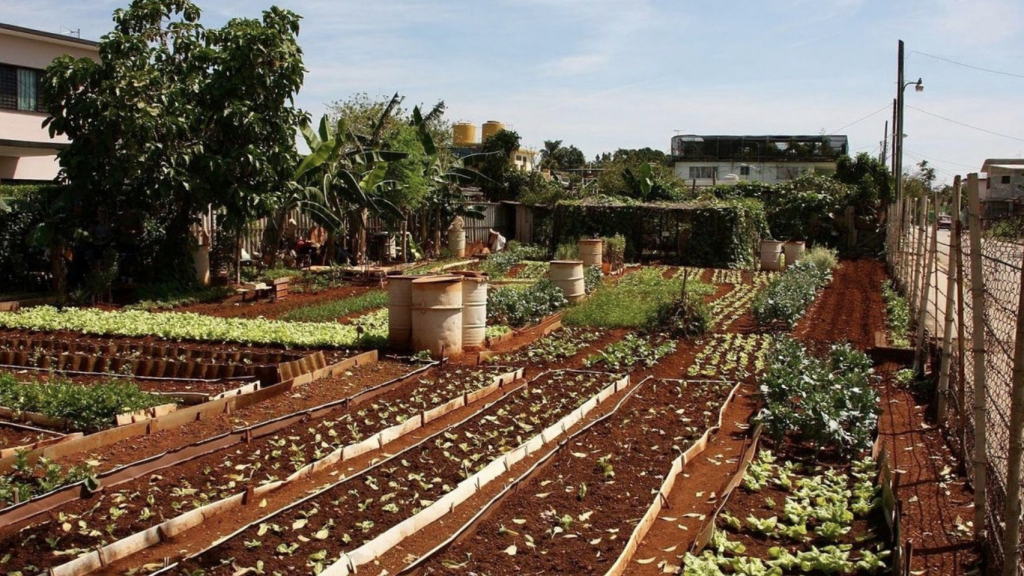
Cuba’s Urban Farming Shows Way to Avoid Hunger​

When countries run short of food, they need to find solutions fast, and one answer can be urban farming.

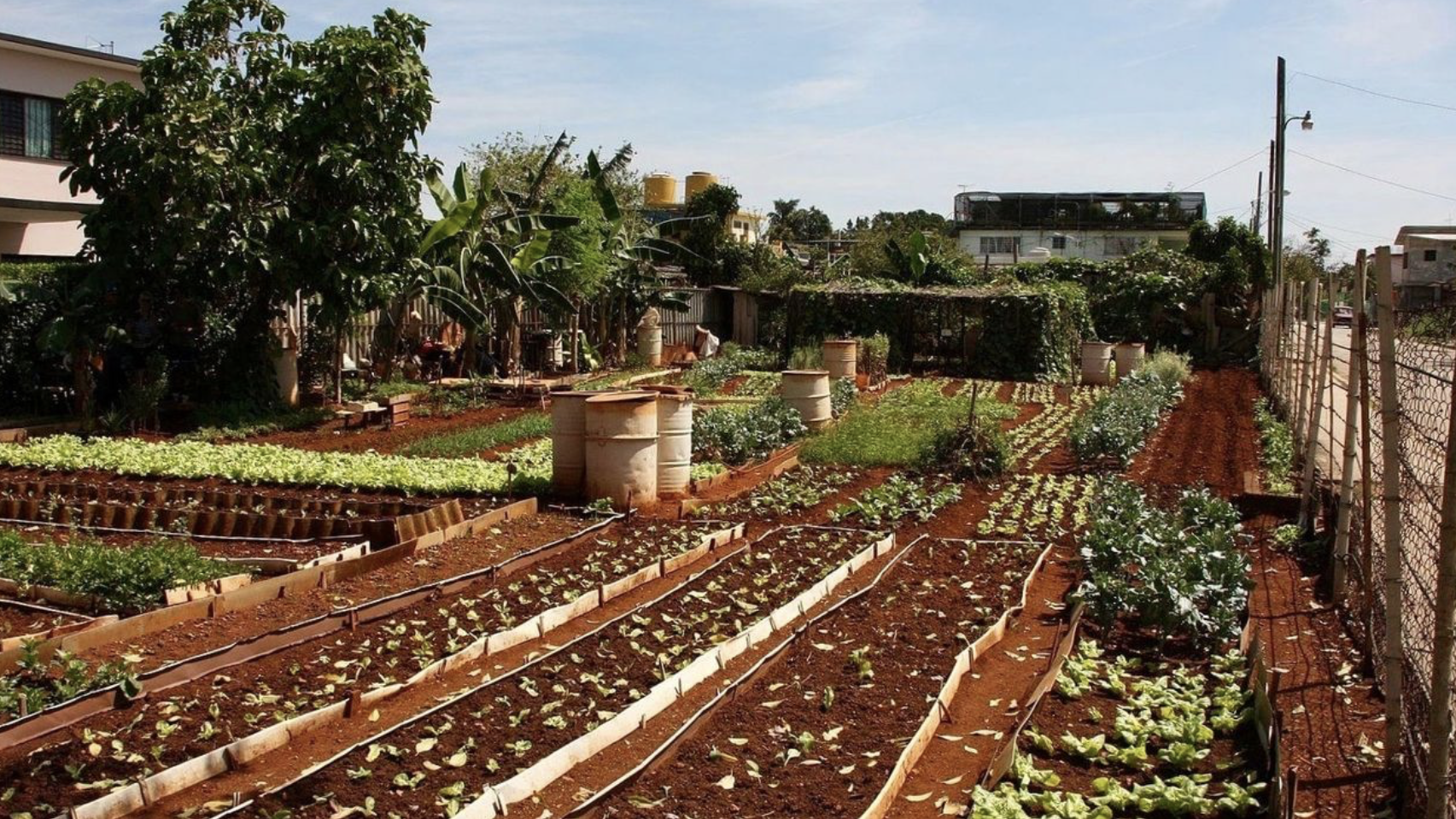
That was the remedy Cuba seized with both hands 30 years ago when it was confronted with the dilemma of an end to its vital food imports. And what worked then for Cuba could have lessons today for the wider world, as it faces growing hunger in the face of the climate crisis.

When the Soviet Union collapsed in the 1990s, most of Cuba’s food supplies went with it. To stave off severe malnutrition the people of the capital, Havana, found an imaginative answer: urban gardening. That’s now seen as a possible blueprint for the survival of city populations in a warming world.

The Rapid Transition Alliance has published a longer account of Cuba’s very fast move towards self-sufficiency as part of its series Stories of Change, which describes cases of large-scale, rapid transformation that can seem difficult to achieve but which have often worked before.

READ THE FULL ARTICLE: https://www.ecowatch.com/urban-farming-cuba-2641320251.html?rebelltitem=2#rebelltitem2

Stepped Rooftop Creates Space for Urban Farming in Vietnam

The vast majority of rooftops are just wasted space, especially in crowded cities. At the very least, they should be collecting rainwater or covered in solar panels. Larger urban buildings are more likely to make use of their rooftops by turning them into terraces, but why do we so rarely do the same for houses?

Aerial shot of
Despite it's impressive rooftop garden space, the Red Roof is built on a very small plot of land
Planted rooftops can also help lessen heat exposure, reducing the need for air conditioning outside. But one of the biggest benefits of a usable rooftop is its ability to expand access to the outdoors. Many existing houses could be modified to support retrofits, but building new ones specifically with this feature in mind allows for even more creative possibilities.


READ THE FULL ARTICLE: https://news.yahoo.com/stepped-rooftop-creates-space-urban-220031346.html

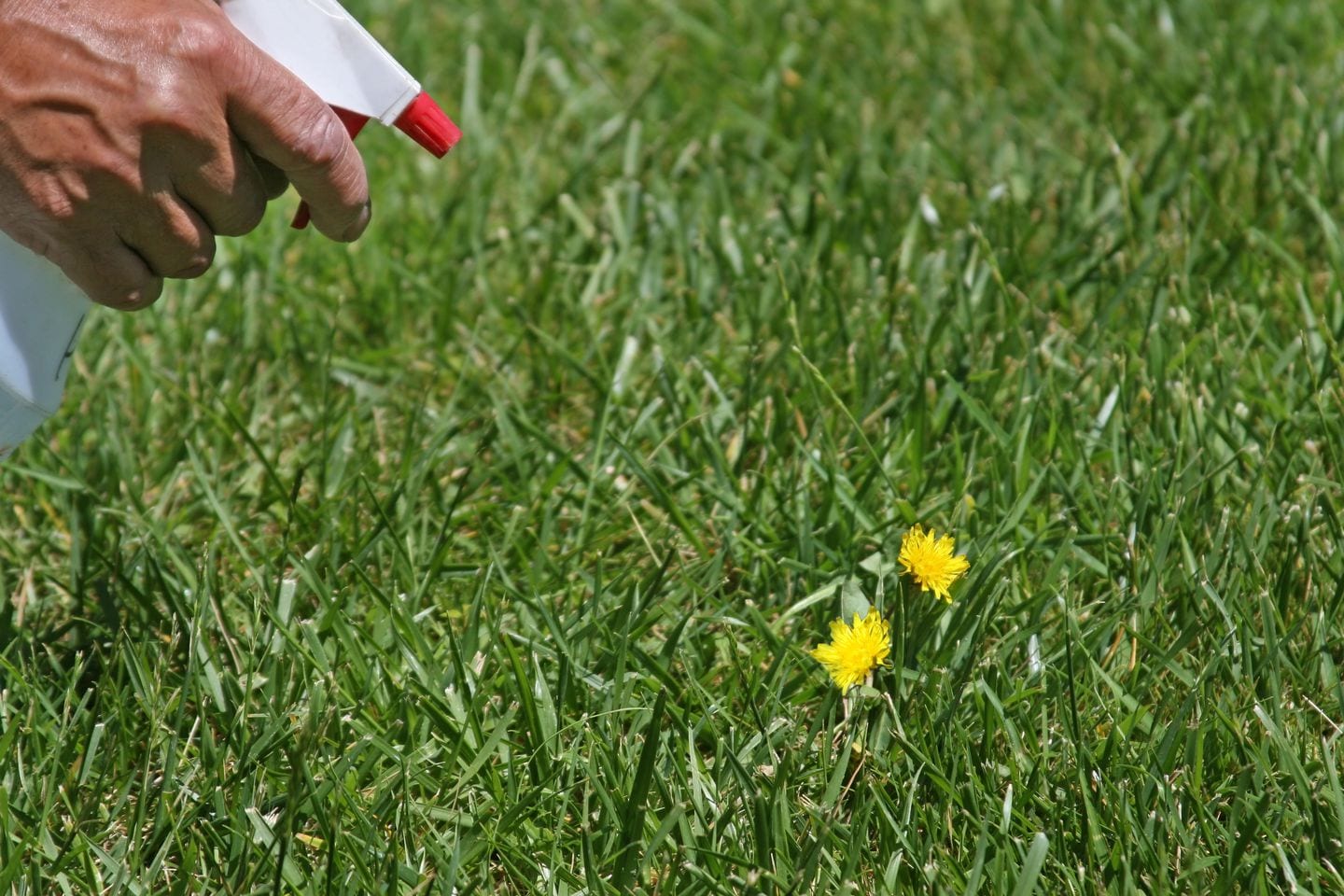
Whether or not Roundup is safe, the gardener has better options

Unless you have been living on Mars, you have probably seen the TV ads from law firms seeking cancer patients who have used the ubiquitous herbicide brand Roundup.

Three recent high-profile cases in California have brought verdicts against Roundup’s maker, Monsanto, one with a jury award of $2 billion, later reduced to $86.7 million. To date, more than 18,000 plaintiffs are suing Monsanto in state and federal courts alleging Roundup-related cancers.

Monsanto insists Roundup is not carcinogenic, says it has no plans to pull it from the market and is appealing the verdicts. “It’s clear these products are safe when used as directed,” said Rakesh Kilaru, a Washington attorney for Monsanto.

READ THE FULL STORY: https://www.washingtonpost.com/lifestyle/home/whether-or-not-roundup-is-safe-the-gardener-has-better-options/2019/09/17/8ccb8a5e-ca95-11e9-a1fe-ca46e8d573c0_story.html

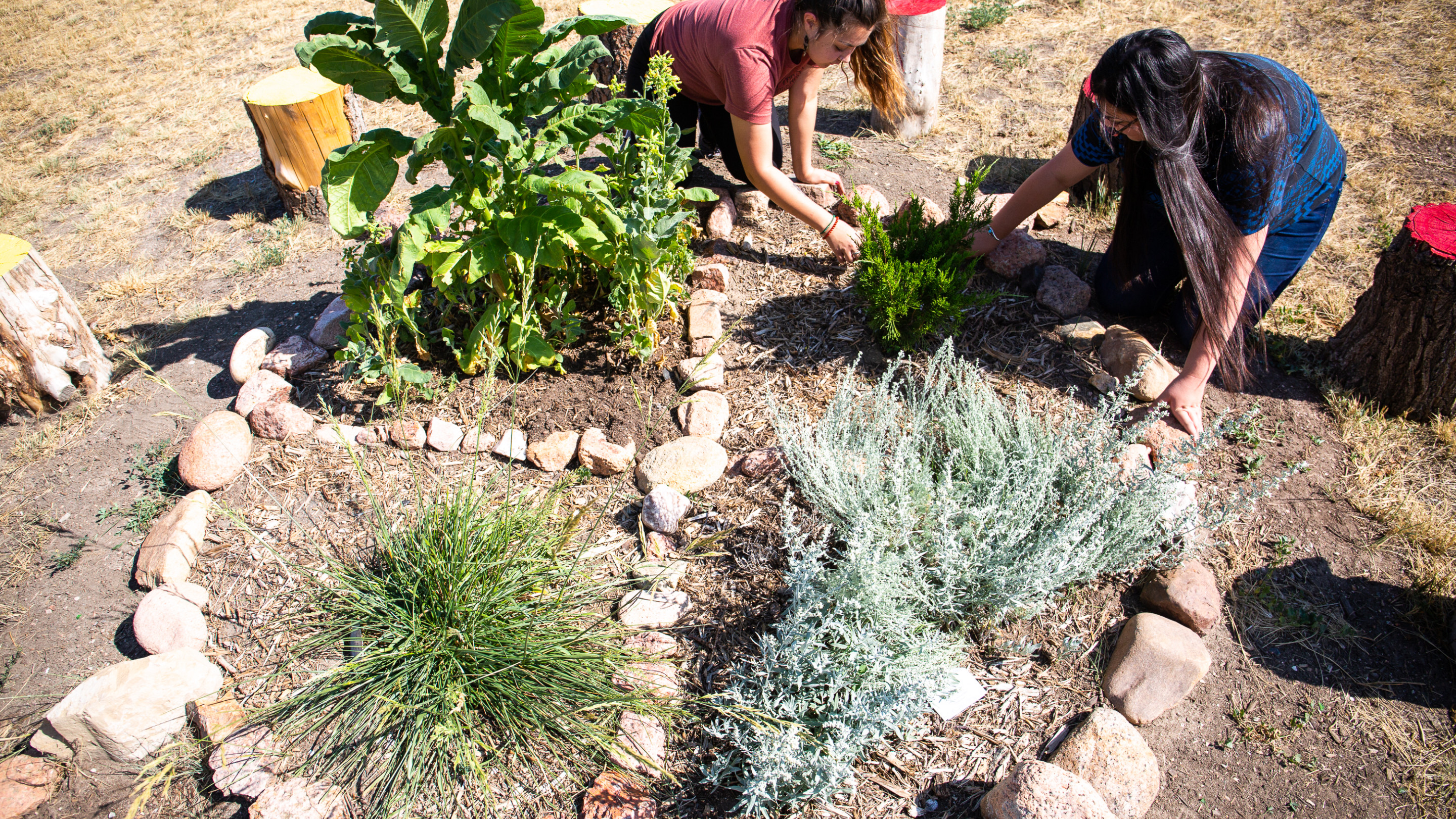
4 out of 5 Native American women are survivors of domestic or sexual violence. A Colorado Springs garden is helping them recover.

Monycka Snowbird, of Ojibwe descent, is one of the main Haseya advocates and leaders in the organization. She had the idea and implemented the healing garden as a space for victims of violence to connect with another in a comfortable space.

COLORADO SPRINGS — Every year, during powwow season, Monycka Snowbird prints fliers with tear-off tabs for Haseya Advocate Program, a Colorado Springs-based nonprofit that serves Native American women who have suffered domestic abuse or sexual assault.

She hopes to find only one or two tabs pulled by the end of each event, but often most are gone. This, she says, is because four out of five Native women experience some form of abuse in their lives.

Haseya, which helps abused women connect with one another and provides resources for healing, this spring began creating a new kind of safe space for its clients, high on a hill with Pikes Peak as a backdrop.

READ THE FULL STORY: https://coloradosun.com/2019/10/22/native-american-women-violence-haseya-colorado-springs/

Project Green Light to surveil first community garden in Detroit

Detroit — If all the high-definition cameras happen to catch is rabbits eating carrots in her garden, that’s just fine, says Barb Matney, who savors the safety cameras provide as she tinkers in her green space.

Matney is the co-creator with husband Joe of the “In Memory Of” garden at Minock and Whitlock on Detroit’s west side.

As president of the South Warrendale Neighborhood Watch Radio Patrol, Matney, 53, takes a proactive approach to security in the neighborhood she’s never left.

Now, with the Detroit Police Department’s Project Green Light adding its first outdoor space in her community garden, cameras will be part of the landscape.

READ THE FULL ARTICLE: https://www.detroitnews.com/story/news/local/detroit-city/2019/11/03/project-green-light-surveil-first-community-garden-detroit/2450198001/

5 Tips To Start An Urban Garden

Limited space is no reason to keep you from having the garden of your dreams.

From vertical gardens to mason jar and container gardens, with a little creativity you can utilize your space to effectively grow plants, no matter the limitations, said Kevin Espiritu, founder of Epic Gardening and author of the new book, “Field Guide to Urban Gardening: How to Grow Plants, No Matter Where You Live.”

Espiritu’s interest in gardening came on a whim, and when his first foray ended in a cucumber failure, he quickly realized there was limited easily digestible information on where he went wrong.

“There’s some statistic where like 40 percent of first-time gardeners don’t ever garden a second year, and that to me is just a bit sad,” he said.

Espiritu broke his book down into three main sections to get you started on an urban garden.

  • Green Thumb Basics: the foundational concepts of gardening like how does a plant use water and light? Where should your garden be located?
  • Growing Methods: there are six different growing methods within the section that give the best growing options, depending on your set up. For example, raised bed gardening, balcony gardening and indoor gardening.
  • Troubleshooting: this tackles some of the most common things you may run into that could hinder your progress as a gardener — like pests, diseases or watering mistakes.

LEARN MORE: https://www.wpr.org/5-tips-start-urban-garden

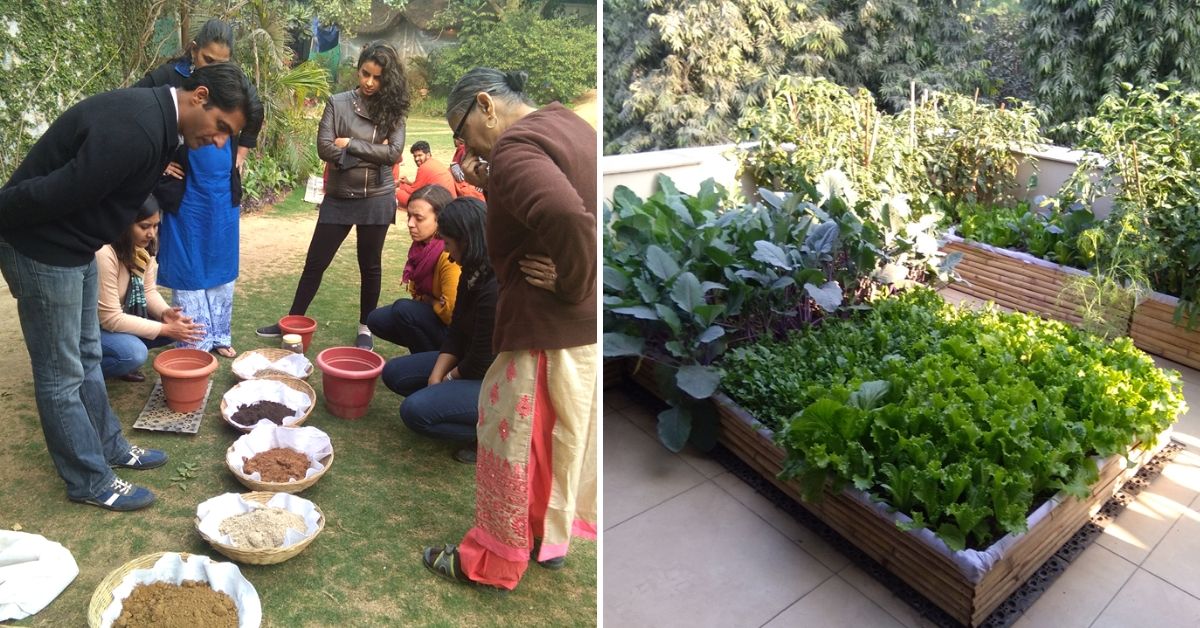
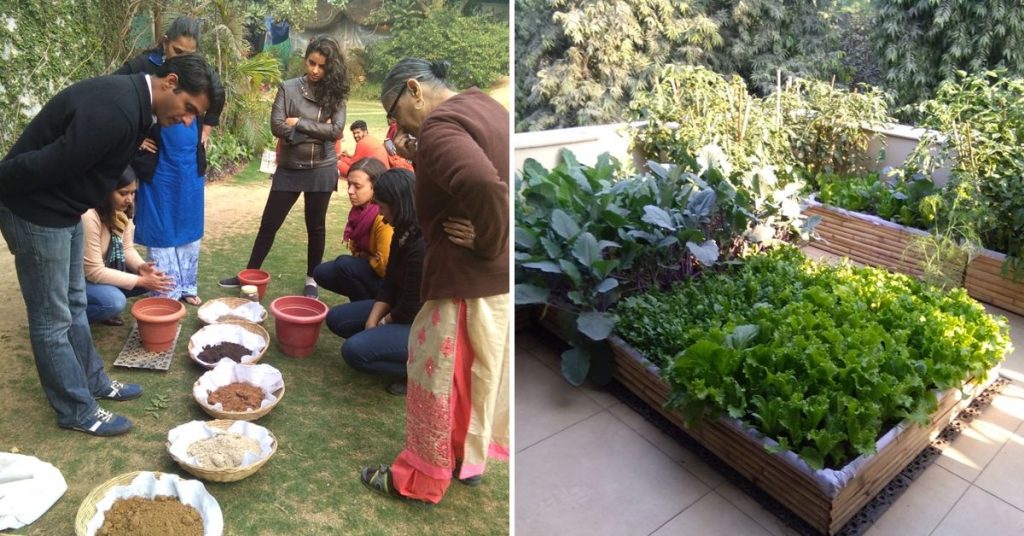
Delhi, Techie-Turned-Farmer Will Get You Growing Air-Cleaning Plants in Just 2 Hrs

Kapil Mandawewala had a cushy job in a leading IT firm in San Francisco, USA. The position of a Senior Consultant at Deloitte Consulting meant that Kapil had easy access to all the luxuries he wanted. And yet, something pricked at him. Kapil wanted to pursue something that will bring a positive difference in society.

Always conscious about his health, diet, and lifestyle, Kapil decided to leave the well-paying job in favor of starting organic farming in India to suit his goals. His family owned a 22-acre farm in Gujarat, thus he shifted base to his hometown. Instead of continuing with chemical farming on this vast patch of land, he cultivated wheat, rice, millet, and vegetables organically.

For the first couple of years, Kapil faced losses in lakhs. But his perseverance soon reaped rewards. This invoked the curiosity of people from far and wide. Especially Delhi.

READ THE FULL STORY: https://www.thebetterindia.com/201872/delhi-smog-solution-how-to-grow-indoor-plants-air-clean-weekend-workshop-lifestyle/