Soil Generation is Saving Community Gardens in Philadelphia

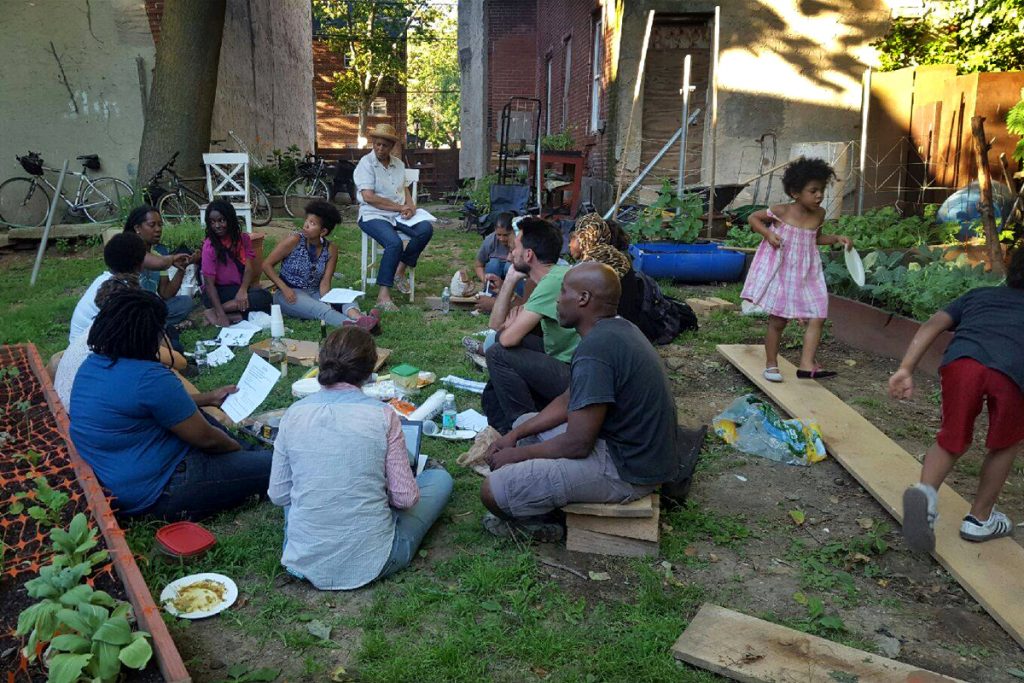
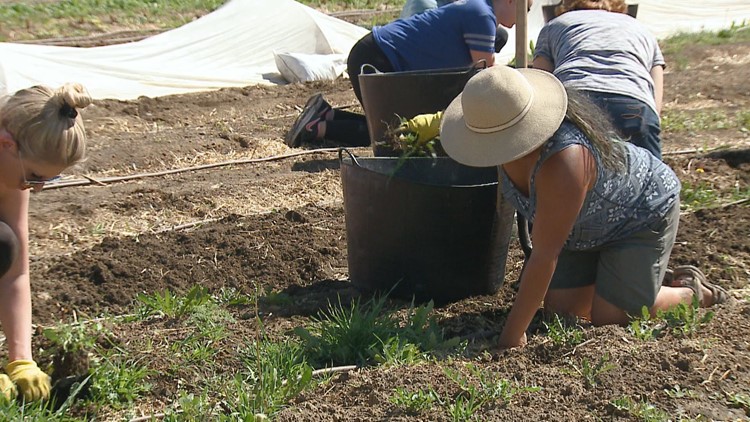
Khenti Pratt’s community garden was an oasis for neighbors, and a source of sustenance and pride. She poured time and money into transforming a blighted Philadelphia lot into a space teeming with vegetables and flowers, the site of classes and other community events, and the winner of a City Gardens Contest award.

But after 17 years, the Philadelphia woman found out at a public meeting that a developer had purchased the land.

“[The developer] said in front of the Zoning Board and he talked to me on the side, he said, ‘I’m not going to bulldoze your garden right away. I’m for gardens; I want to help you actually garden,’” Pratt told the Philadelphia Inquirer in 2013. But despite a petition from neighbors, within a few months, the garden was uprooted to make way for an apartment building.

Experiences like Pratt’s have for years been common all over Philadelphia. Though the city dubs itself America’s Garden Capital, the distinction offers little protection to residents who grow on vacant lots, only to see their gardens bought out from under them and bulldozed. And although Pratt’s garden couldn’t be saved, its loss has served as a lesson learned, a sort of launch pad.

READ THE REST OF THE ARTICLE Civil Eats

Someone burned beehives in Texas and killed more than half a million bees

Police want to know who burned dozens of beehives in a town just south of Houston. One of the beekeepers said the losses are truly staggering.

“We’re looking at 500,000 to 600,000 (bees) that have been destroyed out of that environment,” Steve Brackmann, who sells beekeeping supplies and queen bees, told CNN affiliate KTRK.

“It’s bad enough to think in today’s world this would happen but dumping them over and then setting fire to them is beyond comprehension,” the association wrote in a Facebook post. “Club has offered a reward to lead to conviction and anyone with info please forward it to the sheriff’s office.”

Brazoria County Crime Stoppers is offering a reward of up to $5,000. The beekeepers association is offering a $1,000 reward as well as asking for donations to help it recover from the losses.

READ THE FULL STORY AT CNN.com

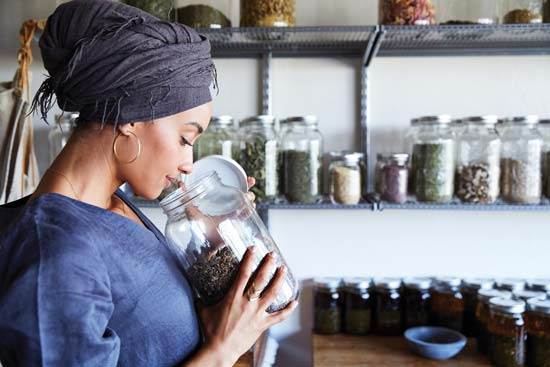
Create an Organized Home Apothecary

Choose Herbs That Meet Your Needs

The most important place to begin with any home apothecary is to accurately assess your home health care needs. If you know your family will need winter health support, then herbs to strengthen immunity will be the place to start. If you have a tendency to get colds that settle in the lungs, you may wish to have several lung-supporting herbs and expectorants on hand. Identifying the key areas where you need home remedies will help you focus your attention when stocking herbs and medicines.

The other key piece to efficiency in the home apothecary is to become as familiar as possible with the herbs you keep on hand. The more you understand about an herb, its properties, and its applications, the more versatile it will be. Most home apothecaries don’t have hundreds of herbs, and for good reason! A simple collection of 10 to 20 will do most people just fine. And the better you know those 10 to 20 herbs, the more useful you will find them.

READ THE FULL ARTICLE MotherEarthLiving.com

Morgan Freeman Converted His 124-Acre Ranch Into A Giant Honeybee Sanctuary To Save The Bees

Morgan Freeman, the actor, film director and philanthropist has added a new title to his name: Beekeeper. The 81-year-old celebrity decided to convert his 124-acre Mississippi ranch into a bee sanctuary.

Freeman’s foray into beekeeping began in 2014, where he discussed his new hobby with Jimmy Fallon during The Tonight Show. Freeman had taken up beekeeping just a couple of weeks before appearing on the show and talked about his experience keeping bees and the need to preserve and save wild bees for healthy environments.

READ MORE ABOUT THIS STORY Forbes.com

Nearly Half of Honey Tested Contains Mostly Rice Syrup, Wheat Syrup or Sugar Beet Syrup

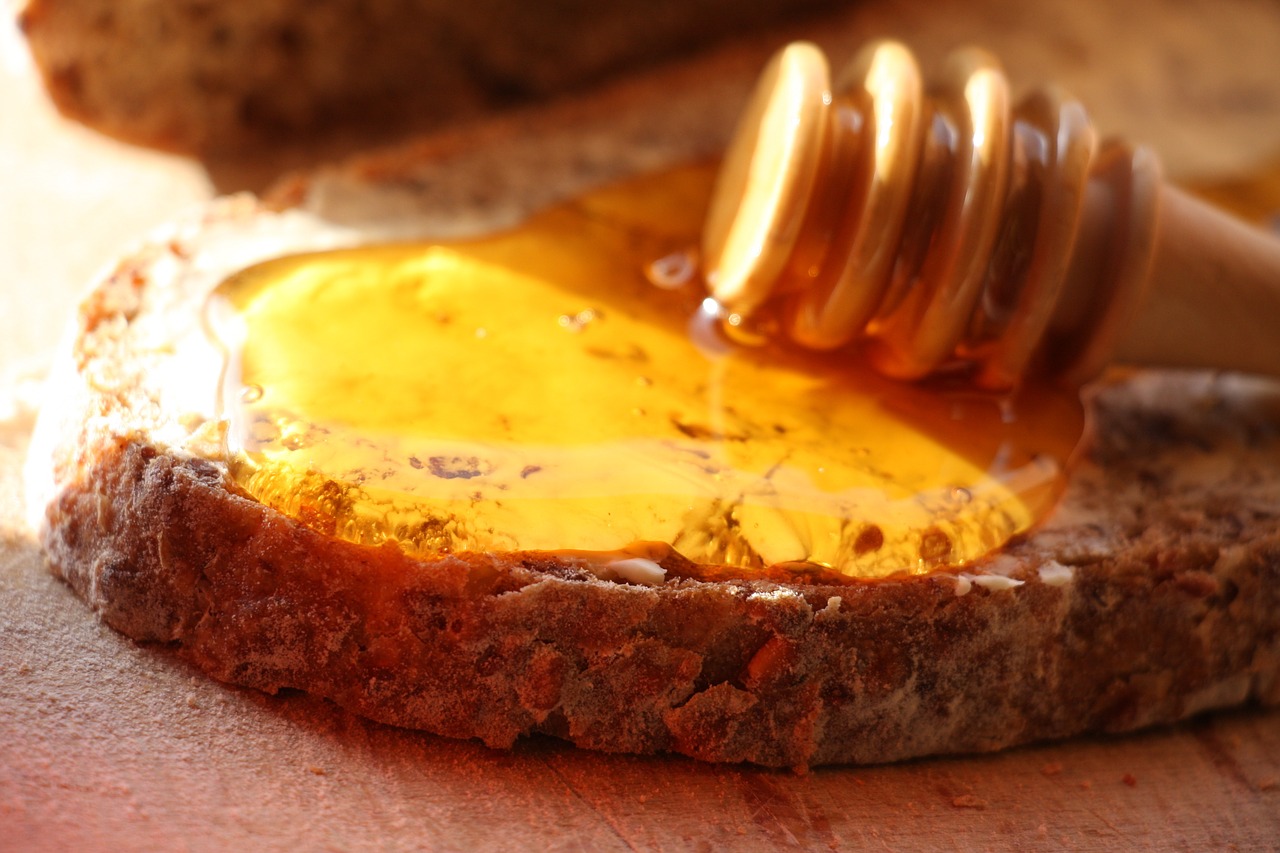
A new testing method has revealed nearly half of the honey sold in Australia, one of the world’s largest exporters of honey, is diluted with cheap sweeteners like rice syrup, wheat syrup, and sugar beet syrup.

12 out of 28 honey samples taken from grocery stores around the country and tested in a reputable lab in Germany turned out to be mostly some form of cheap sugar syrup, not honey.

The scary thing is, all of these honey brands had passed the official government purity tests.

That’s because honey manufacturers have become more skilled at flying under the testing radar, researchers explain.

The official, internationally accepted, tests only pick up honey adulterated with cane sugar and corn sugar.

Manufacturers have learned they cannot detect the difference between rice syrup, sugar beet syrup, and honey.

READ THE FULL STORY Return To Now

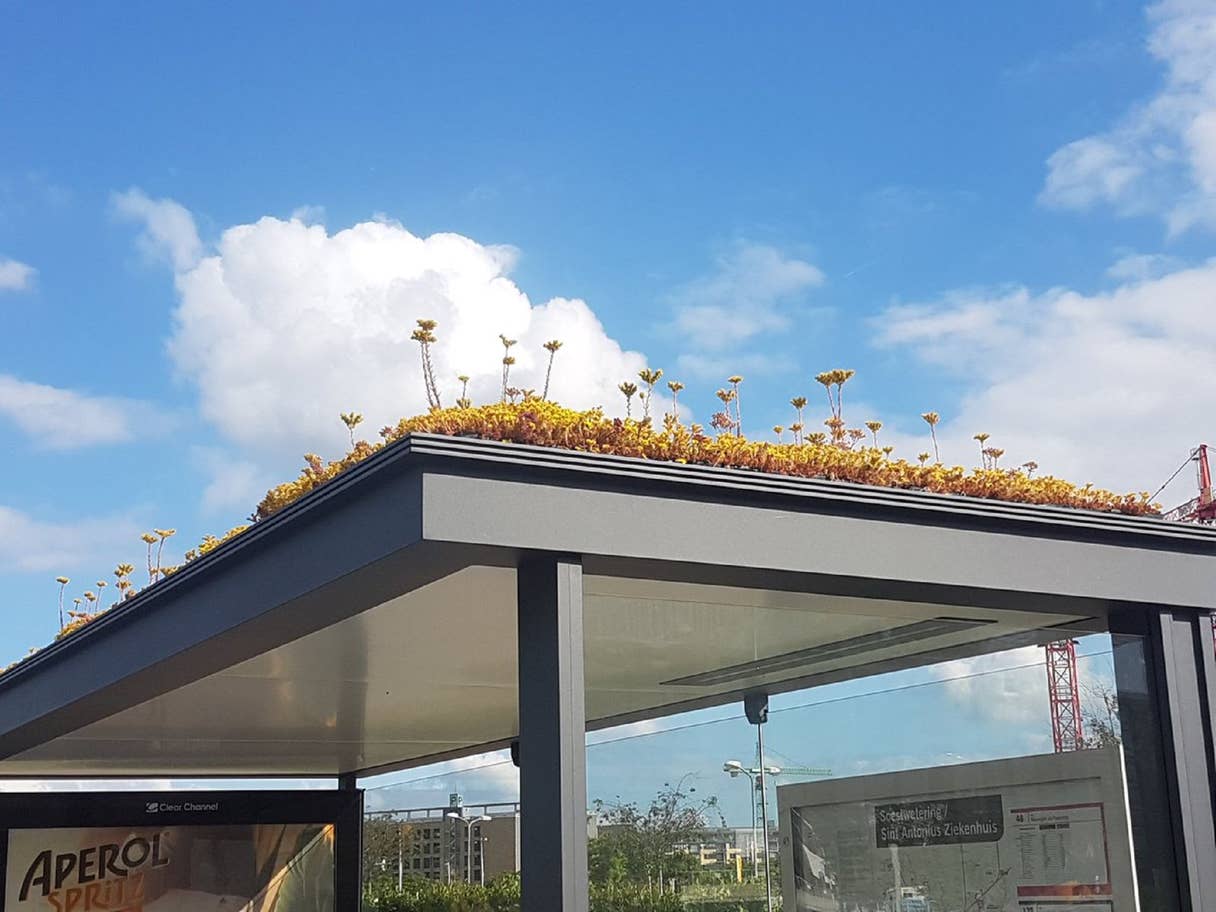
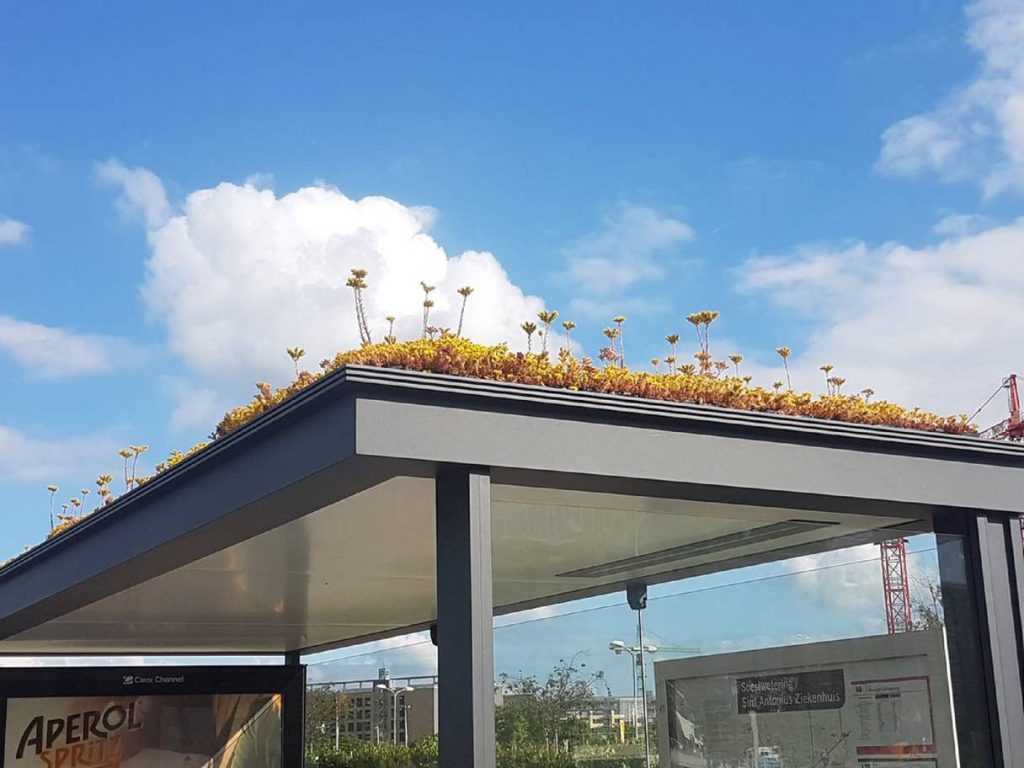
Bus Stops in the Netherlands are Covered in Flowers to Give Bees a Chance

The Dutch have a progressive way of thinking and acting that can stand as a model for many countries. Remember how long cannabis has been decriminalized there? They also have outstanding prenatal and postpartum care (with the view that birth is a natural occurrence, not a medical emergency) with 16 weeks paid maternity leave and 6 weeks paid paternity leave. Now the city of Utrecht is doing something else: the 316 bus stops throughout the city have been transformed. All the city’s bus stops have been covered in sedum (succulent) plants. The rooftops not only help to support the dwindling pollinator populations, but they also improve air quality by trapping fine dust particulates, store rainwater and provide a cool environment in the summertime.

Another way Utrecht is moving to improve air quality for its residents is by transitioning to an entirely electric bus fleet by 2028, with electricity sourced from Dutch windmills.

READ THE FULL STORY ACH News

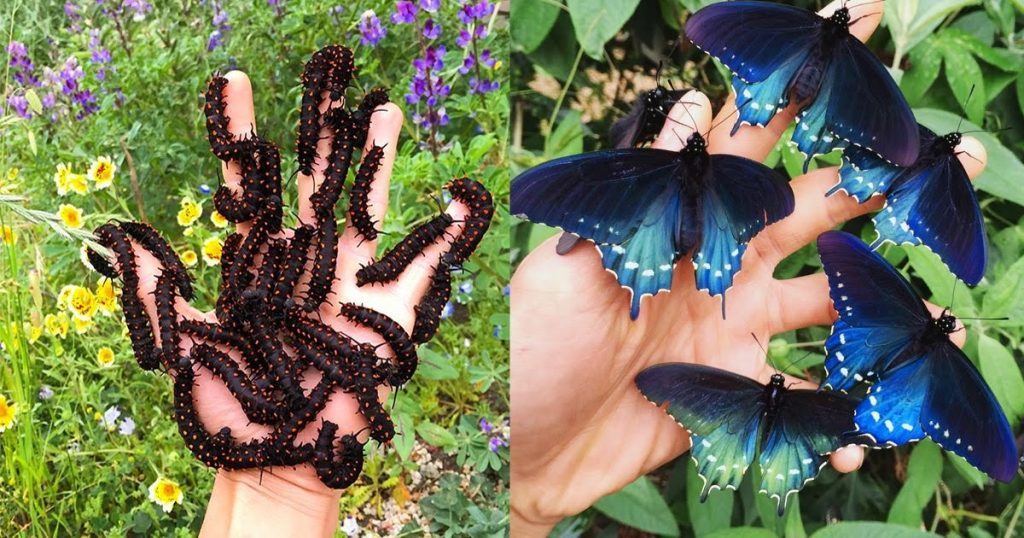
How One Man Singlehandedly Repopulated a Rare Butterfly Species in His Backyard


The iridescent blue wings of the California pipevine swallowtail are considered by collectors to be among the most magnificent in North America.

For centuries the beautiful butterfly thrived in the San Francisco and around the Bay Area. But as the region became increasingly urbanized in the early 1900s, the pipevine swallowtail began to disappear. Today it’s an extremely rare sight.

Aquatic biologist Tim Wong at the California Academy of Sciences has made it his personal mission to bring the butterfly back, and he’s off to a very promising start.

READ THE FULL STORY Return To Now

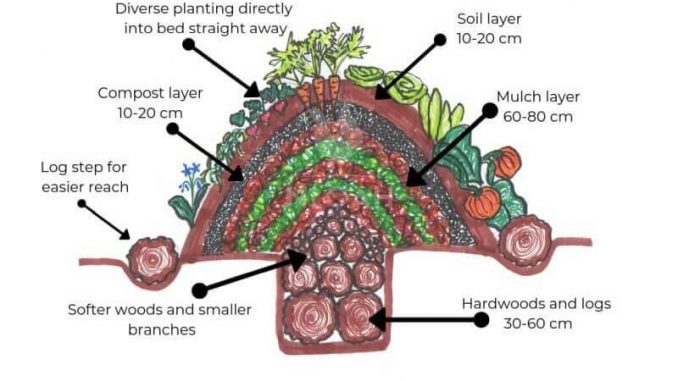
How to Build Hugelkultur Beds and Why You Need Them

The concept of a permaculture garden is to provide long-term solutions that maximize outputs and minimize inputs while cycling energy and resources through the system. This creates closed-loop efficiency within your system and prevents excess waste. In fact, one of permaculture’s most favored sayings is ‘there’s no such thing as waste, just things in the wrong place’.

Hugelkultur is a great example of recycling resources on your site to create long-term fertility in the soil. In doing this, you create beds that become more productive over time, helping to produce better quality crops with higher yields.

READ MORE ABOUT THIS New Life On A Homestead

When two Angelenos buy a farm—they make a must-see documentary about it

Eight years ago, after they were evicted from their Santa Monica apartment, John and Molly Chester bought 200 acres of land just outside of Los Angeles with the dream of becoming full-fledged farmers.

But 2011 would mark the beginning of a six-year drought, and the property was already eerily reminiscent of Oklahoma during the Dust Bowl. Instead of nutrient-rich dark soil, John Chester, a director, and producer, would hold dirt in his hands that resembled sand; it would blow like dust into the air as it ran through his fingers. The soil was so dry and clay-like, Molly Chester, a personal chef, could drop a fistful onto the ground—and it would not break.

Today, the Chesters grow 75 varieties of stone fruit, avocados, and citrus on the Moorpark property, named Apricot Lane Farms. They’ve found success not just as farmers, but as documentary filmmakers. They’ve chronicled their journey in The Biggest Little Farm, a film that has earned wide praise and a Rotten Tomatoes fresh rating of 90 percent and landed the Chesters an interview on NPR’s “Fresh Air.”

READ THE FULL ARTICLE LA Curbed

How to grow vegetables without a backyard

Living in an apartment, I long for a backyard where I can have sprawling planter beds, fruit trees and giant pots of flowers. I don’t have to put those dreams on hold entirely, though.

With a container garden, I can make use of what little outdoor space I have to grow fruits, vegetables, and herbs. Whether you have a few feet of balcony space or several inches on your counter, you can create a container garden, too.

Container gardening, simply put, is growing plants in containers or pots, rather than in the ground. If your yard is nothing more than a concrete slab, or you don’t have one at all, container gardening helps you overcome that.

There are big advantages to container gardening: Containers require less water, you can move plants around to meet their sunlight needs, and you can control pests and avoid soil-borne issues such as fungus and bacteria. They are also flexible, allowing you to add plants and rearrange pots as you want.

READ THE FULL ARTICLE CNET.com
Could dirt be the answer to treating PTSD?

A new study from the University of Colorado Boulder found a certain type of bacteria in the soil helps reduce stress and overall, could make you happier.

Previous studies around the world have come to similar conclusions, but CU’s research may be the first step to a stress immunization for first responders and soldiers.

“What we’d like to do is look at effects in individuals that have already experienced trauma,” Associate Professor in Integrative Physiology at CU Boulder Christopher Lowry said. “[We could] either treat it immediately after trauma or treat it after developmental PTSD symptoms and see if it could also be beneficial at those times.”

So far, Lowry and other CU researchers have only studied this in mice. They injected them with the bacteria and found it keeps immune cells in the brain from becoming inflamed when you are stressed.

READ THE FULL ARTICLE 9News.com

Grow Food Year Round in a $300 Underground Greenhouse

The word Walipini, derived from the Aymaran language and an indigenous Bolivian tribe, is translated as “a place of warmth” and is an earth-sheltered cold frame or transparent-roofed enclosure.

This underground greenhouse was created for the cold regions of South America to maintain food production year round but is now being adopted by gardeners of all skill levels across the world.

Most say that Walipinis should be at least 8’ by 12’ in size, but many people build even larger. Searching online you can find all types of plans and blueprints on how to design your underground greenhouse.

READ MORE ABOUT THIS PROJECT Homestead Guru

Grow A Garden All Year Long! Join the Seed Club TODAY!

Welcome to the Club! UOG is a fully customized monthly garden club that is curated JUST FOR YOU, and full of unique garden seeds & supplies. #urbanorganicgardener


🐝 SHIPS ON THE 5TH OF EVERY MONTH
🍅 STARTS AT $9.99/MONTH
🌶 FREE TO CANCEL AT ANY TIME
🥦 100% SATISFACTION GUARANTEED
🍉 PURE RAW UN-TREATED HEIRLOOM NON-GMO SEEDS

LEARN MORE or SIGN-UP: www.urbanorganicgardener.club

📢[SAVE $5 ON YOUR FIRST MONTH BY USING CODE “UOG5” DURING SIGN-UP]

**SIGN-UP DEADLINE is JULY 4th at 11:59pm PST. Shipments will go out on the 5th.**

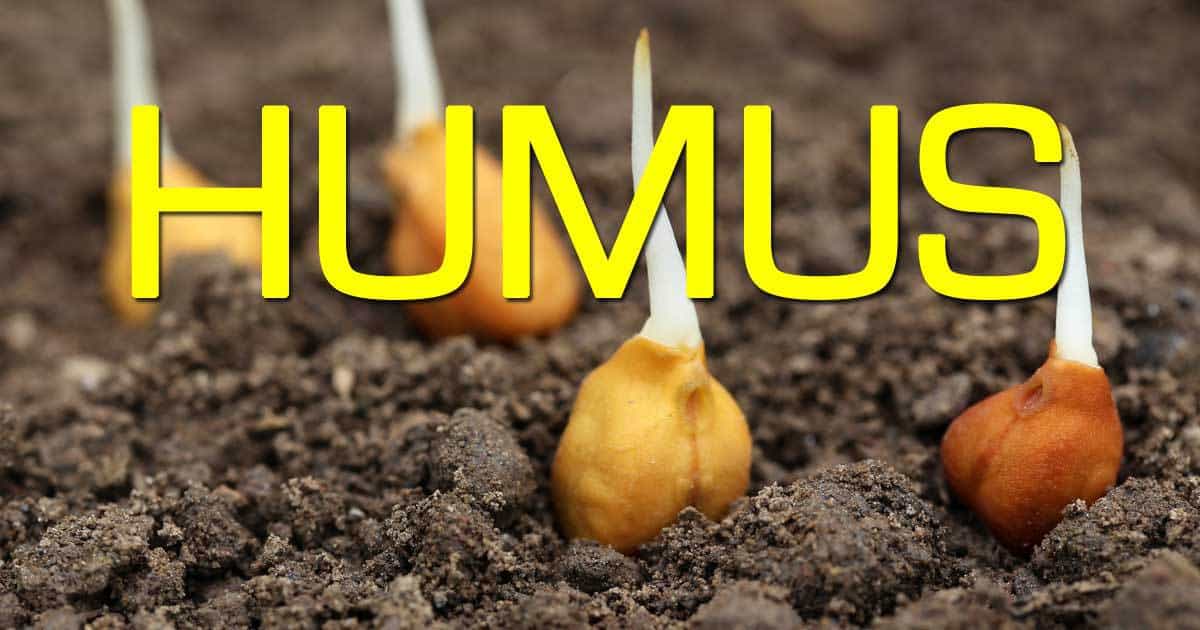
What Is Humus Soil?

Humus is the blood, the life of your garden soil. Every gardener’s primary concern should be to make year-by-year improvements to their soil.

Soil without humus, is inactive, lacking the ability to produce quality plants and flowers. Read on to know more about humus soil and its role in creating a soil structure with rich organic matter content.

What Is Humus Soil?

Humus is the crumbly, loose material resulting from the decay of: peatmoss, grass clippings, leaf compost, wood chips, decayed sawdust, garden waste or any other types of organic material.

READ THE FULL ARTICLE Plant Care Today

Garden Rabbits – a great addition for your vegetable patch

A few years ago we adopted a couple large rabbits from a local rescue organization.  They exclusively rescue rabbits from shuttered pet stores and from owners who no longer want to care for them.  They have many rabbits all waiting for a good home and we’ve discovered what valuable pets rabbits can be.

First, a little background.  We tried to keep the rabbits inside the house but soon found that they like to chew on anything and everything.  So, they needed to be caged just about all the time except under vigilant supervision.  I personally don’t like to see an animal caged too much and so, as my frustration rose at their furniture destruction, I cast about for an equitable solution.  I wanted to be happy, and I wanted the rabbits to be happy, too.

READ THE FULL ARTICLE AT Gardening Know How

Could Dandelion “Weeds” Kill Cancer Cells & Leave Healthy Cells Intact?

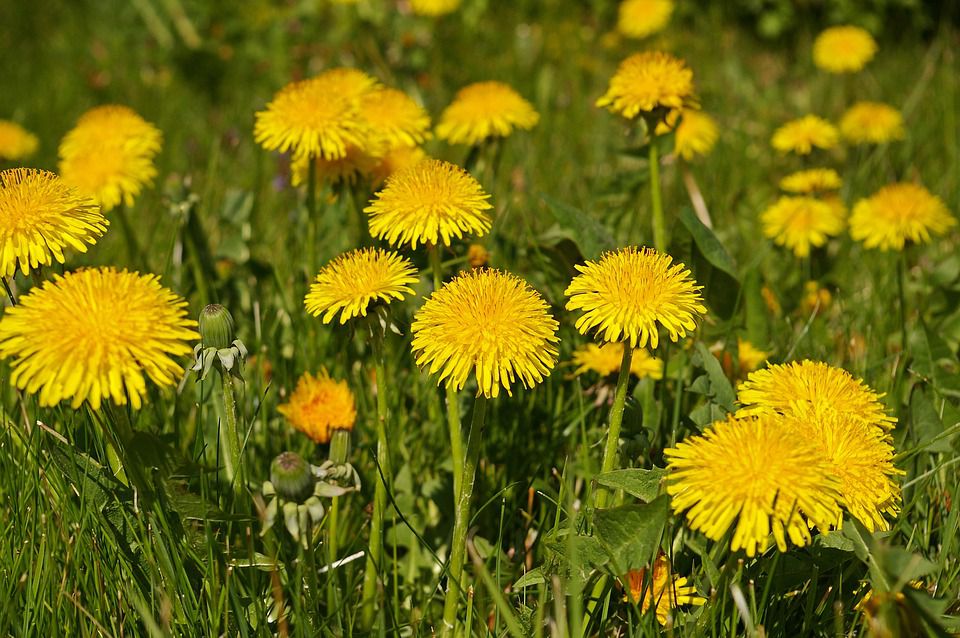
Those yellow dots that “litter” your otherwise “perfectly green” lawn are more than just pesky weeds. Dandelion has been considered a valuable food and medicine in both Eastern and Western culture for thousands of years and is now being researched for it’s cancer-fighting abilities.

The use of the dandelion plant in both Greek and Chinese medicine predates written records.  Traditional healers use it to cleanse the liver, flush toxins from the kidneys and purify the blood.

It’s blood purifying compounds led researchers at the University of Windsor in Canada to hypothesize that dandelion could help patients with end-stage blood cancer.

READ THE FULL ARTICLE Return To Now

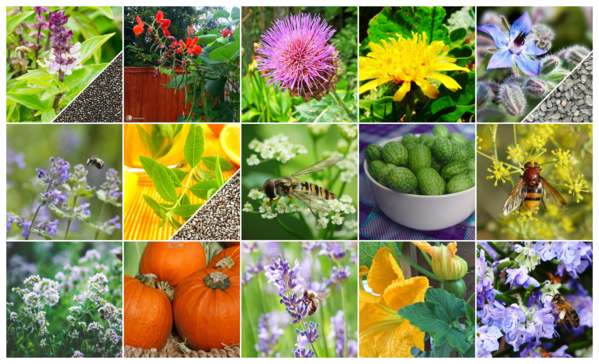
8 Practical Things You Can Do To Help Save The Bees

In case you’ve somehow missed it: The bees are dying and yes, it’s something we should all care a lot about, because bees are IMPORTANT.

We have bees to thank for around one-third of the world’s food supply, including avocados, almonds, onions, and a whole lot of fruits and vegetables that would be extremely missed if they were to disappear.

But in the past year alone, US beekeepers have reported that 40% of their hives have died unexpectedly, possibly partly due to erratic weather conditions that are a result of climate change. Other threats to bee populations include habitat loss, pesticides and herbicides, monoculture (where farmers only grow a single crop at a time), and disease.

READ 8 THINGS YOU CAN DO TO SAVE THE BEES: Buzzfeed.com

WIN A FREE SAVE THE BEES VARIETY PACK!

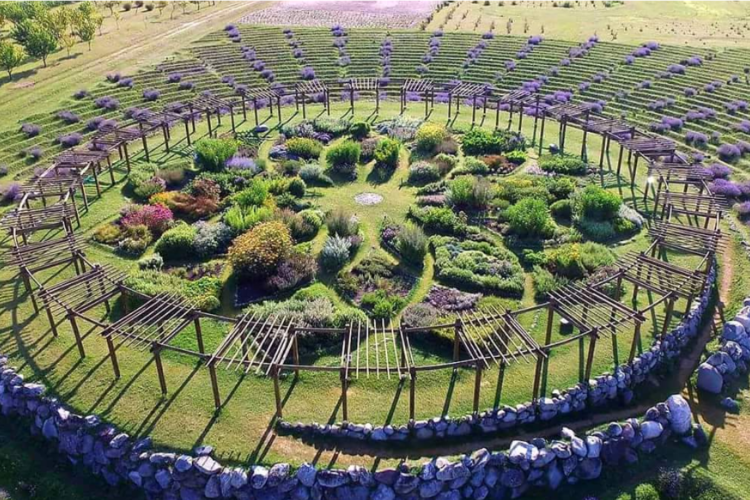
There’s A Giant Lavender Labyrinth In Michigan And The Photos Are Gorgeous

Labyrinths are beautiful. Their circular, geometric paths allow for walking meditations, and they are rich with symbolism. Some people have made the analogy that walking through a labyrinth is like taking a journey to the center of one’s self and then, eventually, emerging back into the world.

Now picture a labyrinth made of paths of lavender plants and earth mounds. The labyrinth’s center also boasts an array of herb gardens. When the breeze picks up, the scent of lavender blooms intermingles with that of basil — nature creating its own soothing aromatherapy blend.

READ THE STORY AT: Simple Most

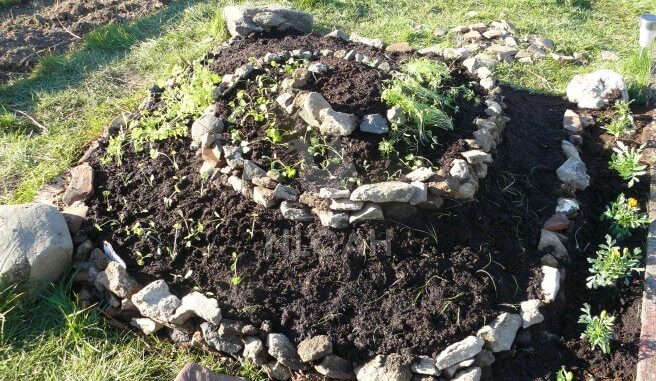
How to Build a Spiral Herb Garden

A herb spiral is one of the most clever permaculture techniques for utilizing space and allowing plants to work together in the garden. Usually located just outside the kitchen door, a herb spiral provides a menagerie of culinary and medicinal herbs, while saving space and helping with pest management in the garden.

Easy to build and fun to work with, herb spirals allow for herbal experimentation, based on some very simple principles.

The Benefits of Herb Spirals

Architecturally, the herb spiral is an example of excellent design and nature-forward engineering. While a long, thin garden bed provides ample space for a range of herbs, herb spirals play with multiple levels to take advantage of the sun’s path, water channels, and plant companions.

  1. Herb spirals increase surface area while reducing the footprint – If you are limited by the size of your garden, a herb spiral neatly extends into the 3rd vertical dimension, instead of sprawling outward. This allows you to get the same planting areas like a vegetable bed, but without it taking up so much space.
  2. The spiral design minimizes work, making it low maintenance – The spiral design means that plants are placed depending on their water and sunlight needs, which reduces the amount of work you need to put in to take care of the plants.
  3. The materials help to create better-growing environments – The stone used to create the spiral works using thermal mass, to absorb heat in the daytime, and insulate the soil at night.

GET THE STEP-BY-STEP DIRECTIONS – New Life On a Homestead