October Gardening: It’s Still Not Too Late To Start

You might not have listened in the beginning of the summer…

…Or in September when I told you it’s not too late to start your garden.

It’s now October and guess what?


It’s still not too late to start your garden

For most of you in the US, your time is running out this year, but you still have some. Utilize it!

The selection might be small, but there is a selection.

Just grow one thing right now. Then come the spring, you’ll be more comfortable and be able to grow that much more.

It’ll be easier to handle and much less overwhelming.


What can you grow?

To figure out what you can grow, you should use my Veggie Virgin Formula.

That will help you to figure out what you can start from seed today.


What can you grow?

To figure out what you can grow, you should use my Veggie Virgin Formula.

That will help you to figure out what you can start from seed today.

Where can I buy seeds?
Make sure you buy seeds that aren’t full of chemicals or genetically modified.  3 sources to buy vegetable seeds.

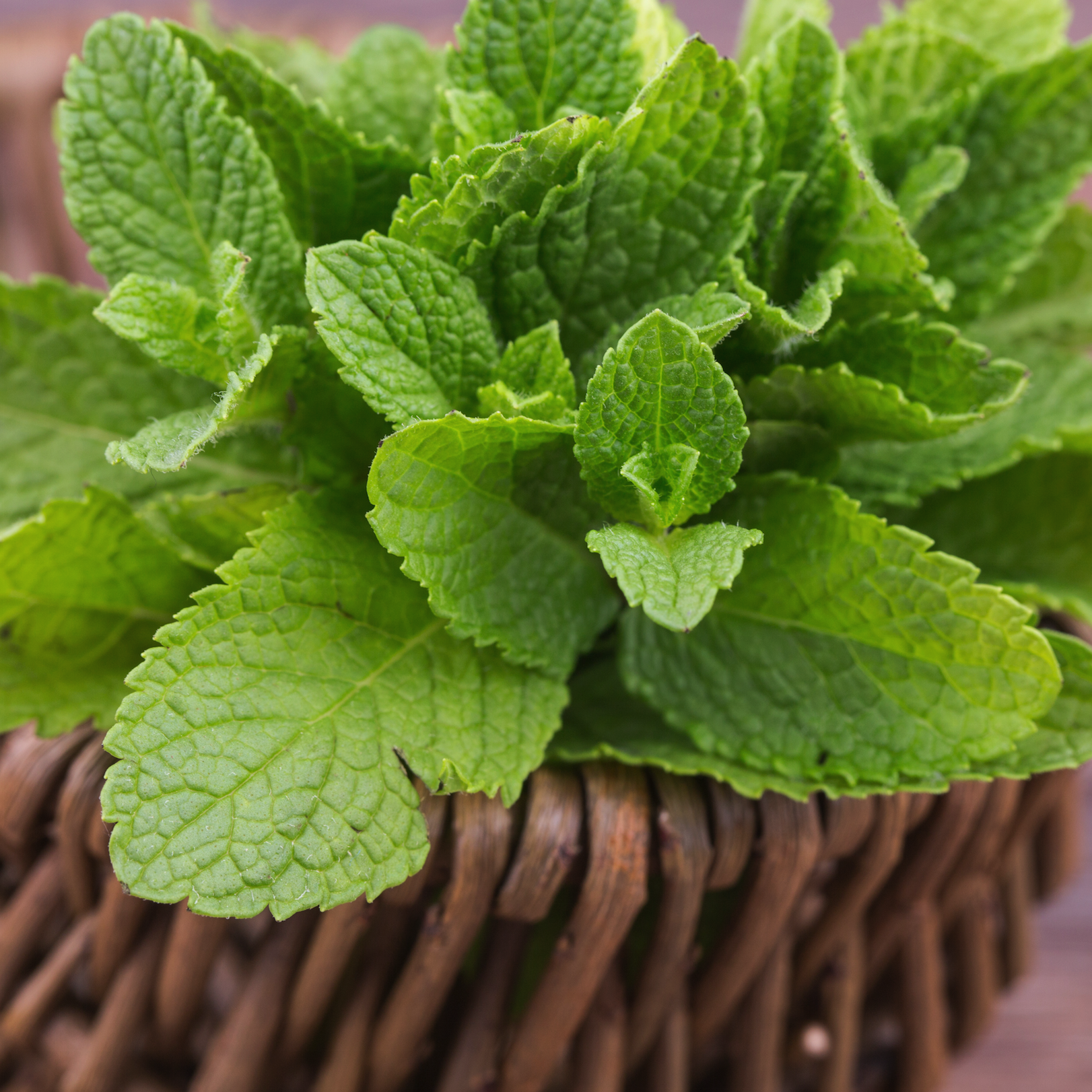
3 Simple Ways to Use Mint From Your Garden

Mint is a weed…

…that means it grows like crazy and should be kept in a container.

If you are growing mint, you likely have more that you know what to do with. You can easily harvest it to encourage more growth too.

There are lots of posts out there that give you dozens of ways that you can use mint. How many of them can you actually use everyday though?

How to use mint from your garden…everyday

That’s why I wanted to write this simple and practical post for you.

Let’s begin. Here they are:

Hot tea

This is a simple one. Put some mint leaves in a mug. Boil up some water. Pour the water over the mint leaves and let it sit for a few minutes. That’s it.

Mint tea is good for upset stomachs and helps with digestion.

Spa water

We should all be drinking more water. It’s essential for our health and well-being.

Some people complain that drinking water is too bland and boring.

You can add some flavor to it pretty easily. This is slight variation of the tea. All you have to do is fill up a large pitcher with water and add in mint leaves.

It will give the water a minty flavor.

Chewing gum alternative

Face it, your breath stinks. I can smell it through my computer.

So why not pull off some mint leaves and chew on them. It’ll help to freshen your breath and help you to make more friends.

Your turn

Share this post with friends and family that have so much mint they don’t know what to do with it.

What to Plant in September

Summer is gone and September is upon us.

You think you missed your chance to start your garden and will start it next year…

…That’s just a lame excuse though.

You’ve made dozens of excuses why you can’t start. I’m sick of them and you should be too.

It’s not too late to start your garden!

That’s true for most of you in the United States.

Yes, your options are limited, but you can still start something.

It’s all about getting over the excuses and starting. You’ve made enough excuses that have kept you from starting.

Now is the perfect time to begin.

What can you grow?

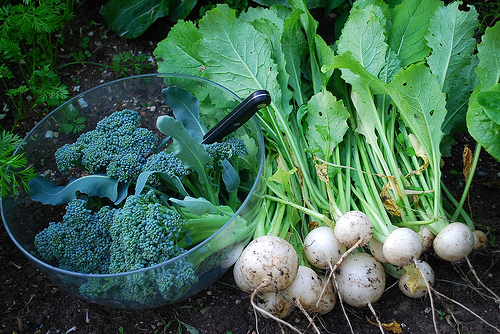
Here is a list of veggies you can plant this month:

  • Beet
  • Broccoli
  • Cabbage
  • Carrot
  • Cauliflower
  • Cilantro
  • Collard Greens
  • Dill
  • Endive
  • Kale
  • Lettuce
  • Radish
  • Spinach
  • Swiss Chard
  • Turnip

Spinach is one variety that can be planted all over the country … so channel that inner-Popeye of yours, get over your excuses for not starting, and get that spinach planted!

Where can I buy seeds?

Check out: SeedsNow.com for NON-GMO seeds. Use promo code: URBAN10 and get 10% off your order.

They have a Seed Finder Tool that makes it really easy to find seeds that grow in your zone. You can even find seeds that grow in containers, tower gardens, raised beds, and seeds that can tolerate cold temps.


UOG on Facebook:

Come check out the Urban Organic Gardener Facebook page for more tips, tricks, and pics.

Your Garden Shouldn’t Be Perfect

Do you strive for perfection in your garden?

Is it important for you for everything to be just so?

Are these questions that you ask yourself and beat yourself up about?

I don’t want an organic garden

People will often tell me that my garden isn’t “organic” because I am growing in plastic containers and the containers might be leaching BPA in the soil.

They will tell me that because of the water that I’m using and it’s not filtered in a certain manner that it’s not truly organic.

People will say that they don’t want to start unless they have the ideal conditions to grow their food in.

I usually wind up asking them, “Is it really that bad to grow in “non perfect” conditions as opposed to eating who knows what that we buy at the grocery store.”

Don’t be perfect

If you have been waiting for the perfect conditions and time to start, I challenge you to not be perfect.

I challenge you to do the best that you can with the conditions and knowledge that you are given to start and maintain your garden.

Your turn

In the comments below, tell me one thing about your garden that isn’t perfect and share this post with friends and family that are waiting for the perfect conditions.

The Easiest Thing to Start Growing

What is the simplest thing you can grow?

Which vegetable is pretty much failproof?

What is the one vegetable that is recommended for beginner’s to start with?

These are questions that I often get and the answer is pretty simple.

It’s not tomatoes

I’ve been very vocal and shared why most of your garden’s will fail before.

One of those reasons is that when you are first starting out, you want to grow tomatoes, peppers, cucumbers and eggplant.

These are all possible to grow, but they are more difficult when you are first starting out.

Why?

Because they require more sunlight, fertilizer, time and attention. That’s a lot to give when you are first starting out.

My top recommended crop

That’s why I always recommend that people who are first starting out to keep it simple and grow some greens.

Any kind of green – lettuce, spinach, chard, kale…any leafy green will be pretty simple.

Here’s the deal – we all know what to do with greens and can sure eat more of them in our diets.

Once you successfully grow them, then start with your tomatoes and peppers.

For the experienced gardener — those of you that have been gardening “longer than I’ve been alive” (which you love to tell me so much), this post isn’t for you.

Still need help starting your garden?

If you are still feeling overwhelmed and want step-by-step instructions on starting your garden, then enroll in my Fall Gardening 101 course today.

Your turn

In the comments below, share which leafy green you are going to start in your garden.

Simple Rules for Starting Your Seeds

Seed starting.

Who thought that it could be so intimidating…

..but there are lots of questions and things to take into consideration when starting your seeds.

We’ve already covered some basic seed starting tips and tips for those of you starting indoors, but I want to make it even more simple and basic.

Because that’s how I do.

One-liners to help you start your seeds

On the Urban Organic Gardener Facebook page, I’ve been sharing gardening tips.

They’ve been pretty popular, mostly because I think they are so simple to follow and easy to remember.

I thought that they’d make for a great post…so here they are:

Thanks to my sponsors SeedsNow.com and Thrive for the tips.

Your turn

“Share” this information with your friends and family to help them to get their seeds started.

My August Planting for the Fall

Hard to believe it’s already August.

The summer is flying by.

Despite being the summer, it’s time to start thinking about your fall garden.

This past past, I planted some seeds in my new garden that’s alongside my building.

How to decide what to plant

To figure out what I should plant, I used my Veggie Virgin Formula.

It’s a simple 4-step process that will show you what you can start from seeds right now.

What I got planted

Since the summers are traditionally hot here in LA, my choices are still limited.

I went a little crazy for me. I usually stay away from the peppers and squashes. They require more sunlight, fertilizer and attention. Definitely don’t recommend them if you are starting out.

Here is what I got planted with much more coming in September:

  • Georgia southern collard greens (Cornucopia)
  • Yellow summer crookneck (Ferry-Morse)
  • Squash, blackbeauty (SeedsNow.com)
  • Pumpkin Jack Be Little (Botanic Interests)
  • Sweet cherry red peppers (from a friend
  • Pepper (HOT), jalapeno (SeedsNow.com)

If you still need to get your seeds to plant for this fall, check out SeedsNow.com’s Fall/Winter Harvest Kit. You can get 10% off by using the code URBAN10.

You can also check out these other reputable seed companies to get your vegetable seeds from.

Still need help starting your garden?

If want to start your fall garden, but feel overwhelmed or want step-by-step instructions in easy to understand English, then enroll in my Fall Gardening 101 course.

Your turn

In the comments below, let me know what you planted in your garden this August.

Keepin Urban Organic Gardener Real

This post was inspired by a conversation that Anita and I had a few weeks back.

It was when I was initially launching the Fall Gardening 101 course.

If you are a new reader, fan or follower, please read so you know what you can expect from this site and the information that I share.

Why Urban Organic Gardener was created

It wasn’t answering your questions about the best way to get rid of aphids or what to do if your tomatoes are getting blossom rot.

That’s not my passion nor what I feel strongly about.

What I feel strongly about is our food and knowing where it is coming from.

What I feel passionate about is empowering you to start growing some of your own food in a way that’s
not overwhelming or confusing.

And from what you’ve told me, it’s something you’re passionate about too.

During the past 3 years, I’ve created and put together lots of free information, inspiration and ideas to give you the tools to not just create your own urban garden, but to know where your food’s coming from…

And keep it pesticide and chemical free.

Because here’s the bottom line:
It’s freakin awesome to grow your own lunch…

No doubt.

But it’s life-changing when you can take back control of your health and your family’s health by getting connected to and deciding for yourself which foods make it on to your plate.

There’s nothing like growing your own to make that a reality.

Why am I writing this?

Over the past few months as the popularity of the site has grown, I’ve been receiving more emails, comments and messages.

Some of which…haven’t been so nice.

I had one woman email me that she’d never buy anything from a guy wearing a black hoodie and does the “black rapper thing” with his hands.

I had someone tell me that I should change the name of my site because I was limiting my audience by not allowing people to talk about in ground gardening.

I have people emailing me multiple times asking me to solve their insect problems, then calling me out and being rude publicly when I don’t help them with their problem.

These aren’t the type of people that I want to reach and interact with.

It’s made creating and sharing information a bit of a drag lately, which is why the quality of the content has been suffering.

If you want to learn how to farm you backyard, till up your front yard or cure the black spots on your tomatoes…this isn’t the place for you.

I don’t say that with negative feelings, this just isn’t.

To bring that feeling and passion back into what is being done, I am going to get back to the fun, simple and informative posts that inspire and empower you to start growing your own food, so you can avoid toxic pesticides, eat healthier and not feel limited by your lack of experience and space.

Can I get an amen?

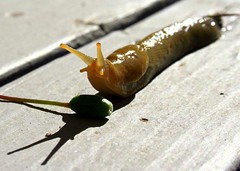
3 Ways to Deal With Slugs in Your Garden

Slugs. They are nasty.

Creepy. Crawly and slimy.

Not much else to say on them besides they are pretty gross.

But how do you rid them from your garden.

This is what Rita asked me.

She asked, “I am having trouble with slugs and really do not feel comfortable using the slug bait called “snail death” any longer. I have free range chickens and I don’t want them to ingest the slug bait either?Any good solutions?”

Here are 3 ways to rid your garden of slugs

Use cornmeal. Slugs love them some cornmeal and it makes them dead.

All you have to do is put a few tablespoons in a glass jar and put that jar on it’s side close to your container garden.

It will attract the slugs. They will eat it and die. Simple and safe way to kill some slugs.

Use beer. Slugs are known alcoholics and can’t resist beer. Dig a small hole and put a shallow dish in the hole. Fill it with beer.

The slugs will fall into the dish of beer and drown in the beer. I know some people that would love to go that way too.

Slug control products. There are also products that you can buy that are non-toxic and safe to use. Safer Brand has a few options for slug control that you can use.

If you sign-up for Safer Brand’s newsletter, you get 10% off all of your purchases. Be sure to sign-up today.

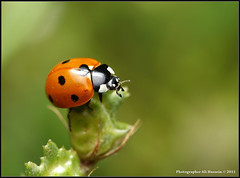
Should You Buy Lady Bugs for Your Container Garden?

Aphids are wiping out your container garden…

…you have tried a DIY spray to no avail.

You’ve been told that lady bugs eat aphids and are thinking about buying some for your small container garden.

This is the problem that Catherine is having and sent me this question:

I’ve got several containers on my deck (no self watering though, sadly) and my tomato plants are getting hit pretty hard by red aphids and little white bugs. I tried a mixture of onion and garlic juice sprayed directly on them but to no avail. Should I try to get some ladybugs, and if so, how do I just get a few?

Don’t buy lady bugs!

When people say that they have problems with aphids, the “experts” almost immediately chime in like robots and suggest getting lady bugs.

For someone like you Catherine that would be a total waste, you’d release them and they’d fly away like white doves.

Here’s what I’d recommend since you already attempted you homemade spray:

  1. Buy an organic pesticide spray such as EndAll™ from Safer Brand. It’s OMRI listed and safe to use.
  2. When planning for next season, plant herbs and veggies that will naturally attract the ladybugs such as dill and cilantro.
  3. Insect infestations are also usually a sign of a weak plant. You might want to feed the soil more fertilizer to build up it’s strength.
  4. Save your money on the lady bugs, Catherine, and try one of these other solutions.

    I know that aphids are a huge pain in the ass. They’ve wiped out a few of my containers in the past.

    Your turn

    In the comments below, let me know what insects problems you are currently having in your garden and what ridiculous advice have you received from experts to remedy the situation.

    Image courtesy of علي الحسين on Flickr.

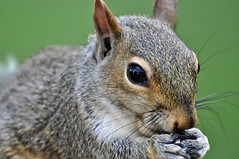
Are Squirrels Getting the Best of Your Garden?

Does it seem like squirrels are eating more from your garden than you are?

Those long tailed furry rodents can be a huge pain in the…garden.

Squirrels are smart and persistent creatures. If they want something, they will do what they can to get it.

Squirrels on rooftop garden

In this Q&A segment, Kevin from Philly is having squirrel problems and wants to know what he can do.

He says, “I live in Philadelphia and have no green space…but I do have a roof deck and have spent the last few months getting it set up as both an entertaining and gardening space. I started small last year, but have expanded with lots of containers this year. I have an I’d love to hear more about:

Squirrels, those damn furry ninjas ate a ton of my seedlings…and I think the birds are in cahoots as well, they pulled up all of my chive seedlings. Weeks of starting things from seeds got wasted. Any advice on wildlife proofing the urban garden?”

Simple tips to keep squirrels from your container garden

  1. I suggest securely fixing chicken wire around the containers to keep the squirrels away. You could also use another kind of fencing, wiring or mesh to keep them away. I know you are using the space to entertain as well, so you need to keep the aesthetics on point.
  2. Distract them with a plate of food. To help keep them away from your crops, put out a bowl or dish of food for them to chow down on.
  3. People have also recommended using an airsoft gun to keep them away. That can turn into a game.

Between the fencing and the food, the squirrels should be kept in check.

Thanks Kevin for holding it down in the 2-1-5 (I went to school and lived in Philly for 10 years).

Your turn

In the comments below, let me know what kind of urban wildlife you are having trouble with in your garden.

Photo courtesy of likeaduck on Flickr.

How Megan Got Rid of Her “Black Thumb” and Created Her Balcony Garden (a case study)

She called her thumbs black.

She said that the gardening gene skipped her generation.

That’s what Megan Blevins was telling me on Twitter during the winter.

We Tweeted back and forth about it and I assured her that her thumbs need not be green, but they just needed to be opposable.

(Two things about that sentence. 1) I can’t believe that I wrote “We Tweeted…” 2) I can’t believe that you understand it.)

That and some additional encouragement was what she needed to get her first garden prepared.

Megan is a writer and first-time paranoid grower.

Here is her story as told by her…

I was an unqualified grower

Despite the fact that I grew up in North Georgia eating the freshest produce grown by my mom and dad, I’ve never really wanted to grow my own food, because I had convinced myself that I was incapable—incapable of keeping a plant alive, let alone growing a garden.

For example, flowers that I received as presents always died within 24-hours. You could say my “green thumb status” was at an all-time low.

My quest to become a gardener became a personal challenge.

I had run out of excuses to not to grow my own food; I needed to stop complaining, pull up my big-girl panties, and start growing.

And that’s where Mike came along.

After months and months of talking about it, a co-worker of mine told me about Mike Lieberman and how he was an urban gardening expert that I could reach out to over social media.

I decided to give it a whirl—and I’ll be honest, it was Mike’s encouraging words and sincere outreach to me that tipped me over into the gardening world: “You don’t need a ‘green thumb’ to garden, just two opposable ones.”

The advice became my gardening motto.

My expertise… or lack thereof

As I mentioned, my prior gardening experience was negative zilch.

Even though I had grown up eating fresh tomatoes, bell peppers, squash and raspberries, I didn’t know how to make things grow.

I knew that I needed soil, seeds and water, but it was making them all work together that I needed help with.

I read every single one of Mike’s posts on his website. I learned that I needed to germinate seeds weeks before I planted them outside.

Mike’s posts helped me determine how much sunlight my balcony received, and how to make my own greenhouse and growing pots. And, I also learned that I don’t need a lot of space to grow my own food.

Sometimes, I feel like gardeners are squeezed into a category of “you must live in the suburbs and you must have a huge backyard to be successful;” but that’s not me—nor is it most people.

Step-by-Step
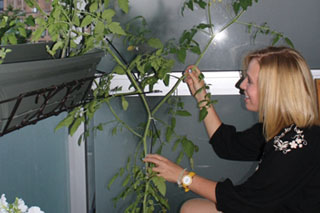
Starting in February, I germinated cherry tomatoes, bell-peppers, mint and jalapenos in my apartment.

I made homemade greenhouses to keep them warm and watered them. I had no idea whether or not I was actually doing this whole gardening thing “right” till five weeks in after my first seed sprouted.

It’s silly, really, but I don’t know if I will EVER forget what it felt like to see that first sprout.

I danced around the apartment—I may have even screamed to have my boyfriend come over and see.

I felt accomplished and that I was doing something good for myself and for the environment. “My babies” instantly became my pride and joy, especially as they continued to grow.

After fear of the last frost passed, I planted my seeds outside (all except the mint, which never sprouted). I water them every-other-day, and also planted petunias, daises and poppies on my balcony.

Today, my garden is HUGE. I swear my cherry tomatoes grow 3 inches a day and all my guests compliment me on my new skills.

What I have accomplished may not seem like much to some, but for me, it is gratifying. And more so, it is fun.
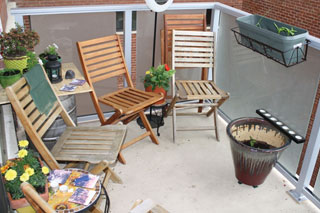
I look forward to spending time in my garden—something I never thought I would say. My thumbs are greener than they’re even been, and are now simply waiting to pick the first produce of the season.

Starting your garden is that easy, but…

…you have to get over your fears and take action.

I’ve been sharing these simple tips and advice since I started this site in 2009.

You’ve had plenty of opportunity to implement it.

Have you?

Megan did and look at her rewards.

My content contains no fluff. Just simple and to the point gardening advice for beginner’s.

But how about you?

What’s been holding you back?

In the end, starting your own garden and getting over your fears is possible…

…but you have to take action.
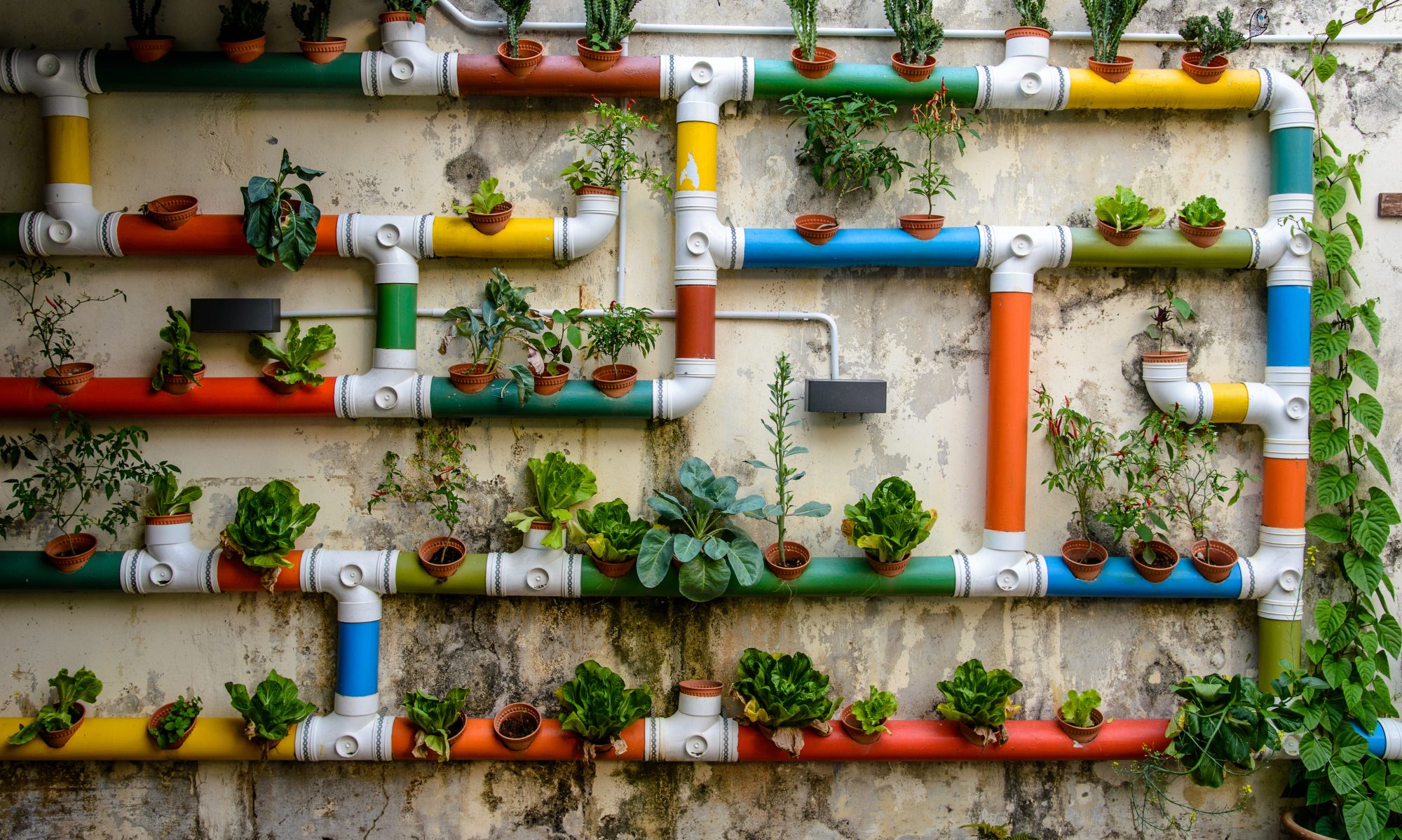
When to Start Planning for Your Fall Garden

Did you not get around to planting your garden this summer?
Or did everything you plant die and you feel like a failure?

Don’t worry. The beauty of gardening is that there is always a next season.

Despite summer just beginning, the time to start preparing for the next season, fall, is right now.

Preparing now for a successful future

When you plant seeds, you do so with the hopes of them sprouting and turning into a meal of yours. You are taking action now believing what the future results will be.

That’s why it’s so important to start preparing and getting ready for your fall garden now. You need to come up with the plan, so when the time comes in a few weeks, you have everything you need ready to go.

Come the fall you will be rewarded by the work you did when you are harvesting those veggies that you planted in the summer.

What you can plan right now

The easiest thing for you to do is to use my Veggie Virgin Formula to figure out what you can plant in the next month or so and start gathering the seeds you’ll need.

If you are buying seeds, check out SeedsNow.com (one of my sponsors) and use the code URBAN10 to get a 10% discount.

Need help and support to start your fall garden?

If you feel too overwhelmed by the thoughts of starting your own fall garden and need some hand holding, then sign-up to learn about Fall Gardening 101 my online training course to get your fall garden started.

Start your preparations for your fall garden now, figure out what you are going to plant and get those wheels in motion.

Your turn

Be sure to sign-up to get more info about Fall Gardening 101 and share this post with friends and family to encourage them to start planning their fall gardens.

Why Gardening Books Won’t Help You to Start Your Garden (And How to Get Started)

Let me know if this story sounds familiar to you…

You became interested in growing your own food because you want to know where your food is coming from.

You wanted to learn more, so you got a stack of books to read and spent hours researching on the internet.

All you have to show now is a headache and feel completely overwhelmed. You don’t feel any closer to starting your garden than before all the research.

I know it does because you have told me this. There is a better solution.

I know this feeling too..

…because that’s exactly where I was a few years ago when I first became interested in growing my own food.

I knew that I wanted to grow some of my own food and wasn’t sure how to even get started. After going to the library, I came home with a stack of books.

I couldn’t make it more than 10-pages in any of them. They were horribly
b-o-r-i-n-g. There was nothing that spoke to me and what I was looking for.

There are no gardening books for those that don’t want to be professional gardeners.

There are no gardening books for those that don’t want to be professional gardeners. — Tweet This

No gardening books for those that don’t want to create an “award-winning container garden.”

There was nothing for the person who wants to have a container or two and not dedicate their life to it.

Nearly all the books are geared towards those that have experience and lots of space and time.

Why this site was created

That is the main reason that Urban Organic Gardener was started. It was to give you simple, practical and actionable advice to start your garden.

Speaking of which, here are some posts to help you get started:

  • How many plants per container. When planning and planting your container garden, it’s important to know how much of each plant you can fit in each container.

Those are some simple and easy to follow tips.

Your turn

Click one of the share buttons to share with your friends and family, then I’d love to know your thoughts in the comments below.

P.S. If you want me to walk you through the step-by-step process of getting your garden started, sign-up to learn more about my online training course, Fall Gardening 101, to help you get your fall garden started.

Image courtesy of Annie Mole on Flickr.

4 Common Garden Insects & Diseases

Are you noticing holes in the leaves of your garden?
Some foreign powdery substances that seem to be spreading?

It’s going to happen eventually. Nobody’s garden is going to be perfect. No matter what you read.

There is no need to beat yourself and think that you’re a failure. That couldn’t be further from the truth.

Lets take a look at what might be eating your garden, shall we?

Here they are…

The four common vegetable garden insects and diseases. In each of the posts listed, you’ll learn how to identify, common signs of and how to defend against them.

  • Cabbage worms. Learn the tell tale signs of whether you have cabbage worms and how to get rid of them.
  • Aphids. You might be noticing some tiny little green, red or red bugs on the underside of your leaves — those are aphids.
  • Ants. You will definitely notice if you have ants. It’s not like there are one or two of them.
  • Powdery mildew. Is there a white chalky substance on the leaves of your plants? That’s powdery mildew.

If you are looking for products that can are non-toxic (OMRI listed) that can help with nearly all of these problems, I’d recommend checking out SaferBrand and their line of organic insect control products.

Your turn

In the comments below, let me know which of these problems you are currently facing in your garden.

Image courtesy of Jeff Kubina on Flickr.

Veggie Virgin: Vegetable Planting Guide/Calendar by Zone and Month

You want to start your garden and feel overwhelmed, not knowing what you can grow.

Finding that information in an easy to follow format is damned near impossible.

You need a degree to read the charts, maps and graphs that are out there.

How would you like to know what you can grow in your garden today without the confusion?

The Veggie Virgin Formula

Luckily for you, I have scoured dozens of sites and have put together the “Veggie Virgin Formula.” It’s geared towards people who are starting their vegetable garden or have had troubles in the past.

The Veggie Virgin Formula makes figuring out what to plant in your garden simple.


The Veggie Virgin Formula makes figuring out what to plant in your garden simple. — Tweet This

Follow these 4-steps to know what to plant

Step 1: Figure out your USDA Zone

For those of you outside the US, I didn’t find such a great tool, but did find this link.


Step 2: Download your chart

Based on what hardiness zone you are, download the corresponding chart below:

Each chart is broken down by month and includes what you can plant in that month.

Step 3: Determine your sunlight

To monitor the amount of sunlight throughout the day, start off with a quick sketch of your garden space. Section it off as the day progresses because the surrounding structures will cast shade in certain areas.

Note how many hours of sunlight your space gets during the day and figure out which category it falls into:

You’ll have to do this during each season.

Step 4: Decide what to grow

Now you have the list of veggies that you can grow this month, but you’ll need to narrow it down based on how much sunlight your garden gets. 3 sources to buy your vegetable seeds.

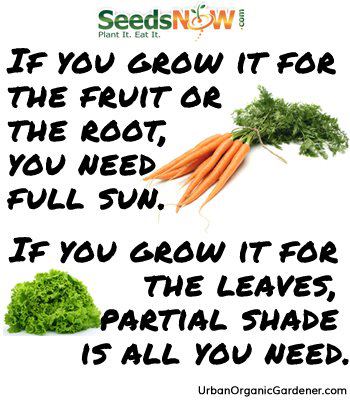
In the theme of keeping this simple, use the basic rule of growing:

“If you grow it for the root or fruit, you need full sun. If you grow it for the leaves, partial shade is all you need.”

Are there exceptions? Of course, but this basic rule makes it easier for you to start.

Why the Veggie Virgin Formula?

This name was used because this is geared towards people who just starting their first garden or don’t have much experience. It removes the stress of figuring it out on your own and eliminates some of that fear of failure because your choices are laid out for you.

Your turn

Use the Veggie Virgin Formula and in the comments below let me know what you are going to plant in your garden.

P.S. If you want even more insanely practical tips like this, stay tuned for my training course to get your fall garden started, which I’ll be unveiling in June.

Expanding Beyond Gardening

I’ve been asking you a lot of questions…

…through surveys, posts, Facebook and Twitter.

You’ve been heard – loud and clear.

I might not respond to everyone, but I read everything and I’ve heard you.

It goes beyond gardening

The one common thing that I keep hearing is that you want to grow your own food to eat healthy, avoid pesticides and chemicals and to know where your food is coming from.

There is only so far that growing our own food can take us in that respect, especially for those of us with smaller spaces. Plus, gardening is a boring topic to always be writing and reading about.

More than gardening information

That is why I am going to be expanding the content to include ways beyond growing your own food so that you can eat healthy, avoid pesticides and chemicals and know where your food is coming from.

You’ll still get your simple and quick tips to start and maintain your garden, but you’ll also be getting information on other ways to incorporate healthy foods into your life and reasons why.

Future offers

I’m also currently developing an online course to help you get your garden started along with other courses to take your health to where you want it to be for you and your family.

Your turn

Fill out the survey below to allow me to better serve you and provide you with the content that you are seeking.

Also, be sure to sign up for my email updates below to stay up to date when the online course will be offered.

Which Posts Have You Found Most and Least Useful?

In 2012, the content focus has change…
…and I would like to get your thoughts.

As the header image of the site says, this site is about “Practical container gardening tips to grow your own food.”

Which is why I want to make sure that that is what is provided for you – practical tips.

It’s easy for me to know which ones are the most popular. I really want to know which ones are the most useful to you, so more of those can be created for you.

This is going to be my last post for a few weeks. As you are watching this I’m back in NYC and going to be speaking at Green Festival on Saturday, April 21 at 2pm at the Javitz Center. If you are in the NYC area, come check it out and say what’s up. I’ll be back posting regularly on May 14th…or possibly before.

Most popular posts of 2012 so far…

To help jog your memory here are some of the most popular posts from this year:

[vimeo clip_id=”40674783″ title=”0″ byline=”0″ portrait=”0″ width=”525″ height=”393″]

Your turn

Since I want to be of highest service to you on this journey, in the comments below let me which posts were the most and least useful to you.

Each and every comment is read. Your opinion counts.

Photo courtesy of Bilal Kamoon on Flickr.

How To Make a Chalkboard Paint Pot

This is guest post by Becky Striepe
from Glue and Glitter

Growing food is sort of a non-stop adventure, isn’t it?

Just when everything’s planted and flourishing…

…the change in seasons means it’s time to start your garden over with a new round of seeds and seedlings.

Like Mike has mentioned before, you might think you’ll remember what you planted where, but unless you label your pots, chances are you’ll end up with at least one or two mysteries sprouting up.

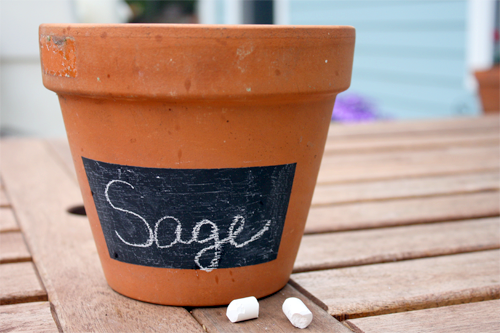
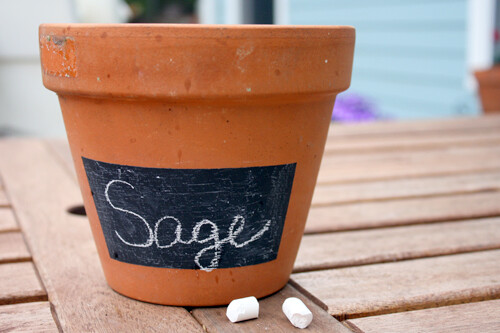
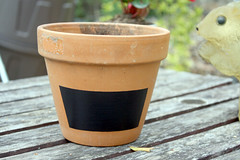
A container garden is no different. Rather than having to keep track of a bunch of plant markers, you can use chalkboard paint to create a changeable label for your potted herbs and veggies. It’s easy as pie!

Here’s how to make your own chalkboard paint pot

    Materials

  • Chalkboard paint. You can pick up a pint at the store or make your own.
  • A terra cotta pot. Use a dry rag to wipe it clean of any debris.
  • A paint brush. Something medium-sized will do.
  • Masking tape or decals. I went with a plain rectangle, but you can use decals if you want your chalkboard label to have a fun shape, like a heart or a star.
  • Chalk. White will do, or you can use fun colored chalk!
    Directions

  1. Tape off your design. If you’re doing a square, you want to be super careful to keep the top and bottom edges parallel to the top and bottom of the pot. That might mean ever so slightly curving the tape as you go around. Take your time with this step. When you’re all done taping, take an extra minute to make sure it’s smoothed down really well, so you won’t have any smudges.
  2. Shake up your chalkboard paint really well. Not only does shaking keep the color even, but it distributes the tiny grains that make chalkboard paint writeable.
  3. Grab your brush, and paint! I gave my pot 2 coats, leaving about 10 minutes drying time in between. It will take 2 or 3 coats to get it looking nice and even.
  4. Don’t wait too long to remove your tape, or you’ll risk removing the paint along with it. Maybe 10 or 15 minutes is a good waiting time after you finish your last coat. To remove the tape, very slowly and carefully peel it away from the pot, being careful not to let any painty parts of the tape touch the pot, since you won’t be able to get that paint off of the porous surface once it’s on there.
  5. Let your pot dry overnight, then take a piece of chalk and rub the side all over where you painted to prime your chalkboard label. Wipe off the excess with a clean rag, and you’re ready to write on your pot!

About Becky

Becky Striepe is a vegan crafter living in Atlanta, Georgia. Her mission is to make vegan food and eco-friendly crafts accessible to anyone who wants to give them a go. She’s also site director at Eat Drink Better, a site dedicated to exploring sustainable, ethical food choices. You can follow Becky on Twitter or find her on Facebook and Pinterest!

Images courtesy of Glue and Glitter on Flickr.

5 Signs That Cabbage Worms are Attacking Your Garden

By Justin Emig
Associate Brand Manager, Safer Brand

For most of the country, Spring has DEFINITELY sprung…

…and with the onset of Spring, comes the onset of our unwelcome garden pests.

The garden pest that has caused the most concern for organic gardeners in recent years has been the cabbage worm.

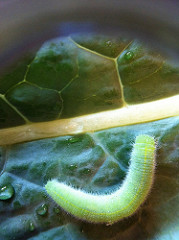
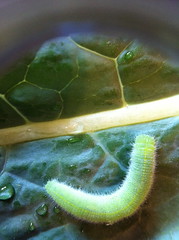
There are several ‘types’ of cabbage worm which include the Imported Cabbage Worm, Cabbage Looper, Cabbage Webworm, and the Leaf Miner.

Regardless of the type, us interested in keeping an organic garden just want them gone!! Here are 5 signs that you might be infested with our green pests and best of all, how to get rid of these ferocious vegetable eaters.

Here are 5 signs that your garden might be infested with cabbage worms. — Tweet This.

Signs you have cabbage worms

1. You are growing their favorite food

As you can guess from their name, cabbage worms primarily attack plants in the cabbage family, but are not exclusively cabbage feeders. Plants that cabbage worms find the most tasty are:

  • Broccoli
  • Cauliflower
  • Brussels sprouts
  • Collards
  • Kale
  • Turnip greens
  • Radishes
  • Other cabbage greens

2. You have holes in your plants

Since cabbage worms are such voracious eaters, as little as 2 or 3 worms on your plants can spell disaster for the overall health of your broccoli or other plant.

Common signs will be holes in your leaves. A simple google search can connect you to many pictures of cabbage worm damage.

3. You notice dark green droppings on your leaves

A tell-tale sign that you are becoming infested with cabbage worms are their droppings. When you start to notice dark green droppings on your leaves, inspect the underside of your leaves as that is where cabbage worms tend to lay their eggs.

4. A lot more butterflies present

Since caterpillars are in essence the larvae stage of caterpillars, if you start to notice more butterflies hanging around your garden, chances are, you have an infestation of cabbage worms or if you experience one of the previous symptoms, it might be too late.

5. Time of year = Spring

Spring is the time of the year that cabbage worms have awaken from their Winter slumber and are now in search of food and laying their eggs.

Organic control of cabbage worms

If you have experienced this infestation in the past or for those proactive gardeners who are getting prepared for the already started 2012 gardening season, the most common and popular organic control for cabbage worms revolves around the use of bacillus thuringiensis or BT.

This natural bacteria eliminates cabbage worms through ingestion. One of the most popular BT products is Safer® Brand Caterpillar Killer with BT and is available in an 8oz concentrated formula or in Safer® Brand Garden Dust which is a powder formula and is OMRI® Listed.

Your turn

In the comments below, let me know if you have noticed cabbage worms in your garden.

Photos courtesy of
Top: OSU Master Gardener on Flickr
Holes: florence_craye on Flick