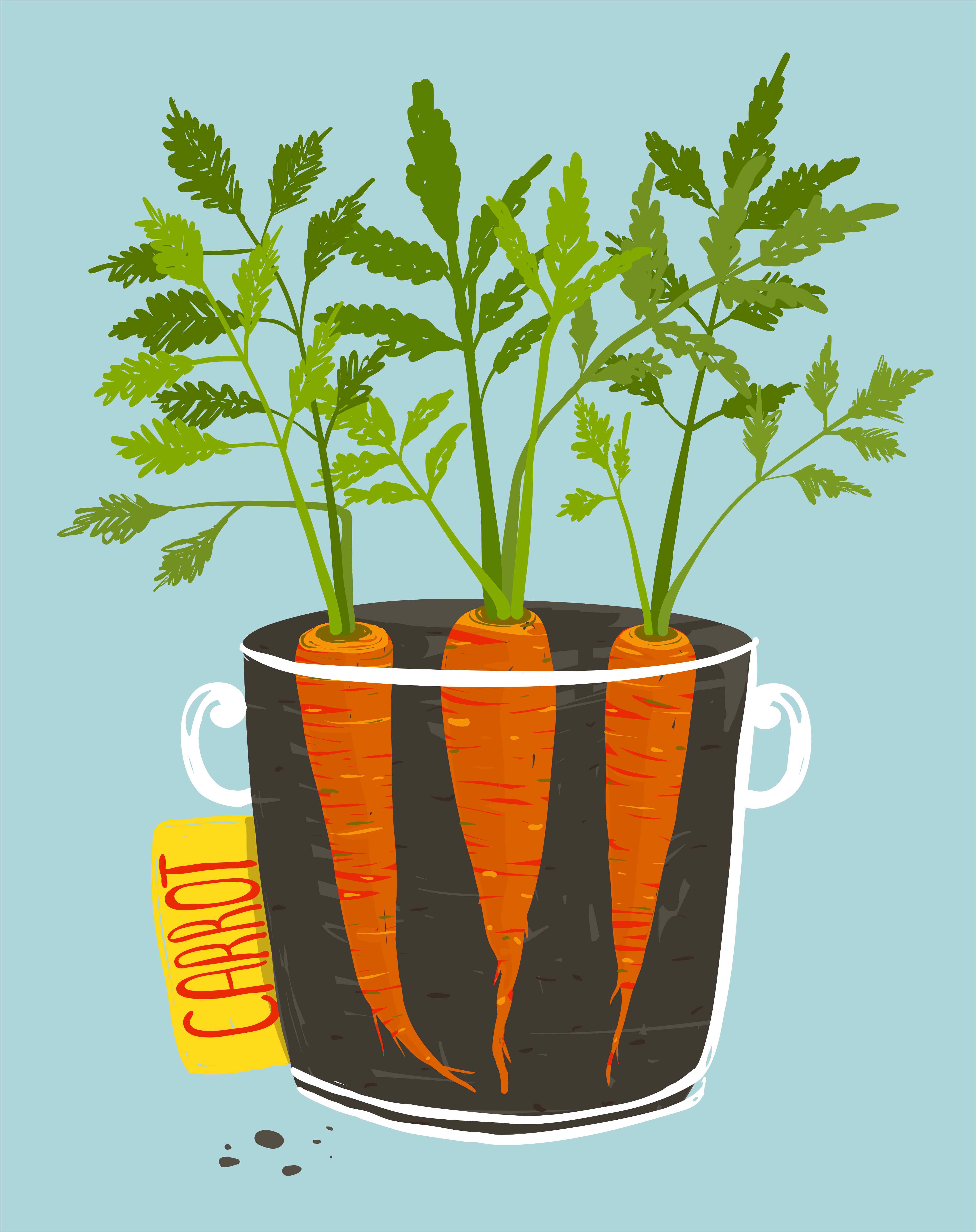
Fall and winter gardens are possible, even when growing in containers. Stick with these cool-weather crops and planting suggestions for success. Don’t wait. Now is the perfect time to order your seeds online and start planting! Believe it or not, September – October are great times to start these seeds listed below ….
First, we’re going to break it down by container size. If you go to a local garden center you’re going to come across the same thing.
1-gallon, 2-gallon, and 3-gallon containers are all great for growing food. You’d be surprised.
Here’s what you can grow in them:
If you’re using a 1-GALLON CONTAINER:
Beets (you can fit about 2- 3 beets in this size container)
Note: These varieties listed above are for Fall and Winter gardening. So keep in mind that all these varieties tolerate the cold weather pretty well. You don’t want to be planting pepper and tomatoes at this time of the year. Trust me. Been there. Done that.
Today, the Ninth Circuit Court of Appeals rejected U.S. EPA’s approval of the neonicotinoid insecticide “sulfoxaflor.” The Court concluded that EPA violated federal law when it approved sulfoxaflor without reliable studies regarding the impact that the insecticide would have on honeybee colonies. The Court vacated EPA’s approval, meaning that sulfoxaflor may not be used in the U.S. unless, and until, EPA obtains the necessary information regarding impacts to honeybees and re-approves the insecticide in accordance with law.
Earthjustice represented a coalition of commercial beekeeping trade groups, as well as individual commercial beekeepers. The coalition included Pollinator Stewardship Council, National Honeybee Advisory Board, American Honey Producers Association, American Beekeeping Federation and beekeepers Jeff Anderson, Rick Smith, and Brett Adee.
Statement from Greg Loarie, our lead counsel on this case: “Our country is facing widespread bee colony collapse, and scientists are pointing to pesticides like sulfoxaflor as the cause. The Court’s decision to overturn approval of this bee-killing pesticide is incredible news for bees, beekeepers and all of us who enjoy the healthy fruits, nuts, and vegetables that rely on bees for pollination.”
Statement from Michele Colopy, Program Director of Pollinator Stewardship Council, Inc.: “The Pollinator Stewardship Council is pleased with the 9th Circuit Court’s Opinion concerning the registration of sulfoxaflor. Our argument, presented by Earthjustice attorney Greg Loarie, addressed our concerns that EPA’s decision process to unconditionally register Sulfoxaflor was based on flawed and limited data, and the 9th Circuit Court agreed with us. We can protect crops from pests and protect honey bees and native pollinators. To do this EPA’s pesticide application and review process must receive substantial scientific evidence as to the benefits of a pesticide, as well as the protection of the environment, especially the protection of pollinators.”
The Court did state Sulfoxaflor is a subclass of neonicotinoids. With the findings in this case, EPA may be encouraged to re-examine other unconditional registrations for possible flawed and limited data.
Doctor: I want you to meditate for 20 minutes, twice a day, exercise for at least 30 minutes a day, avoid processed foods, eat plenty of organic fruit and veg, spend more time in nature and less indoors, stop worrying about things you can’t control and ditch you TV. Come back in 3 weeks.
How would you quickly describe yourself to others?
We’re Evan and Judith, a husband-and-wife partnership living in a small house in Portland, Oregon. We are trying to grow and make things and carve out a good life for ourselves that hopefully doesn’t hurt or impede on the lives of those around us in the process. Together we have created a little urban homestead that we love and hope will produce a lot of healthy food for us. Though we each currently maintain fulltime jobs in the city, our goal is to someday work a modest piece of land in order to provide as much as we can for ourselves using our own capabilities, time, and effort.
How did you get started with your blog/Instagram page/etc.?
We started our blog and Instagram account in June of 2014, about one year after purchasing our home in Portland. Our goal was simply to document our attempt at learning to grow some of our own food and live a more self-reliant lifestyle. We created our blog to join in a global community of homesteaders and their useful and inspiring conversation.
Did you start when you began your transition to live this lifestyle?
For as long as we can remember, we’ve each been interested in living a slower, simpler existence where we are actively involved in the process of growing and making more of what we need to subsist. When we bought our home, we finally had the space we needed in order to begin doing these things more regularly and, as we worked together to renovate and put infrastructure in place for gardening and homesteading, we realized that we wanted to find a community of like-minded people to exchange ideas with around homesteading and self-reliance.
Have you always been growing your own food? If not, what sparked your passion?
We haven’t always grown our own food, but we have both had an individual interest in gardening and farming since we were very young. We both have roots in farming, and each participated in a family garden when we were growing up. As we each have gotten older together, our interest in growing our own food expanded beyond our individual family pastimes to include the environmental, social, health, and philosophical aspects, as well.
Have you ever made mistakes or failed doing something? How did you overcome any obstacles?
We fail at things all of the time, and we’re beginning to realize that failure goes hand-in-hand with doing more things for oneself. We can’t be experts in everything, or even many things, but homesteading has given us the opportunity to try to do a lot of things on our own. The first time Judith tried to make fermented pickles with our cucumber harvest last year, for example, they turned out to be a mushy mess of mold. When Evan started out trying to construct a simple chicken run for our future hens, it took him over six months and a couple different iterations to finish it. Then there was the time we remodeled our own bathroom, which took us just shy of seven weeks due to some serious trial-and-error and watching of YouTube how-to videos (it really did turn out pretty well, though). We just try to learn from our mistakes and try to make better decisions going forward.
Have you ever dealt with a person who disregards your lifestyle?
We haven’t yet, at least not to our knowledge, but we’re prepared to encounter this eventually. Most people are incredibly supportive, and are interested in learning more about growing food and homesteading. One of the reasons we are committed to living as we do is that it doesn’t much threaten or impede on anyone else’s way of life. We know that there are flaws in what we do, and this lifestyle probably won’t appeal to most people, but we aren’t living this way to convince anyone else to do what we’re doing—we’re just living in a way that feels best for us.
What are some of your greatest rewards with a lifestyle such as the one you live?
The greatest reward for us is being connected to our daily life in the most physical and basic sense. Our food tastes better when we watch it grow from seed or forage it in the woods; transportation feels truly remarkable when our bodies are the engine; heat seems hotter when we have to chop the wood and nurture a spark. There is enough detail and beauty in the most fundamental and biological cycles of life to entertain and educate us for a long time.
What tips and tricks would you like to share with other people?
This is going to be a boring answer, but to be honest, one of the best tips we have for transitioning into a more self-sufficient lifestyle is to keep an overall family budget that everyone agrees upon and that you all consult often. One of the biggest challenges we have faced from the onset in conceptualizing how to live a more self-reliant existence is figuring out how we’re going to support ourselves financially. We want to do more for ourselves, but this requires an investment of money for infrastructure and personal time for labor. We sometimes feel like we’re stuck in an ongoing game of tug-of-war with our day jobs and accomplishing what we need to do around our homestead. We still have a long way to go before we can rely on the homestead to support us in a way that would allow one or both of us to leave our jobs, but having a budget has been critical in moving us in that direction. What we have realized is that homesteading takes a lot of time, but also has the potential to significantly reduce our monthly expenses. As we begin to make the shift away from a system where we work for cash and then trade cash for goods and services, it has become very important for us to understand the resources we have to work with and what we are obligated to pay each month. Once we started to identify (and really think about) what our household expenses are, as well as what we want our lifestyle to look like, the easier it has become to make decisions that are in line with our overall vision.
What are some of the other things you would like to have other people understand about living a healthier and self-sufficient lifestyle?
For as much hard work and planning go into living an intentionally more self-sufficient life, it’s a truly fun and exciting way to exist in the world! We look forward to every evening and weekend, when we can turn our attention back to the simple, basic projects we need to complete to live well. When we’re working on projects around the house and garden, it requires us to employ our intellectual, creative, and physical selves, which truly feels fantastic.
What are your favorite plants to grow in the garden?
We love growing plants that seem to thrive in our space and climate: a wide variety of greens (kale, chard, arugula, lettuces, et cetera), carrots, beets, peas, beans, and all sorts of summer and winter squashes. We’re also very excited to be growing many different kinds of herbs and flowers, which add color, texture, and aroma to our garden. We’re studying the value of pollinators, too, and love adding new plants that will attract them to our yard. Someday soon we want to take a class or classes about soil science, as well, to more fully understand the value of good dirt.
An urban farm in Stockton may serve as a model for the Central Valley. The non-profit group “Puentes” built the Boggs Tract Community Garden on a three-acre plot in a poor neighborhood where garbage had piled up for years.
Puentes Director Jeremy Terhune says the organic garden allows more than two dozen families to farm their own 20-by-20 foot plots with seed, water, and compost provided to them.
At a fruit stand on the Boggs Tract Community Garden, Sally Edmonds buys fresh organically grown produce.
“I bought some tomatoes and some zucchini,” says Edmonds.
Puentes leases the land for a dollar a year from the Port of Stockton.
Puentes Director Jeremy Terhune says the community garden gives people everything they need to grow their own food.
“Each family gets a 20-by-20 foot garden plot, and we give them all the free organic compost they can use, free water, seeds, training and everything they grow in the plot is theirs to do with as they wish.”
Jesse Hughes, a volunteer, is chopping down weeds on his garden plot. Hughes says he shares what he grows.
“You find joy and peace when you able to help and reach out and touch others in the community that’s sometime less fortunate because sometimes it’s very hard to even put food on the table.”
Volunteers are building an outdoor kitchen, and raising produce for home delivery.
Across the street another three-acre plot will become the next urban farm.
Puentes hopes to develop urban gardens in other cities as funding becomes available.
Read the entire post here: http://www.capradio.org/articles/2015/08/27/stockton-urban-garden-nonprofit-provides-fresh-produce-in-poor-communities/
Not just a few, but all diseases can heal with the correct diet and absolutely no medication. Your body is capable of handling and recovering from any ailment provided you give it the appropriate terrain to heal. Supplements may at times be beneficial, but your true medicine is food and always has been.
The next time your blood pressure shoots up, remember that your body is capable of controlling it without a trip to the GP. Dr Nandita Shah, a homeopath, says simple dietary changes can help prevent, and more importantly reverse, ailments like osteoporosis, diabetes and even high blood pressure without popping pills.
Shah, who has been a homeopathic practitioner for 30 years, says the biggest hurdle most of us encounter is that we fail to understand our body. “If you put kerosene in a car that runs on petrol, the car will break down,” Shah says, adding that the human body functions better if it consumes foods that are a better fit.
She offers an instance. Our body is mostly alkaline, she explains. A pH (potential Hydrogen) level between 1 and 6.9 is considered acidic, while one between 7.1 and 14 is marked alkaline. The human body’s natural pH level stands at 7.45, making it alkaline. All fruits and vegetables, natural juices like coconut water are alkaline, which make them a better nutrition fit than say animal proteins, tea, coffee, sugar, alcohol, and packaged foods that have high acidic levels. An imbalance in pH levels, says Shah, can lead to a disruption in cellular activity, causing health problems that range from heartburn to heart disease.
Nutrients in foods do not work alone in isolation, instead they work together as a powerhouse team in what’s called synergy. We’re often so focused on single nutrients like vitamin c and calcium, that we don’t consider that maybe it’s how these nutrients work with one another that make them so great.
The Journal of Nutrition in 2004 conducted a study on rats that were fed tomatoes and broccoli. Prostate tumors grew less in rats fed a combination of tomatoes and broccoli versus rats who were fed tomatoes and broccoli on its own. They even isolated and removed the cancer fighting substances found in tomatoes and broccoli and fed them to the rats, but they were ineffective. The point I’m trying to make is, a lycopene (the potent nutrient in tomatoes) supplement might be useful, but the whole tomato is better, and that tomato with a bit of fat is even better, but that tomato with a bit of fat and some broccoli is so much better. Why exactly? Scientists are still unsure but it’s all attributed to food synergy.
Eat Right To Be Healthy
Osteoporosis cause: Calcium deficiency is not the cause of this condition. It’s a diet that’s either very rich in acidic foods or high in protein. Proteins are broken down into amino acids which are acid yeilding. And so, consuming large amounts of animal protein results in the body extracting calcium from the bones to neutralise the effect of acids. When the lost calcium is not restored, it causes osteoporosis over a period of time.
Food solution: Eat foods rich in vitamin D (it helps the body absorb calcium from foods), eliminate acidic foods like colas and caffeine. Include more fruits and vegetables in your meals. Green leafy veggies are rich in Vitamin K, and help rebuild bones.
Diabetes cause: Sugar is not the cause of diabetes, rather high blood sugar is the result of diabetes. The real cause of type 2 diabetes is the presence of fats in muscle cells. Beta cells present in the pancreas monitor the bloodstream for glucose. When blood sugar levels rise after meals, the beta cells respond by secreting insulin. Insulin helps in the further absorption of glucose. Consumption of unhealthy fats causes beta cells to lose their ability to sense glucose in the blood, allowing blood sugar to rise unnaturally.
Food solution: Avoid unhealthy fats found in fried foods, packaged foods, butter, meat, whole fat dairy products, and most vegetable oils. Any fat that comes with fibre is good for you. Think peanuts, cashew, and sunflower, sesame and pumpkin seeds.
Acne cause: Eating processed foods increases the body’s insulin levels, causing skin inflammation and breakouts. An imbalance of Omega-3 fats in the diet can also aggravate acne. Omega-3 fats are known to counter the effect of inflammatory chemicals that lead to breakouts.
Food solution: Have a diet that’s low on sugar and rich in whole grains, fibre, fruits and vegetables. It will balance the body’s insulin levels. Go for Omega-3 rich walnuts, flaxseeds, spinach and strawberries. Avoid fried and greasy foods.
High blood pressure cause: Blood pressure is the force ex- erted against the walls of the arteries as blood flows through them. If a person has high blood pressure, it means that the walls of the arteries are receiving too much pressure repeatedly. Consumption of unhealthy fats leads to a build up of cholesterol deposits along the artery walls, thinning the passage for blood flow, and thereby adding to the pressure.
Food solution: Adopt a two-pronged approach — stay away from unhealthy fats found in fried and packaged foods, and boost the intake of potassium, a mineral that reduces the effect of sodium on blood pressure levels. Mushrooms, bananas, dark green leafy vegetables, sweet potatoes, oranges and dates are high in potassium.
Asthma cause: Asthma is an allergic response of the body to a substance, such as foreign dust particles or foods that cause swelling or inflammation of the airways. High levels of histamine, a chemical messenger that helps direct the body’s response to a foreign invader, have been found to inflammate respiratory airways.
Food solution: Although no diet can guarantee the reversal of asthma, avoiding foods that up histamine levels can help control it. These include: alcohol, vinegar, ketchup, confectionary made with yeast, sour cream and fermented and processed foods.
This post is continued here … http://www.vegfriend.com/profiles/blogs/food-is-your-medicine-not-pills-eat-right-to-be-healthy
If you walked along the Manhattan side of the East River sometime in the last 100 years and cast your eyes across the water, you likely saw it: a grimy white building adorned with a big, yellow “Domino Sugar” sign—an emblem of another time.
At the height of its success, the Williamsburg factory refined over half of America’s sugar supply and employed around 5,000 people; the foundation of your grandmother’s cakes and your favorite breakfast cereals were likely sugar-spun inside those walls. Following a long labor strike, the factory closed its doors for good in 2004, leaving a symbol of American industry to crumble and decay as the neighborhood around it transformed. Glossy high-rises replaced factories; upwardly mobile young people replaced drug deals and working-class residents. Last year, artist and provocateur Kara Walker erected a 75-foot-long black female sphinx made entirely of bright white sugar inside the factory and called it “The Subtlety,” though it was anything but subtle. It was a pointed critique of America’s addiction to the sweet stuff, and who and what was sacrificed in order to make it.
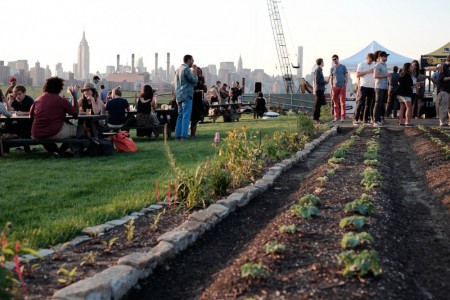
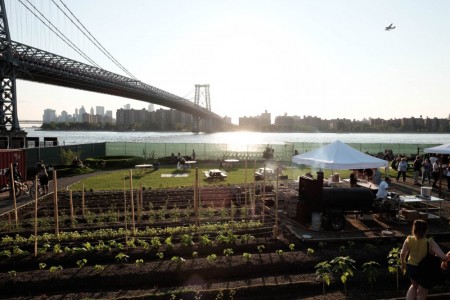
This past March, despite the outcry of locals and preservationists, construction workers tore down the Domino Sugar Factory, leaving nothing but molasses-covered rubble and, for the first time since 1882, a clear view across the river. This being Williamsburg, the clear view won’t last long: Two Trees, the developer responsible for turning DUMBO into the highly coveted, highly priced neighborhood it is today, is building a $1.5 billion complex on the land. The plans include yet another shiny high rise as well as a mixed-use commercial space in the adjacent, still-standing brick building, and five acres of public park along the river.
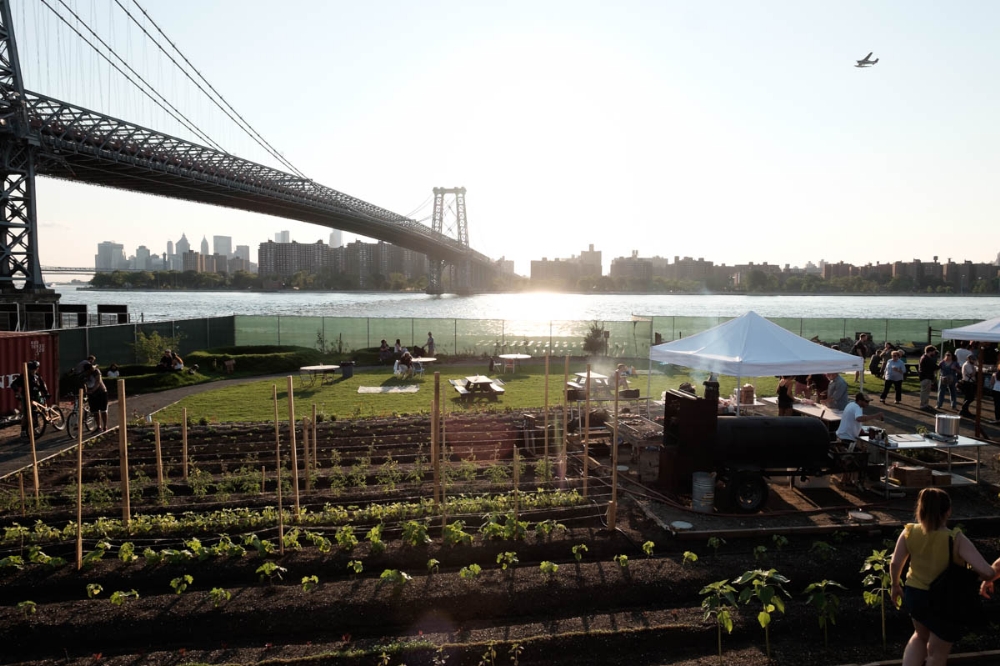
There’s still two or three years until that park and the adjacent apartments and offices materialize, but change is afoot on this stretch of land on the Brooklyn waterfront, which Two Trees has leant to a for-profit enterprise called North Brooklyn Farms. Spearheaded by two young urban farmers, Henry Sweets and Ryan Watson, the farm’s team of volunteers and their stable of shovels, repurposed building materials, and plants have been doing a delicate dance with one of Brooklyn’s most ambitious developers for the past three years. They’re growing okra, arugula, eggplant, kale, cucumbers, tomatoes, cut flowers, and vines—all without knowing how long they’ll be able to hold on to their patch of soil.
Until this summer, the farm has been planting food on a smaller, squarer plot of land just across Kent Street at South 4th Street known as Site E, which had been sitting empty behind chain link fence for almost ten years—a familiar site in New York. David Lombino, the director of special projects at Two Trees and a lifetime New Yorker, still bitterly recalls the unused construction sites of his youth: the developer Sheldon Solow’s long-untouched lot along the FDR highway; a former Gimbels department store on 86th Street; a Bloomberg Towers building on 58th Street that was left vacant for a decade. “This city is littered with sites that lay fallow for a few years before construction,” he told me.
Site E didn’t have the waterfront access or the crystalline views of Manhattan that the new farm plot does, but when Two Trees offered the Sugar Factory’s former parking lot up for proposals from the community in 2013, Watson and Sweets jumped at the chance to shape a little corner of their city. The two men are no strangers to farming: Sweets, whose long hair and full beard make him the portrait of a Brooklyn farmer, is a native of Kentucky who worked in landscaping and gardening in his home state before apprenticing at Stone Barns, the farm and educational center in Westchester, in 2011. Watson, tan and tousle-haired, worked previously at the Greenpoint Waterfront Association for Parks and Planning. The two met while working at an urban farm in Battery Park City in 2012, and before long began looking for their own growing site. In the fall of 2012, the city denied Watson’s proposal to grow vegetables on a narrow plot of land behind Williamsburg’s McCarren Park pool. When they were awarded Two Trees’ temporary land in October the following year, they knew they’d hit green gold, though their contemporaries weren’t as sure.
“Initially, when our proposal was approved, people in the urban-farming community were like, ‘Why would you want to farm for a year?’ They thought we were crazy,” Watson said of their Site E project, which they farmed for two years. “But we knew the impact it would have. We knew it wouldn’t matter if it was only for one year. We changed kids’ experiences of their city.”
This post is originally from brookline.wickedlocal.com
It contains myriad herbs, including basil, parsley, chamomile and others, as well as vegetables, such as beets, tomatoes, cucumbers, green beans and more.
Students at the Ivy Street School, which serves teens and adolescents with autism spectrum disorder, brain injury and other mental health diagnoses, are enjoying a unique feature of the school: an urban garden. This program has become an annual tradition at the school, and it allows students to not only learn about growing plants, but it provides therapeutic and nutritional benefits as well.
Students at the Ivy Street School, which serves teens and adolescents with autism spectrum disorder, brain injury, and other mental health diagnoses, are enjoying a unique feature of the school: an urban garden.
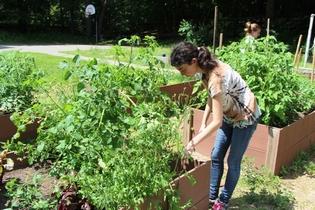
The school’s 40-by-40-foot urban garden lives just outside the school in its bucolic Brookline neighborhood. It contains myriad herbs, including basil, parsley, chamomile and others, as well as vegetables, such as beets, tomatoes, cucumbers, green beans and more. Students work hard planting, watering, and tending to the garden — and they get to eat the fruits of their labor.
The urban garden is an extension of the school’s culinary program, so when students harvest the vegetables that they’ve grown, they are a short walk away from the kitchen where they will wash, cut and prepare their next meal.
In addition to the hard work of students and staff, the garden has attracted a number of outside volunteers who have given of their time to help maintain it. These include groups from the buildOn program, Takeda Oncology and Boston Volunteers, as well as several individuals.
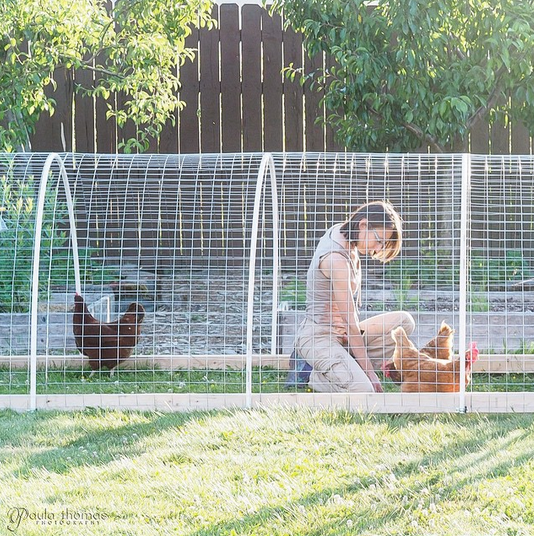
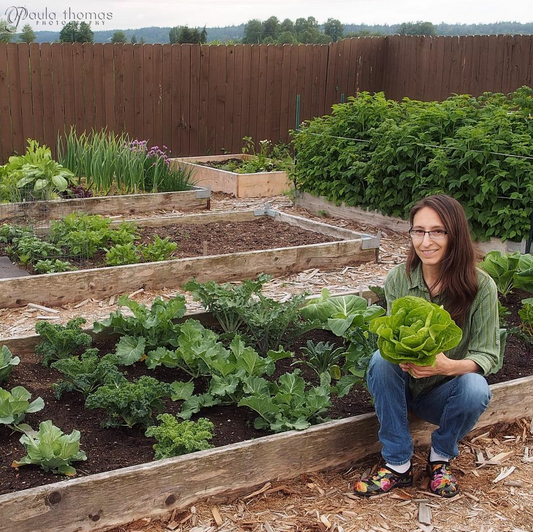
How would you quickly describe yourself to others? I’m easy-going and like to spend time at home tending to my garden and watching my chickens while enjoying a glass of red wine.
How did you get started with your blog/instagram page/etc? I’ve had a blog ever since I can remember and it started out as being more of an online journal but morphed into a food blog and now have integrated gardening. Photography has always been a part of my blog no matter what the topic. I started on instagram mainly posting photos of food from restaurants and my home-cooked meals but started posting more on a daily basis and gaining followers when I moved and started posting chicken and gardening photos.
Did you start when you began your transition to live this life style? No, my instagram, blog and youtube channels were around much longer than my life style change however the subjects and audience have changed since then.
Have you always been growing your own food? I’ve always grown some of my own food. My staples were always herbs, tomatoes and zucchini. It wasn’t until my move last year that I started growing a wider variety of fruits and vegetables. I also grew up in a family that planted a backyard garden every year.
Have you ever made mistakes or failed doing something? How did you overcome any obstacles?
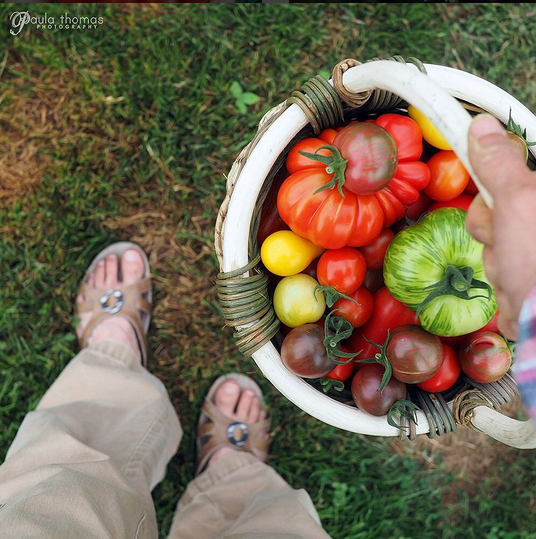
I’ve had a lot of failures in the garden, some from my own mistakes and some beyond my control. I posted a couple of videos on youtube detailing some of those failures. I always learn from my mistakes and will not repeat them. For example one of the mistakes I made this year is planting all of my lettuce at the same time instead of staggering the plantings so they were all ready to harvest at the same time and we couldn’t possibly eat it all before it began to bolt. The chickens enjoyed my mistake though and were happy to have the bolted lettuce. Next time I’ll be sure to not plant 25 lettuce plants at the same time.
Have you ever dealt with a person who disregards your life style?
No, quite the opposite. I hear about a lot of people that tell me they are jealous of my lifestyle and younger people that want to do what I do when they are older.
What are some of your greatest rewards with a lifestyle such as the one you live?
The greatest reward is being able to eat straight from my backyard without having to go to the store and sharing it with friends and co-workers. I frequently give away or share the extra produce and eggs from the chickens at work.
What tips and tricks would you like to share with other people?
Don’t plant things you don’t like. I’ve been known to make that mistake and I know others have to. If you are unsuccessful growing something, don’t give up. Try again next year in a different location in the garden and look up growing guides online to see if there’s something you might have missed. If you have more than just a couple of garden beds, use a garden planner! There’s no way I could have planted out my garden without one.
What are some of the other things you would like to have other people understand about living a healthier and self-sufficient life style?
You are what you eat. You only get one body and it’s important to take care of it. There’s nothing better for you than eating fresh, clean food that you know where it came from. It doesn’t get any fresher than your own backyard.
What are your favorite plants to grow in the garden?
Now that I have a large garden and room to plant just about anything I want, my favorites are cherry tomatoes, kale, cabbage and lettuce. Kale and cabbage can be tricky to keep bugs off of. I had some challenges this year with that but used neem oil to keep it under control and they are doing well now. Cabbage takes up quite a bit of room and after planting it, I was thinking I may not plant it next year but I quickly changed my mind after tasting it. I was surprised how much better it tasted than store bought cabbage so I might plant it again after all.
Is there anything else you would like readers to know about you?
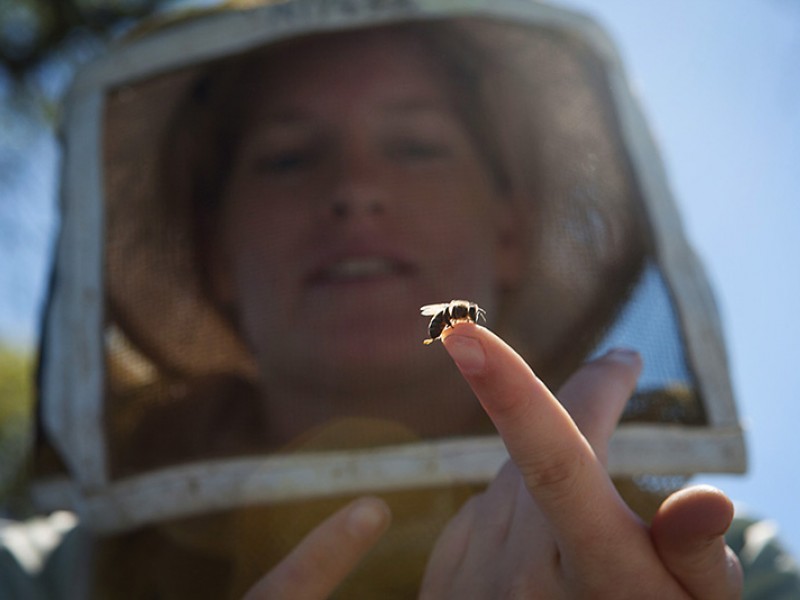
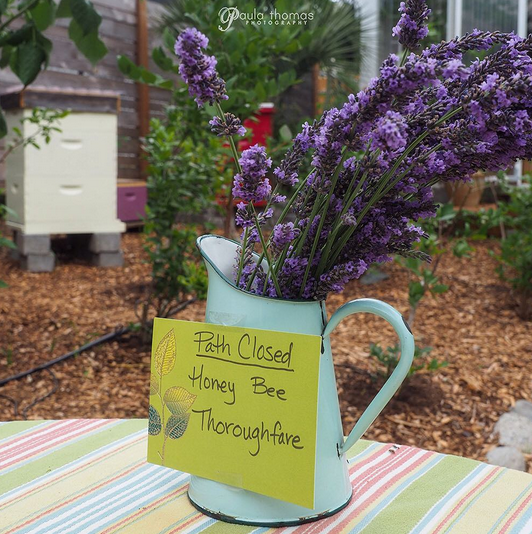
In addition to spending a lot of time taking care of chickens and gardening I also have a full time job. It’s not easy, but it can be done. There’s nothing more rewarding than turning seeds into food and being able to share it with others. I also started beekeeping this year and have two hives to help pollinate the garden and hope to get a honey harvest next year.
Powdery mildew. You’ve probably had it plague one of your plants at some point or another during your years of gardening.
Powdery mildew is one of the most widespread and easily identifiable plant fungal diseases. From vegetable gardens to rose gardens, ornamental trees and shrubs, almost no type of plant is immune.
You’ve probably seen it many times. White or gray powdery spots appear, most of the time covering the entire leaf surface. It’s also found on plant stems, flowers and even fruit. Fortunately, the symptoms of powdery mildew are usually worse than the actual damage. Rarely is it fatal to the plant. Advanced stages can cause plant foliage to yellow, curl or turn brown and eventually cause the plant to stop producing leaves or flowers. Most of the time, it’s just an unsightly nuisance.
Conditions that favor mildew formation include dry foliage, high humidity, low light and moderate temperatures. Here’s some things you can do to help curb powdery mildew from ruining your plants.
*Make sure your plants have good air circulation around them
*Place plants where they will get 6+ hours of sunlight each day
*Grow disease resistant varieties
*Avoid over fertilization. New growth is more susceptible. Try using slow release fertilizers.
Baking Soda (sodium bicarbonate), is possibly the best known of the home-made, organic solutions for powdery mildew. Most effective when applied in the early stages or before an outbreak occurs.
There’s no CURE for Powdery Mildew, but you can control it. Try adding a tsp. or so to a spray bottle and add water. When the weather is dry, spray your water and baking soda mixture onto the leaves that are affected. Repeat when it rains. The ph level will create an unsuitable environment for the mildew spores to reproduce and spread.
Post/content/images are from CivilEats.com – and – anderson.slhn.org
Are Hospital Farms the Next Big Thing in Healthcare Reform?
When it comes to improving the food on today’s hospital trays, some medical institutions are finding that onsite farms are the next logical step. By Jodi Helmer on July 21, 2015
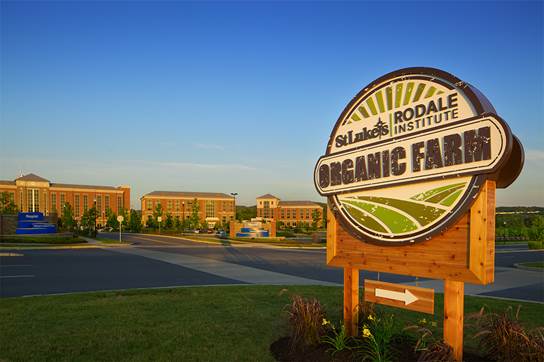
St. Luke’s Rodale Institute Organic Farm
This summer, St. Luke’s Hospital started sending all new moms home from the hospital with a basket of fresh produce, recipes and literature about the importance of a healthy diet.
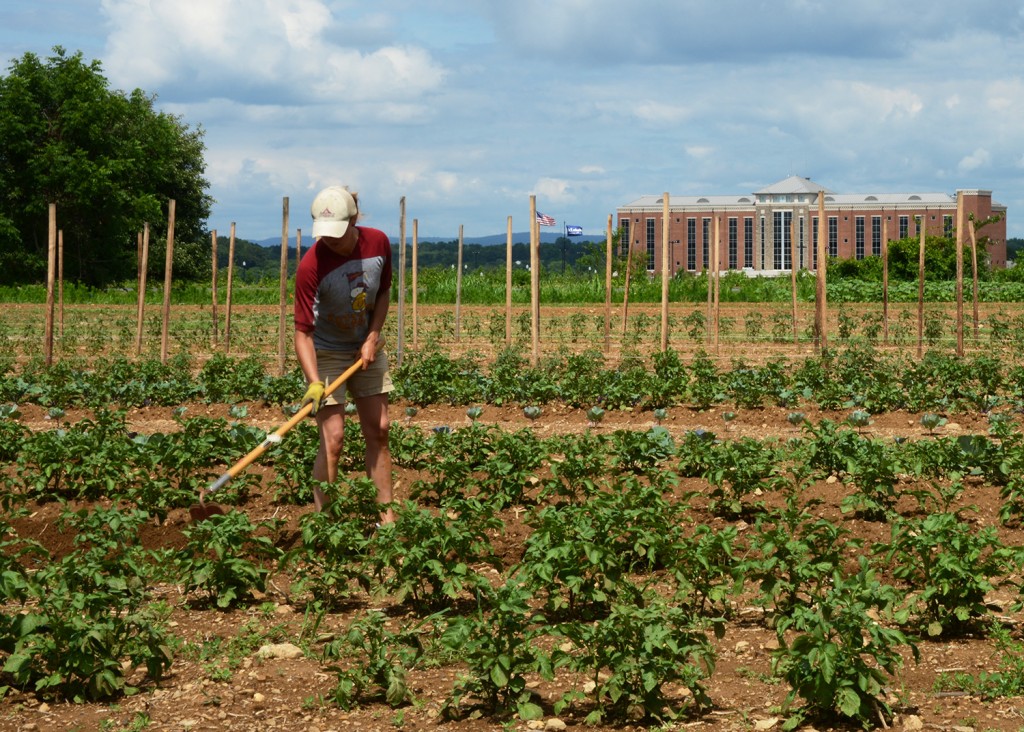
All of the produce in the basket was grown on an organic farm on the hospital’s Anderson campus in Bethlehem, Pennsylvania. The hospital—part of a six-campus network—has been running a farm on the 500-acre grounds since 2014.
“Our mission is to provide great healthcare and part of that is educating patients about the benefits of a plant-based, organic diet,” explains Ed Nawrocki, president of the Anderson campus. “One of the best ways to do that is to lead by example and show them how delicious produce grown on our farm tastes.
Produce from the farm will be utilized in our network cafeterias and served to patients, employees, and visitors.
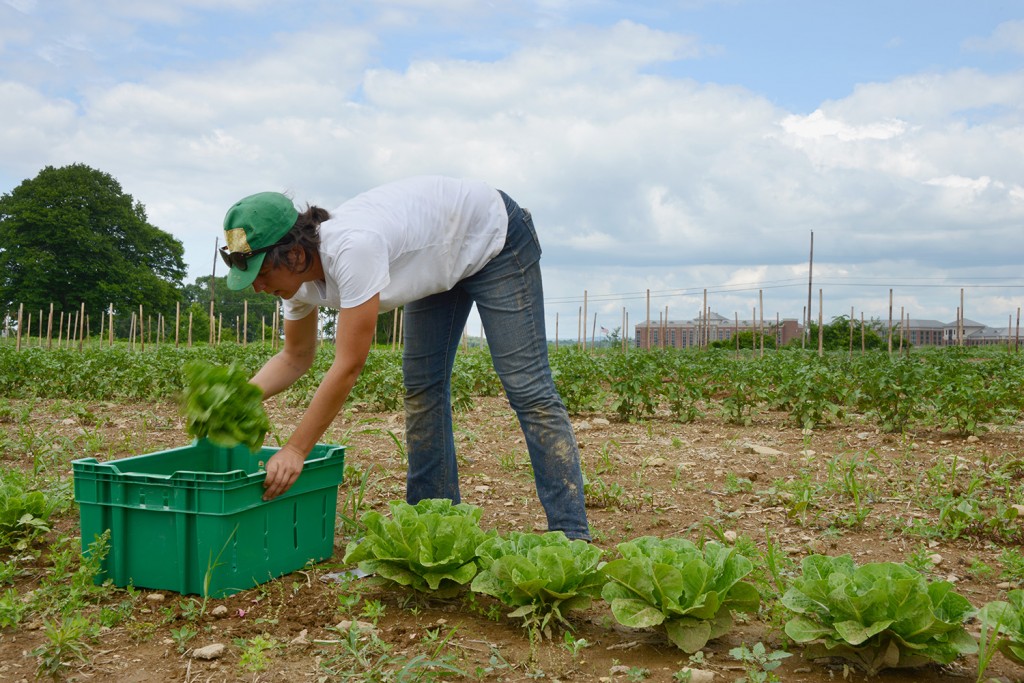
But it’s not just new moms who benefit from the hospital’s bounty. In its first season, the farm at St. Luke’s grew 12 varieties of vegetables on five acres, producing 44,000 pounds of produce that was served to patients, incorporated into the cafeteria menu, and sold at weekly farmers markets on several hospital campuses. This year, the farm expanded to 10 acres and 30 varieties of fruits and vegetables.
Mark “Coach” Smallwood, executive director at the Rodale Institute, the nonprofit organization that worked with St. Luke’s to help get its farm off the ground, believes there is a growing interest in serving organic, locally grown produce at hospitals.
Some, like the University of Wisconsin Hospital, buy produce from local farms, others allow the community to use land on their campuses for community gardens. Now, a few hospitals are taking the next step, starting farms on hospital campuses. Among them are Stony Brook University Hospital on Long Island and Watertown Regional Medical Center in Wisconsin. Both are now using produce grown onsite to replace fruits and vegetables that are packaged and shipped thousands of miles before reaching patients.
“Hippocrates talked about food as medicine and we believe that to be true,” Smallwood says. “There is a paradigm shift happening and hospitals are realizing the value of producing fresh, local, organic food to serve to their patients.”
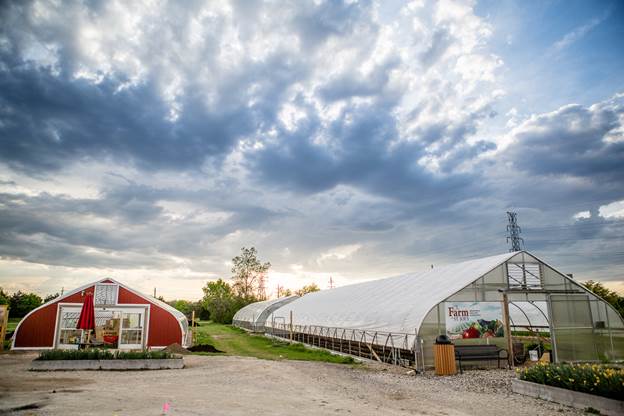
St. Joseph Mercy Ann Arbor Hospital in Ypsilanti, Michigan, planted the first crops on a 10-acre onsite farm in 2010 after patient satisfaction surveys revealed a demand. Over the past five years, the farm has grown to 25 acres, three hoop houses and four beehives. The farm grows fresh spinach, garlic, basil, collard greens and strawberries.
“The farm helps us support a culture of wellness in the hospital,” says director of nutrition and wellness Lisa McDowell. “We can’t grow enough to meet the needs of all of our patients and staff, but we can make an educational statement about the importance of eating a healthy diet.”
While farm-to-hospital efforts have been well received by patients and created PR opportunities, operating a hospital-run farm is not without its challenges.
For starters, administrators are experts in healthcare, not agriculture.
To help launch its farm, St. Luke’s partnered with the Rodale Institute for assistance in creating and implementing a plan, hiring a farmer, and managing operations. At St. Joseph Mercy, the hospital invested $32,000 in two hoop houses, hired a full-time farmer to manage farming operations for the 537-bed hospital and relies on interns and volunteers to handle most of the labor.
As an employee of the Rodale Institute, Lynn Trizna, an organic vegetable farmer, is excited to work with St. Luke’s on developing the St. Luke’s Rodale Institute Organic Farm. Farmer Lynn’s passion for organic agriculture began the summer of 2007, when she spent the summer working on her first farm.
It took a $125,000 capital investment to start the farm at St. Luke’s and, after two growing seasons, the farm is operating at a loss (with a goal of breaking even in 2016). The reason: Growing organic produce on the farm is more expensive than purchasing it through a foodservice supplier or sourcing it from local farms. But Nawrocki still champions the idea, explaining that encouraging patients to eat healthier diets now could improve their health in the future.
In addition to the capital investment to start farms, hospitals that want to serve fresh produce must invest in recipe development and training foodservice workers to transition from heating and reheating prepared foods to making dishes from scratch.
“When we order produce from a food service provider, it comes peeled and chopped and portioned; all our staff has to do is open the package and add it to the recipe,” McDowell explains. “Cooking with fresh foods from our farm is much more labor intense.”
In the future, the hospital hopes to partner with a local culinary program, using interns to offset the additional labor costs and make its hospital farm cost neutral by 2020.
How I got started with my blog, The Urban Lady Bug, was through Facebook originally, I posted pictures of our garden on my personal page almost everyday and had dozens of my friends and their friends, comment, tag and ask a bunch of questions. So I figured I should create a page where people who might not know me or be my friend on fb, would still “like” my page and gain gardening information or advice from me! Once Instagram took off (follow The Urban Lady Bug on Instagram), I decided to make a IG for my blog as well and because of hashtags, it has really become popular!
Did you start your blog when you started your transition to live this life style?
Once I had completely transitioned my life over to home gardening and homesteading is when I created my blog. Although I had began this life transition about 2 years prior to creating my blog.
Have you always been this way?
No I have not, I grew up in a military family. My mother worked all the time and didn’t have much time to cook us wholesome dinners, my father being in the military didn’t have much time either. So we often settled for hamburger helpers, sloppy joes, anything that was quick, easy and inexpensive!
After moving out of my parents at 19 and into my first home is when the transition to this lifestyle really started. I began to like cooking and wanted to be able to walk into my own backyard and pick dinner, instead of having to drive to the grocery store and pay for it! Even with such little knowledge back then, we knew the importance of using only organic soils and seeds.
What sparked your passion?
It all started when I moved out on my own, I had a huge back yard and with a lemon and apricot tree that were both struggling to survive. Nursing them both back to health is what sparked my passion! I realized how bad I wanted to be able to grow all my food, and so I bought a few 2x4s & built my first raised bed. Not the best raised bed but a learning experience nonetheless!
Then about a year after I built my first garden, I unexpectedly lost my mother to colorectal cancer. Absolutely heart broken and convinced it was all caused by the foods she ate & unhealthy lifestyle she lived, I was determined with a fiery passion to change my life completely. She was only 51 years old and wasn’t a drinker or a smoker, her kryptonite was processed foods & the doctors say the cancer started when she was in her 20s.
The transition soon became an obsession which was kicked into high gear, focusing on repairing and preserving my health and body. So after purchasing my mother’s home, I planted our second garden. Which was a lot bigger than the first but was hardly an educated decision. I dug holes and planted directly into the grass (that was the bad decision). It ended up being such a pain to maintain throughout the season because of the overgrown grass and bugs that the grass attracted. This is the reason why most people and why I eventually built raised beds to plant in!
I also got our first two chickens,
Lucy & Ethel that year.
The next year, which was last summer, is when my passion for gardening and self sustaining really took off, I decided to invest the money and time needed to create the dream backyard garden that I have always wanted. I researched a local lumber yard that had rough cut untreated redwood (one of the most durable and long lasting) and ordered them to my house. With the help of my boyfriend, Kyle. Together we measured cut and built the raised beds by hand. Then I researched a local organic soil provider and had organic sandy loam soil in large quantities, I ordered 5 cubic yards and filled all of our beds up. Then added organic compost, organic peat, perlite, a bag of OG Tea per bed, and organic chicken manure. I ordered the Patriot Seeds “Survival Seed Vault” which contains a large variety of organic, non GMO, heirloom veggies and fruit, which we sowed our entire garden when. I also installed drip lines from my automatic sprinkler system so I could vacation or work and not worry about having to water my garden and saving massive amounts of time everyday from not having to hand water the entire garden!!
This summer…is where my blog and passion for organic home gardening and homesteading has really really blossomed into something fun and educational. I have learned so much over the years and the progression is clearly noticeable via the pictures!
Time is everything, so don’t worry about rushing into a large undertaking. Even a few potted herbs and tomatoes can help prepare you for a garden like mine!
What are some of the other things you would like to have other people understand about living a healthier and self-sufficient lifestyle?
It’s not an overnight thing, it is a gradual life change that you don’t want or need to rush into. It takes time to learn how to properly read labels, make better eating choices, grow your own food, and then learn how to cook the food you grow from your garden. It is impossible to learn that amount of information overnight.
Many people are super eager to jump in head over heels, without understanding that becoming self-sufficient is all about learning and experiencing through trial and error. Gardening and being self sufficient can be extremely frustrating & overwhelming to someone who has yet to live this lifestyle, so jumping too much into it will often lead to giving up. Take your time, read a lot, ask lots of questions and gradually change your life, at times when your ready!
Another thing to keep in mind is that it is an investment. It does take money & time to invest if it is something that you want to last more than just one summer. Once the initial investment is made you reap the rewards and benefits from your garden, for years and years to come!! Saving you tenfold of your original investment!
What tips and tricks could you share with other people?
DONT GIVE UP! Gardening can be so frustrating when you have no idea what to do or where to begin. I always tell people to start small, then build after you gain some experience. There is no way I would be able to successfully care for what I have now without the knowledge I have slowly gained over the last 4 years through experiments, trial & error and failing!
Have you ever made mistakes or failed doing something?
Yes!!!!! A millions times and I still
make mistakes! That is how you learn what works and what doesn’t! The important thing is to never beat yourself up over a mistake. It happens to everyone, just remember you learned something from it and that will all come into play at some point later in your gardening!
How did you overcome any obstacles?
I have overcame many obstacles in gardening, that is when you learn the most I believe! A large obstacle I have encountered and have overcome is root knot nematode. Which causes extreme scarring on the roots of your plants causing them to suffocate and eventually die. Gardening in unknown soil can lead to a lot of issues, and this is one of them! Even though I built raised beds with my own hand built super soil, the nematodes made their way into the new soil. These nematodes are not beneficial and can destroy your entire garden! I use Monterey brand “Nematode Control” which is OMRI listed, to help kill and control our nematode problem. Many obstacles like this can be very easily addressed and shouldn’t ever be stressed over!
Have you ever dealt with a person who disregards your lifestyle?
Oh my gosh!! All the time! Often time it is family! Educating them is the most important thing you can do! With education comes understanding and with understanding comes knowledge, which is what sparks desire to want to also live the same lifestyle!! Although I haven’t been able to convince all of my friends & family to live this lifestyle, I have been able to change a lot of them! Including my entire immediate family, all of which are now tending to their own backyard gardens!!
I have learned the easiest way is to lead by example. To show them what a healthy person looks like and how I healthy I feel on a daily basis! People ask me all the time what my secret is to looking 16 years old when I’m actually 26 years old, and I tell all of them what I firmly believe is the reason, the pure, clean food & water I put in my body every single day! Balanced, wholesome & organic meals made from home, straight out of the garden!
My biggest motto is – You are what you eat!! Most people don’t realize the reason they feel and look like crap is because they literally eat crap!
What are some of your greatest rewards with a lifestyle such as the one you live?
Gosh, how do I just pick a few? The rewards are so endless.. But I guess if I had to name a few, the first would certainly be the money saved. What an incredible amount of money I have saved because my grocery store is my backyard! My initial investment into my backyard garden was probably around $1500. Now because I am able to garden all year long, through the summer, fall, winter and spring months it has been over a year since I’ve had to buy veggies from the grocery store! Saving me thousands of dollars on organic foods & hundreds in gas to drive to the store! I also raise my own backyard chickens and ducks and it has been over two years since I’ve bought a carton of eggs, saving me $850 alone just on eggs!
My garden will be here for years & years to come and we have already made back our investment in food alone!
A second huge reward is that when you grow your own food you have ability to grow your favorite veggies & fruit and know without a doubt exactly where they came from, that they are farm fresh, you know how they were grown, what fertilizers were used to grow them, what pesticides were & weren’t sprayed on them and if they are really Organic, Heirloom & NON GMO!
So many times, we over pay for “organically” labeled veggies and fruit, that have still been treated with some sort of pesticide! An “organic pesticide” but a pesticide nonetheless!! When you grow yourself, you control what goes into your body!
A third but certainly not the last reward that I get to benefit from, is that gardening has become an extremely therapeutic activity for me. Losing my mother to cancer has been the hardest thing I have ever had to go through. So being able to nurture and grow plants which produces me, my friends and family wholesome organic clean food, brings me a sense of fulfillment and pride that cannot be obtained by anything else! It has also been scientifically proven that the microbial life inside of soil is beneficial to our mental health and over-all well being!
What’s your favorite variety of crop to grow and why?
Summer squash! I love summer squash of all different varieties! Crook-neck, straight-neck, zucchini. Etc. There is a million and one ways to cook summer squash! From soup, to lasagna, you can make summer squash into noodles or even just as a simple side dish! You can cook them for breakfast, lunch or dinner! There are endless ways to prepare them and they are so tasty, good for you, very low in calories and the easiest plant to grow! Not to mention you can harvest tons and tons of squash off of just one plant!
Whenever UC Berkeley student Sara Cate Jones has felt the blues coming on, she’s relied on the same remedy: she goes to the student garden on the corner of Walnut and Virginia streets and picks herself a bouquet of flowers.
“The garden is always here for you,” said Kate Kaplan.
Established in 1971 by a group of students shortly after the first Earth Day, the garden has offered students and the community at large an urban oasis in North Berkeley for over 40 years.
About a quarter acre in size, the garden sits on a plot of university-owned land and is overseen by SOGA’s student volunteers. SOGA was founded in 1999 when the university gave the garden space to EBMUD for a pumping station. The students protested and a compromise was reached; the pumping station is now adjacent to the garden.
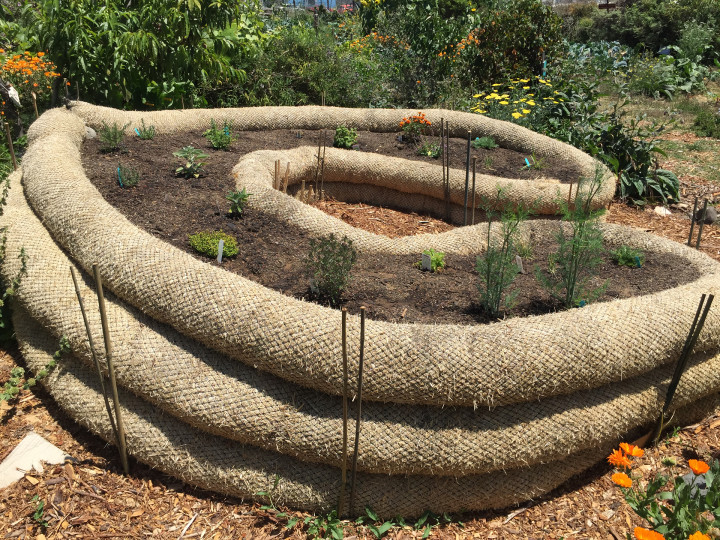
This keyhole raised bed, in which herbs are growing, is made out of straw wattles. It was a student project to experiment with cheaper solutions than planter boxes to grow above ground. Photo: Alix Wall
As for what’s planted, it’s entirely up to the students. There are several varieties of apple, plum and fig trees, flowering plants and bushes like sunflowers and lavatera, succulents and native plants, and of course, plenty of vegetables.
Though the garden gets some funding from student fees, SOGA is responsible for applying for grants to keep the garden running, and is also “meant to be the stewards of the garden, to make sure something like that doesn’t happen again,” said Kaplan. “We also make sure relations are good with the administration, and make sure they know what’s going on,” said Jones.
(For example, at one time students brought in chickens and goats without university approval – they are not allowed to raise animals.)
Kaplan emphasized that the garden gives students a chance to connect to a more nontraditional education, which “allows them to build off the lecture-based education we receive and get their hands in the dirt with hands-on experience.”
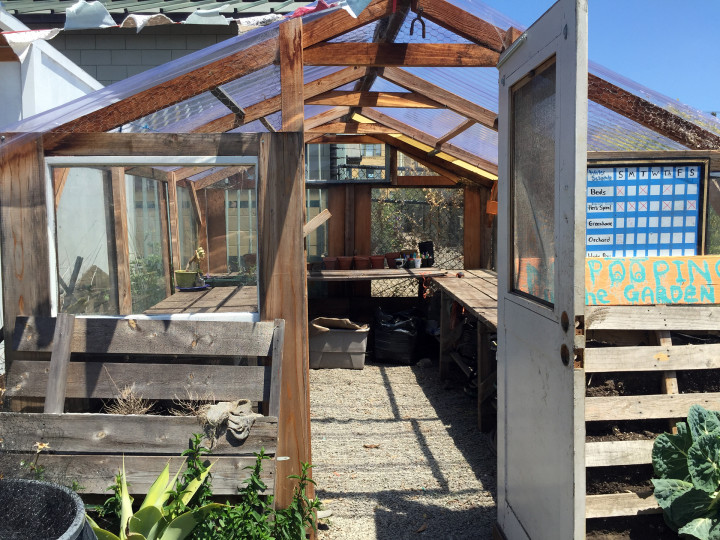
Several classes are held inside the garden. Organic Gardening and Food Justice is one and Garden Leaders is another, which “teaches students how to do project management within the context of a garden,” said Jones, while showing off several projects that were conceived of and brought to fruition by students recently. One such project was a greenhouse made entirely of reclaimed wood and glass.
Then there’s also what’s known as BUGI, or Berkeley Urban Gardening Internship, which connects students with other urban gardens in Berkeley and teaches students how to manage a garden.
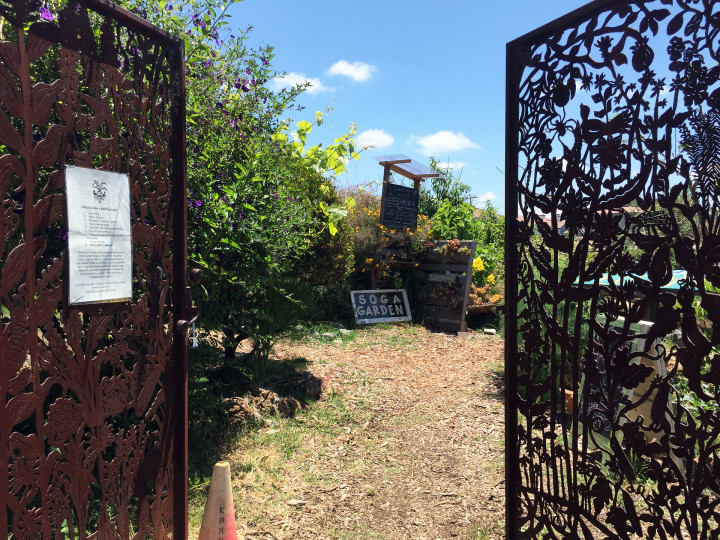
The entrance to the garden is on the corner of Walnut and Virginia Streets in North Berkeley. Photo: Alix Wall
And while those who take care of the garden tend to have more than a passing interest in environmentalism, those who take classes in it run the gamut of the entire campus.
In a class of 150 students this spring, their majors were “all over the map,” said Kaplan. “They had majors like math, business, French, everything.”
While only organic practices are used in the SOGA garden, the piece of land next door, called the Oxford Tract, is used by professors for their various research projects and the students worry about non-organic pesticides drifting over the fence.
One of the allies of the garden, Agroecology Professor Miguel Altieri, often tries to rent the space closest to the garden where he too gardens organically, but the students can’t control what happens on the other side of the fence.
While they sometimes put a sign outside offering the latest harvest to passersby, they don’t have a regular food giveaway because their output isn’t that regular.
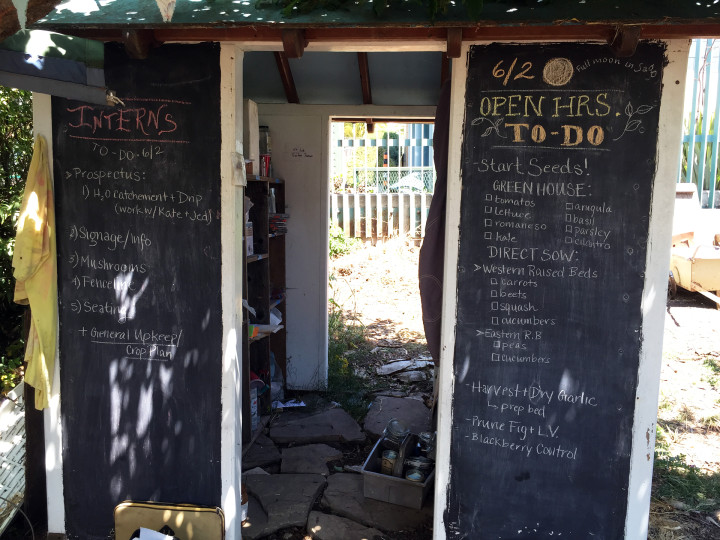
Several summer interns are getting paid to help oversee the garden while the students are away on summer break. Here they keep track of their to-do list. Photo: Alix Wall
“Last year we partnered with the UC Berkeley Food Pantry, providing fresh produce for them to give away,” said Kaplan, noting that their grant money only provided the pantry with non-perishables.
The students often take the produce to share with their roommates, and community members are welcome to drop by when the garden is open, to see if anything has been freshly harvested. (During my visit, one woman dropped by to ask advice about why her apple tree wasn’t fruiting, and another man came by to see if he could score some kale or chard leaves.)
However, many longtime neighbors barely know the garden is there.
“Most neighbors who come in are super excited to see it,” said Kaplan. “Most say they have to come by more often.”
While the students have led some programming for local schoolchildren, and offer workshops through Berkeley Unified School District, they admit that because of a lack of continuity in management, sometimes they aren’t the best at marketing what they have to offer.
“We’re trying to expand beyond the campus community,” said Kaplan. “Many people think it’s just for students, but we’re trying to break that barrier. The garden was started by students and is mostly run by students, but it’s open to everyone. We never turn away anyone if they want food or just want to walk around.”
This green house, made of reclaimed wood and glass, was completely student implemented and built. Photo: Alix Wall
Many students are also not aware of the garden’s existence.
“It does seem kind of hidden,” said Jones. “My favorite part of it is its ability to teach students. But it’s also such a great place to create community, especially in a university that can be so competitive, and that is so big, that students can get lost in it. It provides a kind of safe haven for us.”
The SOGA Garden is always open on Sundays from 10am to 2pm. This summer, it’s also open Tuesdays and Thursdays from 10am to 2 p.m. It is located on the corner of Walnut and Virginia Streets in North Berkeley.
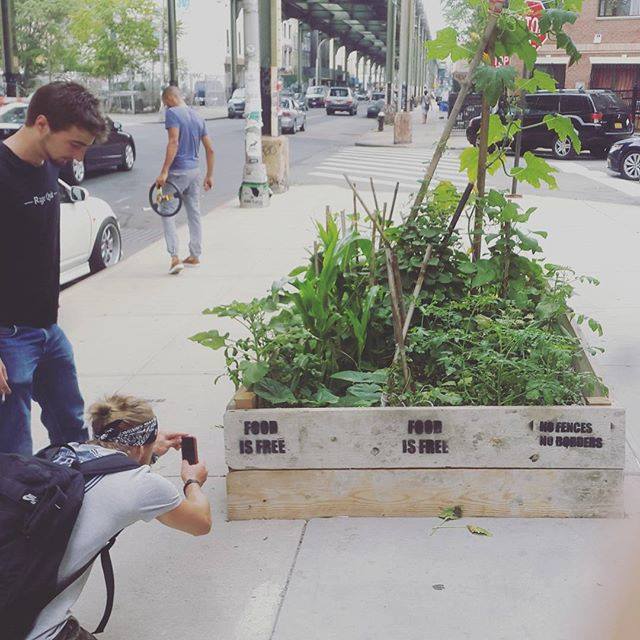
Not only are people around the world capable of growing nutrient-dense, nourishing food that will feed their communities, even if they live in an urban setting, but they can also do it with élan. Some of the most creative urban gardening projects around the globe can inspire us to create our own green space in the city, or add luster to a space that’s already underway which just needs a little oomph. Here are some off-the-(biotech)-chain gardens that will get our creative juices flowing so that we can carry the dream of living pesticide and GMO-free, further:
Everyone who has kept abreast of national news has heard of the urban blight that has devastated Detroit. This once burgeoning center of the auto-trade in America is now a sprawling concrete wasteland – or is it? Food Field is an urban farm in the middle of central Detroit. It grows heaping amounts of organic produce using permaculture. They even raise chickens and ducks, grow food utilizing aquaculture, raise honey bees, and have their own organic fruit orchard. This all happens on a piece of land that is smaller than that of many McMansions. Even in one of this country’s most economically depressed cities, where unemployment rates are currently swollen to 14-17 percent, people are flourishing growing their own organic food.
Detroit isn’t the only city under economic duress, but this doesn’t sway the Distributed Urban Farming Initiative or DUfi in downtown Bryan, Texas from mixing sound agricultural practices with community building. They want to spread their plan for city gardens everywhere:
“Our distributed urban farm program aims to resolve the weaknesses of other programs by engaging small businesses as key partners in the downtown farm. It is our intent to develop, implement and promote a sustainable downtown business model that will be available to communities that would otherwise lack the means or direction to execute urban farming.”
The city of Bryan works with the initiative to grant vacant or unused plots around downtown to be used to grow organic gardens. They also plan to provide some of the produce grown to local restaurants to make dining out healthier too.
If you think an urban garden is relegated to just growing vegetables and herbs, think again. People are successfully raising chickens in chicken coops in urban and suburban areas all over the country – and aside from providing nutrient-dense eggs, with sun-yellow yolks like you’ve never seen in a grocery store, these birds also create great compost to amend organic garden soil.
It seems we can do a lot with a little ingenuity.
One supermarket in Brooklyn, New York has decided to get in on the action, and now has an entirely organic rooftop garden. It was constructed via a partnership with Gotham Greens, a Greenpoint-based rooftop farm, and you can’t get more local than five miles from your borough! They produce tons of organic produce all year long and don’t use a single pesticide. I’m sure this miffs Monsanto, Bayer, and Syngenta signifcantly, but you can’t stop Americans who know the truth about GMOs and pesticides.
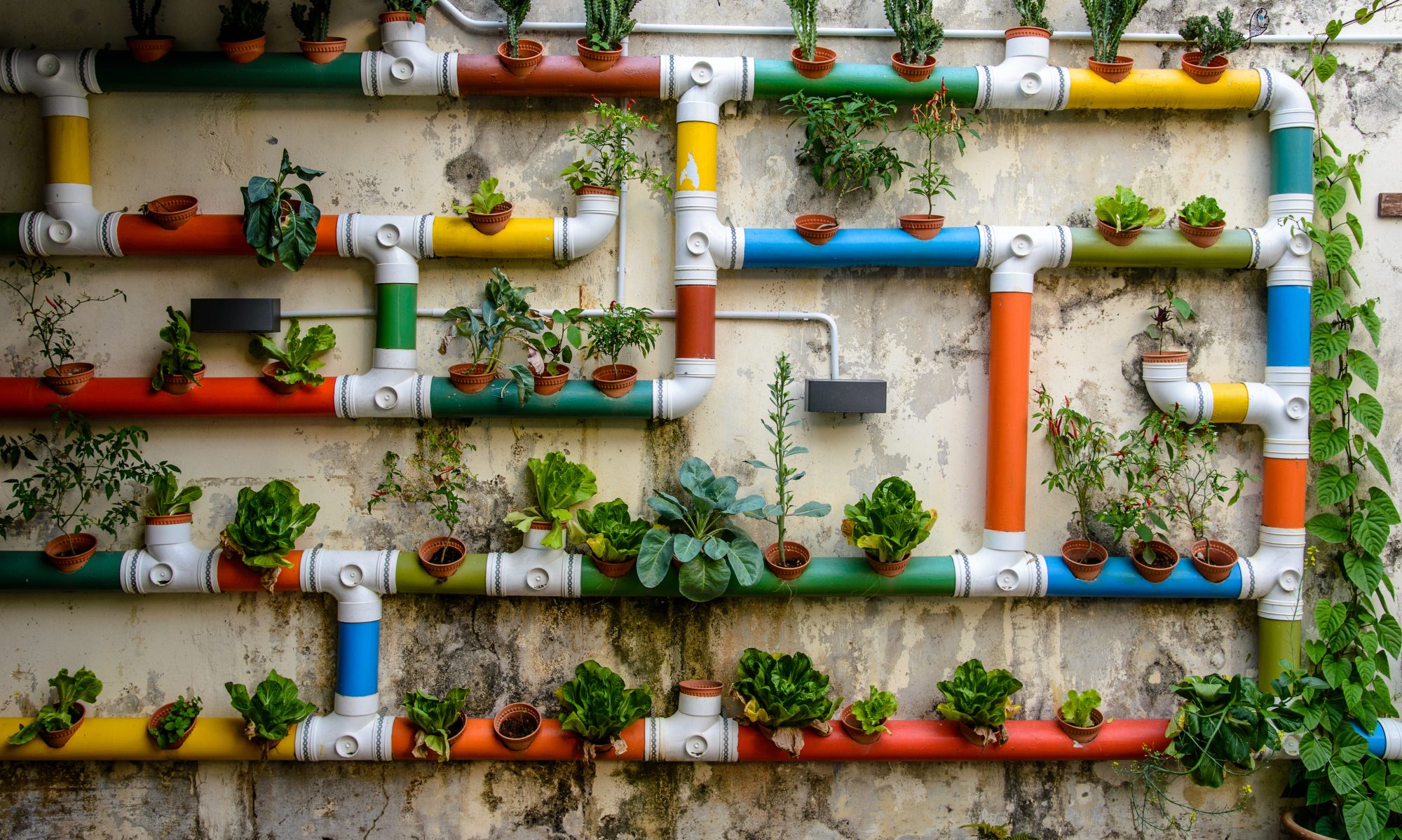
It isn’t just in the US, though, that people are taking sustainable agriculture into their own hands. Sky Greens in Singapore is the, “World’s first low carbon hydraulic water-driven, tropical vegetable urban vertical farm, using green urban solutions to achieve enhanced green sustainable production of safe, fresh and delicious vegetables, using minimal land, water and energy resources.” Singapore faces the dismal fact that Locally grown vegetables currently only constitute 7% of Singapore’s consumption.
With creative farming initiatives like the ones Sky Greens offers, fewer fruits and vegetables would need to be imported, and people could enjoy more locally sourced food that isn’t controlled by biotech monopolies. According to these innovative farmers, “the production yield of Sky Greens Farm is 5 to 10 times more per unit area compared to other traditional farms growing leafy vegetables using conventional methods in Singapore.” They also offer year-round production and are not subject to climate events like drought or tsunamis.
Finally, an organization in New Zealand, Canada and the US offers a supremely novel idea for helping people grow food who simply don’t have the land to grow it on. They are called Sharing Backyards. Taking advantage of the fact that many urban and suburban areas have lawns, yards, and empty spaces which people aren’t utilizing to grow food, but could be, individuals can logon to their site and either put in a request for space to garden, or offer land that currently sits idle. Not only does this idea help people who are often the most marginalized have better access to healthy food, but it teaches us to rely on each other instead of huge corporate conglomerates that don’t care about feeding the world, only poisoning the planet for profit.
If you have a creative idea about taking the food supply and redirecting it in a more sustainable direction, please share it with us at Nation of Change.
Urban Organic Gardener Interviewing Rob from “Bits Out The Back”:
How would you quickly describe yourself to others?
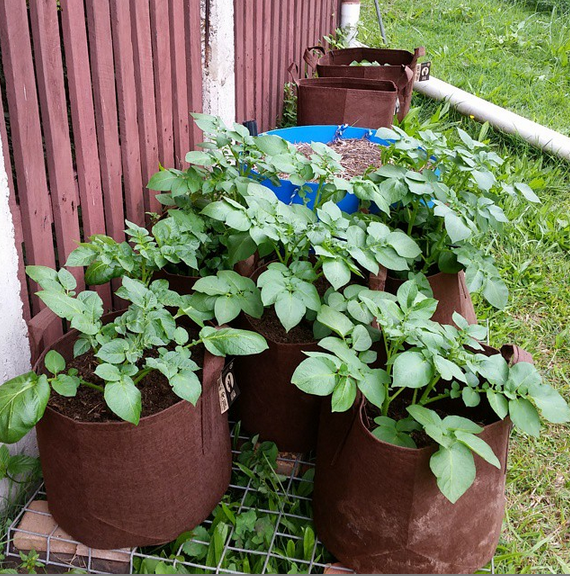
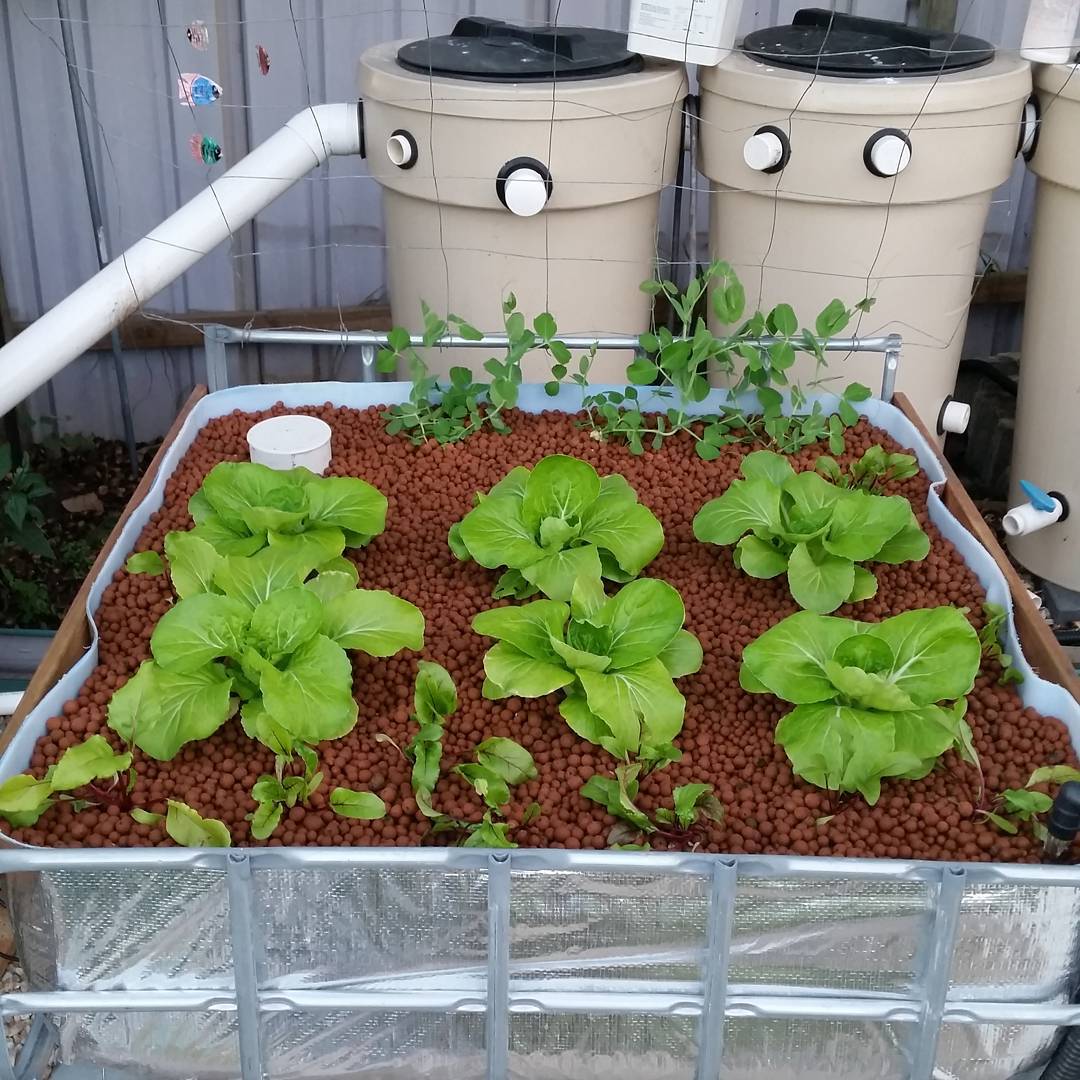
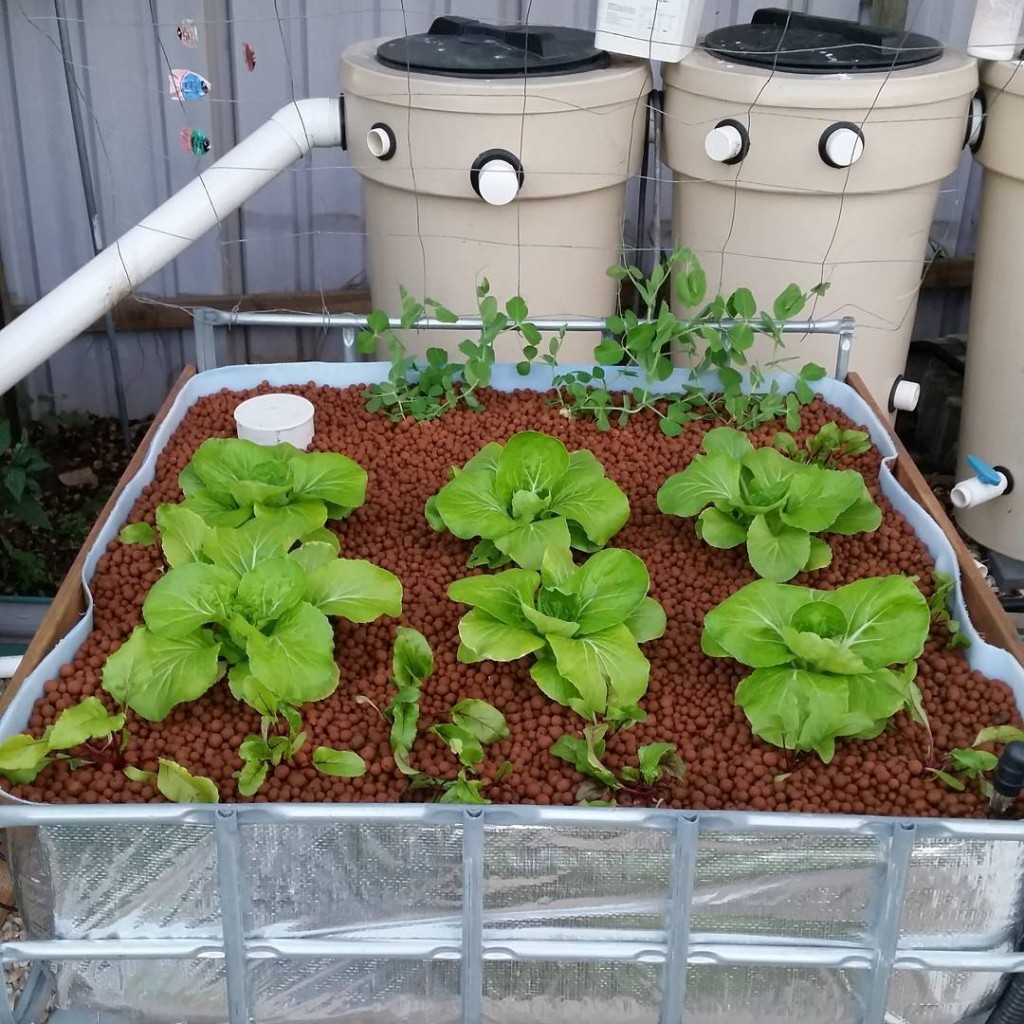
I’m a stay at home dad that’s very interested in growing as much nutritionally dense food as I can to help improve our health and reduce our dependence on the industrialized food system. We live in SE Queensland Australia in a subtropical climate and are lucky enough to be able to grow 12 months a year. Most of our food is grown in self watering wicking/sub irrigated garden beds but also have an ever expanding aquaponic system that has been pumping out a lot of herbs, greens and tomatoes of late. We also have 3 chickens that we quite happily feed scraps to and in return they provide us with a couple of eggs a day.
How did you get started with your blog/facebook page/etc?
I initially started to post on our “Bits Out the Back” blog that was mainly focused on how we were setting up our small garden patch. Friends and family were interested in seeing more of what we were doing, so I started to post Vlogs (video blogs) onto our YouTube channel to share with them. I found video to be the easiest medium to show what was happening around the patch as many of my relatives and friends live interstate. I think video helps people get a better idea on how to replicate some of the projects I do, especially intricate ones like the aquaponics, chicken feeders and wicking bed builds.
I started our Facebook page and Instagram account as an extension to our YouTube channel. People were interested in our harvests and daily goings on around the patch and I found using Facebook, Instagram and G+ sites were a great way to do small mini updates for them.
Did you start your blog when you started your transition to live this life style?
Growing up my grandparents on both sides of the family had quite impressive vegetable gardens and were able to provide the majority of the veggies and fruit for themselves as well as pass on excess to family. To me this was a normal way of life and only when I got older did I see that many folks did not grow their own food or had stopped, becoming disconnected to how their food is grown/raised.
I started looking at growing food seriously in my mid 20’s when Bianca and I started living together. We had no internet then and only just really plodded along getting inspiration from self sufficiency magazines and making phone calls back to my parents when we needed advice. After we were connected to the web a whole new world opened up and I started to get inspiration from all over the place.
Have you always been growing your own food? If not, what sparked your passion?
I grew a few plants like basil, tomatoes as well as salad greens just before Bianca and I started to live together in the mid 90’s. We didn’t seriously try to grow a lot of food until after our first daughter was born in 1998 when we started a rather substantial container based veggie patch. Gotta love rentals.
A few years after buying our small urban property we decided to turn a lot of the backyard to food production. We decided to do this, not only help ease the grocery bill but to also provide us with food that tasted a lot better and hopefully more nutritious than what was on offer in the local stores.
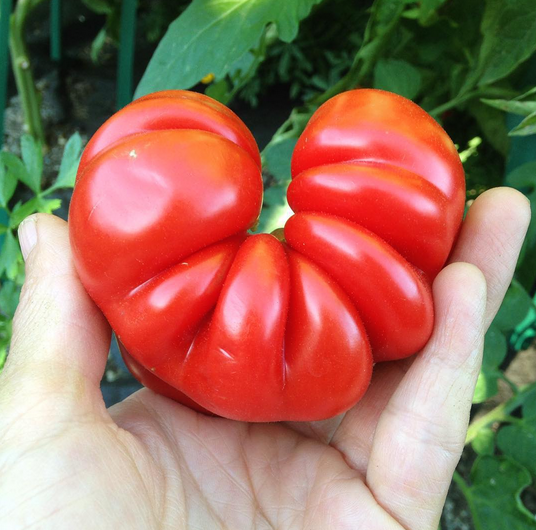
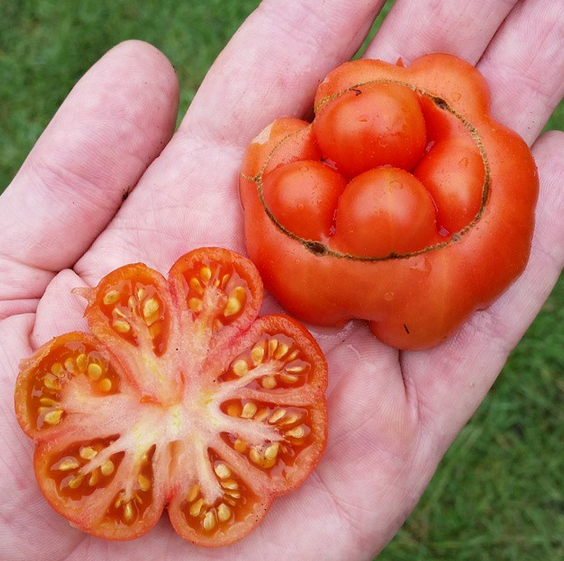
“Brain Tomatoes” grown organically on the Urban Farm
Have you ever made mistakes or failed doing something? How did you overcome any obstacles?
Am very chuffed at how the new grow bed is going. “Looking at adding a very small NFT run at the front of this bed.”
😀 I’ve made MANY mistakes and had a few quite spectacular crop failures since starting out.
Our first raised garden beds were a bit of a mistake. We had bought in soil from a landscape supplier to fill our garden beds, added in some clay Wetpot irrigation devices, planted out our veggies and all was growing great for the first few months. After 2 or 3 months the plants started to look a bit wilted and we started to get the odd 1 or 2 that mysteriously died off. On closer inspection it turned out that roots from our mango and some Chinese elm trees growing on the fence line had decided to take over the beds depriving the veggies of their water. We were also facing heavy water restrictions at that time, due to drought (similar to California is now) and after some research we decided to rebuild all the beds and turn them into water efficient wicking garden beds and haven’t looked back since.
Have lost whole tomato and capsicum/sweet pepper crops to the pesky Queensland fruit fly along with quite a few brassicas crops to the dreaded cabbage butterfly. We did a bit of research and found methods that work for us (exclusion netting) to save the crops now but it was a very steep learning curve at the beginning.
Through all our misadventures we have learnt a lot and found many like minded folks out there that have helped us out.
A regular “picking” from Rob’s Urban Garden
Have you ever dealt with a person who disregards your life style?
Have come up against a little bit of resistance from extended family members but nothing too serious. What I find more shocking is the couple of times I have had people ask me if we were allowed to grow our own food. I must say it took me very much by surprise and really shows how disconnected some people have become to believe they are not allowed to grow food.
What are some of your greatest rewards with a lifestyle such as the one you live?
The greatest reward would have to be being able to provide nutritious fresh food for the family that has been grown free of toxic chemicals. That it takes less than 15 min for that food to make it from plant to plate is also a bonus. 😉
Being able to share how easy and rewarding it can be to grow your own food with others via the WWW is something that I’m grateful for. Not only have we learnt from others but have also made dozens of friends along the way. I love that I can ask questions or get inspired by their posts no matter where they live in the world.
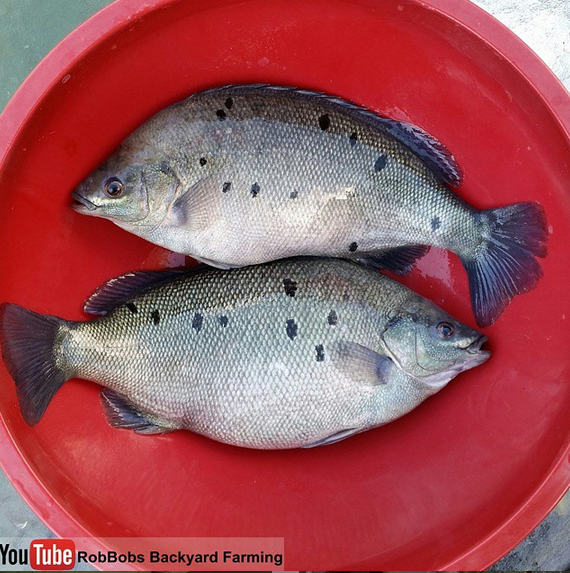
2 Jade Perch raised in their own aquaponic system.
What tips and tricks would you like to share with other people?
First tip I would give anyone looking at growing their own food would be to start small and start now. I can guarantee you that once you’ve tasted your first tomato and basil on a homemade pizza, you’ll be hooked.
Don’t be disheartened if it doesn’t work. Have made plenty of mistakes here and have found that they are a great way to learn. I try not to take life to seriously, laugh off all the mishaps and try again.
Make your own compost and feed the soil is the best practical tip I could give. That’s one lesson I wish I’d learnt when I first started. It would have to be the best ways to help you grow nutrient dense healthy food while recycling waste and feeding the soil at the same time.
What are some of the other things you would like to have other people understand about living a healthier and self-sufficient life style?
I find it extremely rewarding to be able to say I’m responsible for the production of a portion of my own healthy and nutritious food, something that only 2 generations ago was a given for a lot of families.
Starting off a garden is also a great way to educate kids and the local community as to how easy it is to be able to provide for yourself. Our garden has helped create these types of conversations with visitors, neighbors, friends and family, and has also inspired some to create their own gardens, which in-turn has gone on to inspire others to have a go at growing their own.
What are your favorite plants to grow in the garden?
That’s a hard question as there are so many. Some of my favorite plants to grow at the moment would have to be greens like Okinawan spinach, kang kong, sweet potato leaf, rice paddy herb, Thai basil, Chinese cabbage. All of these veggies go into a very quick and fresh Asian inspired salad I like to make. The ginger spice family is another group of plants I love to grow. Broccoli and cauliflowers are also favourites. We only get to grow them during winter here so have been eating quite a bit over the past few weeks.
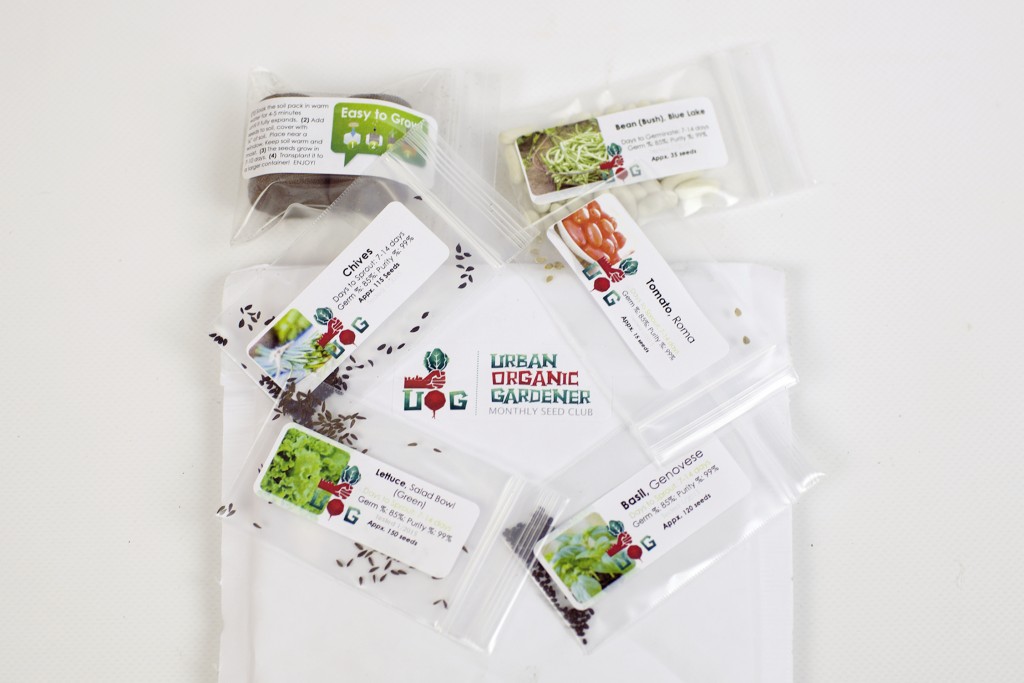
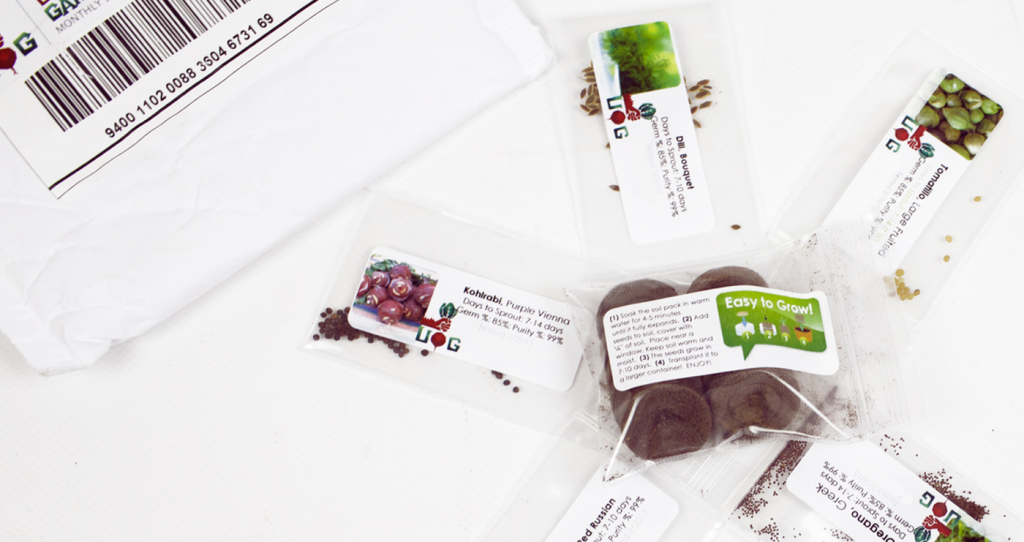
Here at UOG we believe that growing your own organic food can be one of the most rewarding things you can do for your mind, body, and soul. Become a member of the UOG Monthly Seed Club and receive a handpicked collection of seeds and garden goodies specifically catered to your exact growing requirements.
Whether you’re growing in containers on your patio or using hydroponics in your backyard we’ve got seeds for you.
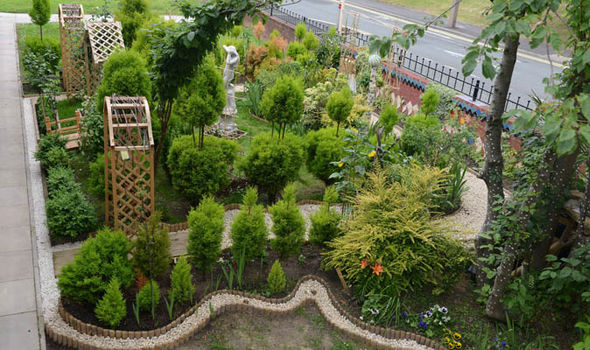
A RETIRED teacher who spent £5,000 of his life savings creating an urban garden paradise on wasteland has been ordered to destroy it.
Jam Imani Rad put his life savings into creating the garden
Jam Imani Rad, 65, installed statues, trellises and stone structures and dozens of plants to create the green outdoor haven outside his housing association flat for he and neighbours to enjoy.
But the Community Gateway Association in Preston, Lancashire, says he must return the land to its original derelict state after complaints from other residents.
The association says it agreed that work on the garden which Mr Rad had already done by 2012 could stay.
But it alleges that since the start of this year he has added the statues and other structures without permission and claims he has tried to restrict access to parts of the garden by other tenants.



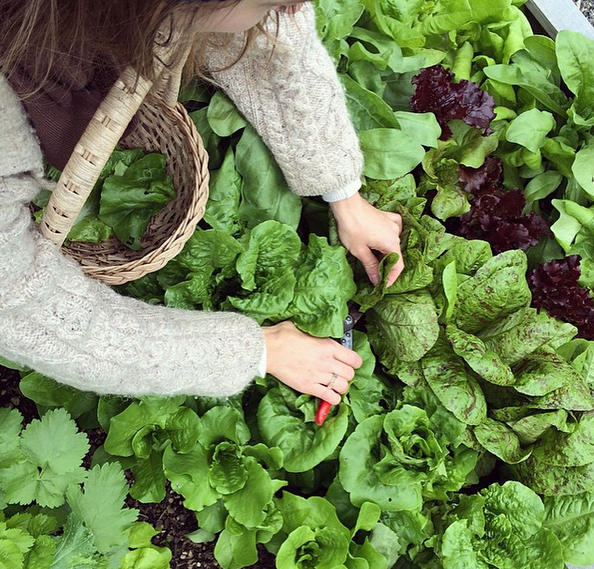 Did you start when you began your transition to live this lifestyle?
 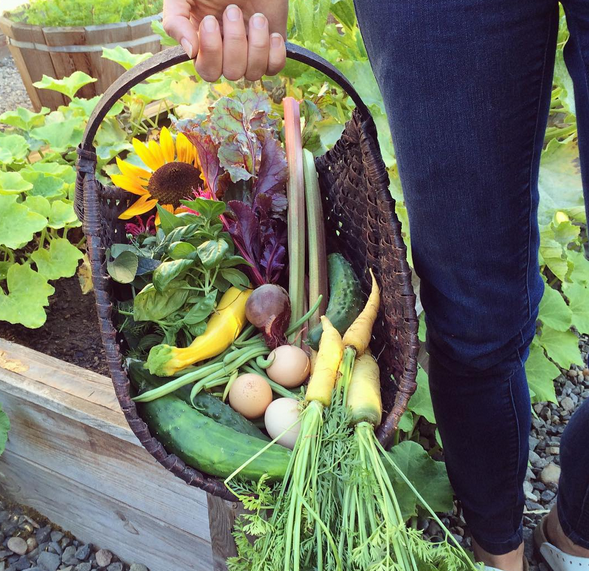 Have you ever made mistakes or failed doing something? How did you overcome any obstacles?
 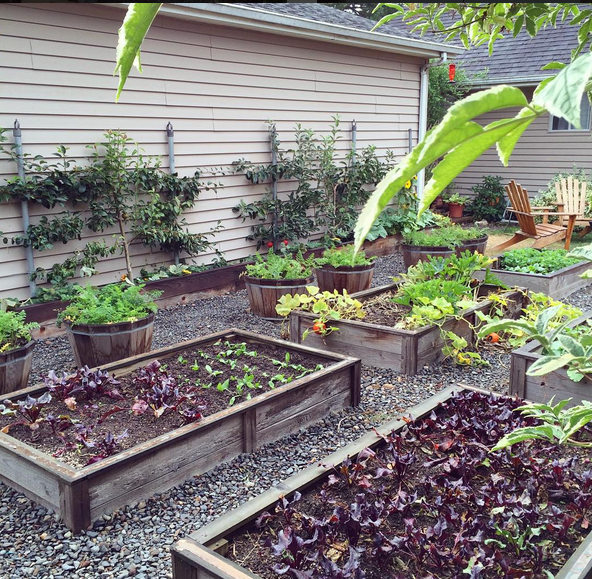 Have you ever dealt with a person who disregards your lifestyle?
 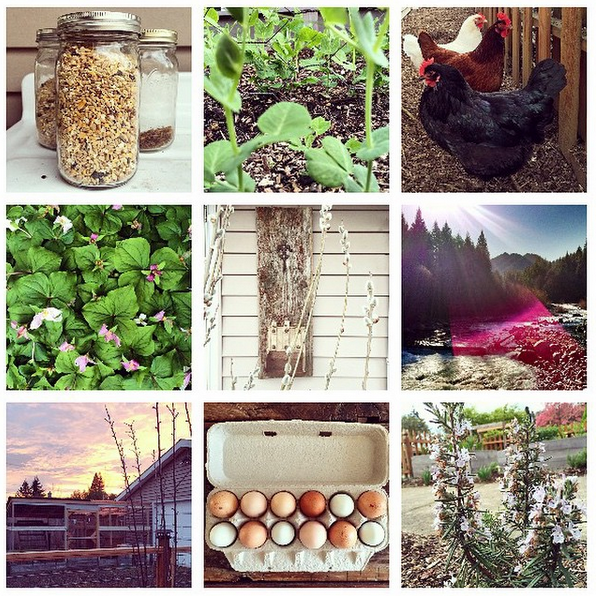 What tips and tricks would you like to share with other people?
  What are some of the other things you would like to have other people understand about living a healthier and self-sufficient lifestyle?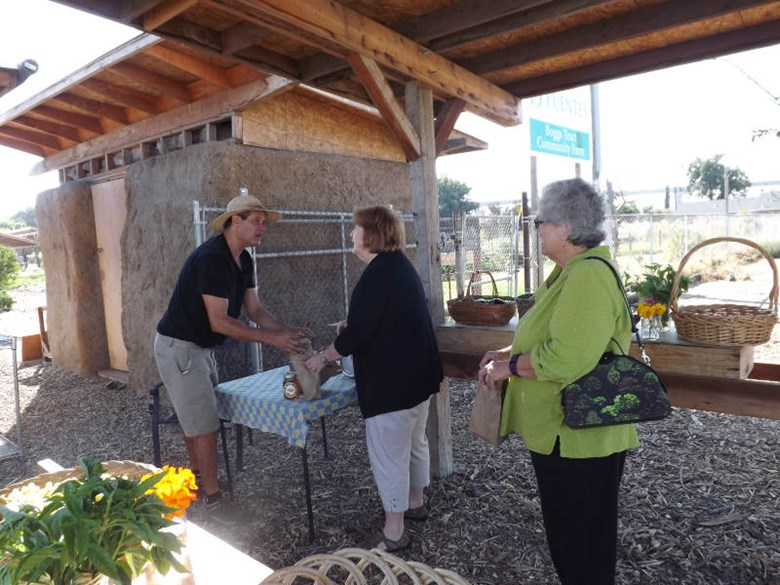
 This post is originally from munchies.vice.com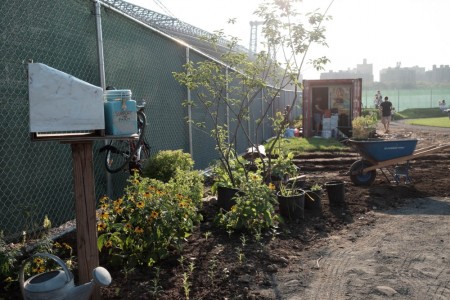
 How would you quickly describe yourself to others?
 Have you ever made mistakes or failed doing something? How did you overcome any obstacles?
 What are your favorite plants to grow in the garden?
 Is there anything else you would like readers to know about you?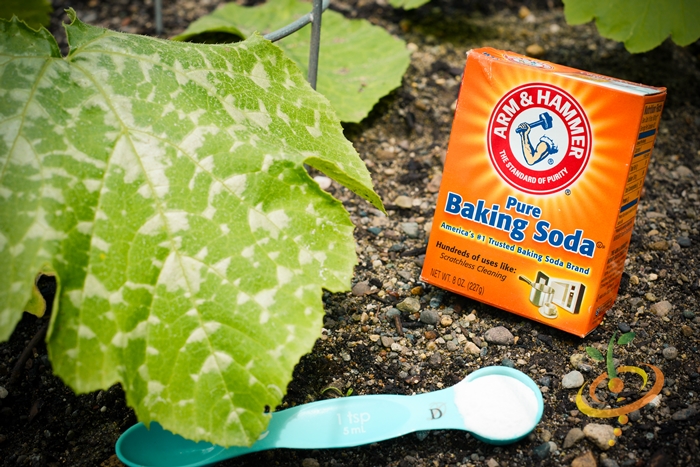





 What’s your favorite variety of crop to grow and why?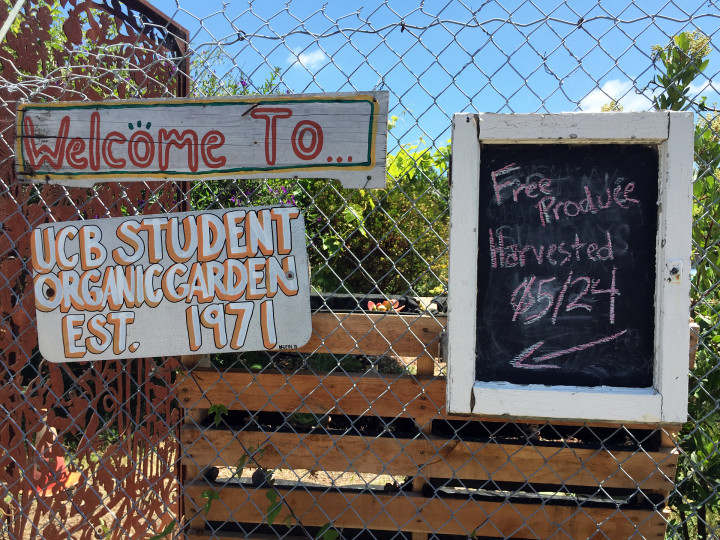
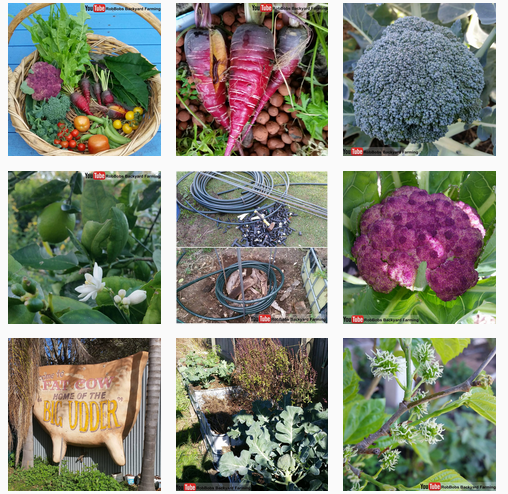 visit “Bits Out The Back” on Instagram!
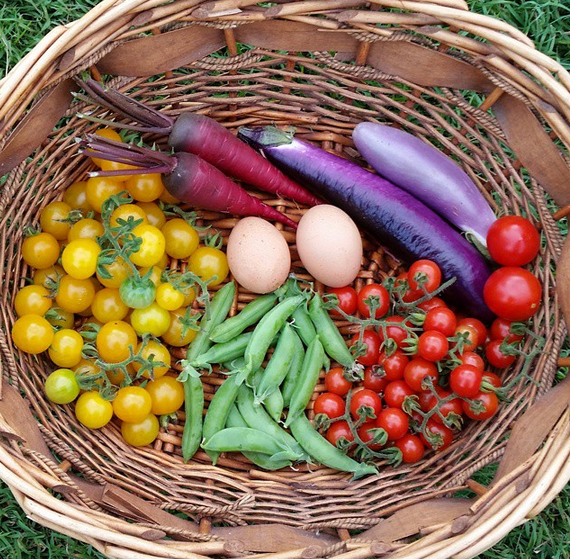 A regular “picking” from Rob’s Urban Garden