How Safe is it, Really, to Eat Food Grown in an Urban Garden?

urbangarden

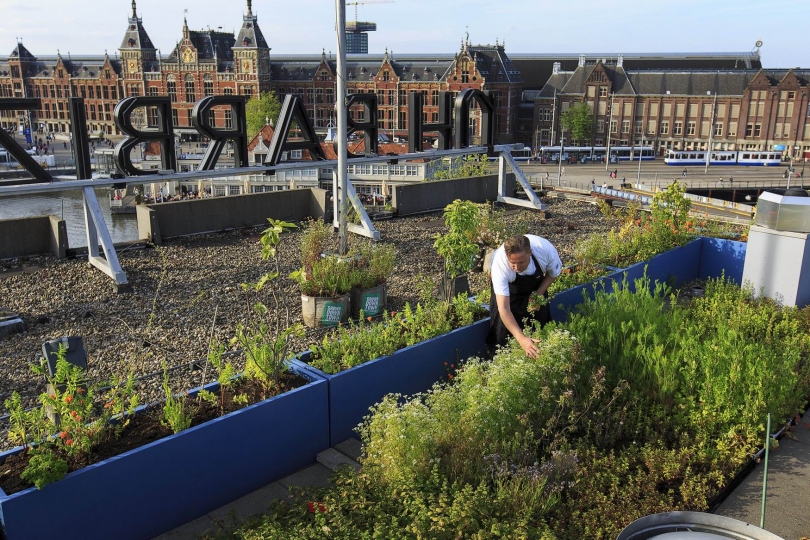
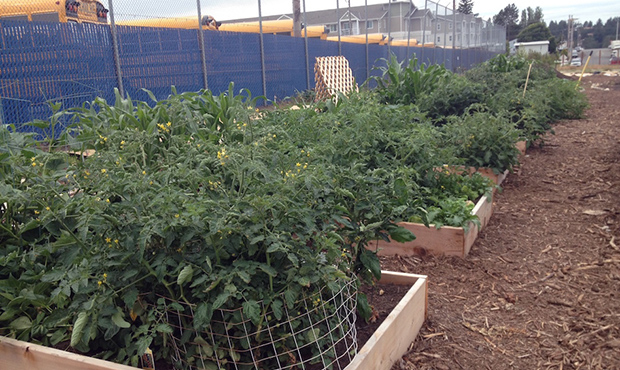
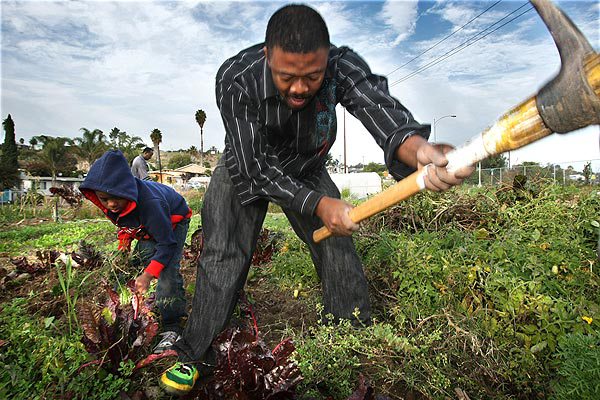
When trying to figure out if it’s safe or not to grow your own food in urban soil, it’s important to first determine what real possible dangers there are. Is the risk is high enough to cause harm?

“Urban farming does present some difficulties not seen in more rural environments; the greater concentrations of people and pollution can have an adverse effect on soil. The most common contaminants in soil are lead, other heavy metals like arsenic and copper, and a group of baddies known as polycyclic aromatic hydrocarbons, or PAHs. These come from a wide variety of places, including paint, fuel emissions, treatments on wood, coal ash, sewage, and pesticides.”

Read the rest of the article, at: “ModernFarmer.com

Staten Island is Now Home to It’s FIRST Resident Urban Farmer

013116_ZaroBates1

New York City has been the home of major supermarkets, farmers markets and even the stock market but some residents are longing to turn unused or empty space within city limits to produce more local produce.  Staten Island now even houses it’s first “LIVE-IN Urban Farmer”.

“Zaro Bates has been hired as the resident farmer at Urby, a 900-unit, $150 million development in Staten Island’s Stapleton neighborhood. She’s described by the Post as “a Brooklyn woman with extensive urban farming experience, [who] will get a salary of around $40,000 and a free apartment.” Bates will be in charge of growing herbs, greens, cucumbers, eggplants, peppers, and heirloom tomatoes on a small farm at the Urby site, and will also tend to rooftop beehives and a composting operation.”

Read more about Bates and all she plans on accomplishing over at: “Gothamist.com


1 Container, 10 Crops. How To Grow Food in a Container Year-Round.

Cherry-Tomatoes_3230404b

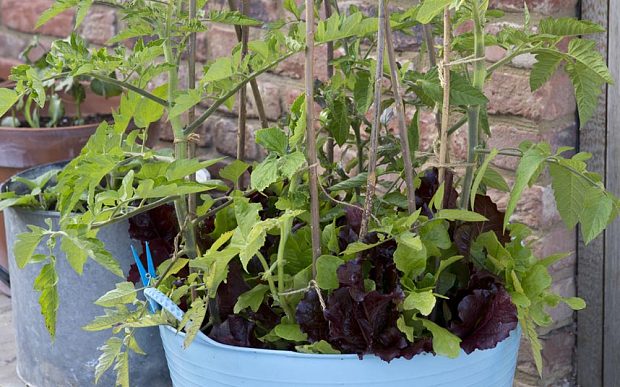
Even if you’re short on space, or gardening in urban areas, you can still grow some of your own food and enjoy a year-round garden.  Container gardening can be very productive as long as you maximize your containers potential.  As long as you have one large pot, (we suggest 18″ or larger in diameter) you can grow “10 different crops in a single year if you combine compatible plants and plan the growing year carefully.” -source “Telegraph.uk.co

To Get Started, You will need:

• 1 large pot – a rubber tub bin is ideal or any plastic pot at least 45cm diameter

• Household drill and drill bit if no drainage holes

• Multipurpose, organic, peat-free compost

• A wigwam support made from bamboo canes or any strong flexible sticks such as willow

Click here to read the rest of the article on how to grow 10 different crops in one container! 

How to Use Milk Jugs as Mini Greenhouses

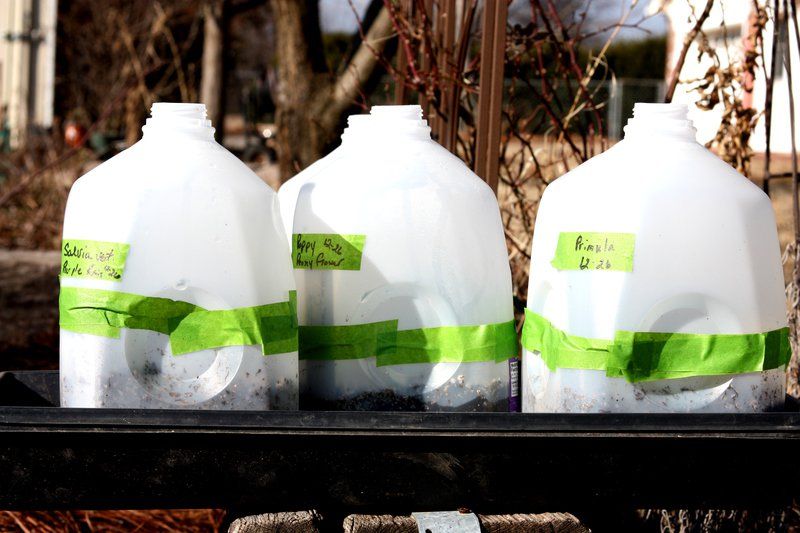
56bbddad17186.imageIf you want to get a jump start on your gardening outside, but temperatures are still quite cool, you can use milk jugs to create mini-greenhouses.

“Three cold-treatment methods that work include: 1) Plant in recycled containers that are monitored outside; 2) Pre-chill the seeds in the refrigerator; and, 3) directly sow the seeds on prepared beds that are either open to the elements or mulched.”

Steps for making a milk-jug greenhouse:

  • To make a min-greenhouse garden, collect clear plastic bottles from milk, juice, etc. Poke drainage holes in the bottom with scissors or something like a heated ice pick. Cut containers horizontally at least 4-inches from the bottom and discard the bottle caps.
  • Gather your seeds and write the plant’s name and date planted on the container with a permanent marker. Also put a marked tag, such as a Popsicle stick inside each container.
  • When planting begins in the spring it will reduce the confusion if your labels include a hint about where they go in the garden (sun or shade, wet or good drainage, etc.).
  • Fill the bottom of each mini-greenhouse with loose soil such as commercial potting soil. Many people mix their own out of garden dirt, sand, compost and perlite.
  • Wet the soil and let it drain. Tiny seeds that need light to germinate are pressed into the top of the soil and seeds that need dark to germinate are pressed into the soil.
  • Secure the top of the greenhouses with tape. It does not have to be a perfect seal but you want it to hang together through rain, freeze, warm days and wind.
  • Put the containers in a sunny spot where rain and snow can enter through the top. During periods of no rainfall, bottom water the greenhouses by putting them into a plastic and pouring water – not freezing cold water – into the pan. When the soil has absorbed enough water to be moist not wet, drain the saucers.

To read the entire article, visit: “TheMuskogeePhoenix.com” 


Urban Farming Takes on More Important Role Worldwide

30278361-01_bigAround the world, urban farming is becoming an important part of the city landscape.  The new reality in which we live in, is that more than half of the worlds population is now urbanized.  That number is expected to rise to nearly 70% by the middle of this century. 

Read the entire article at: “NationMultimedia.com

Willie Anderson, 82, Takes Container Gardening to Another Level

Mr. Willie Anderson, an 82 year old Mississippi man, has been container gardening for over 8 years. He originally started out with 100 buckets, but now his garden boasts over 1000!  He grows fruits, vegetables and herbs and even has a sprinkler set-up to water his “bucket garden”.  The garden is totally organic. “I use grass clippings, soybean stalks, cotton hulls — that’s the waste that comes out when they gin the cotton,” Willie said.

To read the entire article, visit: “CommercialAppeal.com

In Big Cities, a Bigger Focus on Rooftop Farms

Birdseye_cropped

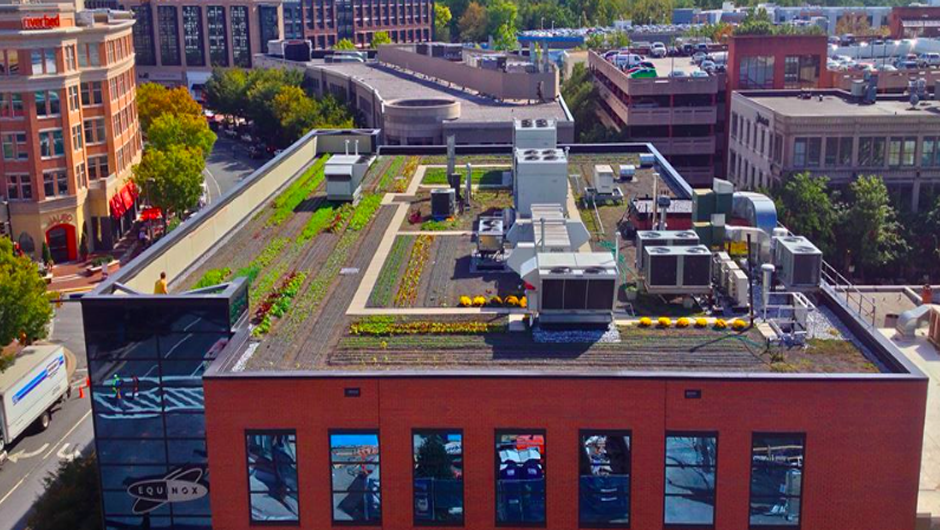
More than 50% of US land, is being used for agricultural purposes, but still land is a limited resource. Here’s two new innovative companies that are taking US farms to the rooftops.

“The founders of the New York, NY-based Gotham Greens – Viraj Puri, Eric Haley, and Jenn Nelkin Frymark – had a vision for a local, ecologically-driven, urban farm operation that could offer city dwellers the freshest and highest quality culinary ingredients, year-round, at competitive prices.”

“Founders of the Washington, DC-based Up Top Acres – Kristof Grina, Kathleen O’Keefe, and Jeffrey Prost-Greene – having grown up together, found a similar passion for creating a space in the city that benefited residents environmentally, socially and economically. Kristof was working on a small farm in Maryland, Kathleen was working in urban planning and Jeff was working on a start up. The idea of rooftop farming sprouted.”

Read more of the original article at: “Tech.Co


How to Make Even The Smallest of City Balconies Look Fabulous

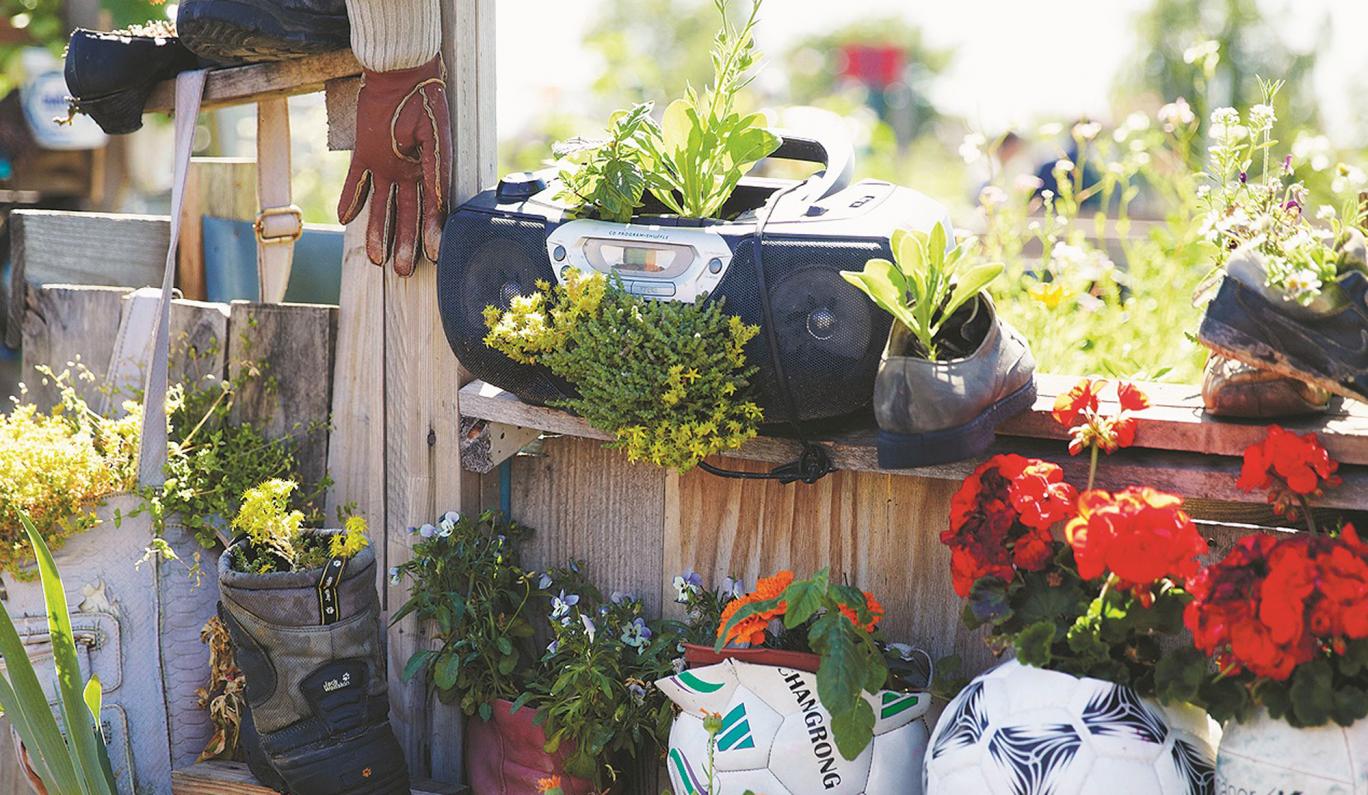
2000-outdoors3-My-Tiny-Garden-Pavilion-BooksMany urban dwellers have found that even in the smallest of spaces, you can create beauty through urban gardening.  All you need is some creativity!

“Inventive urban gardeners don’t dwell on what they don’t have, but use what they do have. ”

Check out the full article here to find out how you can transform any piece of concrete, wall, rooftop or piece of soil into your own little garden oasis…even in the city.

Source: “HomesAndProperty.co.uk

Could The Future Of Urban Farming Be Found Inside Of An Old Shipping Container?

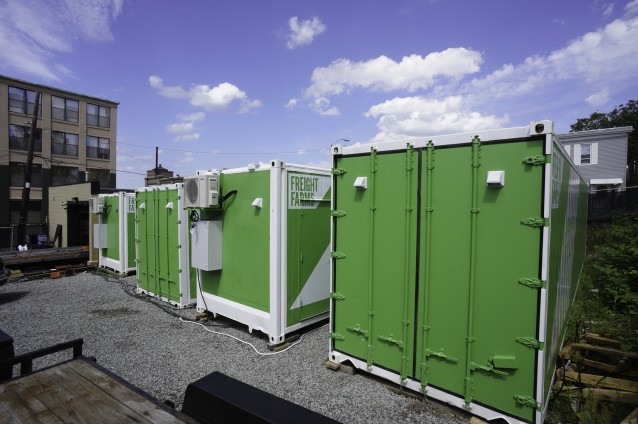
Freight-Farms-Corner-Stalk-638x424“All Freight Farms units are built in repurposed 40-foot insulated shipping containers. Everything from water to the LED lights in the units are digitally controlled, and each unit is also a Wifi hotspot, connected to the network of Freight Farm units across the country.

Today more than 50 farmers are growing produce in refrigerated shipping containers known as “Leafy Green Machines”.  The are functioning mini farms that boast vertical hydroponics and LED lighting systems. The machines “are 320 square-foot self-contained farming units that can grow as much produce as two acres of farmland using less water per day than the average American needs for a single shower.”

To read to full article, visit: “ThinkProgress.org

Risk of Lead Poisoning From Urban Gardening is Low, New Study Finds

photo21

People living in urban areas are sometimes frightened about lead being in their soil.  In a new study, they found that by using compost you can help keep yourself and your family safe from toxic lead poisoning.   “Good compost will also guarantee that you will have plenty of vegetables to harvest.”

The University of Washington led a study that looked at potential risks that commonly are associated with urban gardening.  The conclusion was, that the benefits of consuming locally produced vegetables, outweighed any risks from gardening in “contaminated” soils.

“We’ve shown that lead is harmful by eating the dirt, not from eating the lettuce grown in the dirt.”“People are terrified of soils in urban areas. They always think it’s a mystery brew of toxins in the soil, but in vast majority of cases, the contamination is lead,” said lead author Sally Brown, a UW research associate professor of environmental and forest sciences.

Go here to read the rest of the article at: “WashingtonEdu

Homestead Hospital’s “Grow2Heal” Community Garden is Teaching People About the Power Of Plants

homestead-hospital-garden-2

People are becoming more aware about the benefits of plant-based diets, especially when it comes to the field of preventative medicine.  Hospitals all over the world are starting to pay more attention to the food they serve.  Instead of jello-cups, more hospitals are starting to use fruits and vegetables as healing tools.

“Baptist Health South Florida’s Homestead Hospital (975 Baptist Way, Homestead), for one, is stepping up its nutrition game with the Grow2Heal community garden. ”

“In efforts to address our community’s socioeconomic issues, we dedicated 10 acres of vacant land adjacent to the hospital to develop an organic garden as a bold, innovative attempt to offer our community preventative health through fresh, nutritious foods,” says Thi Squire, the garden’s project manager. “We feel that our garden shows that there is no greater loving action than to feed and nourish our community.”

Read the entire article, here: “MiamiNewTimes.com

Japanese Firm to Open World’s First Robot-Run Farm

3258

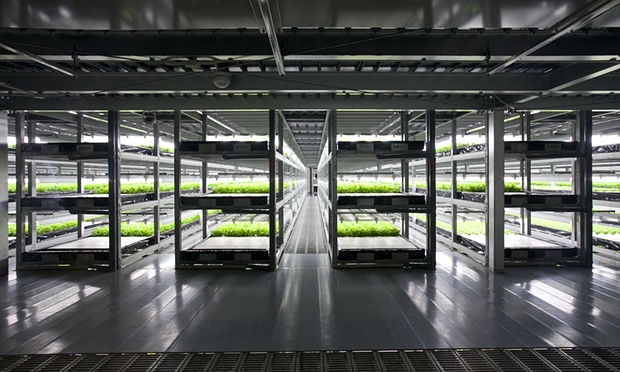
One Japanese company is about to open up a “robot farm”, the first of it’s kind in the entire world.   The plan is that the robots will carry out all but just one task needed to grow tens of thousands of plants each and every day.  Starting in mid 2017, robots will do everything from watering, thinning, and harvesting lettuce.  The farm should produce nearly 21,000 – 50,000 lettuces a day!

“The seeds will still be planted by humans, but every other step, from the transplanting of young seedlings to larger spaces as they grow to harvesting the lettuces, will be done automatically,” said JJ Price, Spread’s global marketing manager.”

To read the rest of the article, visit: “TheGuardian.com

Join the Urban Organic Gardener Monthly Seed Club

UOG

Join the club that delivers you garden seeds at just the right time of the year to plant them – hand selected based on your garden specs.  Every month you’ll receive a collection of heritage garden seeds and everything you’ll need to get growing. Buy a subscription for yourself or give one as a gift!

Sign up here: https://urbanorganicgardener.cratejoy.com/

How are the seeds selected?

Seeds are specially selected based on your zip code and the answers you provide to the questions being asked.  All your answers will help us figure out which seeds will grow best for you.

Are all your seeds organic or non-gmo?

All the seeds we send you will always and forever be 100% NON-Genetically Modified.  In fact, all the seeds you receive by joining the club will be 100% Pure, Raw & Un-Treated Heirloom/Non-Hybridized varieties. These are the only seeds that you can safely save after each harvest and preserve for many generations to follow.

How does pricing work?

It’s simple: $10/month + s/h

Ready to start receiving monthly shipments of seeds, customized for your exact grow zone? START HERE!

Bus Converted into Mobile Food Market Brings Fresh Produce To Low-Income Neighbourhoods

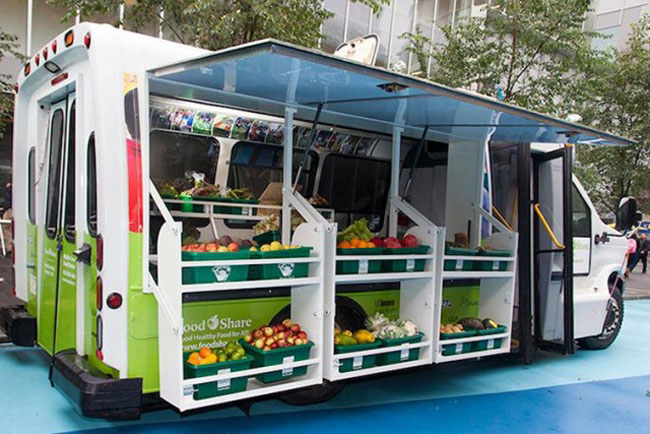
1Much of the population that lives in urban areas isn’t able to maintain a diet that consists of a lot of fresh vegetables, herbs or fruit.  Money seems to play the number one factor for this, because fresh vegetables and fruits can be expensive in these areas.  The Mobile Good Food Market is changing this, by bringing more fresh produce into these areas without the consumer needing to travel.

“Thanks to a collaboration between FoodShare Toronto ,the City of Toronto, and United Way Toronto, an old bus was converted into what is a mobile food market. Everything from broccoli and lettuce, to apples and onions or other fruits and vegetables are available when the bus comes to town, twice per week. The price isn’t that much lower, because they have to take care of the costs involved by the bus, but all in all, the idea behind such a conversion is easy to praise and be impressed by.”

You can find more details in a video here: “OffGridQuest.com

Farming Instead of Recess: More Schools Launch Garden Programs to Plant Seeds of Learning

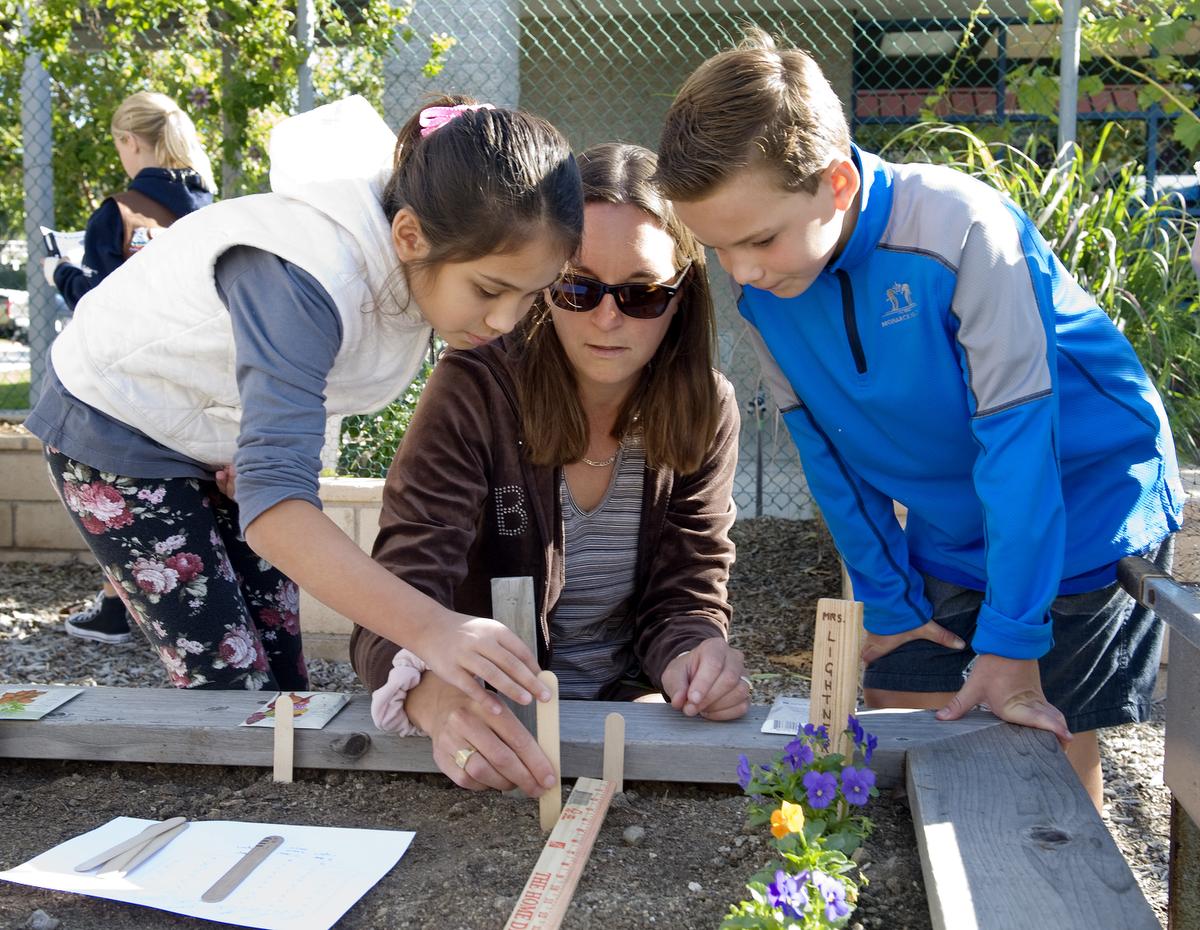
Adult Volunteer Celine Belotti (center) assists Ava Foote in and Lucas Aga in planting vegetables at the Ecology Center at Malcolm Elementary School in Laguna Niguel. //////// Additional Information  ocfamily.garden 11/12/15 Photo by Nick Koon / Staff Photographer.  The Ecology Center at Malcolm Elementary school trains teachers and volunteers on gardening so they can then teach students on how to start and maintain a garden.
Adult Volunteer Celine Belotti (center) assists Ava Foote in and Lucas Aga in planting vegetables at the Ecology Center at Malcolm Elementary School in Laguna Niguel.
Additional Information ocfamily.garden 11/12/15 Photo by Nick Koon / Staff Photographer. The Ecology Center at Malcolm Elementary school trains teachers and volunteers on gardening so they can then teach students on how to start and maintain a garden.

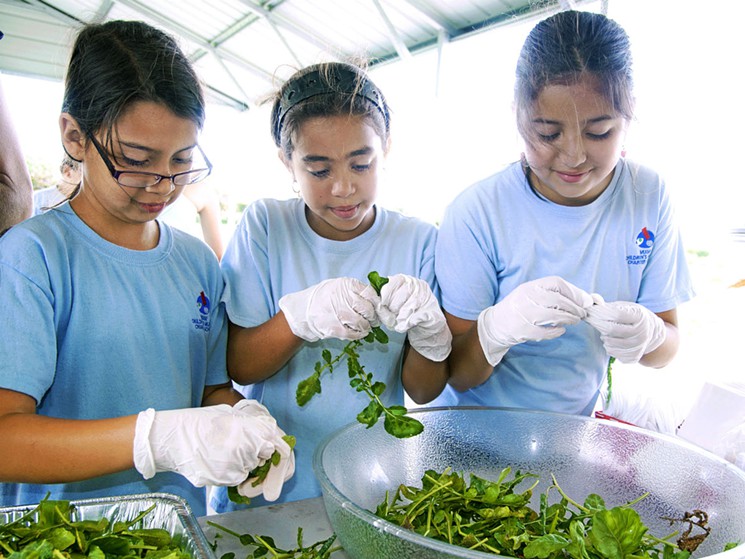
Several days a week, at Malcom Elementary School, kids anxiously wait to skip their recess during lunch hour. Instead of playing on the playground, children line up outside of the school’s garden.  The children work on starting vegetables and herbs from seed, and learn techniques for transplanting and thinning seedlings.  They also participate in activities like scavenger hunts that are centered around botany.

“Since 2012, the Grow Your Own! program has expanded to serve 30 area schools, and now receives more applications than it can accept. The Ecology Center consults with schools about garden design and provides guidance about what to plant. The organization also offers curriculum development and ongoing training for teachers and garden volunteers.”

Read the rest of the article at: “OCregister.com


17 Hacks for Your Vegetable Garden

Forks-in-Garden

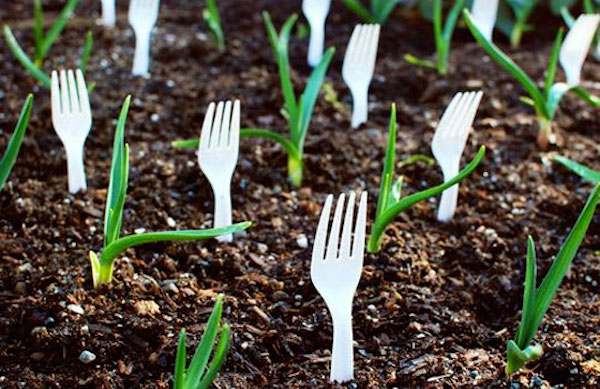
Everyone loves simple and genius ways to save time in the garden. Over at OneLittleProject, they’ve outlined 17 Clever Vegetable Gardening Hacks that will save you time, money and headache in the garden.

To get you excited, here’s just a handful of those tips!

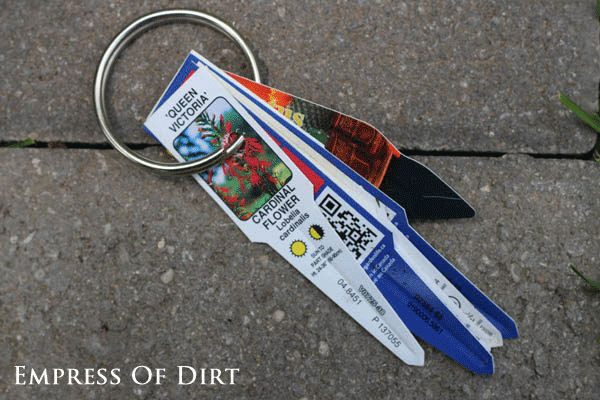
12PLantLabelKeyringKeep Those Instructions Handy

You know those plant tags you throw into the shed because you know you should save them, but you aren’t exactly sure what to do with them?   Put them on a key ring to keep them organized!”

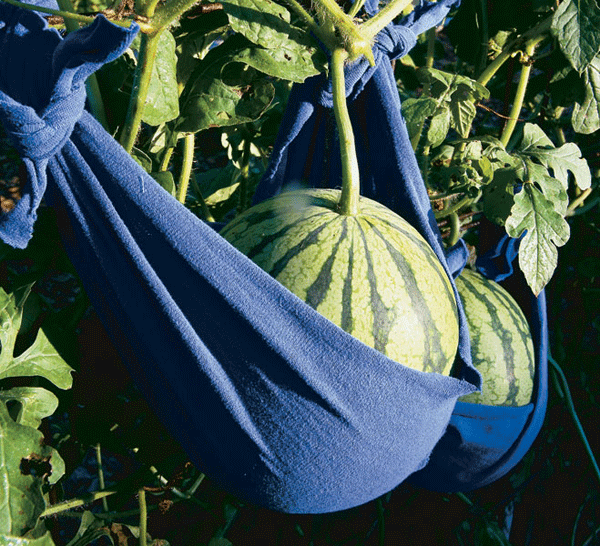
13WatermelonSlingPut Those Melons in a Sling

“The bigger and heavier melons get as they grow, the more likely they are to break from the vine before they are ripe. Give them a bit of support by making a sling out of an old t-shirt to reduce the strain on the vine.”

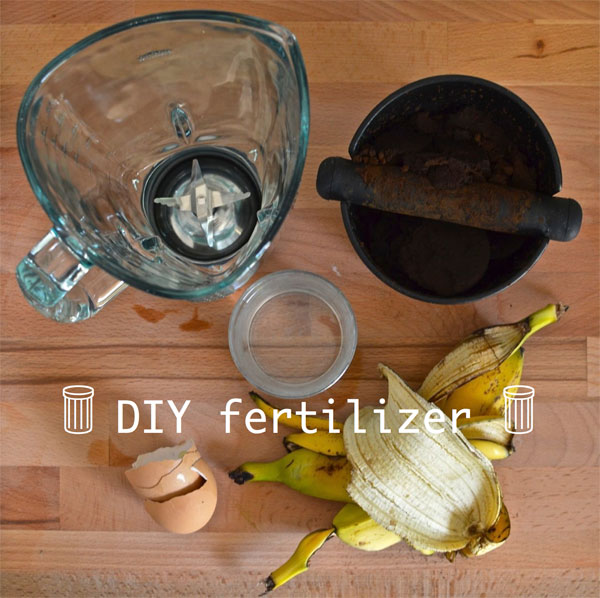
DIY-FertilizerMake your Own Fertilizer with Kitchen Scraps

Let’s face it, composting isn’t for everyone. But, guess what?  You can still make your own compost in small quantities from kitchen scraps.   Get the step-by-step directions here.

Read the other 14 amazing gardening hacks, here at: “OneLittleProject.com

Urban Farming in Long Forgotten Tunnels Below London

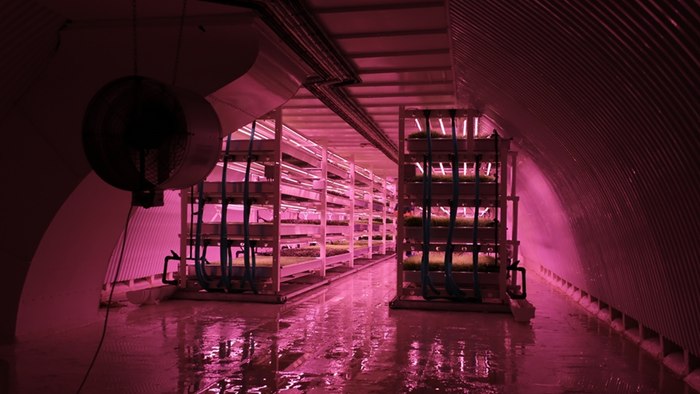
uogIn the tunnels below London, you’ll find an abandoned bomb shelter that was once able to accommodate around 8,000 people.  These days, it provides a controllable environment ideal for growing crops underground. Their aim is to provide produce with zero effects on the environment.  The site is located just two miles from city center and promises “farm to fork in less than four hours”.

“The location allows for all year round urban farming, as it’s unaffected by weather and seasonal changes. It is a pesticide-free environment and the hydroponics system employed is said to use 70 percent less water than traditional open-field farming. Likewise, the lighting and irrigation systems mean the crops can be grown with very little energy. What energy is used is sourced only from green suppliers.”

Read more of the original article at “gizmag.com

City Mulls Urban Garden Plan For Vacant Lots in San Diego

51642751

San Diego is moving in the right direction! Newly proposed was an incentive for owners of vacant or unsightly properties if they would set aside the land for gardening.

“Under the Urban Agriculture Incentive Zone program, property owners would be allowed to enter into contracts at least five years long with the city and county of San Diego to allow their vacant, unimproved or blighted land to be used for agricultural uses, like community gardens.”

Some of the requirements would be that each property size would need to be at least 1/10 of an acre and no more than three acres.  No zoning changes would need to be made.

“A landowner would benefit in return when a piece of property is assessed using the per-acre value of irrigated cropland in California.

The county of San Diego is developing its own ordinance since the county assesses properties. The incentive program was authorized by the state Legislature in January 2014.”

The original article can be found at: “Fox5SanDiego.com

Farms in The Sky: Fewer Food Miles, Less Waste, More Jobs

chrome_2016-01-19_15-27-39

Urban farming on city rooftops is gaining popularity, and for many reasons. Everyone wants to consume food that is produced closer to home.

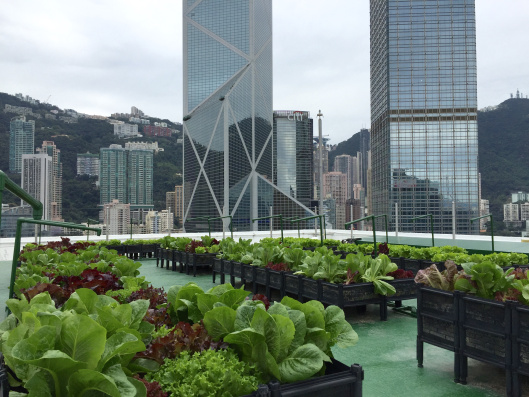
Space limitations in a city such as Hong Kong make rooftop farming an attractive option for growers. Farming on the rooftop has numerous social, economic and environmental benefits. A HKU paper examining green roofs concluded that:

“Apart from enhancing the city landscape and environment, mitigating the urban heat island effect and improving air quality, green roofs can improve the micro-climate and increase the life span of waterproof and insulation facilities on the roof. Consequently, roof greening with a sufficiently large scale is conducive to energy conservation and life cycle cost saving for the urban city.

gogreen1

Green roofs can help reduce three of the four top problems facing society in the next 50 years: energy, water, and environment. In this way, the green roof technology has a potential to improve the quality of population health and welfare in urban areas with dramatically reduced vegetation.”

Read the entire article at: “HongKongfp.com

9 of The Best Vegetables To Grow In Small Gardens

Gardening in small space can be just as rewarding and fun as growing in a large garden area.  These days, urban gardeners are growing more of their own food in sometimes less than 100 square feet.  Balconies, patios, even indoor windowsills are a great place to grow vegetables and herbs.  Almost anything can be grown in a container, and if you’re wanting to know what you should plant to maximize your yield in a small area, here are 9 of the best vegetables/herbs to grow in a small garden.

1. Shallots:

Space shallots approx. 4-6 inches apart with the rows 18 inches apart. Plant the bulb root side down, the top of the bulb 1 inch below the surface. Planting too deep grows elongated bulbs that don’t store well.

2. Carrots:

Sow seeds evenly in a very shallow trench, about 1/4 inch deep. Keep seeds moist so they will germinate. Space rows about 12″ apart and when the first leaves emerge, thin to 1″ apart; when true leaves emerge, thin to 3″ apart.

3. Cherry Tomatoes:

To start tomatoes indoors, sow seeds using expanding seed starting soil pods about 8 weeks before the last frost date for your area. Seedlings will be spindly with less than 12-14 hours of light per day, try to keep them in a warm sunny location. When seedlings have 4 leaves, transfer to a deeper pot (3-4″) and again when 8-10 inches tall. Each time, place the uppermost leaves just above the soil line and remove all lower leaves. Transplant into the garden when the stem above the soil has reached 8-10 inches tall. Be sure to harden them off before transplanting them outdoors. Allow up to 10 days for the tomato plants to harden off to the outside temperature fluctuations.

4. Runner Beans:

Set three 6 foot poles in the ground, tepee fashion, and tie together at the top. Leave 3 to 4 feet between the pole groups. Make a hill at the base of each pole, enriched with compost or well-rotted manure, and plant 6-8 seeds in each. After the second pair of true leaves appear, thin to 3 plants per pole. With regular harvesting, the pole beans should bear all summer.

5. Garlic:

Break apart cloves from bulb but keep the papery husk on each individual clove.
Ensure soil is well-drained with plenty of organic matter. Plant in Full Sun.
Plant 4 inches apart & 2 inches deep, in their upright position (the wide end down and pointed end facing up). Come springtime, shoots will begin to emerge.

6. Kale:

Plant Kale in rows 18 inches to 2 feet apart. When the seedlings are 3 or more inches high, thin plants to 10 inches apart and use the thinnings for salads or as a cooked vegetable.

7. Basil:

Try to space your basil plants about 12 inches apart. As long as you harvest the leaves when they are young, basil plants make a wonderful container crop.

8. Lettuce:

Seed should be sown thinly in rows 1 foot apart; for leaf types, thin plants to 2-3 inches apart, then thin again by pulling every other plant when half grown. This will encourage thickly developed plants. For head, Bibb, and cos types, space rows 18 inches apart, plants 8-10 inches apart. Closer spacing results in smaller heads, which may be preferable for small families.

9. Beets:

Sow seed 1/2 inch deep in rows 12-18 inches apart. The beet seed is a compact ball of many tiny seeds. Many plants germinate where each seed is sown, so seed should be placed sparingly. When seedlings are 4-6 inches high, thin plants to stand 1 1/2 inches apart. (They can be used in salad or cooked as spinach.) Then, as these beets grow to about an inch in diameter, pull every other one to allow larger beets to grow.

Original post can be found at: “SeedsNow.com