Pennsylvania provides $96,000 for urban farming in Allegheny County

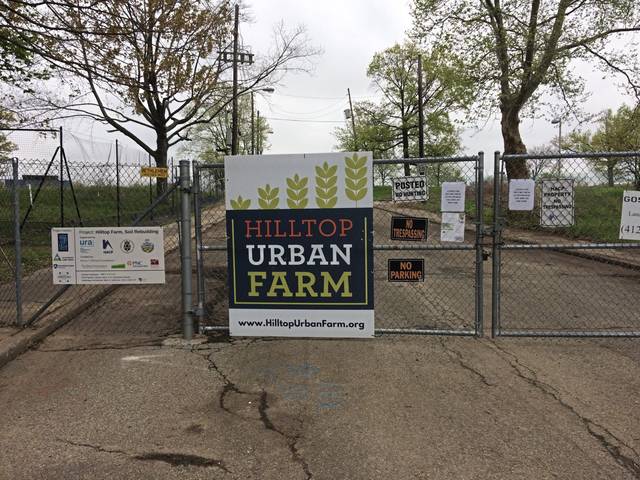
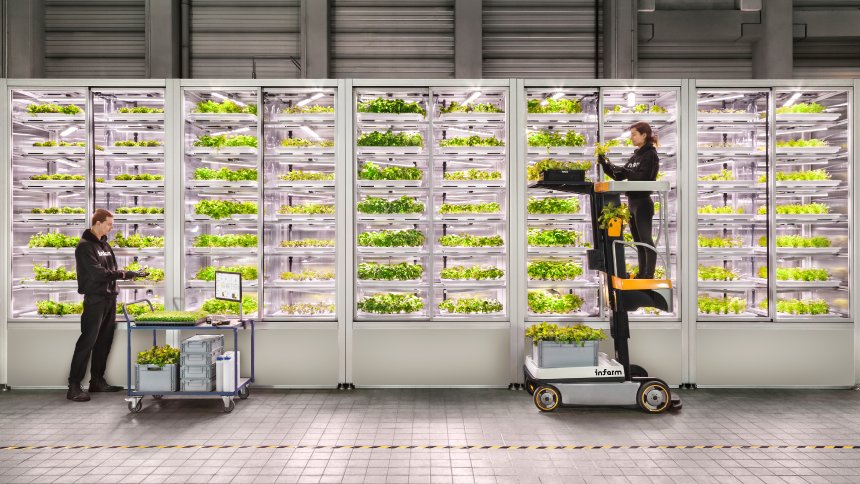
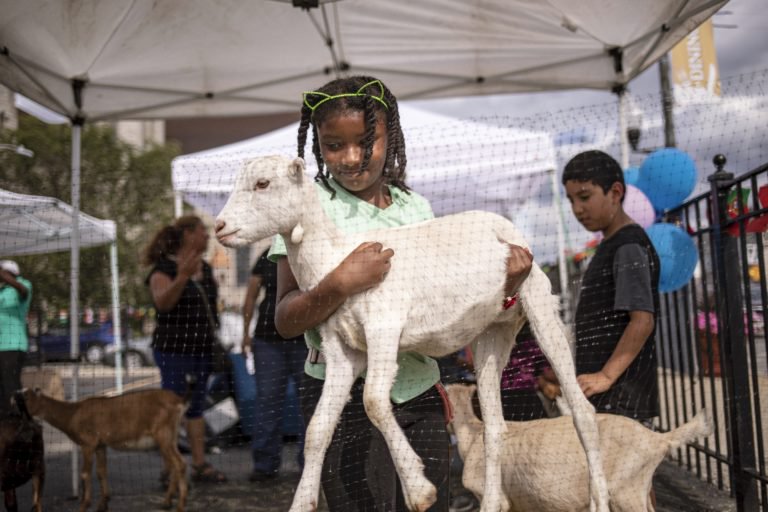
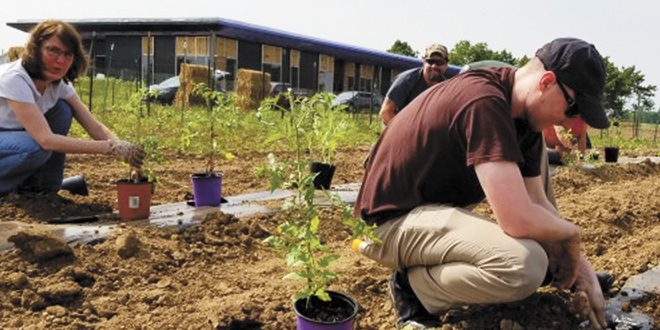
Grow Pittsburgh, which promotes regional urban agricultural initiatives, plans to expand through a $50,000 state grant that will help pay for a new greenhouse.

Jake Seltman, executive director of the Homewood-based organization, said Grow Pittsburgh would continue to partner with The Frick Pittsburgh for use of its greenhouse. He said a second greenhouse would provide more plant seedlings to urban and backyard gardeners and schools.

Grow Pittsburgh supports more than 100 community gardens and 30 school gardens.

“This is really going to help expand our operations across the region,” Seltman said. “We’re just really happy and thankful.”

READ THE FULL STORY: https://triblive.com/local/pittsburgh-allegheny/pennsylvania-provides-96000-for-urban-farming-in-allegheny-county/

Urban Farming Takes Off in Germany

When Christian Echternacht gets invited to dinner, he likes to bring tilapia and basil rather than wine or flowers. His friends have grown used to it by now. They know that the fish and the plants have something in common: Both are harvested by Echternacht himself. They make great fish burgers topped with basil mayonnaise.

The ingredients prosper in the urban farm that Echternacht has run with his partner, Nicolas Leschke, for several years. It’s located in central Berlin, on the grounds of the Malzfabrik, a startup hub in the city’s Schöneberg district.

Tilapia at various stages of growth swim around in 13 different tanks, their skin varying shades of silver and pink. The fish don’t weigh much when they arrive at Echternacht’s ECF Farmsystems, as his company is called, but after a few months in his tanks, they plump up to half a kilogram (1.1 pounds) and are ready for harvesting.

READ THE FULL STORY https://www.spiegel.de/international/business/growth-of-urban-farming-in-germany-a-1284485.html


City Gardens Are Taking over Chicago Streets

On his way home, Darnell Eleby paused before boarding the commuter train in Atlanta’s Five Points station and maneuvered his wheelchair to a stop not seen on many mass transit platforms: a fresh food stand stocked with colorful fruits and vegetables from city gardens that are adding some color to the Chicago streets.

Aided by a volunteer, he filled a basket with bananas, apples, corn, and squash and paid with a health program voucher.

“It helps you out when you can’t get to the store,” Eleby said.

In Chicago, nonprofit groups have opened health clinics where staff provide patients with nutrition education and free coupons to area farmers’ markets replete with healthy foods.

READ THE FULL STORY https://usa.inquirer.net/40317/city-gardens-are-taking-over-chicago-streets

Veteran farming program offers heroes help

Bob Udeck gingerly uses his hands and feet to slowly steer his four-wheeled walker carefully through the dirt- and grass-covered field, adeptly maneuvering through the ruts, divets, mounds of dirt, rocks, and plants that line the path leading to the Heroes Garden.

The 74-year-old Vietnam veteran pulls up to a section of raised garden beds filled with rows of radish and pepper plants and smiles as he admires his handy work. Many of the plants have already begun bearing fruit, some of which were ripe and ready for picking.

“I used to farm when I was younger,” Udeck said, as he wistfully looked out over the plot that houses the Veteran Farming Program. “It feels really good to get your hands dirty again — planting something, nurturing it, and watching it produce.

“Not only does this garden keep me active, it’s also therapeutic — it keeps your mind busy, gets you outside, gives you a goal, and something to focus on. That’s really helped with my post-traumatic stress disorder.”

READ THE FULL ARTICLE https://www.ocj.com/2019/09/veteran-farming-program-offers-heroes-help/

Urban-Farming Camps Have Kids Asking, Where’s the Healthy Food?

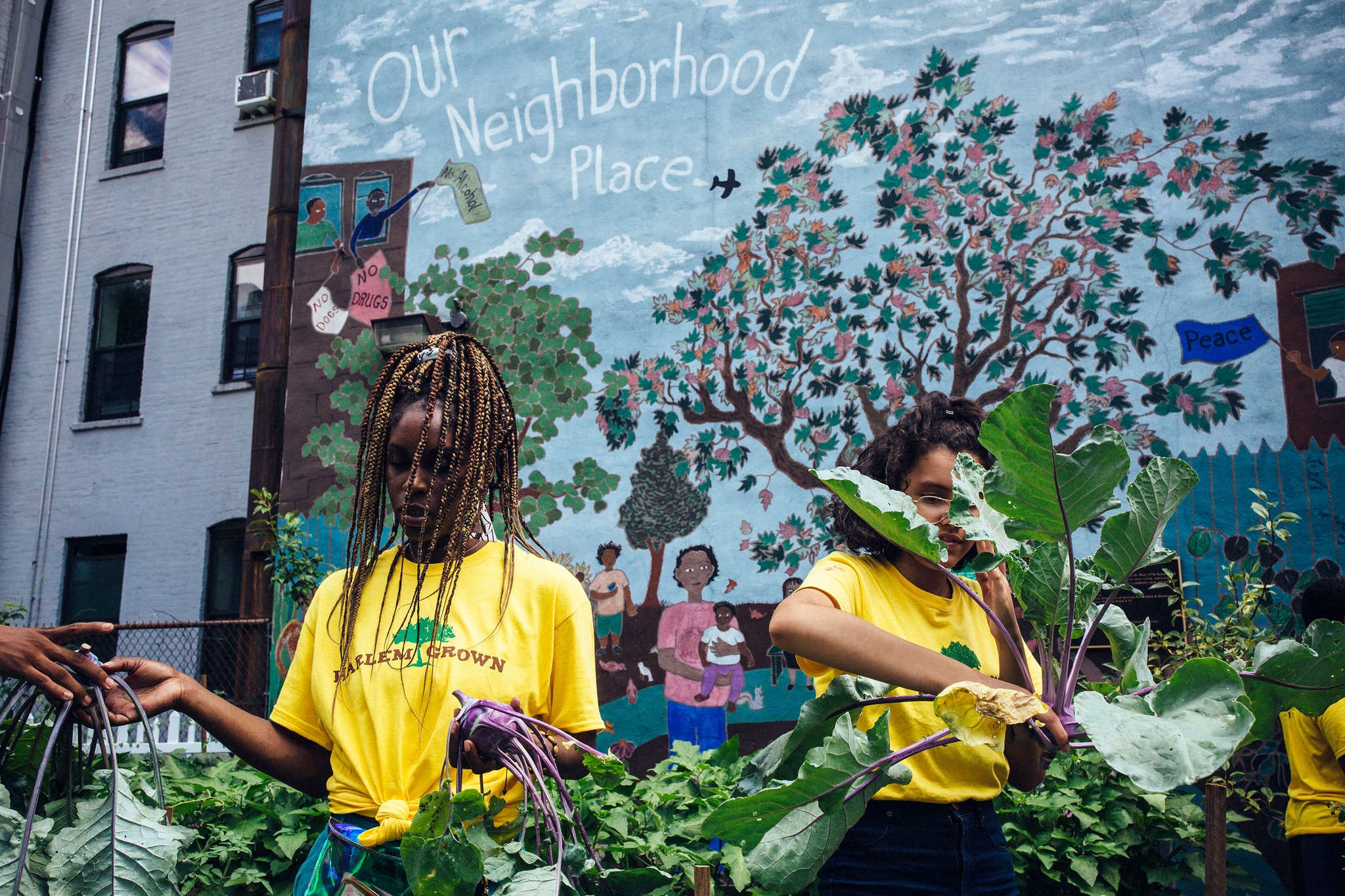
Standing between two buildings on 127th Street, a group of campers on the cusp of adolescence mulled over a change in schedule. Normally, they would spend the morning planting and gardening as part of Harlem Grown, a youth development nonprofit that uses gardening and cooking to teach and empower children in Harlem.

But on this Friday, they would become amateur cartographers, mapping their local food landscape.

The 15 campers walked through their neighborhood, paper and pencils in hand. How many delis? (By some counts, 17, by others, 14.) Supermarkets? (Three.) Fast-food restaurants? (Twenty-two, they estimated, but lost count.)

READ THE FULL STORY NYTimes.com

Habitat gardens support native ecosystems

Habitat gardens are purposeful, planned and planted areas that support our native flora and fauna ecosystems. These gardens follow a few steps that promote healthy life cycles for pollinators and create pockets or bridges that help connect the fragmentation of our natural areas.

In all geographic areas, plant, animal and insect species evolved together over millennia. They support each other and keep our natural world functioning and in balance. Introduction and spread of non-native plant and insect varieties have been systematically endangering our original, native plants and pollinators. Pesticides, urban sprawl, improper land and watershed practices further impact and destroy necessary areas for native plants and creatures to flourish. These factors contribute to what is known as habitat fragmentation in local ecosystems.

Everyone can make a habitat garden. Each garden promotes pockets and bridges that encourage plant and pollinator activities and sustainability. Habitat gardens can be as small as a well-planned container planting or as large as acres of purposefully planted meadow and everything in between. Some examples to get you thinking include a dedicated raised bed, curb planting, front or backyard bed that reduces lawn area, pollinator planting row between rows of a vegetable garden, native flowering shrubs for a hedge, or a section of bee lawn. Using native plants and a variety of pollen- and nectar-producing flowers are beneficial.

READ THE FULL ARTICLE: Ellwood City Ledger

At an urban farm in Baltimore, plans for activism, African American history and maybe even tiny houses!

Tucked between rows of brick homes in Northeast Baltimore, Atiya Wells discovered an extraordinary place.

The budding naturalist was driving around her neighborhood in February 2018 when she stumbled upon a vacant lot bursting with flora and fauna on Plainfield Avenue in Frankford. Wells spotted a red fox slinking through the unruly tangle of trees, grasses and bushes. She was enchanted.

Her search for the owner of the lot led to a partnership that has resulted in a community farm on the 2½-acre tract where Wells and a small team of volunteers grow sweet peppers, tomatoes, squash and more. But Wells has a loftier goal — to transform the property called BLISS Meadows into an educational center that, in part, will teach about the troubled and triumphant agricultural history of African Americans.

READ THE FULL ARTICLE: Baltimore Sun

At Passage Home, the road out of poverty may start on an urban garden path.

In the Bible, planting is a metaphor for faith, pruning is a response to disobedience and the harvest is a blessing to be shared.

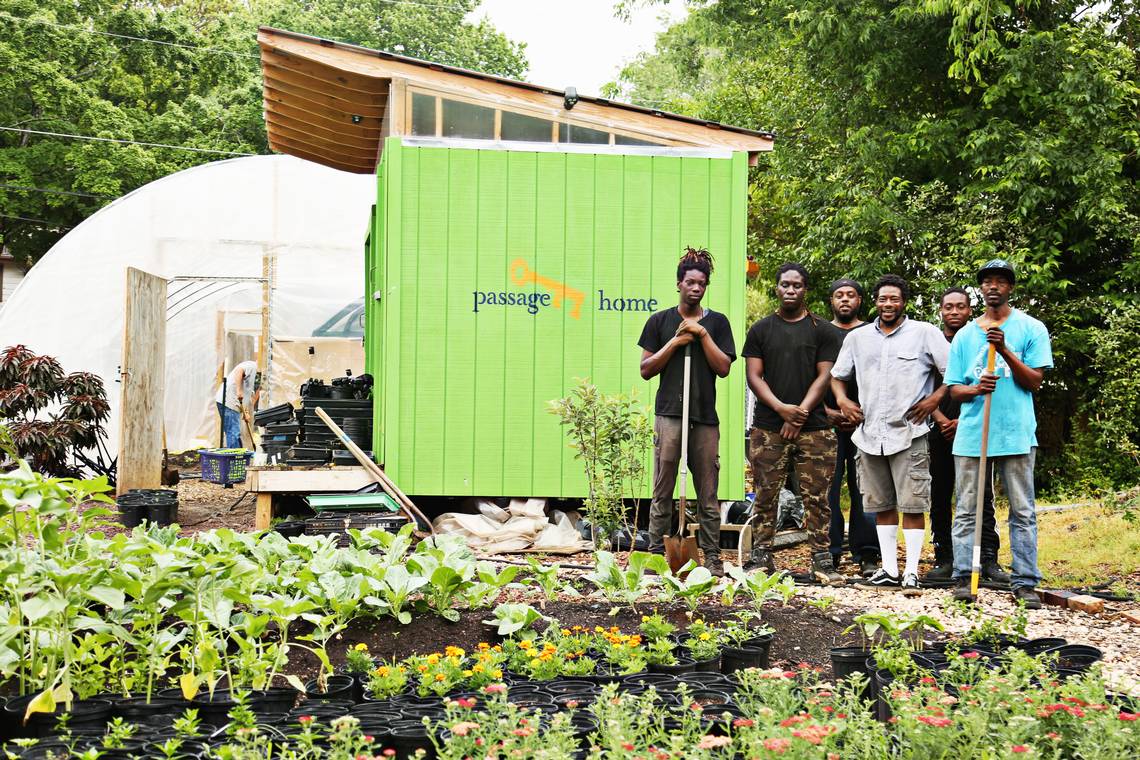
Those and other lessons come to life in the half-acre gardens of Passage Home, an East Raleigh faith-based nonprofit that helps its clients break out of poverty. Working in the community gardens is one of several job-training opportunities the agency offers; there are others in the construction and hospitality trades.

Like other job training, gardening values reliability, coming to work on time and staying on task. It also requires a certain toughness when the weather is especially cold or, as it has been this July, sweltering hot. Groups of four to five clients work in the garden at a time on an eight-week cycle.

Read more here: News Observer

Teen Urban Farmers expand work through partnership with Ithaca Bakery

The Ithaca Children’s Garden (ICG) is an award-winning public children’s garden free and open to all every day of the year, from dawn to dusk. Its mission is to inspire the next generation of environmental stewards, and does so through authentic, hands-on, child-led engagement with the natural world.

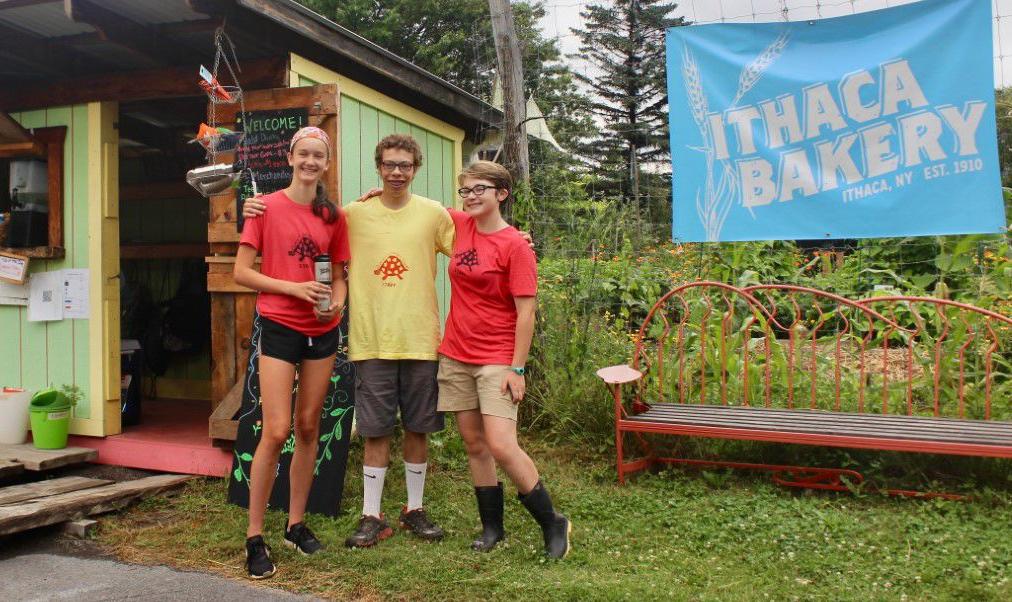
Ithaca Bakery is a local destination that has stood the test of time and remains today one of the busiest eateries in town. And so it made perfect sense for these two Ithaca favorites to work together in the best interests of our community. Ithaca Bakery donates cold brew coffee to be sold at the garden’s Teen Urban Farmers (TUF) Farm Stand Café all summer long. Emmy’s Organics macaroons, other drinks, healthy snacks and new ICG merchandise will also be available for purchase. Pete’s Dandy Mart supplies daily ice needs. Feel free to enjoy your refreshments on the new Farm Stand patio area, which was made possible by support from the Haslinger Foundation out of Akron, Ohio. All proceeds from sales at the stand will go toward providing critical support for the TUF program.

READ THE FULL ARTICLE Ithaca.com

Urban Farm Provides Job Skills to Women in Recovery

BEREA, Ky. — A pilot program in Berea where women in recovery learn job skills through farming saw its first batch of graduates this month.

Harvesting Hope is a partnership between Sustainable Berea and Liberty Place, a recovery center for women in Richmond, along with several local businesses. Program director Cheyenne Olson said many people might be surprised by how much planting and harvesting translates to other types of work.

Kentucky has one of the lowest workforce participation rates in the country, according to a 2017 report by the Kentucky Chamber of Commerce. Olson pointed out while the opioid epidemic has made it difficult for many employers to fill available jobs, communities haven’t put effort into helping people transition from sobriety into employment.

READ THE FULL ARTICLE Public News Service

This farmer helps undocumented families find community

In Chelsea, Massachusetts — a 2-square-mile chunk of mostly industrial land across the river from Boston — a tiny urban farm sits in a gravel parking lot, sandwiched between towering, tarp-covered salt piles and a tightly packed residential neighborhood.

The farm was created to provide food for the Waterfront District’s high concentration of undocumented people, who don’t qualify for federal assistance and struggle to make ends meet in the gentrifying city. And that it does: 10 undocumented families visit the farm regularly to harvest from beds containing an abundance of peppers, holy basil, and fist-sized tomatoes.

But in the middle of its first growing season, the farm has also become a community hub. It’s a place for field trips, sharing knowledge, and people who just want to say hey. Excess food gets cooked into a weekly community meal held by a nearby young mothers’ program.

“We want to connect people back to growing, so they feel like they’re taking care of this piece of land together,” says Leilani Mroczkowski, food justice organizer and farmer extraordinaire for GreenRoots, the nonprofit behind the farm. “We also want to connect people to Chelsea.”

READ THE FULL ARTICLE Grist.org

Green Umbrella helps secure the city’s future in urban agriculture

This month, Green Umbrella’s Greater Cincinnati Food Policy Council announced that the long-awaited Urban Agriculture Zoning Ordinance has finally passed in the City of Cincinnati. With this legislation comes increased freedom for residents and communities to take their food security into their own hands.

The Greater Cincinnati Food Policy Council is a formal initiative of Green Umbrella. Its mission is “to advance a healthy, equitable, and sustainable food system” across all of Greater Cincinnati. The council works to address systematic and legislative changes that affect food systems and access on a community level.

The council program manager, Michaela Oldfield, says that this legislation is good news for Cincinnati residents as it cleans up the rules and regulations surrounding things like community gardens, backyard gardening, small-scale urban farming, and community composting.

READ THE FULL ARTICLE Soapbox Media

A NYC Urban Garden Teaches Youth Community and Justice

“Community Roots uses the entire city as a classroom. It sees place-based learning as essential to teaching and learning. Urban gardening serves as a departure point for learning about land and relationships, as well as food, consumer culture, and social activism.”

“Raven, a student who grew up in Coney Island, recalls a reading in Community Roots class from Brazilian educator and theorist Paulo Freire’s book Pedagogy of the Oppressed. Freire introduced an approach called problem-posing: teachers and students teach and learn together. Their major subjects of inquiry include themselves, each other and the ideas and issues that shape their realities and relationships.”

“Community Roots attracts many students like Iris and Raven: immigrants, children of immigrants and first-generation college students. Each student brings to the class deep, rich experiences of food, of places that are important to them, and their own relationships to these things. Learning starts in the garden and branches out into related themes and different parts of the city. When students make connections through critical thinking and relationships, their capacities to lead in their families and communities is strengthened.”

READ THE FULL ARTICLE Civil Eats

9 of The Best Vegetables to Grow in Small Gardens

Gardening in a small space can be just as rewarding and fun as growing in a large garden area.  These days, urban gardeners are growing more of their own food in sometimes less than 100 square feet.  Balconies, patios, even indoor windowsills are a great place to grow vegetables and herbs.  Almost anything can be grown in a container, and if you’re wanting to know what you should plant to maximize your yield in a small area, here are 9 of the best vegetables/herbs to grow in a small garden.

1. Shallots:

Space shallots approx. 4-6 inches apart with the rows 18 inches apart. Plant the bulb root side down, the top of the bulb 1 inch below the surface. Planting too deep grows elongated bulbs that don’t store well.

2. Carrots:

Sow seeds evenly in a very shallow trench, about 1/4 inch deep. Keep seeds moist so they will germinate. Space rows about 12″ apart and when the first leaves emerge, thin to 1″ apart; when true leaves emerge, thin to 3″ apart.

3. Cherry Tomatoes:

To start tomatoes indoors, sow seeds using expanding seed starting soil pods about 8 weeks before the last frost date for your area. Seedlings will be spindly with less than 12-14 hours of light per day, try to keep them in a warm sunny location. When seedlings have 4 leaves, transfer to a deeper pot (3-4″) and again when 8-10 inches tall. Each time, place the uppermost leaves just above the soil line and remove all lower leaves. Transplant (see: guide to transplanting) into the garden when the stem above the soil has reached 8-10 inches tall. Be sure to harden them off before transplanting them outdoors. Allow up to 10 days for the tomato plants to harden off to the outside temperature fluctuations.

4. Runner Beans:

Set three 6 foot poles in the ground, tepee fashion, and tie together at the top. Leave 3 to 4 feet between the pole groups. Make a hill at the base of each pole, enriched with compost or well-rotted manure, and plant 6-8 seeds in each. After the second pair of true leaves appear, thin to 3 plants per pole. With regular harvesting, the pole beans should bear all summer.

5. Garlic:

Break apart cloves from bulb but keep the papery husk on each individual clove.
Ensure soil is well-drained with plenty of organic matter. Plant in Full Sun.
Plant 4 inches apart & 2 inches deep, in their upright position (the wide end down and pointed end facing up). Come springtime, shoots will begin to emerge.

6. Kale:

Plant Kale in rows 18 inches to 2 feet apart. When the seedlings are 3 or more inches high, thin plants to 10 inches apart (read about thinning) and use the thinnings for salads or as a cooked vegetable.

7. Basil:

Try to space your basil plants about 12 inches apart. As long as you harvest the leaves when they are young, basil plants make a wonderful container crop.

8. Lettuce:

Seed should be sown thinly in rows 1 foot apart; for leaf types, thin plants to 2-3 inches apart, then thin again by pulling every other plant when half grown. This will encourage thickly developed plants. For head, Bibb, and cos types, space rows 18 inches apart, plants 8-10 inches apart. Closer spacing results in smaller heads, which may be preferable for small families.

9. Beets:

Sow seed 1/2 inch deep in rows 12-18 inches apart. The beet seed is a compact ball of many tiny seeds. Many plants germinate where each seed is sown, so seed should be placed sparingly. When seedlings are 4-6 inches high, thin plants to stand 1 1/2 inches apart. (They can be used in salad or cooked like spinach.) Then, as these beets grow to about an inch in diameter, pull every other one to allow larger beets to grow.

READ MORE ABOUT GARDENING IN SMALL SPACES AT www.SeedsNow.com
How to Build a Spiral Herb Garden

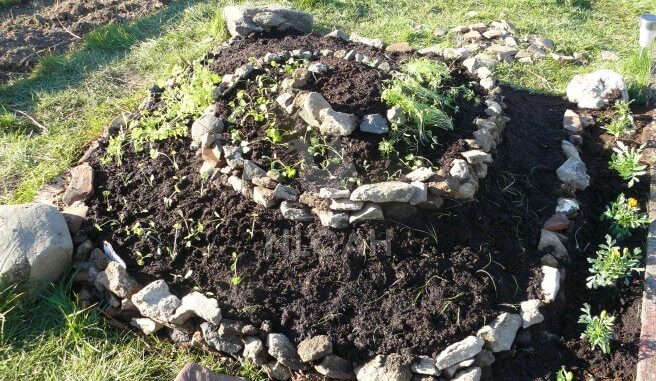
A herb spiral is one of the most clever permaculture techniques for utilizing space and allowing plants to work together in the garden. Usually located just outside the kitchen door, a herb spiral provides a menagerie of culinary and medicinal herbs, while saving space and helping with pest management in the garden.

Easy to build and fun to work with, herb spirals allow for herbal experimentation, based on some very simple principles.

The Benefits of Herb Spirals

Architecturally, the herb spiral is an example of excellent design and nature-forward engineering. While a long, thin garden bed provides ample space for a range of herbs, herb spirals play with multiple levels to take advantage of the sun’s path, water channels, and plant companions.

  1. Herb spirals increase surface area while reducing the footprint – If you are limited by the size of your garden, a herb spiral neatly extends into the 3rd vertical dimension, instead of sprawling outward. This allows you to get the same planting areas like a vegetable bed, but without it taking up so much space.
  2. The spiral design minimizes work, making it low maintenance – The spiral design means that plants are placed depending on their water and sunlight needs, which reduces the amount of work you need to put in to take care of the plants.
  3. The materials help to create better-growing environments – The stone used to create the spiral works using thermal mass, to absorb heat in the daytime, and insulate the soil at night.

GET THE STEP-BY-STEP DIRECTIONS – New Life On a Homestead

Should Children Be Taught How To Grow Food As Part of Their Schooling?

If you are a parent, you should probably think about one good question: should your children be taught to grow food at school?

The modern era is marked by the constant advancements in technology, and the new inventions have provided the comfort and conveniences that we never even imagined to live in.

However, we lost a large part of the needed real-world knowledge and skills to survive and take care of our families on our own.

This poses a question: If the current system suddenly collapses, do we know the basics of life in order to survive? Natural disasters happen all the time, so this is not that unreal as we believe.

Therefore, teaching our children to grow their own food would be a priceless lesson.

READ THE ORIGINAL ARTICLE https://www.healthyfoodhouse.com

Philly’s urban farming plan could include hundreds, possibly thousands, of vacant lots

JESSICA GRIFFIN / FILE PHOTOGRAPH

A group of Bhutanese refugees in South Philly cultivate a garden of Thai roselle, the fruit of which can be used to make a beverage. The Philadelphia Beekeepers Guild recently reported an “overwhelming demand” for beginner classes for beekeeping. And in Grays Ferry, seniors and youth tend an 80-year-old community garden.

Those are just a few examples of Philadelphia’s thriving urban farm and garden culture, featuring projects often started by African American residents, immigrants, and refugees. It’s a trend officials approve of and want to encourage. But many plots are on vacant land that owners might not have given permission to use, might be owned by the city, or might even be full of contaminated soil, a legacy of past industry.

READ THE FULL STORY https://www.philly.com

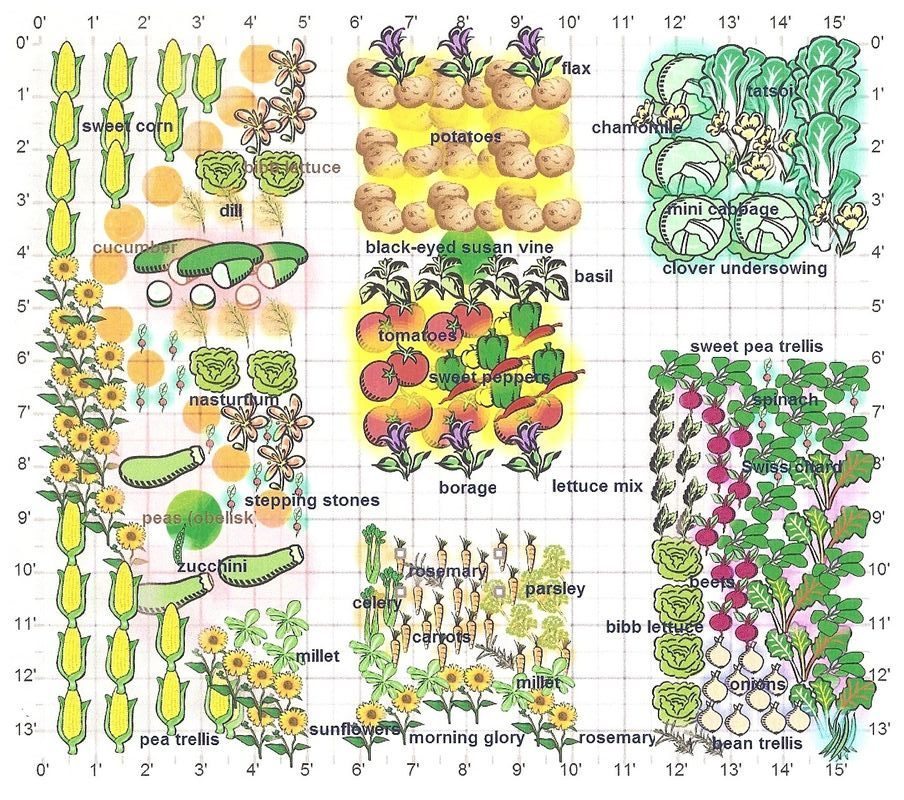
Secrets of Companion Planting + Popular Planting Combinations

Did you know that tomatoes hate cucumbers?

While they might taste great together in a salad, tomato plants actually dislike growing in close proximity to any member of the cucurbit family, which includes cucumbers.

Tomatoes love carrots and basil, however – so planting these together will actually make them each grow more vigorously!

Planting your veggies in neat rows with labels is satisfying to the eye, and easier to harvest. However, when we look to nature, we don’t see rows anywhere, nor do plants all grow clumped up in groups of the same thing together.

READ MORE FROM THE ORIGINAL STORY AT https://thehomestead.guru/companion-planting-2/?fbclid=IwAR05qOCv3BBuE4sa2BKzQaepcBMDtBzOaEaYUUezr8J6QsIcnd0dkGPK9gc

‘Growing Place’ Sheds Light on History of Growing Food in Milwaukee

Milwaukee’s past is often seen through the lens of industry and big factories, but “Growing Place: A Visual Study of Urban Farming,” now at MSOE’s Grohmann Museum, shows there were more ways to grow a city. Milwaukee was a frontrunner in gardening dating back to the late 1800s, laying the groundwork for the urban farm visionaries of today.

Guest curators Michael Carriere, assistant professor at MSOE’s Humanities, Social Science and Communications Department, and David Schalliol, assistant professor of sociology and anthropology at St. Olaf College, gathered a collection of photographs, documents, signs, posters and farm tools to tell Milwaukee’s agricultural story. Items were acquired from UW-Milwaukee, Milwaukee Public Library, the Milwaukee County Historical Society and individuals.

“Growing Place” was born out of a broader project Carriere had been involved with, which studied placemaking (a multi-faceted approach to the planning, design, and management of public spaces) following the Great Recession, and how cities try to bounce back from severe financial crisis.

READ THE FULL STORY: https://shepherdexpress.com/food/eat-drink/growing-place-sheds-light-on-history-of-growing-food-in-milw/