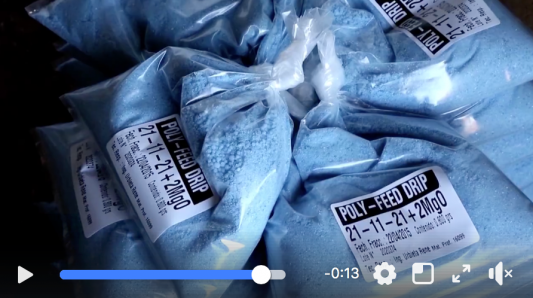
A new testing method has revealed nearly half of the honey sold in Australia, one of the world’s largest exporters of honey, is diluted with cheap sweeteners like rice syrup, wheat syrup, and sugar beet syrup.
12 out of 28 honey samples taken from grocery stores around the country and tested in a reputable lab in Germany turned out to be mostly some form of cheap sugar syrup, not honey.
The scary thing is, all of these honey brands had passed the official government purity tests.
That’s because honey manufacturers have become more skilled at flying under the testing radar, researchers explain.
The official, internationally accepted, tests only pick up honey adulterated with cane sugar and corn sugar.
Manufacturers have learned they cannot detect the difference between rice syrup, sugar beet syrup, and honey.
According to sources at Business Insider, “Romaine is off the table again because of E. coli poisoning, and the lettuce trouble reveals why outbreaks are so common!”
“CDC, public health and regulatory officials in several states, Canada, and the U.S. Food and Drug Administration (FDA) are investigating a multistate outbreak of Shiga toxin-producing Escherichia coli O157:H7 (E. coli O157:H7) infections linked to romaine lettuce.”
“CDC is advising that U.S. consumers not eat any romaine lettuce, and retailers and restaurants not serve or sell any, until we learn more about the outbreak. This investigation is ongoing and the advice will be updated as more information is available.”
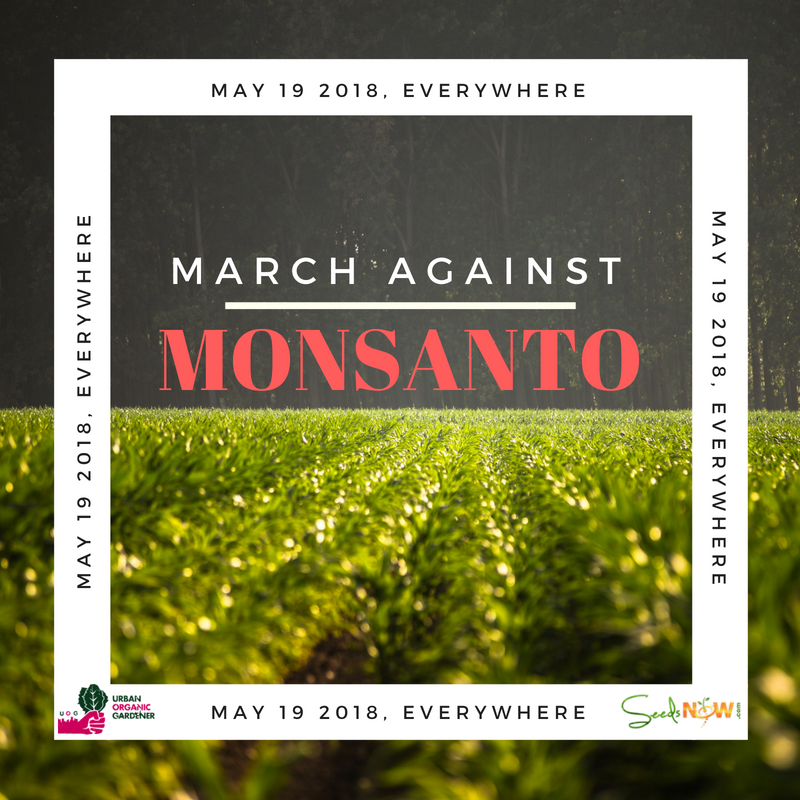
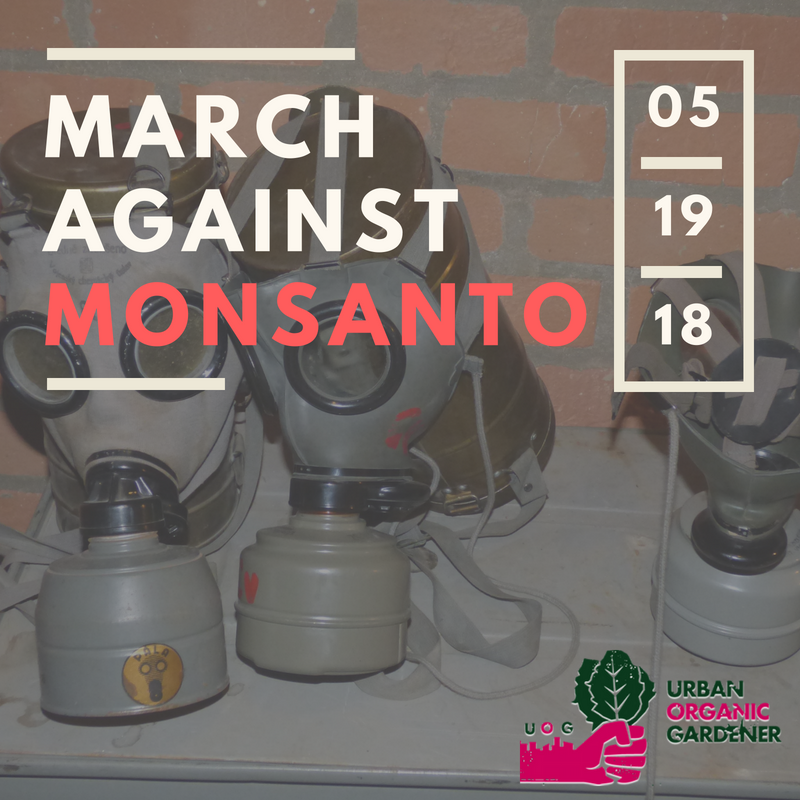
HAPPENING TODAY– “Hundreds of thousands of concerned citizens will hit the streets May 19th, 2018 for the 7th international March Against Monsanto grassroots campaign. The global events will take place in hundreds of cities on six continents with the objective to further educate and raise awareness about Monsanto’s genetically modified seeds and the increasingly toxic food supply, as well as its merger with the German pesticide, GMO and pharmaceutical giant Bayer.”
Extensive protesting will happen across the world and related online coverage can be found on social media platforms including Twitter, Facebook, and Instagram by using the hashtags #marchMay19 and #MarchAgainstMonsanto (#MAM).
“Can Monsanto chemicals permanently alter your child’s genes? Low-income tobacco farmers face skyrocketing cancer rates with more devastating repercussions affecting their children: severe physical deformities and mental disabilities.
Choosing between poverty or poison, Latin American growers have no choice but to use harmful chemicals such as the herbicide glyphosate (aka Monsanto’s Roundup) and Bayer’s insecticide Confidor if they want to certify and sell their crops to Big Tobacco.
As patent and regulatory laws continue to favor the profits of Monsanto and chemical companies, the tobacco makes its way into the hands and mouths of consumers worldwide in Philip Morris products, while the poisons used to harvest the crops contaminate the farmers’ blood and are modifying the human genome, creating genetically modified children.”
It’s pretty cool how people can use shipping containers. We’ve seen people use shipping containers and transform them into homes, hotels, business. In fact, here is an amazing collection photos of how people have used shipping containers. People sure are creative! And best of all, the containers aren’t all that expensive. The possibilities are truly endless.
In fact, now a company has gone so far as to use them to create: MICRO-FARMS!
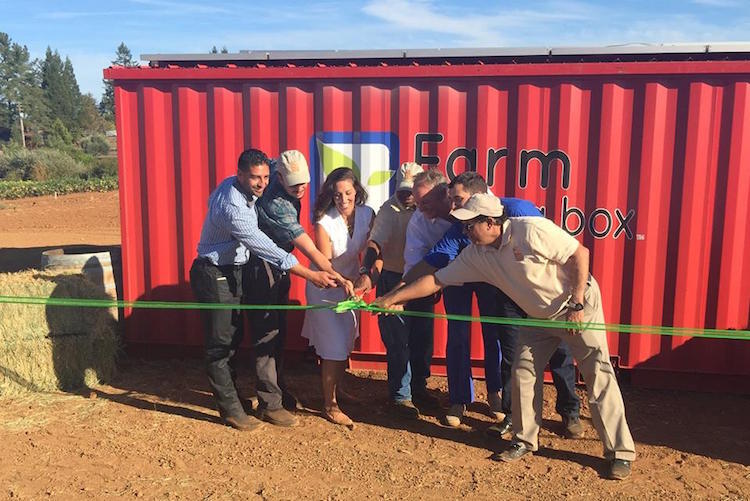
Ecowatch.com says, “Shipping containers already make great micro-homes, but one California-based company is using shipping containers to create micro-farms. Farm from a Box is a complete, small-scale farming toolkit that includes everything you might need to produce your own food. Each box comes in 10-, 20- and 40-foot units and is pre-installed with a photovoltaic system comprising of 10 high-efficiency solar modules, off-grid inverters, a transformer and distribution box and deep-cycle batteries for energy storage. The array is backed up by a 3,000-watt generator.”
Farm from a Box is a modified shipping container with a built-in WiFi, irrigation system, solar panels, weather tracking devices, batteries and more. It also contains seedlings, farming equipment and a training program to provide communities with the tools the need to feed themselves. Photo credit: Farm from a Box
Ecowatch.com goes on to say, “…It’s also equipped with high-efficiency LED lighting, secured storage, a mobile charging area, Wi-Fi and a remote monitoring solution. Oh, and seeds and farming tools of course. Each unit is capable of producing crops for one hectare of land (2.47 acres), the company says.”
Each Smart Floating Farm would be a triple-decker barge, featuring a fish farm, hydroponic garden and rooftop solar panels (Credit: Smart Floating Farms)
With the world’s population expected to hit 9.1 billion by 2050, coupled with the growing effects of climate change on our ability to grow crops, a company out of Barcelona has proposed a solution to feeding the future world. Forward Thinking Architecture’s triple-decker Smart Floating Farms would feature 2.2 million square feet (2.04 sq km) of fish farm, hydroponic garden, and rooftop solar panels to power a floating barge, which could be anchored to the beds of oceans, lakes or rivers. The company estimates that each of its floating farms could produce about 8 tons (7.3 tonnes) of vegetables and 1.7 tons (1.5 tonnes) of fish per year.
The floating farms are intended to provide a solution that can keep up with food production levels that will have to increase by 70 percent globally, and 100 percent in developing nations, to feed more than 9 billion mouths. With so many people, arable land would be stretched to its growing capacity (we’re currently using 80 percent), while fresh water supplies would be severely stressed. Oceans are also being overfished at present.
The company’s idea to move farms onto the surface of water would address all those issues. Each level of the triple-decker farm would have its own function, and would operate as part of a sustainable loop that feeds into the other decks.
Skylights and solar panels on the top deck would convert sunlight into energy to power the farm. The middle level would consist of tiers of hydroponic organic crops that would maximize the limited space on the barge. Waste water from the crops would filter down to the fish farm level at the bottom as a food source.
Meanwhile, the nitrogen-rich fish poop would be recycled back to fertilize the crops. Unlike livestock animal manure, fish manure is a fast-acting fertilizer that doesn’t take months to break down, and would provide the plants a quick nutrient boost, including the macronutrients phosphorous and potassium. Fish farming combined with hydroponics – a combo known as aquaponics – is a proven system that is growing in popularity, so this part of the concept is perfectly reasonable.
Also added to the barge would be a possible desalination plant (if floating on sea water), a fish-processing house, and a packaging facility. Wind turbines and wave turbines could also be added, to provide extra energy. The entire barge would be protected from the seas and bad weather with inflatable wave protectors. Thus the farm would be self-sufficient and largely self-operating, requiring minimal labor.
Javier Ponce, the CEO of Forward Thinking Architecture, envisions locating the floating farms, which would be scalable, near densely-populated cities which will see the greatest growth in the future. Of the 35 megacities with more than 10 million people, 25 are located near water, such as Shanghai, Jakarta, Lagos, Tokyo and New York. Ponce believes the floating farms could complement existing traditional agriculture systems, helping reduce food risks associated with climate change issues in especially vulnerable parts of the world.
Some people are happy with a patio tomato on the porch.
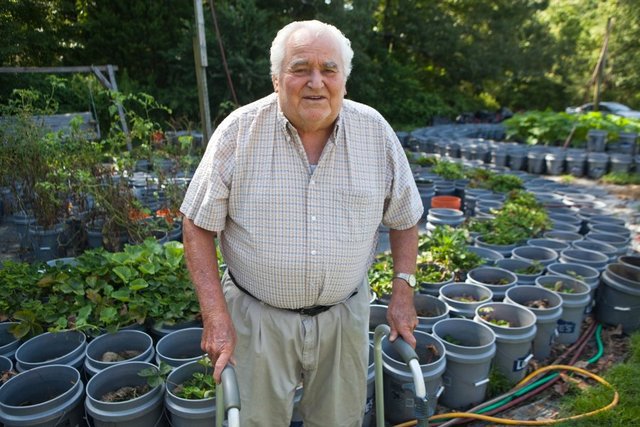
Willie Anderson, 82, took container gardening to another level; he planted tomatoes, cucumbers, corn, okra, squash, peppers and eggplants in five-gallon plastic buckets in his yard in Red Banks, Mississippi. He now has plants in more than 1,000 buckets.
Willie Anderson, 82, maintains a garden of 1,000 fruit and vegetable plants in buckets at his home in Red Banks, Miss. The garden requires no special equipment. There’s no hoe on the place, he said. And it’s totally organic. I use grass clippings, soybean stalks, cotton hulls, he said.
It’s easier to grow an entire garden if you’re planting everything in buckets, Anderson said. “There’s no hoe on the place,” he said. “We don’t need one.”
“You don’t have to have any equipment,” said his son, Ron Anderson. “You don’t have to have any utensils to farm with as far as hoes and shovels. You don’t have to have a tiller. All you do is plant, water and harvest.”
The garden is totally organic. “I use grass clippings, soybean stalks, cotton hulls — that’s the waste that comes out when they gin the cotton,” Willie said.
Ron came up with the idea of the bucket garden for his dad nine years ago. Willie always was a robust man, he said. He was in farming, raised hogs and cattle and went into the home building business with Ron and his other son, Mark Anderson. “He had a hip that deteriorated and he had to have hip surgery and replacement,” Ron said of his father. “When he had that, he was pretty much home bound and his hopes and dreams were just going down. He had cabin fever. He didn’t have anything to look forward to or to do. He couldn’t get out like he had all his life.”
Willie liked the idea of the bucket garden. “I was just tired of sitting up in the house,” he said.
Ron bought 100 buckets from Lowe’s and some Miracle-Gro potting soil. He said, “Dad, let’s try this and see if we can do this for your hobby.”
Ron punched holes in the bottoms of the buckets for drainage and put them on sheets of black plastic to keep weeds from growing around them. “We raised our own tomato plants from seed,” Ron said. “We planted one tomato to a bucket, one squash seed to a bucket, one corn seed to a bucket.”
Willie didn’t want to stay in the house anymore. “We got him a little four-wheel scooter and he’s out the first thing every morning to check his garden,” Ron said.
“You can garden in the shade,” Willie said. “It needs to get at least five hours of sunshine a day. That’s enough for the plants.”
Their first harvest was better than they expected. “We probably had about 10 cases of tomatoes that weighed 30 pounds apiece,” Ron said. “I sold them to some pizza companies in the Olive Branch area. They froze them and canned them for soups.”
Now they mostly give away the produce they don’t use. “I thought at first there might be a little money to be made in it,” Willie said. “But I don’t think there is. I just give what I grow to whoever wants it.”
They stopped using Miracle-Gro after the first year and went organic. “We don’t use any kind of chemical fertilizer and we use the same dirt year after year,” Ron said. “We plant them in the same pots every year. After people cut their grass and sack the grass cuttings on the side of the curb, my brother and myself go around with a trailer and bring home 20 to 30 sacks. He puts it around the top of the buckets. The grass fertilizes every time you water.”
To irrigate, they attach water hoses to sprinklers atop 10-foot landscape timber posts, which are stuck in the ground. They use one sprinkler per each group of 350 buckets. “All I do is turn the faucet on,” Willie said. “It wets everything down in about an hour and a half. It usually lasts about a week if it’s not too dry.”
They’ve experimented with different vegetables. “We had a cabbage big as our granddaughter,” Willie said. “I got a cantaloupe this year. It’s ripe down there now. It’s the first one we’ve been able to raise in the buckets. We haven’t been able to raise a watermelon. I don’t believe the bucket’s big enough to raise a watermelon.”
They haven’t tried everything. “We haven’t grown any field peas, but they’re so simple to grow,” Willie said. “I don’t see a problem with them.”
Plastic buckets aren’t the only container gardeners can use, Willie said. “These gardens can be grown in a plastic shopping sack like you get at the grocery store if you want to, but they’ll only last one year and you’ll have to redo it every year,” he said. “I have done it. It’ll work. But the plastic will rot out by the end of the year.”
Ron, his mother, Geneva, his wife, Gidget, the grandchildren and a hired man help with the garden. Willie basically oversees the garden.
Willie also gives the plants pep talks. “I say, ‘Now, y’all got to do better than that,’” he said.
“He does go down there and talk to them three times a day,” Ron said.
Garden writer Felder Rushing, a former Extension Service urban horticulture specialist, is a fan of bucket gardening. “I have grown veggies and herbs in five-gallon buckets in my Mississippi garden for years,” he said. “So cool. So easy. Just the right size. Can’t grow a decent tomato or pepper in anything smaller. And no worries about soil diseases.”
Rushing doesn’t stick with drab-colored buckets. “I spray paint mine to make them more cheery.”
As for Willie’s 1,000-plus bucket garden, Rushing said, “I totally agree with the sentiments of Mae West, who once said too much of a good thing is — wonderful.”
Read the full story here: http://www.commercialappeal.com/entertainment/lifestyle/home/bucket-crops-mississippi-man-takes-container-gardening-to-another-level-ep-1211661529-324126561.html
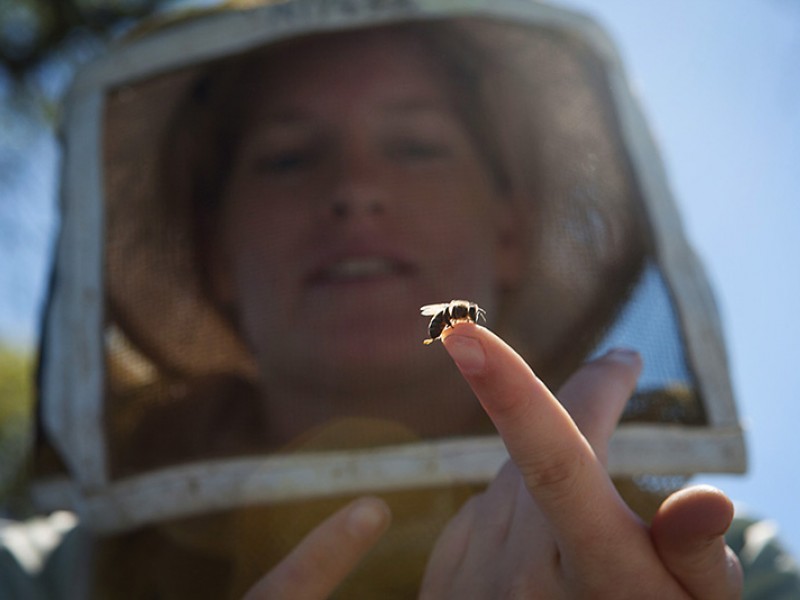
Today, the Ninth Circuit Court of Appeals rejected U.S. EPA’s approval of the neonicotinoid insecticide “sulfoxaflor.” The Court concluded that EPA violated federal law when it approved sulfoxaflor without reliable studies regarding the impact that the insecticide would have on honeybee colonies. The Court vacated EPA’s approval, meaning that sulfoxaflor may not be used in the U.S. unless, and until, EPA obtains the necessary information regarding impacts to honeybees and re-approves the insecticide in accordance with law.
Earthjustice represented a coalition of commercial beekeeping trade groups, as well as individual commercial beekeepers. The coalition included Pollinator Stewardship Council, National Honeybee Advisory Board, American Honey Producers Association, American Beekeeping Federation and beekeepers Jeff Anderson, Rick Smith, and Brett Adee.
Statement from Greg Loarie, our lead counsel on this case: “Our country is facing widespread bee colony collapse, and scientists are pointing to pesticides like sulfoxaflor as the cause. The Court’s decision to overturn approval of this bee-killing pesticide is incredible news for bees, beekeepers and all of us who enjoy the healthy fruits, nuts, and vegetables that rely on bees for pollination.”
Statement from Michele Colopy, Program Director of Pollinator Stewardship Council, Inc.: “The Pollinator Stewardship Council is pleased with the 9th Circuit Court’s Opinion concerning the registration of sulfoxaflor. Our argument, presented by Earthjustice attorney Greg Loarie, addressed our concerns that EPA’s decision process to unconditionally register Sulfoxaflor was based on flawed and limited data, and the 9th Circuit Court agreed with us. We can protect crops from pests and protect honey bees and native pollinators. To do this EPA’s pesticide application and review process must receive substantial scientific evidence as to the benefits of a pesticide, as well as the protection of the environment, especially the protection of pollinators.”
The Court did state Sulfoxaflor is a subclass of neonicotinoids. With the findings in this case, EPA may be encouraged to re-examine other unconditional registrations for possible flawed and limited data.
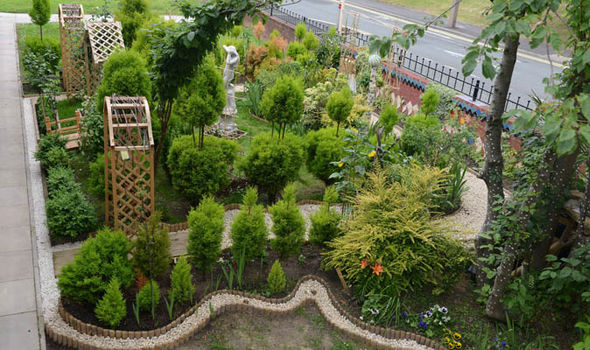
A RETIRED teacher who spent £5,000 of his life savings creating an urban garden paradise on wasteland has been ordered to destroy it.
Jam Imani Rad put his life savings into creating the garden
Jam Imani Rad, 65, installed statues, trellises and stone structures and dozens of plants to create the green outdoor haven outside his housing association flat for he and neighbours to enjoy.
But the Community Gateway Association in Preston, Lancashire, says he must return the land to its original derelict state after complaints from other residents.
The association says it agreed that work on the garden which Mr Rad had already done by 2012 could stay.
But it alleges that since the start of this year he has added the statues and other structures without permission and claims he has tried to restrict access to parts of the garden by other tenants.
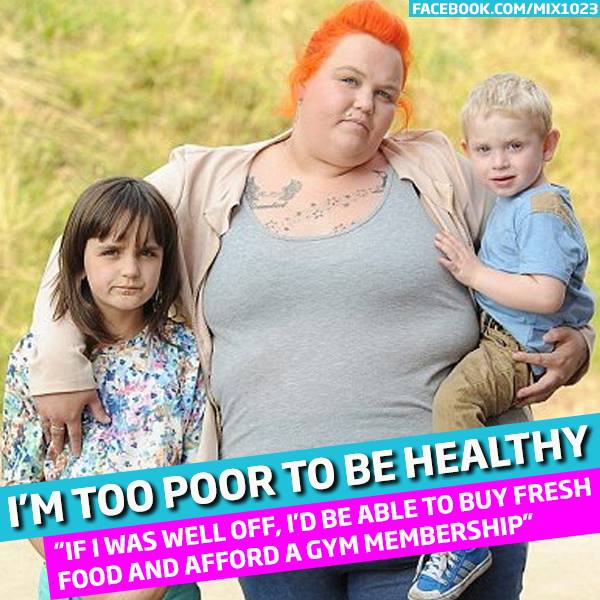
“An obese mother-of-two who lives on benefits says she needs more of taxpayers’ money to overhaul her unhealthy lifestyle. Christina Briggs, 26, says she hates being 160 kilos but she can’t do anything about it because she can only afford junk food. Meanwhile, exercise is out of the question because she doesn’t have the funds to join a gym.”
Unemployed Christina gets £20,000 in benefits a year and lives in a council house with her two children by different fathers, Helena, 10, and Robert, two.
She left school as a teenager after falling pregnant with her daughter following a one night stand.
The family feast everyday on takeaways, chocolate and crisps as Christina says they can’t afford low fat foods. As a result, the mother is currently a dress size 26.
She has been warned by her GP that her health is in danger because of her size – medical complications relating to obesity include heart disease and diabetes.
Christina is desperate not to leave her two children without a mother and doesn’t want her size to take her to an early grave.
But she insists ‘it’s not my fault – healthy food is too expensive’.
She feels her only hope is for the government to give her more money so she can afford to buy fruit and vegetables and join a gym.
She also believes she should be paid to lose weight as that would give her the motivation to fight the flab.
She told the magazine: ‘I need more benefits to eat healthily and exercise. It would be good if the government offered a cash incentive for me to lose weight. I’d like to get £1 for every pound I lose, or healthy food vouchers.
‘If the price of healthy food was lowered that would help, too. I need help, but I need it from the government.’
She added that she can’t get a job to gain more money because she’s needed at home to care for her children, especially as her daughter has attention deficit hyperactivity disorder and issues with her kidneys.
She explained: ‘There’s no way I could get a job. I don’t feel bad about the taxpayer funding my life and my child’s medical problems, because I don’t treat myself or buy anything excessive. I just get enough money to live on – the taxpayers should help fund my diet.’
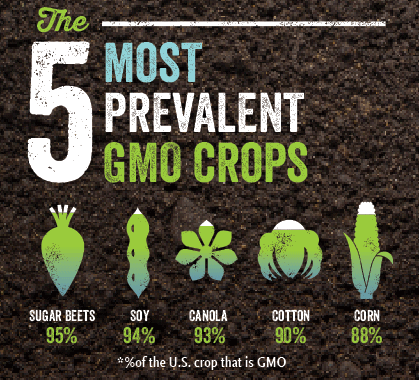
UOG’ers know all too well about the top 5 Genetically Engineered crops grown and consumed here in the United States of America.
Sugar Beets – A lot of people actually don’t know about this one.
Soy – Yup! Pretty much in everything.
Canola – No Canola Oil in my kitchen.
Cotton – Like the shirt you’re wearing,
Corn – This chart says 80% but actually it’s a lot more than that now – probably closer to 93%.
The best way to stay away from GMO is to grow your own. Start a organic garden. Start seeds in 5 gallon containers. It’s not that hard. Follow UOG on Instagram for tips and tricks.
In the “WTF Food News”, I’ll highlight some food stories from the previous weeks that make you tilt your head, curl your brow, lift your shoulders and make that face like you thought you had to fart, but something else came out.
Here is the July 2011 installment:
Fried Kool-Aid a fair hit, Chicken Charlie says
County fairs give us such health conscious foods cotton candy, fried Oreos, fried Twinkies and fried beer. Now they give us their latest creation – Fried Kool-Aid. It comes in the form of doughnut holes. This is what people really need.
Lab-Grown Meat: Food of the Future?
This seems to be the next generation of GMOs to me. There will be no need for livestock as meat can be grown in labs. It’s just scary.
Scientist Develops Steaks From Human Poop
Have you ever had a steak that tastes like a piece of shit? Well a researcher from Japan has developed a steaks that are based on the proteins from poop. I think I just threw up in my mouth a bit.
I am gonna start to write a new monthly post and call it the “WTF Food News.” In the post I’ll highlight some food stories from the previous weeks that make you tilt your head, curl your brow, lift your shoulders and make that face like you thought you had to fart, but something else came out.
So here is the first installment:
Care2: Is China Manufacturing Plastic Rice?
This article is citing a source that was in Korean, but the sad part is that it isn’t out of the realm of being completely viable. If it’s cheaper to produce and people will buy it, why not produce it? It’s only available in one small town or village, but that doesn’t mean it won’t spread beyond that.
What is up with China and producing toxic stuff, there was the toys that had toxic lead in them, now plastic rice. What could possibly be next?
These stories have definitely made me think WTF is going on with our food? These are the reasons that you should start to grow some of your own food and source it locally from farmers markets or CSAs.