Flowers You Can Eat, 38 Edible Flowers

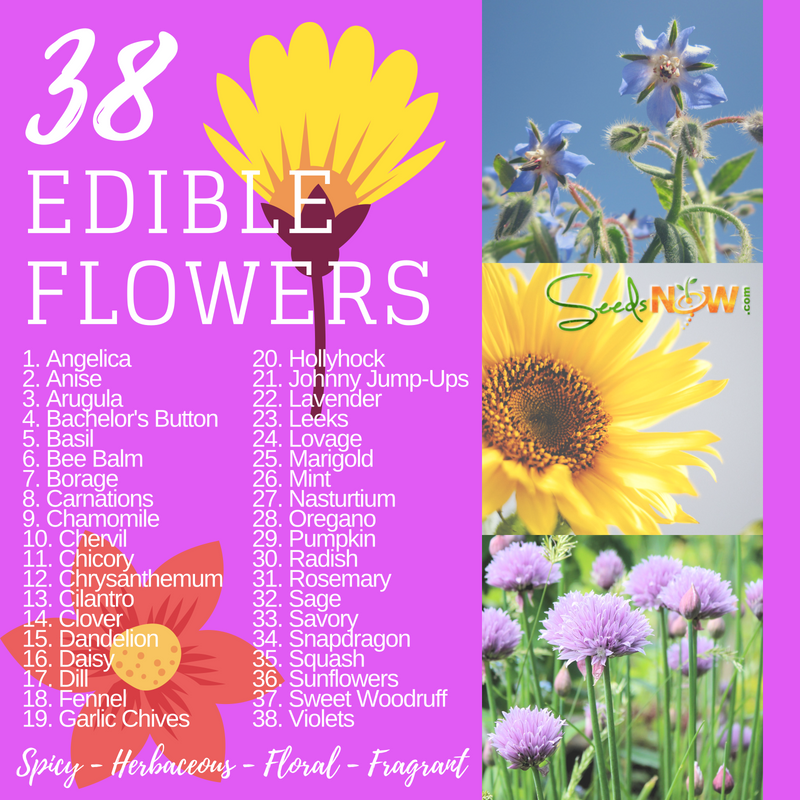
Try growing these 38 beautiful edible flowers in your yard or garden. Not only will you help provide nectar for friendly pollinators in your garden, but you’ll have fragrant, and delicious blooms that you can enjoy adding to your favorite culinary dishes. They look great, and taste great, too!

Follow these tips for eating flowers safelyvia TreeHugger.com

  • Eat flowers you know to be consumable — if you are uncertain, consult a reference book on edible flowers and plants.
  • Eat flowers you have grown yourself, or know to be safe for consumption. Flowers from the florist or nursery have probably been treated with pesticides or other chemicals.
  • Do not eat roadside flowers or those picked in public parks. Both may have been treated with pesticide or herbicide, and roadside flowers may be polluted by car exhaust.
  • Eat only the petals, and remove pistils and stamens before eating.
  • If you suffer from allergies, introduce edible flowers gradually, as they may exacerbate allergies.
  • To keep flowers fresh, place them on moist paper towels and refrigerate in an airtight container. Some will last up to 10 days this way. Ice water can revitalize limp flowers.

Uses in your kitchen: via OneMillionWomen.com.au

  • Salads
  • Garnishes
  • Rice-paper rolls
  • Cake decorating
  • Freezing in ice-cubes
  • Crepes
  • Teas, tissanes, wines, cordials
  • Jams, tarts and deserts
  • Vinegars and dressings
  • In the dough of fresh pasta
  • Stuffing, baking and tempura

SHOP THESE SEEDS and MORE!

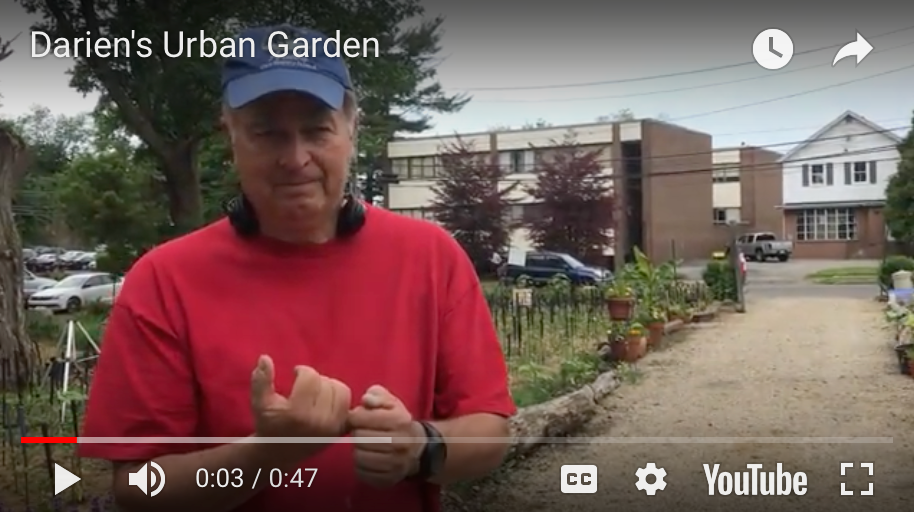
VIDEO: From banana trees to bees: Darien’s urban garden is a slice of paradise

“Fore!

Ok, maybe a few more than four. Closer to 2,000.

But the golf clubs used by Wayne Riedel and Eric Joosten in Darien’s urban garden on Old King’s Highway aren’t for any golf game.

The pair has recycled thousands of golf clubs to use for stakes in their expansive garden now more than five years strong. They cut the ends off with a pair of cutters.”

“Genovese and Baywater acquired the land in 2007 along with other downtown properties and decided to let Joosten and Riedel use it since there were no immediate plans for it.
It continues to grow in size and popularity. Joosten named more than 10 breeds of tomatoes of all colors and sizes expected to come in — from heirlooms to cherries to grapes to yellows”

Read the FULL ARTICLE at: “DarienTimes.com”

Are we witnessing the extinction of bees ?

hummel-1353423_1280

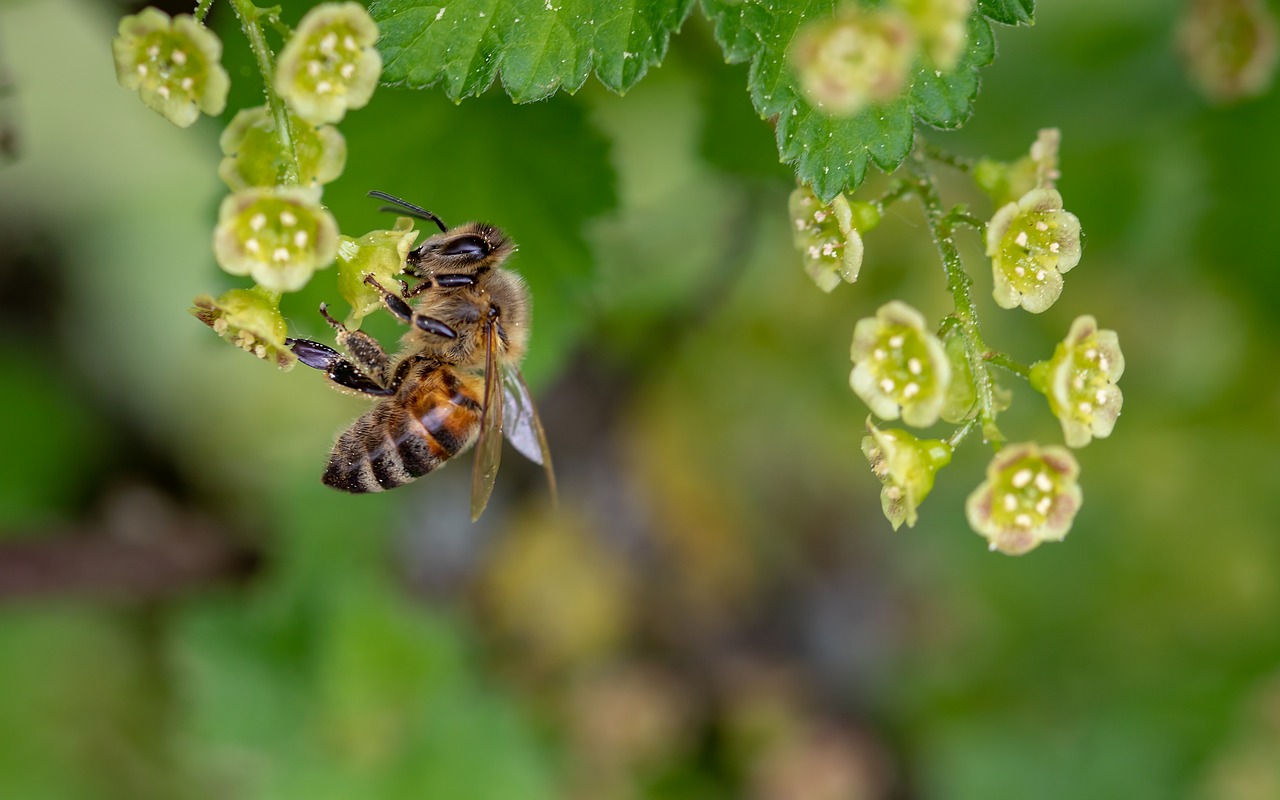
It’s official. As tragically revealing as the move might be, the rusty-patched bumble bee has now joined the grizzly bear, gray wolf, northern spotted owl, and some 700 others on the endangered species list — the first bee ever to garner those protections in the continental United States.

Once abundant in the grasslands and prairies in 31 states in the East and Midwest, the rusty-patched bumble bee’s population has been decimated by as much as 95 percent by some estimates, and now exists only in isolated pockets in 12 states and the province of Ontario, Canada.

“There are a few little spots where we know they are,” James Strange, a research entomologist and bumble bee ecologist with the USDA, told Forbes.”

READ THE FULL STORY: “MindFoster.co

What every urban gardener needs to do before planting


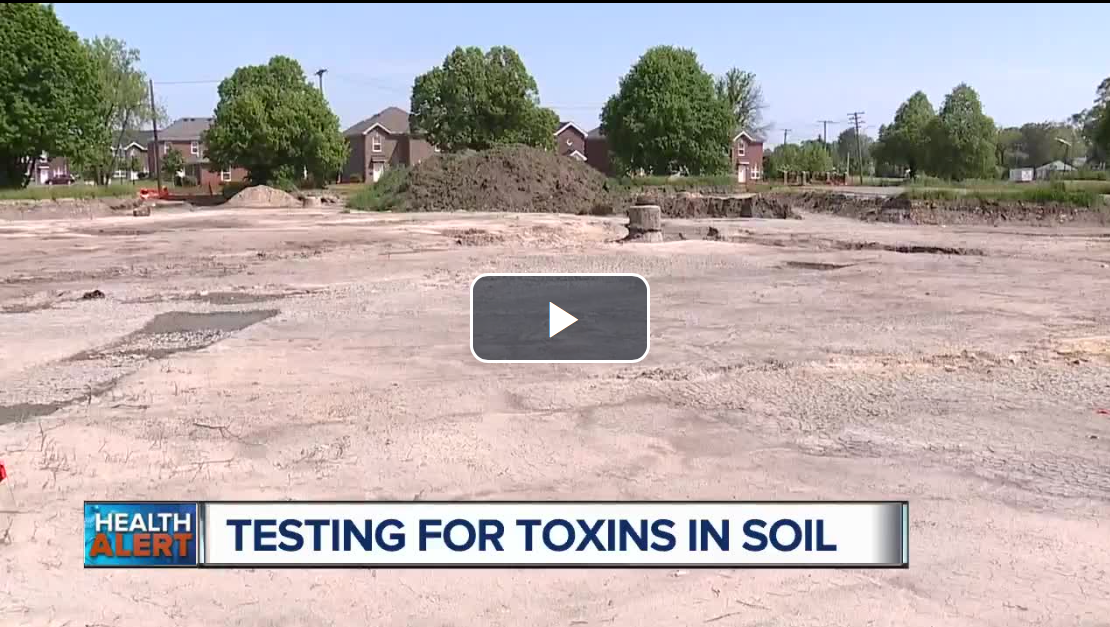
“DETROIT (WXYZ) – As urban gardening grows in popularity more and more people are trying their hand at a green thumb. However, those new to urban gardening should be aware of the threats caused by soil with contaminants and the need to test.

“In this situation, ignorance is not bliss,” said Michigan Urban Farm Initiative’s B.J. Franovic. “You should test your soil, you should figure all of that out.”

Franovic stressed the need to test your soil, but also noted it’s not a death sentence if you find high levels of lead or other toxic materials in your soil. The EPA offers similar advice online stating, “the possibility of contamination at a garden site should not keep you from planning an urban garden,” but it does require special attention.”

Read the FULL STORY at: “WXYZ.com

What Can Bees Teach Us About Building Better Urban Ecosystems?

bee-3360682_1280

“Last summer, Paul Maeillo had to clear a vacant lot in North Philadelphia, and he wasn’t happy about it. He’d done it plenty of times before, as part of the Philadelphia Horticultural Society’s LandCare program, which hires local contractors to maintain the neighborhood’s many abandoned parcels. But on this day the lot was full of wildflowers — and wildlife. In fact, it wasn’t vacant at all. He saw snakes and mice and many, many bees, gathering nectar and pollen from the untamed flora. “Just teeming,” Maeillo remembers. “It was kind of wild.”

The lot was an eyesore to humans, and a feast for pollinators. Maeillo didn’t have much of a choice: he mowed it down. But he left a small wild patch in the center. “It seemed not right to take away all their resources,” he says.”

Read the FULL Story at: NextCity.org

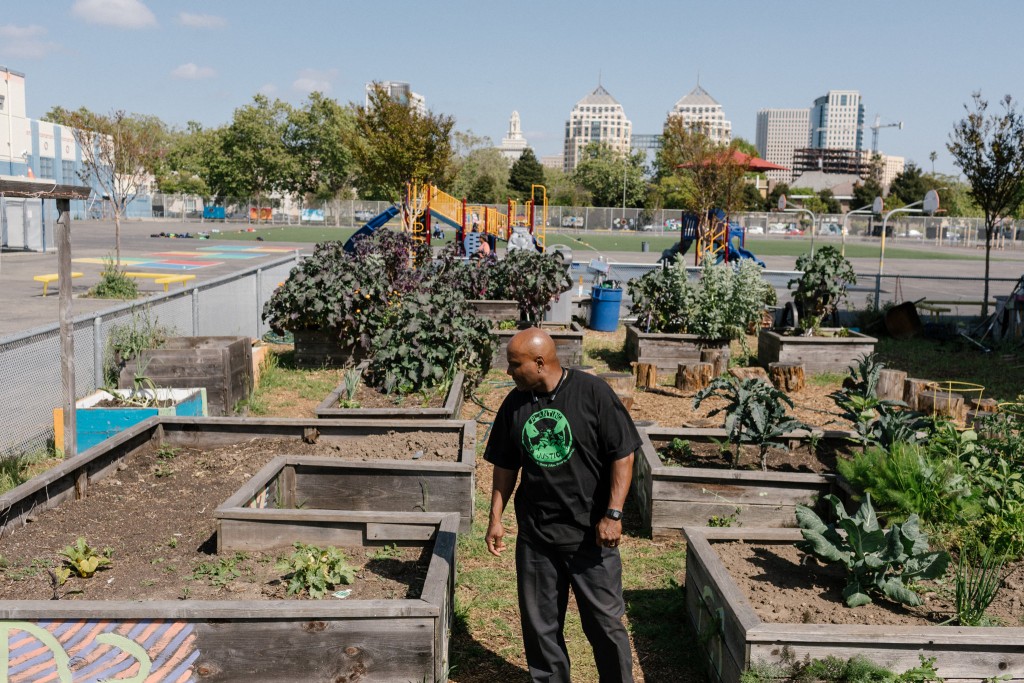
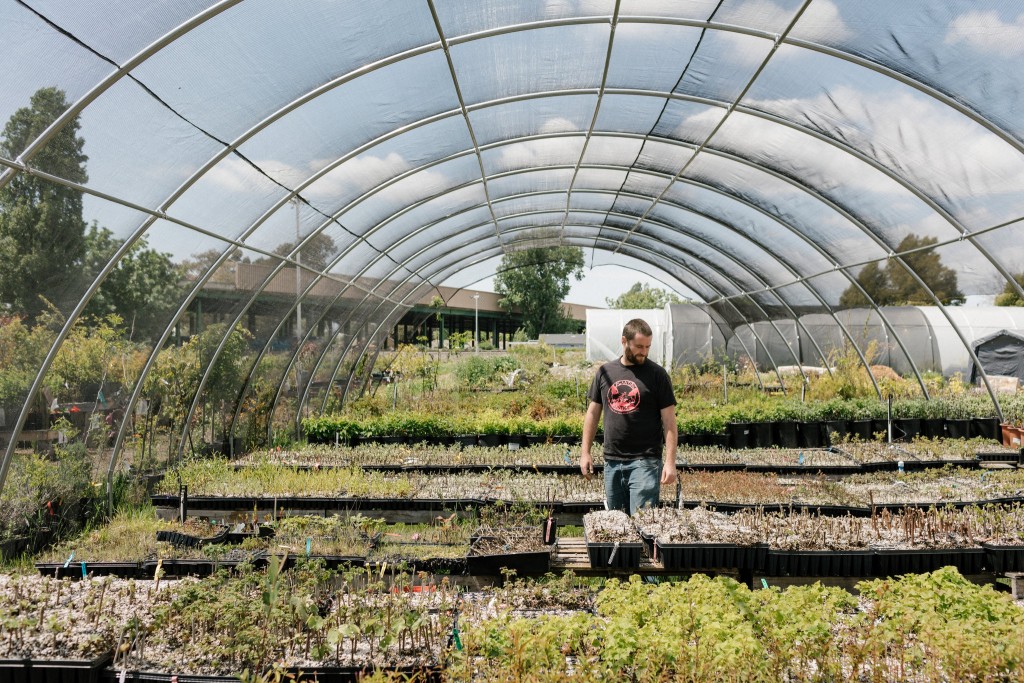
Kale, Not Jail: Urban Farming Nonprofit Helps Ex-Cons Re-enter Society Image

merlin_137645319_1fc41884-f2e6-40f0-b2c0-23eb2944dcb0-superJumbo
CreditJason Henry for The New York Times
merlin_137644797_dbda5c44-a2b4-4f19-8598-319f21788dec-superJumbo
CreditJason Henry for The New York Times

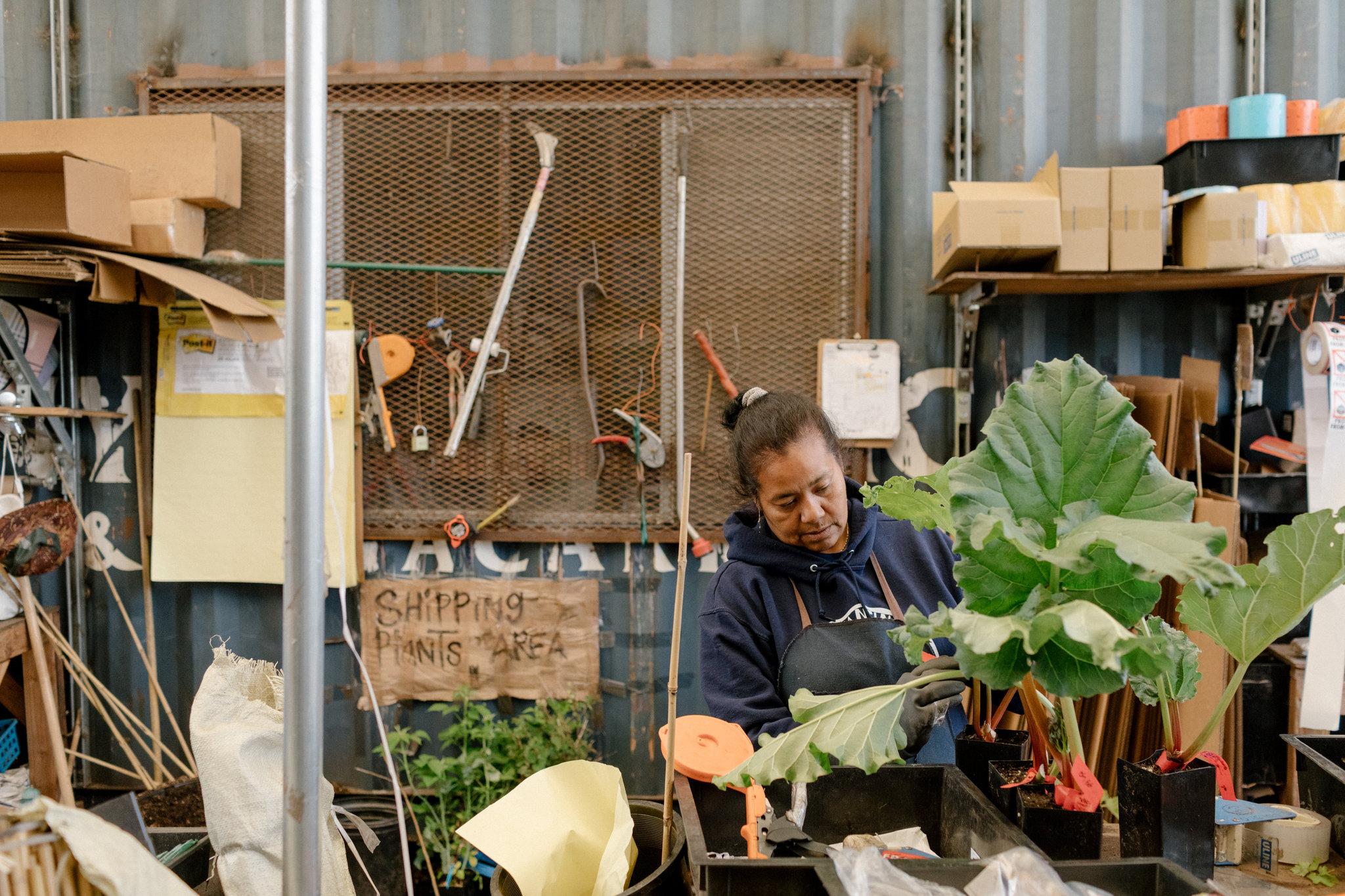
OAKLAND, Calif. — Even by the standards of the Bay Area, where sourcing local, organic chicken feed is seen as something of a political act, the spectacle of 30,000 fruit and nut trees being tended by formerly incarcerated orchardists is novel.

The green thumbs are there because of Planting Justice, a nine-year-old nonprofit that combines urban farming with environmental education and jobs for ex-offenders. From its headquarters in a pair of salvaged shipping containers on a dead-end street in East Oakland, Calif., Planting Justice has forged a trail in which revenue-generating businesses help subsidize the group’s core mission: hiring former inmates, many from nearby San Quentin State Prison, and giving them a “family sustaining” wage, along with health benefits and a month of paid leave annually. About half the total staff of 30 have served time in prison.”

Read the FULL ARTICLE at The New York Times

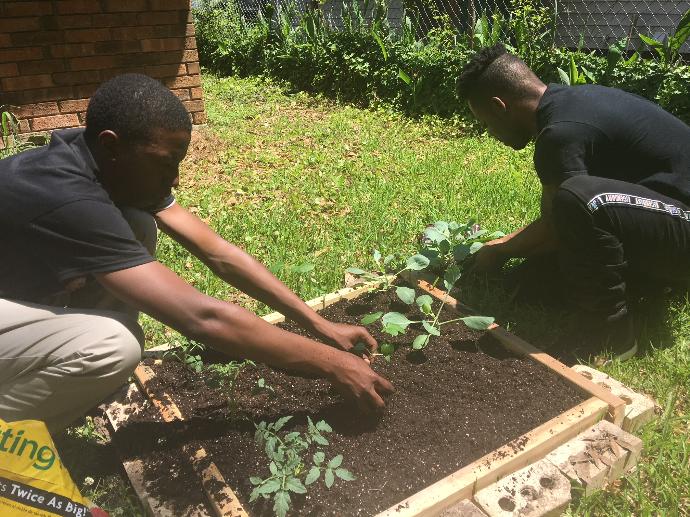
Men Volunteer Their Time To Plant Gardens For Those in Need

IMG_33384

“It feels good, putting the seed down. Watching it grow. Watching it produce fruit. It’s a beautiful thing,” said Darian Belton, owner of T&T Plant-ery.

Belton has a full-time job at a car rental place, but what really drives him, is creating a sustainable food source; especially for those who can’t do it themselves.

“We want to inspire more people to grow their own food. Put seeds in the dirt and grow your fresh organic produce,” said Belton.

“We want to give people the opportunity to do it themselves. Learn how to be more self-dependent. Growing their own food in the backyard,” said Jordan Dunn, Belton’s partner in the Urban Garden Project.

Read the FULL Article at:KWQC.com


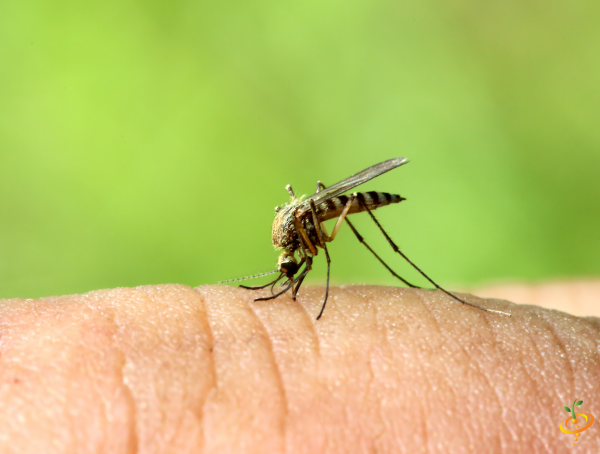
12 Plants That You Can Grow To DETER Mosquitoes

smallshutterstock_195161381
Mosquitoes can quickly ruin the enjoyment of your outdoor garden experience. Ordinary repellents are full of nasty chemicals that you probably don’t want to put onto your family, and bug zappers are annoying. It also can be debated, how effective candles or incense really is.The threat of contracting a disease from a mosquito is very real. Not only are humans being infected with dangerous illnesses, so are animals including household pets. Over one million people are said to die each year from contracting diseases from mosquitoes. In the US, the most common disease is West Nile, but they also carry diseases like malaria, dengue fever, dog heartworm, chikungunya and the recent Zika Virus, which is responsible for outbreaks in tropical areas throughout the world and was found in 2015 for the first time in the Western Hemisphere. More can be learned about the Zika Virus, here.

To help keep mosquitoes from using your yard as a breeding ground, make sure you eliminate all standing water, trim back un-needed vegetation, and consider planting these mosquito repelling plants.

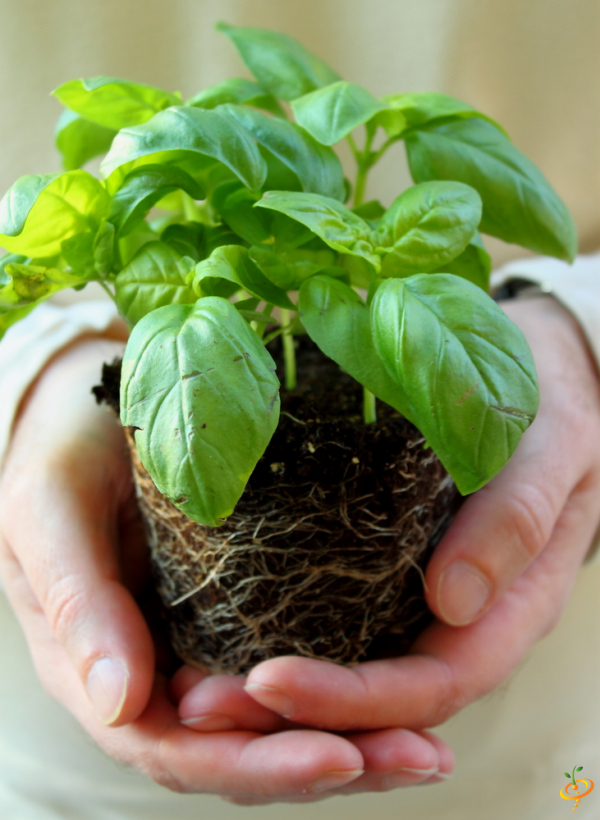
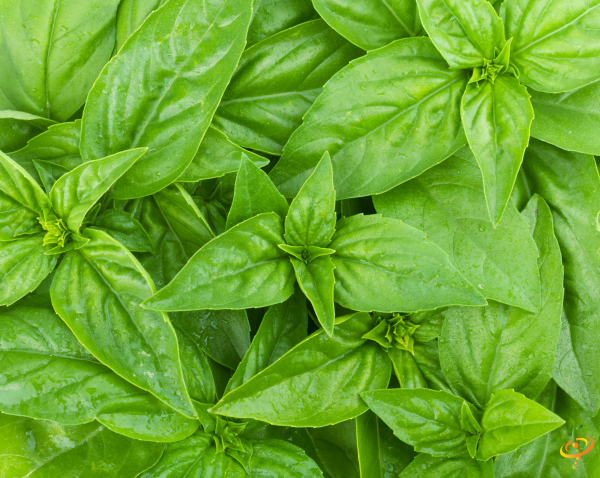
1. Basil
In addition to repelling mosquitoes, it’s also quite an attractive plant to grow.
smallshutterstock_53004445

2. Catmint
While the catmint plant does repel mosquitoes that are close, you can try adding crushed leaves or oil for even stronger protection. Watch out though, if you own cats they will probably respond to you the same way they respond to the plant itself. If you’re a cat owner, you might want to try other natural ways to deter mosquitoes.
smallshutterstock_197459195

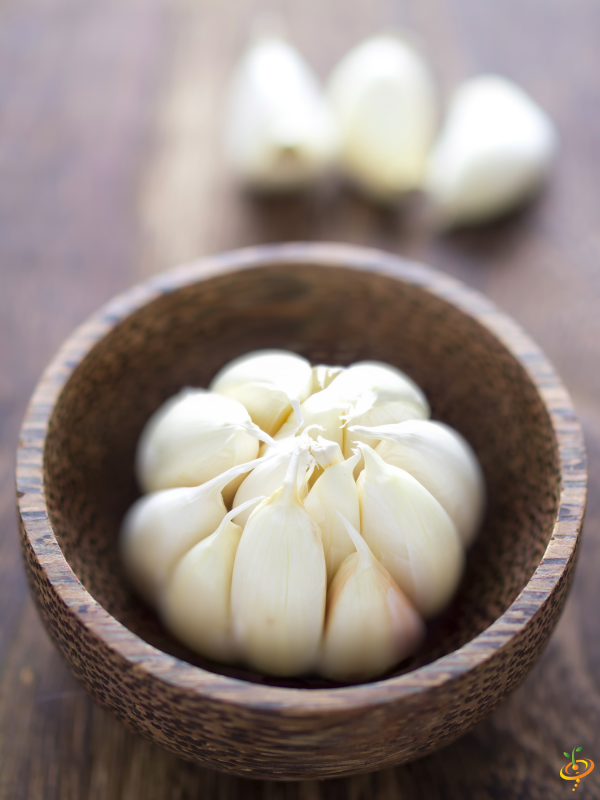
3. Garlic
“If you have a high allicin (garlic’s active anti-microbial ingredient) blood count, mosquitoes will refuse to engage with your blood. If you are infected, garlic can eliminate the virus because it is a proven anti-microbial, killing both viruses and bacteria. According to the good people of zhealthinfo.com, a friend of theirs had lost a couple of horses to WNV.”  -source “NaturalNews.com
smallshutterstock_98015798
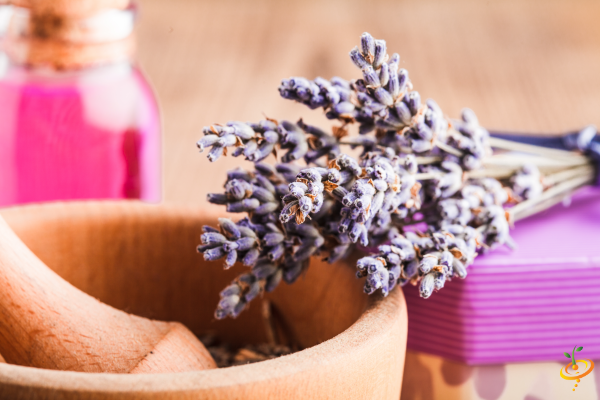
Lavender repels mosquitoes because mosquitoes dislike the scent of the lavender plant.
smallshutterstock_178462265
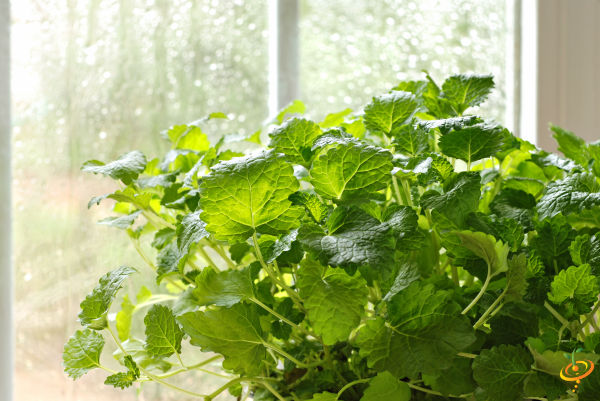
For an easy homemade repellent, crush lemon balm leaves and then rub them onto your skin. Keep the plants growing near doorways where the leaves will be readily available when you need them.
smallshutterstock_92327908
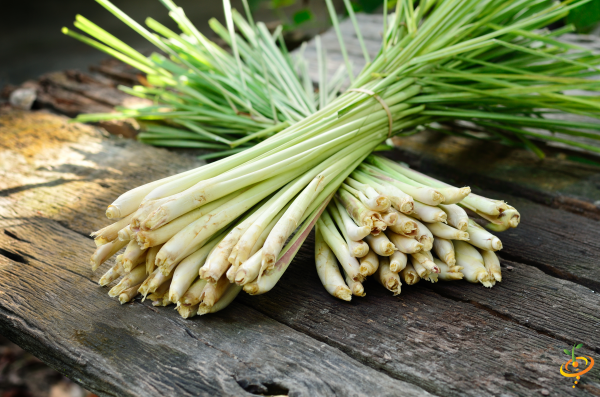
Mosquitoes do not care for the fragrance of lemon grass. Grow these attractive “grasses” near walkways and near seating areas to deter them. 
smallshutterstock_107826104
The leaves and their extracted juices will help to repel mosquitoes from feeding on you.
smallshutterstock_147820508
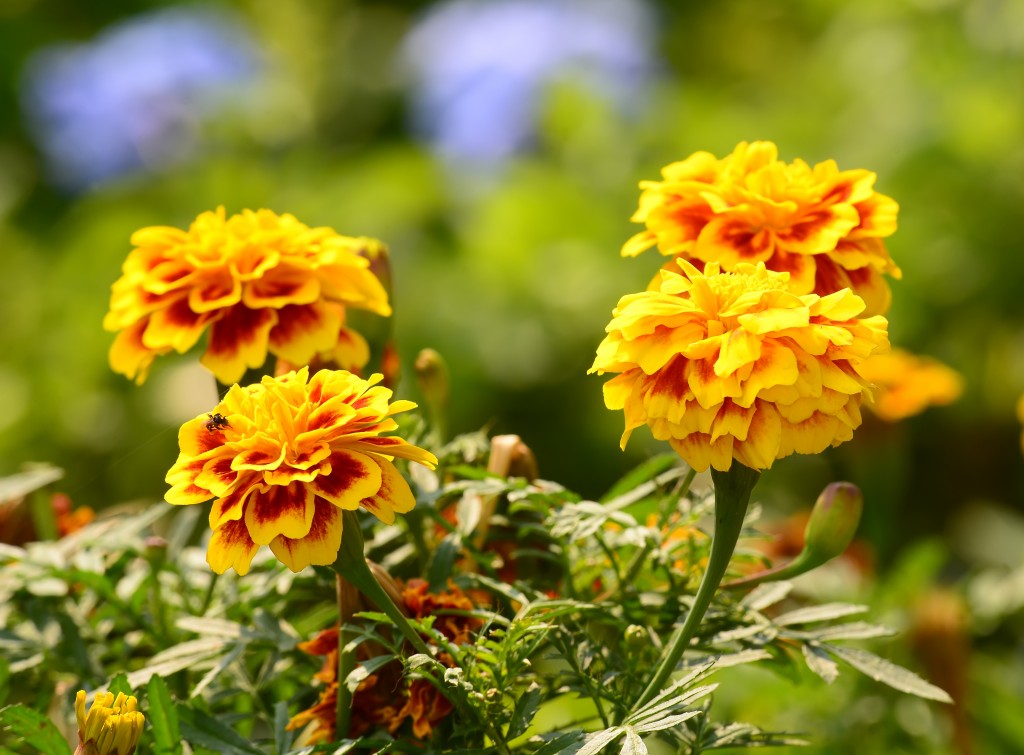
“Potted marigolds can be positioned near entrances to your home and any common mosquito entry points, such as open windows. The smell may deter mosquitoes from going past this barrier. While marigolds can be used as border plants around the patio, we do not advise putting marigolds on the patio table since the bright blooms may attract wasps.

Besides repelling mosquitoes, marigolds repel insects which prey on tomato plants, so you may want to plant a few marigolds in your tomato bed for added protection.” -source “Learn.EarthEasy.comshutterstock_174218558

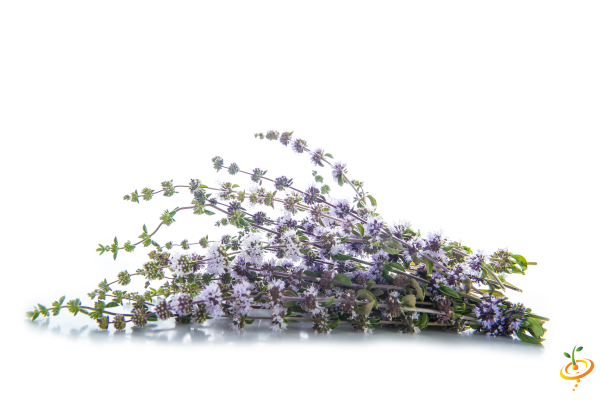
“Crushed pennyroyal stems stuck in your hat and pockets really will repel gnats and mosquitoes. Dog owners often see their dogs rolling in pennyroyal patches, and dog instincts can usually be trusted.” -sourceMotherEarthNews.com
smallshutterstock_208413583

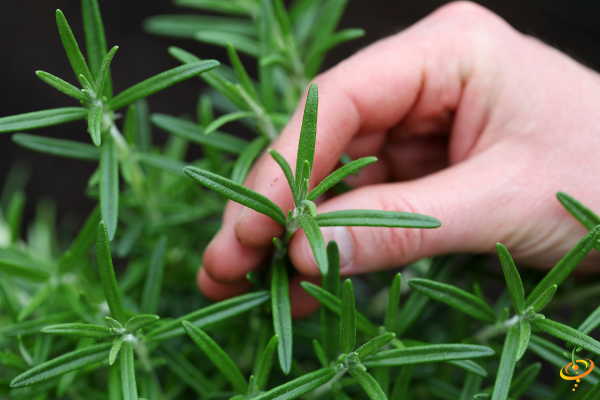
10. Rosemary
A Recipe for a Simple Rosemary Mosquito Repellent:
“A simple repellent spray is made by adding 1 cup dried rosemary to a quart of water, boiling it in a pot for 20 to 30 minutes. Pour a quart of cool water into another container (that holds at least half a gallon), then strain the rosemary water into the container. Pour small amounts of the blend into squirt bottles to apply directly to skin and outdoor pets. Store the unused portions in the refrigerator; discard it when it no longer smells strongly of rosemary.” – source “HomeGuides.SFGate.com
smallshutterstock_143050906
 
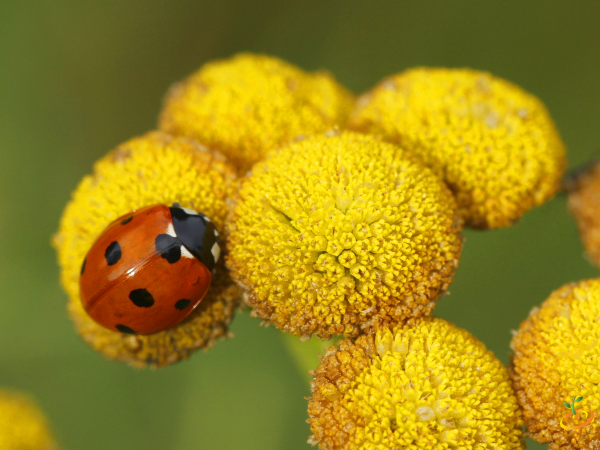
11. Tansy
Tansy is a strong herb, beautiful & yet suitable for growing around doorways to act as an mosquito deterrent.
smallshutterstock_163193465
 
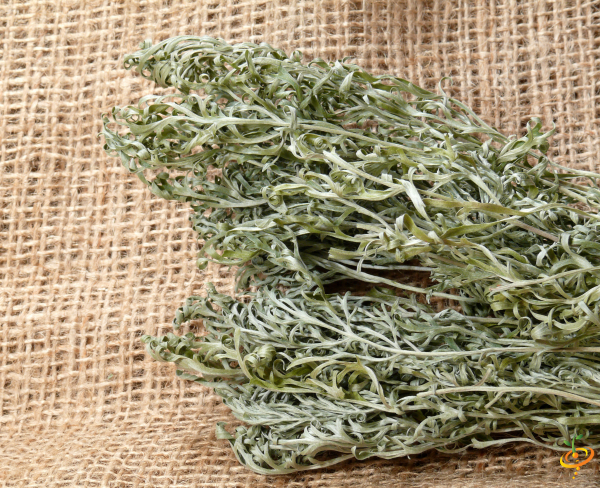
Wormwood can make a lovely, unique border and the strong odor does a good job of keeping mosquitoes at bay. Note: Do not rub on skin.
smallshutterstock_125111012
 

March Against Monsanto 2018

March against monsanto

HAPPENING TODAY– “Hundreds of thousands of concerned citizens will hit the streets May 19th, 2018 for the 7th international March Against Monsanto grassroots campaign. The global events will take place in hundreds of cities on six continents with the objective to further educate and raise awareness about Monsanto’s genetically modified seeds and the increasingly toxic food supply, as well as its merger with the German pesticide, GMO and pharmaceutical giant Bayer.”

Extensive protesting will happen across the world and related online coverage can be found on social media platforms including Twitter, Facebook, and Instagram by using the hashtags #marchMay19 and #MarchAgainstMonsanto (#MAM).

What are GMO’s? https://www.seedsnow.com/pages/everything-you-need-to-know-about-genetically-modified-gmo-foods

farmer-880567_640

MarchAgainstMonsanto

LEARN MORE: https://www.march-against-monsanto.com


Genetically Modified Children -MOVIE TRAILER-

capture-20180518-064807

OFFICIAL TRAILER 2018: Genetically Modified Children, Coming June 5.

“Can Monsanto chemicals permanently alter your child’s genes? Low-income tobacco farmers face skyrocketing cancer rates with more devastating repercussions affecting their children: severe physical deformities and mental disabilities.

Choosing between poverty or poison, Latin American growers have no choice but to use harmful chemicals such as the herbicide glyphosate (aka Monsanto’s Roundup) and Bayer’s insecticide Confidor if they want to certify and sell their crops to Big Tobacco.

As patent and regulatory laws continue to favor the profits of Monsanto and chemical companies, the tobacco makes its way into the hands and mouths of consumers worldwide in Philip Morris products, while the poisons used to harvest the crops contaminate the farmers’ blood and are modifying the human genome, creating genetically modified children.”

capture-20180518-064951

Watch the Trailer HERE

[MUST READ] Volcanic Eruptions Threaten Sanctuary & Retreat in Hawaii

Aloha Familia! Our beloved Laura & Noah Dawn are going through a huge life-upheaval with the volcanic eruptions happening in their hometown of Pahoa, Hawaii. They have packed up their entire sanctuary as much as possible and are leaving their property with deep hopes of returning to pristine land once again. However, this is having a mega impact on their income for the summer as they facilitate retreats and with the volcanic eruptions, things are shifting every day.

Money from this campaign will be used to cover all damage costs, moving, storage, as well as be a safety-net for all bills and expenses that need to be paid because there is no income coming in.

HELP SUPPORT Laura & Noahh Dawn HERE: GoFundMe

Homes Or Gardens? Developers And Urban Farmers Grapple Over Vacant Land

10348515_691737574196011_4961414424975080341_n_wide-584c82e6c68924fec5f9ed52e7827af7286d25bc-s1500-c85“Vacant lots dot lower-income neighborhoods across the country. In many cities, urban growers have planted in those lots, repurposing abandoned city land into gardens with farmers markets and healthy food.

But cities often still register such plots as “vacant,” which allows them to be snatched up by housing developers. In communities where both housing and fresh food are needed, the fight over valuable vacant land is prompting policy reform — and tense collaboration — between developers and gardeners.

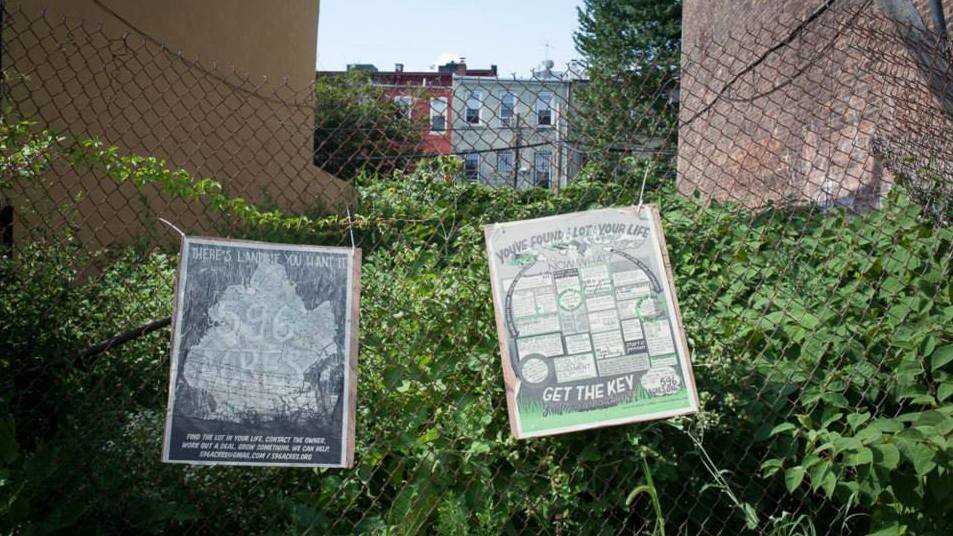
“People who live near [vacant lots] should have a say in how they’re developed, and most of the time people want to grow gardens, parks and farms,” says Mara Kravitz, director of 596 Acres, an organization that maps vacant lots in New York City and advocates for community stewardship of that land.”

Read the FULL STORY at: “NPR.org

Urban farm coming to former Sparrows Point steel mill site in Baltimore County

bs-1525786333-3ucak4c4iu-snap-image

“A former Baltimore County steel mill is going green, as a Chicago-based urban farming operation looks to transform a portion of the former Sparrows Point site into a large greenhouse.

Gotham Greens is opening a 100,000-square-foot hydroponic greenhouse at Tradepoint Atlantic, the massive redevelopment project planned for Sparrows Point, according to a news release.”

Read the FULL STORY: “BaltimoreSun.com

One-Acre Permaculture Garden Feeds 50 Families

One-acre garden provides fruit, veggies and eggs for 50 families with very little labor

More and more people are learning growing food doesn’t have to be hard work. When you work with nature instead of against it, it does much of the work for you.

It’s called permaculture. While permaculture gardens require a year or two of work up front — mostly restoring land laid waste by agriculture — once they are set up, they almost tend themselves.

Read the original article at: “ReturnToNow.net

Bus Converted into Mobile Food Market Brings Fresh Produce To Low-Income Neighborhoods

mobile-food-market-1

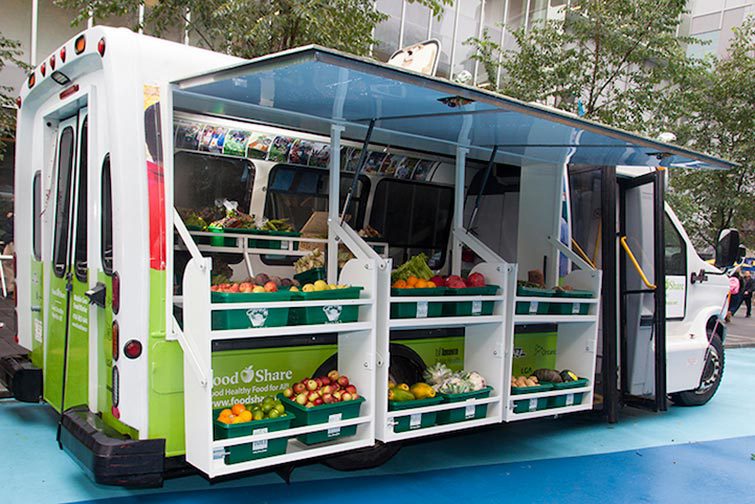
Urban areas are difficult for someone who wants to maintain a fresh diet. The main reason is money: fresh vegetables and fruits are expensive because the product has to be shipped and you end up paying for the delivery cost more than for the quality of the product itself.

With the Mobile Good Food Market, you can have your fresh veggies and greens without traveling. Thanks to a collaboration between FoodShare Toronto, the City of Toronto, and United Way Toronto, an old bus was converted into what is a mobile food market.

Everything from broccoli and lettuce, to apples and onions or other fruits and vegetables, are available when the bus comes to town, twice per week.

The price isn’t that much lower, because they have to take care of the costs involved by the bus, but all in all, the idea behind such a conversion is easy to praise and be impressed by.

See the rest of the story at: “GoodHomeDesign.com

Strange Ways To Use 30 Most Common Household Things In Your Garden!

Learn 30 Things That Can Make Your Garden Better!

1. Cardboard and Newspapers

Must you have cardboards and newspapers? Do you know you can use them in your garden? From putting them into the compost to suppressing weeds or this DIY newspaper seed starter, there are many ways. Find out more cardboard uses here!

2. Wine Bottles

From creating a water fountain to bird feeder to self-watering pots, there are not just 3 or 4 uses; your old wine bottles can be used to complete these 26 DIY projects listed here

3. Pennies

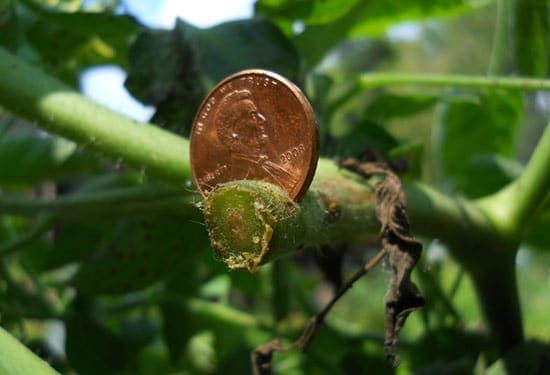
Have pennies? Use them to control tomato blight. Also, drop a penny into the vase as it’s made of copper, which is a known fungicide (especially the older one, made before 1982) and helps in keeping your cut flowers fresh or you can create a penny birdhouse!

4. Aspirin

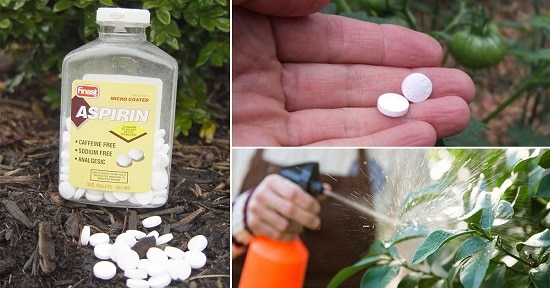
Have aspirin tablets? Use them in your garden–fight fungal diseases, propagate plants from cuttings successfully and quickly, and improve the productivity of your fruit trees. Check out the science behind these claims in this article.

See 26 MORE Common Household Things that can make your garden better, HERE at Balcony Garden Web

Common Gardening Problems and How to Cure Them

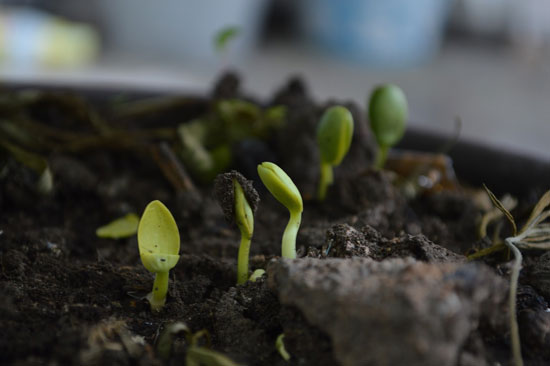
shutterstock_80524903Seedlings do not emerge after planting:
It’s possible that not enough time has passed. Make sure your soil is not too dry and that the temperature is correct for starting whatever seeds you’re trying to grow. Wondering what plants grow best during specific times of the year? Read Gardening Through the Different Seasons.

Plants grow slowly with light green leaves:
It sounds like your plant isn’t getting enough light. Make sure the temperatures are warm enough for the variety of plant you’re growing and check how much you’re watering your plant.  Do not overwater, and try to improve your drainage. Check your pH levels and try adding some amendments to your soil if you feel it might be a nutrient deficiency. Read more about Soil Amendments.
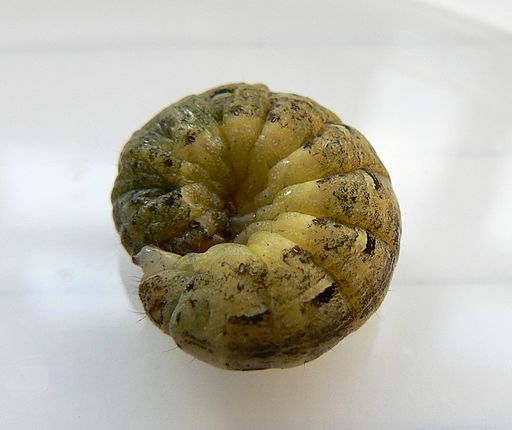
Neil Phillips - Large Yellow Underwing caterpiller (by)
Seedlings wilt and fall over/young plants die:
It’s possible your seedlings are suffering from “damping off”, which is a fungal disease. You might also have root maggots, cutworms, rotting roots, dry soil or could be over-fertilizing. Avoid overwatering and check for grubs at the base of your plants. Keep your garden free of rotting plant matter and weeds. Try treating the soil with a fungicide and avoid over-watering.  Suspecting pests? Read Dealing With Pests & Insects.

Plants wilt:
It’s likely your plants are suffering from too much or too little water. Roots may be rotting or you may have root-knot nematodes. Try watering deeply, and more consistently. If the soil is soggy, stop watering all together for a while and let the soil dry up a bit. Practice good crop rotation, and plant disease-resistant varieties. Do you think you’re overwatering? Read more on Watering.
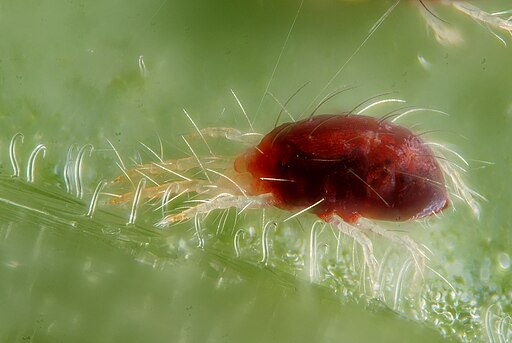
Tetranychus urticae with silk threads

Leaves have tiny white spots:
White spots usually mean you have spider mites. Spray affected areas with an organic insecticidal spray.

Leaves look scorched, then fall off:
“Burnt” looking leaves can be the effect of salt damage, low temperatures, dry soil or over fertilizing.  To protect from cold temperatures, use a floating row cover in the garden. If you’ve salted your walk-ways or driveways, make sure the water running off isn’t going into your garden, this would be the cause of your “burnt” looking plants. Water deeply and regularly, and don’t over fertilize.

Mildew-back

A powdery white coating on tops of leaves:
Sounds like powdery mildew. This usually occurs when your plants are dry but the area around them is humid and moist. Try planting in full sun, and provide adequate spacing between your plants to promote good air circulation.

Brown spots on leaves:
This usually occurs from chemical burns or over fertilizing.  It also could be the result of too cold of temperatures or a potassium deficiency.  If your soil seems dry, try watering more frequently. If you’ve over-fertilized, remove fertilizers from the soil by overwatering for a day or two. If you’re lacking potassium in your soil, try adding some wood ash, aged compost or aged manure. Using, Buying and Applying Organic Fertilizers.
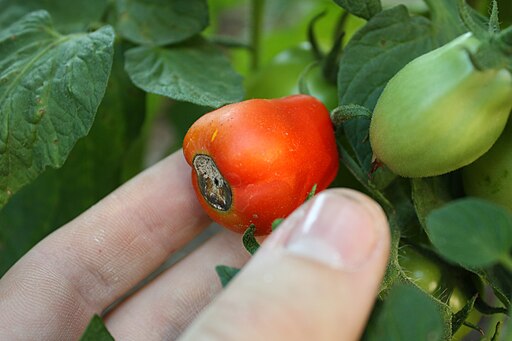
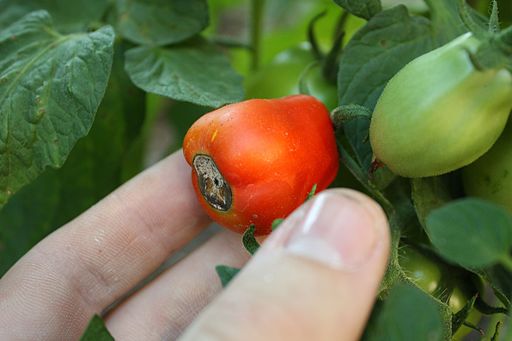
Blossom end rot

Blossom end of tomatoes are rotten:
“Blossom-end rot” on tomato plants is the result of either a calcium deficiency, soil that is too compact, root injury, and/or inconsistent watering.  Mulch around plants that are affected to promote even soil moisture. You can also incorporate lime into your soil to help with the calcium deficiency.  Don’t forget to add some aged compost and organic matter into your soil.  Read our Intro to Mulch.

Leaves are curled or scrunched together:
When the leaves curl, this could mean several things. It could be from a disease, moisture imbalance, aphids or from too much herbicide. Treat aphids by spraying leaves with water and using an organic insecticidal spray. Remove your affected plants if you suspect disease. Keep the soil evenly moist and try adding mulch around your plants suffering from curled leaves.
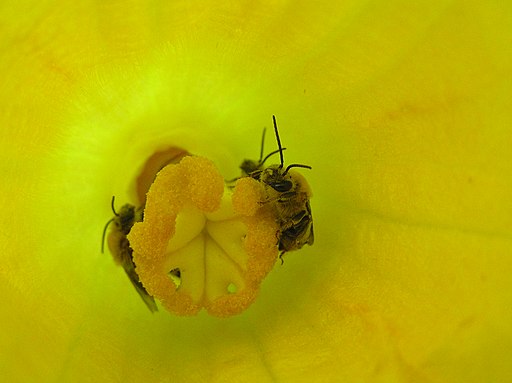
Cucurbita flower squash bee - Nancy Adamson-the Xerces Society

No fruit:
When you have beautiful plants that don’t produce fruit, there can be several reasons to blame. The first is, to much nitrogen. There’s also the possibility of no pollination so you might want to try some hand pollination techniques.  If your plants are mature enough to start setting fruit and the temperatures are right then try adding some nitrogen-rich fertilizers and pollinate the blossoms with a small brush or gently shake the plant.

Plants are “spindly” & weak:
Your plant may not have enough light. It also may have been watered too much. Are your plants crowded or planted too close together? Your plant could be getting too much nitrogen as well.  Ensure your plants get 6-8 hours of sunlight every day, improve drainage, and thin your plants further apart. Avoid excess fertilizing.  Wondering Where You Should Plant a Garden?

Tomato late blight fruit cluster (5816739612)

Fruit and stems turn brown:
Sounds like blight. It usually occurs later in the season and can affect all areas of the plant. Apply a copper spray to keep it from spreading and killing the entire plant.

Leaves are yellow but do not wilt:
Test your soil for deficiencies and ensure that your plant is getting enough sunlight. Thin plants if necessary and move to a sunnier location if they are getting too shaded in the garden.  Learn more with our Intro to Soil.

Zucchini yellow mosaic virus leaf

Mosaic-like spots on fruit, leaves, stems etc.:
This disease causes green, and yellow spots on plants and foliage. Leaves can crinkle on plant, turn yellow, and growth will be stunted. There are no cures for this disease but you can help prevent it by controlling aphids and leafhoppers. Remove and destroy ALL plants affected by the Mosaic Virus.

Growth is stunted, yellowing of the leaves:
Your plant probably is suffering from insufficient nutrients. Use a complete fertilizer, and try incorporating aged manure into your soil. Insects, disease, poor drainage, and acidic soil are likely culprits as well. Test your pH and remove affected plants from the garden if you suspect disease.

The Organisms in Your Compost

organism jpg

“While browns and greens are essential to composting, they only provide the venue and the buffet. A vast web of critters, creatures, and itty-bitty beings do all of the work of transforming browns and greens into black gold. Composters fondly refer to them as the F.B.I.: fungi, bacteria, and invertebrates. Check out their dossiers.

1. Fungi

Why did the mushroom get invited to the compost dance party? Because he’s a fungi (geddit, fun-guy?) . . . and he can sure break it down!

Fungi are microorganisms that include molds, mushrooms, and yeasts. Common in cooler temperatures, they do a great job of decompos­ing cellulose and lignin, the woodier components of plant matter that can be too dry, acidic, or low in nitrogen for bacteria to work on. Fungi perform this vital task by squirting enzymes into their food and noshing on the nutrients released in this process. This occurs predominantly in meso­philic temperatures, which range from 40 to 110 degrees Fahrenheit. Fungi are most commonly found in compost made from leafy, woody ma­terials. If you’d like your compost to be more fungally dominated, make sure to work lots of landscaping waste into your pile.

2. Bacteria

Bacteria are single-celled microorganisms that exist virtually everywhere. In fact, they are inside your body right now, about a hundred trillion of them, or ten times the number of cells you have. (Are you freaking out? Don’t.)

In a compost pile, bacteria do most of the decomposition work. Me­sophilic bacteria chow down on sugars and starches and are most produc­tive in a temperature range of 70 to 90 degrees Fahrenheit. Most backyard compost piles are mesophilic, taking their temperature cues from the ambient air. As mesophilic bacteria eat, they produce heat, and the tem­perature of the compost system begins to rise. If they achieve temps of about 104 degrees, it gets a little too warm for them and their population dies off.”

READ THE FULL LIST AT:MotherEarthNews.com

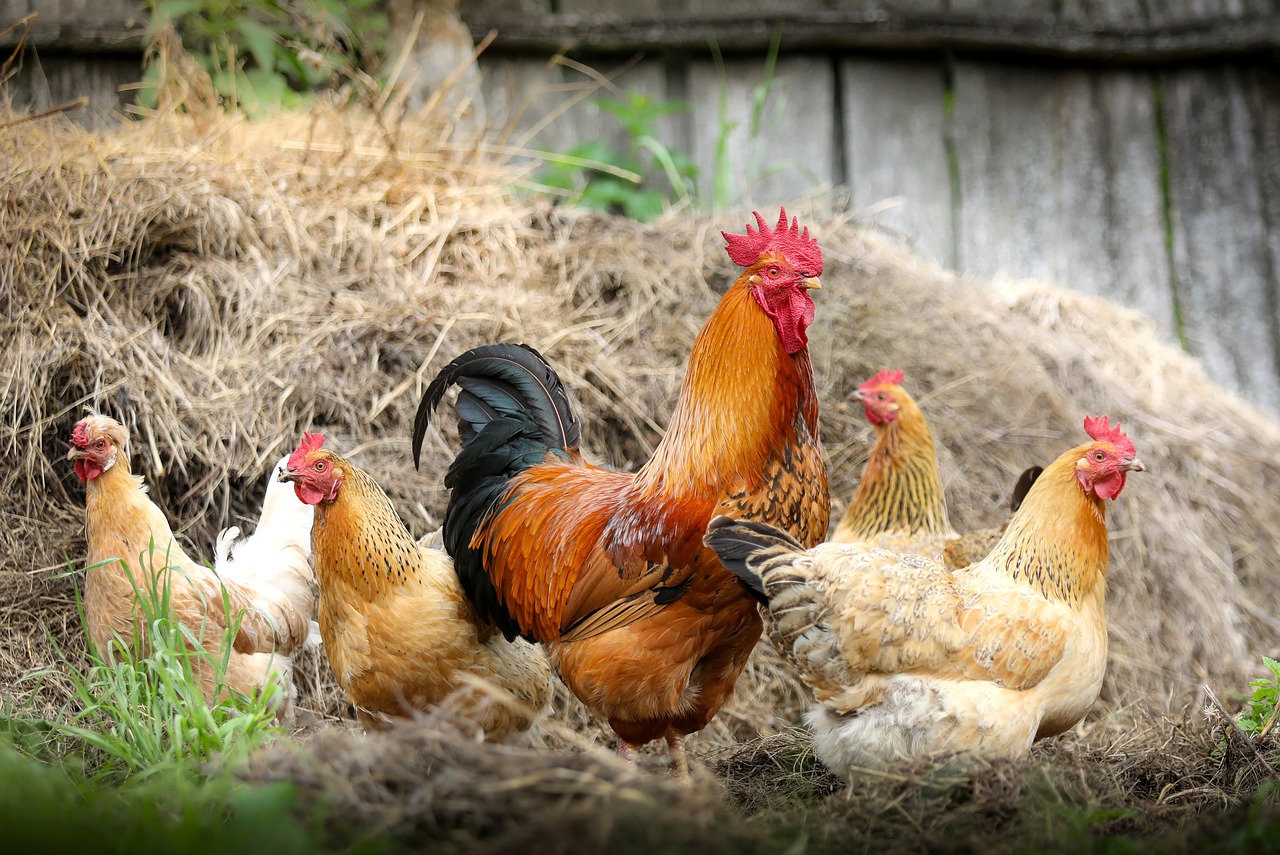
The Rise in Urban Chicken Farming


DENVER — Gone are the days of moving to rural communities to become farmers. Instead, more and more people living in metro areas are becoming, ‘Urban Farmers’; especially when it comes to raising chickens.
“I joined a lot of chicken groups on the internet I never thought I’d join,” a slightly embarrassed Aaron Serna admitted.

At first, Serna didn’t know a thing about chickens. But the more he researched them, the more he found himself intrigued. Same goes for Ryan Zeman.

“Chicken facts 101,” Zeman joked.

Both men started raising chickens as a way to appreciate their food more and because of the health benefits associated with it.

“We just kind of wanted to experience and be more connected to our food,” Serna said. “I think it’s something people don’t really understand the amount of energy and work that goes into making food. So it was a way for us to understand that and be more appreciative”.

Read the FULL STORY at: “KDVR.com