Grant program offers money, and legitimacy, for urban agriculture

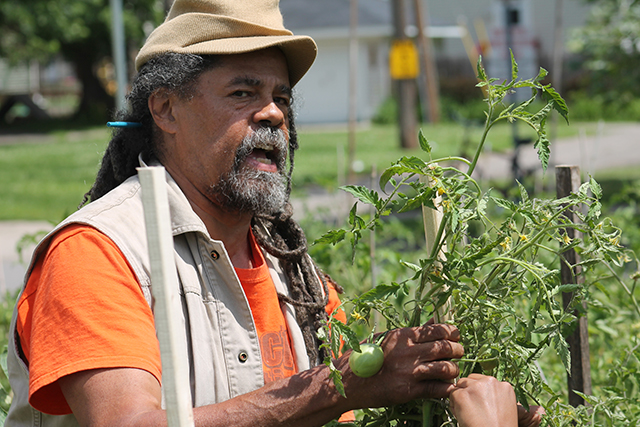
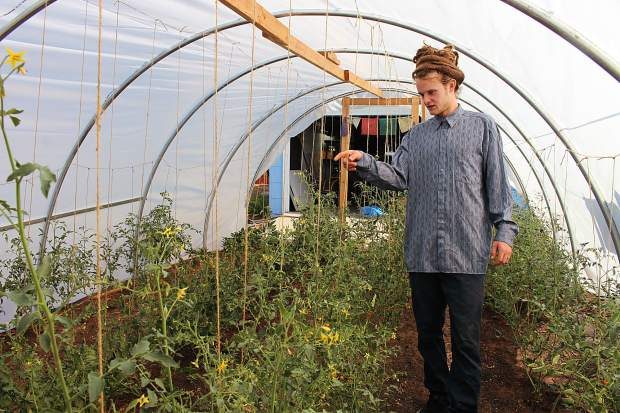
Michael Chaney, Project Sweetie Pie founder, talks to student workers Wednesday about trellising tomatoes at Karamu Garden in north Minneapolis.

“Urban farming in Minnesota reached a milestone this summer, when the state announced the first round of grants for agriculture education and development projects in cities.

It’s the first time the state has allocated money specifically for urban agriculture, and it took several tries to get the legislation passed. Michael Chaney, a long-time advocate from north Minneapolis who founded Project Sweetie Pie, a grant recipient, said he approached lawmakers with the idea about four years ago. At the time, he saw plenty of interest in urban agriculture — but not the kind of financial support that exists for rural farmers. “I was disenchanted and discouraged,” Chaney said.

Advocates said state investment is crucial because it lends credibility to what Chaney calls the “changing face of agriculture.” Such state funding, even a small amount, can usher in a shift toward seeing urban areas as potential farms and their residents as fellow food producers.

That shift can also bring education and economic opportunities that are often more associated with rural areas. “Agriculture has been deemed corporate ag with rural roots and conventional farming techniques,” Chaney said. “What we’re proposing with urban farming is a whole reconfiguring. … What’s the role of urban communities in growing food?””

READ THE FULL STORY: “MinnPost.com

Healing in the garden ‘The Pesto Project’ at East Side Center aids mental wellness

“GLENS FALLS — It might not seem like soil and some seeds could make a difference in someone’s life but for the clients at the East Side Center, nurturing plants and flowers have helped them to blossom.

Jodi Gagnon, who said she deals with alcoholism and has post-traumatic stress disorder, was attending a dual recovery meeting last February when she learned about an ongoing gardening project behind the adult psychiatric rehabilitation building on Maple Street.

Gagnon was new to the area and the outside world was “terrifying” for her. She had never gardened before but soon she was planting seeds in little containers and gradually progressed to doing small tasks in the flower and vegetable beds.

When her PTSD symptoms worsened on weekends she found salvation in the garden, picking up debris and touching the flowers and crops.

“I would feel this sense of relief,” she said. ”It was a very big part of my recovery by getting out of my comfort zone.””

READ THE FULL STORY AT: “PostStar.com

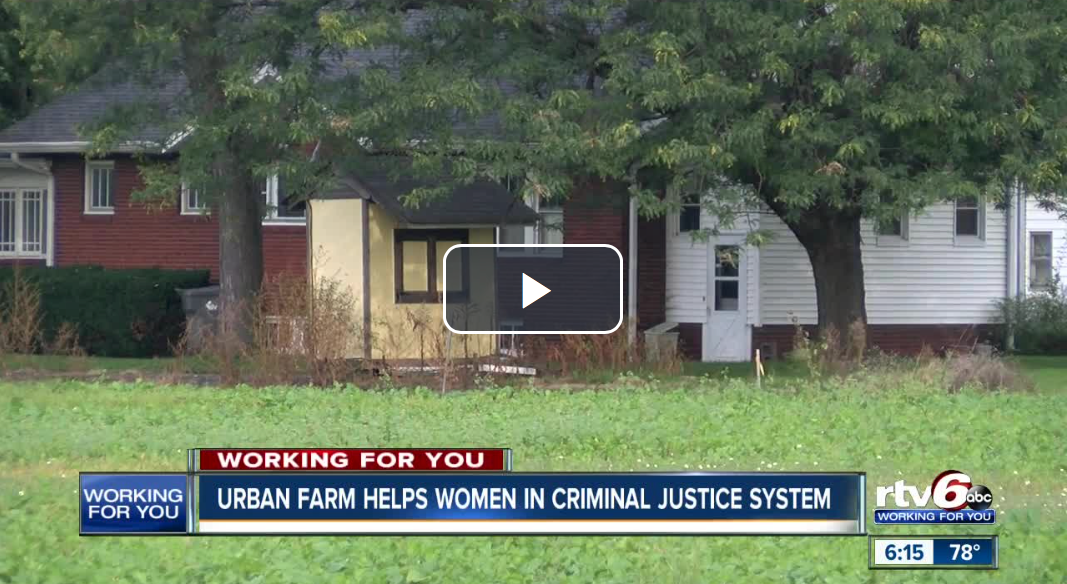
Urban farm offers women a place to live & work after getting out of prison


“INDIANAPOLIS — An urban farm opening in central Indiana will provide women coming out of the criminal justice system with a place to live and work so they can get their lives back on track.

While working at Bellfound Farm, the women will also receive mental health counseling, coaching and skill development training.

Alena Jones, co-founder and COO of Bellfound Farms, says they are getting started with a grant from the Women’s Fund of central Indiana.

“When we’re talking about how nine out of 10 women who have been incarcerated have experienced trauma, what we know about being in a green environment is that it calms your nervous system down and gives you a little bit more brain space to process what’s going on inside of you,” said Jones.”

READ THE FULL STORY AT: “TheIndyChannel.com”

9 QUICK GROWING Cool-Season Veggies

Curious as to what you should be planting before your first fall frost gets here? Take a look at these 9 cool-season veggies that you can start now, and enjoy in 60 days or less!
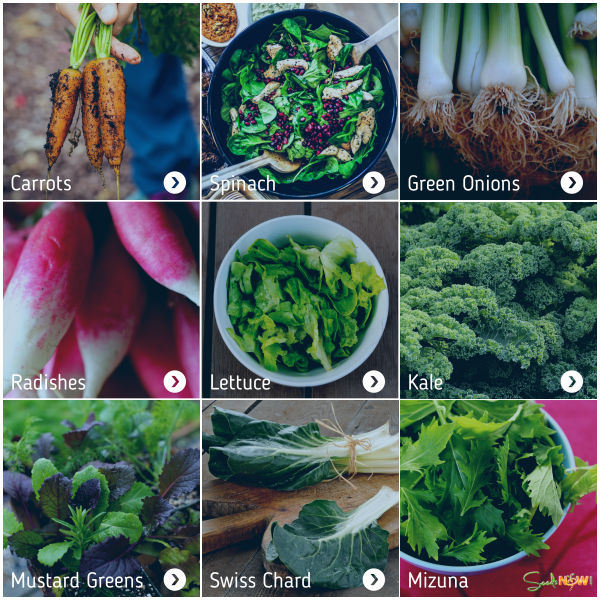
Carrots, Spinach, Green Onions, Radishes, Lettuce, Kale, Mustard Greens, Swiss Chard & Mizuna!

Carrots are an annual cool-season crop, half-hardy to frost and light freezes. They develop quite normally under a variety of temperature conditions, except very warm temperatures. It is often said that frost or cold weather will make them even sweeter. Shop all CARROT seeds! 

Spinach can grow anywhere there is at least a month and a half of cool growing weather. Spinach is a cool-season crop, hardy to frosts and light freezes. In rows 12 inches apart, space seedlings 3 inches apart. Shop all SPINACH seeds! 

Onions are easy to grow, have a fairly short growing period and take up little space in the garden. If you don’t have a vegetable garden, plant a few onions in your flower garden or in a pot or box and set them on your patio or in a sunny window. Plant onions 1/4 inch deep and 3 to 4 inches apart in double rows, leaving 6 to 10 inches between rows. If the onions are planted closer together, you can harvest every other plant as a green onion so that bulb development of the remaining plants is not impeded. Shop all GREEN ONION seeds!

Radishes are a fast-growing, cool-season crop that can be harvested in as little as twenty days.  Eaten raw they can be whole, sliced, diced, or grated. You can also cook and pickle them. Most of them are typically eaten fresh and make a good addition to a salad or a substitute to pepper on a sandwich. Shop all RADISH seeds!

Lettuce Seed should be sown thinly in rows 1 foot apart; for leaf types, thin plants to 2-3 inches apart, then thin again by pulling every other plant when half grown. This will encourage thickly developed plants. For head types, space rows 18 inches apart, plants 8-10 inches apart. Closer spacing results in smaller heads, which may be preferable for small families. Specialty growers are spacing lettuce very close for selling baby lettuces, a rapidly growing produce market. Shop all LETTUCE seeds!

Kale can be planted pretty much anywhere in the United States where there’s a cool fall growing season. It’s a cool-season crop, hardy to frosts and light freezes. Shop all KALE seeds!

Mustards are a quick and easy crop to grow in your home garden.  They are a spicy green, which will quickly become one of your favorite crops. When growing from seed, start them outdoors 3 weeks before the last frost. For a more steady harvest, plant seeds about every 3 weeks or every month to give you a successive harvest. Shop all MUSTARD seeds!

Swiss Chard is a leafy green vegetable often used in Mediterranean cooking. Fresh young chard can be used raw in salads. Mature chard leaves and stalks are typically cooked (like in pizzoccheri) or sauteed; their bitterness fades with cooking, leaving a refined flavor which is more delicate than that of cooked spinach. Shop all CHARD seeds!

Mizuna is a vigorous grower, which produces numerous stalks bearing dark green, deeply cut and fringed leaves. Shop MIZUNA seeds!

SHOP all of these varieties and more at: www.SeedsNow.com
Above the Waterline: Growing good food and community

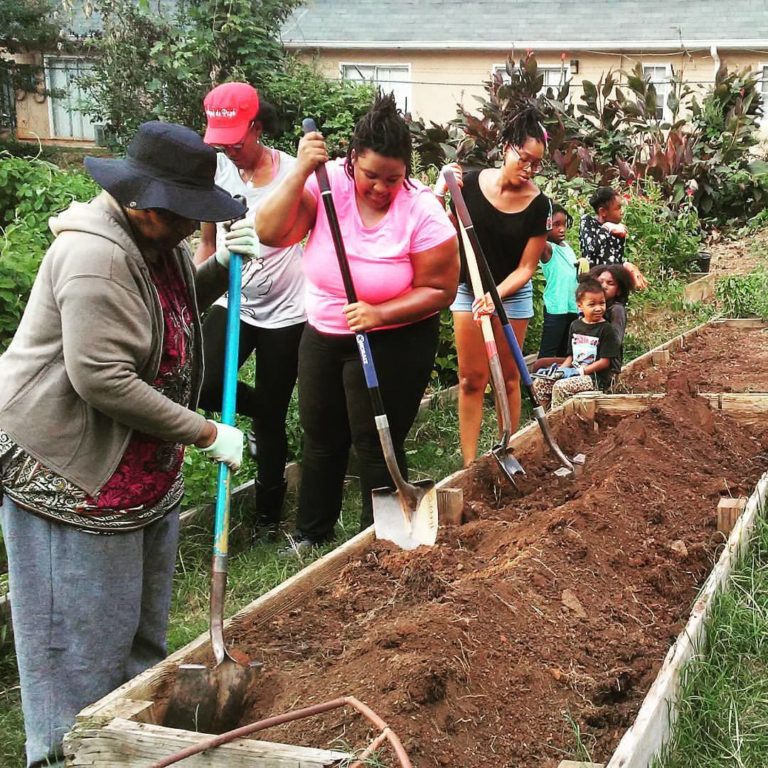
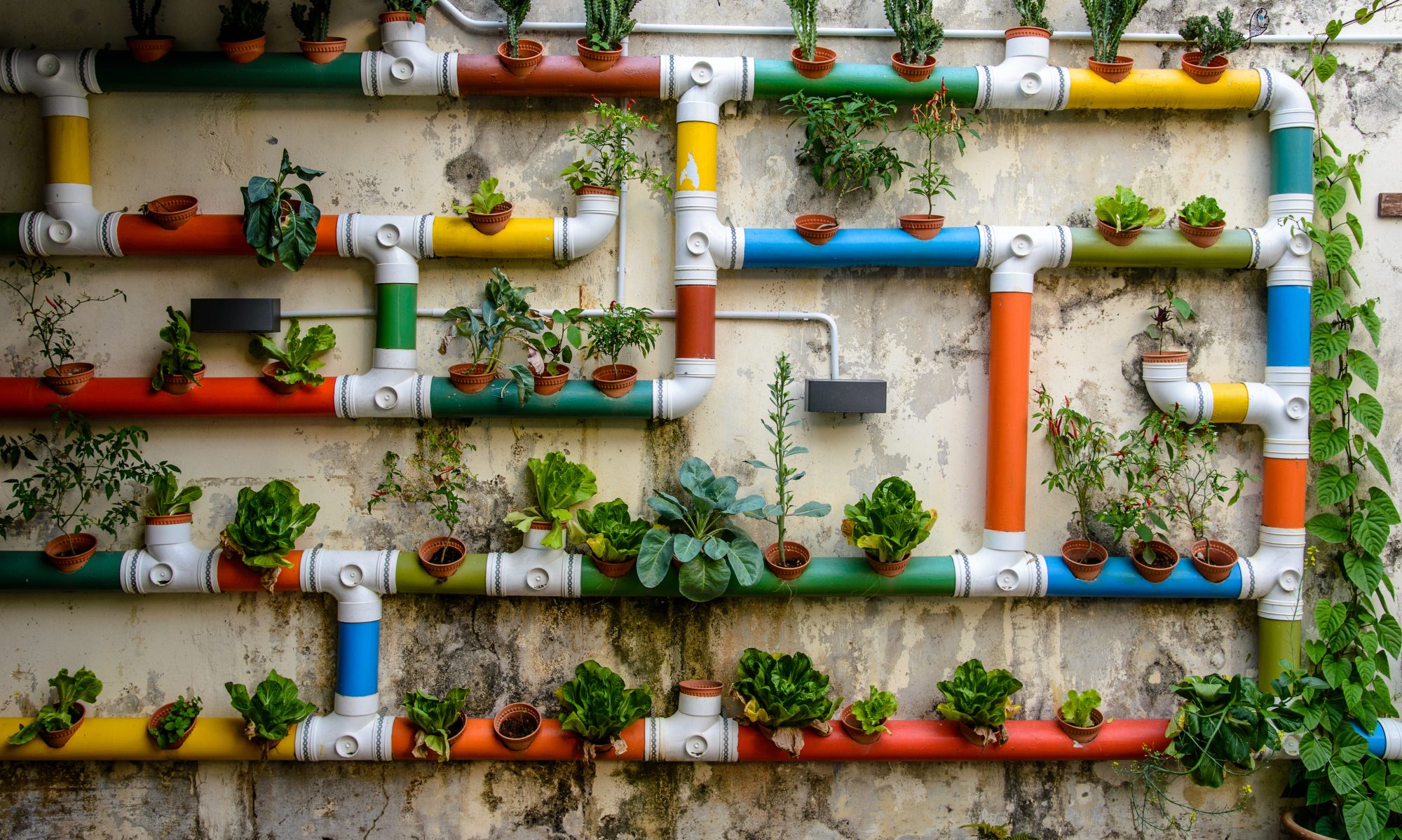
“Atlanta’s urban agriculture movement is fortunate to have no shortage of charismatic and passionate people who can, and will, expound at length about their love of land and soil, fresh produce, food security and growing community.

When Carol Hunter is having a rough day at work, she thinks of the mothers and children who are nourished physically and mentally while learning how to grow food at an urban garden on Lawton Street in southwest Atlanta. That image and their smiles keep her going.

When Ras Kofi Kwayana touches the earth, as he teaches urban farming in the city, he feels the therapeutic effect of working in the soil and growing food – and he observes the transformation in his students. When Patience Allen-Glick has trouble going to sleep at night, she closes her eyes and mentally walks around the garden on land next to the Wheat Street Baptist Church in the Old Fourth Ward, where she worked years ago; she still remembers the smell of the flowers and herbs and the sense of community.”

READ THE FULL STORY AT: “AtlantaInTownPaper.com

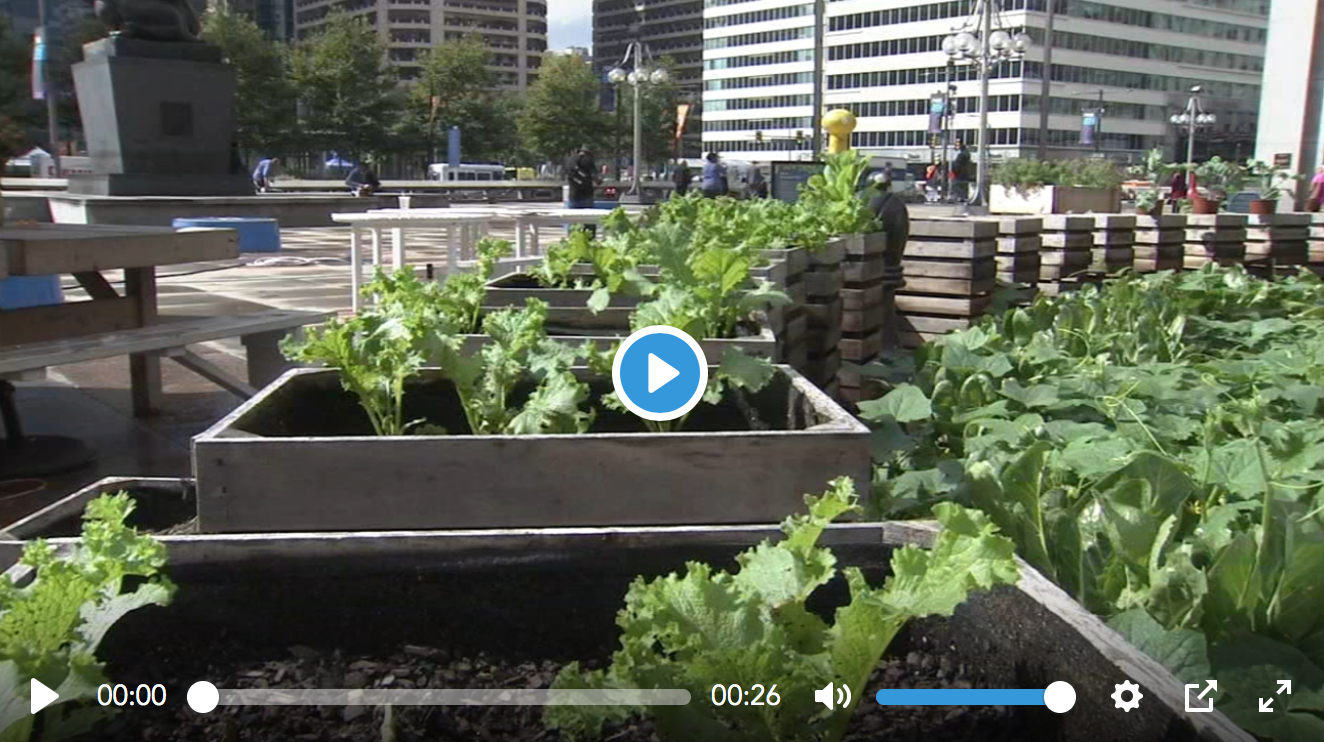
Urban garden near City Hall that feeds homeless facing final harvest

READ THE FULL STORY AT: “6ABC.com

How urban farms in New York schools are raising food to fight inequality

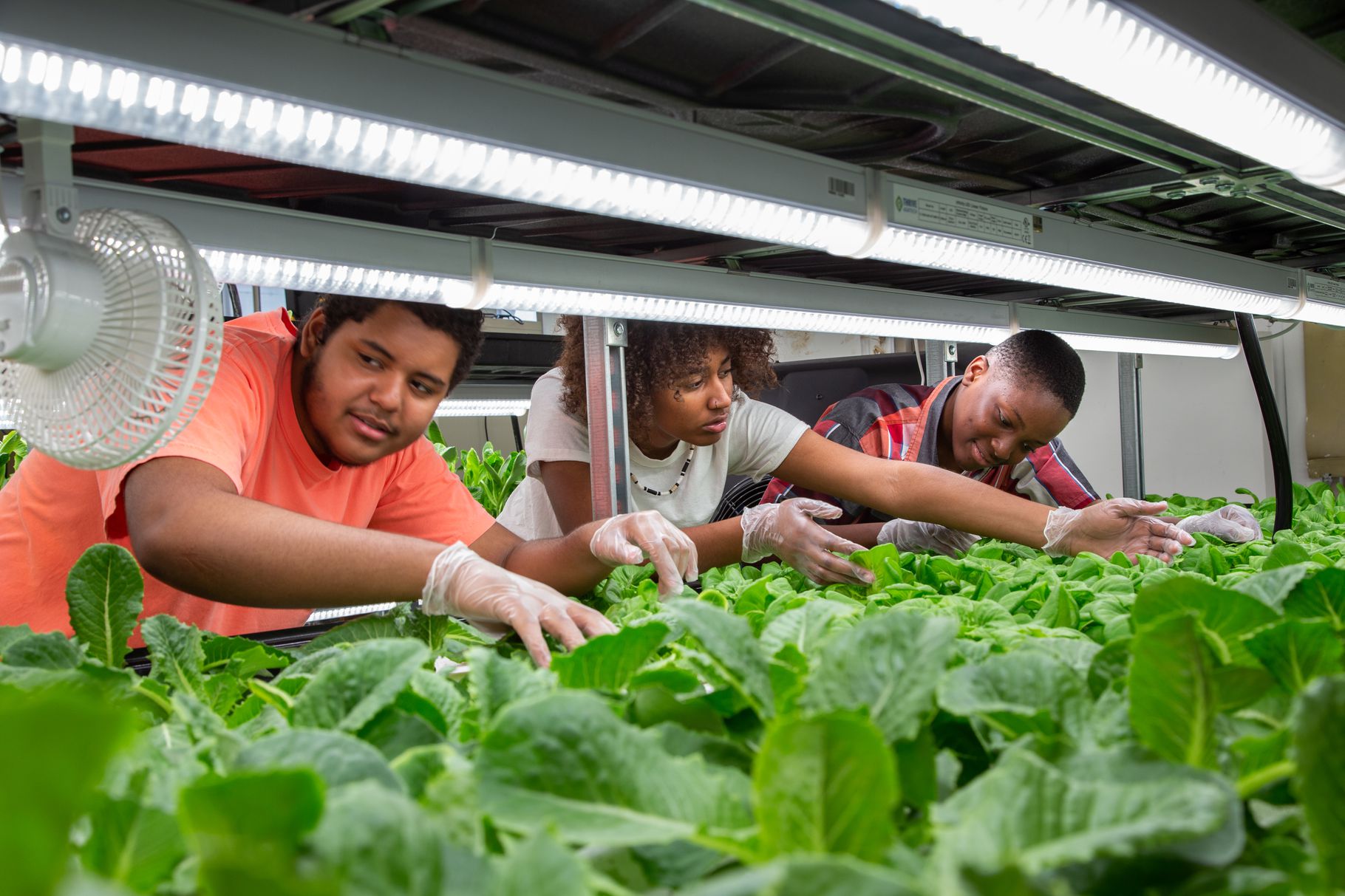
“It’s the type of experience expected at a top-rated restaurant: Diners gaze at produce growing in a hydroponic garden next to the kitchen. Behind plexiglass, herbs are carefully plucked in anticipation of being added to every plate.

This high-tech take on farm-to-table, however, is being built for the cafeteria of a New York City public school in Manhattan.

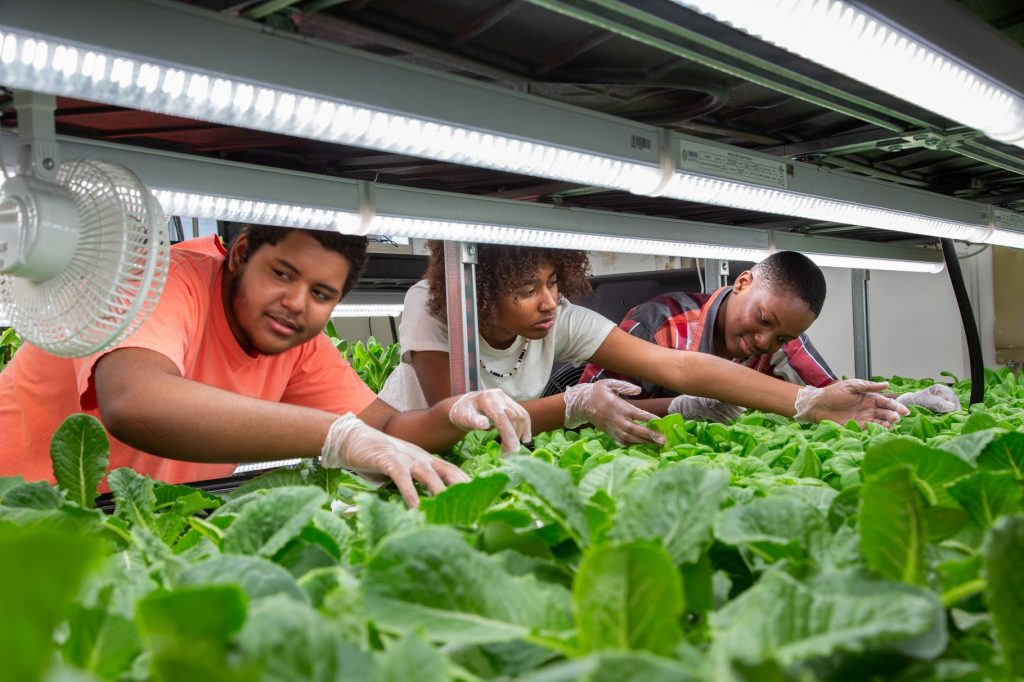
As part of a nonprofit program called Teens for Food Justice, a handful of schools in Brooklyn, the Bronx, and Manhattan have turned spare classrooms, unused science labs, and, in one case, an empty closet into urban hydroponic farms, an experiment in self-sufficiency, science education, and food equity.

It’s not unheard of to find produce grown within the five boroughs: supermarket chains like Whole Foods and companies such as Gotham Greens have helped pioneer and popularize large-scale commercial farming in New York City.”

READ THE FULL STORY AT: “Curbed.com

Neighbors complain about Florida man doing yard work naked, police say it is legal


“WASHINGTON (Circa) — Neighbors in Stuart, Florida, are irritated with their fellow resident who has been doing yard work in the nude.

“I came out Sunday night to put the trash out, and I look over and he is bent over, winding up his hose, and I’m like that is my view of the neighborhood,” Melissa Ny, a neighbor, told WPBF-TV. “He works on his car, and he does it naked and everyone has called the police, he is just out there doing his yard work, whatever he needs to do outside, naked.”

Another neighbor believes the man should have some respect for children who live in the area.”

READ THE FULL STORY AT: “WearTV.com

Fall Planting Schedule, Down To Your First Frost Date


Now is the time to start making solid plans for your fall and winter garden. Follow this simple planting schedule for a great start, or visit our online interactive planting calendar for a more detailed description of what you should be planting when based on your exact location and grow zone. 


12-14 Weeks Before Your First Frost Date


Direct Sow: Snap Beans, Cucumbers, Summer Squash, Parsnips, Rutabagas, Cilantro, Lettuce & Radishes.


———————————


10-12 Weeks Before Your First Frost Date


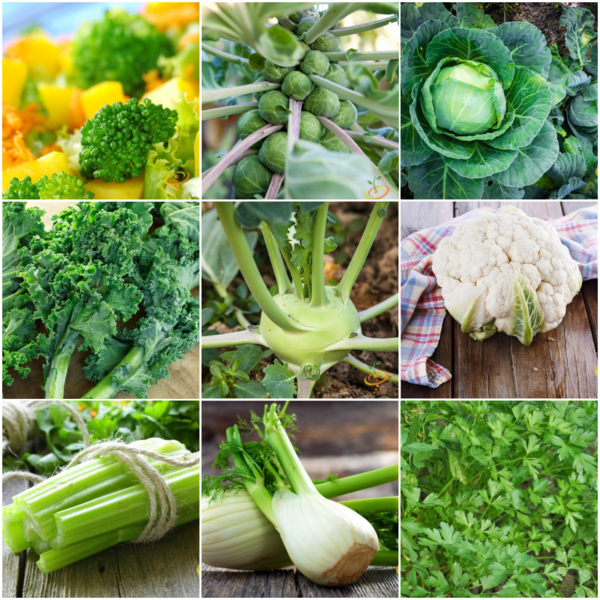
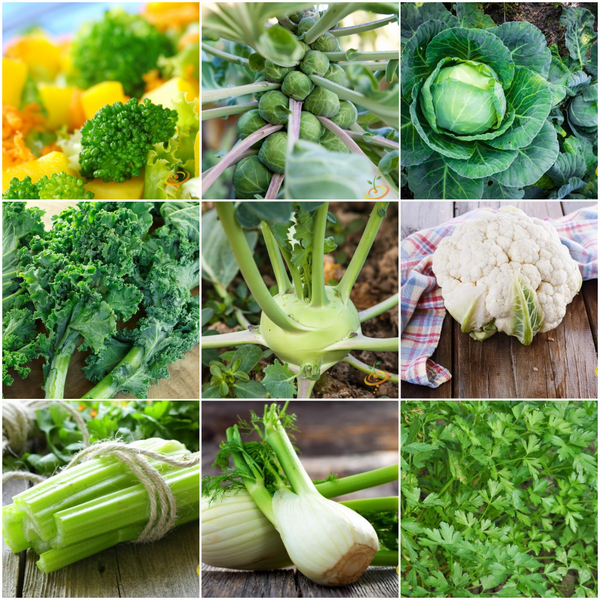
Set Out Starts: Broccoli, Brussels, Cabbage, Cauliflower, Kale, Kohlrabi, Celery, Fennel and Parsley.


Direct Sow: Beets, Carrots, Collards, Leeks, Scallions, Lettuce, Radish, Peas, and Potatoes.


———————————


8-10 Weeks Before Your First Frost Date


Direct Sow: Arugula, Cabbage, Lettuce, Turnips, Spinach, Mustard, Bok Choy & Radishes.


———————————


6-8 Weeks Before Your First Frost Date


Direct Sow: Spinach, Mache & Lettuce.


———————————


ON or AROUND Your First Frost Date


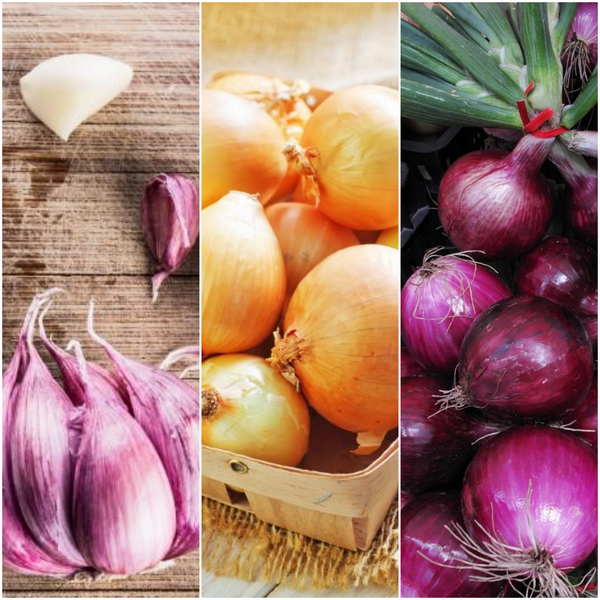
Direct Sow: Garlic, Shallots, & Onions.


Try our Online Planting Calendar, HERE

Farm-to-School students make first visit to Urban Farm

“The Farm-to-School program entered another phase this week with visits to the Urban Farm.

The program, a partnership between the Columbia Center for Urban Agriculture and Columbia Public Schools, targets third- and fifth-graders at Alpha Hart Lewis, Battle, Benton STEM, Blue Ridge, Derby Ridge, New Haven, West Boulevard and Parkade elementary schools. They were chosen because of the high number of students receiving free and reduced-price meals. CCUA has received a $41,784 grant from the Boone County Children’s Services Fund, with a match of $31,700 from the school district. It’s a two-year grant.

Charity Keith has started as the Farm-to-School coordinator for the program and already has made initial visits to the schools.

“It’s a very busy schedule,” Keith said about the field trips to the farm.”

Read the FULL STORY at: “ColumbiaTribune.com

Sacramento Is Making Urban Agriculture a Way of Life

“As the food movement gains strength and farm-to-fork practices become increasingly popular, many cities across the United States are investing in urban agriculture, both to attract tourists and to improve community health. For example, in Detroit, which The Washington Post has dubbed a “food mecca,” advocates are using urban farms and community gardens to help ease food insecurity. And, in Boston, legislation to make urban farming easier has contributed to the city’s reputation as a “haven for organic food” and helped make local produce more available to low-income residents.

Yet few places have been more vocal in their efforts to expand urban agriculture as Sacramento, California. In fact, if you Google “farm to fork,” the top result will take you to a website about Sacramento’s initiatives to support local food.

“Farm-to-Fork isn’t a passing fad or a marketing slogan in the Sacramento region—it’s the way we live,” the website explains, noting that the area’s ideal climate, ability to grow food year-round, and 1.5 million acres of active farmland make it an agricultural leader nationally and globally.”

Read the FULL STORY at: “CivilEats.com

Sustainable Missoula: Gardens help Missoula’s Native American population get healthy

“Sitting on top of a small asphalt parking lot at 830 W. Central Ave., you can find 12 cedar wood raised garden boxes.

The boxes are surrounded by a wooden post-and-cinder block fence to separate it from the rest of the parking lot.

During the summer, you will see most garden staples that tend to do well in Montana, such as onions, carrots, tomatoes, peppers, beets, kale and others, growing vibrantly.

This is the Missoula Urban Indian Health Center (MUIHC) Community Garden.”

View the Original Story at: “MissoulaCurrent.com

Want to have a fall veggie garden? Start planting these now!

“Most of us think of spring as gardening season, but fall provides a terrific opportunity for another harvest. Squash, beans and even potatoes can be planted over the coming weeks, along with other vegetables.

Alas, it’s too late for tomatoes. They should have been planted back in July. (But I planted some in mid-September once and had the best fall harvest ever.) And it’s probably a little early for cool weather plants like lettuce.”

When to plant

“When to plant depends on where you live and your inclination. Some like to brave the hot end of summer, hoping for early harvests. Others are willing to risk waiting for cooler days and count on a late frost.”

Most Popular Seeds to Plant for a Fall/Winter Harvest:

Arugula: Arugula seeds

Beans (Bush): Bean seeds

Beets: Beet seeds

Mustard Greens: Mustard seeds

Broccoli: Broccoli seeds

Cabbage: Cabbage seeds

Cauliflower: Cauliflower seeds

Chard: Chard seeds

Chicory: Chicory seeds

Cilantro: Cilantro seeds

Collards: Collard seeds

Radish: Radish seeds

Dill: Dill seeds

Kale: Kale seeds

Lettuce: Lettuce seeds

Peas: Pea seeds

Scallions: Scallion seeds

Spinach: Spinach seeds

Turnip: Turnip seeds

NEW PRODUCT!  All-in-One Fall/Winter Seed Bank

Read the FULL article at: “DallasNews.com”

Fall is time to convert to no-till gardening

“I often hear from vegetable or flower gardeners who are unhappy with their soil quality. They routinely incorporate organic matter in the soil each fall, but are still disappointed with their heavy soil. Why aren’t they developing beautiful crumbly dark brown soil that’s easy to plant and great for vegetable root crops?

Routinely tilling your garden soil each fall and spring could be the culprit.

USDA Natural Resource Conservation Service encourages building soil health and protecting soil organisms, through:

• keeping the soil covered as much as possible

• disturbing soil as little as possible

• keeping plants growing throughout the year to feed the soil, and

• diversifying plant material through crop rotation.

Learn more about converting to a “NO-TILL” garden at: “JournalStar.com”

RICHMOND, VA – “Toxic Air in Urban Veggie Gardens”

“Many city dwellers take nutrition matters into their own hands through Urban gardening. But is urban air good for our garden veggies? Of course, water, air and soil are key foundations of plant life. But what happens when metals in the form of gases and particulate matters are added ingredients? Ahkinyala Cobb-Abdullah, PhD would like to explore that topic with you over a sip of some sort at the next Science Pub RVA: Toxic Air in Urban Veggie Gardens. How is this subject studied and what does the research tell us? Learn about the interactions of urban air, plants, and the impact on the produce on our plates while hanging out with other curious minds on Monday, September 17th at The Hof.

Get more information about this event at: “IdeaStations.org

Local food advocates work to bring more urban farms to Northern Nevada

“RENO, Nev. — At Brenton Aikin and Kass Freitas’ home in Midtown Reno, neat rows of kale, salad greens, and baby root vegetables cover the entire front yard. Out back, a greenhouse covers a variety of cherry tomatoes climbing up trellises.

The couple’s crops are not just for personal consumption. It’s their first season producing as Ital Farms, a state-registered urban farm — and an example of what local food advocates hope will be a growing trend in Northern Nevada.

Aikin and Freitas are farming on less than a quarter acre of land, including another residential plot they lease a few minutes from their house. This first season, Aikin estimates they grew 500-600 pounds of salad greens and roughly 400 pounds each of carrots, turnips, and radishes.”

READ THE FULL STORY AT: “NNBusinessView.com

The World’s 10 Best ‘Table to Farm’ Dining Experiences

“Farm to table” has become so ubiquitous that’s it’s boring. (Also, the term never really made sense to me—doesn’t all food start out on a farm and end up on a table, even if that farm is some massive corporate entity and the food is processed along the way?) Now any chef worth his or her salt is making the most of seasonal ingredients from local farmers, with minimal intervention to them.

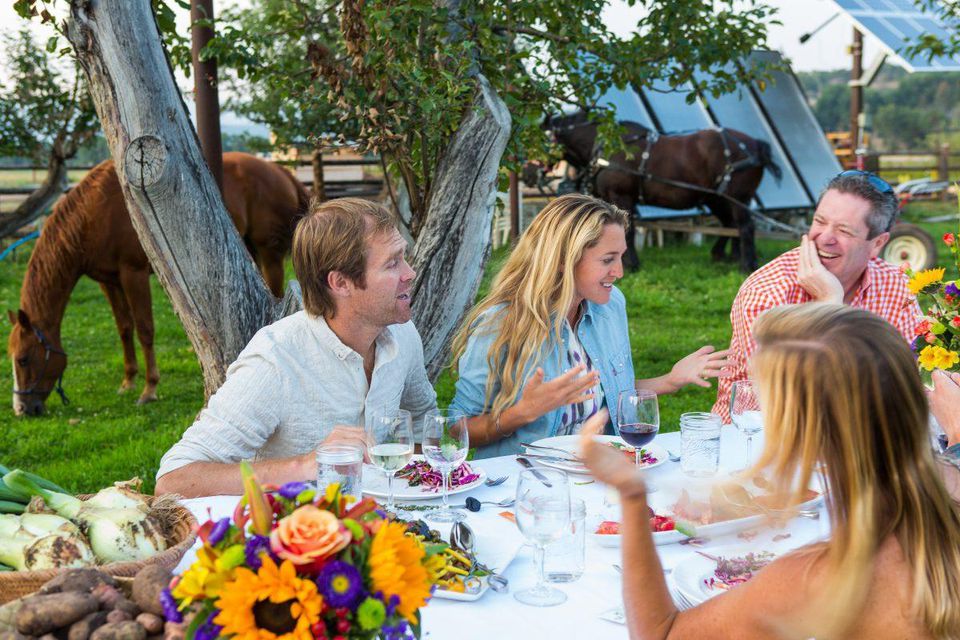
It’s a great way to cook and to eat, and bravo to all the chefs who are cultivating relationships with nearby producers. It’s just no longer that exciting. What is exciting, though, is the growing trend of alfresco dinners in the gardens and vineyards that produced their ingredients. Call it “table to farm.”

READ THE FULL STORY AT: “Forbes.com”

The Other Monsanto Chemical Bayer Investors Should Watch

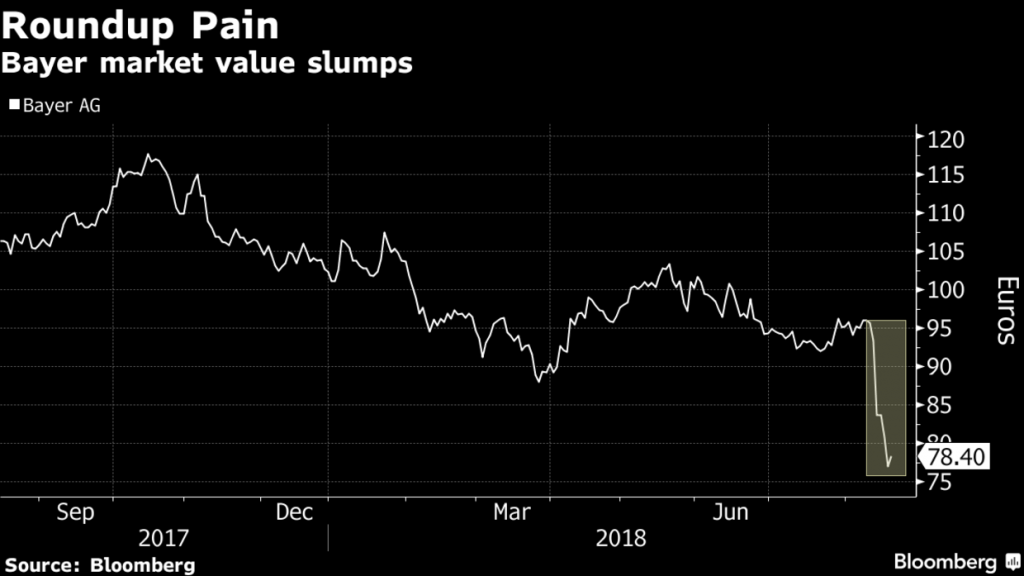
“Some Bayer AG investors were surprised to learn about the thousands of farmers lining up before U.S. courts to argue that Roundup — the blockbuster weedkiller the German company recently acquired when it bought Monsanto Co. — had given them cancer. But Roundup is hardly the only chemical in Monsanto’s portfolio carrying legal risks.

There are also lawsuits aplenty for dicamba, its next best-selling herbicide, which U.S. farmers are spraying on about 50 million acres of soybean and cotton crops this summer to combat weeds that have become resistant to Roundup.

Dicamba has a tendency to vaporize after being sprayed and drift onto neighboring fields, harming crops and other plants that aren’t genetically modified to withstand its effects. More than 1 million soybean acres are claimed to have been damaged this year as of mid-July, and last summer, that number was more than 3 million.

Monsanto and other crop-chemicals companies have come up with formulations that they say will stay put when applied correctly. St. Louis-based Monsanto pins the crop damage on incorrect application by farmers, and that’s going away with increased training. The company has received only a third of the complaints about an off-target movement that it did last year, while acres have more than doubled, said Scott Partridge, vice president at Monsanto. Moreover, 12 states last year saw record soybean yields.”

READ THE FULL STORY AT:Bloomberg.com
DOWNLOAD this APP to purchase or trade LOCAL, organic produce

The news many of you have been waiting to hear — Android!

We are looking at a beta release for August 21st to be in the Google Playstore

————————————————————–

About CropSwap

Our App:

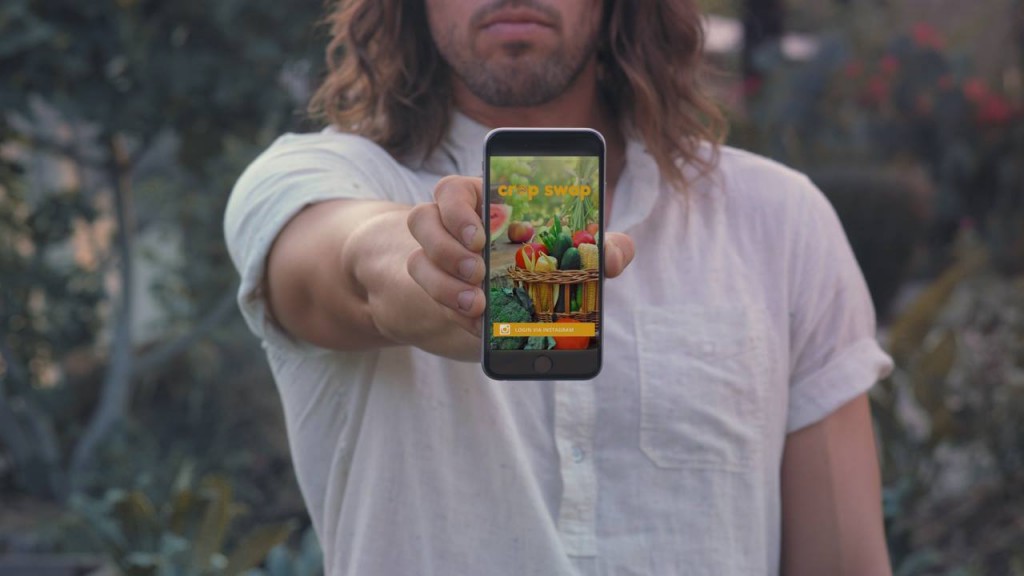
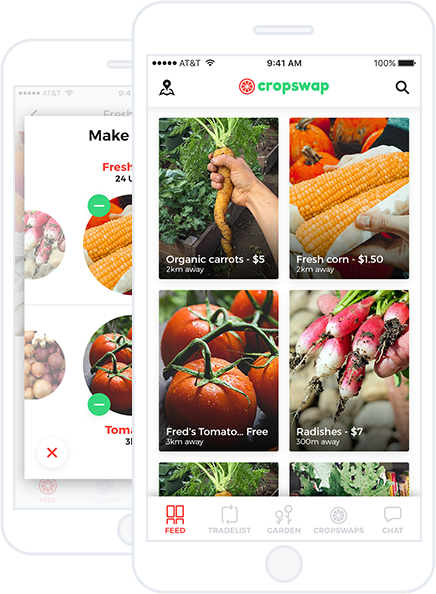
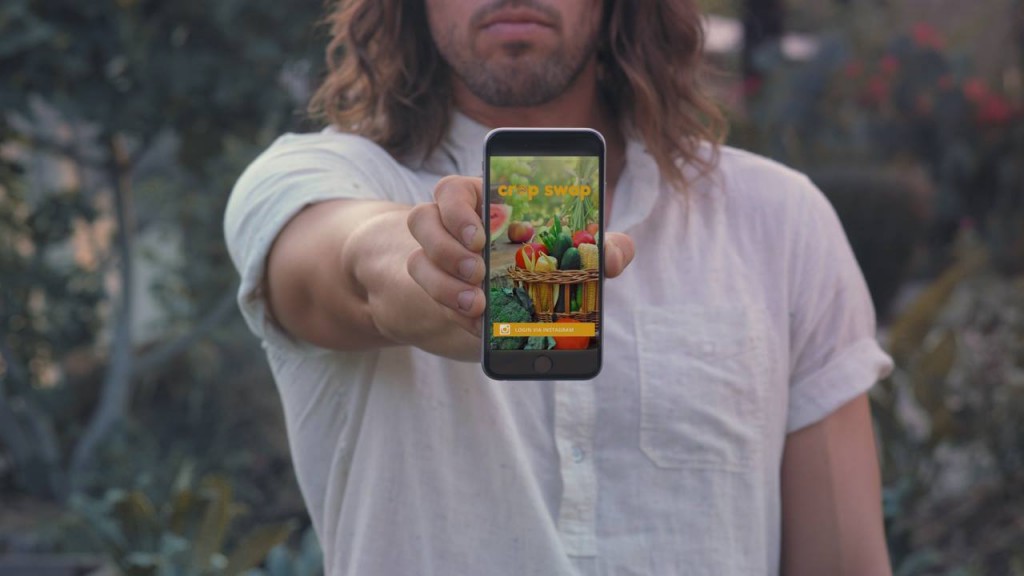
We’ve created an iOS application that allows you to purchase or trade organic produce being grown in your community.

Our Idea:

Our food system is broken. Produce available in grocery stores is often genetically modified, sprayed with chemicals, picked before it’s ripe, and shipped in gas guzzling semi trucks across the country (if not the world!) to get to you. Most people understand the importance of eating locally. CropSwap will provide the framework to do just this.

Our Goal:

We want everyone everywhere to grow food. We want to reawaken biodiversity and a LOVE of the seed. We want to work with the earth and take care of her. We want to lift up communities and change our food system.

 Go download it and start selling, buying and trading produce with folks around you.

Customer Reviews

Genius!!! Love the app 😀  //   by EstefaniaRebellon

I just signed up a friend recommended this app to me because I don’t like shopping at overpriced groceries stores like Whole Foods or even Ralph’s in LA. Sometimes you can taste the chemicals on the fruit and it’s expensive to eat healthy which is crazy to me but that’s a whole other deal. Anyways CROPSWAP is easy to follow and I love the chat option. I don’t have a garden so I don’t have anything to swap but I am on it as a hungry customer looking for organic produce from people who I don’t mind giving my money too lol. Great app if you’re trying to eat healthy and save!!! Love it!!!!
Revolutionary! //  by farmerjacky

This app is giving power to the people! We don’t have to rely on the industrial farming and grocery system, we can grow our own and share with others. Thank you Cropswap for making this life-changing tool! This is sure to reduce waste, packaging, travel distances, chemicals and everything else that gives conventionally grown and purchased food such a large carbon footprint. No more! Drawdown is within our hands. We can live in a way that sequesters carbon, fosters personal growth, and inspires community building. Three cheers for this app!

Love this!  //  by Mathgirl22

I grow a lot of my own food at home but don’t have room to grow everything I want. This app is awesome at connecting you with other local growers so you can trade for other crops! I love this idea, it’s so unique and helpful for people who want to be more self-sustaining. Just like the old days of bartering! I just wish more people would join soon so I can get more variety of crops 😉


15895486_1313907465319031_6592740219913917645_o