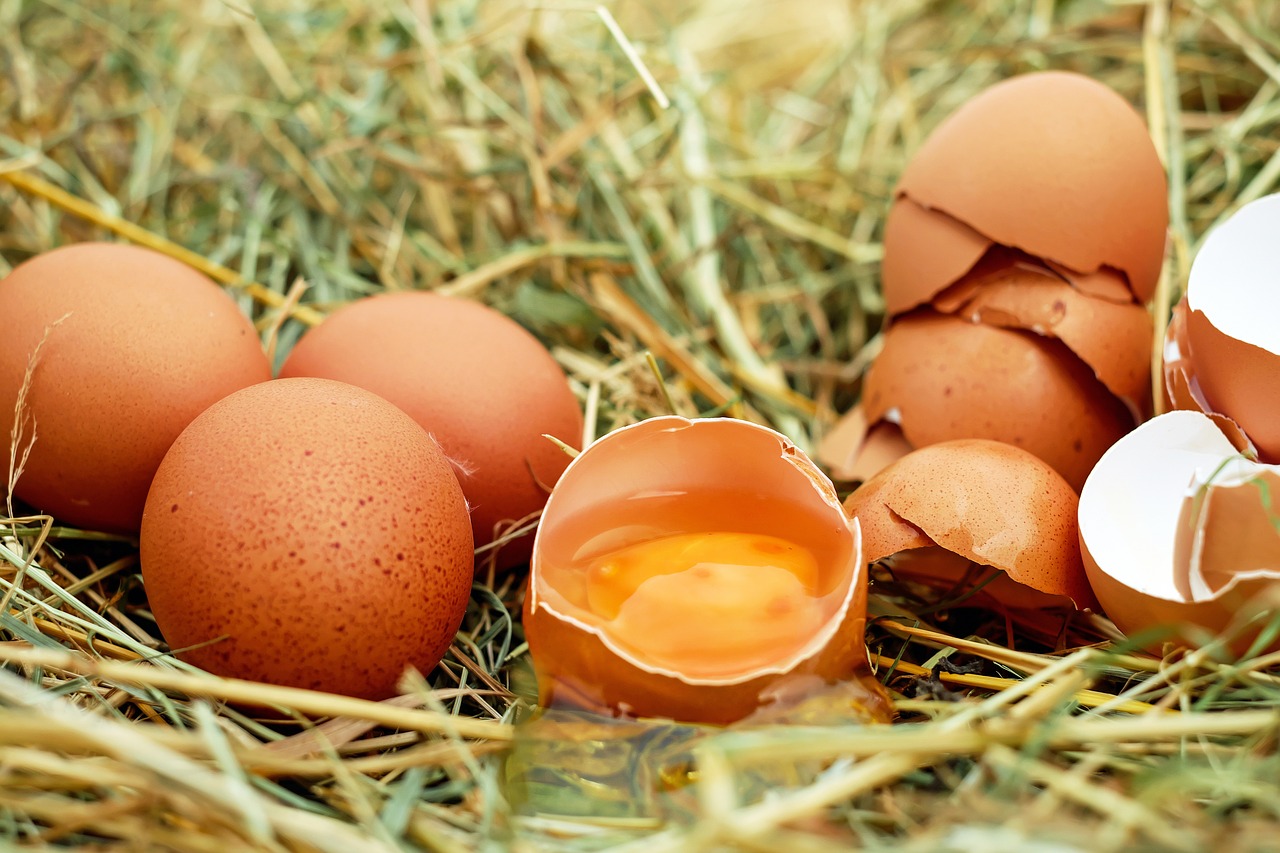
Dye Easter Eggs The Natural Way!

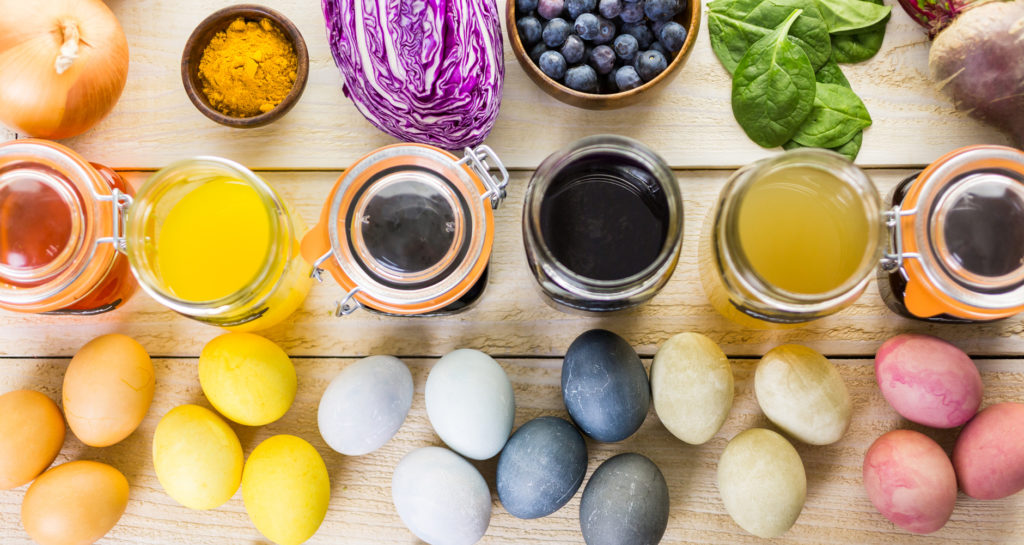
Dye Easter Eggs The Natural Way! Dyeing Easter eggs is a fun tradition that’s been around for centuries. So, how did our ancestors make all of those bright colors back before commercial egg dyes were sold in stores every spring? They used natural Easter egg dye colors.

Making Natural Easter Egg Dyes With Fruits and Veggies
Making natural Easter egg dye colors out of fruits, vegetables, and other everyday items you can find in your home or garden is both easy and fun. Everything from onion skins to grass can be used to make vibrant all-natural colors. Just throw the raw materials into the boiling water while you cook the eggs — you’ll need to boil each color separately — and you’re good to go!

For really vivid color, be sure to add at least a half a cup of the dyeing material (such as berries), and two teaspoons of vinegar, for each cup of water you use.

READ THE FULL ARTICLE https://www.farmersalmanac.com

Easiest Way to Control Aphid & Whitefly Pests without Insecticide

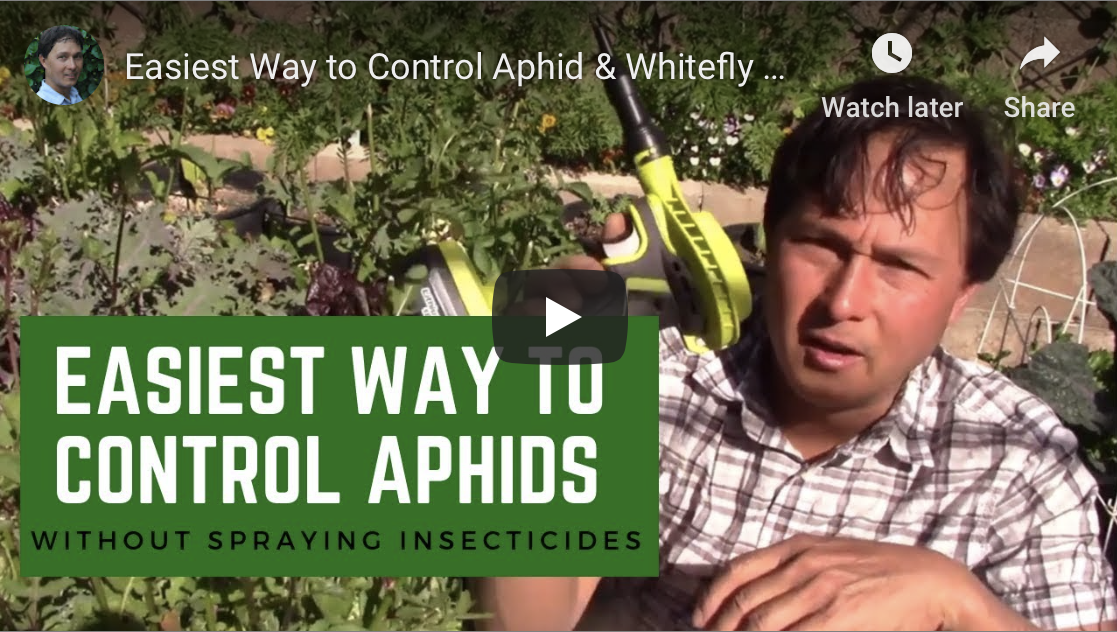
“John from http://www.growingyourgreens.com/ shares with the easiest way he has discovered to rid his vegetable plants of aphids and whiteflies without using any insecticide.

In this episode, you will learn about how a Ryobi tool on clearance can be used to remove aphids and other soft-bodied insects from your plants.

You will learn how the Ryobi High Volume Power Inflator can be used to blow aphids and whiteflies off even the most delicate areas of your plants in your garden without spraying or using any kind of chemicals.

You will discover how you can easily blow bugs off your plants all day on a single charge.

You will see aphids getting blown off plants at high velocity in slow motion.

Finally, John will share his opinions on using this high volume power inflator as the best soft-bodied insect control tool in your garden.

After watching this episode, you will learn if you should purchase a Ryobi High Volume Power Inflator to blow soft-bodied pests such as aphids and whitefly off the plants in your garden.”


Cram More Into Your City Vegetable Garden!

Photo by Getty Images/funky-data

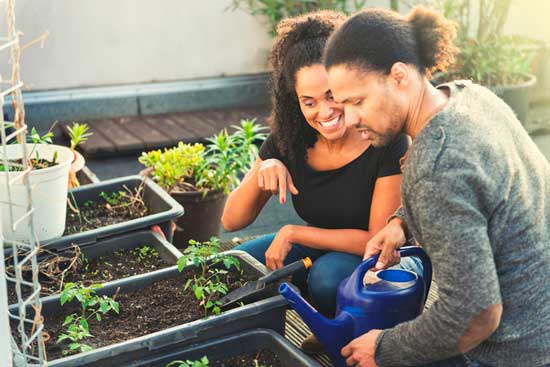
Make the most of your space by choosing quick growers like lettuce, radishes or beets instead, vegetables that offer high yields or repeat harvests such as zucchini or chard, or high-value herbs.

Space-saving forms of fruits such as cordon or step-over forms of apple and pear, cane fruits such as raspberry and, of course, compact strawberries are all wise choices for small gardens.

Efficient Plant Spacing

Grow plants in beds narrow enough to reach into the center from each side. This makes it easier to grow in blocks, with plants spaced equidistantly. As well as making best use of the space, growing plants like this crowds out weeds, helps to concentrate resources where they’re needed, avoids the risk of compacting the soil by stepping on it, and makes tending your crops easier.

The Square Foot Gardening takes intensive growing one step further using deep raised beds and a special soil mix designed for optimal root growth.

Use Containers 

Containers are easily moved to make the most of sunny areas or to protect plants from harsh weather. They can be used on any surface.

READ THE FULL ARTICLE https://www.motherearthnews.com

It might be time to let your garden grow wild

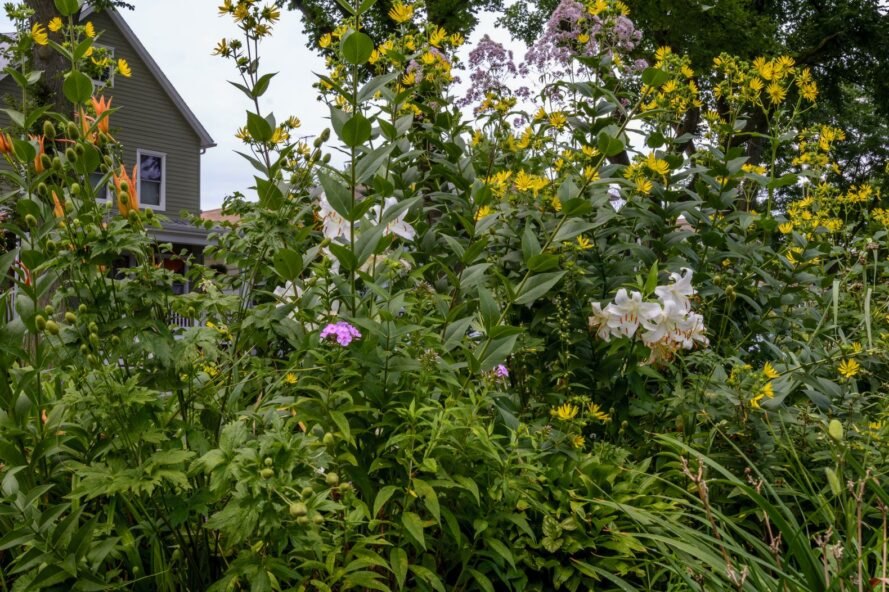
Think of a formal yard or garden, and you likely envision rows of neatly trimmed bushes along with meandering walkways and sitting areas. Homeowners spend a ton of money, time and resources in an attempt to recreate that image. But another equally beautiful option for your home is a wild garden.

What is a wild garden?

A wild garden can carry a variety of definitions. For some, it means limiting the amount you tame your plants, letting them become what others might define as overgrown and unsightly. Others might associate wild with the types of plants you choose for your space. If you think about your walks in the fields or forests where Mother Nature is the only landscaper, plants are “overgrown and unsightly” around every corner. So, it might be time to change your definition of what makes a desirable garden space. The idea of a wild garden is to create a more naturally flowing space with less rigid lines and rules.

READ THE FULL ARTICLE https://inhabitat.com

Los Angeles County Halts Use of Roundup Until Safety Risks Can Be Determined

Shortly after a California court linked glyphosate, the herbicide in the popular weed killer Roundup, to a plaintiff’s cancer, Los Angeles County officials ordered a moratorium on that same weed killer, citing a need for further research on the herbicide’s safety risks.

“I am asking county departments to stop the use of this herbicide until public health and environmental professionals can determine if it’s safe for further use in L.A. County and explore alternative methods for vegetation management,” Los Angeles County Supervisor Kathryn Barger stated.

More than 50 other U.S. cities and counties have already banned the use of glyphosate from schoolyards and playgrounds.

READ THE FULL STORY AT https://newyork.legalexaminer.com

Gardening Made Easy With Straw Bales!

Image credit: Ruth Temple @ Flickr

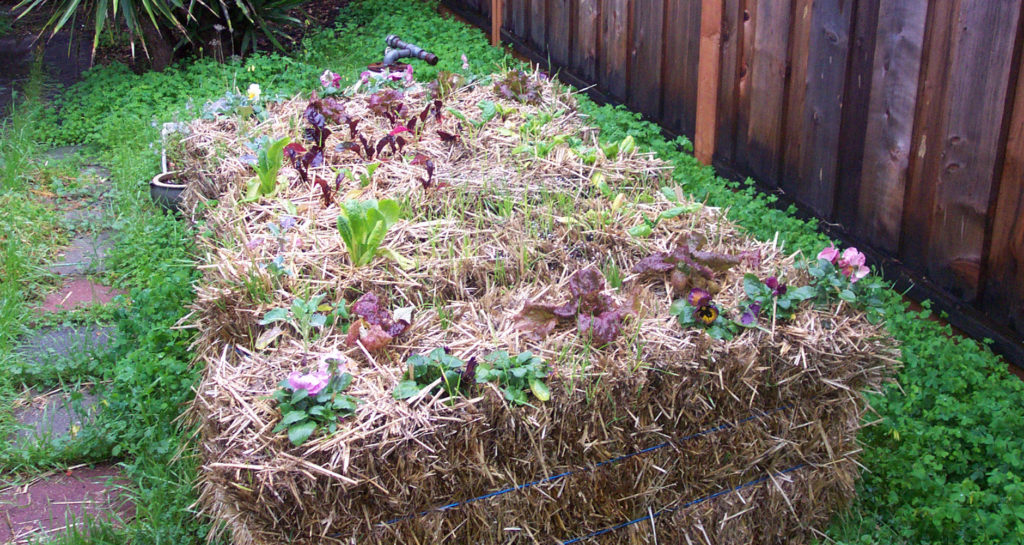
Gardening can be tricky even when you are graced with good soil, but what if you’re dealing with unpleasant growing conditions? Or does the very idea of endless weeding give you a backache? Starting a straw bale garden this spring may be the answer to all your gardening prayers. This method of gardening uses bales of straw as your garden beds — with no soil — and is a versatile, thrifty, and easy way to garden.

What Is Straw Bale Gardening?

Straw bale gardening is essentially a form of container gardening with the container being the bale of straw itself. Straw’s hollow tube design helps to soak up and hold moisture, making it an ideal material for growing vegetables. These mud-free and weed-free gardens can be started anywhere that gets six to eight hours per day of direct sunlight. Arrange as few or as many bales as you wish right on your lawn, or even in your driveway (maybe you will inspire a neighbor or two!).

READ THE REST OF THE ARTICLE AT https://www.farmersalmanac.com

10 Uses For Eggshells In The Garden

Whenever I cook or use up the eggs that are in my refrigerator, I always make sure to save the shells so that I can use them again for one of these many garden-specific applications. It doesn’t seem to take long to accumulate a huge baking sheet of eggshells that I can then bake to dry and clean.

Consider these tips for using eggshells, and implement them in your garden this spring.

#1. Fertilizer

Ground eggshells serve as a fantastic source of calcium for your plants. While you can put them into the soil or toss them out into your garden whole, it may be more effective for you to dry and grind them first.

This will help keep any scavenging pests away and also allow them to break down more quickly, releasing their nutrients back into the soil more rapidly.

Most people don’t realize this, but many soil types are deficient in calcium. This is especially true if your soil has been exposed to extensive tilling or has seen lots of cultivation in the last few years.

Calcium is vital for building healthy cell walls in a plant – which are essentially the “bones” of the organism. Plants need calcium for these cell wall s just as we need calcium for our bones!

Eggshells decompose quickly because they have a high surface area to volume ratio. To add eggshells to your soil, you don’t have to dry them first or even grind them up – although keep in mind that ground eggshells will break down more quickly.

While you can till calcium into the soil at any time during the planting season, there are two best times to add eggshells to your garden. The first is when you’re planting in the spring.

Simply grind up your eggshells into a fine powder, and then place them at the bottom of the hole before you plant. This will help all of your plants, but particularly tomatoes, thrive. You can even mix your eggshells with coffee grounds, which provide lots of nitrogen. Together, the two pack a powerful dose of plant-boosting nutrients.

You can also add eggshells in the fall or in the spring in their whole forms, but remember that they will take longer to break down. In addition to providing your soil with lots of calcium, eggshells can also reduce the acidity of your soil and provide a nice aerating effect – a must if you have heavy, compacted soils.

READ THE OTHER 9 USES HERE https://www.newlifeonahomestead.com
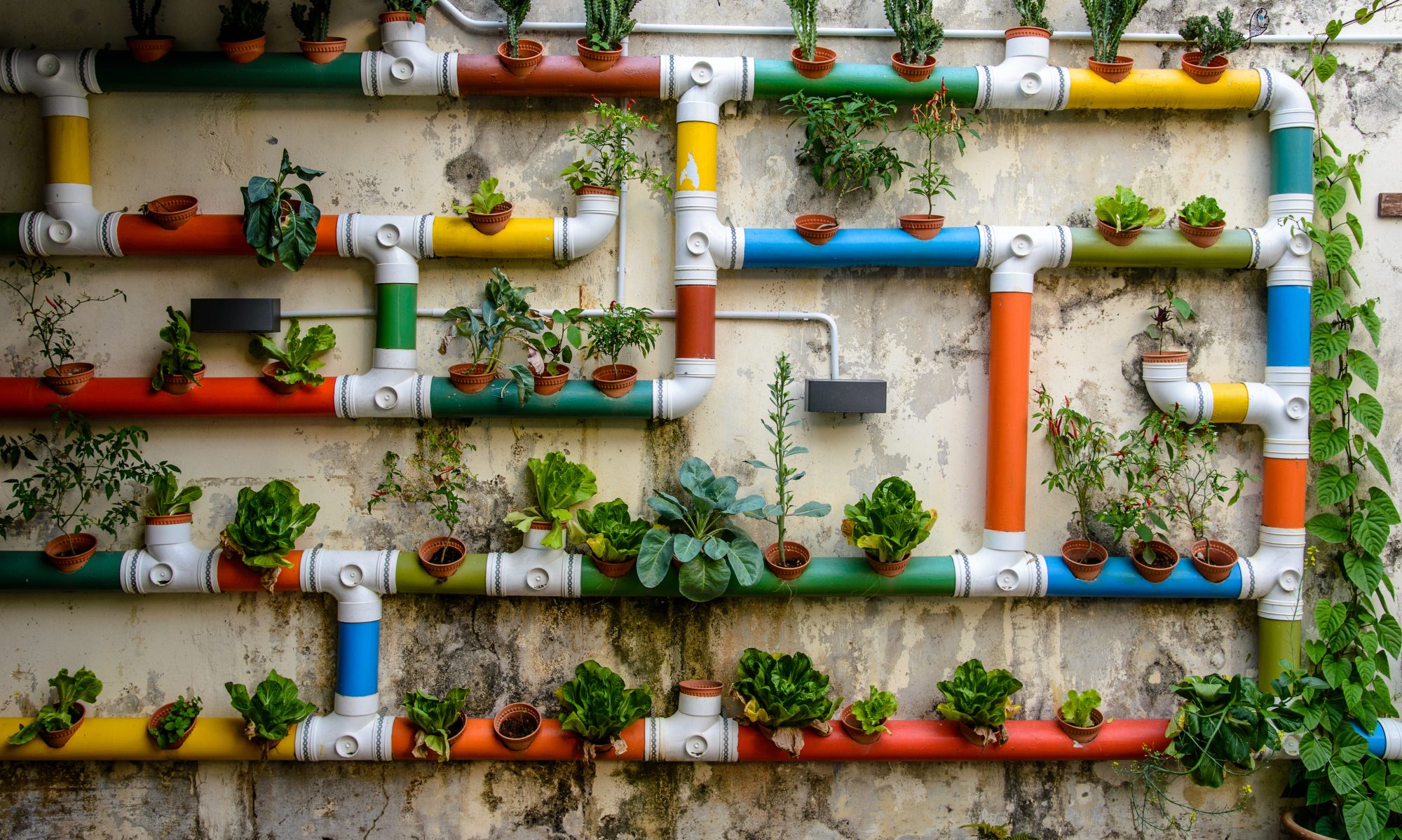
Florida Lifts Ban on Front-Yard Vegetable Gardens

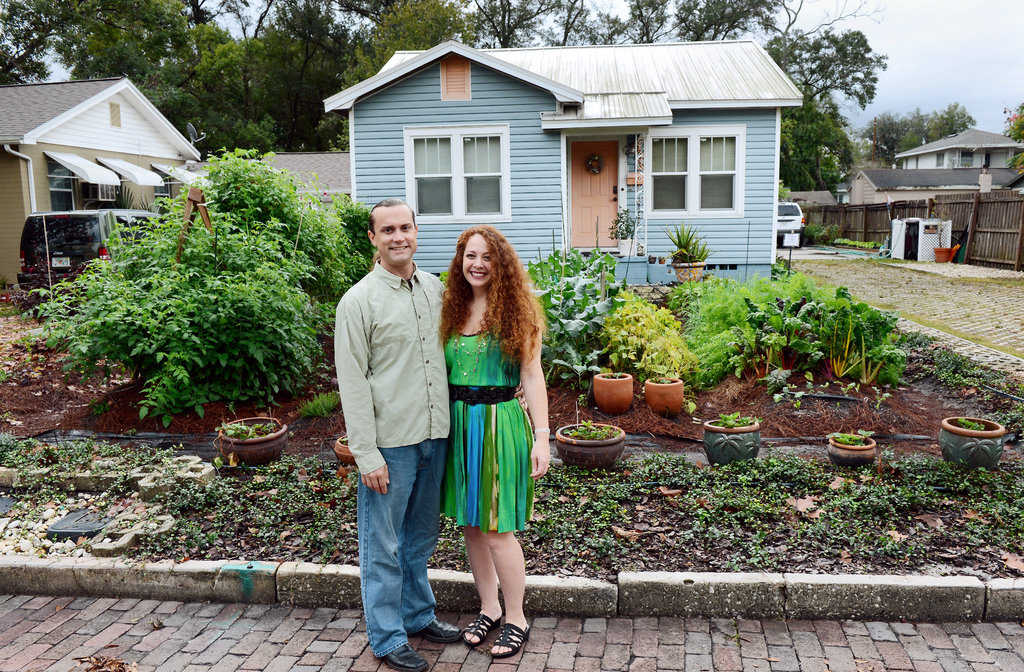
Credit: Todd Anderson New York Times, Orlando couple will now be able to keep vegetable garden

Florida passes law saying cities can’t stop people from growing food on their own property, even in their front yards.

State lawmakers in Florida have told cities they must respect citizens’ property rights, and seemingly even more basic right to grow their own food.

They just passed a bill “prohibiting local governments from regulating vegetable gardens on residential properties.”

“Such regulations are void and unenforceable,” the new law says.

The legislation was inspired by a couple who had had been tending a beautiful front-yard vegetable garden for 17 years when the town of Miami Shores told them it was illegal and made them tear it up.

READ THE FULL STORY AT https://returntonow.net

Keto Garden – Easy Low Carb Vegetables You Can Grow At Home!

One thing you may have noticed about a plant-based diet – it’s expensive!  Growing your own Keto garden and these five low-carb vegetables can save money while providing you with fresh, local produce for your family.  After all, you can’t get more local and fresh than your own backyard!  Tips for growing in container-growing, too, for you small space gardeners.

Five Low-Carb Vegetables to Grow

There are a lot of Keto diet approved vegetables we could discuss as we find the best low-carb vegetables to grow, but we’re going to stick with just five.  If you’re new to growing your own food, I don’t want to overwhelm you.  If you’re a seasoned gardener, you may already be familiar with these crops but are getting used to thinking of them as low-carb vegetables for your new eating plans.

The five low-carb vegetables we’ll be covering here are:

  1. Spinach
  2. Radish
  3. Swiss Chard
  4. Kohlrabi
  5. Tomatoes

READ THE REST OF THE ARTICLE AT https://homesteadlady.com

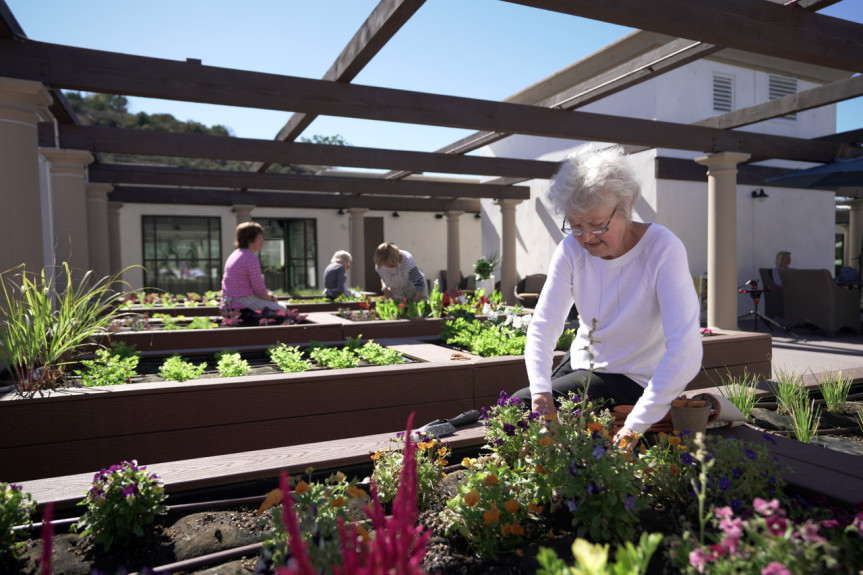
Gardening for just 10 minutes a week can cut risk of death, study suggests

Walking or gardening for just 10 minutes per week could cut the risk of death, new research suggests.

Even low levels of physical activity are linked to a reduced chance of dying from cancer, cardiovascular disease and other illnesses, according to a study published in the British Journal of Sports Medicine.

The researchers said spending just a little time on active leisure pursuits could bring health benefits.

The study analysed data from more than 88,000 adults aged 40 to 85 years old between 1997 and 2008, and linked this with deaths registered until the end of 2011.

READ THE FULL STORY: http://home.bt.com

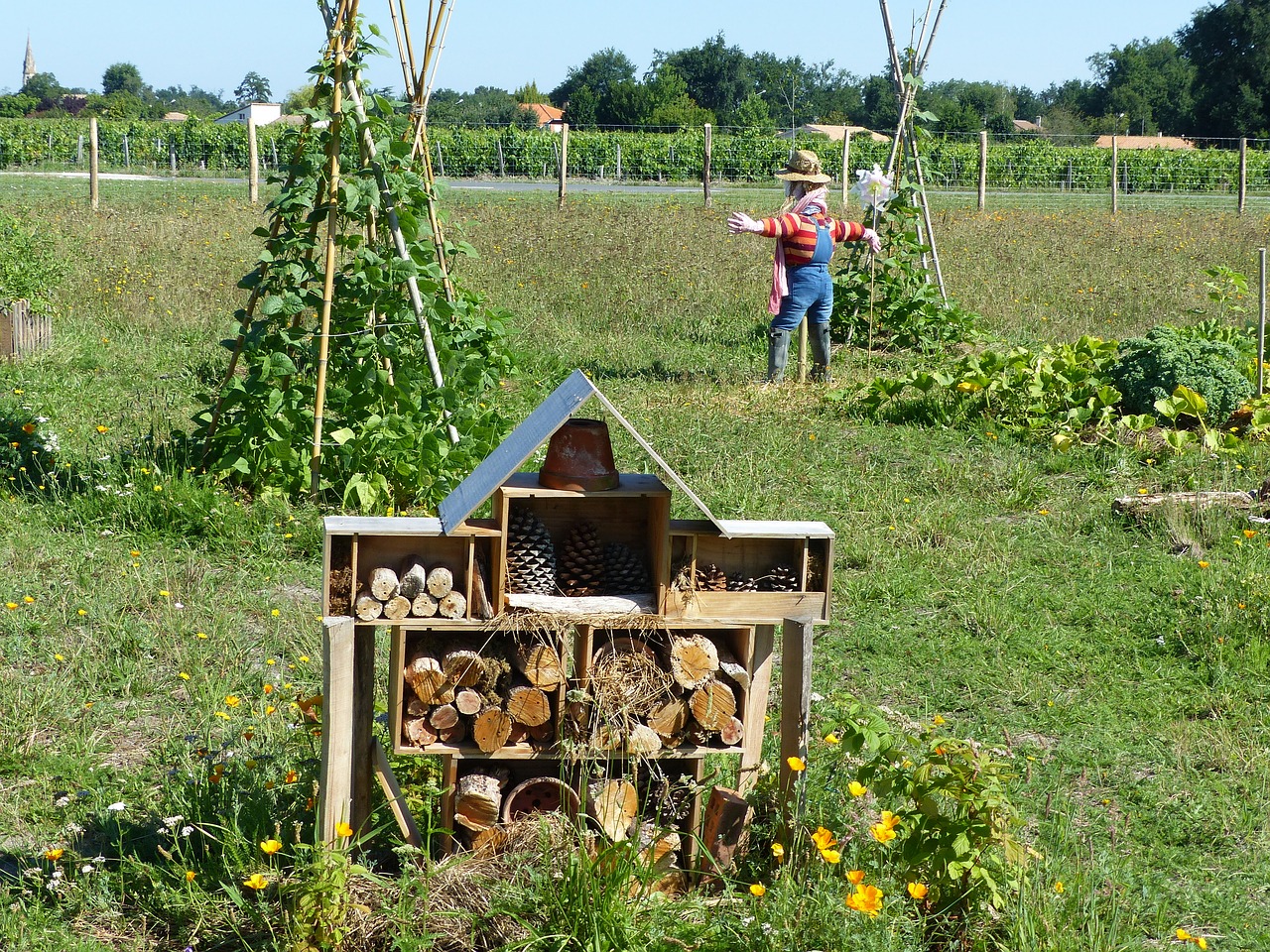
Backyard biodiversity: A few tips for gardening for wildlife

Plants are big business in Florida. According to the University of Florida Institute for Food and Agricultural Sciences’ most recent survey, sales related to the environmental horticulture industry accounted for over $10.7 billion in 2015 of which native plant sales were estimated at $427 million.

Nurseries employ over 19,000 people around the state. More people are flocking into local businesses and farmer’s markets for flowers to attract butterflies, bees and hummingbirds. As our springtime flowers burst into view, you probably have noticed that the neighbors are out in the yard, removing limbs and sprucing up the flower beds.

Two main ingredients comprise most yards in Tallahassee and the entire U.S. for that matter. The first is lawn: a carpet of non-native grass (must be green) that has been an American standard since the 1950’s. The second consists of non-native plants growing around the non-native lawn.

READ THE FULL ARTICLE: https://www.tallahassee.com

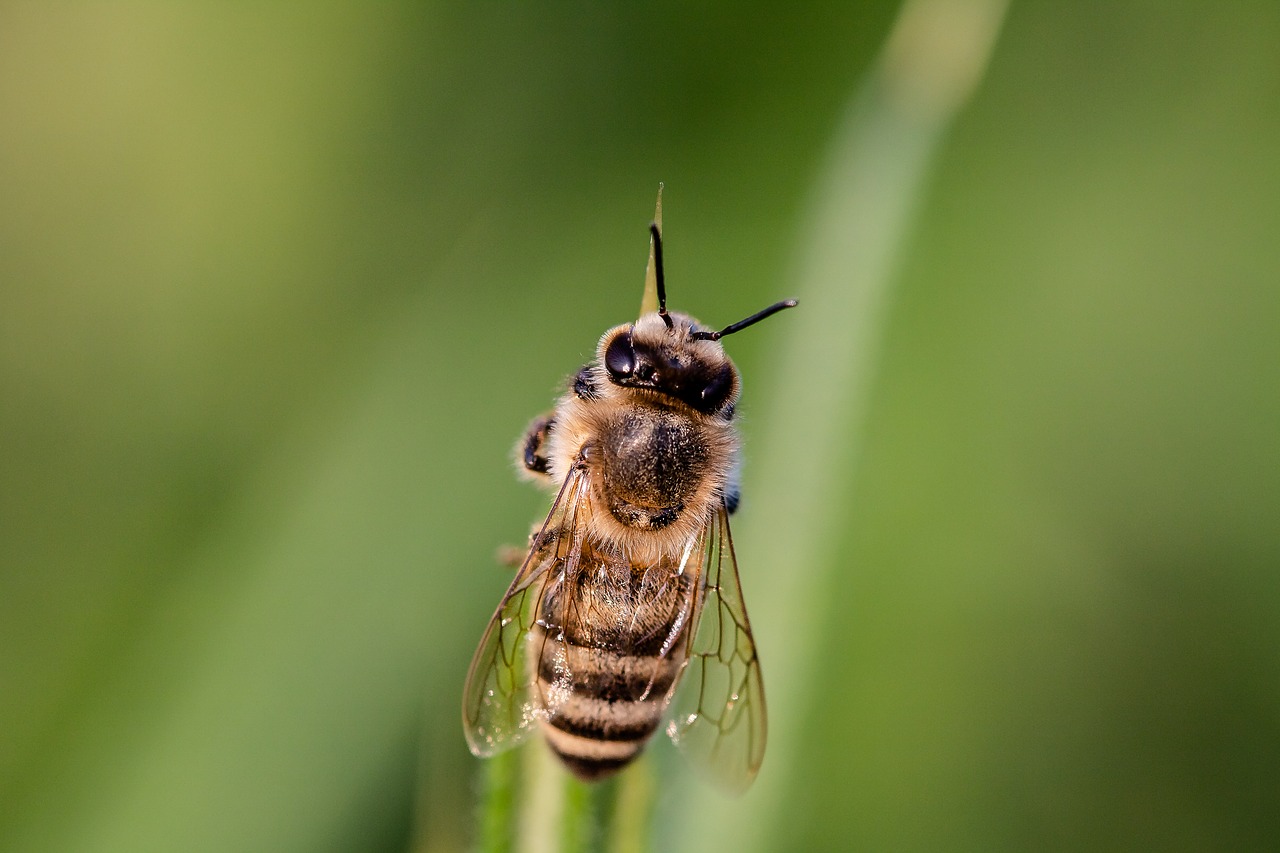
Save bees by holding back on the mowing, gardeners urged

Gardeners should leave at least a strip of their lawn un-mowed this summer to help halt the decline in bees, experts have said.

Perfectly manicured grass is depriving the crucial pollinating insects of the wildflowers they need to feed on, according to the Centre for Ecology and Hydrology (CEH).

A major study by the organization, published on Tuesday, shows wild bees and hoverflies have suffered widespread losses across the UK in recent decades.

It found that between 1980 and 2013 a third of the more than 300 pollinating species included in the research experienced population declines, while only 11 per cent became more abundant.

READ THE FULL ARTICLE AT: https://www.telegraph.co.uk

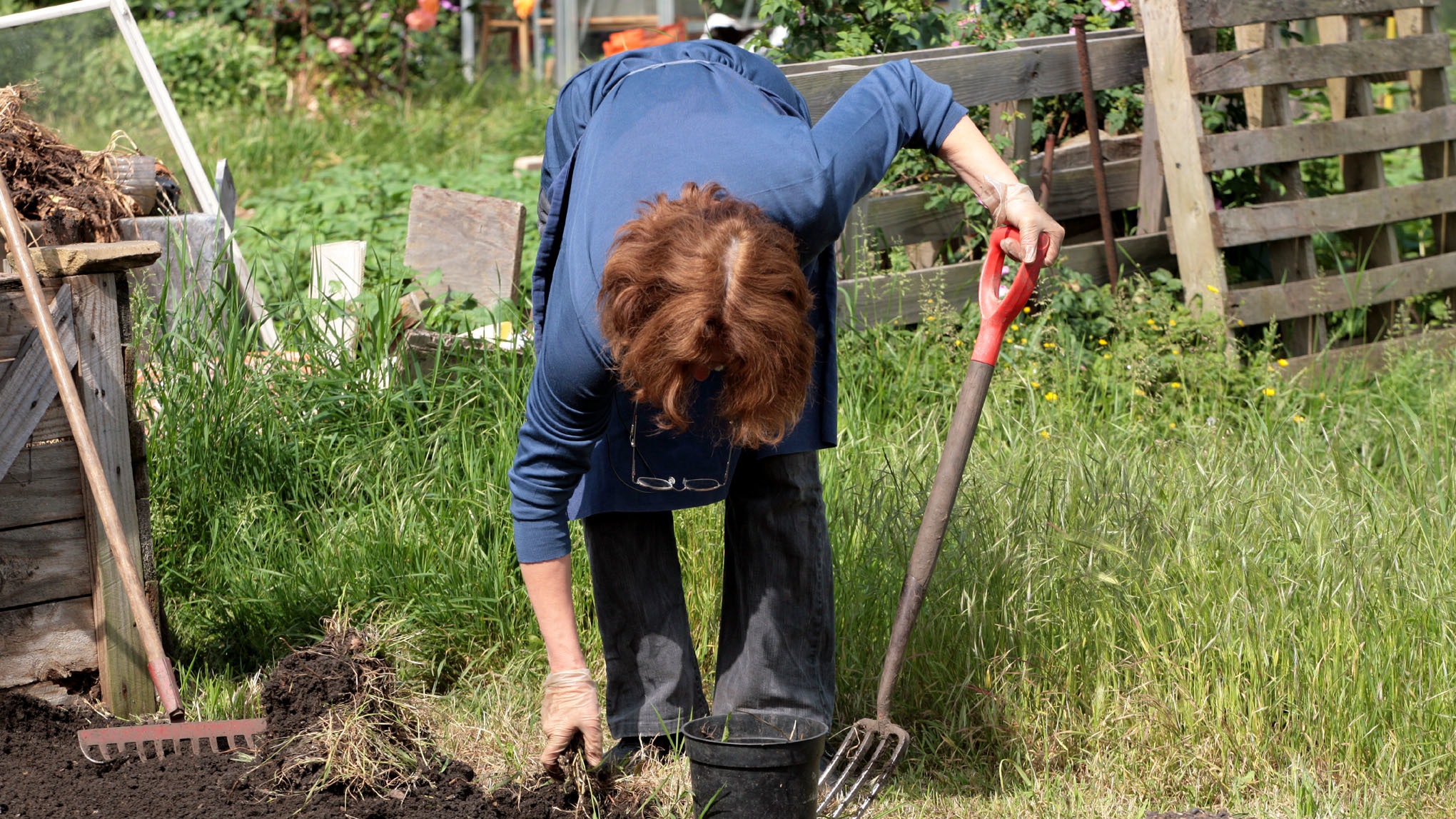
How gardening may be helping people live longer

Gardening saved Mary Lou Heard’s life.

In the 1970s, Heard, who would later become known as Orange County’s patron saint of cottage gardens, went through a divorce that was so devastating she was hospitalized. On the grounds of the hospital, there

was a small neglected garden. Mary Lou got down on her hands and knees and, for the first time in a long time, she would later write, felt peace.

Now more and more studies are supporting what Mary Lou and many others have known in their hearts all along: Gardening is good for you, and not just in the calorie-burning way.

There is even some anecdotal evidence it might help you live longer.

READ THE FULL STORY AT https://www.ocregister.com

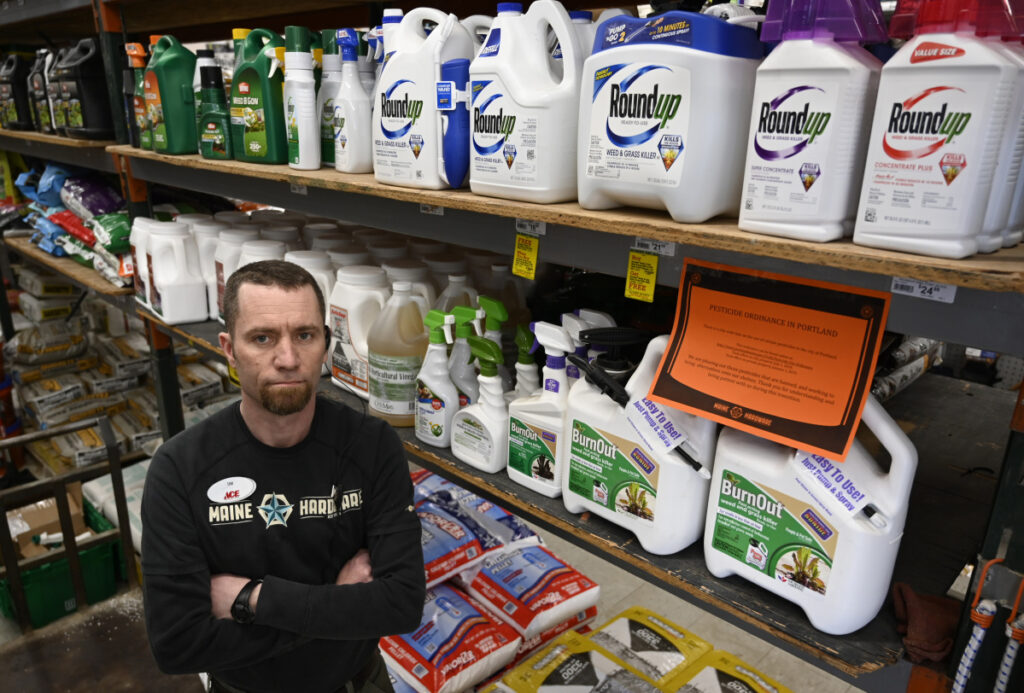
Portland’s ban on synthetic pesticides goes into effect

As snowbanks recede and temperatures inch higher, Mainers’ minds will inevitably turn to green lawns and lush gardens.

But Portlanders need to think twice before picking up that bottle of Roundup or bag of weed and feed. Beginning this year, the use of synthetic pesticides is prohibited in Maine’s largest city, unless an emergency waiver is granted. The city has delayed the ban for some publicly owned athletic fields and exempted the municipal golf course, but a spokeswoman says those properties will be managed to minimize harmful pesticide use.

Adopted just over a year ago, Portland’s pesticide ordinance bans synthetic pesticides use on lawns, gardens, landscaped areas, patios, sidewalks, driveways, parks and playing fields. Only organic treatments can be used to beat back weeds and insects such as grubs.

READ THE FULL ARTICLE: https://www.pressherald.com

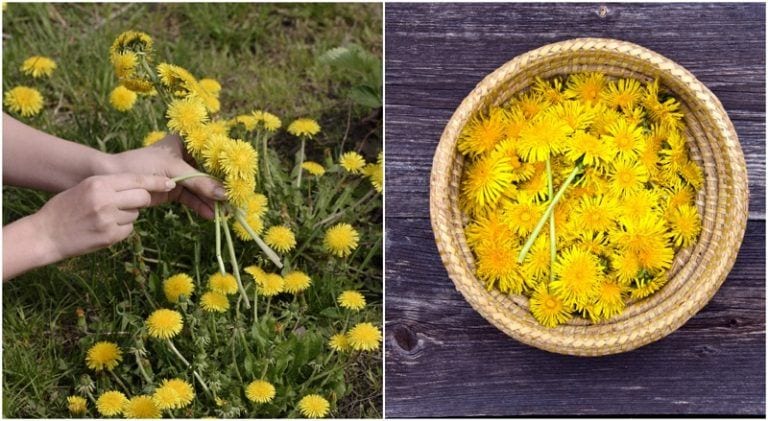
25 Reasons To Go & Pick Dandelions Right Now

Who hasn’t seen those pesky yellow weeds pop up in the garden from time to time? Yet try as you might – from picking them to poisoning them – nothing keeps them at bay for too long.

Perhaps it’s time you embraced the tenacious dandelion and all the benefits it can bring?

The Health Benefits of Dandelions

Dandelion has been used throughout history to treat everything from liver problems and kidney disease to heartburn and appendicitis.

Every part of this common weed – from the roots to the blossoms – is edible. It’s a good thing too, as the humble dandelion is bursting with vitamins A, B, C and D, as well as minerals such as iron, potassium, and zinc.

READ ALL OF THE HEALTH BENEFITS OF DANDELIONS AT https://www.naturallivingideas.com/things-to-do-with-dandelions/?fbclid=IwAR0uCT9KN5WPHDVUxdJFzg_NNz9X7yAymxePDZ-uIPTgw1zX7mLcX11z2XQ

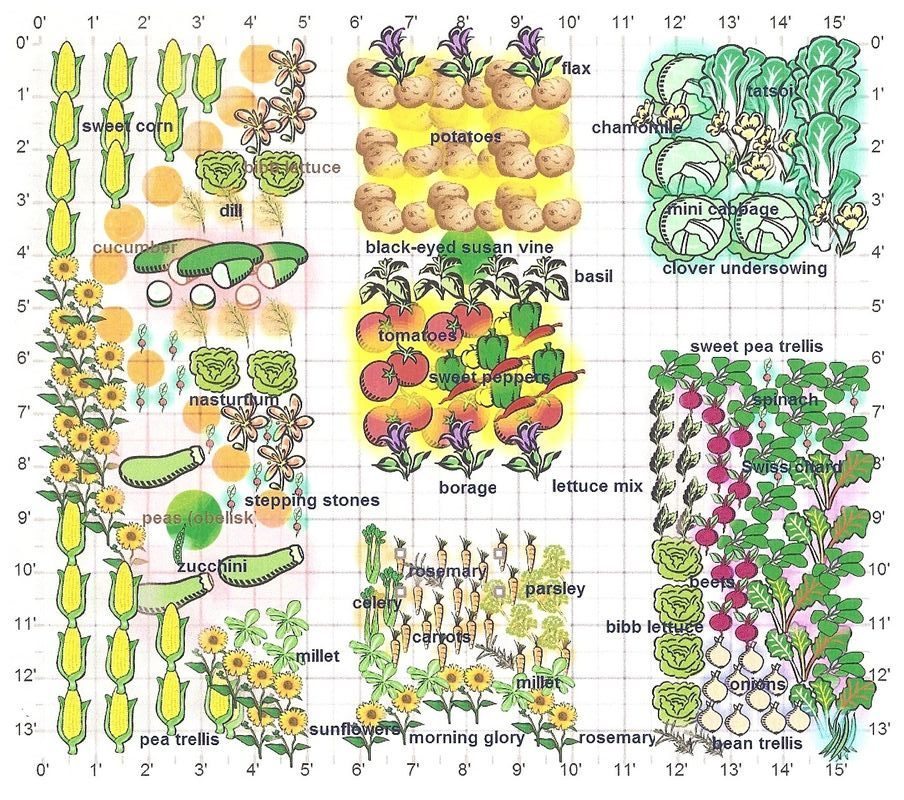
Secrets of Companion Planting + Popular Planting Combinations

Did you know that tomatoes hate cucumbers?

While they might taste great together in a salad, tomato plants actually dislike growing in close proximity to any member of the cucurbit family, which includes cucumbers.

Tomatoes love carrots and basil, however – so planting these together will actually make them each grow more vigorously!

Planting your veggies in neat rows with labels is satisfying to the eye, and easier to harvest. However, when we look to nature, we don’t see rows anywhere, nor do plants all grow clumped up in groups of the same thing together.

READ MORE FROM THE ORIGINAL STORY AT https://thehomestead.guru/companion-planting-2/?fbclid=IwAR05qOCv3BBuE4sa2BKzQaepcBMDtBzOaEaYUUezr8J6QsIcnd0dkGPK9gc

Permaculture Puts Organic Gardening on Autopilot

Organic food and farming have seen a huge increase over the past ten years, and for good reason. Farming and gardening techniques that use fewer harmful, synthetic fertilizers and pesticides are better for the environment and better for human health. Permaculture methods of growing food reach far beyond these benefits. Growing food organically is just the starting point.

According to a report from 2014 by Stephen Daniells titled US organic food market to grow 14% from 2013-18, 81% of American families reported buying organic food at least sometimes. For many people, the barriers to buying organic food are accessibility and cost. Growing organic produce at home overcomes both of those issues. Permaculture practices are a great way to achieve the best results.

What is Permaculture 

Permaculture (permanent + agriculture) was developed in the late 1970s by Bill Mollison and David Holmgren. It’s a set of principles and techniques for food production at any scale that focuses on mimicking natural systems, instead of competing against them. It puts humans into the system as engaged participants, departing from the conventional agricultural approach of conquering nature. The principles can be applied to container gardens on apartment balconies, large scale agricultural operations, and anything in between.

READ THE FULL STORY AT https://thehomestead.guru/permaculture/?fbclid=IwAR2uez2yUOTZ4_KM8Yttd92ZXYK6rCKTNAUUUnmHn33hPA3h7YLh4K7ATHM

How the humble marigold outsmarts a devastating tomato pest

Scientists have revealed for the first time the natural weapon used by marigolds to protect tomato plants against destructive whiteflies.

Researchers from Newcastle University’s School of Natural and Environmental Sciences carried out a study to prove what gardeners around the world have known for generations — marigolds repel tomato whiteflies.

Publishing their findings today (1 March) in the journal PLOS ONE, the experts have identified limonene — released by marigolds — as the main component responsible for keeping tomato whiteflies at bay. The insects find the smell of limonene repellent and are slowed down by the powerful chemical.

READ THE FULL ARTICLE AT https://www.sciencedaily.com/releases/2019/03/190301160909.htm?fbclid=IwAR1pjbDZ-CXBamdFowvimdELr4S1KWfJRGbUdoY2Rd6qA4WtcIzchUyKbIo

Of course this gardener is ‘getting ready for spring.’ He never stopped.

Spring is the short, simple title we give to the complex and drawn-out awakening of the natural world after winter dormancy.

We declare the season underway next week, but the natural stirring has been going on for some time, although probably unnoticed unless you grow camellias or witch hazels or keep honeybees. The process of rebirth lasts well into May, when most trees have finished unfurling their solar panels.

The most evident aspects of the season — the warming temperatures, the longer days, the arrival of the cherry blossoms — have a way of exciting those among us who are least connected to the cycle of life forces at play.

Why should these phenomena even register, you ask? Phenologically, we may be the one species on the planet that is the farthest removed from the spring. We don’t have babies just during lambing season or grow hair only after the vernal equinox or mark spring by growing a new pair of antlers.

READ THE FULL STORY at WashingtonPost.com