Labyrinths are beautiful. Their circular, geometric paths allow for walking meditations, and they are rich with symbolism. Some people have made the analogy that walking through a labyrinth is like taking a journey to the center of one’s self and then, eventually, emerging back into the world.
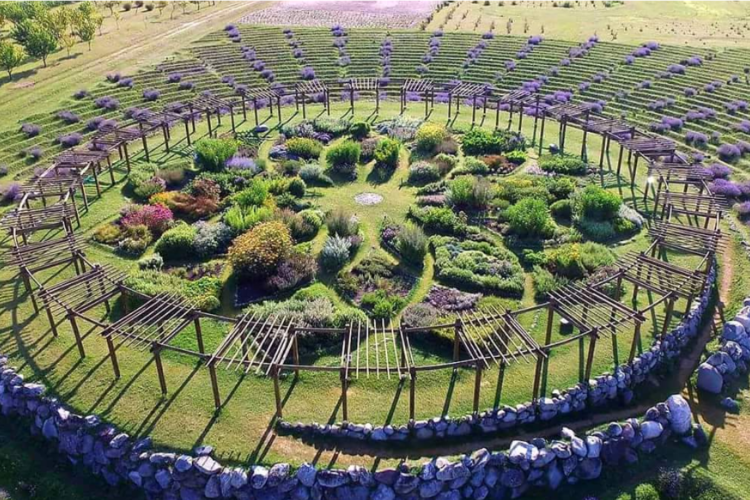
Now picture a labyrinth made of paths of lavender plants and earth mounds. The labyrinth’s center also boasts an array of herb gardens. When the breeze picks up, the scent of lavender blooms intermingles with that of basil — nature creating its own soothing aromatherapy blend.
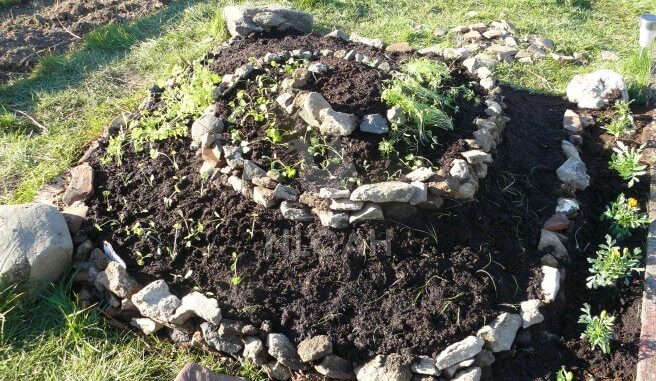
A herb spiral is one of the most clever permaculture techniques for utilizing space and allowing plants to work together in the garden. Usually located just outside the kitchen door, a herb spiral provides a menagerie of culinary and medicinal herbs, while saving space and helping with pest management in the garden.
Easy to build and fun to work with, herb spirals allow for herbal experimentation, based on some very simple principles.
The Benefits of Herb Spirals
Architecturally, the herb spiral is an example of excellent design and nature-forward engineering. While a long, thin garden bed provides ample space for a range of herbs, herb spirals play with multiple levels to take advantage of the sun’s path, water channels, and plant companions.
Herb spirals increase surface area while reducing the footprint – If you are limited by the size of your garden, a herb spiral neatly extends into the 3rd vertical dimension, instead of sprawling outward. This allows you to get the same planting areas like a vegetable bed, but without it taking up so much space.
The spiral design minimizes work, making it low maintenance – The spiral design means that plants are placed depending on their water and sunlight needs, which reduces the amount of work you need to put in to take care of the plants.
The materials help to create better-growing environments – The stone used to create the spiral works using thermal mass, to absorb heat in the daytime, and insulate the soil at night.
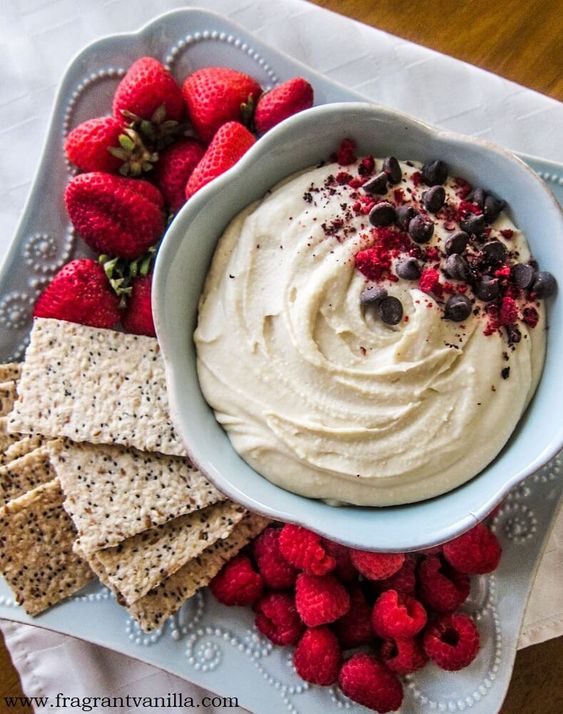
“If you haven’t heard about the latest trend in the last year of dessert hummus, and think it sounds weird, trust me it is amazing stuff. I mean, you get to enjoy dessert and a protein and fiber-rich snack at the same time! Which is why I love it. I like my desserts to have nutritional benefits sometimes and this is perfect for that.” – Fragrant Vanilla
1. Smores Dessert Hummus – S’mores Dessert Hummus is for the S’mores addict that loves a good treat, but wants it to be healthy too. You really won’t believe it’s a hummus! Yum! GET THE RECIPE: I Am A Honey Bee
2. Chocolate Snickerdoodle Hummus – Chocolate Snickerdoodle Dessert Hummus is a healthy protein-packed treat. It’s sweet enough to pass as a dessert and plant-based enough to pass as a healthy snack. I’d call that a win-win! GET THE RECIPE: Cozy Peach Kitchen
5. Cake Batter Hummus –This cake batter hummus tastes like cake batter, is super low in sugar and passed the test for BOTH of my kids (including both Picky Eater and Wannabe Foodie). GET THE RECIPE: Don’t Waste The Crumbs
6. Brownie Batter Hummus – This Chocolate Brownie Batter Hummus is the perfect healthy chocolate treat! It requires just 5 everyday ingredients and can be made in 10 minutes with one simple step. GET THE RECIPE: Catching Seeds
7.Pumpkin Pie Hummus – A delicious dessert hummus that takes just minutes to make! Grab a cinnamon sugar pita chip and dig into this addicting fall appetizer! GET THE RECIPE: Mildly Meandering
8. Chocolate Chip Cookie Dough Hummus – A creamy and crunchy hummus recipe that’s actually a dessert! Tastes like edible cookie dough that’s high in protein and oh so satisfying! Say hello to Chocolate Chip Cookie Dough Hummus! GET THE RECIPE: Natural Tasty Chef
9. Peanut Butter & Chocolate Hummus – Enjoy a healthier treat with this vegan, gluten-free Chocolate Peanut Butter Dessert Hummus. Filled with protein, fiber and a bit of sweetness to satisfy your chocolate craving in a good way! GET THE RECIPE: Your Choice Nutrition
10. Vegan Cheesecake Hummus – I have made many different kinds, including chocolate cake batter, red velvet cake batter, mint chip, strawberry, pumpkin pie, and salted caramel and they were all delicious. I realized, however, I was missing cheesecake dessert hummus. How could I miss my favorite dessert for a hummus flavor inspiration? GET THE RECIPE: Fragrant Vanilla
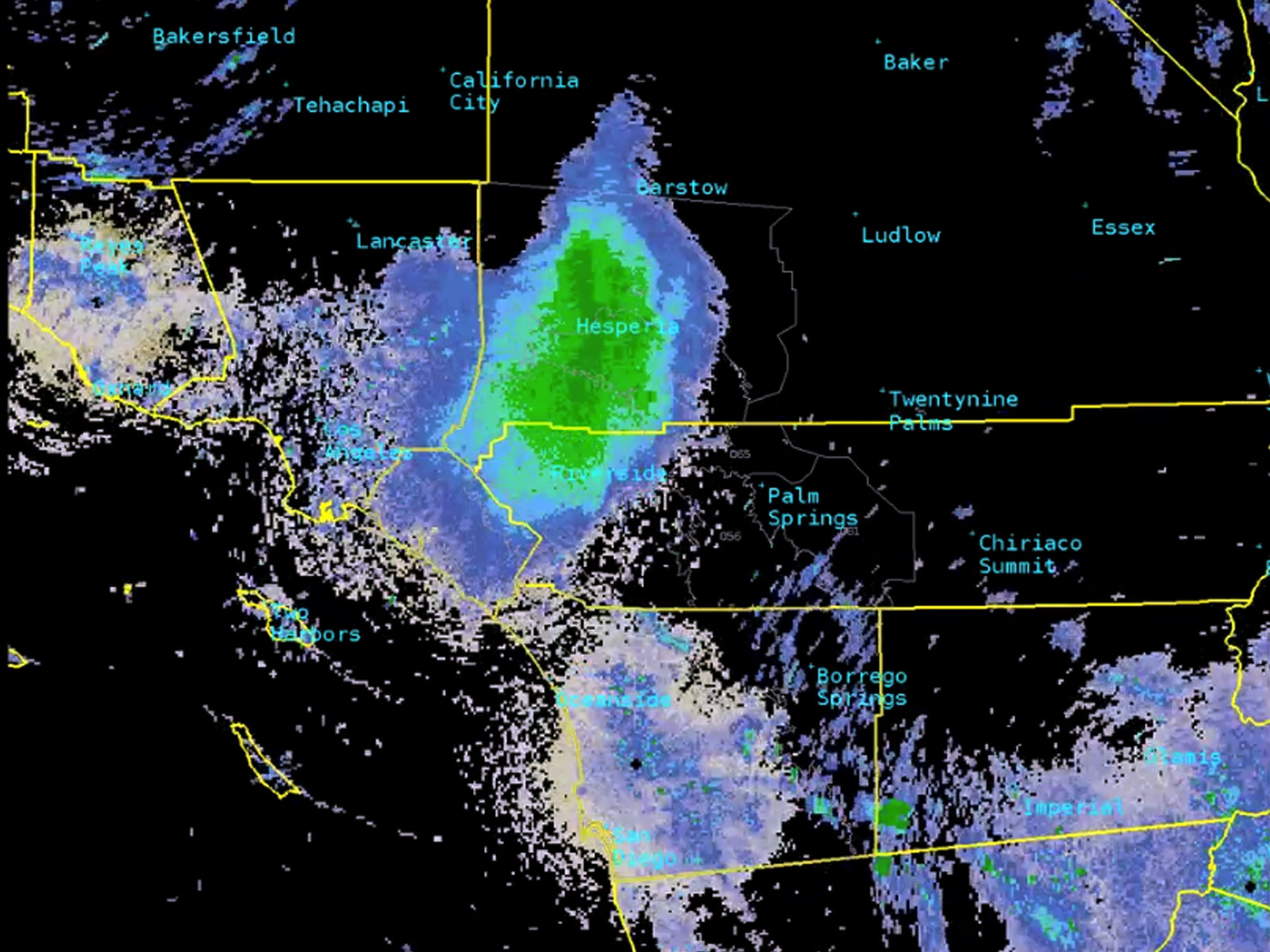
“National Weather Service meteorologists noticed something puzzling on their radar screens in Southern California on Tuesday evening — a big green blob.
“It was very strange because it was a relatively clear day and we weren’t really expecting any rain or thunderstorms,” Casey Oswant, a NWS meteorologist in San Diego, tells NPR. “But on our radar, we were seeing something that indicated there was something out there.”
So the meteorologists called a weather spotter in Wrightwood, Calif., near the blob’s location in San Bernardino County. Oswant says the spotter told them the mysterious cloud was actually a giant swarm of ladybugs.
The phenomenon is known as a ladybug “bloom,” and while this one appears particularly large, Oswant says it’s not the first time local meteorologists have spotted the beetles.”
Miami Beach Coast, Florida (Photo by Hoberman Collection/UIG via Getty Images)
“Miami city commissioners voted to outlaw the use of all weedkillers containing glyphosate on all city-owned property Thursday.
City employees and contractors will have to find more eco-friendly alternatives to use on city streets, sidewalks, and parks, and residents are strongly advised to discontinue use of glyphosate on their lawns and gardens.
The ban is effective immediately.
City commissioner Ken Russell sponsored the legislation after looking into the link between the city’s use of herbicides and pesticides and the blue-green algae blooms and red tide that have overwhelmed Miami in recent years.
One of his main concerns was the city’s stormwater outfalls, which pump dirty, unfiltered water from the streets into Biscayne Bay, he told the Miami New Times.”
Hemp is one of the most powerful plants in the world, producing twice as much fiber as cotton, using far less water and pesticides… and fixing the soil while it’s at it!
But luckily, for the people and the planet, Congress finally passed The Hemp Farming Act in the farm bill in December, giving American clothing manufacturers a local, more affordable source of hemp fiber.
In an effort to brand itself as more sustainable, Levi Strauss will now be offering jeans made out of 30% hemp, 70% cotton. 100% hemp would be nice, but hey, it’s a start.
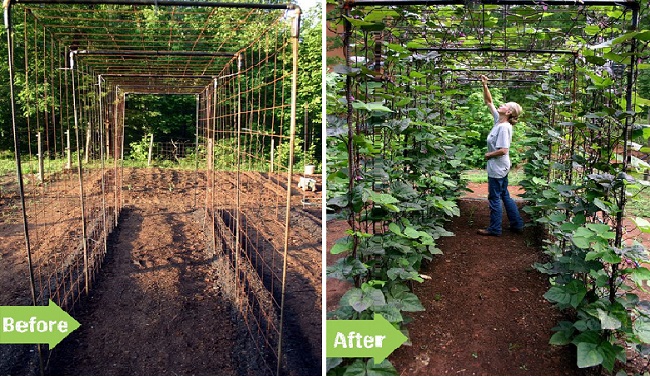
“When you have a large garden the DIY project possibilities are almost endless. You can build anything you wish if you have some extra time and some money to invest. So, if you’re looking for a new outdoor project, then this beautiful bean tunnel might be the inspiration you need. The owner of the tunnel is April from Wahsega Valley Farm and made the tunnel for her large and impressive vegetable garden. She made the structure first and then the vines started to grow all around and created the magical tunnel you can see in the before and after pictures. You can try to build this tunnel yourself with distinct kinds of vine plants, as the result will be an amazing hide-out with plenty of shade for warm days.”
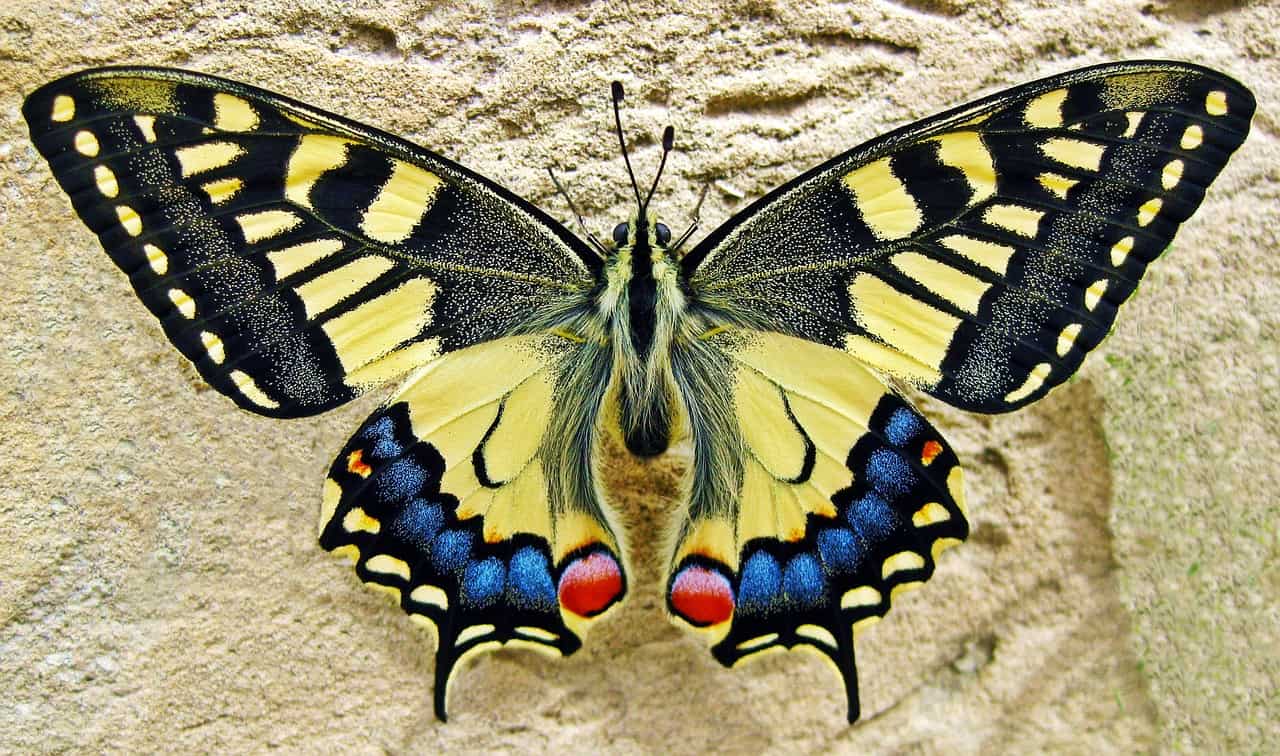
“Butterflies and moths have been around for millions of years. They used to be a common sight in gardens, but numbers have declined since the 1940s along with our other native wildlife species such as bees and hedgehogs.
It will come as no surprise to hear this loss is due to destruction of natural habitats such as wildflower meadows, peat bogs and ancient woodlands in favor of intensive farming practices, roads and housing developments that have stripped away the majority of their nesting and foods sites.
Climate change is partly responsible for butterfly decline too, producing wetter weather that alters the distribution of certain species.
The relentless march forward of ‘progress’ damages our 56 species of butterfly and 2,500 species of moths who are sensitive to change – but your garden can help them find food and shelter.”
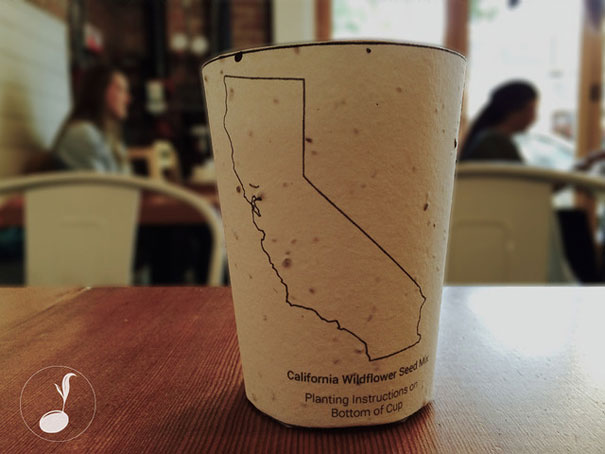
Here’s an amazing idea that really proves to you that anything is possible with the right approach. A small team based in California, USA that goes by the name of Reduce. Reuse. Grow. has devised an ingenious new type of coffee cup with seeds inside the walls. You can plant the cup when you are done and the seeds grow.
Some thought has clearly gone into this project: One thing that is clever about this cup is that the seeds included in the cups will be local to the region in which the cups are sold, so that the plants grown are appropriate for the local ecosystem.
With ingenuity like this it really might be possible to turn around some of our greatest waste problems. Styrofoam (another common material for hot beverage containers) is something of an ecological nightmare, breaking down into smaller and smaller pieces which blow away on the breeze, ending up possibly eaten by animals or causing widespread pollution. I also recently found out that the part of California that I am in does not have general facilities for styrofoam recycling.
The Environmental Protection Agency is pulling from the market a dozen products containing pesticides known to be toxic to a linchpin of the U.S. food system — the honeybee.
The agency announced Monday it has canceled the registrations of 12 pest-killing products with compounds belonging to a class of chemicals known as neonicotinoids, as part of a legal settlement.
For years, beekeepers and wildlife conversationalists alike have voiced concern that the widespread use of neonics, as the chemicals are commonly called, is imperiling wild and domesticated bees crucial to pollinating commercial fruit, nut and vegetable crops.
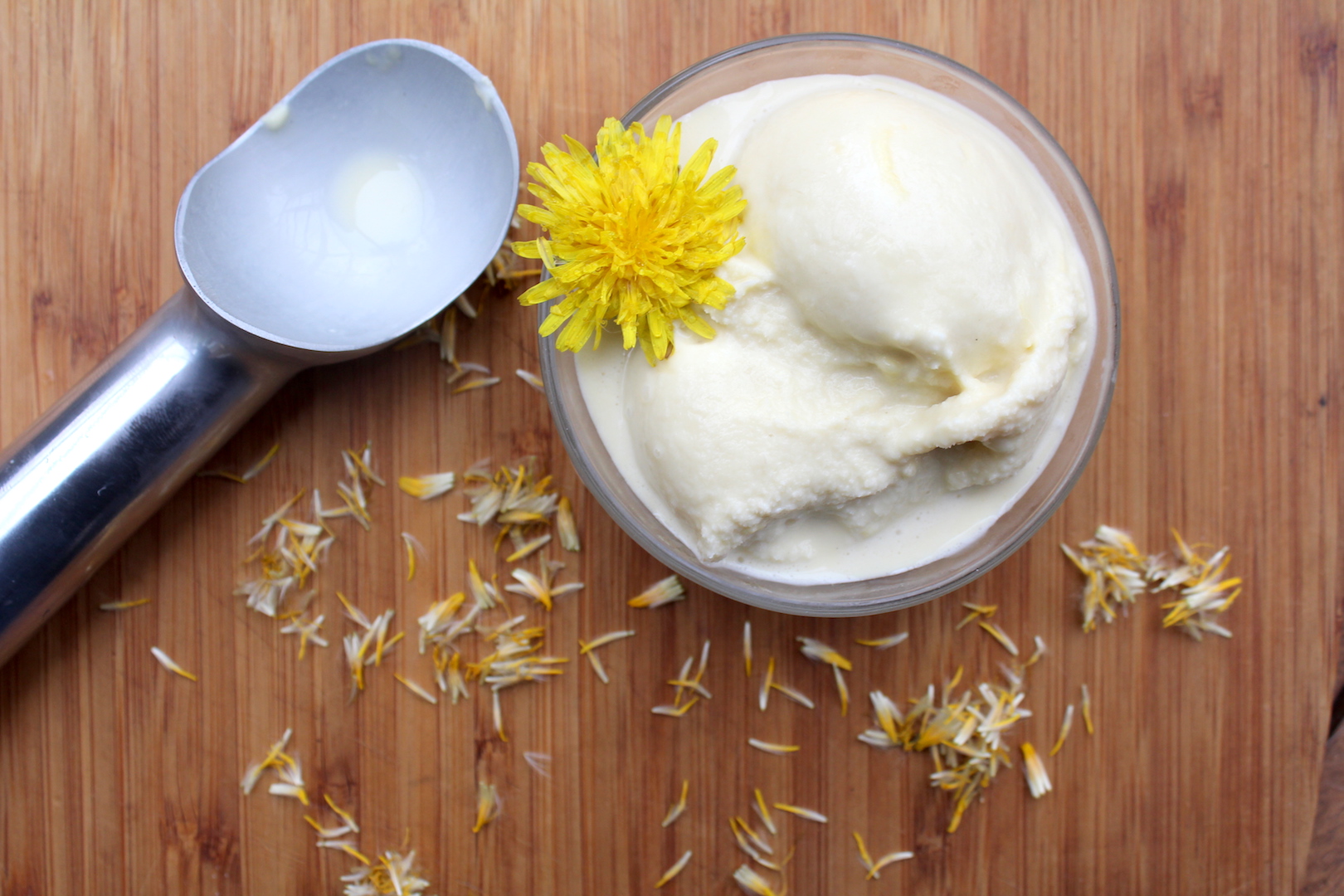
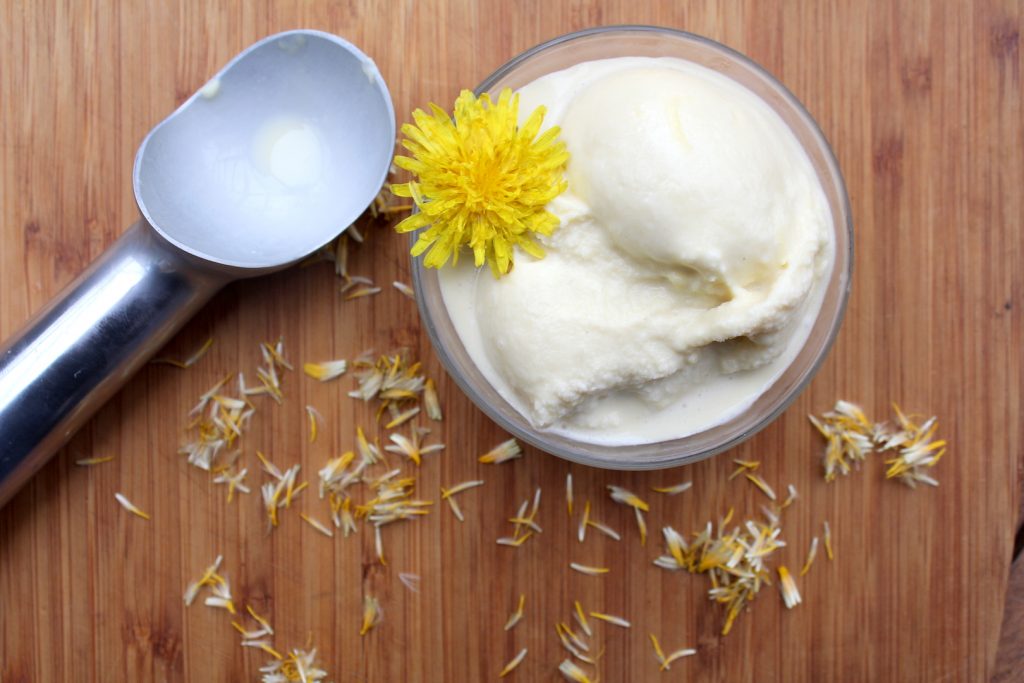
If dandelion wine captures the essence of summer for adults, then dandelion ice cream sums it up for kids. This flower infused treat is sweetened with honey. All you need is one cup of dandelion petals, which should be available on any respectable pesticide-free lawn.
The blossoms have an entirely different character, and they taste like honey when made into a summertime dandelion jelly. I’m playing up their honey notes by sweetening this ice cream with a light clover honey.
Organic gardening is as popular as ever, and the methods we use plays a critical role in our health and the health of the planet.
There are many different all-natural fertilizers that you can use in your garden or with potting soil. Some of these fertilizers can be made or collected at home using common items from your pantry or your backyard. Here are 8 of our favorite DIY fertilizers for a variety of needs.
Grass clippings. If you have an organic lawn, make sure to collect your grass clippings to use on your gardens. Half an inch to an inch of grass clippings makes a great weed-blocking mulch, and it is also rich in nitrogen, which is an essential nutrient for most plants.
Weeds. Just like grass clippings, many of the weeds that you’ll find in your gardens are very high in nitrogen and will make an excellent fertilizer. The problem is, once you’ve pulled the weeds, you certainly won’t want to put them back in the garden because any seeds will sprout and make new weeds. The solution? Make weed tea. To do this, fill a five-gallon bucket no more than 1/4 full with weeds that you’ve pulled. Then fill the bucket the rest of the way with water, and let the weeds soak for a week or two. Once the water turns nice and brown (like tea), pour this weed tea on your gardens.
Many people have the desire to own a green area in their residence, so the small gardens have taken up space in the area of decorating and landscaping. To make a beautiful garden does not take many expenses, simply organize the essential items in stages and have a good taste in choosing the plants and accessories that will compose.
To start the project you need to keep in mind which plants you will use. It is recommended not to mix many types of flowers and foliage so as not to spoil the sense of balance of the environment. Another important item is to see the size of the plants to suit the space.
Using the pebbles and lawn as flooring is a good option to have a beautiful and clean garden. The cool thing is to go drawing with these materials, tracing paths and alternating with some plants.
For garden furniture, use few accessories and with simple lines. A pair of armchairs, a small table, bench with cushions or even those futton mattresses are enough. Nothing to carry too much environment, because this is not the proposal for the garden. Use vases to decorate the place and for those who live in an apartment is the most practical way to conserve a garden.
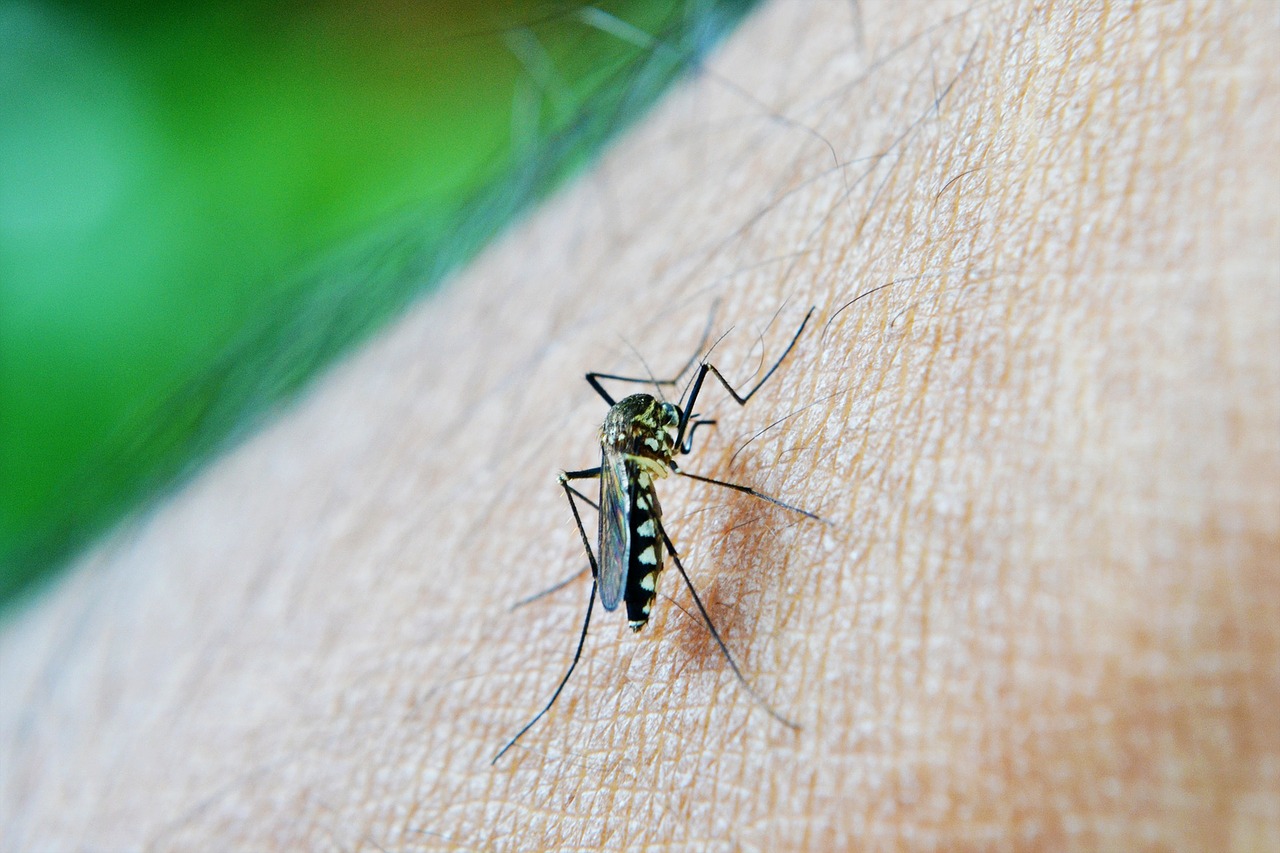
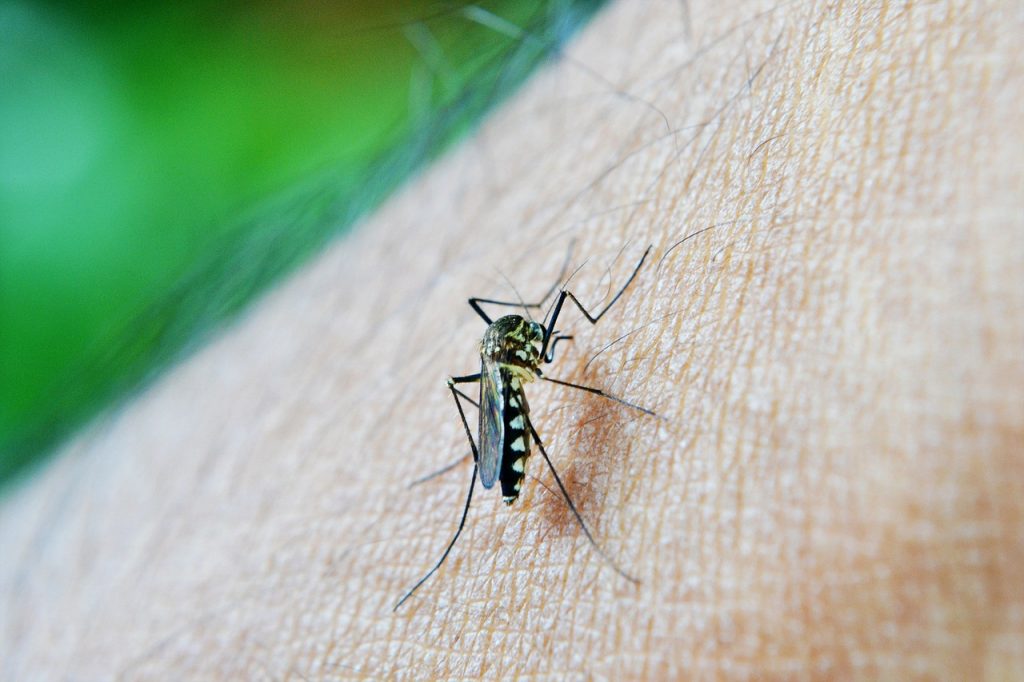
Scientists have already proven that mosquitoes choose their victims according to their body odor, and they are most fond of pregnant women and people with slightly higher body temperature. In addition, they also attract the smell of sweat, and some people simply have no luck with mosquitoes because they have a smell that draws them more intensely.
But some strong scent is extremely unpleasant for mosquitoes, not only masking our body odor. But also dulling insects pushing further. Some of the plants whose smell is considered very pleasant. Mosquitoes are a real natural repellent and keep them at a safe distance.
However, it is not enough to just plant plants in the garden or put them on a window board. The aroma must be in the air around you, but it is best if it is on the skin. To achieve maximum effectiveness, crush the leaves of these plants with your hands to release the flavor and infuse them directly onto the skin.
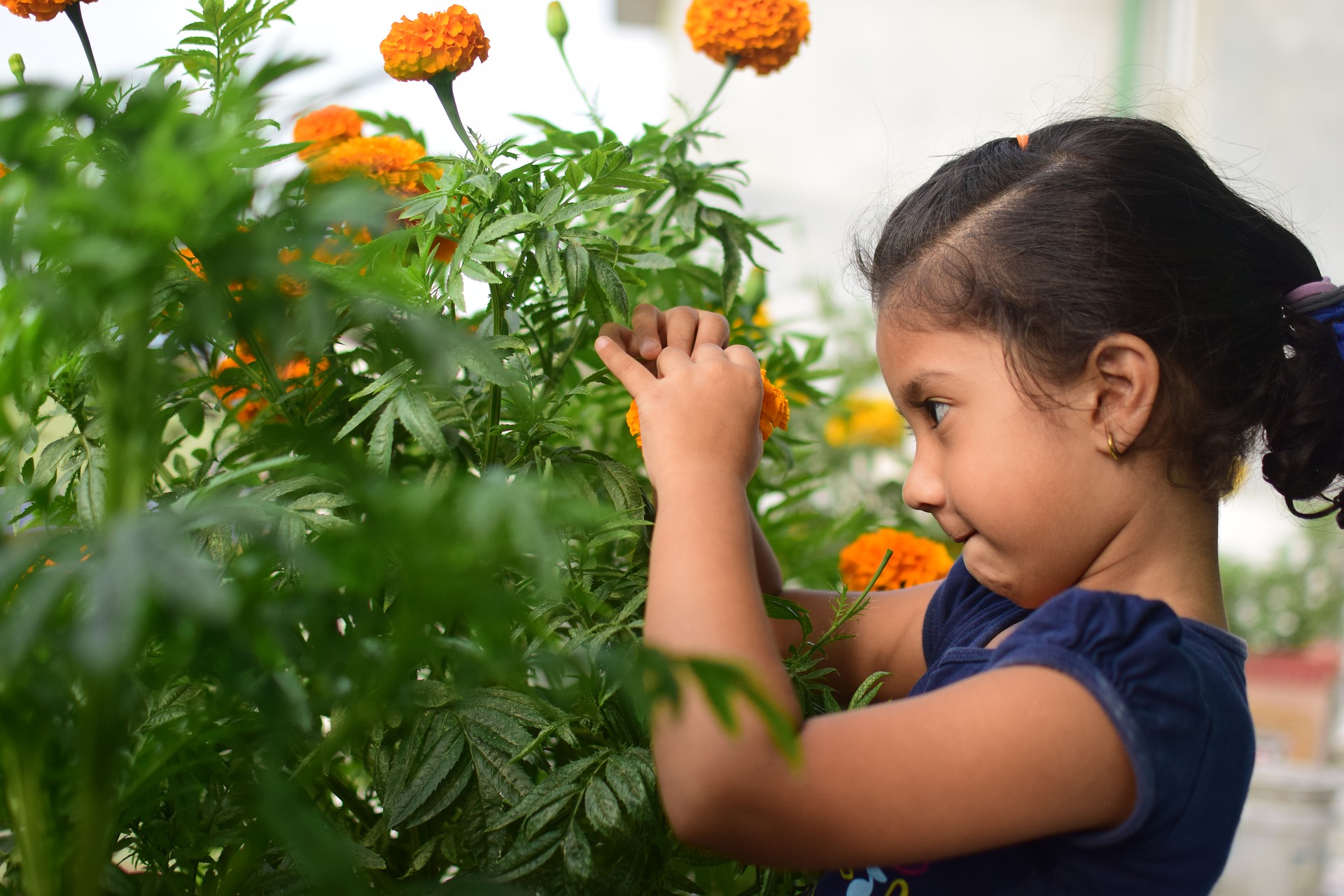
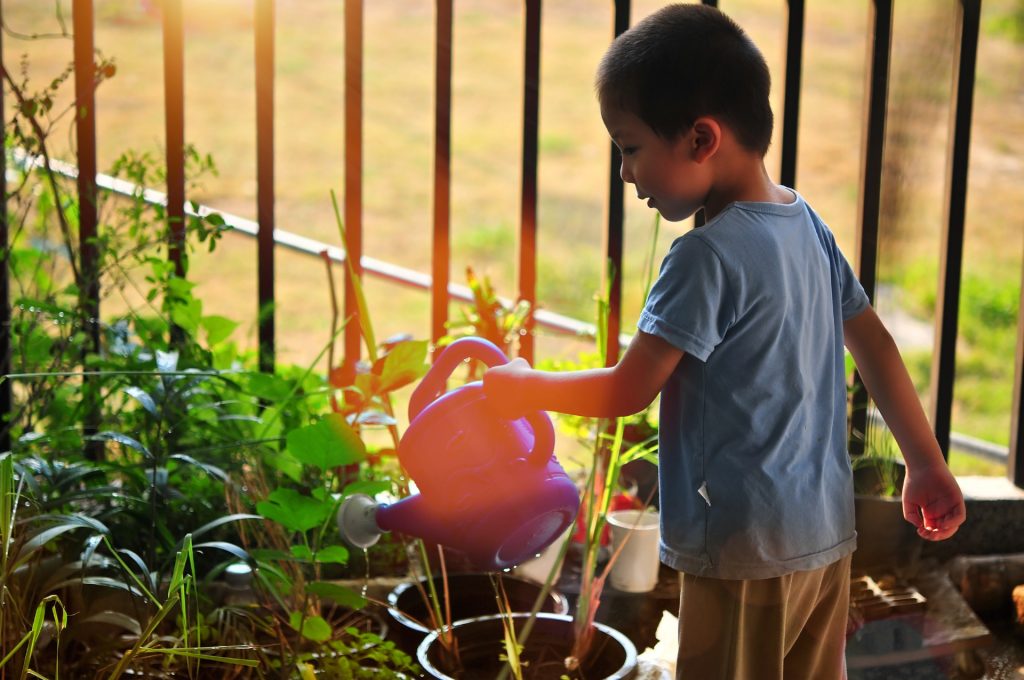
If you are a parent, you should probably think about one good question: should your children be taught to grow food at school?
The modern era is marked by the constant advancements in technology, and the new inventions have provided the comfort and conveniences that we never even imagined to live in.
However, we lost a large part of the needed real-world knowledge and skills to survive and take care of our families on our own.
This poses a question: If the current system suddenly collapses, do we know the basics of life in order to survive? Natural disasters happen all the time, so this is not that unreal as we believe.
Therefore, teaching our children to grow their own food would be a priceless lesson.
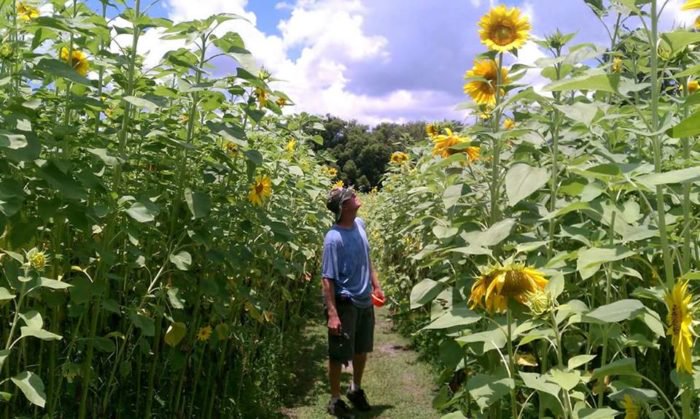
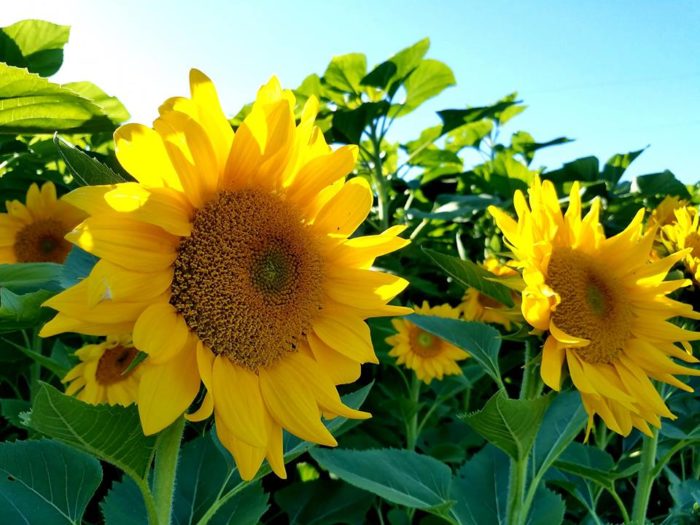
It’s hard not to drive through Florida during the spring and summer months and catch a glimpse of a sunflower farm or two. Especially for those driving along the beautiful country roads. One of Florida’s greatest natural pleasures comes in the form of these towering beauties, and if you’re looking for a way to enjoy them in their fullest, then this Florida farm is it.
Sunflowers in Florida are not a thing to be missed, especially during the warmer months when these towering giants are in bloom.
1. Peppermint Castile Soap, via Rocky Hedge Farm – GET THE RECIPE!
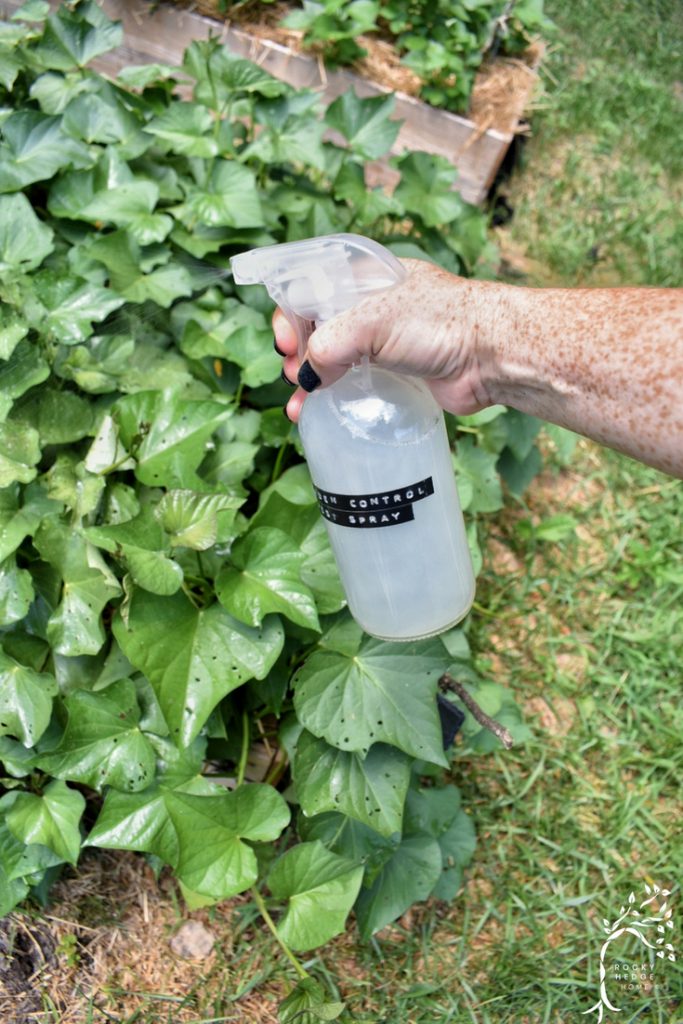
“There is a variety of things that can be done in a garden to help control the critters and insects that find the vegetable patch their tasty treat for the day. Companion planting, attracting birds and good insects, and even hand picking some of the bugs and placing them in a bucket of soapy water.
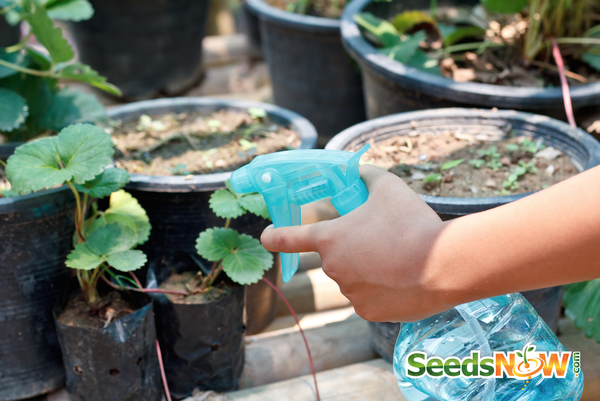
Then there are the bugs that I don’t always see, like the ones that are eating holes in my sweet potato plants. So, that is when I pull out the spray.”
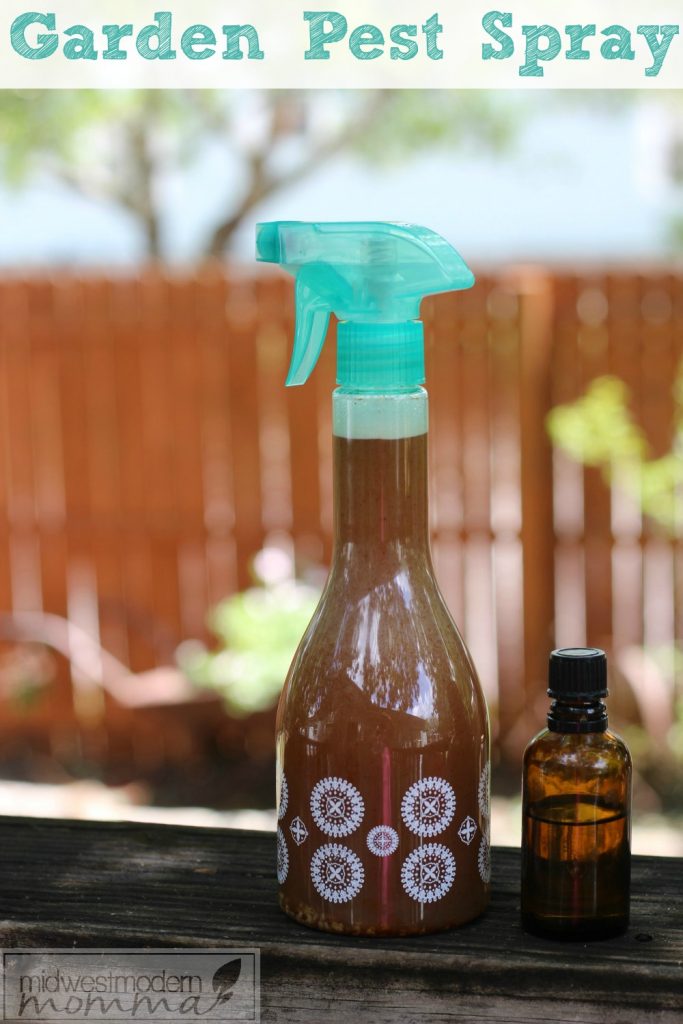
2. Garlic-Cayenne Pepper Spray, via Midwest Modern Momma – GET THE RECIPE!
“I love using natural pest control throughout my home and garden. This natural pest control spray for your garden is ideal for keeping those pesky critters away from your plants. If you have a natural and organic garden that is thriving, this is going to be your best resource to keep your plants safe this summer!”
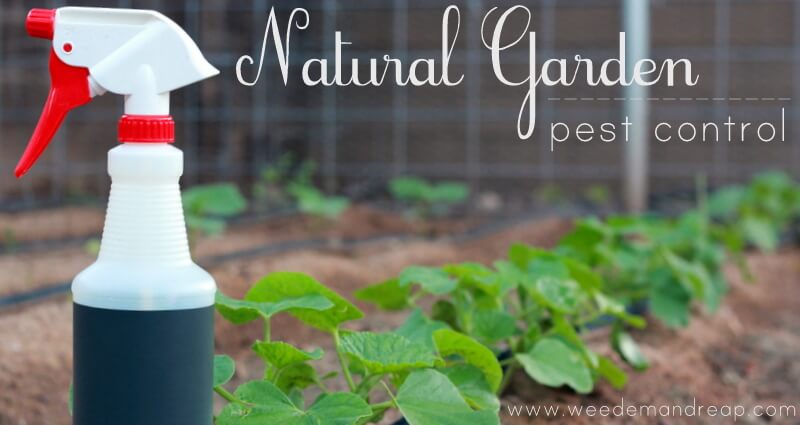
3. Organic Garden Pest Control, via Weed ’em and Reap – GET THE RECIPE!
“I don’t believe in pesticides. I’ve had many people recommend all sorts of chemical-laden products. But I decided long ago that this garden was going to be au naturale, dang it! My natural garden pest control will knock those bugs off their feet!”
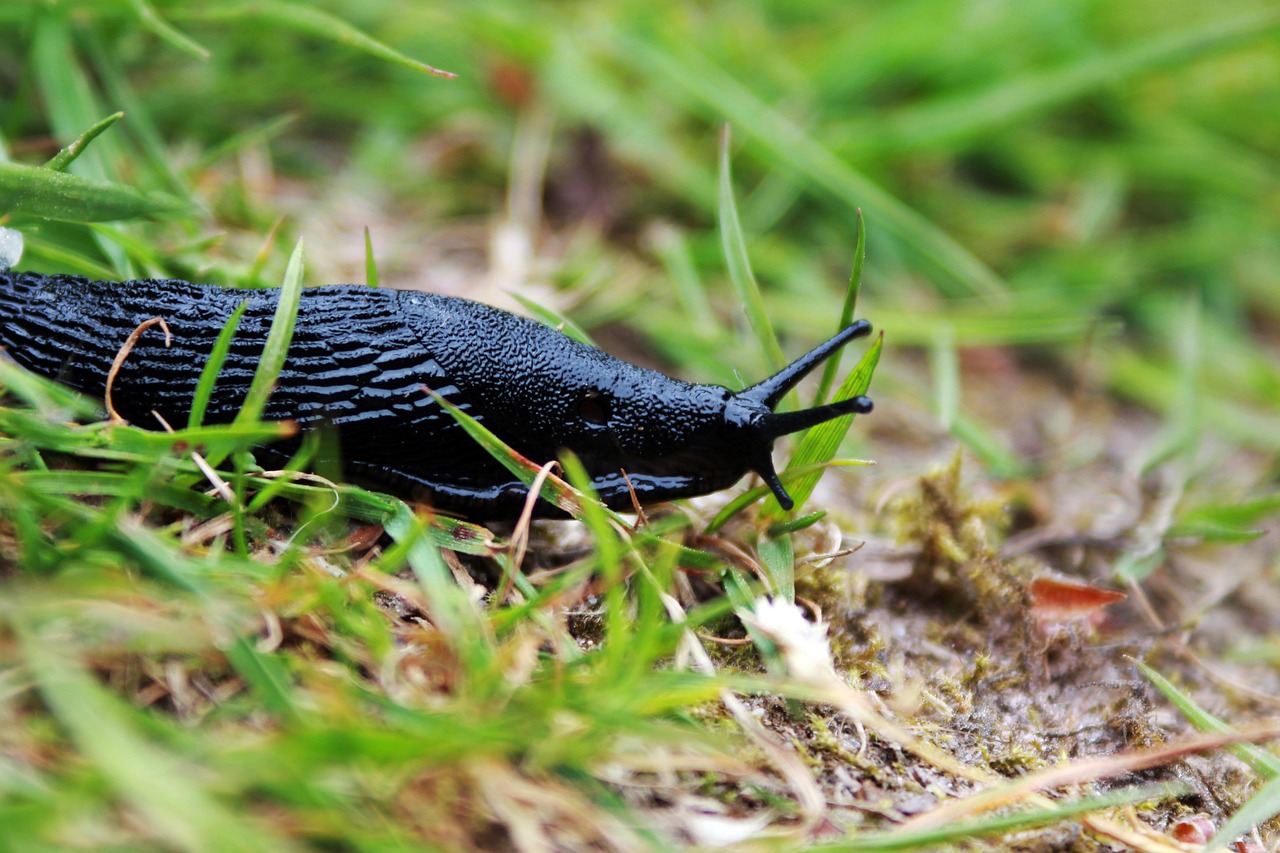
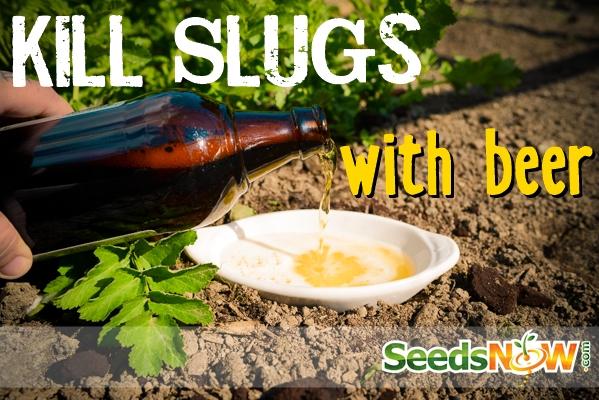
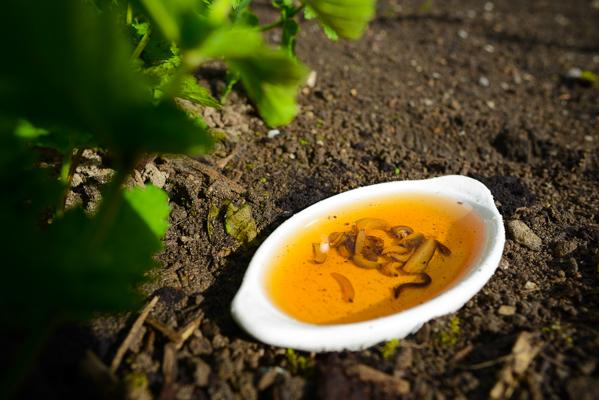
“One of the simplest ways to get rid of slugs is to pour them a beer. Literally. Make sure to not waste a yummy and delicious beer on these nasty garden pests, though. An inexpensive, cheap beer will do the job just as well as your favorite will.”
5. Smothering Insect Oil, via The Rusted Garden – GET THE RECIPE!
“In this 4th video of my DIY garden recipe and tips series I cover how to use neem oil and smothering oils in the vegetable garden. I show you how to make them (with my recipes), discuss how to use them and provide you a general use routine. Any time you use new oils or sprays in your garden… test spray.”
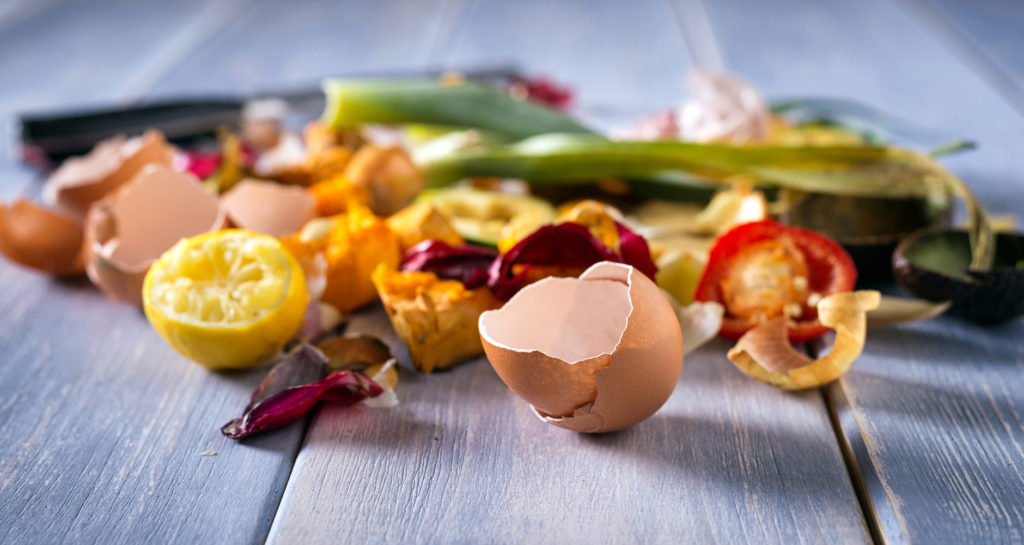
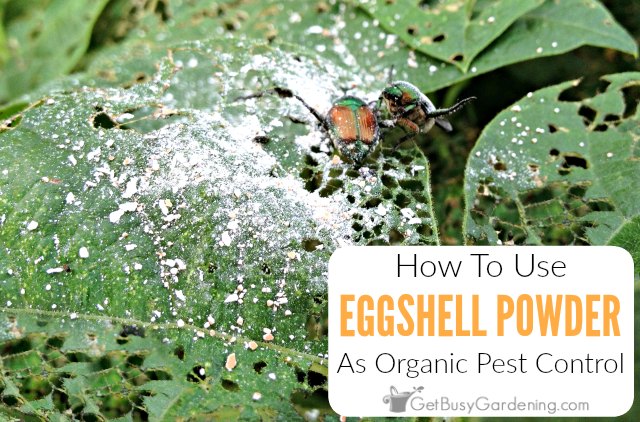
6. Eggshell Powder, via Get Busy Gardening – GET THE RECIPE!
“Using eggshells as organic pest control is inexpensive, and easy! In this post, not only will I show you how to use eggshells in your garden, I will also show you exactly how to prepare eggshells for garden use – including tips for cleaning and drying eggshells, grinding them into powder, and storing eggshells and powder for later use.”
“Though bugs hate it, plants love it. Adding molasses to the soil in your garden helps to increase the microbial activity resulting in soil that holds moisture better and is also easier to plant in. When soil microbes are exposed to simple sugars, they multiply quickly. As microbes go through their living cycle, they add important nutrients to the soil, therefore, the more the merrier. You can also rid your yard of fire ants by spraying this over your grass too. This is the most inexpensive way to add sugars and ward off harmful insects to your garden and vegetable plants. ”
…and if all else fails, try growing a few TRAP PLANTS to deter pests away from the more valuable crops in your garden!
Sometimes it’s better to see a pest problem as the normal way nature enters and adapts to a particular niche in the environment created by things like availability of food, cover, and absence of predators. Animals don’t appear magically on the scene for no reason, they simply exploit available food resources and habitat. Once we understand this, we can learn about them and adapt ourselves to their habits. That way, we not only enjoy wildlife but can minimize its impact on our homes and gardens.
Rabbits Habitat and History
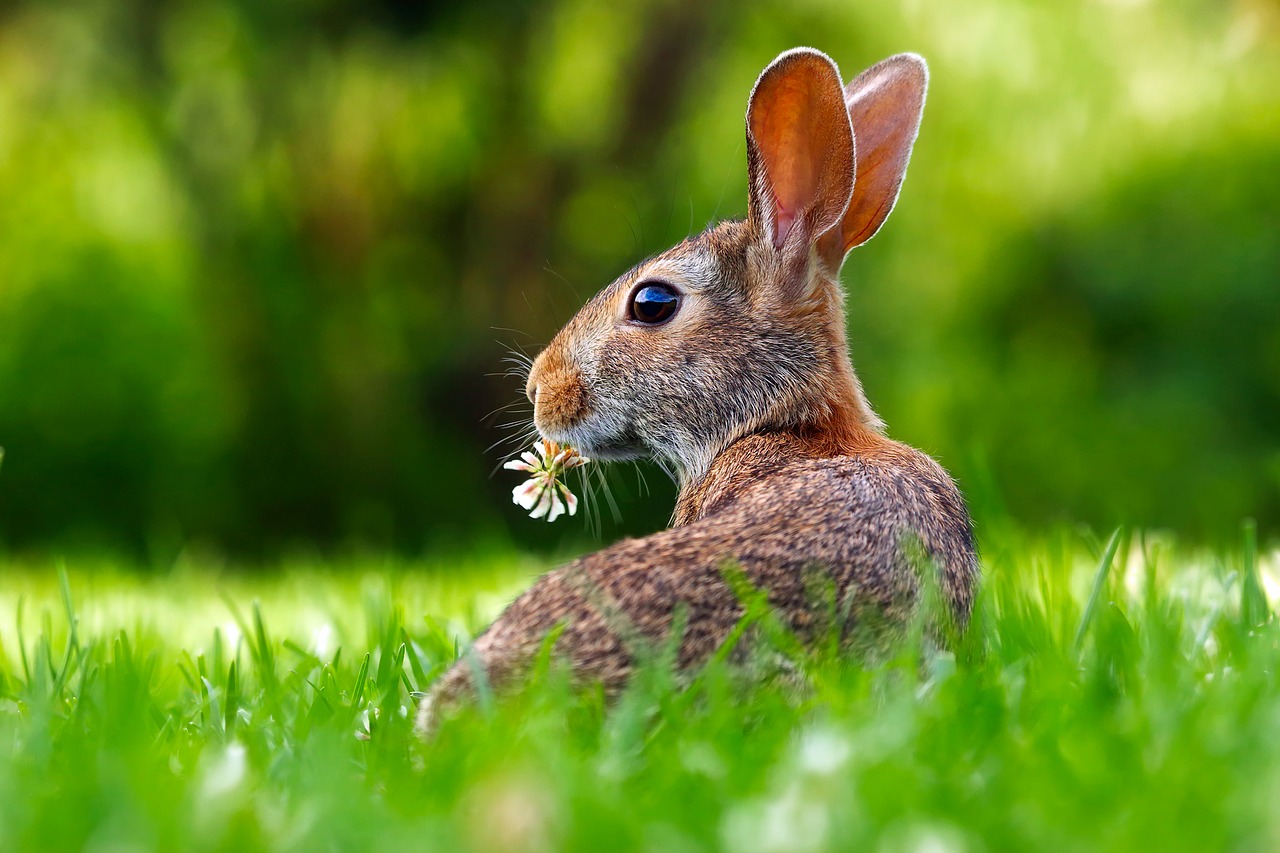
The Eastern cottontail, Sylvilagus floridanus, is one of the most common rabbit species in North America. It’s found in abundance over the entire eastern half of the United States, as well as into parts of central and South America. Recognizable instantly from the pure white fur on the underside of its tail, it is otherwise superbly camouflaged in shades of gray and brown. Most adult cottontails in the northeast average about 2 pounds, with larger specimens of about 3 pounds common in the south. In some instances, specimens of over 4 pounds have been recorded.
China is going to war with a new kind of enemy — industrial air pollution. The People’s Liberation Army has reassigned 60,000 troops to plant 16 million acres of trees to help clean the air.
Air pollution is such a serious problem in the country it was responsible for one-third of all deaths there in 2016.
By the end of this year, troops will have planted an air pollution-absorbing “sponge” of forested land roughly the size of Ireland, at 32,400 square miles. By 2035, the government aims to increase the portion of China’s total landmass dedicated to forests from 21 to 26 percent.
















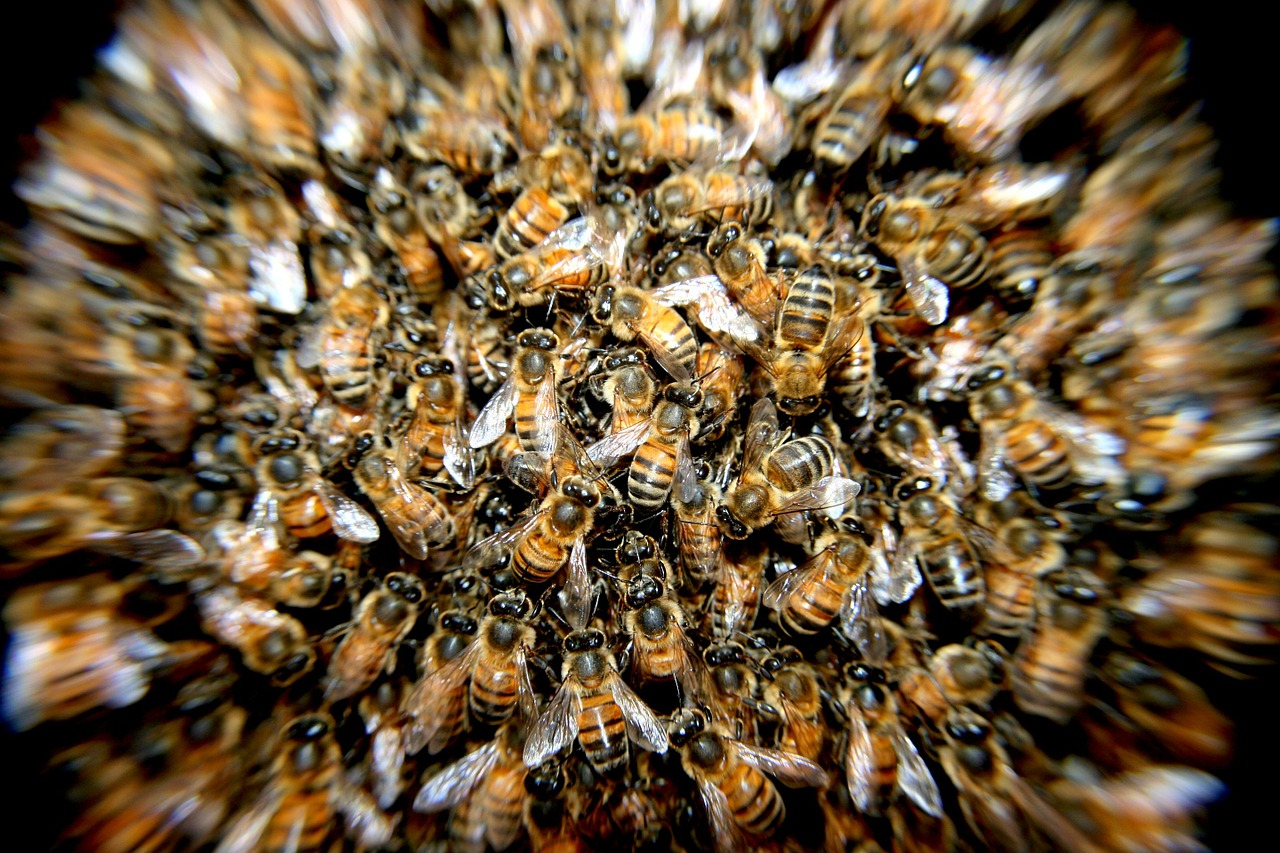
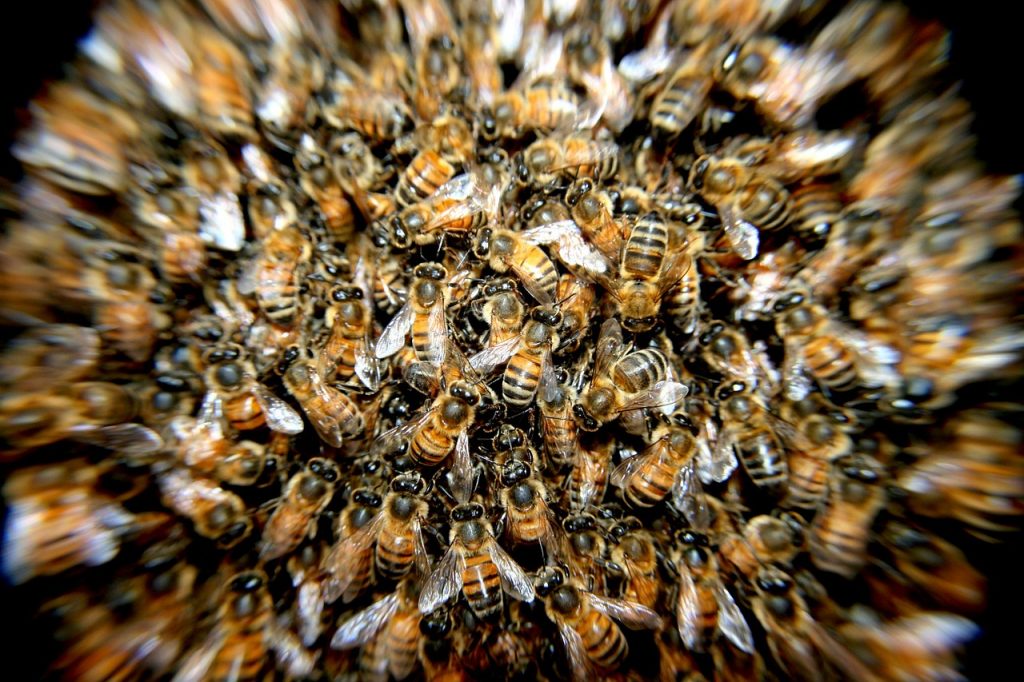 The Environmental Protection Agency is pulling from the market a dozen products containing pesticides known to be toxic to a linchpin of the U.S. food system — the honeybee.