What Do Praying Mantis Eat: Are They Good For Your Garden

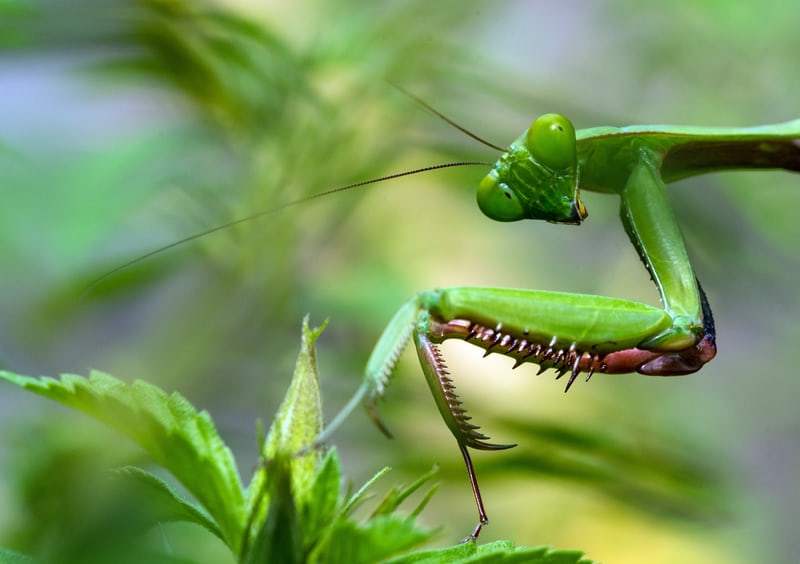
You walk onto your front porch. A praying mantis perches on a porch rail or table.

It appears something like an odd-looking animated baby string bean, propped up with green toothpicks.

As you move, it turns its triangular head toward you.

You shift first one way, then another, and the gaze from its large compound eyes follows you with ease.

You become slightly alarmed. This creature appears almost human, you think.

An insect closely allied to the grasshopper family and known scientifically as an orthopterous insect of the family Mantidae, order mantodea.

This bug is not poisonous and will cause you no harm, but to other members of the insect world, it is a deadly killer.

It is the only known bug that can direct its gaze wherever it wishes, moving the head freely in all directions.

Look for it in your vegetable garden, among your flowers, or wherever insects are attracted.

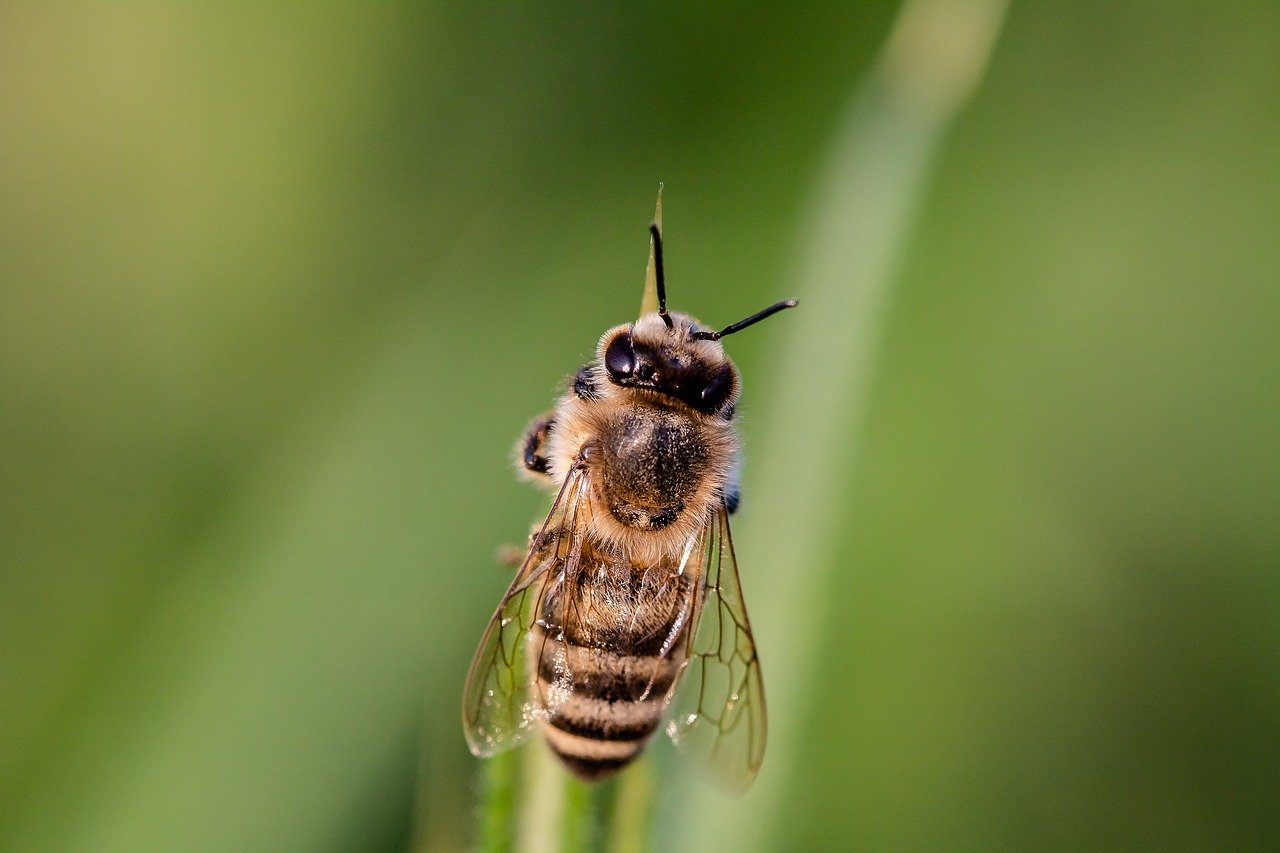
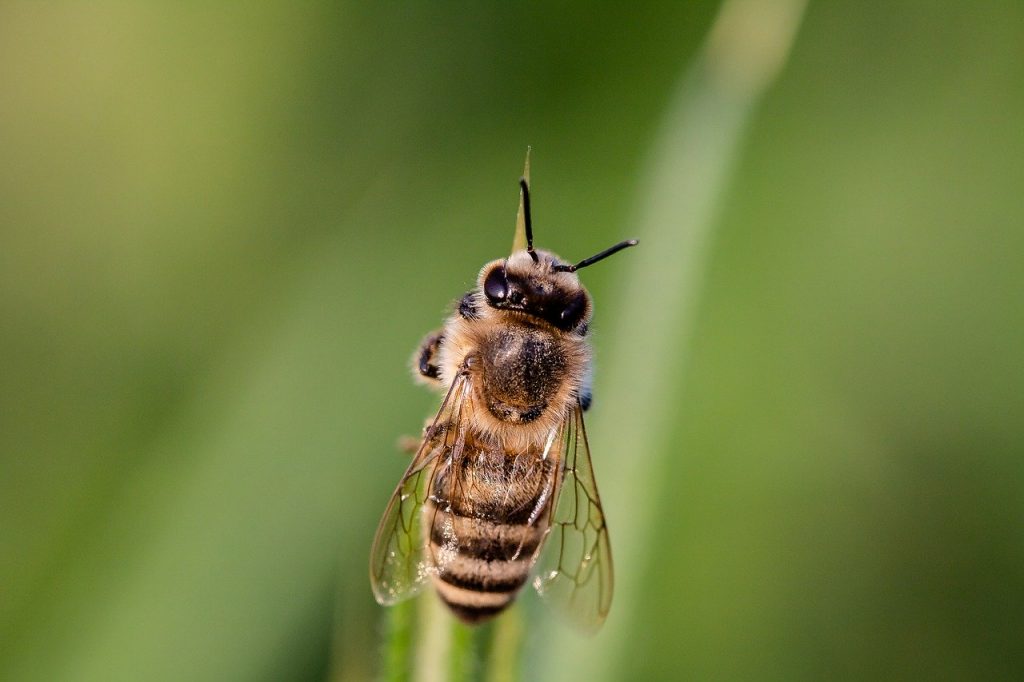
The Praying Mantis are very beneficial insects that make a career of eating large numbers of pest insects.

READ THE FULL ARTICLE: https://plantcaretoday.com/praying-mantis.html?fbclid=IwAR3atYi2iKieLm0AJsDxEaM0CevctglPx8khW7uJc7Va2Pseg4GDgZmEsaQ
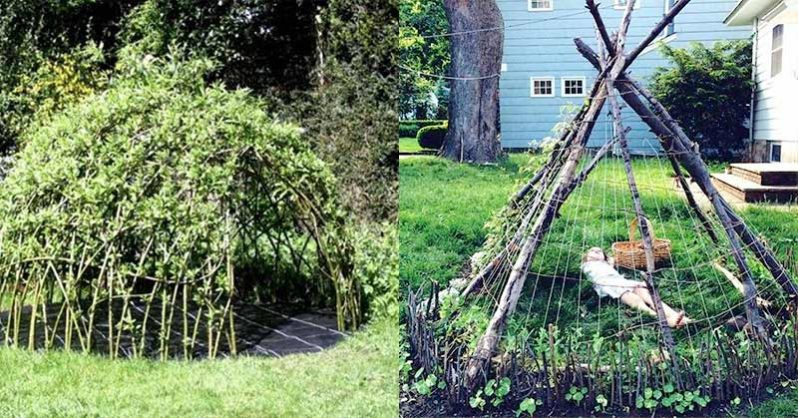
Grow a Living Playhouse For Your Kids

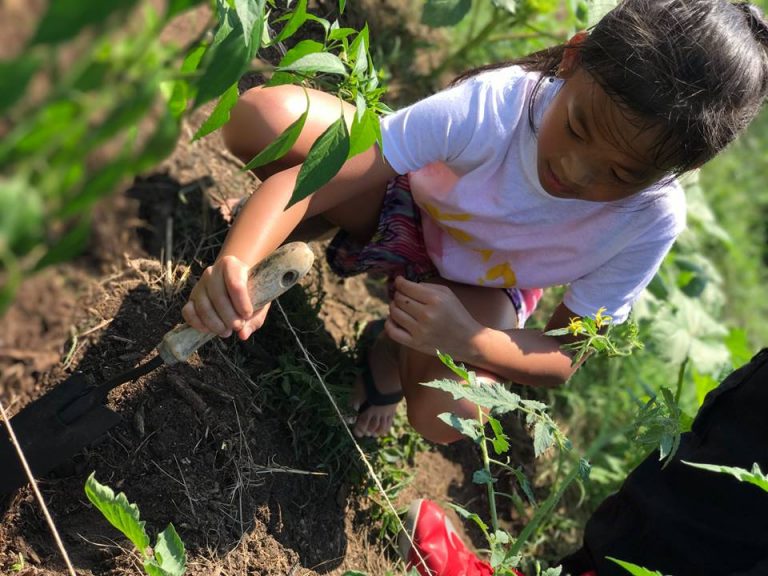
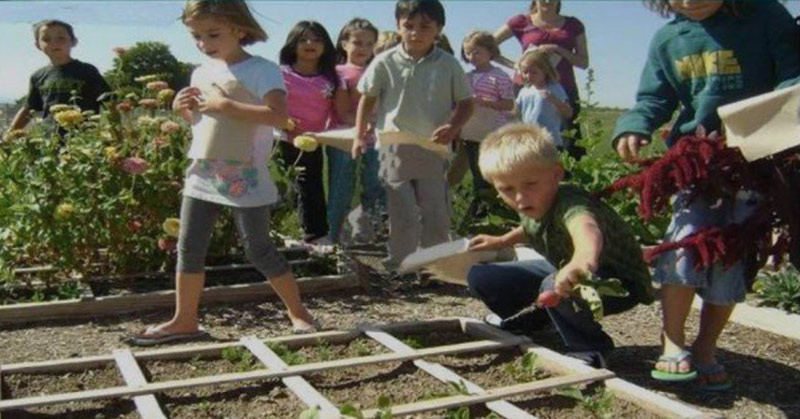
In recent years, there has been a growing disconnect between children and their food. Most kids have never set foot on a farm or in an orchard, only ever seeing food go from the grocery store to their house to their plate. Thousands of children have never before witnessed the food they eat actually growing in the ground.

What better way to introduce this concept, and foster an appreciation for the food they eat, then integrating it into their play?

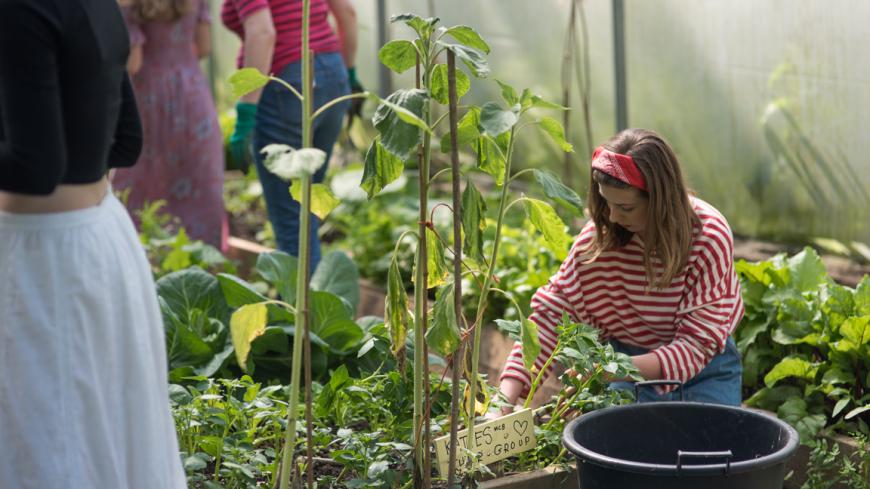
Benefits of gardening with your kids

Gardening with children has so many benefits to their physical and mental health:

  1. Body control and development: There is a lot of physical activity involved with gardening, such as carrying tools, digging, planting, and more. This helps children develop their body management and locomotor skills. There is also quite a bit of precision involved with gardening, which helps children master their fine motor skills. (1, 2, 3)
  2. Sensory development: Working in a garden exposes children to a huge range of sounds, smells, sights, and textures. The cold water from the hose, the smell and feel of the soil, the clinking sound of shovels and trowels – all of these stimulate the senses and allow children to experiment with those.

READ THE FULL ARTICLE AT: https://theheartysoul.com/grow-a-living-playhouse-for-your-kids/?fbclid=IwAR0n2ysG3MG1ZiBAINy8ecsyQMAw-GOdDMbDb4tKAOpf2yjPbYFq0VGARmA

Top Private School Teaches Students to Farm, Forage and Live Sustainably

According to a class draft, the two-year course, called “Living with the Land”, will combine “traditional building, cooking and craft skills with aspects of ecology, sustainability and community.” The three modules will be “shelter, food and craft.”

“By stripping things back to these basic necessities, we aim to equip students with the skills and understanding they need to survive in a world where self-sufficiency is becoming increasingly important,” it reads.

In the shelter module, students will be taught how to construct “healthy, beautiful, comfortable and spiritually uplifting” buildings with natural materials.

The food module will teach students “cooking through the seasons, making the most of bountiful harvests to see us through the cold months, baking with heritage wheat, making butter and cheese, bacon and pickles”.

The craft module will include “blacksmithing, working wool (weaving, knitting, spinning, fleece), animal husbandry, woodwork, gardening and land care.”

READ THE FULL ARTICLE AT: https://achnews.org/2020/02/18/top-private-school-teaches-students-sustainable-living/?fbclid=IwAR2WqLoR66bPObSbyX7aRf1P_9QXmByjZ9uFAXEh3nmlVrOjHWVGg1NCOss

Minnesota cities could get power to ban pesticides as bee populations fall

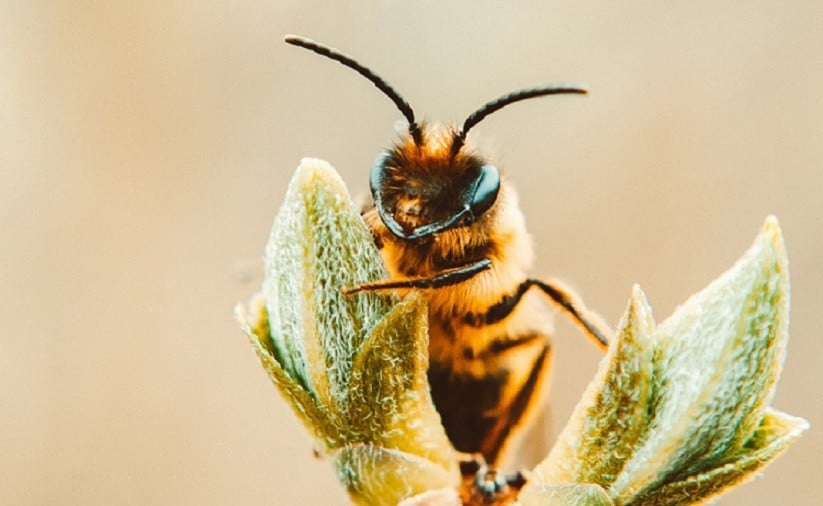
Lawmakers may give cities throughout Minnesota the authority to ban some widely used pesticides as native bumblebee and pollinator populations continue to collapse.

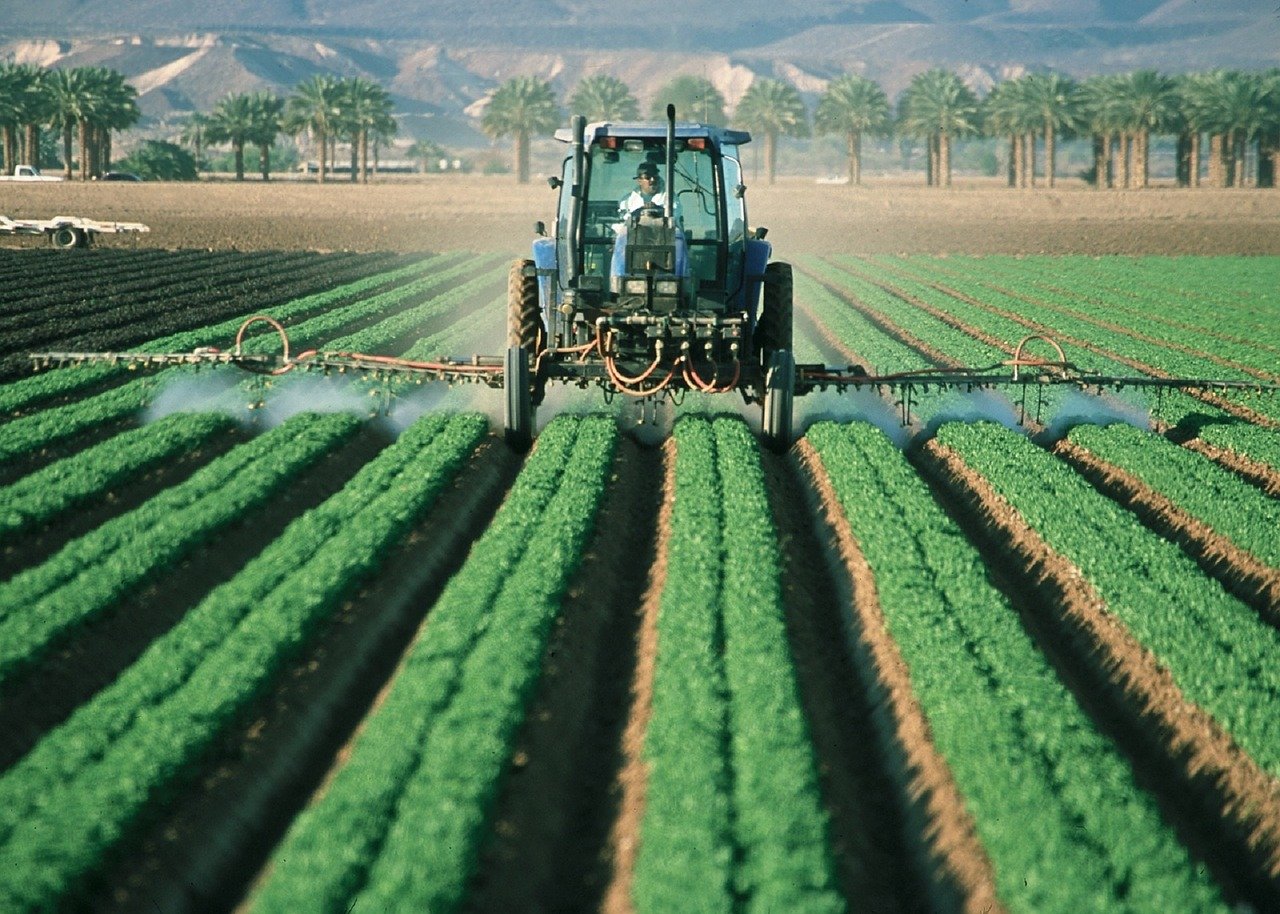
A measure introduced last week by state Rep. Jean Wagenius, DFL-Minneapolis, would essentially give cities their first chance in more than 30 years to have some form of local control over what pesticides can be used within their boundaries. It would grant each city the choice to issue a blanket ban on a group of pesticides that the Minnesota Department of Agriculture has labeled as lethal to pollinators. That list includes neonicotinoids, which are among the most prevalent insecticides used on Minnesota farms and have proved to be particularly harmful to pollinators.

“Minnesotans should be able to protect pollinators if they want to,” Wagenius said. “We value local control in this state, and we always have.”

READ THE FULL STORY: http://www.startribune.com/minnesota-cities-could-get-power-to-ban-pesticides-as-bee-populations-fall/567930052/?fbclid=IwAR3RMqS8UE-GHaf7kfVA3G9czRivUDsoNrjrB90YdbzbtgySNoEmWflnf1E

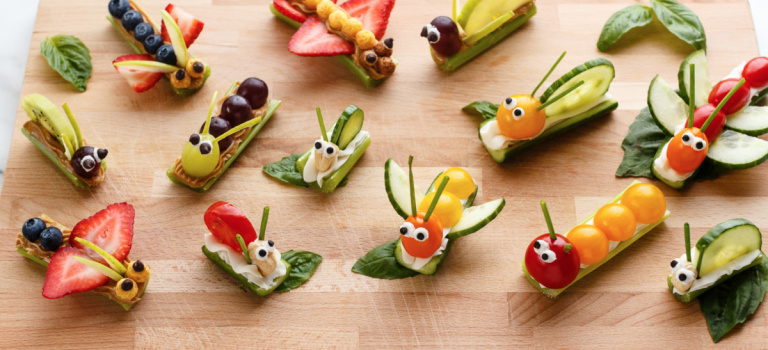
How To Make Fruit and Vegetable Bug Snacks

Totally adorable! Bring out your child’s inner artist with healthy fruit and vegetable bug snacks! These cute little bugs are a fun and easy recipe for kids. Watch the video below for more details…Prepare the fun bug snacks with the kids using fresh produce.

EPA Fails To Follow Landmark Law To Protect Children From Pesticides in Food

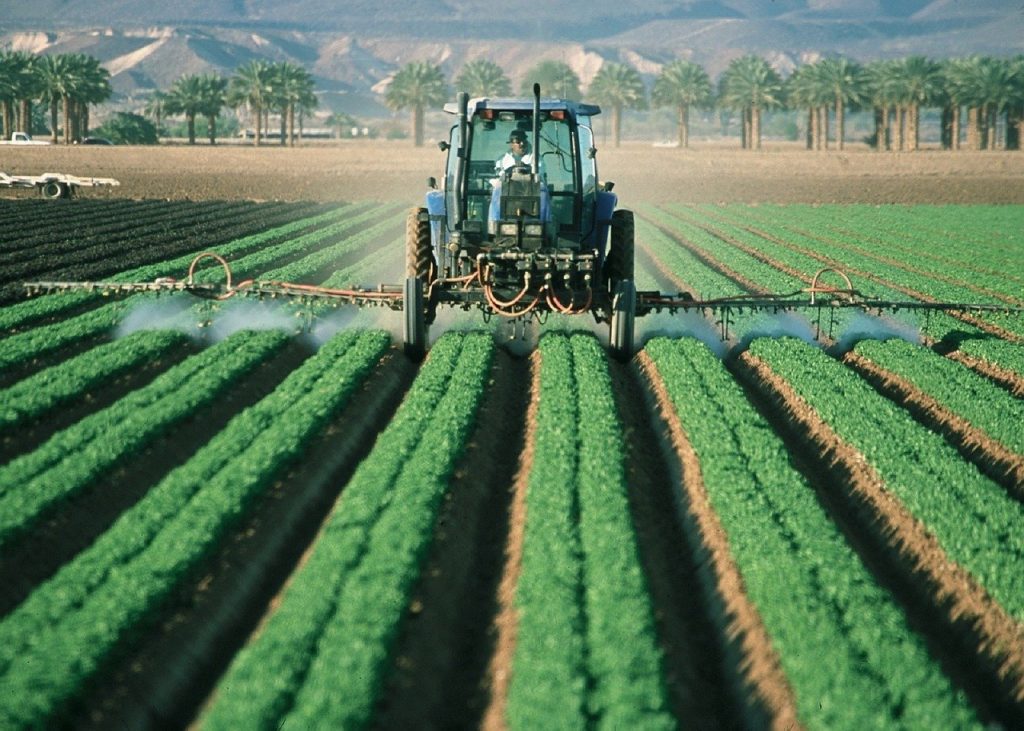
WASHINGTON – The landmark Food Quality Protection Act requires the Environmental Protection Agency to protect children’s health by applying an extra margin of safety to legal limits for pesticides in food. But an investigation by EWG, published this week in a peer-reviewed scientific journal, found that the EPA has failed to add the mandated children’s health safety factor to the allowable limits for almost 90 percent of the most common pesticides.

The study in Environmental Health examined the EPA’s risk assessments for 47 non-organophosphate pesticides since 2011, including those most commonly found on fresh fruits and vegetables, and found that the required additional tenfold safety factor was applied in only five cases.

“Given the potential health hazards of pesticides in our food, it is disturbing that the EPA has largely ignored the law’s requirement to ensure adequate protection for children,” said the study’s author, Olga Naidenko, Ph.D., vice president for science investigations at EWG. “The added safety factor is essential to protect children from pesticides that can cause harm to the nervous system, hormonal disruption and cancer.”

READ THE FULL STORY: https://www.ewg.org/release/ewg-study-epa-fails-follow-landmark-law-protect-children-pesticides-food?fbclid=IwAR0w3GKoZggVdN3fLSfp9Ysx0qFaFF5LkhqAnCVZjZJqweBHsH2bxx-GJ3w

Bees Love Cannabis! Researchers Discover Hemp Could Help Restore Bee Populations

Hemp attracts bees in droves, a new study finds.

Researchers tested several strains and found bees – both wild and domestic – love them all, especially the taller varieties.

It’s an unusual finding considering cannabis doesn’t possess the sweet nectar or bright colors typical of flowers that attract pollinators.

The researchers speculate it’s something to do with the plentiful pollen found in hemp flowers.

READ THE FULL ARTICLE: https://returntonow.net/2020/02/11/bees-love-hemp-study/

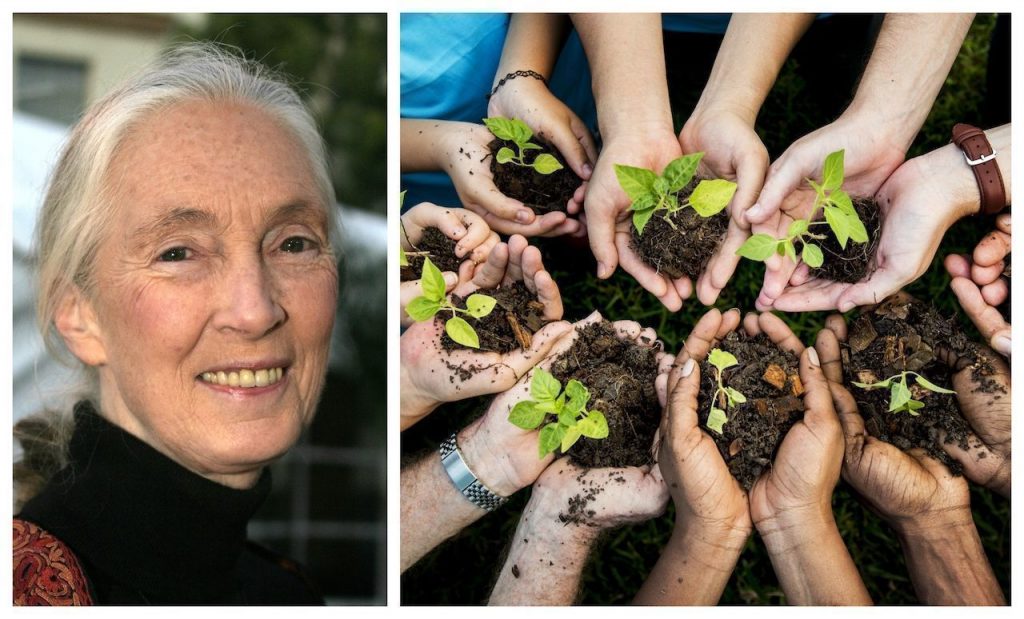
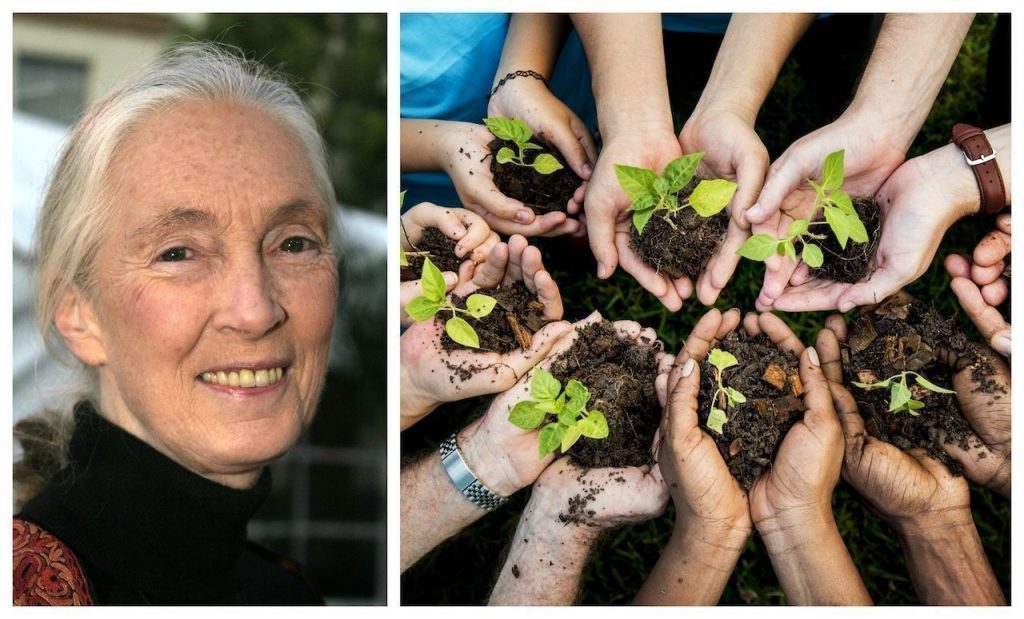
Jane Goodall Plans to Plant 5 Million Trees in 2020

Joining the effort to reforest the planet, Jane Goodall commits to planting 5 million trees by the end of the year. 

Jane Goodall, known for saving the chimpanzees, is now on a similar mission to save our forests.

The famed primatologists’ Roots & Shoots program connects young people across 60 counties in an effort to reforest the planet.

The organization has committed to planting over 5 million new trees this year alone.

The group has a larger goal of planting a trillion trees in the next 10 years, as part of a joint effort with the United Nations’ 1 Trillion Trees Campaign.

“Now is the time for everyone on the planet to do their part.” Goodall said in a statement.

The World Bank estimates we’ve lost almost 4 million square miles of forest since the start of the 20th century.

Whether it’s clear cutting for agriculture, mining, cattle gazing, or wood products, one thing is clear, we’re losing about 1,000 football fields of forest every hour.

READ THE FULL STORY: https://returntonow.net/2020/02/12/jane-goodall-plans-to-plant-5-million-trees-in-2020/?fbclid=IwAR2eLLMqRZq2Iaozl6bN3UGHMM_KIdEfpHX3GuSsjc14nTIPpSQUMYbRiYQ

Three maps tell the story of urban farming in Philly right now

Hundreds of Philadelphians grow their own food on city land. African and Southeast Asian immigrants cultivate African eggplant and Thai roselle in South Philadelphia. Mexican immigrants and Puerto Ricans grow jalapeños and gandules in Kensington. In neighborhoods across the city, some 418 edible gardens bloom across 500 parcels.

But these spaces face an uncertain future as development pressures encroach.

The areas where many of the edible gardens cluster — South and West Philadelphia and Kensington — are gentrifying fast and growers find themselves facing eviction from land no one else wanted until now.

As the city moves forward with a first-ever Philadelphia Urban Agriculture Plan, three maps created by Interface Studio, with data gathered by Interface and partners at Soil Generation, tell the story of where Philly’s urban farmers are now and where they may be in the future.

READ THE FULL ARTICLE AT: https://whyy.org/articles/3-maps-tell-the-story-of-urban-farming-in-philly-right-now/

Lessons Learned from My Year-Long 100% Homegrown and Foraged Food Challenge

It’s the dream of millions of people: To live off the land and to never need to make a trip to the grocery store. But for nearly everyone with that dream, it’s just that — a dream. Our current global, industrial food system is just too convenient and easy to resist. Our modern lives are too busy and monetized to go that far back to the land.

I’ve been exploring food for nearly a decade and since the beginning, I’ve had the burning question: Would it be possible to produce 100% of my own food in the times we live in? Could I exist without grocery stores and restaurants? Nothing packaged or processed? Nothing shipped from far-off lands? Could I grow and forage everything I ate for an entire year?

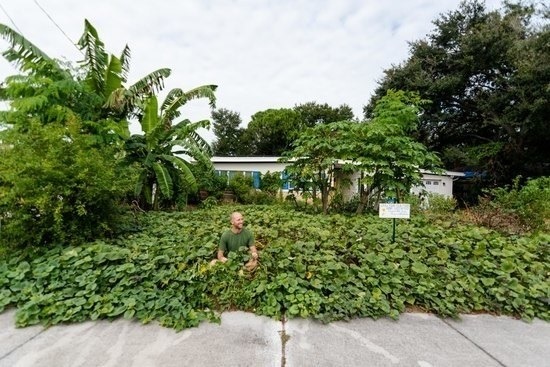
That’s the question that I set out to answer just over a year ago. One big thing though: I didn’t have a farm or even a house with a front yard. All I had was a backpack and I didn’t have much growing experience, either. You could say I was jumping off the deep end.

I chose to do this in Florida for the year-round growing season and the local “grow-your-own” movement I had stumbled across while traveling through a few years prior. I quickly got to work, meeting people in my neighborhood and proposing that I turn their lawns into gardens. It wasn’t hard to find takers. I’d cover all the costs, do pretty much all the work and they could eat as much food as they’d like. What’s not to love about that deal?

READ THE FULL ARTICLE AT: https://www.motherearthnews.com/organic-gardening/homegrown-and-foraged-food-challenge-zbcz1912?fbclid=IwAR3bXhVBZLu5Hhqm6DdhAc7Bb5SsSuUNtXdsiFGbmt29_2o9vphf3pmRZY0

Antidepressant Microbes In Soil: How Dirt Makes You Happy

Prozac may not be the only way to get rid of your serious blues. Soil microbes have been found to have similar effects on the brain and are without side effects and chemical dependency potential. Learn how to harness the natural antidepressant in soil and make yourself happier and healthier.

Natural remedies have been around for untold centuries. These natural remedies included cures for almost any physical ailment as well as mental and emotional afflictions. Ancient healers may not have known why something worked but simply that it did. Modern scientists have unraveled the why of many medicinal plants and practices but only recently are they finding remedies that were previously unknown and yet, still a part of the natural life cycle. Soil microbes and human health now have a positive link that has been studied and found to be verifiable.

Read more at Gardening Know How: Antidepressant Microbes In Soil: How Dirt Makes You Happy https://www.gardeningknowhow.com/garden-how-to/soil-fertilizers/antidepressant-microbes-soil.htm

Cincinnati’s urban farmers cross-pollinate nutrition, community to grow sustainable neighborhoods

CINCINNATI — Domonique Peebles grew up in Louisville, Kentucky growing food in his backyard, taking what he and his family couldn’t eat themselves and giving to his neighbors and family friends.

“We would always grow more than we could actually eat,” he said. “I asked my dad one time, ‘Why do we do this?’ and he said, you know, ‘You get to go home and eat every night, but that doesn’t mean the people you live next to get to do that.’

“That’s just something that’s always stuck with me.”

When Peebles moved to Over-the-Rhine in 2011, he found himself continuing that tradition.

“I lived between two Kroger buildings,” he said, one on Vine Street in OTR and the other in nearby Walnut Hills, but it didn’t take long for both of those grocery stores to shutter.

READ THE FULL STORY: https://www.wcpo.com/news/transportation-development/move-up-cincinnati/cincinnatis-urban-farmers-cross-pollinate-nutrition-empowerment-to-grow-sustainable-communities

Urban Agriculture is Dead! Cities have One, Two, Three…Many Urban Agricultures!

When Socrates, Plato, and the gang hung out at the farmers market in downtown Athens, they argued a lot about the essence of beauty, truth, and justice.

They had no idea of the problems they would create for urban agriculture 2500 years later.

Ancient Greece, a major tributary to western culture, was obsessed with absolute and universal Truth — that’s Truth with a capital T and in the singular.

This singular (academics call it “essentialist”) legacy lives on in today’s thinking about food. Think of such commonly used expressions as food policy, food strategy, food culture, local food, sustainable food, alternative food, and urban agriculture. Not much pluralism, plurals or variation here!!

We betray the Greek origin of western styles of thinking every time we use the singular to discuss the opposite — the sheer abundance and bounty of foods and food choices that modern living and technologies offer.

READ MORE:

Urban Agriculture is Dead! Cities have One, Two, Three…Many Urban Agricultures!

Heroes Center wants its urban agriculture to benefit veterans and the whole community

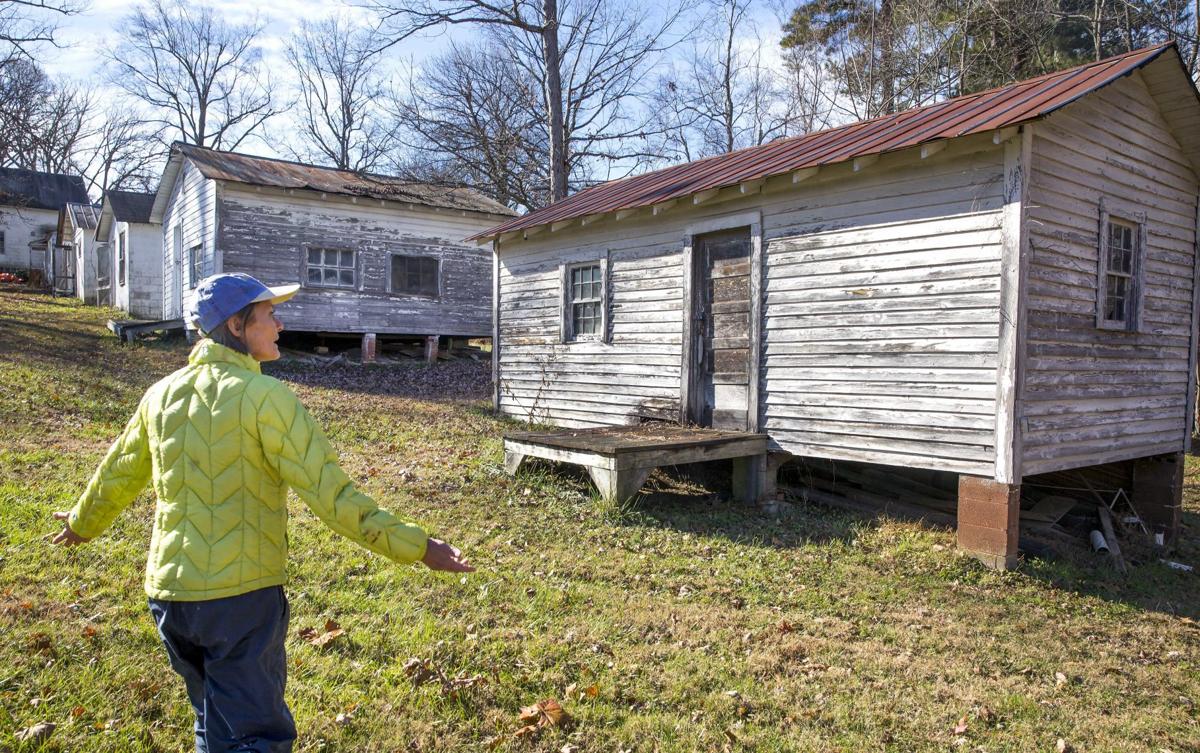
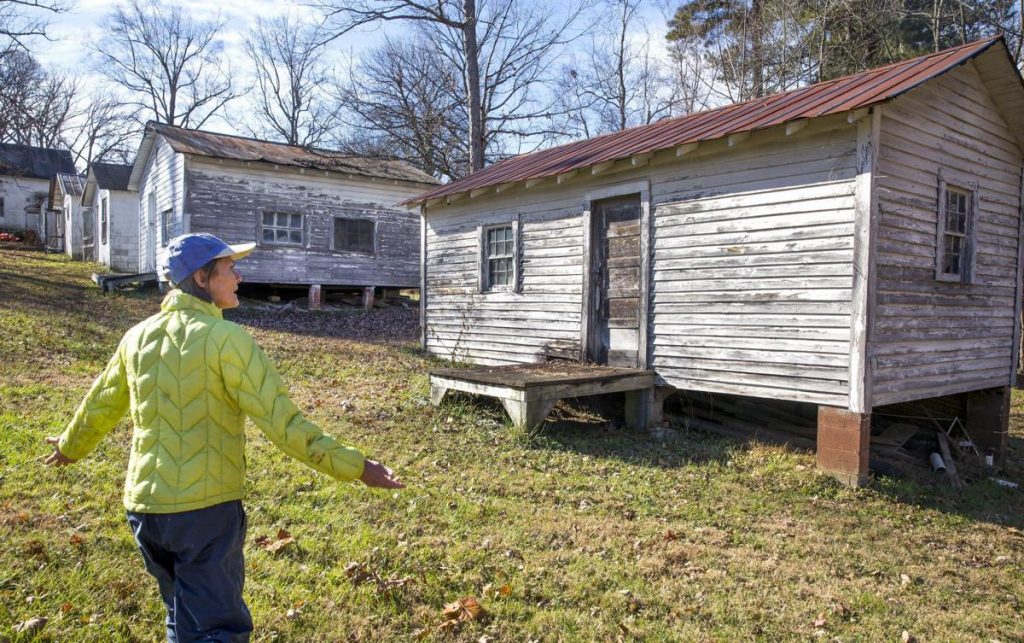
Paula Sieber can see long into the future and well beyond the dingy white cabins that hug the trees at the Heroes Center Veterans Support Camp.

She sees an urban farm that grows up to 100,000 pounds of fruits, vegetables and eggs a year for veterans, community customers and people who can’t afford or can’t find the finest produce.

She sees a place where veterans can learn job skills, from solar-power installation to hydroponic agriculture.

READ THE FULL STORY: https://www.greensboro.com/news/local_news/high-point-s-heroes-center-wants-its-urban-agriculture-to/article_504c29a7-8fa1-5fce-bdd0-37b242348e92.html

Texas A&M undergraduate initiates urban farm on campus

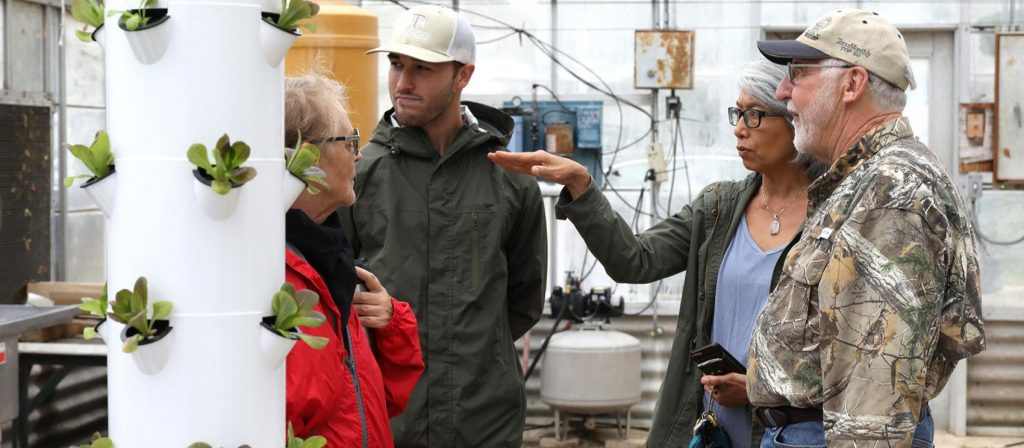
Urban farming comes in many forms, and now one of those, vertical farming, is helping feed students at Texas A&M University.

The project is part of an experiential learning initiative, which is a required part of the curriculum for undergraduates in the Texas A&M’s Department of Soil and Crop Sciences.

The department offers internships and study abroad opportunities to help students meet this requirement. Broch Saxton, one of the department’s December graduates, created his own internship as a student leader and greenhouse project director with Texas A&M’s Urban Farm United, or TUFU.

READ THE FULL ARTICLE: https://www.wacotrib.com/townnews/agriculture/texas-a-m-undergraduate-initiates-urban-farm-on-campus/article_16c8a60e-285b-503f-a422-77cd6deac43a.html

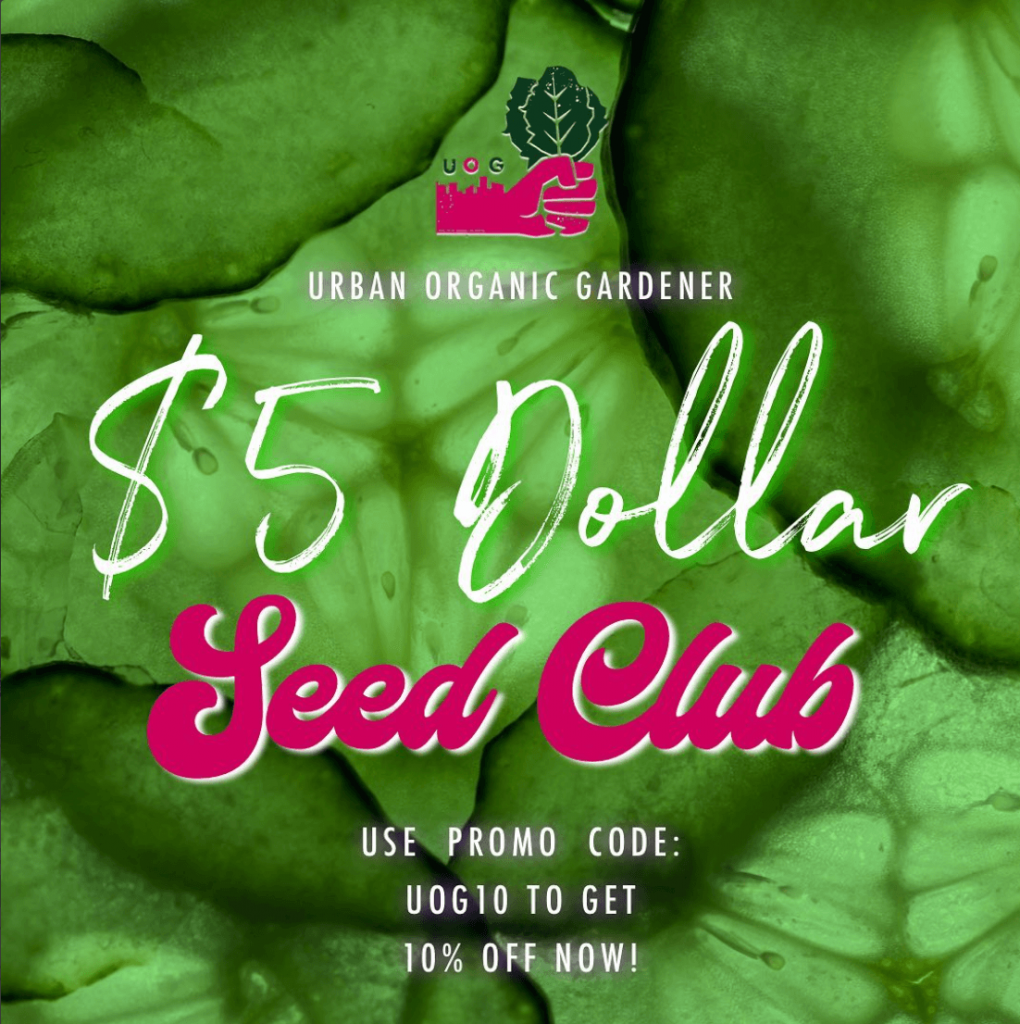
$5 Monthly Mystery Seed Club (NEW)

🥦🍅🍆Grow your own organic food, year-round! 🥕🌶️🥒

Join today and become a member of the UOG Monthly Seed Club. Each month, members receive a curated collection of beautiful heirloom/non-gmo seeds & essential seed starting garden supplies – all customized around you, your garden, and location.

💯% SATISFACTION. GUARANTEED.
Join the community today, we promise it will be worth it! Sign-up today and get your first package delivered the second week of every month.

✳️ JOIN TODAY! https://urbanorganicgardener.cratejoy.com


Produce with a purpose: Aquaponics farm employs adults with disabilities

CHEVIOT, Ohio (WKRC) – An unconventional farm is helping it’s westside community in a unique way.

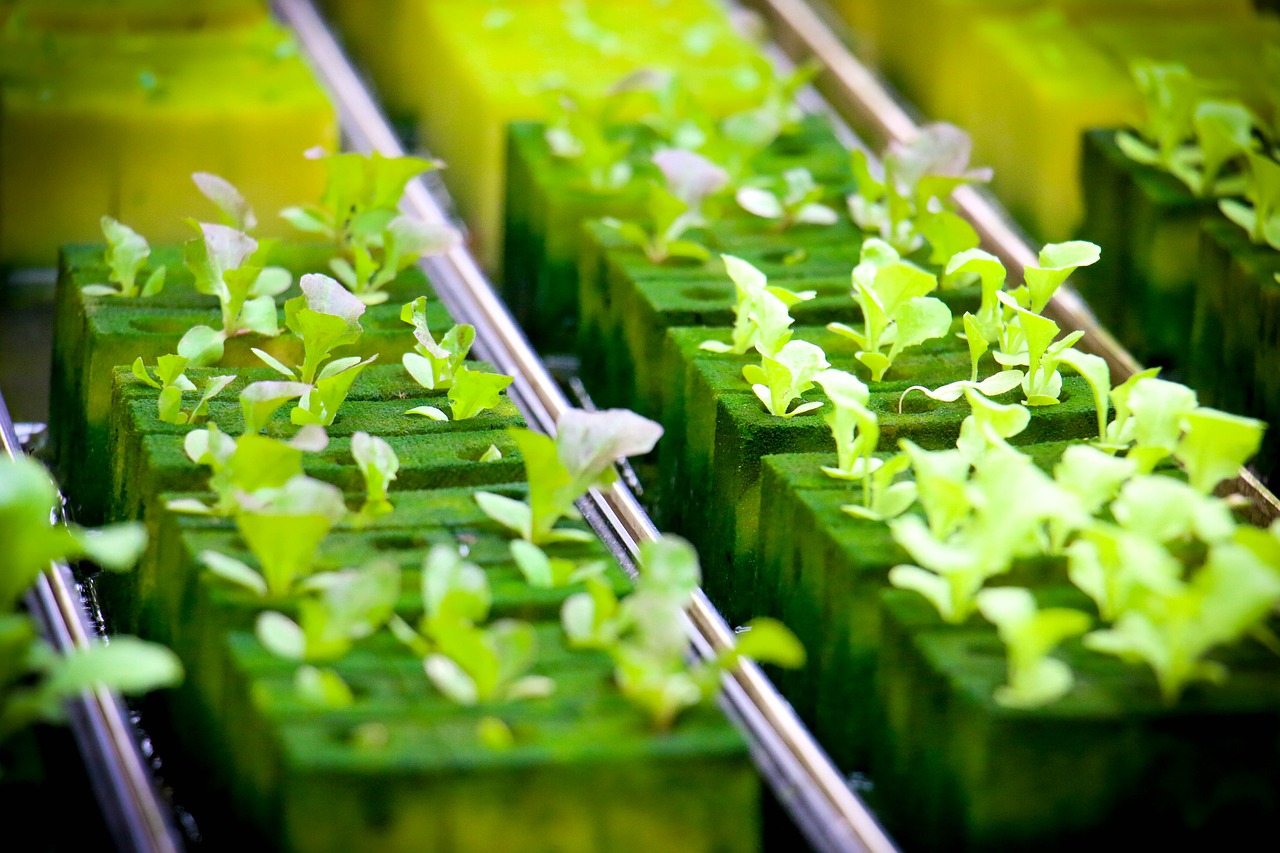
o2 Urban Farms uses aquaponics to grow fresh lettuce. It’s produce with a purpose. The farm employs adults with developmental disabilities to assist in germinating, transplanting and harvesting the produce at its Cheviot facility.

“It’s a wonderful opportunity,” Kevin Potts, executive director of the Ken Anderson Alliance, said.

Urban Farms is working in partnership with the Ken Anderson Alliance while utilizing the facility space provided by Vineyard Westside.

READ THE FULL ARTICLE AT: https://local12.com/news/local/produce-with-a-purpose-aquaponics-farm-employs-adults-with-disabilities

Should Children Be Taught How To Grow Food As Part Of Their Schooling?

Our children live in a fast-paced society, and their life has become much easier than the one we were used to.

I know countless applications that can do their tasks and assignments instead of them, and they can type just a few words on their computers and find everything they need, without having to jog their memory or use their knowledge.

Yet, many fear that in this way, we are raising slouches, irresponsible future adults, and a burden to our society. There is no doubt that new inventions have provided more comfort than we ever dreamed of living in.

Yet, it is every parent’s responsibility to encourage and stimulate their children to explore, learn, and succeed.

READ THE FULL STORY: https://www.healthyfoodhouse.com/should-children-be-taught-how-to-grow-food-as-part-of-their-schooling-2/?fbclid=IwAR3qNp8zpWBB8iUnTyAlkrG1YolUUVulZOlCQcO_P7p4cKr-c8ChiI-YRO0

Fighting Hunger: Urban Farming in Fort Worth’s Food Desert

Opal’s Farm is a 5-acre patch of land along the Trinity River, in the shadow of downtown Fort Worth. It’s part of the United Riverside neighborhood, which is located in a food desert.

“You look across the river and there’s downtown, but everything kinda stops at the river,” farm manager Greg Joel said. “The money stops at the river.”

The farm’s 5-acres were donated by the Tarrant Regional Water District. It’s named after Opal Lee, a well known 92-year old community activist who had a dream of helping feed communities in need in Fort Worth.

READ THE FULL STORY: https://www.nbcdfw.com/news/local/fighting-hunger-urban-farming-in-fort-worths-food-desert/2292808/

Urban Farming: A Budding Investment Opportunity in Real Estate

As the demand for sustainable and locally sourced produce in urban areas increases, so does the chance to be a part of the solution. Urban farming, a new development in real estate, brings an opportunity for investors to profit by transforming commercial real estate into urban gardens.

The growing demand for urban farms

Environmentally aware consumers are becoming increasingly concerned about where their food is coming from and the impact our current food production system has on the earth.

On average, food travels 1,000 to 2,000 miles before reaching supermarket shelves, resulting in about 20 to 30 percent of food loss occurring during the transportation process.

According to the Natural Defense Resource Council, the average American meal is sourced from five foreign countries using multiple methods of transportation — resulting in food with lower nutritional value and more carbon emissions being released into the atmosphere.

With heightened consumer awareness of these facts, especially in urban areas, buyers are increasingly seeking local produce grown in a more sustainable, eco-friendly way.

READ THE FULL STORY: https://www.fool.com/millionacres/real-estate-investing/articles/urban-farming-budding-investment-opportunity-real-estate/