Bees Love Cannabis! Researchers Discover Hemp Could Help Restore Bee Populations

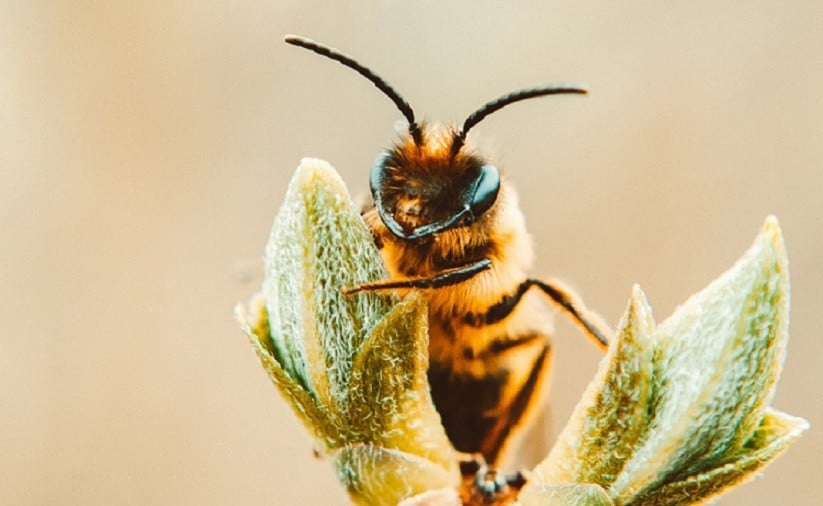
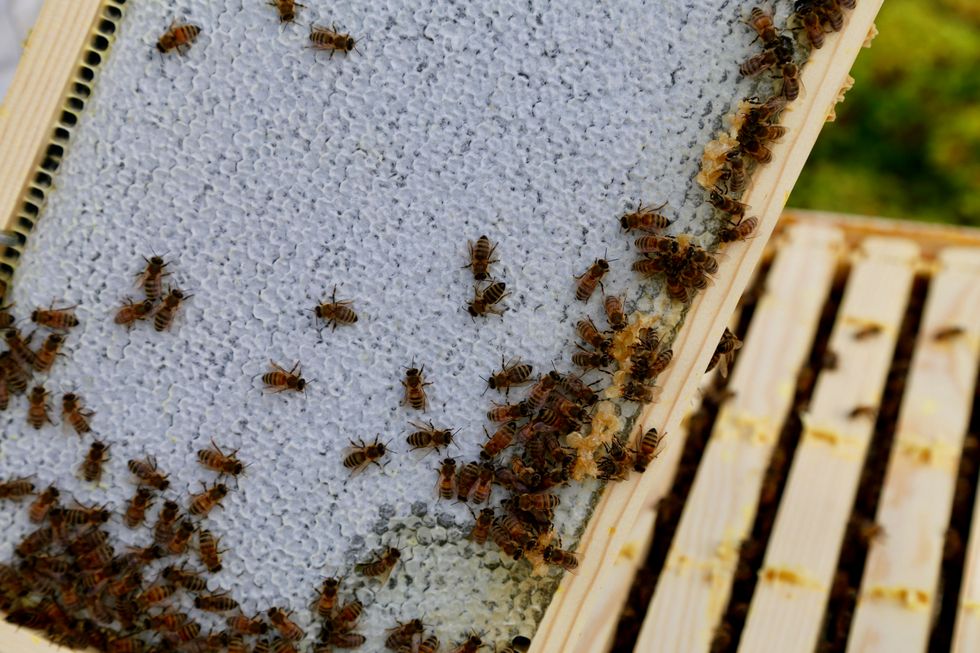
Hemp attracts bees in droves, a new study finds.

Researchers tested several strains and found bees – both wild and domestic – love them all, especially the taller varieties.

It’s an unusual finding considering cannabis doesn’t possess the sweet nectar or bright colors typical of flowers that attract pollinators.

The researchers speculate it’s something to do with the plentiful pollen found in hemp flowers.

READ THE FULL ARTICLE: https://returntonow.net/2020/02/11/bees-love-hemp-study/

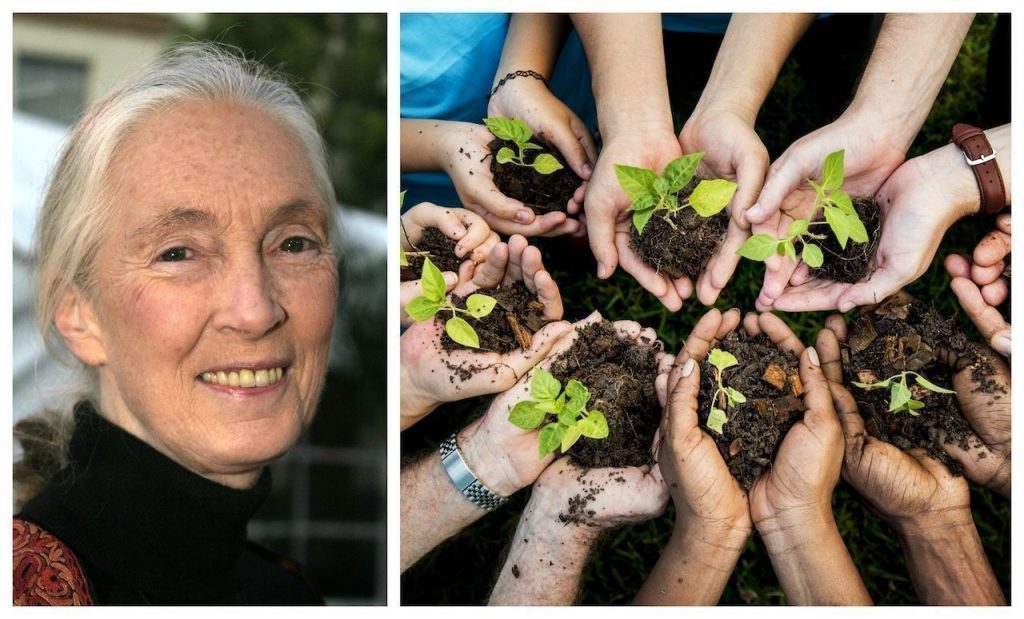
Jane Goodall Plans to Plant 5 Million Trees in 2020

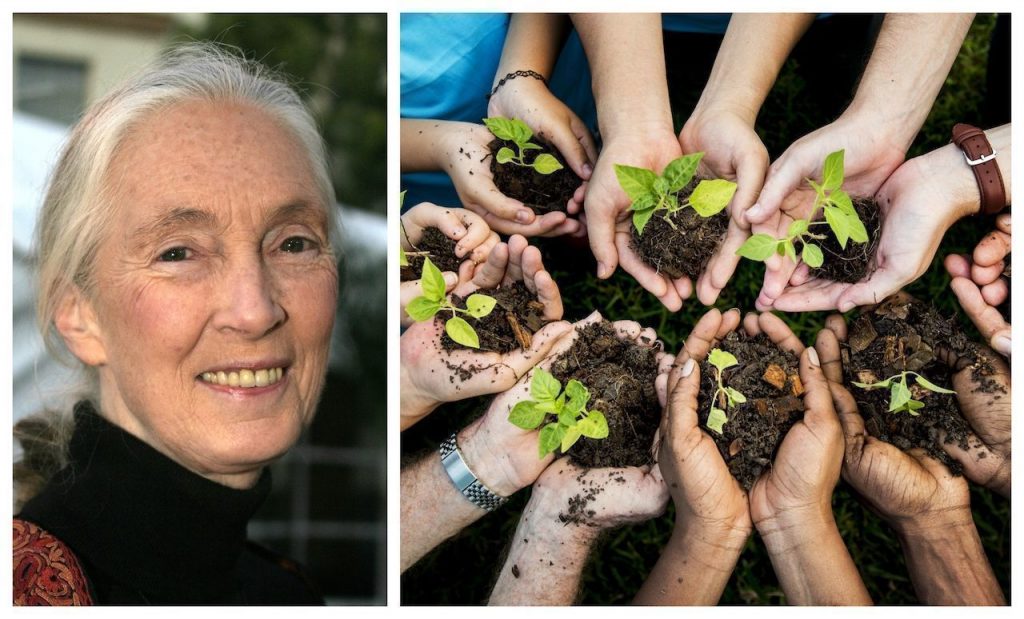
Joining the effort to reforest the planet, Jane Goodall commits to planting 5 million trees by the end of the year. 

Jane Goodall, known for saving the chimpanzees, is now on a similar mission to save our forests.

The famed primatologists’ Roots & Shoots program connects young people across 60 counties in an effort to reforest the planet.

The organization has committed to planting over 5 million new trees this year alone.

The group has a larger goal of planting a trillion trees in the next 10 years, as part of a joint effort with the United Nations’ 1 Trillion Trees Campaign.

“Now is the time for everyone on the planet to do their part.” Goodall said in a statement.

The World Bank estimates we’ve lost almost 4 million square miles of forest since the start of the 20th century.

Whether it’s clear cutting for agriculture, mining, cattle gazing, or wood products, one thing is clear, we’re losing about 1,000 football fields of forest every hour.

READ THE FULL STORY: https://returntonow.net/2020/02/12/jane-goodall-plans-to-plant-5-million-trees-in-2020/?fbclid=IwAR2eLLMqRZq2Iaozl6bN3UGHMM_KIdEfpHX3GuSsjc14nTIPpSQUMYbRiYQ

Three maps tell the story of urban farming in Philly right now

Hundreds of Philadelphians grow their own food on city land. African and Southeast Asian immigrants cultivate African eggplant and Thai roselle in South Philadelphia. Mexican immigrants and Puerto Ricans grow jalapeños and gandules in Kensington. In neighborhoods across the city, some 418 edible gardens bloom across 500 parcels.

But these spaces face an uncertain future as development pressures encroach.

The areas where many of the edible gardens cluster — South and West Philadelphia and Kensington — are gentrifying fast and growers find themselves facing eviction from land no one else wanted until now.

As the city moves forward with a first-ever Philadelphia Urban Agriculture Plan, three maps created by Interface Studio, with data gathered by Interface and partners at Soil Generation, tell the story of where Philly’s urban farmers are now and where they may be in the future.

READ THE FULL ARTICLE AT: https://whyy.org/articles/3-maps-tell-the-story-of-urban-farming-in-philly-right-now/

Lessons Learned from My Year-Long 100% Homegrown and Foraged Food Challenge

It’s the dream of millions of people: To live off the land and to never need to make a trip to the grocery store. But for nearly everyone with that dream, it’s just that — a dream. Our current global, industrial food system is just too convenient and easy to resist. Our modern lives are too busy and monetized to go that far back to the land.

I’ve been exploring food for nearly a decade and since the beginning, I’ve had the burning question: Would it be possible to produce 100% of my own food in the times we live in? Could I exist without grocery stores and restaurants? Nothing packaged or processed? Nothing shipped from far-off lands? Could I grow and forage everything I ate for an entire year?

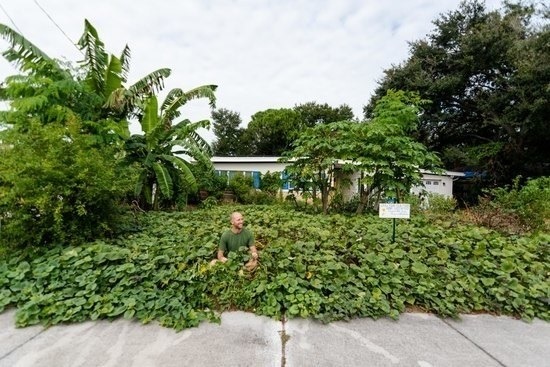
That’s the question that I set out to answer just over a year ago. One big thing though: I didn’t have a farm or even a house with a front yard. All I had was a backpack and I didn’t have much growing experience, either. You could say I was jumping off the deep end.

I chose to do this in Florida for the year-round growing season and the local “grow-your-own” movement I had stumbled across while traveling through a few years prior. I quickly got to work, meeting people in my neighborhood and proposing that I turn their lawns into gardens. It wasn’t hard to find takers. I’d cover all the costs, do pretty much all the work and they could eat as much food as they’d like. What’s not to love about that deal?

READ THE FULL ARTICLE AT: https://www.motherearthnews.com/organic-gardening/homegrown-and-foraged-food-challenge-zbcz1912?fbclid=IwAR3bXhVBZLu5Hhqm6DdhAc7Bb5SsSuUNtXdsiFGbmt29_2o9vphf3pmRZY0

Cincinnati’s urban farmers cross-pollinate nutrition, community to grow sustainable neighborhoods

CINCINNATI — Domonique Peebles grew up in Louisville, Kentucky growing food in his backyard, taking what he and his family couldn’t eat themselves and giving to his neighbors and family friends.

“We would always grow more than we could actually eat,” he said. “I asked my dad one time, ‘Why do we do this?’ and he said, you know, ‘You get to go home and eat every night, but that doesn’t mean the people you live next to get to do that.’

“That’s just something that’s always stuck with me.”

When Peebles moved to Over-the-Rhine in 2011, he found himself continuing that tradition.

“I lived between two Kroger buildings,” he said, one on Vine Street in OTR and the other in nearby Walnut Hills, but it didn’t take long for both of those grocery stores to shutter.

READ THE FULL STORY: https://www.wcpo.com/news/transportation-development/move-up-cincinnati/cincinnatis-urban-farmers-cross-pollinate-nutrition-empowerment-to-grow-sustainable-communities

Urban Agriculture is Dead! Cities have One, Two, Three…Many Urban Agricultures!

When Socrates, Plato, and the gang hung out at the farmers market in downtown Athens, they argued a lot about the essence of beauty, truth, and justice.

They had no idea of the problems they would create for urban agriculture 2500 years later.

Ancient Greece, a major tributary to western culture, was obsessed with absolute and universal Truth — that’s Truth with a capital T and in the singular.

This singular (academics call it “essentialist”) legacy lives on in today’s thinking about food. Think of such commonly used expressions as food policy, food strategy, food culture, local food, sustainable food, alternative food, and urban agriculture. Not much pluralism, plurals or variation here!!

We betray the Greek origin of western styles of thinking every time we use the singular to discuss the opposite — the sheer abundance and bounty of foods and food choices that modern living and technologies offer.

READ MORE:

Urban Agriculture is Dead! Cities have One, Two, Three…Many Urban Agricultures!

Heroes Center wants its urban agriculture to benefit veterans and the whole community

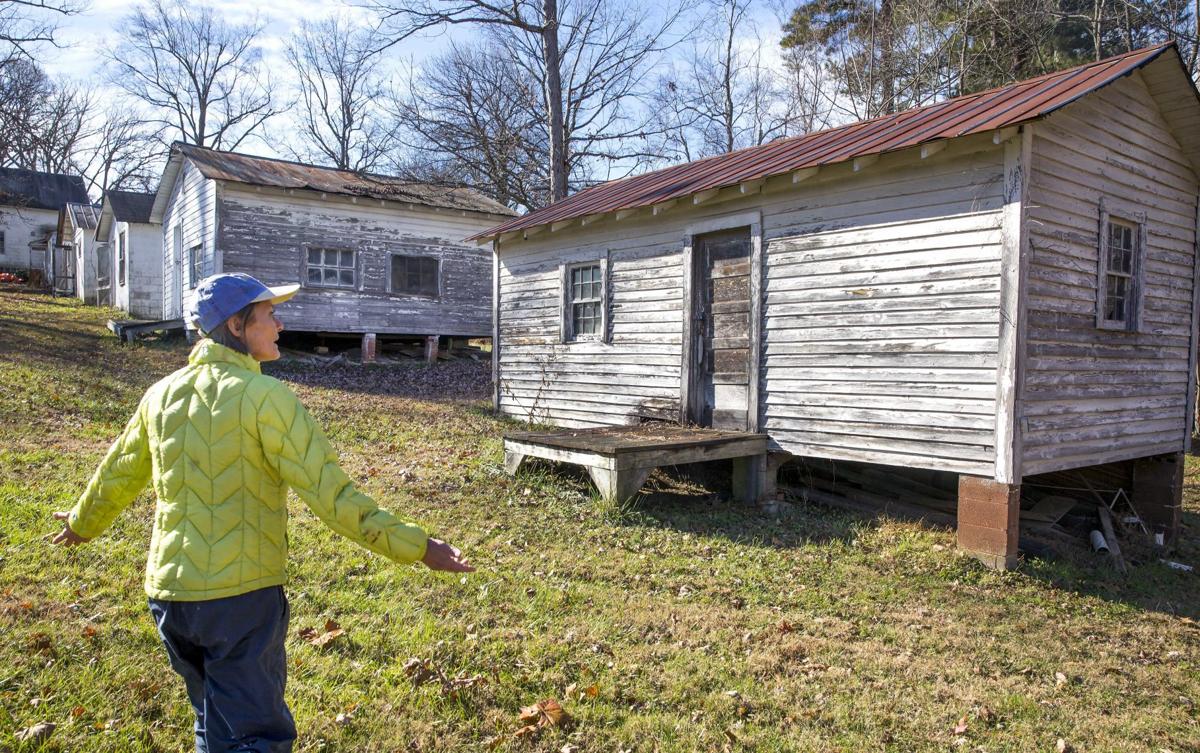
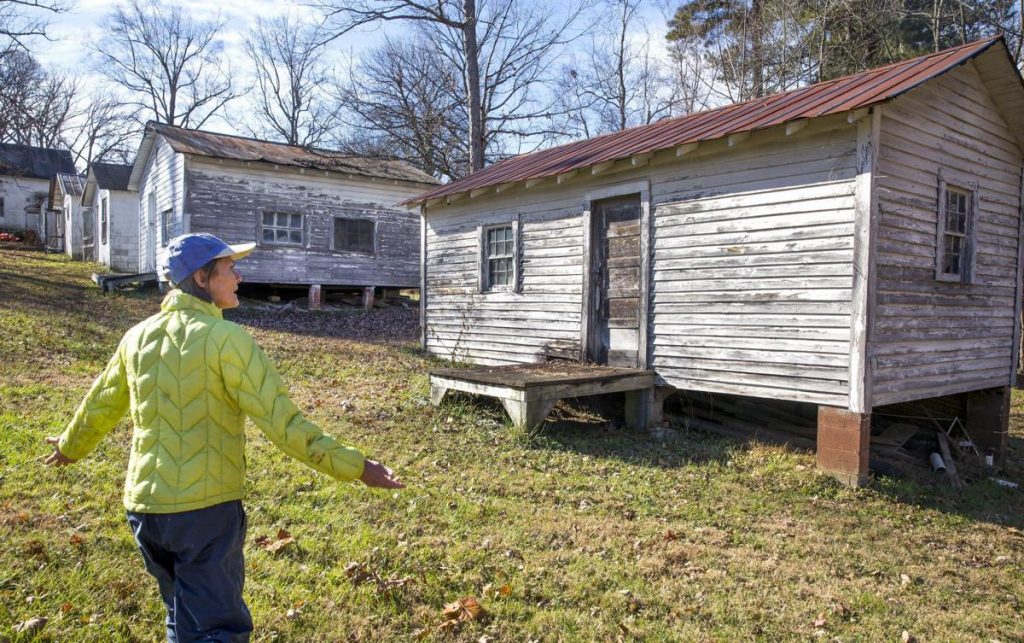
Paula Sieber can see long into the future and well beyond the dingy white cabins that hug the trees at the Heroes Center Veterans Support Camp.

She sees an urban farm that grows up to 100,000 pounds of fruits, vegetables and eggs a year for veterans, community customers and people who can’t afford or can’t find the finest produce.

She sees a place where veterans can learn job skills, from solar-power installation to hydroponic agriculture.

READ THE FULL STORY: https://www.greensboro.com/news/local_news/high-point-s-heroes-center-wants-its-urban-agriculture-to/article_504c29a7-8fa1-5fce-bdd0-37b242348e92.html

Texas A&M undergraduate initiates urban farm on campus

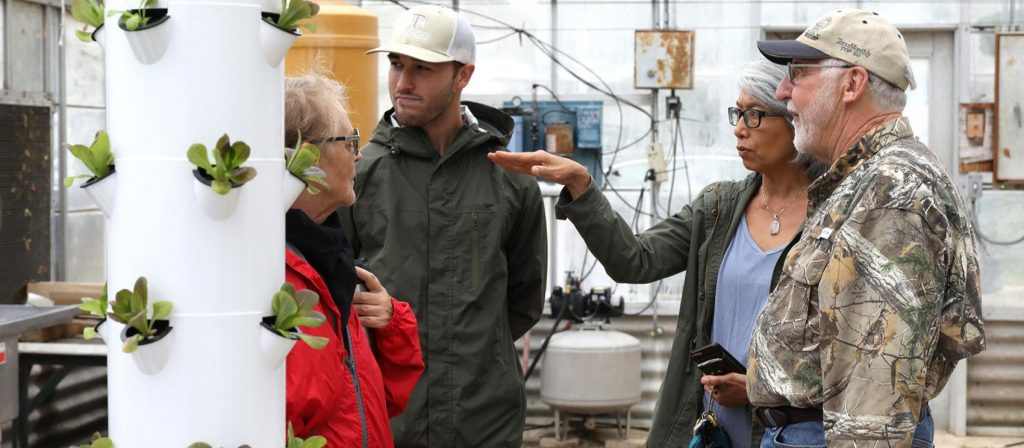
Urban farming comes in many forms, and now one of those, vertical farming, is helping feed students at Texas A&M University.

The project is part of an experiential learning initiative, which is a required part of the curriculum for undergraduates in the Texas A&M’s Department of Soil and Crop Sciences.

The department offers internships and study abroad opportunities to help students meet this requirement. Broch Saxton, one of the department’s December graduates, created his own internship as a student leader and greenhouse project director with Texas A&M’s Urban Farm United, or TUFU.

READ THE FULL ARTICLE: https://www.wacotrib.com/townnews/agriculture/texas-a-m-undergraduate-initiates-urban-farm-on-campus/article_16c8a60e-285b-503f-a422-77cd6deac43a.html

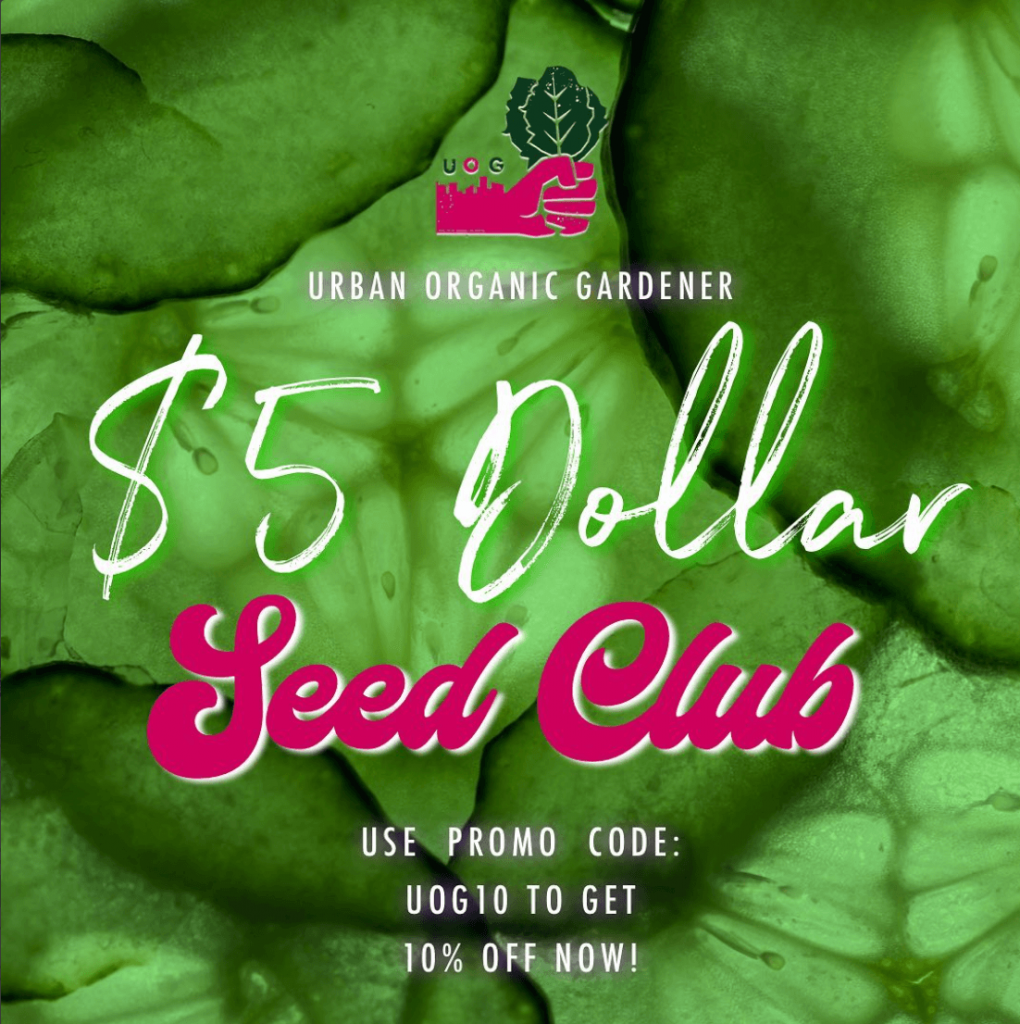
$5 Monthly Mystery Seed Club (NEW)

🥦🍅🍆Grow your own organic food, year-round! 🥕🌶️🥒

Join today and become a member of the UOG Monthly Seed Club. Each month, members receive a curated collection of beautiful heirloom/non-gmo seeds & essential seed starting garden supplies – all customized around you, your garden, and location.

💯% SATISFACTION. GUARANTEED.
Join the community today, we promise it will be worth it! Sign-up today and get your first package delivered the second week of every month.

✳️ JOIN TODAY! https://urbanorganicgardener.cratejoy.com


Produce with a purpose: Aquaponics farm employs adults with disabilities

CHEVIOT, Ohio (WKRC) – An unconventional farm is helping it’s westside community in a unique way.

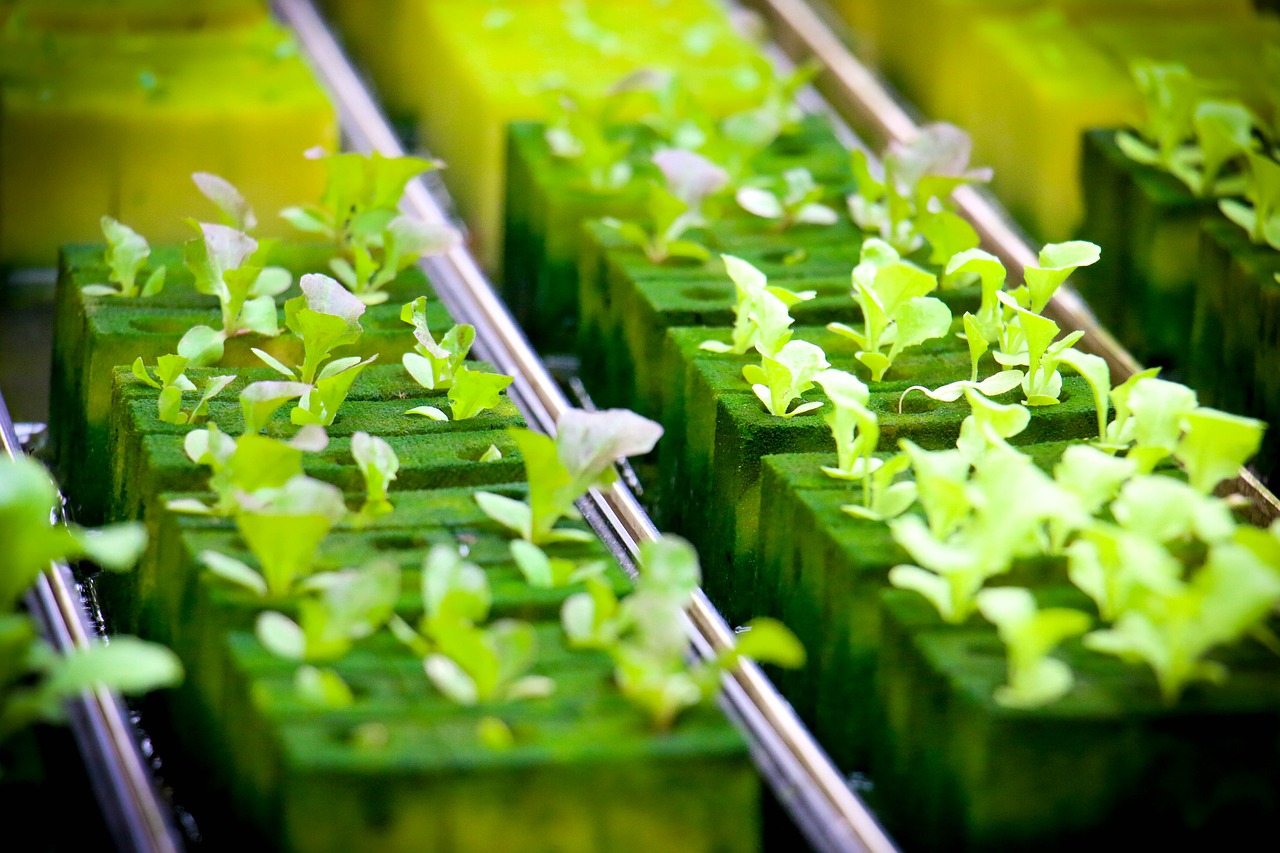
o2 Urban Farms uses aquaponics to grow fresh lettuce. It’s produce with a purpose. The farm employs adults with developmental disabilities to assist in germinating, transplanting and harvesting the produce at its Cheviot facility.

“It’s a wonderful opportunity,” Kevin Potts, executive director of the Ken Anderson Alliance, said.

Urban Farms is working in partnership with the Ken Anderson Alliance while utilizing the facility space provided by Vineyard Westside.

READ THE FULL ARTICLE AT: https://local12.com/news/local/produce-with-a-purpose-aquaponics-farm-employs-adults-with-disabilities

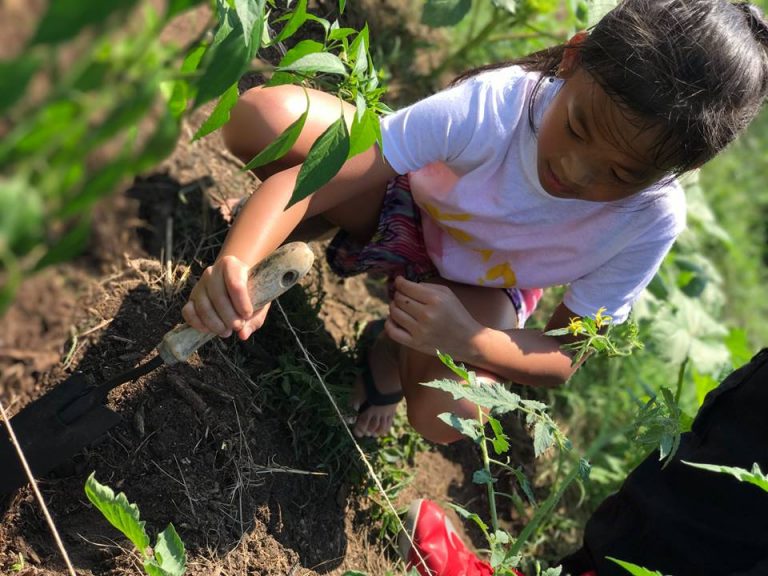
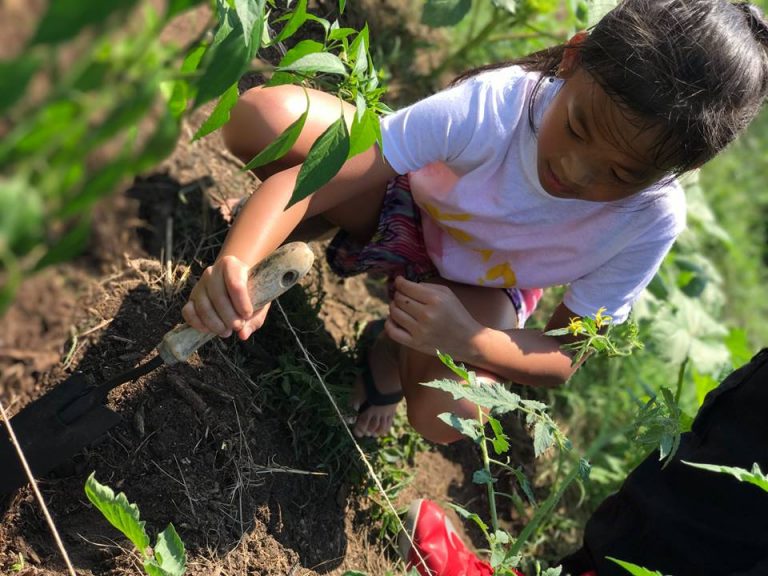
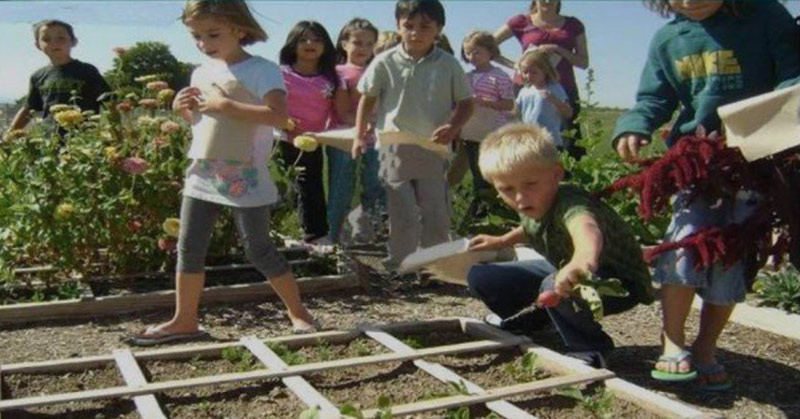
Should Children Be Taught How To Grow Food As Part Of Their Schooling?

Our children live in a fast-paced society, and their life has become much easier than the one we were used to.

I know countless applications that can do their tasks and assignments instead of them, and they can type just a few words on their computers and find everything they need, without having to jog their memory or use their knowledge.

Yet, many fear that in this way, we are raising slouches, irresponsible future adults, and a burden to our society. There is no doubt that new inventions have provided more comfort than we ever dreamed of living in.

Yet, it is every parent’s responsibility to encourage and stimulate their children to explore, learn, and succeed.

READ THE FULL STORY: https://www.healthyfoodhouse.com/should-children-be-taught-how-to-grow-food-as-part-of-their-schooling-2/?fbclid=IwAR3qNp8zpWBB8iUnTyAlkrG1YolUUVulZOlCQcO_P7p4cKr-c8ChiI-YRO0

Fighting Hunger: Urban Farming in Fort Worth’s Food Desert

Opal’s Farm is a 5-acre patch of land along the Trinity River, in the shadow of downtown Fort Worth. It’s part of the United Riverside neighborhood, which is located in a food desert.

“You look across the river and there’s downtown, but everything kinda stops at the river,” farm manager Greg Joel said. “The money stops at the river.”

The farm’s 5-acres were donated by the Tarrant Regional Water District. It’s named after Opal Lee, a well known 92-year old community activist who had a dream of helping feed communities in need in Fort Worth.

READ THE FULL STORY: https://www.nbcdfw.com/news/local/fighting-hunger-urban-farming-in-fort-worths-food-desert/2292808/

Urban Farming: A Budding Investment Opportunity in Real Estate

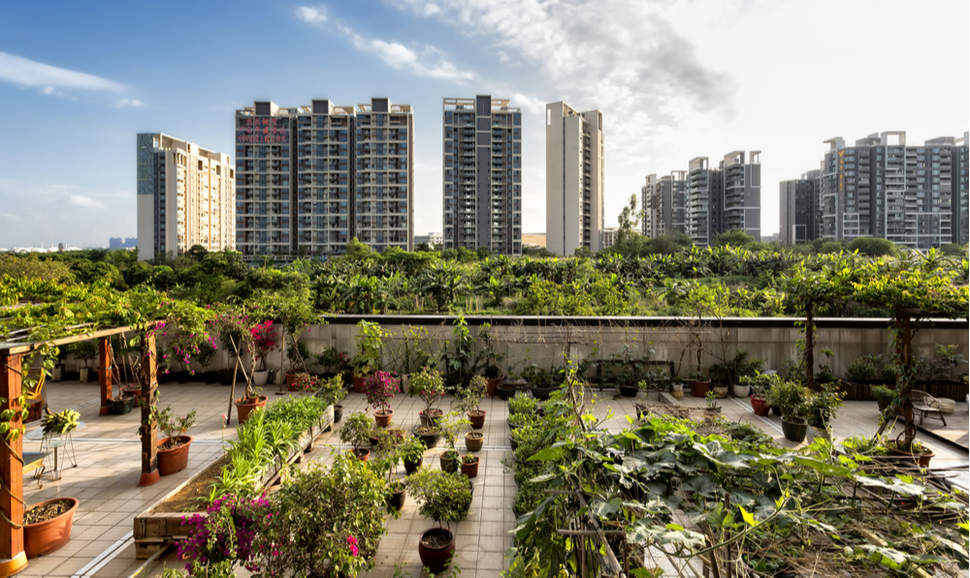
As the demand for sustainable and locally sourced produce in urban areas increases, so does the chance to be a part of the solution. Urban farming, a new development in real estate, brings an opportunity for investors to profit by transforming commercial real estate into urban gardens.

The growing demand for urban farms

Environmentally aware consumers are becoming increasingly concerned about where their food is coming from and the impact our current food production system has on the earth.

On average, food travels 1,000 to 2,000 miles before reaching supermarket shelves, resulting in about 20 to 30 percent of food loss occurring during the transportation process.

According to the Natural Defense Resource Council, the average American meal is sourced from five foreign countries using multiple methods of transportation — resulting in food with lower nutritional value and more carbon emissions being released into the atmosphere.

With heightened consumer awareness of these facts, especially in urban areas, buyers are increasingly seeking local produce grown in a more sustainable, eco-friendly way.

READ THE FULL STORY: https://www.fool.com/millionacres/real-estate-investing/articles/urban-farming-budding-investment-opportunity-real-estate/

Lennar proposes ‘agrihood’ on Angeline project in Pasco

LAND O’ LAKES — Angeline, Lennar’s massive development planned for a former central Pasco ranch, is paying homage to its agricultural roots.

The company is proposing the area’s first agricultural neighborhood development or “agrihood” on a 63-acre parcel, according to preliminary plans filed with Pasco County.

The agricultural site, at the southwest corner of State Road 52 and the planned extension of Sunlake Boulevard, could potentially include a restaurant, playground, demonstration garden, a cattle barn and pasture, a community garden, a high-yield organic farm, a barn and pavilion for community use and parking for 75 cars, according to conceptual drawings.

READ THE FULL STORY: https://www.tampabay.com/news/pasco/2020/01/13/lennar-proposes-agrihood-on-angeline-project-in-pasco/

How 16 initiatives are changing urban agriculture through tech and innovation

The United Nations estimates (PDF) that nearly 10 billion people will live in cities by 2050. According to a recent publication by the Barilla Center for Food & Nutrition, urban eaters consume most of the food produced globally and maintain more resource-intensive diets including increased animal-source and processed foods — rich in salt, sugar and fats. At the same time, many urban populations — particularly in low-income areas and informal communities — endure acute hunger and malnutrition as well as limited access to affordable, healthy food.

But there are countless ways that cities can feed themselves and create better linkages between rural and urban food systems. In Mexico City, the organization CultiCiudad built the Huerto Tlatelolco, an edible forest with 45 tree varieties, a seed bank and plots for biointensive gardening. In the United States, City Growers uses New York City’s urban farms as a learning laboratory for children to reconnect with nature. And in the Kalobeyei Settlement in northern Kenya, urban agriculture represents a tool for empowerment by improving food security, nutrition, and self-sufficiency among refugees.

“Agriculture and forestry in the city… answer to a variety of urban development goals beyond the provision of green infrastructure and food, such as social inclusion, adaptation to climate change, poverty alleviation, urban water management and opportunities for the productive reuse of urban waste,” says Henk de Zeeuw, senior adviser at the RUAF Foundation.

READ THE FULL ARTICLE: https://www.greenbiz.com/article/how-16-initiatives-are-changing-urban-agriculture-through-tech-and-innovation

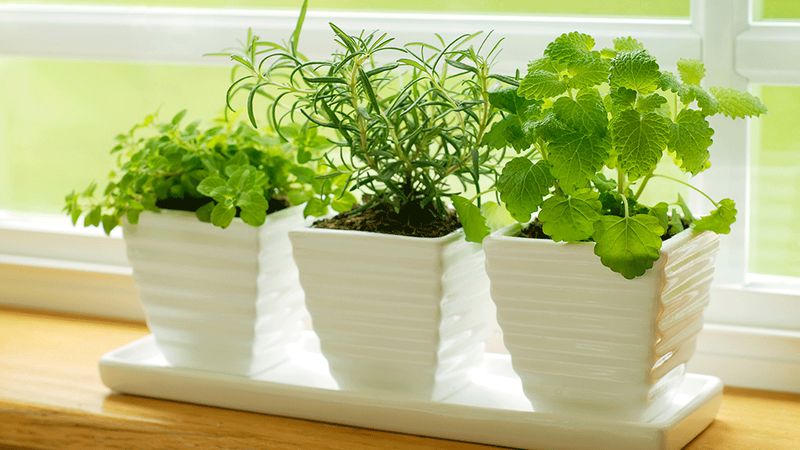
The best indoor herb garden

Are you an herb aficionado or garnish lover? Add fresh herbs to every meal by investing in an indoor herb garden.

Sometimes you can’t make it to the store, or an outdoor garden simply isn’t in the cards. An indoor herb garden is a convenient and cost-effective solution. Not only are all your ingredients on hand in a pinch, but also you’ll have attractive greenery enlivening your kitchen or windowsill. It’s so easy to grow an indoor herb garden, that some children even have their own.

If you think the idea of having an indoor herb garden is growing on you, then take a peek at our buying guide. We’re including our top choice, the AeroGarden Bounty Indoor Garden, which can grow nine plants at once.

This is where the food of the future will be grown

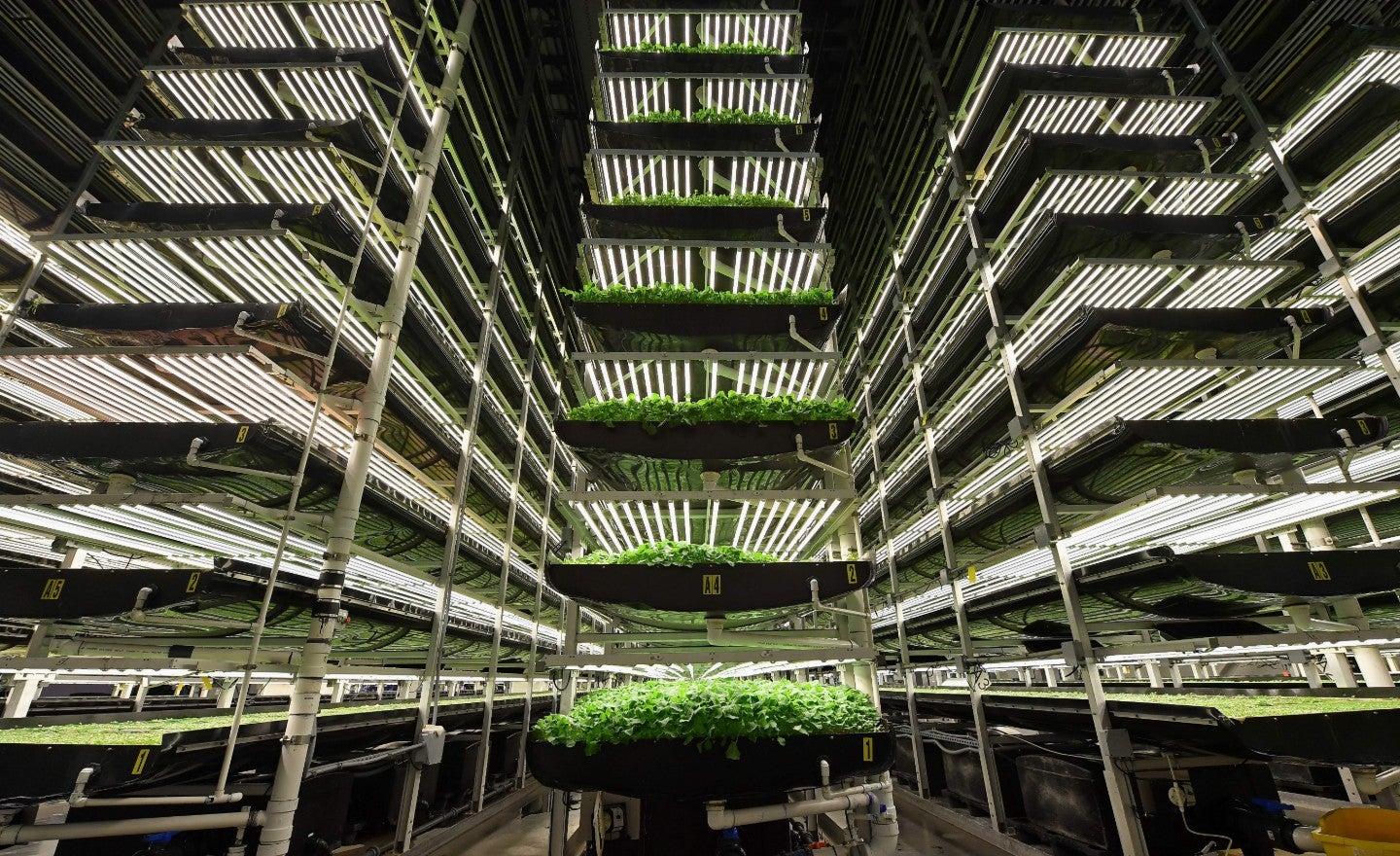
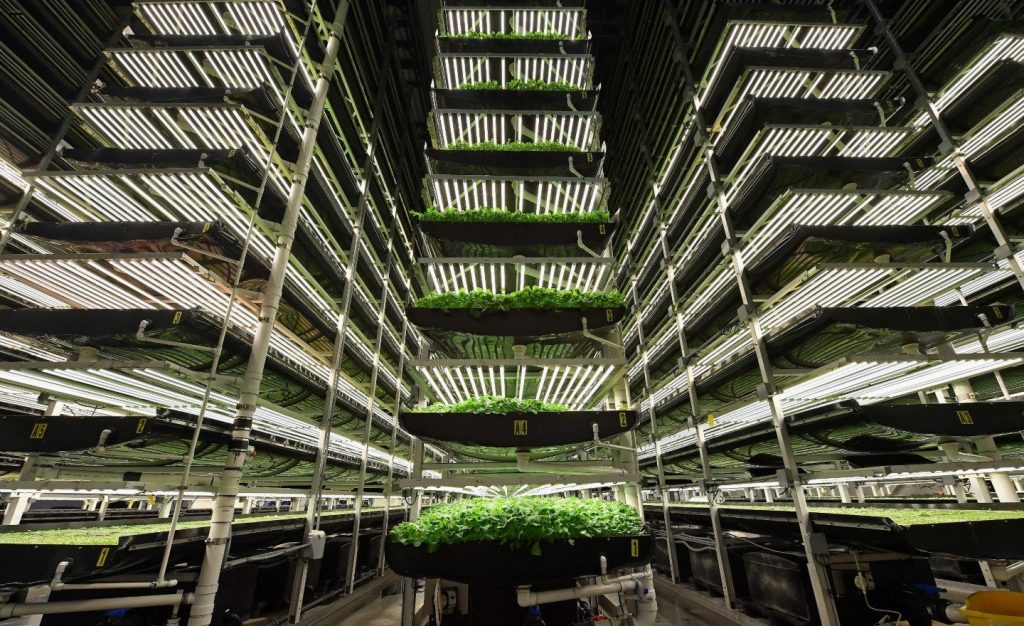
On a cold, blustery day while bare tree branches sway in the winter wind, vibrant, leafy salad greens packed with nutrition and bursting with flavor are flourishing at FreshBox Farms, an indoor vertical farm — where it doesn’t matter what the weather is outside — in Millis, Massachusetts, about 30 miles southwest of Boston.

With the world’s growing population expected to exceed 9 billion by 2050, the U.S. Department of Agriculture sees indoor vertical farms — which can operate year-round — as having potential in addressing food security. In a vertical farm, crops are grown in vertically stacked layers to save space and in a climate-controlled system to optimize growing conditions.

FreshBox Farms, which has been operating since 2015, joins a growing number of indoor vertical farms that have been sprouting up in recent years and spanning the country. These include 80 Acres Farm in Cincinnati,  which claims to be the world’s first fully automated indoor farm, all the way to the West Coast, where kale, tatsoi, beet leaves, arugula and mizuna greens thrive at the California-based Plenty.

READ THE FULL ARTICLE: https://thehill.com/changing-america/sustainability/environment/475977-vertical-farms-grow-the-food-of-the-future

LG Will Unveil an Indoor Farm for the Consumer Kitchen at CES 2020

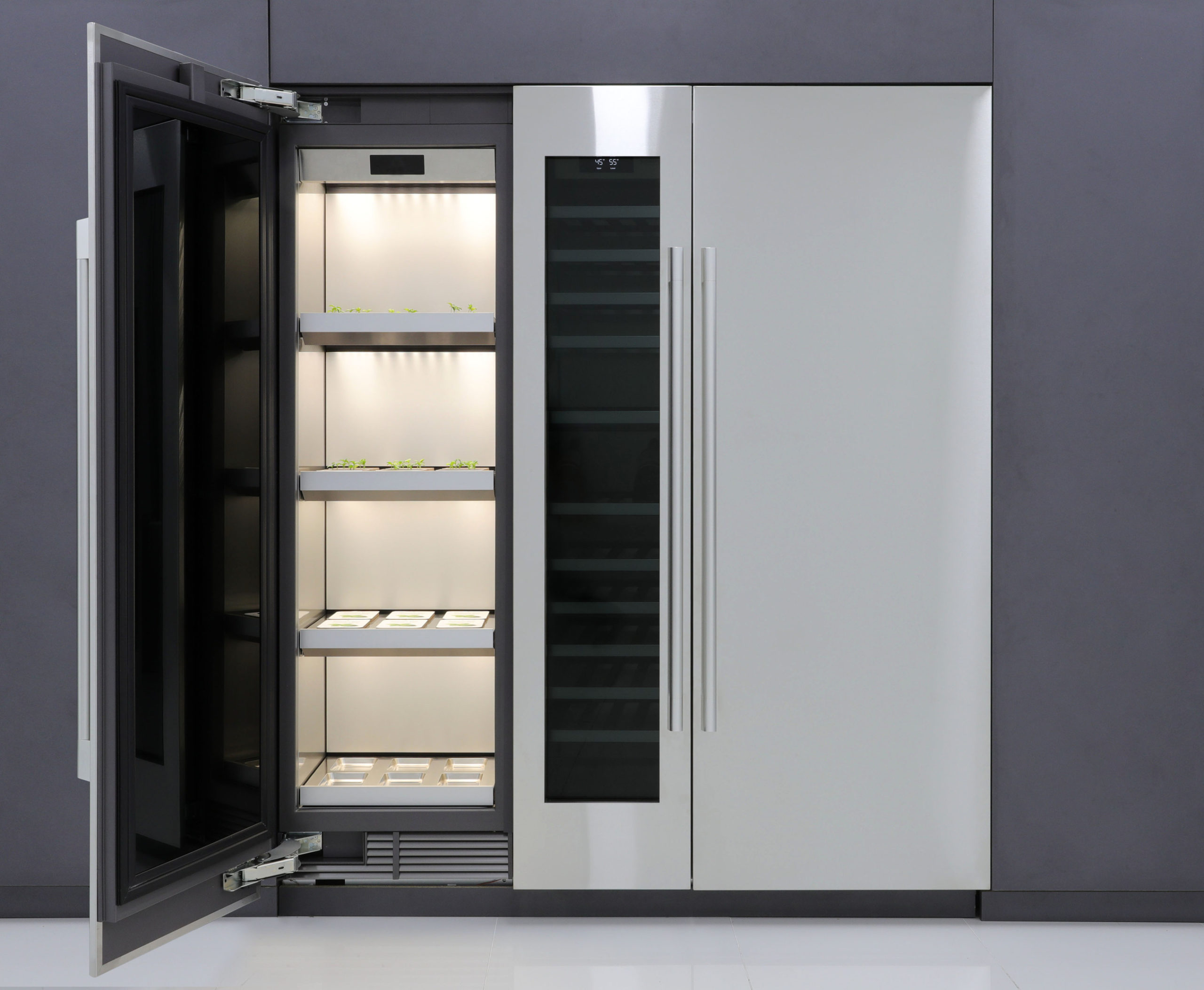
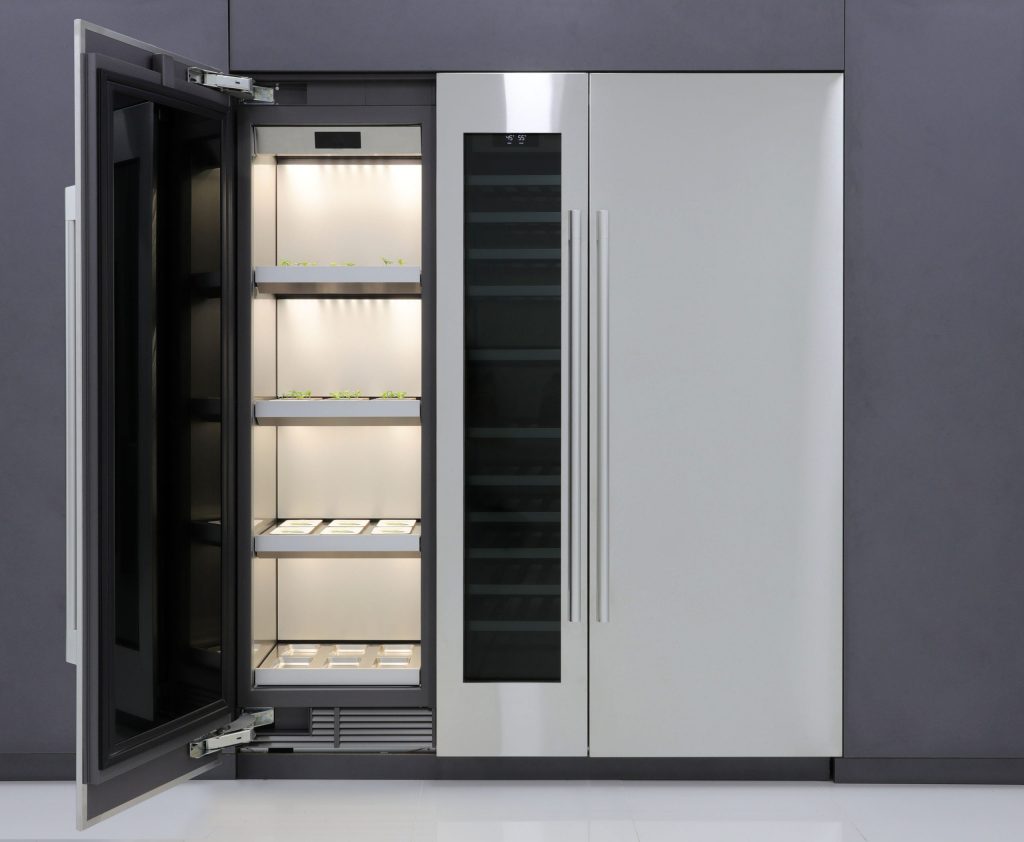
LG Electronics (LG) will unveil an indoor gardening appliance at CES® 2020, its first foray into the booming indoor gardening movement.

With CES right around the corner, the announcements are pouring in for new gadgets and products to be on display at the Las Vegas show, including those that will change the way we cook, eat, and think about our food.

Appliance-maker LG is the latest. The company announced this week it will unveil a smart gardening appliance for the consumer kitchen at CES 2020, one that uses advanced lighting, temperature, and water control to let consumers grow greens year-round inside their kitchens.

The as-yet unnamed appliance takes many of the functions found in commercial-scale indoor farming and applies them to a device specifically made for the average consumer. Software, controlled via the user’s smartphone determines the precise “recipe” of LED lights, air, and water the plants need and when that recipe should change based on the time of day. The goal is to replicate “optimal outdoor conditions by precisely matching the temperature inside the insulated cabinet with the time of day,” according to the announcement from LG.

READ THE FULL STORY: https://thespoon.tech/lg-will-unveil-an-indoor-farm-for-the-consumer-kitchen-at-ces-2020/

Company investing $42 M for world’s largest indoor farming facility in Pittsylvania Co.

DANVILLE, Va. (WSET) — The world leader in indoor vertical farming has announced it is investing $42 million to build in Pittsylvania County, creating more than 90 jobs.

AeroFarms builds and operates environmentally responsible farms throughout the world to enable local production at scale and nourish communities with safe, nutritious, and delicious food.

“We defy traditional growing seasons by enabling local farming at commercial scale all-year round. We set a new standard for traceability by managing our greens from seed to package. And we do it all while using 95% less water than field farmed-food and with yields 390 times higher per square foot annually,” their website reads.

Their technology provides the perfect conditions for plants to thrive.

AeroFarms uses proprietary aeroponic growing technology to produce highly flavorful leafy greens at a rate 390-times more productive than field-grown plants.

READ THE FULL STORY: https://wset.com/news/local/company-investing-42-m-for-worlds-largest-indoor-farming-facility-in-pittsylvania-co

Creating a buzz in Detroit’s vacant lots

DETROIT — Timothy Paule Jackson’s affinity for bees began in 2016.

In the midst of a bad cold, he discovered “the power of raw honey” and became infatuated.

Jackson, formerly a self-employed entrepreneur in commercial photography and advertising, and his partner, Nicole Lindsey — both 35-year-old lifetime Detroiters — saw opportunity in Detroit’s tens of thousands of vacant lots.

“We were born and raised in Detroit … so we see (vacant lots) everywhere we go,” Jackson told EHN.

The couple made a pitch to a local micro-crowdfunding campaign, earning $1,600 that led to the purchase of a land plot and three beehives in 2017—and thus began Detroit Hives.

And they’re not alone—across Detroit, unused space is being used for urban gardening, farms and, increasingly, bees. As bees decline around the world, urban entrepreneurs like Jackson are trying to fill the void. Detroit Hives is one of the city’s two major beekeeping nonprofits, combining to operate nearly 200 hives in the metro area.

READ THE FULL ARTICLE: https://www.ehn.org/detroit-urban-beekeeping–2641553348.html?rebelltitem=7#rebelltitem7