The Farm That Runs Without Sun, Soil or Water

160901122440-aerofarms-led-bright-purple-resized-exlarge-169

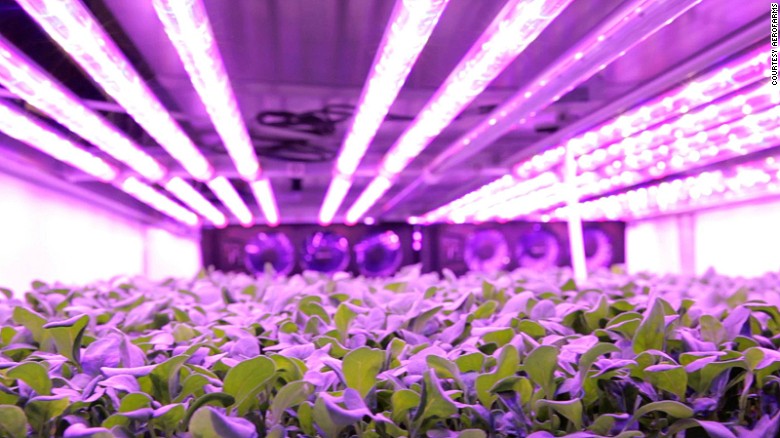
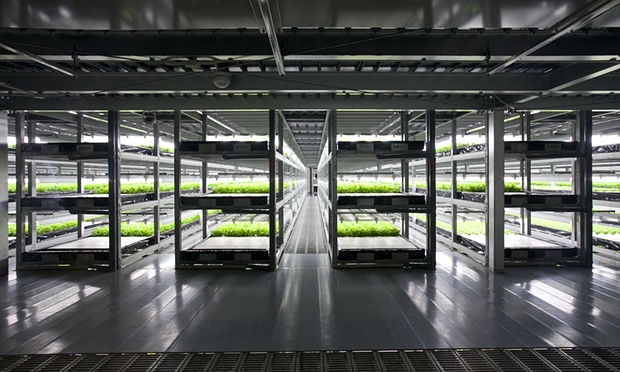
Growing food without sun, soil and almost no water? This is the new reality in urban farming. The world’s largest and possibly even the most sophisticated indoor urban farm is using 95% less water than a conventional outdoor farm.

“Set to open in September in Newark, New Jersey, the 69,000-square-foot farm will be hosted in a converted steel factory. It combines a technique called “aeroponics” – like hydroponics, but with air instead of water – with rigorous data collection, which will help these modern farmers figure out optimal conditions for growth.”

To read more about Aerofarms, visit: “CNN.com

Israeli Brings Urban Gardening to Harlem Kids

SeedStreet_2CreditNickSmithA new urban farm has sprouted up in Harlem “the northern Manhattan neighborhood synonymous with New York City’s African-American culture”.  A woman with strong hometown roots in Israel, had the goal to supply her community with organic and locally grown produce.

Children from her community are now planting hydroponic vegetable gardens inside of repurposed, old shipping containers.

“Israel was out of necessity forced to innovate agriculturally and generate its own food sources, and became a leader in agriculture innovation,” she says. “As a result, it has a much more natural cohesive ecosystem and way of being. People are already eating directly from the farm. That’s really beautiful, but it makes hydroponic farming a more difficult market to penetrate in the mainstream.”

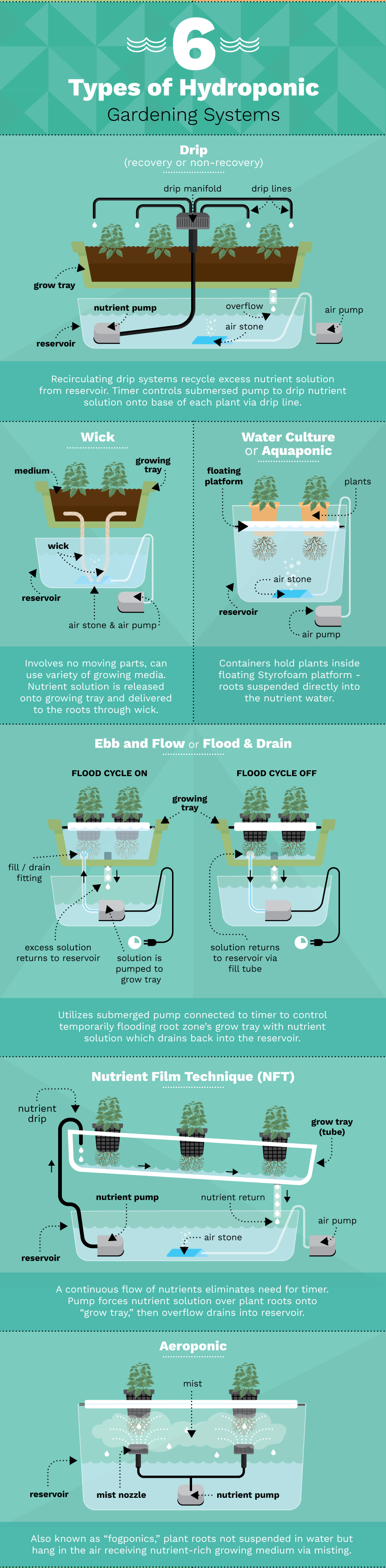
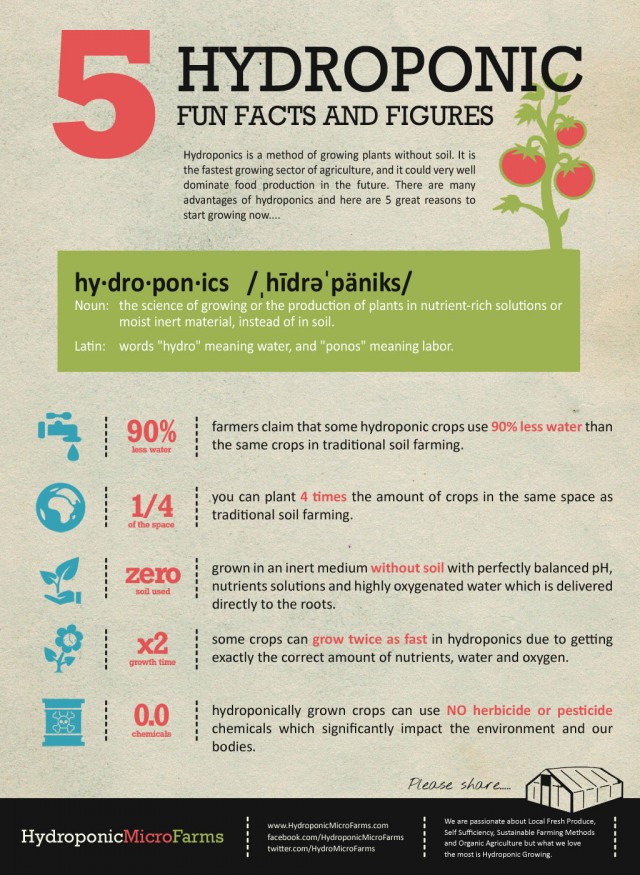
Growing hydroponically requires about 90 percent less water, takes up less space, and can produce more than growing in tradition soil.

To read more about this project, visit: “TheTower.org


A NEW SEED CLUB – Fully Customized Around YOU!

final seed club
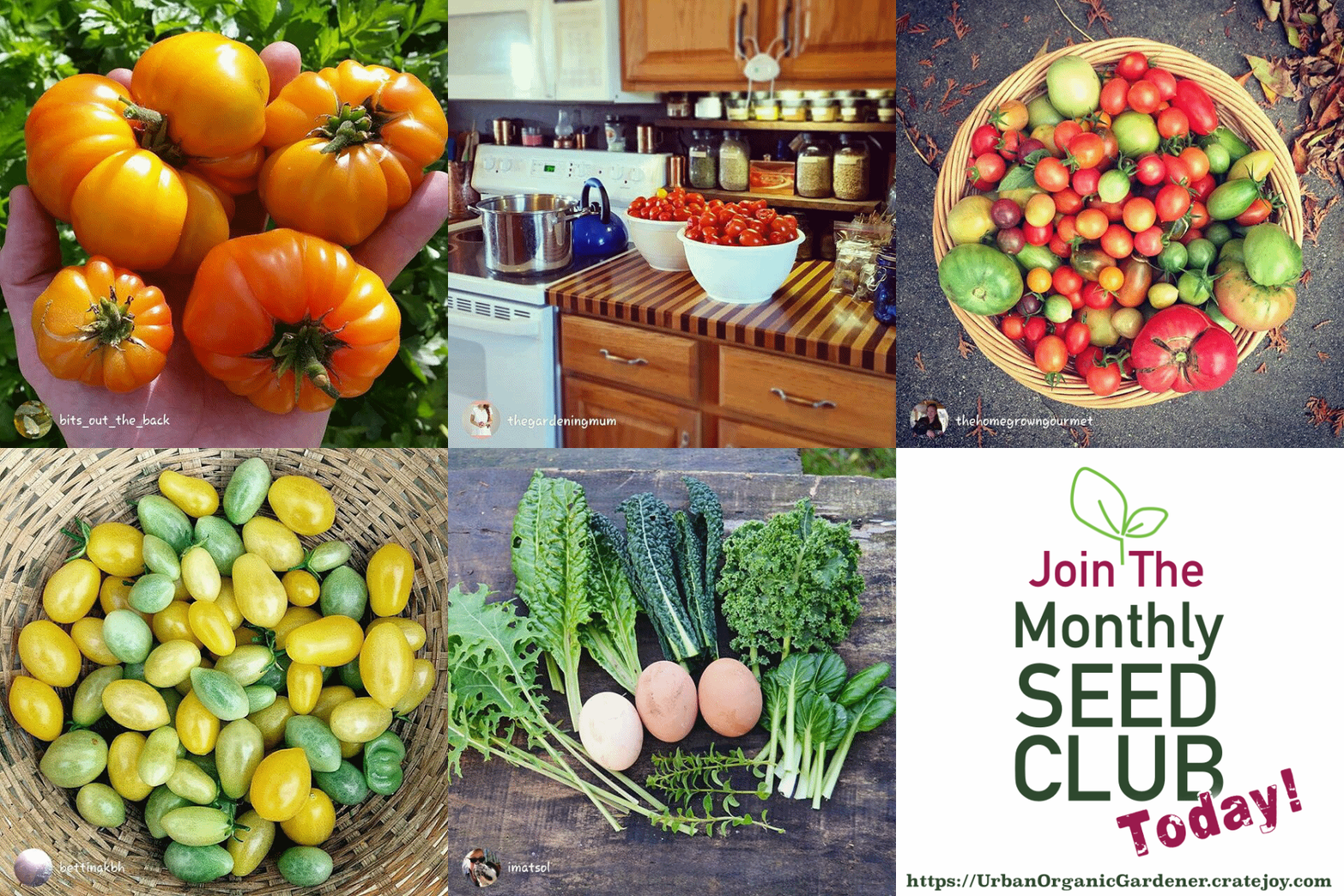
Don’t wait, join the new Urban Organic Gardener’s Monthly Seed Club now! MUST JOIN BEFORE JULY 4th at 11:59pm PST to receive the next shipment. Sign up now at: https://urbanorganicgardener.cratejoy.com

For $10/month our garden experts will build a custom curated collection of seeds & garden supplies designed around you – your grow zone – garden space – and your preferences.

Includes everything you need to grow 5 new edible plant varieties every month – varieties can include herbs, vegetables, flowers, sprouts, micro-greens, bulbs, and more!

Join the rest of the UOG community and get growing now! We promise to make this a great experience for you and your family.

Join the new Urban Organic Gardener’s Monthly Seed Club

JULY UOG

Don’t wait, join the new Urban Organic Gardener’s Monthly Seed Club now! Must join before July 4th at 11:59pm PST to receive the next shipment.

Sign up now at: https://urbanorganicgardener.cratejoy.com

For $10/month our garden experts will build a custom curated collection of seeds & garden supplies designed around you – your grow zone – garden space – and your preferences.

Includes everything you need to grow 5 new edible plant varieties every month – varieties can include herbs, vegetables, flowers, sprouts, micro-greens, bulbs, and more!

Join the rest of the UOG community and get growing now! We promise to make this a great experience for you and your family.

Inside Europe’s Largest Urban Farm

UF002rooftopgarden

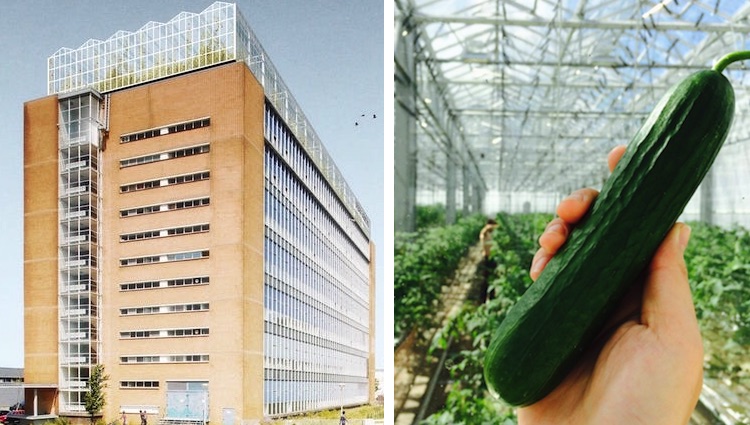
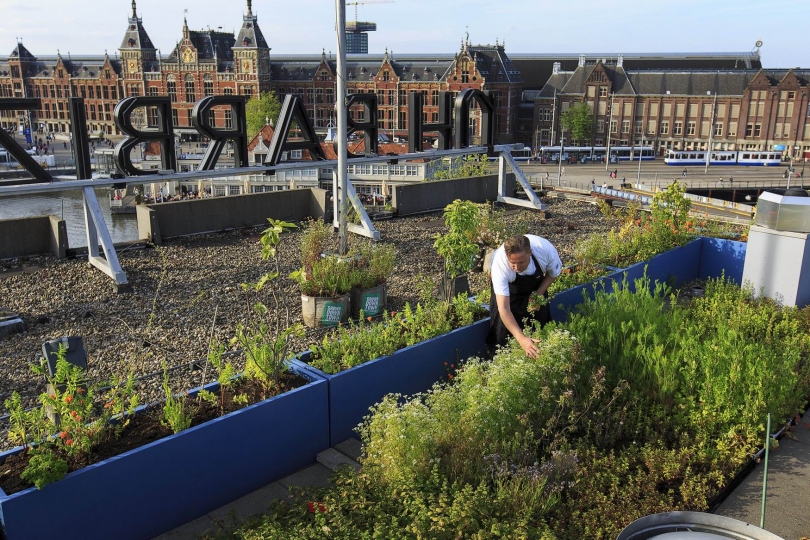
There’s an urban farm in Europe, named the “Times Square of Urban Farming because of it’s downtown prime location within the city.  It boasts a 1200 square foot rooftop greenhouse and a 370 square meter indoor fish farm where they grow tilapia.

“Opening next month, developers estimate that the farm will churn out 45 tons of vegetables such as cucumbers, tomatoes and microgreens and 19 tons of fish a year.”

They hope to deliver fresh produce to a local 900+ families, schools and restaurants.

To read more about this European Urban Farm, visit: “EcoWatch.com

Urban Farming Takes on More Important Role Worldwide

30278361-01_bigAround the world, urban farming is becoming an important part of the city landscape.  The new reality in which we live in, is that more than half of the worlds population is now urbanized.  That number is expected to rise to nearly 70% by the middle of this century. 

Read the entire article at: “NationMultimedia.com

How to Make Even The Smallest of City Balconies Look Fabulous

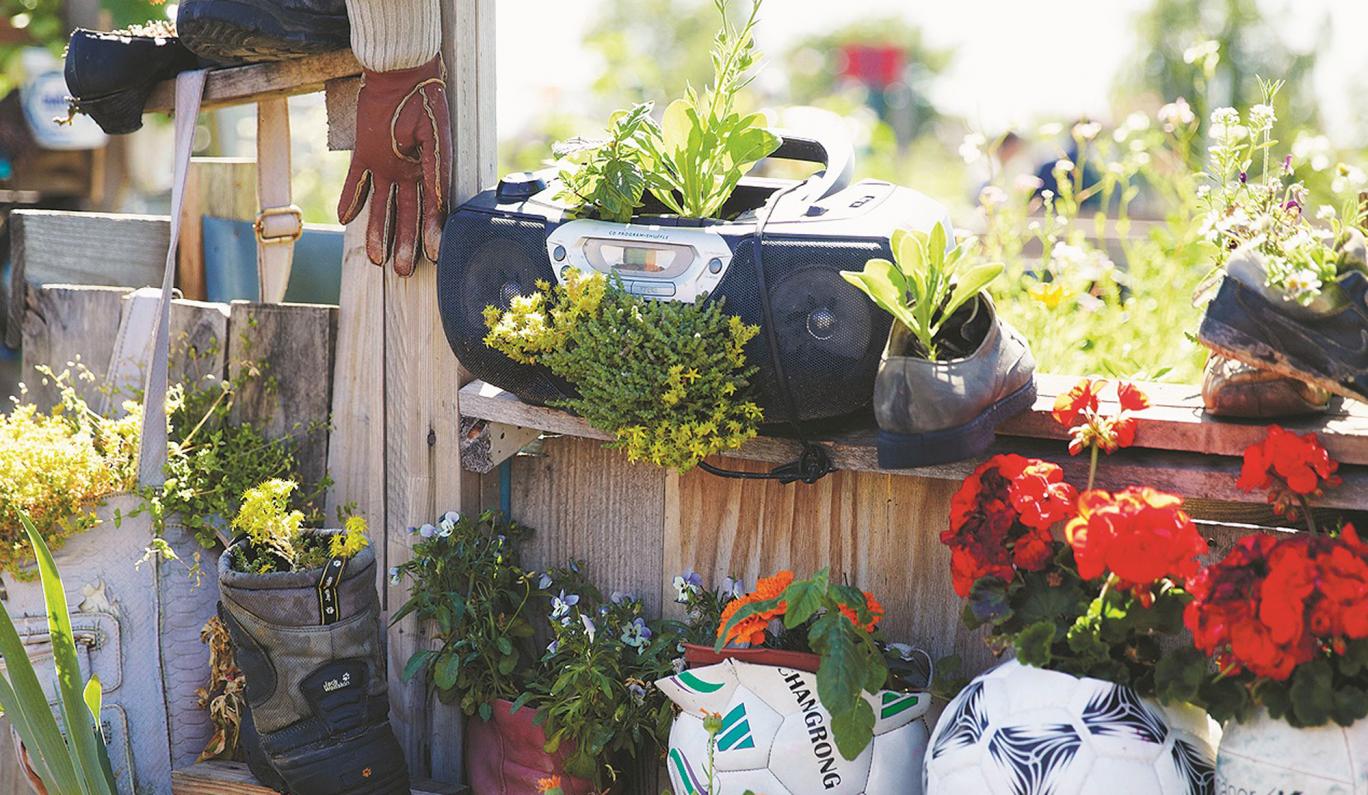
2000-outdoors3-My-Tiny-Garden-Pavilion-BooksMany urban dwellers have found that even in the smallest of spaces, you can create beauty through urban gardening.  All you need is some creativity!

“Inventive urban gardeners don’t dwell on what they don’t have, but use what they do have. ”

Check out the full article here to find out how you can transform any piece of concrete, wall, rooftop or piece of soil into your own little garden oasis…even in the city.

Source: “HomesAndProperty.co.uk

Could The Future Of Urban Farming Be Found Inside Of An Old Shipping Container?

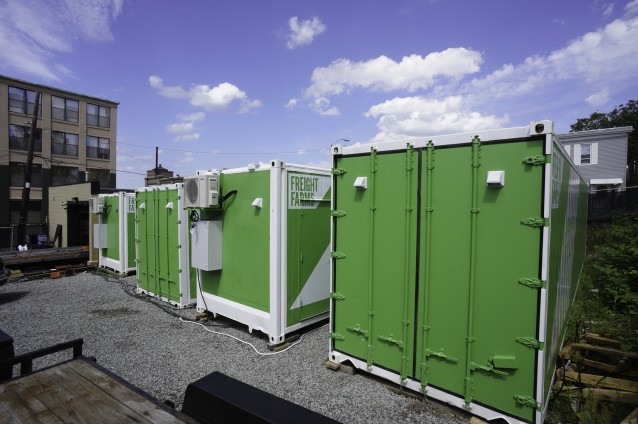
Freight-Farms-Corner-Stalk-638x424“All Freight Farms units are built in repurposed 40-foot insulated shipping containers. Everything from water to the LED lights in the units are digitally controlled, and each unit is also a Wifi hotspot, connected to the network of Freight Farm units across the country.

Today more than 50 farmers are growing produce in refrigerated shipping containers known as “Leafy Green Machines”.  The are functioning mini farms that boast vertical hydroponics and LED lighting systems. The machines “are 320 square-foot self-contained farming units that can grow as much produce as two acres of farmland using less water per day than the average American needs for a single shower.”

To read to full article, visit: “ThinkProgress.org

Japanese Firm to Open World’s First Robot-Run Farm

3258

One Japanese company is about to open up a “robot farm”, the first of it’s kind in the entire world.   The plan is that the robots will carry out all but just one task needed to grow tens of thousands of plants each and every day.  Starting in mid 2017, robots will do everything from watering, thinning, and harvesting lettuce.  The farm should produce nearly 21,000 – 50,000 lettuces a day!

“The seeds will still be planted by humans, but every other step, from the transplanting of young seedlings to larger spaces as they grow to harvesting the lettuces, will be done automatically,” said JJ Price, Spread’s global marketing manager.”

To read the rest of the article, visit: “TheGuardian.com

Join the Urban Organic Gardener Monthly Seed Club

UOG

Join the club that delivers you garden seeds at just the right time of the year to plant them – hand selected based on your garden specs.  Every month you’ll receive a collection of heritage garden seeds and everything you’ll need to get growing. Buy a subscription for yourself or give one as a gift!

Sign up here: https://urbanorganicgardener.cratejoy.com/

How are the seeds selected?

Seeds are specially selected based on your zip code and the answers you provide to the questions being asked.  All your answers will help us figure out which seeds will grow best for you.

Are all your seeds organic or non-gmo?

All the seeds we send you will always and forever be 100% NON-Genetically Modified.  In fact, all the seeds you receive by joining the club will be 100% Pure, Raw & Un-Treated Heirloom/Non-Hybridized varieties. These are the only seeds that you can safely save after each harvest and preserve for many generations to follow.

How does pricing work?

It’s simple: $10/month + s/h

Ready to start receiving monthly shipments of seeds, customized for your exact grow zone? START HERE!

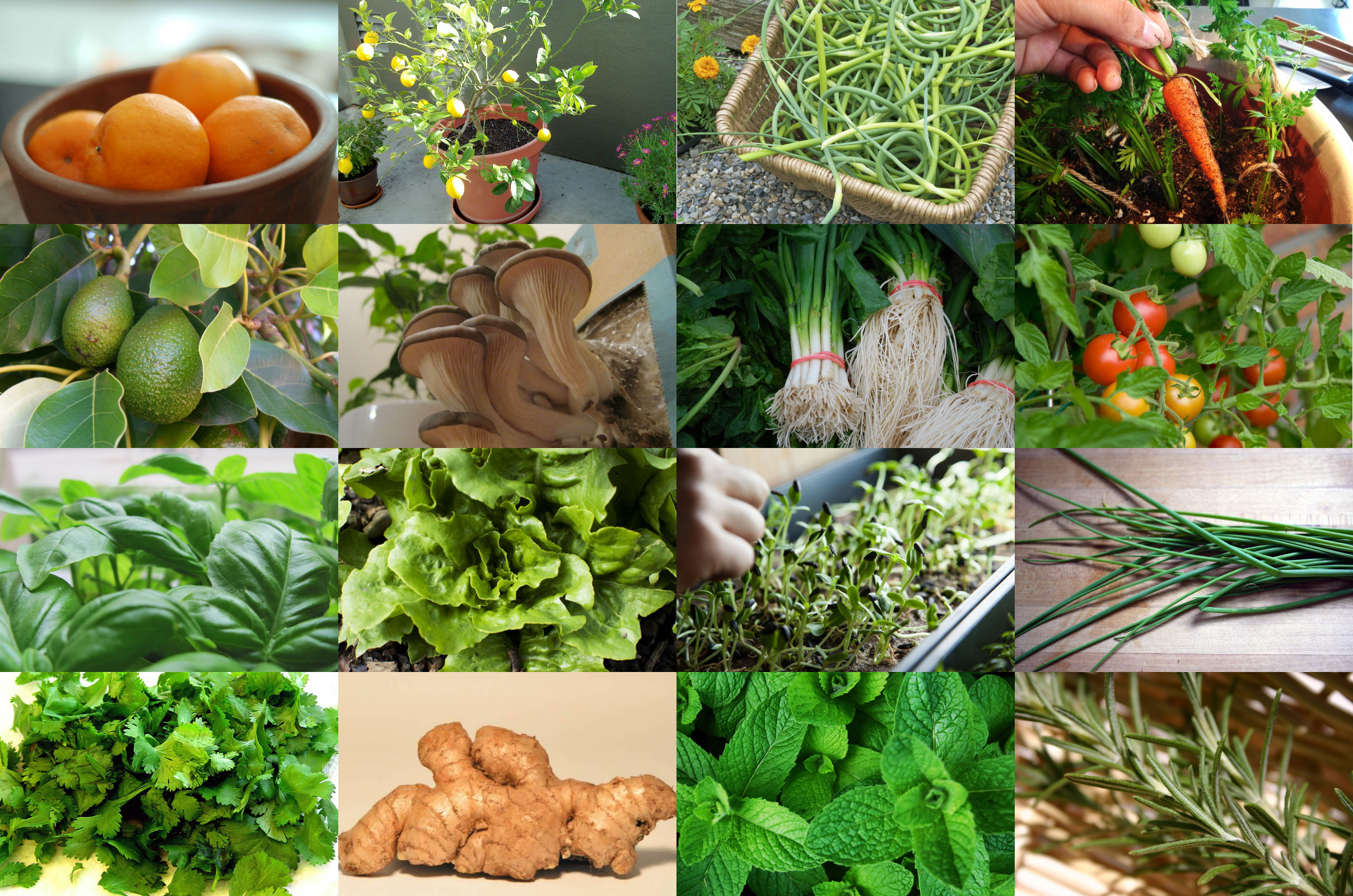
16 of The Best Edibles To Grow Indoors

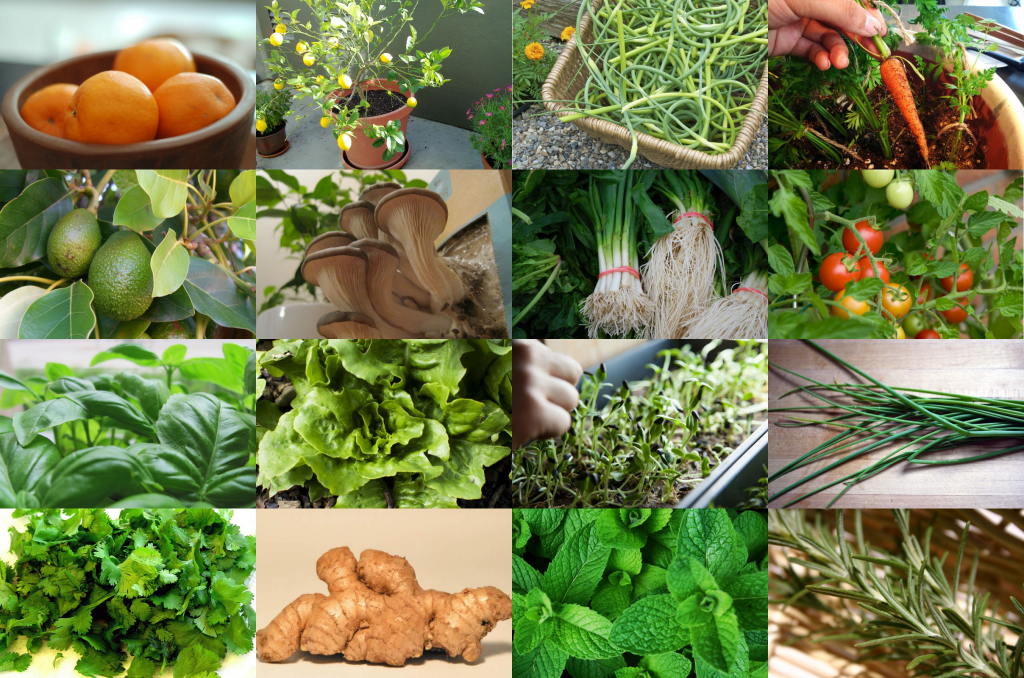
uogSome of the most delicious herbs, fruits and vegetables can easily be grown indoors providing you give them the adequate light, soil and water they require. Here’s a simple list of 16 Edibles You Can Grow Indoors. To read the entire article along with more detailed instructions, you can visit the original article at:AGreatist.com“.

1. Avocado: It’s possible to grow an avocado tree from an avocado pit, but doing so may not yield edible fruit. If you want to eat what you sow, it’s best to purchase a dwarf avocado plant (varieties that yield the larger green-skinned fruit or the more common black-skinned fruits are equally good) . To tend for your tree, add some sand to the bottom of a large, well-draining pot before filling it with regular potting mix and planting your tree. Water the tree regularly but make sure the soil is never soggy — avocado roots don’t take well to being waterlogged. Prune the shoots regularly, and be sure to place the tree in an area with high ceilings — even dwarf trees can grow higher than 10 feet!

2. Carrots: Purchase carrot seeds and a pot or window box that’s at least a foot and a half deep and wide, with drainage holes at the bottom. Fill the container to within an inch of the top with a humus-rich potting mix. Water the soil before planting the seeds. Plant the seeds one inch apart in rows that are six inches apart from each other, pressing the seeds gently into the soil and covering them with a thin layer of soil. Water. Place the container in an area that receives tons of light. Keep the soil moist, but not soaked. To help preserve moisture, soak some peat moss in water overnight and then spread it on top of the seeds. Expect the seeds to germinate (i.e., start sprouting) in about two weeks.

3. Garlic Greens: Note: Growing actual garlic bulbs indoors is a bit tricky, but you can easily grow garlic greens, which can be used just like scallions. Start by purchasing a few garlic bulbs with small cloves, and don’t be afraid to buy a shattered bulb (i.e., one that’s started to burst or is fully pulled apart). Select a four-inch pot with drainage holes at the bottom (a quart-size yogurt container with holes poked through the bottom will also work) and a small bag of potting soil. Fill the pot with soil to about half an inch below the top of the container. Break the bulbs into individual cloves (leave the peel on), and push each individual clove about an inch into the soil, pointy end up. Plant about 12 cloves close together. Water well and place the container in a sunny spot. Water regularly, making sure that the soil remains moist but not soggy. Green shoots should appear in about a week.

4. Lemons: If you want the option of harvesting fruits right away, purchase a two-to-three-year-old dwarf tree at a nursery. Choose a clay, ceramic, or plastic pot slightly larger than the root ball of your tree, and make sure it has several holes in the bottom. Fill the drainage dish with stones to allow air to circulate. Use a potting soil specifically formulated for citrus trees, or choose a slightly acidic, loam-based potting mix. Place the plant in an area that will receive eight to 12 hours of sunlight each day and will ideally maintain a temperature between 55 and 85 degrees Fahrenheit. Water regularly, but be sure not to over-saturate the soil (it should be moist, not sopping wet). Citrus trees like moist air, so regularly misting the leaves with a spray bottle will help keep the leaves perky.

5. Mandarin Oranges: Purchase dwarf mandarin orange trees for the best chance of growing fruits successfully indoors. The trees will grow best in spacious pots with drainage at the bottom, and in rich soil. They also require a sunny location (rotate the plant regularly to ensure that it receives light evenly on all sides). Water regularly, allowing the soil to dry out slightly between waterings. The trees can grow up to six feet tall, and their root system grows along with them — when the roots begin to grow back on themselves or out of the drainage holes, it’s time to re-pot in a container that’s at least 2 inches larger in diameter.

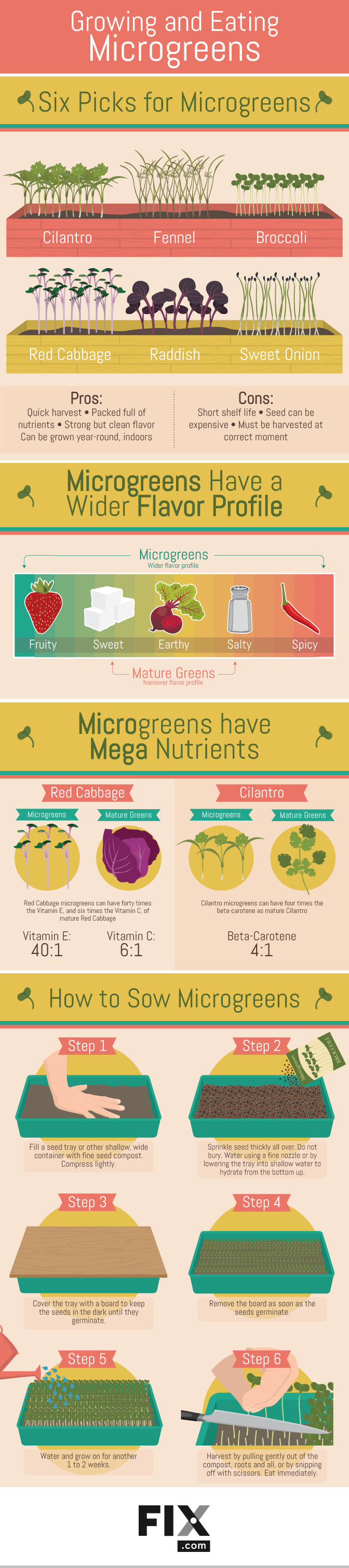
6. Microgreens: Start by purchasing a variety of seeds, such as radishes, kale, Swiss chard, beets, basil, and dill. Fill a shallow tray (no more than 2 inches deep, often called “seedling trays”) or a shallow pot with a drainage hole and fill the tray to the top with potting mix. Moisten the soil with water, making sure that it’s damp but not wet. Sprinkle the seeds evenly over the soil (they should be close to each other but not touching). Sift a thin layer of soil over the top to cover the seeds. Using a spray bottle, lightly mist the soil. Place the tray on a sunny windowsill in a room that’s between 60 and 70 degrees Fahrenheit. Mist or lightly water the soil daily so it remains moist; don’t let the soil dry out, but also make sure that it isn’t waterlogged. In about three to five days, the seeds will likely germinate — once they do, make sure they get 12-14 hours of light every day. Keep the soil moist at the roots, but avoid soaking the leaves.

Click here to read about the other 10 fruits, veggies and herbs on this list that you can grow indoors.



DIY How To Make a $15 Indoor Greenhouse

Week-41-1024x768

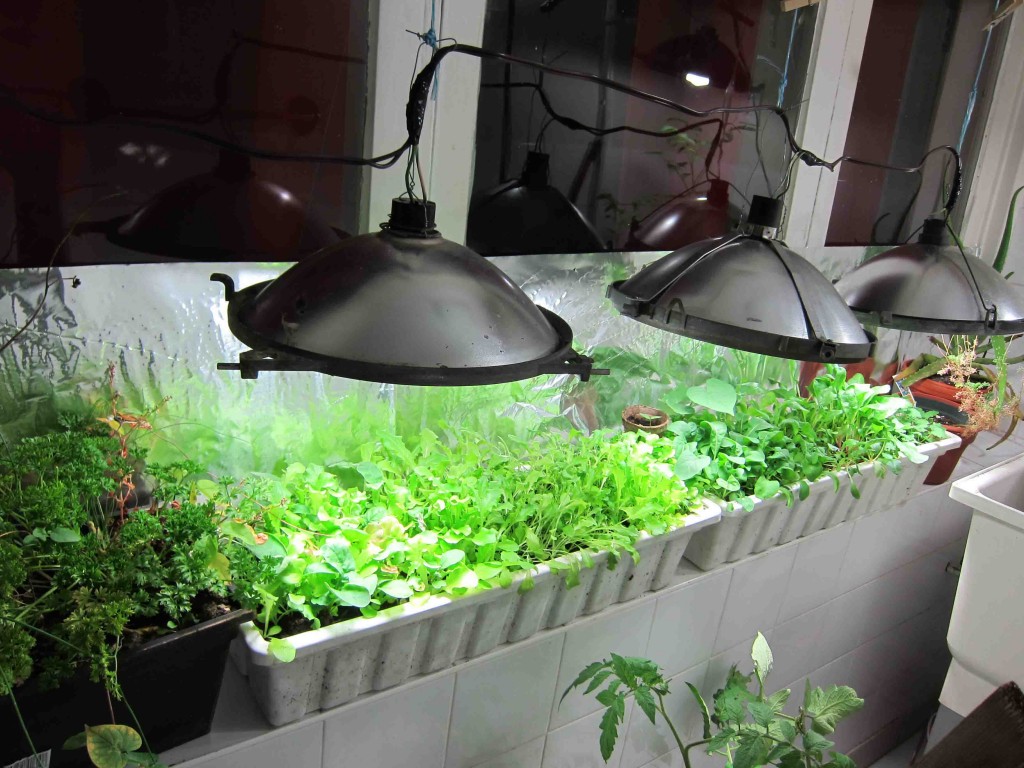
Here’s how to make your very own environmentally-friendly indoor green house.

Green house Equipment

• 3 x 23W Compact Fluorescent bulbs (CFLs)
• 3 Recycled light hoods
• 2 window boxes
• Triple mix and soil
• Seeds
• Hooks
• String

Method

We simply wired the hoods together and popped in the light bulbs. We turned the hooks into the wall and hung the hoods with string so that we can adjust the height of the lights as the plants grow. The three lights run for ten hours a day. You can substitute foil for the light hoods if you can’t find recycled ones.

Read the full article with more detailed instructions at: “GreenMoxie.com

Hydroponic Garden Shows the Possibility of Indoor Farming

In Salt Lake City, Utah, even though there may be snow on the ground and freezing temperatures…people are growing countless fruits and vegetables indoors in the Utah Department of Agriculture and Food building.  They are also using aquaponics, which uses fish to provide the nutrients that the plants need to grow.

Read the full article at: “Good4Utah.com

“If you want to try out Hydroponics and Aquaponics, it is easy and relatively inexpensive.  The State Department of Agriculture has all the information you need HERE.”

How to grow your own sprouts indoors using only a mason jar and some water

shutterstock_180358616

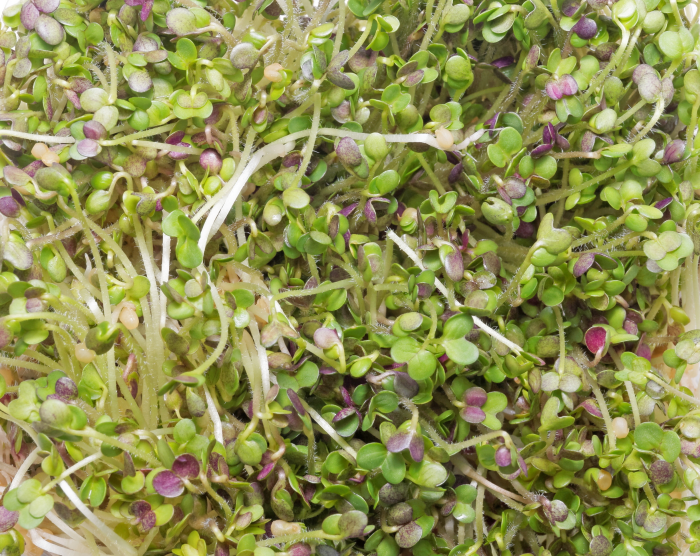
Growing sprouts is an easy way to still grow some food during the cold winter months if you’re unable to get out and work the soil in your garden.  Not only do they taste great, but you can be harvesting sprouts to eat in as little as 3-5 days! They are delicious on sandwiches, salads and stir-fry’s.

The most common sprouts that people are growing these days are:

Things you’ll need to start growing:

  • A wide mouth container or mason jar
  • Seeds
  • Water
  • Cheesecloth
  • Rubberband

How to start growing your sprouts:

  • Place 1 teaspoon of small seeds into a clean jar and place about 1 cup of water inside. (If you’re sprouting adzuki beans, use about 1/4 cup)
  • Let seeds soak overnight or for at least 12 hours.
  • Place the cheesecloth onto the top of your jar or container and secure with a rubberband. Now drain the water from the container.
  • Rinse the seeds with clean filtered water and then place the jar upside down on an angle so that the excess water can drain out easily.
  • Repeat the last step, several times a day until all of your sprouts have germinated and started to grow.
  • You’ll be ready to harvest your fresh sprouts in about 3-5 days.
  • When you’re ready to start harvesting, rinse one more time with filtered water, drain and store in an airtight container inside of the fridge for up to one week.

Start growing your own sprouts even faster and with less hassle by purchasing this kit from SeedsNow.com:

All-in-1 Sprout Seed Bank + Mason Sprout Jar

What’s Included:

  • 32 oz. Glass Mason Jar with Sprouting Lid and Mesh Screen
  • 6 of our most popular seed sprouting varieties
  • Over 1 lb. of sprouting seeds
  • Step-by-step sprouting instructions
  • Resealable Mylar packaging for long-term seed storage

Original post can be found at: “SeedsNow.com