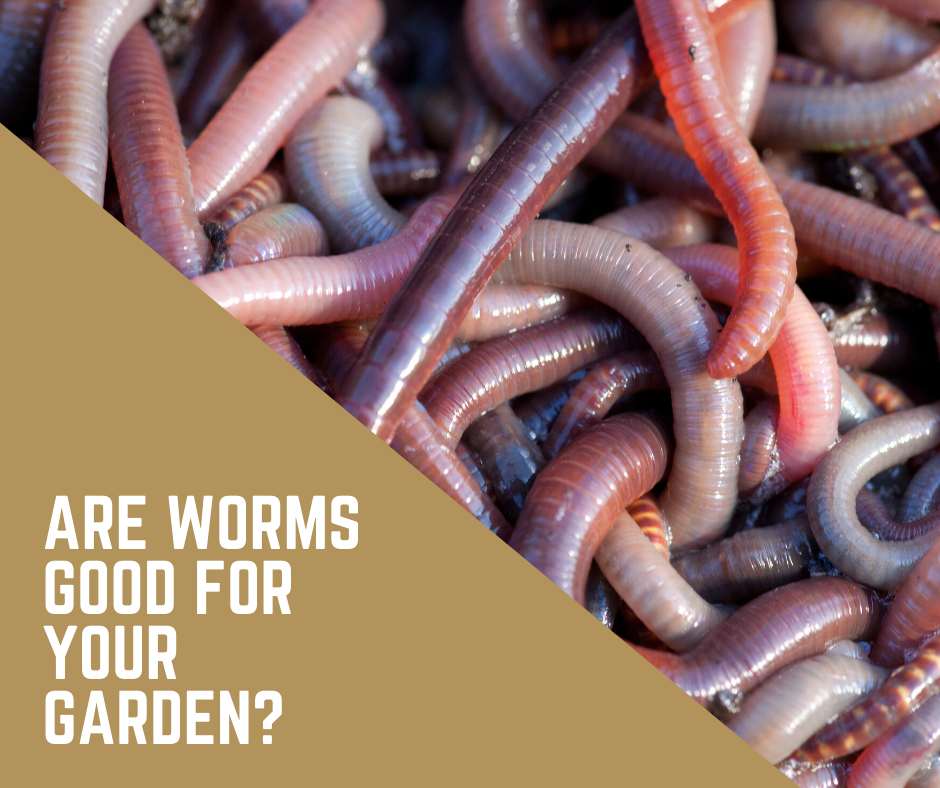
YES! Worms can be very beneficial to your garden. Nutrient-dense, rich garden soil is crucial to a successful vegetable garden. Healthy soil may include plenty of underground animal & plant activity, such as earthworms and fungi. Worms effortlessly increase the quality of your soil and are attracted to decaying matter while they consume bacteria and nematodes. They also excrete worm castings, which is gardener’s GOLD, or basically one of the best soil amendments you’ll find! Worm castings are rich in nutrients and minerals such as nitrogen, phosphates, and potassium. Overall, worms play an important part in soil construction and the recycling of organic waste.
Which Worms Are Best For Your Garden?
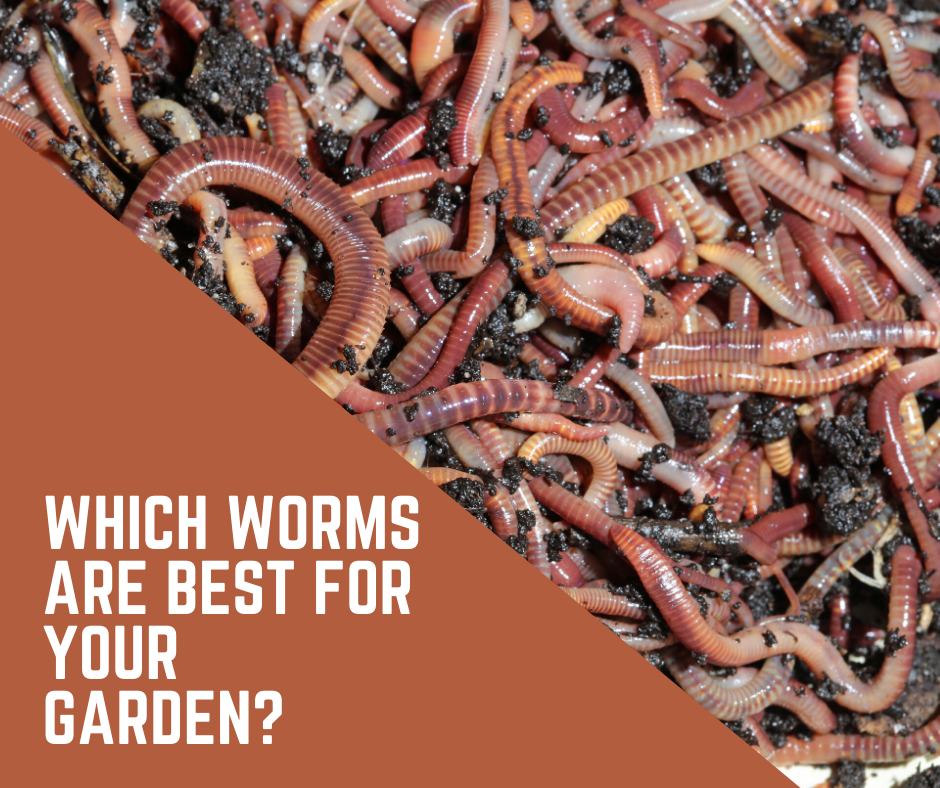
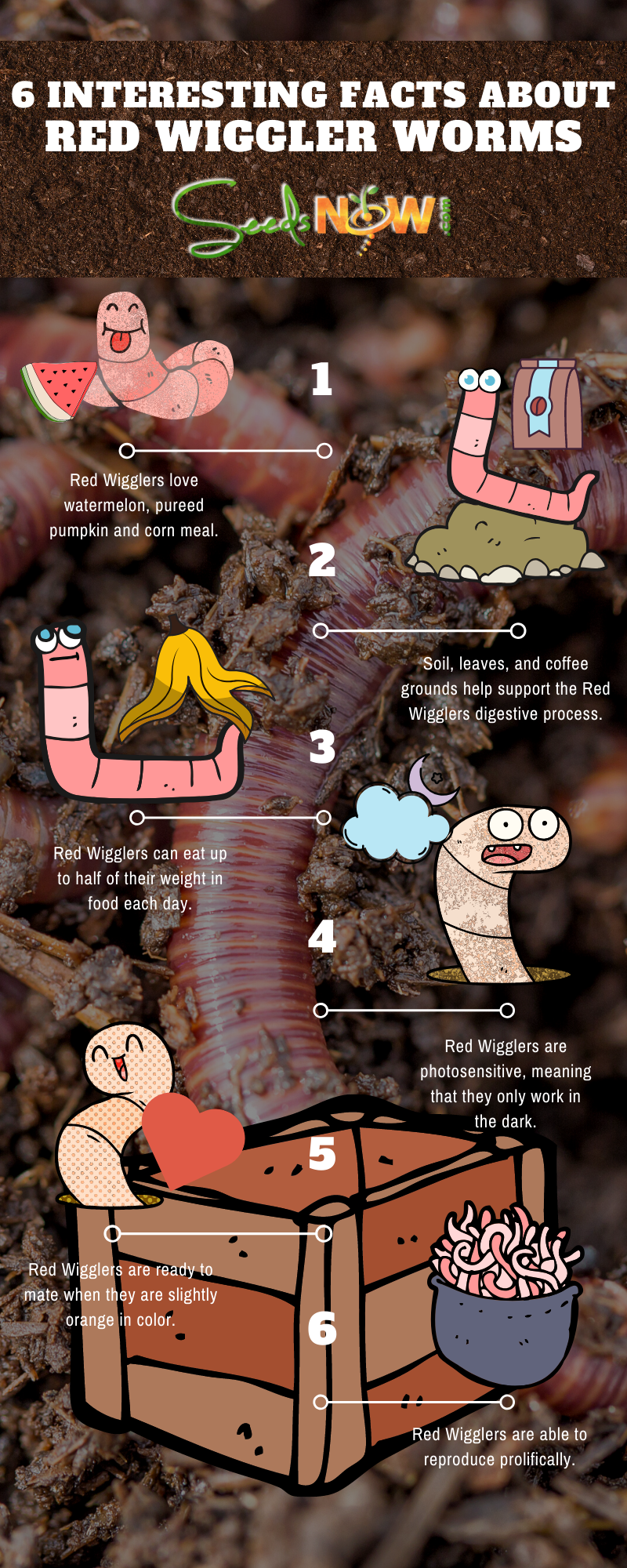
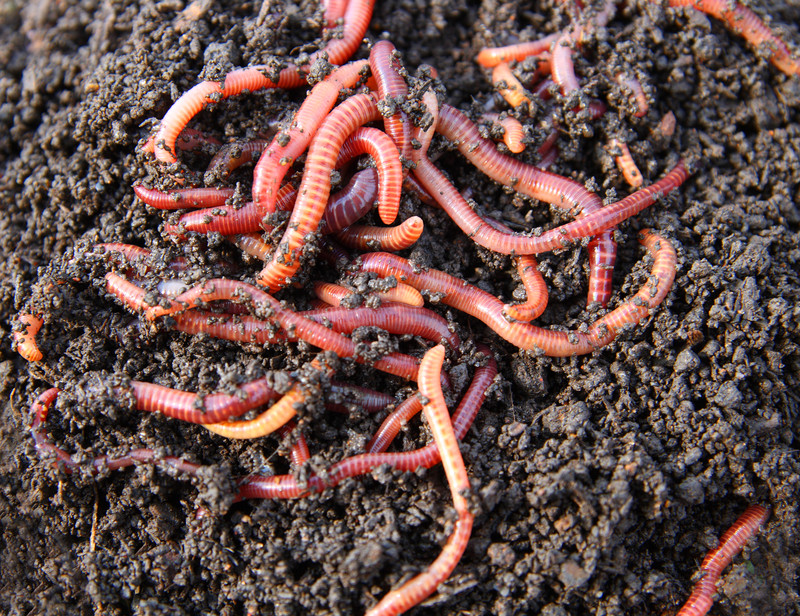
Red Wiggler Worms are often the most sought-after by seasoned gardeners. Although nightcrawler worms can be used, red wigglers are generally agreed upon as being the most effective when processing organic scraps.
Red Wiggler Worms LOVE eating organic scraps! They usually won’t be found more than a foot or so deep beneath the soil. Look for them as they burrow within compost heaps, animal manure, or piles of leaves. You can also try sourcing them through a local worm farm shop, bait shop or garden center.
“A real handy and functional item to have in your garden is a worm tower. Not only are the worms fertilizing your soil, but you have a handy “compost garbage” bin at your fingertips. It very easy and inexpensive to make. A bucket, drill with bit and a shovel, that’s it.” – The Abled Gardener
How To Use Worm Castings In Your Garden
“Using worm castings in your garden provides your soil and plants powerful, organic nutrients that help your garden be healthy and productive. In this video, we’ll share what worm castings are, why they are so powerful, and how to use them to feed your garden.” – CaliKim29 Garden & Home DIY
“SINGAPORE — IT’S HARD not to miss the giant black flies that flit within the white net enclosures at Insectta, Singapore‘s first licensed insect farm. The swarm of flies looks like something from the start of the apocalypse, but these flying insects are not here to mark humanity’s downfall – in fact, they may be here to save it.
Singapore is experiencing a trash crisis. Some predict the world’s second most-densely populated city will run out of room in its landfill by 2035. According to figures from the country’s National Environment Agency, while recycling rates for food waste are going up in Singapore, residents still threw away 676,800 metric tons of food in 2017. Only 16 percent of this was recycled – the rest went to the landfill.
Yet there may be a solution, according to a group of urban farmers and scientists in this Southeast Asian city-state, and it’s one that has been buzzing under everyone’s noses all along.
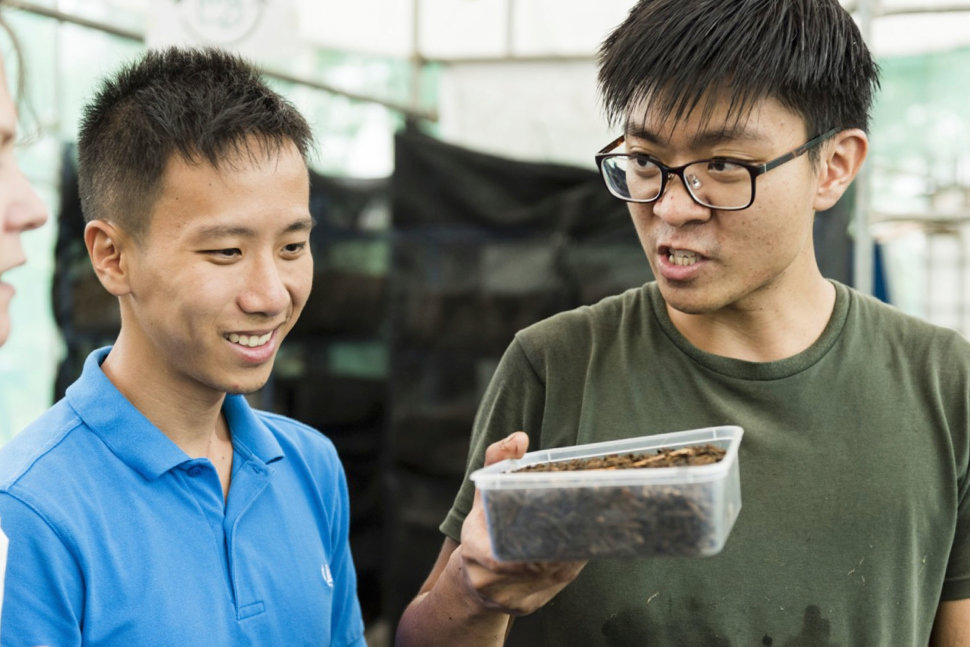
Living within the jungles of Singapore is the black soldier fly – nature’s own waste disposal unit. When its larvae are born, they voraciously eat almost any food waste left in their way. The sleek tropical insect is now being intentionally brought into the city by two entrepreneurial farmers, Darren Ho and Ng Jia Quan, who have created Insectta – an insect farm in the residential area of Queenstown. The goal of Ho, a natural resources management graduate, and Ng, a former chef, is to adopt sustainable farming practices that reduce urban waste and embrace the natural, eco-friendly food cycle long a feature of the island.”
Plants require important nutrients for proper growth. By making sure your soil is a welcoming place for earthworms you can help create excellent soil structure with adequate aeration and drainage. “Earthworms help create humus—a dark brown-black type of soil which holds important nutrients in place for plant growth and use. ”
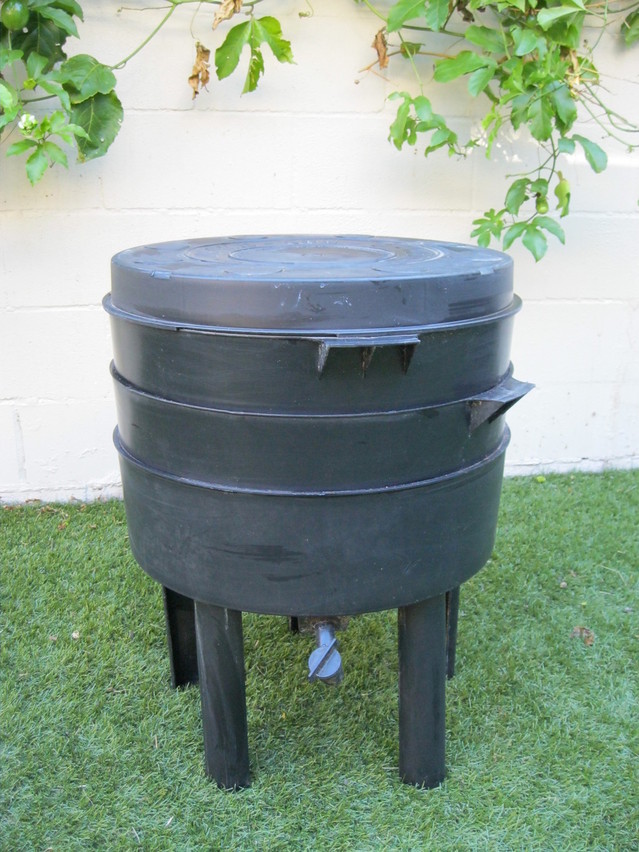
Earthworm Farm (composting bin)
Earthworm castings are well known to be high in nitrogen, potassium and phosphorus. All three of these minerals are needed for healthy plant life. “Earthworm castings also help bind calcium, iron, and sulfur to soil particles—minerals that also help plants thrive.”
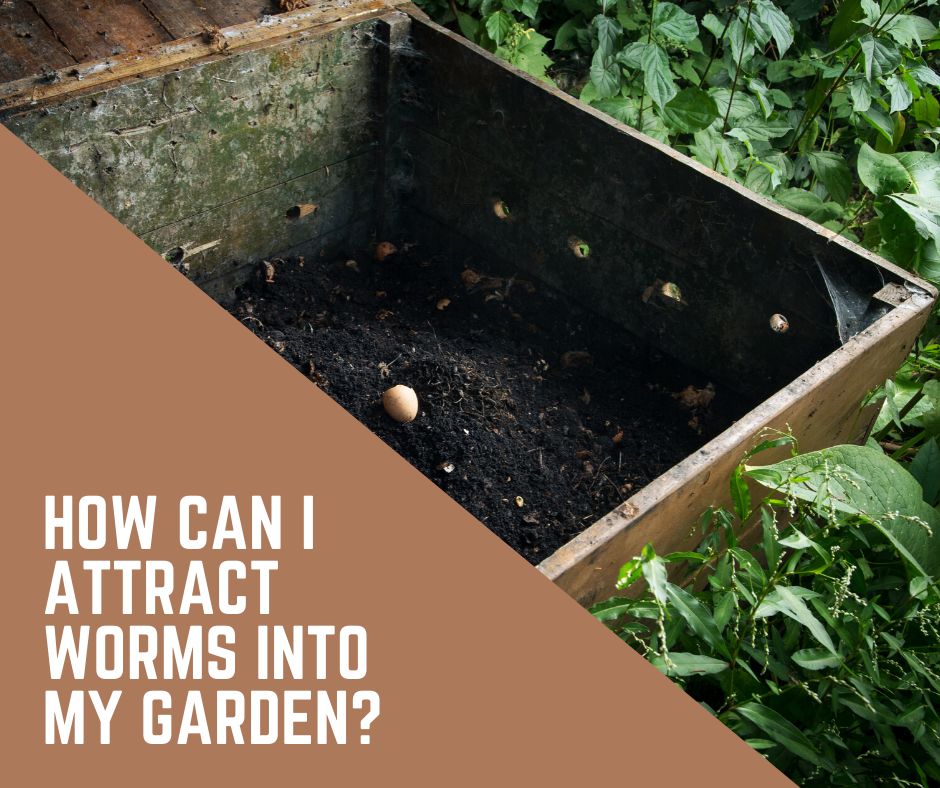
“Adding chopped leaves, grass clippings, semi-rotted compost, and animal manure to your garden will encourage earthworms to take up residence in your garden, be active, and thrive.”
Urban Organic Gardener Interviewing Rob from “Bits Out The Back”:
How would you quickly describe yourself to others?
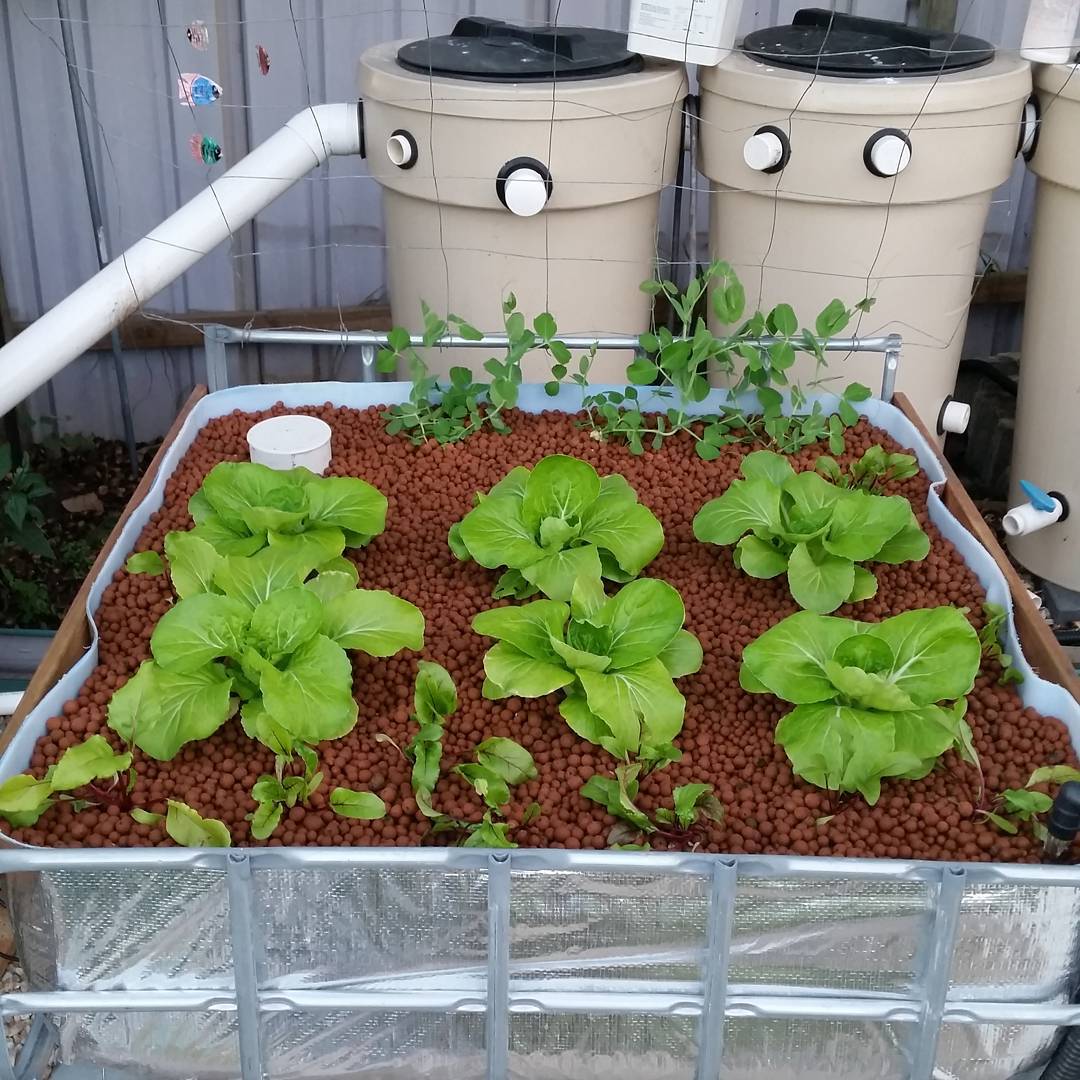
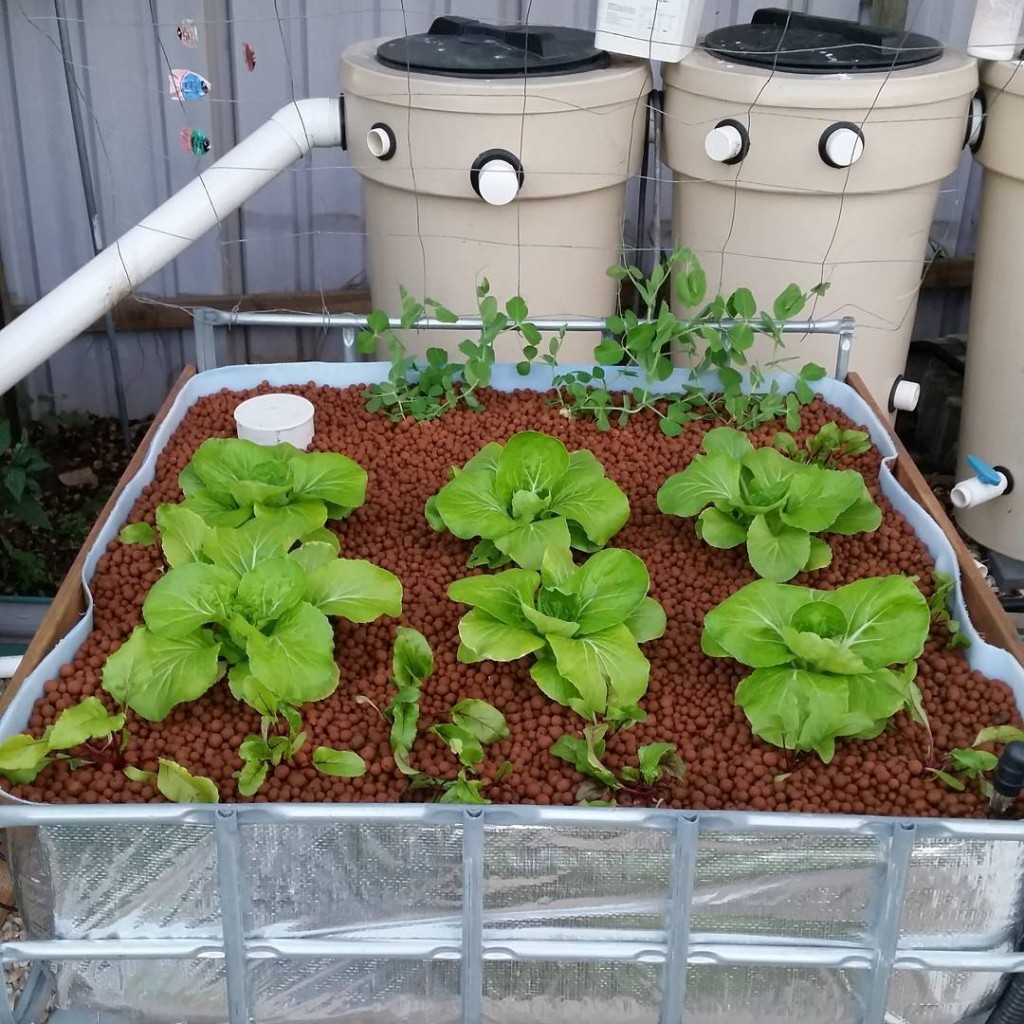
I’m a stay at home dad that’s very interested in growing as much nutritionally dense food as I can to help improve our health and reduce our dependence on the industrialized food system. We live in SE Queensland Australia in a subtropical climate and are lucky enough to be able to grow 12 months a year. Most of our food is grown in self watering wicking/sub irrigated garden beds but also have an ever expanding aquaponic system that has been pumping out a lot of herbs, greens and tomatoes of late. We also have 3 chickens that we quite happily feed scraps to and in return they provide us with a couple of eggs a day.
How did you get started with your blog/facebook page/etc?
I initially started to post on our “Bits Out the Back” blog that was mainly focused on how we were setting up our small garden patch. Friends and family were interested in seeing more of what we were doing, so I started to post Vlogs (video blogs) onto our YouTube channel to share with them. I found video to be the easiest medium to show what was happening around the patch as many of my relatives and friends live interstate. I think video helps people get a better idea on how to replicate some of the projects I do, especially intricate ones like the aquaponics, chicken feeders and wicking bed builds.
I started our Facebook page and Instagram account as an extension to our YouTube channel. People were interested in our harvests and daily goings on around the patch and I found using Facebook, Instagram and G+ sites were a great way to do small mini updates for them.
Did you start your blog when you started your transition to live this life style?
Growing up my grandparents on both sides of the family had quite impressive vegetable gardens and were able to provide the majority of the veggies and fruit for themselves as well as pass on excess to family. To me this was a normal way of life and only when I got older did I see that many folks did not grow their own food or had stopped, becoming disconnected to how their food is grown/raised.
I started looking at growing food seriously in my mid 20’s when Bianca and I started living together. We had no internet then and only just really plodded along getting inspiration from self sufficiency magazines and making phone calls back to my parents when we needed advice. After we were connected to the web a whole new world opened up and I started to get inspiration from all over the place.
Have you always been growing your own food? If not, what sparked your passion?
I grew a few plants like basil, tomatoes as well as salad greens just before Bianca and I started to live together in the mid 90’s. We didn’t seriously try to grow a lot of food until after our first daughter was born in 1998 when we started a rather substantial container based veggie patch. Gotta love rentals.
A few years after buying our small urban property we decided to turn a lot of the backyard to food production. We decided to do this, not only help ease the grocery bill but to also provide us with food that tasted a lot better and hopefully more nutritious than what was on offer in the local stores.
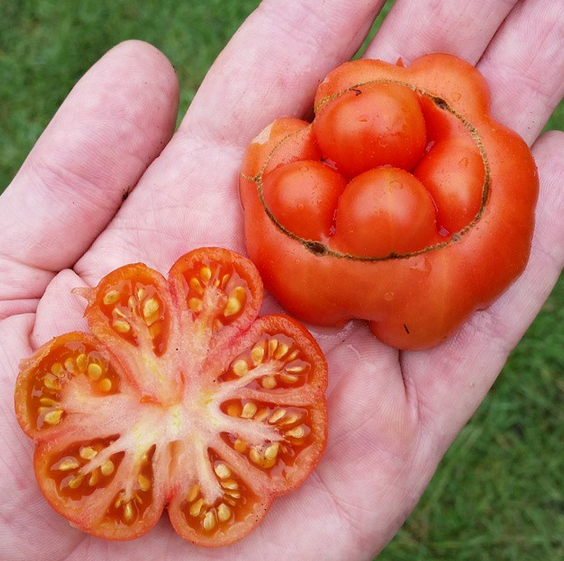
“Brain Tomatoes” grown organically on the Urban Farm
Have you ever made mistakes or failed doing something? How did you overcome any obstacles?
Am very chuffed at how the new grow bed is going. “Looking at adding a very small NFT run at the front of this bed.”
😀 I’ve made MANY mistakes and had a few quite spectacular crop failures since starting out.
Our first raised garden beds were a bit of a mistake. We had bought in soil from a landscape supplier to fill our garden beds, added in some clay Wetpot irrigation devices, planted out our veggies and all was growing great for the first few months. After 2 or 3 months the plants started to look a bit wilted and we started to get the odd 1 or 2 that mysteriously died off. On closer inspection it turned out that roots from our mango and some Chinese elm trees growing on the fence line had decided to take over the beds depriving the veggies of their water. We were also facing heavy water restrictions at that time, due to drought (similar to California is now) and after some research we decided to rebuild all the beds and turn them into water efficient wicking garden beds and haven’t looked back since.
Have lost whole tomato and capsicum/sweet pepper crops to the pesky Queensland fruit fly along with quite a few brassicas crops to the dreaded cabbage butterfly. We did a bit of research and found methods that work for us (exclusion netting) to save the crops now but it was a very steep learning curve at the beginning.
Through all our misadventures we have learnt a lot and found many like minded folks out there that have helped us out.
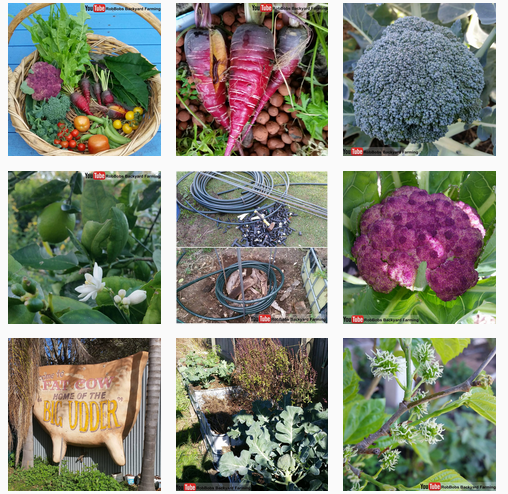
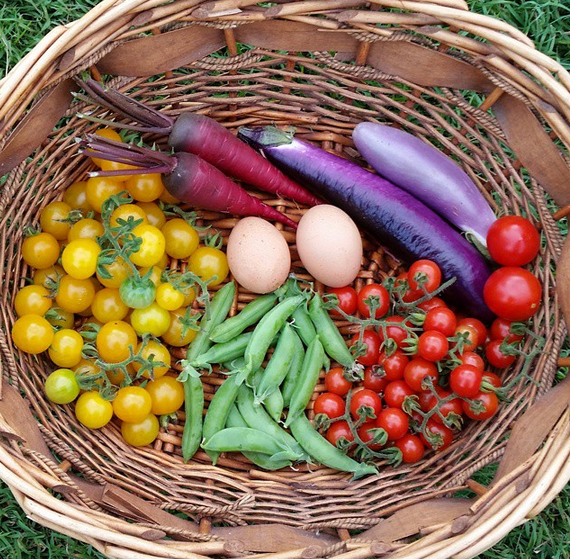
A regular “picking” from Rob’s Urban Garden
Have you ever dealt with a person who disregards your life style?
Have come up against a little bit of resistance from extended family members but nothing too serious. What I find more shocking is the couple of times I have had people ask me if we were allowed to grow our own food. I must say it took me very much by surprise and really shows how disconnected some people have become to believe they are not allowed to grow food.
What are some of your greatest rewards with a lifestyle such as the one you live?
The greatest reward would have to be being able to provide nutritious fresh food for the family that has been grown free of toxic chemicals. That it takes less than 15 min for that food to make it from plant to plate is also a bonus. 😉
Being able to share how easy and rewarding it can be to grow your own food with others via the WWW is something that I’m grateful for. Not only have we learnt from others but have also made dozens of friends along the way. I love that I can ask questions or get inspired by their posts no matter where they live in the world.
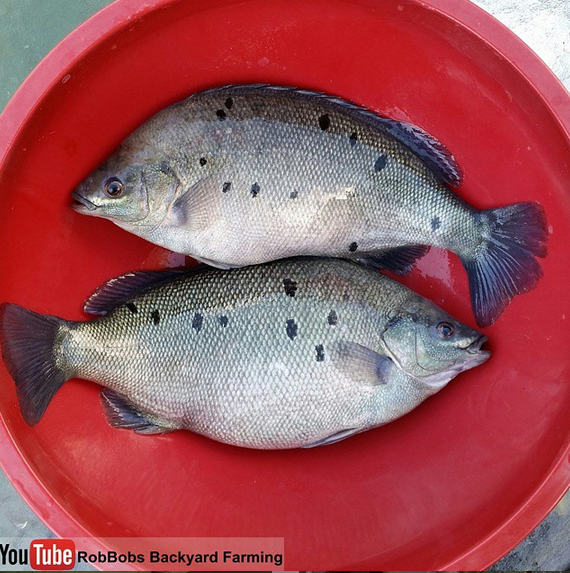
2 Jade Perch raised in their own aquaponic system.
What tips and tricks would you like to share with other people?
First tip I would give anyone looking at growing their own food would be to start small and start now. I can guarantee you that once you’ve tasted your first tomato and basil on a homemade pizza, you’ll be hooked.
Don’t be disheartened if it doesn’t work. Have made plenty of mistakes here and have found that they are a great way to learn. I try not to take life to seriously, laugh off all the mishaps and try again.
Make your own compost and feed the soil is the best practical tip I could give. That’s one lesson I wish I’d learnt when I first started. It would have to be the best ways to help you grow nutrient dense healthy food while recycling waste and feeding the soil at the same time.
What are some of the other things you would like to have other people understand about living a healthier and self-sufficient life style?
I find it extremely rewarding to be able to say I’m responsible for the production of a portion of my own healthy and nutritious food, something that only 2 generations ago was a given for a lot of families.
Starting off a garden is also a great way to educate kids and the local community as to how easy it is to be able to provide for yourself. Our garden has helped create these types of conversations with visitors, neighbors, friends and family, and has also inspired some to create their own gardens, which in-turn has gone on to inspire others to have a go at growing their own.
What are your favorite plants to grow in the garden?
That’s a hard question as there are so many. Some of my favorite plants to grow at the moment would have to be greens like Okinawan spinach, kang kong, sweet potato leaf, rice paddy herb, Thai basil, Chinese cabbage. All of these veggies go into a very quick and fresh Asian inspired salad I like to make. The ginger spice family is another group of plants I love to grow. Broccoli and cauliflowers are also favourites. We only get to grow them during winter here so have been eating quite a bit over the past few weeks.
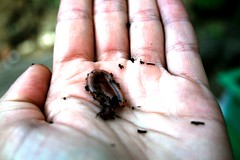
Winter is the time of year when many raising red worms will find it difficult.
They find their worms are dying off.
This can easily be avoided if you take precautions when raising your red worms.
Seasonal changes affect the way one raises their red worms. When winter arrives we concentrate on keeping our red worms warm. It is much easier when raising red worms to keep a worm bin warm than trying to keep it cool enough during the warmer months.
Raising red worms and transitioning from winter to spring can be relatively simple if you approach it properly. Here are some tips to help you make that transition:
Make sure your worm bin does not have too much moisture. Moisture and heat do not mix when it comes to keeping a worm bin. A soil moisture meter can be purchased at most hardware, home improvement and even discount stores this time of year. A good year round moisture percentage to maintain is 60% to 70%.
Add less green items and more brown items to reduce the heat in your worm bin. Brown (carbon) products consist of shredded newspaper and cardboard for one. These products will not generate nearly as much heat within your worm bin as green products do.
Avoid certain vegetables. As we start to transition from winter to spring avoid melons and vegetables such as cucumbers for a while.
These tips will save you and your worms some grief as the warmer months start to approach.
The airport plans to open a new $1.1 million recycling center in February with a worm-based composting system that can handle up to two tons of waste per day, the Charlotte Observer reported.
This is such a dope idea. The airport will be using the compost generated on their facility. Whatever is left, they will be packaging and selling it.
It would be great if other facilities around the country took on similar projects.
What’s your thoughts on the composting program and have you seen any others similar to it?
I’m using the worm leachate that was produced by the Worm Factory 360 in my garden. The leachate was mixed up with 3 parts water and put into a spray bottle and the plants were sprayed down.
The leachate is produced by all of the excess moisture that the worm bin has been drained out of the worm bin. This is different than compost tea, which is made from brewing up finished compost with water.
I’ve heard that leachate isn’t as desirable to use in your garden as worm tea because some of the matter in it might not be fully broken down and in a toxic state. I know I’m crazy and still decided to give it a try and sprayed some on my plants. What’s the worst that’s going to happen?
The Worm Factory 360 is definitely performing much better than the bins that I had built and killed all my worms with. Though in checking in on them, I’ve noticed that there are little white dots on the food scraps.
There seems to be insects, but could possibly be mold as well. I tried to take a decent pic of it above and capture it on video, but they are mad small and hard to get into focus.
I assume if it’s mold that it’s ok since it’s old food and that’s what it does. My concern is that if it is indeed insects – What kind are they? Will they provide problems for the compost? For now the worms are alive and over a month old. This is the longest that they’ve lasted for me. So unless the white dots kill em, I won’t be too concerned.

 Winter is the time of year when many raising red worms will find it difficult.