Europe’s Largest Rooftop Farm Underway, Scheduled To Open THIS MONTH!

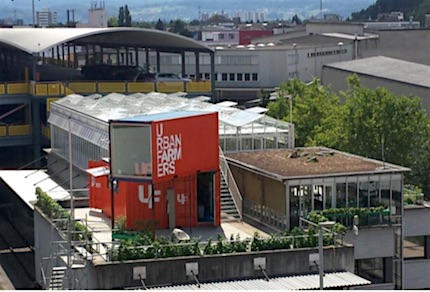
A new 14,000+ square foot rooftop garden is being constructed in Europes-Largest-Rooftop-Farm-300x153Europe and it’s scheduled to be completed this month. Their fish and vegetables will be ready for purchase beginning sometime in April, although tours will begin sometime in February.

The building “will house Europe’s largest commercial urban food production facility, covering a 13,000 square foot rooftop greenhouse for specialty vegetables, a 4,000 square foot indoor fish farm, and 2,700 square feet of integrated processing and packaging. The farm will also dedicate 2,700 square feet exclusively for events and tours.”

Read the full article at: “TheGreenHouseGrower.com

Garden in East LA Helps Gardeners Connect with their Roots

Mott-Street-Farm-Photo-Courtesy-Boyle-Heights-Beat

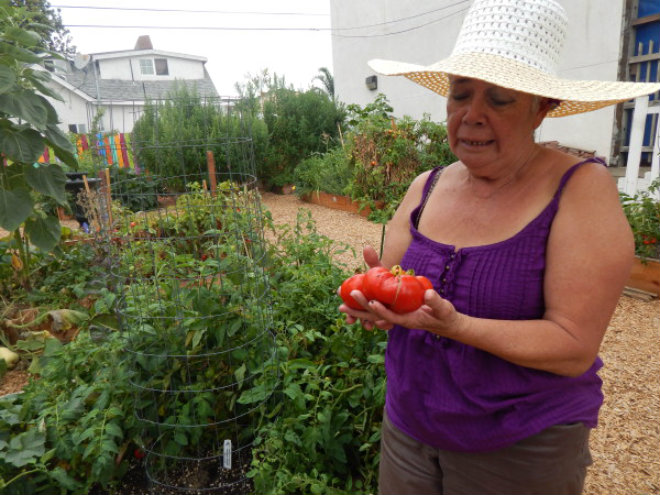
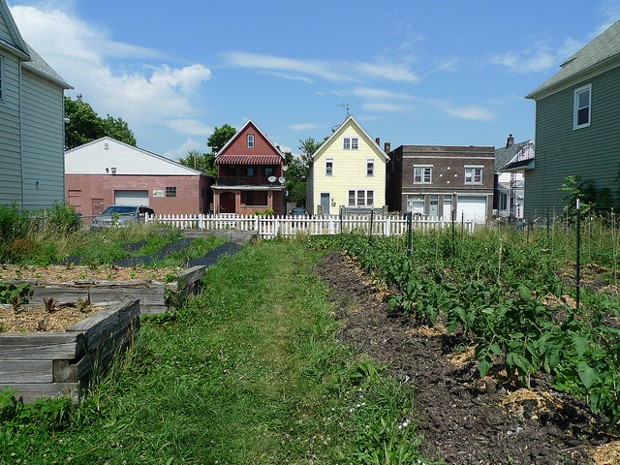
With the sound of busy free-ways near by, this community gathers at the Boyle Heights Urban Garden to find peace and relaxation.  At the Mott Street Urban Farm, there is a school garden, and room for community members to garden in their own plots. People of all ages, and all income levels come together to do one thing. Take back control of their food source.

“The farm is part of a trend in community gardening that can be seen in urban areas across the nation. Urban agriculture is a way for people to take control of what they grow and eat, as well as their overall health. According to the National Gardening Association, gardening in urban areas increased 29 percent from 2008 to 2013.”

To read the full article, visit: “TheEastSiderLA.com

Earning a Living By Urban Farming

03b1tayse-2

Urban farms are popping up all over the country and providing the farmers with extra income, some even enough to support their families and lifestyle.   They usually consist of novice farmers and small plots that cater to providing the community members with fresh, organic produce that’s grown locally. Something people are very attracted to. From the farmers in most of these scenerios, business is booming and for some, they can’t even keep up with demand.  If you’re interested in making money by urban farming read more about Mr. Swain and Ms. Tayse’s business.  “Mr. Swain’s business, Swainway Urban Farm, is for-profit, and he’s been at it for seven years, making him just about the longest-tenured urban farmer in Columbus. He and his partner, Rachel Tayse, farm two backyards and grow indoors in a warehouse in Clintonville.”

“While urban land represents only 3 percent of the 2.3 billion acres in the nation, according to the USDA’s 2007 land-use report, it is home to 81 percent of the U.S. population.

Those people need to eat, and one of the hottest food trends in the past few years is buying locally produced food.”

Read the full article at: “Toledoblade.com


After Four Decades this Community Garden Closes for Good

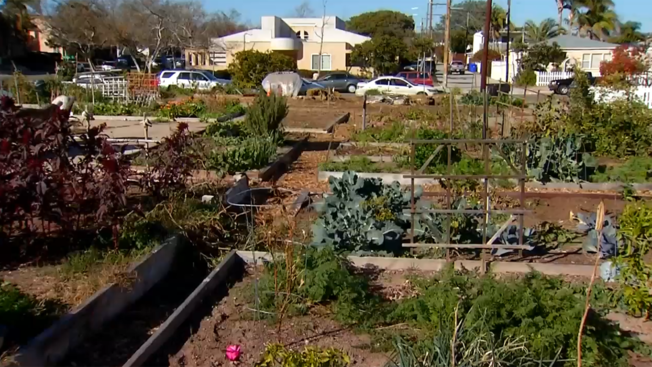
pacific+beach+community+gardenAfter four decades, San Diego’s Pacific Beach Community Garden has closed for good but there is hope.  “…The end of the garden does not mean the members will stop exercising their green thumbs. They are hoping to section off a portion of land in De Anza Cove to create a new garden. They will also turn to their neighbors for help.

“The gardeners are the real seeds,” said Gandolfo. “Us gardeners are going to fan out into the community — whether it is De Anza in a few years, whether it’s somebody’s neighborhood, front yard/back yard in the next couple of months — and we’re the ones taking the garden to new places here in Pacific Beach.”

The gardeners are volunteering to plant and tend new gardens for any neighbor willing to donate his or her yard.”

You can read the full article at-“NBCSanDiego.com” 

#BestNine Gardening Images from Instagram!

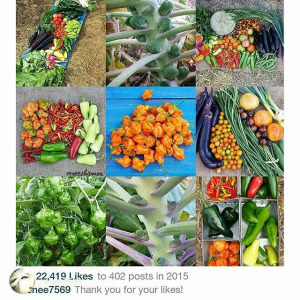
Gardeners have been showing off their “most liked” Instagram images of 2015. Want to learn more about a specific Instagram user? Just click on their image to be re-directed to their Instagram homepage.  Would you like to be featured on our Instagram page? Tag your Instagram images with #bestnine and #urbanorganicgardener.


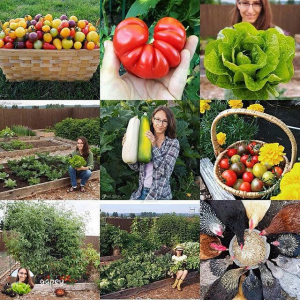
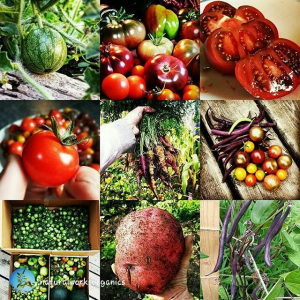
bestnineimagesvia: txmbirdie

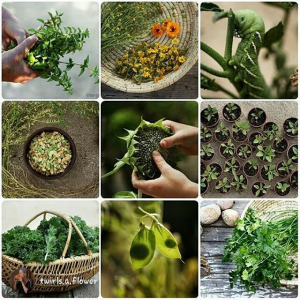
Irvin, Erick Car Accident2015-12-27_1451235875via: gapey

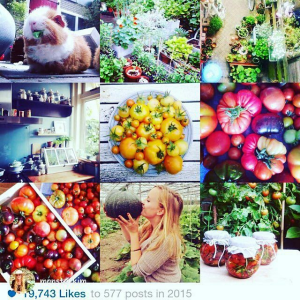
Irvin, Erick Car Accident2015-12-28_1451260820via: twirls.a.flower

Irvin, Erick Car Accident2016-01-02_1451696177via: monsterkim

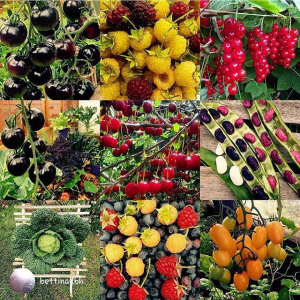
via: bettinakbh

via: naturalworksorganics

How to Become a Gardener in 2016

“The new year is the perfect time to set new goals for yourself, especially if you have been thinking about growing a garden. THIS IS YOUR YEAR!  Don’t be discouraged by lack of space, or knowledge about growing specific varieties.   Set some small attainable goals for yourself in the gardening department and before the year is over you’ll be sporting that new green thumb you’ve always wanted but thought you’d never have.”-SeedsNow.com

  • Get some houseplants growing. Pick several varieties of herbs or maybe a pepper plant and place them in a sunny windowsill.  Get your green thumb without having to even go outside. By growing food indoors where you’re likely to pass the plant numerous times a day, it will make it easier to care for.  Windowsill gardens are a fun way to bring the outdoors in, and grow some food with very little effort.
  • Get some books.  Find some aspects of gardening that you’re interested in and begin digging a little deeper for the knowledge you’re looking to gain. Interested in hydroponics, aquaponics, herb gardening, or composting? There’s plenty gardening books per topic available. Grab your reading glasses and soak up all the information you can.
  • Take some classes.  One of the best sources you may find is your local Master Gardener Chapter in your area. You can take classes that will teach you the “in’s and out’s” of everything gardening and work with others who have like-minded goals.  Plus, gardening is always more fun when you have someone to share your successes with!
  • Join a community garden.  This is one of the best ways to be a part of a community and learn a lot about gardening.  Here you’ll see countless different approaches to growing many crops and you’ll be able to take those examples with you to try in your own plot at the garden.  Plus, it’s great exercise, tending to your garden plot throughout the year. You’re most likely to keep up with something if you’ve made a commitment on paper, like what you usually find with “renting” a community garden plot.” -Full article can be found at “SeedsNow.com

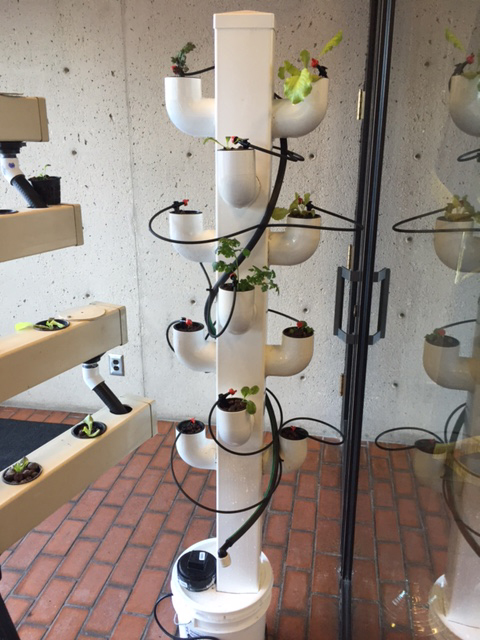
Hydroponic Garden Shows the Possibility of Indoor Farming

In Salt Lake City, Utah, even though there may be snow on the ground and freezing temperatures…people are growing countless fruits and vegetables indoors in the Utah Department of Agriculture and Food building.  They are also using aquaponics, which uses fish to provide the nutrients that the plants need to grow.

Read the full article at: “Good4Utah.com

“If you want to try out Hydroponics and Aquaponics, it is easy and relatively inexpensive.  The State Department of Agriculture has all the information you need HERE.”

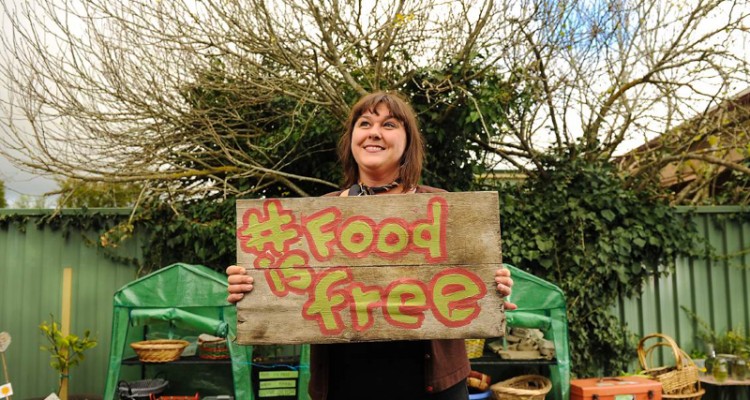
The “Food Is Free” Laneway

This woman started a “Food is Free” laneway next to the side of her house that she rents.  The entire community supports the project by sharing their own “extras” and working together to take care of the plants that are growing there.  Everything is free.

“The concept that something is free blows peoples’ minds,” says Risdale to Happen. And yet the rewards far outreach the giving or receiving of food, as Risdale has seen from her own experience with the free-food laneway she started at the corner of Ripon St Sth and Warrior Place, Ballarat, Australia. The laneway has reinvigorated the sense of community.-“ThePlaidZebra.com”

7 Easy to Build Vertical Gardens

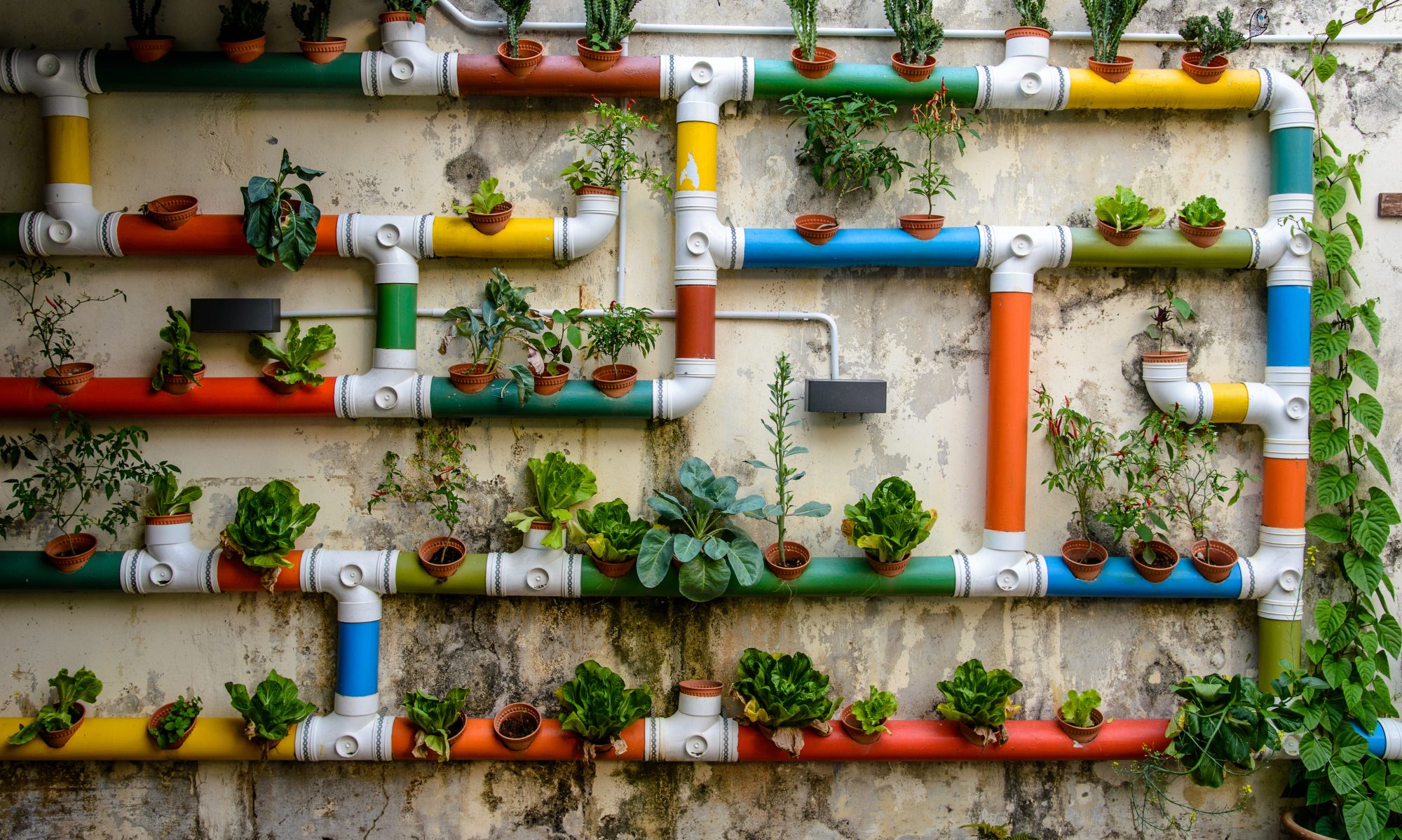
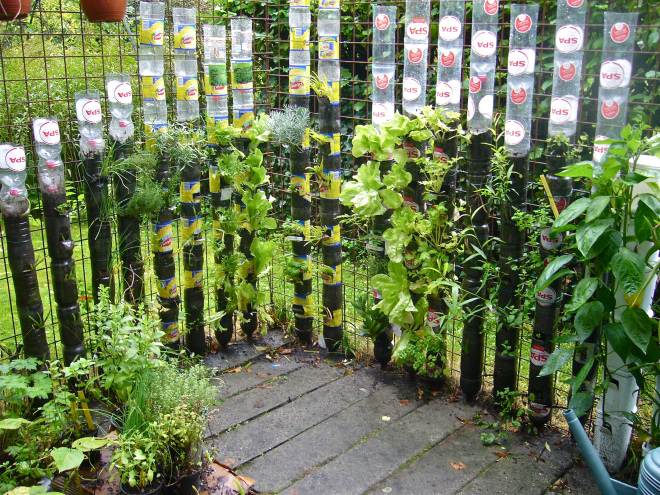
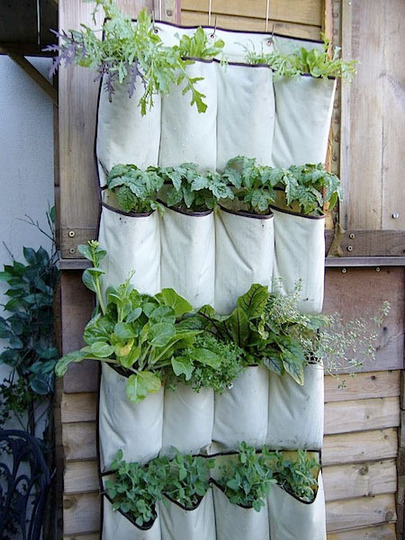
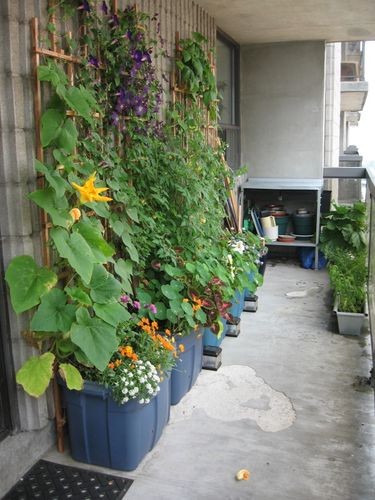
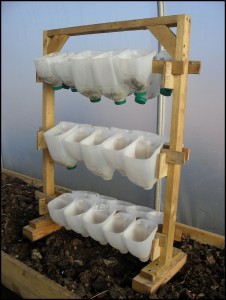
Not everyone who grows their own food has acres of land or even a large suburban backyard. Many home gardeners everywhere are learning how to grow their favorite fruits, veggies and herbs vertically to save space. This is important for high-rise dwellers, balcony or rooftop gardeners and even renters who are unable to use what little space they may have in their yard.

Here’s 7 easy to build vertical gardens, perfect for those who are short on space!

4.Shoe Organizer Garden

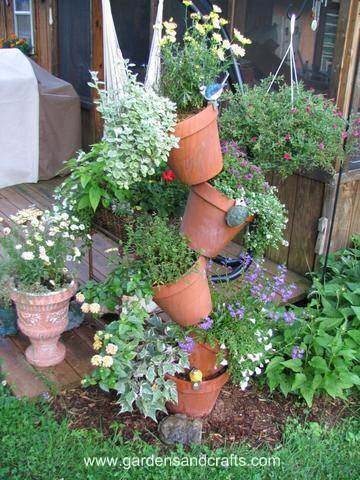
clayplanter071806Tipsy Tower Garden

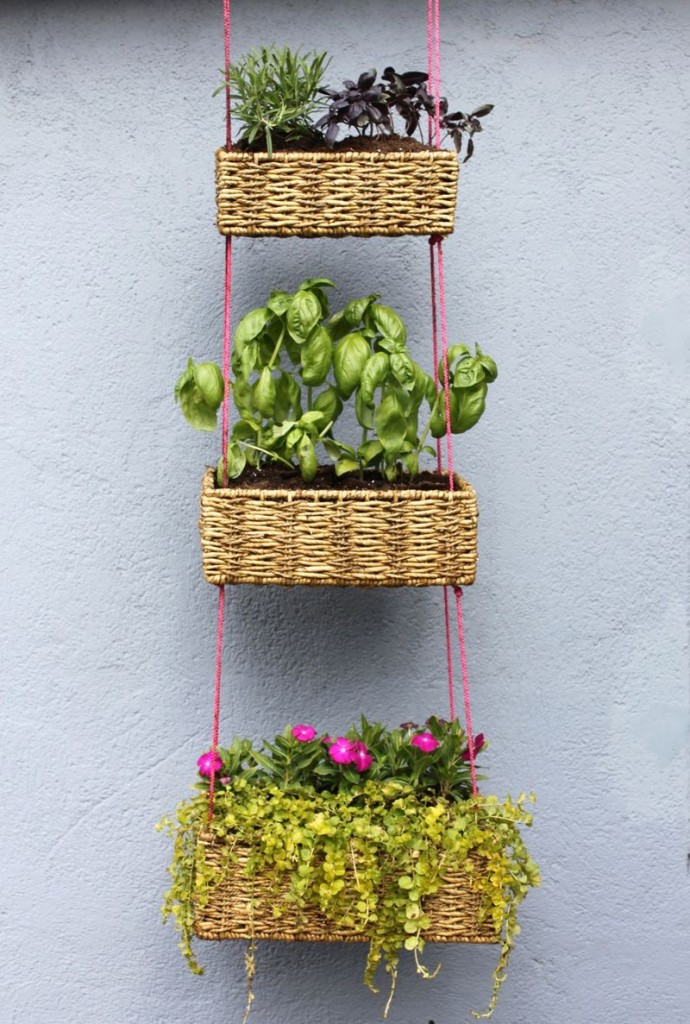
basket-01Hanging Basket Garden

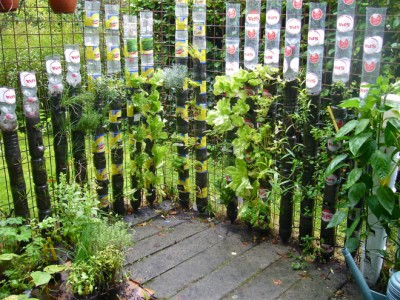
p1070455Bottle Garden

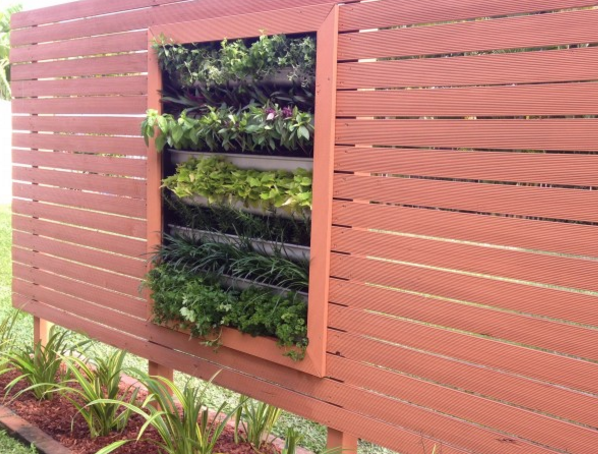
capture-20151227-173953Vertical Living Wall

toronto-sip-balcony-garden-in-the-skyBalcony Garden with Trellis

garden project9 (1)Milk Carton Vertical Garden

Fenway Park Serves Up Organically Grown Produce to Baseball Fans

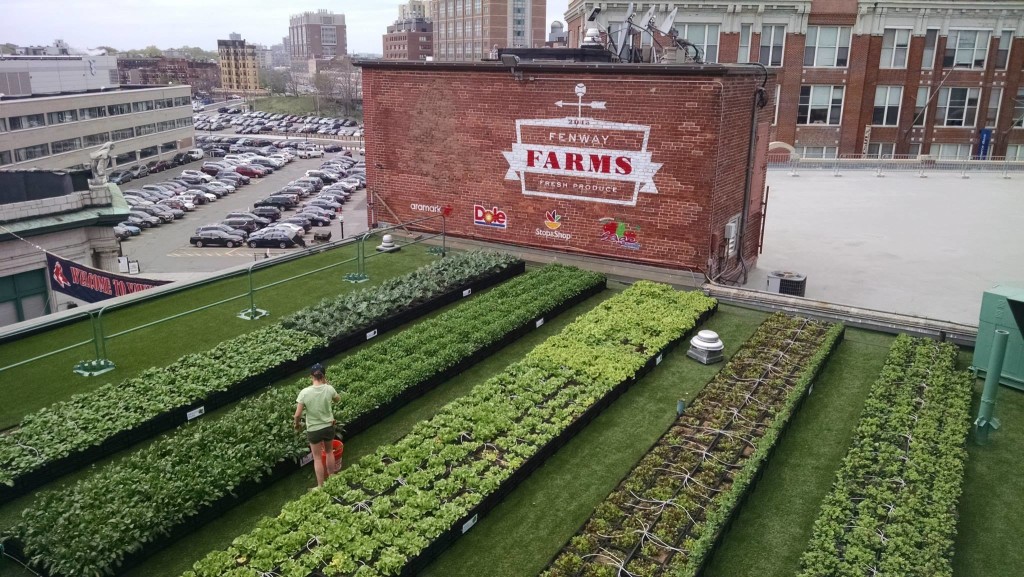
fenway-farms-may-11-1024x577

Next time you’re at a Red Sox game at Fenway Park, wander over to the Third Base side of the EMC Level for a peek at their 5,000 square foot urban farm. Positioned on top of their Front Office, they’re growing an estimated 4,000 lbs. of broccoli, kale, sweet potatoes and more!  If you’re hungry, sit down at the Fenway Park’s EMC Club restaurant to sample some of the organic vegetables grown right there on the rooftop.

Original post can be found at: “GreenCityGrowers.com

How to Use a Mason Jar as a Cloche

mason

The original source of this post can be found at SeedsNow.com

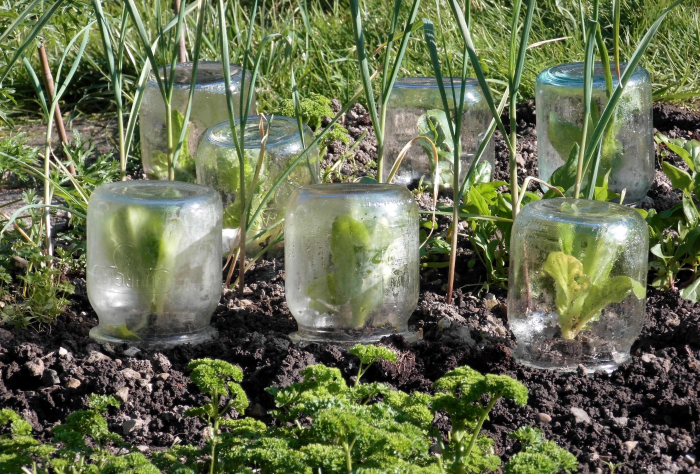
What is a garden cloche? It’s basically a fancy term for a glass bell or dome that you place over young seedlings or plants to protect them from cold weather, hail or in some situations…snow.

Simply place a mason jar over your sensitive seedlings or plants that you want to over-winterize.   You can even place them over plants in the garden if you want to get an early start in spring. Use them when you suspect that the elements might damage your young seedlings, if they had no protection.

Watch the weather and keep them on your plants if freezing temperatures are in the forecast.  Remove the cloches if the temperatures will rise in the morning or afternoon. You don’t want your plants to get too hot in the morning or mid-day sun.

Don’t have any mason jars? Milk jugs work great, too!

Learn more Season Extension Techniques from SeedsNow.com

8 Healthy and Festive Holiday Fruit & Veggie Trays

Not everything you eat during the holidays has to be “bad” for you! Here’s 8 quick, delicious and healthy fruit and veggies trays to serve up during your next Christmas party.

caprese-2Bwreath

Tomato and Basil Caprese Wreath, by VeggieWala

vegetable-2Bornament

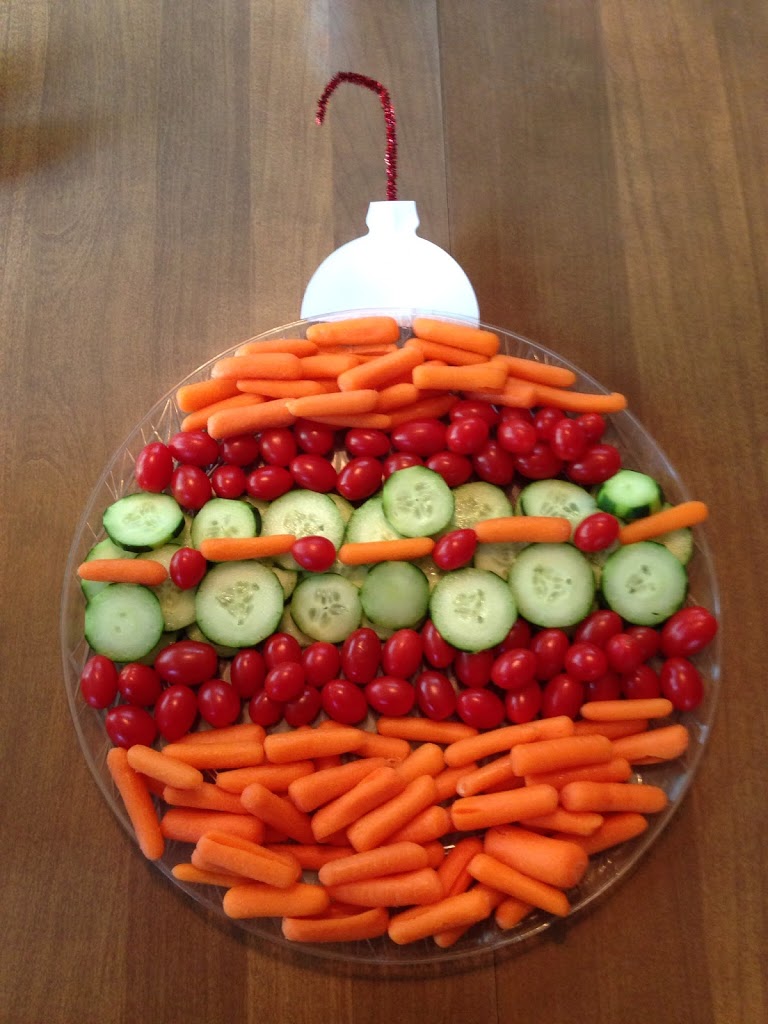
Holiday Ornament Veggie Tray, by ButterWithASideOfBread

joyveggietray31

Joy Veggie Tray, by ModernParentsMessyKids

IMG_5462-full

Edible Fruit Tree, by GingerAndGarlic

Snowman

Snowman Fruit Salad, by WhatAboutWatermelon

copyrightfilled

Rosemary Appetizer Wreath, by BusyAtHome

Wreath-Veggie-Tray-560x373

Broccoli Wreath With Bow, by StopLookingGetCookin

Tree-Veggie-Tray-560x722

Christmas Tree Veggie Platter, by StopLookingGetCookin

How to Build a Safer Urban Garden

lead_largePhoto Cred: Mark Hogan/Flickr

Lead is a being found in the soil in many urban gardens.  Recently surveyed were 71 urban gardens in New York City, and guess what? They all tested positive for high levels of lead and arsenic.  So what can you do to protect yourself if you’re gardening in the city?  Well, besides having your soil tested, here are some other ideas to help you keep gardening safe in your urban backyard.

“Learn about the land. Some businesses—such as dry cleaners, gas stations, and manufacturing facilities—leave more significant ecological footprints than others. Before you plant, consult historical materials, such as atlases of local businesses, to learn about what was on or adjacent to the property.

Build a better raised bed. If you do perform the soil testing and discover trace amounts of lead or other contaminants in the soil, you might choose to make a raised bed. That’s great, but it’s probably not enough, according to The Johns Hopkins Center for Livable Futures. That’s because crops with deep roots can extend to the dirt underneath. Consider adding a barrier in the form of a fabric cover, with holes big enough to let water through.

Choose plants wisely. Lead in urban soil doesn’t necessarily translate into contaminated fruits and veggies. Certain types of plants are more likely to take up lead than others. “Tomatoes aren’t a problem, while leafy greens and root vegetables you have have consider a bit more,” Cheng says. There’s also evidence to suggest that certain plants, such as sunflowers, are able to help extract harmful metals from soil through a process called phytoremediation.

Grow food in pots. If you don’t have space to build a raised bed, you can grow many varieties of vegetables in containers. Herbs and leafy greens are easy starter plants. Cheng suggests buying freshly bagged soil from the store; potted plants will do best in soil specifically designed for containers.” Source-“CityLab.com

To read the full article, please visit: “How to Build a Safer Urban Garden at CityLab”

5 Ways You Can Grow Food Without a Garden

indoor-gardeningPhoto by Rebecca Cuttler

Do you lack outdoor garden space? Are you an apartment or condo dweller who is wanting to start growing some of your own food?  Even YOU can grow nutritious food at home without a backyard or any raised garden beds.

“Growing food, even if it’s a small amount, is a beautiful, fun and creative experience. The subtle shift from being a consumer to being a producer can have profound effects. These activities may not give you the same yield as a full-size, outdoor garden, but they can spark the excitement that comes from connecting with our food.” Source: Rebecca Cuttler

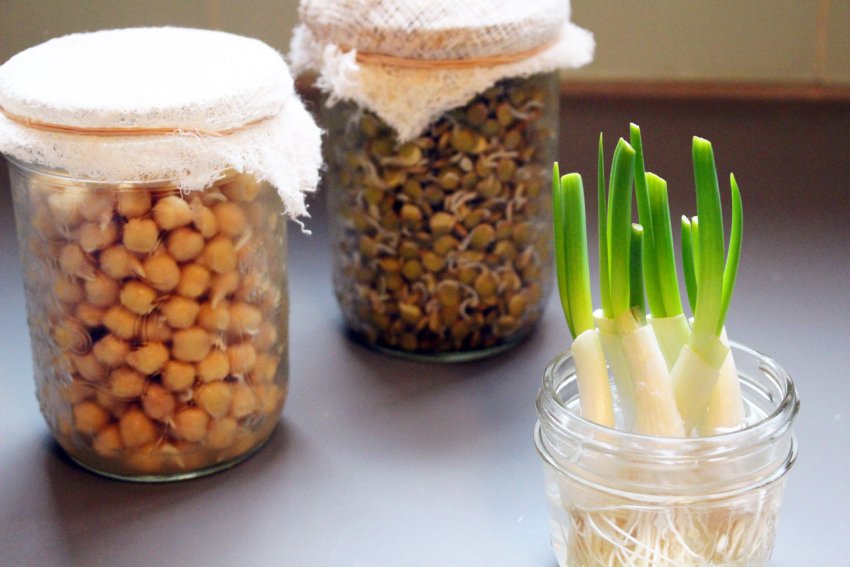
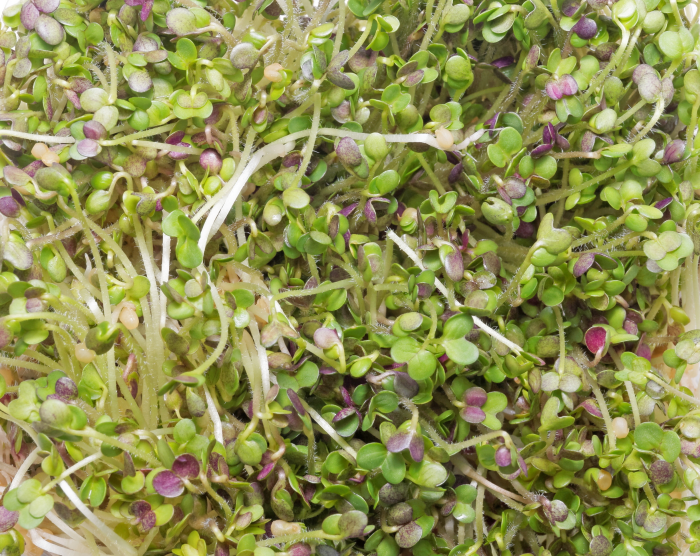
  1. Grow sprouts. Growing sprouts at home on your kitchen counter is a great way to grow a little food year-round even if you’ve packed up things in your outside garden because of it being winter.

  2. Re-grow green onions.  Onions can easily be re-grown from scraps by cutting the root end of your onion. Leave 1/2 inch of onion on the roots and place it in a sunny window.  Place the onion in a shallow bowl or mason jar. Keep a small amount of water on the roots at all time and spray the tops of the onion 1-2 times a week so that it does not dry out.

  3. Grow mushrooms. There are many products on the market today that have everything you need to start growing your own mushrooms at home.  Choose a variety you like and follow the manufactures instructions.

  4. Grow basil or other herbs on your windowsill. Indoor herbs need as much light as possible. Try placing your herb box or planter in a bright window with at least 4 hours of sunlight every day. Because most herbs are happy with temperatures that are commonly found inside homes, they should do well.

  5. Use an indoor herb or vegetable growing kit. You can purchase an indoor hydroponic grow system and grow everything from peppers, tomatoes, herbs, lettuce or leafy greens. 

Original post can be found at: http://www.vancouverobserver.com

An Incredible Edible Park That Feeds Over 200,000 People Per Month!

1528564_609013729152968_2024562804_n

source: The Incredible Edible Farm

In Southern California, there’s an urban farm called The Incredible Edible Park and they are feeding about 200,000 people every month!  The park consists of 4 1/2 acres of land and is ran by the City of Irvine, the OC Great Park, Orange County Produce, and Second Harvest Food Bank.  The food grown in the park is taken to local shelters, mobile food banks, schools, and church distribution centers.  Last year over 228,000 lbs. of food was grown and harvested from the park which resulted in over 190,000 meals.


View the Incredible Edible Park’s Facebook Page


How to grow your own sprouts indoors using only a mason jar and some water

shutterstock_180358616

Growing sprouts is an easy way to still grow some food during the cold winter months if you’re unable to get out and work the soil in your garden.  Not only do they taste great, but you can be harvesting sprouts to eat in as little as 3-5 days! They are delicious on sandwiches, salads and stir-fry’s.

The most common sprouts that people are growing these days are:

Things you’ll need to start growing:

  • A wide mouth container or mason jar
  • Seeds
  • Water
  • Cheesecloth
  • Rubberband

How to start growing your sprouts:

  • Place 1 teaspoon of small seeds into a clean jar and place about 1 cup of water inside. (If you’re sprouting adzuki beans, use about 1/4 cup)
  • Let seeds soak overnight or for at least 12 hours.
  • Place the cheesecloth onto the top of your jar or container and secure with a rubberband. Now drain the water from the container.
  • Rinse the seeds with clean filtered water and then place the jar upside down on an angle so that the excess water can drain out easily.
  • Repeat the last step, several times a day until all of your sprouts have germinated and started to grow.
  • You’ll be ready to harvest your fresh sprouts in about 3-5 days.
  • When you’re ready to start harvesting, rinse one more time with filtered water, drain and store in an airtight container inside of the fridge for up to one week.

Start growing your own sprouts even faster and with less hassle by purchasing this kit from SeedsNow.com:

All-in-1 Sprout Seed Bank + Mason Sprout Jar

What’s Included:

  • 32 oz. Glass Mason Jar with Sprouting Lid and Mesh Screen
  • 6 of our most popular seed sprouting varieties
  • Over 1 lb. of sprouting seeds
  • Step-by-step sprouting instructions
  • Resealable Mylar packaging for long-term seed storage

Original post can be found at: “SeedsNow.com

6 Reasons Why You Should Switch to Growing Hydroponically

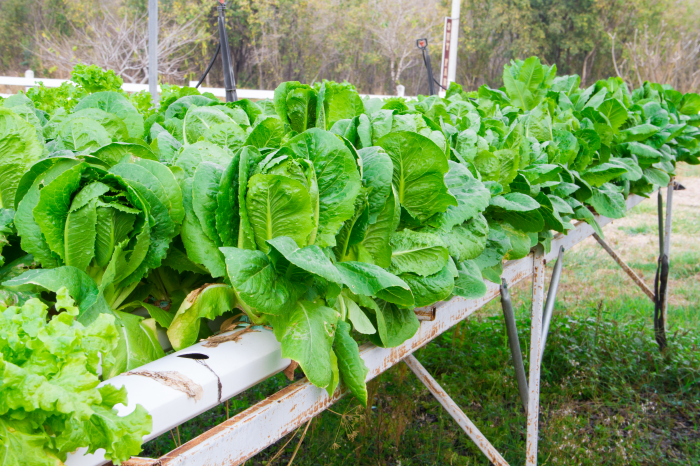
There are plenty of good reasons why you should get try getting your feet wet with hydroponics, but here’s 6 reasons that might just have you building your own system this weekend.

shutterstock_177572906

#1- You Are In Control:

You will become the master of the water, experimenting with different nutrients to come up with an easy formula to keep your plants at their healthiest.  You’ll decided when they eat, and how much of what they absorb.  Don’t let this intimidate you, it’s easier than it sounds.  Most hydroponic growers will express their favorite thing about growing this way is the fact they are in absolute control of how well their plants do.

#2- Hydroponics Will Free Up Your Time:

You’ll be able to produce crops faster hydroponically, which will allow you to plant more during the season.  You’ll spend less time weeding and doing other back-breaking chores too because there’s no soil to fuss with. Don’t forget, no soil means you’ll be spending a lot less time with pest control as well.  Hate watering? Problem solved. Growing in water means you’ll be breaking out the hose a lot less.  A LOT LESS.

#3- Less Plant Disease & Pests:

Both of these are drastically reduced when you’re growing hydroponically.  When you remove the soil from the equation you automatically reduce the soil-borne diseases and pests that many gardeners spend hours trying to combat.

#4-Hydroponics Actually SAVES Water:

Watering is part of gardening, however you can actually save about 90% of the water you’d regularly use in traditional gardening by switching to hydroponics.  Think about it, when you water your garden every day or every other day, much of that water actually runs off. It isn’t even being directed completely towards your plants.   Much of it drains from the bottom of your containers too, if you’re practicing container gardening. With hydroponics, there is no run-off.  Water is continually circulated through the plants roots. If you’re watering garden soil, you’re also bound to experience a lot more evaporation than if you had the water running through a hydroponic set-up.

#5- No Weeding:

No soil, no weeds. It’s pretty darn simple.  Exciting isn’t it?! 

#6- Space Saving:

You’ll be able to actually save space and grow more crops in the space you have if you switch to hydroponics.  The design of your hydroponic system is only limited to your own imagination.  Want to grow up? Not a problem.  Hydroponics allow you to pack in crops close together, and grow vertically at the same time.

Wondering what crops do best in a hydroponic set up? Click here. 

Original post can be found at: “SeedsNow.com”