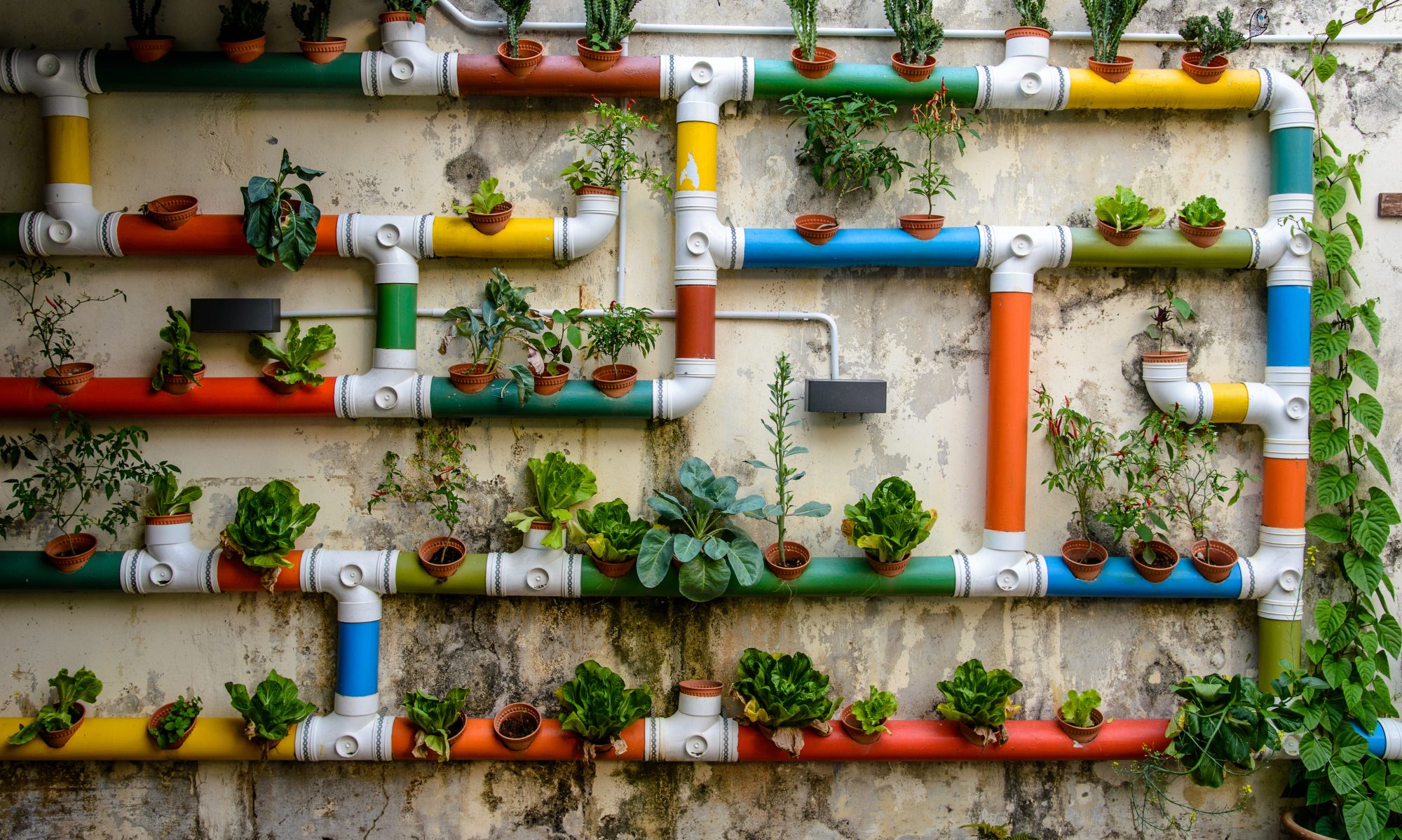
“Based on extensive field research, we found that rural communities often lack the resources and infrastructure needed to access nutritious food,” DeCarli said. “We developed a toolkit that contains all of the core components needed to grow your own food, on a two acre plot of land, without the need for an existing grid. Imagine the good it can do by growing local, organic food for a school, or helping jumpstart food production after a disaster. ‘Farm from a Box’ enables and empowers communities to provide for themselves.” In order make sure that people will be able to use this “box” at its full potential, the farm also includes a training program on ecological farming practices, technology use maintenance and basic business and entrepreneurship. All the boxes are totally customizable to the needs of the future owner, and Fast Company announced that each unit costs between $25,000-$45,000, depending on its technology specs.
Once our bodies are “preserved” and sealed into wooden or metal caskets, they are buried in vast fields of granite tombstones, along with nearly a million gallons of formaldehyde per year.
These cemeteries or “memorial parks” — which together use up a million acres of otherwise fertile U.S. land — are typically covered in heavily watered and synthetically fertilized lawns.
But dying doesn’t have to harm the earth. Burying our bodies directly into the soil without any chemical preservatives would actually enrich it, as it has done for millions of years.
Unfortunately, this ancient, natural way of handling death doesn’t sit well with civilized people who are terrified of the thought of putting bodies directly into the earth and letting them decompose (somehow we’ve convinced ourselves trying to mummify them is less creepy).
A new process called “human composting” or “recomposition” makes the process less scary for people.
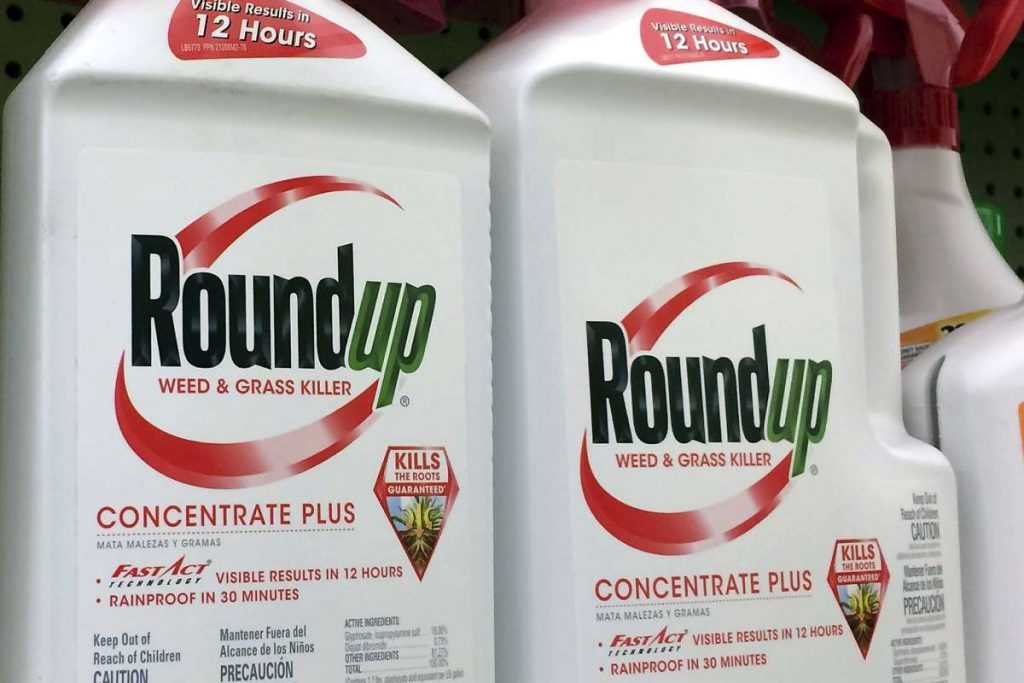
An Oakland jury awarded a staggering $2 billion-plus in damages Monday to a Bay Area couple who both came down with cancer after spraying Monsanto Co.’s widely used Roundup weed killer on their properties for more than 30 years.
It’s the third such verdict against Monsanto, all in Bay Area lawsuits, and by far the largest judgment against the company.
Alva Pilliod, 76, of Livermore was diagnosed with non-Hodgkin’s lymphoma in 2011, and his wife, Alberta Pilliod, 74, was diagnosed in 2015. They had used Roundup to kill weeds on the grounds of three properties they owned in the area, applying it once a week for nine months out of the year. Their lawyer estimated they sprayed 1,500 gallons of the herbicide over three decades.
It’s planting season in metro Detroit, and gardeners are getting ready to stock up on greenery.
From tiny urban gardens to rolling landscapes in the suburbs, here are 9 hot trends for 2019, according to horticultural experts.
No space? No problem
The biggest issue for most gardeners this year figuring out how to tackle a small garden. According to the U.S. Census Bureau, about 80% of Americans live in urban areas, which leaves little to no room for outdoor greenery.
According to the experts at plant supplier Proven Winners, consider opting for fastigate shrubs.
Fastigate plants are those that grow with branches sloping upward, nearly parallel to the main stem. These plants save on space by growing upward instead of outward. According to Proven Winners, bushes and shrubs that fit the bill yet offer a splash of color and interest include Hibiscus purple pillar, Rose of Sharon, Japanese holly, or elderberry.
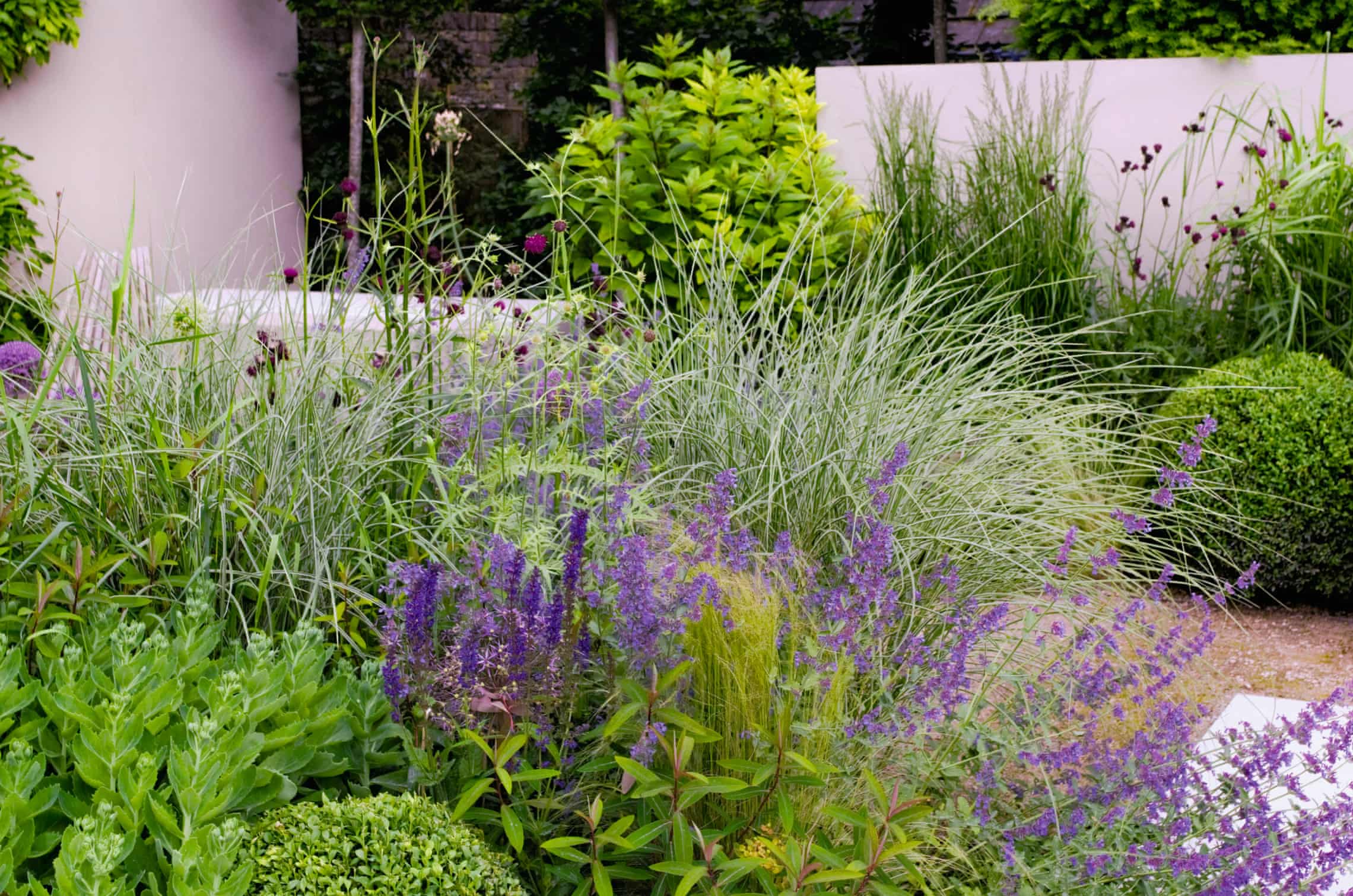
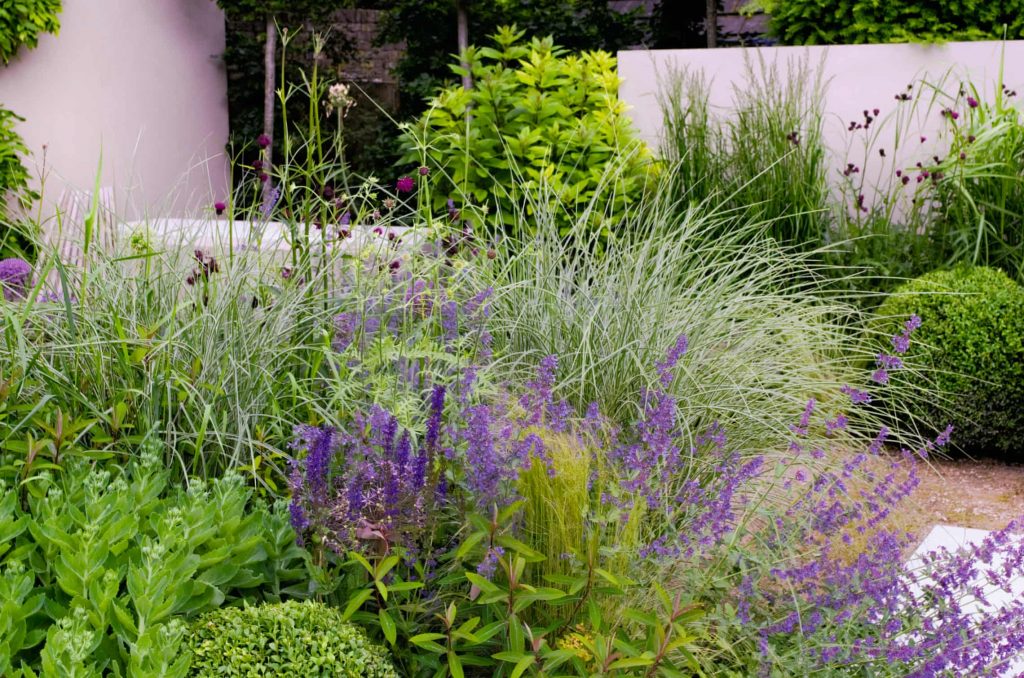
Small gardens are often seen as having little or no scope for design. This couldn’t be further from the truth. You can squeeze a lot into a small plot: be bold, be strong, ensure a lavish backbone of evergreens with spring color to enliven spirits after the long winter gloom – and don’t forget to incorporate the scent. But remember, in small gardens, less is often more: it’s better to do one thing well rather than a lot in a muddled fashion.
Large gardens have an element of safety, deploying swathes of green lawn which is economical to install and covers large areas of ground. A small garden has to work much harder and, per sq meter, can cost more. But it’s worth it: with thought and care, your little patch can be a true extension of your home and provide a haven for you, as well as the wildlife we share our urban spaces with.
Before you start, measure your space and draw it to scale. This may sound ‘designery’, but will help you to figure out the plants and materials you need, what furniture will and will not work and, more importantly, what will fit through the access you have, if you don’t want to run the expense of a crane or lifting equipment.
Not to worry, Seattle, about the Seattle we fear losing. Not as long as people like Mark Storey are around.
That would be the unconventional, a bit off-kilter Seattle that separates us from same-sameness that envelopes many of our cities.
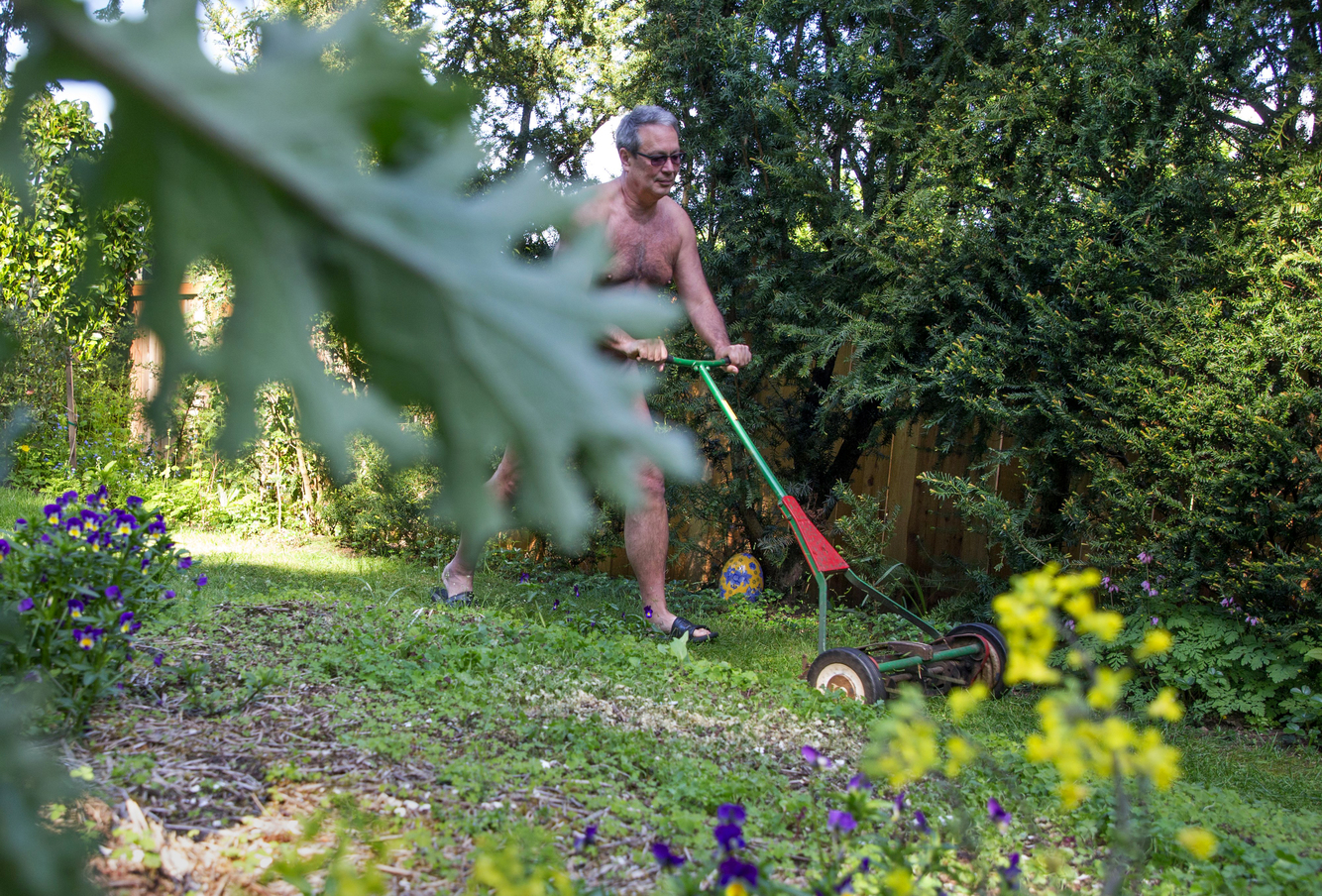
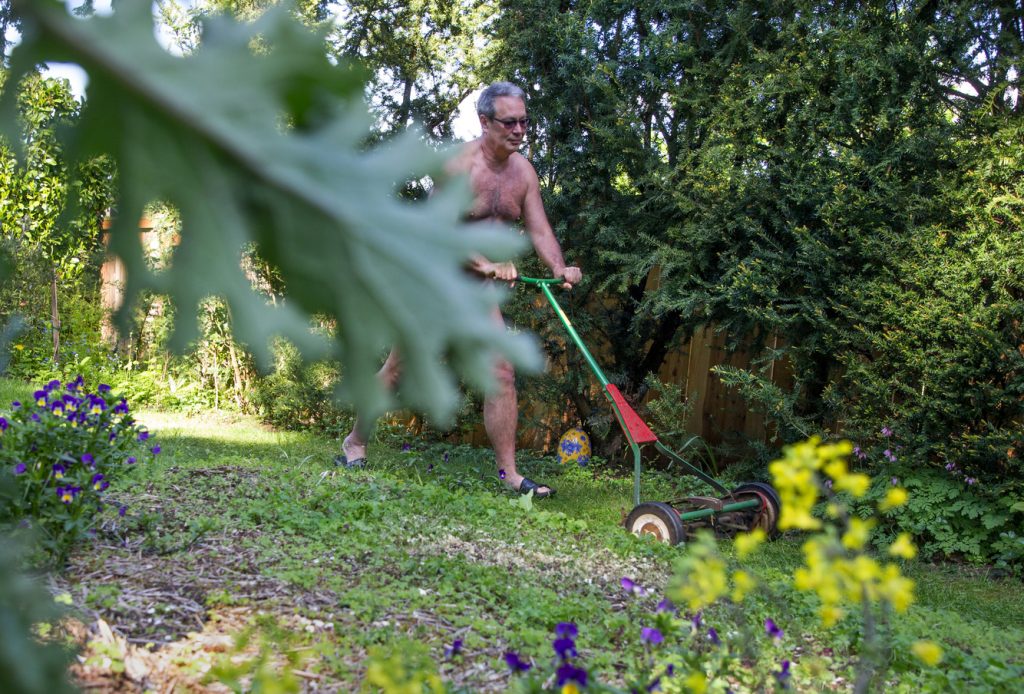
He’s one of the co-founders of World Naked Gardening Day, now in its 13th year, which was celebrated around the world last Saturday, as it always has been, on the first Saturday in May.
Yes, the event started right here. Saturday wasn’t a bad day for stripping down and planting dahlia bulbs — partly sunny, almost 60 degrees.
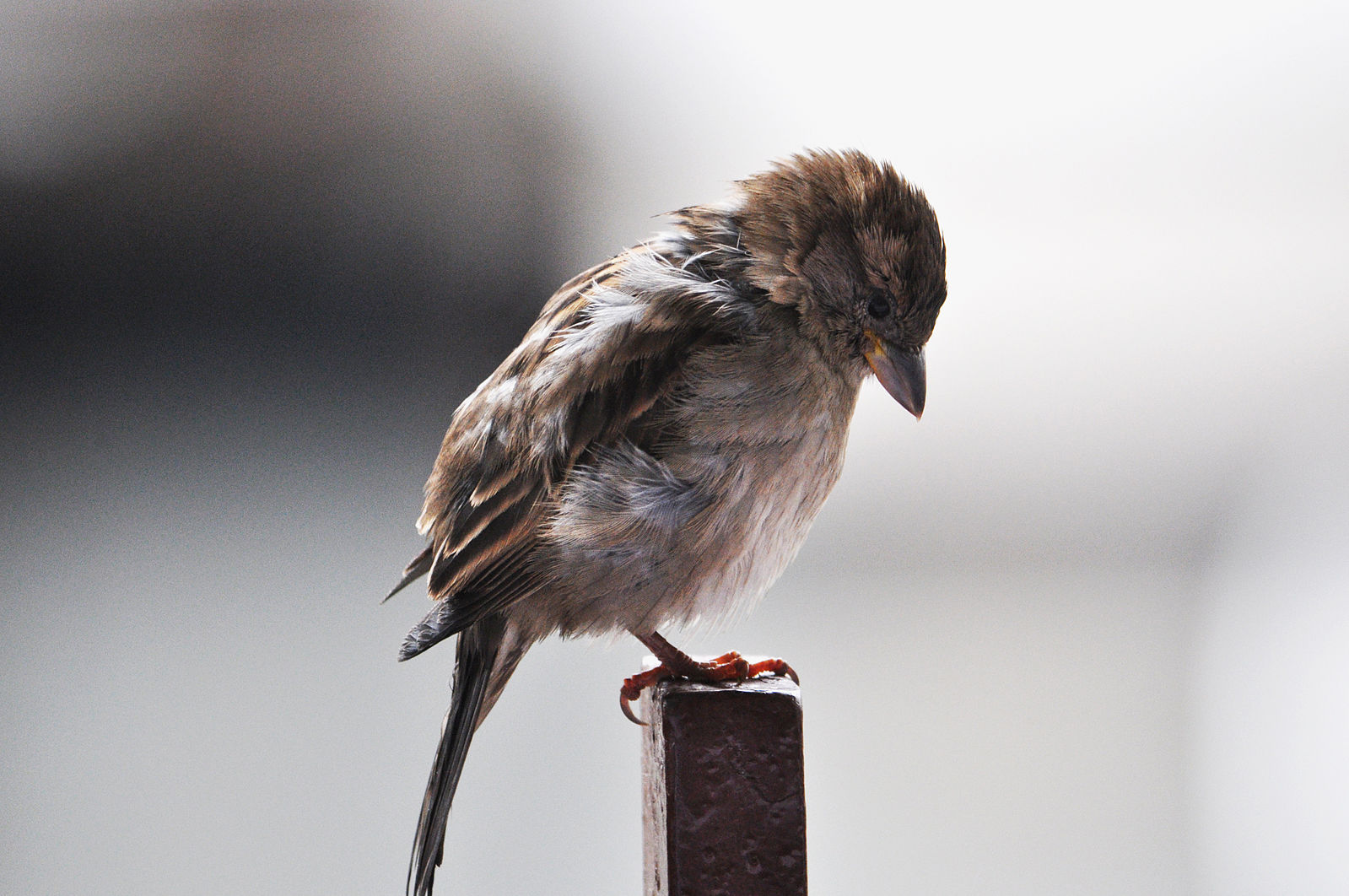
Photo by: Agonjaka[CC BY-SA 3.0 (https://creativecommons.org/licenses/by-sa/3.0)]So spring has arrived, and you’re feeling accomplished! You carefully transplant your young plants out into the garden and sow your seeds into the soil. Days later you come out to find all of your newly planted crops have disappeared! Birds have been eating away at your tiny seedlings faster than they could grow, which devastates your crop.
Let’s explore 10 easy ways you can keep birds from entering your garden:
1. Garden netting: Garden netting is light-weight and easy to install. It is recommended to suspend it over your crops. Not only will netting protect against birds, but it is also great at deterring other small animals. Keep the mesh size small, so that birds can not try to squeeze through and injure themselves or get stuck.
2. Soda bottles: Soda bottles are a cheap, easy, and effective way to protect young seedlings from birds, snails, slugs, etc. Just make sure you vent the top, by removing the cap, otherwise, your young tender plants can get too hot and die.
3. Motion activated sprinklers: Highly effective, these motion activated sprinker “scarecrows” will deter more than just birds! Water your garden and keep pests away at the same time.
4. Chicken wire: Chicken wire is cheap and versatile. You may already have a roll laying around that you can cut some small pieces from to protect your newly planted crops. You can also use chicken wire to cover a constructed wood frame that can easily be placed over an entire raised bed.
5. Scare Balloons: Most garden centers carry some type of “scare balloon”. They are generally inflatable mylar balloons with large printed eyes on them. Most have reflective material somewhere on the balloon, and often will have “streamer-like” tails.
6. Electronic scarecrows: While motionless electronic scarecrows can be very effective at chasing away birds, it is recommended to move them often.
7. Garden fleece: Garden fabric helps protect young plants from many things, not just birds! Cover your crops to help protect against light freezes, wind, insects while also providing light shade.
8. Plastic predators (owls and toy snakes): Place plastic snakes and owls in and around your garden space. Often birds flying overhead can’t tell the difference between plastic and the real thing! Move them frequently to keep the birds away.
9. CD’s and mirrors: Birds do not like shiny or weirdly reflective objects. Hanging CD’s can play tricks with the light and cast weird shadows.
10. Bird repellent tape: This works very similar to CD’s or mirrors, but can be easier to work with. Simply cut to your desired length, and tie around objects that need protecting. This can be a very effective tool tied around fruit trees or blueberry bushes.
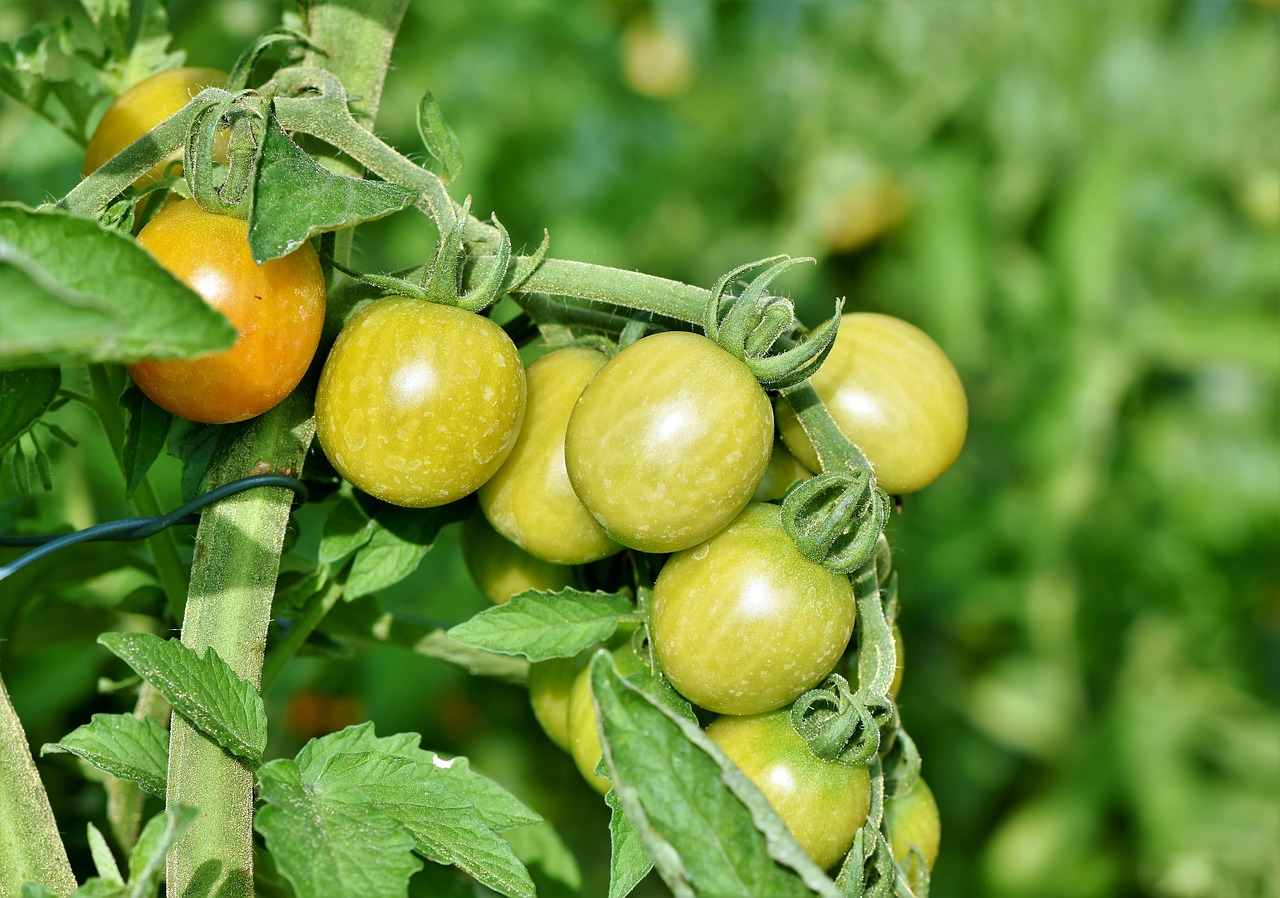
Here are some useful tips that will help you grow healthy and delicious tomatoes in your garden:
Plant the tomato seedlings in pots, and poke holes underneath to prevent water stagnation.
In order to make them flourish and ripen, you should ensure they receive at least 8 hours of direct sunlight daily. Moreover, water the tomato seedlings twice a day, in the morning and in the evening.
They are ready to graduate to soil beds after about a month. Dig large holes to accommodate the seedling and its additives, of about 20-24 inches (50-60cm).It would be best if they are spaced out by at least three feet (0.9m).
Monsanto Co. asked a state appeals court Wednesday to overturn a groundbreaking $78.5 million damage award to a Bay Area groundskeeper who was diagnosed with cancer after years of spraying the company’s best-selling herbicide, arguing that there is no credible evidence the product is dangerous.
In the years that plaintiff Dewayne “Lee” Johnson applied the glyphosate-based weed killer to the school grounds on Benicia, and when he was diagnosed with non-Hodgkin’s lymphoma in 2014, “the best scholarship available … was unanimous in concluding that exposure to glyphosate does not pose a carcinogenic risk to humans,” Monsanto’s lawyers said in their opening brief to the First District Court of Appeal in San Francisco.
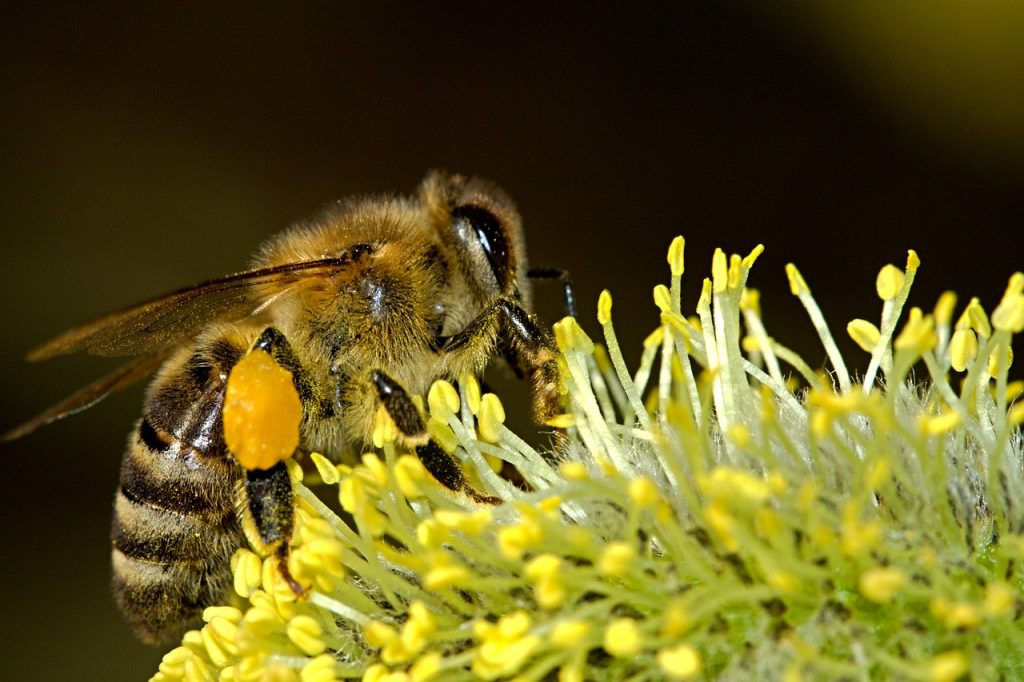
In the wake of widespread condemning of neonicotinoid pesticides as they affect bee populations, chemical companies have tried to come up with alternatives.
One of those alternatives is a pesticide called Sivanto, made by Bayer CropScience. Sivanto is Bayer’s brand name for a pesticide called flupyradifurone, and the company has stressed that the pesticide is safe on bees, to the point of commissioning studies affirming the fact. Bayer’s American director of pollinator safety even gave this quote: “No new insecticide has been as thoroughly tested with respect to bee safety prior to registration.”
Now, researchers from the University of California, San Diego havereleased the results of a years-long study in which they tested whether Sivanto really is bee-friendly. What they found is that the “thorough testing” may have excluded some pretty common use cases, and that in those, Sivanto is associated with greater mortality and some abnormal behavior than compared with a control group.
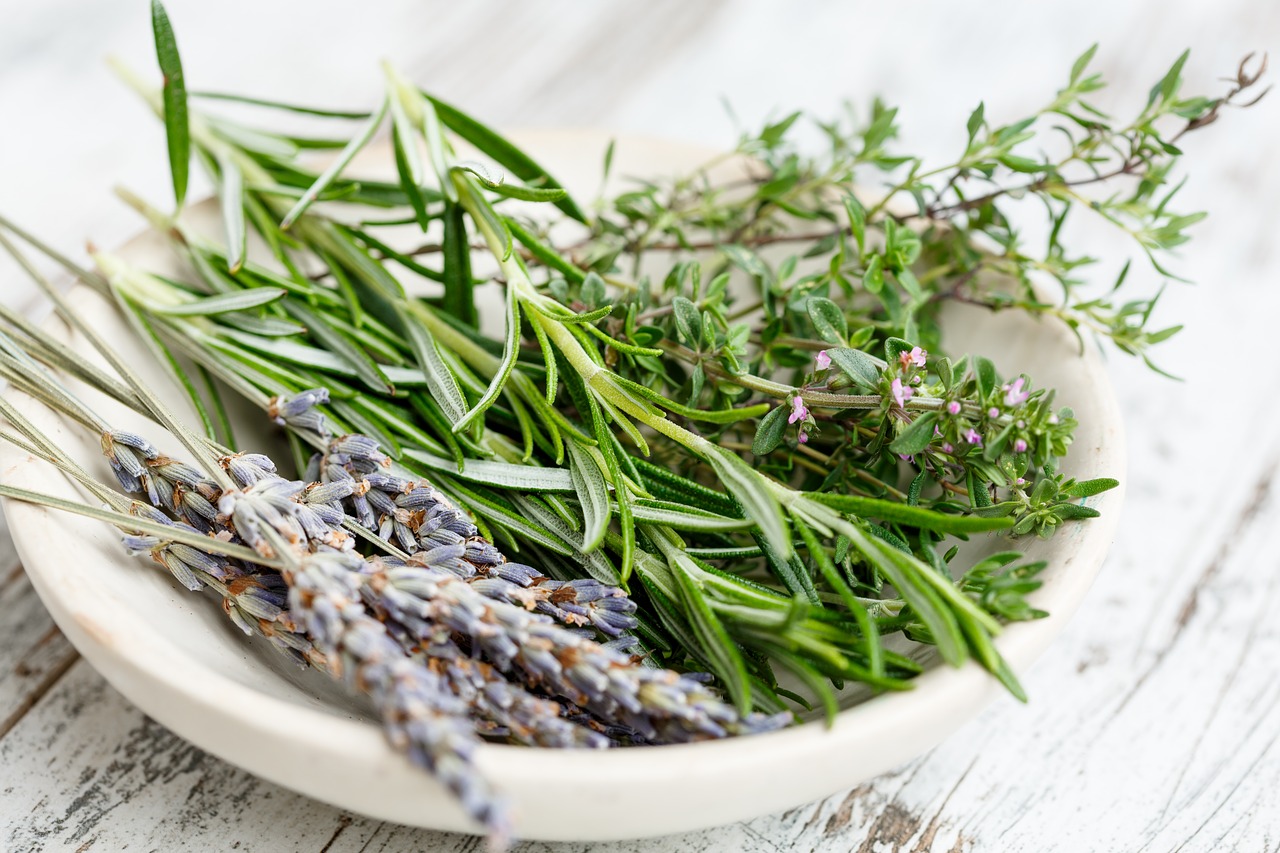
The smell of rosemary enhances our ability to recall past events and remember what to do in the future studies find.
For one recent study, researchers from Northumbria University placed 150 healthy senior citizens in rooms which had been infused with either rosemary essential oil, lavender essential oil, or no scent at all, and then tested them on their ability to remember to do something at a given time, such as taking medication or posting a letter after seeing a mail box.
Those who had been in the rosemary-scented room demonstrated significantly improved prospective memory and alertness, with test scores 15% higher than those who had been in the room with no aroma.
Those who started in the lavender room displayed significantly increased calmness, with decreased ability to remember to do something at a given time.
Prospective memory “is critical for everyday functioning.” Lauren Bussey of Northumbria Universitytold the Daily Mail. “For example: when someone needs to remember to take medication at a particular time.”
We like to surround ourselves with friends, pets, fresh air, and sunshine, but have you ever considered the benefits of plants? According to some new research, living in the midst of healthy vegetation has proven to significantly extend one’s life expectancy.
Research coming directly out of the Harvard T.H. Chan School of Public Health as well as the Brigham and Women’s Hospital has analyzed the results of an eight-year-long study that specifically examined a potential link in place between thriving vegetation and an extended lifespan. According to the study, “Women in the U.S. who live in homes surrounded by more vegetation appear to have significantly lower mortality rates than those who live in areas with less vegetation” Essentially, women who live in greener surroundings have clearly been found with better mental health and mortality rates 12% lower than those living in homes without plants, in areas void of vegetation”.
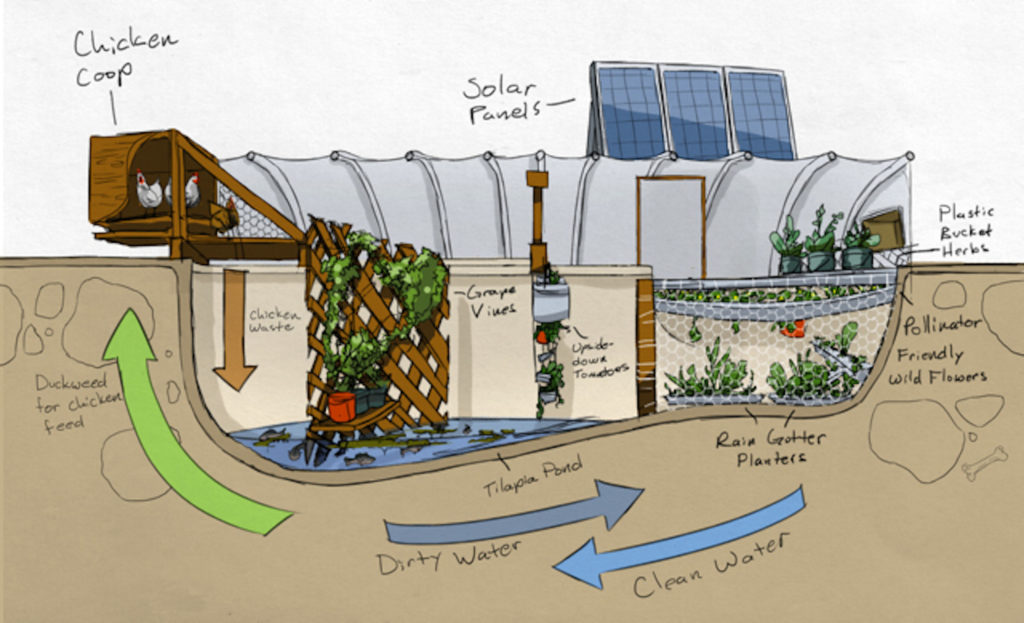
When Dennis and Danielle McClung bought a foreclosed home in Mesa, Ariz., in 2009, their new yard featured a broken, empty. Instead of spending a small fortune to repair and fill it, Dennis had a far more prescient idea: He built a plastic cap over it and started growing things inside. Thus, with help from family and friends and a ton of internet research, Garden Pool was born. What was once a yawning cement hole was transformed into an incredibly prolific closed-loop ecosystem, growing everything from broccoli and sweet potatoes to sorghum and wheat, with chickens, tilapia, algae, and duckweed all interacting symbiotically to provide enough food to feed a family of five. Check out the video below to see what Dennis has to say about Garden Pools..
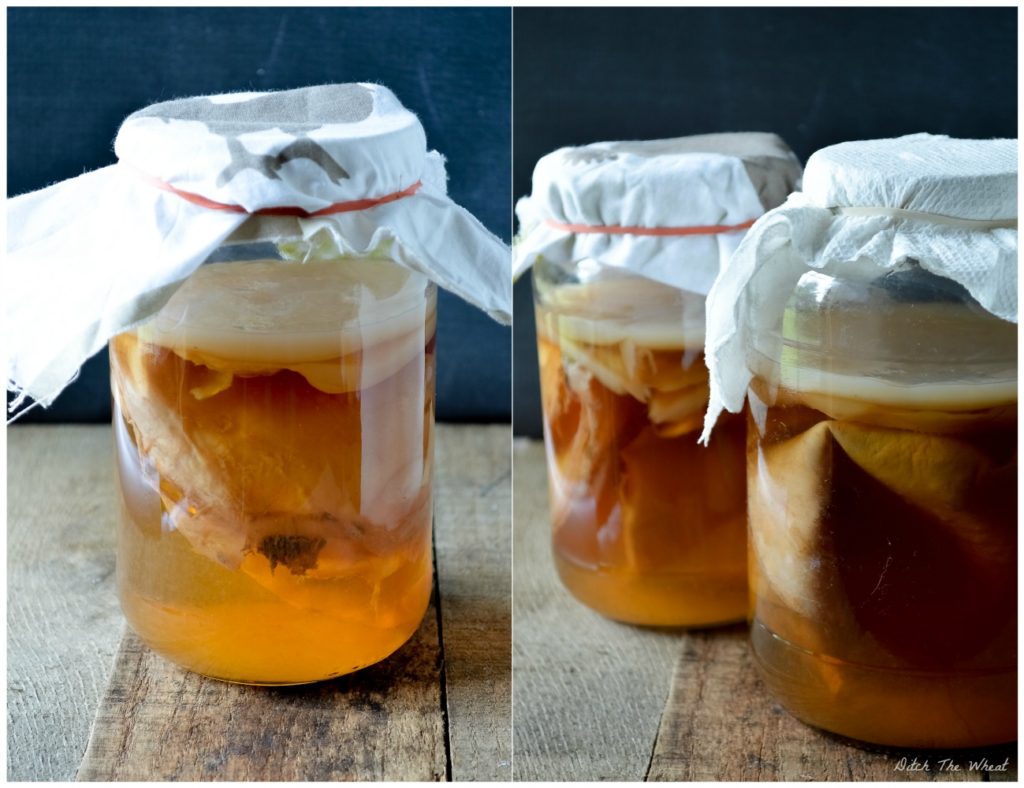
Months ago I wanted to start making my own kombucha. I was buying bottles of kombucha from the health store and the costs were adding up and I felt it was time for a cheaper way. I researched a few ways for how to grow a kombucha scoby. A scoby is the white alien looking thing floating at the top of the jar. You need a scoby to ferment the tea to brew kombucha. The scoby eats the sugar you add to the tea and you end up with a beverage that tastes great and is full of probiotics and is great for detoxing.
Purchase a bottle of kombucha. The product must have an active bacteria culture and not be pasturized. When I was purchasing bottles of kombucha I noticed that some had a slimy thing floating in it. This is a baby scoby. Look for a bottle in the store that has one but it is not necessary. You can see the baby scoby floating at the top of the bottle.
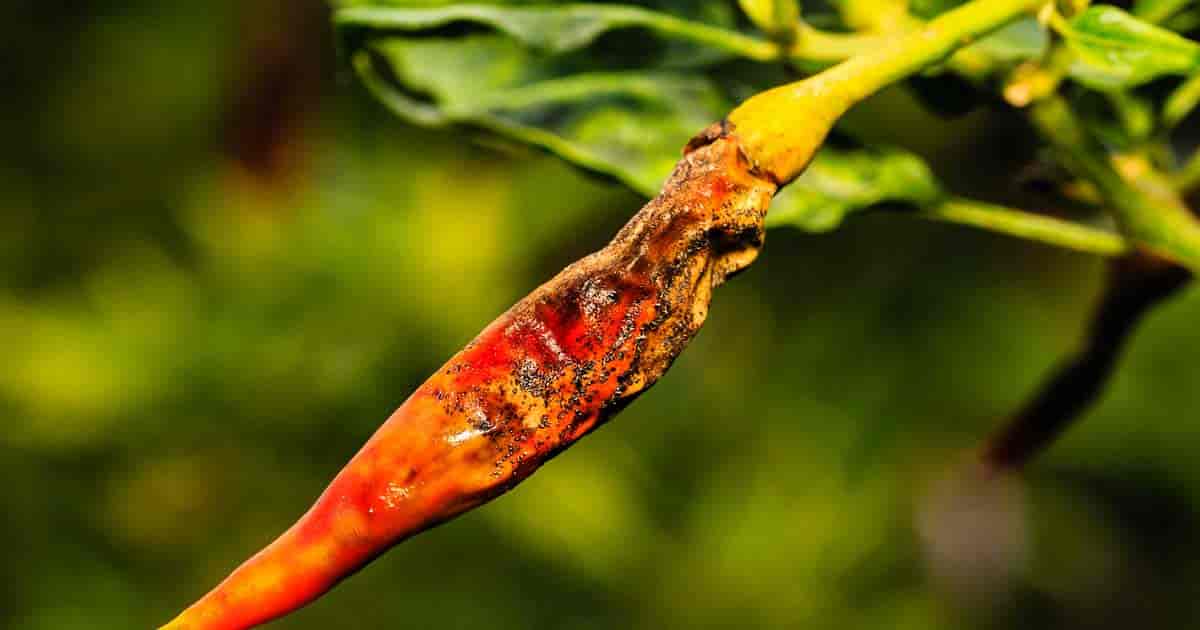
Anthracnose disease is a plant disease that affects a number of shade trees and shrubs, even ornamental plants during the growing season.
Belonging to the kingdom of fungi, Anthracnose disease is generally common in the eastern parts of the United States.
It was identified in 1875 in Germany. Since then, it has spread all around the world.
Today, a number of nations, including the United States, Canada, Brazil, India, China, Myanmar, and Argentina consider it to be a highly destructive plant disease, especially for the bean crops.
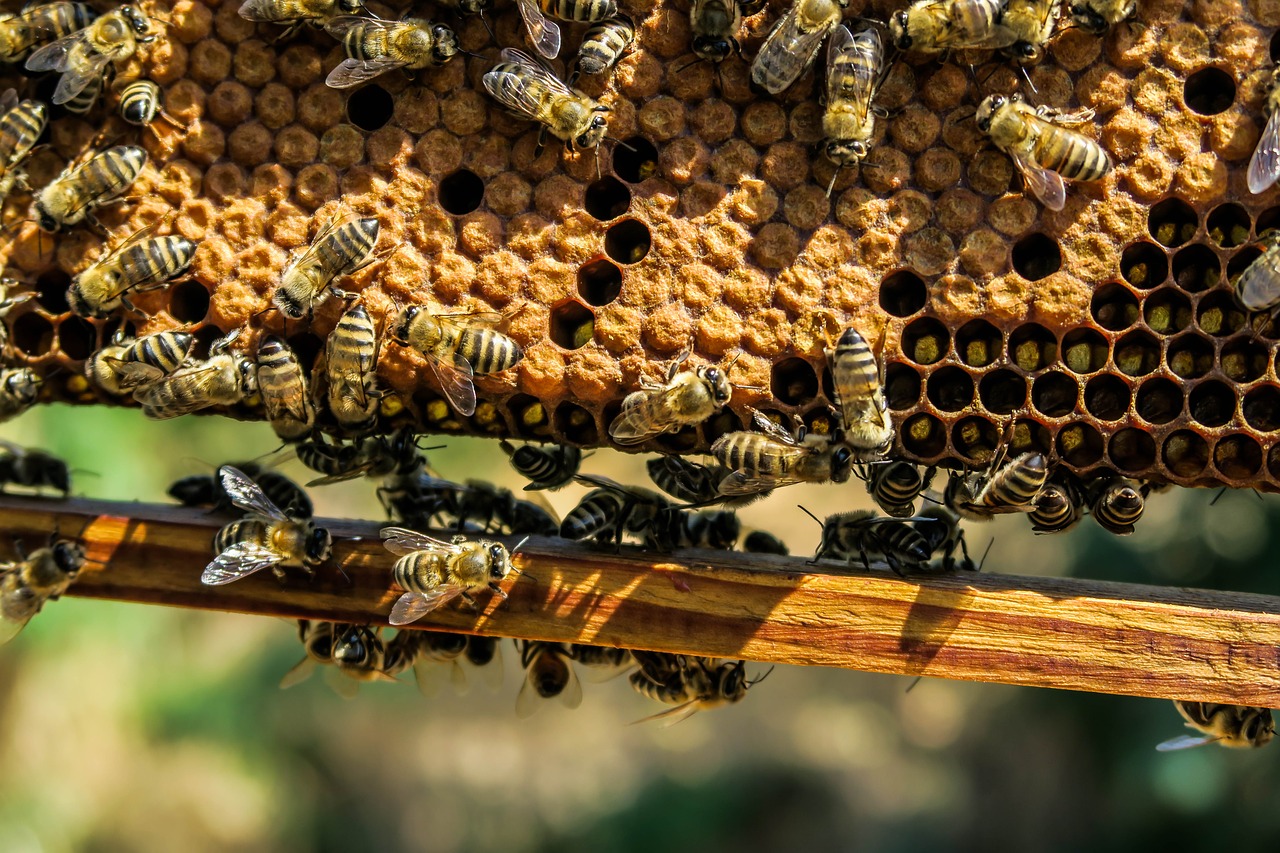
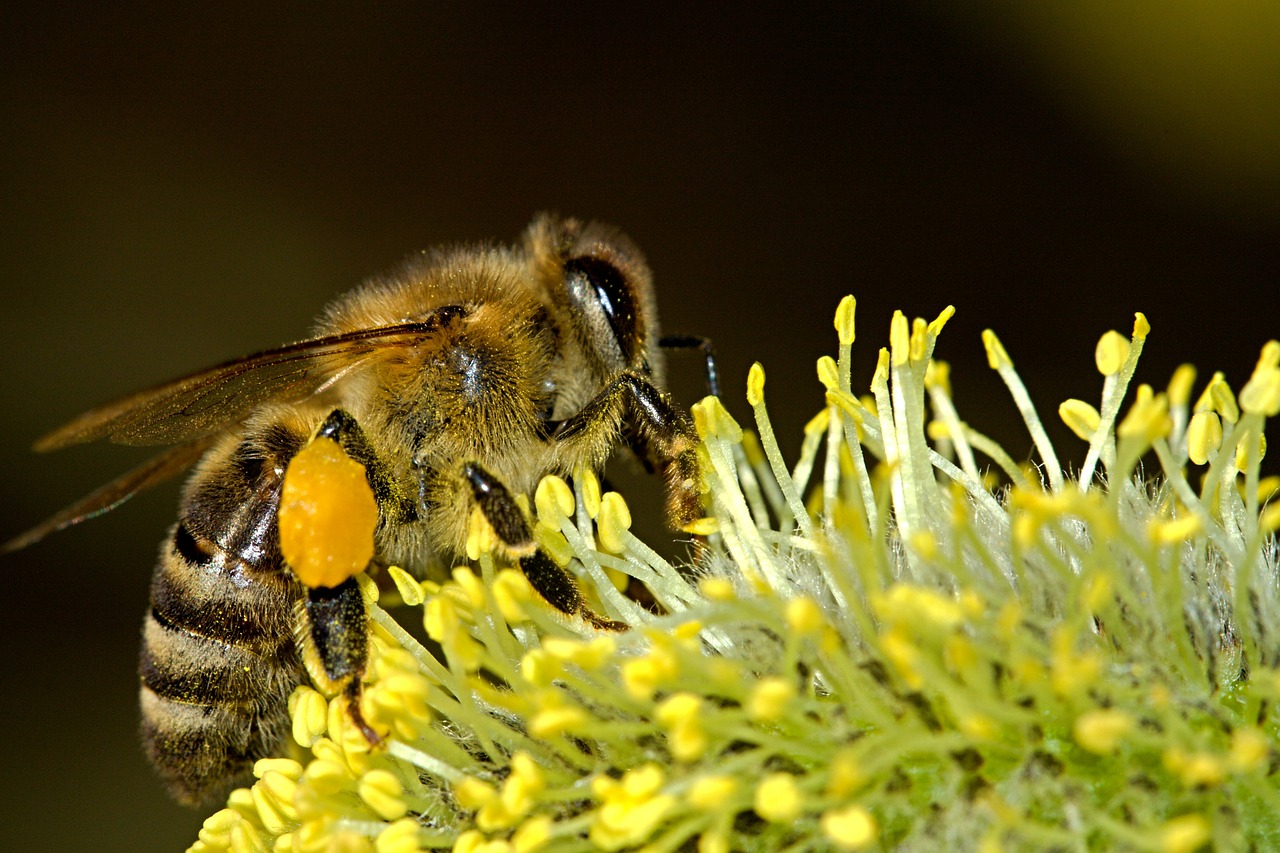
Notre Dame Cathedral’s three beehives — home to more than 180,000 bees — survived Monday’s destructive fire.
The keeper of the hives, Nicolas Geant, shared the good news on Thursday.
“The bees are alive. Until this morning, I had had no news,” Geant, who has cared for the hives since they were installed in 2013, told AFP.
Geant originally feared the worst for the hives, which produce over 165 pounds of honey each year, but held out hope the bees survived after spotting the hives intact through satellite imagery.
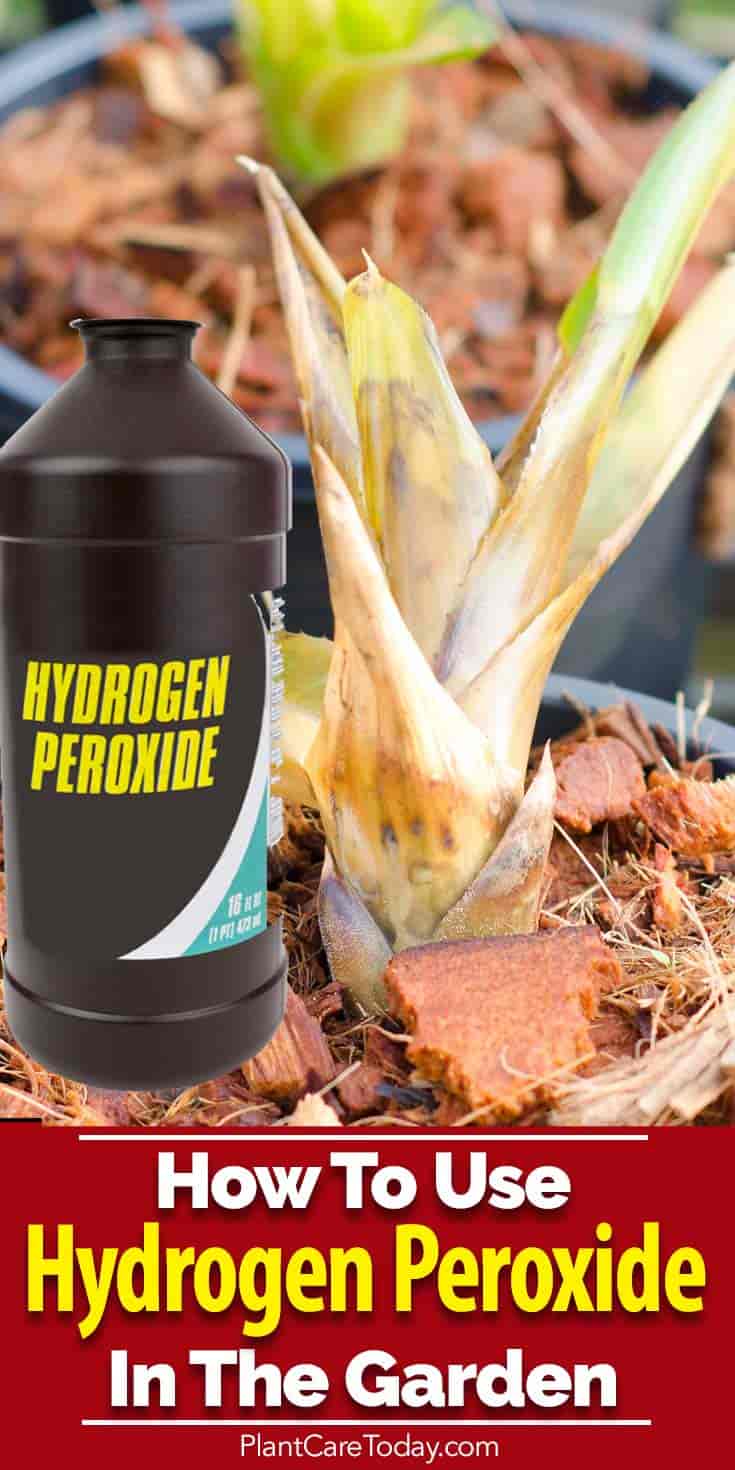
Everyone is familiar with hydrogen peroxide uses as a topical antiseptic and a personal care product.
However, most people are unaware of the fact that this simple substance has amazing benefits and is something of a miracle product when it comes to gardening. In every phase and type of gardening, H202 can be extremely useful and helpful.
In this article, we explore the many reasons why hydrogen peroxide may just be the gardener’s best friend. Read on to learn more.
For All Hydrogen Peroxide For Plants Users – Handle With Care!
In addition to health and beauty applications, H2O2 has many household cleaning uses such working as a bleaching agent or for first aid applications.
It’s important to note that; although it is a valuable and generally safe product.
However, it does possess corrosive and combustible qualities. Always use hydrogen peroxide in a diluted form and handled it with care.
The best container would be the one used in hydrogen peroxide production.
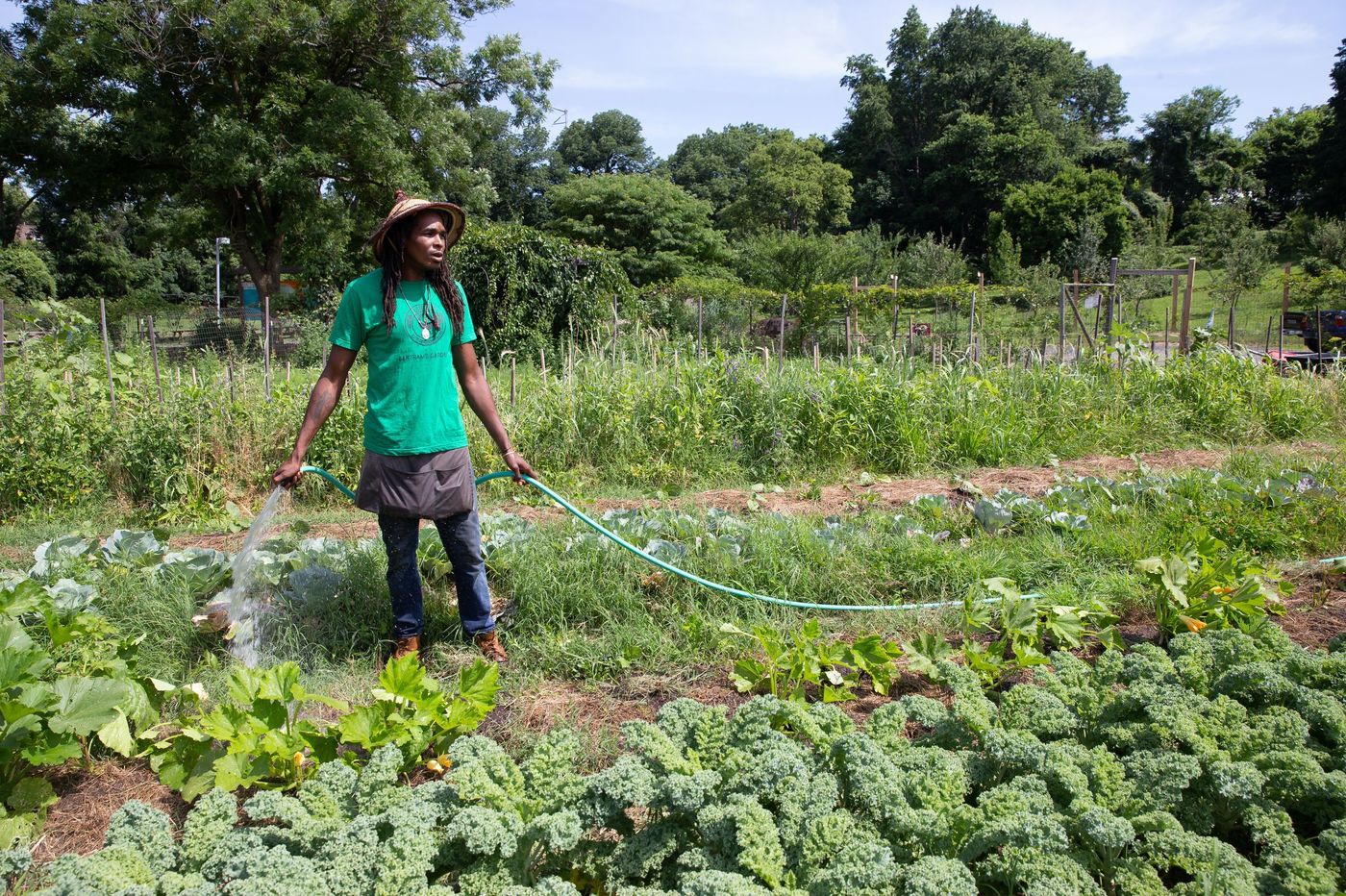
A group of Bhutanese refugees in South Philly cultivate a garden of Thai roselle, the fruit of which can be used to make a beverage. The Philadelphia Beekeepers Guild recently reported an “overwhelming demand” for beginner classes for beekeeping. And in Grays Ferry, seniors and youth tend an 80-year-old community garden.
Those are just a few examples of Philadelphia’s thriving urban farm and garden culture, featuring projects often started by African American residents, immigrants, and refugees. It’s a trend officials approve of and want to encourage. But many plots are on vacant land that owners might not have given permission to use, might be owned by the city, or might even be full of contaminated soil, a legacy of past industry.
Dye Easter Eggs The Natural Way! Dyeing Easter eggs is a fun tradition that’s been around for centuries. So, how did our ancestors make all of those bright colors back before commercial egg dyes were sold in stores every spring? They used natural Easter egg dye colors.
Making Natural Easter Egg Dyes With Fruits and Veggies
Making natural Easter egg dye colors out of fruits, vegetables, and other everyday items you can find in your home or garden is both easy and fun. Everything from onion skins to grass can be used to make vibrant all-natural colors. Just throw the raw materials into the boiling water while you cook the eggs — you’ll need to boil each color separately — and you’re good to go!
For really vivid color, be sure to add at least a half a cup of the dyeing material (such as berries), and two teaspoons of vinegar, for each cup of water you use.
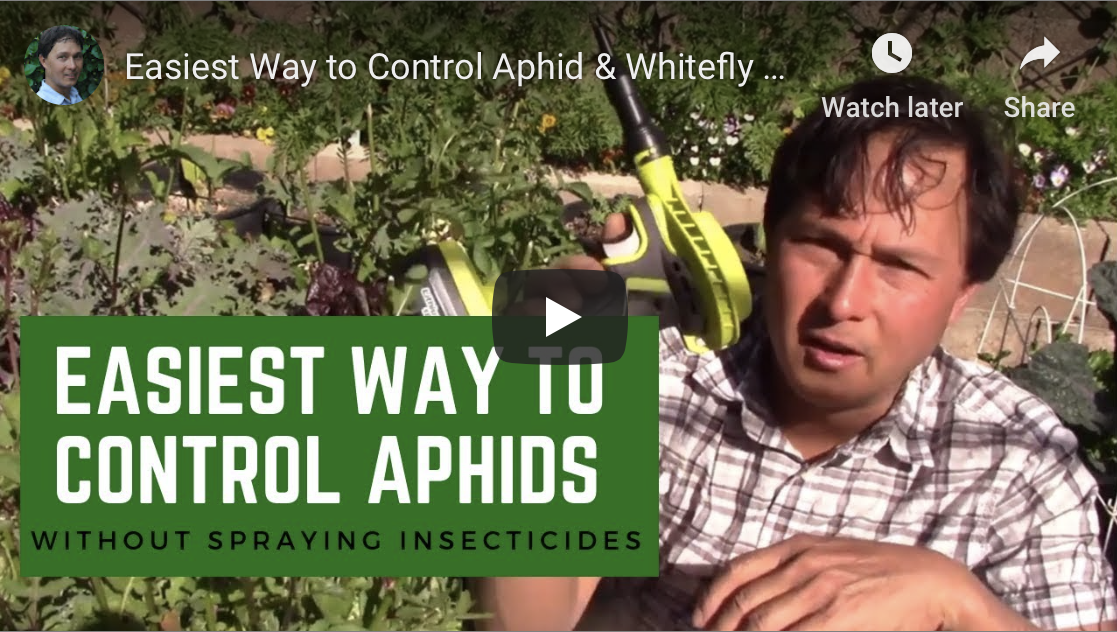
“John from http://www.growingyourgreens.com/ shares with the easiest way he has discovered to rid his vegetable plants of aphids and whiteflies without using any insecticide.
In this episode, you will learn about how a Ryobi tool on clearance can be used to remove aphids and other soft-bodied insects from your plants.
You will learn how the Ryobi High Volume Power Inflator can be used to blow aphids and whiteflies off even the most delicate areas of your plants in your garden without spraying or using any kind of chemicals.
You will discover how you can easily blow bugs off your plants all day on a single charge.
You will see aphids getting blown off plants at high velocity in slow motion.
Finally, John will share his opinions on using this high volume power inflator as the best soft-bodied insect control tool in your garden.
After watching this episode, you will learn if you should purchase a Ryobi High Volume Power Inflator to blow soft-bodied pests such as aphids and whitefly off the plants in your garden.”