Grow Your Own Private Garden – No Matter Where You Live!
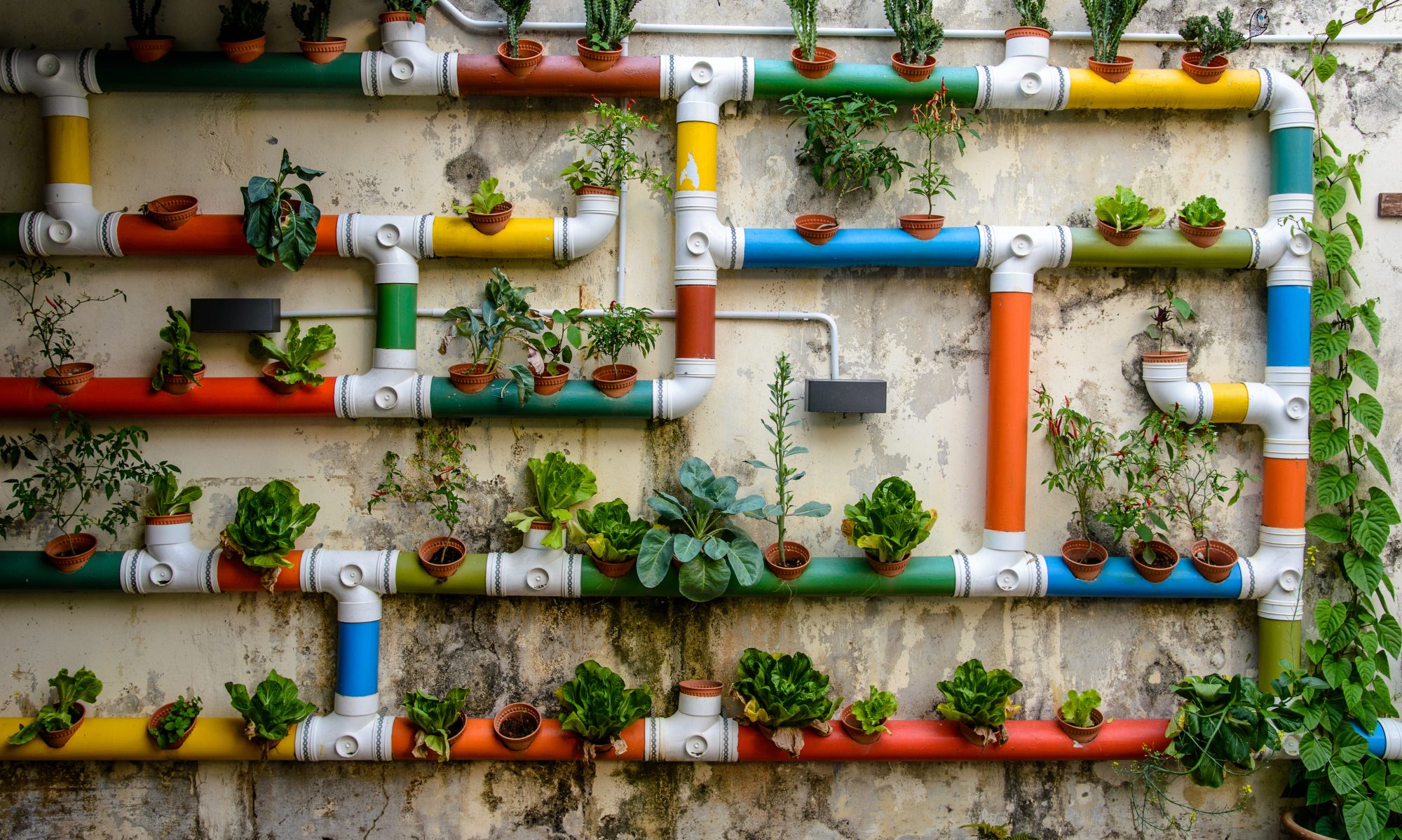

Urban-style organic gardening blog about growing your own food with limited space and creative resources.
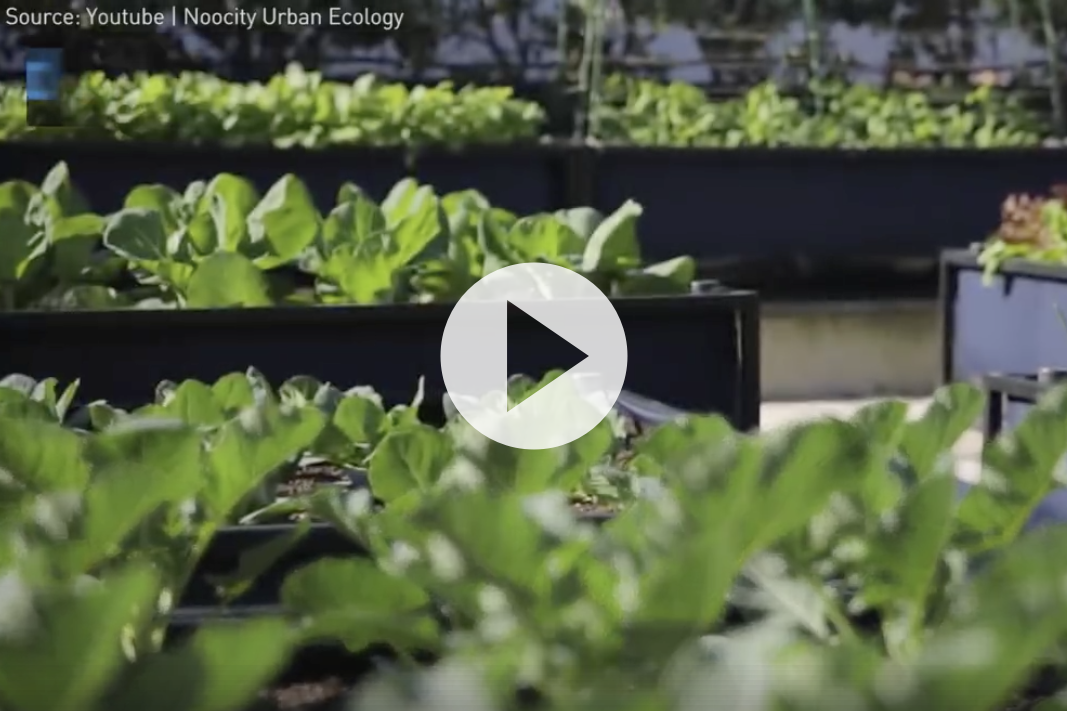
“For many city-dwelling apartment renters, securing a home with a sprig of green space is a tall order, let alone a place that gets enough sunshine or rain to cultivate a fresh vegetable garden. A pair of designers have found a way to bring farms to homes—no outdoor space required.
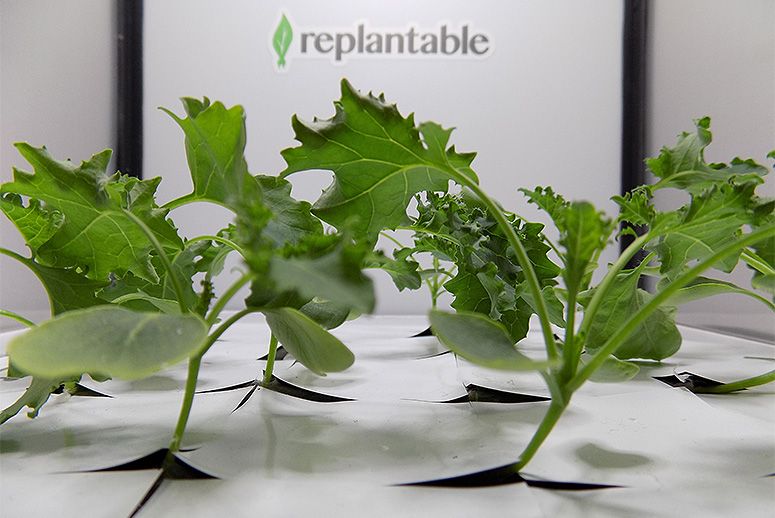
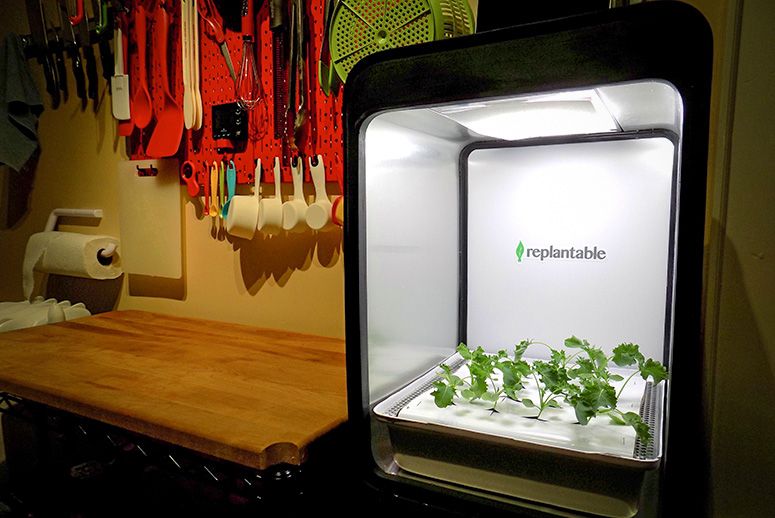
Enter the nanofarm, a roughly 18-by-14-inch wooden box that uses LEDs in place of the sun to nourish greens. Subasinghe has also created specially designed plant pads for the boxes. The fabric pads are woven to trap moisture and nurture the crops—including lettuce, arugula, beets, and bok choy—all without the use of pesticides.
The no-muss, no-fuss farm boxes simply require users to add water, turn on a timer, and wait for a notification light, which signals that the plants are ready for picking. So far, the nanofarm has been delivered to a handful of test users, all of whom report hands-off farming and plentiful harvests.”
Read the FULL ARTICLE at: “TakePart.com“
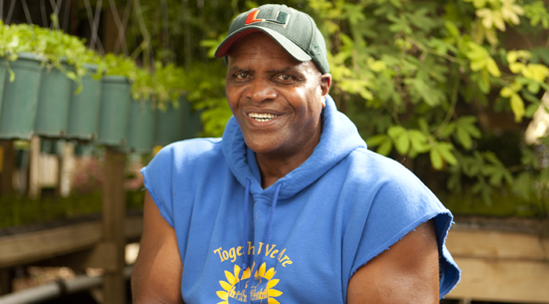
“Located on what was the last tract of property zoned for agriculture in Milwaukee, a former professional athlete started a farm that has spurred dozens of others to grow in cities’ urban cores.”
“What I’m teaching today, a lot was passed on to me by my parents,” Allen said. “My family has been farming for more than 400 years, so we have always been very committed to growing and eating our own food.”
“Allen said farms like the one at Blackhawk are the only way cities are going to be able to end poverty and improve the overall health of their communities. The garden at Blackhawk Courts is operated by residents of the housing complex, and its produce is available to them at all times.”
Read more here: www.charlotteobserver.com
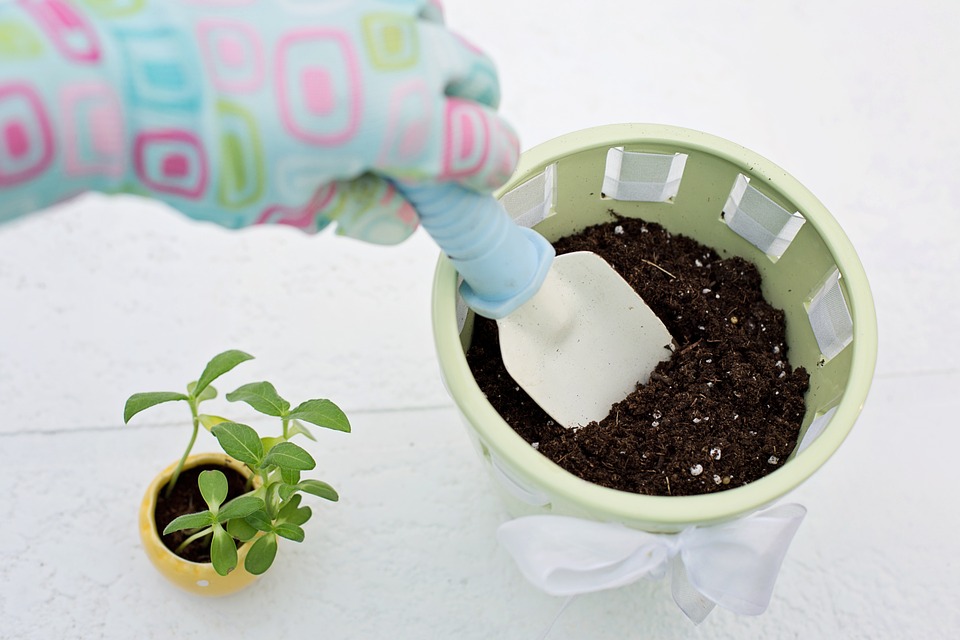
“New garden? No sweat! Skip the stress and enjoy instant success with no-dig gardens that are good to grow. Gardening is made easy with these interesting—and effective—alternative gardening ideas.”
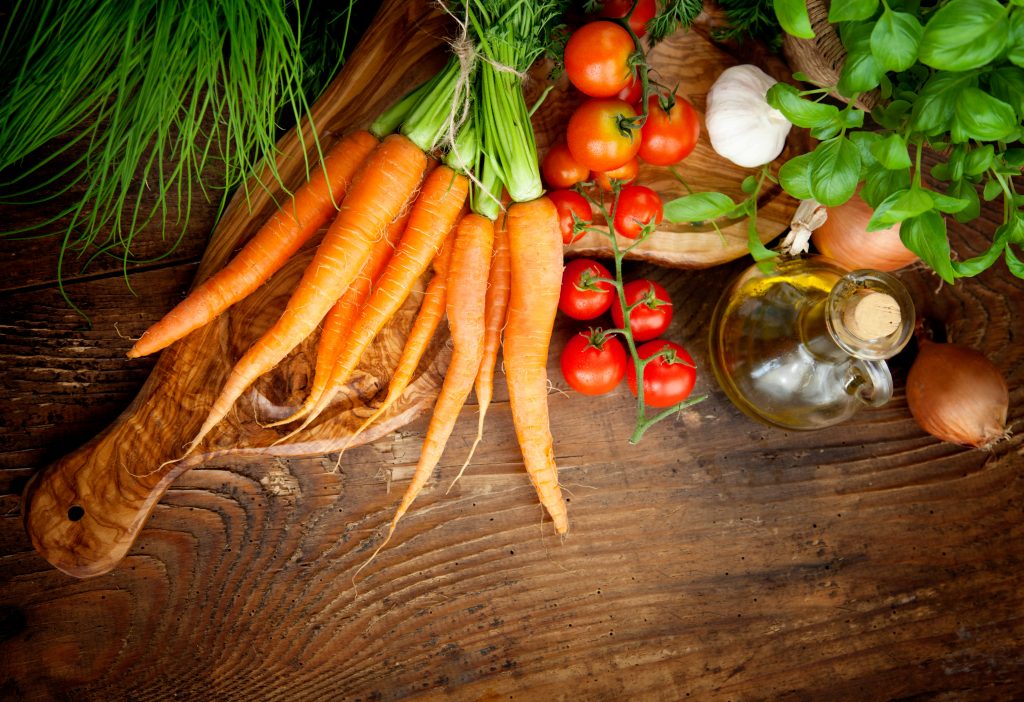
Whether it’s straw-bale gardening, herb spirals, growing in bags, or even growing succulents in cinderblocks…here’s a GREAT article that will guide you through the process.
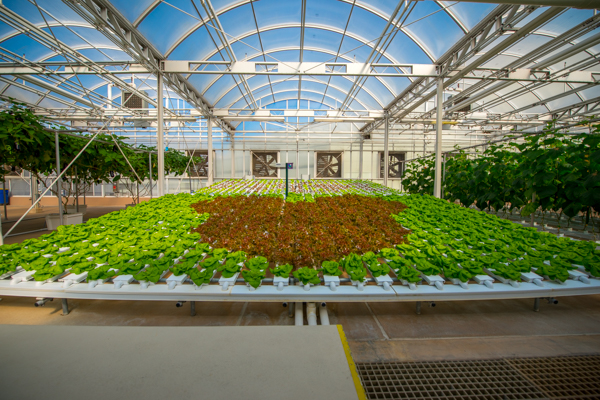
“Living with the Land (originally Listen to the Land) is a log flume tour ride located within The Land pavilion which is part of Epcot theme park in Walt Disney World Resort at Lake Buena Vista, Florida. It is a slow-moving boat ride, which is part dark ride and part greenhouse tour. The focus of the ride is on agriculture, especially new technology to make agriculture more efficient and environmentally friendly.” –Behind The Seeds
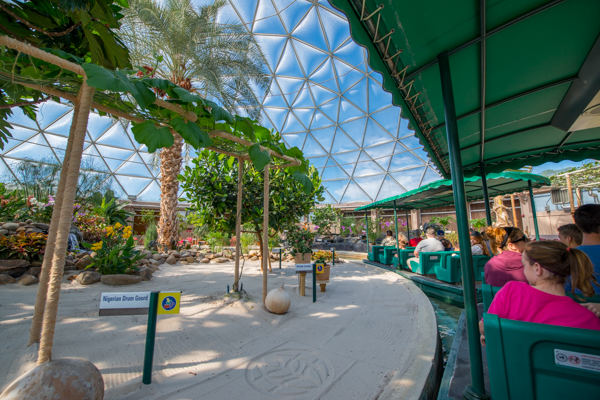
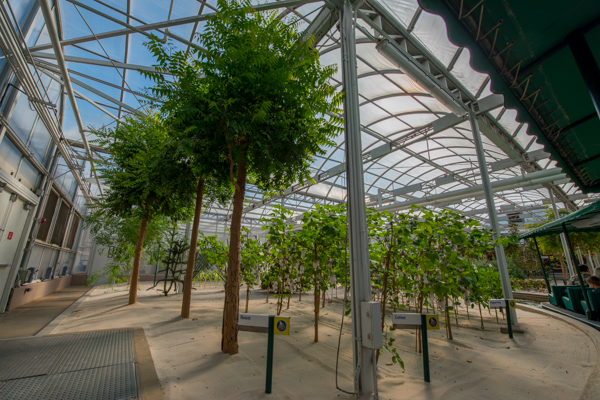
String Greenhouse (formerly the Production Greenhouse) – This greenhouse focuses on innovative high-density techniques, such as Nutrient film technique. It also shows off “vertical growing techniques”, in which plants are grown on specialized trellises which cause the herbaceous plants to approximate the shape and structure of trees.
One of the most famous examples of these trees is The Land’s “tomato tree”, which produced over 32,000 tomatoes in a 16-month period. It was recognized by Guinness World Records as both the largest and most productive tomato plant in the world. Other crops include eggplant, peppers, winged bean, lettuce and snake gourd. Furthermore, cucumbers and pumpkins are grown in the shape of Mickey Mouse through the use of special molds. Much of the produce grown in the String Greenhouse is used in The Garden Grill and Sunshine Seasons, both restaurants in The Land pavilion. In total, over 30 tons of produce are harvested from The Land each year.
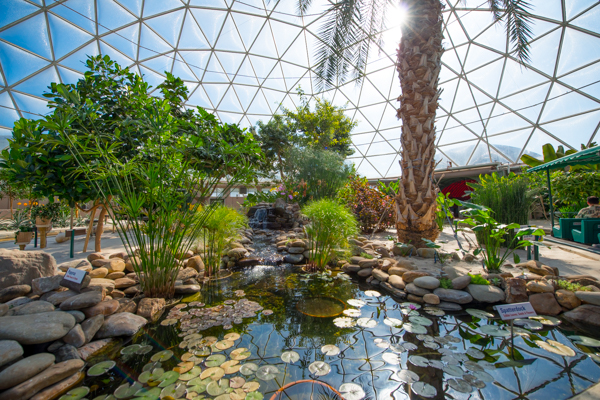
Creative Greenhouse – The final greenhouse in the attraction shows some unusual ideas about the future of agriculture. Most of the plants in Creative House are grown via Aeroponics, in which a fine mist of water and nutrients is sprayed directly onto the roots of the plants. The roots dangle freely in the air, and are not hindered by any growing medium. Some of the plants’ roots in Creative House are enclosed within rotating columns and A-frame structures, while others are completely exposed to the open air, at least temporarily, so the entire plant may be viewed by the Guests on the boat ride. Creative House also features a small exhibit of NASA hydroponic growing units, which were developed for use on extended-length space journeys. Crops on display include tomato, squash, lettuce, basil, rosemary, cabbage, super-dwarf wheat, swiss chard, marigold and snapdragon.
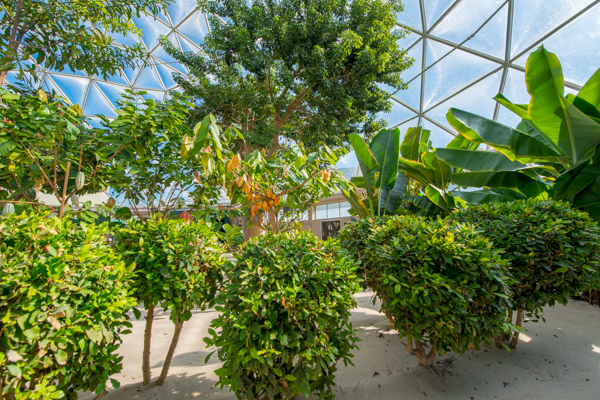
Biotechnology Lab – Attached to the Creative Greenhouse, the Biotechnology Lab is a sterile research environment. Several USDA scientists are on-site at The Land, performing research on crop improvement. The Land also produces a product called “Mickey’s Mini Gardens” in the Biotechnology Lab, which are available for purchase in several locations in Epcot.” –Excerpt from Wiki
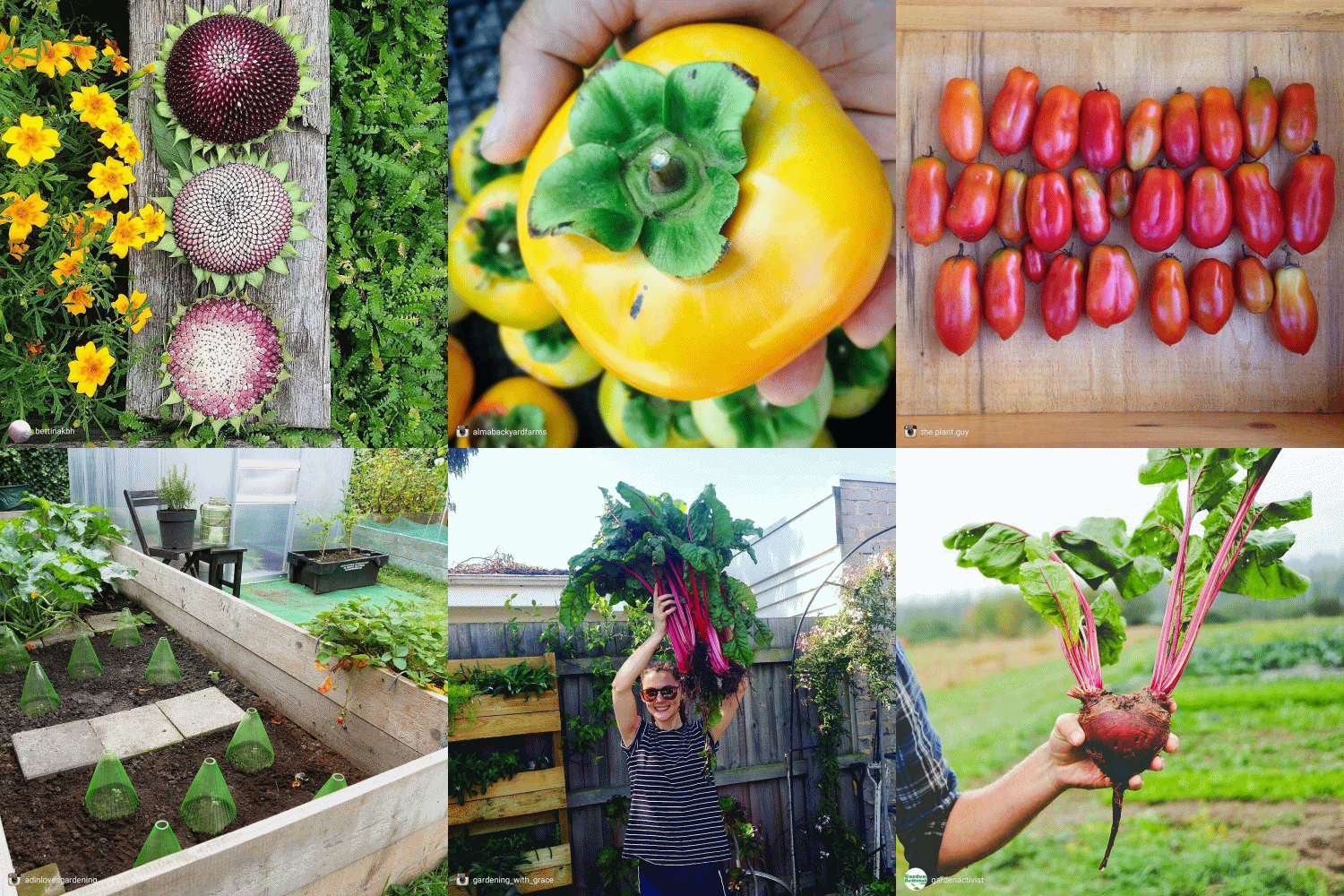
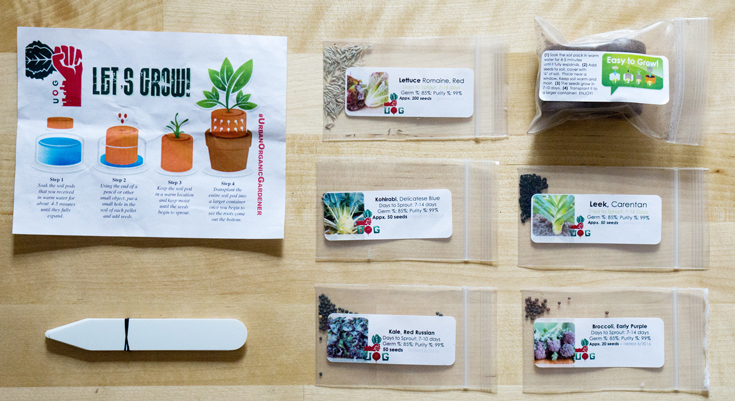
Begin the New Year right by signing up for UOG’s Monthly Seed and Garden Club. Our Garden Guru’s will hand select popular heirloom, GMO-FREE varieties for you to start each month, customized to your location and grow zone!
During sign-up, just let us know whether you prefer to grow indoors, outdoors, in partial shade or in the sun. Do you grow hydroponically? Not a problem, we’ve got that figured out too!
Each month you’ll receive a 5 varieties, and everything you need to start growing more food!
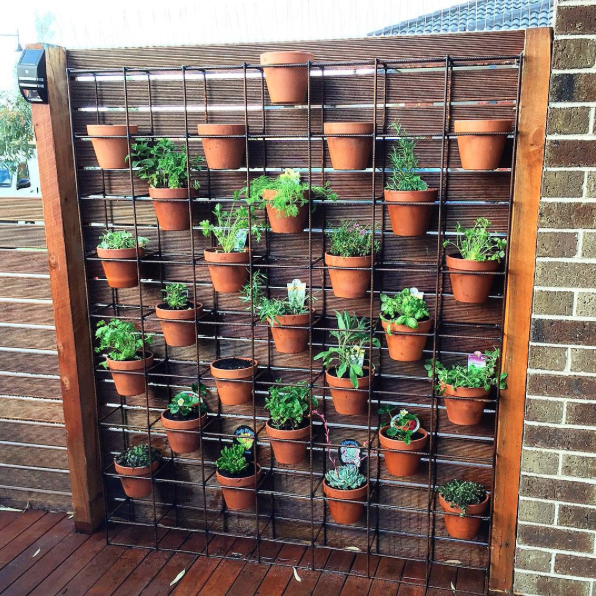


ReoGro Vertical Gardens
Made from something resembling rebar and terra-cotta pots, this system is clean, and function-able. Create this system as small or as large as you like for a stunning piece that will have all of your urban gardening friends green with envy.


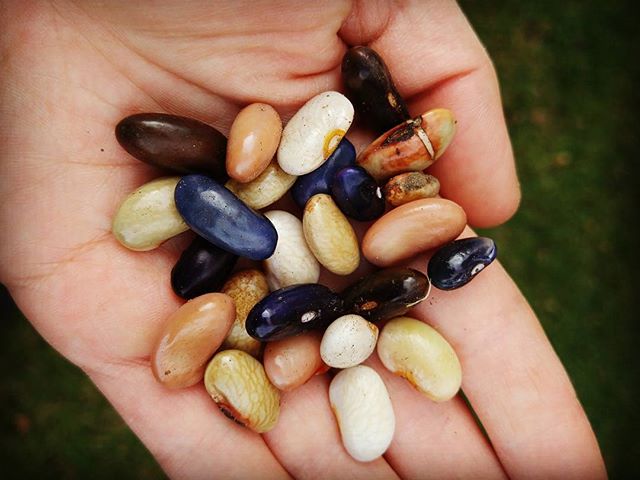
Last Chance! Must join before November 4th if you’d like to receive a shipment this Month. Shipments go out November 5th. Get seeds & garden supplies delivered to you at just the right time of the year.
 🌱Fully customized based on your grow zone – garden specs – sunlight – and more. Get your fall and winter garden off to a great start with a hand-selected, customized selection of seeds for your area and garden type.
🌿Join now: https://urbanorganicgardener.cratejoy.com/
🌱This is the easiest way to grow an organic garden all-year-round with totally raw un-treated GMO-FREE seeds. We will guide you and your family on your way to living a healthier and more self-sufficient lifestyle. Join UOG today and let’s grow something together.
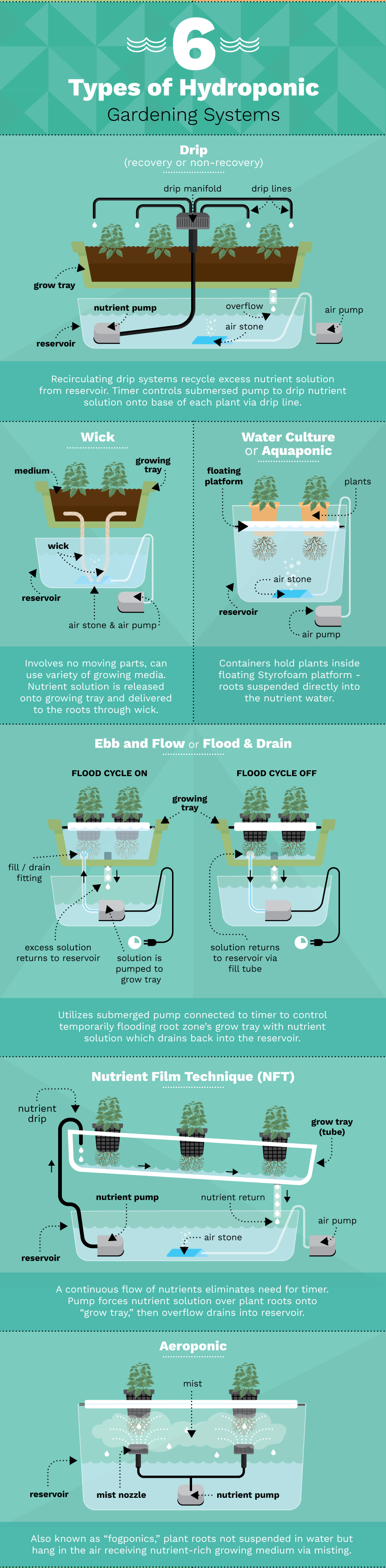
To read more about these 6 different hyroponic systems, visit: “Fix.com”
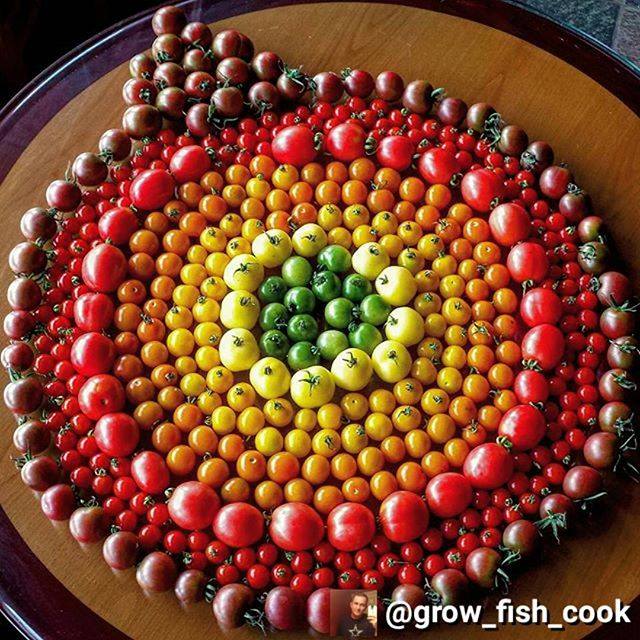

Don’t wait, join the new Urban Organic Gardener’s Monthly Seed Club now! MUST JOIN BEFORE JULY 4th at 11:59pm PST to receive the next shipment. Sign up now at: https://urbanorganicgardener.cratejoy.com
For $10/month our garden experts will build a custom curated collection of seeds & garden supplies designed around you – your grow zone – garden space – and your preferences.
Includes everything you need to grow 5 new edible plant varieties every month – varieties can include herbs, vegetables, flowers, sprouts, micro-greens, bulbs, and more!
Join the rest of the UOG community and get growing now! We promise to make this a great experience for you and your family.
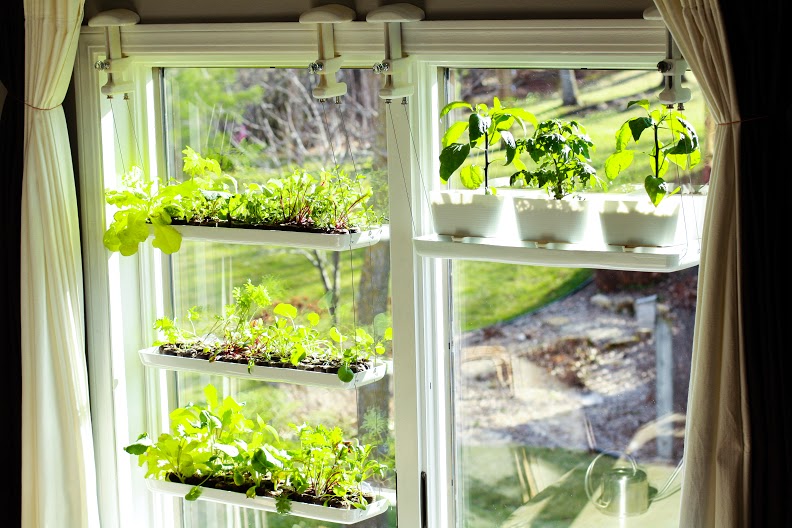
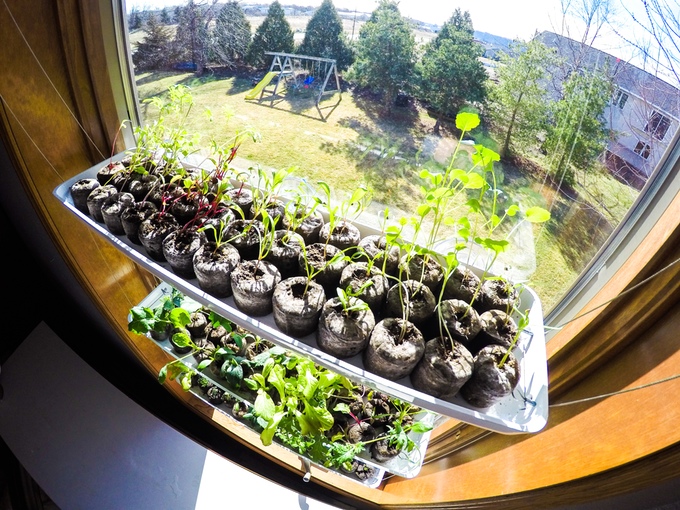 The SekuraGarden is a new kind of gardening system that makes it easy to create beautiful, multi-shelved hanging gardens in unused window space. Best of all, the system adjusts to fit most windows, install in just a few minutes, and does no damage in or around your window!
The SekuraGarden uses specially designed support arms that adjust to fit most window trim. Shelves hang below the support arms suspended by steel cables. The hanging shelves swing forward and are secured against the window with powerful suction cups. Being right up against the window gives plants full access to the sunlight and turns windows into a sort of mini-greenhouse.
“I created the SekuraGarden to get my seedlings off of messy crowded tables in front of windows and up into the window taking full advantage of the light. With the SekuraGarden I can start over 100 seedlings in a single window. It makes starting my garden each spring so much easier!” says the SekuraGarden inventor Jacob Ricks.
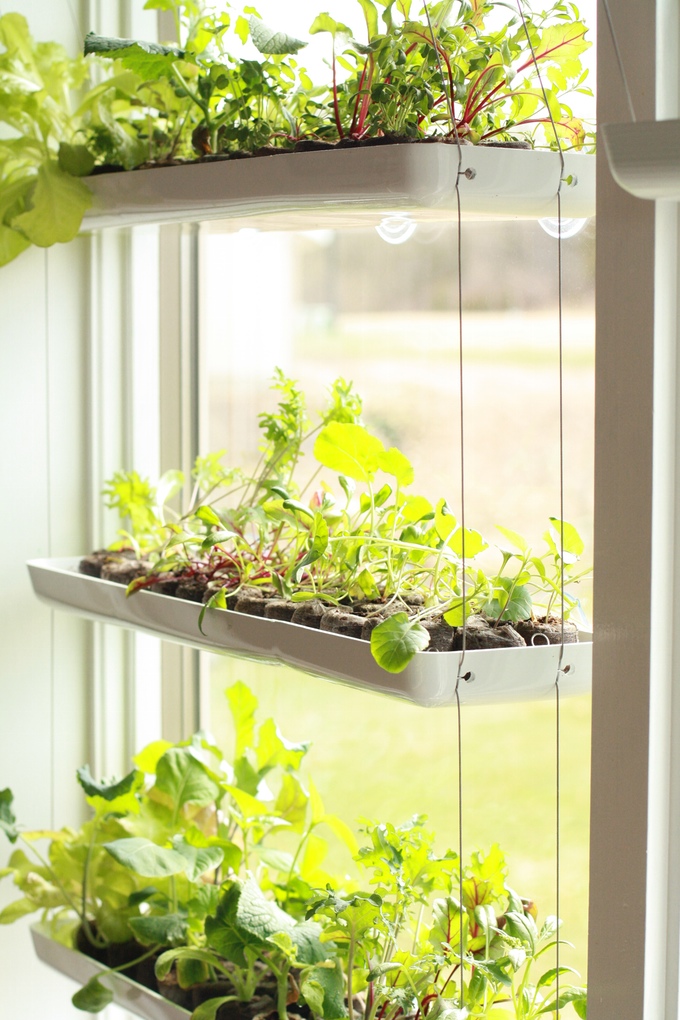
The SekuraGarden is perfect for city dwellers looking for gardening space in small apartments and makes it easy to grow year round herbs, greens, or other small plants.
The SekuraGarden is available in two-shelf units or can be ordered as part of the SekuraGarden Educational Pack. This pack includes a gardening curriculum for young children, a two-shelf SekuraGarden, 100 seed pods, and a selection of seeds.
“We currently have a SekuraGarden hanging in a window at our local library. It has been a huge success and the kids have loved learning about plants and watching their seeds grow! We hope that the SekuraGarden can be used by educators everywhere to help children develop a love of plants and gardening early in their lives.”
The SekuraGarden is available now for preorder on Kickstarter. “We chose to launch the SekuraGarden on Kickstarter to help cover the expensive up front production costs like plastic injection molds. It will also allow us to make a large order and receive a volume discount on the parts.” says Ricks.
SekuraGardens and SekuraGarden Education Packs can be pre-ordered for backers themselves or the teachers/schools of their choice from April 20, 2016 until May 25, 2016. Early backers of the campaign can get up to 27% the retail value.
Backers of the SekuraGarden during the Kickstarter campaign will be the first to receive their SekuraGardens with an estimated delivery date of August, 2016.
To learn more about the SekuraGarden, click here!
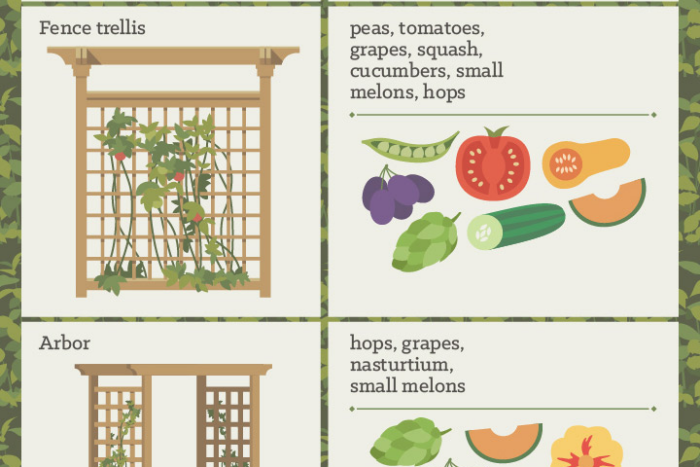
 source: “CustomMade.com“
Join the club that delivers you garden seeds at just the right time of the year to plant them – hand selected based on your garden specs. Every month you’ll receive a collection of heritage garden seeds and everything you’ll need to get growing. Buy a subscription for yourself or give one as a gift!
Sign up here: https://urbanorganicgardener.cratejoy.com/
It’s simple: $10/month + s/h
Ready to start receiving monthly shipments of seeds, customized for your exact grow zone? START HERE!
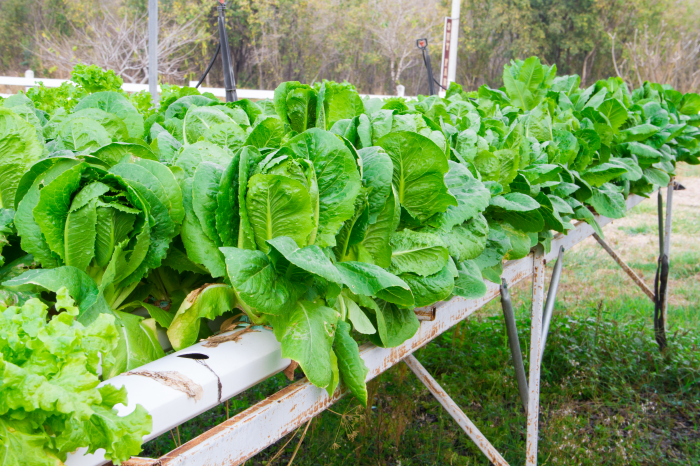
There are plenty of good reasons why you should get try getting your feet wet with hydroponics, but here’s 6 reasons that might just have you building your own system this weekend.
#1- You Are In Control:
You will become the master of the water, experimenting with different nutrients to come up with an easy formula to keep your plants at their healthiest. You’ll decided when they eat, and how much of what they absorb. Don’t let this intimidate you, it’s easier than it sounds. Most hydroponic growers will express their favorite thing about growing this way is the fact they are in absolute control of how well their plants do.
#2- Hydroponics Will Free Up Your Time:
You’ll be able to produce crops faster hydroponically, which will allow you to plant more during the season. You’ll spend less time weeding and doing other back-breaking chores too because there’s no soil to fuss with. Don’t forget, no soil means you’ll be spending a lot less time with pest control as well. Hate watering? Problem solved. Growing in water means you’ll be breaking out the hose a lot less. A LOT LESS.
#3- Less Plant Disease & Pests:
Both of these are drastically reduced when you’re growing hydroponically. When you remove the soil from the equation you automatically reduce the soil-borne diseases and pests that many gardeners spend hours trying to combat.
#4-Hydroponics Actually SAVES Water:
Watering is part of gardening, however you can actually save about 90% of the water you’d regularly use in traditional gardening by switching to hydroponics. Think about it, when you water your garden every day or every other day, much of that water actually runs off. It isn’t even being directed completely towards your plants. Much of it drains from the bottom of your containers too, if you’re practicing container gardening. With hydroponics, there is no run-off. Water is continually circulated through the plants roots. If you’re watering garden soil, you’re also bound to experience a lot more evaporation than if you had the water running through a hydroponic set-up.
#5- No Weeding:
No soil, no weeds. It’s pretty darn simple. Exciting isn’t it?!
#6- Space Saving:
You’ll be able to actually save space and grow more crops in the space you have if you switch to hydroponics. The design of your hydroponic system is only limited to your own imagination. Want to grow up? Not a problem. Hydroponics allow you to pack in crops close together, and grow vertically at the same time.

Wondering what crops do best in a hydroponic set up? Click here.
Original post can be found at: “SeedsNow.com”
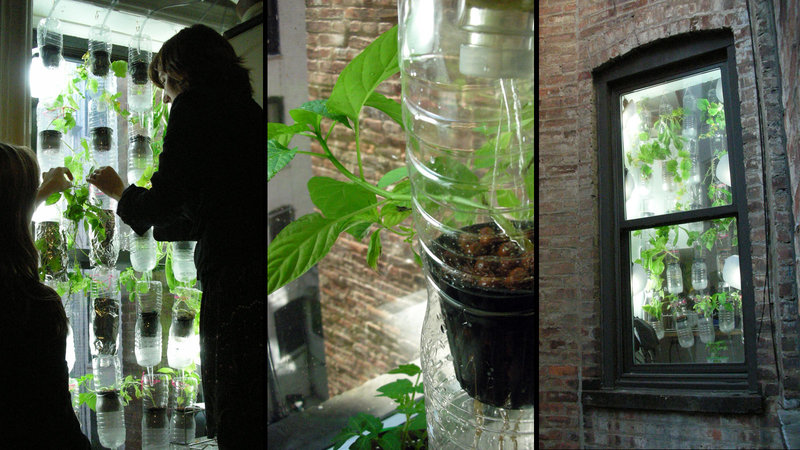

Homegrown Harvest: Britta Riley and Rebecca Bray tend to Brooklyn’s first window farm. This form of urban agriculture is catching on in cities around the world, as downtown farmers go online to share techniques for growing greens indoors.
If you have a green thumb, a window and a serious Do-It-Yourself ethic, you too, can be a farmer … even in your downtown apartment building. Spring is here, and for urban dwellers with no access to soil, hydroponic gardening is a way to grow fresh veggies indoors.
“Window farming,” as it is called, is catching on in New York City and beyond. Window farmers use recycled 1.5 liter water bottles, clay pellets, plastic tubing and inexpensive fish tank air pumps to create their indoor gardens. There are now 4,000 registered users at windowfarms.org. Farmers are tending to their greens everywhere from the U.S. to Italy, Israel and Hong Kong.
Last year in Brooklyn, N.Y., Britta Riley, 33, raised $27,000 for her window farms project through an online micro-donation web site. She’s a true Do-It-Yourselfer.
“I grew up on a ranch in Texas,” Riley says. “So we always had to hack together what we needed to fix fences and so forth.”
Riley’s project partner is Maya Nayak, 29, a professional gardener. Nayak has been growing herbs in her own window farm in her ground floor apartment. A sign in her window advertises windowfarms.org — and plenty of people have paused to check it out.
“We had to put up a curtain,” she explains, “because people come up and look. And you’re, like, ‘Wow, this is my living room.'”
The people staring in from the street see a window filled with vertical columns of plants. Vegetables and herbs grow with the help of sunlight and a little electricity — but no soil.
The window farms Web site provides instructions on how to put together a system that grows three plants. The materials will cost about $30 — and not all of them are traditional gardening supplies: water bottles, an aquarium air pump, air valve needles (like the kind you use to pump up a basketball), and a hanging system designed for displaying art.
Riley says that putting recycled consumer goods to use is an important part of the DIY ethic.
“We’re kind of showing that we can actually get really, really far using things that we already have available to us as consumers,” she says.
The simplest window farm system is a column of upside-down water bottles connected to one another. Plants grow out of holes cut into the sides. An air pump is used to circulate liquid nutrients that trickle down from the top of the column and make their way to the plant roots.
Window farms have been used to grow strawberries, cherry tomatoes and peppers. Riley’s favorite is bok choi.
“Buttercrunch lettuce grows great and lots of herbs,” Nayak says. “Anything leafy and green, essentially. You can’t grow carrots. I mean, you can’t grow root vegetables. Potatoes, garlic. Those things don’t work.”
Urban farmers use the Internet to exchange ideas for improving the window farms technology. It’s a process Riley calls “R&D-I-Y” or Research and Develop It Yourself. One window farmer figured out a way to silence the gurgling sounds these window farm systems make — and he shared his solution with the rest of the indoor gardening community.
“He just drilled a few holes into a vitamin bottle and stuck it over the end and all of a sudden it completely silenced the system,” Riley explains. “And then he posted that for everybody else and all of a sudden we have a new solution that’s cheap and that other people can replicate somewhere else.”
“It’s just fun to have food growing in your own apartment,” Riley says. “Especially during the winter months you’ve got this lush bunch of green lettuce that’s growing in the window and kind of freshening the air in your apartment and it actually just looks pretty.”
And it’s about to get easier. For people who are excited about window farming but not so gung-ho about starting from scratch, Riley says her group will soon begin selling window farming kits.
This post is originally from commercialappeal.com
Some people are happy with a patio tomato on the porch.
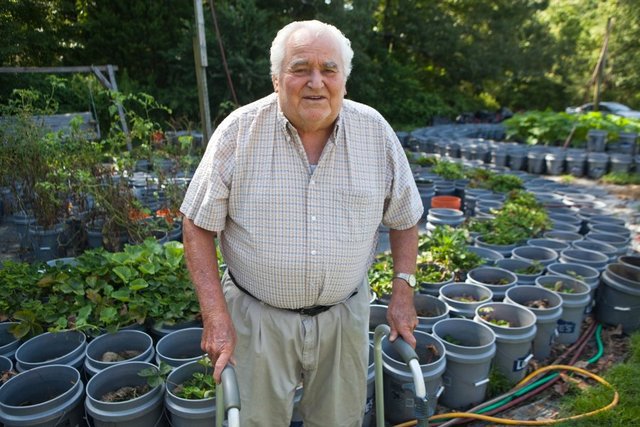
Willie Anderson, 82, took container gardening to another level; he planted tomatoes, cucumbers, corn, okra, squash, peppers and eggplants in five-gallon plastic buckets in his yard in Red Banks, Mississippi. He now has plants in more than 1,000 buckets.
It’s easier to grow an entire garden if you’re planting everything in buckets, Anderson said. “There’s no hoe on the place,” he said. “We don’t need one.”
“You don’t have to have any equipment,” said his son, Ron Anderson. “You don’t have to have any utensils to farm with as far as hoes and shovels. You don’t have to have a tiller. All you do is plant, water and harvest.”
The garden is totally organic. “I use grass clippings, soybean stalks, cotton hulls — that’s the waste that comes out when they gin the cotton,” Willie said.
Ron came up with the idea of the bucket garden for his dad nine years ago. Willie always was a robust man, he said. He was in farming, raised hogs and cattle and went into the home building business with Ron and his other son, Mark Anderson. “He had a hip that deteriorated and he had to have hip surgery and replacement,” Ron said of his father. “When he had that, he was pretty much home bound and his hopes and dreams were just going down. He had cabin fever. He didn’t have anything to look forward to or to do. He couldn’t get out like he had all his life.”
Willie liked the idea of the bucket garden. “I was just tired of sitting up in the house,” he said.
Ron bought 100 buckets from Lowe’s and some Miracle-Gro potting soil. He said, “Dad, let’s try this and see if we can do this for your hobby.”
Ron punched holes in the bottoms of the buckets for drainage and put them on sheets of black plastic to keep weeds from growing around them. “We raised our own tomato plants from seed,” Ron said. “We planted one tomato to a bucket, one squash seed to a bucket, one corn seed to a bucket.”
Willie didn’t want to stay in the house anymore. “We got him a little four-wheel scooter and he’s out the first thing every morning to check his garden,” Ron said.
“You can garden in the shade,” Willie said. “It needs to get at least five hours of sunshine a day. That’s enough for the plants.”
Their first harvest was better than they expected. “We probably had about 10 cases of tomatoes that weighed 30 pounds apiece,” Ron said. “I sold them to some pizza companies in the Olive Branch area. They froze them and canned them for soups.”
Now they mostly give away the produce they don’t use. “I thought at first there might be a little money to be made in it,” Willie said. “But I don’t think there is. I just give what I grow to whoever wants it.”
They stopped using Miracle-Gro after the first year and went organic. “We don’t use any kind of chemical fertilizer and we use the same dirt year after year,” Ron said. “We plant them in the same pots every year. After people cut their grass and sack the grass cuttings on the side of the curb, my brother and myself go around with a trailer and bring home 20 to 30 sacks. He puts it around the top of the buckets. The grass fertilizes every time you water.”
To irrigate, they attach water hoses to sprinklers atop 10-foot landscape timber posts, which are stuck in the ground. They use one sprinkler per each group of 350 buckets. “All I do is turn the faucet on,” Willie said. “It wets everything down in about an hour and a half. It usually lasts about a week if it’s not too dry.”
They’ve experimented with different vegetables. “We had a cabbage big as our granddaughter,” Willie said. “I got a cantaloupe this year. It’s ripe down there now. It’s the first one we’ve been able to raise in the buckets. We haven’t been able to raise a watermelon. I don’t believe the bucket’s big enough to raise a watermelon.”
They haven’t tried everything. “We haven’t grown any field peas, but they’re so simple to grow,” Willie said. “I don’t see a problem with them.”
Plastic buckets aren’t the only container gardeners can use, Willie said. “These gardens can be grown in a plastic shopping sack like you get at the grocery store if you want to, but they’ll only last one year and you’ll have to redo it every year,” he said. “I have done it. It’ll work. But the plastic will rot out by the end of the year.”
Ron, his mother, Geneva, his wife, Gidget, the grandchildren and a hired man help with the garden. Willie basically oversees the garden.
Willie also gives the plants pep talks. “I say, ‘Now, y’all got to do better than that,’” he said.
“He does go down there and talk to them three times a day,” Ron said.
Garden writer Felder Rushing, a former Extension Service urban horticulture specialist, is a fan of bucket gardening. “I have grown veggies and herbs in five-gallon buckets in my Mississippi garden for years,” he said. “So cool. So easy. Just the right size. Can’t grow a decent tomato or pepper in anything smaller. And no worries about soil diseases.”
Rushing doesn’t stick with drab-colored buckets. “I spray paint mine to make them more cheery.”
As for Willie’s 1,000-plus bucket garden, Rushing said, “I totally agree with the sentiments of Mae West, who once said too much of a good thing is — wonderful.”
Read the full story here: http://www.commercialappeal.com/entertainment/lifestyle/home/bucket-crops-mississippi-man-takes-container-gardening-to-another-level-ep-1211661529-324126561.html
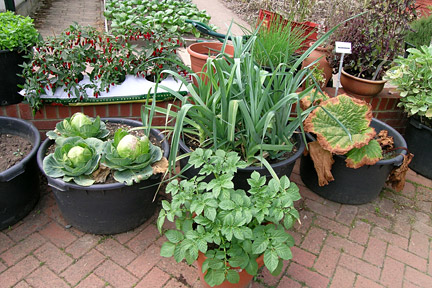
Growing your own food is exciting, not only because you get to see things grow from nothing into ready-to-eat fruits and veggies, but you also don’t have to worry about the pesticides they might contain, and you definitely cut down on the miles they—and you—have to travel.
If you’re up to the challenge—and it really isn’t much of one—growing your own food can be so rewarding. And so much cheaper! Just be sure to choose the right planter or container, learn how to maintain it properly, and go find yourself some seeds! (Or starter plants.)
Here’s a starter list of all the crazy things even urban gardeners, without space for a garden, can grow at home.
1. Apples can be grown in a container; you can also grow them on the balcony or other small space using a technique called espaliering.
2. Kumquats
3. Avocados (plenty of extra tips online if you search)
4. Blackberries
5. Blueberries (sometimes helpful videos are available online)
6. Pomegranate
7. Cherries
8. Figs
9. Pears
10. Dwarf oranges
11. Grapefruit
12. Tangerines
13. Meyer lemons
14. Limes
15. Bananas (look for container gardening tips online)
16. Pineapple
17. Papaya
18. Guavas (several varieties)
19. Hops—yes, as in the ”spice” ingredient in beer. Turns out they’re easy to grow!
20. Aloe Vera
21. Strawberries
22. Tea (well, herbal tea)
23. Quinoa!
24. Tomatoes
25. Summer squash
26. Other squashes, like acorn and pumpkin
27. Hot Peppers
28. Sweet peppers
29. Cucumbers
30. Small cantaloupe
31. Jenny Lind melon (an heirloom cantaloupe)
32. Golden Midget Watermelon
33. Basil
34. Oregano
35. Parsley
36. Rosemary
37. Chives
38. Catnip
39. Thyme
40. Sage
41. Parsley
42. Kale
43. Mesclun greens
44. Spinach
45. Swiss chard
46. Lettuces (plenty of options there, from micro-greens to head or loose-leaf)
47. Mustard greens
48. Collard greens
49. Arugula
50. Carrots
51. Beets
52. Potatoes
53. Sprouts
54. More sprouts: mung bean and lentil sprouts
55. Wheatgrass
56. Kohlrabi
57. Turnips
58. Rutabagas
59. Celeriac
60. Parsnips
61. Jerusalem Artichoke
62. Sugar snap peas
63. Rhubarb (not ideal in a container, but it can work)
64. Mushrooms (again, more tips online if you look)
65. Pole Beans
66. Aaaand… asparagus, although some disagree that it does well in a container. Try it if you’re ok with a risk!
Source: http://planetgreen.discovery.com/home-garden/sixtysixthings-growhome-containers-withoutgarden.html
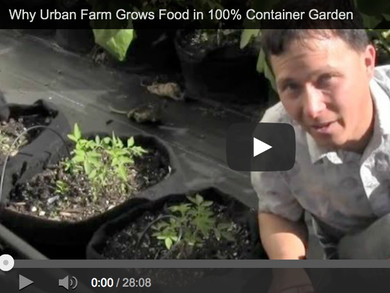
Take a peek at an Urban Garden growing food in containers, right in downtown Fort Lauderdale!
John from http://www.growingyourgreens.com/ goes on a field trip to downtown Fort Lauderdale, Florida to share with you a urban farm who grows food in 100% containers. In this episode, you will learn about Fort Lauderdale Vegetables who grow food in the city and teach about decentralized farming. You will learn some of the techniques they use to grow in a tropical environment that gets lots of rain. You will also discover why smoking is not a good idea around your garden and much, much more.
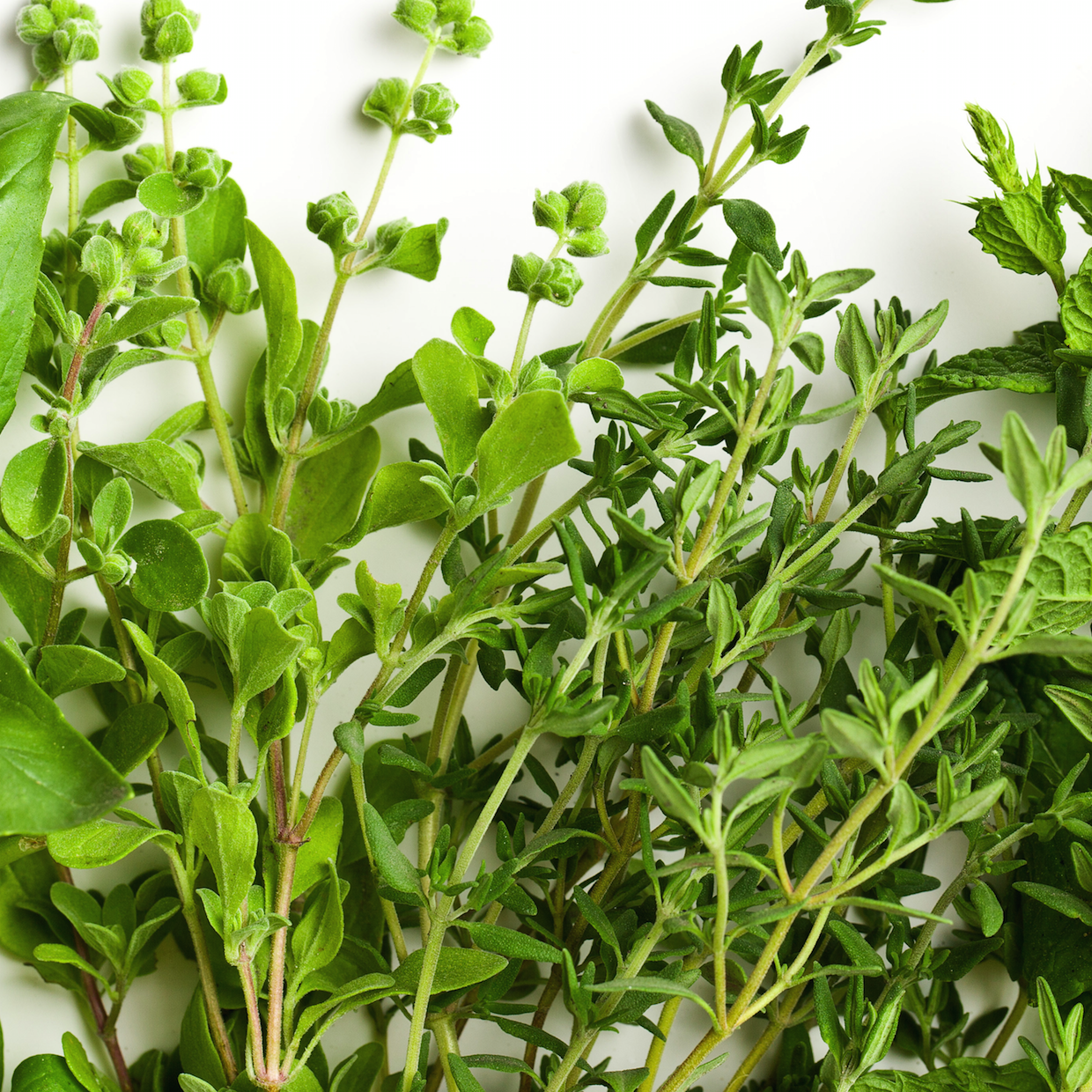
 You were all happy to start your herb garden.
You picked out your location and determined how much sunlight it gets.
Your happiness turned to sadness when you realized that you only get 3-4 hours of sun.
Those dreams of an herb garden were dashed. At least you thought so. In that shaded space, you can still grow your herb garden.
There are a few dozen herbs that will grow well in the shade, but I’m not going to list all of those for you.
Why not? Because having feverfew, lady’s mantle and lovage aren’t very practical to grow when you are starting out.
My goal is to provide you with practical herbs that you know what to do with and can use, such as:
Those aren’t the only ones, but they are the most common and useful. There is nothing wrong with borage and sweet woodruff, but I don’t think that’s what you are going to start with.
Share this post with family and friends to help them start their herb garden. Then in the comments below, tell me the herbs that you are growing in the shade.
Photo courtesy of Murugananth C on Flickr
 You’ve scoped out your garden space…
…and determined how much direct sunlight it gets.
Your garden gets less than 6 hours and you feel hopeless.
Sorry to break it to you, but that means you can’t grow tomatoes.
Don’t worry there are other vegetables you can successfully grow in that space.
The following vegetables will do just well in containers and the shade:
The following vegetables will grow in small/medium sized containers — and — they like being in the shade. – – Tweet This
The purpose of this list is to serve as a guide in helping you to minimize the mistakes you make and set you up for success in your garden.
If you want to, experiment in your garden. See if other vegetables do well in the shade. No one will get hurt if you do.
[vimeo clip_id=”39164990″ title=”0″ byline=”0″ portrait=”0″ width=”525″ height=”393″]
Share this post with those in your life that use the excuse of not getting enough sunlight to start growing their own food.
Once you do that, then leave a comment below to let me know which of these shade loving veggies you plan on growing.
Photo courtesy of Public Domain Photos on Flickr.


