How Urine Can Replace Synthetic Fertilizer

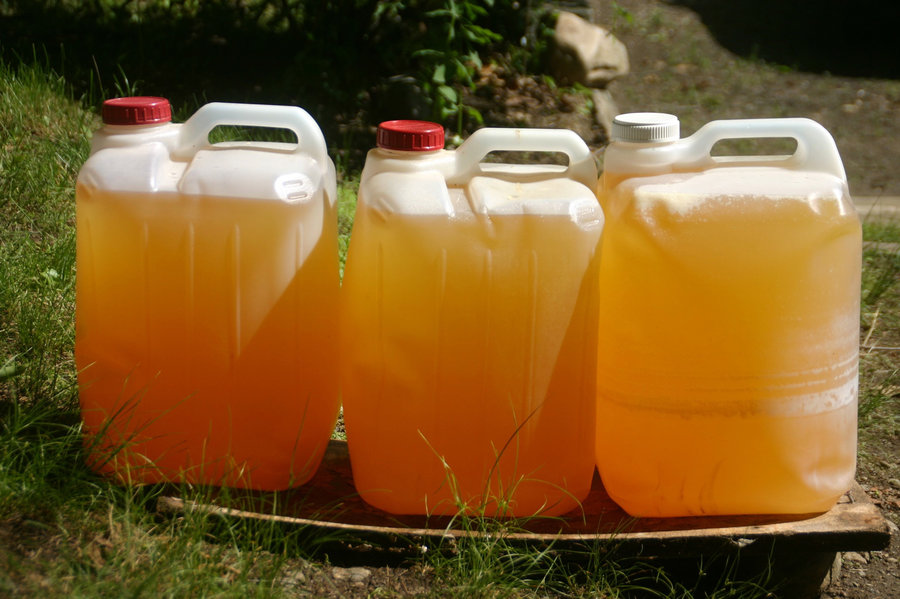
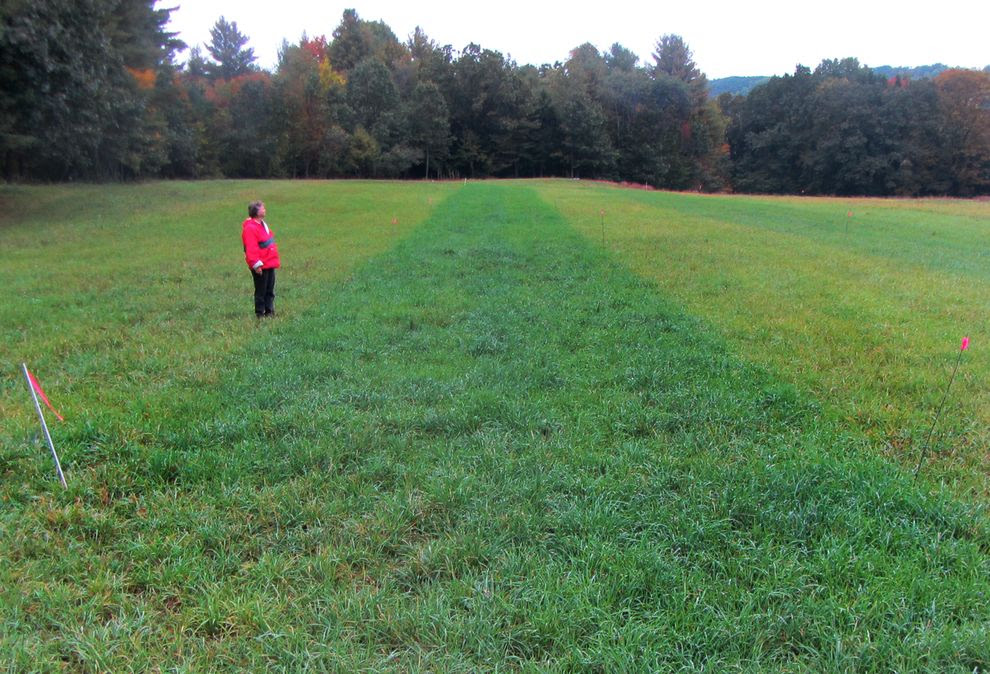
urine-fertilizer-2_slide-2a34f0a6af64f991d9d0c656d73fd969c8b3a655-s900-c85

“The nitrogen used in commercial fertilizers is synthesized in a process fueled by natural gas, a fossil fuel, which now is increasingly derived using the controversial practice of fracking.

The phosphorus comes from the mined rock phosphate, a non-renewable resource. High-quality reserves are gradually and steadily being depleted. Rich Earth says along with “peak oil,” we’re now entering a period of “peak phosphorus.”

The potash that’s being mined for potassium is also a non-renewable, depleting resource.

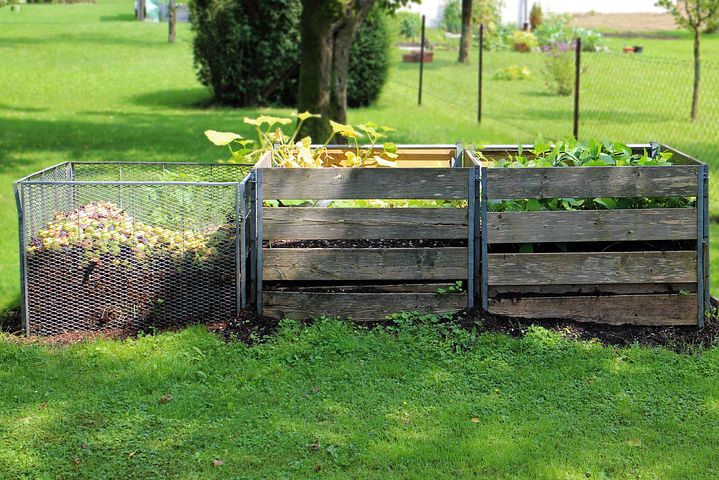
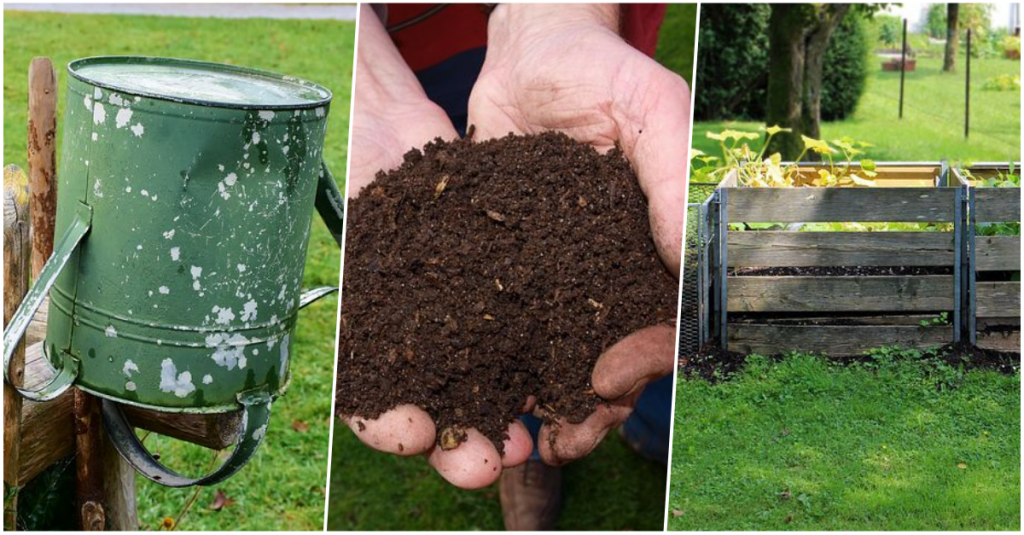
So why not do what humans and other animals have done for millions of years — recycle the nutrients from our waste back into the soil? Not only does the practice replenish the soil, it keeps the nutrients out of waterways, where they don’t belong.

Urine typically passes through wastewater treatment plants into rivers, lakes, and bays. In the aquatic environment, excess nutrients (particularly nitrogen and phosphorus) can cause destructive algae blooms that eliminate oxygen from the water.”

photo-4

Read the FULL STORY at: “ReturnToNow.net

Spiral Shaped Beehives Mystify Scientists [Video]

“Scientists baffled by the mysterious spiral-shaped fortresses of curious species of “stingless” bees in Australia.”
“The spiral hives have only one entrance protected by a mix of beeswax and propolis to kill any outside germs and guardian bees to kill any intruders. Any invaders that do make it through are “mummified” in mud and soil, Heard tells National Geographic.”

Not only do Australia’ Sugar Bag Bees, not sting, they are brilliant architects, building amazing spiral-shaped hives.

Original story ReturnToNow.net: “ReturnToNow.net”

10 Cauliflower Smoothies You Won’t Regret Trying!

Collage

We’ve gone crazy over these super healthy shakes/smoothies that all have
1 SECRET INGREDIENT in common, Cauliflower!

Here’s a collection of our favorite Cauliflower Smoothie Recipes that we know you won’t regret trying.


 

shutterstock_140609545smallCauliflower-Smoothie-3

1. Malted Chocolate Cauliflower Smoothie via Eating Bird Food

“A chocolate cauliflower smoothie made malty with maca powder! The frozen cauliflower makes the smoothie thick and creamy without any added sugar or fruit.” [Get this recipe]

 

smalluntitled-7808

2. Creamy Cauliflower Coconut Smoothie via The Glowing Fridge

“This Creamy Cauliflower Coconut Smoothie is the creamiest blend of whole food goodness… you’d have no idea it was veggie based!” [Get this recipe]

 

smallsweet-potato-smoothie-6

3. Skinny Fruitless Sweet Potato Pie Smoothie via Paleo Gluten-Free Eats

“…this smoothie is a good one and I have been known to eat it for breakfast, lunch, and dinner (all in the same day). So, if the same happens to you- don’t say I didn’t want you. I’m dead serious when I say this is my go-to, make every day, never gets old, love of my life, smoothie. I don’t even know what to say, it’s just my absolute FAVE. I hope ya love it too!” [Get this recipe]

 

small1490038634755

4. Classic Cauliflower Blueberry Smoothie via Lee From America

“This classic, lightly sweetened mostly-cauliflower smoothie is a great introductory smoothie for those wishing to try a vegetable-based smoothie. It’s smooth, thick, and creamy. Trust me, you won’t even miss the banana! This is one of my all-time favorite smoothies and a regular occurrence in my breakfast rotation.” [Get this recipe]

 

small11-salted-tahini-maca-smoothie-vegan-running-on-real-food

5. Salted Tahini Maca Smoothie w/Dates & Cauliflower via Running on Real Food

This Salted Tahini Maca Smoothie is a little different but it’s really, really yummy and very filling and satisfying. Tahini is one of my favorite ingredients both for its flavor and nutritional benefits and maca is a wonderful adaptogenic superfood that pairs well with the other flavors in this healthy, nourishing smoothie.” [Get this recipe]

 

smallstrcaulsmoothie2-compressor

6. Vegan Strawberry-Cauliflower Smoothie via Katalyst Heath

Sneak in an extra serving of vegetables with this Strawberry Cauliflower Smoothie! Both vegan and paleo, this smoothie is thick, creamy and bursting with berry flavor! You won’t even know the cauliflower is there – I promise!” [Get this recipe]

 

small4-low-sugar-blueberry-coconut-smoothie-bowl-cauliflower-zucchini-vegan

7. Blueberry Coconut Smoothie with Cauliflower via Running on Real Food

If you’re not adding vegetables to your smoothies, you’re missing out! We’re talking ingredients beyond spinach and kale, too. Think zucchini, sweet potato, cauliflower, and beets. Adding vegetables to smoothies is a great way to sneak more veggies into your diet and take full advantage of the wide range of health benefits they offer. This healthy, low-sugar blueberry coconut smoothie bowl tastes like blueberry ice cream but won’t spike your blood sugar and will help keep you full and energize you for hours.” [Get this recipe]

 

smallPBJB-Protein-Shakes_-10

8. PB & J (&B) Shakes / Banana-Free via Flora and Vino

“These PB & J (&B) Shakes require only 5 minutes and 6 ingredients to start your day with a healthy dose of PB&J, protein, and veg.” [Get the recipe]

 

smallchocolate-gingerbread-smoothie4

9. Chocolate Gingerbread Protein Smoothie via Hummusapien

This Chocolate Gingerbread Protein Smoothie is creamy, decadent, and packed with plant-powered protein, fiber, iron, calcium, and a secret ingredient…cauliflower! Enjoy this delicious shake for breakfast or as an afternoon snack.” [Get this recipe]

 

smallDSC03785

10. Turmeric & Chai Spiced Cauliflower Smoothie via Feast of Green

In this smoothie, chai spices and a bit of banana are the primary flavors, but there is definitely a hint of bitterness from the cauliflower. I was very skeptical while testing the recipe, but I found myself returning for sips with growing enthusiasm. I would definitely make it again and will be experimenting with more cauliflower smoothies in the future…”[Get this Recipe]


Check out more delicious Cauliflower Smoothie Recipes on this Pinterest Board!



Guns to shovels: Oakland activists melt deadly weapons into garden tools

Bronte Velez, co-founder of Lead to Life, is photographed with guns obtained in a buyback program at her home in Oakland, Calif., on Tuesday, March 20, 2018. Velez and Kyle Lemie will be in Atlanta on April 6-8, the weekend of the 50th anniversary of the assassination of Martin Luther King, to to meet with King's daughter Bernice King and hold an "alchemy ceremony," where they will finish turning 50 weapons into 50 shovels. They will then use the shovels to plant trees. (Jane Tyska/Bay Area News Group)
Bronte Velez, co-founder of Lead to Life, is photographed with guns obtained in a buyback program at her home in Oakland, Calif., on Tuesday, March 20, 2018. Velez and Kyle Lemie will be in Atlanta on April 6-8, the weekend of the 50th anniversary of the assassination of Martin Luther King, to to meet with King’s daughter Bernice King and hold an “alchemy ceremony,” where they will finish turning 50 weapons into 50 shovels. They will then use the shovels to plant trees. (Jane Tyska/Bay Area News Group)

“OAKLAND — A small arsenal of deadly Bay Area weapons is on its way to Atlanta, soon to be transformed from tools of violence to tools of peace, healing and hope.

The “Lead To Life” project — 50 guns melted and cast into 50 shovels, to plant 50 trees — will commemorate the 50 years since a bullet struck down civil rights leader Martin Luther King Jr. as he stood on the balcony of Room 306 at Lorraine Motel in Memphis, changing America forever.

Organized by two young Oakland activists and hosted by The King Center for Nonviolent Social Change, the April 6 ceremony will not just mourn the loss of King but also other lives claimed by mass shootings, suicides, gang warfare and domestic violence.”

Read the FULL STORY at: “MercuryNews.com

Detroit “Agrihood” Sparks Discussion On Urban Farming

shutterstock_453003400

An urban farming “agrihood” in Detroit’s North End has received a deluge of attention – both positive and negative.

The Michigan Urban Farming Initiative, or MUFI, is a nonprofit that proposed what they called “America’s first sustainable urban agrihood” around their two-acre farm in the North End neighborhood of Detroit.

An agrihood is a neighborhood that grows around a farm, often created in a rural area – but MUFI’s proposal is for an agriculture-centered community in the middle of an urban neighborhood.

“It’s no secret that the north end is facing a lot of development pressure right now, and how we choose to implement that is going to have a profound impact on the people here and the people that are moving here,” said MUFI’s co-founder and president, Tyson Gersh. “We truly think that the way we are approaching this is going to be inclusive. Everybody is going to be able to win together.”

Read the FULL STORY at: OneGreenPlanet.org


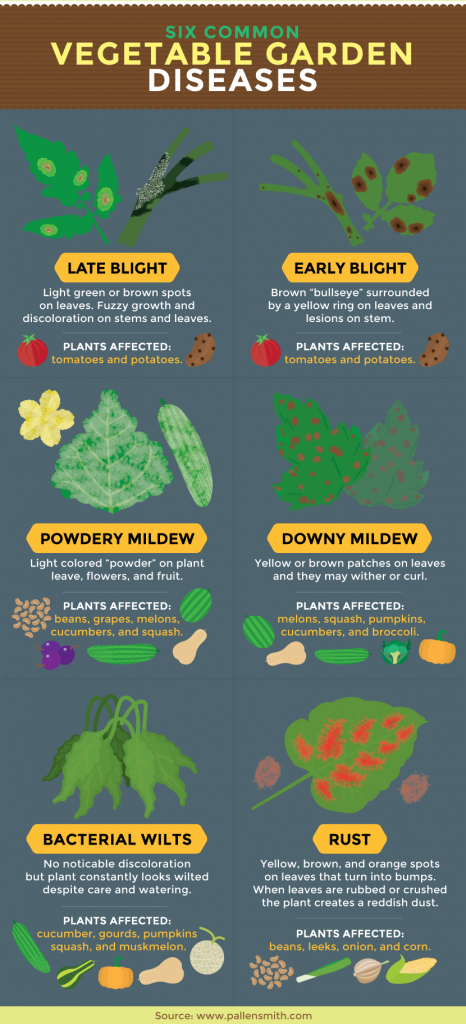
17 Common Diseases of Leafy Vegetables: Photos, Prevention, and Treatment

vegetable-garden-disease-1

“Diseases of leafy vegetables can cause devastating effects to your crop. They can completely kill your crop or significantly reduce its quality, which means that you can incur great losses if one of the diseases strikes your garden.

Just in case you didn’t know, leafy vegetables refer to crops such as: collard green, kale, cabbage, spinach, broccoli, rape, cauliflower, lettuce, celery and turnip, among others. They belong to the family- Cruciferae.

There are several diseases that attack leafy vegetables, and they are majorly caused by fungi, bacteria or viruses. If you grow greens or planning to grow them, here are the common diseases of leaf vegetables, their causes, prevention, control and treatment. See clear vegetable disease photos in order to exactly diagnose the problem with your crop!”

See all 17 Diseases at: DenGarden.com

Top 30 Organic Gardening Blogs and Websites For Organic Gardeners

shutterstock_83093326

Top 30 Organic Gardening Blogs Winners

CONGRATULATIONS to every blogger that has made this Top Organic Gardening Blogs list! This is the most comprehensive list of best Organic Gardening blogs on the internet…and we are honored to BE ON THE LIST!

collage

Here’s just a few of the TOP 30 Winners!

Urban Organic Gardener
Organic Gardener Magazine
Organic Growers School
Aussie Organic Gardening
Skippy’s Vegetable Garden
Edible Backyard
Misfit Gardening
Organic Gardener Podcast
Gaia’s Organic Gardens
Portland Edible Gardens
The Gardening Goddess, Jolie Ann Donohue
The Wealthy Earth
Organic Veggie Patch
Sage Garden Herbs
Garden Delights
Dig It

View the full list at: “blog.feedspot.com

What you think about pesticides depends on your farm literacy

(Matt M. McKnight/Crosscut)

In January, Knute Berger and Matt M. McKnight took the time to visit some of our farms in Whatcom County and then explained in Crosscut why bridging the urban-rural divide is so important for our state and communities. After all, as they mentioned, our failures to understand one another can blossom into hot political issues. What happens in urban areas affects farming and rural communities — and vice versa. For instance, a crisis in farming can quickly disrupt the food chain supplying city dwellers.

In February, the issue of pesticide use by farmers arose and provided a compelling example of what happens when the bridge between rural and urban mindsets fails.

A bill was introduced into the Legislature by well-intended and mostly urban legislators. It proposed to solve a “problem” with pesticide application by requiring four days’ notice before a farmer could apply necessary crop-protection materials. Farmers opposed the measure which was reported in Crosscut. That February article, in the view of farmers, added to the bill sponsors’ misperceptions about farmers and their interest in protecting workers, consumers, and neighbors.

Read the FULL ARTICLE, here: “Crosscut.com

82 Sustainable Gardening Tips

collage

1. I use an old plastic mesh bag to round up leftover slivers of soap. I rubber-band the bag so it’s tight and hang it next to the hose. The combo of the slightly abrasive bag and the soap scrubs off garden dirt. — Irene, Washington

2. I make row covers out of tomato cages, old rebar I got free, and used blankets I got at the local thrift store. — Cathy, Florida

3. Instead of purchasing expensive weed-blocking landscape cloth, I use free old tarps from my local lumber store that they used to cover wood during shipping. — David, Utah

4. I gather pieces of concrete to use as stepping stones in my garden. — Susan, Virginia

5. I recycle drink cups to grow tomatoes from seed. When they’re ready to transplant, I simply remove the bottom inch or so of each cup and plant directly in the ground. This prevents cutworms from making a meal of my transplants. — S., California

6. I was given some heavy-duty metal “for sale” sign frames, and I placed them in my raised beds to support bed covers in early spring. — Kat, California

7. Old pantyhose are my friends: They make garden ties, and I use them to “bag” cantaloupes growing on trellises so the melons have extra support. — Donna, North Carolina

8. I make all my garden fencing with scrap wood and build my veggie trellises and arbors with fallen branches and saplings. — Irene, New Jersey

9. My plant tags are twigs with a shaved-off area to write on. — Michelle, New York

10. For a cold frame in late winter, we prop old windows against straw bales. When I know we’re in danger of a frost, I take old bean poles and jab them into the ends of my beds, throw old sheets over them, use stones or bricks to hold down the edges, and voilà! I have a makeshift tent in my garden. — Liz, Ohio

Read 72 MORE TIPS, here: “MotherEarthNews.com

What Would Make Urban Agriculture in New York City More Equitable?

180305-urban-farms-top2Reverends Robert and DeVanie Jackson, founders of the Brooklyn Rescue Mission Urban Harvest Center in New York City, are proud of the fig trees and raised beds in their organization’s urban garden. Since 2002, local students and senior citizens have tended the crops that help stock the mission’s food pantry. A mile and a half away, Bushwick City Farm, which started in 2011 with volunteers reclaiming a vacant, garbage-strewn lot, now provides free, organically grown food to in-need community members.
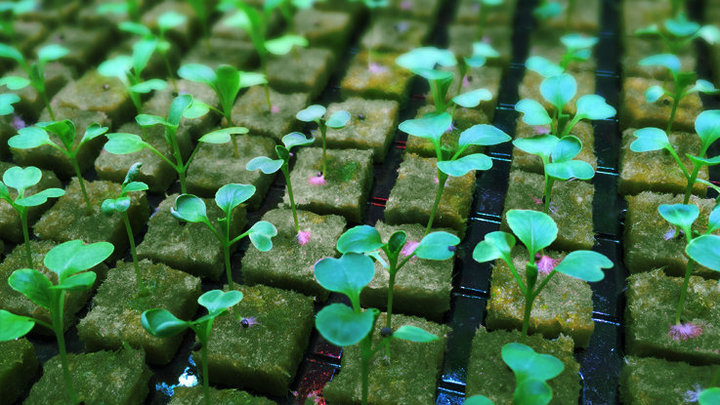
Despite deep roots in their communities, both of these urban farms are at risk of collapse. The Jacksons may lose their land in March unless a crowdsourcing campaign can raise the $28,000 they owe the bank for the lot, located in a rapidly gentrifying neighborhood. And though the owner of Bushwick City Farm’s lot originally told the farmers they could use the space, in August, he changed his mind and gave them 30 days to vacate. The owner has yet to enforce that order, but that could change at any moment.

“We’ve got 30 chickens there, and we didn’t have anywhere to go; we felt like we were participating in the community and he wasn’t,” said Bushwick volunteer James Tefler. “The neighborhood rallied around us and we had meetings with city government representatives.”

Read the FULL STORY: “CivilEats.com

This Swedish Indoor Urban Farm Wants To Revolutionize How We Live And Eat

5a9709de1f00005200168c13

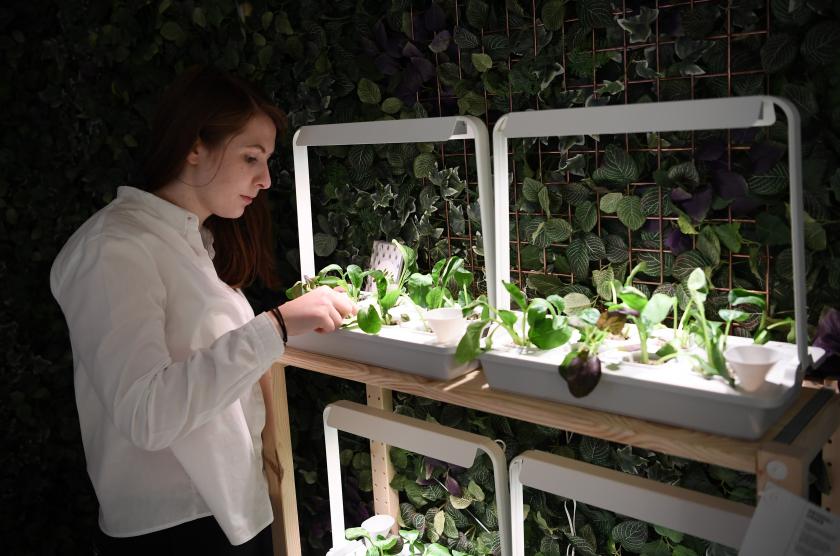
In the basement of a landmark 27-story tower in Stockholm’s central Kungsholmen district, Owe Pettersson is hoping to sow the seeds of an indoor urban farming revolution.

Pettersson is the chief executive of Plantagon, a new Stockholm-based urban farming venture set to kick off operations in the basement of an office block in the Swedish capital later this month.

“This will be one of the most advanced food factories located in a city that we have today,” says Pettersson, who has spent more than 25 years in the insurance and banking industries.

He is by no means the first enthusiast for indoor farming, which has become increasingly fashionable in recent years. Claims for the practice of growing food in basements or warehouses range from feeding people in desert environments to reversing the negative environmental effects of monoculture farming.

Read the FULL Article, HERE: “HuffingtonPost.com

Win a FREE Seed Club Subscription!

Seed Club GIF

Win a FREE 1 Month Subscription to UOG’s Monthly Seed & Garden Club! https://urbanorganicgardener.cratejoy.com/offer.html

Everything is delivered to you at just the right time of the year. [All based on your grow zone – growing conditions – garden location – preferences – and more!]

Now is the perfect time to join as we are currently getting ready for the upcoming spring planting season!

Let our Garden Guru’s curate a collection of seeds & garden supplies just for you – your grow zone – garden space – location – and more. Includes everything you need to grow 5 new edible plant varieties every month – varieties can include herbs, vegetables, flowers, sprouts, micro-greens, bulbs, and more! Join the rest of the UOG community and get growing now!

ENTER TO WIN: https://urbanorganicgardener.cratejoy.com/offer.html

Is Personalized, Next-Day Delivery the Future of Urban Farming?

692e7eebb

940

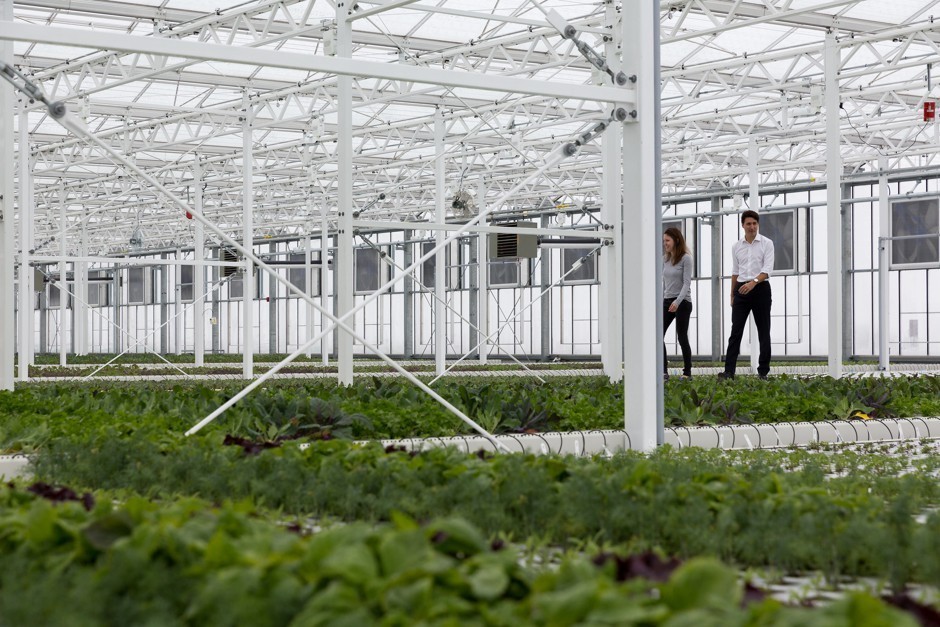
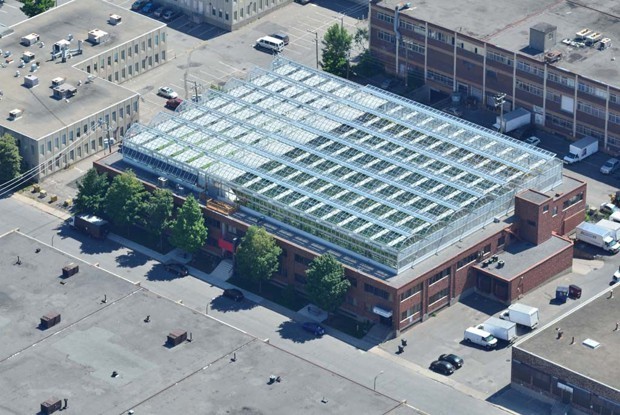
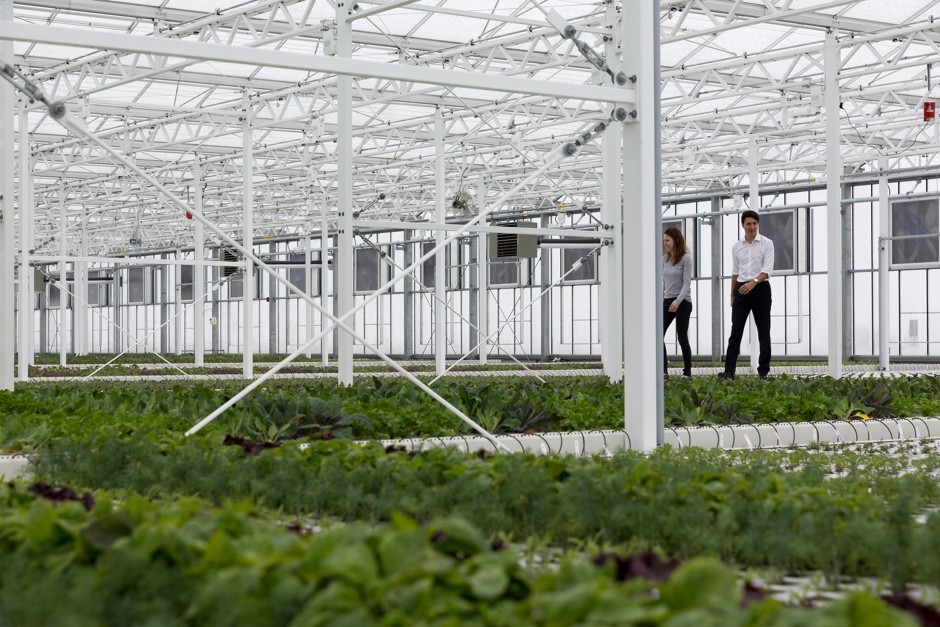
“Canadians have grown accustomed to seeing Prime Minister Justin Trudeau pop up in unlikely photos, sometimes shirtless or in athletic gear. But Trudeau was wearing a suit for a planned photo op when he toured Lufa Farms, a 63,000-square-foot rooftop greenhouse in Montreal, last March. During his visit, Trudeau took a moment to harvest a bag of greens for his family.

One of Canada’s largest urban farming projects, Lufa Farms is the brainchild of Mohamed Hage and Lauren Rathmell. Back in 2011, Hage and Rathmell—partners in business and life—opened the world’s first commercial rooftop greenhouse, a 31,000-square-foot space atop an old Montreal warehouse. They now oversee three hydroponic greenhouses, each placed on a sturdy, low-rise building, with a combined 138,000 square feet.”

Read the FULL STORY “CityLab.com

Upgrade Your Garden With These 19 Cheap Homemade Decor Projects

Sample 19 Garden Projects

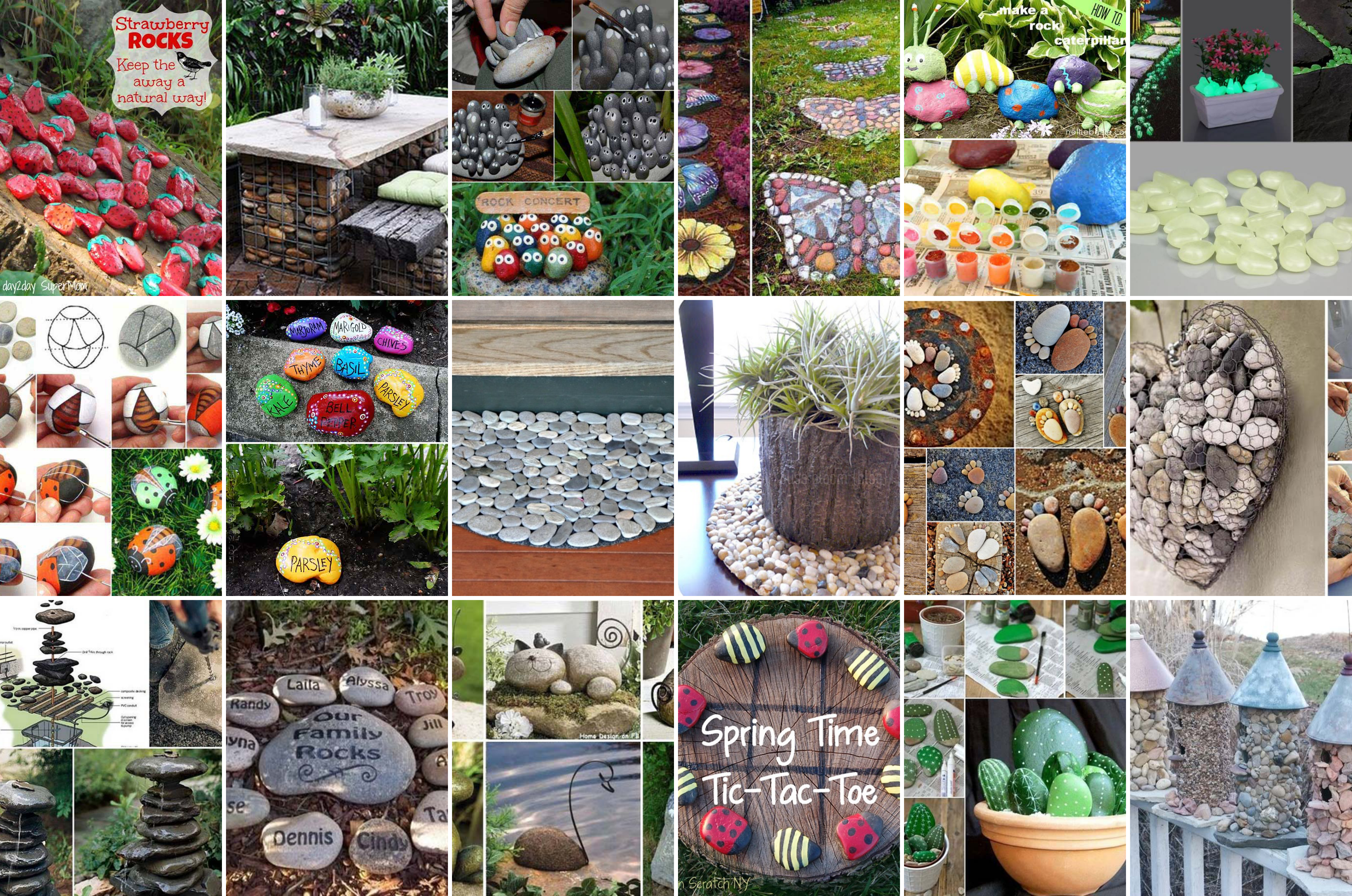
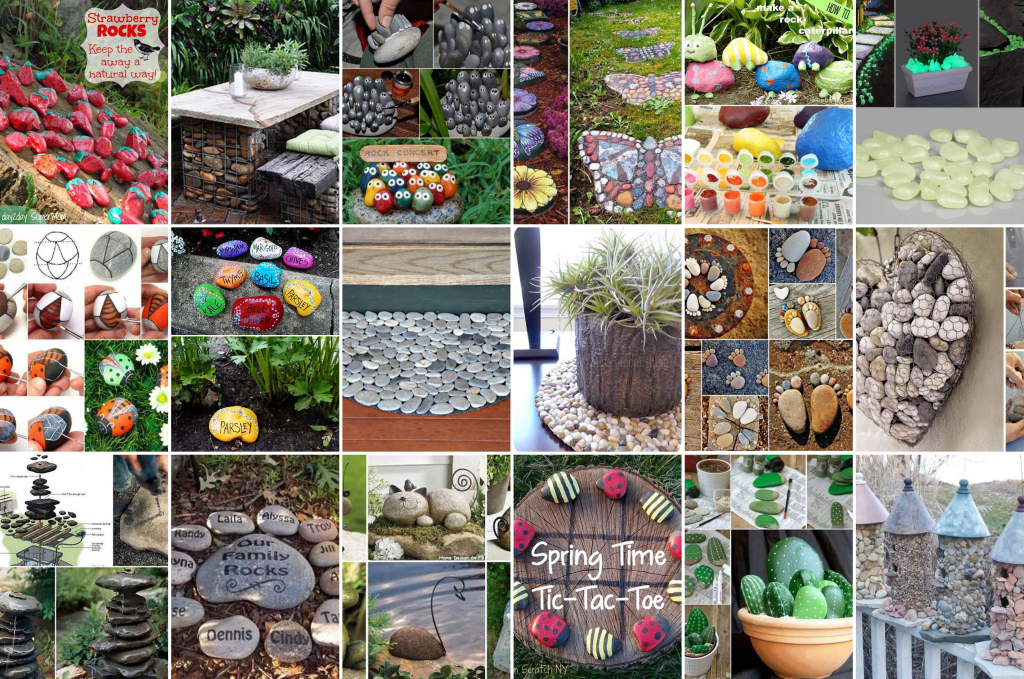
“Does your garden need a little refreshment? If you have no idea of how to upgrade your garden and add some life to it, not to worry. We have these awesome DIY Cheap Garden Decor Ideas to solve your problem. It’s always fun to make creative and unique outdoor garden projects. Your garden is the place for outdoor activities, fun BBQ parties or even if you are in a mood to chill. If you are ready to put little efforts, you would be able to add a personality and glow to your garden.

These projects are so cheap. You can re-purpose existing stones from your garden, colors, wires etc.”

Learn how to create all 19 Garden Decor Projects, HERE!


49 Beautiful DIY Raised Garden Beds Ideas

preview

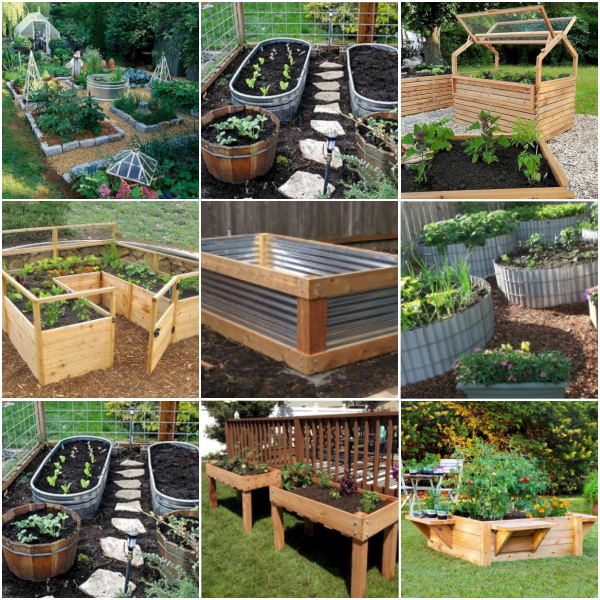
“If you are planning to a vegetable garden, the best place to plant it may not be in the ground, many gardeners today use raised beds which lift the plants and their roots above ground level. There are a number of good reasons to garden this way; you can choose your soil for good plants and good harvest. Raised bed also brings the garden up where it’s easier to reach for weeding and harvesting.”

See all 49 Raised Bed Garden Ideas, HERE!

Urban farmers are learning to grow food without soil or natural light

gettyimages-862655512Growing food in cities became popular in Europe and North America during and immediately after World War II. Urban farming provided citizens with food, at a time when resources were desperately scarce. In the decades that followed, parcels of land which had been given over to allotments and city farms were gradually taken up for urban development. But recently, there has been a renewed interest in urban farming – albeit for very different reasons than before.

As part of a recent research project investigating how urban farming is evolving across Europe, I found that in countries where growing food was embedded in the national culture, many people have started new food production projects. There was less uptake in countries such as Greece and Slovenia, where there was no tradition of urban farming. Yet a few community projects had recently been started in those places too.

Read the FULL Story at: “CityMetric.com


Urban Farmer Makes $1000 a Week Growing Vegetables in Rental Home

“In this episode, you will learn how in just 7 months the Farmers transformed an empty yard into a fully operational farm growing microgreens, leafy green vegetables, root vegetables, and fruits. You will get a tour of the entire farm showing you all the different areas and some of the infrastructures that have been built that can be easily removed if necessary.

You will discover how this farm is able to gross $1000 a week by selling food they grow on their 1/3 acre lot including washing, drying, cleaning and storing the vegetables when necessary. You will learn about some of the most important equipment that was purchased to get this farm up and running. You will discover how hoop houses allow them to get an early start on the season, and grow foods until late in the season to produce an income for the longest period of time.”

Video via: “GrowingYourGreens.com

Vertical Gardens on Parking Garages Boost Well Being

r0_0_1200_800_w1200_h678_fmax

If you’re going to build something like a car park, why not make it beautiful?

This is the philosophy of Maitland’s Bob Dennerley, a craftsman with a passion for creativity and design.

Bob is urging the Hunter’s city planners and politicians to push for vertical gardens on multi-level car parks.

What Bob is trying to say, is that car parks are ugly. Hideous, even.

And who would disagree?

Many [or all] of them are concrete monstrosities often frequented by understandably moody commuters, struggling to get to work on time or desperate to get home.

Bob says vertical gardens have an “aesthetic value on people’s mental health”.

READ the FULL STORY at: “TheHerald.com.au

Do not eat your veggies — if they are grown in your front yard!

Hermine Ricketts and her husband Tom Carroll may grow fruit trees and flowers in the front yard of their Miami Shores house. They may park a boat or jet ski in their driveway. They may place statues, fountains, gnomes, pink flamingoes or Santa in a Speedo on their property.

Vegetables, however, are not allowed.

Ricketts and Carroll thought they were gardeners when they grew tomatoes, beets, scallions, spinach, kale and multiple varieties of Asian cabbage. But according to a village ordinance that restricts edible plants to backyards only, they were actually criminals. They didn’t think they were engaged in a Swiss chard conspiracy or eggplant vice, yet they were breaking the law.

Florida’s 3rd District Court of Appeal upheld Miami Shores’ ban on front-yard vegetable gardens in a recent decision, so the couple will take their case to the Florida Supreme Court. They argue, on behalf of gardeners everywhere, that the village’s restriction is unconstitutional and an infringement on their property rights.

Read more here: “MiamiHerald.com”