
Apartment Gardening: Yes, It’s a Thing, and Yes, You Can Do It

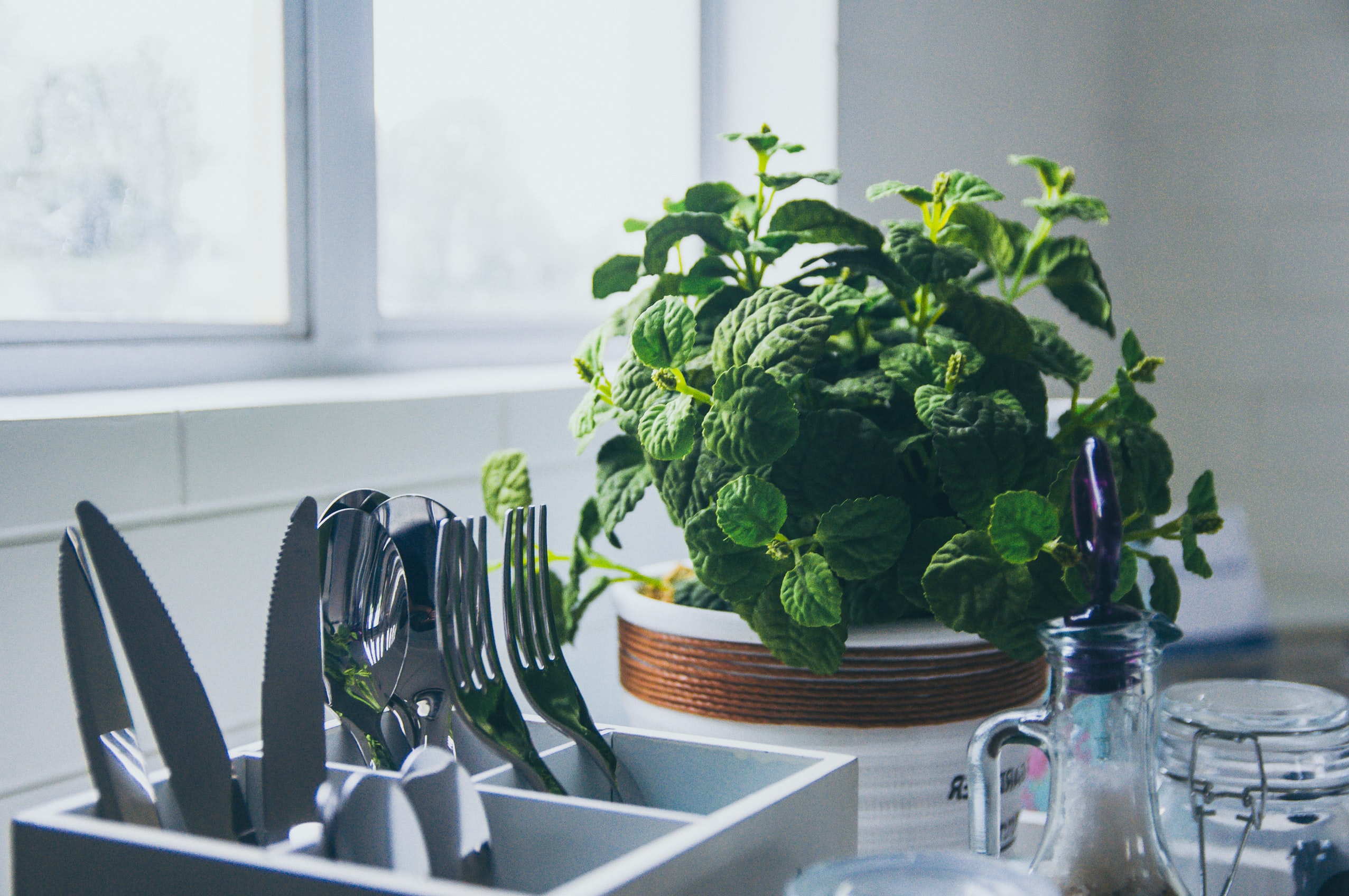
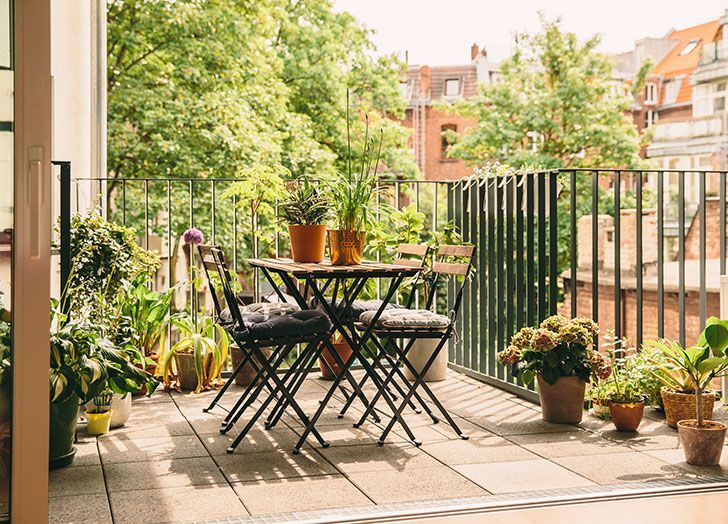
You’ve successfully babied a houseplant or two, and now you’re ready for the next step. But how do you garden without a yard? Living in an apartment doesn’t mean you can’t grow things: It just takes a little ingenuity and planning. Start small with a few pots, window boxes or hanging baskets to get comfortable, and add more as you gain confidence. Before long, you’ll be expanding your greenery to cover your balcony, windowsills and stair railings.

1. Check your light levels

The most important factor is making sure you have the right light for your plants. Indoors, south-facing windows provide the most light, and you’ll be able to grow houseplants that need bright light (such as rubber trees and fiddle leaf figs) here. Herbs, such as thyme, parsley and rosemary, also do well in bright light or on a windowsill. Another solution? Invest in a stand-alone LED grow light, or one that comes with a shelving kit for a dark corner of your apartment.

Just wait until you see how easy apartment gardening can be, thanks to these simple tips.

Read all 8 tips here: https://www.yahoo.com/lifestyle/apartment-gardening-yes-thing-yes-110000213.html
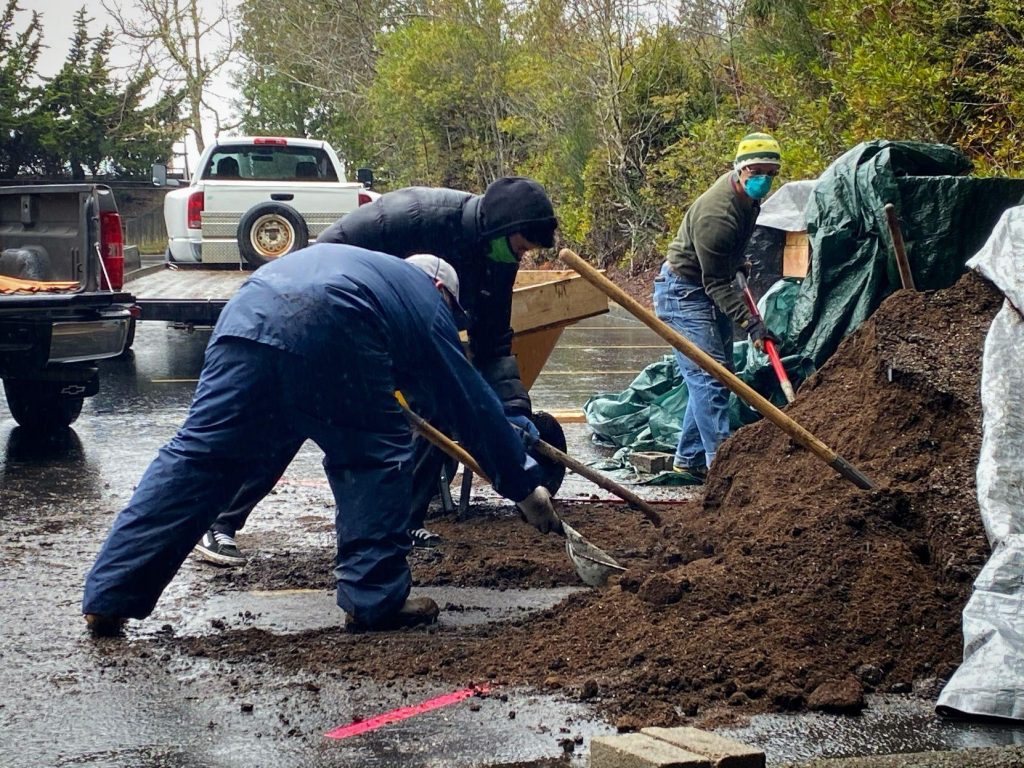
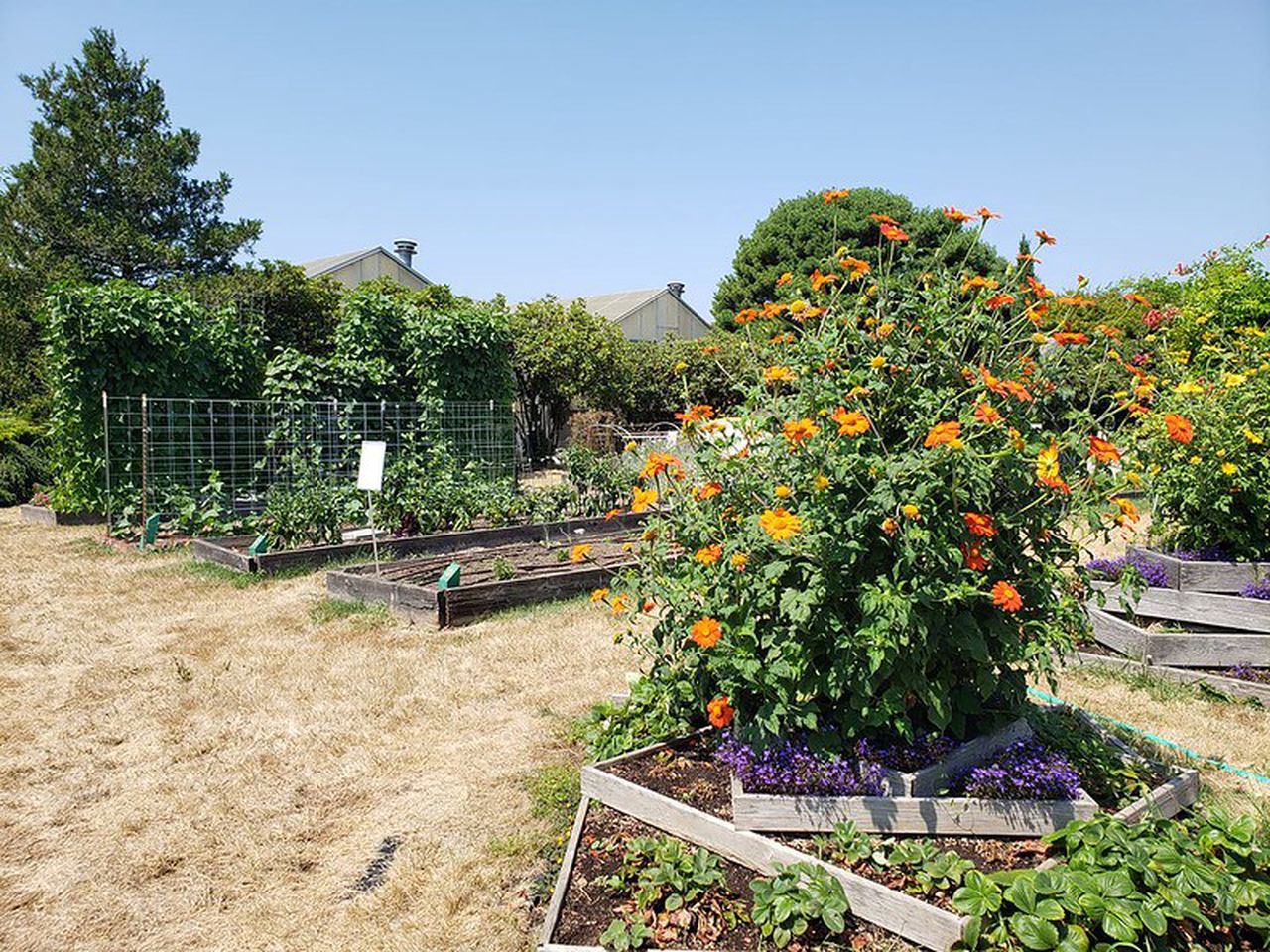
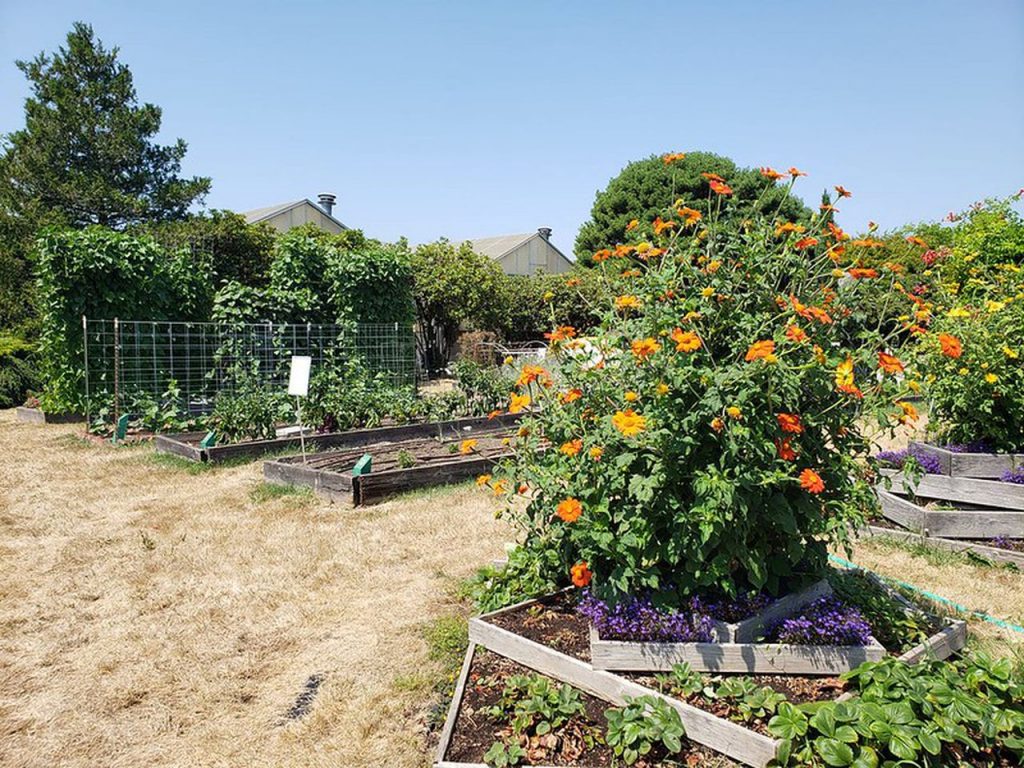
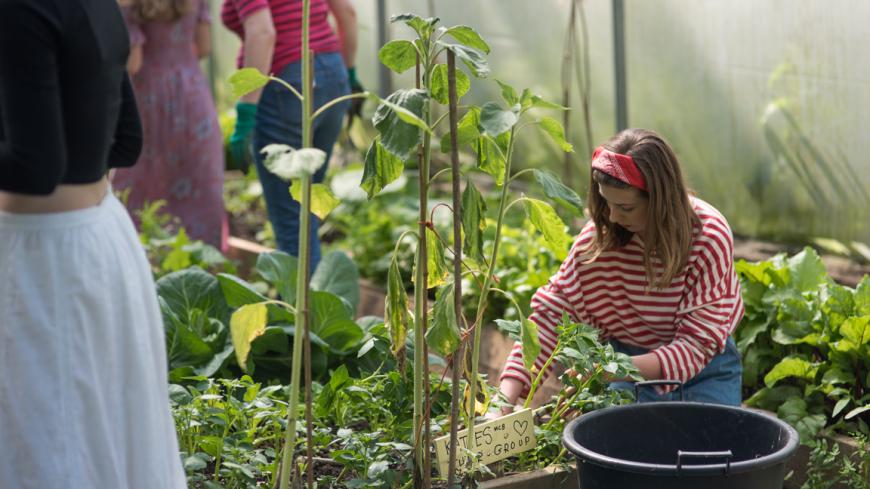
‘Growing Together’ gardening program hands out free garden boxes

There’s something special about growing your own food.

From feeling the silky soil between your fingers to watching the seeds you planted finally begin to sprout — it’s a feeling of accomplishment and pure joy, it’s a feeling Dr. Steven Shimotakahara wanted to share with others.

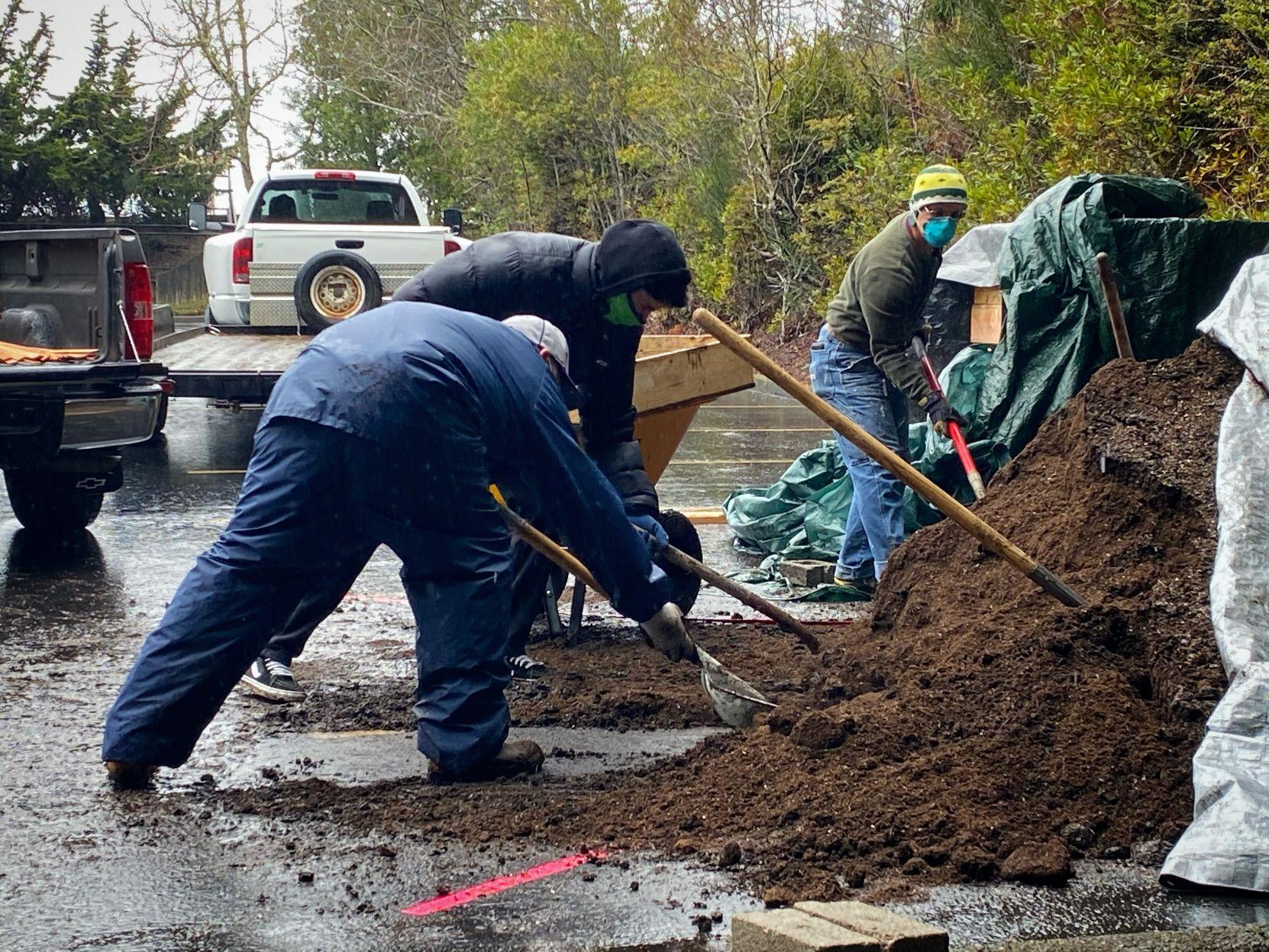
On Saturday, Dr. Shimotakahara, the chairman of the board of the North Bend Medical Center and board-certified ENT physician, donated over 20 garden boxes to local foster families throughout Coos County as a way to encourage their children to eat more vegetables.

A community-based project, which was started by Dr. Shimotakahara about two years ago, the “Growing Together” program not only taught young children about gardening but also encouraged them to eat healthy.

READ THE FULL ARTICLE: https://theworldlink.com/news/local/growing-together-gardening-program-hands-out-free-garden-boxes/article_57202ee8-76f5-11ea-8d90-2ba89f1ba124.html

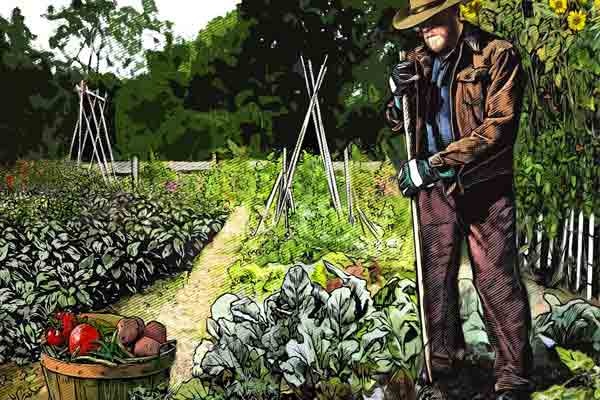
How to grow your own food in a modern-day victory garden

One silver lining of the coronavirus lockdown is that it comes at the start of the growing season. Between now and the fall, folks have the chance to coax food from the soil while also feeding the soul.

This year, a vegetable garden may also provide one thing we seem to be lacking at the moment: control over our lives. It includes the satisfaction of raising nutritious and delicious food, exercising outdoors while socially distancing, relieving pressure on the nation’s food supply system, passing essential knowledge on to your children and growing extra to share with others. At the very least, it’s a constructive distraction in a confined environment.

You can think of it as a Doomsday Garden; I prefer to regard the spring 2020 plot as the Stick It to the Virus Garden.

READ THE FULL STORY: https://www.washingtonpost.com/lifestyle/home/how-to-grow-your-own-food-in-a-modern-day-victory-garden/2020/04/05/6a0fa7f0-737f-11ea-a9bd-9f8b593300d0_story.html

Gardening can boost your confidence, self-esteem and body image, a new study has found

According to a new study, gardening can increase our confidence, improve our self-esteem and boost our appreciation of our bodies. This confirms what we already know about gardening being the perfect activity to get us through the current social distancing regulations.

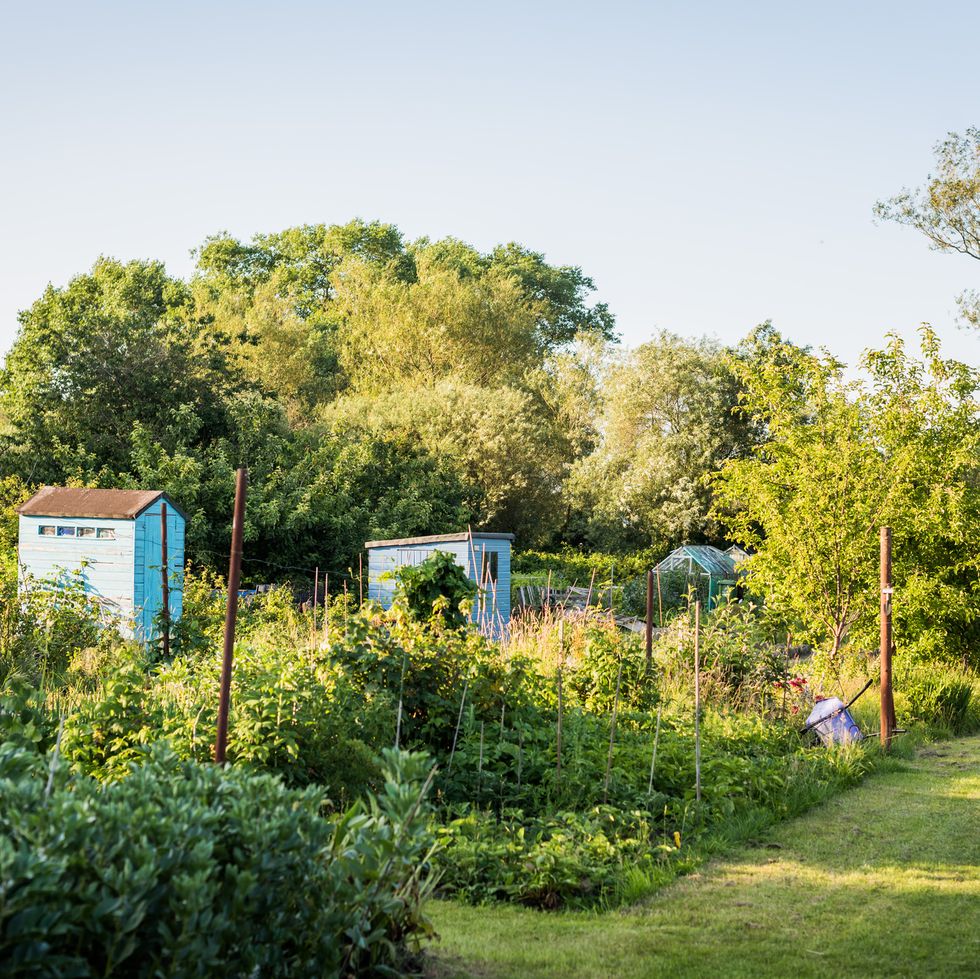
The research, conducted by Anglia Ruskin University, looked specifically at allotment gardening. 84 allotment and community gardeners from London were asked to complete a body image ‘measure of state’ before and after spending time on their allotments. This was then compared to scores from non-gardening groups.

Both groups were also asked to rate themselves on several body image traits, including ‘body appreciation’, ‘functionality appreciation’ and ‘body pride’.

READ THE FULL ARTICLE: https://www.countryliving.com/uk/homes-interiors/gardens/a32027282/allotment-gardening-boost-body-image/

Oregon’s free online vegetable gardening course draws in 18,000 people following stay-home orders

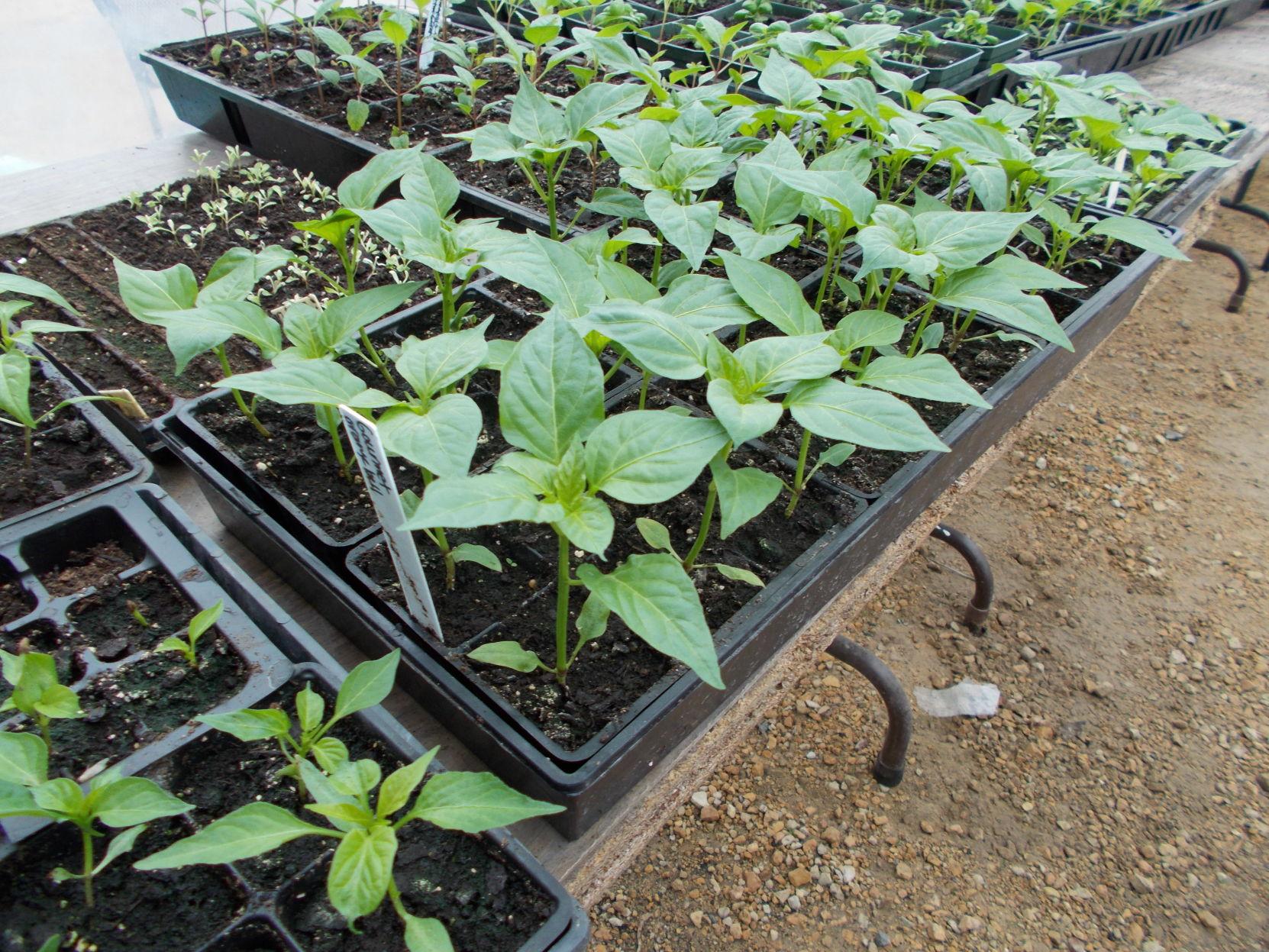
The coronavirus crisis has increased interest in individuals wanting to grow their own food during stay-at-home orders, massive layoffs and community planting postponements. About 1,000 people a day are signing up for a free, online vegetable gardening course offered by Oregon State University Extension Service.

As of April 1, more than 17,656 people had registered for the introductory course, according to OSU Extension, which waived the $45 fee through the end of April.

The course offers information that can be accessed anytime online on how to plan a garden, prepare the soil, care for plants and harvest.

People are also being encouraged to donate surplus produce to local food agencies through the Plant a Row for the Hungry effort.

READ THE FULL ARTICLE: https://www.oregonlive.com/coronavirus/2020/04/oregons-free-online-vegetable-gardening-course-draws-in-18000-people-following-stay-home-order.html

Plant a Victoy Garden To Combat Your Isolation Woes


🌱 Plant a Victory Garden to combat your coronavirus fears and isolation woes.

👨‍🌾 During World War II, those at home grew Victory Gardens to ease food shortages & boost morale. While there may not be a shortage of food, those quarantined at home may find their garden to be a place of joy, wonder and peace. BONUS… you’ll end up with some pretty great things to eat.

“SOW the Seeds of VICTORY”! 💪
🛒 SHOP our Homestead Seed Bank, NOW: https://www.seedsnow.com/products/homestead-seed-bank

Gardening self-care: Vegetables you can plant right now (indoors and out) during the coronavirus

As you practice social distancing, use this time to introduce two new friends into your life: a shovel and a pair of gloves.

During stressful times, nature can be a peaceful refuge. And, coinciding with the timing of coronavirus, we’re also at the start of something a little brighter — gardening season.

“There’s a meditative feeling you get from the repetitive tasks of gardening,” says Teddy Moynihan, founder of Plowshare Farms. “Plus it’s an action you can take to nourish yourself in the face of something that feels like we have no control over.”

While stay-at-home orders are in place, outdoor activity is still permitted, meaning you’re in the clear to venture into your backyard or garden plot. (Just don’t bring others along to watch you plant.)

READ THE FULL STORY: https://www.inquirer.com/health/coronavirus/gardening-vegetables-plant-vegetables-containers-garden-yard-coronavirus-philadelphia-new-jersey-20200330.html

Fearing Shortages, People Are Planting More Vegetable Gardens

People still struggle to find food at grocery stores during this pandemic, but Jameson Altott is not as worried. He grows more than half the food for his family from his large garden at home, outside Pittsburgh.

“We are lucky to have preserved a lot of food and we still have canned fruits and vegetables and jams and berries in the freezer and meat in the freezer,” Altott says.

There has been a surge of people interested in growing their own food. Oregon State University’s Master Gardener program noticed this, and made their online vegetable gardening course free through the end of April. Their post on Facebook was shared more than 21,000 times.

“We’re being flooded with vegetable orders,” says George Ball, executive chairman of the Burpee Seed Company, based in Warminster, Penn.

READ THE FULL ARTICLE: https://www.npr.org/sections/coronavirus-live-updates/2020/03/27/822514756/fearing-shortages-people-are-planting-more-vegetable-gardens

The therapeutic value of the garden in trying times

If someone were to say I must self-isolate in the garden for the next few weeks, I would shake him or her by the hand. If I could. Here’s a thumbs up from a distance of six feet or more.

The neighborhood sidewalks and nature trails are thronged with the cabin-fevered, so what better place to be outdoors and yet away from others than in your backyard and garden?

You can sit out there with the newspaper and a cup of coffee, but in time both of those pleasures will come to an end.

The mark of a true gardener is a person who does not see a finished landscape but a series of tasks that need to be tackled. This isn’t as onerous as it sounds because it gets to the essential elements of gardening: creativity, honest toil and the satisfaction of a job well done. Aches and pains come along for the ride, but that’s why we have bathtubs.

READ THE FULL POST: https://www.washingtonpost.com/lifestyle/home/gardening-self-isolating-coronavirus/2020/03/23/30bae166-6a08-11ea-9923-57073adce27c_story.html

Gardening a great way to stay active when your’re stuck at home

Being stuck at home doesn’t mean you have to stay inside – the current spring weather is perfect for working on the landscape and doing some gardening.

Gardening is a great way to get fresh air, exercise, stay productive, and grow some of your own food.

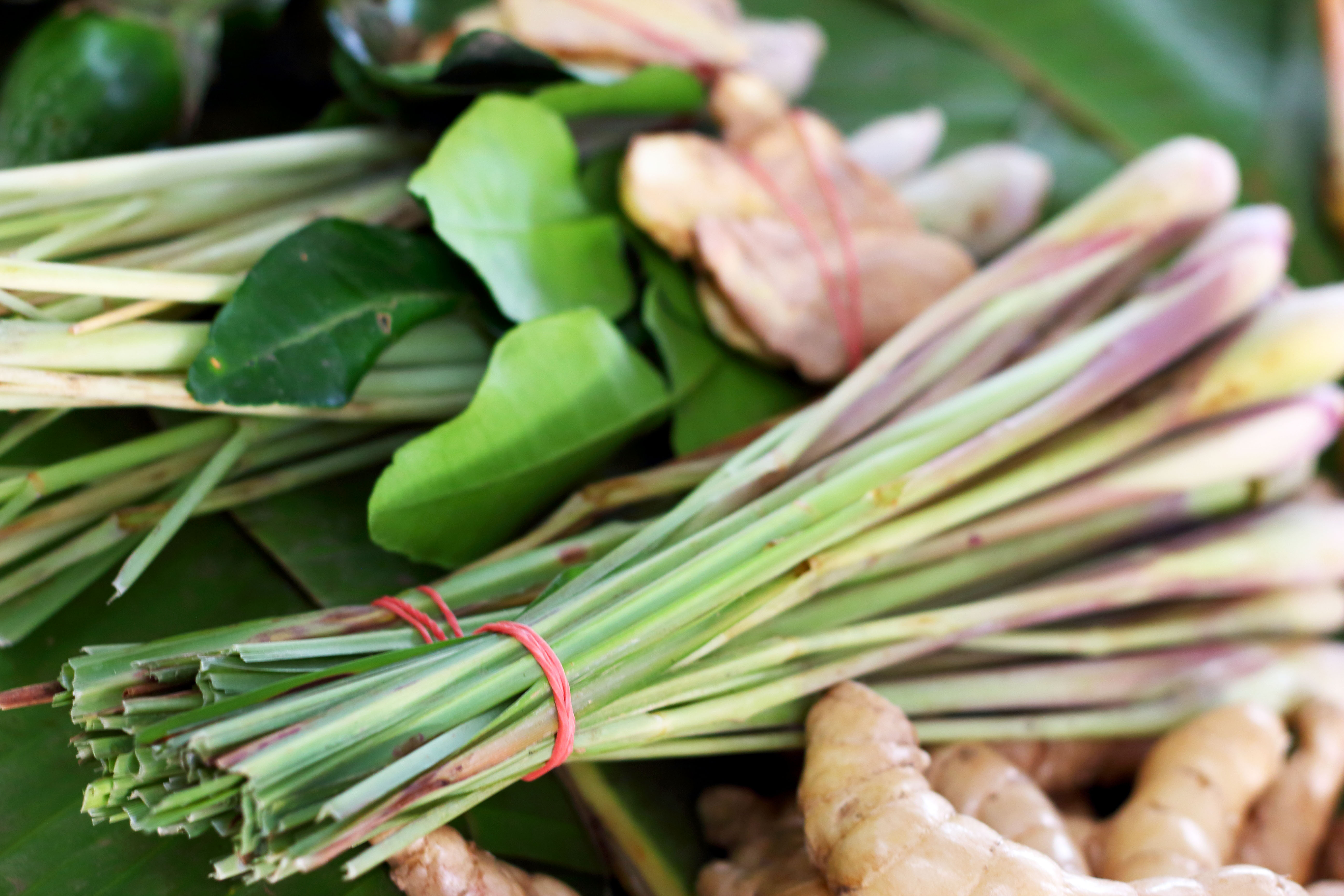
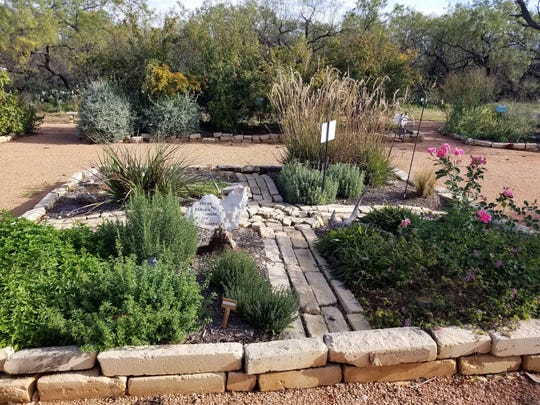
Herbs, in particular, are great to have in the landscape for many reasons – they are beautiful ornamental plants, attract butterflies and bees, and they can be used for seasoning to make food taste delicious.

Another bonus is that many herbs are deer-resistant!

There are herbs to try for every level of experience, from beginner gardener to advanced.

READ THE FULL STORY: https://www.gosanangelo.com/story/news/2020/03/22/gardening-great-way-stay-active-when-stuck-home/2884284001/

The History Of Gardens In Times Of Turmoil

Spring weather and extra time at home may have you thinking about putting in or tending to a garden. It’s something past generations always did in times of turmoil. Home gardens provide extra fruits, veggies and herbs when store shelves may be bare.

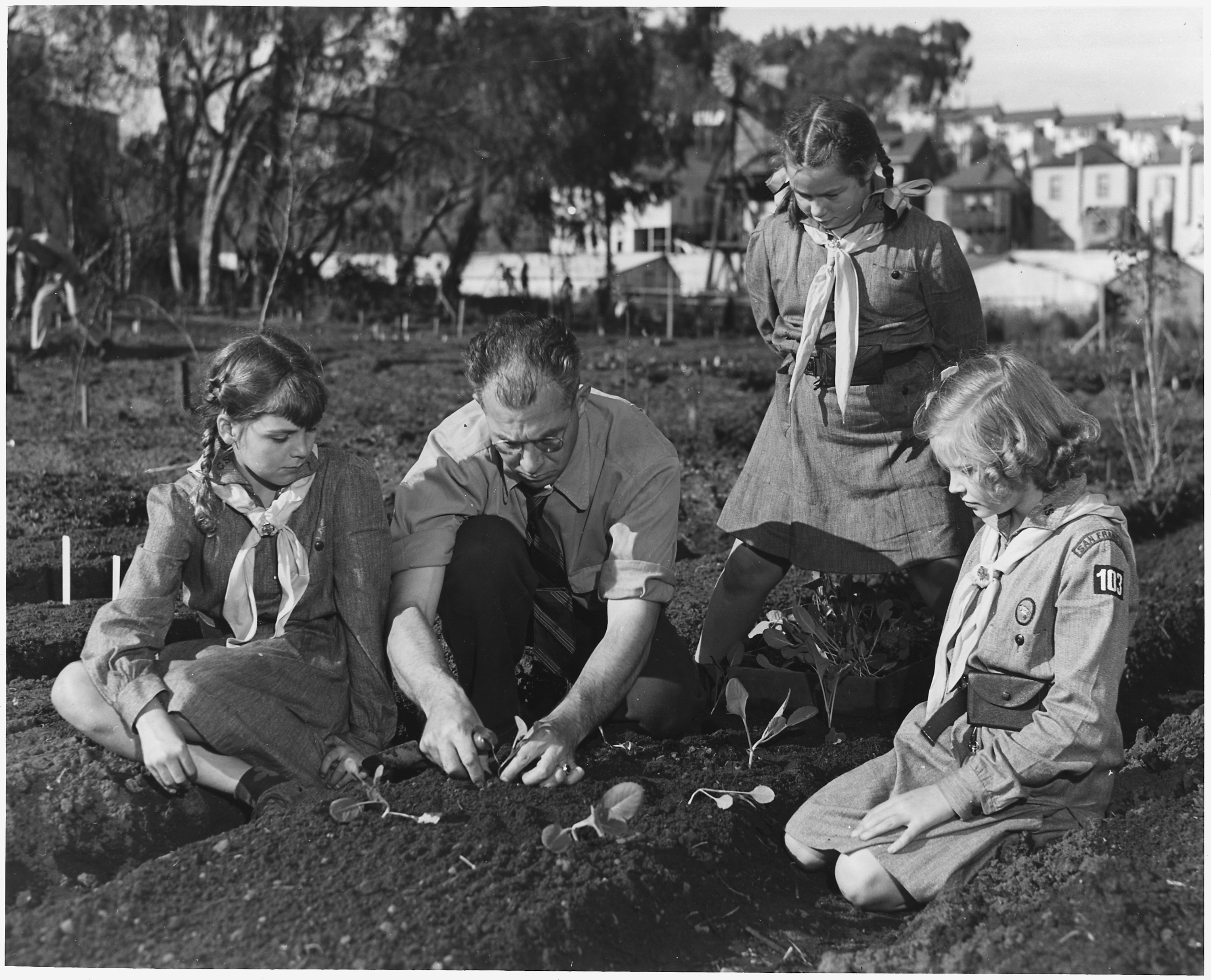
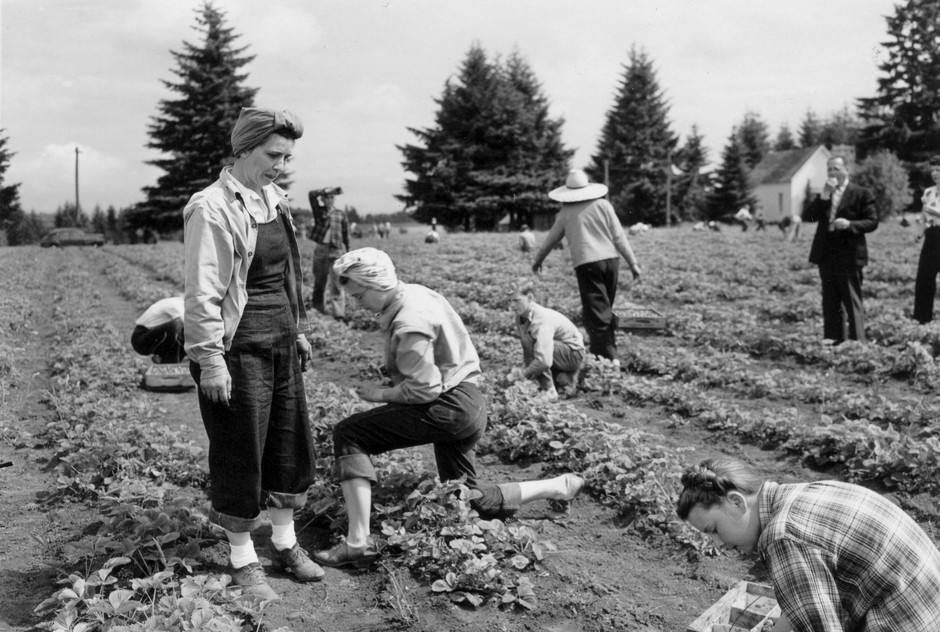
During both World Wars, the U.S. government encouraged Americans to grow their own food to relieve shortages. Gardening was promoted as a family-friendly activity that provided exercise and stretched food budgets.

With wartime food rationing in 1942, the Oregon Victory Garden Advisory Committee formed to help people grow personal plots of fruits and vegetables. Community groups and government agencies partnered to offer free public classes, they produced and distributed how-to manuals, provided hands-on assistance through home visits, and broadcast gardening information on KOAC radio – later known as Oregon Public Broadcasting.

The coordinated effort worked. All over the state, residents dug up and cultivated their yards, public parks, empty lots and even a portion of the Oregon Zoo.

READ THE FULL STORY: https://www.opb.org/artsandlife/article/victory-gardens-america-coronavirus-history-oregon/

Gardening column: Big tips on fertilizing your garden

I don’t know if fertilizer is flying off the shelves yet, but I am guessing a few more people might be interested in gardening this year … you know … stocking up!

Growing your own produce is fun and eating it fresh from the garden is rewarding. Growing organically remains popular — so much so that each generation seems to think they invented it!

Regardless whether you garden flowers, veggies or manage turf — using the least amount of inputs is always best.

The two broad groups of garden products are synthetic (human-made), chemical types or organic/natural based chemicals. Both are chemicals.

For example, the chemical composition for bone meal, a natural product can range from 10-30% phosphorus, depending on the type of bones and methods used to process it. Products used as organic fertilizers are usually available separately, so you can mix up your own concoction.

READ THE FULL STORY: https://www.mankatofreepress.com/news/lifestyles/gardening-column-big-tips-on-fertilizing-your-garden/article_1f83e760-67f8-11ea-998f-9fc94aab9627.html

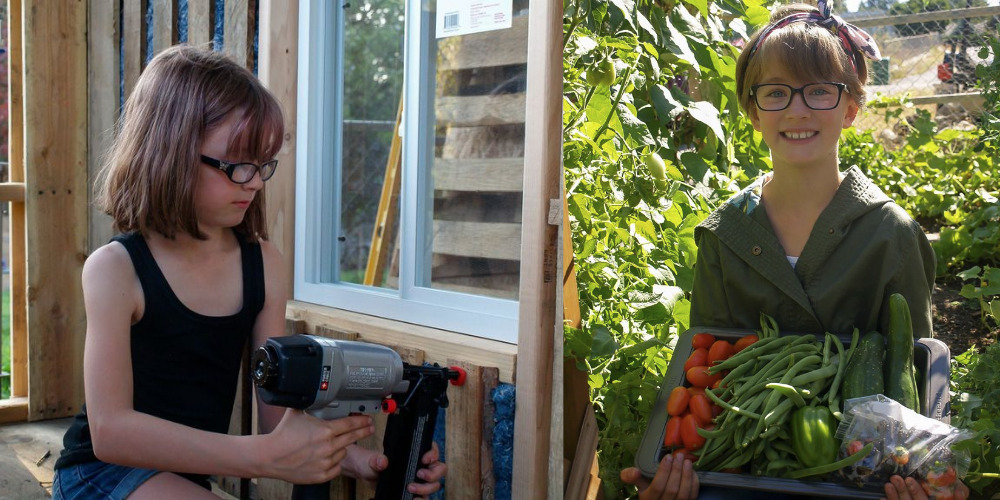
The nine-year-old American girl who builds houses for the homeless – using all the power tools herself!

A nine-year-old builds houses from scratch and they aren’t the kind for dolls. 

When Hailey Fort was just five-years-old, it broke her heart to see a homeless man on the street. After asking her parents how she could help him, she’s been assisting the homeless by providing food and housing ever since.

Hailey of King Fort, Washington is building a mobile shelter for her homeless friend Edward and others like him. She plans to build 12 this year.

Edward recently lost his job working at the local supermarket and Hailey made it her goal to make sure he could sleep someplace warm and dry.

READ THE FULL STORY: https://www.dailymail.co.uk/news/article-3111720/Nine-year-old-girl-builds-makeshift-homes-homeless-grows-food-garden.html

How To Plant a Forest Garden That Grows 500 Kinds of Food and Requires Virtually No Maintenance

Historically, farms and forests have been at odds. Conventional wisdom says we have to cut down the forest to make way for agriculture.

But a growing movement called agro-forestry “capitalizes” on the free services forests provide farmers and gardeners.

Not only do trees protect more delicate edible plants from the elements and extreme weather, they provide nutrients, water, pest control and pollination services.

Although you might not find all your traditional annual veggies in a forest garden, you will discover hundreds of new varieties of edible plants you never knew existed, that are often more nutrient-dense and flavorful.

And if you choose your plants carefully, they will propagate themselves each year and live symbiotically among the hundreds of diverse species around them, requiring no tilling, planting, fertilizing, weeding or watering.

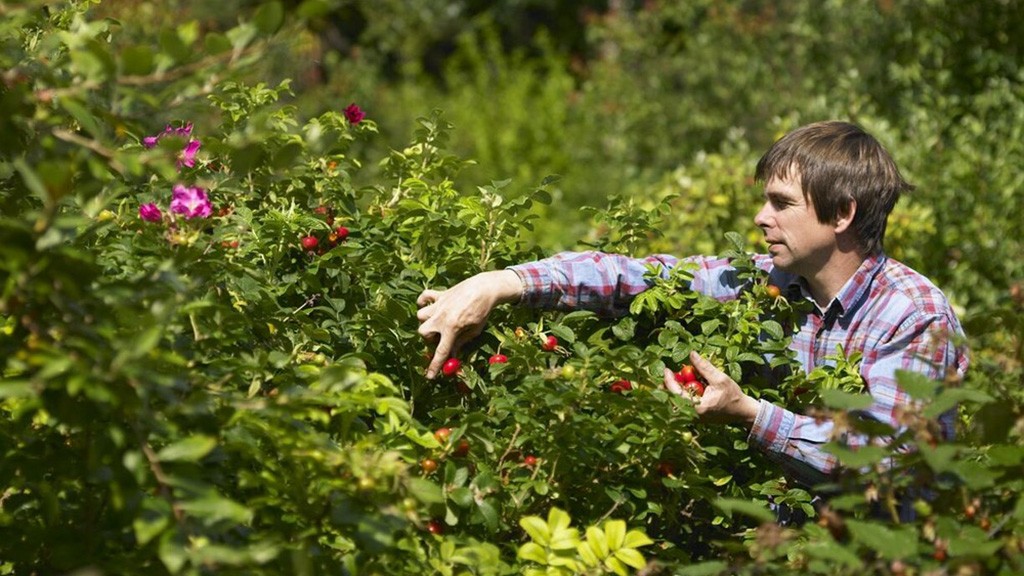
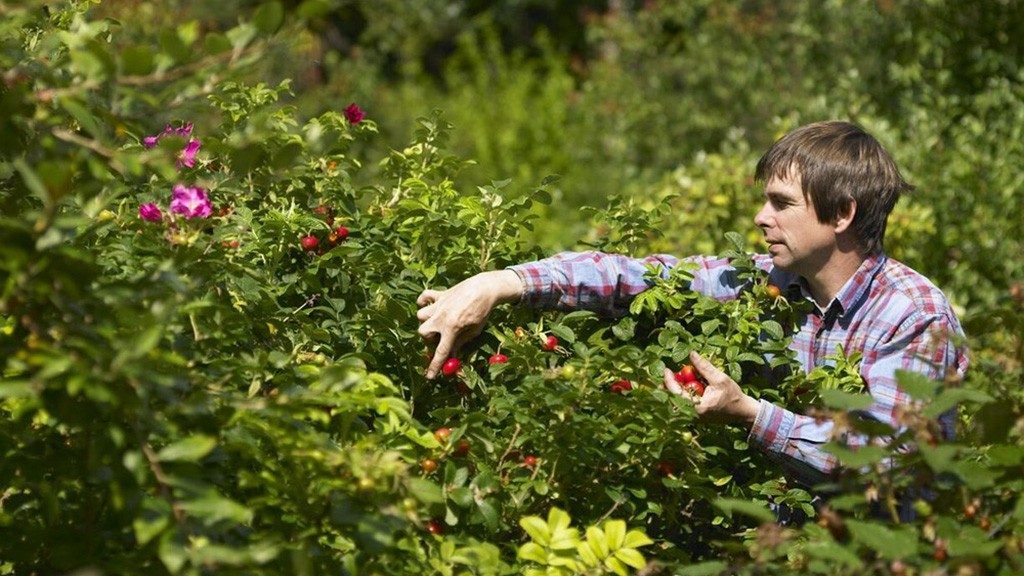
This is what Martin Crawford has done in his 2-acre forest garden in England for over 20 years — let it do the work for him for the most part, after a few years of research and legwork.

READ THE FULL STORY: https://returntonow.net/2019/10/28/forest-garden-with-500-kinds-of-food-requires-only-a-few-hours-of-work-per-month/?fbclid=IwAR1n5udnKnaFLBC9hI9pCnNv4R3ryKXXzQKfOlXeurHyYcURiXHMSPVTN6o

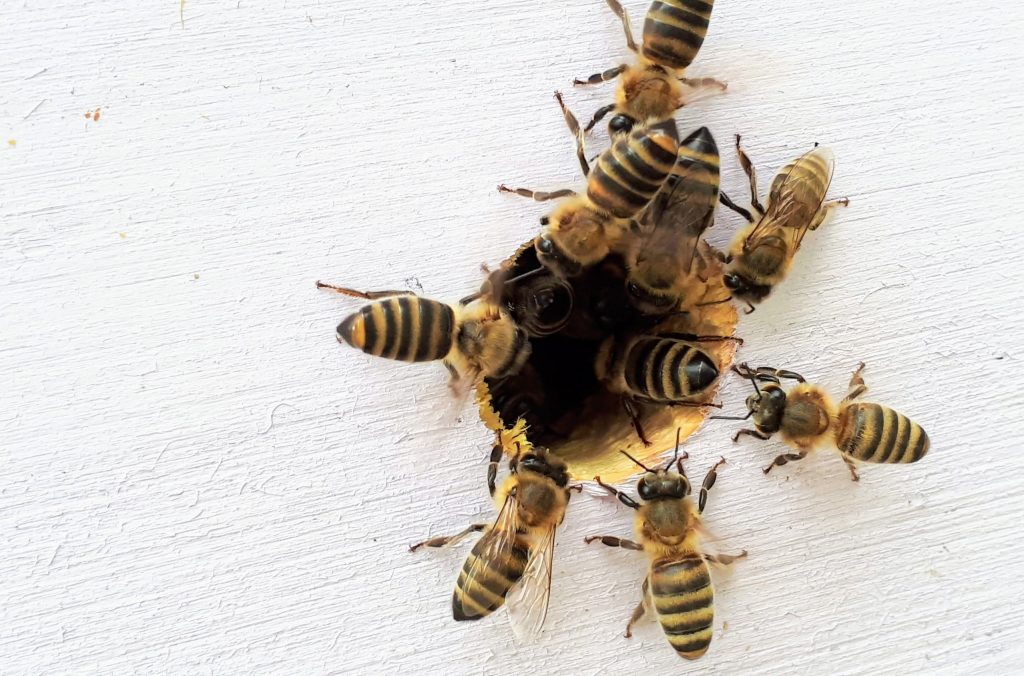
MORGAN FREEMAN TRANSFORMED HIS 124-ACRE RANCH INTO A BEE SANCTUARY

MORGAN FREEMAN’S MISSISSIPPI RANCH IS NOW A SAFE HAVEN FOR BEES

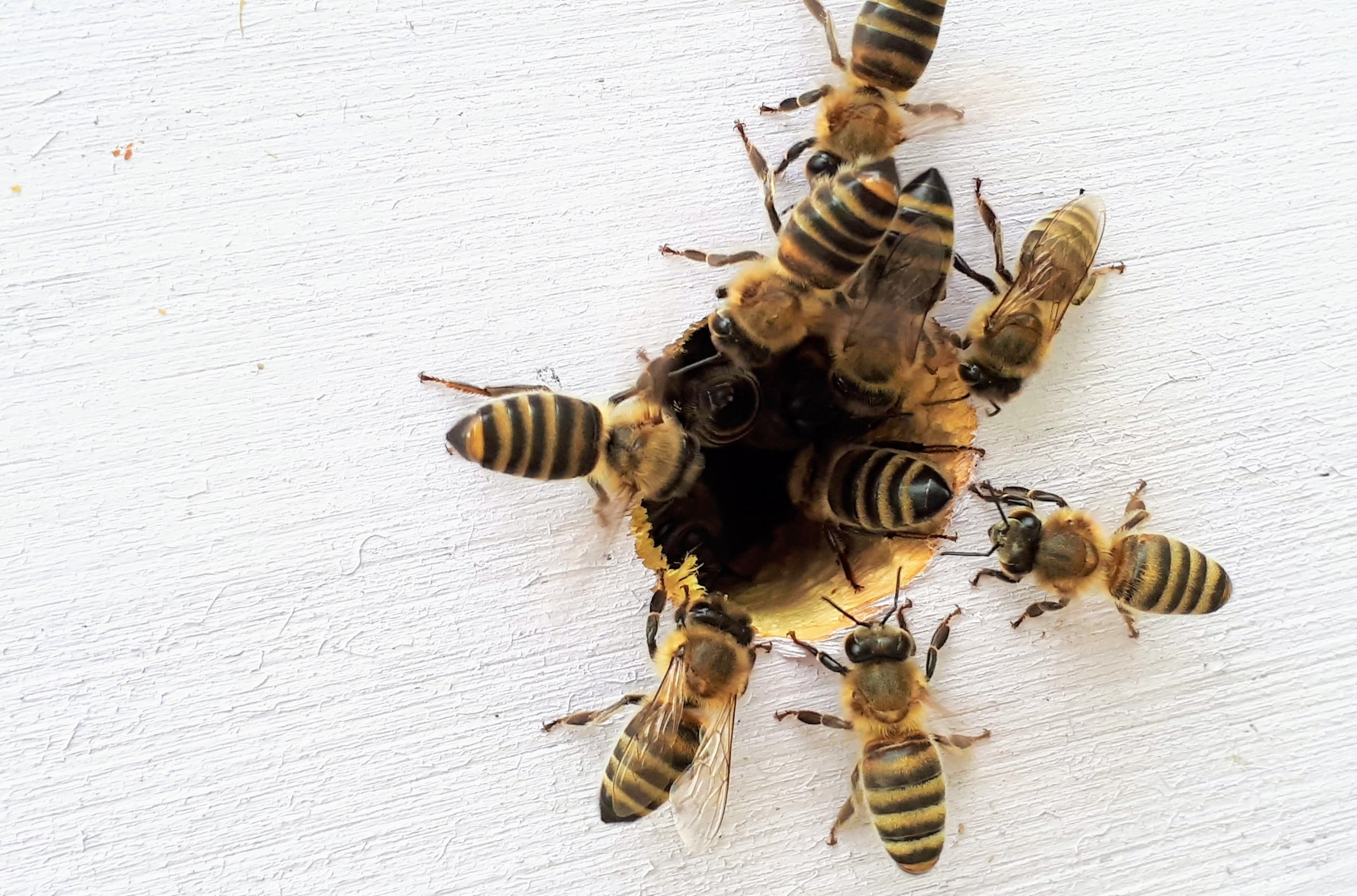
Famous as one of America’s favorite narrators, Morgan Freeman is hoping to tell a new story for the world’s declining honeybee population by giving them his 124-acre (50 hectares) ranch to live on. The 81-year-old actor took up beekeeping as a hobby in 2014 and converted his Mississippi ranch into a bee sanctuary.

FREEMAN FED HIS NEW BEES SUGAR WATER WHEN THEY FIRST ARRIVED

Back in 2014, Morgan Freeman decided to turn his 124-acre ranch into a pollinator sanctuary, specifically bees.

He brought in 26 bee hives from Arkansas and planted acre upon acre of bee-attracting vegetation including magnolia trees, lavender, and clover.

At first Freeman fed the bees sugar water himself as they adjusted to their new home, and has said that he’s never been stung despite not wearing a protective suit or hat.

READ THE FULL STORY: https://brightvibes.com/1211/en/morgan-freeman-transformed-his-124-acre-ranch-into-a-bee-sanctuary?fbclid=IwAR2PfKr58TM88DEdYroeGVQcLBXRSo6iPp3g6evjhZoUJsgDUyCcnVJLXq4

Doctors Are Now Prescribing House Plants for Anxiety and Depression

Thanks to science we now know that nature is basically a wonder drug. Spending time outside helps hospital patients recover faster, eases depression and anxiety, boosts the immune system, reduces blood pressure, and even increases happiness. The only trouble with trees is that it is impossible to prescribe in pill form.

But while you can’t shrink a tree to the size of a prescription bottle, you can miniaturize nature in the form of potted plants. And for certain patients, British doctors feel that’s a great place to start. Some are actually prescribing houseplants to those suffering from anxiety and depression to help lessen their symptoms.

READ THE FULL ARTICLE: https://www.inc.com/jessica-stillman/doctors-prescribing-house-plants-anxiety-depression.html?fbclid=IwAR0iitcmBZvNORe0umeGJdj0V_BnNvgYsvwmqyt_OMQw7QRGoN3eubE8V_0

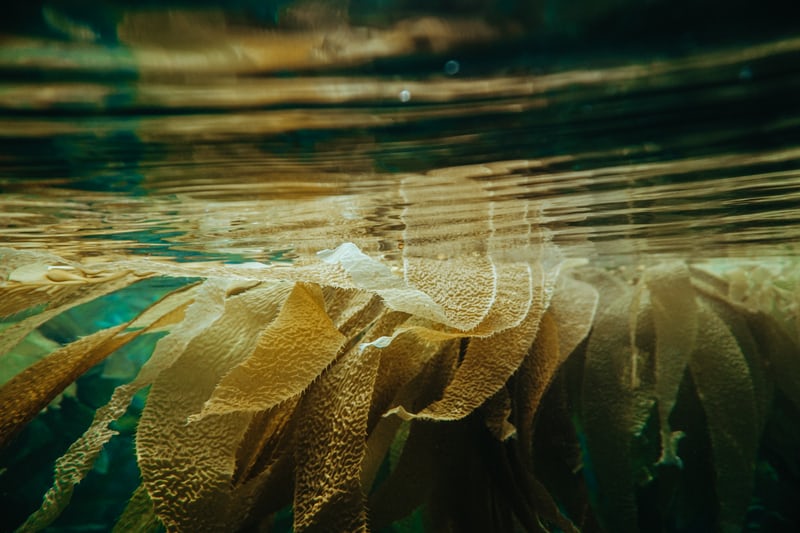
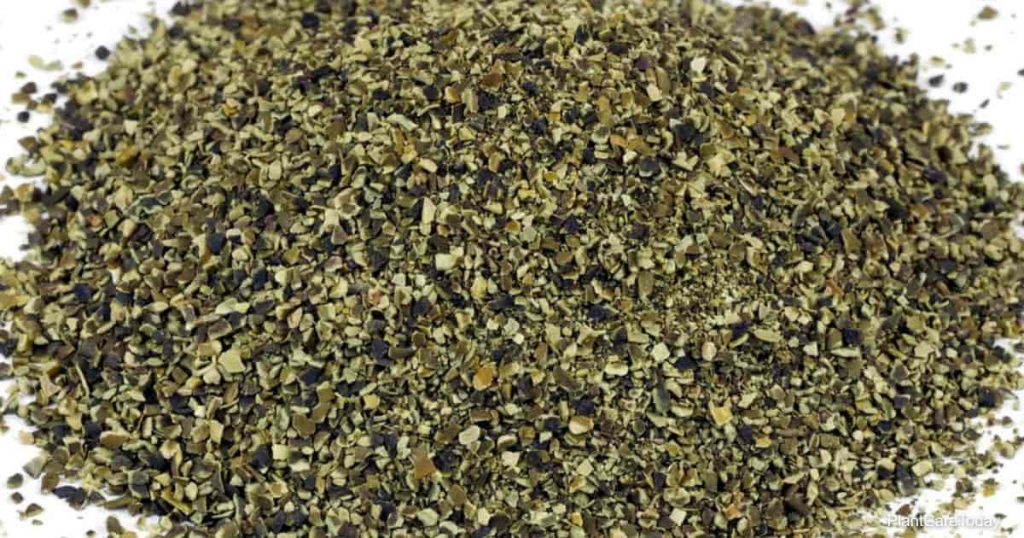
Uses And Benefits of Kelp Meal Fertilizers

Why Choose Organic Fertilizer?

Many people are confused by the use of organic fertilizers because these products naturally contain lower concentrations of nutrients than chemical fertilizers.

This fact may lead you to believe they are not as good, but this is not the case.

When you use strong chemical fertilizers, you run the risk of accidentally applying too much and damaging or even killing your plants.

Organic fertilizers are more complex than chemical fertilizers.

They often contain ingredients which must be broken down by fungi and bacteria in the soil in order to be utilized by plants.

While this may seem like a disadvantage at first, it actually means organic fertilizers naturally release their nutrients slowly and steadily to keep plants consistently fed without the risk of damage.

READ THE FULL ARTICLE: https://plantcaretoday.com/kelp-fertilizer.html?fbclid=IwAR3Z3kAT04YyyFr0T937nMZNNmm6zgAZRFp-6QBCEuvVuV0GGtvC_tR1IZU

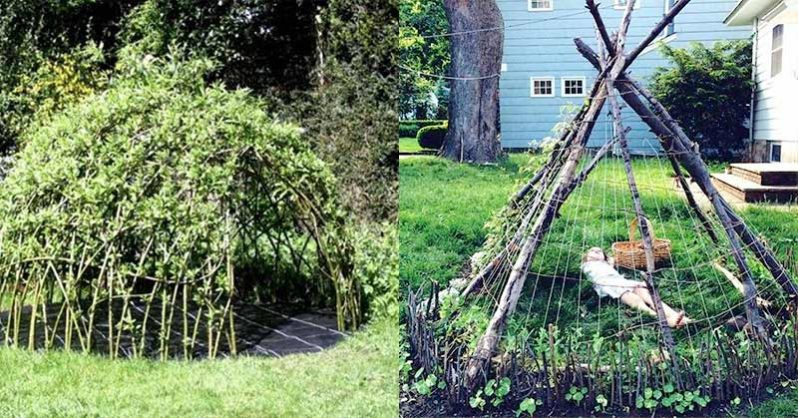
Grow a Living Playhouse For Your Kids

In recent years, there has been a growing disconnect between children and their food. Most kids have never set foot on a farm or in an orchard, only ever seeing food go from the grocery store to their house to their plate. Thousands of children have never before witnessed the food they eat actually growing in the ground.

What better way to introduce this concept, and foster an appreciation for the food they eat, then integrating it into their play?

Benefits of gardening with your kids

Gardening with children has so many benefits to their physical and mental health:

  1. Body control and development: There is a lot of physical activity involved with gardening, such as carrying tools, digging, planting, and more. This helps children develop their body management and locomotor skills. There is also quite a bit of precision involved with gardening, which helps children master their fine motor skills. (1, 2, 3)
  2. Sensory development: Working in a garden exposes children to a huge range of sounds, smells, sights, and textures. The cold water from the hose, the smell and feel of the soil, the clinking sound of shovels and trowels – all of these stimulate the senses and allow children to experiment with those.

READ THE FULL ARTICLE AT: https://theheartysoul.com/grow-a-living-playhouse-for-your-kids/?fbclid=IwAR0n2ysG3MG1ZiBAINy8ecsyQMAw-GOdDMbDb4tKAOpf2yjPbYFq0VGARmA

Top Private School Teaches Students to Farm, Forage and Live Sustainably

According to a class draft, the two-year course, called “Living with the Land”, will combine “traditional building, cooking and craft skills with aspects of ecology, sustainability and community.” The three modules will be “shelter, food and craft.”

“By stripping things back to these basic necessities, we aim to equip students with the skills and understanding they need to survive in a world where self-sufficiency is becoming increasingly important,” it reads.

In the shelter module, students will be taught how to construct “healthy, beautiful, comfortable and spiritually uplifting” buildings with natural materials.

The food module will teach students “cooking through the seasons, making the most of bountiful harvests to see us through the cold months, baking with heritage wheat, making butter and cheese, bacon and pickles”.

The craft module will include “blacksmithing, working wool (weaving, knitting, spinning, fleece), animal husbandry, woodwork, gardening and land care.”

READ THE FULL ARTICLE AT: https://achnews.org/2020/02/18/top-private-school-teaches-students-sustainable-living/?fbclid=IwAR2WqLoR66bPObSbyX7aRf1P_9QXmByjZ9uFAXEh3nmlVrOjHWVGg1NCOss

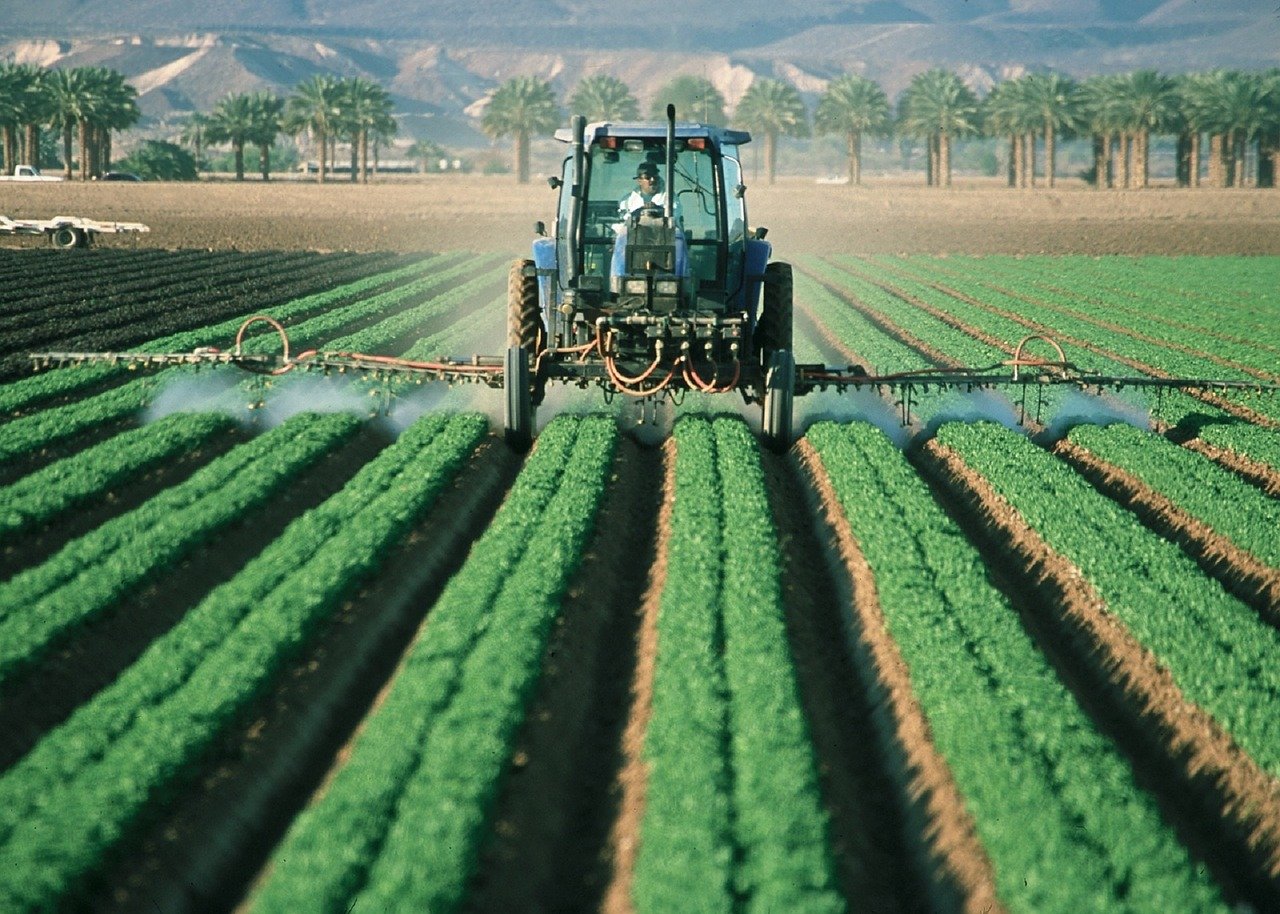
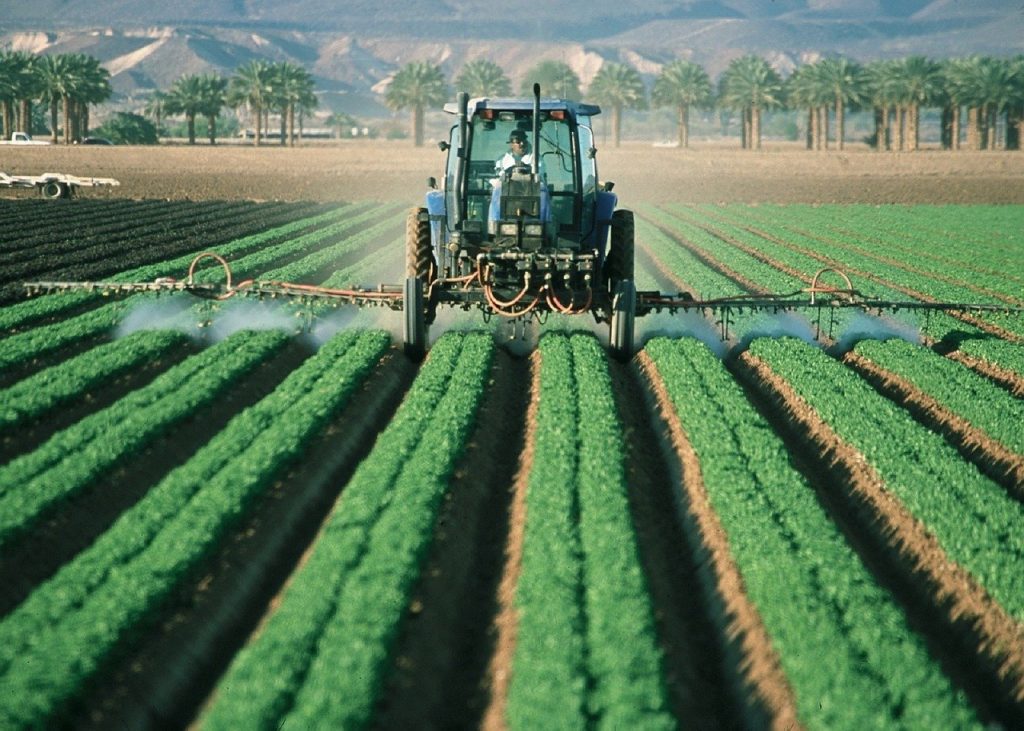
EPA Fails To Follow Landmark Law To Protect Children From Pesticides in Food

WASHINGTON – The landmark Food Quality Protection Act requires the Environmental Protection Agency to protect children’s health by applying an extra margin of safety to legal limits for pesticides in food. But an investigation by EWG, published this week in a peer-reviewed scientific journal, found that the EPA has failed to add the mandated children’s health safety factor to the allowable limits for almost 90 percent of the most common pesticides.

The study in Environmental Health examined the EPA’s risk assessments for 47 non-organophosphate pesticides since 2011, including those most commonly found on fresh fruits and vegetables, and found that the required additional tenfold safety factor was applied in only five cases.

“Given the potential health hazards of pesticides in our food, it is disturbing that the EPA has largely ignored the law’s requirement to ensure adequate protection for children,” said the study’s author, Olga Naidenko, Ph.D., vice president for science investigations at EWG. “The added safety factor is essential to protect children from pesticides that can cause harm to the nervous system, hormonal disruption and cancer.”

READ THE FULL STORY: https://www.ewg.org/release/ewg-study-epa-fails-follow-landmark-law-protect-children-pesticides-food?fbclid=IwAR0w3GKoZggVdN3fLSfp9Ysx0qFaFF5LkhqAnCVZjZJqweBHsH2bxx-GJ3w