
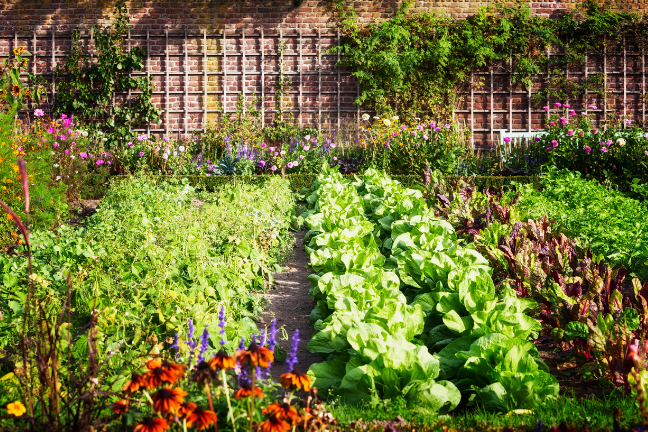
Research Brief: Urban gardening and its positive impact on the emotional wellbeing of residents

Source: Getty/firina

As urban areas strive to enhance their residents’ quality of life, research from the University of Minnesota Humphrey School of Public Affairs shows that access to gardening could have a profound effect on a person’s emotional wellbeing and help address sustainable development goals.

“It’s important to remember that more than 50% of the world’s population lives in an urban environment,” said study co-author Yingling Fan, a professor in regional policy and planning in the Humphrey School of Public Affairs. “Many sustainable development goals are where the environment and human health and wellbeing meet.”

The study, published in the June 2020 issue of Landscape and Urban Planning, examined data collected from more than 370 randomly selected participants in the Minneapolis-St. Paul metropolitan area. Participants were then asked to input emotional wellbeing-linked data into the app Daynamica, which allows for users to track activities and rank their emotions during that activity.

The study combined demographic data, exit interview answers, and geo-location information provided via Daynamica, a smartphone app, to determine where the gardening took place.

TO READ THE STUDY, VISIT THE ORIGINAL ARTICLE AT: https://twin-cities.umn.edu/news-events/research-brief-urban-gardening-and-its-positive-impact-emotional-wellbeing-residents
Gardening resources to help seniors improve quality of life

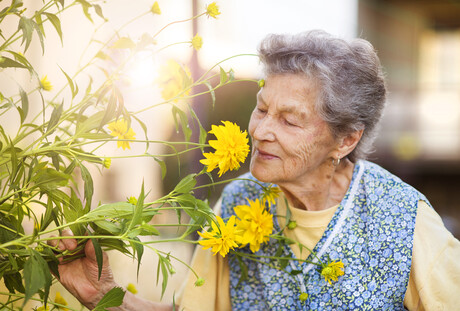
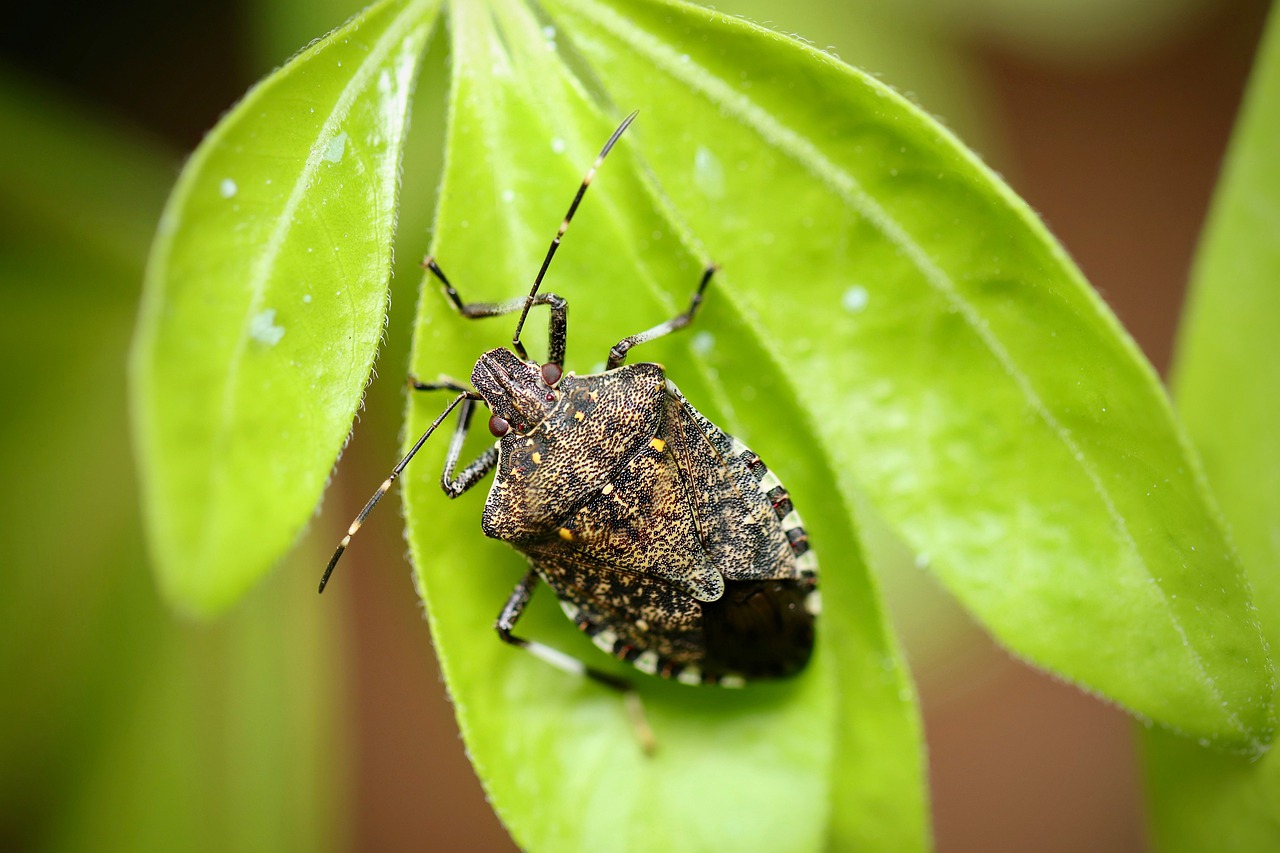
Gardening is an activity relished by thousands of Australians of all ages, offering physical activity, skill development, interaction with nature, and all the mental health benefits that come from pottering about in the garden. When it comes to seniors, gardening can become a well-loved hobby in retirement and a way to connect with a network of other keen green-fingered folks.

Over the past few months, seniors have been particularly vulnerable to the effects of social isolation — a situation that can be improved by finding a love for gardening.

Insteading — a company helping thousands of gardeners and homemakers grow their gardens and skills — has created a bumper trove of gardening resources, including those designed specifically for seniors.

READ THE FULL ARTICLE: https://www.hospitalhealth.com.au/content/aged-allied-health/article/gardening-resources-to-help-seniors-improve-quality-of-life-718560149#axzz6RVnqdzNe

Gardening myths that are either true, false or a little bit of both

The coronavirus has kept us housebound for months. During that time, many of us figured out that having a garden is one answer to getting outside and away from the crowds, as well as a welcome break from the next binge-watch series.

Most importantly, we feel a strong desire to grow our own food crops and plant flowers to remind us that we are vital in the whole circle of life.

Now that your garden is planted and well on its way to producing fruit, vegetables, flowers and bliss, where are you finding answers for questions about growing care and remedies for issues that crop up (pun intended)? You know, questions about common summer plant issues like soft, brown spots on tomatoes, bugs munching on leaves, and whether talking to your plants will really help them grow better.

Are internet sites and the jillion YouTube videos worth your time? Shouldn’t we rely on science and testing?

READ THE FULL ARTICLE: https://theknow.denverpost.com/2020/07/04/gardening-myths-that-are-either-true-false-or-a-little-bit-of-both/241204/

10 Helpful Gardening Tips That Actually Helped This Former Plant Killer

If you’ve ever failed at something, we know it can be hard to want to try again. Don’t give up! Even the best of the best have killed a plant or two in their days. Read on to learn from this one gardener’s mistakes!

“One of my go-to fantasies when life is tough is that I’ll run away to start a vegetable farm. I’ll spend long days covered in sweat, soil caked underneath my fingernails, satisfied with the knowledge that I was able to feed myself through hard work and a deep understanding of the natural world. Given our current circumstances—living in an unprecedented global pandemic resulting in much more time spent at home and much more stress when we have to venture to the grocery store—this fantasy is seeming particularly appealing.

The problem with that fantasy is that I am an absolutely rubbish gardener. Name an indestructible plant and I have probably watched it shrivel. Zucchini and mint, for example, which I remember being warned would “take over my garden” if I wasn’t careful—didn’t last a week in my Arizona soil. It became a bit of a running joke. Every summer I’d try again, and every summer I’d fail.

Then I moved to Washington State, where the weather was friendlier and the foliage was lush. I managed to eat a few tomatoes from my potted plant last year and suddenly felt like a new woman. Maybe I could do this gardening thing.”

READ THE FULL STORY: https://www.self.com/story/gardening-tips

How Arlington’s Only Commercial Urban Farm Shifted To ‘Community Supported Agriculture’

Thanks to changes brought about by the pandemic, Arlingtonians can now get farm-to-table produce delivered right to their door.

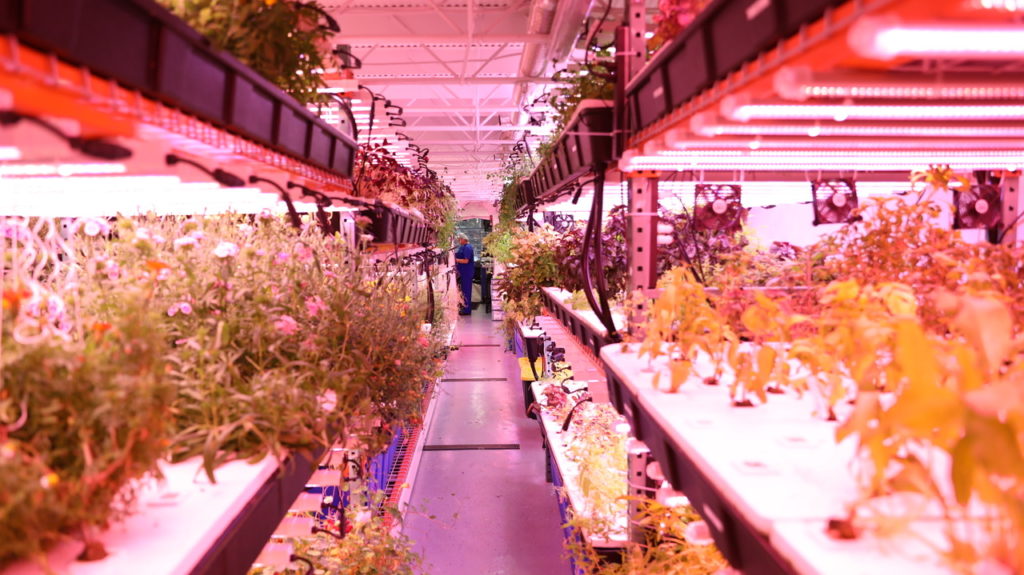
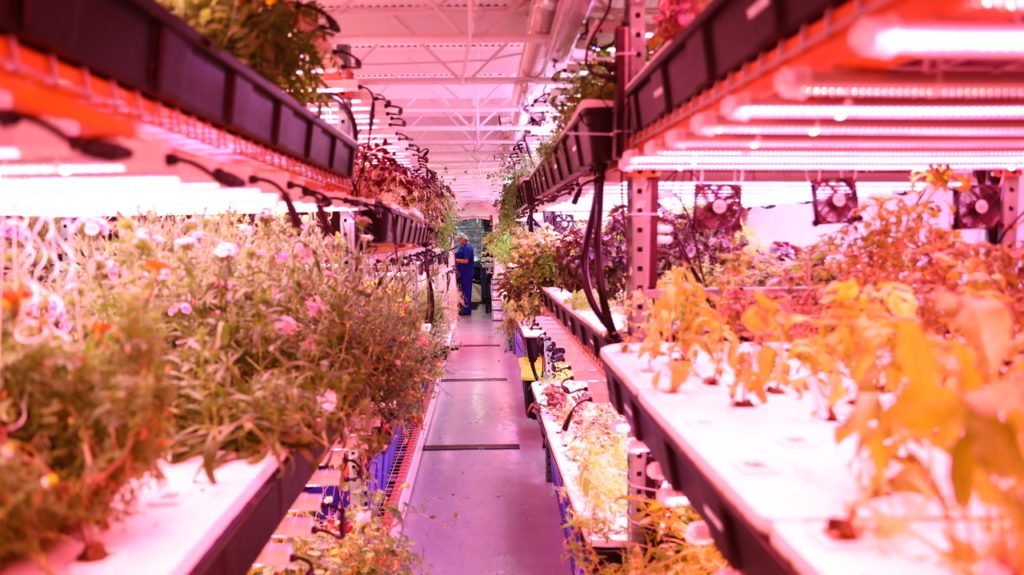
Tucked into an unassuming strip mall on Lee Highway, Fresh Impact — which we profiled in October — is the county’s only commercial urban farm. With no signage or disclosed address, Fresh Impact has been growing specialty ingredients such as edible flowers and microgreens for chefs in the local restaurant industry for over three years.

This past February, according to founder Ryan Pierce, the farm had its most profitable month yet. But a few weeks later as COVID-19 began to spread in the D.C. area, ultimately shutting down all dine-in restaurant service, Pierce said Fresh Impact lost every single customer.

“We were faced with a choice: do we shut it down and try to ride it out, which would have meant laying off our staff, or do we try to pivot to the consumer market?” said Pierce.

READ THE FULL ARTICLE: https://www.arlnow.com/2020/06/08/how-arlingtons-only-commercial-urban-farm-shifted-to-community-supported-agriculture/

Insecticides the Pesticide Industry Said Were “Safer for Bees” Found to Stress and Kill Honey Bees

sebastien rosset  | @metanephros

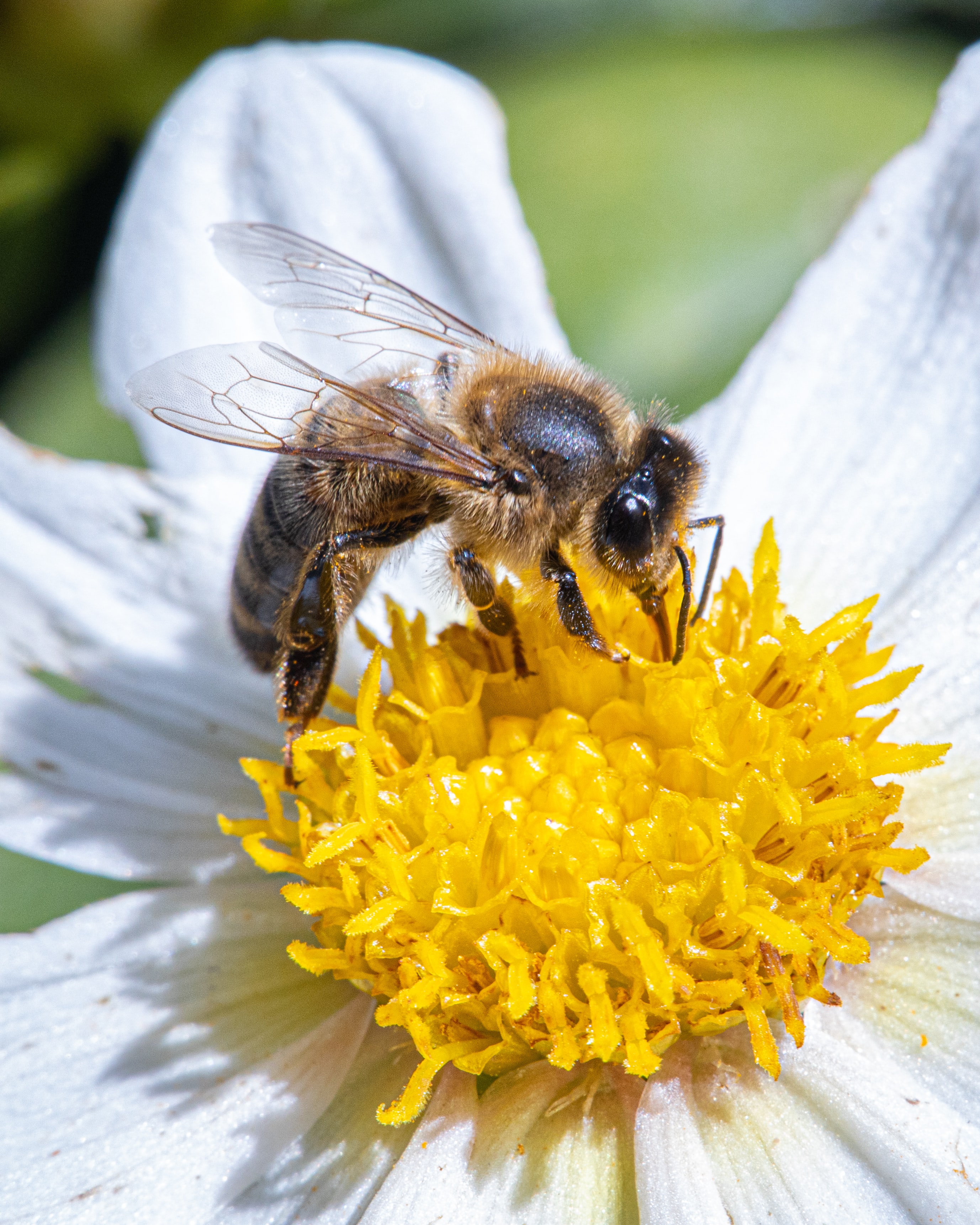
The study indicates that, “With the recent Environmental Protection Agency (EPA) approval for use of both flupyradifurone and sulfoxaflor, and with the growing concern regarding pollinator health, it is important to better understand any potential negative impacts (especially sub-lethal) of these pesticides on bees.” However, this statement begs the question ‘why these two new bee-toxic pesticide were approved by EPA in the first place.’

This process is familiar and frustrating to those who continue to fight against the decline of pollinators: the chemical industry introduces and EPA approves new toxic pesticides marketed as “safer” to the specific problem caused by its older products, only to find out through independent and academic research that the problem is not solved in the least.

READ THE FULL STORY: https://beyondpesticides.org/dailynewsblog/2020/06/insecticides

Gardening: Even urban lots can be made to attract wildlife

@zmachacek

What wildlife do you naturally attract into your garden? Are there any species you would like to see more of? Are there any that have proven to be pests to your crops?

These past two weeks have been wonderful for wildlife watching in our neighborhood. Driving home the other evening, I saw my first mama deer with her fawn in tow. Usually, we have at least one doe who has her fawn in our field. Mama will then leave them there hidden in the grass while she goes off to eat. We’ve surprised several hidden fawns over the years.

My husband has been filling the bird feeder with sunflower seeds about every day and a half which means the birds are feeding nestlings. Pretty soon the baby finches will be lining the porch rail expecting to be fed. It gets a bit noisy when that happens because my office window is right there, I might have to close the window for the next Zoom meeting.

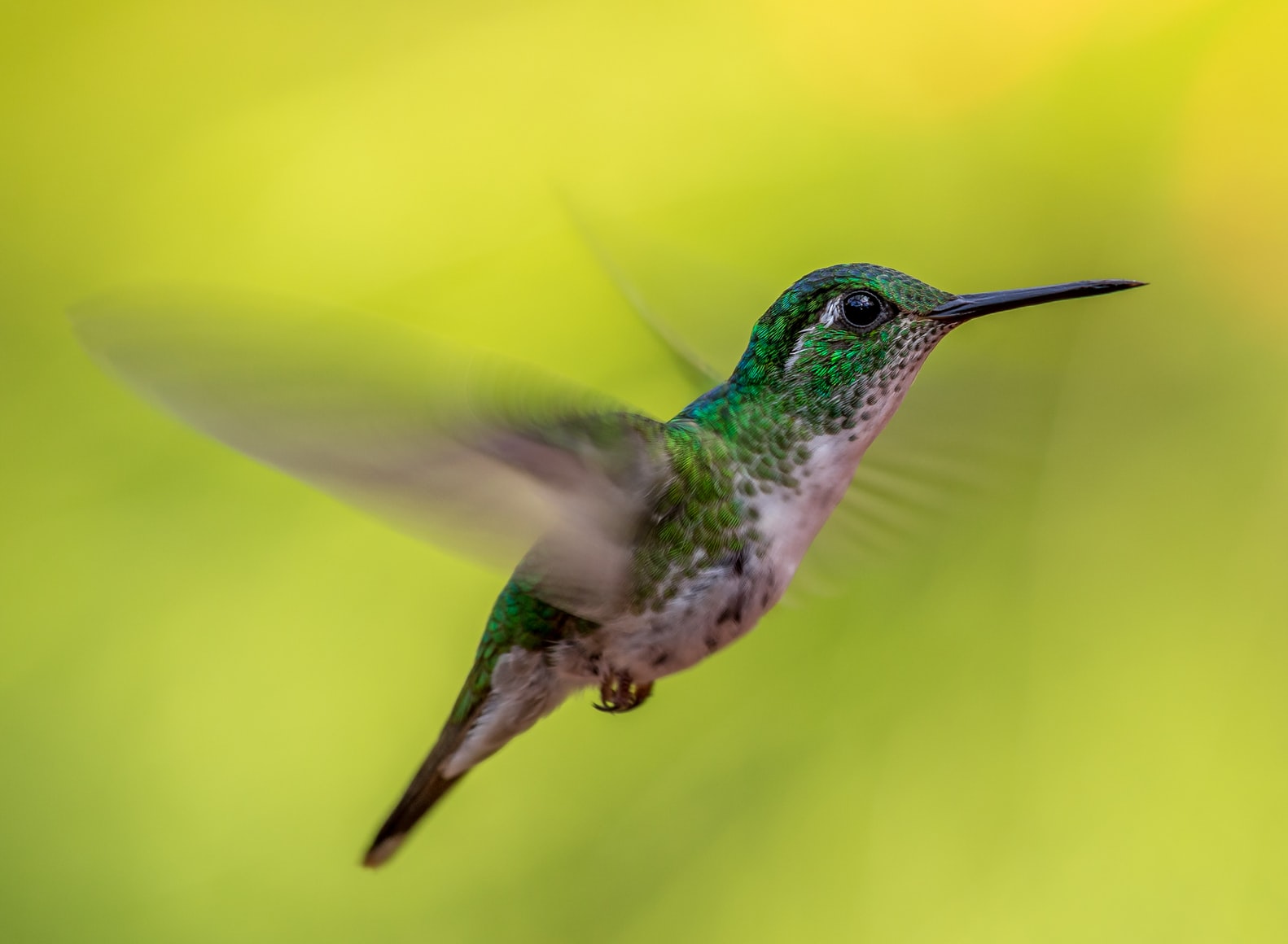
The hummingbirds are around and draining the one-pint feeder every week. They have nests in our maple tree, and I hear their tiny high-pitched voices when I’m sitting in my chair.

READ THE WHOLE COLUMN AT: https://www.spokesman.com/stories/2020/jul/02/gardening-native-plants-will-attract-areas-wildlif/

Urban gardens sprout in Point Loma during quarantine

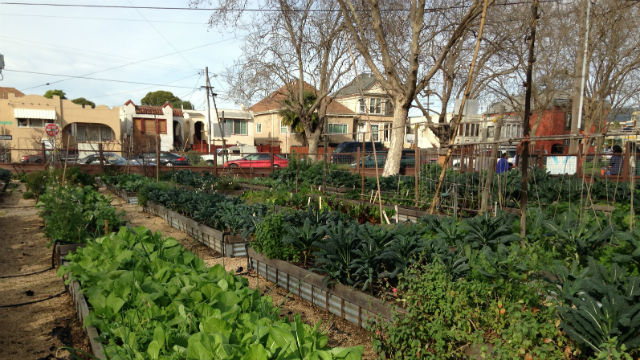
Urban gardening has become a trend that an increasing number of San Diego residents are pursuing, especially during the pandemic. And the City is helping out, having just debuted a new website, sandiego.gov/urban-farming, that provides information and assistance for those wishing to become successful urban farmers.
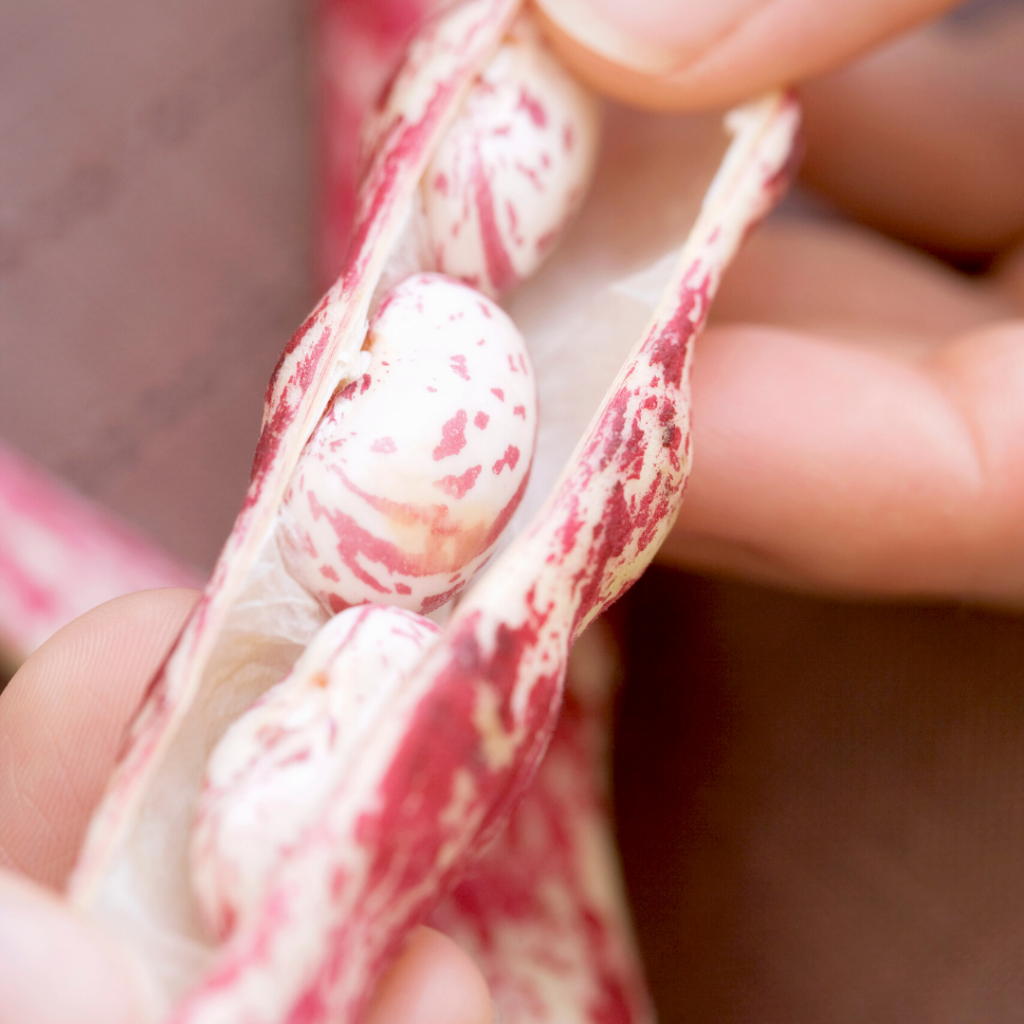
As more people are spending time at home due to Covid-19 public health orders, urban farming has seen an uptick in popularity. And the City is making resources available to support San Diegans in turning their sod into seed.

Dr. Julie Cramer, who lives near Sunset Cliffs and has been home gardening for years, finds her front-yard garden to be not only filling but fulfilling.

“It’s become a conversation opener with neighbors in addition to growing good food for ourselves and contributing food to others,” said Cramer, who is involved with her son, Avery, in a venture known as Co-Harvest Foundation, a nonprofit working to help end food-insecurity in San Diego.

Read more: San Diego Community News Group – Urban gardens sprout in Point Loma during quarantine

Tough Times, Green Times: Harrisburg Urban Growers helps people discover their inner farmer

If you’ve driven around Harrisburg recently, you may have noticed that, in some places, things appear a bit greener.

Urban gardens have begun blooming all over the city thanks to a local group whose mission is to offer gardening kits to encourage a source of healthy and sustainable food.

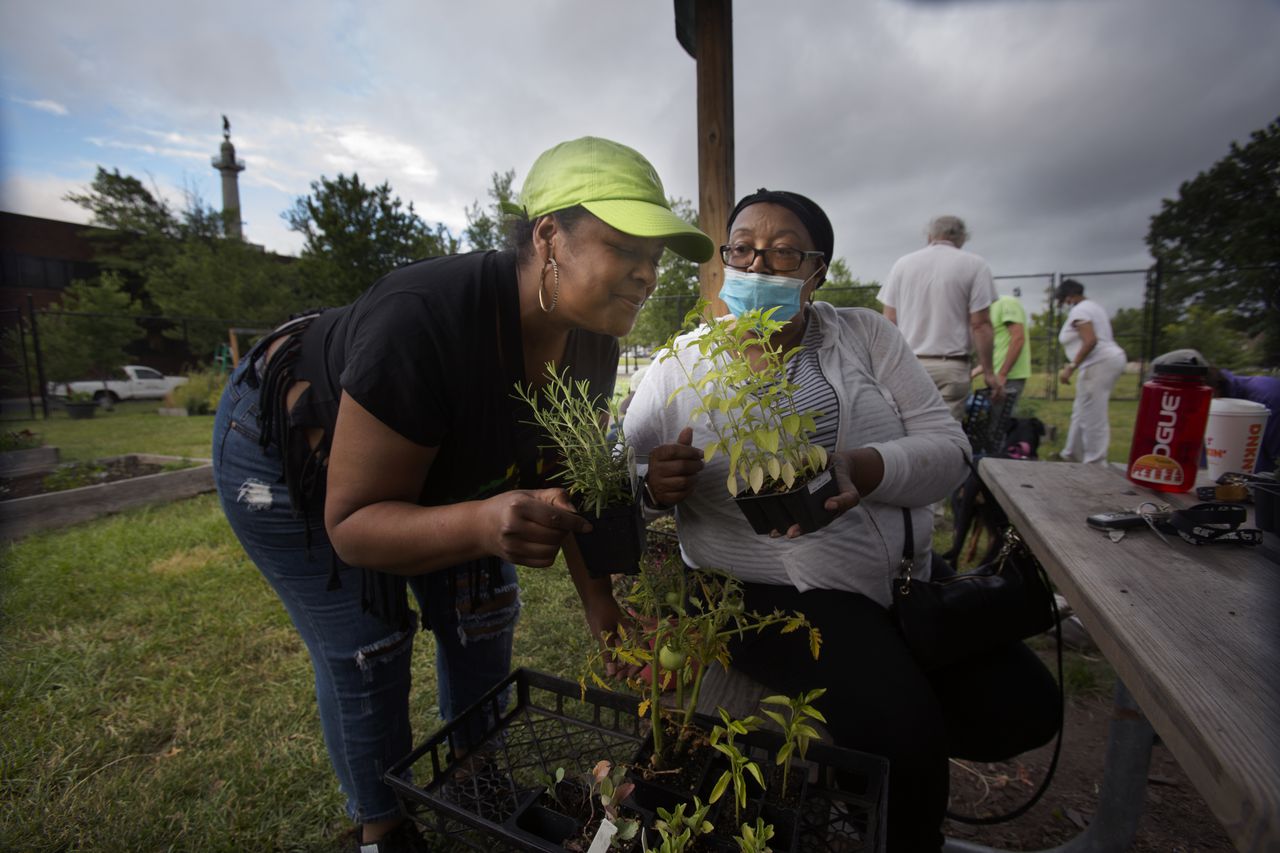
Harrisburg Urban Growers, made up of a handful of volunteers, hosts an annual “Seed and Plant Giveaway” each year, offering gardening kits for residents. This year, the organization put social distancing procedures in place, and volunteers safely delivered the kits directly to residents over several weekends.
READ THE FULL AND ORIGINAL ARTICLE AT: https://theburgnews.com/food/tough-times-green-times-harrisburg-urban-growers-helps-people-discover-their-inner-farmer

Peas and Quiet: Urban Gardening in the Time of Covid-19

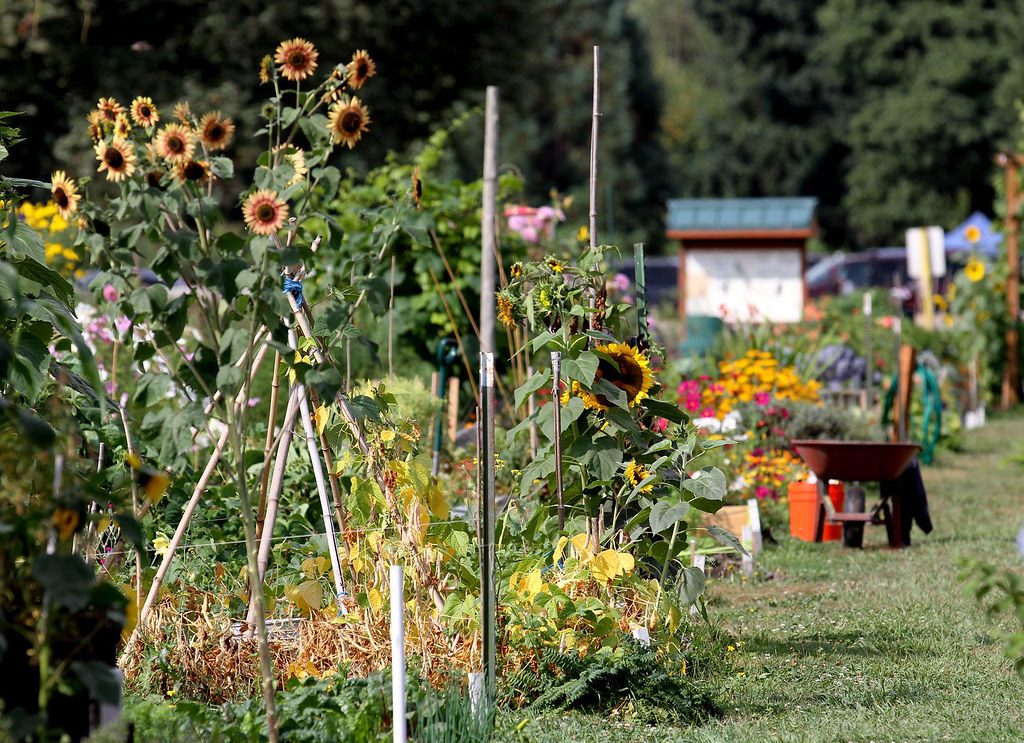
Access to community gardens has been limited during the pandemic, but people have been reaching out to gardeners and gardening organizations far and wide to learn how to grow their own food… Photo courtesy of King County Parks, Washington.

Urban gardening has taken on a renewed relevance as the coronavirus has declared war on us from Los Angeles to New Orleans; Seattle to Saint Louis. People are reaching out to organizations far and wide about how to grow their own food for a wide array of reasons: concern about food supply chain vulnerabilities, frightened of going to the grocery store for lettuce they could potentially grow themselves, eager to be more self-sufficient or looking to help their neighborhood by donating food to local food banks.

“We need to open our hearts and connect with the struggles of those most vulnerable.” That connection, Fredie believes, can involve carrots, corn, kale, and more. It’s a refrain heard from gardeners across the country. “I think we’ll come out of this,” notes Margee Green, the executive director of Sprout NOLA, a farmer and gardener training program based in New Orleans, “with a lot more people understanding the sacrifices that farm workers make every day and the importance of supporting agriculture that is in harmony with nature, and closer to them.”

READ THE FULL STORY AT: https://www.earthisland.org/journal/index.php/articles/entry/peas-and-quiet-urban-gardening-in-the-time-of-covid-19/

Pandemic affects volunteering at Greener Garden Urban Farm

By: Kelly Broderick

For Warren and Lavette Blue, they’ve always had volunteers and trainees at their farm.

They’re the owners and operators of Greener Garden Urban Farm

In previous years they would get an abundant amount of help with anything they needed. The volunteers would come any time they needed literally anything done.

But when the pandemic hit, everything changed.

“We couldn’t get the help because of the virus, that’s the gist of it. Some people still wanted to volunteer. But we had to think of it in terms of safety.”

They said it took an emotional toll on them, but they do have a rebound plan.

READ THE FULL STORY AT: https://www.wmar2news.com/reboundmaryland/pandemic-affects-volunteering-at-greener-garden-urban-farm

How to grow tomatoes: Gardening tips and tools

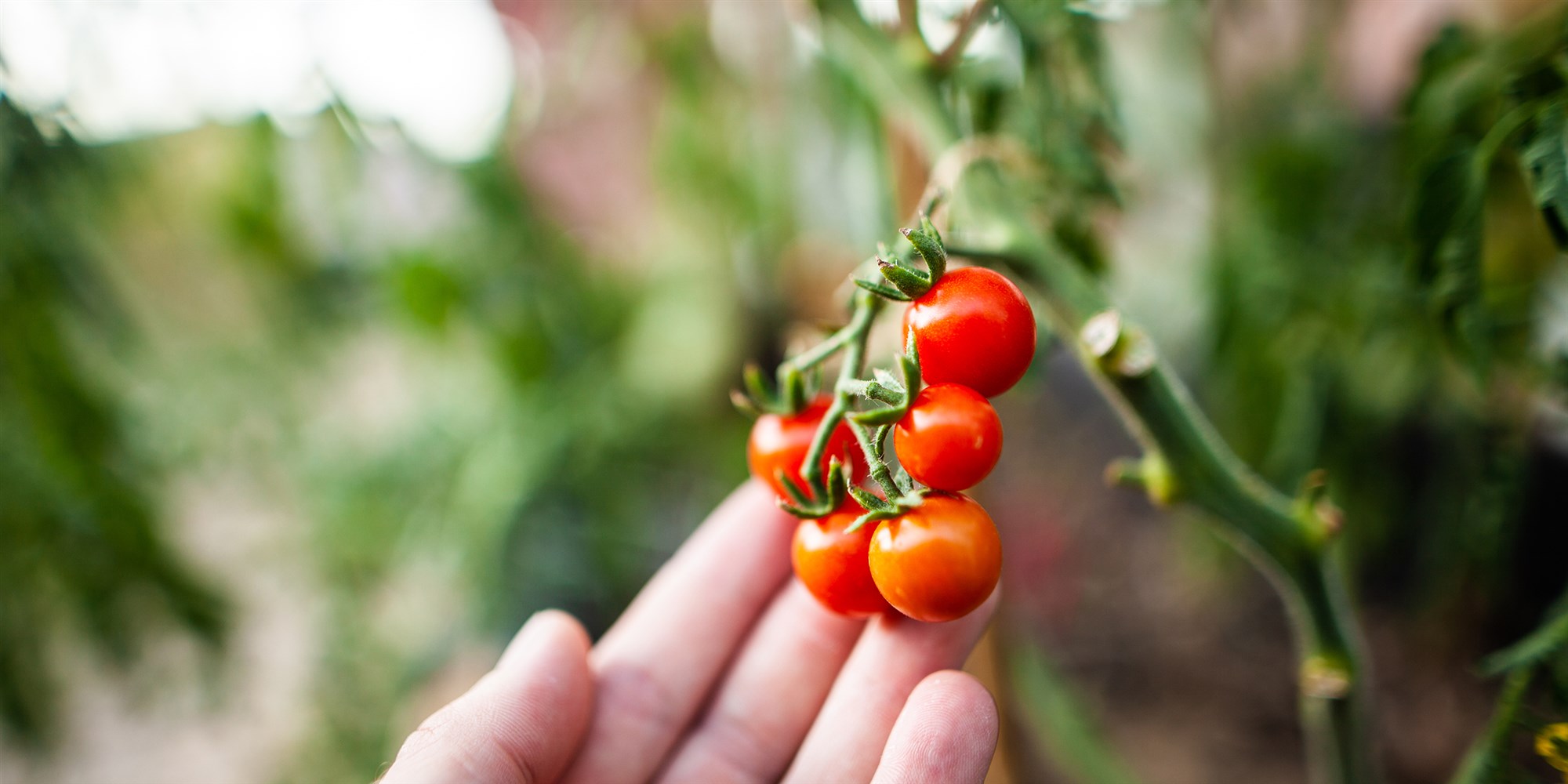
Capelle.r / Getty Images stock

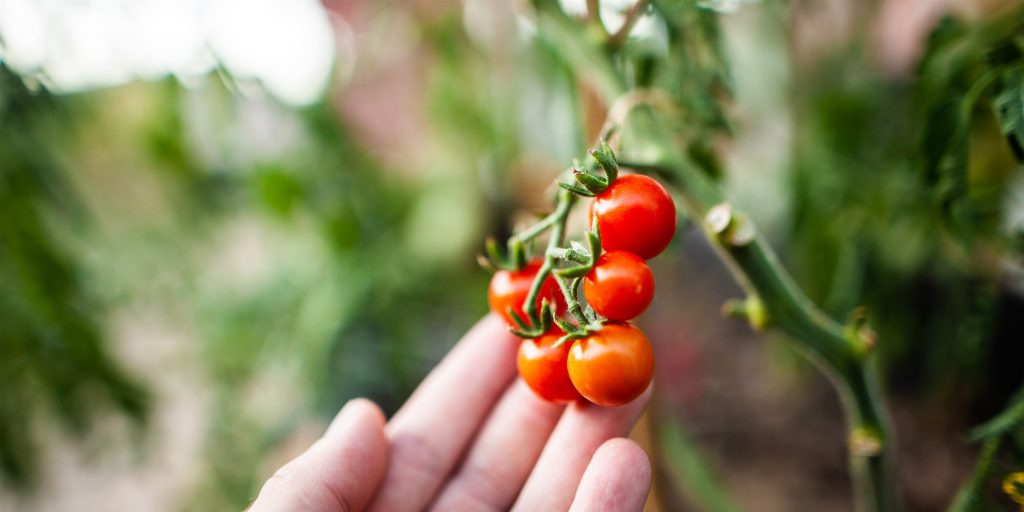
While building a sandwich, have you ever thought to yourself, “Wouldn’t it be nice if I could just pluck my own tomatoes off the vine to slice up and pile on this, Ina Garten-style?”

There’s no better time than now to get started with seedlings or small plants — which you can pick up at your local farmers market or plant store — and enjoy the fruits, so to speak, of your labor. When planting, wait until after the last frost of the season. If cooler weather is looming, cover pots with burlap sacks or frost cloth for protection, or bring them indoors. The best times to plant tomatoes are early in the morning or late in the day so the plants aren’t exposed to the hot sun right away.

WATCH THE VIDEO & READ THE FULL ARTICLE AT: https://www.today.com/food/how-grow-tomatoes-gardening-tips-tools-t184555

City Launches Website to Help Prospective Urban Farmers Get Started

With more people spending time at home due to the coronavirus pandemic, the city of San Diego launched a website Tuesday that provides information and assistance on how to become a successful “urban farmer.”

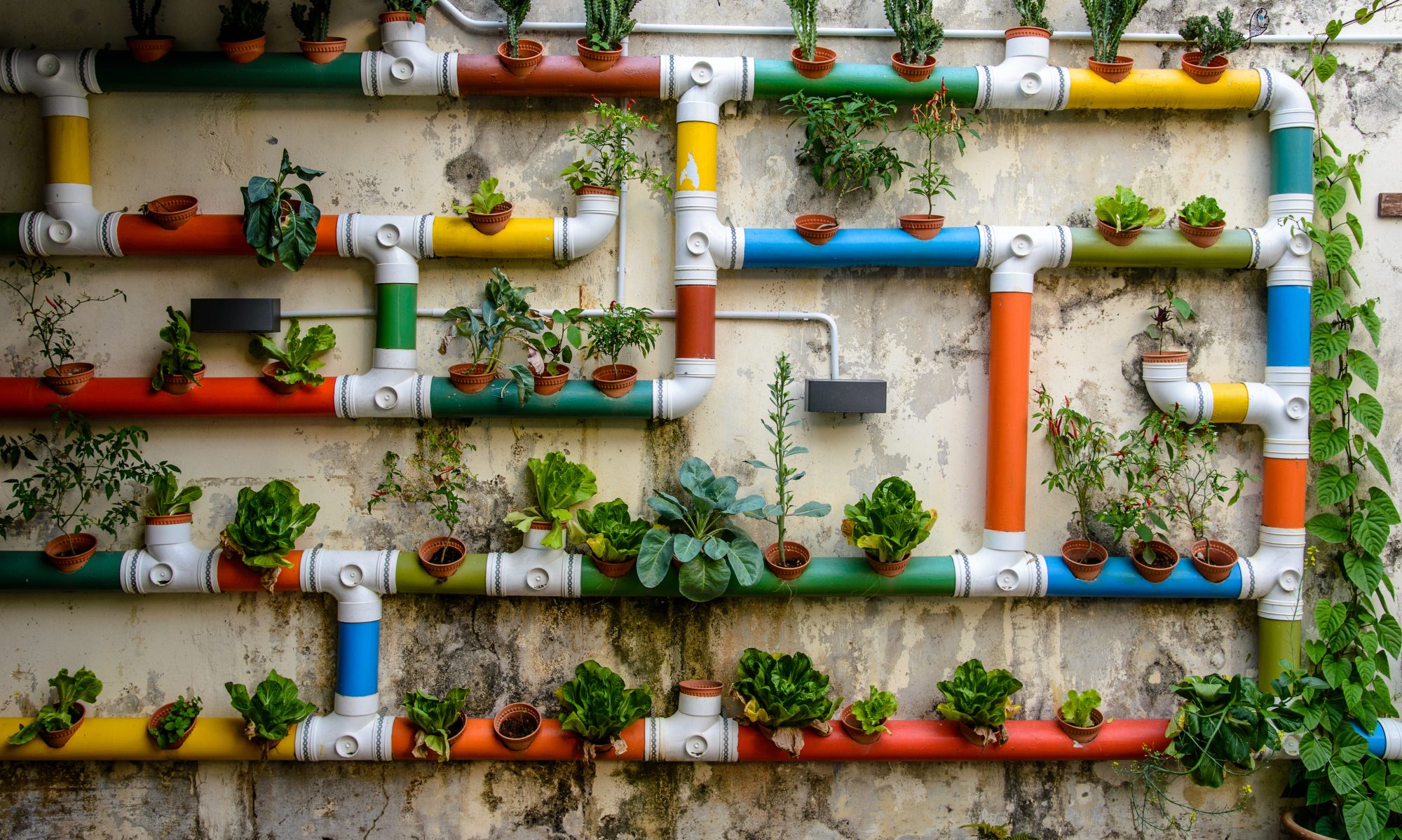
Urban farming can come in many forms and sizes. It can be vegetables grown in containers on a home patio, a community garden that covers one or more city blocks, or raising certain animals such as chickens or bees.

The city’s new urban farming website includes:

  • Resources for both home and community gardens
  • Information on raising bees, chickens and goats
  • Access to additional data from various local and national sources
  • Details about city programs for assistance with permits, composting, seed libraries and more

“Just because we live in a big city doesn’t mean we cannot become small-scale farmers,” said Erik Caldwell, the city’s deputy chief operating officer for Smart & Sustainable Communities. “The urban farming website is a one-stop shop with a lot of great information to help San Diegans produce their own food.”

READ THE FULL ARTICLE: https://timesofsandiego.com/politics/2020/06/16/san-diego-debuts-website-to-help-prospective-urban-farmers-get-started/

New urban gardens sprout amid coronavirus, aiming to feed N.J. cities

Trenton, a city of nearly 85,000 people, contains only one full-service supermarket. It is one New Jersey’s several food deserts, where access to groceries — let alone fresh produce — is scarce.

Now, as the coronavirus pandemic has provided some with more free time and plunged many more into poverty, local community groups and residents are getting their hands dirty to address the problem.
Urban gardens have experienced a boom in community interest and participation in recent months — more people are learning new skills, connecting with their neighbors and, importantly, helping to fill nutritional needs.

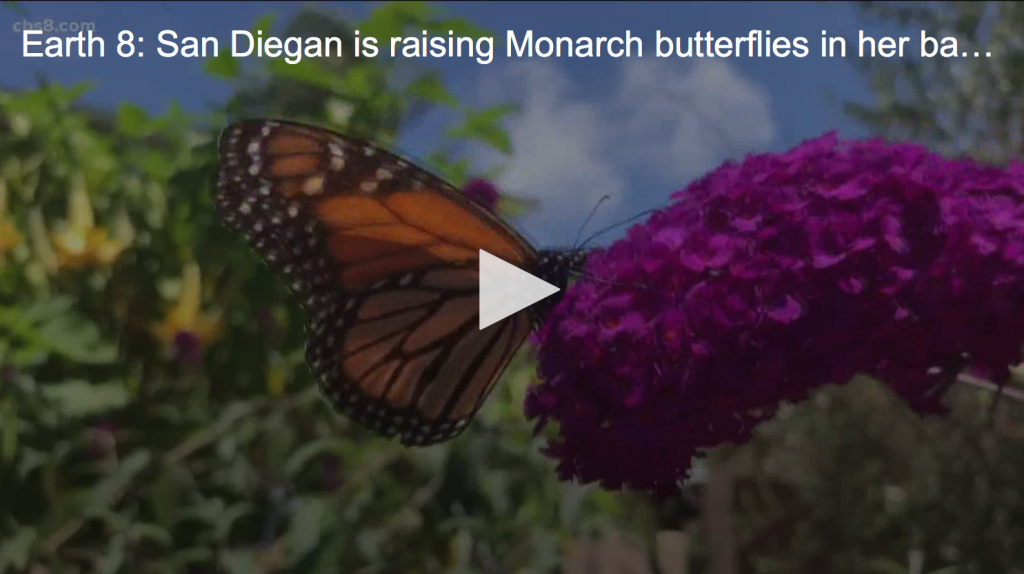
San Diegan is raising Monarch butterflies in her backyard

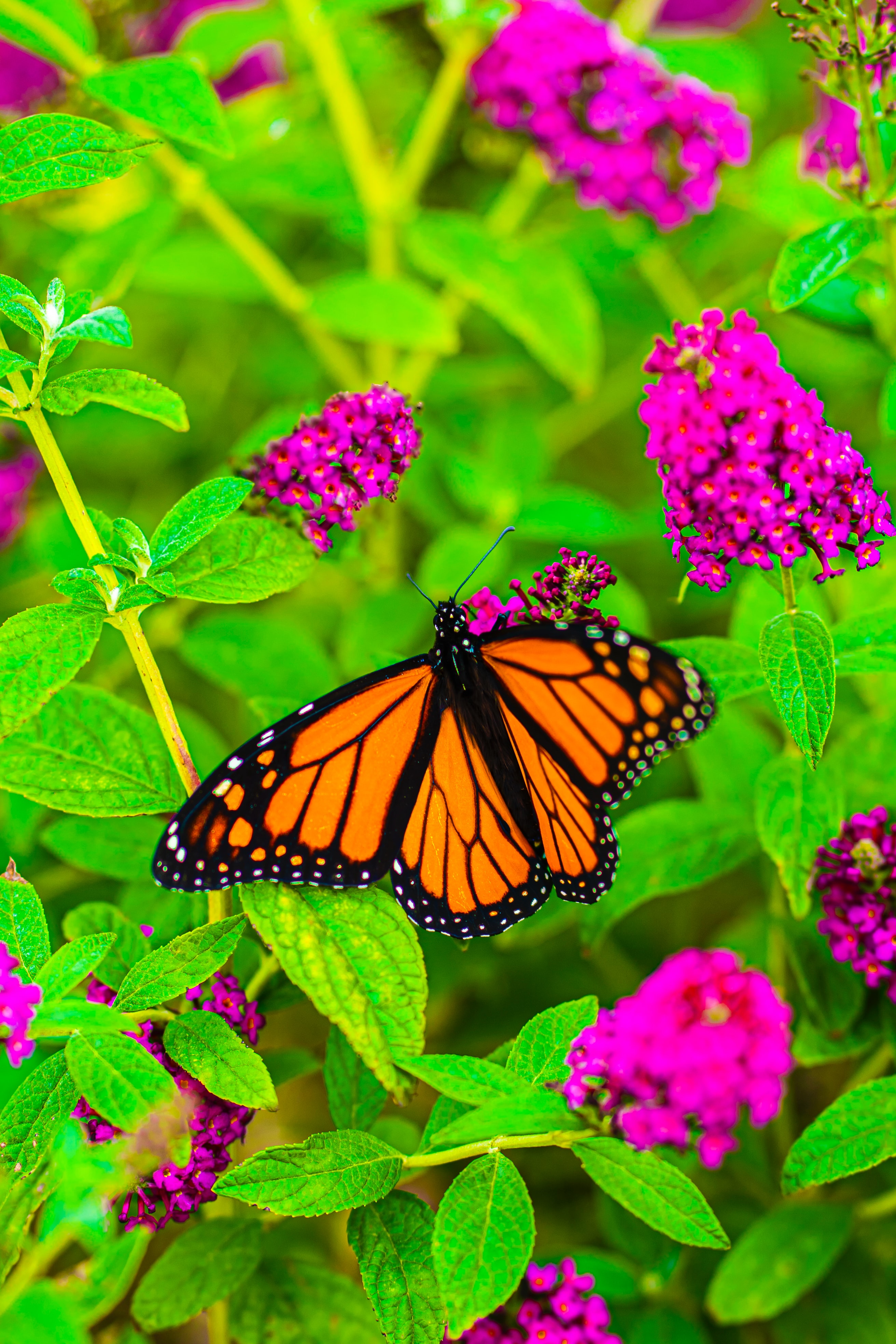
SAN DIEGO COUNTY, Calif. — I designed my garden to attract pollinators like bees and butterflies, specifically Monarchs.

A family in Eastlake is doing the same.

“I went out and bought Milkweed and they just showed up. They have radar for milkweed,” said Airam Marlett, who was inspired by an Instagram post and has had success from day one. “My first year, I had 30 Monarchs, and it’s been wonderful to watch.”

READ THE ORIGINAL ARTICLE: https://www.cbs8.com/article/news/local/outreach/earth8/earth-8-san-diegan-is-raising-monarch-butterflies-in-her-backyard/509-d249de4b-64a0-4d7d-ba0e-60ef8f1dea24

GCU’s urban farms plant seeds to nourish neighbors


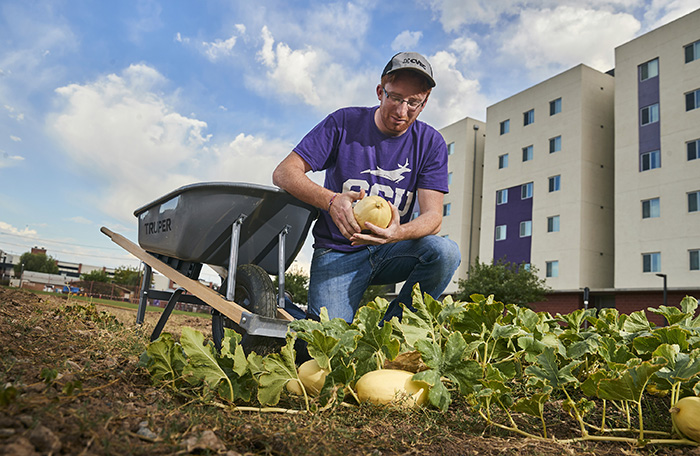
Nathan Cooper, Urban Farm Manager at Grand Canyon University Friday, June 5,, 2020 in Phoenix, Ariz.

Nathan Cooper was back on the southwest Minnesota plains, where farming engaged four generations of his family, and didn’t think he’d ever return to the Arizona desert, where he graduated with a business degree from Grand Canyon University in 2019.

But after GCU President Brian Mueller hatched the idea for a community garden to provide food for the neighborhood and asked Colangelo College of Business Dean Dr. Randy Gibb if he knew any farmers, Cooper soon was asked to return.

By September, he was leading the expanded idea of Canyon Urban Farms. Its centerpiece is a small plot north of Agave Apartments on campus. The farms’ manager already has harvested 40 pounds of squash that GCU donated to Lutheran Social Services of the Southwest on Thursday.

READ THE FULL ARTICLE AT: https://news.gcu.edu/2020/06/gcu-urban-farm-nourish-neighborhoodnager-plants-ideas-to-nourish-neighborhood/

In Baltimore County, interest in gardening keeps growing during COVID-19 crisis

Those into gardening and landscaping usually are pretty much on auto-pilot when spring and summer roll in, weeding, planting, watering, etc., but this year, with the coronavirus pandemic, their hobby may have taken on an even more important role. It’s a way to relieve stress while expressing creativity.

Even with many businesses locked down for months, gardening and nursery centers have remained open and thrived to meet those needs of customers and clients.

TDH Landscaping, an arm of TDH Design, has undertaken a number unique projects for clients during the course of the pandemic. Some involve creating stumperies, in which a decomposed tree stump is incorporated into a garden design.

In Pasadena, James Revere, with a big assist from his wife, Erika, decided to turn a furlough that hit one week into the pandemic shutdown into something positive, nurturing a garden. Erika began the process back in November with small indoor plants coaxed into sprouting by a heat lamp.

READ THE FULL ARTICLE: https://www.baltimoresun.com/coronavirus/cng-co-gardening-pandemic-covid-19-20200615-cbbykdirovhkhfglin5b3creou-story.html

Tips For Becoming A Better Seed Saver

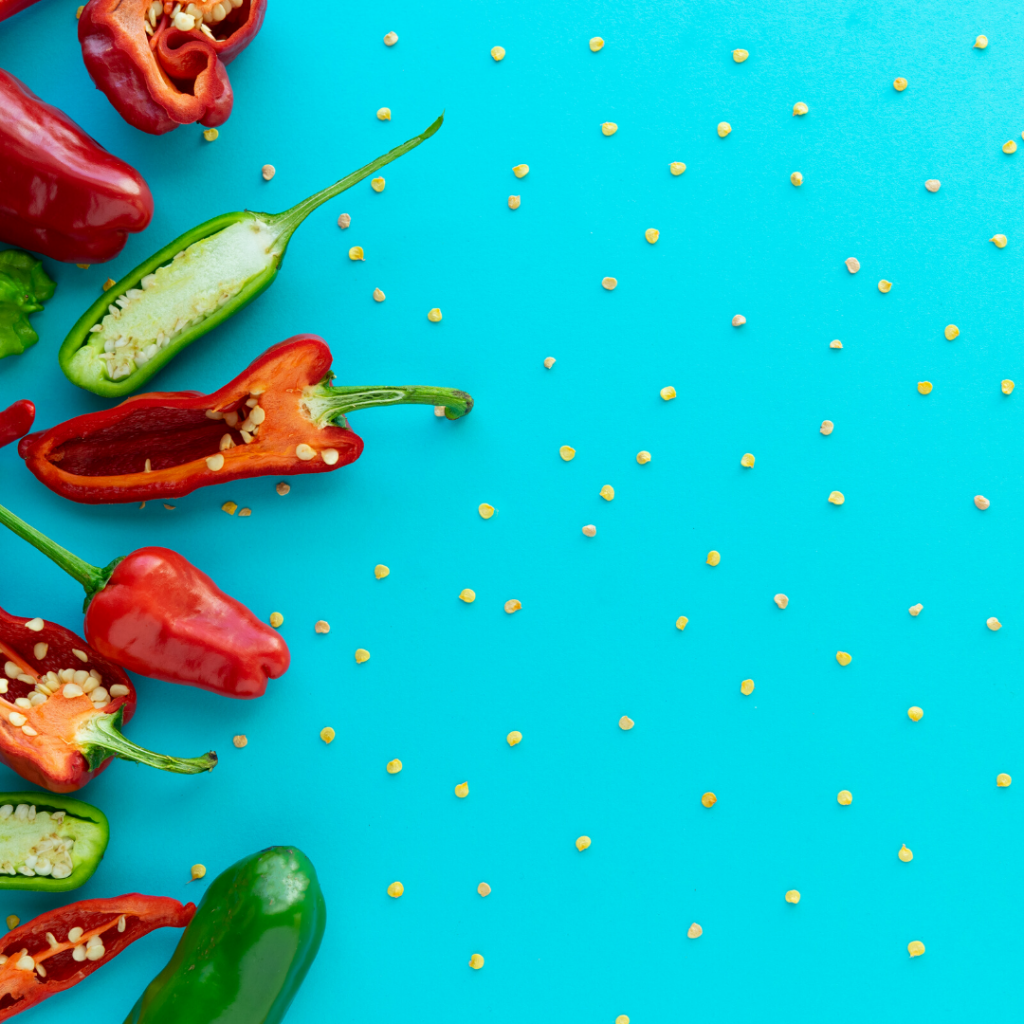
Saving your own heirloom garden seed year after year can be very rewarding! Here are just a few reasons why gardeners everywhere are saving their seeds! 

💰SAVE YOURSELF MONEY

🥗HAVE BETTER FLAVORED FOOD

❤️PRESERVE GENETIC DIVERSITY

🐝SAVE THE BEES

💪BECOME SELF-SUFFICIENT

👭SHARE WITH A NEIGHBOR/FRIEND

🌎CONNECT WITH YOUR GARDEN


Check out the 4 important TIPS below on how to get started saving your own garden seeds:


Seed Saving TIP #1:

When saving your seeds, make sure you are using open-pollinated varieties. These will produce true-to-type crops year after year!

Seed Saving TIP #2

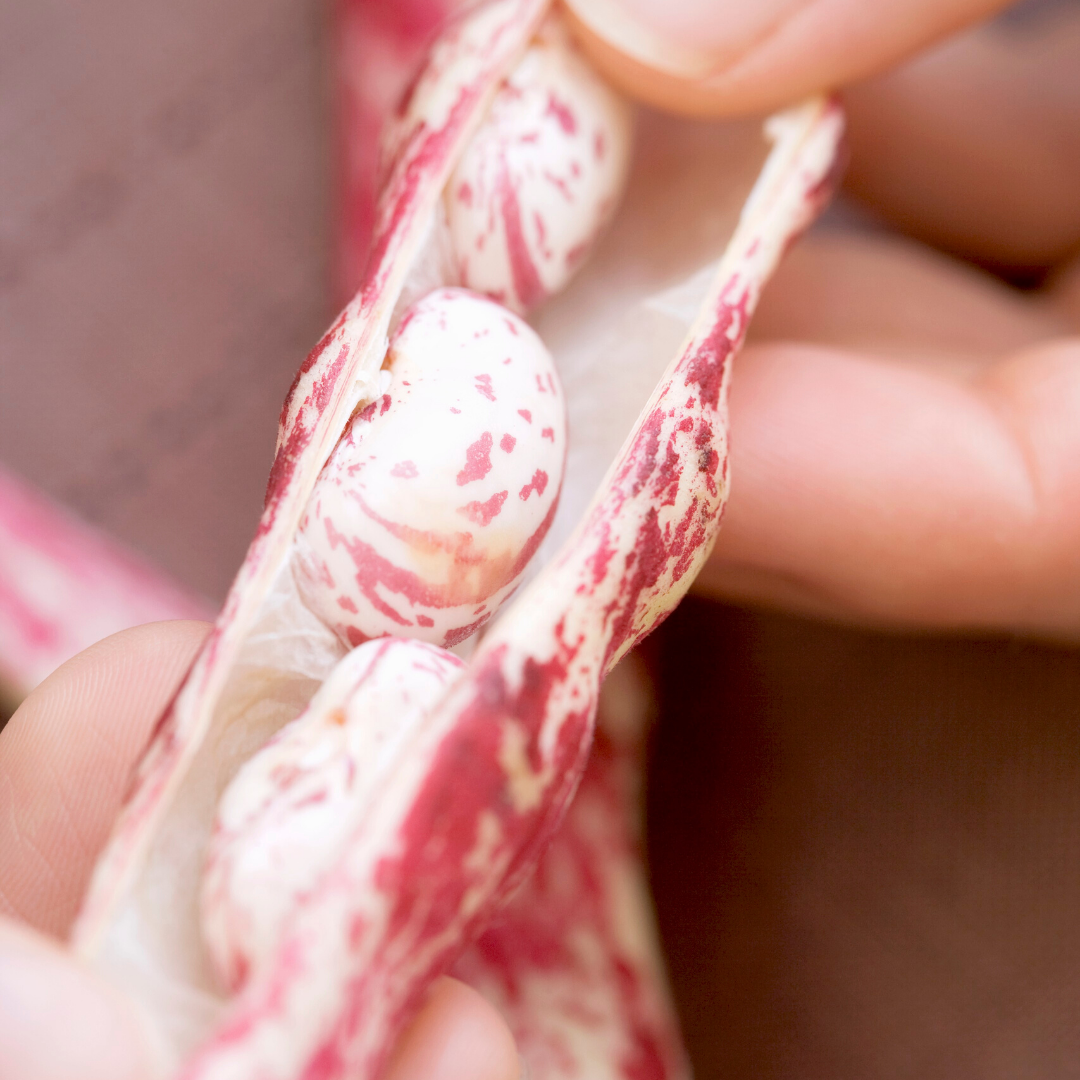
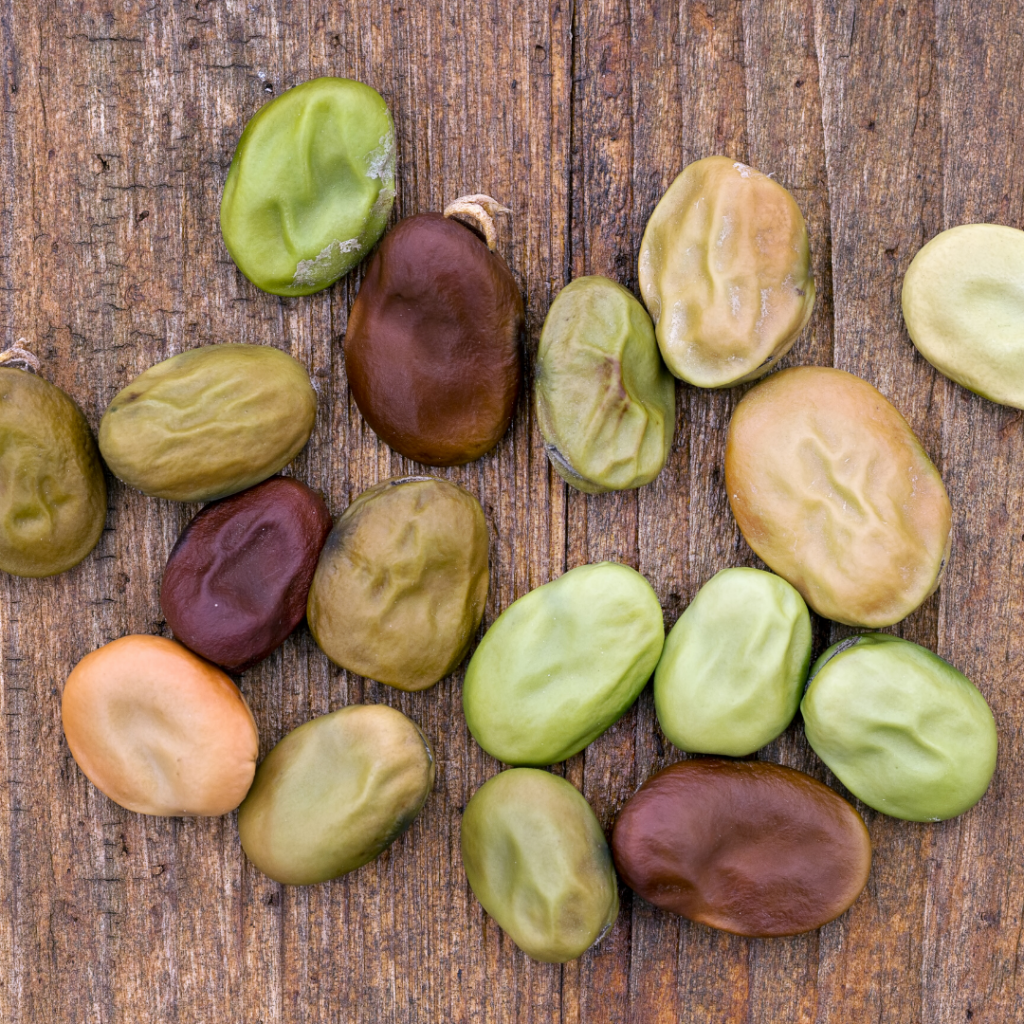
Start with EASY TO HARVEST crops such as peas, beans, lettuce, and tomatoes! Each of these are annuals and self-pollinating. Plus, you will only need a few plants to reap a decent harvest of seed.

Seed Saving TIP #3

Curious as to when it’s time to harvest? For crops with wet fruits, you’ll need to leave a few fruits on the plant to fully mature in the garden. If your harvesting from dry fruited crops such as grainslettuce, or beans… they can be removed from the plant once the seeds are dry and hard.

Seed Saving TIP #4

Always store your garden seeds in a cool, dark, and dry place. This rule of thumb makes THESE seed vaults the PERFECT solution for long term seed storage. Place your properly dried seeds into the airtight container and store it in the refrigerator or freezer for several years!

Residents plant more gardens; retailers see revenues grow
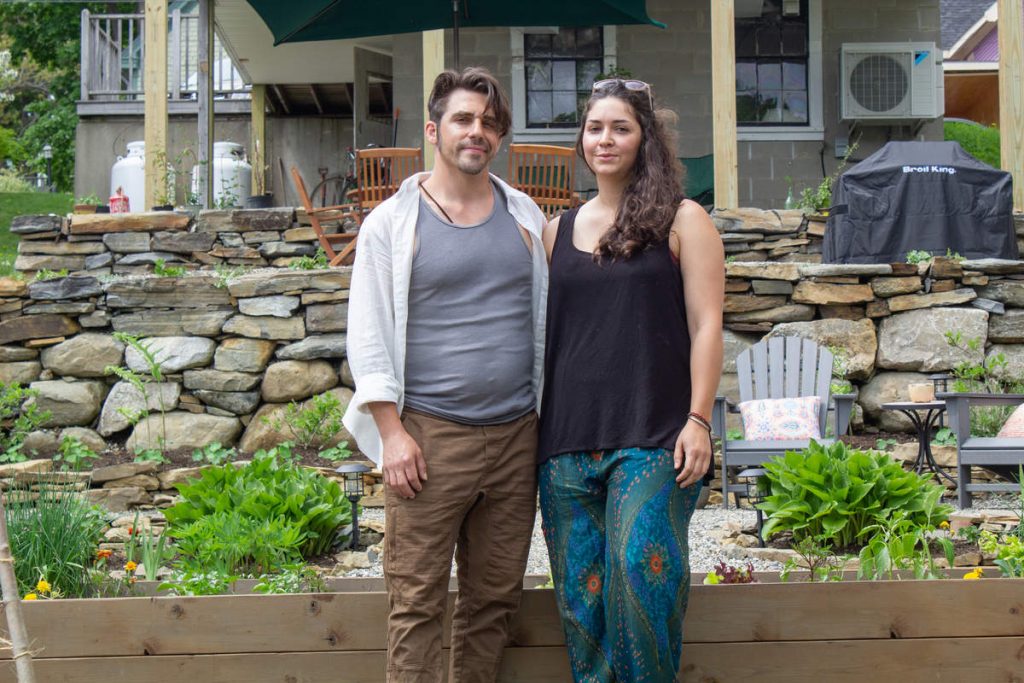
Photo by: Kendra Caruso

BELFAST — Since Belfast resident Elsa Mead started her “victory garden” over two months ago, she said she has noticed more raised bed gardens in people’s yards. The coronavirus has given people more time for gardening and provided local garden and hardware centers a business boost.

Victory gardens are rooted in World Wars I and II, when people started growing their own food to supplement the nation’s limited food supply and to lift people’s spirits during a time of uncertainty and economic hardship.

“It’s something to look forward, to have something beautiful to look at, to be involved with growing food, be able to share our harvest. That’s why we call it a victory garden,” Mead said.

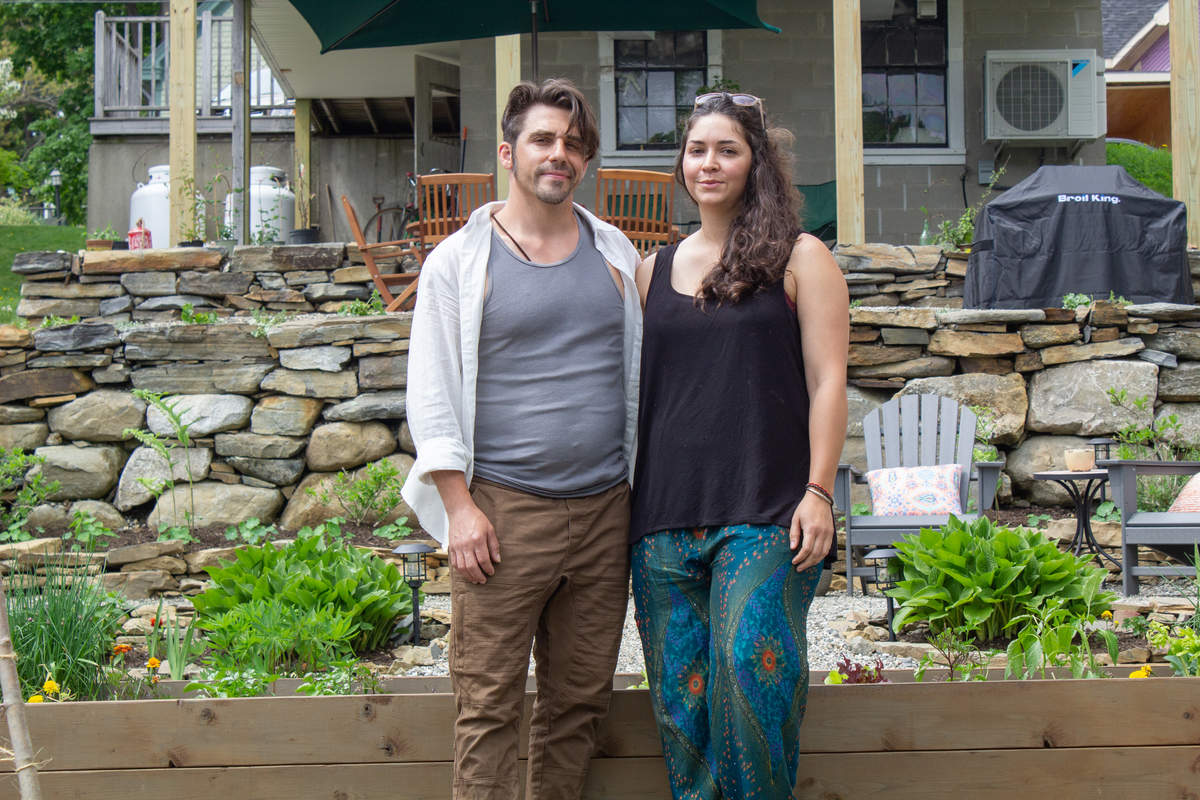
She said she is not traditionally a gardener, but when her daughter, Stephanie Mead, and her boyfriend, Erich Winzer, came for a visit right before a coronavirus outbreak around their New York City neighborhood, the two decided to wait out the pandemic in Maine and spend their time planting a garden with Mead.

Stephanie and Winzer have an urban garden on the rooftop of their apartment building, where they grow much of their own food, they said. The couple had been looking for properties in upstate New York to have a little farm and workshop for their work of building sets and props for theaters and TV shows like “Sesame Street,” Stephanie said.

READ THE FULL ARTICLE: https://waldo.villagesoup.com/p/residents-plant-more-gardens-retailers-see-revenues-grow/1860748

Doorstep delights: why front gardens matter

Photograph: Pål Hansen/The Observer

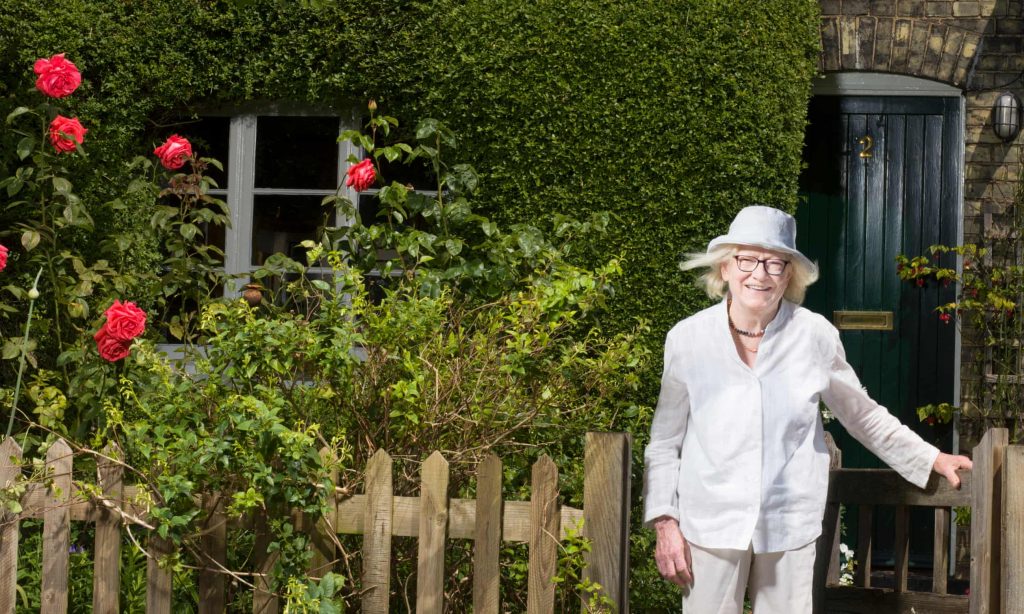
Last month, with more time at home than usual, Charlotte Harris, one half of the landscape design duo Harris Bugg, decided to dig up her paved front garden in Newham, east London. “It was a discussion we’d been having for a while,” says Harris, who gardens with her girlfriend Catriona Knox. They’d already removed the paving from the back garden of their house, which is in a densely populated area of the city undergoing vast amounts of regeneration. “Around here every bit of green space feels precious,” she says. “Obviously there are parks, but I think each of us has to take responsibility for any space we have.”

As you’d expect in a city, the new front garden needs to work hard to accommodate bins, bikes and a composting hot bin, but Harris is determined to plant as much as possible in the rest of the space, including a small tree (on the shortlist are a Sichuan pepper tree, hawthorn or a Chinese fringe tree) underplanted with perennials and bulbs.

In an area where 50% of the front gardens have no plants, the ones that do provide moments of joy. Harris’s neighbors include a couple who boast “the most beautiful magnolia” in their shady spot, while on the opposite side another front garden has been turned over to an abundant veg patch complete with frames and climbing squash. “They were the inspiration, really,” adds Harris. “It’s a gift isn’t it? It’s the ultimate in gardening altruism, because your back garden is for you to enjoy, but your front garden is about improving everyone’s experience.”
READ THE FULL STORY: https://www.theguardian.com/lifeandstyle/2020/jun/07/doorstep-delights-why-front-gardens-matter