Urban Farms Lay the Groundwork for Cleaner Air

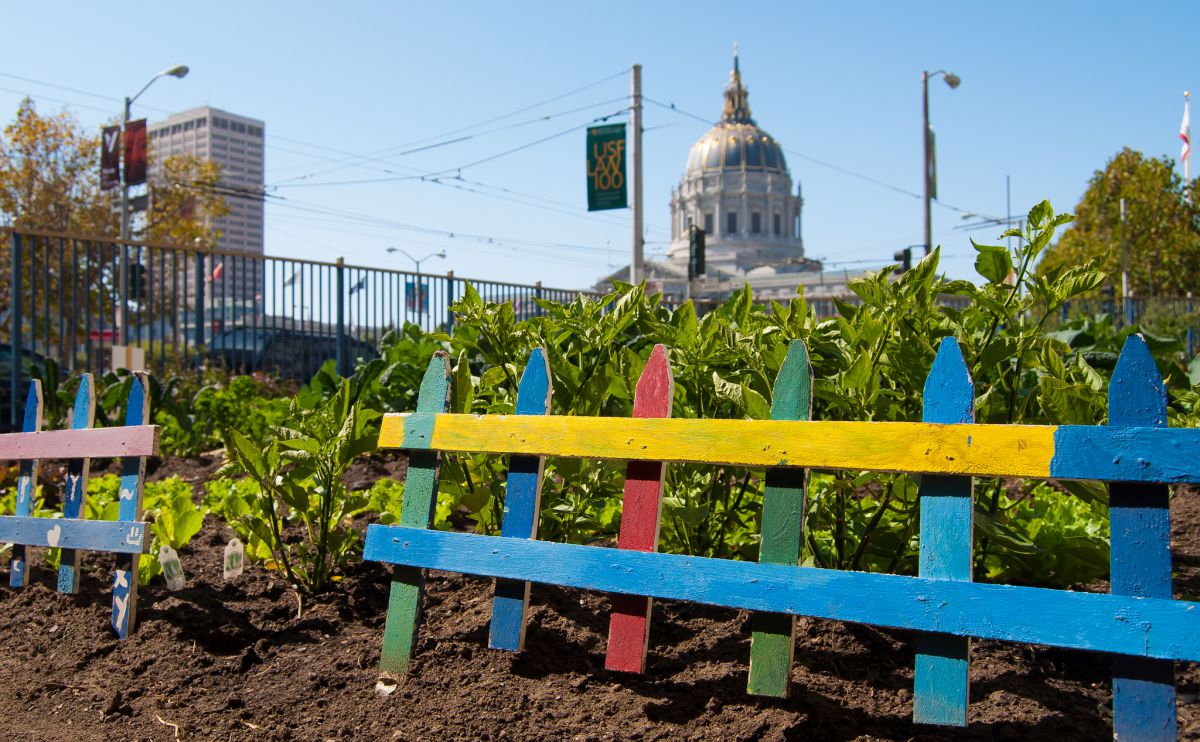
shutterstock_255450823-e1457050623981A new state law has passed within the last few years that lets urban areas create “Urban Agriculture Incentive Zones”. These are area’s in which private landowners will receive a tax reduction rate if they use their vacant land for urban agriculture.

“This is a very welcome development. The benefits of urban agriculture are well established and include access to community gardens, revitalization of vacant lots, increased availability of fresh fruit and vegetables and healthy outdoor physical activity.”

To read the rest of the article, visit: “VoiceOfSanDiego.org


10 Urban Gardeners You Should Follow On Instagram

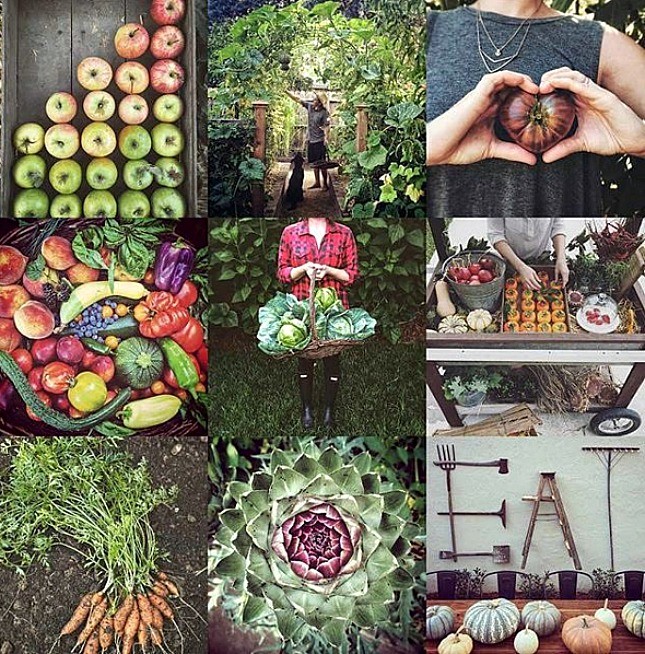
“Goodbye snow boots and chilly nights: Spring is here to stay! Along with breaking out our favorite pastel colors and springy floral manicures, springtime means getting our butts back in the garden and growing some delicious veggies and beautiful greens. But for us apartment dwellers, saying we’re going to start gardening and actually putting all the urban gardening hacks into practice is a very, very different story. For any small-space gardeners looking for a little extra motivation this spring, peruse these 10 urban gardening Instagram accounts for maximum Insta-garden inspiration.” source- “Brit.co”

Houseplant Journal

1. Houseplant Journal: Based in Toronto, Darryl Cheng is a lover of all things green and indoor. Check out his dedicated houseplant blog that offers tips, tricks and hacks on how to grow stunning plants, all without leaving the house. (Photo via @houseplantjournal)

Urban Gardeners Republic

2. Urban Gardeners Republic: Boasting the largest online community of urban gardeners worldwide, Urban Gardeners Republic is an awesome resource for anyone who’s thinking about starting an urban garden. Their account is curated from community bloggers around the world through the hashtag #UrbanGardenersRepublic, meaning there’s always something exotic to check out on their page. (Photo via @urbangardenersrepublic)

Edible Balcony

3. Edible Balcony: If there’s anyone who knows how to turn a small space into a delicious garden oasis, it’s Edible Balcony. Get ready for some tomato envy, everyone. (Photo via @ediblebalcony)
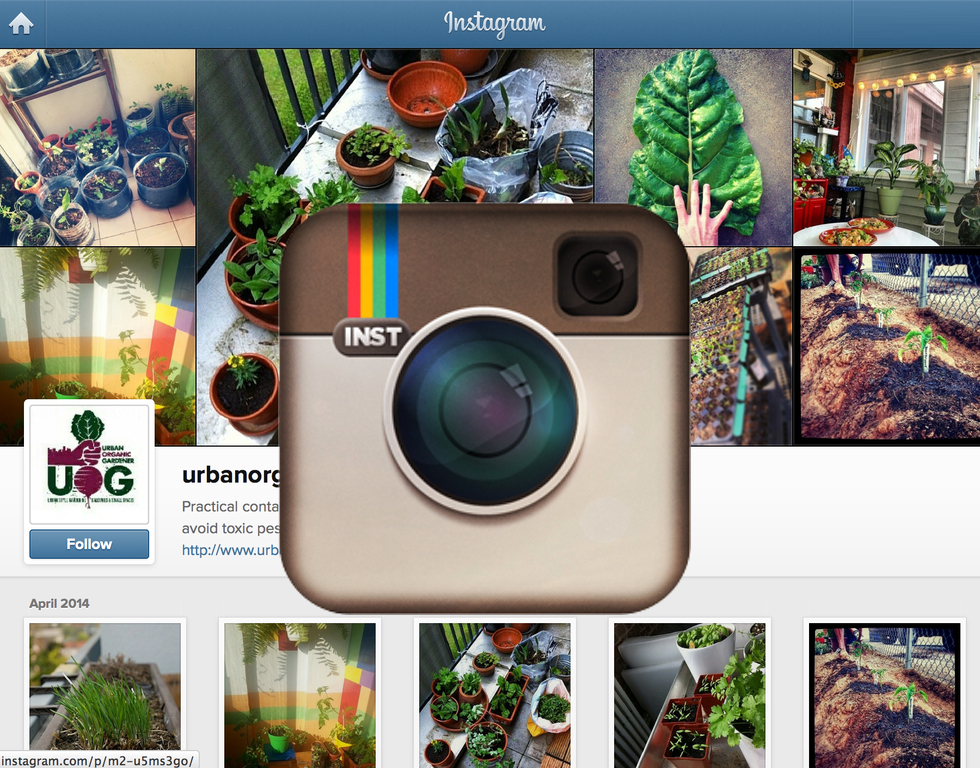
UOG-Instagram1
Hey! If you’ve got an Instagram account you’ve got to follow! Lots of cool urban organic garden pics.  That is, if you’re into that kind of stuff. 😉 Follow Urban Organic Gardener on Instagram!

To Find out the OTHER 7 TOP Urban Gardeners on Instagram visit: “Brit.co

Philly Urban Farmer-Activist Wants all of North Philly to Bloom

tommy joshua north philly peace park

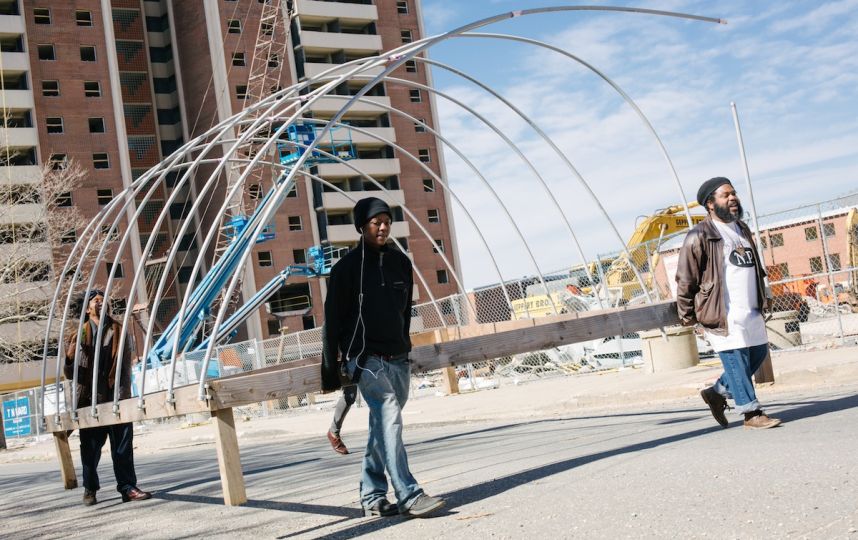
A decayed Philly neighborhood isn’t discouraging one resident at all.  Tommy Joshua says; “I’m the product of this decayed neighborhood,” Joshua who is 36 years old, said cheerfully. He spent his childhood in the area and still recalls how he and other kids turned “a desolate urban environment into fun” with games like “chase the trash.”

Now as an adult, Joshua is concentrating his energy into urban farming near the North Philly Peace Park. They started by clearing a vacant lot near a housing project and set out to grow herbs and vegetables. They’re even growing apples.

“But things at the park came to a halt in December 2014 when the Philadelphia Housing Authority (PHA) sought to reclaim the land, which it owned, to begin preparing to build new homes there.”

To read the rest of the article, visit: “Metro.Us.com


A Huge, Rooftop Farm Takes Root In Chicago

greenhouse_greenpoint

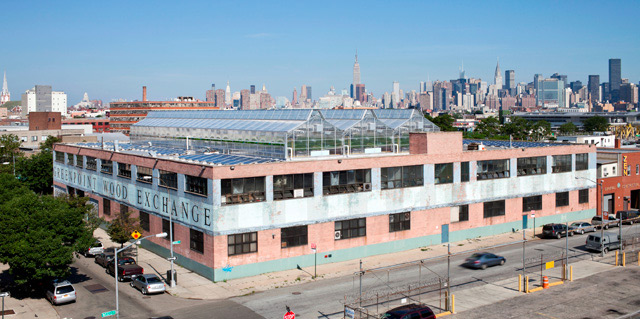
“The owner of the two-acre vertical farm — New York-based Gotham Greens — claims there’s no bigger rooftop greenhouse in the world.”

In Chicago, on nearly two acres of land, a greenhouse sits on top of a factory in the historic Pullman neighborhood.  The owners of Gotham Greens, claim there is no bigger rooftop greenhouse IN THE WORLD.

“It’s hard to picture what a 75,000-square-foot greenhouse really feels like when you’re in it,” says Viraj Puri, CEO and co-founder of Gotham Greens, which began producing lettuce crops here in October. The climate-controlled commercial facility will produce leafy greens year-round — even through Chicago winters — for customers including local restaurants and grocery stores.”

Read the entire article at: “DJC.com


Farm Animals In Urban B.C.? The City’s Listening.

635912385047633105-OkemosGoats-3

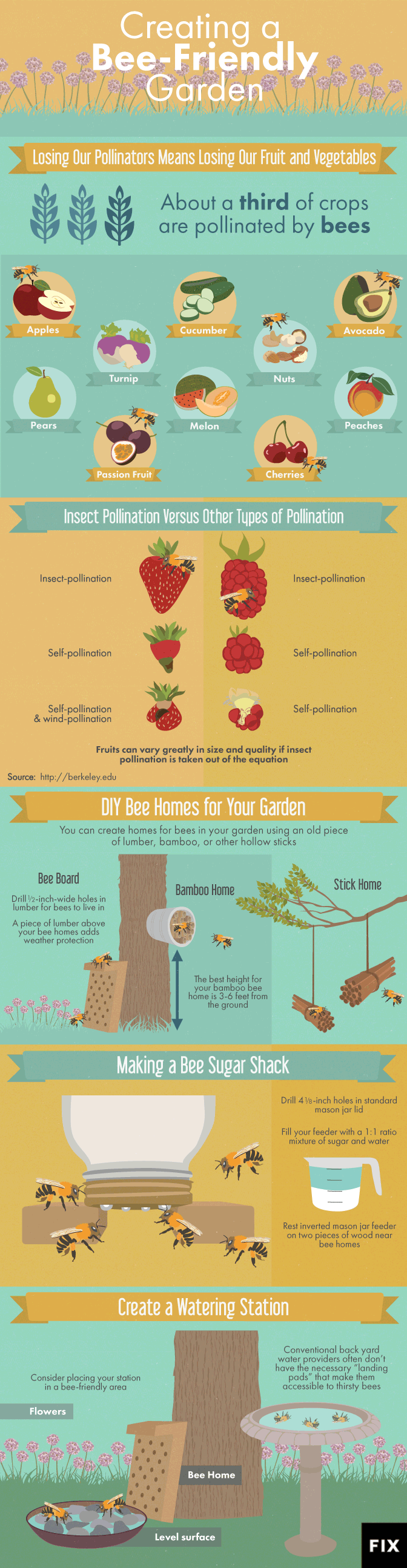
In residential areas near Battle Creek, backyard chickens, goats and honeybees may become more common.  Recently, there have been proposed ordinance changes that would allow urban dwellers to keep small livestock, bees and grow gardens all in their backyard.

The new ordinance changes would also allow urban residents to sell fruits and vegetables grown on their property between certain hours.

“Urban farming could be beneficial for the city.” They’ve “pointed to studies that claim urban agriculture raises home values, generates additional economic activity, creates jobs and helps increase access to healthy food.”

To read the rest of the article, visit: “BakerCreekEnquirer.com

From Armory to Farmory: A Sneak Peek Inside


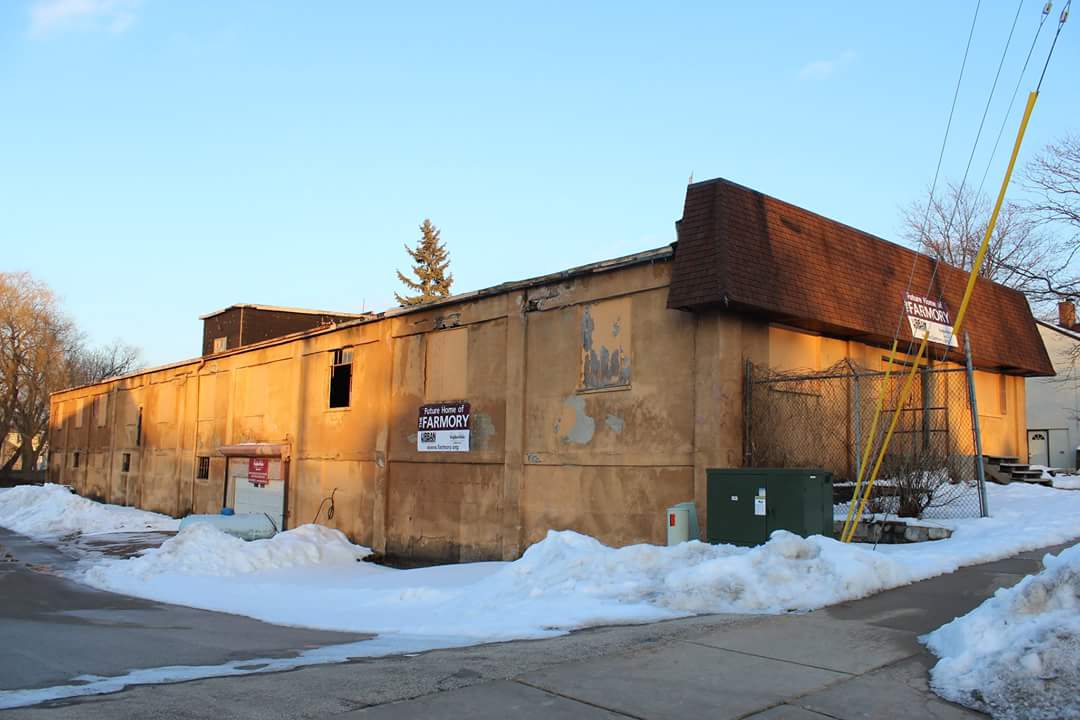
You won’t believe what’s happening inside of an old military armory in downtown Green Bay.

“The non-profit group NeighborWorks Green Bay is spear-heading the construction of the Farmory.”

They are looking forward to serving it’s community with locally grown produce such as leafy greens and herbs. Not only that, but they’ll have mushrooms and even fish with their aquaponic set-up.

Read more about the Farmory, here at: “WBay.com


Facing Severe Food Shortages, Venezuela Pushes Urban Gardens

image001_edited_wide-26c4e778a02478aa79d96949bf7edb283ee3f306-s800-c85

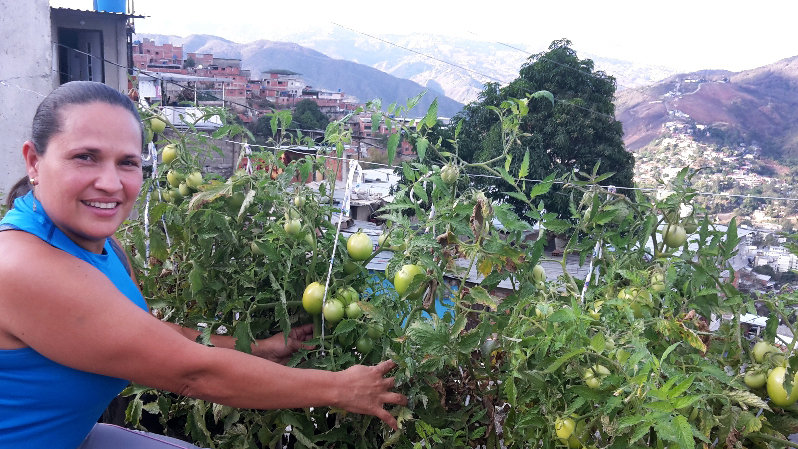
Recently, Venezuela has declared a “food emergency”.  Because it is facing a shortage of bread, milk, and meat, along with other staples…the government has urged Venezuelans to help feed themselves by growing food in their own urban gardens. They’ve also encouraged keeping chickens, even in urban areas.

Josefina Requena is one citizen who has heeded the call. “Cucumbers, green pepper, passion fruit and other produce grow in the front yard of her home in a slum in Caracas, the Venezuelan capital. She also has a chicken coop.”

Read more about the new Urban Gardening trend happening right now in Venezuela

How Safe is it, Really, to Eat Food Grown in an Urban Garden?

urbangarden

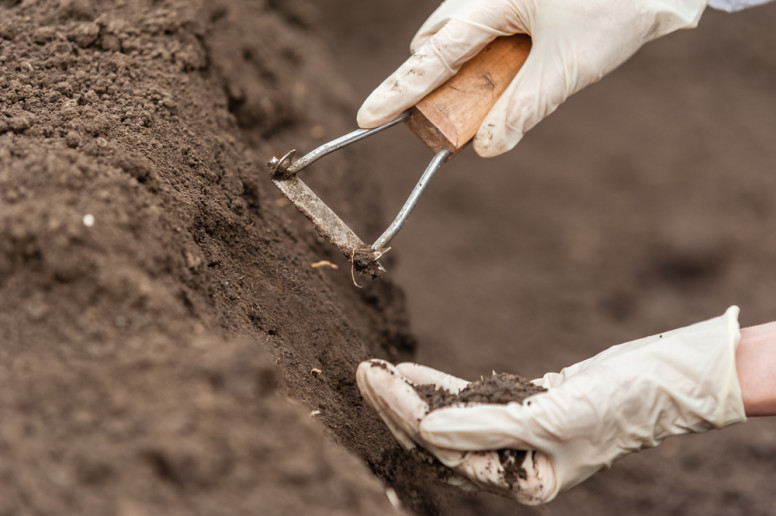
When trying to figure out if it’s safe or not to grow your own food in urban soil, it’s important to first determine what real possible dangers there are. Is the risk is high enough to cause harm?

“Urban farming does present some difficulties not seen in more rural environments; the greater concentrations of people and pollution can have an adverse effect on soil. The most common contaminants in soil are lead, other heavy metals like arsenic and copper, and a group of baddies known as polycyclic aromatic hydrocarbons, or PAHs. These come from a wide variety of places, including paint, fuel emissions, treatments on wood, coal ash, sewage, and pesticides.”

Read the rest of the article, at: “ModernFarmer.com

Staten Island is Now Home to It’s FIRST Resident Urban Farmer

013116_ZaroBates1

New York City has been the home of major supermarkets, farmers markets and even the stock market but some residents are longing to turn unused or empty space within city limits to produce more local produce.  Staten Island now even houses it’s first “LIVE-IN Urban Farmer”.

“Zaro Bates has been hired as the resident farmer at Urby, a 900-unit, $150 million development in Staten Island’s Stapleton neighborhood. She’s described by the Post as “a Brooklyn woman with extensive urban farming experience, [who] will get a salary of around $40,000 and a free apartment.” Bates will be in charge of growing herbs, greens, cucumbers, eggplants, peppers, and heirloom tomatoes on a small farm at the Urby site, and will also tend to rooftop beehives and a composting operation.”

Read more about Bates and all she plans on accomplishing over at: “Gothamist.com


1 Container, 10 Crops. How To Grow Food in a Container Year-Round.

Cherry-Tomatoes_3230404b

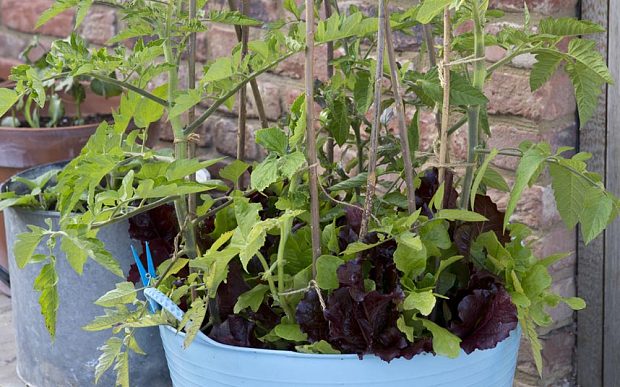
Even if you’re short on space, or gardening in urban areas, you can still grow some of your own food and enjoy a year-round garden.  Container gardening can be very productive as long as you maximize your containers potential.  As long as you have one large pot, (we suggest 18″ or larger in diameter) you can grow “10 different crops in a single year if you combine compatible plants and plan the growing year carefully.” -source “Telegraph.uk.co

To Get Started, You will need:

• 1 large pot – a rubber tub bin is ideal or any plastic pot at least 45cm diameter

• Household drill and drill bit if no drainage holes

• Multipurpose, organic, peat-free compost

• A wigwam support made from bamboo canes or any strong flexible sticks such as willow

Click here to read the rest of the article on how to grow 10 different crops in one container! 

Urban Farming Takes on More Important Role Worldwide

30278361-01_bigAround the world, urban farming is becoming an important part of the city landscape.  The new reality in which we live in, is that more than half of the worlds population is now urbanized.  That number is expected to rise to nearly 70% by the middle of this century. 

Read the entire article at: “NationMultimedia.com

In Big Cities, a Bigger Focus on Rooftop Farms

Birdseye_cropped

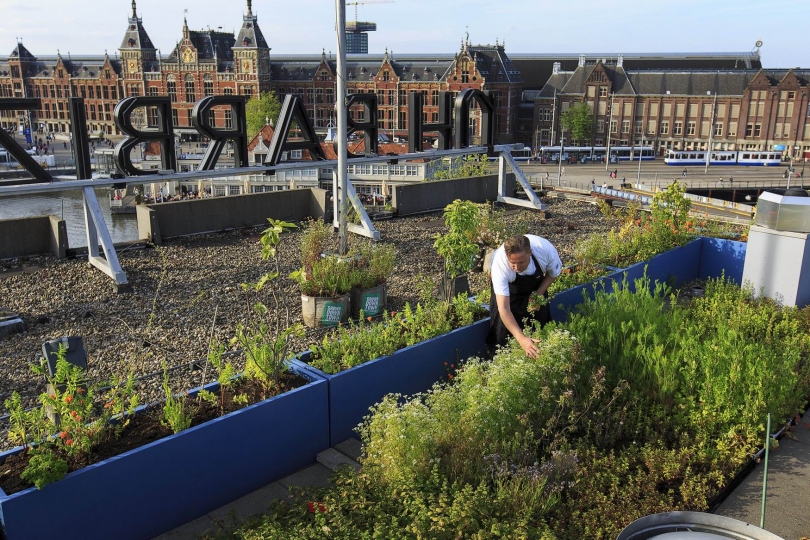
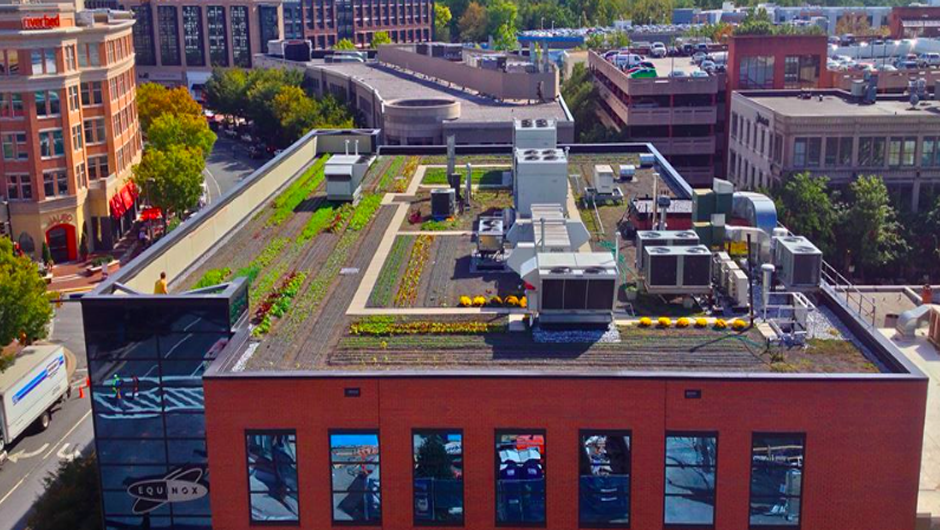
More than 50% of US land, is being used for agricultural purposes, but still land is a limited resource. Here’s two new innovative companies that are taking US farms to the rooftops.

“The founders of the New York, NY-based Gotham Greens – Viraj Puri, Eric Haley, and Jenn Nelkin Frymark – had a vision for a local, ecologically-driven, urban farm operation that could offer city dwellers the freshest and highest quality culinary ingredients, year-round, at competitive prices.”

“Founders of the Washington, DC-based Up Top Acres – Kristof Grina, Kathleen O’Keefe, and Jeffrey Prost-Greene – having grown up together, found a similar passion for creating a space in the city that benefited residents environmentally, socially and economically. Kristof was working on a small farm in Maryland, Kathleen was working in urban planning and Jeff was working on a start up. The idea of rooftop farming sprouted.”

Read more of the original article at: “Tech.Co


How to Make Even The Smallest of City Balconies Look Fabulous

2000-outdoors3-My-Tiny-Garden-Pavilion-BooksMany urban dwellers have found that even in the smallest of spaces, you can create beauty through urban gardening.  All you need is some creativity!

“Inventive urban gardeners don’t dwell on what they don’t have, but use what they do have. ”

Check out the full article here to find out how you can transform any piece of concrete, wall, rooftop or piece of soil into your own little garden oasis…even in the city.

Source: “HomesAndProperty.co.uk

Could The Future Of Urban Farming Be Found Inside Of An Old Shipping Container?

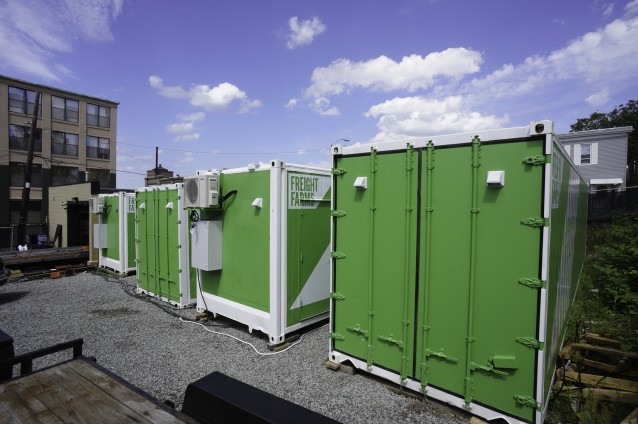
Freight-Farms-Corner-Stalk-638x424“All Freight Farms units are built in repurposed 40-foot insulated shipping containers. Everything from water to the LED lights in the units are digitally controlled, and each unit is also a Wifi hotspot, connected to the network of Freight Farm units across the country.

Today more than 50 farmers are growing produce in refrigerated shipping containers known as “Leafy Green Machines”.  The are functioning mini farms that boast vertical hydroponics and LED lighting systems. The machines “are 320 square-foot self-contained farming units that can grow as much produce as two acres of farmland using less water per day than the average American needs for a single shower.”

To read to full article, visit: “ThinkProgress.org

Risk of Lead Poisoning From Urban Gardening is Low, New Study Finds

photo21

People living in urban areas are sometimes frightened about lead being in their soil.  In a new study, they found that by using compost you can help keep yourself and your family safe from toxic lead poisoning.   “Good compost will also guarantee that you will have plenty of vegetables to harvest.”

The University of Washington led a study that looked at potential risks that commonly are associated with urban gardening.  The conclusion was, that the benefits of consuming locally produced vegetables, outweighed any risks from gardening in “contaminated” soils.

“We’ve shown that lead is harmful by eating the dirt, not from eating the lettuce grown in the dirt.”“People are terrified of soils in urban areas. They always think it’s a mystery brew of toxins in the soil, but in vast majority of cases, the contamination is lead,” said lead author Sally Brown, a UW research associate professor of environmental and forest sciences.

Go here to read the rest of the article at: “WashingtonEdu

Homestead Hospital’s “Grow2Heal” Community Garden is Teaching People About the Power Of Plants

homestead-hospital-garden-2

People are becoming more aware about the benefits of plant-based diets, especially when it comes to the field of preventative medicine.  Hospitals all over the world are starting to pay more attention to the food they serve.  Instead of jello-cups, more hospitals are starting to use fruits and vegetables as healing tools.

“Baptist Health South Florida’s Homestead Hospital (975 Baptist Way, Homestead), for one, is stepping up its nutrition game with the Grow2Heal community garden. ”

“In efforts to address our community’s socioeconomic issues, we dedicated 10 acres of vacant land adjacent to the hospital to develop an organic garden as a bold, innovative attempt to offer our community preventative health through fresh, nutritious foods,” says Thi Squire, the garden’s project manager. “We feel that our garden shows that there is no greater loving action than to feed and nourish our community.”

Read the entire article, here: “MiamiNewTimes.com