Urban Gardens Growing Strong Amid COVID Pandemic

NATIONALOBSERVER.COM – Mike Levenston stands over a half-harvested stalk of kale, eyeing the autumnal remnants slowly disintegrating into the soil. It’s a familiar scene for Levenston, an urban gardener who has been growing food and community in the garden he founded, dubbed City Farmer, for more than 40 years.

At the time, it was almost unheard of to grow food in cities, and gardens weren’t given much thought in city planning efforts. No longer: Urban gardens are thriving worldwide, especially this year as pandemic-bound city dwellers have sought sustenance in gardens, parks and other green spaces.

“I’m there seven days a week. It’s the best place for my family to be in COVID times because it’s a garden with lots of space,” Levenston said. “We’re busier than ever because of the backyard garden craze. We sell city compost bins (and) people are picking them up every day, and (there) are a lot of new gardens (in the city).”

READ THE FULL ARTICLE: https://www.nationalobserver.com/2020/10/28/news/urban-gardens-growing-strong-covid-pandemic
Gardening Tips for November

THESUZGAZETTE.COM – November is one of my favorite months in the California garden. Fragrances are earthy and fresh, especially after a rain, with hints of spice and healthy soil. I watch leaves descend, winds sway even large tree branches, and sheets of rain (hopefully!) wash off a year’s dust. Birds and even some late butterflies, moths and bees work feverishly to gather enough stored energy for hibernation or migration. The mornings are crisp and winter-cap weather, the afternoons can still hold a weak warm sun, or even a few days of bright above-normal temperatures. Since we all know our water supply depends on abundant mountain snow, we rejoice when we see snow-capped peaks after a good storm and there is still optimism that the upcoming winter, when our part of California receives the majority of the year’s precipitation, will be cold and wet.

READ THE FULL ARTICLE: https://thesungazette.com/article/opinion/gardening/2020/10/28/gardening-guru-tips-for-november-2/

Five Ways To Prepare Now For Gardening In 2021

HERALDANDNEWS.COM – Gardening in all forms — from window boxes to major landscape renovations — surged in 2020. Whether for mental peace, food security, or a meaningful “socially distanced pastime,” people turned to gardening this year. Increased interest in all things gardening led to temporary shortages in seeds and plants this year, causing a similar surge in interest in seed banks and seed saving.

Now that freezing nights have put an end to most gardening this year in the Klamath Basin, some forward-thinking gardeners are already looking ahead to next year. Recent horticulture questions at the Extension office included seed saving techniques, advice for overwintering small trees, how to prepare beds for winter, and the big question: Given that 2021 is projected to be equally popular food gardening, will there be shortages of seeds and plants again? How can a gardener prepare now, in the quiet time? The following are a few suggestions.

READ THE FULL STORY: https://www.heraldandnews.com/news/local_news/community/sanchez-five-ways-to-prepare-now-for-gardening-in-2021/article_1853e16a-2ce7-57b5-990a-a5e5aabbc47e.html

Whole Foods Market Partners With Infarm To Offer A More Sustainable Way To Shop

WFMZ.COM – Whole Foods Market customers are now able to purchase a range of fresh produce that has been grown by Infarm – the world’s fastest-growing urban farming network.

It marks the third major expansion into the UK retail space for Infarm as retailers seek ways to reduce the environmental footprint in their supply chain and develop their range of sustainable produce.

Infarm has installed two of its modular vertical farming units in two of Whole Foods Market’s London outlets; High Street Kensington and Fulham, so shoppers can buy fresh produce grown directly in store. The remaining five London stores will be supplied with produce from a local Infarm growing center in Tottenham, providing flexible supply as and when required.

The partnership between Infarm and Whole Foods Market aims to satisfy increasing consumer demand for sustainably grown products, helping customers to both make healthy choices and reduce their food waste.

READ THE FULL ARTICLE: https://www.wfmz.com/news/pr_newswire/pr_newswire_business/whole-foods-market-partners-with-infarm-to-offer-a-more-sustainable-way-to-shop/article_7c245853-006e-55ae-a440-085af99200e9.html

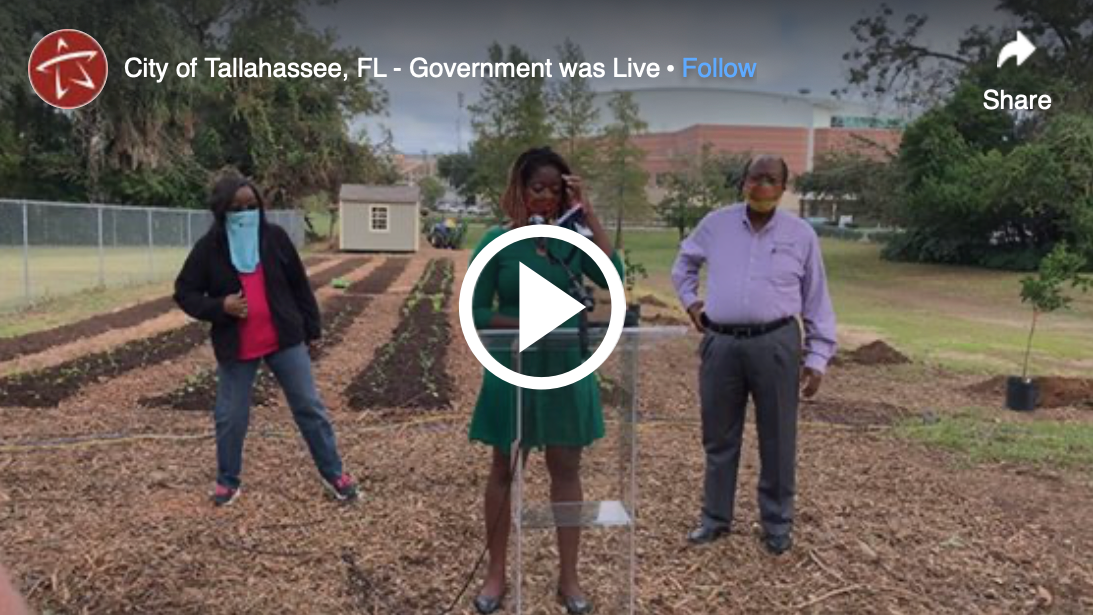
Local Officials Break Ground On Tallahassee’s Latest Urban Farm, ‘City Farm TLH’

TALLAHASSEE.COM – Officials broke ground on the pilot location of the City of Tallahassee’s own urban farm, “City Farm TLH,” this week.

The “innovative urban farm with an entrepreneurial training program” is located at 530 Kissimmee St., previously a vacant lot.

“Funded by a Knight Foundation grant, City Farm TLH is part of the City’s ‘Vacant to Vibrant’ initiative aimed at addressing blight by repurposing vacant properties,” the city said in a press release.

“In addition to providing a site for the innovative urban farming and entrepreneurship elements of this program, the pilot farm will also help provide affordable, fresh fruits and vegetables to the surrounding neighborhood.”

READ THE FULL STORY: https://www.tallahassee.com/story/news/2020/10/21/tallahassee-officials-break-ground-new-urban-farm/3709606001/


City Farming On Rise As COVID-19 Makes People Rethink How They Source Their Food

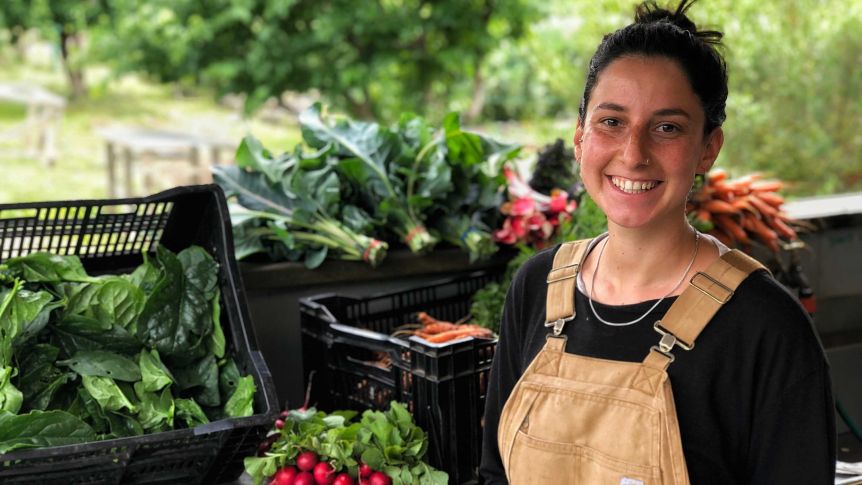
Urban farmer Rachel Rubenstein on a farm in East Brunswick, not far from the Melbourne CBD.(ABC Regional: Marty McCarthy)

ABC.NET.AU – Urban farmer Rachel Rubenstein thinks the coronavirus pandemic, which has shut down major cities, state, and international borders, is a chance to rethink where we get our food from.

Local car parks, median strips and rooftops, golf courses, and even public parks — they’re just some of the ideas she and her city farming friends are throwing around as potential places to grow food.

“I think that having food grown close to home is super important because we have seen a lack of access to fresh food with the bushfires and then COVID,” Ms Rubenstein said.

READ THE FULL ARTICLE: https://www.abc.net.au/news/rural/2020-10-25/urban-farming-on-rise-due-to-covid-19-pandemic/12797672

PODCAST | Urban Farming During COVID

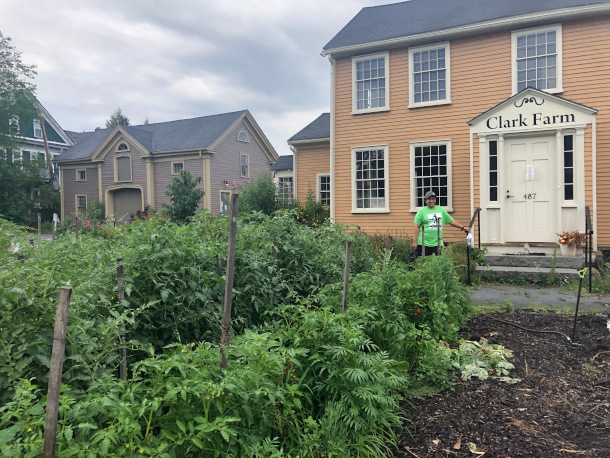
Patricia Spence stands in Clark Farm, one of the earliest intact examples of agricultural property in an urban space in Massachusetts. (Photo: Courtesy of Bruce Gellerman, WBUR)

Podcast – Boston, Massachusetts is home to the United States’ oldest, continually-operated Victory Garden, made up of some 500 small plots dating back to World War Two. Today, urban farms throughout the city provide much-needed nourishment for the city’s residents, but the COVID-19 crisis changed the way these small farms operate. WBUR’s Bruce Gellerman reports.

During World Wars One and Two the US government encouraged people to plant victory gardens to grow their own food as a way to support the war effort.
The nation’s oldest continually operating Victory Garden is in Boston and across the city, modern urban farms carry on the tradition of growing hyper-local food for residents.
The farms were growing in size and scale but had to adjust operations when the Covid19 pandemic hit. WBUR reporter Bruce Gellerman has the story.
LISTEN TO THE PODCAST | Air Date: Week of October 16, 2020

Urban Agriculture Growing Strong at San Jose’s Veggielution

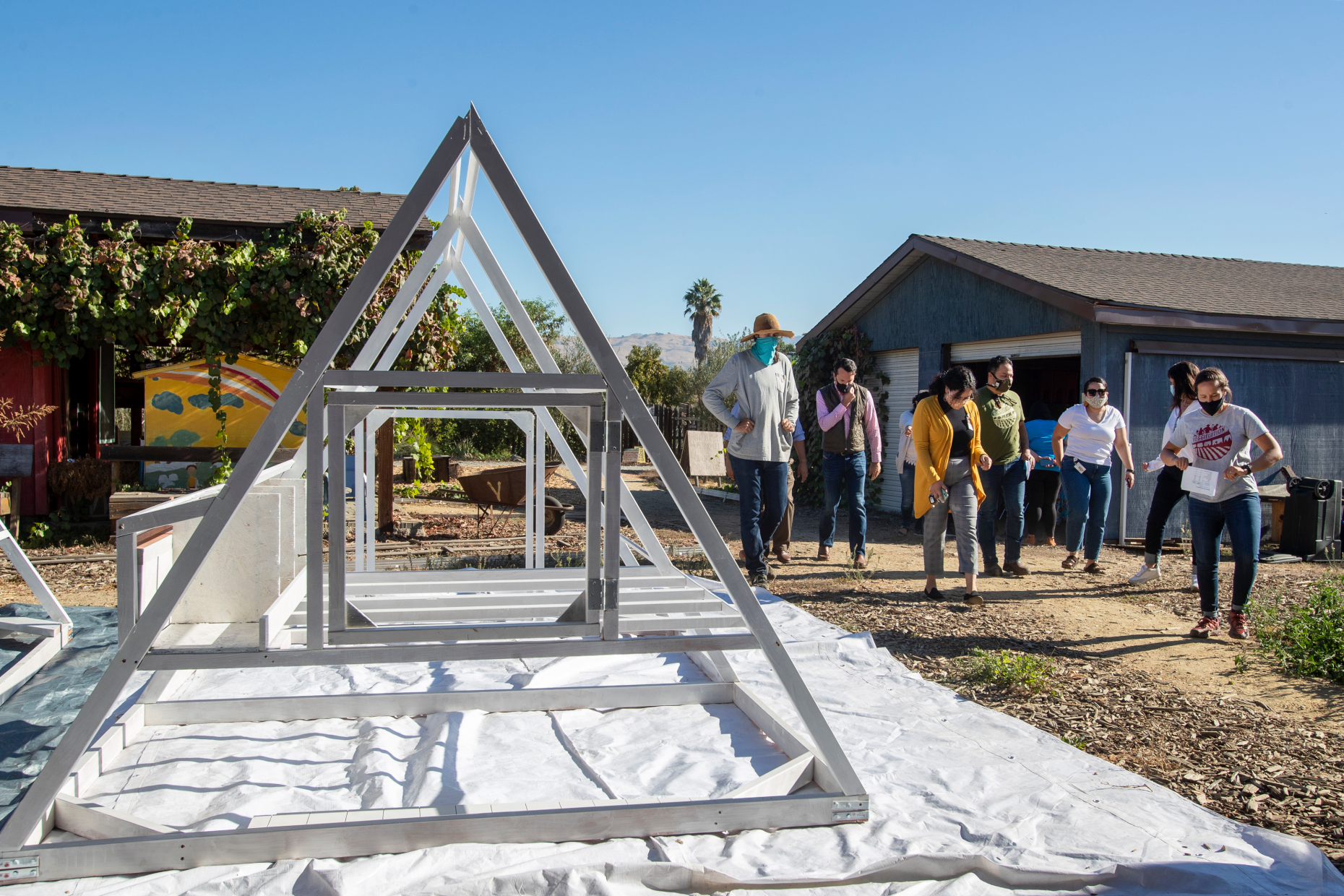
SAN JOSE, CA – OCTOBER 21: New chicken coops are the first stop on a tour by local legislators at the Veggielution Community Farm, Wednesday, Oct. 21, 2020, in San Jose, Calif. (Karl Mondon/Bay Area News Group)

MercuryNews.com – Salinas Valley Assemblyman Robert Rivas visited Veggielution Community Farm in San Jose on Wednesday morning on a tour of agriculture sites throughout the state and praised the 6-acre farm in East San Jose as a “model” for others.

“Clearly, in agriculture, things are changing in the state because of climate change,” said Rivas, who chairs the Assembly’s Agriculture committee and was joined Wednesday by San Jose City Councilwoman Magdalena Carrasco and fellow Assemblyman Ash Kalra. “We’re seeing more diversity in the ways we farm, and one of those ways is urban agriculture.”

And let’s face it, Veggielution is pretty darn urban. Taking up a corner of the 48-acre Emma Prusch Farm Park at the busy intersection of Story and King roads, Veggielution’s fields, gardens and buildings sit in the shadow of the flyover ramp from Highway 101 to Interstate 680.

READ THE FULL ARTICLE: https://www.mercurynews.com/2020/10/21/urban-agriculture-growing-strong-at-san-joses-veggielution/

‘Gangsta Gardener’ Ron Finley’s easy guide to growing your own veggies

Never before has it been more important to consider growing you own vegetables.

But how? American gardening guru Ron Finley, aka the Gangsta Gardener, shares some down-to-earth advice with Sanet Oberholzer.

Is not having green fingers really a thing?

We all have green fingers because we all are carbon, we come from the earth and where do we go back to? We turn into soil. Everybody has green hands – you just have to put them to use. The bottom line is you are a custodian of the system. Mother Nature does everything else, we just are helping. I tell people: grow it to know it. People need to find the joy in this. It’s not just a hobby – it’s a life skill that we all should have.

READ THE FULL ARTICLE: https://www.timeslive.co.za/sunday-times/lifestyle/food/2020-10-21-gangsta-gardener-ron-finleys-easy-guide-to-growing-your-own-veggies/

10 Fall Gardening Practices That Will Protect Your Soil in Winter

BobVila.com – Throughout the growing season, garden plants work together with microbes to break down and use organic matter within the soil. During the off season, unprotected garden beds are at risk of erosion, a process that strips away the topsoil resulting in a loss of nutrients, and soil compaction, which reduces water infiltration and drainage, damaging the soil structure. Over time, this seasonal cycle can leave your garden infertile and unproductive. But this problem is easy to avoid by adopting a few soil friendly habits in the fall.

When the growing season comes to an end, the soil building season begins. This is the time to focus on rebuilding organic content, conserving nutrients, preventing erosion, and avoiding soil compaction.

READ THE ARTICLE: https://www.bobvila.com/slideshow/10-fall-gardening-practices-that-will-protect-your-soil-in-winter-577479

FORAGING – Coming Home Through Traditional Foods


Record-Eagle.com – Today’s mass-produced food landscape is often detrimental to food sovereignty efforts.

Indigenous ancestral teachings are anchored in creation stories and cover science, math, history, and sociology. They shaped the food systems of each community for thousands of years before colonization.

“Our foods speak their own ancestral language,” said Kirsten-Kirby Shoote, from the Tlingit tribe in what is now Alaska. Shoote has dedicated her life to bringing back Indigenous foods to her communities through seed saving.

She works for I-collective; a nonprofit organization of Indigenous chefs, farmers, activist, seed and knowledge keepers, and refers to herself as a “food activist, seed saver, chef and urban farmer.”

She grew up in Chinook territory in what is now Oregon, and moved to Waawiiyatanong (Detroit) in 2015 to explore urban Indigenous food sovereignty. Her project Leilu’ Gardens focuses on “cultivating relationships with plants to heal generational wounds through revitalizing urban gardening and seed saving. She hosts pop-up dinners for the community to explore dishes together.

READ THE FULL STORY: https://www.record-eagle.com/mishigamiing/coming-home-through-traditional-foods/article_d096e802-10c4-11eb-b8d7-777c2d3f9e71.html

The Art of Urban Permaculture

ModernFarmer.com – In my ongoing quest to learn everything I can about gardening as part of our Million Gardens Movement, I recently encountered a fascinating thing: urban permaculture.

Australian academics Bill Mollison and David Holmgren are credited with creating the concept of permaculture in the 1970s. Mollison, an ecologist and university professor, defined permaculture as “the conscious design and maintenance of agriculturally productive ecosystems which have the diversity, stability, and resilience of natural ecosystems.” Holmgren, for his part, went on to coin 12 design principles of permaculture in his book, Permaculture: Principles and Pathways beyond Sustainability. Before your eyes glaze over at the seeming complexity of all of this, let me point out that urban permaculture is really quite simple to understand and practice.

READ THE FULL STORY: https://modernfarmer.com/2020/10/the-art-of-urban-permaculture/

New Community Garden Breaks Ground at Virginia Highlands Park

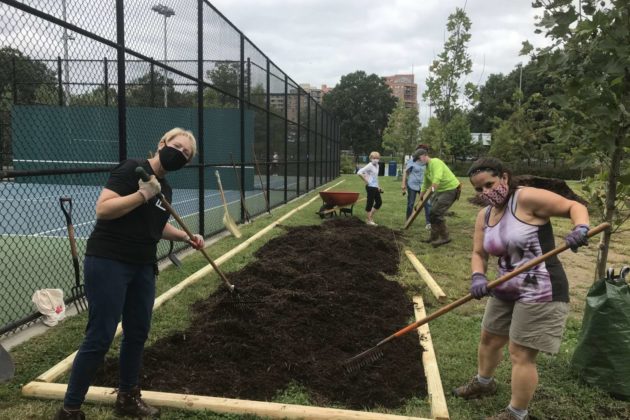
Volunteers break ground at new Virginia Highlands Park urban garden (Photo courtesy Arlington Friends of Urban Agriculture)

Arlnow.com – A portion of Virginia Highlands Park, near Pentagon City, is being transformed into a vibrant display of gardening through a new agricultural initiative.

The Arlington Friends of Urban Agriculture, National Living BID, Livability 22202 and Arlington County Department of Parks and Recreation collaborated to develop a project that is revitalizing a strip of land in the park for a temporary demonstration garden. The project, called the Highlands Urban Garden (HUG), is located at 1600 S. Hayes Street.

Project HUG will include a display of various irrigation systems while showcasing how to counter challenging soil conditions and how edge spaces in parks can be converted to functioning gardens. Produce from the garden will be donated to local food pantries.

READ THE FULL STORY: https://www.arlnow.com/2020/10/14/new-community-garden-breaks-ground-at-virginia-highlands-park/

D.C. Urban Gardens Flourish In The Pandemic As People Dig In To ‘Fill The Isolated Life’
Victorine Mbazang harvests greens from her plot at Blair Road Community Garden. (Katherine Frey/The Washington Post)

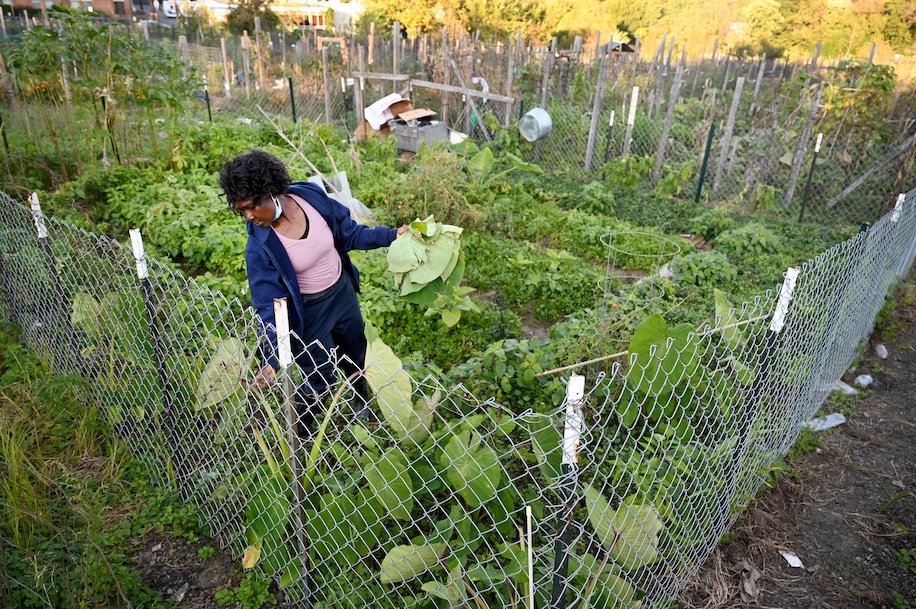
WASHINGTONPOST.COM -Victorine Mbazang proudly stands in a sea of green fruit and vegetable plants at her plot at Blair Road Community Garden in Northwest Washington’s Manor Park.

“This garden is very important to me, like my grandbaby,” said Mbazang, 50, who has grown produce such as waterleaf, similar to spinach, since she moved to D.C. from Cameroon five years ago.

Mbazang is part of a swelling group of Washingtonians who grow produce in the city’s 68 community gardens, which offer free plots of fertile land. Many gardens have years-long waitlists and have become even more in-demand during the pandemic, as people are stuck at home, and many are looking for new, healthy hobbies.

READ THE FULL STORY: https://www.washingtonpost.com/lifestyle/2020/10/09/dc-urban-gardens-flourish-pandemic-people-dig-fill-isolated-life/

Why Fall Gardens Need Compost And Amendments

LA TIMES – So you likely spent a bundle on preparing your first victory garden last spring, with organic potting soils, compost and manures. Why should you have to go out to buy more for your cool-weather garden this fall?

Because the veggies you planted last spring devoured those beneficial microbes, said master gardener Yvonne Savio, creator of GardeningInLA.net, and your depleted soil needs another jolt to feed the greens and other goodies you want to grow this fall.

“The plants you grew this summer sucked up the energy and nutrition you put in your soil, just like it sucked up the moisture you put in the ground,” Savio said. “It’s like asking, ‘I ate dinner last Sunday. Why should I have dinner again this Sunday?’”

Like most garden experts, Savio preaches the benefits of feeding your soil, not your plants. In other words, forget about fertilizers and concentrate on building healthy, nutrient-rich soil.

READ THE FULL ARTICLE: https://www.latimes.com/lifestyle/story/2020-10-01/why-fall-gardens-need-compost-amendments

Grow Food, De-stress: Rooted Offers Corporate Employees Micro-Learning Urban Farming Platform

GreenQueen.com – Agtech startup Rooted wants to make urban farming the new corporate hobby with its new micro-learning platform, which offers users the tools and skills they need to grow their own food at home. Launched amid the coronavirus pandemic at the agri-food conference Future Food Asia 2020, which has led most of us to rethink food safety and health, the first-of-its-kind global farming hub will offer bite-sized and interactive information with input from farming experts so corporates can engage their employees to cultivate fresh produce at their own pace.
“We realized people were weary of endless webinars and Zoom meetings, we wanted to create something bite-sized and interactive,” said Nicola Kerslake, co-founder of Contain Inc.

Isabelle Decitre, the co-founder of ID Capital, added that because Rooted is designed for all individuals, it makes it the perfect platform for corporate wellness and sustainability programs to engage workforces in activities that are particularly pertinent to the global issues of today – health and the environment. 

“Farming is a fantastic way to bring together employees in a positive project. With Rooted we are pioneering new, social, ways of learning,” Decitre explains.

READ THE FULL ARTICLE: https://www.greenqueen.com.hk/grow-food-de-stress-rooted-offers-corporate-employees-micro-learning-urban-farming-platform/

10 Influencers and Instagram Accounts to Follow for Gardening Advice

We don’t just turn to Instagram to stalk our favorite celebrities and social influencers to find out what they’re wearing, eating or where they hang out. Instagram also has a bevy of great accounts that celebrate and share knowledge about the dirty but glorious world of gardening.

So, for those who’ve started to dabble in urban gardening during the pandemic lockdowns, we’ve rounded up a list of 10 gardening accounts to provide you with the ultimate inspiration for plant cultivation. You’re welcome!

FOLLOW THESE TOP 10 INFLUENCERS NOW: https://ecowarriorprincess.net/2020/09/10-influencers-instagram-accounts-gardening-advice/

Urban farm grows fresh produce and sense of community

John Roark / Post Register

Post Register: Claudia Pine spent Wednesday morning at Happyville Farm digging up carrots, picking tomatoes and washing cucumbers. By the time she was done, Pine had 58 pounds of fresh vegetables that were separated into one-pound bunches. Each family who visited the Community Food Basket – Idaho Falls that day was given one.

“Fresh, farm-raised produce is good for you. We are trying to provide people with the most nutritional food we can. People can then incorporate this fresh produce into their packaged food to help them go farther and make those meals healthier,” Ariel Jackson, executive director of the Community Food Basket – Idaho Falls.

Happyville Farm is a large garden just over one acre in size tucked into a neighborhood west of downtown at 600 S. Saturn Avenue. The farm is an offshoot of the Community Food Basket that Food Basket volunteer Pine dreamed up six years ago. This autumn she is reaping her first harvest.

READ THE FULL ARTICLE: https://www.postregister.com/news/local/urban-farm-grows-fresh-produce-and-sense-of-community/article_4679d34e-4832-5b8f-98ed-667a2d5d2193.html

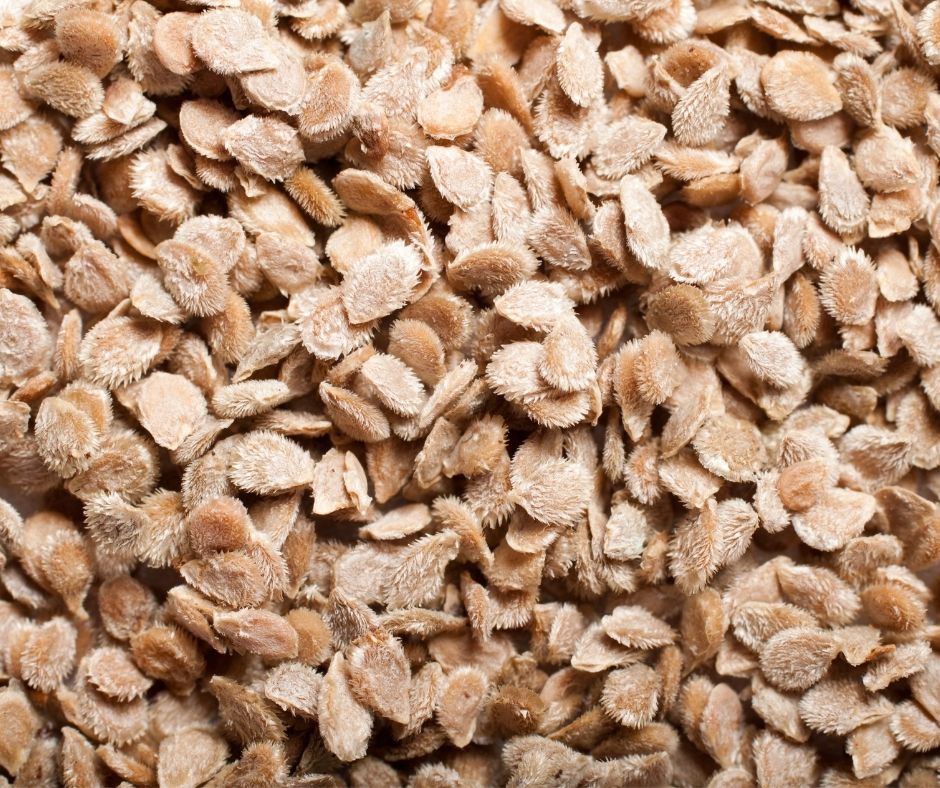
Tomato Seed Saving Tips and Tricks

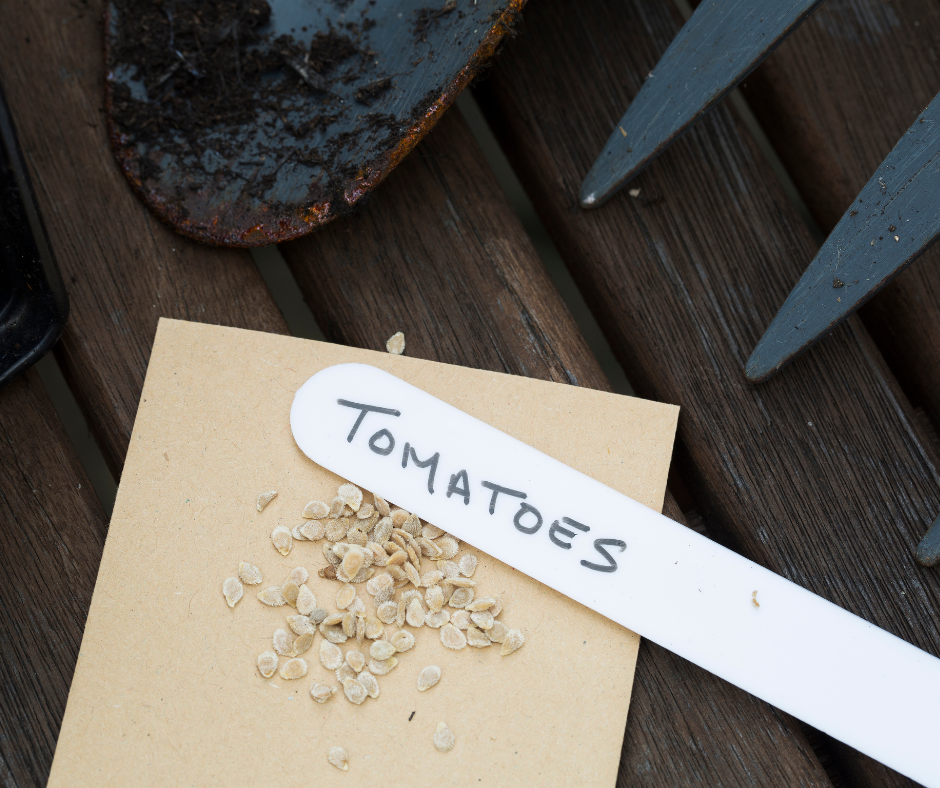
Saving tomato seeds is a popular tradition amongst most gardeners. They take their most prolific plants, and favorite varieties and pay special attention to harvesting seed for the following year.

Hybrid vs. Heirloom and why it matters: Hybrid plants are a combination of two different sets of genetic material. If a hybrid tries to mate with another plant, even another plant of the same hybrid type, it may not be able to produce any fruit at all and will usually fail to show the desired characteristics of the mother plants. For example, if a large-fruited, disease-resistant tomato plant were allowed to mate with another similar plant, the offspring might have small fruits and lack disease resistance – the benefits of creating the hybrid, to begin with, would have disappeared in producing the next generation.

Heirloom varieties have been passed down from generation to generation and have stabilized over time. They will produce fruit true-to-type, like that of that plant it came from. Repeat variety and quality can be expected as long as you avoid any cross-pollination. Learn MORE About Hybrid vs. Heirloom Plants

There are several ways that you can save your heirloom tomato seeds, but here are two of the most popular techniques. 

Fermentation Method:

  1. Choose a beautiful, healthy fruit that is slightly over-ripe.
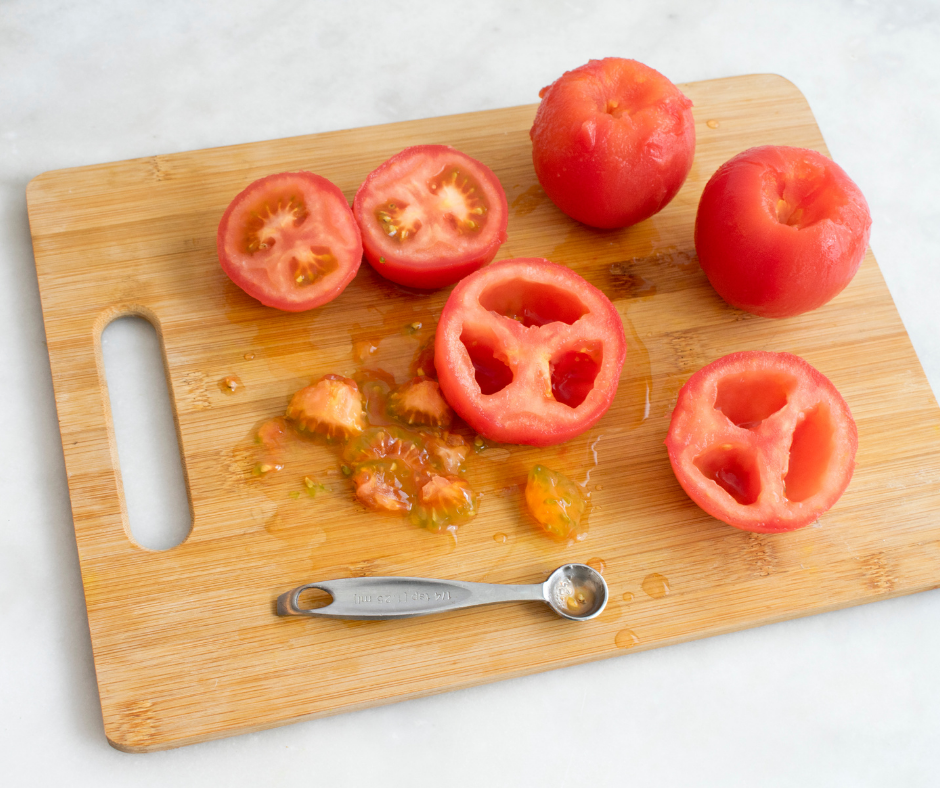
  2. Slice open.
  3. Gently squeeze seeds into a cup.
  4. Add a small amount of water, just enough to cover the seeds.
  5. Cover the cup with a kitchen towel and make sure they don’t dry out. Let ferment for 3-7 days. (Mold will begin to grow, this is normal and expected.)
  6. Rinse well, and allow to fully dry on a paper towel.
  7. Store in a cool, dry place such as an airtight bag or seed vault.

Non-Fermentation Method:

  1. Choose a beautiful, healthy fruit that is slightly over-ripe.
  2. Slice open.
  3. Gently squeeze seeds onto a paper towel.
  4. Let fully dry for about 1 week.
  5. Store in a cool, dry place such as an airtight bag or seed vault.


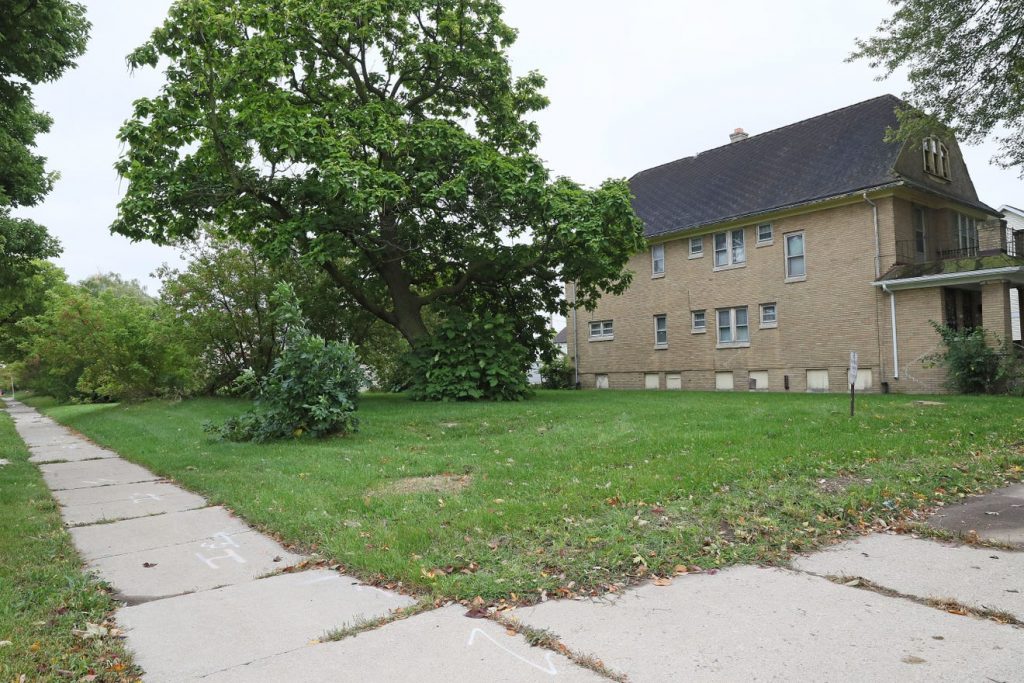
Can small pieces of land bring neighborhoods together? Milwaukee urban garden, community education center proposed.

Michael Sears

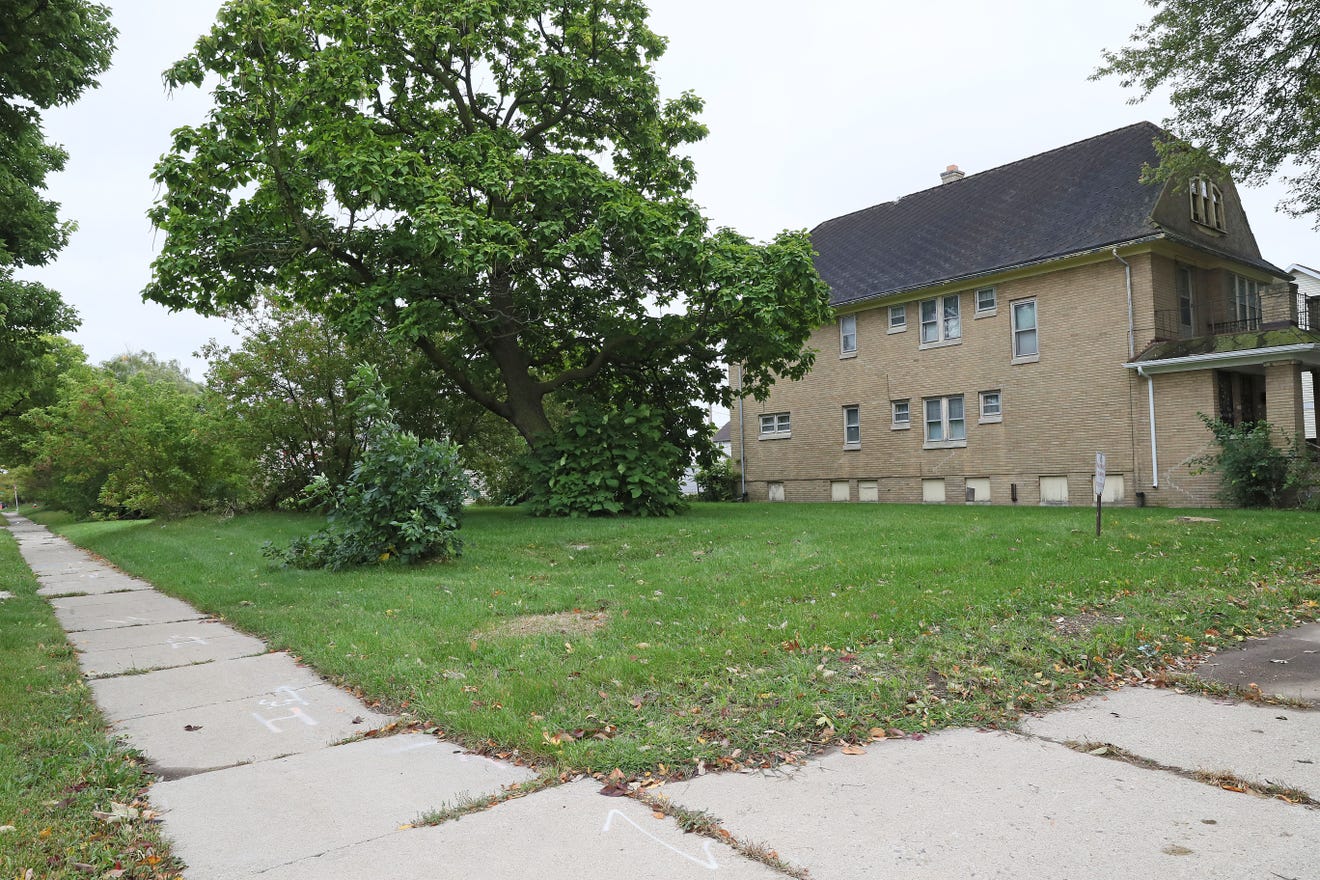
JSOnline: An urban garden and community education center is being proposed for a central city site northwest of downtown Milwaukee.

It would be developed on a 9,000-square-foot vacant lot, south of West Walnut Street between North 14th Lane and North 15th Street, by Venus Consulting LLC, according to a new Common Council resolution.

That resolution calls for selling the city-owned lot for $1 to Venus Consulting, which a Department of City Development report describes as community advocacy, activism, and education organization.

READ THE FULL STORY: https://www.jsonline.com/story/money/real-estate/commercial/2020/09/28/milwaukee-urban-garden-community-education-center-proposed-central-city/3559624001/