Join the new Urban Organic Gardener’s Monthly Seed Club

JULY UOG

Don’t wait, join the new Urban Organic Gardener’s Monthly Seed Club now! Must join before July 4th at 11:59pm PST to receive the next shipment.

Sign up now at: https://urbanorganicgardener.cratejoy.com

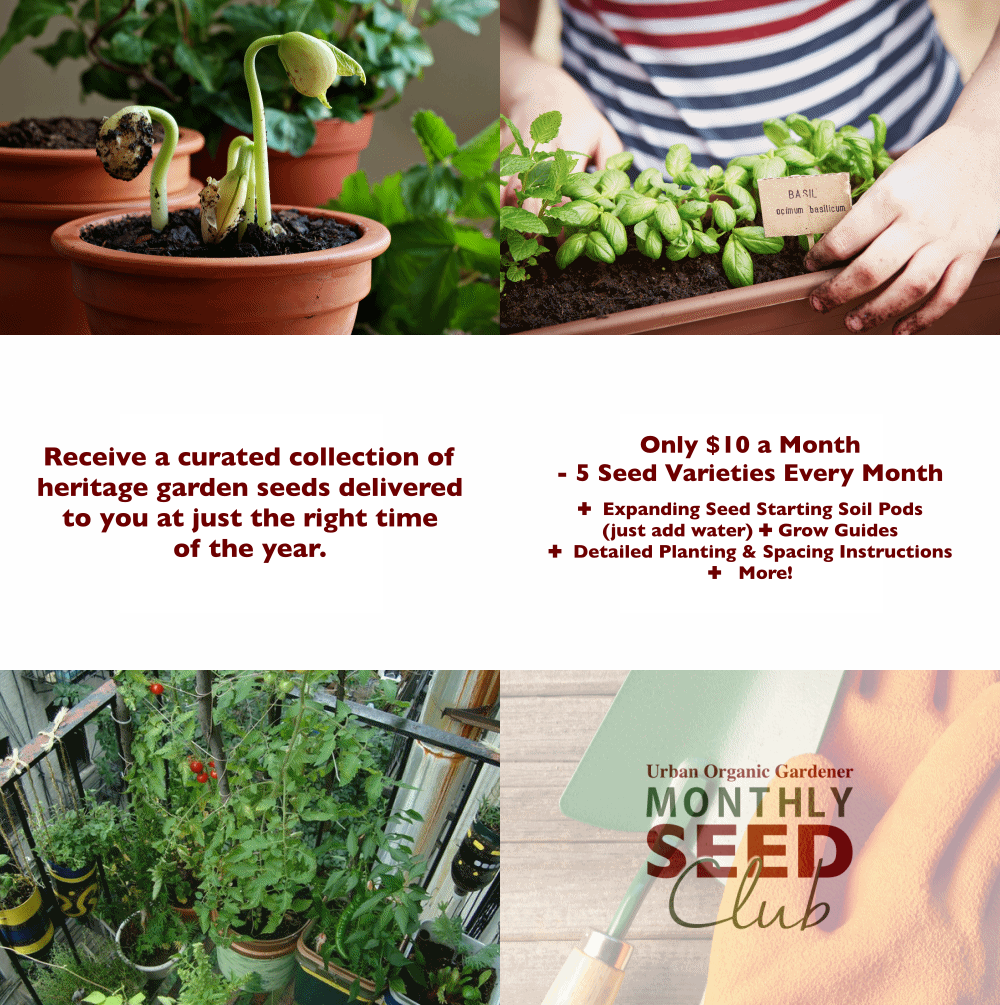
For $10/month our garden experts will build a custom curated collection of seeds & garden supplies designed around you – your grow zone – garden space – and your preferences.

Includes everything you need to grow 5 new edible plant varieties every month – varieties can include herbs, vegetables, flowers, sprouts, micro-greens, bulbs, and more!

Join the rest of the UOG community and get growing now! We promise to make this a great experience for you and your family.

Why Chicago Is Becoming The Country’s Urban Farming Capital

3059721-inline-3-chicago-farming

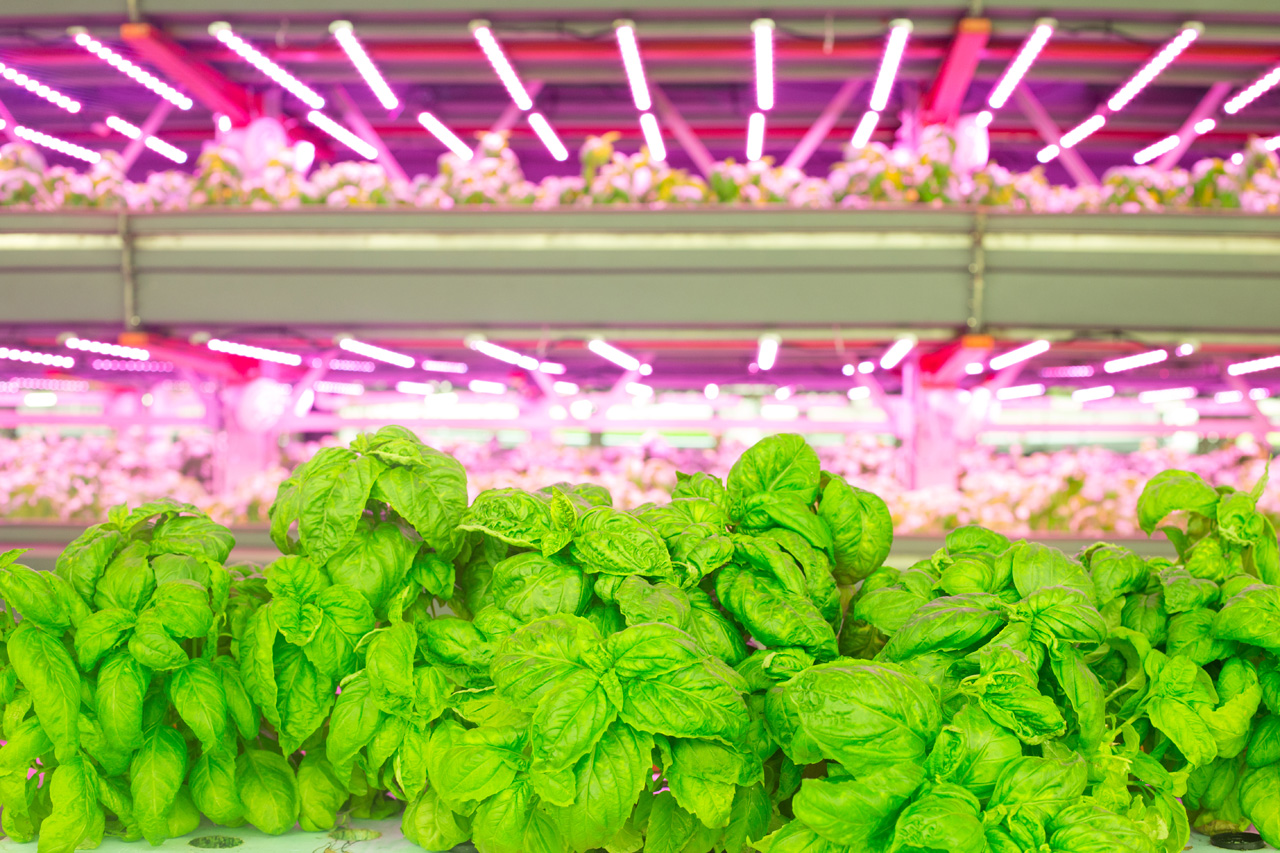
Just outside of Chicago, located in Bedford Park, sits a quiet industrial complex & “you might not immediately register that you’re standing in the second coming of the locavore movement.” Inside you’ll find herbs, greens, broccoli, and kale along with massive stacked racks which house hydroponic systems. This urban farm operates nearly 24 hours a day, 365 days a year.

“Laurell, the soft-spoken investor who put up $13 million to help launch the vertical farm in 2011 and leads the investment as a partner in the $50 million clean and biotech investment fund GreatPoint Ventures, is one of the most convincing cheerleaders for Chicago’s urban farming renaissance, particularly for vertical farming—the nascent industry of growing food in environmentally controlled, indoor facilities, where pests, diseases, light, temperature, and humidity can be highly controlled.”

Read the entire article at: “FactCoExist.com


5 Veggies You Can Easily Grow in a Container

There are many reasons why you might choose container gardening over more traditional methods. Maybe you’re short on space, have trouble bending over, or are just really, really lazy (like me). Regardless of why you settle on container gardening, I’m here to tell you that it’s an absolute delight and has the potential to be incredibly productive.

After a few years of gardening, I’ve found a slew of vegetables that grow effortlessly in containers.

peppers

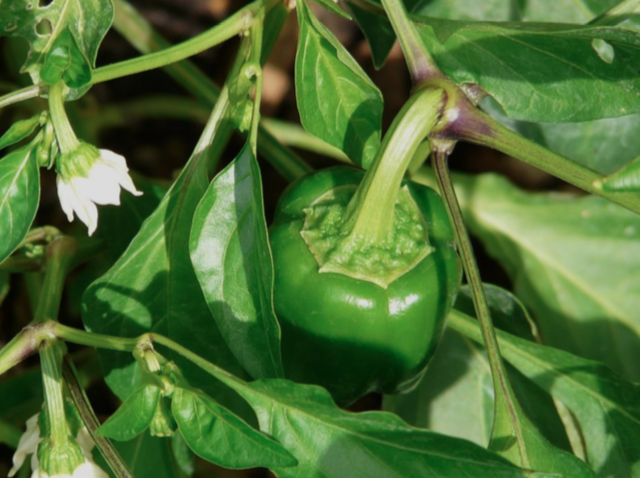
Bell Peppers

Container Type: 2 gallons or larger, 14­16 inches deep, 24 inch diameter with multiple drainage holes. Ensure there is room for stakes.
Sun: 6 ­8 hours daily

Peppers like consistently moist — but not soggy — soil. Water them whenever the top of the soil is dry, and be careful to never let the soil dry out completely. You can help them avoid drying

out by covering the top of the potting soil with mulch. Bell peppers are sweetest when they’ve ripened fully on the plant in full sunshine.

carrots

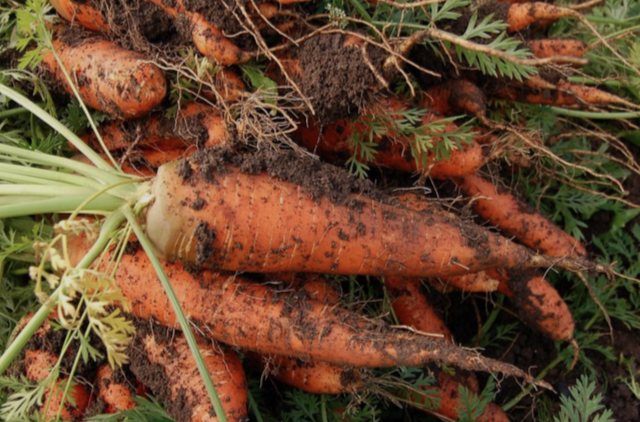
Carrots

Container Type: M ore than 12 inches deep to give carrots room to develop. Make sure there are multiple drainage holes.
Sun: At least 6­8 hours daily, more is better.

Carrots require little skill, minimal care, and minimal effort — perfect for beginning gardeners. Grow carrots in soil that is loose, lightweight, and well drained. They’ll need regular moisture, but not too much as root crops may rot if left in soggy soil.

cucumbers

Cucumbers

Container Type: M inimum 12 inches deep, 24 inch diameter with multiple drainage holes. Ensure there is room for a cage or trellis. When in doubt, go with a larger container rather than a smaller one.
Sun: 6 ­8 hours daily

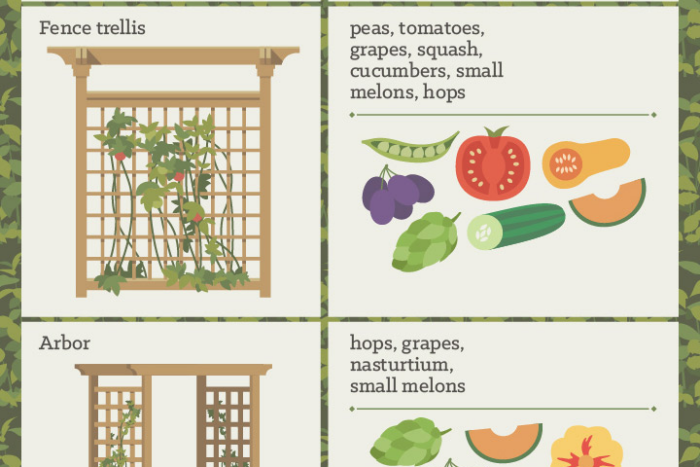
Cucumbers absolutely depend on water, so you want to make sure they get a consistent level — you must ensure the soil never dries out completely. Add a trellis or tomato cage as the plant grows to maximize floor space and allow the plant’s leaves to get more sun.

tomatoes

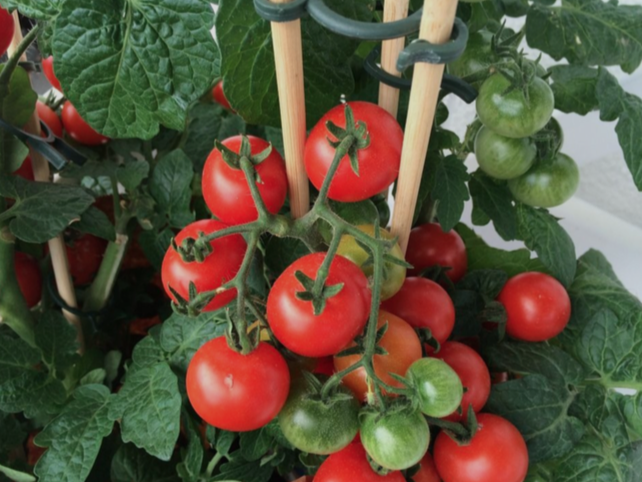
Tomatoes

Container Type: 1 5 gallon minimum, 18 inch diameter (determinate), 24 inch diameter (indeterminate). Ensure there is room for a cage. When in doubt, go with a larger container rather than a smaller one.

Sun: 6 ­8 hours daily

Tomatoes have extensive root systems, and once they become root bound, their fruit production tanks. They need large containers, plenty of room, and lots of water once they start producing..

zucchini

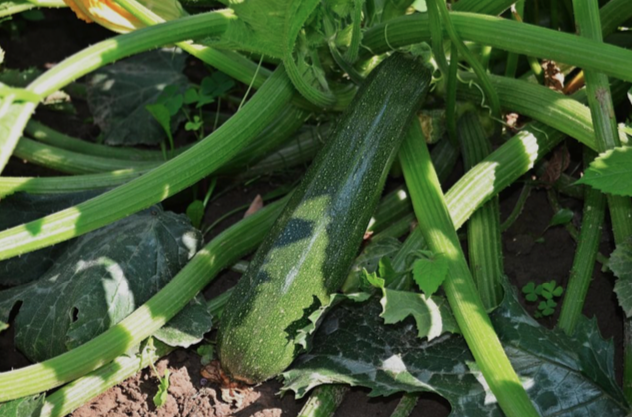
Zucchini
Container Type: B road and deep, at least 24 inch diameter.

Sun: A t least 6­8 hours daily, more is better.
Zucchini plants have high yields, even when grown in containers. They sprawl, naturally

reaching diameters of three plus feet, so take that into consideration when choosing a container.

Tips

The most important thing to remember about container gardening is that containers lose moisture quickly, especially when they’re in full sun. In the spring, you’ll water everyday, and in the heat of summer, when plants are producing, you may need to water two or three times daily, depending on the temperature.

I’ve spent the last few evenings dutifully watering my tomatoes and cucumbers, checking the leaves for damage, and looking closely for any signs of insects. The time I devote to my container garden is some of the happiest and most peaceful I have each day. I’m looking forward to seeing what my plants produce this season.

**Liz Greene is a dog loving, history studying, pop culture geek from the beautiful City of Trees, Boise, Idaho. You can catch her latest misadventures on her blog, Instant Lo.

Inside Europe’s Largest Urban Farm

UF002rooftopgarden

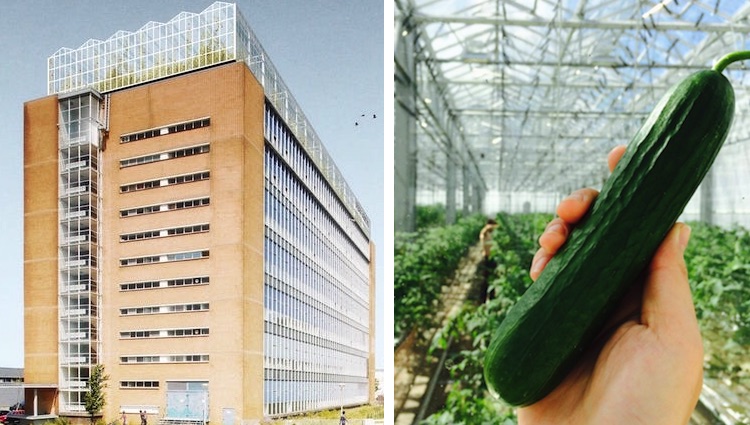
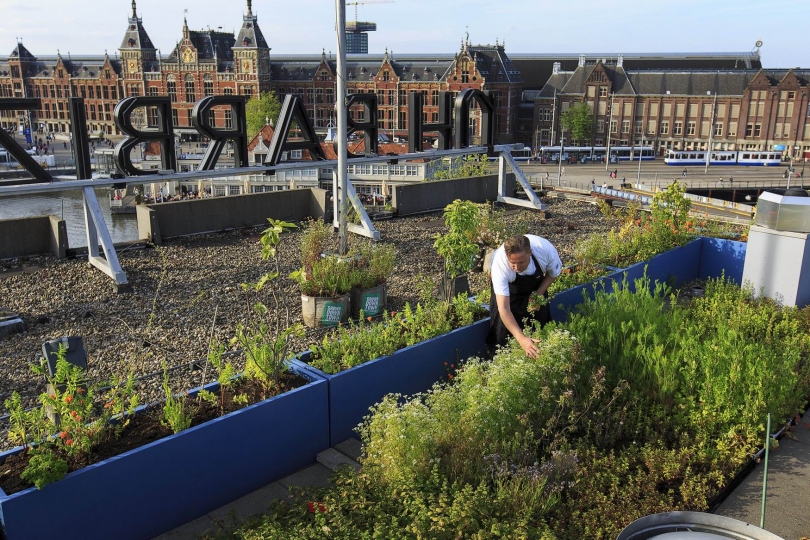
There’s an urban farm in Europe, named the “Times Square of Urban Farming because of it’s downtown prime location within the city.  It boasts a 1200 square foot rooftop greenhouse and a 370 square meter indoor fish farm where they grow tilapia.

“Opening next month, developers estimate that the farm will churn out 45 tons of vegetables such as cucumbers, tomatoes and microgreens and 19 tons of fish a year.”

They hope to deliver fresh produce to a local 900+ families, schools and restaurants.

To read more about this European Urban Farm, visit: “EcoWatch.com

Join the NEW! Urban Organic Gardener, Monthly Seed Club

uogfinal

What’s Included?

5 New & Unique Varieties Every Month  ✚  Expanding Seed Starting Soil Pods (just add water) ✚ Grow Guides  ✚  Detailed Planting & Spacing Instructions  ✚   Bonus Items & Special Offers

We will curate the absolute best seeds known to grow for your exact garden location, preferences, grow zone, and time of the year.

WHAT KIND OF SEEDS WILL I RECEIVE?
We will surprise you with everything from vegetables, culinary herbs, sprouts, medicinal herbs, edible flowers, micro-greens, and more. Our goal is to make growing your own organic garden as fun, healthy, exciting, and as easy as possible.

WHEN IS THE NEXT SHIPMENT?
Shipment occur on the 5th of every month. You will be notified via email as soon as the order has been shipped. Receive instant tracking and delivery confirmation.

Ready to Sign Up? Visit, https://urbanorganicgardener.cratejoy.com/

From Armory to Farmory: A Sneak Peek Inside


You won’t believe what’s happening inside of an old military armory in downtown Green Bay.

“The non-profit group NeighborWorks Green Bay is spear-heading the construction of the Farmory.”

They are looking forward to serving it’s community with locally grown produce such as leafy greens and herbs. Not only that, but they’ll have mushrooms and even fish with their aquaponic set-up.

Read more about the Farmory, here at: “WBay.com


Urban Farming Takes on More Important Role Worldwide

30278361-01_bigAround the world, urban farming is becoming an important part of the city landscape.  The new reality in which we live in, is that more than half of the worlds population is now urbanized.  That number is expected to rise to nearly 70% by the middle of this century. 

Read the entire article at: “NationMultimedia.com

How to Make Even The Smallest of City Balconies Look Fabulous

2000-outdoors3-My-Tiny-Garden-Pavilion-BooksMany urban dwellers have found that even in the smallest of spaces, you can create beauty through urban gardening.  All you need is some creativity!

“Inventive urban gardeners don’t dwell on what they don’t have, but use what they do have. ”

Check out the full article here to find out how you can transform any piece of concrete, wall, rooftop or piece of soil into your own little garden oasis…even in the city.

Source: “HomesAndProperty.co.uk

Could The Future Of Urban Farming Be Found Inside Of An Old Shipping Container?

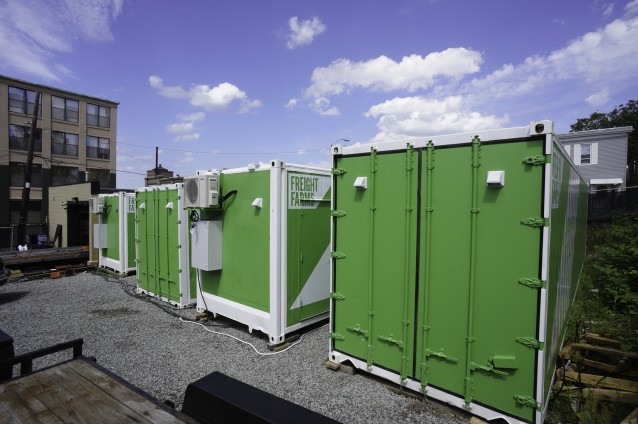
Freight-Farms-Corner-Stalk-638x424“All Freight Farms units are built in repurposed 40-foot insulated shipping containers. Everything from water to the LED lights in the units are digitally controlled, and each unit is also a Wifi hotspot, connected to the network of Freight Farm units across the country.

Today more than 50 farmers are growing produce in refrigerated shipping containers known as “Leafy Green Machines”.  The are functioning mini farms that boast vertical hydroponics and LED lighting systems. The machines “are 320 square-foot self-contained farming units that can grow as much produce as two acres of farmland using less water per day than the average American needs for a single shower.”

To read to full article, visit: “ThinkProgress.org

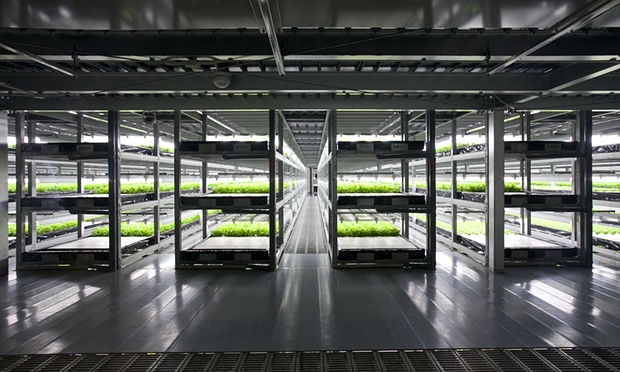
Japanese Firm to Open World’s First Robot-Run Farm

3258

One Japanese company is about to open up a “robot farm”, the first of it’s kind in the entire world.   The plan is that the robots will carry out all but just one task needed to grow tens of thousands of plants each and every day.  Starting in mid 2017, robots will do everything from watering, thinning, and harvesting lettuce.  The farm should produce nearly 21,000 – 50,000 lettuces a day!

“The seeds will still be planted by humans, but every other step, from the transplanting of young seedlings to larger spaces as they grow to harvesting the lettuces, will be done automatically,” said JJ Price, Spread’s global marketing manager.”

To read the rest of the article, visit: “TheGuardian.com

Join the Urban Organic Gardener Monthly Seed Club

UOG

Join the club that delivers you garden seeds at just the right time of the year to plant them – hand selected based on your garden specs.  Every month you’ll receive a collection of heritage garden seeds and everything you’ll need to get growing. Buy a subscription for yourself or give one as a gift!

Sign up here: https://urbanorganicgardener.cratejoy.com/

How are the seeds selected?

Seeds are specially selected based on your zip code and the answers you provide to the questions being asked.  All your answers will help us figure out which seeds will grow best for you.

Are all your seeds organic or non-gmo?

All the seeds we send you will always and forever be 100% NON-Genetically Modified.  In fact, all the seeds you receive by joining the club will be 100% Pure, Raw & Un-Treated Heirloom/Non-Hybridized varieties. These are the only seeds that you can safely save after each harvest and preserve for many generations to follow.

How does pricing work?

It’s simple: $10/month + s/h

Ready to start receiving monthly shipments of seeds, customized for your exact grow zone? START HERE!

40 Smart Space Savvy Garden Ideas

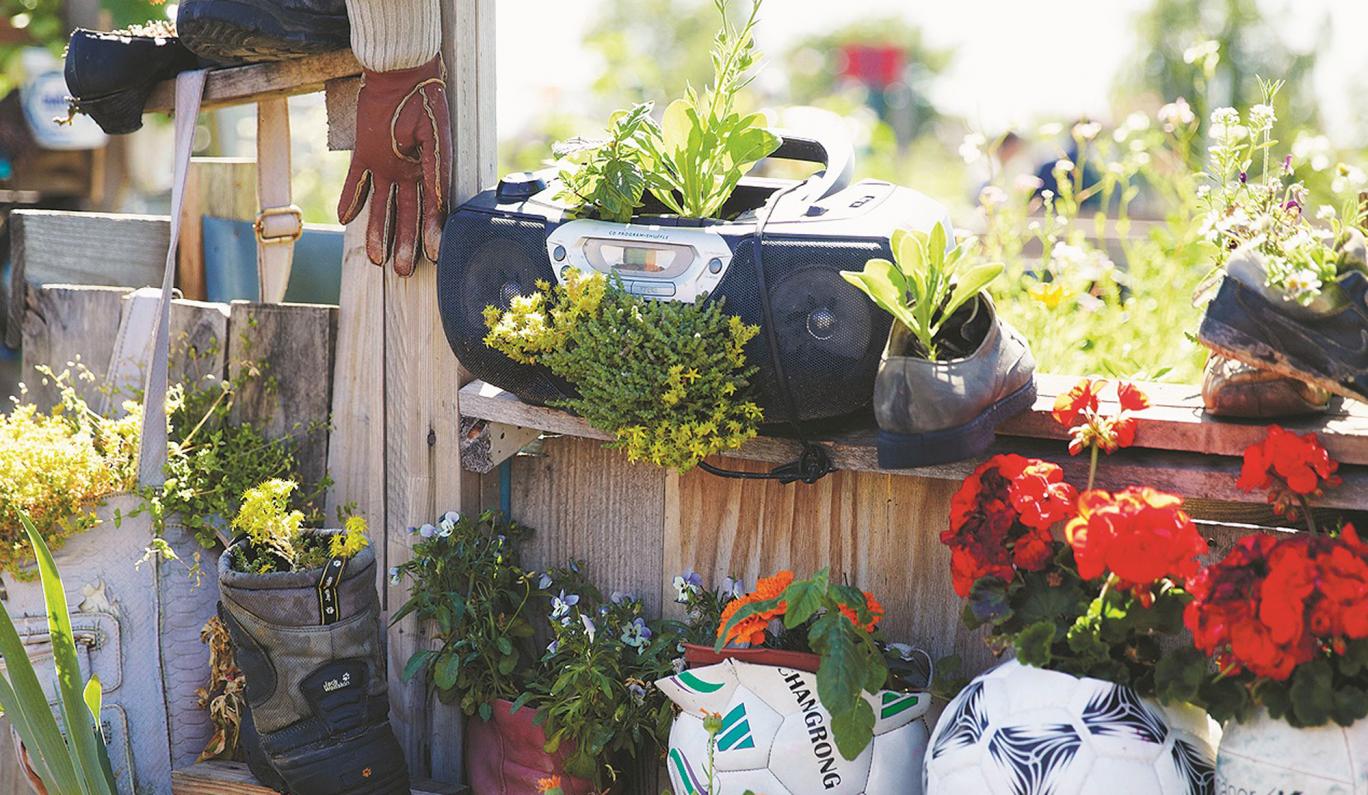
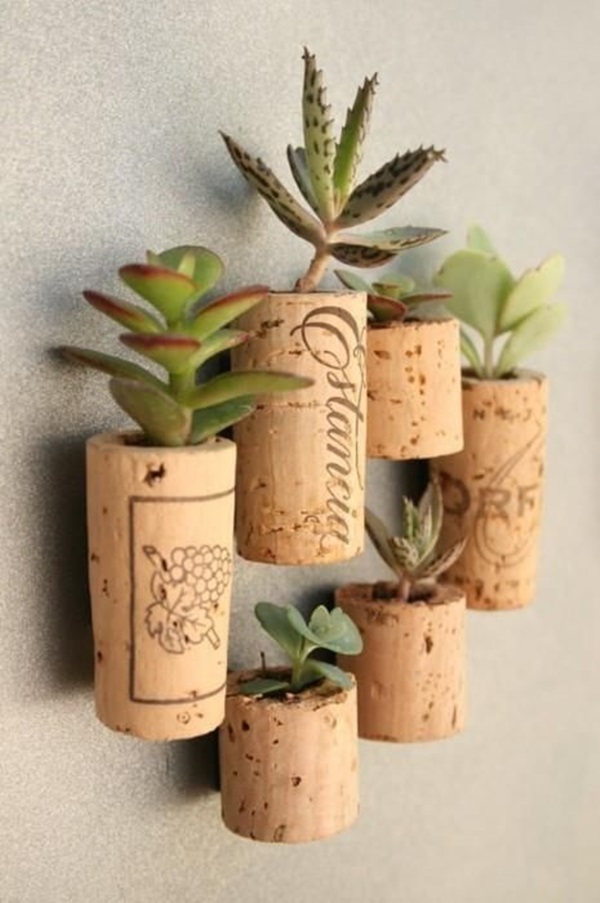
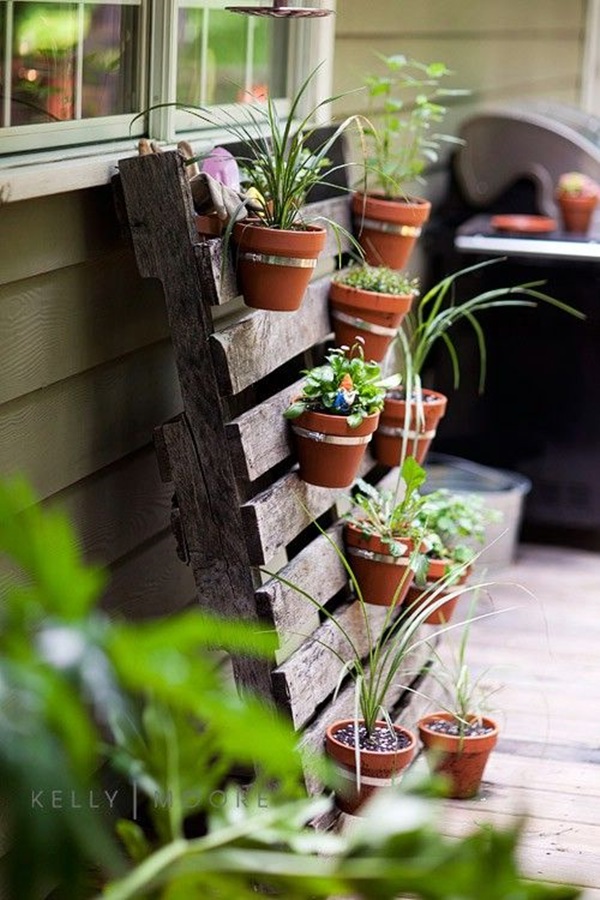
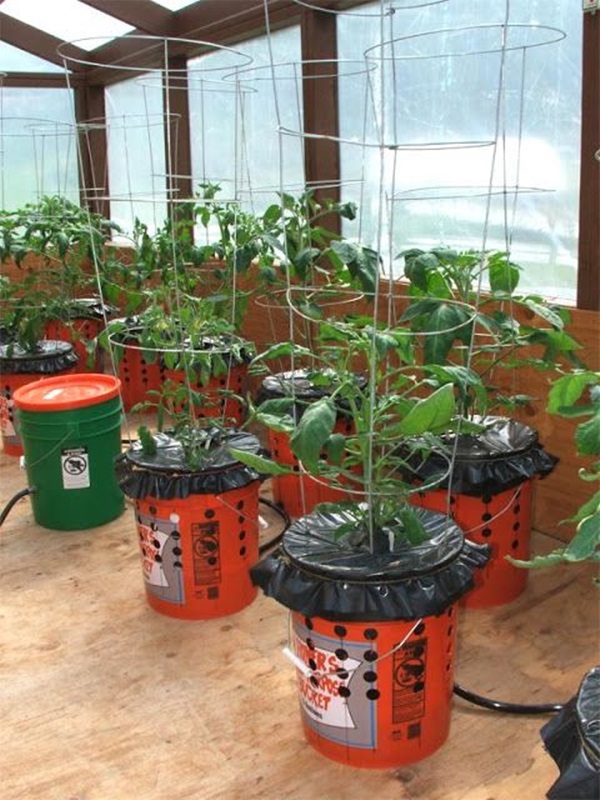
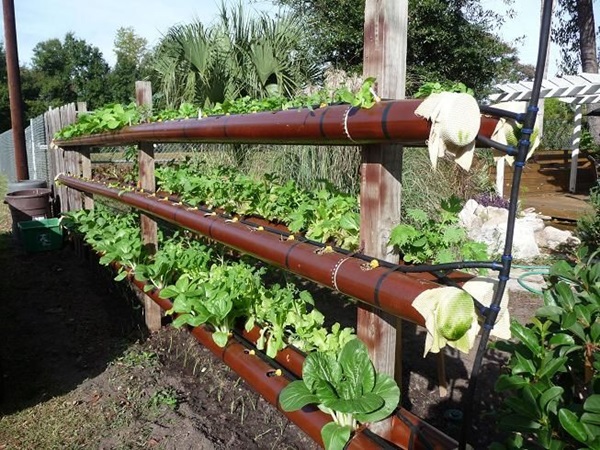
For those who have a desire to garden but are lacking square footage, here are 40 awesome ways you can garden in small spaces! Most of these ideas use repurposed items that you might already have.

1. Grow succulents on top of wine bottle corks that have magnets secured to the back. Smart-space-Savy-Garden-Ideas-10

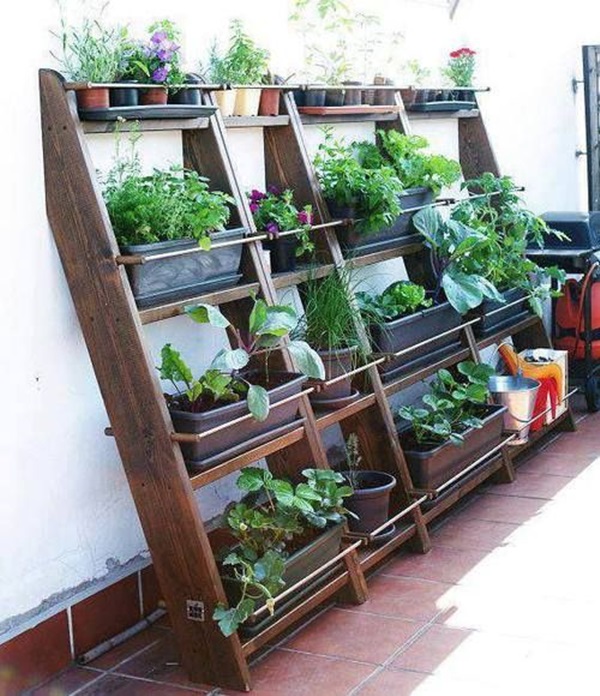
2. Use pallets to grow vertically. Especially useful on decks, patios and balconies. 
Smart-space-Savy-Garden-Ideas-18

3. Try growing in a “Dutch Bucket” hydroponic system. Smart-space-Savy-Garden-Ideas-9
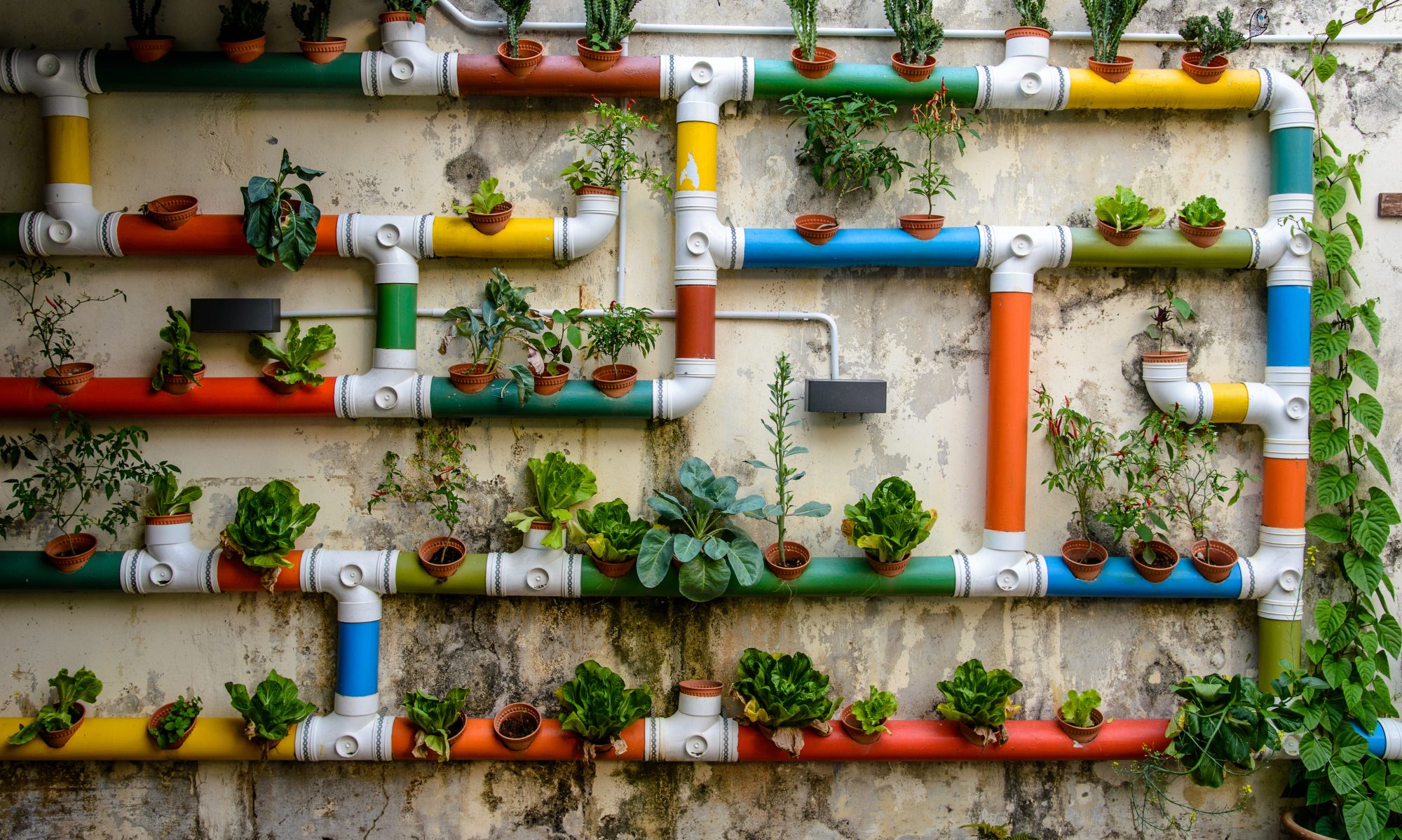
4. Create a vertical hydroponic system using repurposed pipes. Smart-space-Savy-Garden-Ideas-7
Visit the original article at “art.ekstrax.com” to view more Smart Space Savy Garden Ideas.


Follow Urban Organic Gardener’s board Small Space Gardening Ideas on Pinterest.

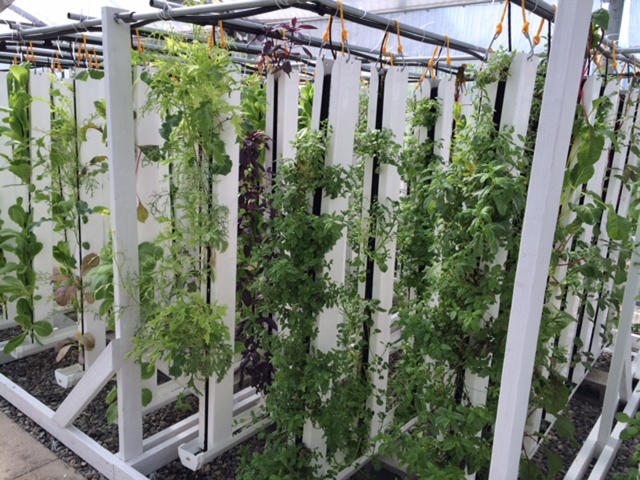
This Californian Urban Farm Is A Glimpse Into The Future Of Agriculture

Urban farming is taking off, and California is is getting a glimpse of what future agriculture might be like.  Take a look at this Long Beach urban farm, all part of The Growing Experiment. Here you’ll find countless fruits, veggies and herbs growing in 175 metal towers.  It’s also home to a 600 gallon tub filled with tilapia and goldfish. They use this tub filled with fish as part of their aquaponic system which delivers the nutrients to the plants.

3054017-inline-s-7-how-an-urban-farmer-in-california-is-pioneering

“For each square foot of space, we’re basically replicating three to four square feet outdoors. We’re maximizing vertical space. Even though this is 1,000 square feet, it’s almost the equivalent of up to 4,000 square feet in the ground.”

You can read the entire article at “fastcoexist.com“.

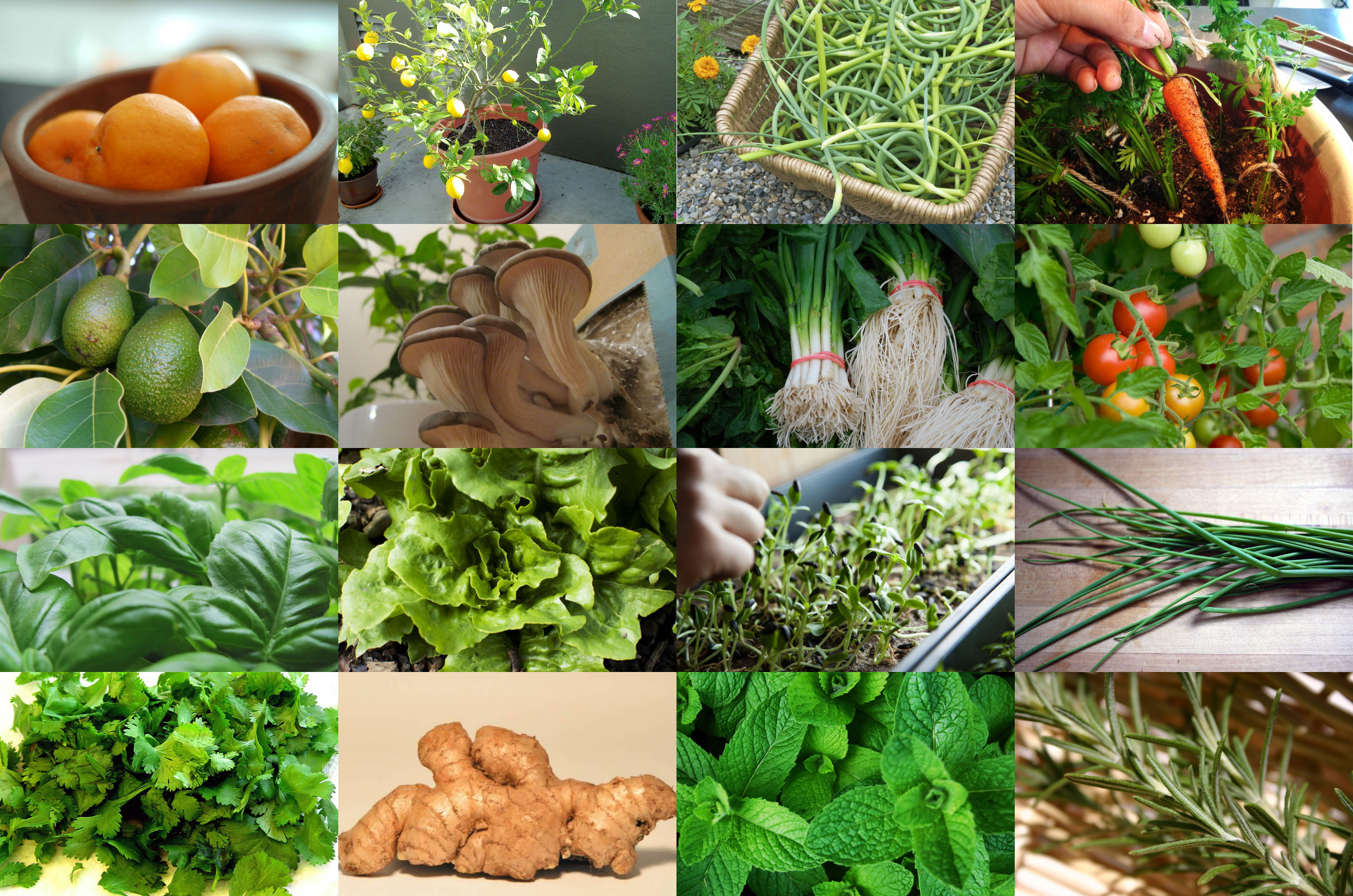
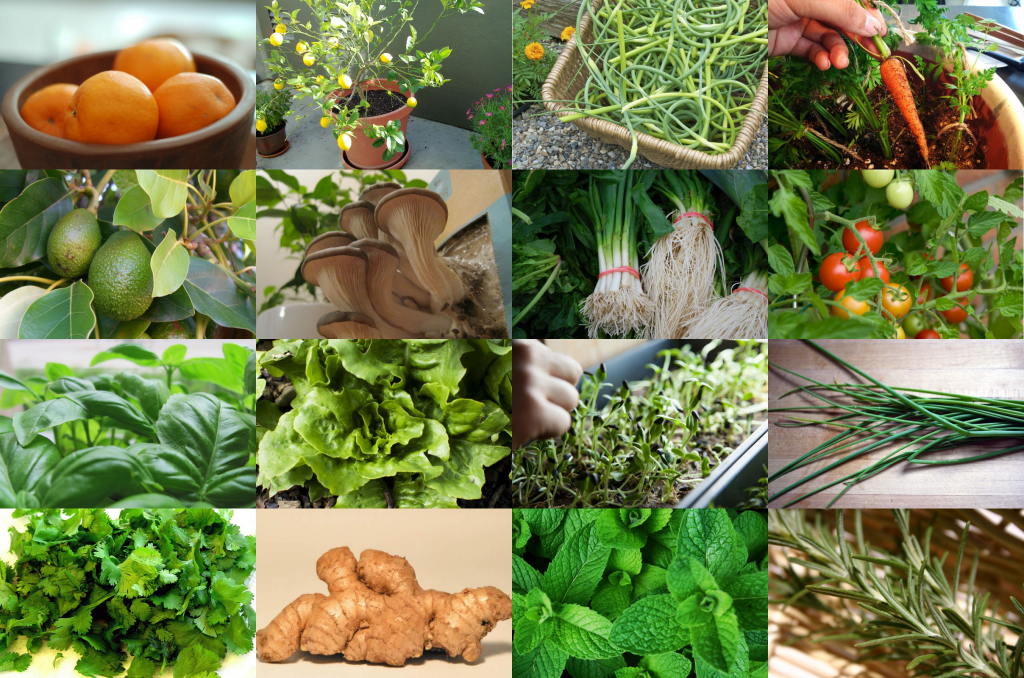
16 of The Best Edibles To Grow Indoors

uogSome of the most delicious herbs, fruits and vegetables can easily be grown indoors providing you give them the adequate light, soil and water they require. Here’s a simple list of 16 Edibles You Can Grow Indoors. To read the entire article along with more detailed instructions, you can visit the original article at:AGreatist.com“.

1. Avocado: It’s possible to grow an avocado tree from an avocado pit, but doing so may not yield edible fruit. If you want to eat what you sow, it’s best to purchase a dwarf avocado plant (varieties that yield the larger green-skinned fruit or the more common black-skinned fruits are equally good) . To tend for your tree, add some sand to the bottom of a large, well-draining pot before filling it with regular potting mix and planting your tree. Water the tree regularly but make sure the soil is never soggy — avocado roots don’t take well to being waterlogged. Prune the shoots regularly, and be sure to place the tree in an area with high ceilings — even dwarf trees can grow higher than 10 feet!

2. Carrots: Purchase carrot seeds and a pot or window box that’s at least a foot and a half deep and wide, with drainage holes at the bottom. Fill the container to within an inch of the top with a humus-rich potting mix. Water the soil before planting the seeds. Plant the seeds one inch apart in rows that are six inches apart from each other, pressing the seeds gently into the soil and covering them with a thin layer of soil. Water. Place the container in an area that receives tons of light. Keep the soil moist, but not soaked. To help preserve moisture, soak some peat moss in water overnight and then spread it on top of the seeds. Expect the seeds to germinate (i.e., start sprouting) in about two weeks.

3. Garlic Greens: Note: Growing actual garlic bulbs indoors is a bit tricky, but you can easily grow garlic greens, which can be used just like scallions. Start by purchasing a few garlic bulbs with small cloves, and don’t be afraid to buy a shattered bulb (i.e., one that’s started to burst or is fully pulled apart). Select a four-inch pot with drainage holes at the bottom (a quart-size yogurt container with holes poked through the bottom will also work) and a small bag of potting soil. Fill the pot with soil to about half an inch below the top of the container. Break the bulbs into individual cloves (leave the peel on), and push each individual clove about an inch into the soil, pointy end up. Plant about 12 cloves close together. Water well and place the container in a sunny spot. Water regularly, making sure that the soil remains moist but not soggy. Green shoots should appear in about a week.

4. Lemons: If you want the option of harvesting fruits right away, purchase a two-to-three-year-old dwarf tree at a nursery. Choose a clay, ceramic, or plastic pot slightly larger than the root ball of your tree, and make sure it has several holes in the bottom. Fill the drainage dish with stones to allow air to circulate. Use a potting soil specifically formulated for citrus trees, or choose a slightly acidic, loam-based potting mix. Place the plant in an area that will receive eight to 12 hours of sunlight each day and will ideally maintain a temperature between 55 and 85 degrees Fahrenheit. Water regularly, but be sure not to over-saturate the soil (it should be moist, not sopping wet). Citrus trees like moist air, so regularly misting the leaves with a spray bottle will help keep the leaves perky.

5. Mandarin Oranges: Purchase dwarf mandarin orange trees for the best chance of growing fruits successfully indoors. The trees will grow best in spacious pots with drainage at the bottom, and in rich soil. They also require a sunny location (rotate the plant regularly to ensure that it receives light evenly on all sides). Water regularly, allowing the soil to dry out slightly between waterings. The trees can grow up to six feet tall, and their root system grows along with them — when the roots begin to grow back on themselves or out of the drainage holes, it’s time to re-pot in a container that’s at least 2 inches larger in diameter.

6. Microgreens: Start by purchasing a variety of seeds, such as radishes, kale, Swiss chard, beets, basil, and dill. Fill a shallow tray (no more than 2 inches deep, often called “seedling trays”) or a shallow pot with a drainage hole and fill the tray to the top with potting mix. Moisten the soil with water, making sure that it’s damp but not wet. Sprinkle the seeds evenly over the soil (they should be close to each other but not touching). Sift a thin layer of soil over the top to cover the seeds. Using a spray bottle, lightly mist the soil. Place the tray on a sunny windowsill in a room that’s between 60 and 70 degrees Fahrenheit. Mist or lightly water the soil daily so it remains moist; don’t let the soil dry out, but also make sure that it isn’t waterlogged. In about three to five days, the seeds will likely germinate — once they do, make sure they get 12-14 hours of light every day. Keep the soil moist at the roots, but avoid soaking the leaves.

Click here to read about the other 10 fruits, veggies and herbs on this list that you can grow indoors.



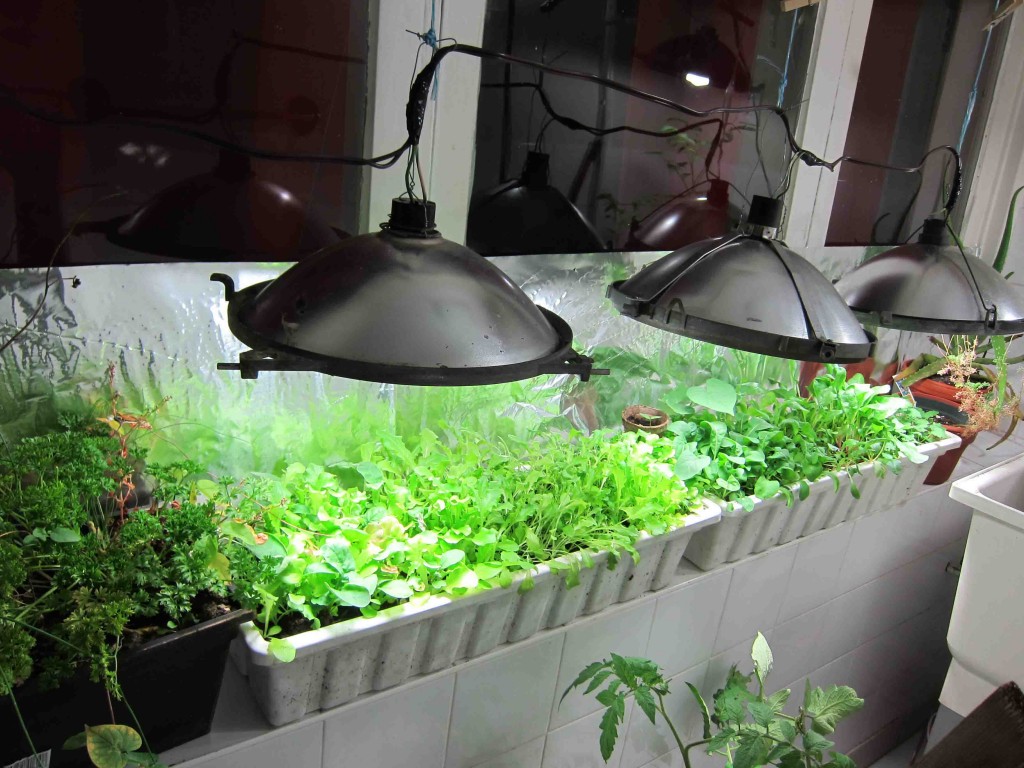
DIY How To Make a $15 Indoor Greenhouse

Week-41-1024x768

Here’s how to make your very own environmentally-friendly indoor green house.

Green house Equipment

• 3 x 23W Compact Fluorescent bulbs (CFLs)
• 3 Recycled light hoods
• 2 window boxes
• Triple mix and soil
• Seeds
• Hooks
• String

Method

We simply wired the hoods together and popped in the light bulbs. We turned the hooks into the wall and hung the hoods with string so that we can adjust the height of the lights as the plants grow. The three lights run for ten hours a day. You can substitute foil for the light hoods if you can’t find recycled ones.

Read the full article with more detailed instructions at: “GreenMoxie.com

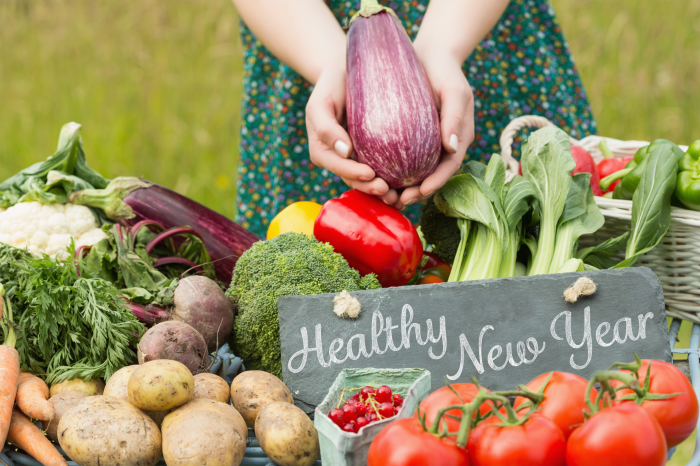
How to Become a Gardener in 2016

“The new year is the perfect time to set new goals for yourself, especially if you have been thinking about growing a garden. THIS IS YOUR YEAR!  Don’t be discouraged by lack of space, or knowledge about growing specific varieties.   Set some small attainable goals for yourself in the gardening department and before the year is over you’ll be sporting that new green thumb you’ve always wanted but thought you’d never have.”-SeedsNow.com
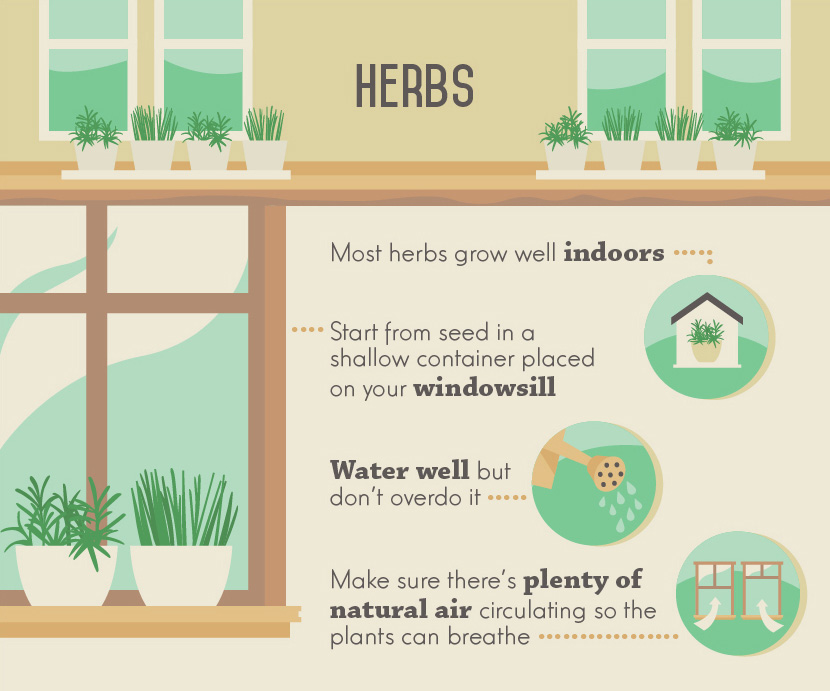
  • Get some houseplants growing. Pick several varieties of herbs or maybe a pepper plant and place them in a sunny windowsill.  Get your green thumb without having to even go outside. By growing food indoors where you’re likely to pass the plant numerous times a day, it will make it easier to care for.  Windowsill gardens are a fun way to bring the outdoors in, and grow some food with very little effort.
  • Get some books.  Find some aspects of gardening that you’re interested in and begin digging a little deeper for the knowledge you’re looking to gain. Interested in hydroponics, aquaponics, herb gardening, or composting? There’s plenty gardening books per topic available. Grab your reading glasses and soak up all the information you can.
  • Take some classes.  One of the best sources you may find is your local Master Gardener Chapter in your area. You can take classes that will teach you the “in’s and out’s” of everything gardening and work with others who have like-minded goals.  Plus, gardening is always more fun when you have someone to share your successes with!
  • Join a community garden.  This is one of the best ways to be a part of a community and learn a lot about gardening.  Here you’ll see countless different approaches to growing many crops and you’ll be able to take those examples with you to try in your own plot at the garden.  Plus, it’s great exercise, tending to your garden plot throughout the year. You’re most likely to keep up with something if you’ve made a commitment on paper, like what you usually find with “renting” a community garden plot.” -Full article can be found at “SeedsNow.com