Urban Farming Organization Visualizes a Franchise Model to Produce Fresh Fish and Vegetables

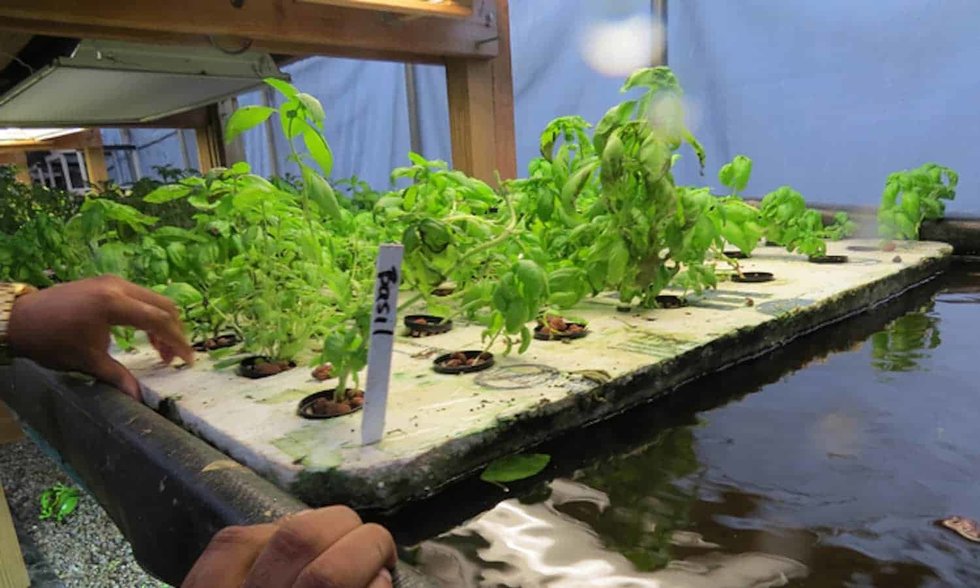
“On a cool September morning, Dre Taylor dodged raindrops while talking with several people tending beans, peppers, tomatillos, collards and more outside of a 4,500-square-foot building. This is Nile Valley Aquaponics, a vibrant fixture in Kansas City, Missouri’s urban core. The name came from Egypt where people cultivated plants and fish thousands of years ago. Goats and picnic tables share outdoor space and offices occupy a nearby house.

Last summer (2018), Nile Valley Aquaponics grew dozens of fruits, vegetables and herbs, from tomatoes and squash to basil and sage, kale and Swiss chard. Its 100,000 Pound Food Project seeks to produce 100,000 pounds of local fresh fish, vegetables and herbs, creating greater access to healthy food choices, while providing volunteer opportunities and economic stability in the area. Health education is also important. Several October classes will address growing mushrooms, building a greenhouse for less than US$500, and building a personal aquaponics system.”

READ THE FULL STORY AT: “EcoWatch.com

7 Tips for A Better Summer Garden

Summer has arrived and for a lot of us, that means long, hot days in the garden. Before you get too exhausted or overwhelmed, consider these 7 easy tips for having a beautiful and happy summer garden!


TIP # 1 – BE WISE WITH YOUR WATER

Make sure to keep your garden beds cool and moist by adding plenty of organic mulch around the base of your vegetables, herbs, and flowers. This will also greatly help reduce unwanted weeds from coming up.

Whenever possible, use drip irrigation, and water close to the base of the plant. If using sprinklers or wands, water as early or as late in the day as possible to avoid evaporation.

During the day, avoid splashing water on the leaves as it can sometimes cause them to burn in the hot temperatures.


TIP # 2 – KEEP YOUR COOL SEASON CROPS SHADED

Cool-season crops can generally only take between 3-6 hours of sun per day. If you still have some spring veggies in the ground you can keep them from bolting by adding shade cloth over them, or if they are in containers you can move them to a location with more shade.


TIP # 3 – FRESHEN UP YOUR DECK OR PATIO

Summer should be enjoyed! Take pride in your outdoor space by making it a comfortable gathering place for friends and family. Consider adding a new patio set, or painting an old one!
Add a festive shade umbrella, new pillows or an outdoor rug. Compliment your outdoor gathering space with a container garden full of fresh culinary herbs! These will not only come into use while cooking up your favorite dishes, but some of them can actually help deter mosquitos!


TIP # 4 – KEEP THE POLLINATORS HAPPY

Insects, hummingbirds and bees all play a crucial part in healthy vegetable gardens. Make sure you incorporate plenty of native plants and flowers to help attract these pollinators into your garden.


STEP # 5 – START A GARDEN JOURNAL

If you didn’t start a journal during your spring plantings, make sure you start one now! Begin recording things like what you’re growing, and dates you harvest.

You can purchase a small food scale, and document the size of all of your harvests!  You can also include beautiful photographs, or other important information such as problems with the weather or pests that you may encounter through the summer months.

Use your garden journal in the future as a reference for what worked in years past or what didn’t to avoid making the same garden mistakes twice.


TIP # 6 – PLAN YOUR FALL AND WINTER GARDEN

Now is the perfect time to start planning your fall/winter garden and sourcing seeds for the next round of plantings. You can also start drafting up new designs for plot layouts or raised beds.

Use the internet to do plenty of research for what designs might best suit your needs. When you’re ready to start planting, check out this planting calendar to find out when it’s safe to start planting your fall/winter crops for your exact grow zone.


TIP # 7 – ENJOY THE FRUITS OF YOUR LABOR

It’s summer, so don’t forget to kick back and relax! Enjoy your beautiful gardens and be proud of all of the hard work you have put in.

Maybe try one of these refreshing and delicious drink recipes made with your homegrown mint!

Hydroponics Guide: Learn To Grow Plants Without Soil 2018

“Hydroponics is the art/science of growing plants in a soil-free environment. Historically, hydroponics isn’t that new. In fact, there are many ancient records of people using the concept of hydroponics to grow plants.

One such important record is the Hanging Gardens of Babylon, which is considered one of the Wonders of the Ancient World. In Babylon, they used gravel and stones to grow plants.

While the system is certainly more primitive than what we can create now using our own two hands, it’s important to note that the underlying principles remain the same.

This hydroponics guide will give you a bird’s eye view of how hydroponics works, how it actually grows plants and how you can start your own hydroponic system.”

LEARN MORE about GROWING HYDROPONICALLY, Here!

Urban farm coming to former Sparrows Point steel mill site in Baltimore County

bs-1525786333-3ucak4c4iu-snap-image

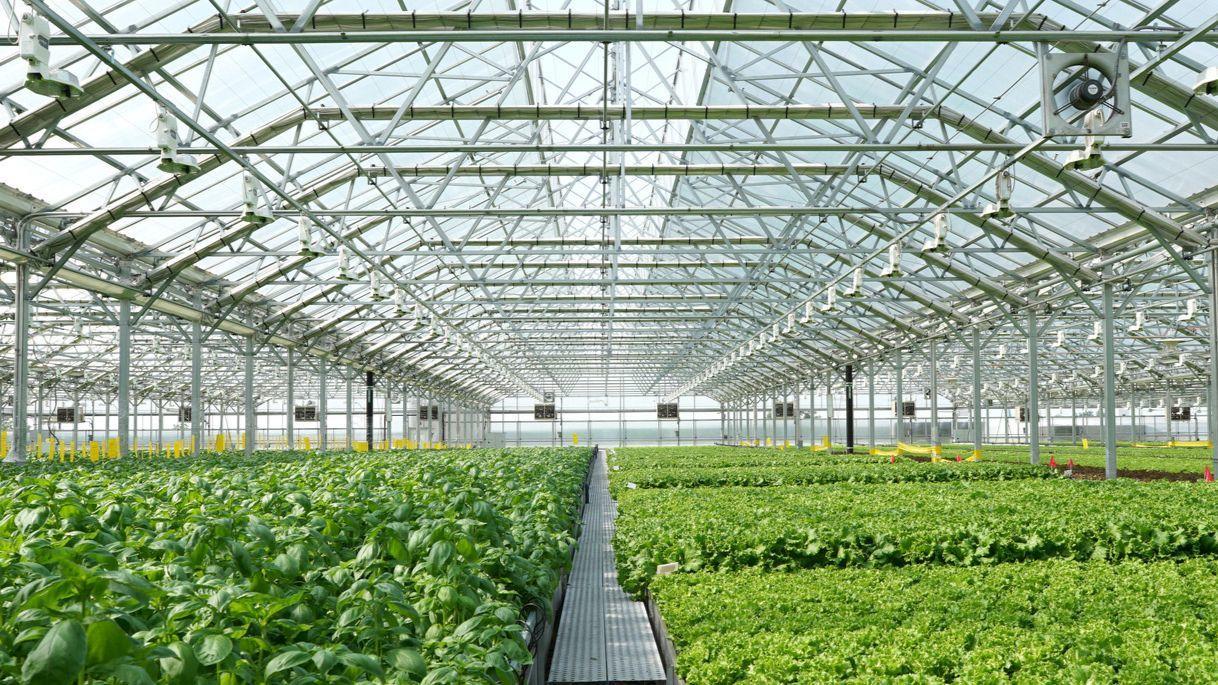
“A former Baltimore County steel mill is going green, as a Chicago-based urban farming operation looks to transform a portion of the former Sparrows Point site into a large greenhouse.

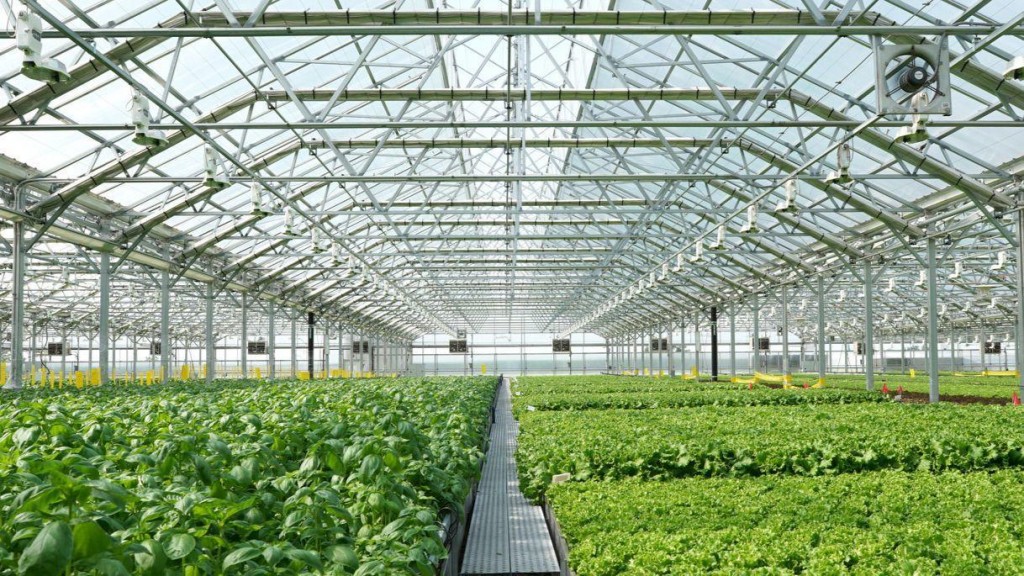
Gotham Greens is opening a 100,000-square-foot hydroponic greenhouse at Tradepoint Atlantic, the massive redevelopment project planned for Sparrows Point, according to a news release.”

Read the FULL STORY: “BaltimoreSun.com

Strange Ways To Use 30 Most Common Household Things In Your Garden!

Learn 30 Things That Can Make Your Garden Better!

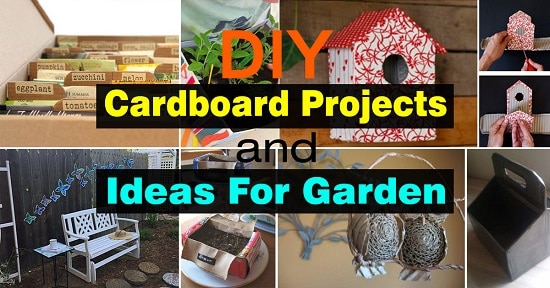
1. Cardboard and Newspapers

Must you have cardboards and newspapers? Do you know you can use them in your garden? From putting them into the compost to suppressing weeds or this DIY newspaper seed starter, there are many ways. Find out more cardboard uses here!

2. Wine Bottles

From creating a water fountain to bird feeder to self-watering pots, there are not just 3 or 4 uses; your old wine bottles can be used to complete these 26 DIY projects listed here

3. Pennies

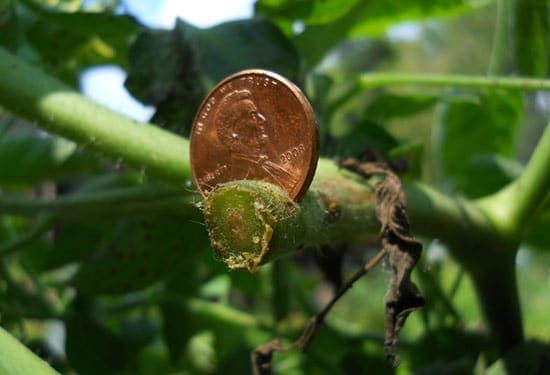
Have pennies? Use them to control tomato blight. Also, drop a penny into the vase as it’s made of copper, which is a known fungicide (especially the older one, made before 1982) and helps in keeping your cut flowers fresh or you can create a penny birdhouse!

4. Aspirin

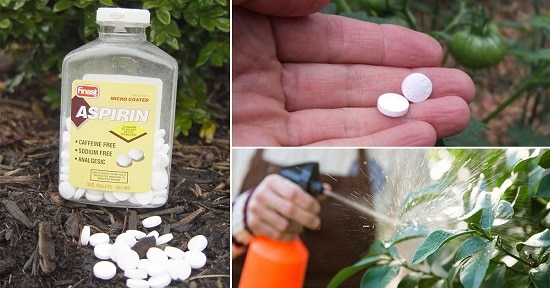
Have aspirin tablets? Use them in your garden–fight fungal diseases, propagate plants from cuttings successfully and quickly, and improve the productivity of your fruit trees. Check out the science behind these claims in this article.

See 26 MORE Common Household Things that can make your garden better, HERE at Balcony Garden Web

This Swedish Indoor Urban Farm Wants To Revolutionize How We Live And Eat

5a9709de1f00005200168c13

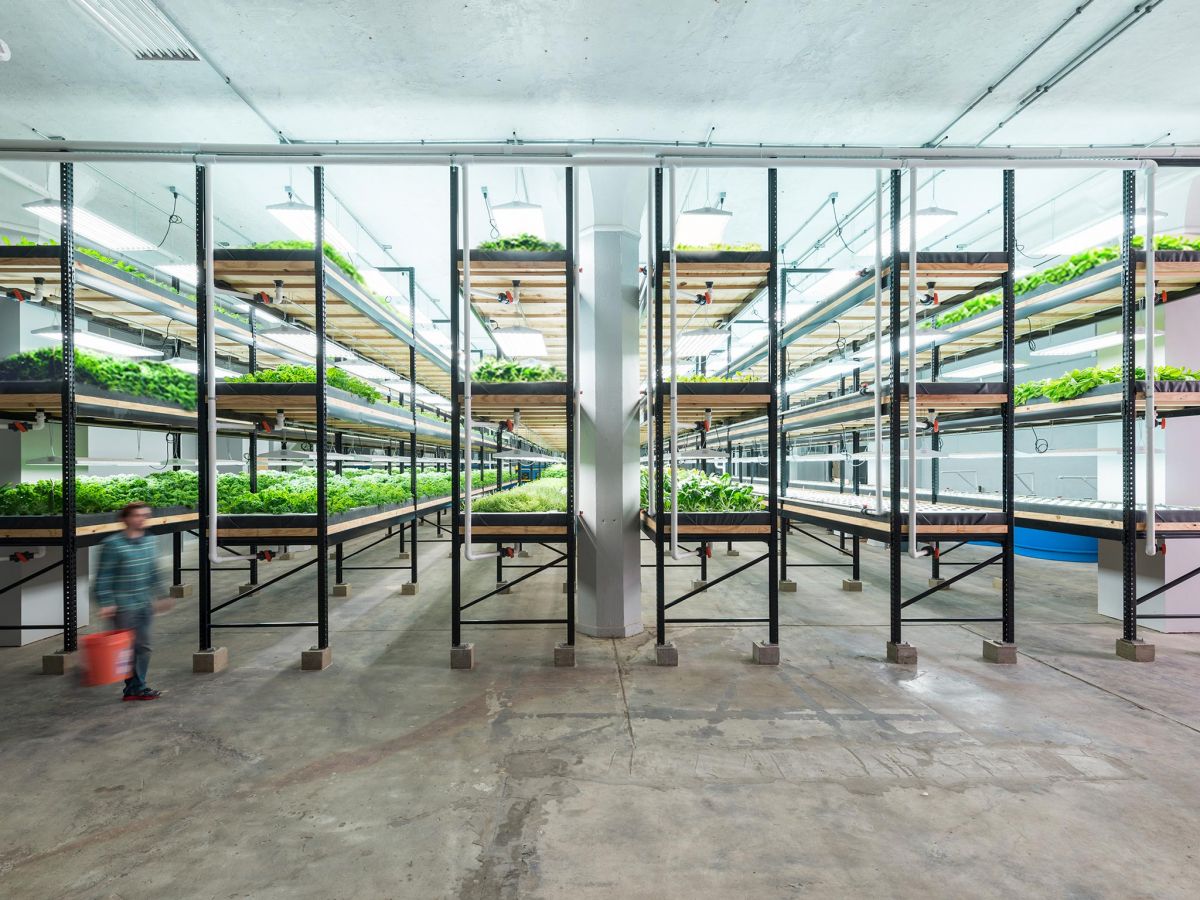
In the basement of a landmark 27-story tower in Stockholm’s central Kungsholmen district, Owe Pettersson is hoping to sow the seeds of an indoor urban farming revolution.

Pettersson is the chief executive of Plantagon, a new Stockholm-based urban farming venture set to kick off operations in the basement of an office block in the Swedish capital later this month.

“This will be one of the most advanced food factories located in a city that we have today,” says Pettersson, who has spent more than 25 years in the insurance and banking industries.

He is by no means the first enthusiast for indoor farming, which has become increasingly fashionable in recent years. Claims for the practice of growing food in basements or warehouses range from feeding people in desert environments to reversing the negative environmental effects of monoculture farming.

Read the FULL Article, HERE: “HuffingtonPost.com

Win a FREE Seed Club Subscription!

Seed Club GIF

Win a FREE 1 Month Subscription to UOG’s Monthly Seed & Garden Club! https://urbanorganicgardener.cratejoy.com/offer.html

Everything is delivered to you at just the right time of the year. [All based on your grow zone – growing conditions – garden location – preferences – and more!]

Now is the perfect time to join as we are currently getting ready for the upcoming spring planting season!

Let our Garden Guru’s curate a collection of seeds & garden supplies just for you – your grow zone – garden space – location – and more. Includes everything you need to grow 5 new edible plant varieties every month – varieties can include herbs, vegetables, flowers, sprouts, micro-greens, bulbs, and more! Join the rest of the UOG community and get growing now!

ENTER TO WIN: https://urbanorganicgardener.cratejoy.com/offer.html

Is Personalized, Next-Day Delivery the Future of Urban Farming?

692e7eebb

940

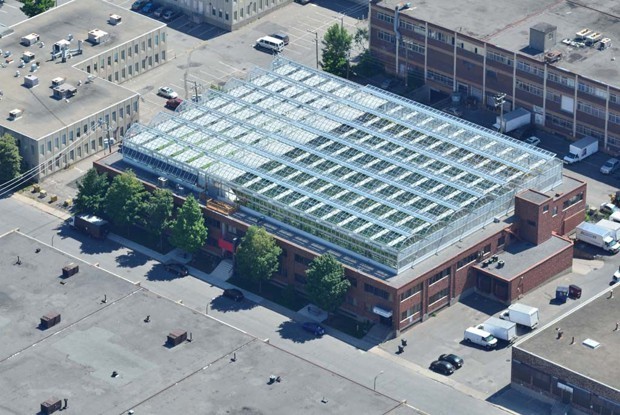
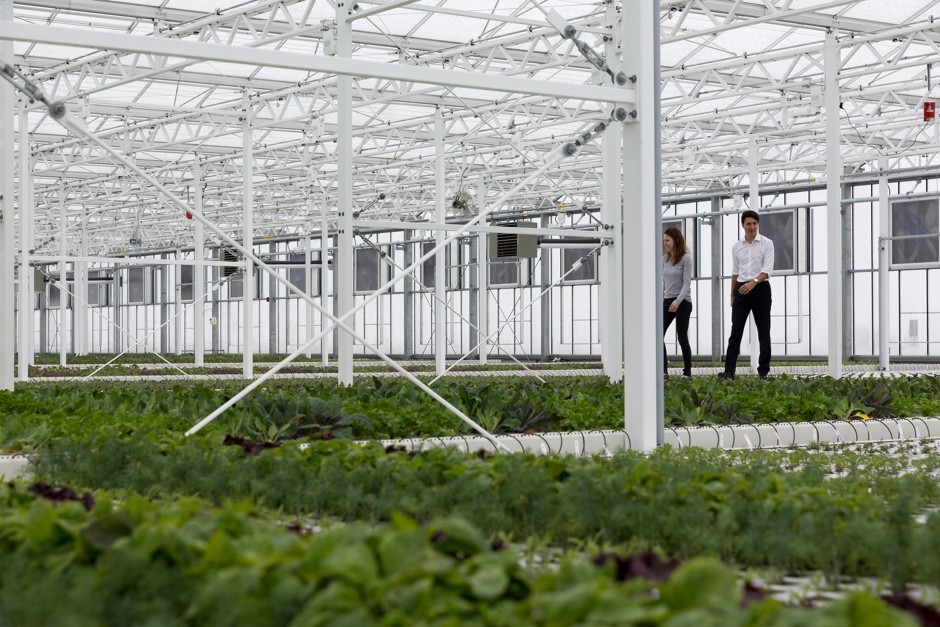
“Canadians have grown accustomed to seeing Prime Minister Justin Trudeau pop up in unlikely photos, sometimes shirtless or in athletic gear. But Trudeau was wearing a suit for a planned photo op when he toured Lufa Farms, a 63,000-square-foot rooftop greenhouse in Montreal, last March. During his visit, Trudeau took a moment to harvest a bag of greens for his family.

One of Canada’s largest urban farming projects, Lufa Farms is the brainchild of Mohamed Hage and Lauren Rathmell. Back in 2011, Hage and Rathmell—partners in business and life—opened the world’s first commercial rooftop greenhouse, a 31,000-square-foot space atop an old Montreal warehouse. They now oversee three hydroponic greenhouses, each placed on a sturdy, low-rise building, with a combined 138,000 square feet.”

Read the FULL STORY “CityLab.com

Urban farmers are learning to grow food without soil or natural light

gettyimages-862655512Growing food in cities became popular in Europe and North America during and immediately after World War II. Urban farming provided citizens with food, at a time when resources were desperately scarce. In the decades that followed, parcels of land which had been given over to allotments and city farms were gradually taken up for urban development. But recently, there has been a renewed interest in urban farming – albeit for very different reasons than before.

As part of a recent research project investigating how urban farming is evolving across Europe, I found that in countries where growing food was embedded in the national culture, many people have started new food production projects. There was less uptake in countries such as Greece and Slovenia, where there was no tradition of urban farming. Yet a few community projects had recently been started in those places too.

Read the FULL Story at: “CityMetric.com


Join UOG’s Monthly Seed Club, Just in Time for Spring!

UOG GIF

Collect heritage seeds and GROW A GARDEN, ALL-Year-ROUND!

Join the club that delivers you garden seeds at just the right time of the year to plant them – hand selected based on your garden specs. Start by telling us a little bit about your garden, preferences, and location. Then, each month we’ll send you a curated collection of heritage garden seeds.

Now is the perfect time to join.
Spring is right around the corner!

Visit: https://urbanorganicgardener.cratejoy.com

**NEXT SHIPMENT: FEBRUARY 5**

The Rise of Vertical Farming – A Documentary

“Food flats and vertical farming as an alternative to our inefficient food system: in order to do vertical farming in a sustainable way, we must integrate the food production into the urban infrastructure for a significant part. At present, our food system is inefficiently organized: our food travels many kilometers, uses a lot of water, is wasted and pollutes the environment. Nevertheless, the 7 billion inhabitants, often living in large cities, need to be fed. Food flats and vertical farming in urban agriculture are important alternatives to our current inefficient food system.”

Video via: “vpro documentary


The Science Behind Vertical Farming

“Everything we create, everything we build, and everything we send out into the world has an impact on people and the planet. We take that responsibility seriously. We operate ethically and strive constantly to increase our operational standards to deliver high quality food.”

Learn more about Aerofarms and their project by visiting: “AeroFarms.com

Urban Farming Is the Future of Agriculture

d5-1200x900

“The planet is growing more food than ever, and yet millions of people continue to starve worldwide. People are hungry everywhere — in the country, in the suburbs. But increasingly, one of the front lines in the war against hunger is in cities. As urban populations grow, more people find themselves in food deserts, areas with “[l]imited access to supermarkets, supercenters, grocery stores, or other sources of healthy and affordable food,” according to a report by the U.S. Department of Agriculture.

New technologies are changing the equation, allowing people to grow food in places where it was previously difficult or impossible, and in quantities akin to traditional farms.”

Read the FULL STORY, at: “Futurism.com

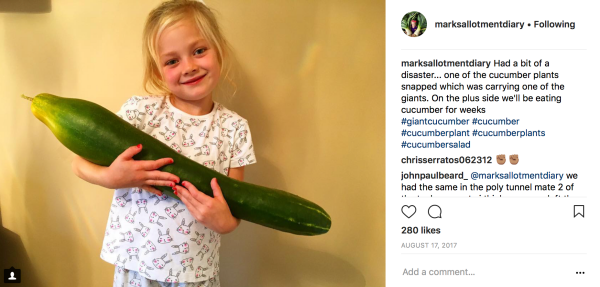
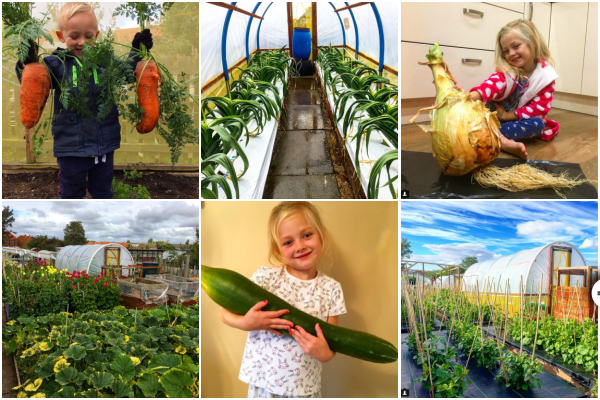
UK Gardener Grows Giant Organic Vegetables for Garden Shows

smallcapture-20180114-200308

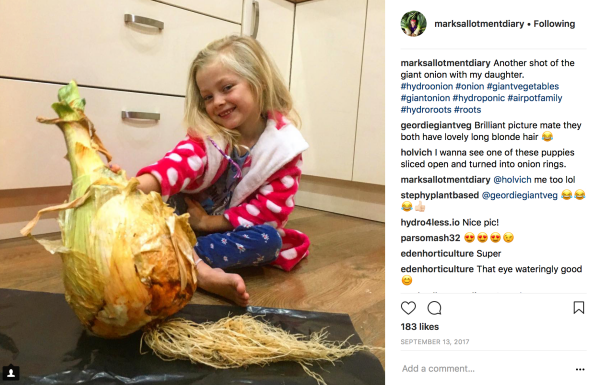
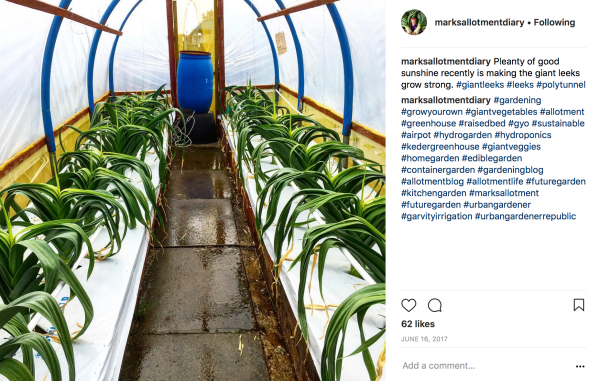
“Today I lifted my giant onions which have been growing for almost a year. They have been grown hydroponically in an RTA air-pot dripper system. There are a couple of things which I could have changed which could have altered the end result.”

smallcapture-20180114-195557

smallcapture-20180114-195732

“Down on the allotment in the polytunnel I lifted my giant pot leeks for exhibition/show. This show requires 3 pot leeks 6 inches to a tight button. in this video I show you how I lift and wash my leeks in preparation for show. This was the second show (ever) that I had benched/ exhibited my leeks at and I managed to scoop first place in style by smashing the record and showing 512cc for three leeks. The purpose of growing these leeks is for exhibition but they are also edible and taste good. They are not genetically modified nor are they pumped with chemicals.”
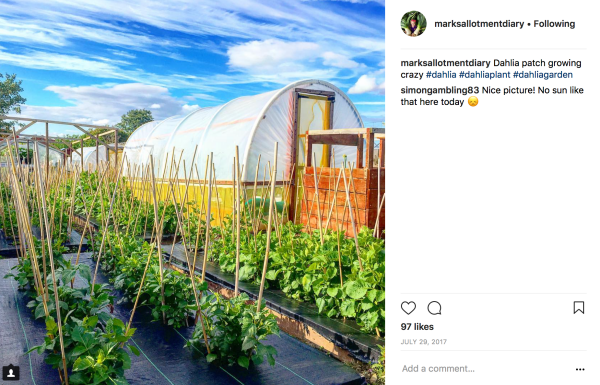
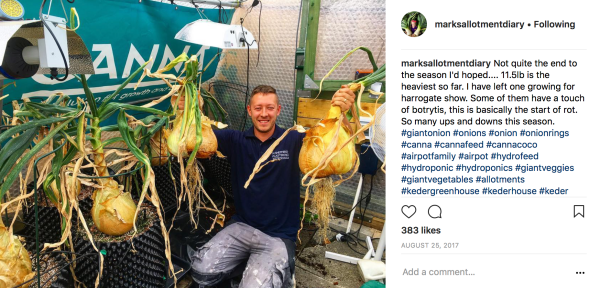
smallcapture-20180114-200349

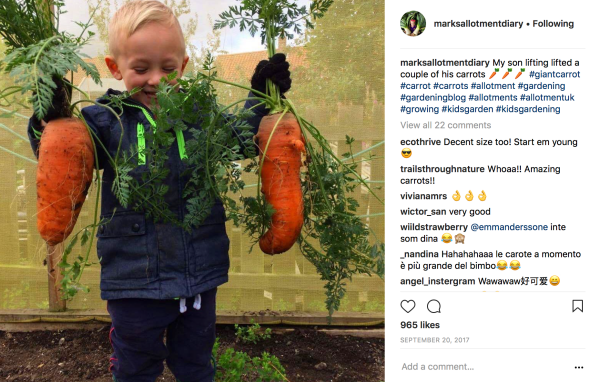
“Here’s how I prepare sand boxes to grow my exhibition stump root carrots.”

smallcapture-20180114-195802

smallcapture-20180114-195519

smallcapture-20180114-195436

Follow @marksallotmentdiary on Instagram, today!

This Stylish Table Is the “Next Generation” of Automated Urban Farming

babylon_hydroponics_09_da_inline_01

One of the more promising urban-farm concepts is not in New York, Los Angeles, or any other major city. It’s in Charlottesville, Virginia, courtesy of one University of Virginia alum and a very small team of employees.

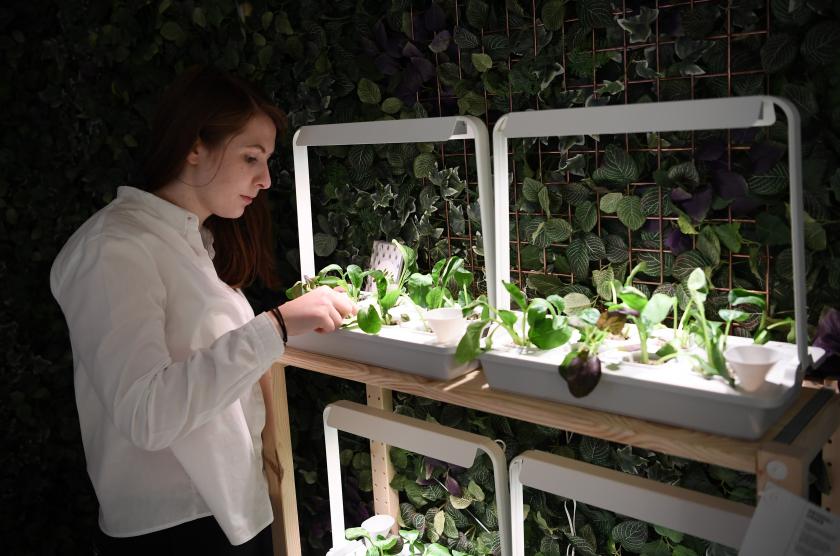
Recent grad Alexander Olsen started Babylon Micro-Farms in 2016, as part of the UVA student entrepreneurial clubhouse, HackCville. An early prototype won $6,500 from Green Initiatives Funding Tomorrow, part of the UVA student council.

Now, Olsen and six other employees are working to get the hydroponic farms inside the homes of consumers, billing them as “the next generation home appliance.”

Read the FULL STORY at: “TheSpoon.Tech

WIN a FREE 3 Month Subscription to UOG’s Monthly Seed Club!


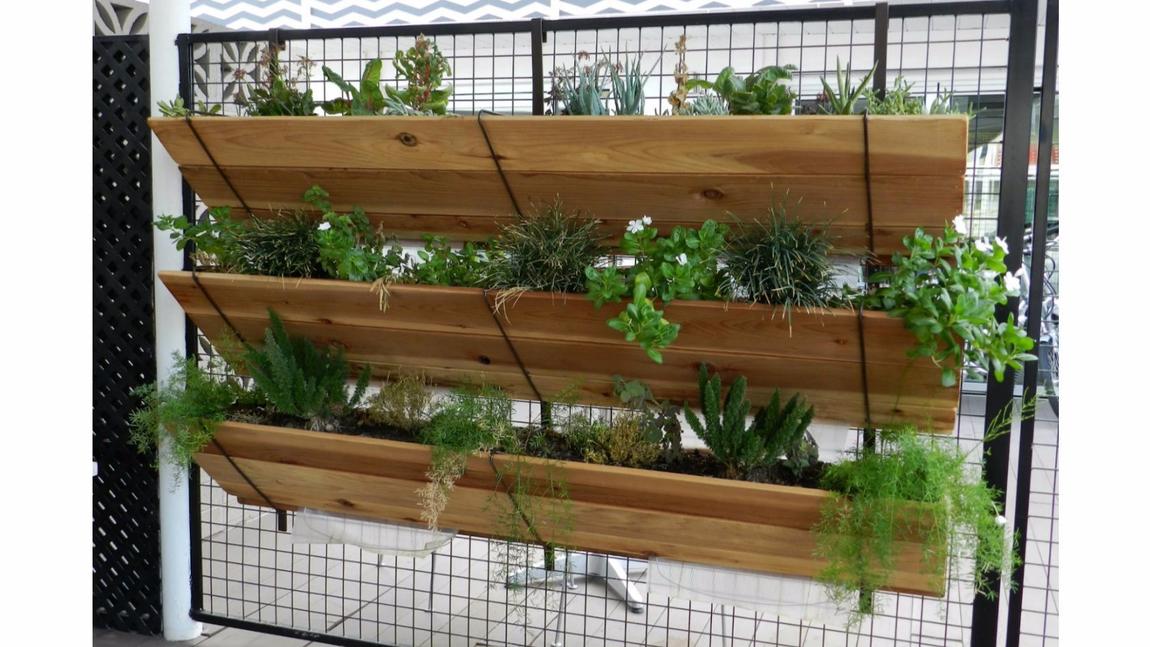
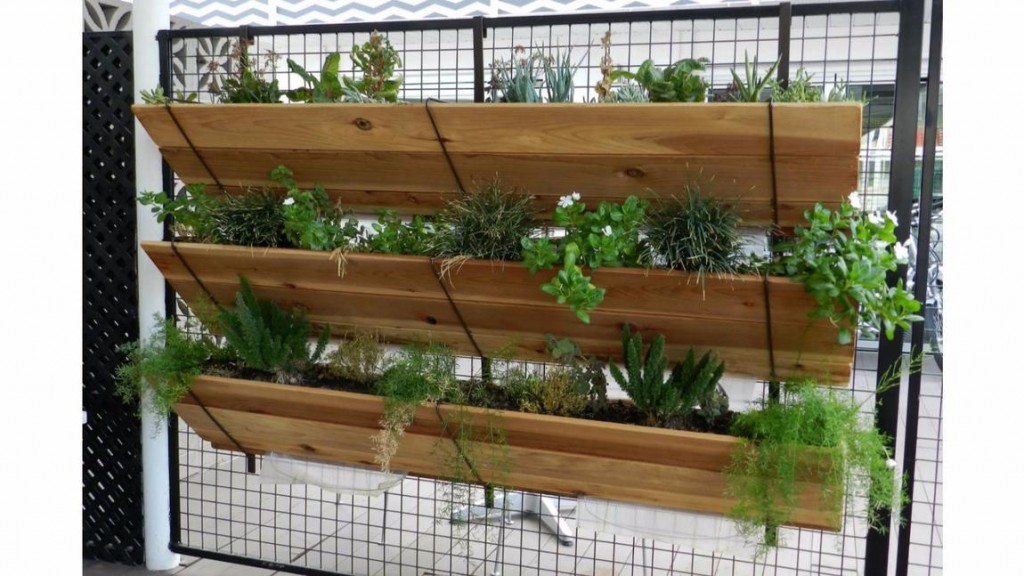
Vertical Gardening – 11 ways to get your vegetables to grow up

la-1494979891-w3l3iehfux-snap-imageTIP 1– Soft, pouch-type containers are best for shallow roots like herbs, onions and succulents. Plants such as strawberries, lettuces and bushy veggies such as peppers like a larger, more rigid container. Tomatoes do best in large pots with some kind of support, like a cage.

TIP 2– Some kits have self-watering systems, but Forster just uses a “cute little watering can” to keep her patio garden hydrated. Don’t let your plants sit too long in standing water — that can suffocate the roots — but do find a way to contain the runoff from your plants so you don’t make a mess or drip on the balcony downstairs. Giving plants a little elevation, by perching it up on bricks or rocks inside a tray, would do the trick.

TIP 3– Use a good quality potting soil so roots can stretch and breath and make the most of their container. “‘Fluffy’ soils are best,” she said, “with stuff like peat moss, perlite and compost.”

Read MORE ways you can GROW VERTICALLY, HERE: “LATimes.com