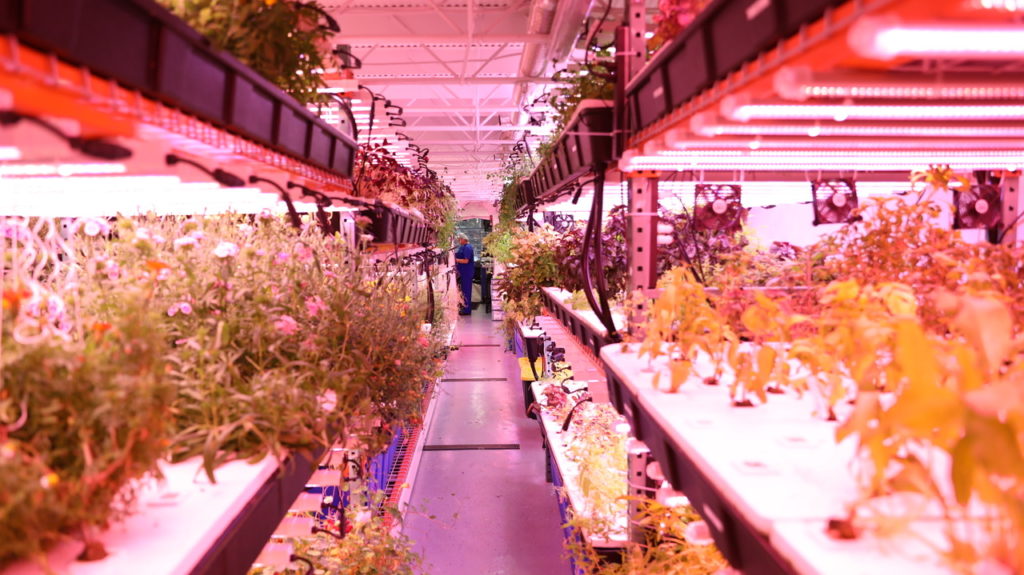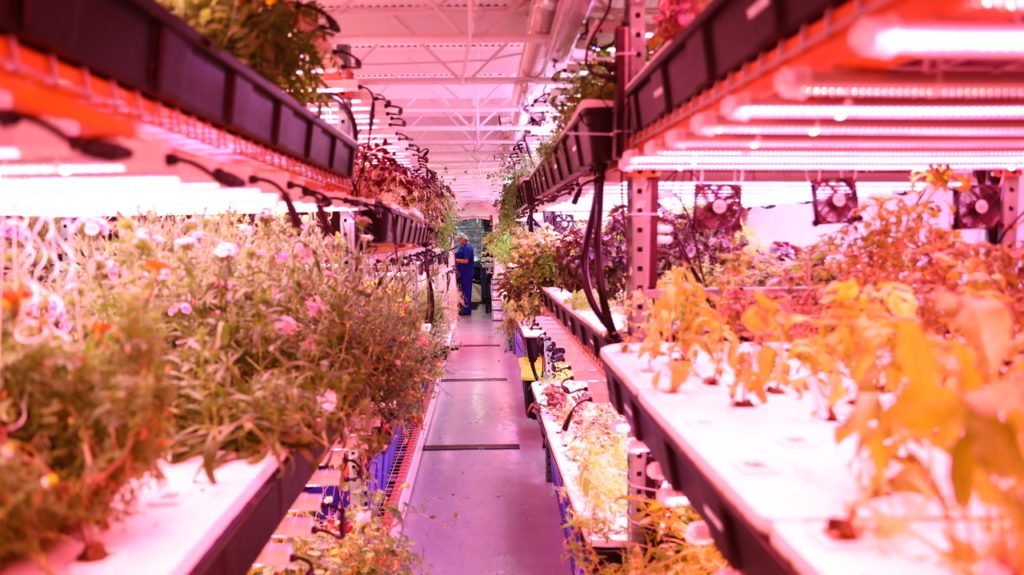
This 2-Acre Vertical Farm Produces More Than ‘Flat Farms’ That Use 720 Acres

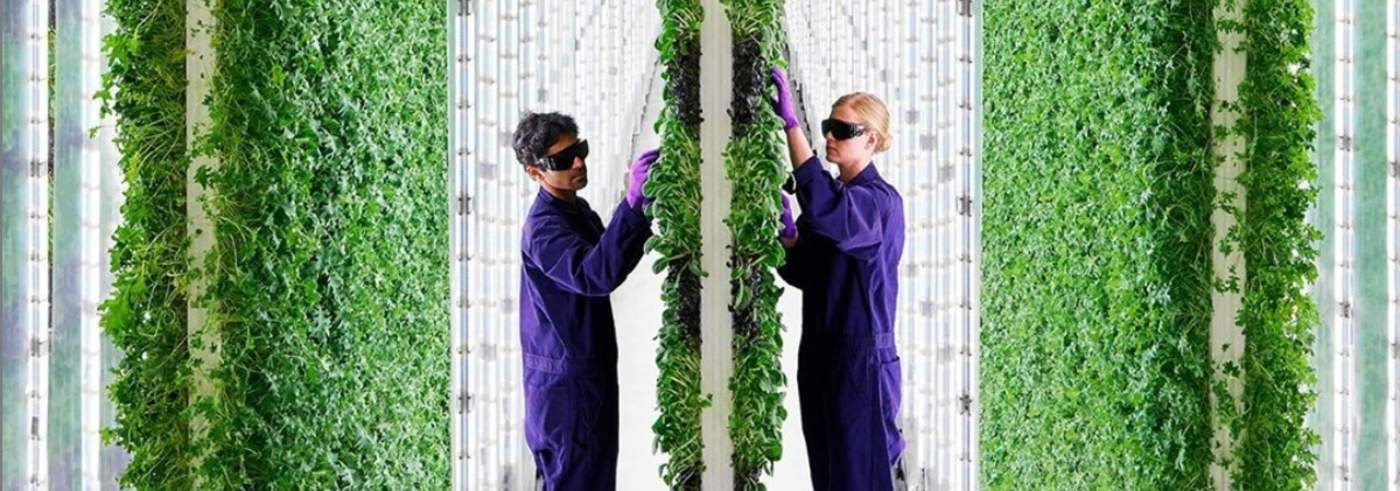
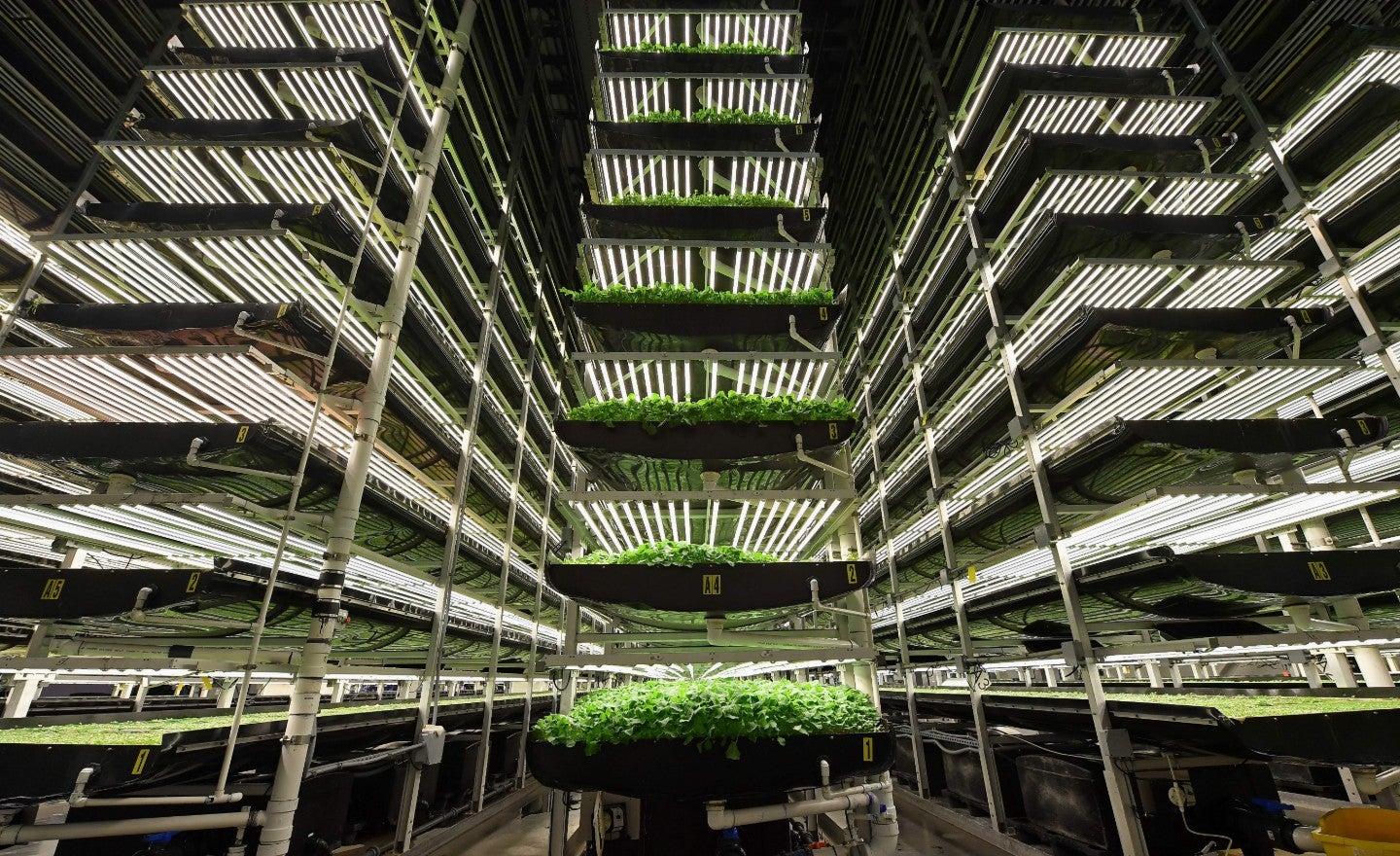
GOODNEWSNETWORK.ORG – From an ag-tech startup named Plenty, a two-acre indoor vertical farm produces yields that would normally require a 720-acre ‘flat farm’—and it can be done with 95% less water.

Saving water is critical in an agricultural state like arid California, where Plenty is set to supply fresh produce for 430 Albertsons grocery stores.

The vision is truly one out of Star Trek, with Plenty’s use of robotics and artificial intelligence to ensure perfect plants year-round.

The reasons to support indoor vertical farming are varied, ranging from climate-related benefits to removing cumbersome logistical challenges like long-distance transportation.

READ THE FULL ARTICLE: https://www.goodnewsnetwork.org/2-acre-vertical-farm-plenty-grows-350x-more/

Technology Helps Move Agriculture Indoors

ISRAEL21.C.ORG – Greenhouses and urban farm factories are expensive to set up but pay off in higher yield, quality and market value, growing all through the seasons.

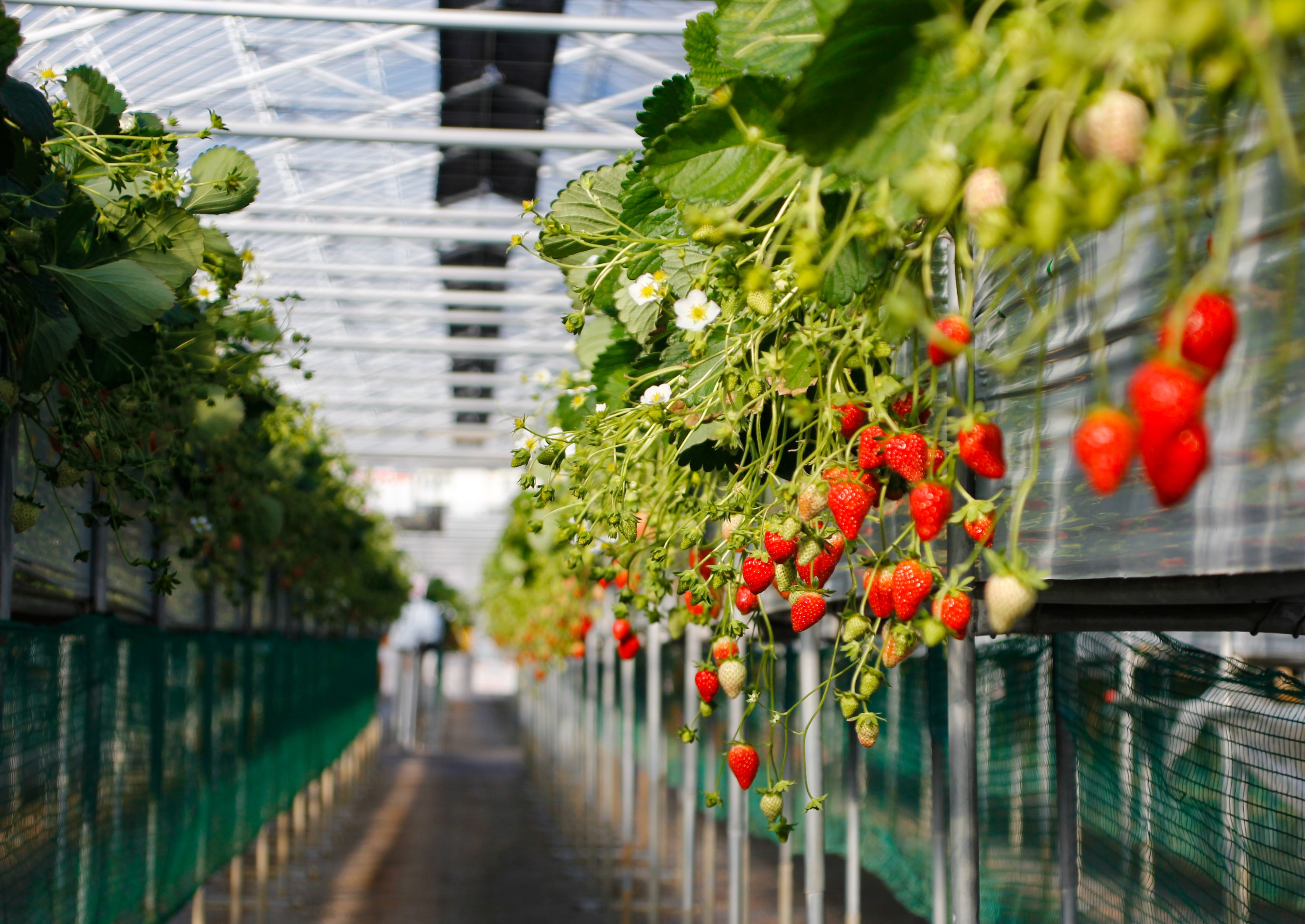
Grain crops will always need large fields. But tomatoes, leafy greens, peppers, and strawberries are some of the many fruits and veggies that thrive indoors under precisely controlled conditions.

Though it costs more to raise produce in greenhouses or urban “farm factories,” the payoff is higher yield, quality and market value. The plants can grow year-round with less fertilizer and pesticide.

READ THE FULL STORY: https://www.israel21c.org/the-technologies-helping-move-agriculture-indoors/

Fresh Herbs Make A Great Gardening Addition For Holiday Cooking

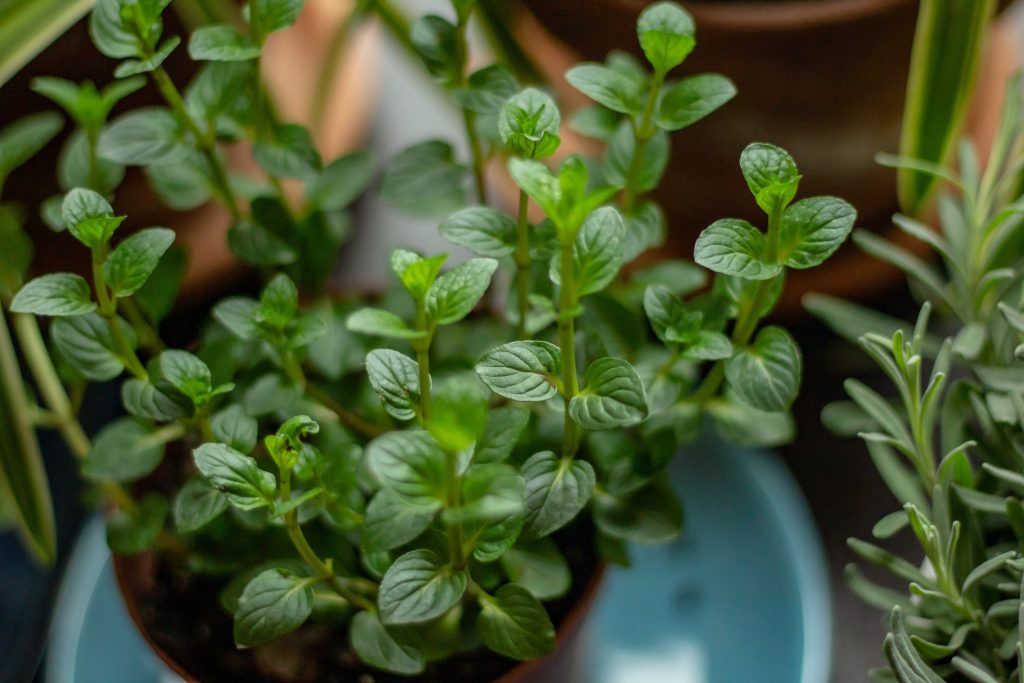
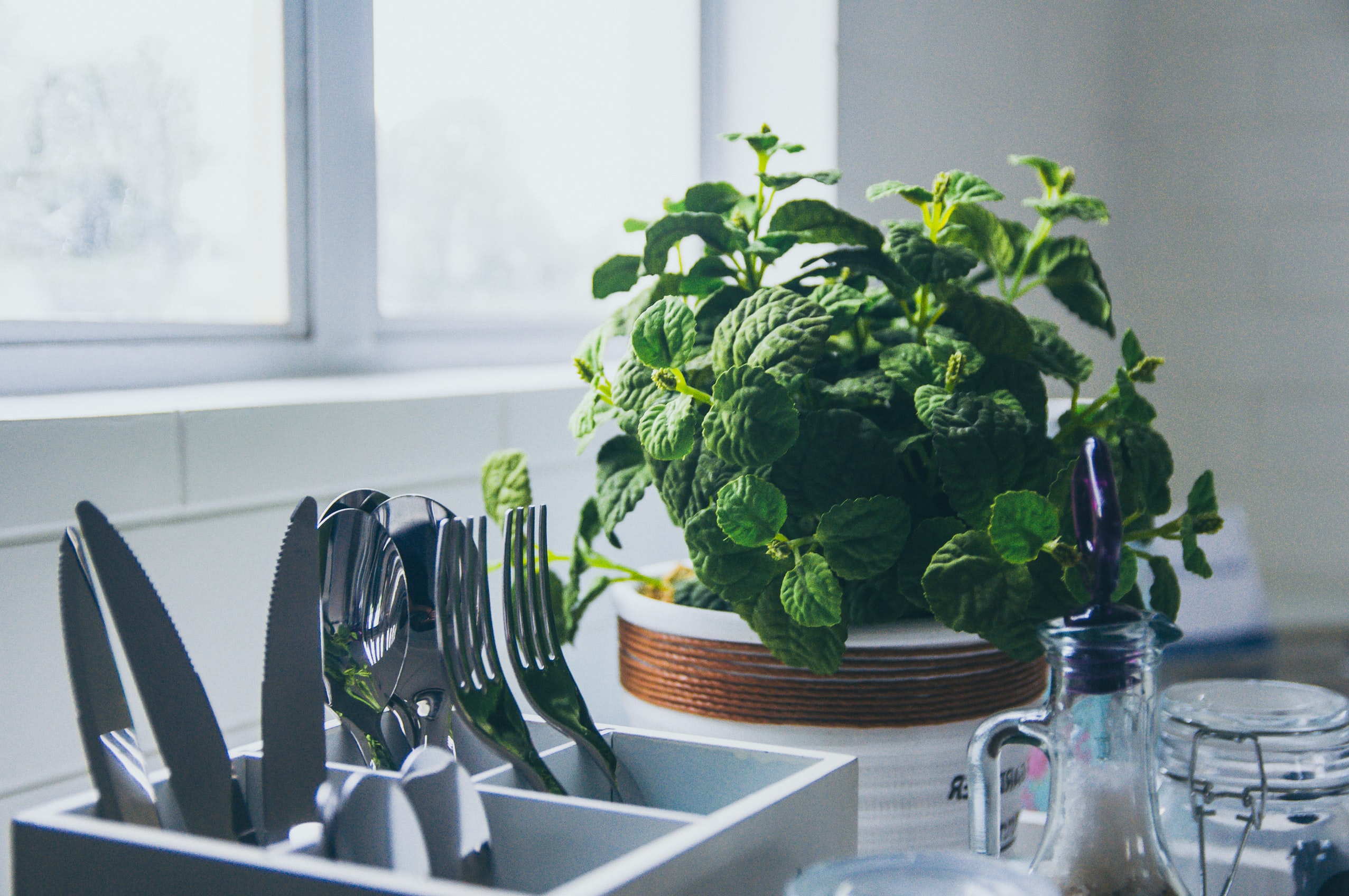
OAOnline.com – As your summer gardening winds down, it is a good time to plant a few herbs for your holiday cooking. Nothing is better than stepping out your backdoor and picking fresh herbs. Parsley, rosemary, sage, oregano, cilantro and chives are all great additions to dishes for the fall. Lavender and mint can be used for cooking, as well as teas and essential oils.

Each of these grow well in pots. In fact, mint should definitely be grown in a pot because it is so invasive. Mint spreads by the roots and if you plant it in a bed or a garden, it will quickly take over where you plant and everywhere around it. You will be digging and pulling roots for years to come.

READ THE FULL ARTICLE: https://www.oaoa.com/people/lifestyle/gardening/master-gardeners-fresh-herbs-make-a-great-gardening-addition-for-holiday-cooking/article_962aad78-109e-11eb-b33c-6367f9bb291a.html


Urban gardening just got a whole lot easier and more sustainable

Vogue.com.au – How many dead plants are you responsible for? How many green-tinged dreams of becoming an amalgamation of Martha Stewart and Gwyneth Paltrow have ended in sad, withered herbs on your windowsill?

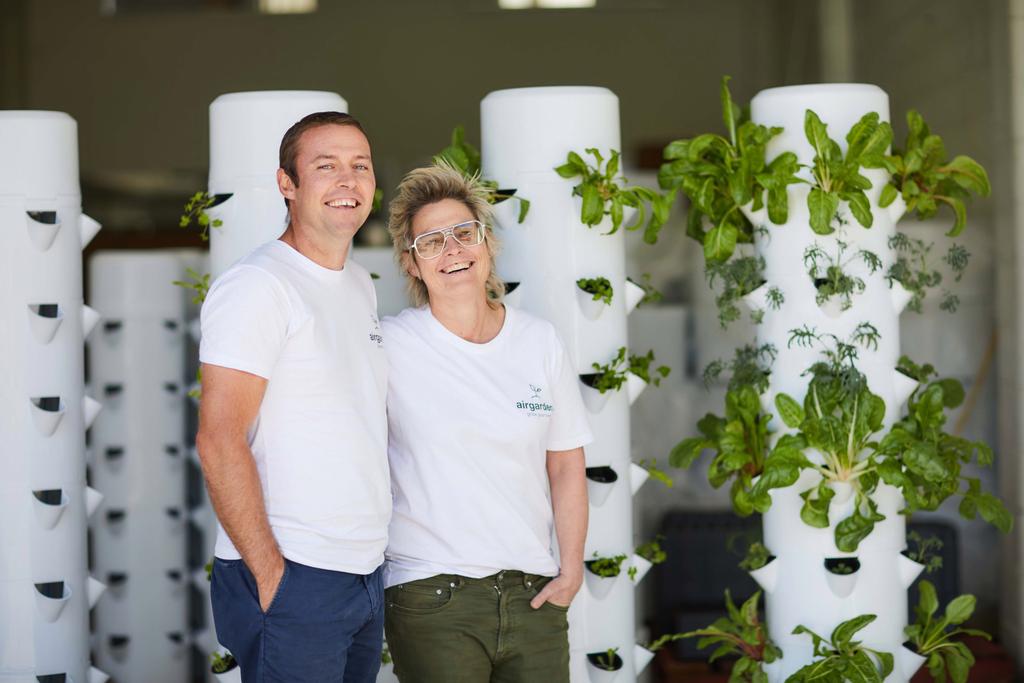
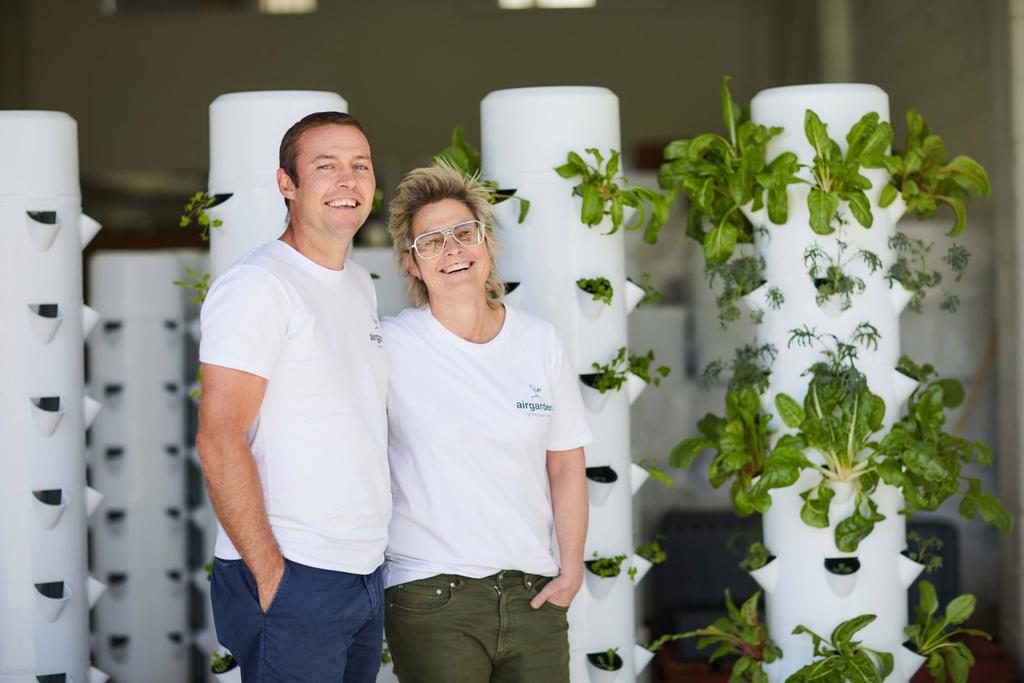
If you see yourself here and have minor amounts of regret or PTSD from killing plant after plant but still want to grow and garden, we may have just stumbled on the solution for you. Urban gardening is on the rise, as our homes are getting smaller and cities fuller, there’s still the urge to surround ourselves with greenery, especially if that greenery is ripe for eating. And Queensland-based Airgarden wants to help you do just that, by growing and gardening with their vertical, aeroponic garden.

READ THE FULL STORY: https://www.vogue.com.au/vogue-living/design/calling-all-green-thumbs-urban-gardening-just-got-a-whole-lot-easier-and-more-sustainable/image-gallery/202bc517e73c8cf6a5de1a8880a81d5c

Ready To Build Your Urban Garden? How To Grow Healthy Plants Indoors

A survey by the Royal Horticultural Society found that 80% of millennials own a houseplant of some sort. But did you know that caring for indoor plants also comes with its share of benefits? Besides improving our well-being by boosting moods and concentration, indoor plants are beneficial to our home. Growing plants indoors, especially edibles, eliminates the need to package and transport produce. As a result, there is minimal waste created and reduced carbon emissions.

Indoor gardening also makes it easier to control pests and diseases without the use of chemical-based herbicides and pesticides. And as water shortages threaten the future of agriculture, cultivating indoor plants can boost sustainability. If you have been looking to create a more sustainable garden, here are tips on how to grow healthy indoor plants.

READ THE FULL ARTICLE: https://blueandgreentomorrow.com/environment/ready-to-build-urban-garden-how-to-grow-healthy-plants-indoors/

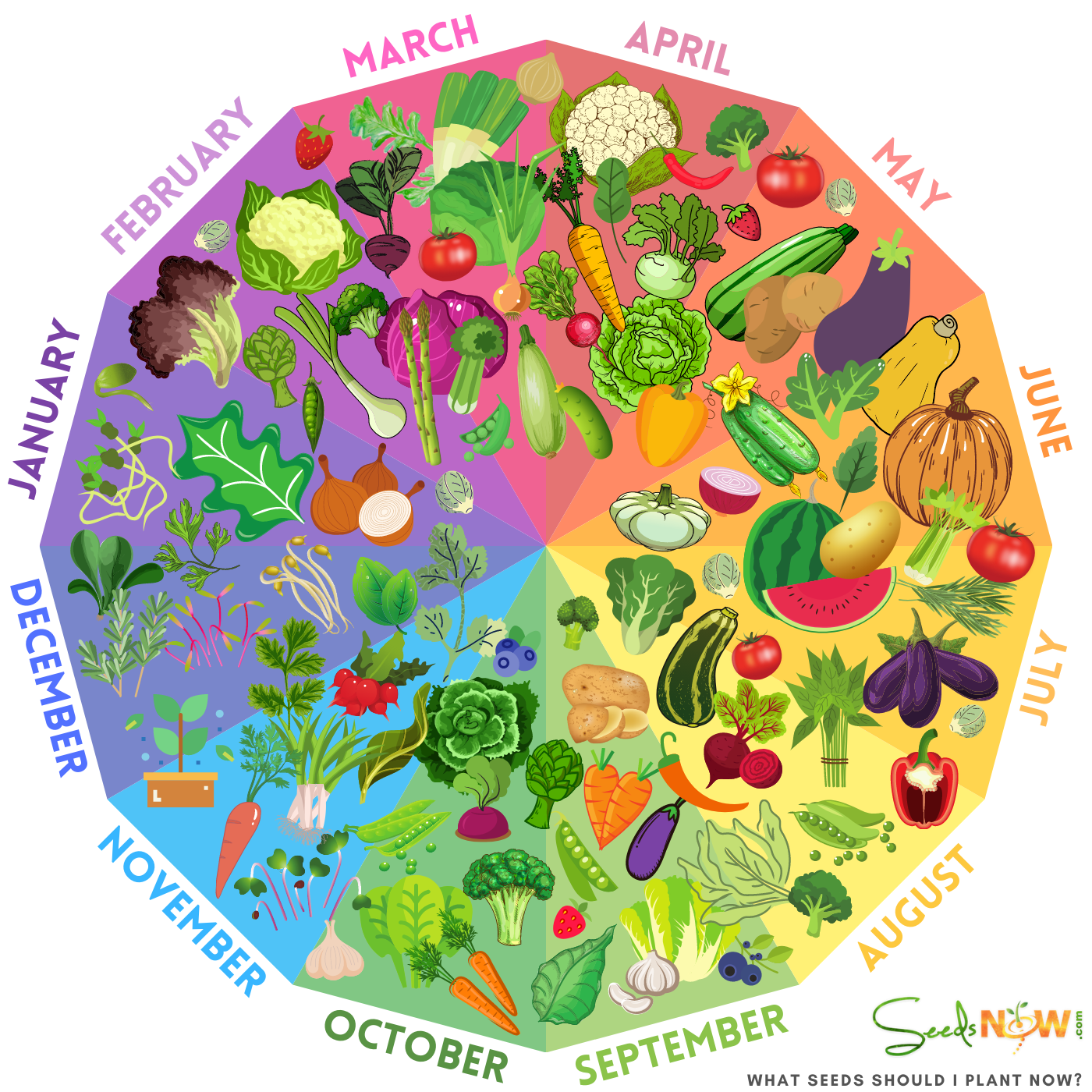
What Seeds Should I Be Planting RIGHT NOW?

Growing food at home is one of the most rewarding things you can do for yourself and your family right now. Maybe you feel like the current growing season has passed you by, and you will need to wait until next spring to start? or maybe you want to try something new this coming fall or winter?

Regardless of why you found yourself reading this article, we’re going to point out some great tips for growing your favorite fruits, vegetables, and herbs.  We’re here to help you become successful at year-round gardening.

All vegetables need either a cool growing season, or a warm growing season to be healthy and prolific. Learning your correct grow zone/location is crucial to having a bountiful harvest. You may even want to contact your local Extension Office for exact planting dates and schedules.

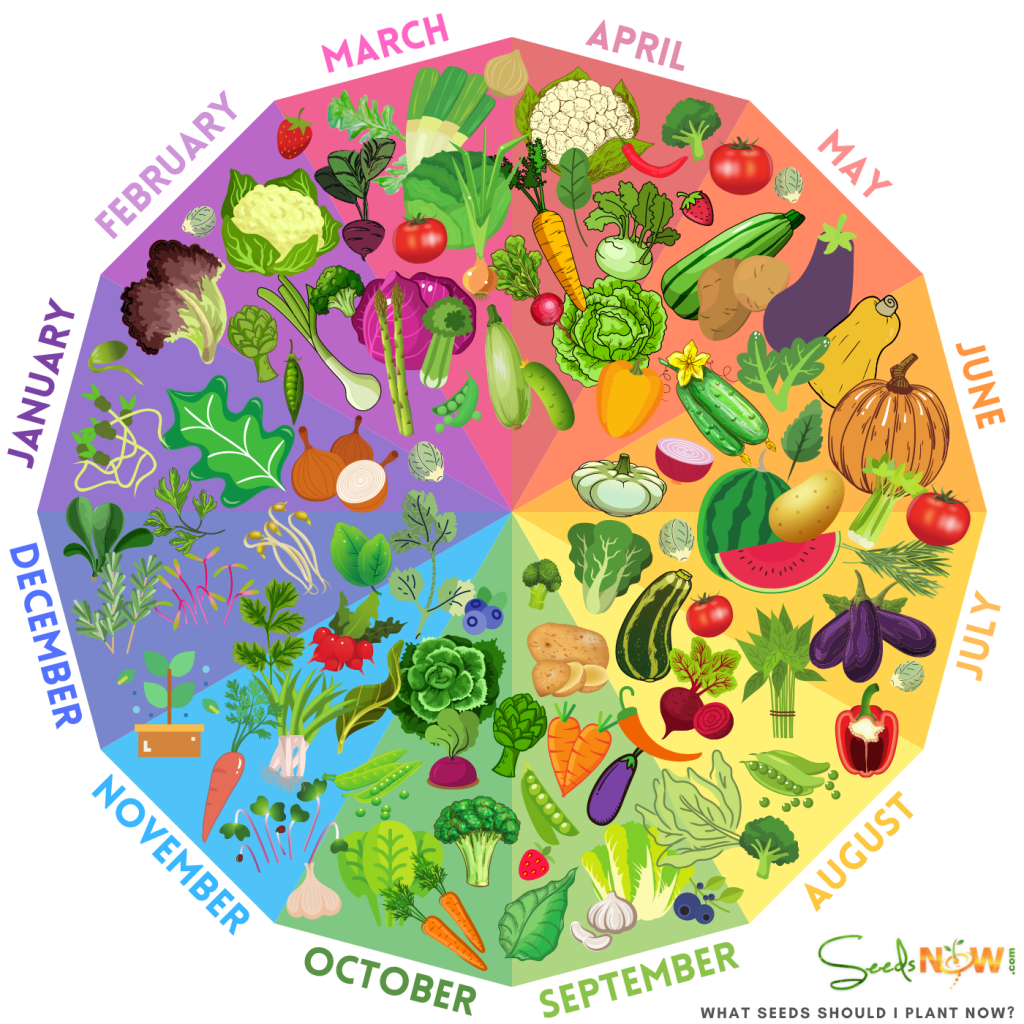
The graphic above shows you:

*These exact dates will obviously vary based on your location but this should help get you started!


SPRING  March 1st – May 31st

SHOP SEEDS FOR SPRING

WHAT TO PLANT NOW: In early spring, focus on sowing crops like: radish, carrots, turnips, peas, lettuce, spinach, kohlrabi, broccoli, cabbage, leeks, collards, onions, Brussels sprouts, asparagus, cauliflower, and herbs such as parsley, cilantro and dill.

As the season progresses, you’ll be ready to start your summer crops such as: tomatoes, peppers, eggplant, melons, cucumbers, squash, strawberries & more!

MORE THINGS TO DO: In early spring, you will want to start your seeds indoors and begin prepping your garden beds. Get a new garden hose or invest in a self-watering irrigation system. Learn how you can water more efficiently as things start to heat up and dry out. Sharpen and clean all of your garden tools to make sure they’re ready when you are.

As soon as the ground can be worked you should begin to:

  1. Amend your soil
  2. Remove any weeds
  3. Compost


SUMMER June 1st – August 31st

SHOP SEEDS FOR SUMMER

WHAT TO PLANT NOW: Continue planting your summer favorites such as tomatoes, peppers, eggplantsquash, melons, potatoes, onions, herbs, and maybe a few more root crops and leafy greens before it gets too hot for them. If you’re into fresh herbs, summer is the perfect time for growing basil, mint, lemongrass and chives.

MORE THINGS TO DO: Now is the time to get outside and “button-up” any gardening chores before the summer heat makes even the simplest jobs seem unbearable. Make sure you water your plants deep and regularly to ensure they aren’t drying up during the much longer, warmer days. As temperatures rise, so does your flexibility in terms of planting. No longer are you running the risk of an unexpected freeze damaging your newly planted seedlings, and your heat-loving crops will actually begin to thrive!

MORE TIPS AND TRICKS:

Herbs & Veggies to Plant NOW for a Summer Garden – View

Heat Loving Veggies & Herbs You Can Grow RIGHT NOW in Summer! – View

12 Plants That You Can Grow This Summer To DETER Mosquitoes – View

Have a Better Summer Garden With These 7 Tips! – View


FALL  September 1st – November 30th

SHOP SEEDS FOR FALL

WHAT TO PLANT NOW:

Most gardeners will agree, the crop they look forward to planting the most during fall is garlic! Drop your favorite soft or hardneck varieties as long as the soil remains workable (for most this falls somewhere between September/October). If you get them into the ground early enough, potatoes will do well until your first freeze arrives.

Fall is also the best time for planting blueberry bushes. Start planting your fall root vegetables such as carrots, radishes, beets, turnips and parsnips. Love salads? Your favorite greens will thrive in the cooler temperatures of fall.

September – October is prime time for sowing your favorite cover crop varieties! “A cover crop slows the velocity of runoff from rainfall and snowmelt, reducing soil loss due to sheet and rill erosion. Over time, a cover crop regimen will increase soil organic matter, leading to improvements in soil structure, stability, and increased moisture and nutrient holding capacity for plant growth.” source: nrcs.usda.gov

MORE THINGS TO DO:

As summer winds down, be sure to replenish the nutrients in your garden beds by adding fresh compost or manure. We hope you’ve collected seed from your previous harvests by allowing them to “go to seed” and then harvesting them for future growing seasons. Learn about Seed Saving tips and tricks.  Clean out any cold-frames you may have or the greenhouse in preparation for winter months ahead. Cut back any dead or dying perennials and clean/sterilize your garden tools. Take cuttings from your favorite herbs before they are destroyed by frost. Continue to enjoy them throughout fall and winter by growing an indoor container garden or grow them in the windowsill.

MORE TIPS AND TRICKS:

How to Plant a Fall Garden. Step-by-Step – View

Plant these seeds in July/August – View

Fall and Winter Gardening Made Easy – View

16 Crops To Plant NOW for Fall! – View

Our TOP 10 Favorite Fall & Winter Gardening YouTube Videos! – View

Quickest Crops to Mature for a Fall & Winter Harvest – View


WINTER  December 1st – February 28th 

SHOP SEEDS FOR WINTER

WHAT TO PLANT NOW:

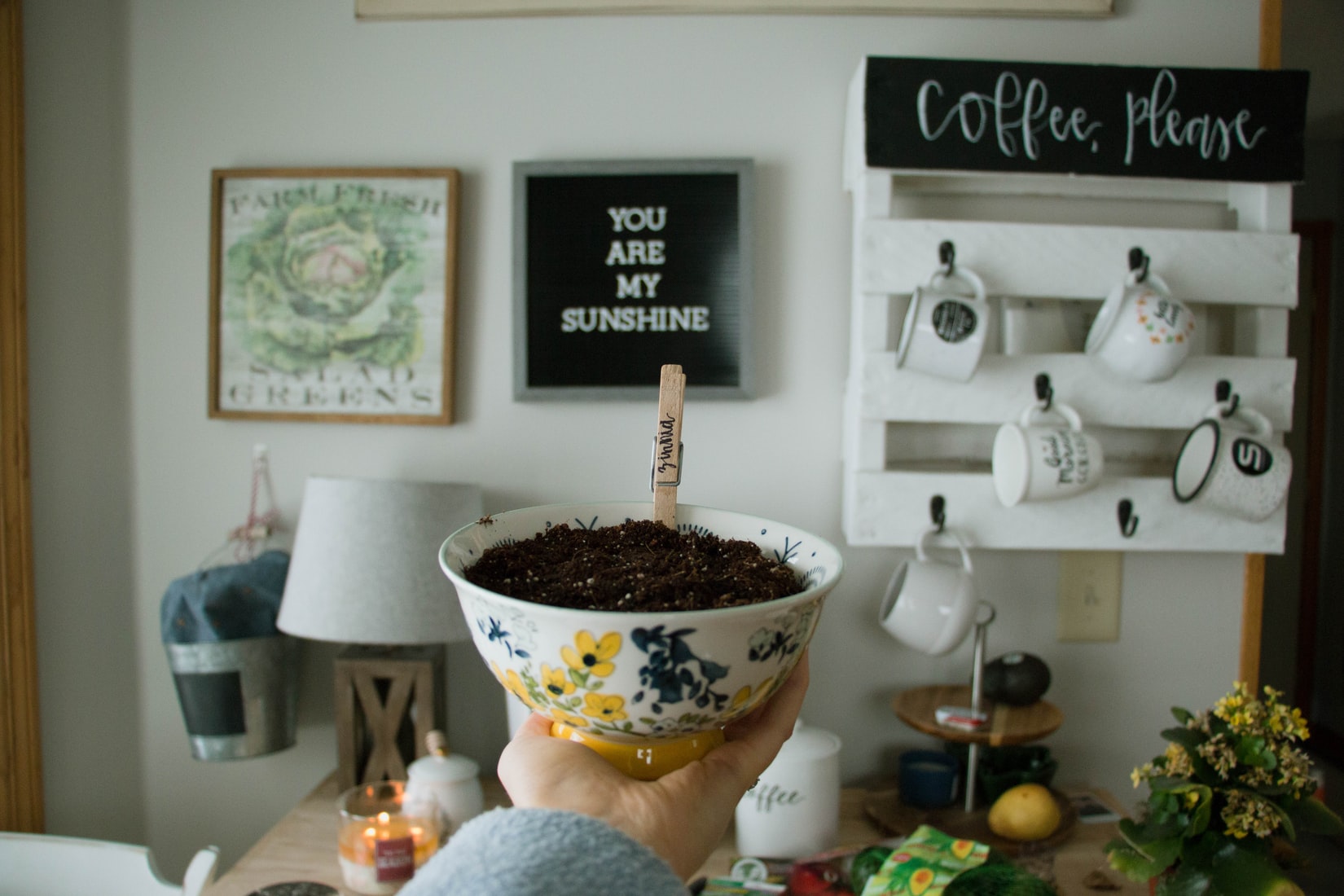
Grow sprouts & micro greens!  Most of your favorite spring and summer vegetables do well in the form of sprouts, so get your “nutrient fix” by starting a tray of them in the windowsill of a south facing window. Love to cook? Herbs can be planted in small pots or containers indoors if you supply them with enough light.

Do you still have some crops left out in the garden from fall? Some would say that beets, parsnips, carrots, Brussels sprouts, kale, turnips and rutabagas all taste sweeter after a frost!  So don’t be in such a hurry to pull these from your vegetable beds.  Let winter come, then enjoy!

MORE THINGS TO DO:

For most gardeners, winter becomes a season of rest. A lot of us enjoy taking a few months off, regrouping from the long hauls of summer and fall, but if you’re still craving fresh food from your garden, we have great news! You STILL have options!

Southern states and warmer regions can grow most of their favorite fruits, veggies and herbs all the way through winter, without hesitation.

Gardeners in the north who want to get a jump-start on the next growing season, will be able to start their favorite spring vegetables indoors and then move them outside once the threat of frost has passed.

MORE TIPS AND TRICKS:

How to Store Vegetables for Winter – View

10 Vegetables You Can Over-Winterize – View

It’s Winter!  What to do in the garden now?! – View

Most Popular Seeds to Plant Now for Fall/Winter Gardening – View
 

ENTER YOUR LOCATION —AND GET YOUR OWN PLANTING CALENDAR!


The Future Of Food: Inside The World’s Largest Urban Farm – Built On A Rooftop

TouChou/Pixabay

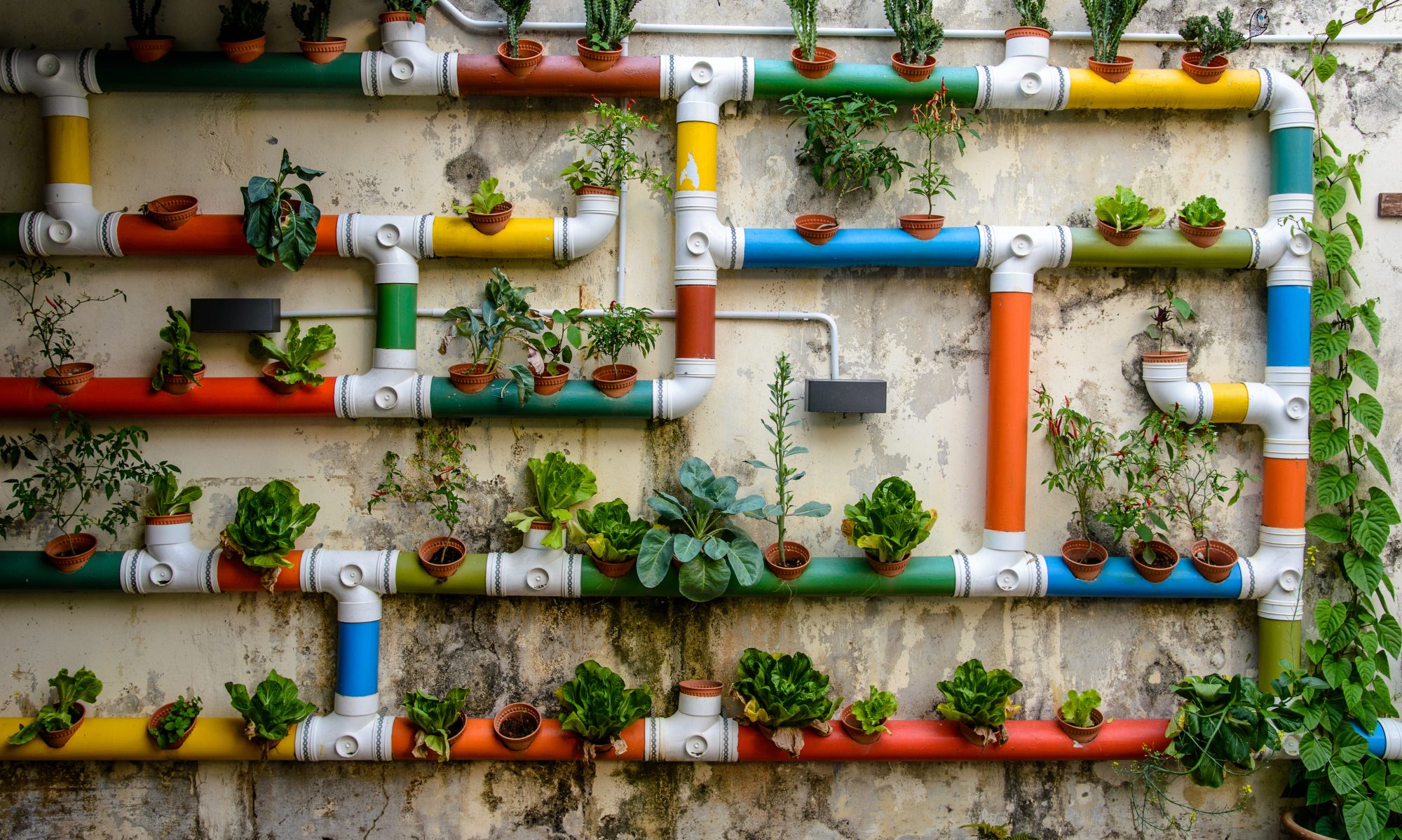
On top of a striking new exhibition hall in the southern 15th arrondissement of Paris, the world’s largest urban rooftop farm has started to bear fruit. Strawberries, to be precise: small, intensely flavored, and resplendently red.
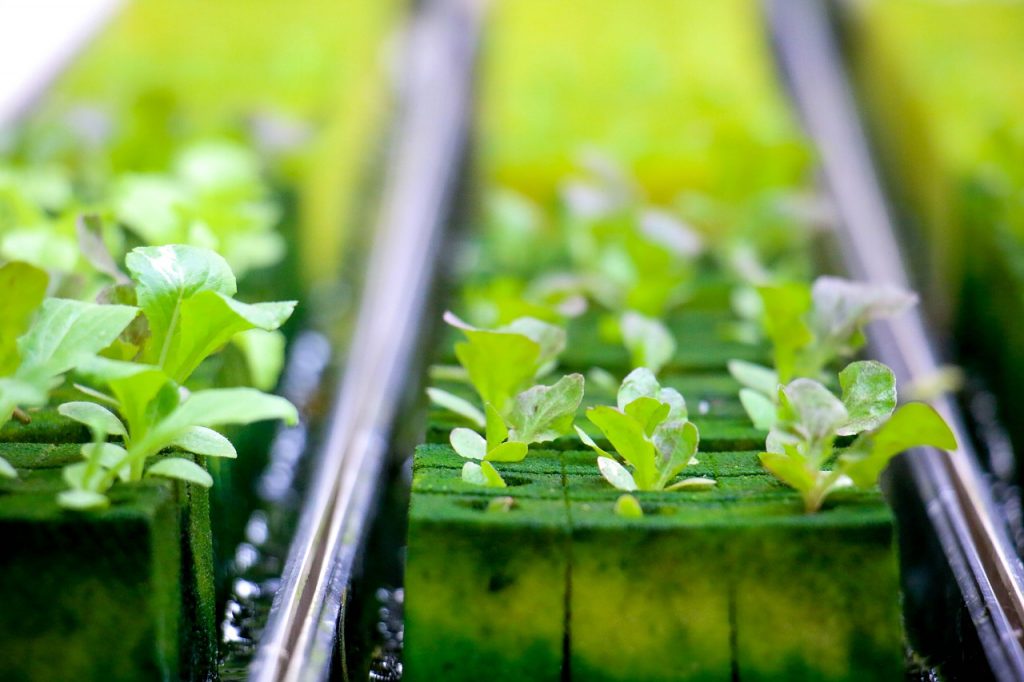
They sprout abundantly from cream-colored plastic columns. Pluck one out to peer inside and you see the columns are completely hollow, the roots of dozens of strawberry plants dangling into thin air.

From identical vertical columns, nearby burst row upon row of lettuces; near those are aromatic basil, sage, and peppermint. Opposite, in narrow, horizontal trays packed not with soil but coco coir (coconut fiber), grow heirloom and cherry tomatoes, shiny aubergines, and brightly colored chards. (SEE PHOTO NOW!) -Sourced from The Guardian

READ THE FULL ARTICLE: https://livingarchitecturemonitor.com/news/2020/7/11/the-future-of-food-inside-the-worlds-largest-urban-farm-built-on-a-rooftop

How Arlington’s Only Commercial Urban Farm Shifted To ‘Community Supported Agriculture’

Thanks to changes brought about by the pandemic, Arlingtonians can now get farm-to-table produce delivered right to their door.

Tucked into an unassuming strip mall on Lee Highway, Fresh Impact — which we profiled in October — is the county’s only commercial urban farm. With no signage or disclosed address, Fresh Impact has been growing specialty ingredients such as edible flowers and microgreens for chefs in the local restaurant industry for over three years.

This past February, according to founder Ryan Pierce, the farm had its most profitable month yet. But a few weeks later as COVID-19 began to spread in the D.C. area, ultimately shutting down all dine-in restaurant service, Pierce said Fresh Impact lost every single customer.

“We were faced with a choice: do we shut it down and try to ride it out, which would have meant laying off our staff, or do we try to pivot to the consumer market?” said Pierce.

READ THE FULL ARTICLE: https://www.arlnow.com/2020/06/08/how-arlingtons-only-commercial-urban-farm-shifted-to-community-supported-agriculture/

How to grow tomatoes: Gardening tips and tools

Capelle.r / Getty Images stock

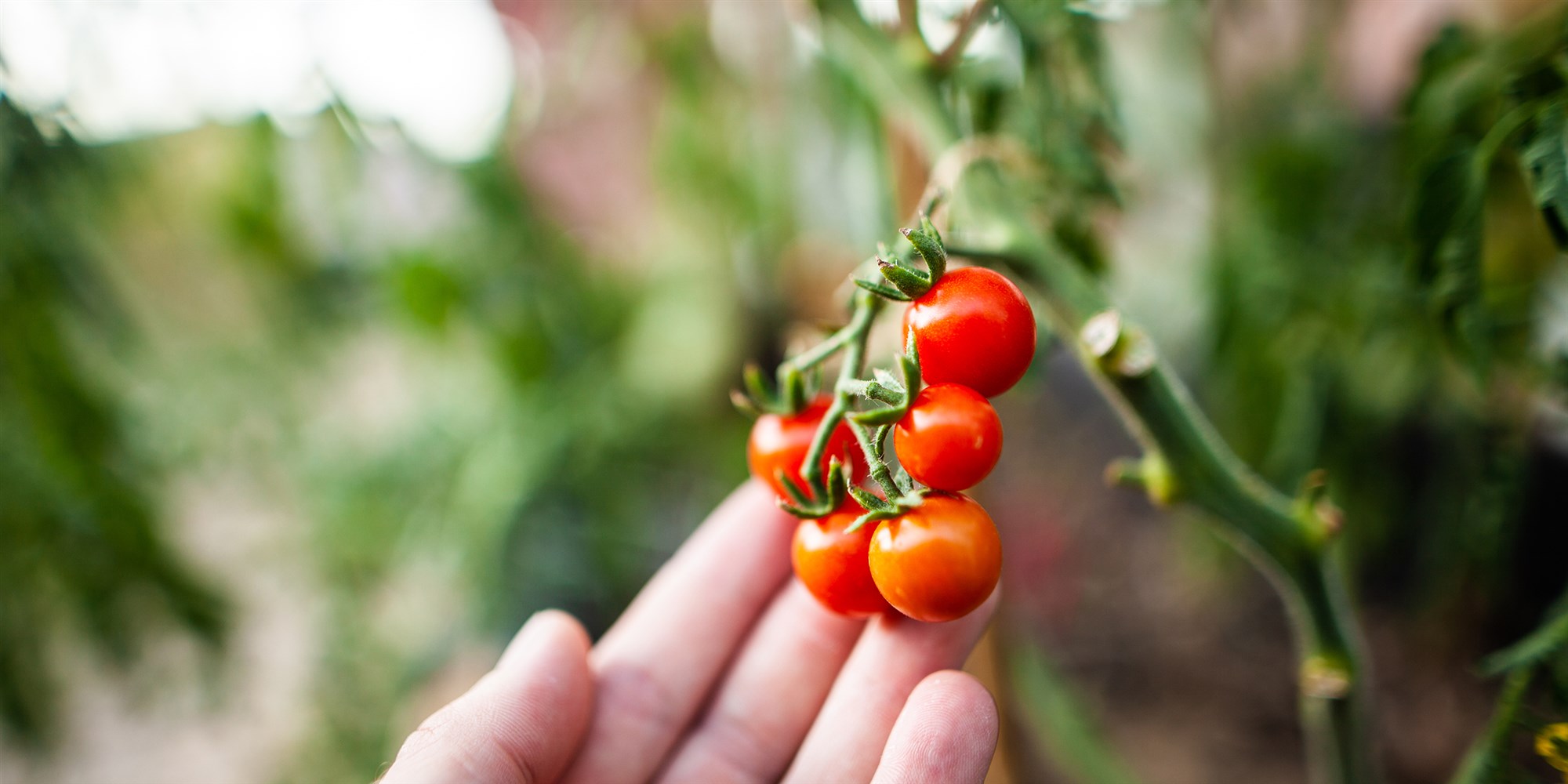
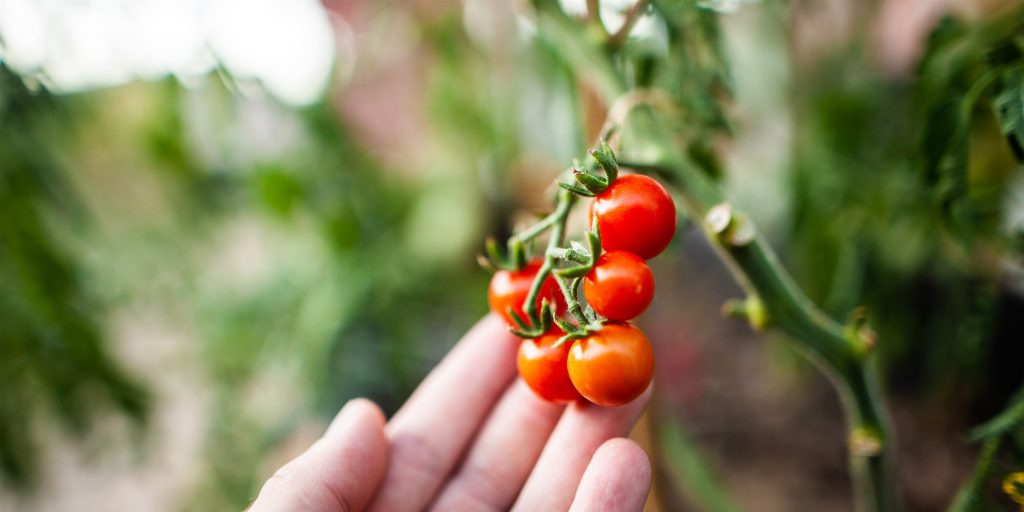
While building a sandwich, have you ever thought to yourself, “Wouldn’t it be nice if I could just pluck my own tomatoes off the vine to slice up and pile on this, Ina Garten-style?”

There’s no better time than now to get started with seedlings or small plants — which you can pick up at your local farmers market or plant store — and enjoy the fruits, so to speak, of your labor. When planting, wait until after the last frost of the season. If cooler weather is looming, cover pots with burlap sacks or frost cloth for protection, or bring them indoors. The best times to plant tomatoes are early in the morning or late in the day so the plants aren’t exposed to the hot sun right away.

WATCH THE VIDEO & READ THE FULL ARTICLE AT: https://www.today.com/food/how-grow-tomatoes-gardening-tips-tools-t184555

The indoor farm revolution – NASA INSPIRED

NOTE FOR 2020 READERS: This is the eleventh in a series of open letters to the next century, now just 80 years away. The series asks: What will the world look like at the other end of our kids’ lives?

Dear 22nd Century,

For all the pain, grief and economic hardship the 2020 coronavirus pandemic has sown, a handful of green shoots seem to have taken root in its blighted soil.

Green being the operative word, because many of these developments could be a net positive for the planet. In lockdown, many of us are seeing what our cities look like without smog. Office workers are experiencing office life without the office; just last week, Twitter announced that most of its employees could work from home forever, while much of Manhattan is reportedly freaking out about what could happen to commercial real estate. Thousands of companies just discovered they can still function, and maybe even function better, when they don’t chain employees to desks or force them to make a soul-crushing, carbon-spewing commute 10 times a week.

READ THIS FULL ARTICLE: https://mashable.com/feature/indoor-garden-farming-grow-your-own-food/

Doctors Are Now Prescribing House Plants for Anxiety and Depression

Thanks to science we now know that nature is basically a wonder drug. Spending time outside helps hospital patients recover faster, eases depression and anxiety, boosts the immune system, reduces blood pressure, and even increases happiness. The only trouble with trees is that it is impossible to prescribe in pill form.

But while you can’t shrink a tree to the size of a prescription bottle, you can miniaturize nature in the form of potted plants. And for certain patients, British doctors feel that’s a great place to start. Some are actually prescribing houseplants to those suffering from anxiety and depression to help lessen their symptoms.

READ THE FULL ARTICLE: https://www.inc.com/jessica-stillman/doctors-prescribing-house-plants-anxiety-depression.html?fbclid=IwAR0iitcmBZvNORe0umeGJdj0V_BnNvgYsvwmqyt_OMQw7QRGoN3eubE8V_0

Texas A&M undergraduate initiates urban farm on campus

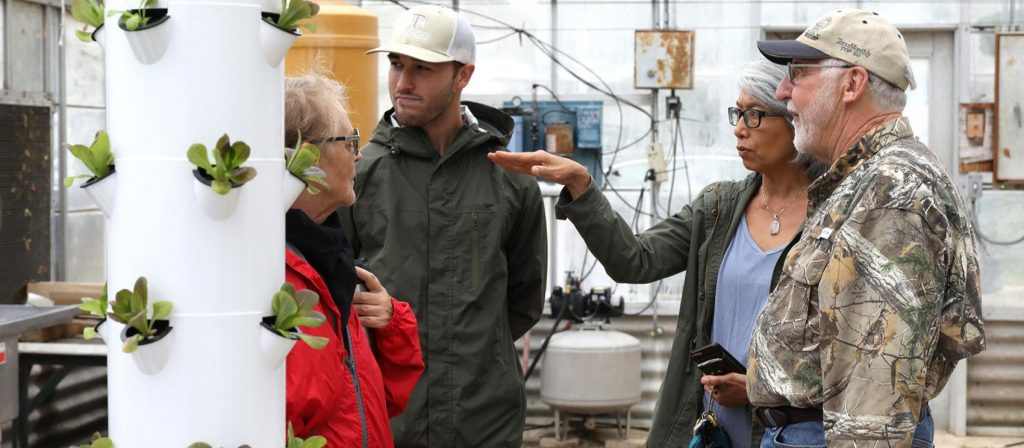
Urban farming comes in many forms, and now one of those, vertical farming, is helping feed students at Texas A&M University.

The project is part of an experiential learning initiative, which is a required part of the curriculum for undergraduates in the Texas A&M’s Department of Soil and Crop Sciences.

The department offers internships and study abroad opportunities to help students meet this requirement. Broch Saxton, one of the department’s December graduates, created his own internship as a student leader and greenhouse project director with Texas A&M’s Urban Farm United, or TUFU.

READ THE FULL ARTICLE: https://www.wacotrib.com/townnews/agriculture/texas-a-m-undergraduate-initiates-urban-farm-on-campus/article_16c8a60e-285b-503f-a422-77cd6deac43a.html

Produce with a purpose: Aquaponics farm employs adults with disabilities

CHEVIOT, Ohio (WKRC) – An unconventional farm is helping it’s westside community in a unique way.

o2 Urban Farms uses aquaponics to grow fresh lettuce. It’s produce with a purpose. The farm employs adults with developmental disabilities to assist in germinating, transplanting and harvesting the produce at its Cheviot facility.

“It’s a wonderful opportunity,” Kevin Potts, executive director of the Ken Anderson Alliance, said.

Urban Farms is working in partnership with the Ken Anderson Alliance while utilizing the facility space provided by Vineyard Westside.

READ THE FULL ARTICLE AT: https://local12.com/news/local/produce-with-a-purpose-aquaponics-farm-employs-adults-with-disabilities

This is where the food of the future will be grown

On a cold, blustery day while bare tree branches sway in the winter wind, vibrant, leafy salad greens packed with nutrition and bursting with flavor are flourishing at FreshBox Farms, an indoor vertical farm — where it doesn’t matter what the weather is outside — in Millis, Massachusetts, about 30 miles southwest of Boston.

With the world’s growing population expected to exceed 9 billion by 2050, the U.S. Department of Agriculture sees indoor vertical farms — which can operate year-round — as having potential in addressing food security. In a vertical farm, crops are grown in vertically stacked layers to save space and in a climate-controlled system to optimize growing conditions.

FreshBox Farms, which has been operating since 2015, joins a growing number of indoor vertical farms that have been sprouting up in recent years and spanning the country. These include 80 Acres Farm in Cincinnati,  which claims to be the world’s first fully automated indoor farm, all the way to the West Coast, where kale, tatsoi, beet leaves, arugula and mizuna greens thrive at the California-based Plenty.

READ THE FULL ARTICLE: https://thehill.com/changing-america/sustainability/environment/475977-vertical-farms-grow-the-food-of-the-future

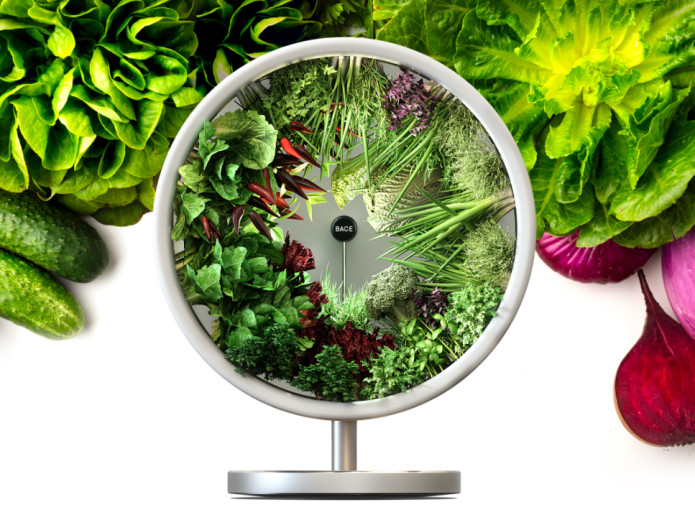
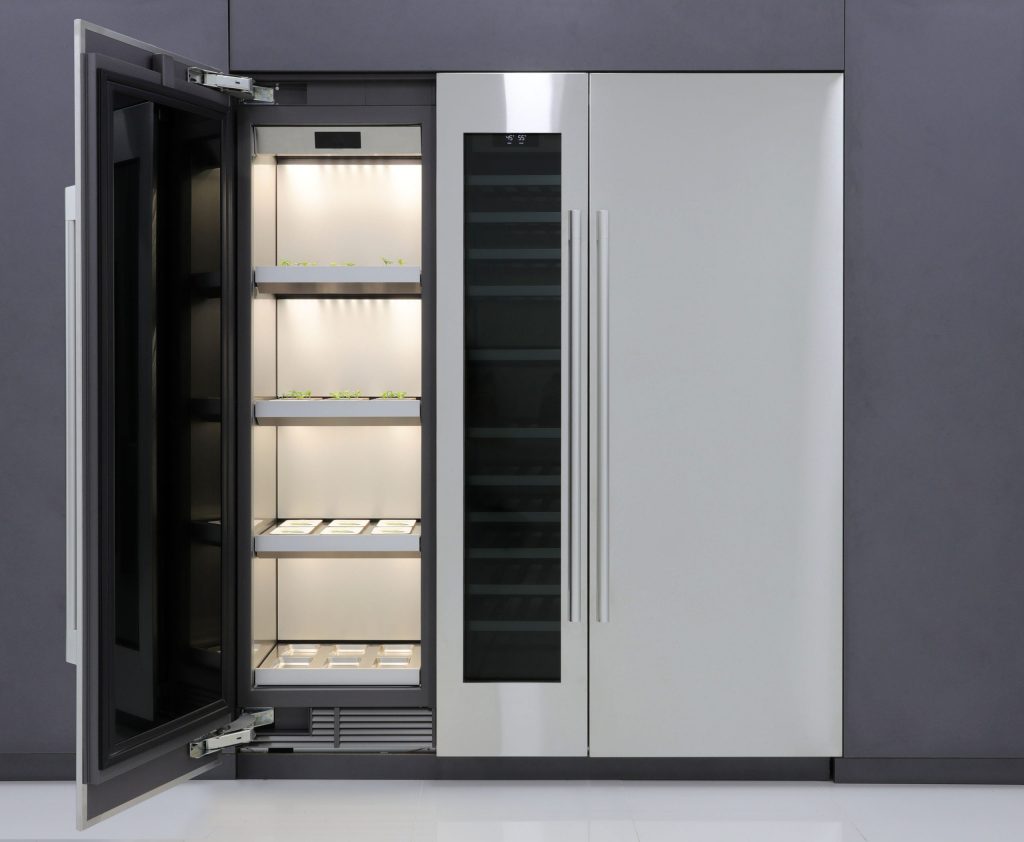
LG Will Unveil an Indoor Farm for the Consumer Kitchen at CES 2020

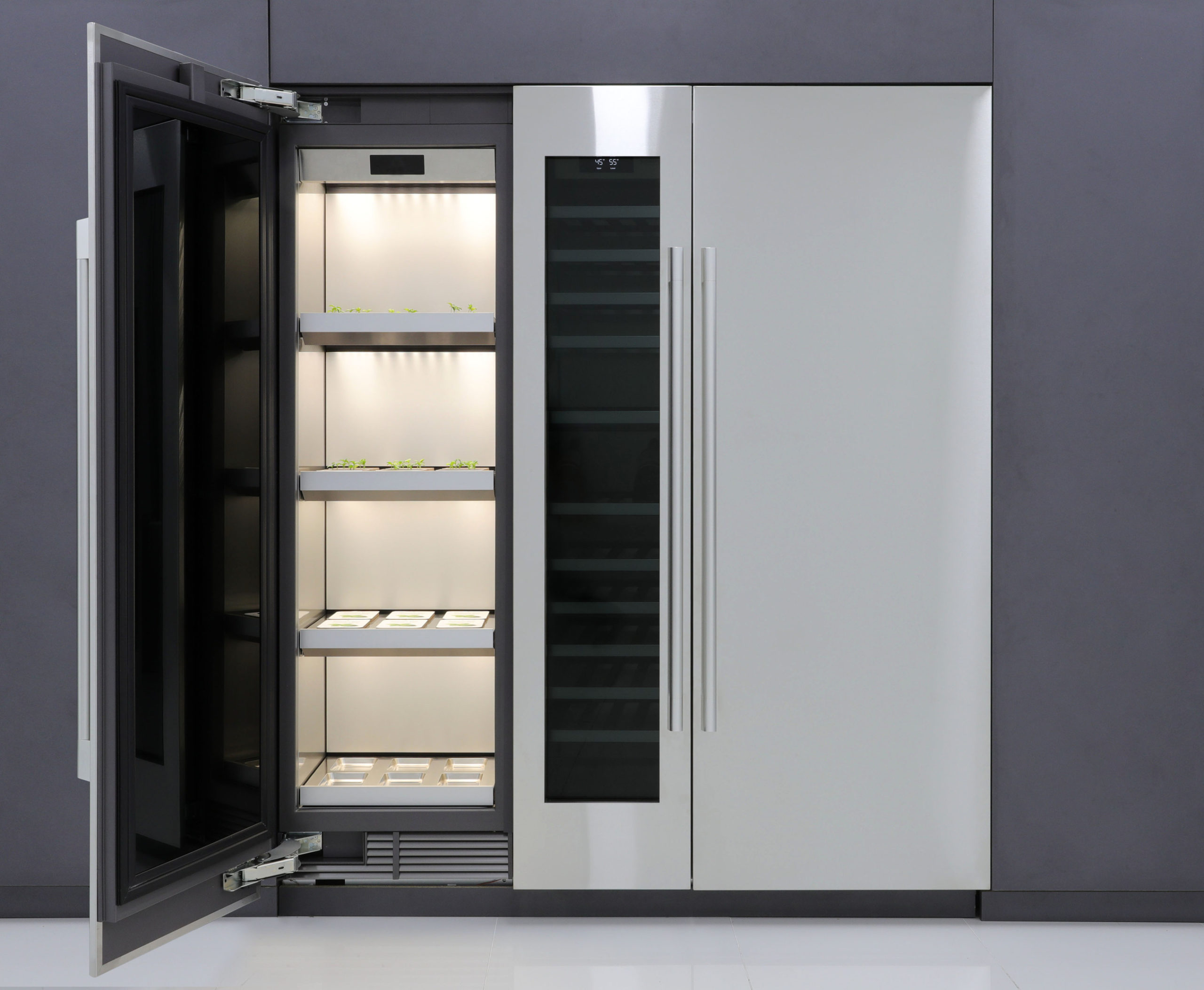
LG Electronics (LG) will unveil an indoor gardening appliance at CES® 2020, its first foray into the booming indoor gardening movement.

With CES right around the corner, the announcements are pouring in for new gadgets and products to be on display at the Las Vegas show, including those that will change the way we cook, eat, and think about our food.

Appliance-maker LG is the latest. The company announced this week it will unveil a smart gardening appliance for the consumer kitchen at CES 2020, one that uses advanced lighting, temperature, and water control to let consumers grow greens year-round inside their kitchens.

The as-yet unnamed appliance takes many of the functions found in commercial-scale indoor farming and applies them to a device specifically made for the average consumer. Software, controlled via the user’s smartphone determines the precise “recipe” of LED lights, air, and water the plants need and when that recipe should change based on the time of day. The goal is to replicate “optimal outdoor conditions by precisely matching the temperature inside the insulated cabinet with the time of day,” according to the announcement from LG.

READ THE FULL STORY: https://thespoon.tech/lg-will-unveil-an-indoor-farm-for-the-consumer-kitchen-at-ces-2020/

Company investing $42 M for world’s largest indoor farming facility in Pittsylvania Co.

DANVILLE, Va. (WSET) — The world leader in indoor vertical farming has announced it is investing $42 million to build in Pittsylvania County, creating more than 90 jobs.

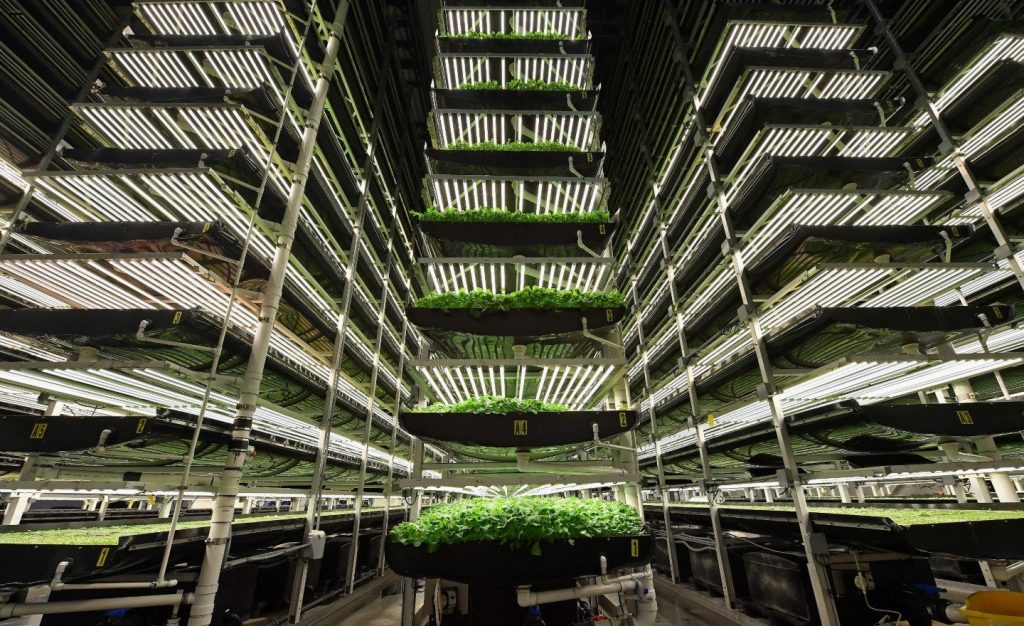
AeroFarms builds and operates environmentally responsible farms throughout the world to enable local production at scale and nourish communities with safe, nutritious, and delicious food.

“We defy traditional growing seasons by enabling local farming at commercial scale all-year round. We set a new standard for traceability by managing our greens from seed to package. And we do it all while using 95% less water than field farmed-food and with yields 390 times higher per square foot annually,” their website reads.

Their technology provides the perfect conditions for plants to thrive.

AeroFarms uses proprietary aeroponic growing technology to produce highly flavorful leafy greens at a rate 390-times more productive than field-grown plants.

READ THE FULL STORY: https://wset.com/news/local/company-investing-42-m-for-worlds-largest-indoor-farming-facility-in-pittsylvania-co

Central Oregon Food Pantry Creates Its Own Indoor Garden

A new nonprofit organization in Bend that focuses on urban gardening is partnering with The Giving Plate to build a garden inside the food pantry. Growing vegetables directly in the food pantry would be a first for Central Oregon.

The new organization, Around the Bend Farms, plans to build a hydroponic garden, which creates a controlled environment to grow vegetables indoors without soil. It will allow The Giving Plate to offer fresh vegetables on-site and year-round, said Ranae Staley, executive director at The Giving Plate.

“It’s a farm-to-table right inside our facility,” Staley said.

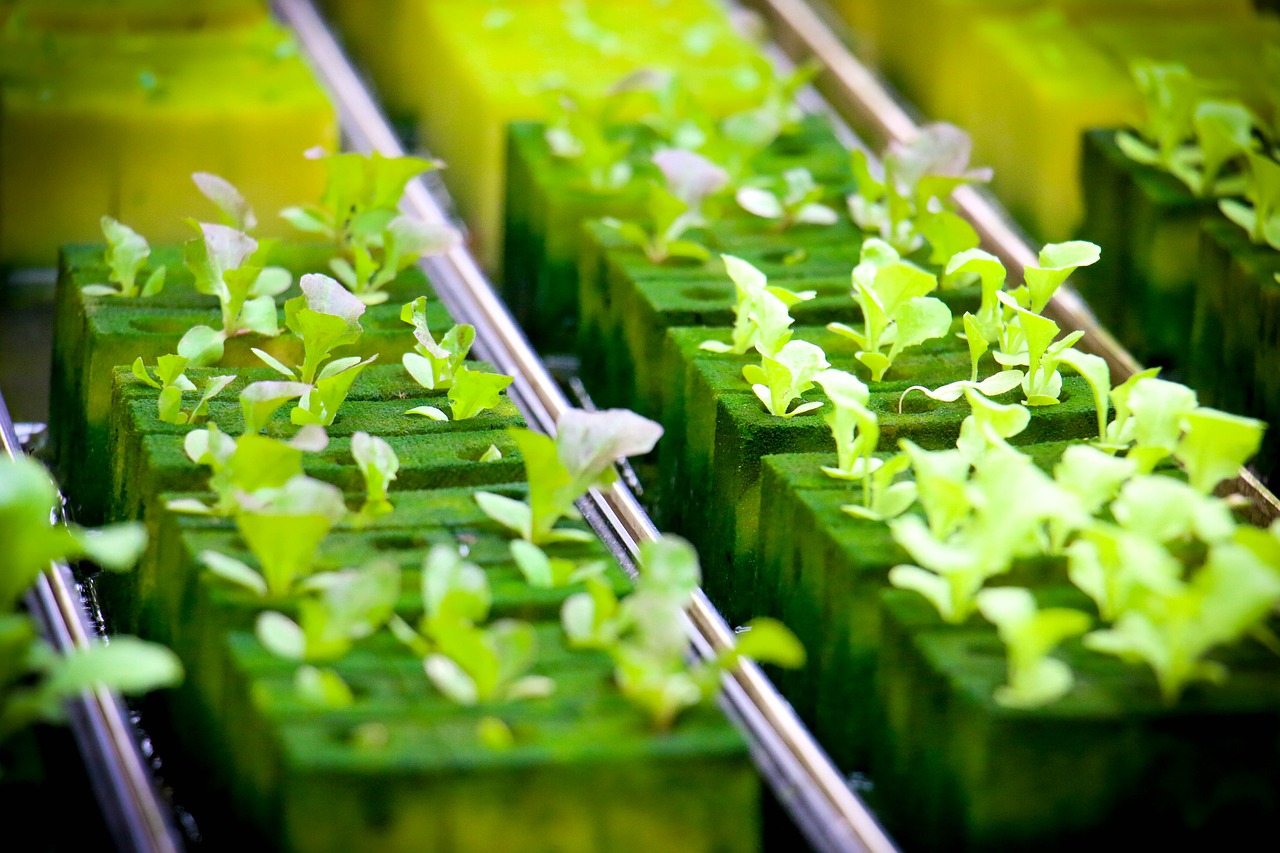
Plants grown in hydroponic gardens grow in water, not soil. Nutrients are dissolved in the water, which allows the plants to grow much faster. Among their advantages: Plants can be grown indoors, year-round and more of them can be put in a given area than a traditional soil garden. And there’s no weeding.

The Giving Plate and Around the Bend Farms are trying to raise $15,000 to design and build the indoor garden. So far, the organizations are $11,000 away from their goal.

READ THE FULL ARTICLE: https://www.bendbulletin.com/localstate/bend-food-pantry-creates-its-own-indoor-garden/article_290061d2-2839-11ea-a617-df1993c5596c.html

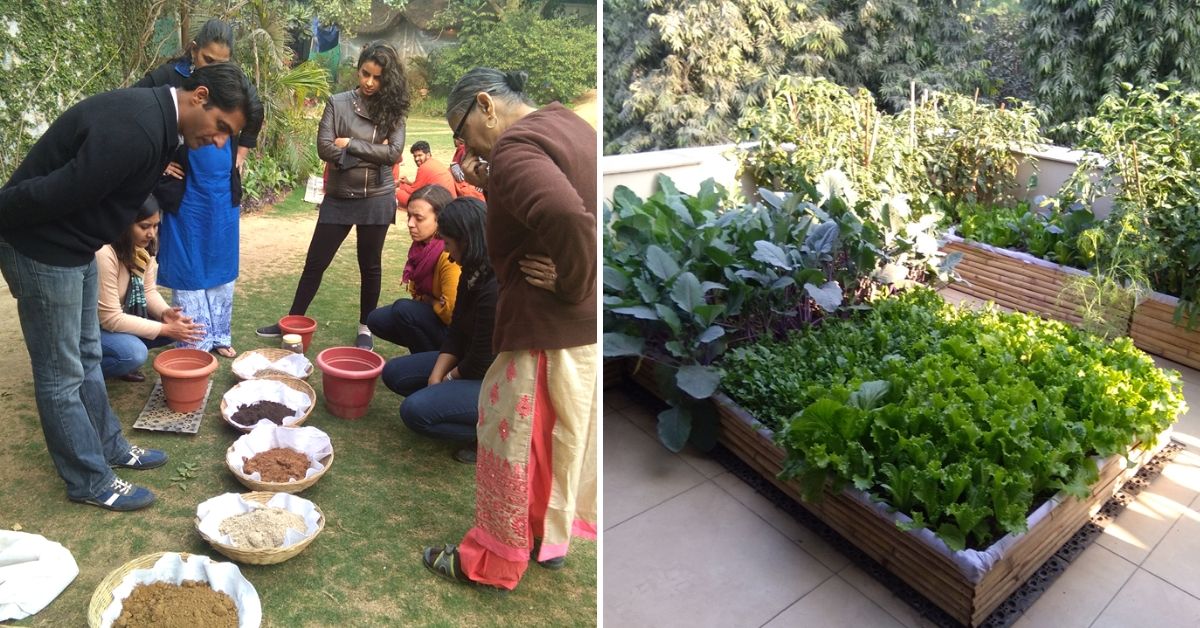
Delhi, Techie-Turned-Farmer Will Get You Growing Air-Cleaning Plants in Just 2 Hrs

Kapil Mandawewala had a cushy job in a leading IT firm in San Francisco, USA. The position of a Senior Consultant at Deloitte Consulting meant that Kapil had easy access to all the luxuries he wanted. And yet, something pricked at him. Kapil wanted to pursue something that will bring a positive difference in society.

Always conscious about his health, diet, and lifestyle, Kapil decided to leave the well-paying job in favor of starting organic farming in India to suit his goals. His family owned a 22-acre farm in Gujarat, thus he shifted base to his hometown. Instead of continuing with chemical farming on this vast patch of land, he cultivated wheat, rice, millet, and vegetables organically.

For the first couple of years, Kapil faced losses in lakhs. But his perseverance soon reaped rewards. This invoked the curiosity of people from far and wide. Especially Delhi.

READ THE FULL STORY: https://www.thebetterindia.com/201872/delhi-smog-solution-how-to-grow-indoor-plants-air-clean-weekend-workshop-lifestyle/

Growing Food Security In The North

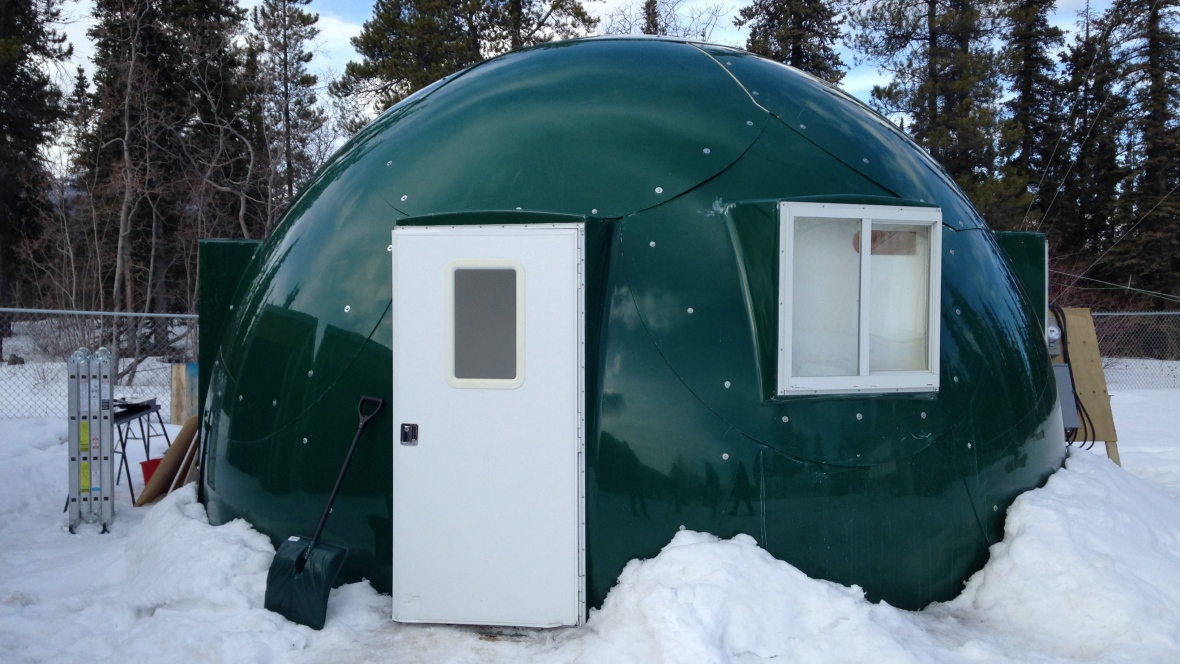
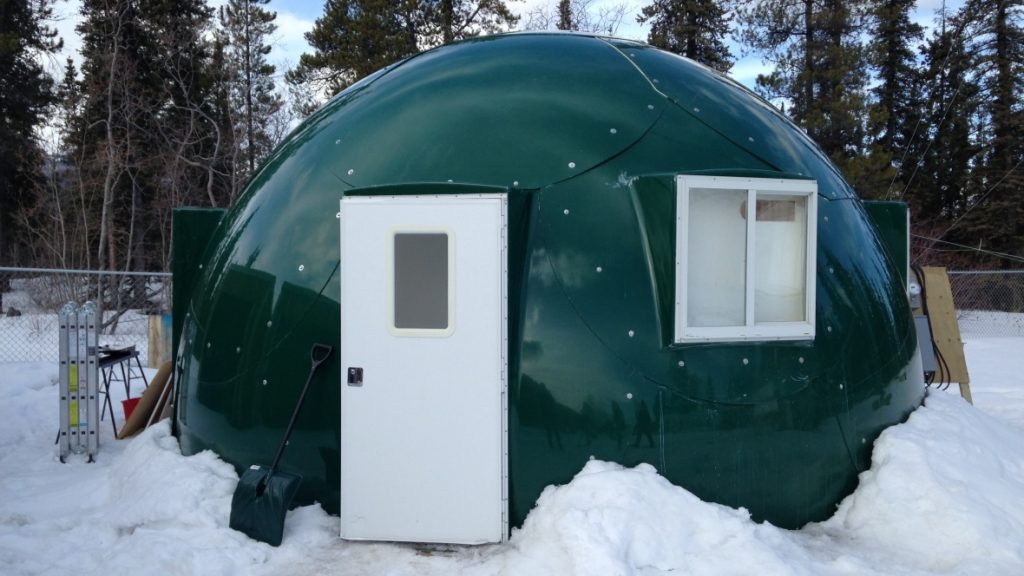
Setting up a garden in a cold climate zone is not that easy. Plants need sunlight and warmth in order to grow, so living in a cold area means you need to make an effort to have a healthy garden. Or you can just follow in the footsteps of this Yukon inventor, who created an off-the-grid greenhouse named Agridome. With the help of this invention, you can grow fresh fruits and vegetables all year round, even if you live in a cold area with endless winter. The Agridome is the invention of Glenn Scott with Yukon College’s Cold Climate Innovation and what he created is an energy-efficient vertical garden.

“Food security is an important issue in the North and we are committed to supporting innovative and affordable technologies to grow our food”, said Stephen Mooney, Director, Cold Climate Innovation, Yukon Research Centre. “The Agridome is like none other and we look forward to working with AgriArctic to develop a product that works for Northerners with the potential of commercialization”, said Mooney.

READ THE FULL STORY: http://www.goodshomedesign.com/growing-food-security-in-the-north/?fbclid=IwAR1uGjVsS39xTjoH9QdNudhzCyx1orSlkUwkZDxDeeLhN_t8GsEF4jBu9oM

How Urban Farming With Hydroponics Can Help Feed the World While Saving Water

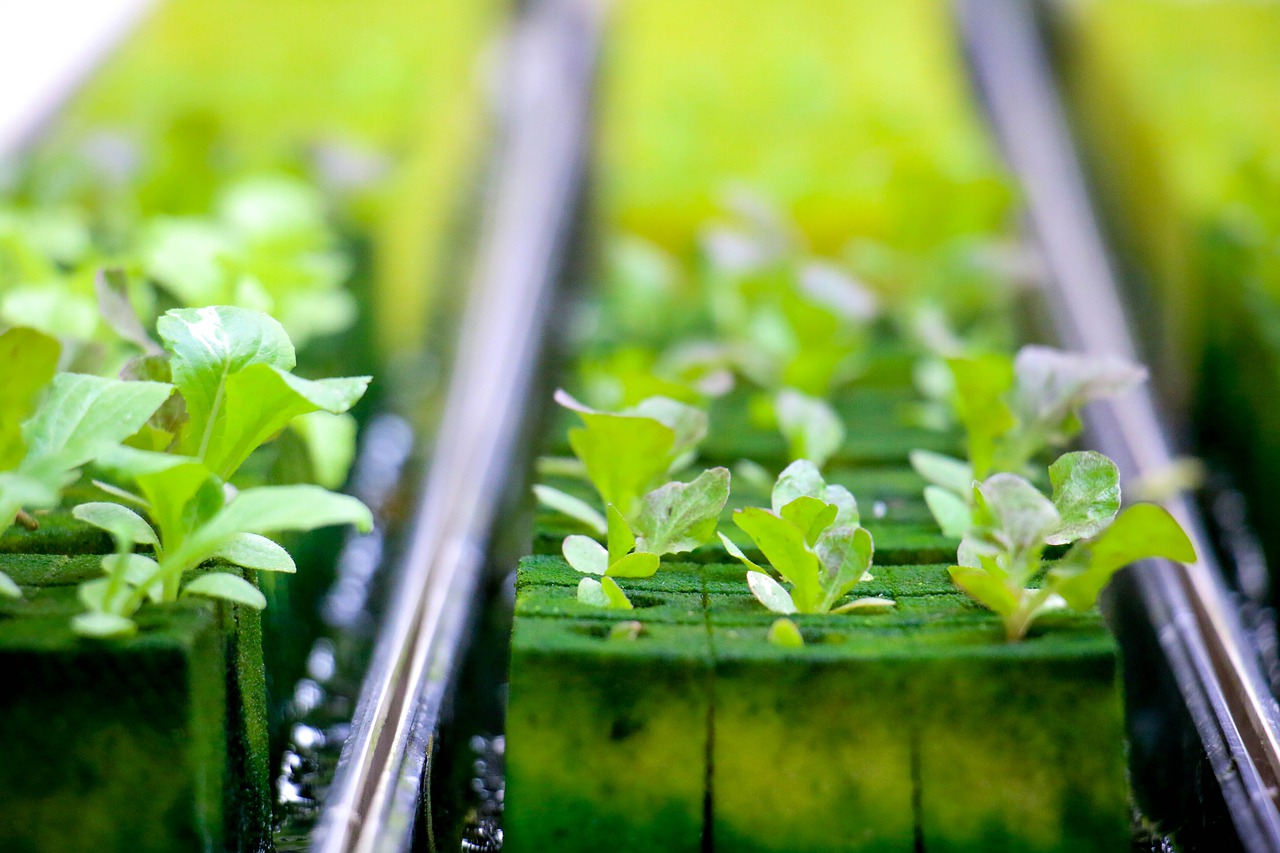
Unlike a traditional farm, the sprouting plants here grow without soil. They flourish atop vast racks with water trenches running through them that are slightly angled so that gravity helps the irrigation water shuttle around the closed system, instead of using energy-sucking pumps to move water around. Nutrients that the plants need are dissolved into the water, which comes from the local municipality’s supply. Any water runoff is purified, nutrient re-enriched, and released back into the channels.

The crops here grow year round and under relatively little stress, because conditions in the greenhouse, including the amount of sunlight and the temperature, are monitored closely by sensors. Water evaporation is also minimal.

READ THE FULL ARTICLE https://weather.com/forecast-change/marketing/news/2019-10-07-urban-farming-hydroponics-help-feed-world-saving-water