
See the Zoo That’s Feeding Animals from the Ground Up with Vertical Gardens

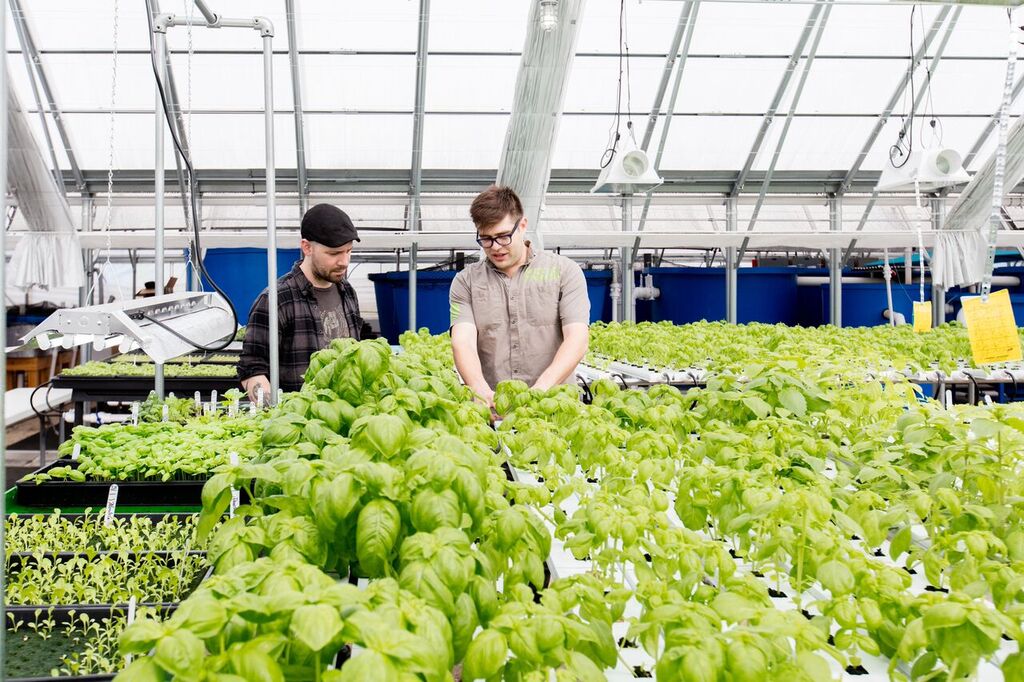
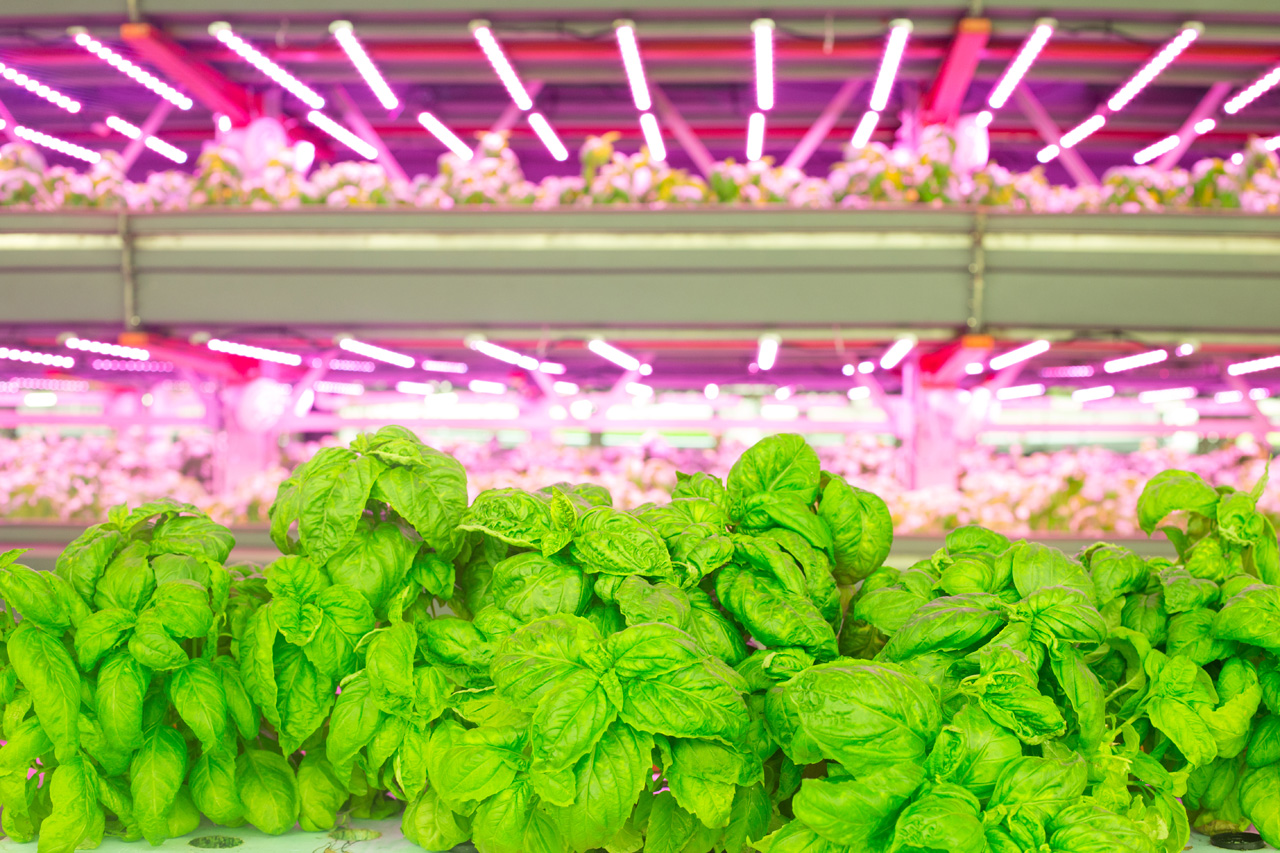
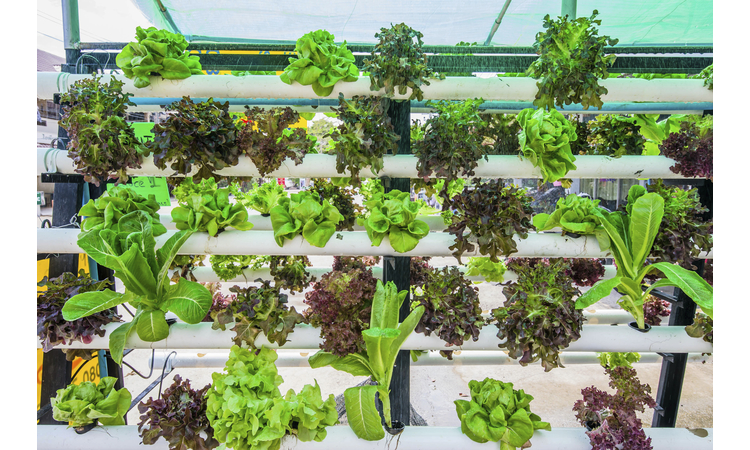
Organic hydroponic vegetable cultivation farm

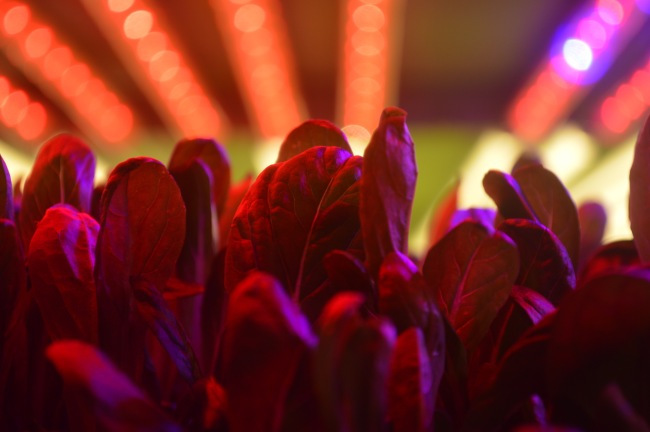
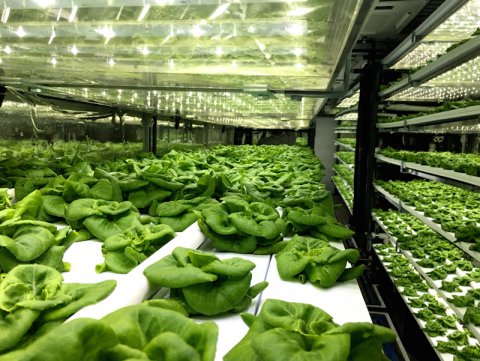
A Zoo in England now uses vertical farming systems to help feed it’s 2,000 animals. Growing food for the animals at the zoo has several advantages. By using hydroponic methods there are no weeds, or soil-borne pests. The produce will also have no toxic pesticides, be grown with less water, and the yields will be of top quality.

“The zoo’s hydroponic growing system is made up of different layers of crops, including lettuce and spinach. The sun’s rays hit the stacked plants at different points. For example, plants at the top of the stack receive the majority of direct sunlight. Plants at the bottom of the stack receive the minority of direct sunlight.”

To read the rest of the article, visit: “FoodTank.com

Vertical Farming: Growing Greens In The Air

20160912001388_0“Forget sunshine and soil to grow leafy greens and fresh vegetables for health-conscious consumers. A US venture firm is leading a new wave of future agriculture by adopting the latest technology to produce something fresher, safer and more environmentally conscious at the heart of urban spaces.”

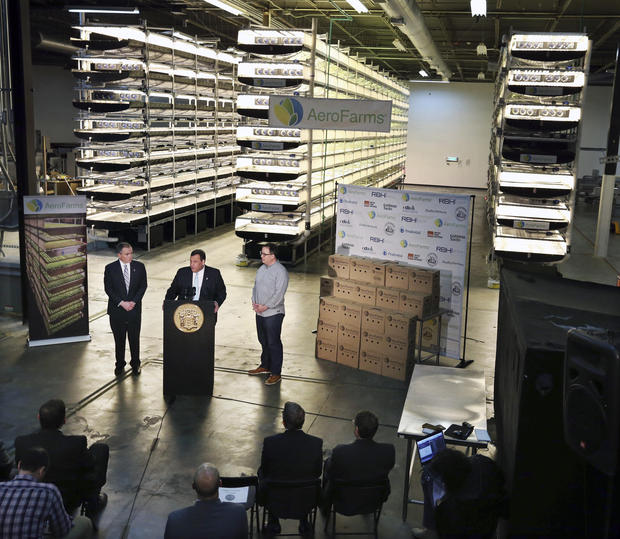
Instead of growing food, traditionally with the use of pesticides and water, AeroFarms is producing greenhouse grown, quality, FRESH food all year round with the use of indoor vertical farming.

This company currently produces an incredible amount of edible greens, which are grown stacked vertically in rows that reach all the way to the ceiling of a temperature controlled environment. Nutrients and lighting are also closely monitored. They use “95 percent less water, about 50 percent less fertilizers and zero pesticides.”

To read the entire article, visit: “KoreaHerald.com

Vertical Farm Grows 65,000 Pounds Of Lettuce In Shipping Containers

local-roots

In Los Angeles, three farms are changing the face of urban farming. They don’t grow food outside, but rather inside of three small shipping containers.

“The startup uses vertical hydroponic farming, a method where plants grow year-round with LEDs rather than natural sunlight.  Instead of soil, the seeds lie on trays with nutrient-rich water, stacked from the floor to the ceilings inside the shipping containers. The containers live inside Local Roots’ warehouse in California.”

The farms are comprised of 3, 320-square foot shipping containers which are able to produce as much food as four acres of traditional farmland.

To read more about these shipping container farms, visit: “BusinessInsider.com

The Farm That Runs Without Sun, Soil or Water

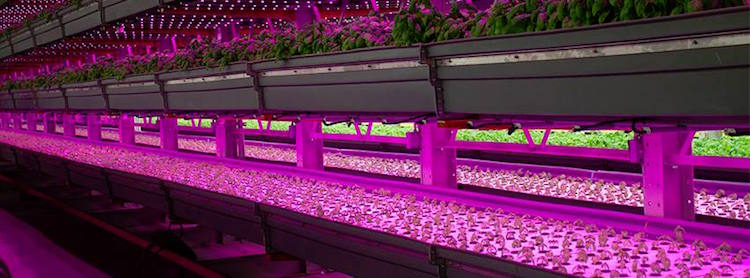
160901122440-aerofarms-led-bright-purple-resized-exlarge-169

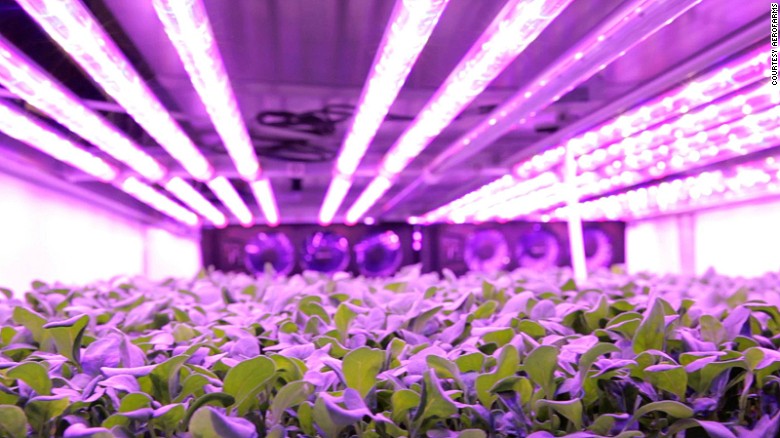
Growing food without sun, soil and almost no water? This is the new reality in urban farming. The world’s largest and possibly even the most sophisticated indoor urban farm is using 95% less water than a conventional outdoor farm.

“Set to open in September in Newark, New Jersey, the 69,000-square-foot farm will be hosted in a converted steel factory. It combines a technique called “aeroponics” – like hydroponics, but with air instead of water – with rigorous data collection, which will help these modern farmers figure out optimal conditions for growth.”

To read more about Aerofarms, visit: “CNN.com

Urban farm plants roots near Las Vegas Strip, partners with local chefs

Near the Las Vegas Strip, you’ll soon find a hydroponic farm taking up a 3 acre parcel of land. The project will be called “Urban Seed”, and it will provide fresh produce to local chefs near The Strip.  Chefs in the area will have a choice of over 20+ varieties of herbs and vegetables to harvest for their famous Las Vegas culinary dishes.

To read the entire article, visit: “News3LV.com

A Guide to Hydroponic Gardening – Get the Facts!

Pros-and-Cons-of-hydroponic-farming

Pros and Cons of Hydroponic Farming

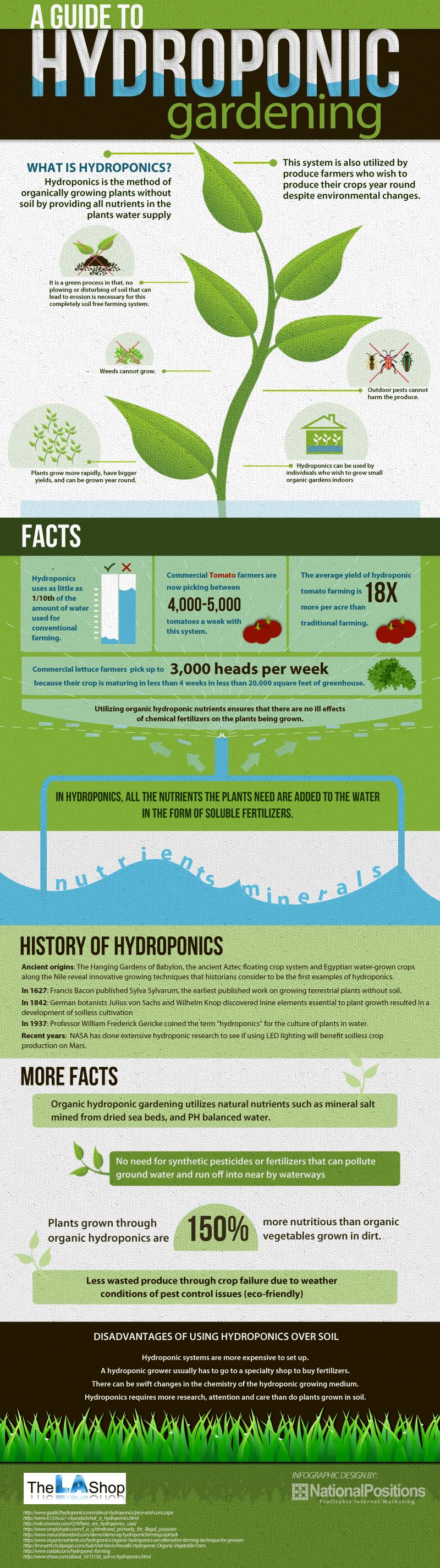
“Hydroponics can be a great alternative for the farmers who want to produce their crops round the year despite the environmental changes. The use of organic fertilizers in the hydroponic farming ensures that there will be no ill-effects of the chemical fertilizers. No doubt, the innovative concept has various advantages but the initial set up of the system is relatively expensive.” –source: Graphs.net

Israeli Brings Urban Gardening to Harlem Kids

SeedStreet_2CreditNickSmithA new urban farm has sprouted up in Harlem “the northern Manhattan neighborhood synonymous with New York City’s African-American culture”.  A woman with strong hometown roots in Israel, had the goal to supply her community with organic and locally grown produce.

Children from her community are now planting hydroponic vegetable gardens inside of repurposed, old shipping containers.

“Israel was out of necessity forced to innovate agriculturally and generate its own food sources, and became a leader in agriculture innovation,” she says. “As a result, it has a much more natural cohesive ecosystem and way of being. People are already eating directly from the farm. That’s really beautiful, but it makes hydroponic farming a more difficult market to penetrate in the mainstream.”

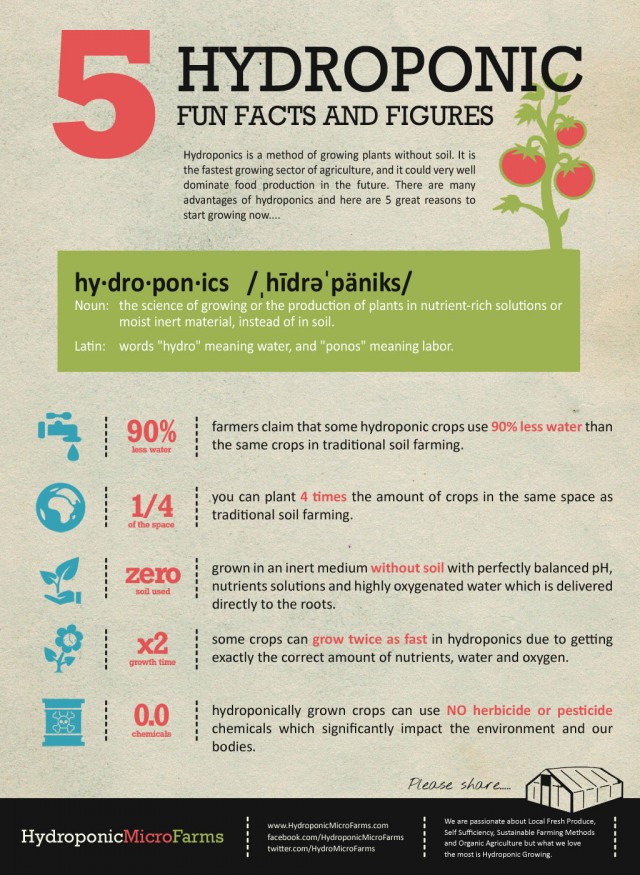
Growing hydroponically requires about 90 percent less water, takes up less space, and can produce more than growing in tradition soil.

To read more about this project, visit: “TheTower.org


A NEW SEED CLUB – Fully Customized Around YOU!

final seed club
Don’t wait, join the new Urban Organic Gardener’s Monthly Seed Club now! MUST JOIN BEFORE JULY 4th at 11:59pm PST to receive the next shipment. Sign up now at: https://urbanorganicgardener.cratejoy.com

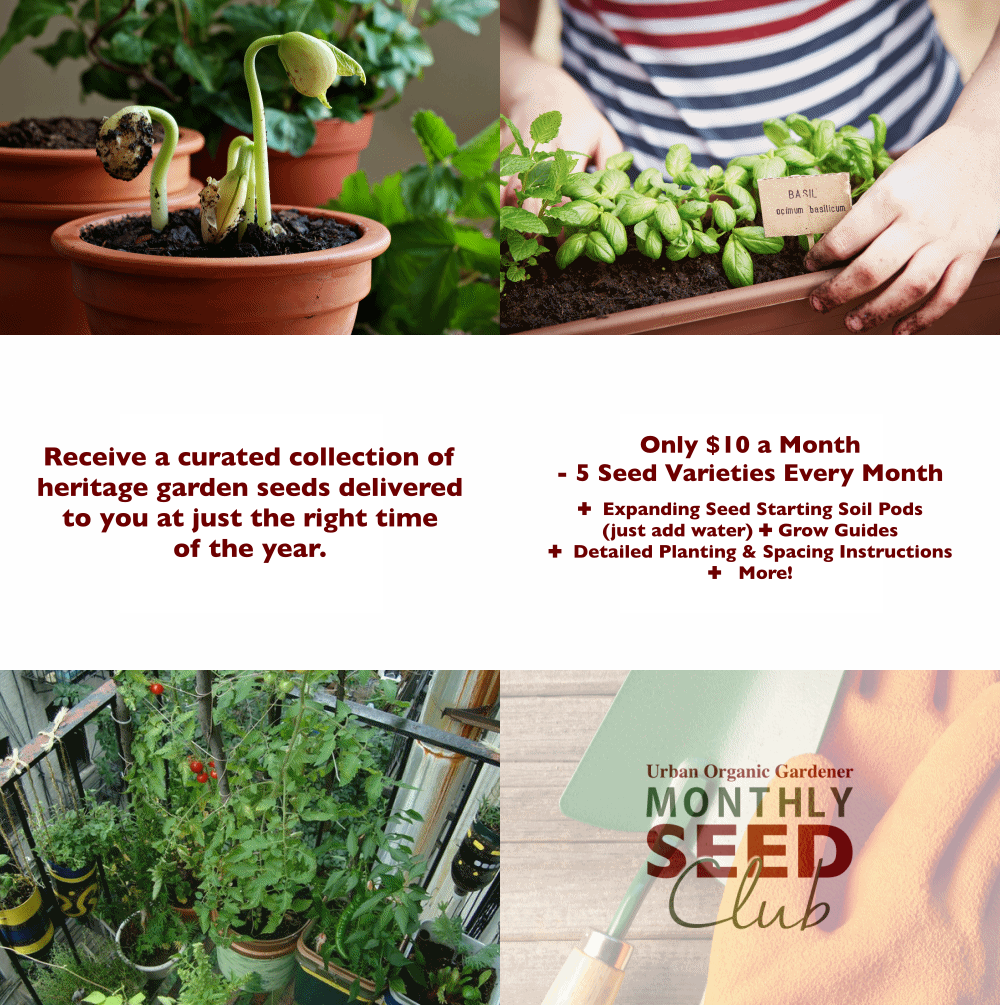
For $10/month our garden experts will build a custom curated collection of seeds & garden supplies designed around you – your grow zone – garden space – and your preferences.

Includes everything you need to grow 5 new edible plant varieties every month – varieties can include herbs, vegetables, flowers, sprouts, micro-greens, bulbs, and more!

Join the rest of the UOG community and get growing now! We promise to make this a great experience for you and your family.

This City Is Home to 820 Urban Farms and Quickly Becoming America’s Urban Ag Capital

farmedhere

The Windy City has quickly become one of the country’s TOP urban agricultural cities with over 821 growing sites spreading across it’s city limits. “From small community gardens to multimillion dollar indoor farms, according to the Chicago Urban Agriculture Mapping Project. Even O’Hare’s Terminal 3 is home to the world’s first airport aeroponic garden.”

To read more about Chicago’s Urban Farming movement, visit: “EcoWatch.com

Join the new Urban Organic Gardener’s Monthly Seed Club

JULY UOG

Don’t wait, join the new Urban Organic Gardener’s Monthly Seed Club now! Must join before July 4th at 11:59pm PST to receive the next shipment.

Sign up now at: https://urbanorganicgardener.cratejoy.com

For $10/month our garden experts will build a custom curated collection of seeds & garden supplies designed around you – your grow zone – garden space – and your preferences.

Includes everything you need to grow 5 new edible plant varieties every month – varieties can include herbs, vegetables, flowers, sprouts, micro-greens, bulbs, and more!

Join the rest of the UOG community and get growing now! We promise to make this a great experience for you and your family.

Urban Farming Highlights Agriculture’s Imagination

unspecified

Metropolitan Farms has been around since 2015 and contains roughly 10,000 square feet of greenhouses, and aquaculture facilities.  One of the best parts? It’s all taking place in the middle of Chicago!

“Kant calls aquaponic farming a “healthier, more secure and environmentally sustainable food system.” Tilapia is a good low-risk species for getting started, he says – they are relatively hardy and are sociable enough to co-exist safely in tanks. As a bonus, their waste can undergo nitrification and help feed the lettuce crops.”

This facility is producing around 92,000 heads of lettuce, and almost 6,000 lbs. of fish annually.  “Most of the goods never leave Chicago, delivered to local farmers markets, restaurants and grocers.”

To read more about Metropolitan Farms, visit: “AGWeb.com

Why Chicago Is Becoming The Country’s Urban Farming Capital

3059721-inline-3-chicago-farming

Just outside of Chicago, located in Bedford Park, sits a quiet industrial complex & “you might not immediately register that you’re standing in the second coming of the locavore movement.” Inside you’ll find herbs, greens, broccoli, and kale along with massive stacked racks which house hydroponic systems. This urban farm operates nearly 24 hours a day, 365 days a year.

“Laurell, the soft-spoken investor who put up $13 million to help launch the vertical farm in 2011 and leads the investment as a partner in the $50 million clean and biotech investment fund GreatPoint Ventures, is one of the most convincing cheerleaders for Chicago’s urban farming renaissance, particularly for vertical farming—the nascent industry of growing food in environmentally controlled, indoor facilities, where pests, diseases, light, temperature, and humidity can be highly controlled.”

Read the entire article at: “FactCoExist.com


Inside Europe’s Largest Urban Farm

UF002rooftopgarden

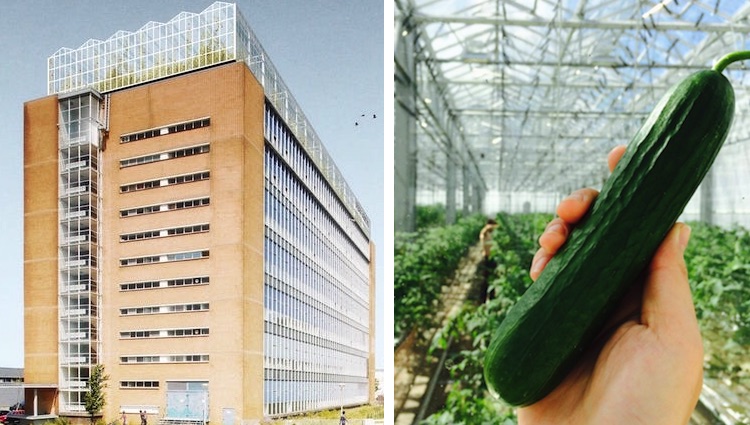
There’s an urban farm in Europe, named the “Times Square of Urban Farming because of it’s downtown prime location within the city.  It boasts a 1200 square foot rooftop greenhouse and a 370 square meter indoor fish farm where they grow tilapia.

“Opening next month, developers estimate that the farm will churn out 45 tons of vegetables such as cucumbers, tomatoes and microgreens and 19 tons of fish a year.”

They hope to deliver fresh produce to a local 900+ families, schools and restaurants.

To read more about this European Urban Farm, visit: “EcoWatch.com

The Farms of the Future Could be Under Water!

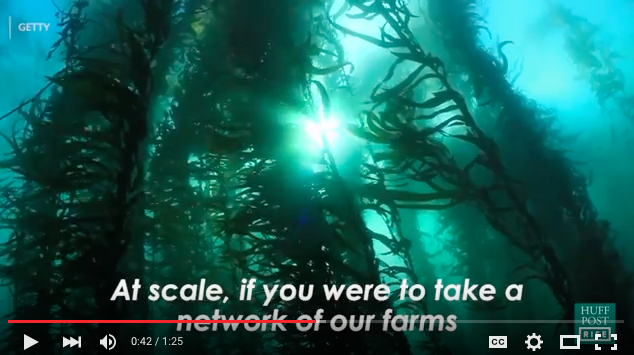
“Underwater 3D farms could revolutionize food production, using previously untapped space to grow kelp, scallops and mussels.”  These types of farms could revolutionize our dinner plates once we begin to explore more edibles that grow in the ocean.


Join the NEW! Urban Organic Gardener, Monthly Seed Club

uogfinal

What’s Included?

5 New & Unique Varieties Every Month  ✚  Expanding Seed Starting Soil Pods (just add water) ✚ Grow Guides  ✚  Detailed Planting & Spacing Instructions  ✚   Bonus Items & Special Offers

We will curate the absolute best seeds known to grow for your exact garden location, preferences, grow zone, and time of the year.

WHAT KIND OF SEEDS WILL I RECEIVE?
We will surprise you with everything from vegetables, culinary herbs, sprouts, medicinal herbs, edible flowers, micro-greens, and more. Our goal is to make growing your own organic garden as fun, healthy, exciting, and as easy as possible.

WHEN IS THE NEXT SHIPMENT?
Shipment occur on the 5th of every month. You will be notified via email as soon as the order has been shipped. Receive instant tracking and delivery confirmation.

Ready to Sign Up? Visit, https://urbanorganicgardener.cratejoy.com/

From Armory to Farmory: A Sneak Peek Inside


You won’t believe what’s happening inside of an old military armory in downtown Green Bay.

“The non-profit group NeighborWorks Green Bay is spear-heading the construction of the Farmory.”

They are looking forward to serving it’s community with locally grown produce such as leafy greens and herbs. Not only that, but they’ll have mushrooms and even fish with their aquaponic set-up.

Read more about the Farmory, here at: “WBay.com


Could The Future Of Urban Farming Be Found Inside Of An Old Shipping Container?

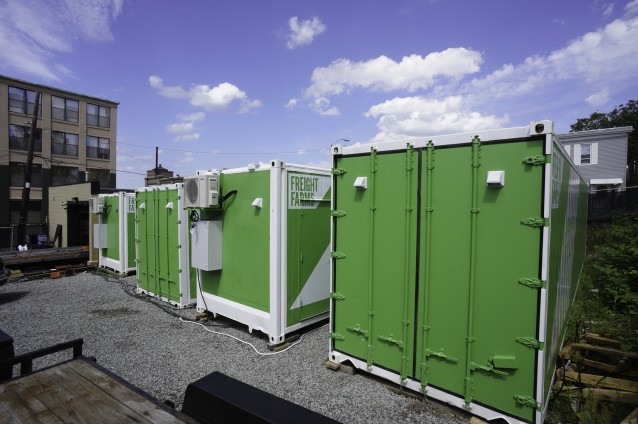
Freight-Farms-Corner-Stalk-638x424“All Freight Farms units are built in repurposed 40-foot insulated shipping containers. Everything from water to the LED lights in the units are digitally controlled, and each unit is also a Wifi hotspot, connected to the network of Freight Farm units across the country.

Today more than 50 farmers are growing produce in refrigerated shipping containers known as “Leafy Green Machines”.  The are functioning mini farms that boast vertical hydroponics and LED lighting systems. The machines “are 320 square-foot self-contained farming units that can grow as much produce as two acres of farmland using less water per day than the average American needs for a single shower.”

To read to full article, visit: “ThinkProgress.org