Germantown Couple’s Legacy Will Live on Forever in Protected Urban Garden

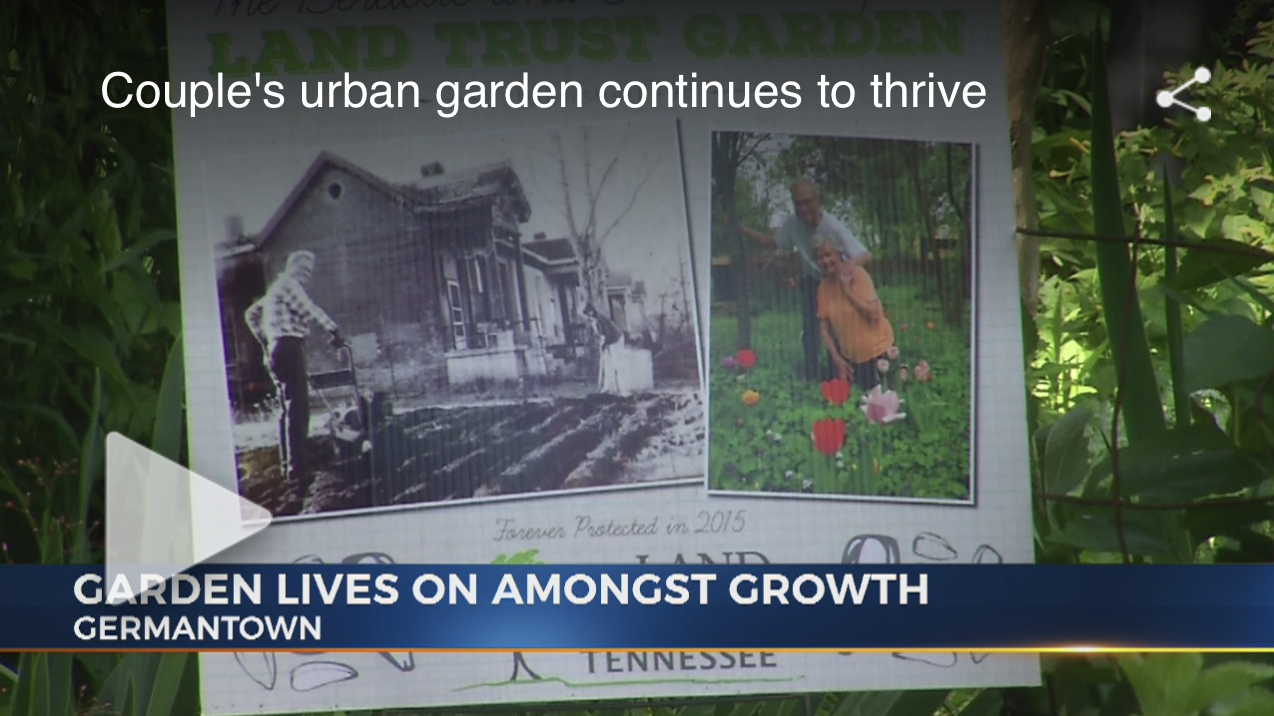
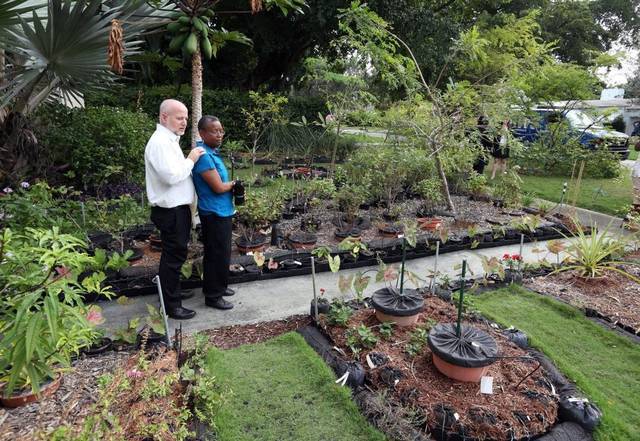
“NASHVILLE, Tenn. (WKRN) – A Germantown couple’s legacy will grow forever, thanks to an agreement that will always protect their urban garden.

When Ernest and Berdelle Campbell left their Belle Meade home and moved to Germantown, they knew an urban garden would be a part of their retired life.

Now, more than 30 years later, that garden is still thriving and thanks to the Land Trust for Tennessee, its future is forever.”

READ THE FULL STORY at: “WKRN.com

CropSwap – A New App That Lets You Trade Fruits and Vegetables, Locally!

cropswap
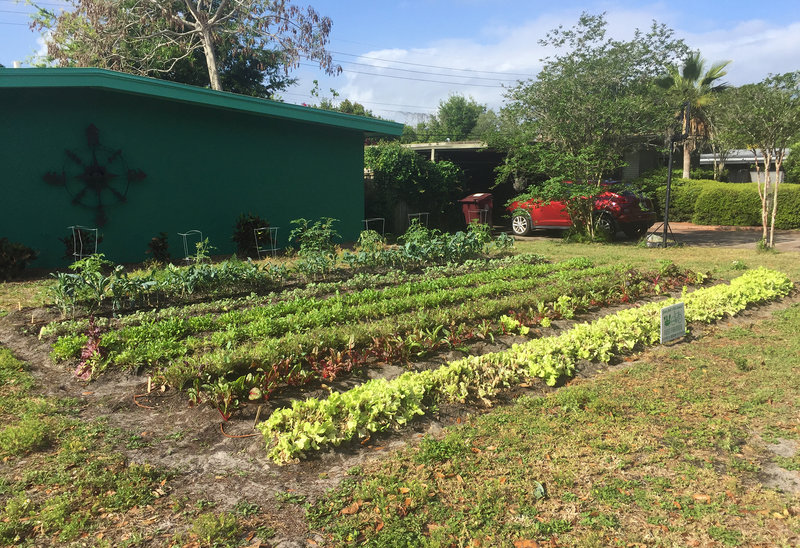
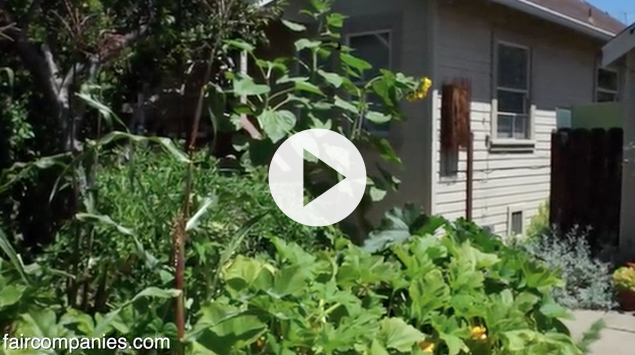
“In this episode, you will get a tour of the front yard and back yard of this residential tract home lot. You will discover what is growing and John will share his tips and tricks along the way. You will learn how you can improve how you are growing in raised beds to grow more food in less space.

You will also discover the secret to composting in a 3 bin pallet pile system and learn about the one perrenial vegetable you must grow that can grow more food than a whole 4’x4′ bed of kale!

Finally, John will interview gardener Daniel McCollister creator of the CropSwap app, which is a new product on kickstarter that helps gardeners “trade homegrown, perfectly ripe heirloom fruits and vegetables in our own neighborhood. Let’s take control of our food system!”

“Our biggest challenge is a behavioral challenge: people are used to shopping in grocery stores. We need to teach people HOW to grow food and show them why creating a localized food system is better on every level.”

f0e484c936776d42c585d44ddea185d8_original
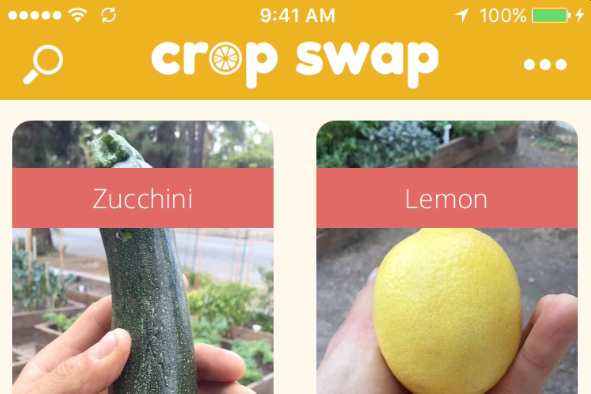
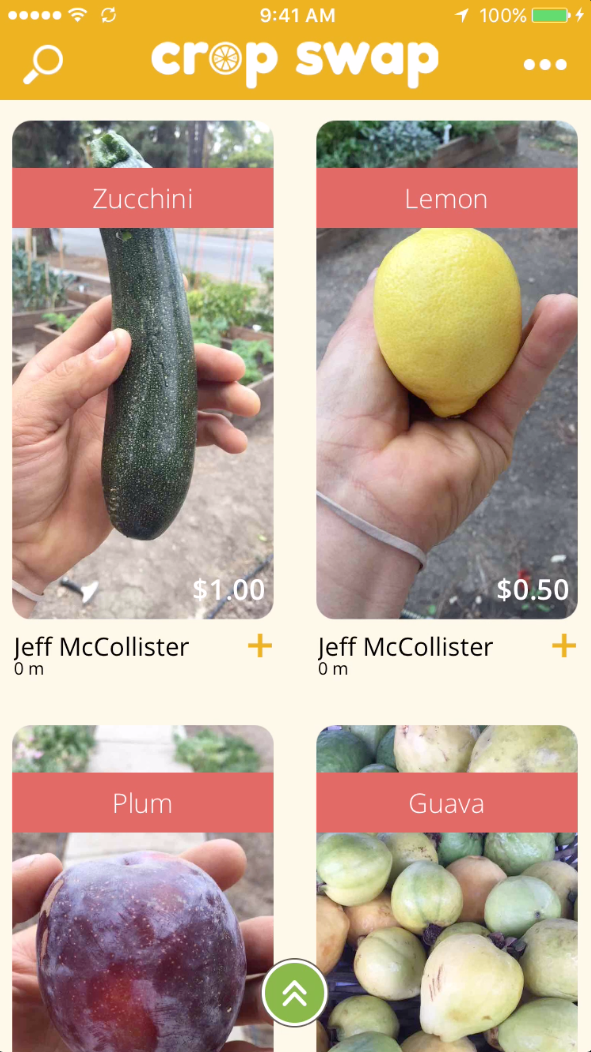
Main timeline of the app. Users can scroll and look at available produce in their neighborhood, click on each item and see a detailed profile about it.


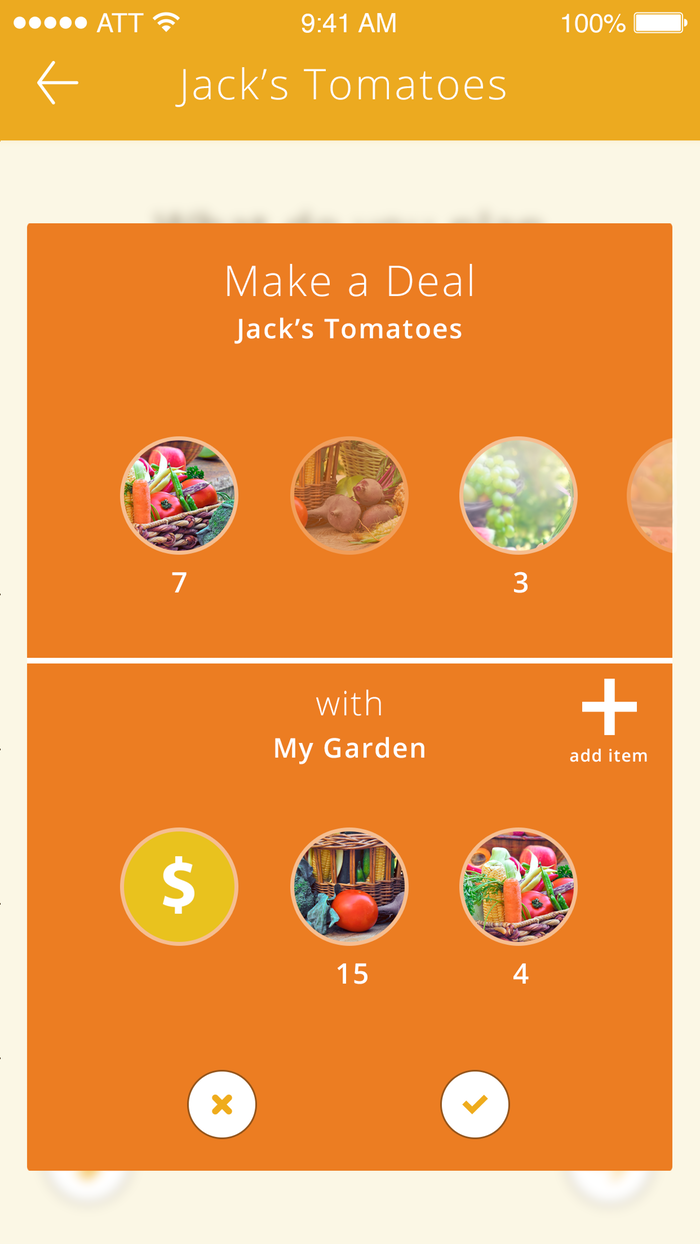
21db15845893ffa813dd59e244bc1b6d_originalTo make a deal, users make offer from their garden and say what they want back. Other user can either approve or make a counter offer until both sides agree.

c9838dabc8d28c20684564e4753dea1f_original

CropSwap confirmed neighbors coming. Scroll through pictures of vegetables your neighbors will be bringing.

Support the Crop Swap app at:
https://www.kickstarter.com/projects/1838993996/cropswap-trade-fruits-and-vegetables-hyper-locally

Follow Daniel McCollister on Instagram:
https://www.instagram.com/gardengraffiti/

Learn about Free Gardening Classes in Los Angeles at:
https://www.meetup.com/GardenGraffiti/

Check out Dan on Facebook:
https://www.facebook.com/gardengraffiti/

Santa Fe Passes Urban Farming Ordinance

If you live in Santa Fe and you have a backyard garden, you can now sell any fresh produce you grow right out of your own home.

“It’s part of the sharing economy,” said Major Javier Gonzales, who sponsored the ordinance. “It’s about expanding opportunity for income for families who want to be in some of the farming business and do our part to remain true to our cultural identity.”

To read the full article, visit: “KOB.com

Man Turns People’s Yards Into Micro Urban Farms; Everyone Benefits

11855638_1631532713790271_5962499757172221136_n
In Lakewood Colorado a new business is taking shape. Business owner Sean Conway is a new kind of farmer. “It just made sense to me to replace grass with things you can actually eat,” Conway said.

“Conway’s business, Micro Farms, will till the soil, plant the crops, weed the crops, prune as necessary and harvest the bounty while the homeowner does nothing. During harvest season, per the agreement between Micro Farms and the homeowner, the homeowner will receive one basket per week full of what has been growing in the garden. The rest Conway takes to a local farmers markets and sells for profit.”

To read more about this story, visit: “KDVR.com

Get Your “Cool-Season” Vegetable Garden Off To a Great Start – Join the NEW UOG, Monthly Seed & Garden Club TODAY!

uog-gif
Last Chance! Must join before November 4th if you’d like to receive a shipment this Month. Shipments go out November 5th. Get seeds & garden supplies delivered to you at just the right time of the year.

🌱Fully customized based on your grow zone – garden specs – sunlight – and more. Get your fall and winter garden off to a great start with a hand-selected, customized selection of seeds for your area and garden type.

🌿Join now: https://urbanorganicgardener.cratejoy.com/

🌱This is the easiest way to grow an organic garden all-year-round with totally raw un-treated GMO-FREE seeds. We will guide you and your family on your way to living a healthier and more self-sufficient lifestyle. Join UOG today and let’s grow something together.

9 Strategies for Growing More Food in a Small Space


Here are nine easy tips for growing more food in a small garden:

1) Grow in Beds, not Rows
2) Optimize Spacing between Beds and Plants
3) Grow Vertically
4) Succession Planting
5) Interplanting
6) Grow in the Shade
7) Grow Edible Plants in the Front Yard
8) Grow Microgreens
9) Grow in Pots & Containers

An All-Volunteer Squad Of Farmers Is Turning Florida Lawns Into Food

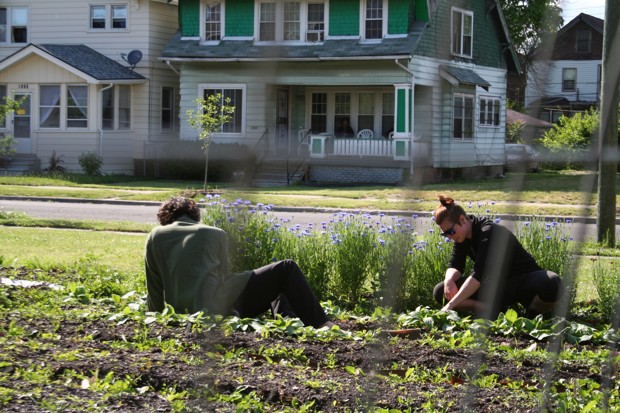
fleetfarming1_custom-d1153632de5bb1cee75cfc521d2e7efb386eab44-s800-c85Florida homeowners are known for having a propensity for upscale, tropical landscapes. They pride themselves on lush green lawns in front of their homes.  One man however, Chris Castro, is turning up the grass in his neighborhood and making mini urban farms.

“His program is called Fleet Farming, and it’s starting off small, with 10 of these yard farms. Most of them sit smack in the middle of the front yard. Lawns are a thing here. Urban farms? Not so much. But so far, no neighbors have complained.”

To read the entire article, visit: “NPR.org

$80,000 on Half An Acre Farming Vegetables – Profitable Mini-Farming with Curtis Stone


“In this presentation you will learn how small scale farming can be used to create a high-income producing farm or improve your current operation.

See how profitable urban farming works as farmer Curtis Stone shows you how he assembled a multi-locational urban farm that grossed $20,000 in its first year and $55,000 in it’s second.

He’ll describe the design of his farm, equipment used, planting plan and target markets.

Though records are not yet kept on how quickly farms can get in and off the ground, Curtis got his farm up and running and generating income in 6 months, which has to be some sort of record. It certainly gives new meaning to the term “fast food”!

Curtis Stone is the owner/operator of Green City Acres, a commercial urban farm based out of Kelowna, BC.

Farming under an acre of land on a collection of urban plots, Green City Acres grows vegetables for farmers markets, restaurants, and retail outlets.”

What Urban Farming Looks Like, Across America

“By the end of the 20th century, nearly 80% of Americans lived in urban areas. And they no longer knew who grew their food. Then something happened. Across America, an urban farming movement has begun. Whether it’s on city rooftops, beside freeway off-ramps, in vacant lots, and even in their front yards, when people like Novella Carpenter in Oakland, California grow food in cities it reconnects them to where their food comes from.”

Paris Allows Anyone to Plant an Urban Garden

paris-greenery

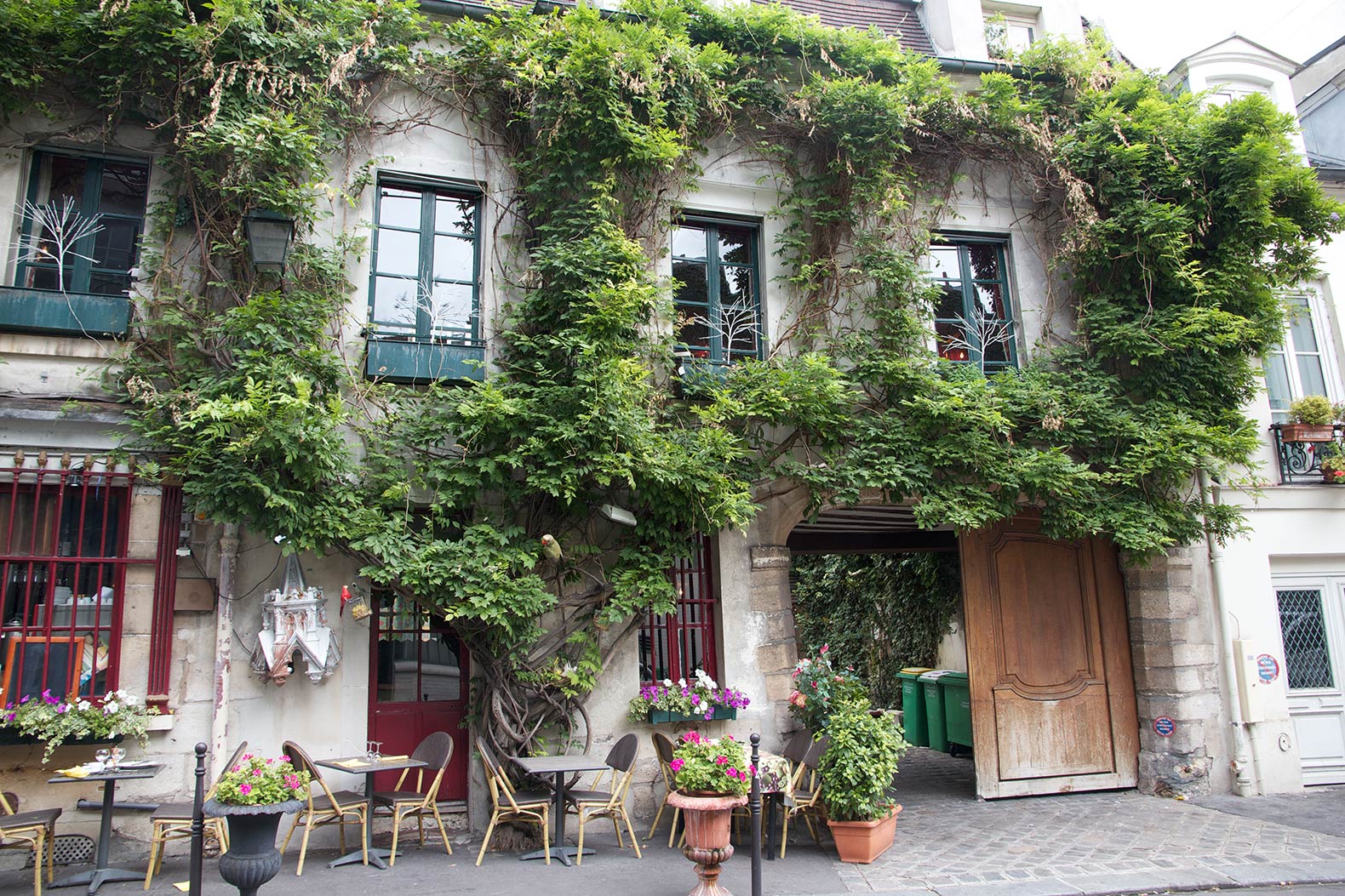
Paris has passed a new law stating that ANYONE is allowed to plant and grow food in urban areas within city limits.  After applying for a permit, gardeners will be able to grow wherever they want! Flower boxes, rooftops, under trees, on walls or even on fences.  Gardeners can choose from flowers, vegetables or fruit.  The mayor’s goal was to create more green areas and living walls by the year 2020 and more space dedicated to urban agriculture.

To read the entire article, visit: “InHabitat.com

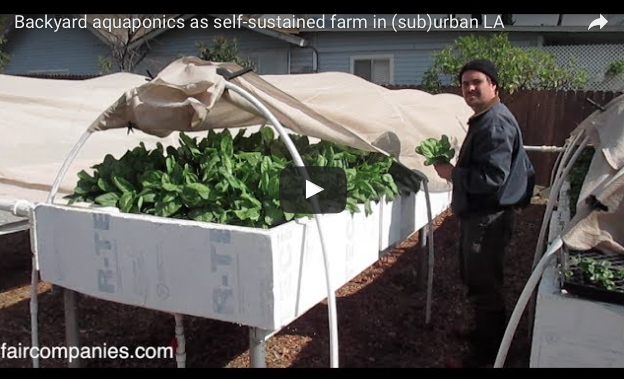
Backyard Aeroponics: Self-Sustaining Farm In Wisconsin

“They knew they had to maximize greenhouse space so they decided to grow vertical and to grow differently. They experimented with hydroponics and finally settled on aeroponics. “So aeroponics is similar to hydroponics using water rather than soil, but it’s mist,” explains Benjamin. “It’s a mist that comes on inside the growing chamber, and it comes on every 3 minutes for 10 seconds, it’s a really high oxygen water that’s hitting that root. The method was actually developed and is being used by NASA because it uses so much less water and the speed of growth is much faster.”

Urban Self-Reliance: Homestead in Oakland’s Small Rented Lot

“Sheila Cassani began farming her rental home while a college student. She started with a small vegetable patch, but it soon spread to keeping chickens and bees and planting produce on nearly every available patch of the small yard not dedicated to the poultry.

Cassani and her partner Matthew wake up at the crack of dawn to let the chickens go free-range, but she says the garden isn’t a lot of work once you’ve put in the initial investment. Since they’re renting they’ve trying to keep their investments low. They focused on reusing found materials, such as old fence to make raised beds, bamboo that grows on the property for trellises and chicken fencing (even indoors, their furniture was mostly found, including a pallet wood sofa).

They’ve dubbed their East Oakland (California) homestead the “Kansas Street Farm” and they try to keep things as closed loop as possible by catching rainwater, composting, using the chickens to prepare the veggie beds and fermenting leftover produce.”

Turning Derelict Buildings into an Urban Farm in Detroit

mufi_watermarked

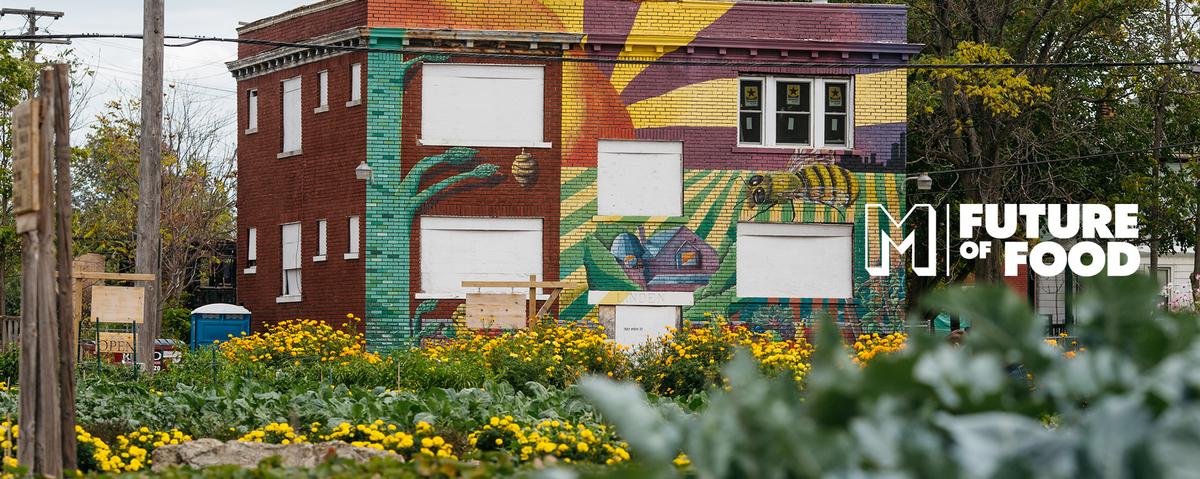
25 percent of the population fled Detroit between 2000 and 2010. Large amounts of the downtown retail area are vacant as well. Meanwhile, urban homesteaders are flocking to the area in search of great deals on housing and neighborhoods with a “hipster” type vibe.

“Former landscaper and University of Michigan social psychology student Tyson Gersh, now 26, headed to Detroit in 2011, hoping to establish an urban farming initiative to address the city’s very real food insecurities. At a tax auction, he and a fellow Michigan alum paid $5,025 for a six-unit apartment complex in the city’s blighted North End, to act as the center of operations as they converted a nearby, 1.5-acre plot of land into an urban farm. While Gersh originally envisioned a straightforward urban ag initiative centered on growing food and distributing it to the community, he quickly realized that any meaningful project would have to take Detroit’s unique situation into account.”

To read the entire article visit: “Munchies.Vice.com

Growing your own food in America is now a criminal act?

veggie-garden-banJust a few weeks ago in Florida, a judge made a ruling that growing vegetables in your front yard is illegal. It took place in the upscale village of Miami Shores, and now allows action to be taken against residents who want to grow food in their yards. “Seems, in at least one part of America, that growing your own food is now a crime.”

“Given the high degree of deference that must be given to a democratically elected governmental body… Miami Shores’ ban on vegetable gardens outside of the backyard passes constitutional scrutiny,” wrote Judge Monica Gordo. The town insisted it has the right to regulate the look of the community.

To read the entire article, visit: “GreenProphet.com

Growing Pains for Detroit’s Urban Farms

lead_large

Urban farmers are growing in numbers all over the country, especially in Detroit, Michigan. An estimated 1,400 of them are growing approximately 400,000 lbs. of food in the metro area alone EVERY YEAR.

“Detroit has no shortage of land, but accessing it can prove difficult for many farmers who worry that the tide of development is sweeping by without them. The Detroit Land Bank holds 95,387 parcels of property that are up for sale. Yet dozens of farmers describe years of agitating for land ownership without success. As the city sets about the business of doling out resources and revitalizing blighted neighborhoods, the question is: why is it taking so long for urban farmers to access land? And can the mosaics of community gardens and farms flourish amid larger-scale development projects?”

To read the entire article, visit: “CityLab.com

Northern Alabama Woman Grows Edibles in her Front Yard & Loves Spreading Happiness {INTERVIEW}

5

Urban Organic Gardener Interviewing @mujerlocaplanta, from Instagram!

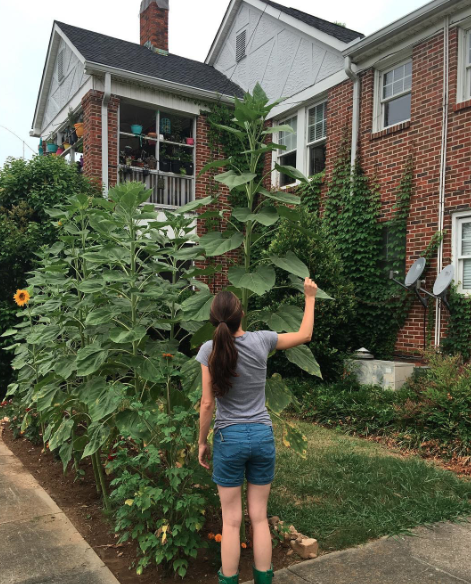
What inspired you to start a front yard, urban garden? I grew up in a rural area about 30 minutes from where I live now. My grandparents and various other family members all live on “the Farm” and pretty much all of them are and have always been farmers in some capacity. My granddad is 85 years old, and at the end of May the family helped him get his garden in the ground to celebrate his last chemo treatment. He has taught us all to love a garden, to respect the land, and to find joy in watching things grow. My grandmother is the same way, but she favors flowers and shrubs instead of vegetables. She is a butterfly and hummingbird guru, and grows the most incredible roses I’ve ever seen. My mother’s partner is a chef and owns a farm-to-table restaurant. He uses our family farm these days to supply the café with heirloom, organic produce. His specialty is tomatoes. I work at the café, and Chef Garfrerick has taught me how to be a bangin’ craft cocktail bartender. I grow most of my herbs and edible flowers with boozy drinks in mind. I have had a lot of wonderful influences in my life, thankfully, and many of the most powerful and lasting lessons I’ve learned and concepts I’ve discovered have come to me in a garden, some with the help of some truly incredible people. I plant a garden to share the wisdom they handed down to me with the people I love. Also, it makes for really good Instagram pics 😉
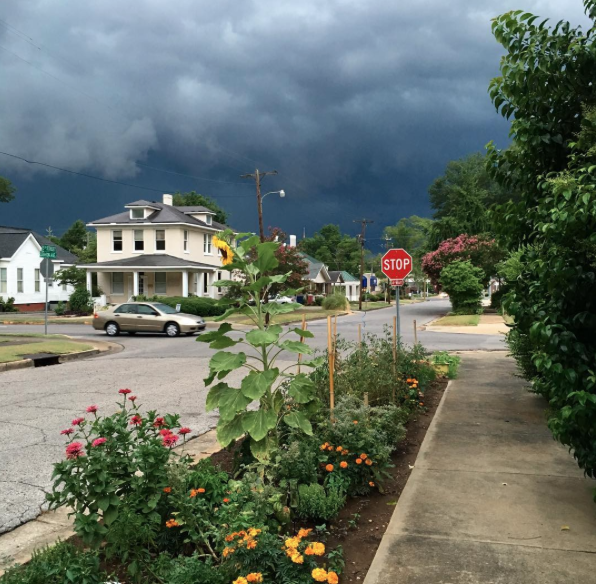
What do you suppose your neighbors think about your gardening efforts? My neighbors know I am crazy. They don’t think it, they know. I mean, I’m growing squash between the sidewalk and the road in front of a 1-bedroom, upstairs apartment. I’m out there at midnight with a headlamp watering everything. I literally stand in the street sometimes in my wide-brim straw hat and my galoshes and a sundress to gather hard-to-reach tomatoes or zucchini. It’s not uncommon to find me in the garden either crouched down into some undignified position that would make my grandmother fuss like mad, or twisted up like a contortionist trying to take a picture or string up twinkle lights. My neighbors and community are convinced that I’m a little off, but they seem to find it endearing. I have made a lot of friends. People stop while I’m out there all the time and tell me that they love my garden and it makes them happy every time they see it. People like to take note of how things change from day to day as they drive by.
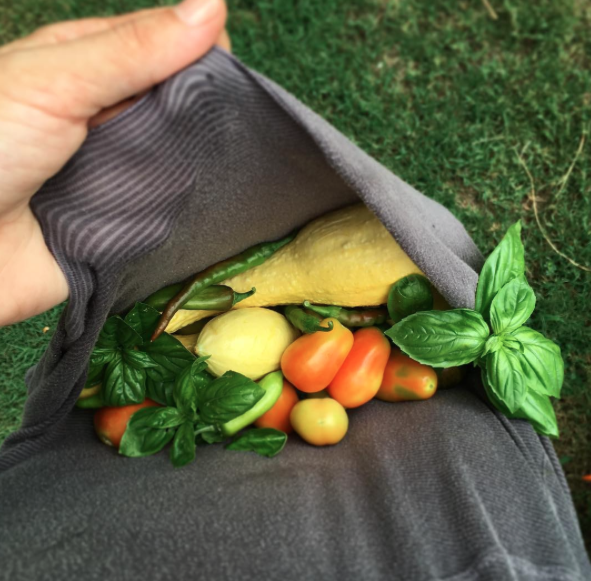
Have you run into any challenges with having a front yard vegetable garden? 
Challenges? The whole thing is a challenge! The first one was getting permission from the city. They had no idea what I was asking permission to do. No one had ever done this here before, so they didn’t have any idea what I was talking about. After a while, we figured something out. Another challenge is city employees. City “groundskeepers” seem to think that their weedeater gives them authority, and they do not like being asked to keep their tools out of my garden. They also don’t like being asked to not spray herbicide in the gutter next to the garden, and mosquito truck drivers resent being detoured away from my street corner. But hey, pick your battles, right? I pick this one. My landlord’s yard crew is another special case. Jerry is the yard crew supervisor. He and his guys aren’t so bad, but it took some tricky conversations to get everyone on the same page as far as the garden is concerned. The worst was my landlord’s handyman who was determined to drive a bucket truck through my garden to paint some trim on my building. I had to make a few phone calls that day, and say a few ugly words, and I may have threatened to kill the guy’s truck with a frying pan. People force you to be mean, I swear.
Other than location-related challenges, there are just regular old garden challenges, too. Space is a big issue. I amended the soil with organic compost so I could plant everything close together, bio-intensive style. Because everything is packed in together, the ground stays shaded, which is necessary when you’re working with a 6-foot wide strip of dirt between a sidewalk and a paved road, and daily temperature highs here are over 100 degrees for days at a time. It gets really, really hot down there. Some things just couldn’t make it, so I’m going to try again with them in the fall. The catch-22 of planting close together is that circulation is a problem, and powdery mildew will take over your whole life if you don’t stay on top of it. A spray bottle of water +1 tsp neem oil, +2 tbsp dish soap, +1 tsp baking soda will help. 
Also, my garden isn’t level. Water runs down the sidewalk and pools up in the west end of the garden, where all my okra is. Instead of fighting this, I pretended that I was a Roman aqueduct engineer and dug some trenches that channel water runoff into hard-to-reach areas of the garden. It’s probably not going to last for millennia like the Romans’ did, but it works just fine for now. Work with what you’ve got, right?
Do you have any tips/tricks to share with our readers on how to start or maintain an urban garden or how to garden in small spaces?  
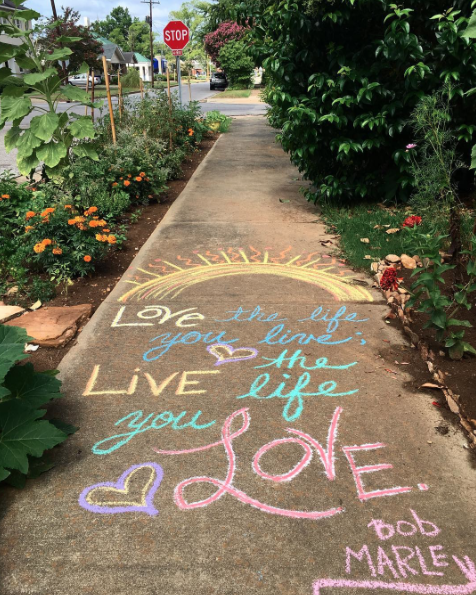
Be nice. Urban gardening isn’t remote. This type of gardening is art. It’s on public display, and people are going to be interested. Talk to people about your garden when they ask. Educate them. Even though people around here grew up in a traditionally agrarian culture, they are shockingly under-informed about organic gardening and a healthy lifestyle. I spend at least half of the time that I’m in my garden standing in the street, chatting to strangers about compost and heirloom tomatoes. Also, be nice to city employees. They’re just doing their jobs, and honestly, they probably don’t get paid well enough to put up with some crazy plant lady’s crap. Be flexible. Things change. Some kid may drive his mud tires through my tomatoes tonight. I can’t pretend that I wouldn’t be pissed about that, but I have about half a dozen more tomato seedlings just waiting for their turn in the sun.
Don’t forget to follow this Instagram page, here!

Starved by Socialist Policies, Venezuelans Urged to Take Up Urban Farming

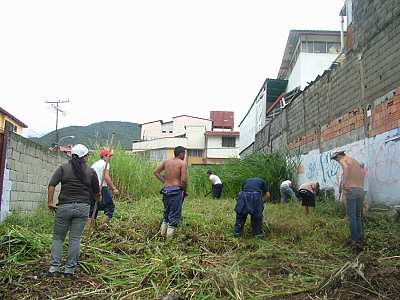
dscf5088“In February, the country launched a Ministry of Urban Farming, tasked with encouraging more home and community gardening and chicken-keeping. Its head, Lorena Freitez, said the push will help bring “food sovereignty” to Venezuelan cities, where both local food production and food imports are down and social unrest is increasing. ”

So now between narrow roads and dilapidated homes, you might just find the unexpected tomato plant or patch of fresh herbs growing.  Neighbors are working together to grow things like root crops, beans, lettuces and leafy greens just to name a few.

Residents of these “slums” are hauling garden soil to balconies, rooftops, basically anywhere they think they can grow a little bit of food.

Read the entire article at: “Reason.com

Join the new Urban Organic Gardener’s Monthly Seed Club

JULY UOG

Don’t wait, join the new Urban Organic Gardener’s Monthly Seed Club now! Must join before July 4th at 11:59pm PST to receive the next shipment.

Sign up now at: https://urbanorganicgardener.cratejoy.com

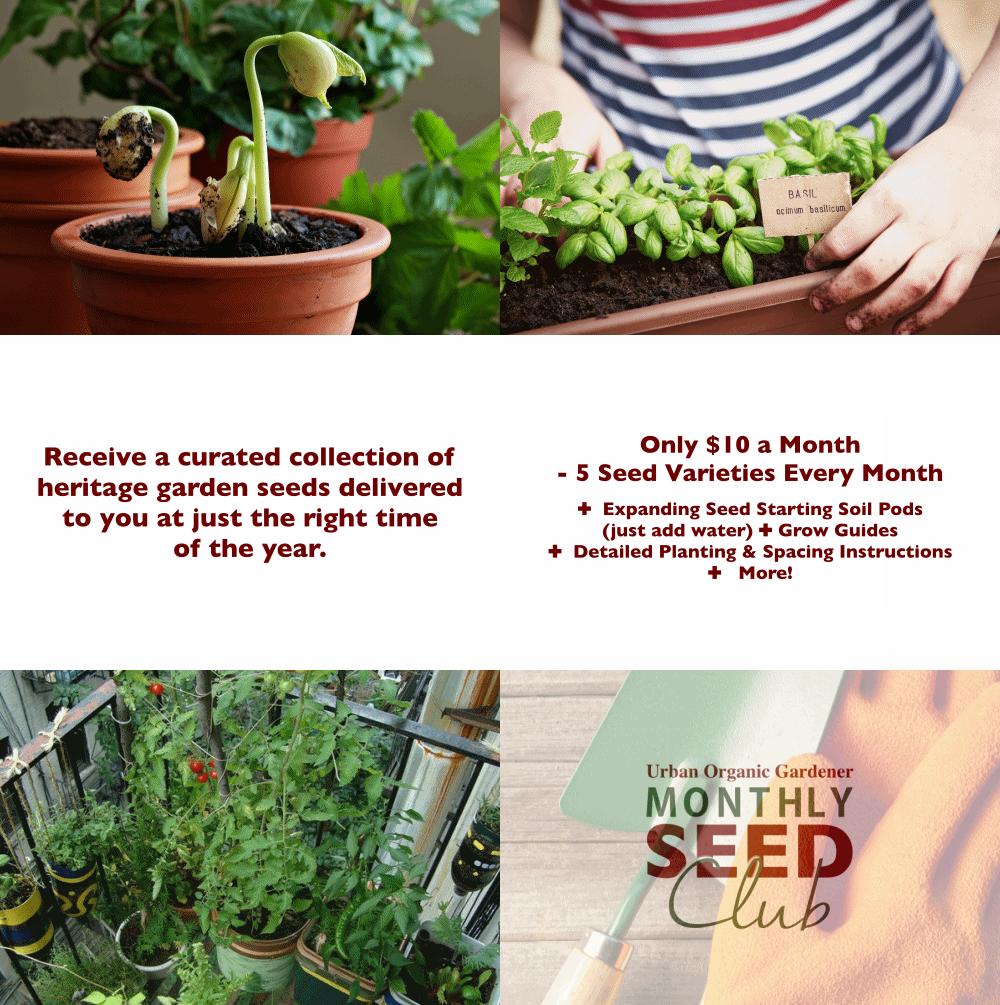
For $10/month our garden experts will build a custom curated collection of seeds & garden supplies designed around you – your grow zone – garden space – and your preferences.

Includes everything you need to grow 5 new edible plant varieties every month – varieties can include herbs, vegetables, flowers, sprouts, micro-greens, bulbs, and more!

Join the rest of the UOG community and get growing now! We promise to make this a great experience for you and your family.

5 Veggies You Can Easily Grow in a Container

There are many reasons why you might choose container gardening over more traditional methods. Maybe you’re short on space, have trouble bending over, or are just really, really lazy (like me). Regardless of why you settle on container gardening, I’m here to tell you that it’s an absolute delight and has the potential to be incredibly productive.

After a few years of gardening, I’ve found a slew of vegetables that grow effortlessly in containers.

peppers

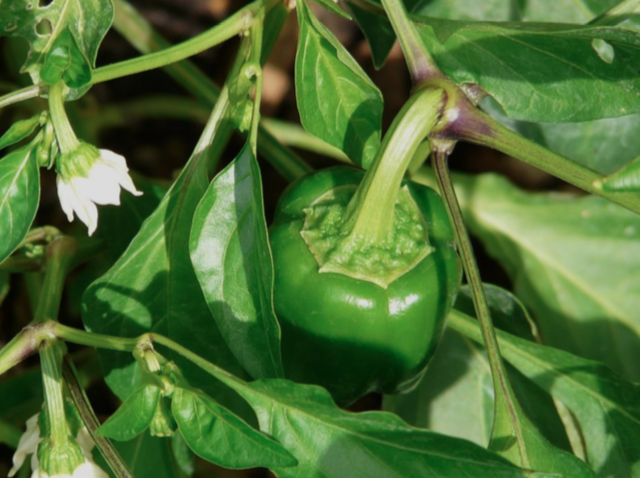
Bell Peppers

Container Type: 2 gallons or larger, 14­16 inches deep, 24 inch diameter with multiple drainage holes. Ensure there is room for stakes.
Sun: 6 ­8 hours daily

Peppers like consistently moist — but not soggy — soil. Water them whenever the top of the soil is dry, and be careful to never let the soil dry out completely. You can help them avoid drying

out by covering the top of the potting soil with mulch. Bell peppers are sweetest when they’ve ripened fully on the plant in full sunshine.

carrots

Carrots

Container Type: M ore than 12 inches deep to give carrots room to develop. Make sure there are multiple drainage holes.
Sun: At least 6­8 hours daily, more is better.

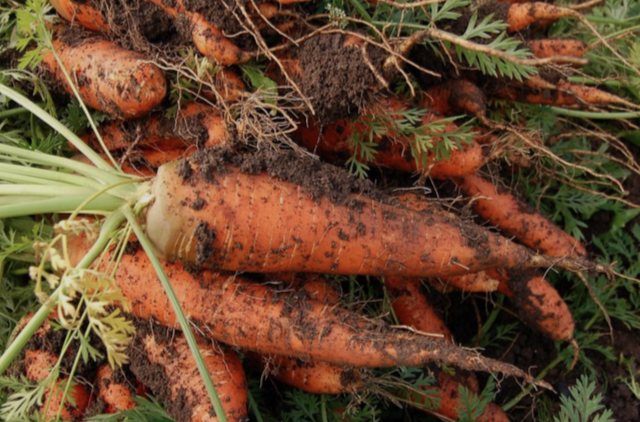
Carrots require little skill, minimal care, and minimal effort — perfect for beginning gardeners. Grow carrots in soil that is loose, lightweight, and well drained. They’ll need regular moisture, but not too much as root crops may rot if left in soggy soil.

cucumbers

Cucumbers

Container Type: M inimum 12 inches deep, 24 inch diameter with multiple drainage holes. Ensure there is room for a cage or trellis. When in doubt, go with a larger container rather than a smaller one.
Sun: 6 ­8 hours daily

Cucumbers absolutely depend on water, so you want to make sure they get a consistent level — you must ensure the soil never dries out completely. Add a trellis or tomato cage as the plant grows to maximize floor space and allow the plant’s leaves to get more sun.

tomatoes

Tomatoes

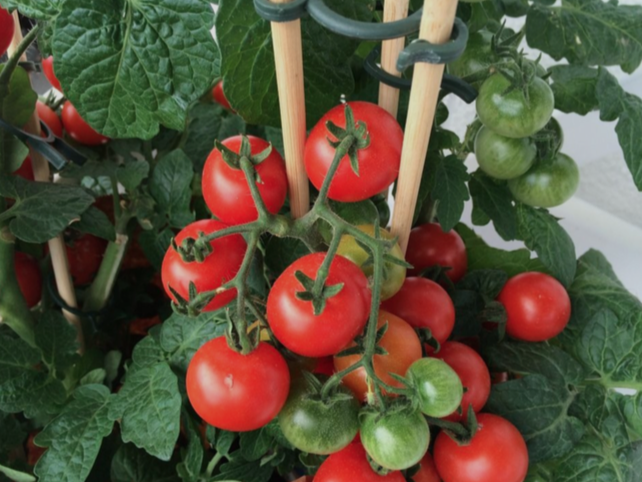
Container Type: 1 5 gallon minimum, 18 inch diameter (determinate), 24 inch diameter (indeterminate). Ensure there is room for a cage. When in doubt, go with a larger container rather than a smaller one.

Sun: 6 ­8 hours daily

Tomatoes have extensive root systems, and once they become root bound, their fruit production tanks. They need large containers, plenty of room, and lots of water once they start producing..

zucchini

Zucchini
Container Type: B road and deep, at least 24 inch diameter.

Sun: A t least 6­8 hours daily, more is better.
Zucchini plants have high yields, even when grown in containers. They sprawl, naturally

reaching diameters of three plus feet, so take that into consideration when choosing a container.

Tips

The most important thing to remember about container gardening is that containers lose moisture quickly, especially when they’re in full sun. In the spring, you’ll water everyday, and in the heat of summer, when plants are producing, you may need to water two or three times daily, depending on the temperature.

I’ve spent the last few evenings dutifully watering my tomatoes and cucumbers, checking the leaves for damage, and looking closely for any signs of insects. The time I devote to my container garden is some of the happiest and most peaceful I have each day. I’m looking forward to seeing what my plants produce this season.

**Liz Greene is a dog loving, history studying, pop culture geek from the beautiful City of Trees, Boise, Idaho. You can catch her latest misadventures on her blog, Instant Lo.

Join the NEW! Urban Organic Gardener, Monthly Seed Club

uogfinal

What’s Included?

5 New & Unique Varieties Every Month  ✚  Expanding Seed Starting Soil Pods (just add water) ✚ Grow Guides  ✚  Detailed Planting & Spacing Instructions  ✚   Bonus Items & Special Offers

We will curate the absolute best seeds known to grow for your exact garden location, preferences, grow zone, and time of the year.

WHAT KIND OF SEEDS WILL I RECEIVE?
We will surprise you with everything from vegetables, culinary herbs, sprouts, medicinal herbs, edible flowers, micro-greens, and more. Our goal is to make growing your own organic garden as fun, healthy, exciting, and as easy as possible.

WHEN IS THE NEXT SHIPMENT?
Shipment occur on the 5th of every month. You will be notified via email as soon as the order has been shipped. Receive instant tracking and delivery confirmation.

Ready to Sign Up? Visit, https://urbanorganicgardener.cratejoy.com/