“Everything we create, everything we build, and everything we send out into the world has an impact on people and the planet. We take that responsibility seriously. We operate ethically and strive constantly to increase our operational standards to deliver high quality food.”
Santa Monica gardener reveals secret behind his green thumb

Tucked away around the north side of his Ocean Park home, Conrad Clark has a very productive garden.
Cilantro, parsley, kale, arugula, lettuce and spinach plants produce enough vegetables for fresh soups and salads every week from the four-by-ten-foot raised bed. A nearby Tsasuma tree is heavy with fruit.
It’s an impressive set-up for a 13-month-old amateur, who keeps his mom busy as he pulls out sticks and taste the soil for himself.
“It’s foolproof,” said his mom, Sharon, as she took a stick back from his dirty fingers and placed it where it belonged near the parsley. “It’s the easiest thing for a working mom.”
Admittedly, Sharon and Conrad have little to do with their garden’s success. They are just two of Farmcape’s many Santa Monica clients who have discovered the secret to a successful garden is hiring an expert to toil in the soil. The company built bed, installed a drip irrigation system and presented the working mother with a menu of seeds to choose from. Her personal famer, Nick Barner, shows up once a week to tend the garden and gather vegetables he leaves by Sharon’s back door.
Read the REST OF THE STORY, at: “SMDP.com“
Gardening May Help Cancer Survivors Eat Better, Feel Greater ‘Worth’

“For cancer survivors, three seasons of home vegetable gardening may increase physical activity, fruits and vegetables in the diet and also enhance feelings of self-worth, researchers say.
Possibly as a result of these healthy behaviors, gardeners in the small study also tended to gain less weight around their waists compared to their counterparts on a waiting list for the gardening intervention, the study team reports.
It’s estimated there are more than 15 million cancer survivors in the U.S., over two thirds of whom are over age 60, they note in the Journal of the Academy of Nutrition and Dietetics.
“For cancer survivors, especially those who are older, we look for lifestyle changes that can help them get healthier but are also holistic and have meaning,” said lead author Wendy Demark-Wahnefried, chair of nutrition sciences at the University of Alabama at Birmingham’s Comprehensive Cancer Center.”
Read the FULL STORY, here: “VOA.News.com“
Community gardens across Houston work to end food deserts’ thirst

“There are no fresh food markets or commercial grocery stores in the Third Ward, making it one of the many neighborhoods in Houston and the United States classified as a food desert. When neighborhoods, usually low-income and ethnic ones, lack access to affordable, nutritious and fresh foods, they fall under that classification.
To alleviate the severe lack of fresh foods in the Third Ward, the community garden on Ennis St. help to supply food sources. Thirteen other community gardens are spread out throughout the city in a variety of neighborhoods.
Food security plans
Most people do not think of the fourth largest city in the United States being the greatest hub for agricultural development. That’s where the expertise of Joe Icet, a public health educator who runs the community gardens, comes in handy. Icet is an urban farmer who has been managing numerous garden and agriculture projects over the course of 18 years in the Third and Fifth Wards.
“I’ve been collaborating with some innovators and local agriculture farmers building what I call ‘food security plans’ for urban neighborhoods,” Icet said.”
Read the FULL STORY, at: “TheDailyCougar.com“
A Jeff Bezos-backed warehouse farm startup is building 300 indoor farms across China

“In the past two decades, China has experienced several food scandals. Between 2001 and 2006, toxic mushrooms killed 148 people and poisoned over 500 others in Yunnan. In 2010, Hunan police shut down a large operation that produced “green beans” from dyed soybeans.
As a result, a growing number of Chinese residents are turning to organic produce, which is considered safer since its production is more regulated, according to The Guardian.
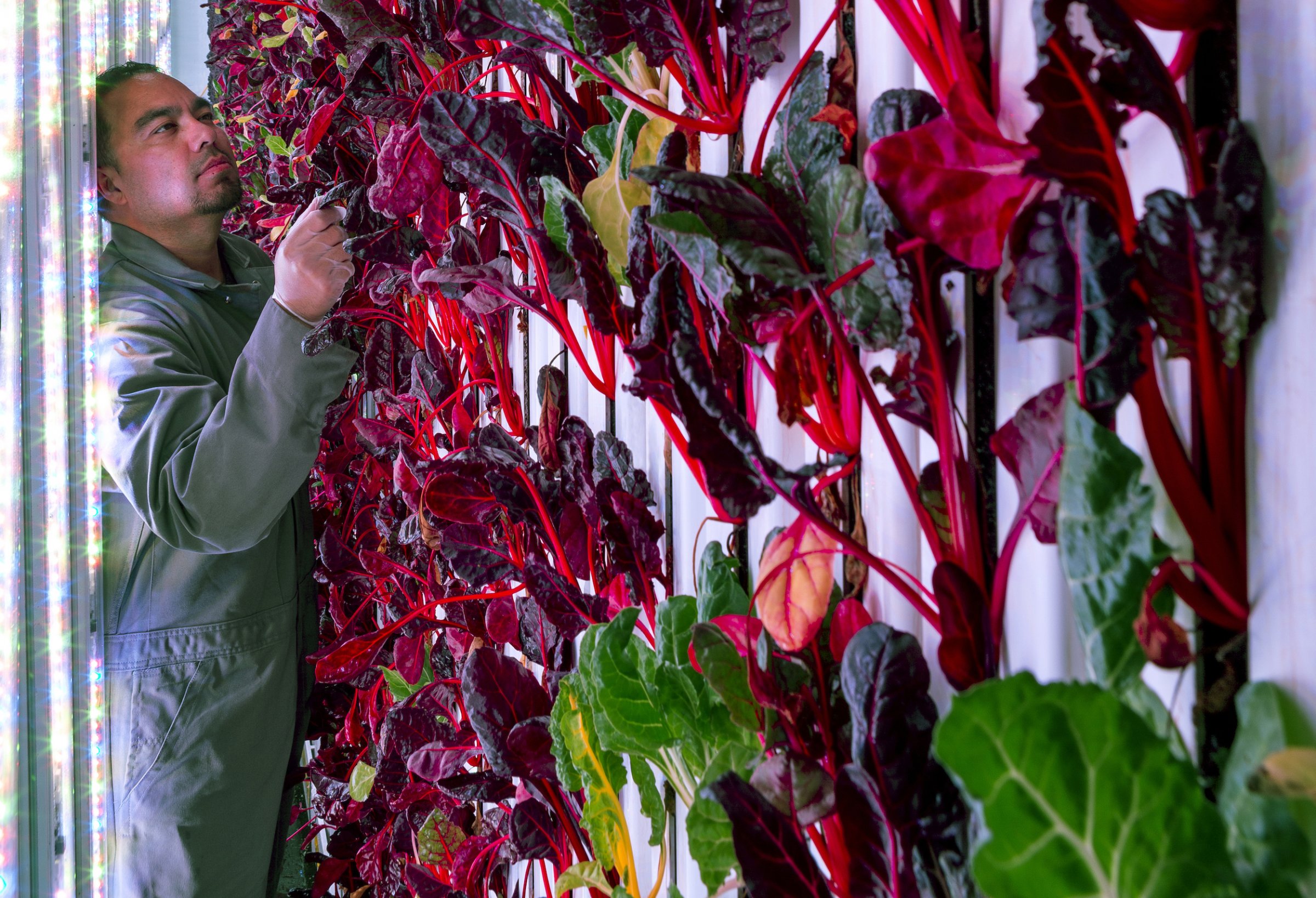
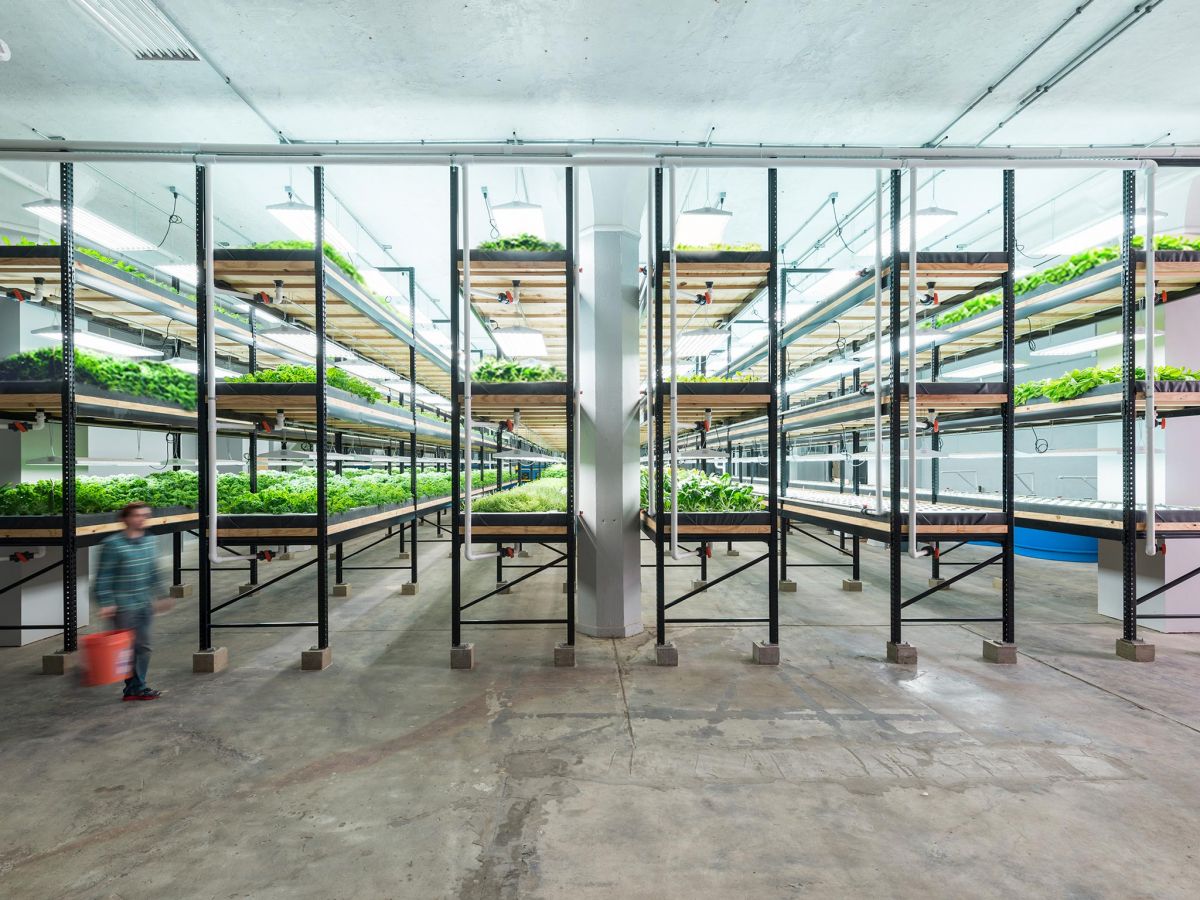
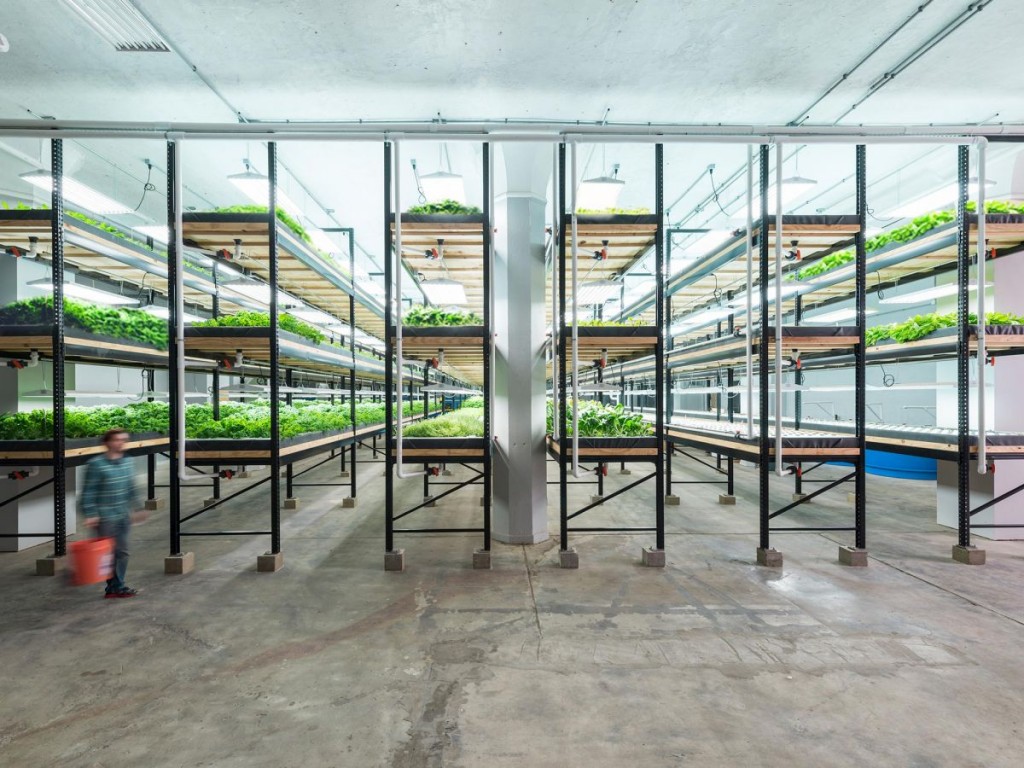
A Jeff Bezos-backed indoor farming company called Plenty will soon harvest some of this organic produce. But unlike traditional farms, it will grow crops on LED-lit 20-foot-tall towers, which do not require soil, pesticides, or even natural sunlight. The technique is called vertical farming.
Plenty says it will build 300 vertical farms in or near major Chinese cities, where it will capitalize on the country’s growing middle-class demand for organic produce. The first farm will open next year, Bloomberg reports. In Beijing and Shanghai, the company will also build centers where customers can taste produce.”
Read the FULL STORY at: “BusinessInsider.com“
Urban Farming Is the Future of Agriculture

“The planet is growing more food than ever, and yet millions of people continue to starve worldwide. People are hungry everywhere — in the country, in the suburbs. But increasingly, one of the front lines in the war against hunger is in cities. As urban populations grow, more people find themselves in food deserts, areas with “[l]imited access to supermarkets, supercenters, grocery stores, or other sources of healthy and affordable food,” according to a report by the U.S. Department of Agriculture.
New technologies are changing the equation, allowing people to grow food in places where it was previously difficult or impossible, and in quantities akin to traditional farms.”
Read the FULL STORY, at: “Futurism.com“
Discovery of wild truffle on Paris rooftop hailed as boon for urban gardeners

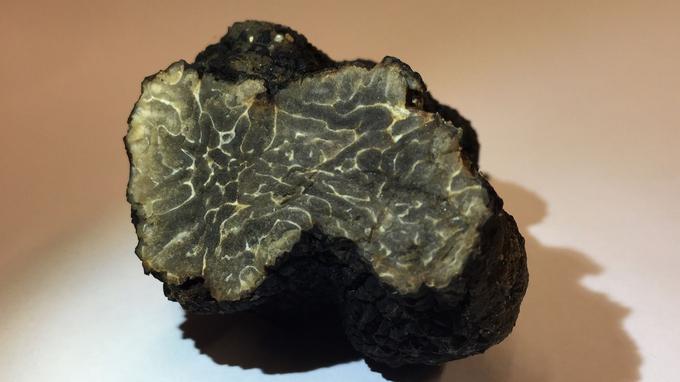
Coming just before Christmas, when truffles are used to flavour such seasonal foods as foie gras and chestnut soup, it raises the hope of an undreamt-of windfall for the new wave of urban gardeners colonising city roofs.”
Read the FULL STORY at: “TheLocal.fr.com“
Urban gardening system Growmore helps city dwellers build mini local farms
“Designed by Danish firm Husum & Lindholm Architects, Growmore structures can be assembled using six plywood components. The system is designed for people living in cities to utilise unused urban space for local food production.
The components include planting and shelving units, which are connected by pivotal joints. This enables users to move and rotate assembled structures, so they can fit in a wide range of different spaces.”
Read the FULL STORY at: “DEZEEN.com“
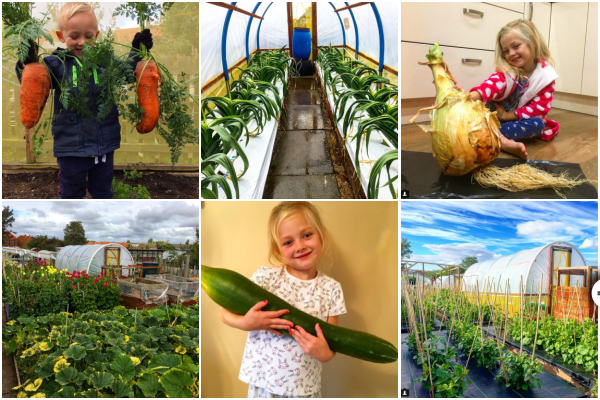
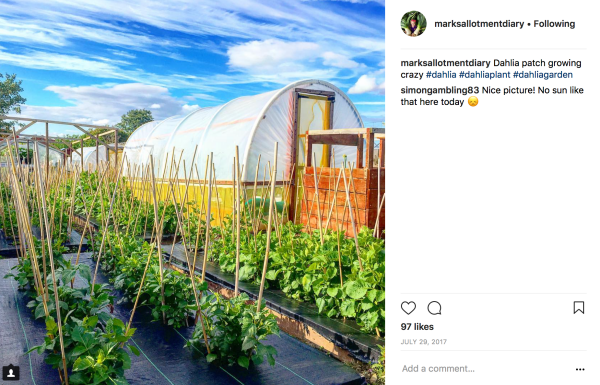
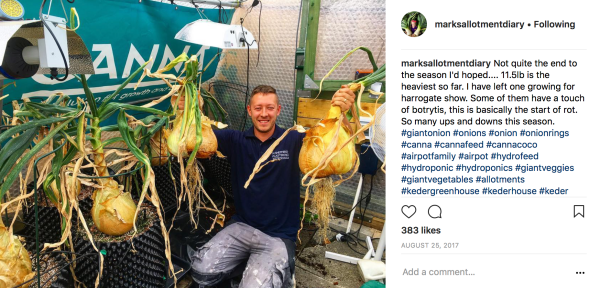
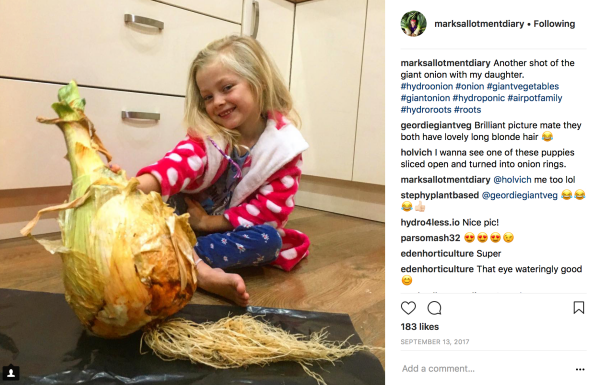
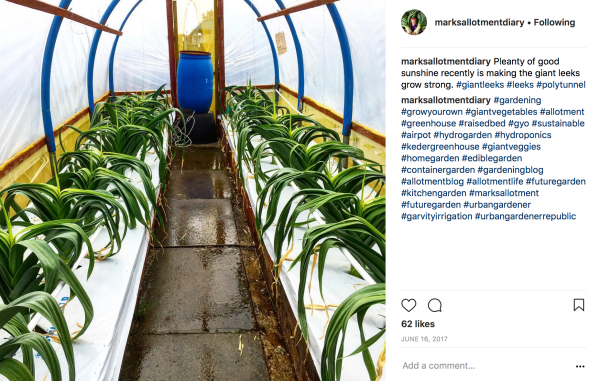
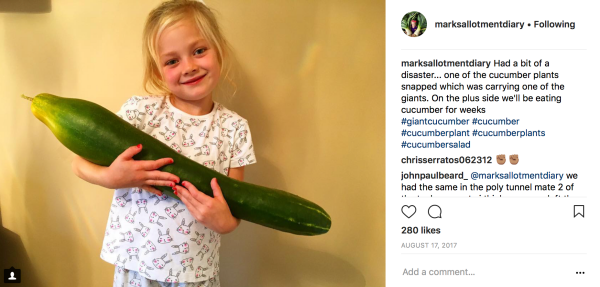
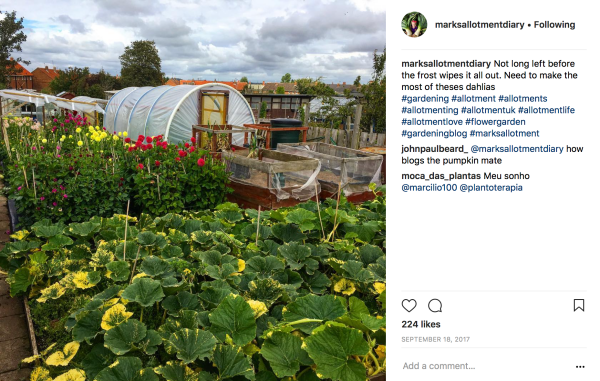
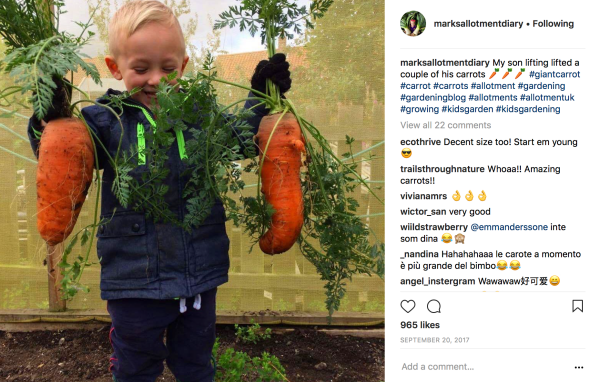
UK Gardener Grows Giant Organic Vegetables for Garden Shows
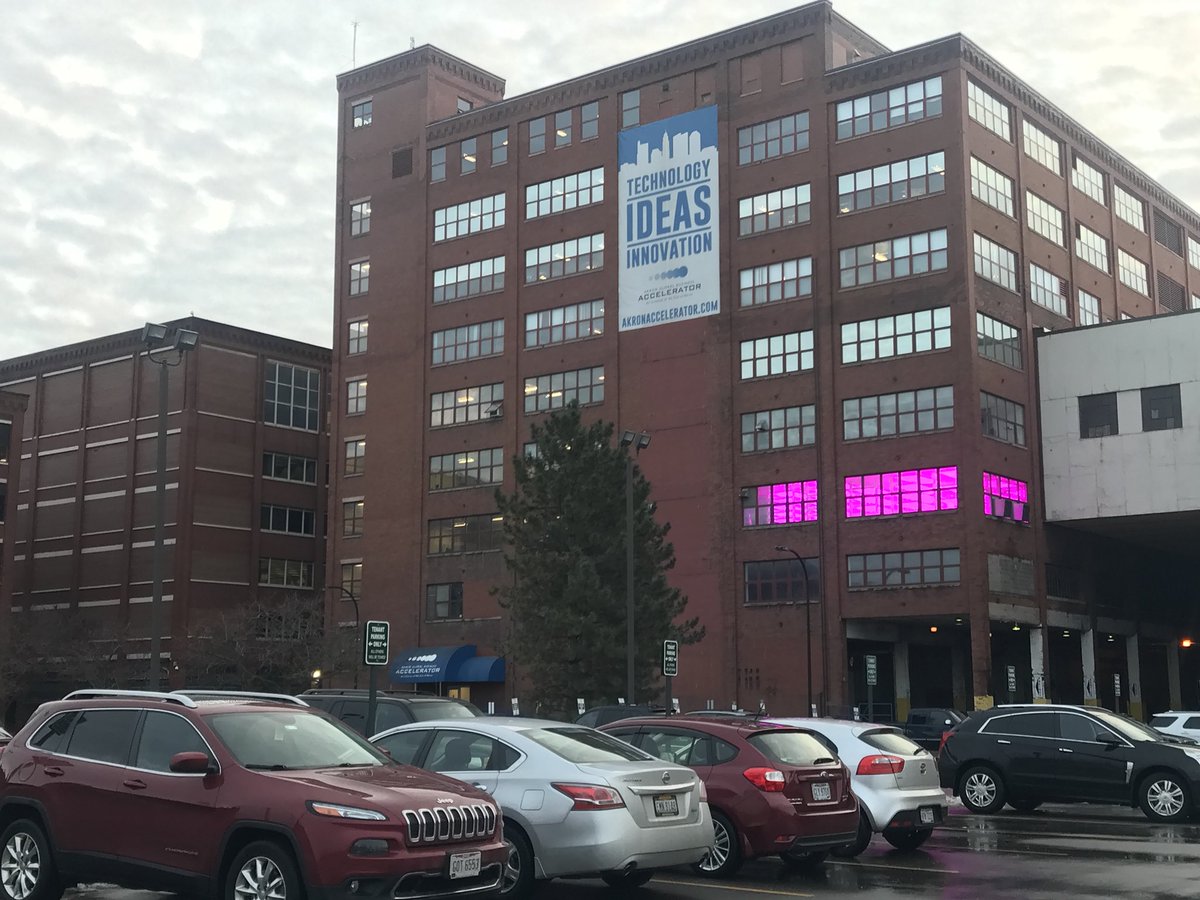
Urban farm flourishes in former Akron tire plant

“Vegetables and flowers are not something you’d expect to see growing anywhere in Northeast Ohio right now – let alone inside an old tire plant in Akron.
But that’s exactly what an Akron-based agricultural company is doing.
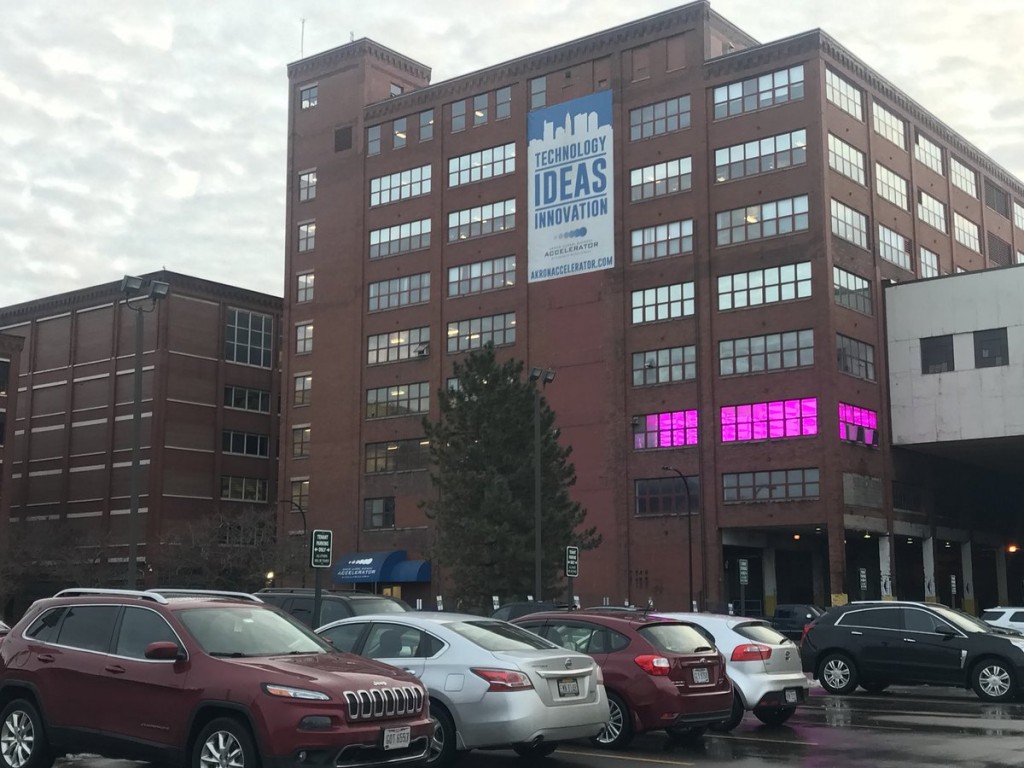
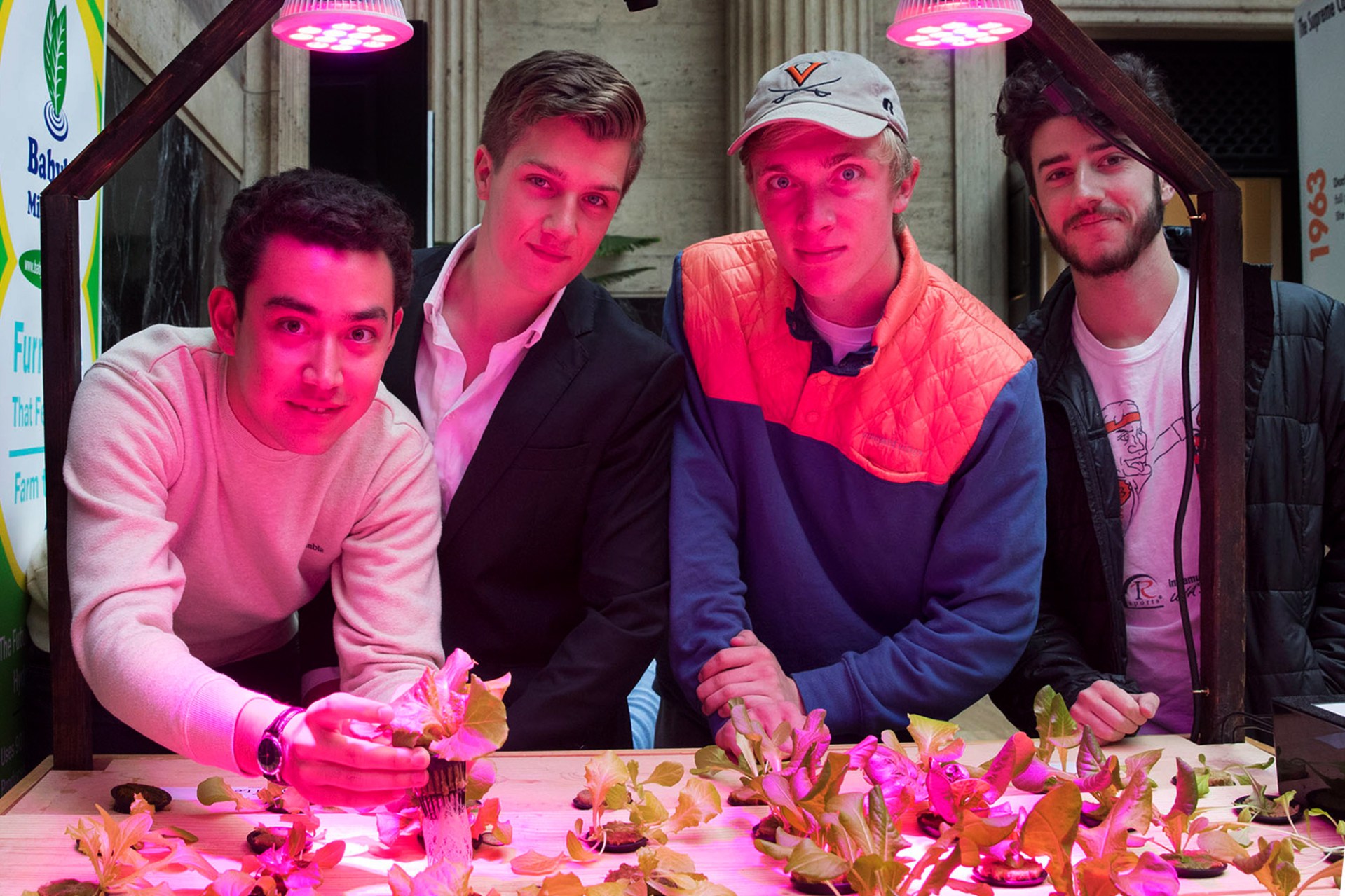
Jacob Craine, Vincent Peterson and Mark Preston are the founders of Vigeo Gardens, which sits on the third floor of Akron’s former B.F. Goodrich tire plant. The business can be easily spotted as it’s custom-mad blue and red LED lights transform its space into a magenta-like color.”
Read the FULL STORY at: “WKYC.com“
PODCAST: How This College Football Field Was Turned Into an Urban Farm

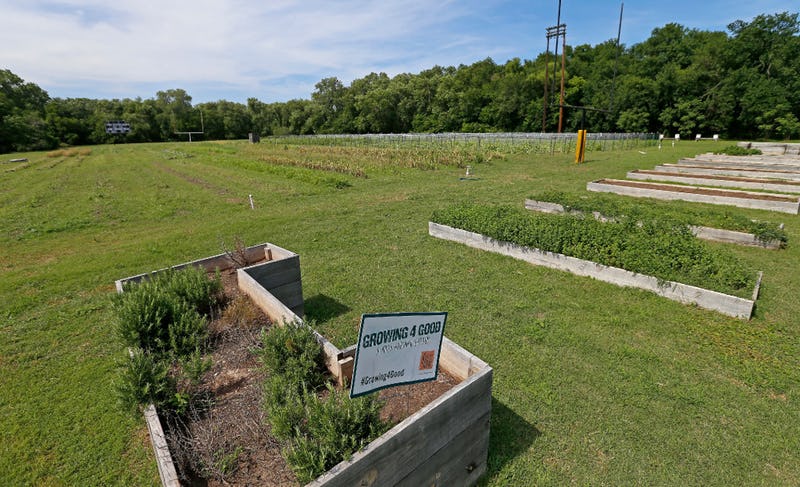
“In a story that’s become well-known, the college turned its football field into a 2-acre organic farm in 2010. Still demarcated by the goalposts, the farm donates some produce, as well as selling to restaurants and grocery stores.” via “DallasNews.com”

“When Michael Sorrell took over as president of Paul Quinn College in 2007, the place was nearly broke and faced a possible loss of accreditation. Sorrell wasn’t interested in following the usual playbook for running a college, so he took unusual steps right from the start. He cut the football program, for instance, and turned the playing field into an urban farm.
Just to put that move in perspective, this college is in Dallas, a city that has been called the football capital of the world. But Sorrel was focused on building a new model for higher education, one that mixes work-readiness with expanding minds, and at a price that more students could afford.
EdSurge recently talked with Sorrell about how his model of an “urban work college,” and he shared the roundabout way that this college got into farming. The conversation has been edited and condensed for clarity. You can listen to a complete version below, or on your favorite podcast app (like iTunes or Stitcher).” via “EdSurge.com”
Oakland Museum Digs Into Urban Farming

With “everything from Alice Waters to Cesar Chavez,” to learn about local agricultural history, a new Oakland exhibition at the Oakland Museum of California that explores the rich topic of local farming is “only going to be a tasting menu,” says Sarah Seiter, the museum’s associate curator of natural sciences. That means Take Root: Oakland Grows Food , a new, year-long exhibition a the OCMA, will provide a broad overview of the current state of Oaklanders growing food for themselves and their community, answering basic questions like “what grows in Oakland?” and connecting visitors to information about local farms including City Slicker, Acta Non Verba, and New Roots. Take Root runs from December 16th through January 2019.
“It’s not a secret that the Oakland Museum is moving towards progressive, social justice issues” says Seiter. Recent exhibitions have covered cannabis to capitalism. “This exhibition is a way to do that in the natural sciences gallery. We wanted to focus more on ecosystems that are managed and experienced by humans — fisheries, working water fronts, landscapes where humans are deeply enmeshed.”
Read the FULL STORY at: “SFEater.com“
This urban farmer is changing the Des Moines foodscape
“Jenny Quiner pulls back giant tarps to check the fragile lettuces growing in her high tunnel greenhouse. Rows of perky green lettuces sprout from the ground. She recovers them, then steps outside into the frigid winter to check on the cover crops in the fields that protect and enrich the soil.
The scene looks like most any other vegetable farm you would see across Iowa. But there’s one significant difference: It’s in the middle of a residential neighborhood.
Dogpatch Urban Gardens is the only for-profit farm in Des Moines city limits — the realization of one of Quiner’s dreams.”
Read the FULL STORY at: “DesMoinesRegister.com“
Follow Dogpatch Urban Gardens on FACEBOOK or INSTAGRAM!
North 40 – An Urban Farm Experience

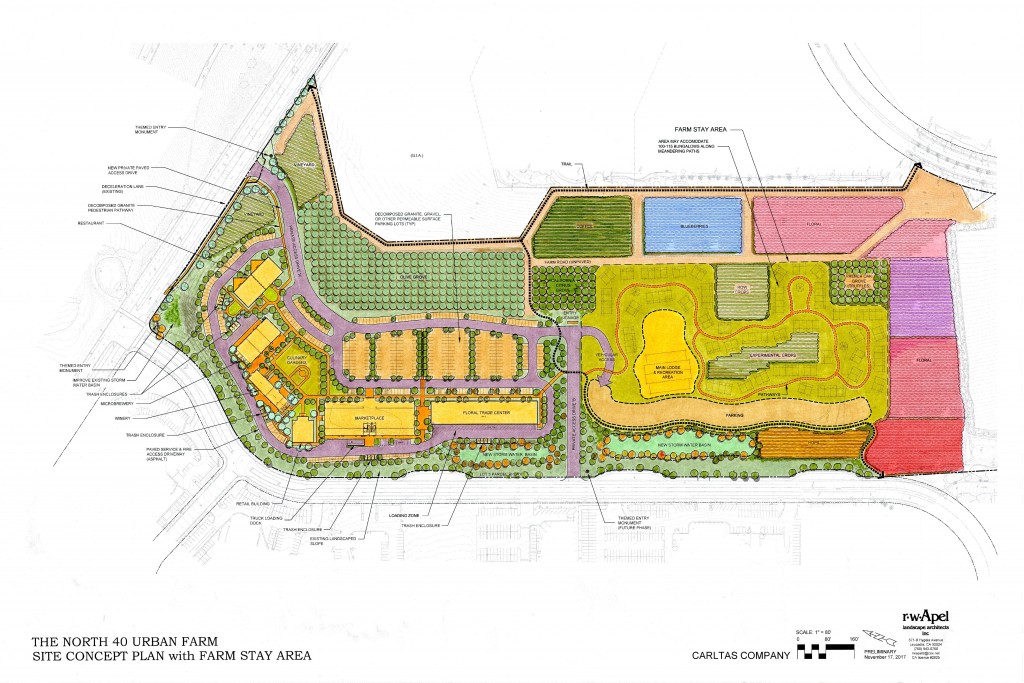
“The North 40 Urban Farm will be a unique fully integrated food, beverage, and floral production, processing, distribution, and sales location set in a 43 acre farm in Carlsbad California adjacent to I-5. The unique blend of farm environment and urban convenience will provide an opportunity in more than 110,000 square feet of facilities accommodating the Wholesale Floral Trade Center, North 40 Marketplace, Culinary Center, Craft Microbreweries and Wineries for a select group of vendors, processors, and farmers. Tenant opportunities are available for Phase 1 with opening scheduled for 2019.”
“A farmstay is a unique lodging concept found at farms, ranches, and vineyards all over the world. In general they are characterized as single story bungalow style units clustered and integrated with an ongoing commercial farming operation. They provide a unique experience with the 24 hour life of a farm, a tie with the products of the farm, and an opportunity to educate visitors about the value of the farm and its products. By taking advantage of the special experience created by the farm, particularly in an urbanizing area, the farmstay also provides economic support for creating and maintaining the environment.”
Read more about this project by visiting: “CarlsbadNorth40.com“
This Stylish Table Is the “Next Generation” of Automated Urban Farming

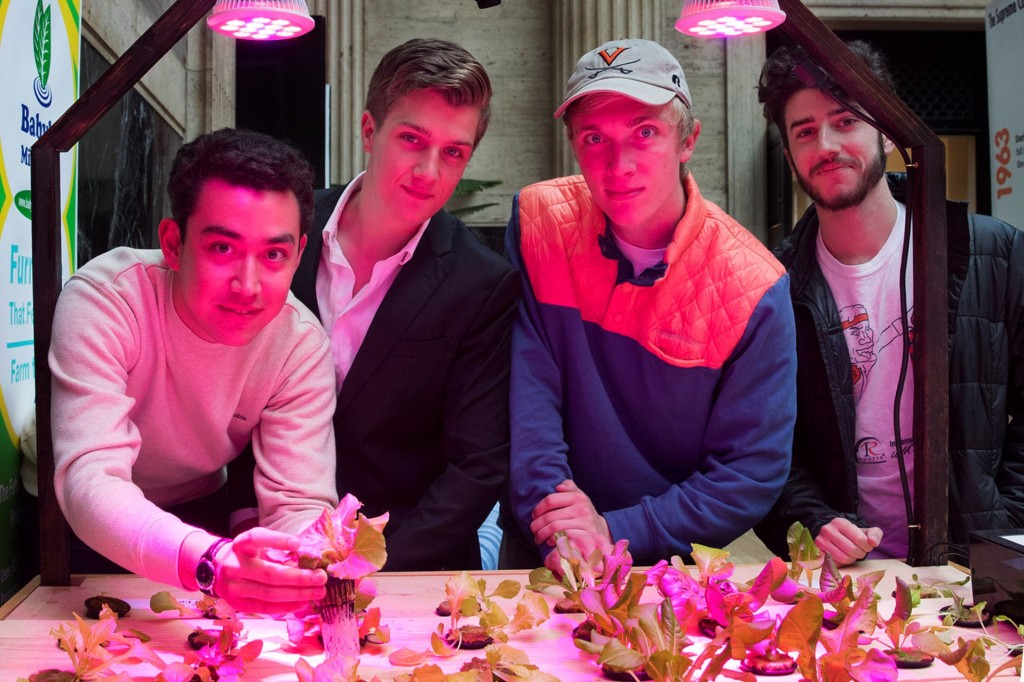
One of the more promising urban-farm concepts is not in New York, Los Angeles, or any other major city. It’s in Charlottesville, Virginia, courtesy of one University of Virginia alum and a very small team of employees.
Recent grad Alexander Olsen started Babylon Micro-Farms in 2016, as part of the UVA student entrepreneurial clubhouse, HackCville. An early prototype won $6,500 from Green Initiatives Funding Tomorrow, part of the UVA student council.
Now, Olsen and six other employees are working to get the hydroponic farms inside the homes of consumers, billing them as “the next generation home appliance.”
Read the FULL STORY at: “TheSpoon.Tech“
Loosened Restrictions Could Bring More Urban Farms

-Chattanooga city officials recently approved an ordinance that makes it easier for residents to establish urban farms within city limits.-
“From the front, D.B. Reisen’s home looks no different than any other lining Davidson Road.
Step out back, however, and you’ll find a dozen chickens clustered in a shed, 15 sheep grazing under the protection of a coyote-kicking guard horse, and a trio of cattle watching it all lazily from behind a hot-wire fence.
The scene is not completely uncommon along the well-trafficked corridor. A handful of Reisen’s neighbors house goats, donkeys and chickens of their own.”
Read the FULL STORY at: “TimesFreePress.com“
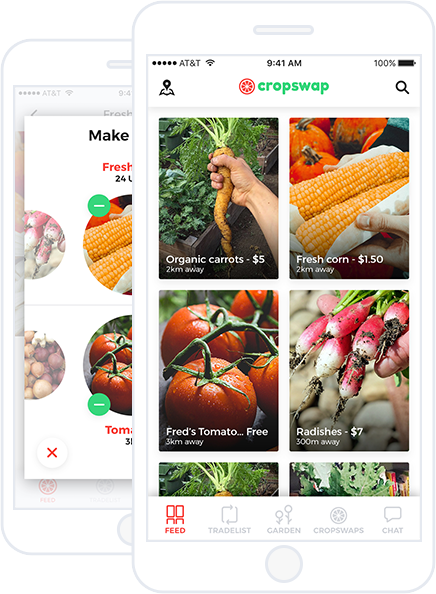
CropSwap is Hosting a FREE Seed Club Giveaway!

Our friends at CropSwap are hosting another giveaway!
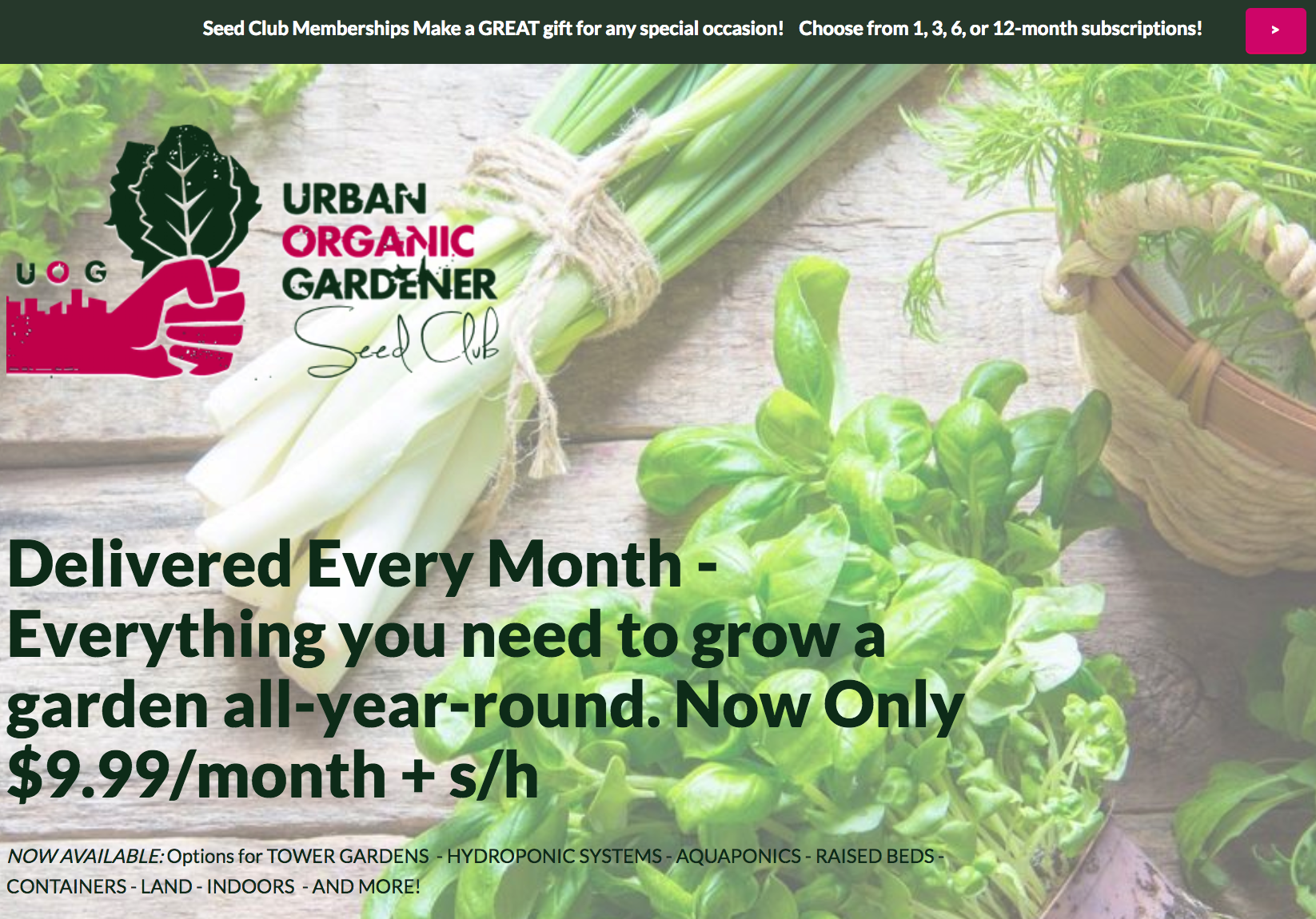
Enter to win a FREE 3 Month Subscription to our Monthly Seed & Garden Club. Entering is fast and easy!
Just head on over to their Instagram page at https://www.instagram.com/cropswapapp/, to enter. Good-luck!
To LEARN MORE about our Monthly Seed & Garden Club, please visit us at: https://urbanorganicgardener.cratejoy.com
Oakland Museum of California Embraces Urban Farming in its New Exhibition

The Oakland Museum of California unveiled its new exhibit “Take Root: Oakland Grows Food” over the weekend. It highlights the different food communities and how food is grown by residents within in the city.
“The Oakland Museum of California is really interested in social justice issues and how they effect the citizens living here,” says Sarah Seiter, the curator. “There’s a lot of issues with food access in Oakland.”
Listen to the STORY here: “https://ww2.kqed.org“
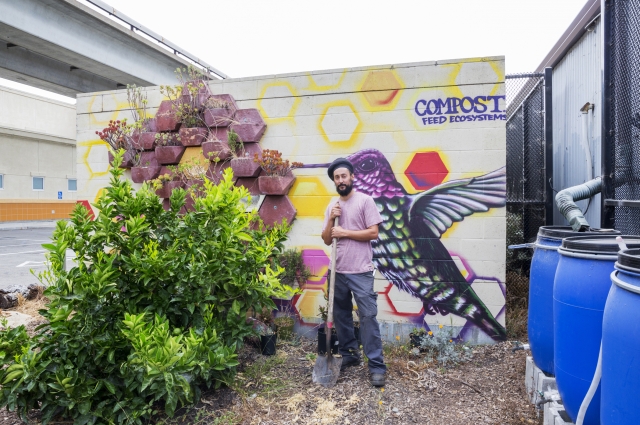
“Focusing on the cultivation of food right here in Oakland, the exhibition looks at how positive ecological practices are happening—and can continue to evolve—in our own backyard. “Urban gardens are a vital part of our cities, and are places where people not only cultivate food but also grow community and nurture healthy ecosystems,” says Associate Curator of Natural Sciences Sarah Seiter.”
“The exhibition is divided into three main sections. The first explores where gardens grow, and the conditions that help or impede successful urban gardening. Interactive maps show “food deserts”—the areas with compromised access to food—and areas with higher degrees of gentrification and soil contamination.”
Another section takes a deep dive into garden ecosystems, examining how things grow, and the organisms and conditions that impact cultivation. Curious about which insects are friends and which ones aren’t? Want to know how different species—including humans—come together to create a productive garden? Interactive displays allow visitors to explore inter-species relationships, inviting them to learn about helpful pollinators, harmful parasites, and other living things. And a play area encourages kids to immerse themselves in a fanciful garden-like setting. “It’s all about interaction,” Seiter explains. “We want to offer opportunities for wonder, engagement, and fun.” via: “http://museumca.org“
Tour Rob Greenfield’s Simple Sustainable Apartment
“Want to see what my life was like 3 years ago when I still lived in a “normal apartment?” I think many of you may find this more relatable and achievable than living in a tiny house or with just 111 possessions so I’m really excited to share this with you!” Rob Greenfield