Permaculture Puts Organic Gardening on Autopilot

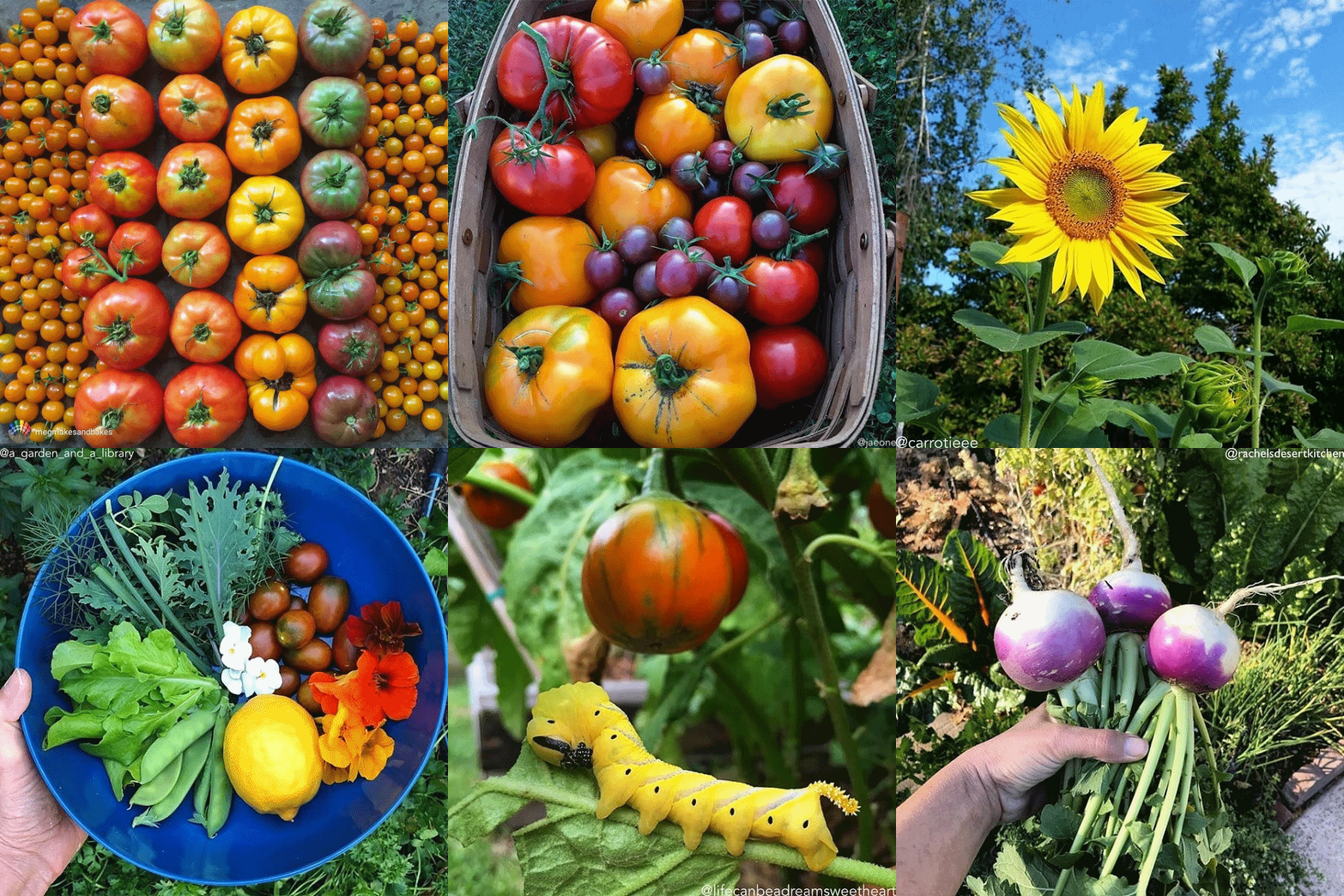
Organic food and farming have seen a huge increase over the past ten years, and for good reason. Farming and gardening techniques that use fewer harmful, synthetic fertilizers and pesticides are better for the environment and better for human health. Permaculture methods of growing food reach far beyond these benefits. Growing food organically is just the starting point.

According to a report from 2014 by Stephen Daniells titled US organic food market to grow 14% from 2013-18, 81% of American families reported buying organic food at least sometimes. For many people, the barriers to buying organic food are accessibility and cost. Growing organic produce at home overcomes both of those issues. Permaculture practices are a great way to achieve the best results.

What is Permaculture 

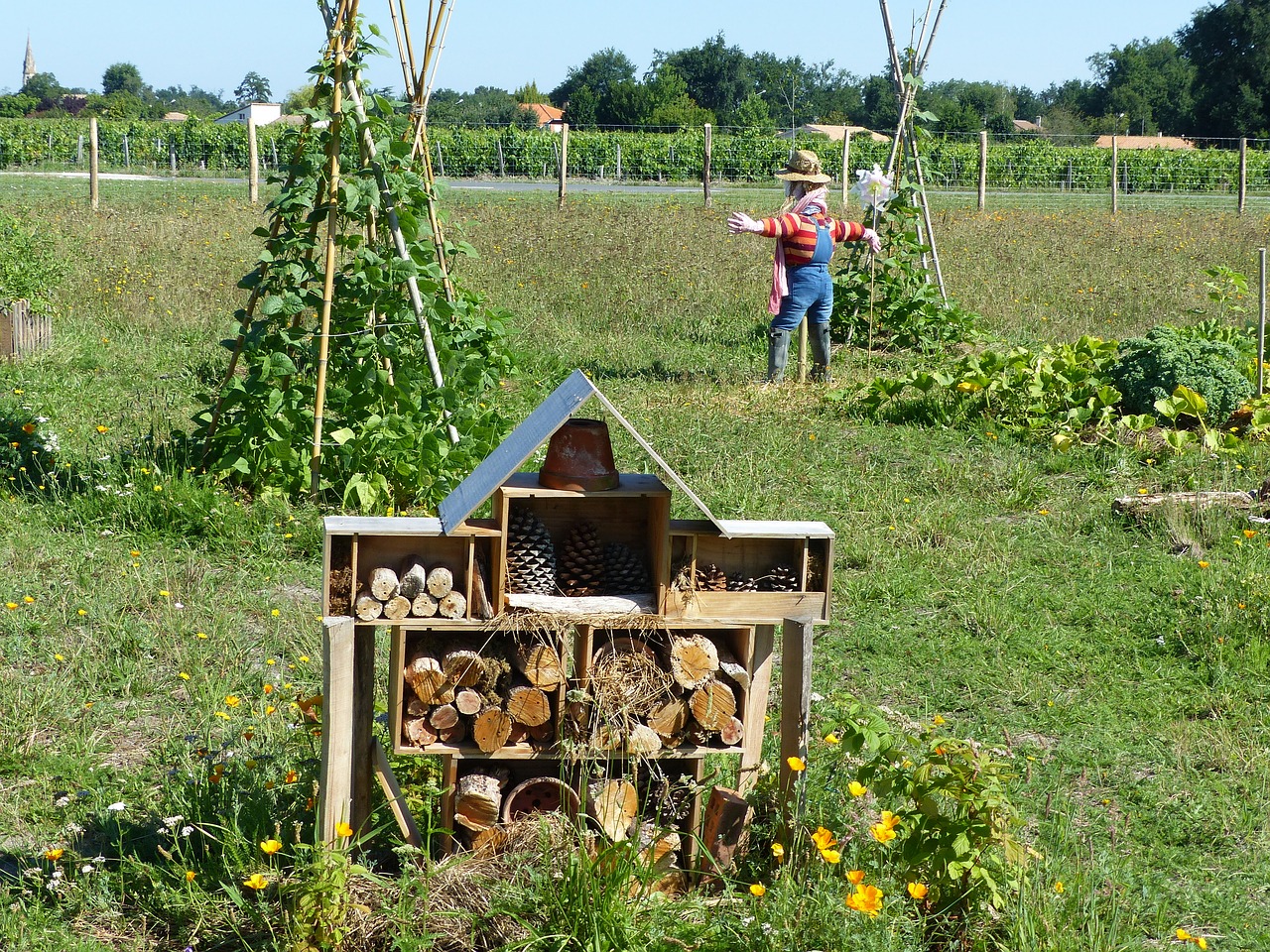
Permaculture (permanent + agriculture) was developed in the late 1970s by Bill Mollison and David Holmgren. It’s a set of principles and techniques for food production at any scale that focuses on mimicking natural systems, instead of competing against them. It puts humans into the system as engaged participants, departing from the conventional agricultural approach of conquering nature. The principles can be applied to container gardens on apartment balconies, large scale agricultural operations, and anything in between.

READ THE FULL STORY AT https://thehomestead.guru/permaculture/?fbclid=IwAR2uez2yUOTZ4_KM8Yttd92ZXYK6rCKTNAUUUnmHn33hPA3h7YLh4K7ATHM

Grow Up to 90 Fruits and Vegetables in Your House With This Auto-Watering Indoor Garden

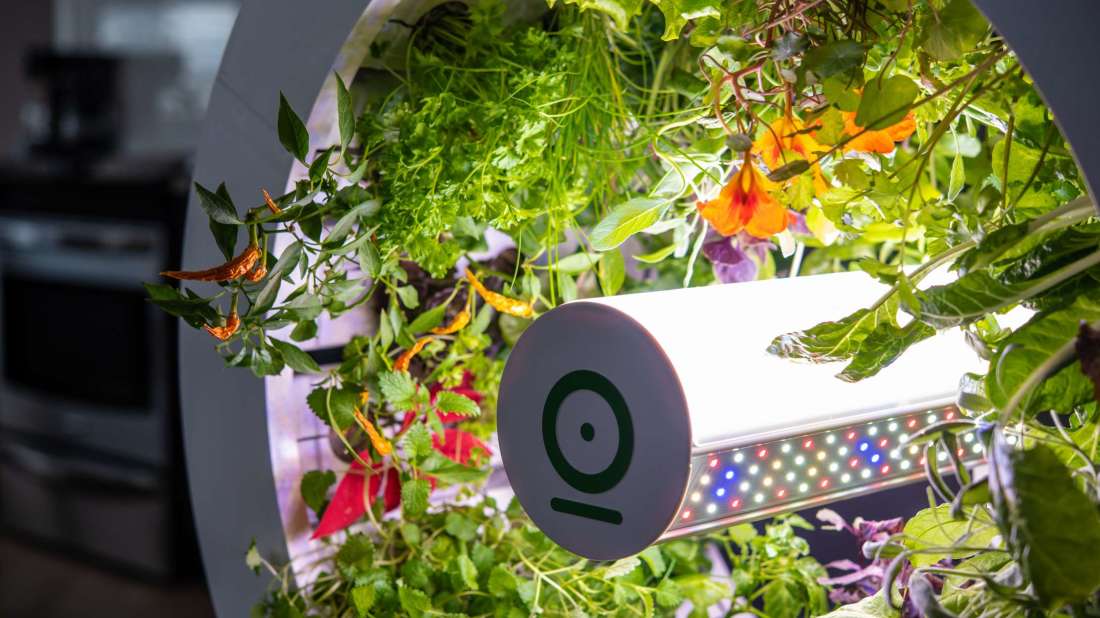
If you’ve always wanted to start your own herb or vegetable garden but don’t have the yard space or the “green thumb” to pull it off, there’s now another option. The OGarden Smart is an indoor gardening system that grows up to 90 plants at one time—20 of which are edible.

Strawberries, celery, kale, bok choy, green beans, cayenne pepper, green onion, and cherry tomatoes are just a few of the fruits and veggies the OGarden can grow. Up to 30 growing cups can be placed in a lower cabinet, where the seeds are allowed to germinate. Once they sprout, the plants can then be transferred to the rotating wheel up above, which holds up to 60 plants at a time. It takes about 30 to 40 days to harvest the produce, depending on the type of plant grown.

The system is self-watering and uses automatic LED lights to provide the right amount of sunlight, no matter what season it is. The only work that’s required is planting the seeds and refilling the water tank once a week.

LEARN MORE: http://mentalfloss.com/article/574691/grow-90-fruits-and-vegetables-your-house-auto-watering-indoor-garden

On rooftops and in tunnels, city farms lead food revolution

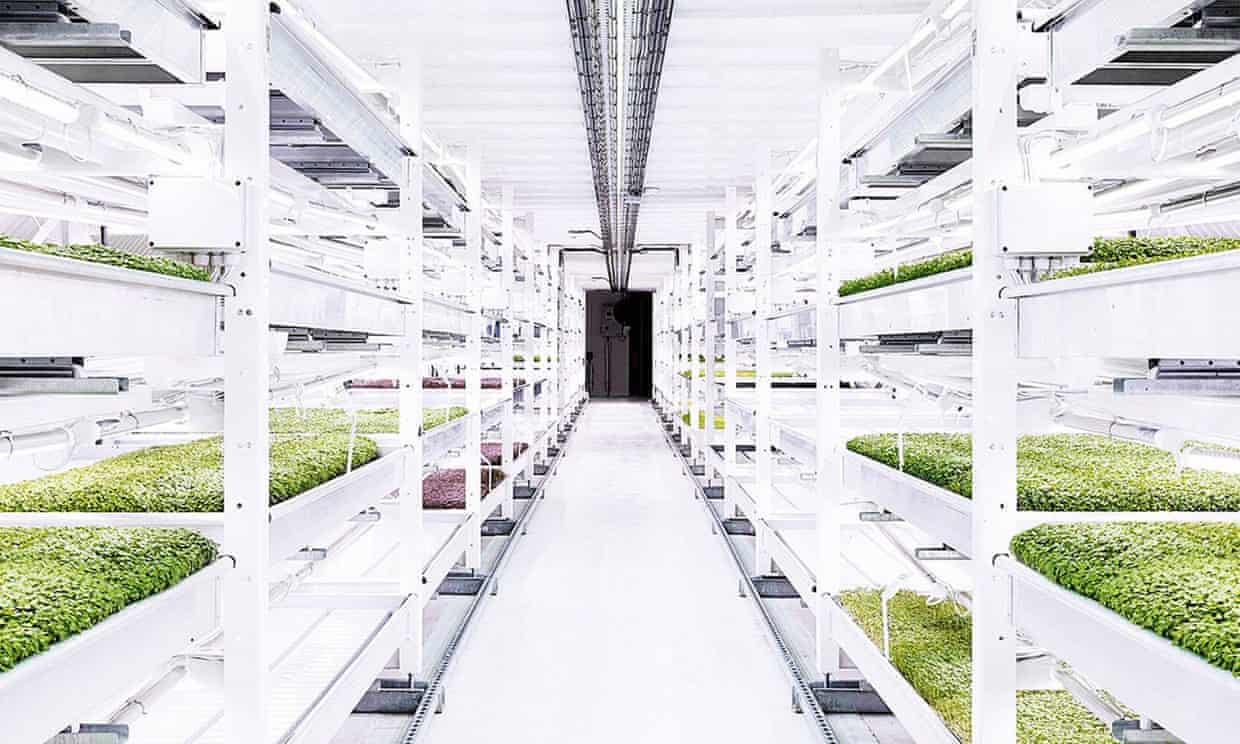
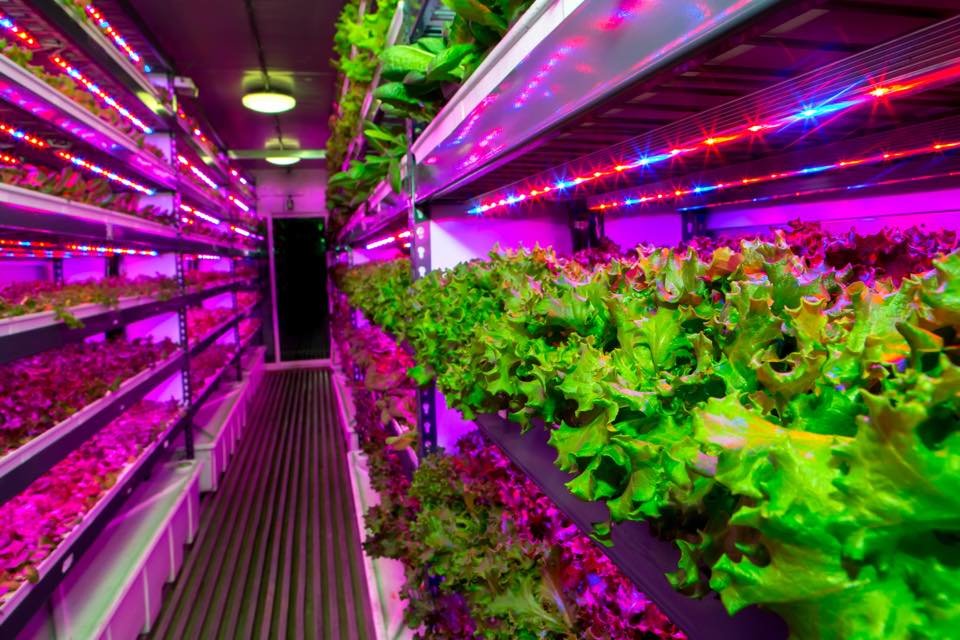
Only the Northern line tube trains rumbling through tunnels overhead provide any clue that Growing Underground is not a standard farm.

The rows of fennel, purple radish and wasabi shoots could be in almost any polytunnel, but these plants are 100 feet below Clapham High Street and show that urban agriculture is, in some cases at least, not a fad.

The underground farm has occupied a section of the second world war air-raid shelters for nearly five years, and Richard Ballard, one of the founders, is planning to expand into the rest of the space later this year.

“The UK is the hardest market for growing salad,” he said. “We’ve got very low prices in the supermarket, so if we can make it work here we can make it work anywhere.”

A LOOK INSIDE RINO’S ROOFTOP URBAN FARM

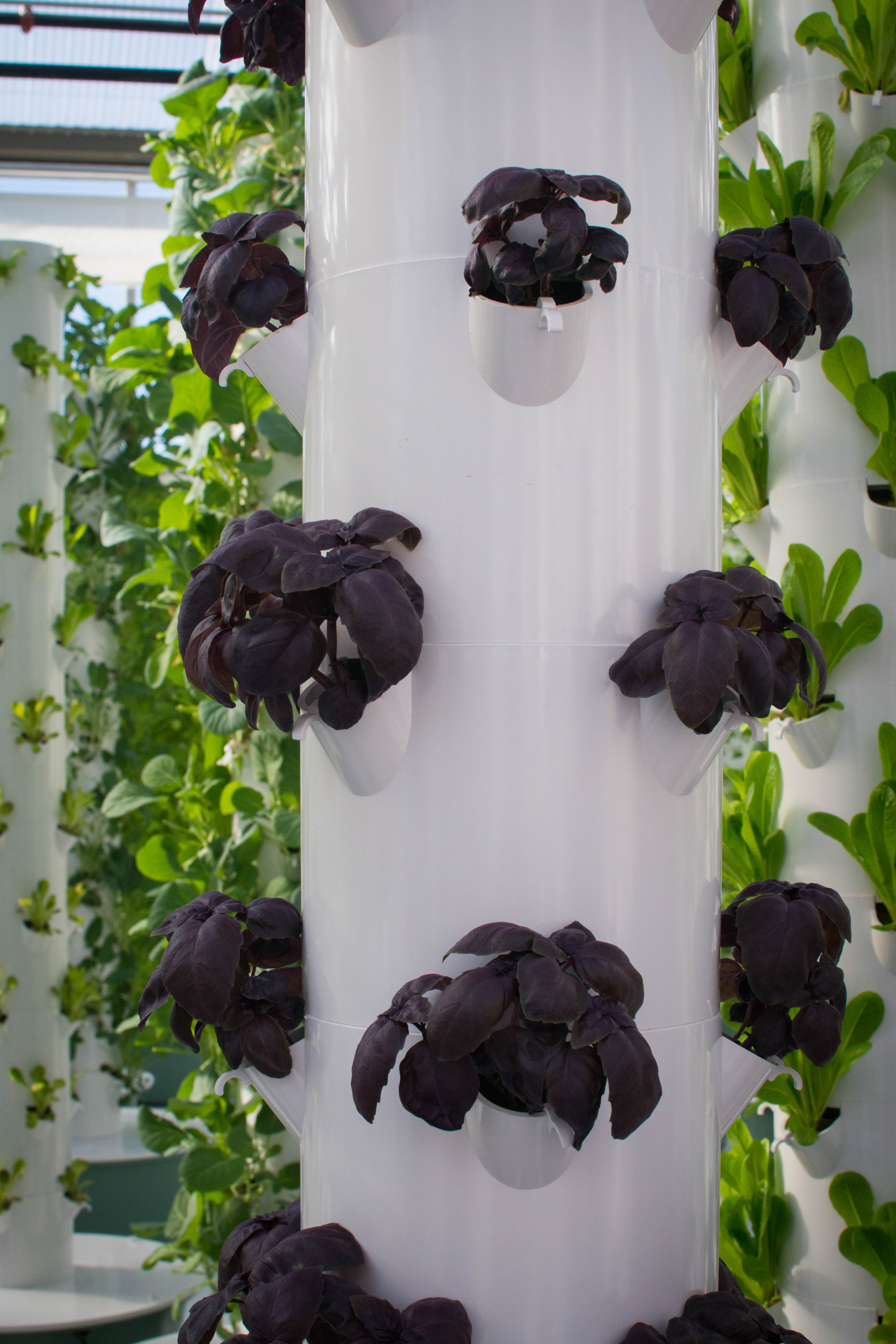
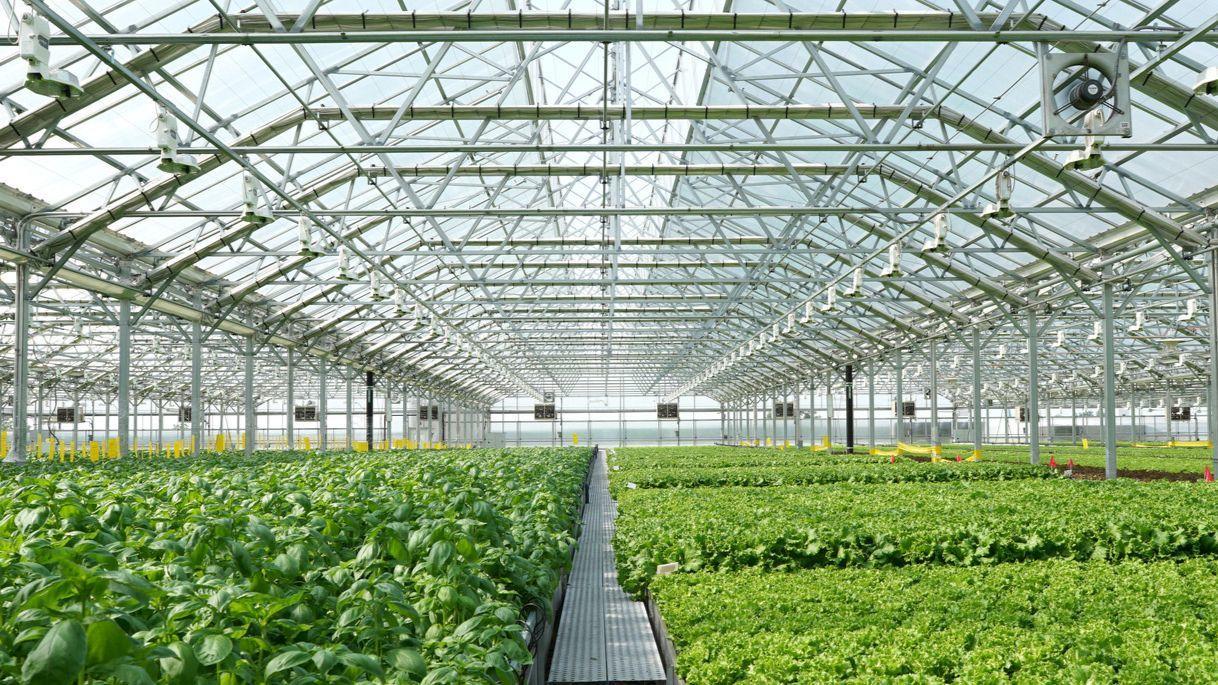
If you’ve recently walked down Lawrence Street in RiNo,  you have probably have been stopped in your tracks by the sight of a rooftop garden. At the very least, you’ve probably wondered what was going on above Uchi. This beautiful greenhouse space is home to Altius Farms. As one of the largest vertical aeroponic rooftop gardens in the country, Altius currently grows varieties of lettuce, herbs and edible flowers galore.

Part of the new S*Park condo community, Altius landed at the RiNo location where the land historically has been farmed since the 1930s. The greenhouse itself offers 8,000 square feet to run operations, and the community garden outside will double the growing space once the spring comes. S*Park and Altius are planning to team up for great farm-to-table events and community dinners come warmer temperatures.

READ THE FULL STORY AT: https://303magazine.com/2019/01/altius-rino-rooftop-farm/

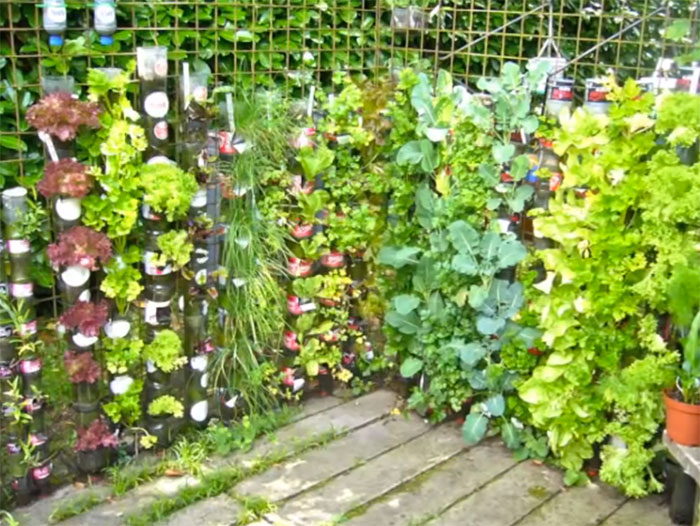
Bottle Tower Gardens Provide Exceptionally Efficient Small Space Growing

Dr. Willem Van Cotthem experimented with this vertical gardening system using recycled plastic bottles stacked and attached to a fence.  He began with the 2011 growing season and continued through 2012 with great success.  This type of garden is cheap to start and is extremely effective for those who do not have a lot of growing space.  A system like this could be built along a fence, wall, or on a balcony.

READ THE ORIGINAL STORY at “OffGridWorld.com”

Urban farms could be incredibly efficient—but aren’t yet

The green revolution that transformed modern agriculture has generally increased its scale. There’s tremendous potential for efficiencies in the large-scale application of mechanization, fertilization, and pesticide use. But operating at that level requires large tracts of land, which means sources of food have grown increasingly distant from the people in urban centers who will ultimately eat most of it.

In some ways, hyper-local food is a counterculture movement, focused on growing herbs and vegetables in the same dense urban environments where they will be eaten. It trades the huge efficiencies of modern agriculture for large savings in transportation and storage costs. But is urban farming environmentally friendly?

According to researchers at Australia’s University of New England, the answer is pretty complex. Within their somewhat limited group of gardeners, urban agriculture is far more productive for the amount of land used but isn’t especially efficient with labor and materials use. But the materials issue could be solved, and the labor inefficiency may be a product of the fact that most urban farmers are hobbyists and are doing it for fun.

READ THE REST OF THE STORY: https://arstechnica.com/science/2018/12/urban-farms-could-be-incredibly-efficient-but-arent-yet/

High-tech urban greenhouse takes local farming to a new level in Denver

DENVER — People walking or driving by Altius Farms have picked up their phone to call and ask about the greenhouse at 25th and Lawrence. The glass-enclosed structure houses an urban farm that is using advanced technology to change the way we think about growing food.

“This is our mission, is to bring urban farming back into our communities,” said Altius Farms Founder and CEO Sally Herbert.

The farm is already supplying about 20 local restaurants and Marczyk’s Fine Foods with fresh produce. Herbert hopes to introduce a community-supported agriculture (CSA) program where people will be able to buy directly from the farm.

“People can know their farmer. These restaurateurs and their customers will understand where their food is coming from every day,” said Herbert.

READ THE FULL STORY AT: “TheDenverChannel.com

Indoor gardening: Add plants to every room of your home

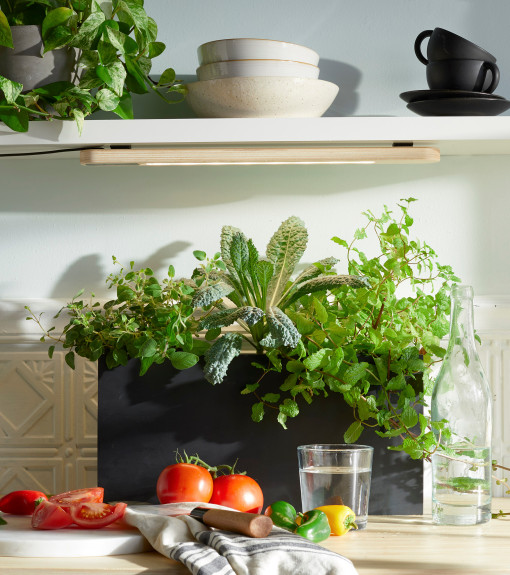
Grow herbs or other leafy greens indoors under a Growbar LED light fixture or near a sunny window. (photo contributed)

Gardeners know the benefits of digging in the soil. It elevates a person’s mood, improves mental and physical well-being and the outcome is always good – added beauty or tasty nutritional food. But many of us are stuck indoors for the winter, have a lack of space to garden outdoors or just can’t get enough of this healthful activity. Adding greenery indoors expands our gardening opportunities and provides the many benefits of living with and tending plants.

Let’s start with the kitchen. Boost the flavor and nutrition of winter meals by growing leafy greens and herbs in a sunny window or under a cabinet with the help of a Growbar LED light fixture. Start plants from seeds or purchase transplants to grow indoors. Place your indoor kitchen garden in a brightly lit location, free of cold drafts and with easy access to harvest and use. Then enlist the whole family and even your guests into harvesting greens for their salad and herbs to season their meals. This is sure to turn family and friend gatherings into unique and memorable experiences.

Include plants in your home or work office. Greenery helps reduce stress even when working at your desk or tackling homework at the end of a long day. Set a few plants on or near your desk or other workspace. And don’t let a lack of light stop you from growing a bit of green stress relief. Stylish energy efficient full spectrum plant lights, like the Felt Pendant Grow Light (modsprout.com), fit any décor, direct light where it is needed and promote healthy plant growth.

READ THE REST OF THE ARTICLE AT:ukiahdailyjournal.com

Paris-based Agricool raises $28 million to expand its urban farming tech

Agricool today announced it has raised $28 million for its system that uses specially designed trailers to grow strawberries in big cities.

The Paris-based company has now raised a total of $41 million as it works to meet the growing demand for locally grown produce through technological innovation.

“We are very excited about the idea of supporting urban farming toward massive development, and it will soon no longer be a luxury to eat exceptional fruits and vegetables in the city,” said Agricool cofounder and CEO Guillaume Fourdinier in a statement.

READ THE FULL ARTICLE AT: “VentureBeat.com”

Ikea wants to help you farm in your house

Ikea doesn’t just want to sell you furniture–it also wants to sell you on sustainable living. And how best to live sustainably than to grow your own food?

That’s the idea behind a new line of products the Swedish company is developing with British industrial designer Tom Dixon. Due to be announced in May 2019 and released in Ikea stores in 2021, the products will be focused on making it easier for people to farm in an urban environment.

For Ikea, this collaboration is about challenging the way society looks at growing in general and addressing that it’s both possible and rewarding to have a place to grow your own plants in the city,” James Futcher, creative leader at Ikea Range and Supply, said in a statement. “Food is key to humanity and design can support with better solutions.”

READ THE FULL ARTICLE: “FastCompany.com

Urban Farming Organization Visualizes a Franchise Model to Produce Fresh Fish and Vegetables

“On a cool September morning, Dre Taylor dodged raindrops while talking with several people tending beans, peppers, tomatillos, collards and more outside of a 4,500-square-foot building. This is Nile Valley Aquaponics, a vibrant fixture in Kansas City, Missouri’s urban core. The name came from Egypt where people cultivated plants and fish thousands of years ago. Goats and picnic tables share outdoor space and offices occupy a nearby house.

Last summer (2018), Nile Valley Aquaponics grew dozens of fruits, vegetables and herbs, from tomatoes and squash to basil and sage, kale and Swiss chard. Its 100,000 Pound Food Project seeks to produce 100,000 pounds of local fresh fish, vegetables and herbs, creating greater access to healthy food choices, while providing volunteer opportunities and economic stability in the area. Health education is also important. Several October classes will address growing mushrooms, building a greenhouse for less than US$500, and building a personal aquaponics system.”

READ THE FULL STORY AT: “EcoWatch.com

Dubai gets the world’s largest vertical farm — for an international airport

“When passengers board their flights at Dubai International Airport, most are served in-flight meals that include salads or greens atop sandwiches. These crops usually come from traditional, outdoor farms in the United Arab Emirates.

By 2020, flights taking off from the airport will serve greens and herbs grown from a more high-tech source.

Emirates Flight Catering (EKFC), one of the world’s largest airline catering operators, and Crop One Holdings, a San Francisco Bay Area food startup, are building a massive vertical farm to supply crops for in-flight meals.

EKFC provides catering for Emirates Airlines and all other airlines at Dubai International Airport, which is the world’s largest airport by passenger traffic.

Read the FULL ARTICLE at BusinessInsider.com

7 Tips for A Better Summer Garden

Summer has arrived and for a lot of us, that means long, hot days in the garden. Before you get too exhausted or overwhelmed, consider these 7 easy tips for having a beautiful and happy summer garden!


TIP # 1 – BE WISE WITH YOUR WATER

Make sure to keep your garden beds cool and moist by adding plenty of organic mulch around the base of your vegetables, herbs, and flowers. This will also greatly help reduce unwanted weeds from coming up.

Whenever possible, use drip irrigation, and water close to the base of the plant. If using sprinklers or wands, water as early or as late in the day as possible to avoid evaporation.

During the day, avoid splashing water on the leaves as it can sometimes cause them to burn in the hot temperatures.


TIP # 2 – KEEP YOUR COOL SEASON CROPS SHADED

Cool-season crops can generally only take between 3-6 hours of sun per day. If you still have some spring veggies in the ground you can keep them from bolting by adding shade cloth over them, or if they are in containers you can move them to a location with more shade.


TIP # 3 – FRESHEN UP YOUR DECK OR PATIO

Summer should be enjoyed! Take pride in your outdoor space by making it a comfortable gathering place for friends and family. Consider adding a new patio set, or painting an old one!
Add a festive shade umbrella, new pillows or an outdoor rug. Compliment your outdoor gathering space with a container garden full of fresh culinary herbs! These will not only come into use while cooking up your favorite dishes, but some of them can actually help deter mosquitos!


TIP # 4 – KEEP THE POLLINATORS HAPPY

Insects, hummingbirds and bees all play a crucial part in healthy vegetable gardens. Make sure you incorporate plenty of native plants and flowers to help attract these pollinators into your garden.


STEP # 5 – START A GARDEN JOURNAL

If you didn’t start a journal during your spring plantings, make sure you start one now! Begin recording things like what you’re growing, and dates you harvest.

You can purchase a small food scale, and document the size of all of your harvests!  You can also include beautiful photographs, or other important information such as problems with the weather or pests that you may encounter through the summer months.

Use your garden journal in the future as a reference for what worked in years past or what didn’t to avoid making the same garden mistakes twice.


TIP # 6 – PLAN YOUR FALL AND WINTER GARDEN

Now is the perfect time to start planning your fall/winter garden and sourcing seeds for the next round of plantings. You can also start drafting up new designs for plot layouts or raised beds.

Use the internet to do plenty of research for what designs might best suit your needs. When you’re ready to start planting, check out this planting calendar to find out when it’s safe to start planting your fall/winter crops for your exact grow zone.


TIP # 7 – ENJOY THE FRUITS OF YOUR LABOR

It’s summer, so don’t forget to kick back and relax! Enjoy your beautiful gardens and be proud of all of the hard work you have put in.
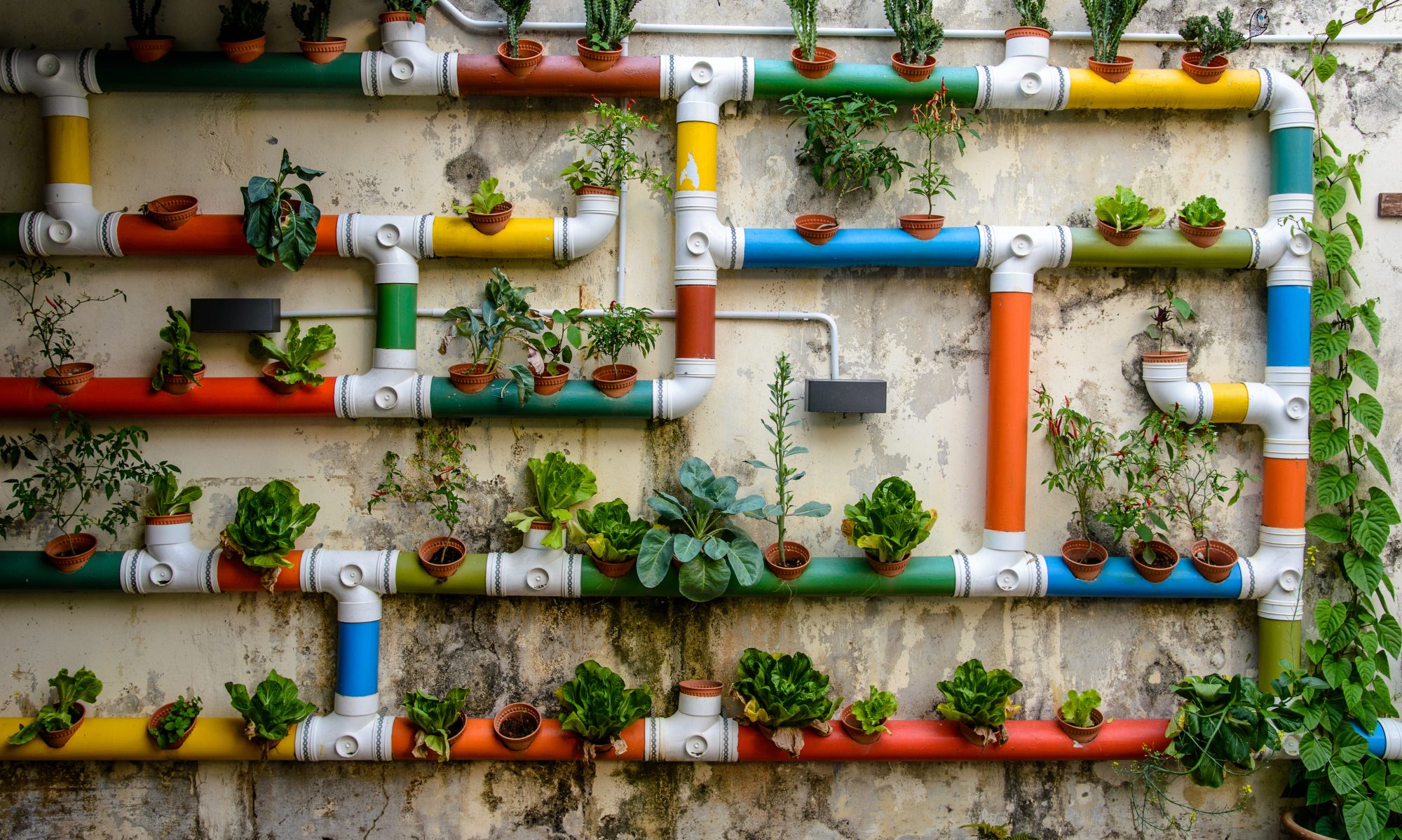

Maybe try one of these refreshing and delicious drink recipes made with your homegrown mint!

‘Fresh, free and beautiful’: the rise of urban gardening

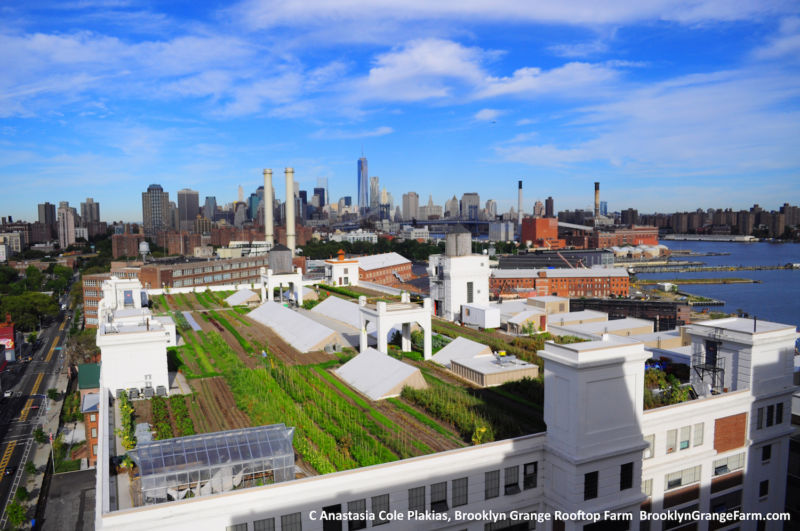
“From providing fresh food for the community to regenerating unused spaces, urban food-growing projects have flourished in the US. In Minnesota, fish and green vegetables are farmed in a former brewery by Urban Organics; in New York, Brooklyn Grange grows produce on the roof of its office.

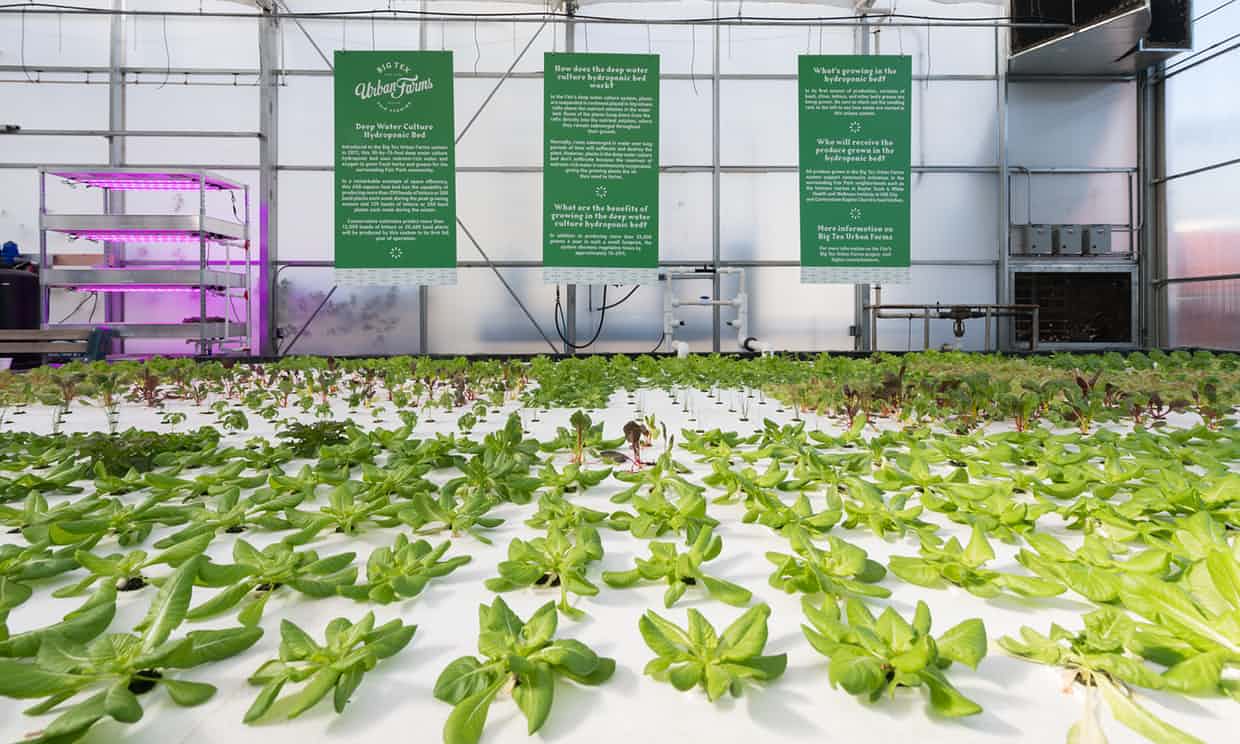
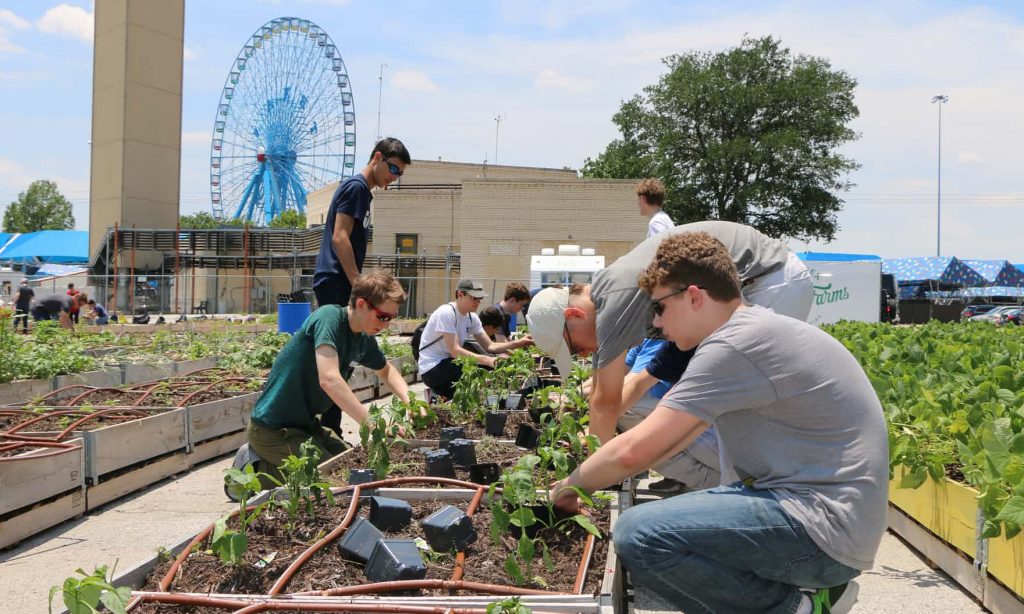
In Dallas, Texas, in an area designated as a food desert, meaning access to fresh fruit and vegetables is difficult, Big Tex urban farms have donated 85,000 servings of fruit and vegetables to the community since 2016.

Developed for and funded by the annual State Fair of Texas, the project consists of mobile beds in car parks and a hydroponic greenhouse which allows plants to grow without soil.”

READ THE FULL STORY AT: “TheGuardian.com”

Hydroponics Guide: Learn To Grow Plants Without Soil 2018

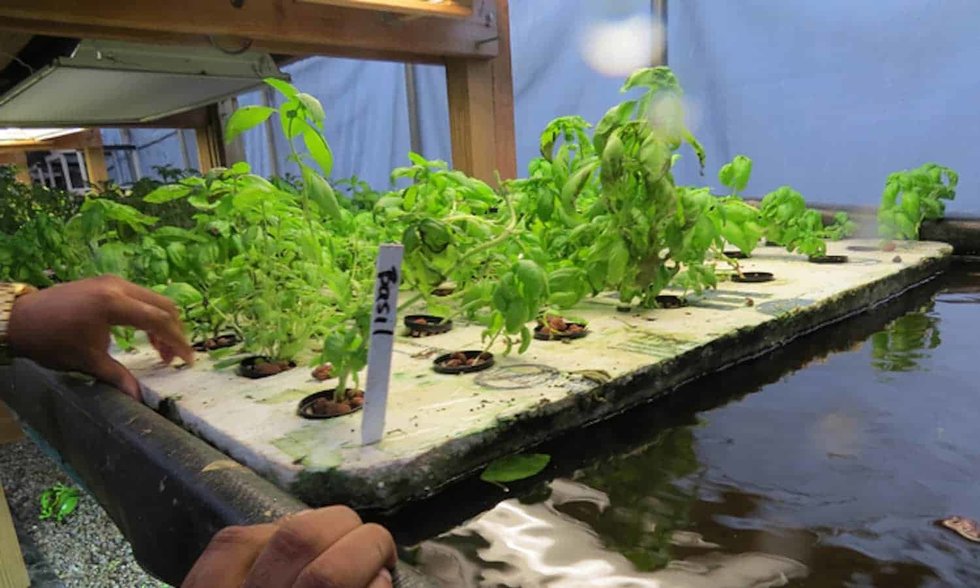
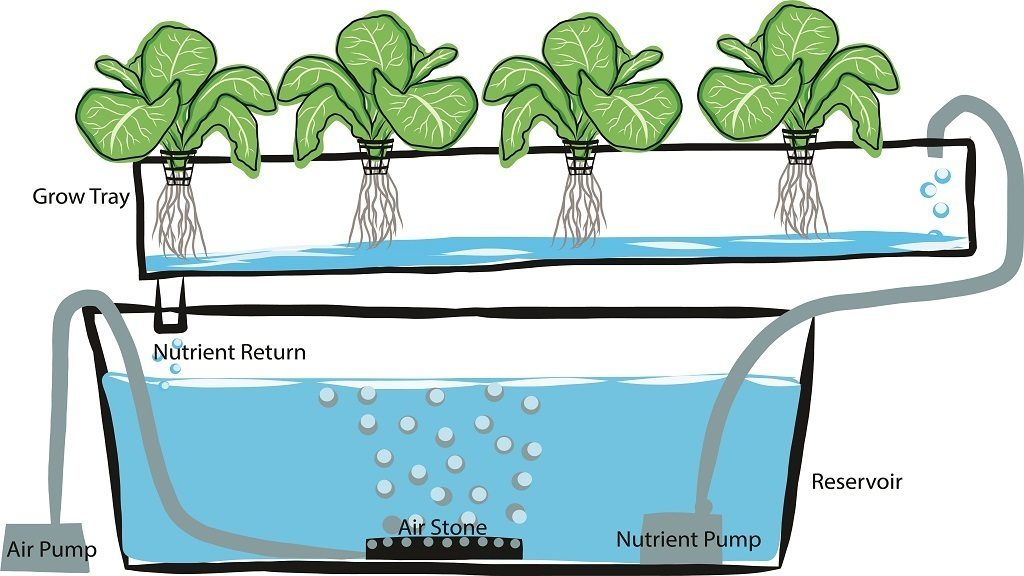
“Hydroponics is the art/science of growing plants in a soil-free environment. Historically, hydroponics isn’t that new. In fact, there are many ancient records of people using the concept of hydroponics to grow plants.

One such important record is the Hanging Gardens of Babylon, which is considered one of the Wonders of the Ancient World. In Babylon, they used gravel and stones to grow plants.

While the system is certainly more primitive than what we can create now using our own two hands, it’s important to note that the underlying principles remain the same.

This hydroponics guide will give you a bird’s eye view of how hydroponics works, how it actually grows plants and how you can start your own hydroponic system.”

LEARN MORE about GROWING HYDROPONICALLY, Here!

Urban farm coming to former Sparrows Point steel mill site in Baltimore County

bs-1525786333-3ucak4c4iu-snap-image

“A former Baltimore County steel mill is going green, as a Chicago-based urban farming operation looks to transform a portion of the former Sparrows Point site into a large greenhouse.

Gotham Greens is opening a 100,000-square-foot hydroponic greenhouse at Tradepoint Atlantic, the massive redevelopment project planned for Sparrows Point, according to a news release.”

Read the FULL STORY: “BaltimoreSun.com

Strange Ways To Use 30 Most Common Household Things In Your Garden!

Learn 30 Things That Can Make Your Garden Better!

1. Cardboard and Newspapers

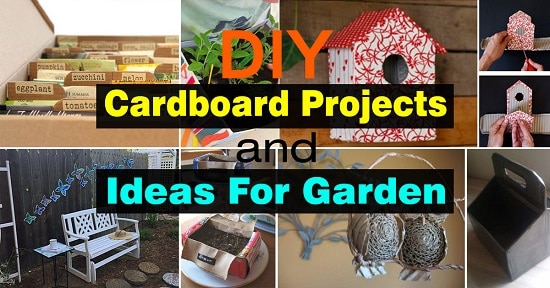
Must you have cardboards and newspapers? Do you know you can use them in your garden? From putting them into the compost to suppressing weeds or this DIY newspaper seed starter, there are many ways. Find out more cardboard uses here!

2. Wine Bottles

From creating a water fountain to bird feeder to self-watering pots, there are not just 3 or 4 uses; your old wine bottles can be used to complete these 26 DIY projects listed here

3. Pennies

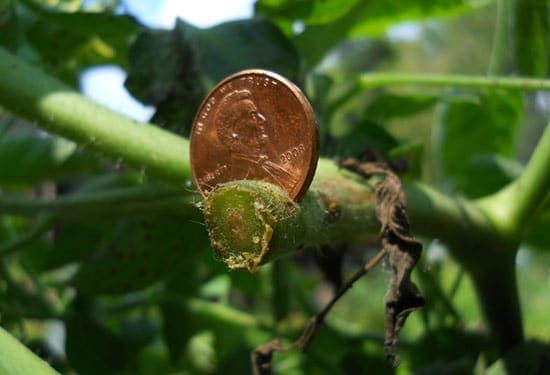
Have pennies? Use them to control tomato blight. Also, drop a penny into the vase as it’s made of copper, which is a known fungicide (especially the older one, made before 1982) and helps in keeping your cut flowers fresh or you can create a penny birdhouse!

4. Aspirin

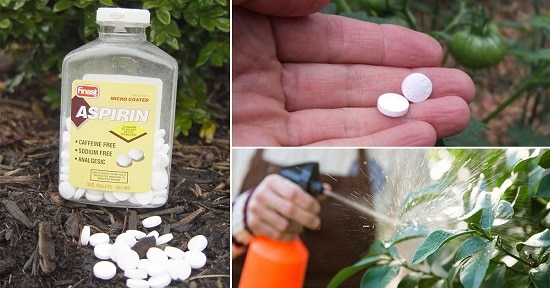
Have aspirin tablets? Use them in your garden–fight fungal diseases, propagate plants from cuttings successfully and quickly, and improve the productivity of your fruit trees. Check out the science behind these claims in this article.

See 26 MORE Common Household Things that can make your garden better, HERE at Balcony Garden Web

This Swedish Indoor Urban Farm Wants To Revolutionize How We Live And Eat

5a9709de1f00005200168c13

In the basement of a landmark 27-story tower in Stockholm’s central Kungsholmen district, Owe Pettersson is hoping to sow the seeds of an indoor urban farming revolution.

Pettersson is the chief executive of Plantagon, a new Stockholm-based urban farming venture set to kick off operations in the basement of an office block in the Swedish capital later this month.

“This will be one of the most advanced food factories located in a city that we have today,” says Pettersson, who has spent more than 25 years in the insurance and banking industries.

He is by no means the first enthusiast for indoor farming, which has become increasingly fashionable in recent years. Claims for the practice of growing food in basements or warehouses range from feeding people in desert environments to reversing the negative environmental effects of monoculture farming.

Read the FULL Article, HERE: “HuffingtonPost.com

Win a FREE Seed Club Subscription!

Seed Club GIF

Win a FREE 1 Month Subscription to UOG’s Monthly Seed & Garden Club! https://urbanorganicgardener.cratejoy.com/offer.html

Everything is delivered to you at just the right time of the year. [All based on your grow zone – growing conditions – garden location – preferences – and more!]

Now is the perfect time to join as we are currently getting ready for the upcoming spring planting season!

Let our Garden Guru’s curate a collection of seeds & garden supplies just for you – your grow zone – garden space – location – and more. Includes everything you need to grow 5 new edible plant varieties every month – varieties can include herbs, vegetables, flowers, sprouts, micro-greens, bulbs, and more! Join the rest of the UOG community and get growing now!

ENTER TO WIN: https://urbanorganicgardener.cratejoy.com/offer.html