In A Time Of Uncertainty, Bostonians Embrace Their Community Gardens

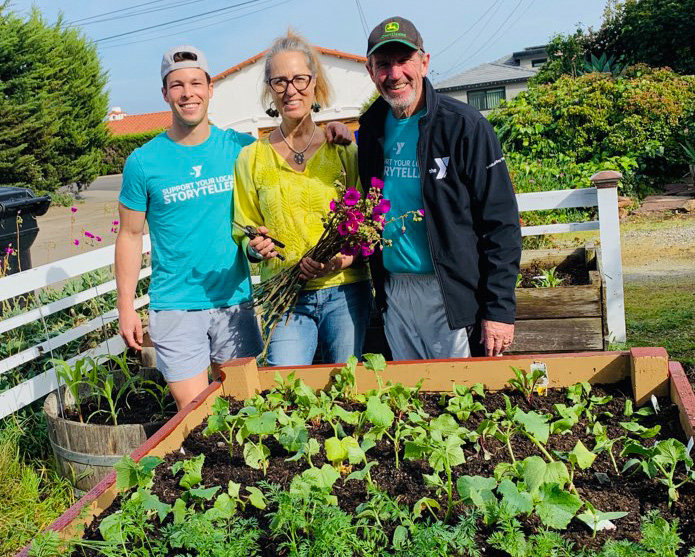
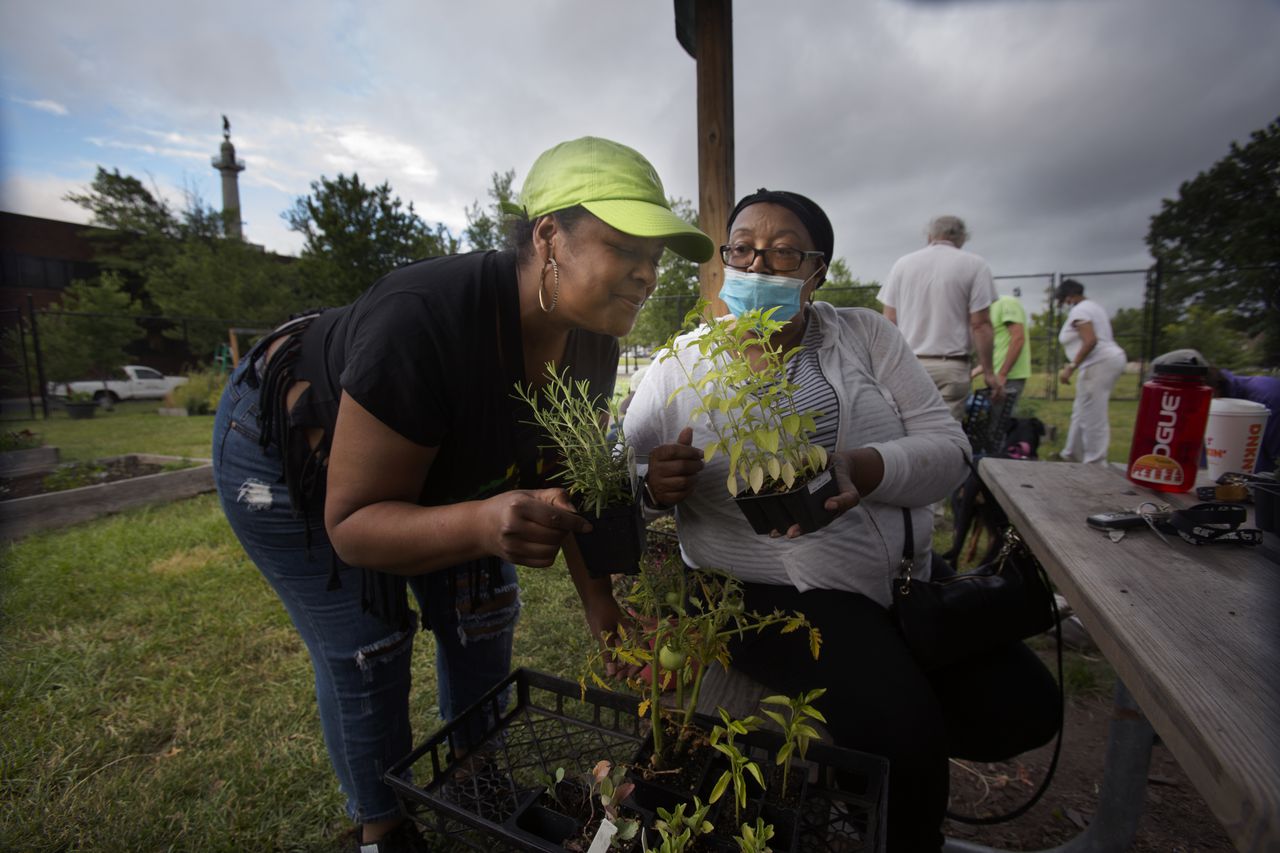
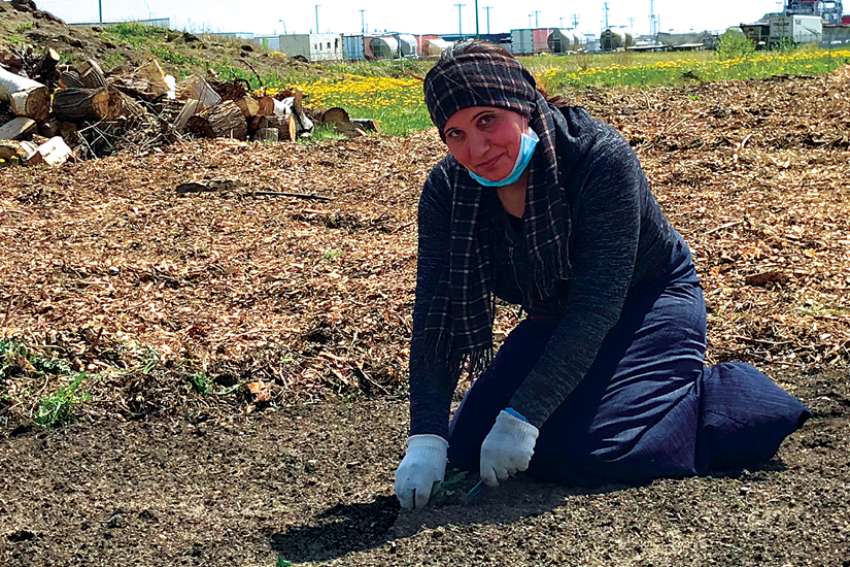
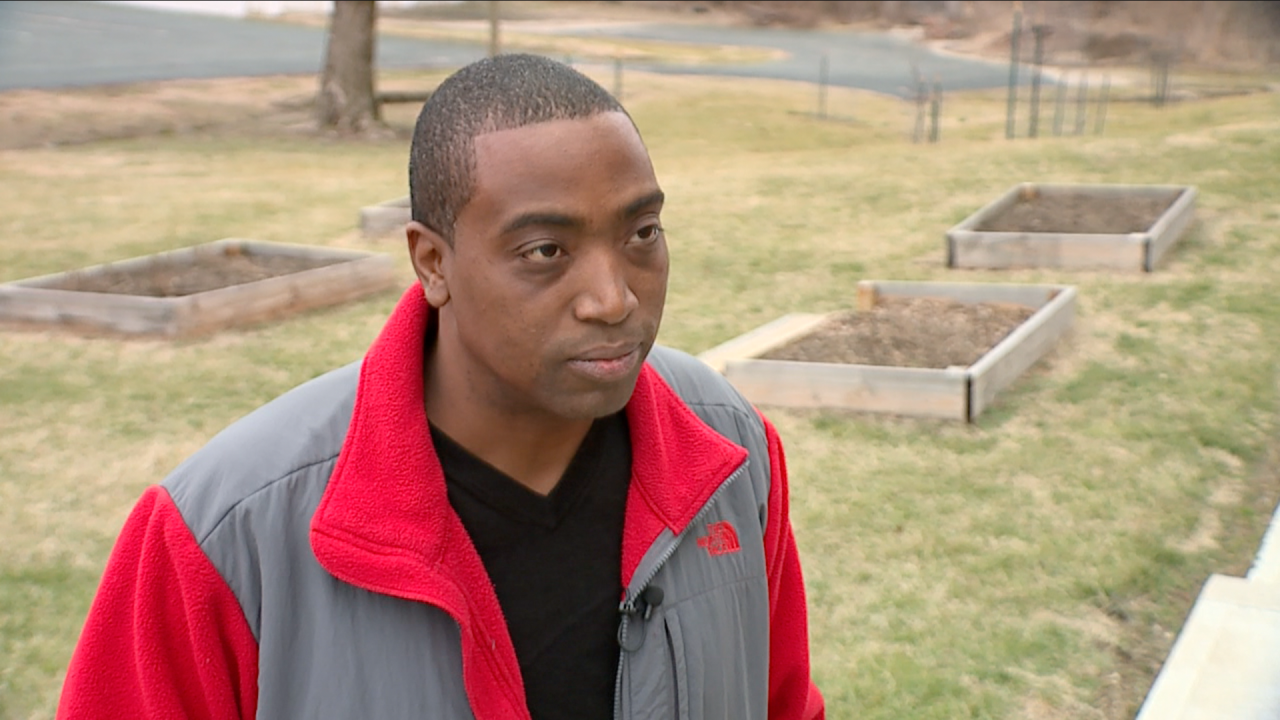
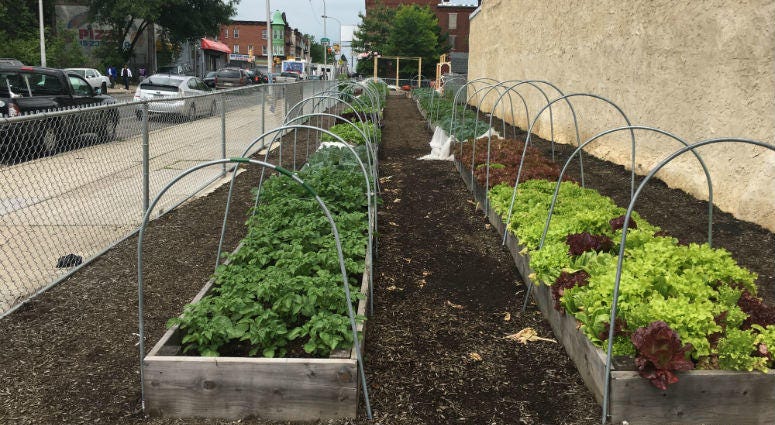
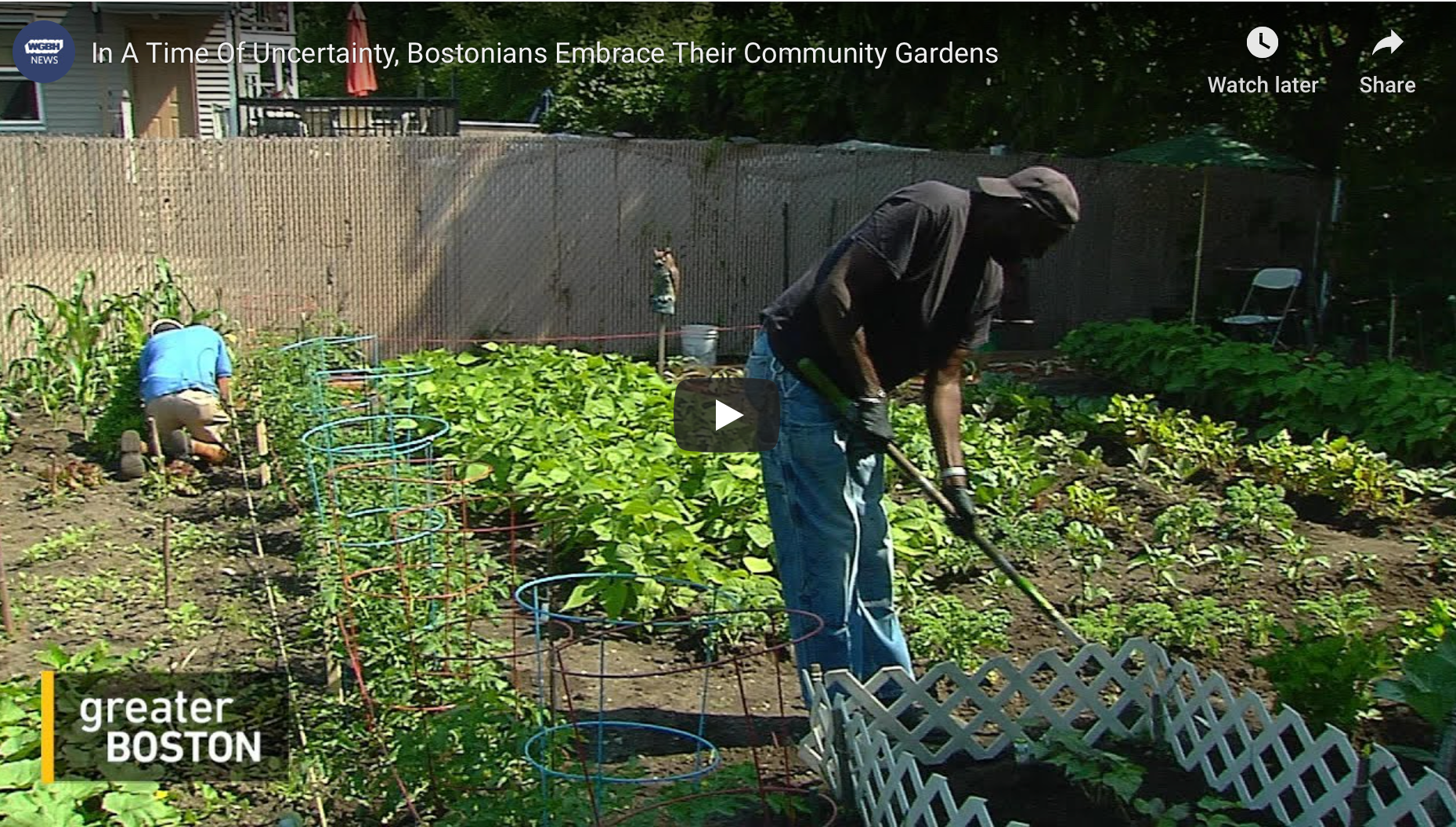
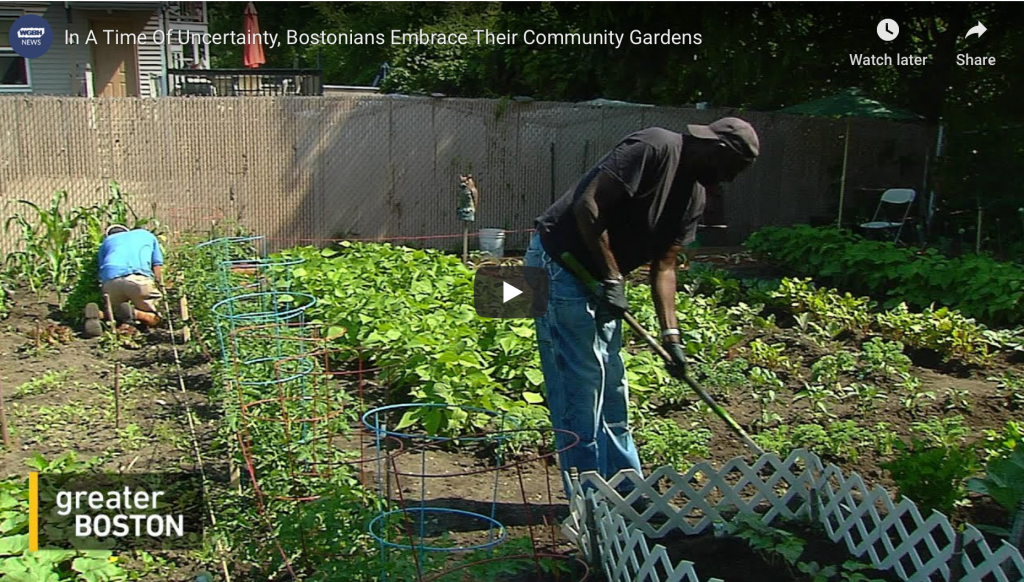
In Dorchester, where the clatter of a passing train gives way to the scrape of a rake, the Greenwood Street Community Garden is thriving. It’s one of roughly 175 community gardens scattered like jewels through the city of Boston. And at this time of pandemic and social upheaval, these gardens are being treasured.

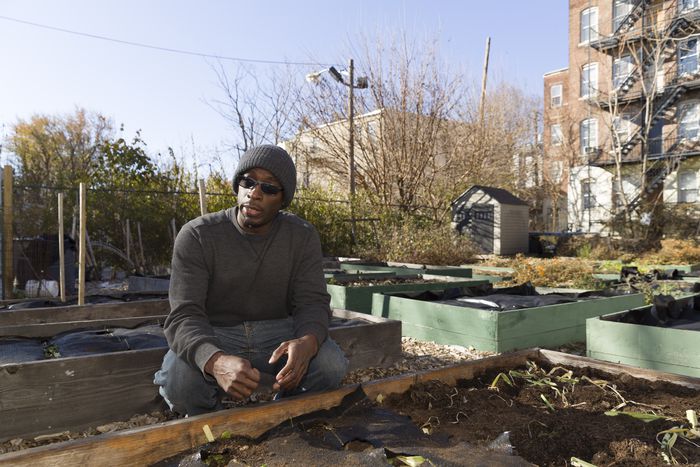
On a recent sunny day, retired teacher Barry Lawton separated his corn stalks, while gently singing Marvin Gaye’s “Mercy, Mercy Me.” He catalogued the variety coaxed from his narrow plot.

“I am growing potatoes, red and white melons, cantaloupe, watermelon, five different types of lettuce. Red, yellow and green peppers, corn, as you can see, cucumbers,” Lawton said. “And I’m waiting for the asparagus, the broccoli and the spinach, they just haven’t showed up yet.”

READ THE FULL ARTICLE: https://www.wgbh.org/news/local-news/2020/07/09/in-a-time-of-uncertainty-bostonians-embrace-their-community-gardens
Camp Washington residents create a brighter future

Photos: Gary Kessler

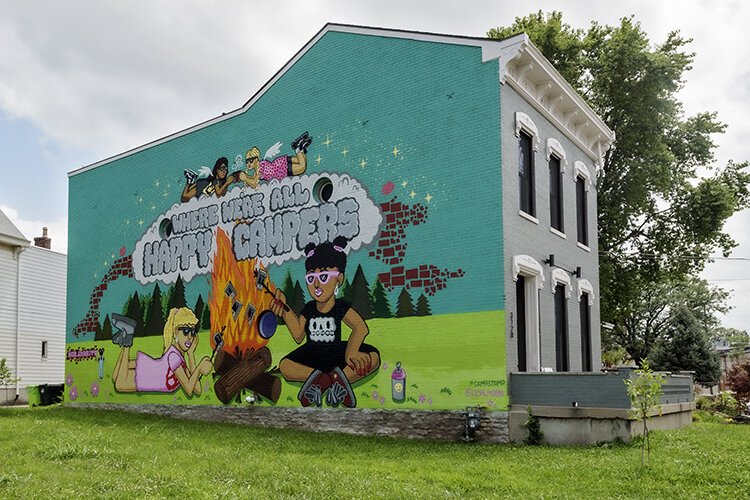
Camp Washington is a little rough around the edges. That’s obvious from a casual drive-by perspective.

But what if this disenfranchised, low-income neighborhood isn’t as “poor” as it seems?

The neighborhood is gritty and quirky. And the running themes throughout Camp Washington are opportunity and productivity. Residents who are willing to dig in and invest themselves will see the fruit of their investments.

It’s a place where there are still opportunities for ownership and entrepreneurship. It’s a place where relational capital and creativity go a long way.

This post-industrial Cincinnati neighborhood has weathered some difficult years. But the neighborhood, collectively, already has everything it needs to survive and thrive for another hundred.

READ THE FULL STORY: https://www.soapboxmedia.com/features/OTG-Camp-Washington-community-creates-brighter-future.aspx

City revises fire hydrant policy that drained urban gardens

Urban gardening advocates are supporting this policy which would make access to water for their community gardens more affordable.

“Community gardens and urban farms might have an easier time getting the water they need after the city changed its fire hydrant policy.

The mid-summer changes reduce some of the barriers that have prevented many urban growers from using city water for much of the season.

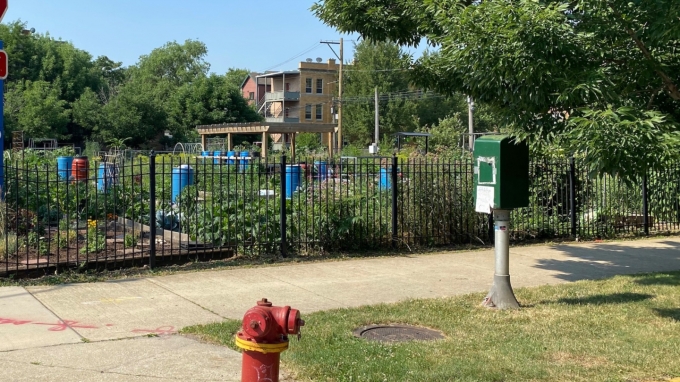
The previous rules, introduced in the winter, made it so community gardens were required to pay hundreds of dollars for the equipment and installation necessary to apply for a permit to tap into the hydrants.

They came with headaches for gardeners: Even after a community garden in Humboldt Park did all that, they heard nothing from the city for weeks and relied on a neighbor’s water to care for their plots.”

READ THE FULL ARTICLE: https://www.austinweeklynews.com/News/Articles/7-28-2020/City-revises-fire-hydrant-policy-that-drained-urban-gardens—/

Boise’s Urban Garden School teaches sustainable gardening

“Now more than ever it is especially important to know where your food comes from, the importance of environmental education is huge,” explains Executive Director of Boise Urban Garden, Lisa Duplessie. “Getting outside of that traditional classroom where they get to put their hands in the dirt.”

Boise’s Urban Garden School, located on Five Mile Road, is an outdoor learning environment, set on 1,500 square feet of outdoor classroom space and 3/4 acre teaching garden, this school gives our community the opportunity to learn about organic and science based gardening and how to grow your very own food.

“You know we are having to look outside of the box and out programs fit in perfectly,” Duplessie says.

READ THE FULL STORY: https://idahonews.com/features/leaders-in-learning/leaders-in-learning-boises-urban-garden-school-teaches-sustainable-gardening

Olean residents reap rewards of Healthy Families community gardens

OLEAN — A group of Olean residents are enjoying the “fruits of their labor” this summer as they work in two community gardens sponsored by Healthy Families Allegany-Cattaraugus and Rural Revitalization Corporation.

During the COVID-19 pandemic, there has been an increase in the self-reliance of communities to provide for their own food needs. In collaboration, Healthy Families Allegany-Cattaraugus (HFAC) and Rural Revitalization Corporation (RRC) have made it possible for people living in two Olean neighborhoods to raise produce to supplement nutritious food for their families.

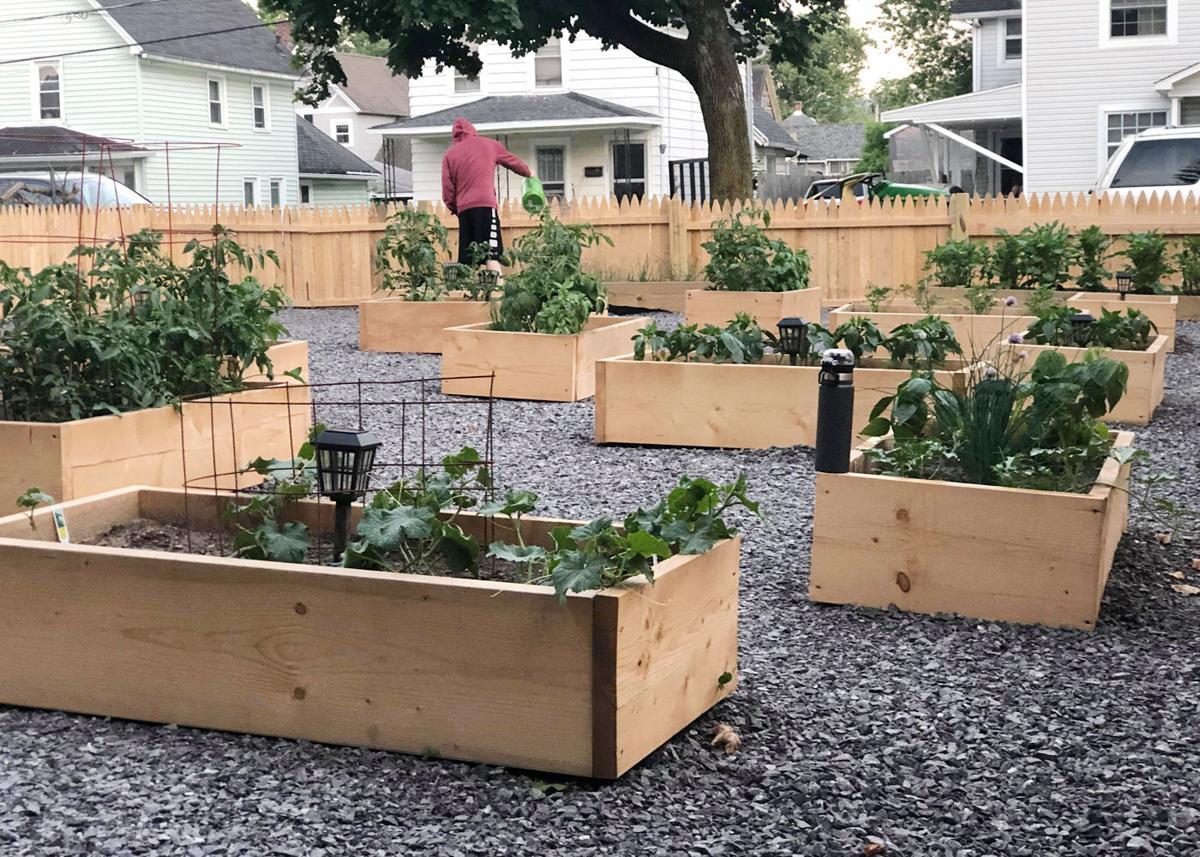
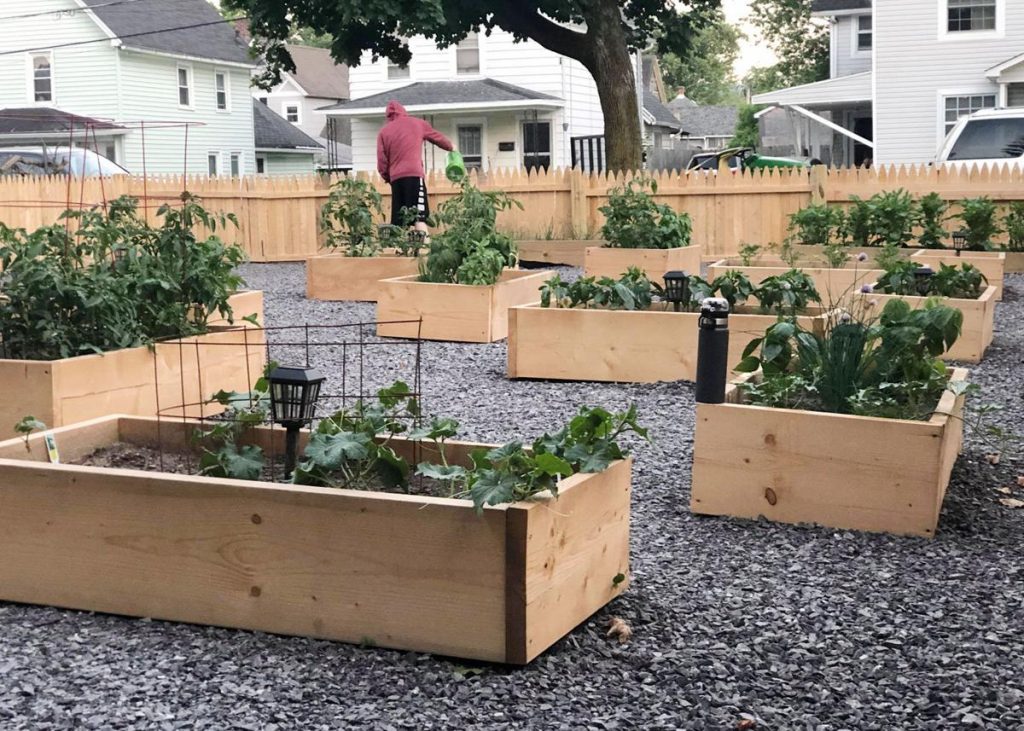
Program Supervisor Jasmine Hall said the Healthy Families community garden, located on Reed Street, has 16 raised garden beds with picnic tables for staff to meet with families. She said Rural Revitalization is also involved with a community garden on Green Street.

READ THE FULL ARTICLE: https://www.oleantimesherald.com/news/olean-residents-reap-rewards-of-healthy-families-community-gardens/article_54bc3e3d-e8cd-56fb-b0ea-7760a0654fd2.html

Urban gardens sprout in Point Loma during quarantine

Urban gardening has become a trend that an increasing number of San Diego residents are pursuing, especially during the pandemic. And the City is helping out, having just debuted a new website, sandiego.gov/urban-farming, that provides information and assistance for those wishing to become successful urban farmers.

As more people are spending time at home due to Covid-19 public health orders, urban farming has seen an uptick in popularity. And the City is making resources available to support San Diegans in turning their sod into seed.

Dr. Julie Cramer, who lives near Sunset Cliffs and has been home gardening for years, finds her front-yard garden to be not only filling but fulfilling.

“It’s become a conversation opener with neighbors in addition to growing good food for ourselves and contributing food to others,” said Cramer, who is involved with her son, Avery, in a venture known as Co-Harvest Foundation, a nonprofit working to help end food-insecurity in San Diego.

Read more: San Diego Community News Group – Urban gardens sprout in Point Loma during quarantine

Pandemic affects volunteering at Greener Garden Urban Farm

By: Kelly Broderick

For Warren and Lavette Blue, they’ve always had volunteers and trainees at their farm.

They’re the owners and operators of Greener Garden Urban Farm

In previous years they would get an abundant amount of help with anything they needed. The volunteers would come any time they needed literally anything done.

But when the pandemic hit, everything changed.

“We couldn’t get the help because of the virus, that’s the gist of it. Some people still wanted to volunteer. But we had to think of it in terms of safety.”

They said it took an emotional toll on them, but they do have a rebound plan.

READ THE FULL STORY AT: https://www.wmar2news.com/reboundmaryland/pandemic-affects-volunteering-at-greener-garden-urban-farm

New urban gardens sprout amid coronavirus, aiming to feed N.J. cities

Trenton, a city of nearly 85,000 people, contains only one full-service supermarket. It is one New Jersey’s several food deserts, where access to groceries — let alone fresh produce — is scarce.

Now, as the coronavirus pandemic has provided some with more free time and plunged many more into poverty, local community groups and residents are getting their hands dirty to address the problem.

Urban gardens have experienced a boom in community interest and participation in recent months — more people are learning new skills, connecting with their neighbors and, importantly, helping to fill nutritional needs.

Community garden helps immigrants heal, and grow their future

Quinton Amundson, Canadian Catholic News

Growing fruit and vegetables at a 30-acre urban farm has provided Kamo Zandinen sustenance for her family and a window into her past.

Preparing the soil, planting seeds, adding water, and fertilizing transfers her mind and soul back to Sinjar, Iraq, to the days when she cultivated vegetables alongside her husband and seven children.

Two or three times a week during spring and summer, she gardens at the Land of Dreams, a long-gestating initiative launched 11 months ago by the Calgary Catholic Immigration Society(CCIS).

“Since we have begun to plant on this land in Canada, I feel physically, mentally and emotionally better than before,” says Zandinen through translator Kheirya Khidir, a settlement counselor for the CCIS.

Profound devastation was inflicted upon Zandinen, her family and the Yazidi people of Sinjar starting on Aug. 3, 2014 when ISIL forces invaded the northern Iraq town in the Nineveh governorate — an area with a long history of being the homeland to Iraq’s minority populations.

READ THE FULL STORY: https://grandinmedia.ca/community-garden-helps-immigrants-heal-and-grow-their-future/


This Newark Couple is Transforming a Vacant Lot into a Community Garden

Photo: Bilal and Breonna Walker

NEWARK, NJ — For the past 15 years, Lot 50 on Grafton Avenue in the city’s North Ward has been a wasteland of syringes and garbage, bringing down the community’s morale.

Those days are coming to an end, according to Bilal and Breonna Walker, two educators who are transforming the lot into a community project unlike any other in Newark. Dubbed Jannah on Grafton, what was once a blight on the neighborhood will soon be a community garden providing access to healthy food options, urban gardening advocacy and sustainable education efforts for North Newark residents.

The project came about due to divine inspiration, according to the couple, who are practicing Muslims.

“There’s a saying that loosely goes, ‘If you plant a seed, and it grows and an animal or human benefits or eats from it, then you get that reward.’ That’s something I’ve been reflecting on for a very long time, and I’ve always thought about how I’d like to leave my mark on the world,” Bilal said.

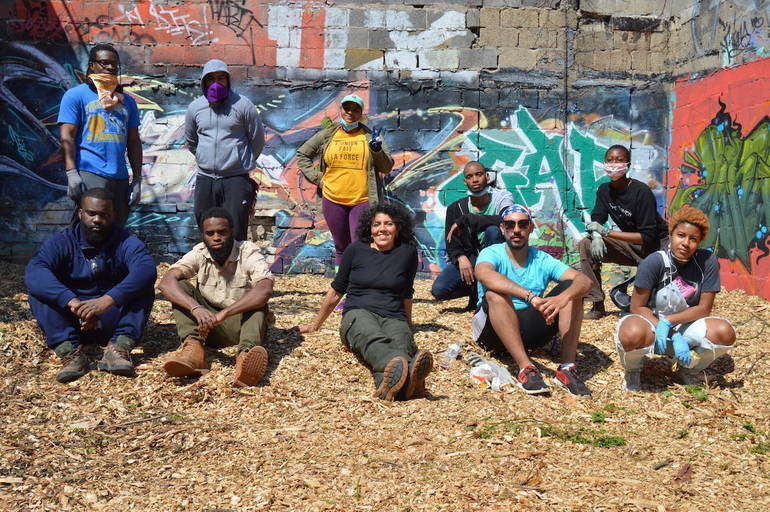
The lot’s vibrant graffiti would always catch the couple’s eye, and so through the city’s Adopt a Lot program, the Walkers began their endeavor to bring grassroots sustainability to an underserved population. Through Jannah on Grafton, they’re setting a goal to provide 20 families locally grown produce and cushion their monthly food income.

READ THE FULL ARTICLE: https://www.tapinto.net/towns/springfield/sections/other-nj-news/articles/this-newark-couple-is-transforming-a-vacant-lot-into-a-community-garden-4

Despite abrupt end to senior year, this student’s urban garden project has lasting impact

On March 13, Gov. Ralph Northam ordered schools closed in the interest of public safety. With the schoolhouse shuttered, many high school seniors are saying goodbye to their public school legacy without many commemorations. But one Norfolk Collegiate senior got to end the abrupt school year by celebrating pollinators and the native plants that support them. Just before the official state lockdown, Carson Giocondo gathered a handful of volunteers on a cold and rainy morning for planting at the newly improved kayak launch on 44th Street in Norfolk.

I spoke with Giocondo about his motivations for the project.

“I’ve always been interested in animals and wanted to be able to share that with the community,” he said. “I wanted to use what I learned about pollinators and ecological services.”

Giocondo, whose mother is an avid gardener, concocted the plans for a pollinator garden. He also understood increasing plant material at the site would help filter stormwater runoff from Colley Avenue and provide habitat for many species of wildlife.

READ THE ENTIRE STORY: https://www.pilotonline.com/life/vp-db-allissa-bunner-in-full-bloom-leap-44-street-051620-20200516-k5ifpl76xjgjliurr5buis4qki-story.html

Top Private School Teaches Students to Farm, Forage and Live Sustainably

According to a class draft, the two-year course, called “Living with the Land”, will combine “traditional building, cooking and craft skills with aspects of ecology, sustainability and community.” The three modules will be “shelter, food and craft.”

“By stripping things back to these basic necessities, we aim to equip students with the skills and understanding they need to survive in a world where self-sufficiency is becoming increasingly important,” it reads.

In the shelter module, students will be taught how to construct “healthy, beautiful, comfortable and spiritually uplifting” buildings with natural materials.

The food module will teach students “cooking through the seasons, making the most of bountiful harvests to see us through the cold months, baking with heritage wheat, making butter and cheese, bacon and pickles”.

The craft module will include “blacksmithing, working wool (weaving, knitting, spinning, fleece), animal husbandry, woodwork, gardening and land care.”

READ THE FULL ARTICLE AT: https://achnews.org/2020/02/18/top-private-school-teaches-students-sustainable-living/?fbclid=IwAR2WqLoR66bPObSbyX7aRf1P_9QXmByjZ9uFAXEh3nmlVrOjHWVGg1NCOss

Cincinnati’s urban farmers cross-pollinate nutrition, community to grow sustainable neighborhoods

CINCINNATI — Domonique Peebles grew up in Louisville, Kentucky growing food in his backyard, taking what he and his family couldn’t eat themselves and giving to his neighbors and family friends.

“We would always grow more than we could actually eat,” he said. “I asked my dad one time, ‘Why do we do this?’ and he said, you know, ‘You get to go home and eat every night, but that doesn’t mean the people you live next to get to do that.’

“That’s just something that’s always stuck with me.”

When Peebles moved to Over-the-Rhine in 2011, he found himself continuing that tradition.

“I lived between two Kroger buildings,” he said, one on Vine Street in OTR and the other in nearby Walnut Hills, but it didn’t take long for both of those grocery stores to shutter.

READ THE FULL STORY: https://www.wcpo.com/news/transportation-development/move-up-cincinnati/cincinnatis-urban-farmers-cross-pollinate-nutrition-empowerment-to-grow-sustainable-communities

Should Children Be Taught How To Grow Food As Part Of Their Schooling?

Our children live in a fast-paced society, and their life has become much easier than the one we were used to.

I know countless applications that can do their tasks and assignments instead of them, and they can type just a few words on their computers and find everything they need, without having to jog their memory or use their knowledge.

Yet, many fear that in this way, we are raising slouches, irresponsible future adults, and a burden to our society. There is no doubt that new inventions have provided more comfort than we ever dreamed of living in.

Yet, it is every parent’s responsibility to encourage and stimulate their children to explore, learn, and succeed.

READ THE FULL STORY: https://www.healthyfoodhouse.com/should-children-be-taught-how-to-grow-food-as-part-of-their-schooling-2/?fbclid=IwAR3qNp8zpWBB8iUnTyAlkrG1YolUUVulZOlCQcO_P7p4cKr-c8ChiI-YRO0

Alemany Farm is San Francisco’s Urban Farming Oasis

We’ve all passed a formerly vacant lot, only to see it’s been seized and taken over by gardeners. There are rows of vegetables, maybe a few flowers and a sculpture of some sort.

The sculpture in San Francisco’s Alemany Farm is a full-sized windmill. That should tell you everything you need to know about its agricultural girth.

The farm, flanked at all sides by freeways, public housing or the slope of Bernal Heights, is carved out of a former junkyard. In the 1990s, the San Francisco League of Urban Gardeners transformed the 3 1/2 acre site into a sprawling garden with avocado trees, artichoke bushes and lavender shrubs.

But the organization folded, the money ran out and the weeds reclaimed the site. Several years ago, a new volunteer group called the Friends of the Alemany Garden took over the farm and whipped it back into shape — in a rambling, English garden kind of way.

READ THE FULL STORY AT: https://www.nbcbayarea.com/news/local/alemany-farm-is-san-franciscos-urban-farming-oasis/2096580/

Green gardens sprouting from vacant lots. Urban farmers hope to grow city’s economy.


Tobias Fox watches a grey cat slink behind a raised garden bed. In a blink, the furry feline nearly pounces on a squirrel digging through garlic cloves.

“It’s like the nature channel,” Fox says with a laugh. “The cats keep us rodent-free.”

Situated next to an abandoned home and in the shadow of the Cathedral Basilica of the Sacred Heart, Fox’s urban farm has transformed a once-vacant lot into a space where cucumbers latch to chain-link fences, mint grows wild and all kinds of veggies spring from elevated plant beds.

READ THE FULL STORY: https://www.nj.com/essex/2019/12/green-gardens-sprouting-from-vacant-lots-urban-farmers-hope-to-grow-citys-economy.html

Philly’s gardening community gets a chance to grow urban farming throughout city

There’s a push to make urban farming in Philadelphia more sustainable, and the city is asking residents to help them map out a plan.

Before the city puts out an urban farming plan, they’re getting feedback on people’s gardening habits.

“Let us know where they’re gardening, where they’re urban farming, where are their projects. We’re also asking folks to define urban agriculture,” explained Philadelphia Parks and Recreation’s Ash Richards.

Richards said there are roughly 400 urban gardens in the city, and they want to make sure they all have the resources they need to thrive.

READ THE FULL STORY: https://kywnewsradio.radio.com/articles/news/philly-asks-for-feedback-on-urban-farming-from-gardeners

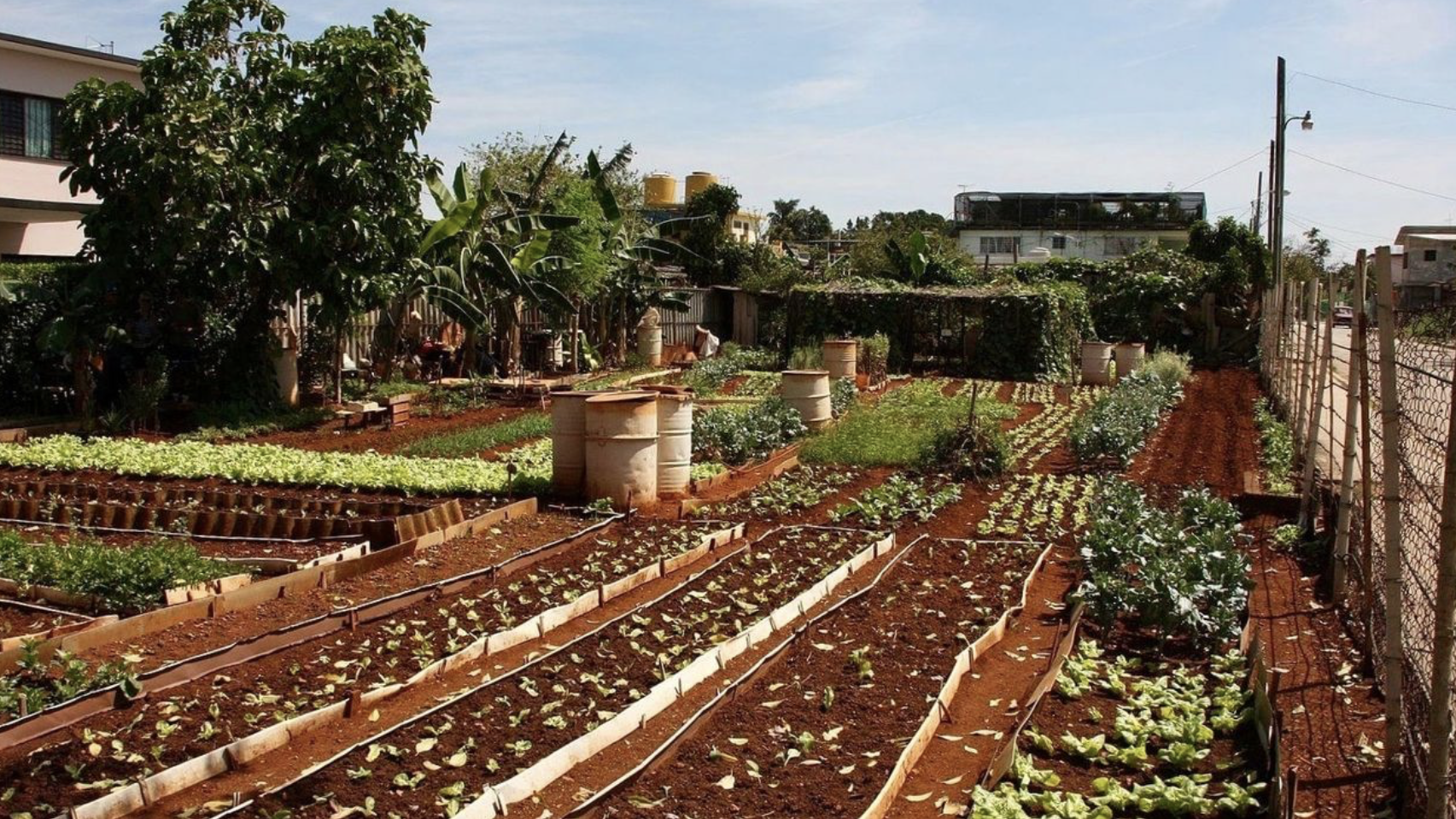
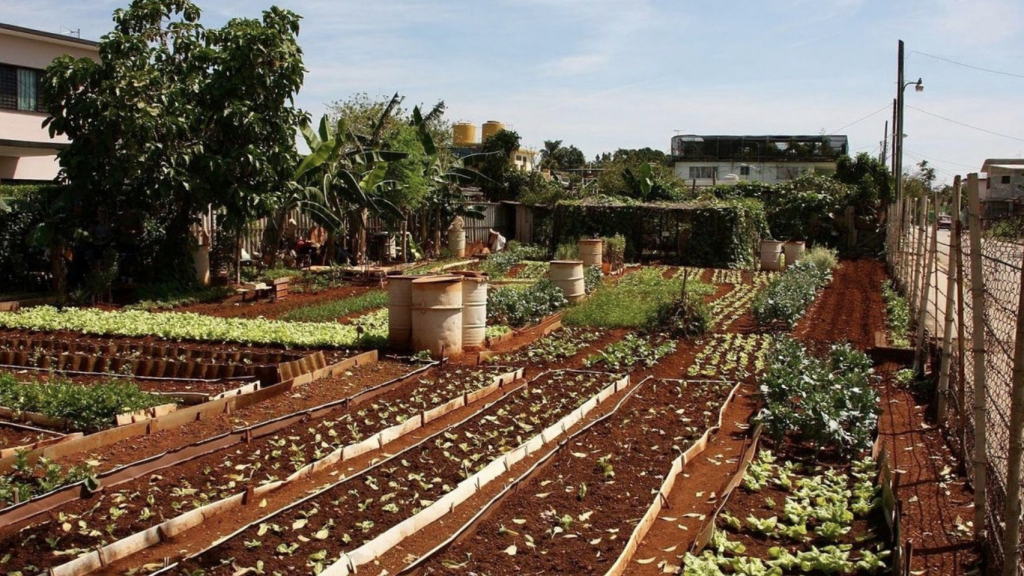
Cuba’s Urban Farming Shows Way to Avoid Hunger​

When countries run short of food, they need to find solutions fast, and one answer can be urban farming.

That was the remedy Cuba seized with both hands 30 years ago when it was confronted with the dilemma of an end to its vital food imports. And what worked then for Cuba could have lessons today for the wider world, as it faces growing hunger in the face of the climate crisis.

When the Soviet Union collapsed in the 1990s, most of Cuba’s food supplies went with it. To stave off severe malnutrition the people of the capital, Havana, found an imaginative answer: urban gardening. That’s now seen as a possible blueprint for the survival of city populations in a warming world.

The Rapid Transition Alliance has published a longer account of Cuba’s very fast move towards self-sufficiency as part of its series Stories of Change, which describes cases of large-scale, rapid transformation that can seem difficult to achieve but which have often worked before.

READ THE FULL ARTICLE: https://www.ecowatch.com/urban-farming-cuba-2641320251.html?rebelltitem=2#rebelltitem2

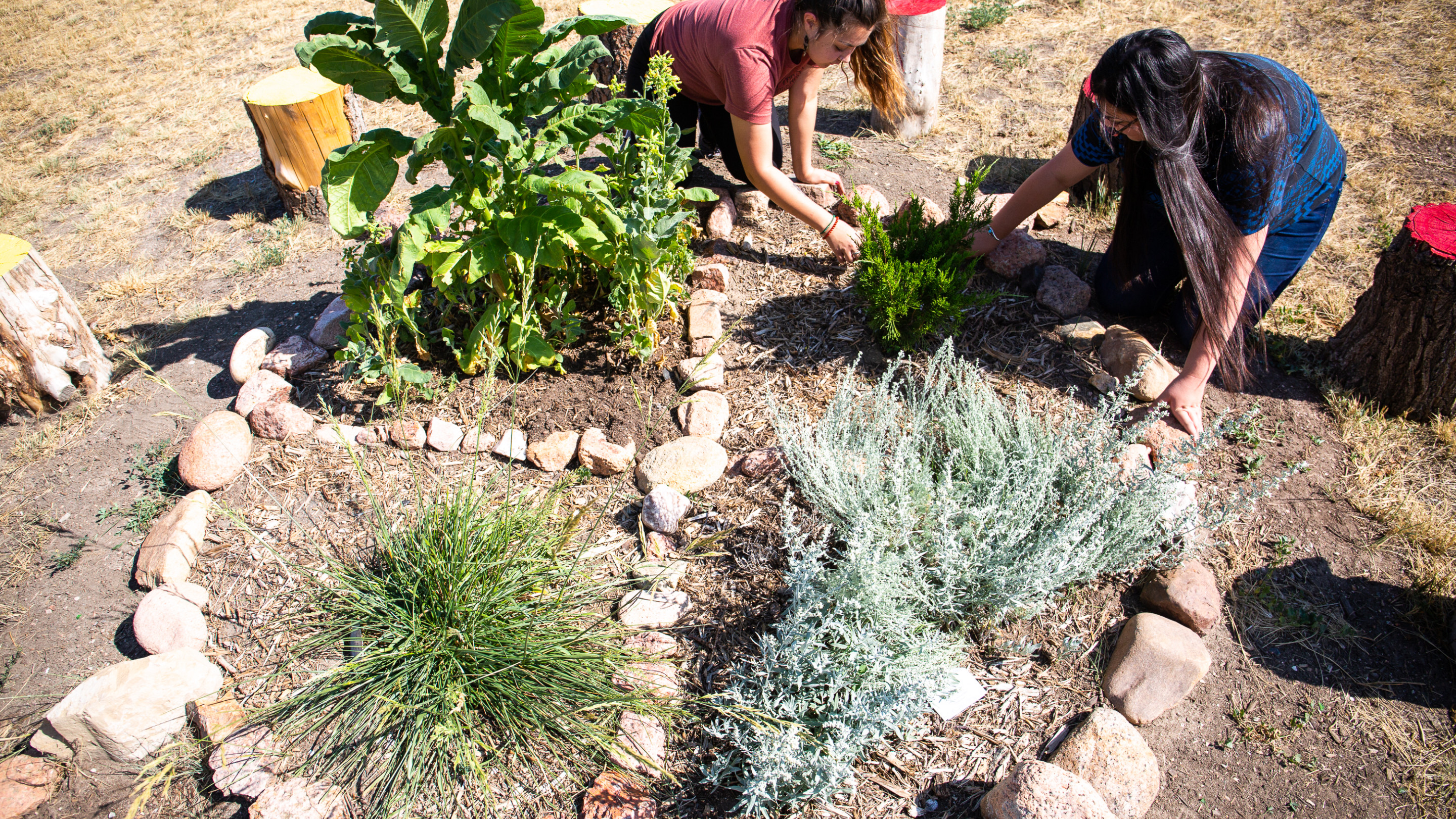
4 out of 5 Native American women are survivors of domestic or sexual violence. A Colorado Springs garden is helping them recover.

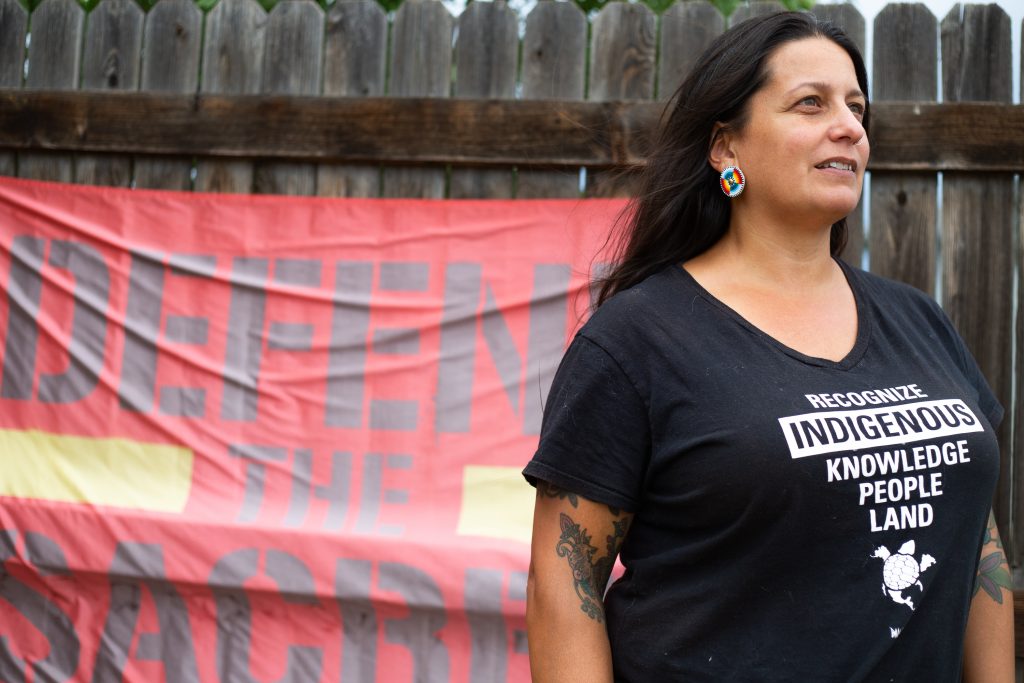
Monycka Snowbird, of Ojibwe descent, is one of the main Haseya advocates and leaders in the organization. She had the idea and implemented the healing garden as a space for victims of violence to connect with another in a comfortable space.

COLORADO SPRINGS — Every year, during powwow season, Monycka Snowbird prints fliers with tear-off tabs for Haseya Advocate Program, a Colorado Springs-based nonprofit that serves Native American women who have suffered domestic abuse or sexual assault.

She hopes to find only one or two tabs pulled by the end of each event, but often most are gone. This, she says, is because four out of five Native women experience some form of abuse in their lives.

Haseya, which helps abused women connect with one another and provides resources for healing, this spring began creating a new kind of safe space for its clients, high on a hill with Pikes Peak as a backdrop.

READ THE FULL STORY: https://coloradosun.com/2019/10/22/native-american-women-violence-haseya-colorado-springs/

HUDA Clinic prescribes food as medicine for uninsured Detroiters

For the first three years Babar Qadri worked as a physician assistant at the HUDA Clinic in Detroit, he says he was “just following everything I learned in medical school.”

“You see a patient with high blood pressure and you give them high blood pressure medication,” says Qadri, known as “Q,” who is now attending physician at HUDA. “You tell them the usual thing that every doctor knows: don’t eat this, don’t eat that, increase your fruits, increase your vegetables, drink more water, blah blah blah. Every patient heard that ’til they’re blue in the face and that’s a story that hasn’t changed.”

But Qadri’s approach changed dramatically when he asked a patient he’d been seeing for three years what she was doing to help her high blood pressure.

READ THE FULL ARTICLE: https://www.modeldmedia.com/features/hudaclinic102919.aspx