Fresh Herbs Make A Great Gardening Addition For Holiday Cooking

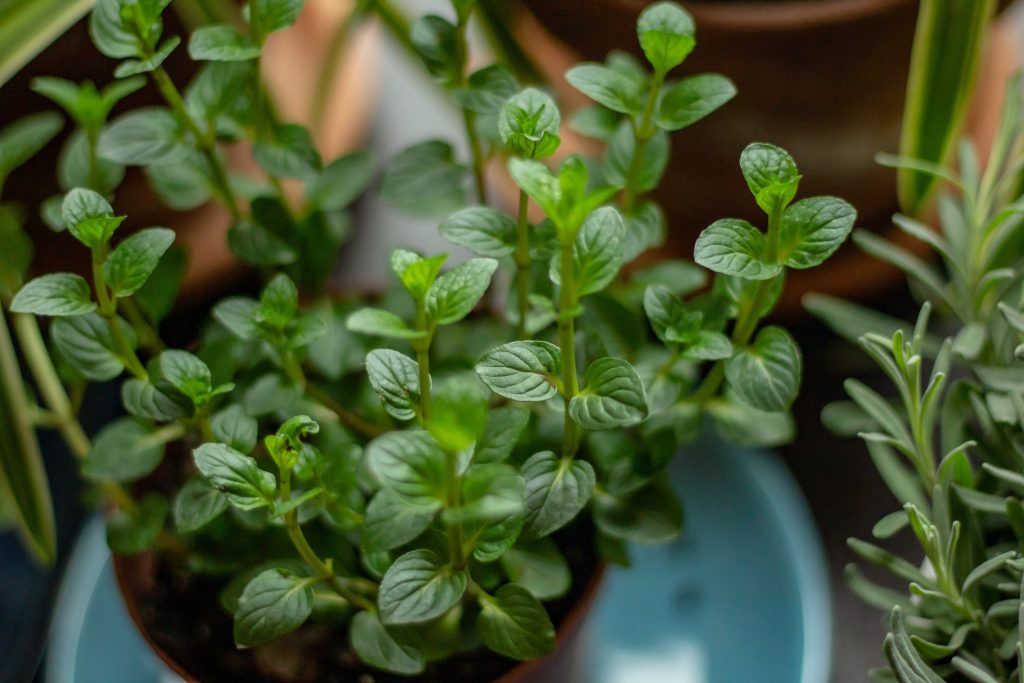
OAOnline.com – As your summer gardening winds down, it is a good time to plant a few herbs for your holiday cooking. Nothing is better than stepping out your backdoor and picking fresh herbs. Parsley, rosemary, sage, oregano, cilantro and chives are all great additions to dishes for the fall. Lavender and mint can be used for cooking, as well as teas and essential oils.

Each of these grow well in pots. In fact, mint should definitely be grown in a pot because it is so invasive. Mint spreads by the roots and if you plant it in a bed or a garden, it will quickly take over where you plant and everywhere around it. You will be digging and pulling roots for years to come.

READ THE FULL ARTICLE: https://www.oaoa.com/people/lifestyle/gardening/master-gardeners-fresh-herbs-make-a-great-gardening-addition-for-holiday-cooking/article_962aad78-109e-11eb-b33c-6367f9bb291a.html


As the Pandemic Continues, Urban Gardening Is Growing on New Yorkers

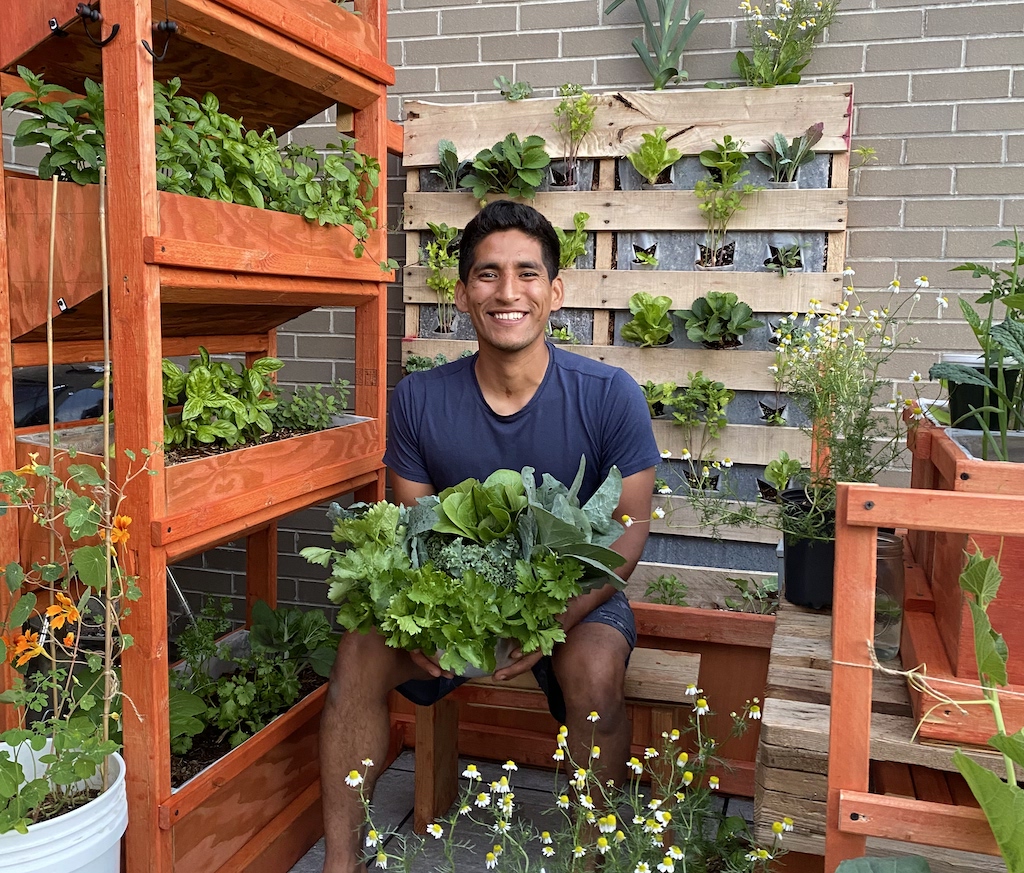
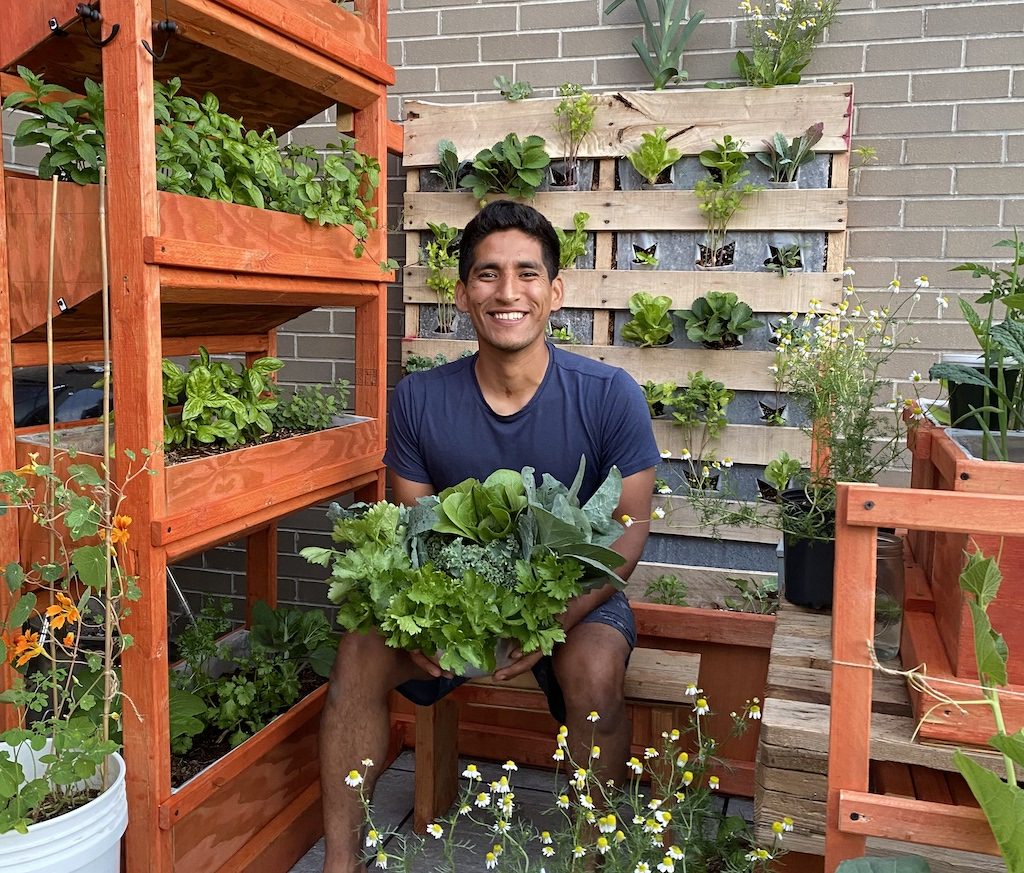
Samuel S. T. Pressman had wanted to build a food garden on the rooftop of his Clinton Hill apartment for years. The artist and sculptor had lived on a farm when he was younger and had studied Sustainable Environmental Systems at Pratt. But in a city with a “time is money” mentality, he never found the right moment to start his passion project.

That changed when New York underwent a statewide Pause order in mid-March. Now, Samuel’s Food Gardens is tackling the city’s food insecurity problem by providing fresh fruits, vegetables, and herbs to community gardens that advocate for food security. “I wanted to explore what most people’s living situation is here,” Pressman said, “where they don’t have any land and have hardly any outdoor space that they own, and how they can still be able to grow some food using a system that is designed to actually make it possible to grow more food than you think per square foot.”

READ THE FULL ARTICLE: https://bedfordandbowery.com/2020/07/as-the-pandemic-continues-urban-gardening-is-growing-on-new-yorkers/

Tough Times, Green Times: Harrisburg Urban Growers helps people discover their inner farmer

If you’ve driven around Harrisburg recently, you may have noticed that, in some places, things appear a bit greener.

Urban gardens have begun blooming all over the city thanks to a local group whose mission is to offer gardening kits to encourage a source of healthy and sustainable food.

Harrisburg Urban Growers, made up of a handful of volunteers, hosts an annual “Seed and Plant Giveaway” each year, offering gardening kits for residents. This year, the organization put social distancing procedures in place, and volunteers safely delivered the kits directly to residents over several weekends.

READ THE FULL AND ORIGINAL ARTICLE AT: https://theburgnews.com/food/tough-times-green-times-harrisburg-urban-growers-helps-people-discover-their-inner-farmer

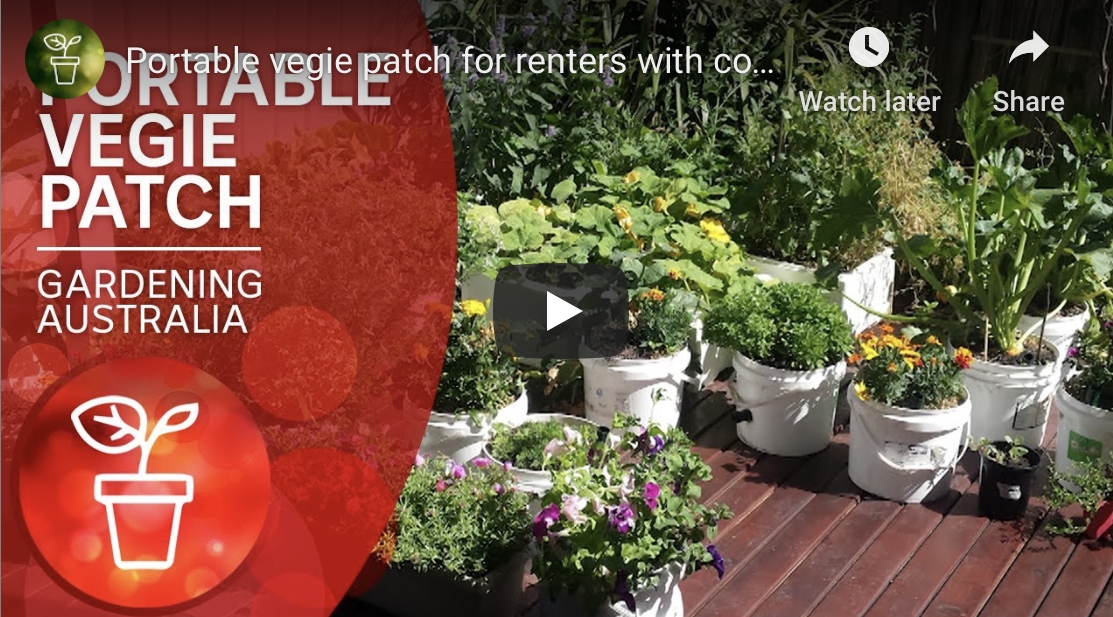
Portable veggie patch for renters with compost station and wicking beds

Renting and gardening… what are you supposed to do? Pour all your love (and hours of work) into the garden, only to leave it all behind when the lease ends? Or, you can get creative! Make a portable and productive garden (even in a courtyard) that provides loads of herbs, salad and vegies… with leftover space for a prolific compost system.

That’s what Steve and Rabea North from Melbourne did, but with the added innovation of a water-saving collection of up-cycled, DIY wicking buckets and tubs.

The criteria for their garden was simple – sustainable, portable, cost-effective and productive – so it was off to the local Indian takeaway for some alternatives to store-bought pots. “They had loads of 10 litre food grade buckets and polystyrene broccoli boxes that were destined for landfill, so we bought as many of those home as we could” Steve says. This is where the next level of innovation and ideas comes in. “Where appropriate for the plants, these have been converted into mini wicking beds” says Steve. Rabea explains that “A wicking bed is a self-watering container, and any renter can build these simple, portable wicking beds for $5-$10 each. They’re perfect for growing fruit and vegies using half the water (and effort) when compared to conventional pots”.

LEARN MORE: https://www.youtube.com/watch?v=dlNpf3O_MsE&fbclid=IwAR1KmcK3JvuaFTnaJoTkKa5gZ_eN2mihe5uW0eed8_an8DihCjKcVb65T6Y

Apartment Gardening: Yes, It’s a Thing, and Yes, You Can Do It

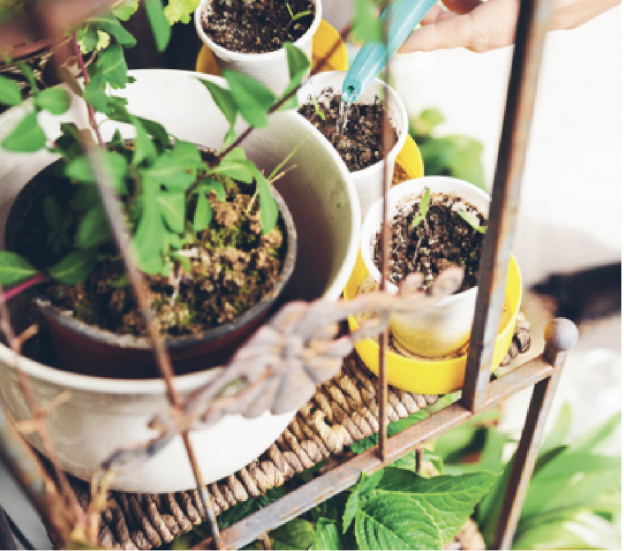
You’ve successfully babied a houseplant or two, and now you’re ready for the next step. But how do you garden without a yard? Living in an apartment doesn’t mean you can’t grow things: It just takes a little ingenuity and planning. Start small with a few pots, window boxes or hanging baskets to get comfortable, and add more as you gain confidence. Before long, you’ll be expanding your greenery to cover your balcony, windowsills and stair railings.

1. Check your light levels

The most important factor is making sure you have the right light for your plants. Indoors, south-facing windows provide the most light, and you’ll be able to grow houseplants that need bright light (such as rubber trees and fiddle leaf figs) here. Herbs, such as thyme, parsley and rosemary, also do well in bright light or on a windowsill. Another solution? Invest in a stand-alone LED grow light, or one that comes with a shelving kit for a dark corner of your apartment.

Just wait until you see how easy apartment gardening can be, thanks to these simple tips.

Read all 8 tips here: https://www.yahoo.com/lifestyle/apartment-gardening-yes-thing-yes-110000213.html

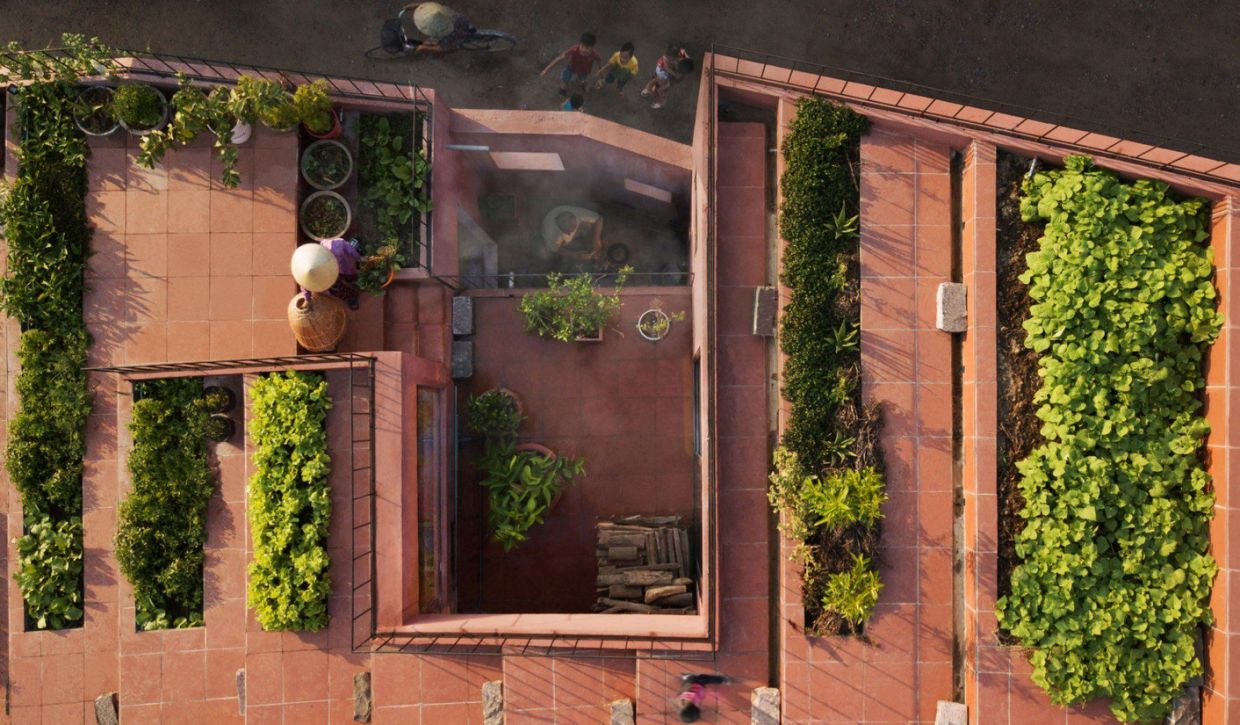
Stepped Rooftop Creates Space for Urban Farming in Vietnam

The vast majority of rooftops are just wasted space, especially in crowded cities. At the very least, they should be collecting rainwater or covered in solar panels. Larger urban buildings are more likely to make use of their rooftops by turning them into terraces, but why do we so rarely do the same for houses?

Aerial shot of
Despite it's impressive rooftop garden space, the Red Roof is built on a very small plot of land
Planted rooftops can also help lessen heat exposure, reducing the need for air conditioning outside. But one of the biggest benefits of a usable rooftop is its ability to expand access to the outdoors. Many existing houses could be modified to support retrofits, but building new ones specifically with this feature in mind allows for even more creative possibilities.


READ THE FULL ARTICLE: https://news.yahoo.com/stepped-rooftop-creates-space-urban-220031346.html

Quick Maturing Crops You Can Grow Almost ANYWHERE!

Don’t let space or time hold you back from growing your own food! There are plenty of things you can plant in your garden, windowsill or tiny patio that will produce in less than 45 days. In some cases, you can even enjoy homegrown food in less than 1 week! Here are our top selections if you’re short on time & space in the garden.
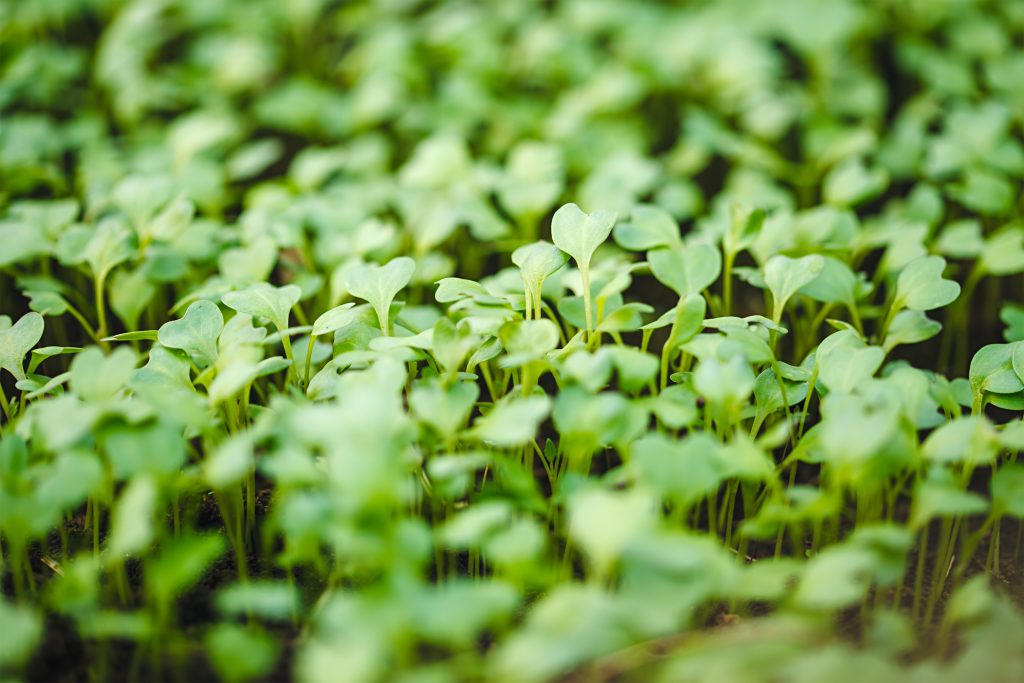
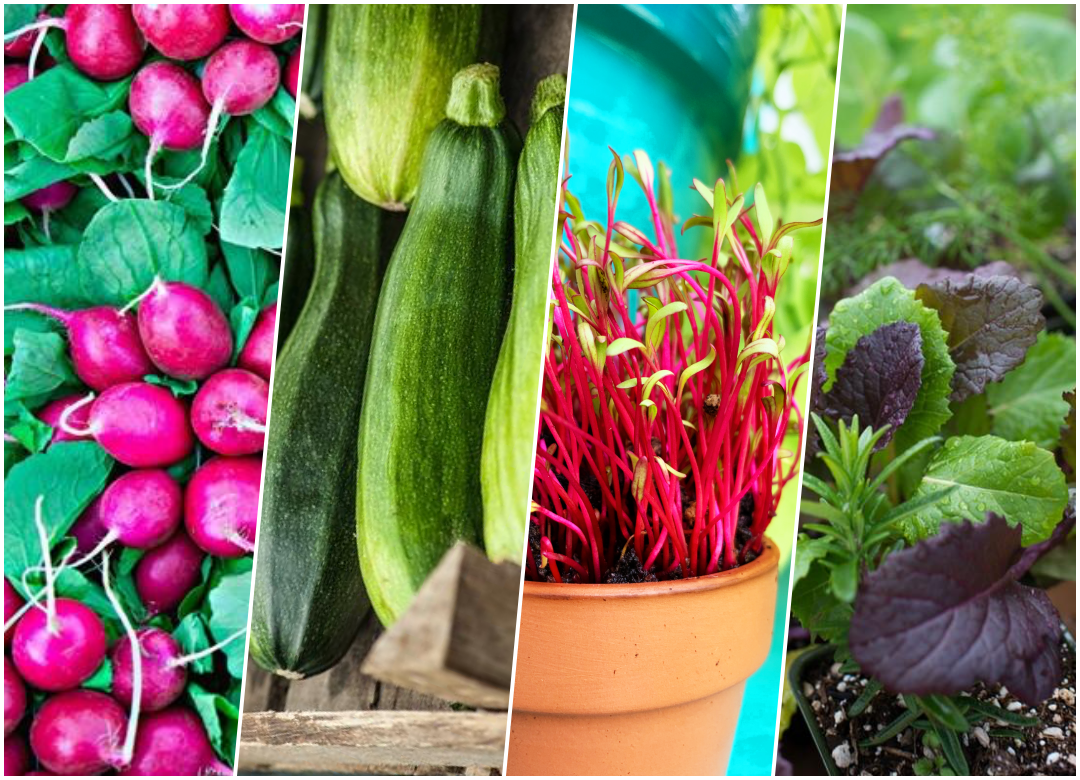
Sprouts / Microgreens – Ready to eat in 3 days to 2 weeks

Each and every living seed will grow into a plant. It’s when that seed begins to grow (germinate) that we call the beginning growth stage of the plant a “sprout”. They are a convenient way to have fresh vegetables for salads, or otherwise, in any season and can be germinated at home or produced industrially. Sprouts are said to be rich in digestible energy, vitamins, minerals, amino acids, proteins, and phytochemicals! See MORE Sprout/Microgreen Varieties, here! 
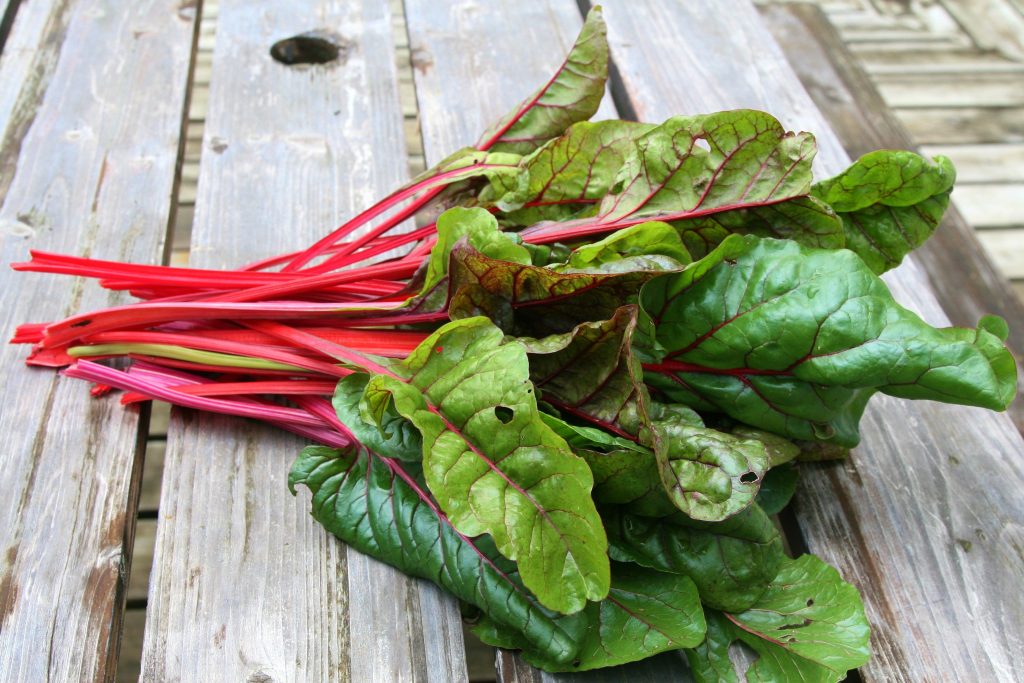
 

Swiss Chard – Ready to eat in about 5 weeks

Chard is a leafy green vegetable often used in Mediterranean cooking. Fresh young chard can be used raw in salads. Mature chard leaves and stalks are typically cooked or sauteed; their bitterness fades with cooking, leaving a refined flavor which is more delicate than that of cooked spinach. See MORE Swiss Chard Varieties, here!
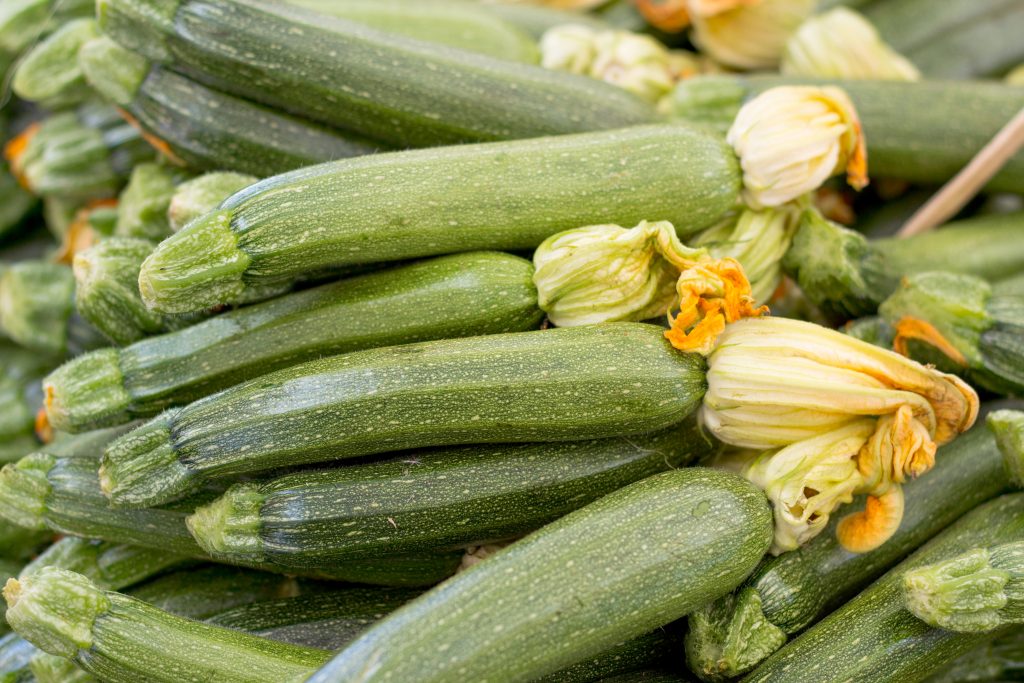
 

Zucchini Squash – Ready to eat in about 6 weeks

Though considered a vegetable in cooking, botanically speaking, squash is a fruit (being the receptacle for the plant’s seeds). Squash can be served fresh (in salads) and cooked (squash stuffed with meat, fried squash, baked squash). See MORE Squash Varieties, here!
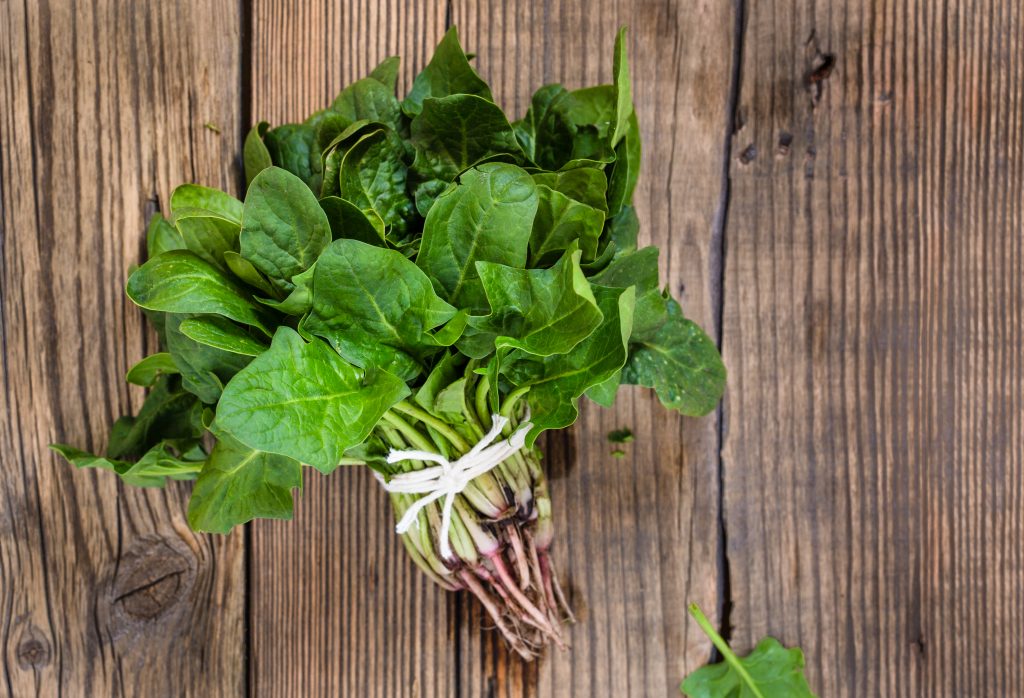
 

Spinach – Ready to eat in about 5 weeks

Spinach can grow anywhere there is at least a month and a half of cool growing weather. Spinach is a cool-season crop, hardy to frosts and light freezes. In rows 12 inches apart, space seedlings 3 inches apart. After thinning, cover the plants with row covers to keep the pests away.  (Soak seeds overnight before planting because it germinates slowly.) See MORE Spinach varieties, here!
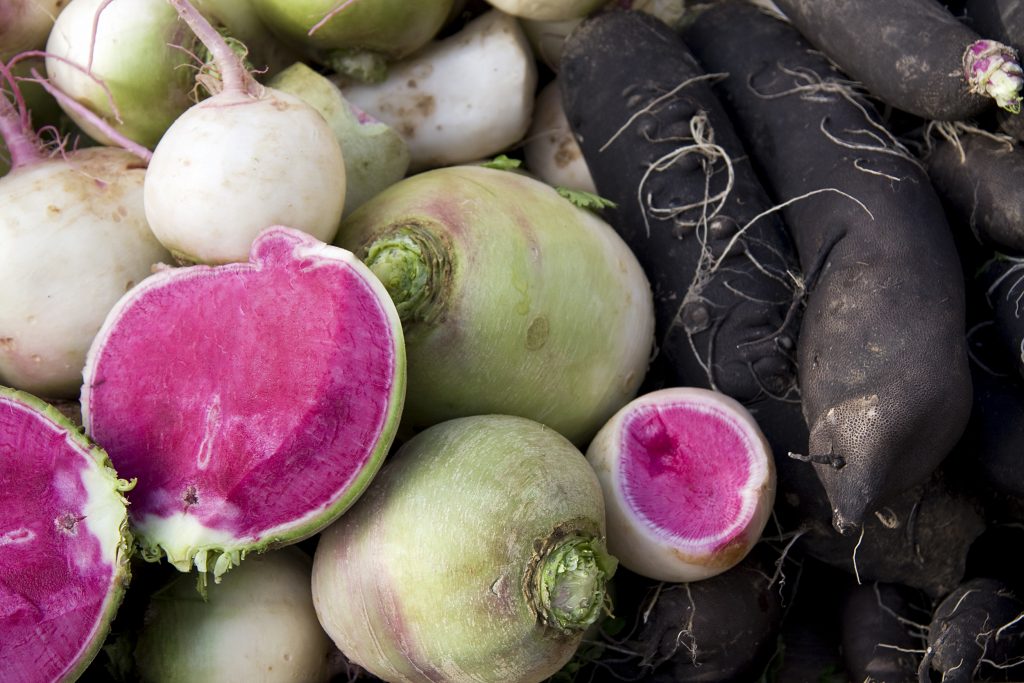
 

Radishes – Ready to eat in 4 weeks

Radishes are a fast-growing, cool-season crop that can be harvested in as little as twenty days.  Eaten raw they can be whole, sliced, diced, or grated. You can also cook and pickle them. Most of them are typically eaten fresh and make a good addition to a salad or a substitute to pepper on a sandwich. See MORE Radish varieties, here!
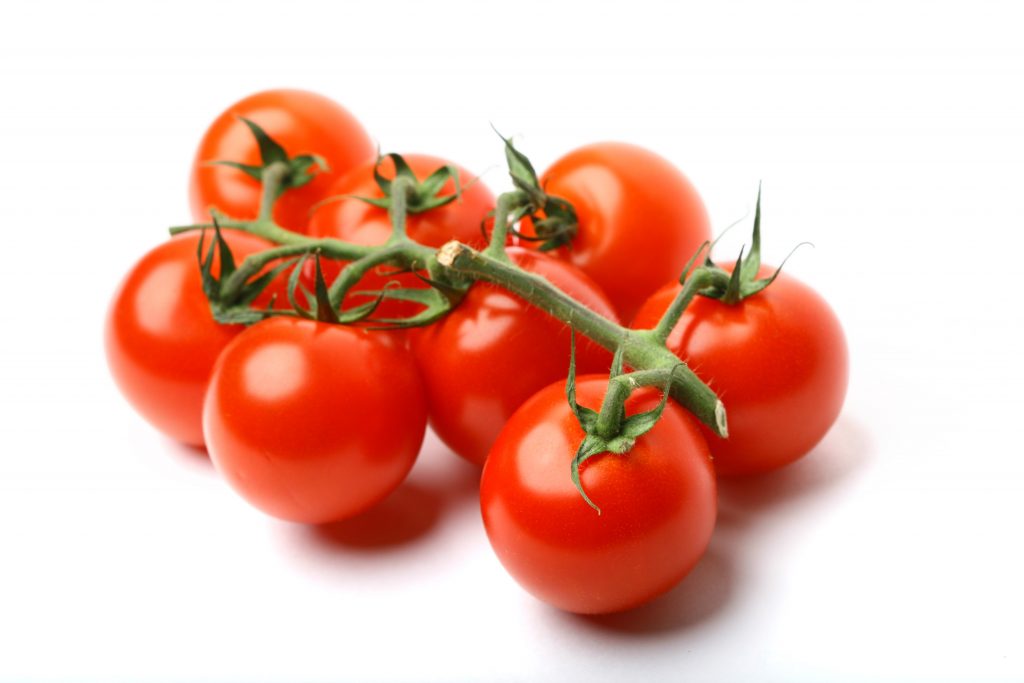
 

Tiny Tim Tomatoes – Ready to eat in about 6-8 weeks

The Tiny Tim tomato plant is a dwarf type plant produces excellent yields of ¾” – 1″  bright red cherry tomatoes. They are perfect for patio gardens. Grows well in pots, containers, and windowsill gardens. See MORE Tomato varieties, here!
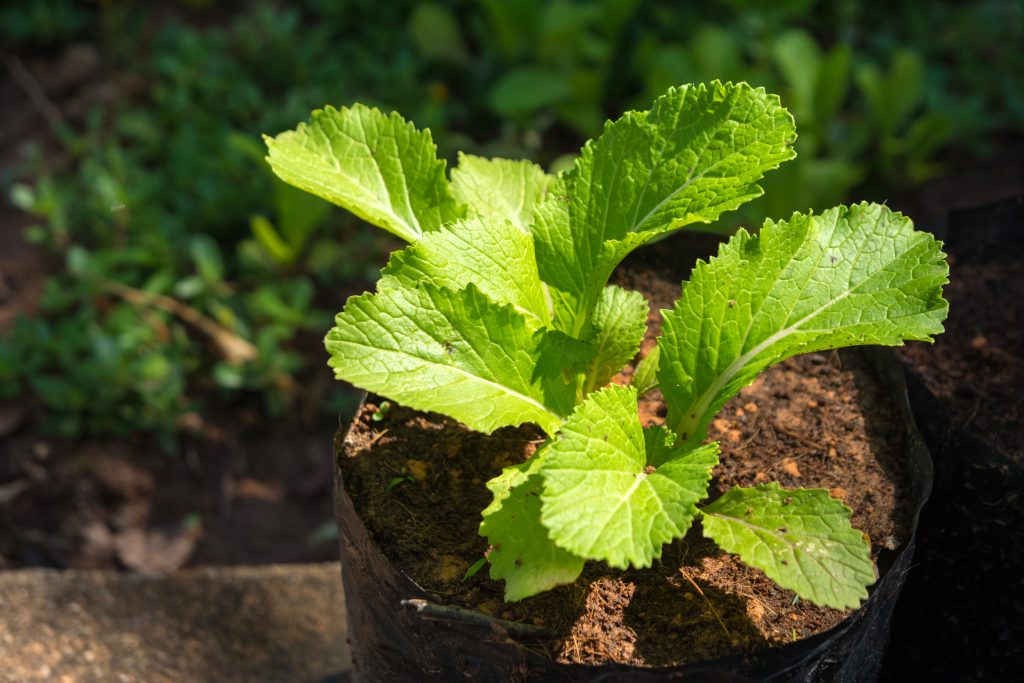
 

Mustard Greens – Ready to eat in about 6 weeks

Growing mustards are a quick and easy crop to grow in your home garden.  They are a spicy green, which will quickly become one of your favorite crops. When growing from seed, start them outdoors 3 weeks before the last frost. For a more steady harvest, plant seeds about every 3 weeks or every month to give you a successive harvest. Mustard greens prefer cooler weather, so plant late in the summer for a fall harvest, or very early in spring before the summer heat sets in. See MORE Mustard varieties, here!
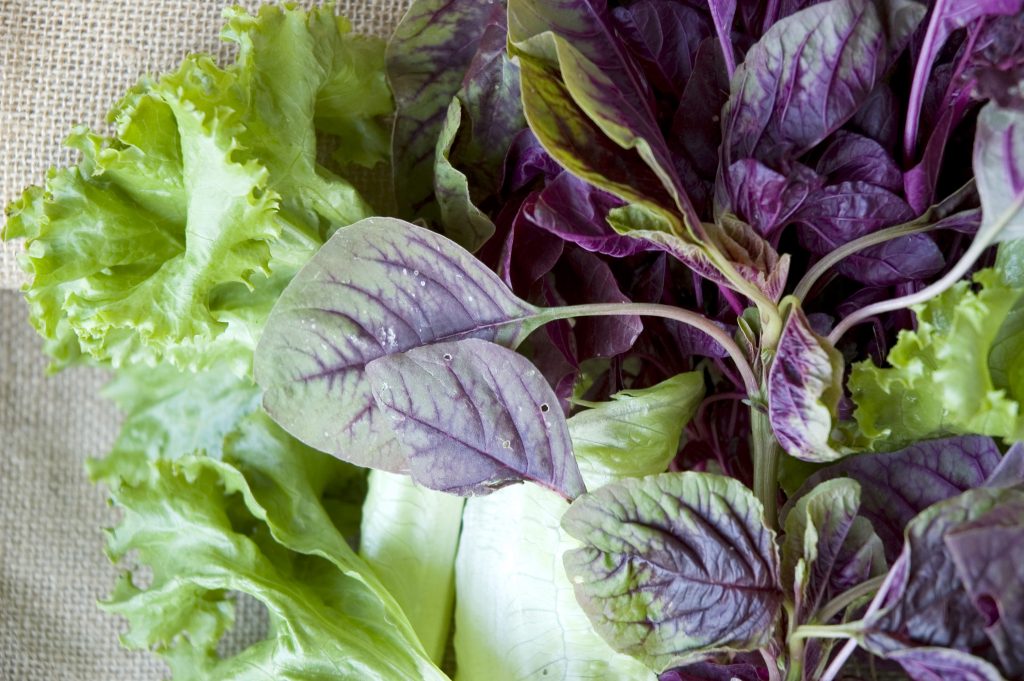
 

Lettuce – Ready to eat in as little as 6-8 weeks

Seed should be sown thinly in rows 1 foot apart; for leaf types, thin plants to 2-3 inches apart, then thin again by pulling every other plant when half-grown. This will encourage thickly developed plants. For head types, space rows 18 inches apart, plants 8-10 inches apart. Closer spacing results in smaller heads, which may be preferable for small families. Specialty growers are spacing lettuce very close for selling baby lettuces, a rapidly growing produce market. See MORE Lettuce varieties, here!
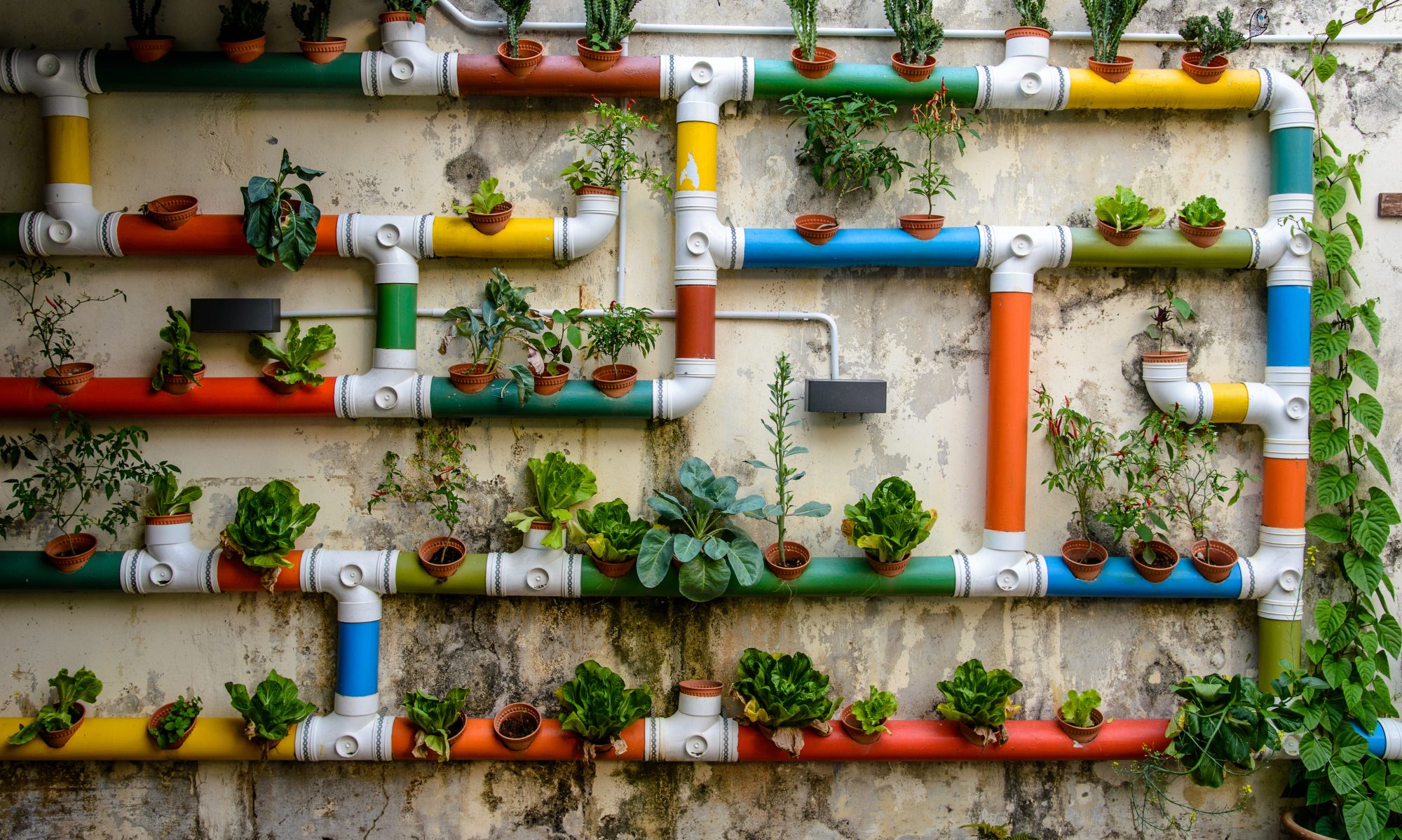

 

9 of The Best Vegetables to Grow in Small Gardens

Gardening in a small space can be just as rewarding and fun as growing in a large garden area.  These days, urban gardeners are growing more of their own food in sometimes less than 100 square feet.  Balconies, patios, even indoor windowsills are a great place to grow vegetables and herbs.  Almost anything can be grown in a container, and if you’re wanting to know what you should plant to maximize your yield in a small area, here are 9 of the best vegetables/herbs to grow in a small garden.

1. Shallots:

Space shallots approx. 4-6 inches apart with the rows 18 inches apart. Plant the bulb root side down, the top of the bulb 1 inch below the surface. Planting too deep grows elongated bulbs that don’t store well.

2. Carrots:

Sow seeds evenly in a very shallow trench, about 1/4 inch deep. Keep seeds moist so they will germinate. Space rows about 12″ apart and when the first leaves emerge, thin to 1″ apart; when true leaves emerge, thin to 3″ apart.

3. Cherry Tomatoes:

To start tomatoes indoors, sow seeds using expanding seed starting soil pods about 8 weeks before the last frost date for your area. Seedlings will be spindly with less than 12-14 hours of light per day, try to keep them in a warm sunny location. When seedlings have 4 leaves, transfer to a deeper pot (3-4″) and again when 8-10 inches tall. Each time, place the uppermost leaves just above the soil line and remove all lower leaves. Transplant (see: guide to transplanting) into the garden when the stem above the soil has reached 8-10 inches tall. Be sure to harden them off before transplanting them outdoors. Allow up to 10 days for the tomato plants to harden off to the outside temperature fluctuations.

4. Runner Beans:

Set three 6 foot poles in the ground, tepee fashion, and tie together at the top. Leave 3 to 4 feet between the pole groups. Make a hill at the base of each pole, enriched with compost or well-rotted manure, and plant 6-8 seeds in each. After the second pair of true leaves appear, thin to 3 plants per pole. With regular harvesting, the pole beans should bear all summer.

5. Garlic:

Break apart cloves from bulb but keep the papery husk on each individual clove.
Ensure soil is well-drained with plenty of organic matter. Plant in Full Sun.
Plant 4 inches apart & 2 inches deep, in their upright position (the wide end down and pointed end facing up). Come springtime, shoots will begin to emerge.

6. Kale:

Plant Kale in rows 18 inches to 2 feet apart. When the seedlings are 3 or more inches high, thin plants to 10 inches apart (read about thinning) and use the thinnings for salads or as a cooked vegetable.

7. Basil:

Try to space your basil plants about 12 inches apart. As long as you harvest the leaves when they are young, basil plants make a wonderful container crop.

8. Lettuce:

Seed should be sown thinly in rows 1 foot apart; for leaf types, thin plants to 2-3 inches apart, then thin again by pulling every other plant when half grown. This will encourage thickly developed plants. For head, Bibb, and cos types, space rows 18 inches apart, plants 8-10 inches apart. Closer spacing results in smaller heads, which may be preferable for small families.

9. Beets:

Sow seed 1/2 inch deep in rows 12-18 inches apart. The beet seed is a compact ball of many tiny seeds. Many plants germinate where each seed is sown, so seed should be placed sparingly. When seedlings are 4-6 inches high, thin plants to stand 1 1/2 inches apart. (They can be used in salad or cooked like spinach.) Then, as these beets grow to about an inch in diameter, pull every other one to allow larger beets to grow.

READ MORE ABOUT GARDENING IN SMALL SPACES AT www.SeedsNow.com

66 Inspired small gardens for houses and apartments

Inspired small gardens for houses and apartments

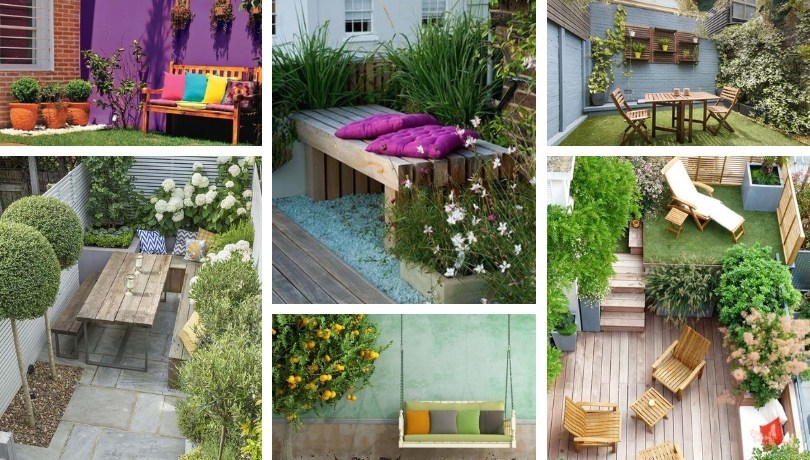
Many people have the desire to own a green area in their residence, so the small gardens have taken up space in the area of decorating and landscaping. To make a beautiful garden does not take many expenses, simply organize the essential items in stages and have a good taste in choosing the plants and accessories that will compose.

To start the project you need to keep in mind which plants you will use. It is recommended not to mix many types of flowers and foliage so as not to spoil the sense of balance of the environment. Another important item is to see the size of the plants to suit the space.

Using the pebbles and lawn as flooring is a good option to have a beautiful and clean garden. The cool thing is to go drawing with these materials, tracing paths and alternating with some plants.

For garden furniture, use few accessories and with simple lines. A pair of armchairs, a small table, bench with cushions or even those futton mattresses are enough. Nothing to carry too much environment, because this is not the proposal for the garden. Use vases to decorate the place and for those who live in an apartment is the most practical way to conserve a garden.

Check out our ideas of beautiful little gardens to inspire you: https://mydesiredhome.com

Secrets of Companion Planting + Popular Planting Combinations

Did you know that tomatoes hate cucumbers?

While they might taste great together in a salad, tomato plants actually dislike growing in close proximity to any member of the cucurbit family, which includes cucumbers.

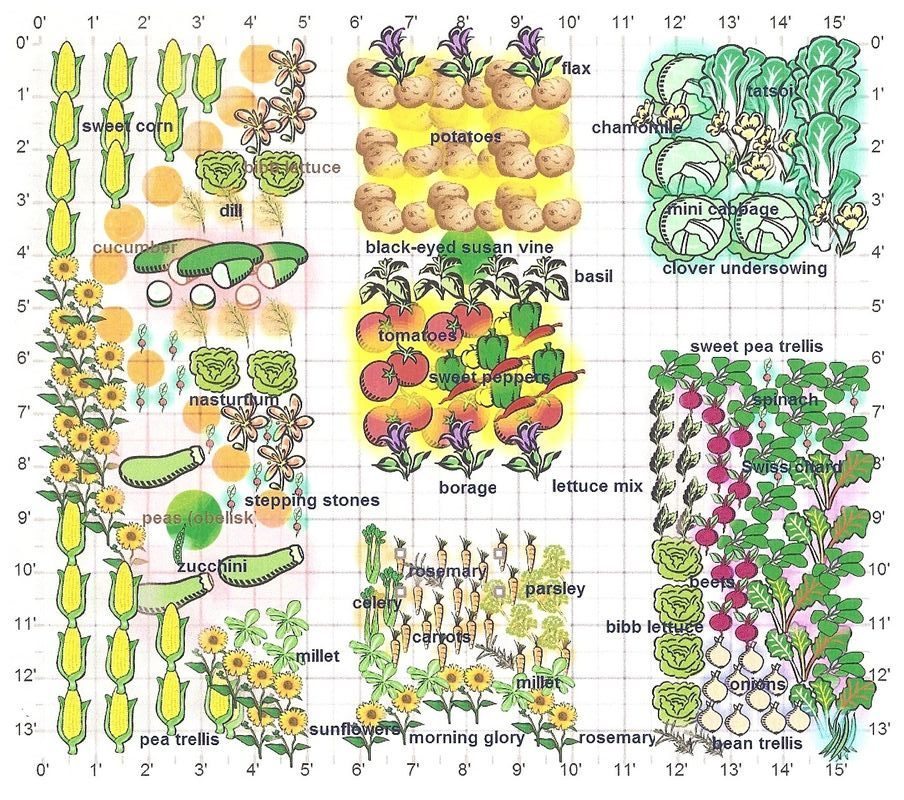
Tomatoes love carrots and basil, however – so planting these together will actually make them each grow more vigorously!

Planting your veggies in neat rows with labels is satisfying to the eye, and easier to harvest. However, when we look to nature, we don’t see rows anywhere, nor do plants all grow clumped up in groups of the same thing together.

READ MORE FROM THE ORIGINAL STORY AT https://thehomestead.guru/companion-planting-2/?fbclid=IwAR05qOCv3BBuE4sa2BKzQaepcBMDtBzOaEaYUUezr8J6QsIcnd0dkGPK9gc

Pet-Friendly Indoor Gardening

Houseplants make a wonderful addition to our home’s décor and improve the indoor air quality.  Those with pets, however, may struggle with keeping plants safe from curious pets and the pets safe from indoor greenery.

The good news is you can grow an indoor garden even when you own pets. Yes, some do love to dig in the soil or even eat our favorite houseplants, but with proper plant selection and planning, you can keep your pets safe while enjoying an indoor garden.

Start by selecting plants that are safe for your pets.  Consult the American Society for the Prevention of Cruelty to Animals website for a list of pet-safe plants to grow and toxic plants you should avoid.  This will reduce your anxiety by helping you create an indoor green space safe for your pets.

READ THE FULL ARTICLE: https://www.tapinto.net/towns/belmar-slash-lake-como/articles/pet-friendly-indoor-gardening-477c2881-e5be-4de5-bace-0397f405593c

Grow Up to 90 Fruits and Vegetables in Your House With This Auto-Watering Indoor Garden

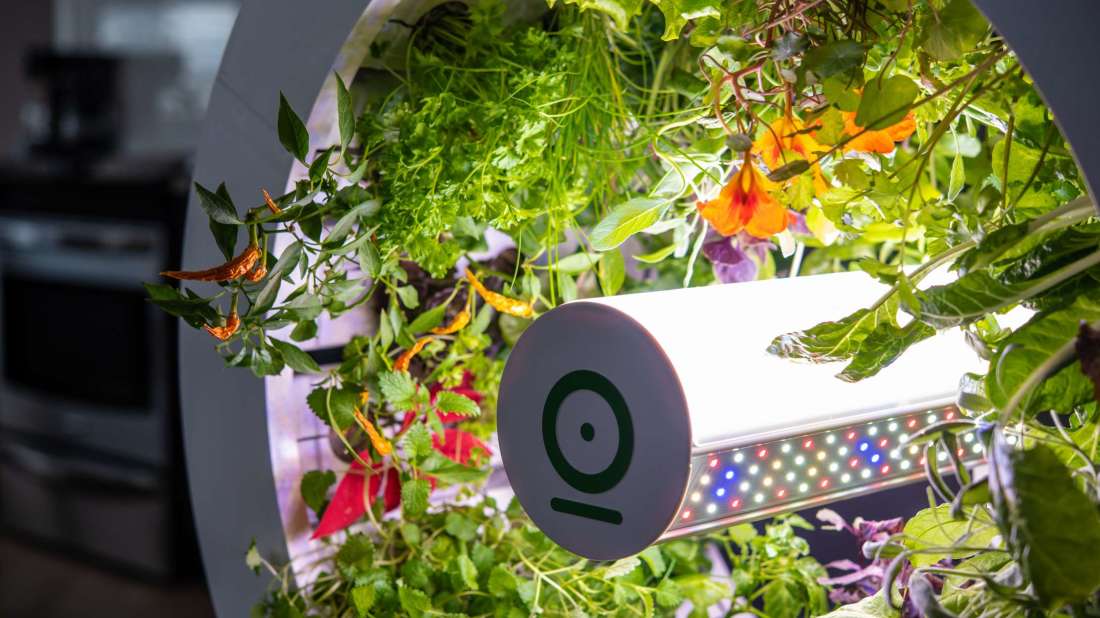
If you’ve always wanted to start your own herb or vegetable garden but don’t have the yard space or the “green thumb” to pull it off, there’s now another option. The OGarden Smart is an indoor gardening system that grows up to 90 plants at one time—20 of which are edible.

Strawberries, celery, kale, bok choy, green beans, cayenne pepper, green onion, and cherry tomatoes are just a few of the fruits and veggies the OGarden can grow. Up to 30 growing cups can be placed in a lower cabinet, where the seeds are allowed to germinate. Once they sprout, the plants can then be transferred to the rotating wheel up above, which holds up to 60 plants at a time. It takes about 30 to 40 days to harvest the produce, depending on the type of plant grown.

The system is self-watering and uses automatic LED lights to provide the right amount of sunlight, no matter what season it is. The only work that’s required is planting the seeds and refilling the water tank once a week.

LEARN MORE: http://mentalfloss.com/article/574691/grow-90-fruits-and-vegetables-your-house-auto-watering-indoor-garden

Bottle Tower Gardens Provide Exceptionally Efficient Small Space Growing

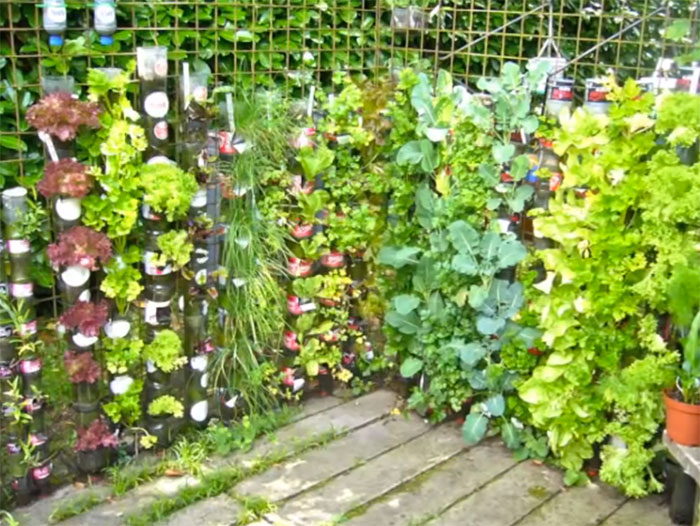
Dr. Willem Van Cotthem experimented with this vertical gardening system using recycled plastic bottles stacked and attached to a fence.  He began with the 2011 growing season and continued through 2012 with great success.  This type of garden is cheap to start and is extremely effective for those who do not have a lot of growing space.  A system like this could be built along a fence, wall, or on a balcony.

READ THE ORIGINAL STORY at “OffGridWorld.com”

Rooftop Gardens Are Turning the Urban Shopping Scene Green

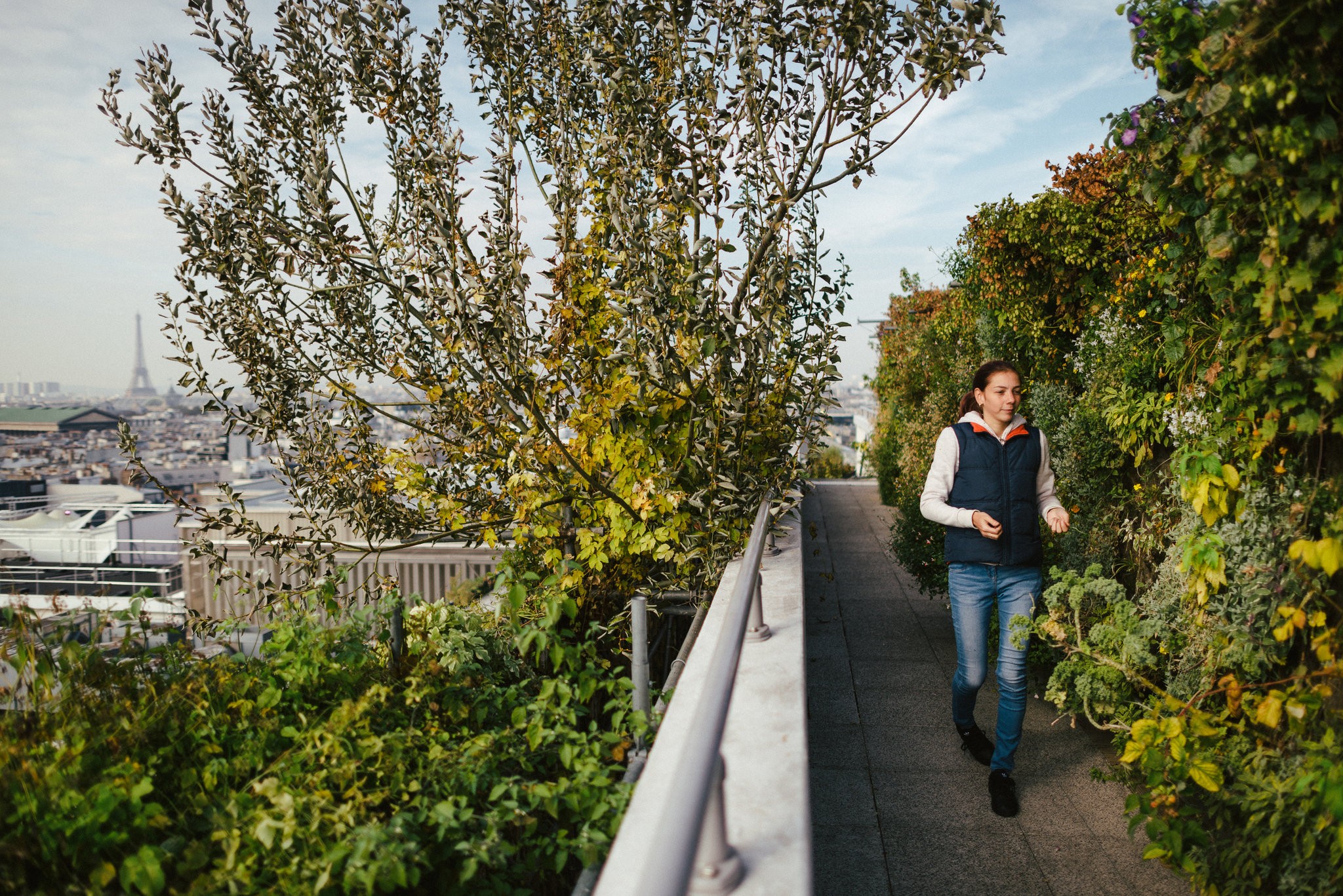
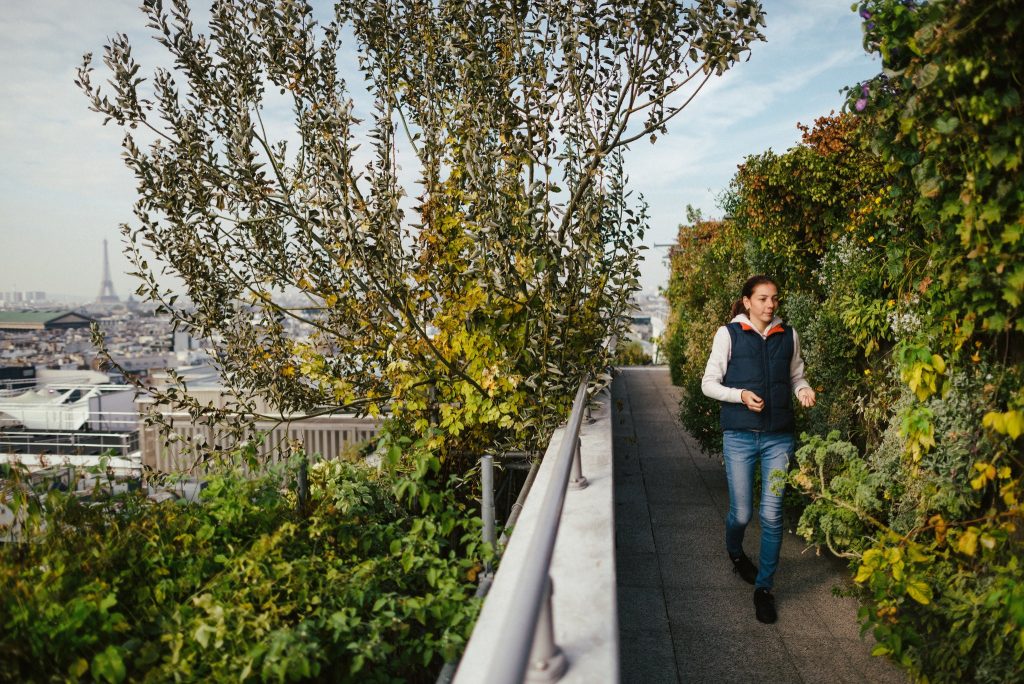
“PARIS — It’s a swift ride by elevator from Galeries Lafayette’sperfume section to the grand department store’s 10th-floor luxury farm with its signature scent of sage, rosemary and compost.

The rooftop garden, lush with climbing plants, tomatoes, marigolds and strawberries, is part of a plan to transform city farming into a deluxe shopping attraction for customers yearning for an exclusive green refuge — and perhaps a taste of beer brewed from the store’s homegrown hops.

For now, only select customers can experience this haute farm on the Right Bank with weekly reserved tours. Eventually, Galeries Lafayette intends to expand to other roof sections to host larger events and fashion shows among leafy, vertical walls of plants with a panoramic view of the Eiffel Tower and the city’s opera house.”

READ THE FULL STORY AT: “NYTimes.com

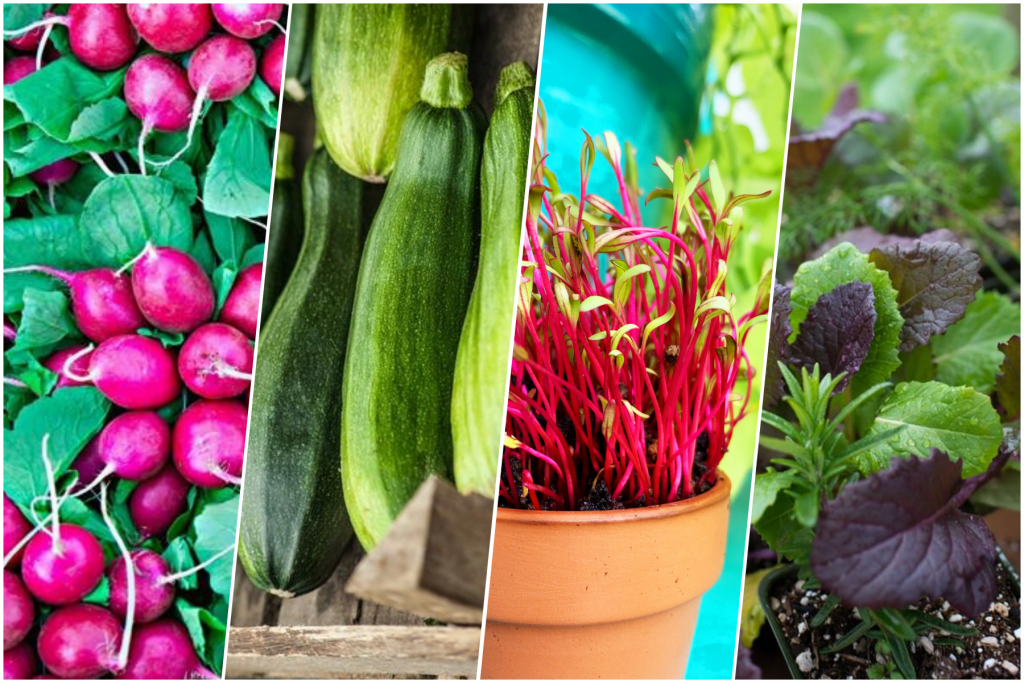
9 QUICK GROWING Cool-Season Veggies

Curious as to what you should be planting before your first fall frost gets here? Take a look at these 9 cool-season veggies that you can start now, and enjoy in 60 days or less!

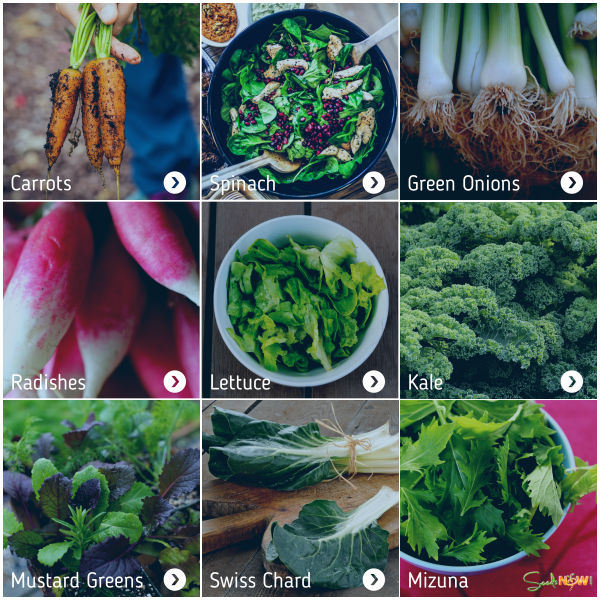
Carrots, Spinach, Green Onions, Radishes, Lettuce, Kale, Mustard Greens, Swiss Chard & Mizuna!

Carrots are an annual cool-season crop, half-hardy to frost and light freezes. They develop quite normally under a variety of temperature conditions, except very warm temperatures. It is often said that frost or cold weather will make them even sweeter. Shop all CARROT seeds! 

Spinach can grow anywhere there is at least a month and a half of cool growing weather. Spinach is a cool-season crop, hardy to frosts and light freezes. In rows 12 inches apart, space seedlings 3 inches apart. Shop all SPINACH seeds! 

Onions are easy to grow, have a fairly short growing period and take up little space in the garden. If you don’t have a vegetable garden, plant a few onions in your flower garden or in a pot or box and set them on your patio or in a sunny window. Plant onions 1/4 inch deep and 3 to 4 inches apart in double rows, leaving 6 to 10 inches between rows. If the onions are planted closer together, you can harvest every other plant as a green onion so that bulb development of the remaining plants is not impeded. Shop all GREEN ONION seeds!

Radishes are a fast-growing, cool-season crop that can be harvested in as little as twenty days.  Eaten raw they can be whole, sliced, diced, or grated. You can also cook and pickle them. Most of them are typically eaten fresh and make a good addition to a salad or a substitute to pepper on a sandwich. Shop all RADISH seeds!

Lettuce Seed should be sown thinly in rows 1 foot apart; for leaf types, thin plants to 2-3 inches apart, then thin again by pulling every other plant when half grown. This will encourage thickly developed plants. For head types, space rows 18 inches apart, plants 8-10 inches apart. Closer spacing results in smaller heads, which may be preferable for small families. Specialty growers are spacing lettuce very close for selling baby lettuces, a rapidly growing produce market. Shop all LETTUCE seeds!

Kale can be planted pretty much anywhere in the United States where there’s a cool fall growing season. It’s a cool-season crop, hardy to frosts and light freezes. Shop all KALE seeds!

Mustards are a quick and easy crop to grow in your home garden.  They are a spicy green, which will quickly become one of your favorite crops. When growing from seed, start them outdoors 3 weeks before the last frost. For a more steady harvest, plant seeds about every 3 weeks or every month to give you a successive harvest. Shop all MUSTARD seeds!

Swiss Chard is a leafy green vegetable often used in Mediterranean cooking. Fresh young chard can be used raw in salads. Mature chard leaves and stalks are typically cooked (like in pizzoccheri) or sauteed; their bitterness fades with cooking, leaving a refined flavor which is more delicate than that of cooked spinach. Shop all CHARD seeds!

Mizuna is a vigorous grower, which produces numerous stalks bearing dark green, deeply cut and fringed leaves. Shop MIZUNA seeds!

SHOP all of these varieties and more at: www.SeedsNow.com

Best ‘Secret’ Urban Gardens Around the World

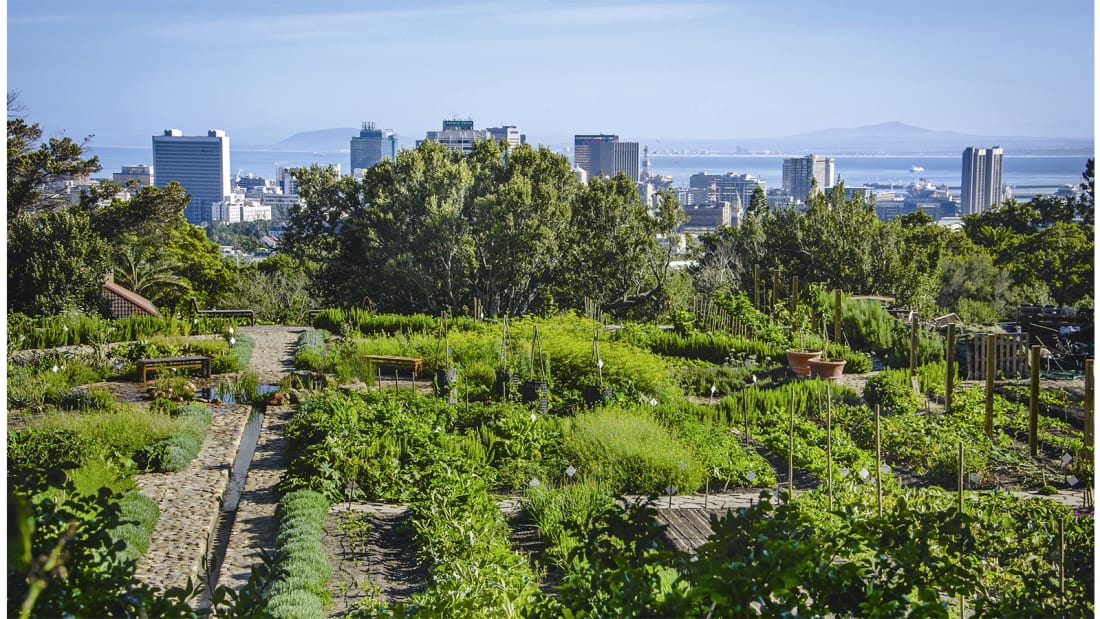
The contrast between the cityscape and the greenery is often striking. Pictured here: Oranjezicht City Farm, Cape Town, South Africa. – Courtesy Coco VanOppens Photo/Phaidon.com
“(CNN) — From derelict train tracks turned scenic walkways, to rooftop treasures atop train stations, sometimes the best bits of cities are the bits that don’t feel like cities at all.

Urban centers might be 24-hour hubs of activity, but often you just need some green space in the concrete jungle.
“One of the things I always like when I go traveling or go to new cities is trying to find a little place to get away from it all, a little bit of a retreat, a bit of a haven,” says Dr. Toby Musgrave, an eminent garden expert based in Denmark.

Musgrave has compiled some of his favorite gardens into a new book, “Green Escapes,” published by Phaidon: It’s an encyclopedia of green oases found in cities across the globe.”

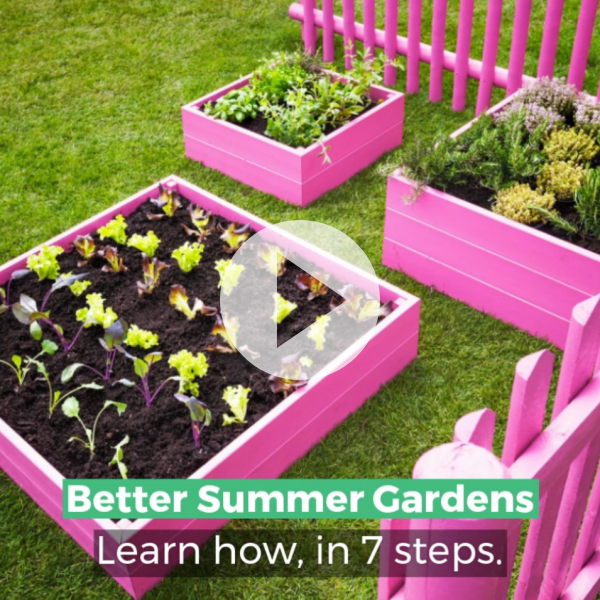
7 Tips for A Better Summer Garden

Summer has arrived and for a lot of us, that means long, hot days in the garden. Before you get too exhausted or overwhelmed, consider these 7 easy tips for having a beautiful and happy summer garden!


TIP # 1 – BE WISE WITH YOUR WATER

Make sure to keep your garden beds cool and moist by adding plenty of organic mulch around the base of your vegetables, herbs, and flowers. This will also greatly help reduce unwanted weeds from coming up.

Whenever possible, use drip irrigation, and water close to the base of the plant. If using sprinklers or wands, water as early or as late in the day as possible to avoid evaporation.

During the day, avoid splashing water on the leaves as it can sometimes cause them to burn in the hot temperatures.


TIP # 2 – KEEP YOUR COOL SEASON CROPS SHADED

Cool-season crops can generally only take between 3-6 hours of sun per day. If you still have some spring veggies in the ground you can keep them from bolting by adding shade cloth over them, or if they are in containers you can move them to a location with more shade.


TIP # 3 – FRESHEN UP YOUR DECK OR PATIO

Summer should be enjoyed! Take pride in your outdoor space by making it a comfortable gathering place for friends and family. Consider adding a new patio set, or painting an old one!
Add a festive shade umbrella, new pillows or an outdoor rug. Compliment your outdoor gathering space with a container garden full of fresh culinary herbs! These will not only come into use while cooking up your favorite dishes, but some of them can actually help deter mosquitos!


TIP # 4 – KEEP THE POLLINATORS HAPPY

Insects, hummingbirds and bees all play a crucial part in healthy vegetable gardens. Make sure you incorporate plenty of native plants and flowers to help attract these pollinators into your garden.


STEP # 5 – START A GARDEN JOURNAL

If you didn’t start a journal during your spring plantings, make sure you start one now! Begin recording things like what you’re growing, and dates you harvest.

You can purchase a small food scale, and document the size of all of your harvests!  You can also include beautiful photographs, or other important information such as problems with the weather or pests that you may encounter through the summer months.

Use your garden journal in the future as a reference for what worked in years past or what didn’t to avoid making the same garden mistakes twice.


TIP # 6 – PLAN YOUR FALL AND WINTER GARDEN

Now is the perfect time to start planning your fall/winter garden and sourcing seeds for the next round of plantings. You can also start drafting up new designs for plot layouts or raised beds.

Use the internet to do plenty of research for what designs might best suit your needs. When you’re ready to start planting, check out this planting calendar to find out when it’s safe to start planting your fall/winter crops for your exact grow zone.


TIP # 7 – ENJOY THE FRUITS OF YOUR LABOR

It’s summer, so don’t forget to kick back and relax! Enjoy your beautiful gardens and be proud of all of the hard work you have put in.

Maybe try one of these refreshing and delicious drink recipes made with your homegrown mint!

Hydroponics Guide: Learn To Grow Plants Without Soil 2018

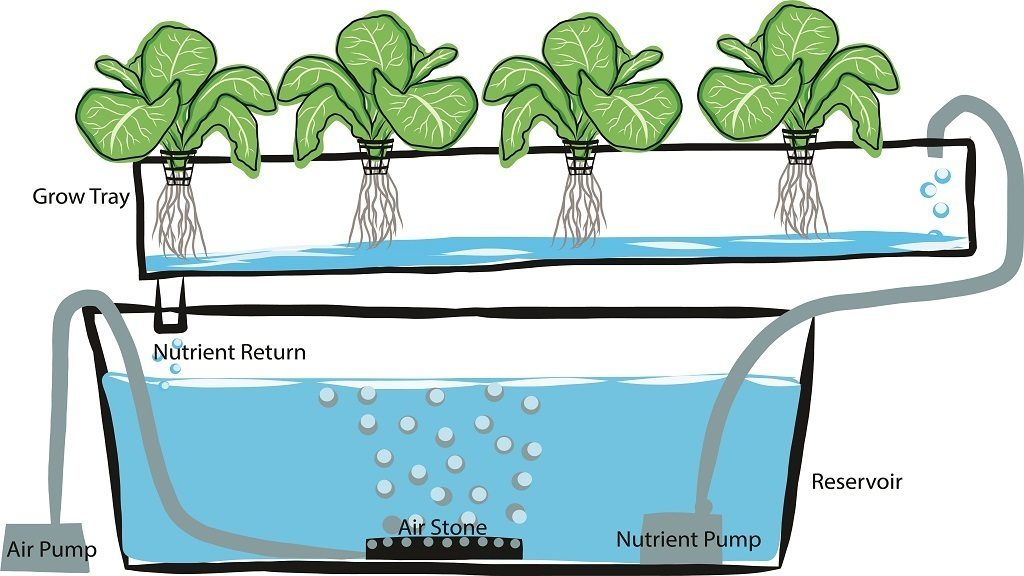
“Hydroponics is the art/science of growing plants in a soil-free environment. Historically, hydroponics isn’t that new. In fact, there are many ancient records of people using the concept of hydroponics to grow plants.

One such important record is the Hanging Gardens of Babylon, which is considered one of the Wonders of the Ancient World. In Babylon, they used gravel and stones to grow plants.

While the system is certainly more primitive than what we can create now using our own two hands, it’s important to note that the underlying principles remain the same.

This hydroponics guide will give you a bird’s eye view of how hydroponics works, how it actually grows plants and how you can start your own hydroponic system.”

LEARN MORE about GROWING HYDROPONICALLY, Here!

Strange Ways To Use 30 Most Common Household Things In Your Garden!

Learn 30 Things That Can Make Your Garden Better!

1. Cardboard and Newspapers

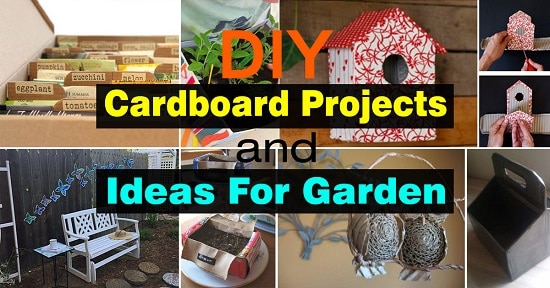
Must you have cardboards and newspapers? Do you know you can use them in your garden? From putting them into the compost to suppressing weeds or this DIY newspaper seed starter, there are many ways. Find out more cardboard uses here!

2. Wine Bottles

From creating a water fountain to bird feeder to self-watering pots, there are not just 3 or 4 uses; your old wine bottles can be used to complete these 26 DIY projects listed here

3. Pennies

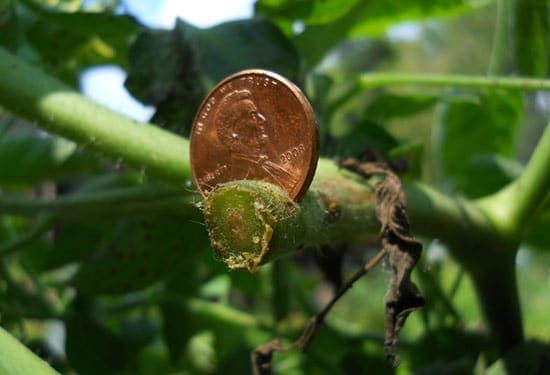
Have pennies? Use them to control tomato blight. Also, drop a penny into the vase as it’s made of copper, which is a known fungicide (especially the older one, made before 1982) and helps in keeping your cut flowers fresh or you can create a penny birdhouse!

4. Aspirin

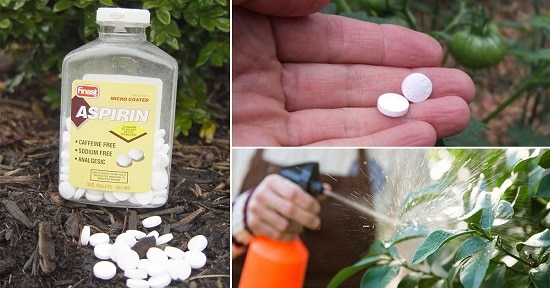
Have aspirin tablets? Use them in your garden–fight fungal diseases, propagate plants from cuttings successfully and quickly, and improve the productivity of your fruit trees. Check out the science behind these claims in this article.

See 26 MORE Common Household Things that can make your garden better, HERE at Balcony Garden Web