A Temporary Urban Farm Grows in Brooklyn

nbk_farm_foodKarma1-5This post is originally from munchies.vice.com

If you walked along the Manhattan side of the East River sometime in the last 100 years and cast your eyes across the water, you likely saw it: a grimy white building adorned with a big, yellow “Domino Sugar” sign—an emblem of another time.

At the height of its success, the Williamsburg factory refined over half of America’s sugar supply and employed around 5,000 people; the foundation of your grandmother’s cakes and your favorite breakfast cereals were likely sugar-spun inside those walls. Following a long labor strike, the factory closed its doors for good in 2004, leaving a symbol of American industry to crumble and decay as the neighborhood around it transformed. Glossy high-rises replaced factories; upwardly mobile young people replaced drug deals and working-class residents. Last year, artist and provocateur Kara Walker erected a 75-foot-long black female sphinx made entirely of bright white sugar inside the factory and called it “The Subtlety,” though it was anything but subtle. It was a pointed critique of America’s addiction to the sweet stuff, and who and what was sacrificed in order to make it. 

nbk_farm_foodKarma1-1

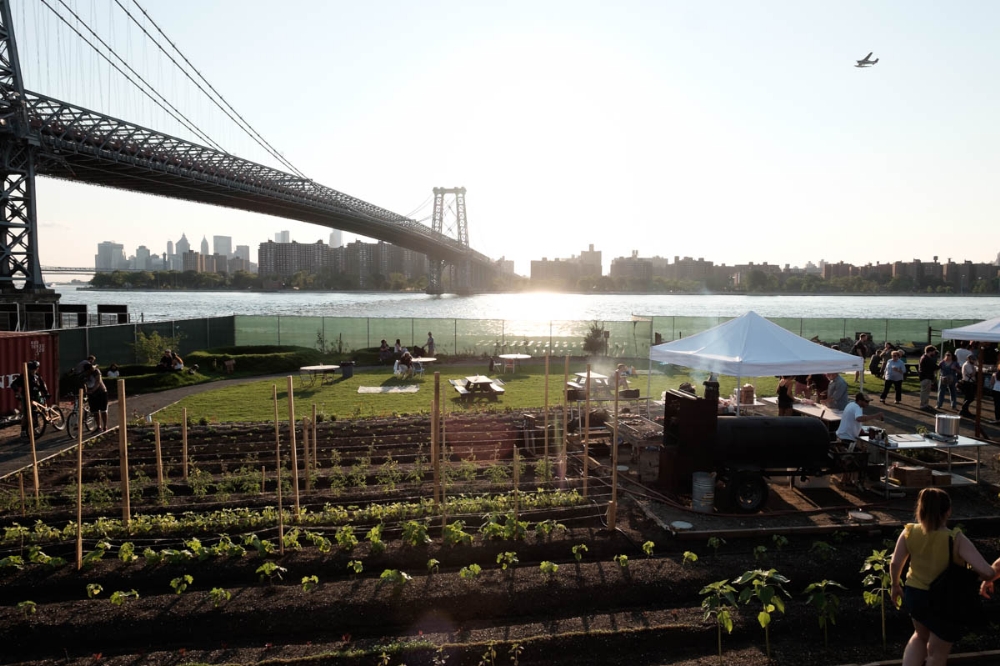
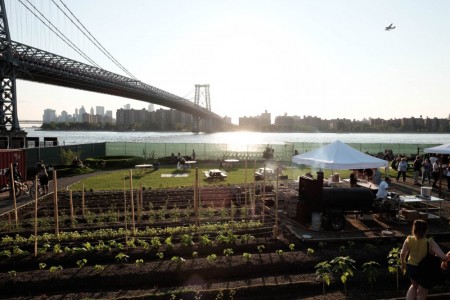
This past March, despite the outcry of locals and preservationists, construction workers tore down the Domino Sugar Factory, leaving nothing but molasses-covered rubble and, for the first time since 1882, a clear view across the river. This being Williamsburg, the clear view won’t last long: Two Trees, the developer responsible for turning DUMBO into the highly coveted, highly priced neighborhood it is today, is building a $1.5 billion complex on the land. The plans include yet another shiny high rise as well as a mixed-use commercial space in the adjacent, still-standing brick building, and five acres of public park along the river.

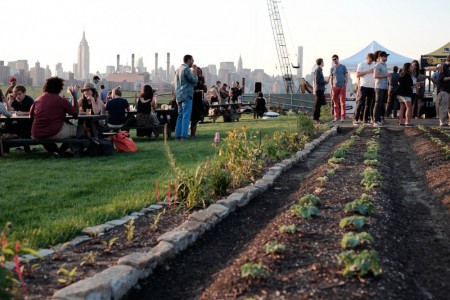
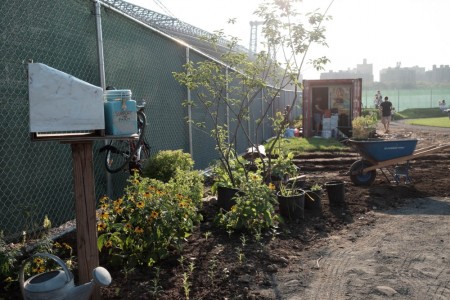
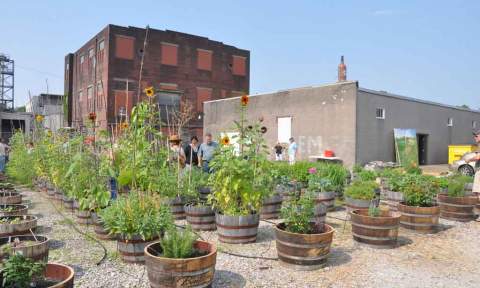
There’s still two or three years until that park and the adjacent apartments and offices materialize, but change is afoot on this stretch of land on the Brooklyn waterfront, which Two Trees has leant to a for-profit enterprise called North Brooklyn Farms. Spearheaded by two young urban farmers, Henry Sweets and Ryan Watson, the farm’s team of volunteers and their stable of shovels, repurposed building materials, and plants have been doing a delicate dance with one of Brooklyn’s most ambitious developers for the past three years. They’re growing okra, arugula, eggplant, kale, cucumbers, tomatoes, cut flowers, and vines—all without knowing how long they’ll be able to hold on to their patch of soil.

nbk_farm_foodKarma1-8

Until this summer, the farm has been planting food on a smaller, squarer plot of land just across Kent Street at South 4th Street known as Site E, which had been sitting empty behind chain link fence for almost ten years—a familiar site in New York. David Lombino, the director of special projects at Two Trees and a lifetime New Yorker, still bitterly recalls the unused construction sites of his youth: the developer Sheldon Solow’s long-untouched lot along the FDR highway; a former Gimbels department store on 86th Street; a Bloomberg Towers building on 58th Street that was left vacant for a decade. “This city is littered with sites that lay fallow for a few years before construction,” he told me.

Site E didn’t have the waterfront access or the crystalline views of Manhattan that the new farm plot does, but when Two Trees offered the Sugar Factory’s former parking lot up for proposals from the community in 2013, Watson and Sweets jumped at the chance to shape a little corner of their city. The two men are no strangers to farming: Sweets, whose long hair and full beard make him the portrait of a Brooklyn farmer, is a native of Kentucky who worked in landscaping and gardening in his home state before apprenticing at Stone Barns, the farm and educational center in Westchester, in 2011. Watson, tan and tousle-haired, worked previously at the Greenpoint Waterfront Association for Parks and Planning. The two met while working at an urban farm in Battery Park City in 2012, and before long began looking for their own growing site. In the fall of 2012, the city denied Watson’s proposal to grow vegetables on a narrow plot of land behind Williamsburg’s McCarren Park pool. When they were awarded Two Trees’ temporary land in October the following year, they knew they’d hit green gold, though their contemporaries weren’t as sure.

“Initially, when our proposal was approved, people in the urban-farming community were like, ‘Why would you want to farm for a year?’ They thought we were crazy,” Watson said of their Site E project, which they farmed for two years. “But we knew the impact it would have. We knew it wouldn’t matter if it was only for one year. We changed kids’ experiences of their city.” 

Story continues here: http://munchies.vice.com/articles/a-temporary-urban-farm-grows-in-brooklyn


Urban garden grows at Brookline’s Ivy Street School

This post is originally from brookline.wickedlocal.com

It contains myriad herbs, including basil, parsley, chamomile and others, as well as vegetables, such as beets, tomatoes, cucumbers, green beans and more.

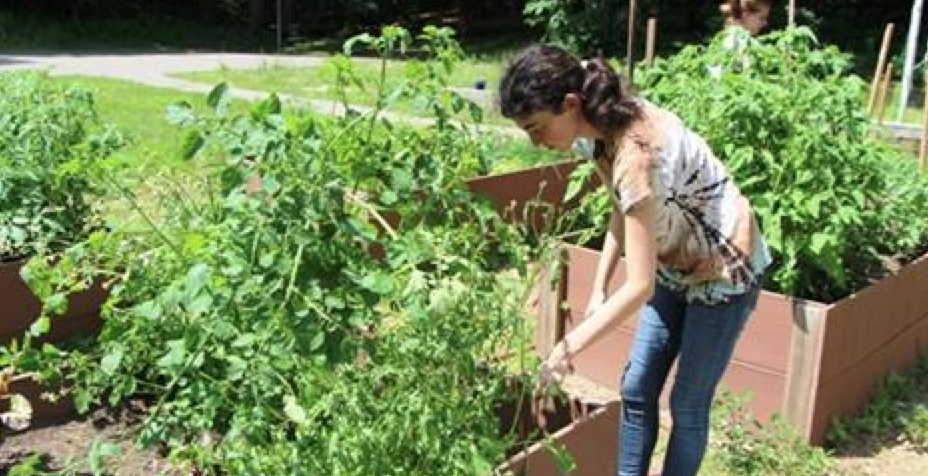
Students at the Ivy Street School, which serves teens and adolescents with autism spectrum disorder, brain injury and other mental health diagnoses, are enjoying a unique feature of the school: an urban garden. This program has become an annual tradition at the school, and it allows students to not only learn about growing plants, but it provides therapeutic and nutritional benefits as well.

Students at the Ivy Street School, which serves teens and adolescents with autism spectrum disorder, brain injury, and other mental health diagnoses, are enjoying a unique feature of the school: an urban garden.

The school’s 40-by-40-foot urban garden lives just outside the school in its bucolic Brookline neighborhood. It contains myriad herbs, including basil, parsley, chamomile and others, as well as vegetables, such as beets, tomatoes, cucumbers, green beans and more. Students work hard planting, watering, and tending to the garden — and they get to eat the fruits of their labor.

The urban garden is an extension of the school’s culinary program, so when students harvest the vegetables that they’ve grown, they are a short walk away from the kitchen where they will wash, cut and prepare their next meal.

In addition to the hard work of students and staff, the garden has attracted a number of outside volunteers who have given of their time to help maintain it. These include groups from the buildOn program, Takeda Oncology and Boston Volunteers, as well as several individuals.

To learn more, visit www.ivystreetschool.org.

Red Wine Lover. Easy Going Photographer & Gardener. Meet Paula!

capture-20150819-100831How would you quickly describe yourself to others?
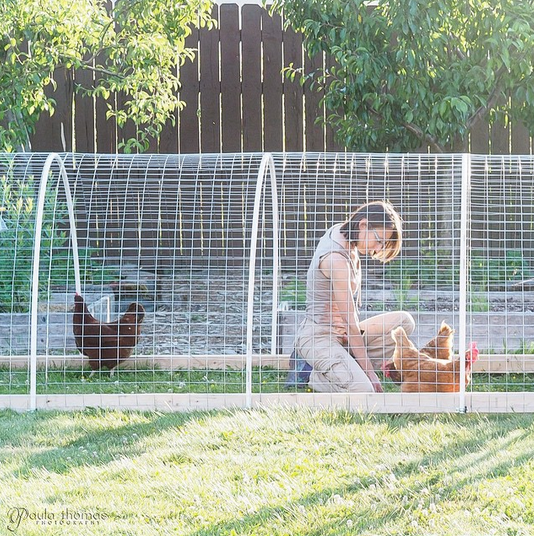
I’m easy-going and like to spend time at home tending to my garden and watching my chickens while enjoying a glass of red wine.

How did you get started with your blog/instagram page/etc? 
I’ve had a blog ever since I can remember and it started out as being more of an online journal but morphed into a food blog and now have integrated gardening. Photography has always been a part of my blog no matter what the topic. I started on instagram mainly posting photos of food from restaurants and my home-cooked meals but started posting more on a daily basis and gaining followers when I moved and started posting chicken and gardening photos.

Did you start when you began your transition to live this life style?
No, my instagram, blog and youtube channels were around much longer than my life style change however the subjects and audience have changed since then.

Have you always been growing your own food?
I’ve always grown some of my own food. My staples were always herbs, tomatoes and zucchini. It wasn’t until my move last year that I started growing a wider variety of fruits and vegetables. I also grew up in a family that planted a backyard garden every year.

capture-20150819-100358Have you ever made mistakes or failed doing something?  How did you overcome any obstacles?

I’ve had a lot of failures in the garden, some from my own mistakes and some beyond my control. I posted a couple of videos on youtube detailing some of those failures. I always learn from my mistakes and will not repeat them. For example one of the mistakes I made this year is planting all of my lettuce at the same time instead of staggering the plantings so they were all ready to harvest at the same time and we couldn’t possibly eat it all before it began to bolt. The chickens enjoyed my mistake though and were happy to have the bolted lettuce. Next time I’ll be sure to not plant 25 lettuce plants at the same time.

Have you ever dealt with a person who disregards your life style?

No, quite the opposite. I hear about a lot of people that tell me they are jealous of my lifestyle and younger people that want to do what I do when they are older.

capture-20150819-100946What are some of your greatest rewards with a lifestyle such as the one you live?

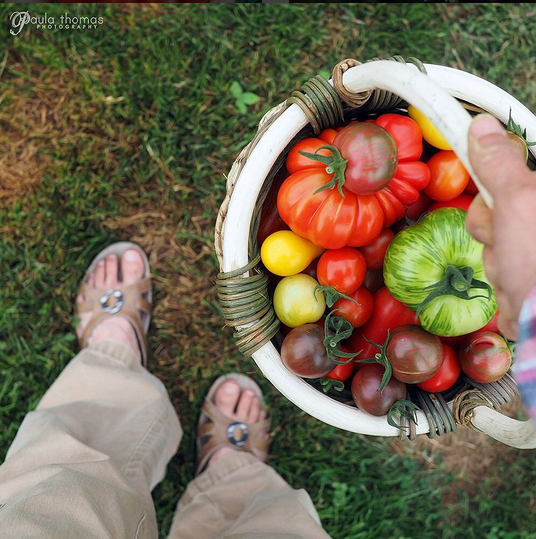
The greatest reward is being able to eat straight from my backyard without having to go to the store and sharing it with friends and co-workers. I frequently give away or share the extra produce and eggs from the chickens at work.

What tips and tricks would you like to share with other people?

Don’t plant things you don’t like. I’ve been known to make that mistake and I know others have to. If you are unsuccessful growing something, don’t give up. Try again next year in a different location in the garden and look up growing guides online to see if there’s something you might have missed. If you have more than just a couple of garden beds, use a garden planner! There’s no way I could have planted out my garden without one.

What are some of the other things you would like to have other people understand about living a healthier and self-sufficient life style?

You are what you eat. You only get one body and it’s important to take care of it. There’s nothing better for you than eating fresh, clean food that you know where it came from. It doesn’t get any fresher than your own backyard.

capture-20150819-100703What are your favorite plants to grow in the garden?

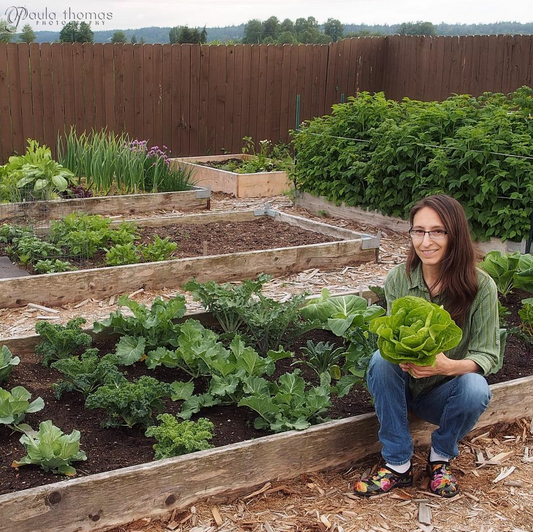
Now that I have a large garden and room to plant just about anything I want, my favorites are cherry tomatoes, kale, cabbage and lettuce. Kale and cabbage can be tricky to keep bugs off of. I had some challenges this year with that but used neem oil to keep it under control and they are doing well now. Cabbage takes up quite a bit of room and after planting it, I was thinking I may not plant it next year but I quickly changed my mind after tasting it. I was surprised how much better it tasted than store bought cabbage so I might plant it again after all.

capture-20150819-100508Is there anything else you would like readers to know about you?

In addition to spending a lot of time taking care of chickens and gardening I also have a full time job. It’s not easy, but it can be done. There’s nothing more rewarding than turning seeds into food and being able to share it with others. I also started beekeeping this year and have two hives to help pollinate the garden and hope to get a honey harvest next year.

How to Control Powdery Mildew, the Easy Way

This post and its content/images are from SeedsNow.com, click here to view the full post.

Powdery mildew. You’ve probably had it plague one of your plants at some point or another during your years of gardening.

Powdery mildew is one of the most widespread and easily identifiable plant fungal diseases. From vegetable gardens to rose gardens, ornamental trees and shrubs, almost no type of plant is immune.

You’ve probably seen it many times. White or gray powdery spots appear, most of the time covering the entire leaf surface. It’s also found on plant stems, flowers and even fruit. Fortunately, the symptoms of powdery mildew are usually worse than the actual damage. Rarely is it fatal to the plant. Advanced stages can cause plant foliage to yellow, curl or turn brown and eventually cause the plant to stop producing leaves or flowers. Most of the time, it’s just an unsightly nuisance.

Conditions that favor mildew formation include dry foliage, high humidity, low light and moderate temperatures. Here’s some things you can do to help curb powdery mildew from ruining your plants.


*Make sure your plants have good air circulation around them

*Place plants where they will get 6+ hours of sunlight each day

*Grow disease resistant varieties

*Avoid over fertilization. New growth is more susceptible. Try using slow release fertilizers.

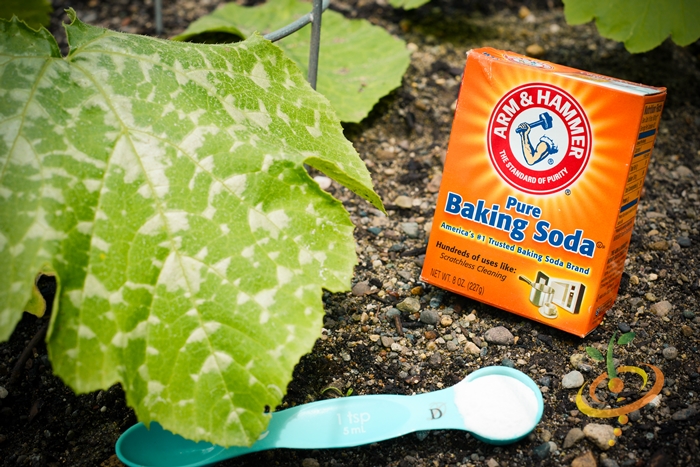
Baking Soda (sodium bicarbonate), is possibly the best known of the home-made, organic solutions for powdery mildew. Most effective when applied in the early stages or before an outbreak occurs.

There’s no CURE for Powdery Mildew, but you can control it. Try adding a tsp. or so to a spray bottle and add water. When the weather is dry, spray your water and baking soda mixture onto the leaves that are affected. Repeat when it rains. The ph level will create an unsuitable environment for the mildew spores to reproduce and spread.

View the original post here: http://www.seedsnow.com/blogs/news/14507825-how-to-control-powdery-mildew-the-easy-way

Family Gal. Floridian. Quick-Witted Goofball. On a Journey to Grow More Food.

UntitledHow would you quickly describe yourself to others?
I am a wife and a step-mom who is a kind hearted, quick witted goofball with a goal of making everyday full of laughter!  


How did you get started with your blog/instagram page/etc?
I had an instagram page for a while but I hardly ever used it. About a year ago I decided that I wanted to start a home garden in efforts to help me and my family lead a healthier lifestyle. I thought that Instagram would be a great outlet to document my journey. Never did I imagine that one small raised bed, that I thought would probably fail, would turn into a passion for growing my own food.


Did you start when you began your transition to live this life style?
Yes, actually I did. I started documenting my journey on instagram just for my benefit really. Then once I started gaining followers and noticed that I was inspiring other’s to also grow their own food, I knew that this was something that I wanted to do. I wanted to inspire others to be more conscious of the food they put in their bodies and the bodies of their families.

capture-20150806-191358

Have you always been growing your own food?  If not, what sparked your passion?

I have never grown anything successfully before I embarked on my journey! I would try to grow a few flowers here and there but I never took the time to dedicate myself to it. It wasn’t until I started learning about GMO’s and the dangers of pesticides in non-organic foods after watching documentaries like “GMO-OMG” and “Food Inc.” and hours of my own online research, that something inside of me told me that growing my own food was something that I just had to do. I knew that I could no longer leave my family’s health in the hands of someone else.

capture-20150806-191819

Have you ever made mistakes or failed doing something?  How did you overcome any obstacles?
Absolutely! I was a little over-zealous the first time I started my garden. I packed so many different vegetable into one small bed that I ended up with a jungle! Many of the plants still produced a good amount of fruit but it was difficult to manage so many plants in such a small space. I had 6 tomato plants, 4 zucchini plants, 7-8 baby spinach, 10 carrots, 4 bell pepper plants, and 4 heads of lettuce packed into ONE 8-4 raised bed! Needless to say I have learned my lesson and now understand the space that is needed for everything I grow. I also learned the concept of companion planting the hard way. I know that every day is a learning experience. Sometimes you will fail at growing a certain plant but you learn from your mistakes and keep your chin up. It is worth it! 
capture-20150806-192008
Have you ever dealt with a person who disregards your life style?
I have not so far! Everyone has been really encouraging! There are those that say they could never do what I do because they don’t like to get dirty or they just don’t have the time. Some people just assume because they “killed” a plant at one time or another in the past, that they must have a “brown thumb”. Those are the vary same people who are my target audience. I tell people that I was once just like them! ( I once killed a bamboo desk plant y’all! That is very hard to do! Haha!) But after a little research anyone can do it! If I can be a recovering “brown-Thumb”, so can you! 😉 

What are some of your greatest rewards with a lifestyle such as the one you live?
My very first harvest was a bunch of cilantro and two green bell peppers. That night I made a fajitas. While slicing up the bell peppers my husband wanted a sample. After one bit he looked at me and said this was the best tasting bell pepper he has ever eaten. THAT was the first time I made a real  commitment to this lifestyle. There is no going back. The fact that I sowed a seed and now my family is eating from something that I grew is the greatest reward I could get. 
capture-20150806-191637
What tips and tricks would you like to share with other people?
If you are interested in starting a home garden, don’t think that you need 10 acres to do so. You can easily have a successful garden even in a small space. There are so many amazing urban gardeners out there that are feeding their families with what they grow on the balcony of their apartments! The sense of accomplishment you will feel after your first harvest will make you wonder why you didn’t start you home garden sooner! 

What are some of the other things you would like to have other people understand about living a healthier and self-sufficient life style?
There will be bumps along the road. Pests, birds and seeds that just don’t germinate are just some examples that can make any organic gardener want to pull their hair out. But KEEP TRYING! The reward outweighs all obstacles. 
capture-20150806-191915
What are your favorite plants to grow in the garden?
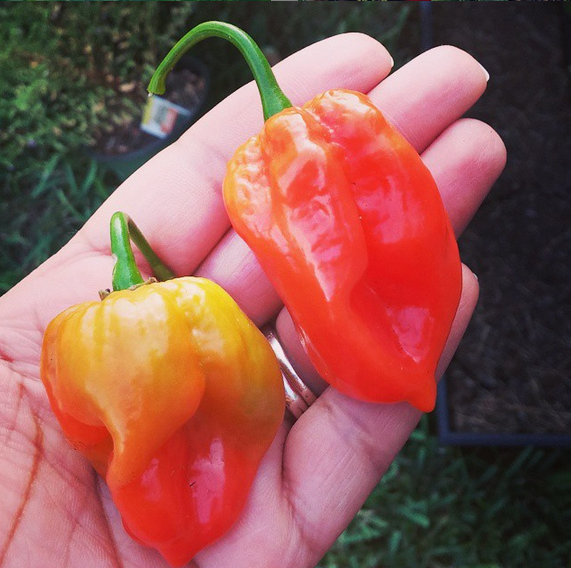
In the hot Florida sun, peppers seem to be the most successful in my garden. I have been able to grow various types of peppers from Ghost peppers and Habanero peppers to delicious sweet bell peppers. 


Follow @GreenThumbJourney on Instagram! 

FOR SALE- Urban Farm…Make your Homesteading Dreams Come True!

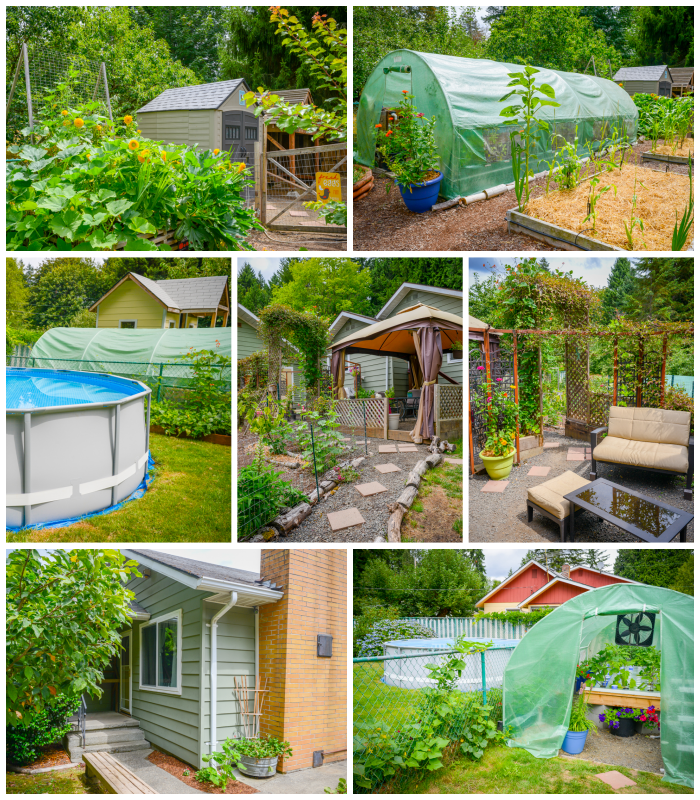
DSC_3966Looking to escape the rat race? Wanting to re-locate somewhere and start a full or part time homestead? This Urban Rustic Homestead/Farm is located in a desirable location in Bremerton, Washington.  Close to military bases, shopping, parks and plenty of recreation…not to mention the beautiful Puget Sound.

DSC_3975

outsidehouse Recently remodeled with new flooring, updated appliances, fixtures, wood ceilings, plumbing, & wiring, this charming home offers a farmhouse feel on the inside and out! Move in now and harvest your first crop – all the work has been done!

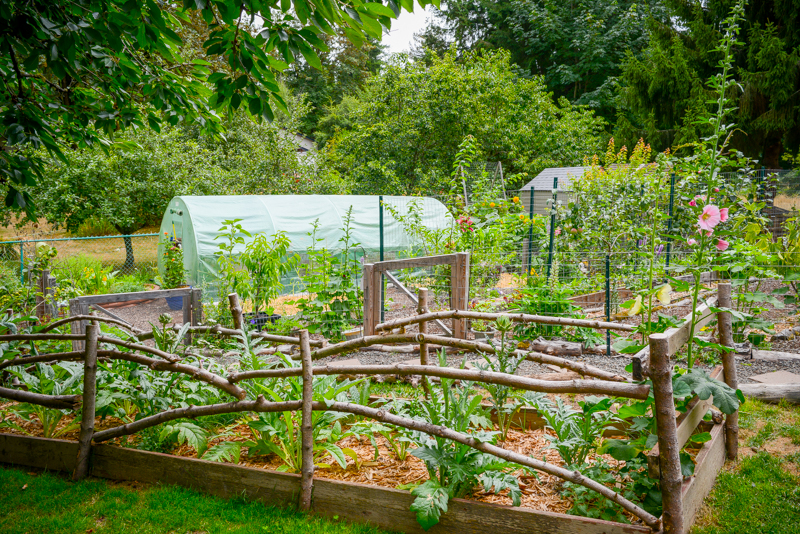
gardens15 fruit trees, a variety of berries, kiwi, currents, artichokes & much more! This urban farm consists of two greenhouses, chicken coop, mini stable, custom dog kennel, patio, new above ground pool, playhouse, security system, garage w/workshop and an extra room that can serve as just about anything you desire.

If you want to start living a more sufficient lifestyle or have a desire to become homesteaders, THIS COULD BE YOUR NEXT HOME. 

View the complete listing for this Urban Farm/Homestead here! 

MLS# 823396

6654 Old Military Road   Bremerton, Wa   98311

St. Luke’s Hospital sends all new moms home from the hospital with a basket of fresh produce …

Post/content/images are from CivilEats.com – and – anderson.slhn.org

Are Hospital Farms the Next Big Thing in Healthcare Reform?
When it comes to improving the food on today’s hospital trays, some medical institutions are finding that onsite farms are the next logical step. By Jodi Helmer on July 21, 2015

image003
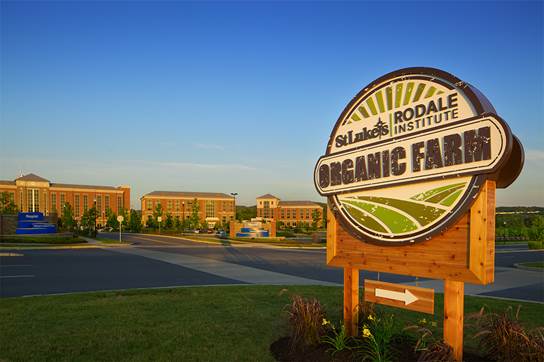
St. Luke’s Rodale Institute Organic Farm

This summer, St. Luke’s Hospital started sending all new moms home from the hospital with a basket of fresh produce, recipes and literature about the importance of a healthy diet.

All of the produce in the basket was grown on an organic farm on the hospital’s Anderson campus in Bethlehem, Pennsylvania. The hospital—part of a six-campus network—has been running a farm on the 500-acre grounds since 2014.

“Our mission is to provide great healthcare and part of that is educating patients about the benefits of a plant-based, organic diet,” explains Ed Nawrocki, president of the Anderson campus. “One of the best ways to do that is to lead by example and show them how delicious produce grown on our farm tastes.

14120-Farm-62e-cropLR
Produce from the farm will be utilized in our network cafeterias and served to patients, employees, and visitors.

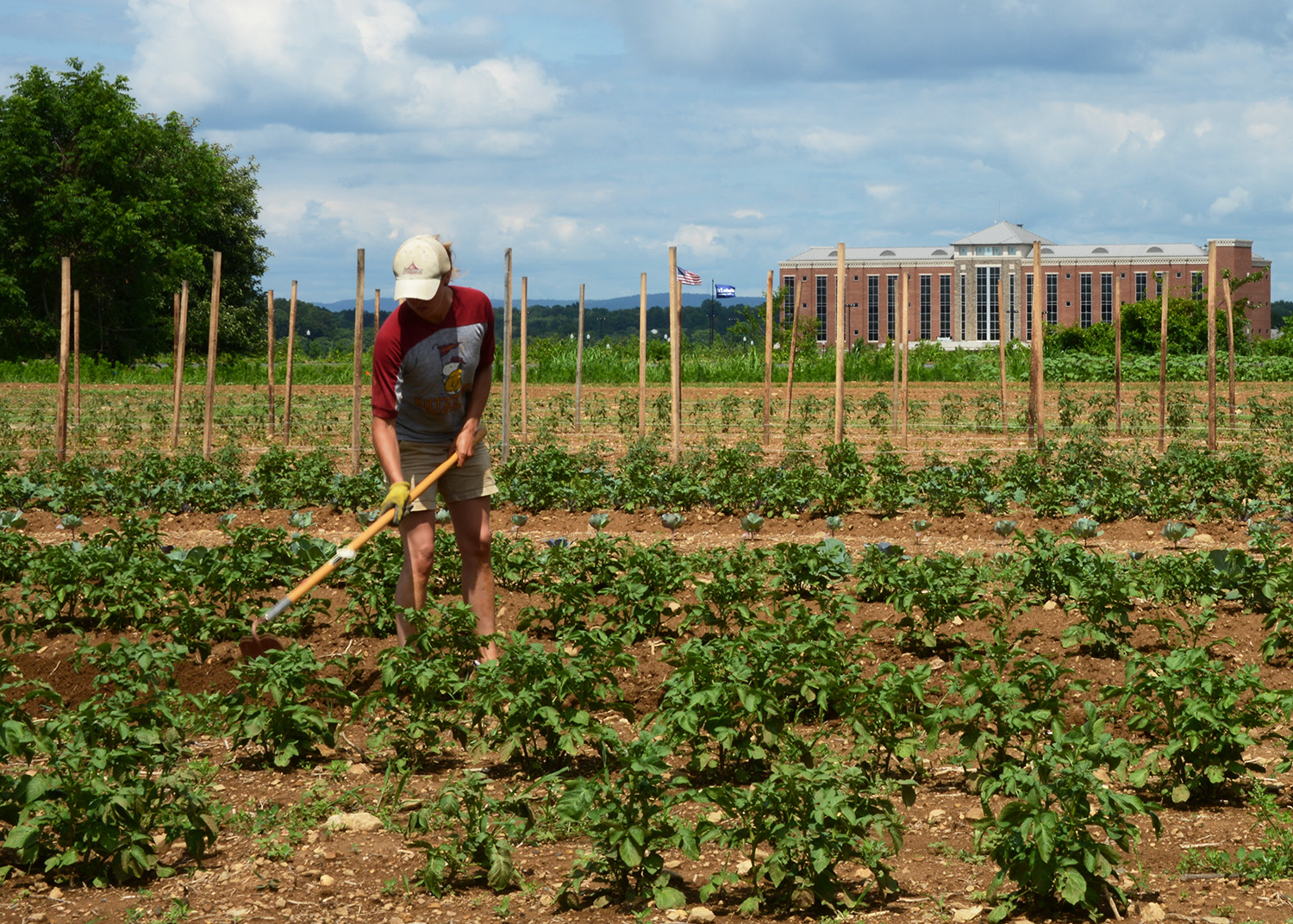
But it’s not just new moms who benefit from the hospital’s bounty. In its first season, the farm at St. Luke’s grew 12 varieties of vegetables on five acres, producing 44,000 pounds of produce that was served to patients, incorporated into the cafeteria menu, and sold at weekly farmers markets on several hospital campuses. This year, the farm expanded to 10 acres and 30 varieties of fruits and vegetables.

Mark “Coach” Smallwood, executive director at the Rodale Institute, the nonprofit organization that worked with St. Luke’s to help get its farm off the ground, believes there is a growing interest in serving organic, locally grown produce at hospitals.

Some, like the University of Wisconsin Hospital, buy produce from local farms, others allow the community to use land on their campuses for community gardens. Now, a few hospitals are taking the next step, starting farms on hospital campuses. Among them are Stony Brook University Hospital on Long Island and Watertown Regional Medical Center in Wisconsin. Both are now using produce grown onsite to replace fruits and vegetables that are packaged and shipped thousands of miles before reaching patients.

“Hippocrates talked about food as medicine and we believe that to be true,” Smallwood says. “There is a paradigm shift happening and hospitals are realizing the value of producing fresh, local, organic food to serve to their patients.”

St.Joseph-hospital_farm

St. Joseph Mercy Ann Arbor Hospital in Ypsilanti, Michigan, planted the first crops on a 10-acre onsite farm in 2010 after patient satisfaction surveys revealed a demand. Over the past five years, the farm has grown to 25 acres, three hoop houses and four beehives. The farm grows fresh spinach, garlic, basil, collard greens and strawberries.

“The farm helps us support a culture of wellness in the hospital,” says director of nutrition and wellness Lisa McDowell. “We can’t grow enough to meet the needs of all of our patients and staff, but we can make an educational statement about the importance of eating a healthy diet.”

While farm-to-hospital efforts have been well received by patients and created PR opportunities, operating a hospital-run farm is not without its challenges.

For starters, administrators are experts in healthcare, not agriculture.

To help launch its farm, St. Luke’s partnered with the Rodale Institute for assistance in creating and implementing a plan, hiring a farmer, and managing operations. At St. Joseph Mercy, the hospital invested $32,000 in two hoop houses, hired a full-time farmer to manage farming operations for the 537-bed hospital and relies on interns and volunteers to handle most of the labor.

14120-Farm-55eLR
As an employee of the Rodale Institute, Lynn Trizna, an organic vegetable farmer, is excited to work with St. Luke’s on developing the St. Luke’s Rodale Institute Organic Farm. Farmer Lynn’s passion for organic agriculture began the summer of 2007, when she spent the summer working on her first farm.

It took a $125,000 capital investment to start the farm at St. Luke’s and, after two growing seasons, the farm is operating at a loss (with a goal of breaking even in 2016). The reason: Growing organic produce on the farm is more expensive than purchasing it through a foodservice supplier or sourcing it from local farms. But Nawrocki still champions the idea, explaining that encouraging patients to eat healthier diets now could improve their health in the future.

In addition to the capital investment to start farms, hospitals that want to serve fresh produce must invest in recipe development and training foodservice workers to transition from heating and reheating prepared foods to making dishes from scratch.

“When we order produce from a food service provider, it comes peeled and chopped and portioned; all our staff has to do is open the package and add it to the recipe,” McDowell explains. “Cooking with fresh foods from our farm is much more labor intense.”

In the future, the hospital hopes to partner with a local culinary program, using interns to offset the additional labor costs and make its hospital farm cost neutral by 2020.

Read more here: http://civileats.com/2015/07/21/are-hospital-farms-the-next-big-thing-in-healthcare-reform/

For more information about St. Luke’s Rodale Institute Organic Farm please visit their page here: http://anderson.slhn.org/About/Organic-Farm

Chicken Keeper. Urban Organic Gardener. Advocate of REAL food. Meet Kati, the Urban Lady Bug!

This post/content/images are from www.SeedsNow.com

How did you get started with your blog?

How I got started with my blog, The Urban Lady Bug, was through Facebook originally, I posted pictures of our garden on my personal page almost everyday and had dozens of my friends and their friends, comment, tag and ask a bunch of questions. So I figured I should create a page where people who might not know me or be my friend on fb, would still “like” my page and gain gardening information or advice from me! Once Instagram took off (follow The Urban Lady Bug on Instagram), I decided to make a IG for my blog as well and because of hashtags, it has really become popular!

Did you start your blog when you started your transition to live this life style?

Once I had completely transitioned my life over to home gardening and homesteading is when I created my blog. Although I had began this life transition about 2 years prior to creating my blog.

Have you always been this way?

No I have not, I grew up in a military family. My mother worked all the time and didn’t have much time to cook us wholesome dinners, my father being in the military didn’t have much time either. So we often settled for hamburger helpers, sloppy joes, anything that was quick, easy and inexpensive!

After moving out of my parents at 19 and into my first home is when the transition to this lifestyle really started. I began to like cooking and wanted to be able to walk into my own backyard and pick dinner, instead of having to drive to the grocery store and pay for it! Even with such little knowledge back then, we knew the importance of using only organic soils and seeds.

What sparked your passion?


It all started when I moved out on my own, I had a huge back yard and with a lemon and apricot tree that were both struggling to survive. Nursing them both back to health is what sparked my passion! I realized how bad I wanted to be able to grow all my food, and so I bought a few 2x4s & built my first raised bed. Not the best raised bed but a learning experience nonetheless!

Then about a year after I built my first garden, I unexpectedly lost my mother to colorectal cancer. Absolutely heart broken and convinced it was all caused by the foods she ate & unhealthy lifestyle she lived, I was determined with a fiery passion to change my life completely. She was only 51 years old and wasn’t a drinker or a smoker, her kryptonite was processed foods & the doctors say the cancer started when she was in her 20s.

The transition soon became an obsession which was kicked into high gear, focusing on repairing and preserving my health and body. So after purchasing my mother’s home, I planted our second garden. Which was a lot bigger than the first but was hardly an educated decision. I dug holes and planted directly into the grass (that was the bad decision). It ended up being such a pain to maintain throughout the season because of the overgrown grass and bugs that the grass attracted. This is the reason why most people and why I eventually built raised beds to plant in!
I also got our first two chickens,

Lucy & Ethel that year.

The next year, which was last summer, is when my passion for gardening and self sustaining really took off, I decided to invest the money and time needed to create the dream backyard garden that I have always wanted. I researched a local lumber yard that had rough cut untreated redwood (one of the most durable and long lasting) and ordered them to my house. With the help of my boyfriend, Kyle. Together we measured cut and built the raised beds by hand. Then I researched a local organic soil provider and had organic sandy loam soil in large quantities, I ordered 5 cubic yards and filled all of our beds up. Then added organic compost, organic peat, perlite, a bag of OG Tea per bed, and organic chicken manure. I ordered the Patriot Seeds “Survival Seed Vault” which contains a large variety of organic, non GMO, heirloom veggies and fruit, which we sowed our entire garden when. I also installed drip lines from my automatic sprinkler system so I could vacation or work and not worry about having to water my garden and saving massive amounts of time everyday from not having to hand water the entire garden!!

This summer…is where my blog and passion for organic home gardening and homesteading has really really blossomed into something fun and educational. I have learned so much over the years and the progression is clearly noticeable via the pictures!

Time is everything, so don’t worry about rushing into a large undertaking. Even a few potted herbs and tomatoes can help prepare you for a garden like mine!


What are some of the other things you would like to have other people understand about living a healthier and self-sufficient lifestyle?

It’s not an overnight thing, it is a gradual life change that you don’t want or need to rush into. It takes time to learn how to properly read labels, make better eating choices, grow your own food, and then learn how to cook the food you grow from your garden. It is impossible to learn that amount of information overnight.

Many people are super eager to jump in head over heels, without understanding that becoming self-sufficient is all about learning and experiencing through trial and error. Gardening and being self sufficient can be extremely frustrating & overwhelming to someone who has yet to live this lifestyle, so jumping too much into it will often lead to giving up. Take your time, read a lot, ask lots of questions and gradually change your life, at times when your ready!

Another thing to keep in mind is that it is an investment. It does take money & time to invest if it is something that you want to last more than just one summer. Once the initial investment is made you reap the rewards and benefits from your garden, for years and years to come!! Saving you tenfold of your original investment!

What tips and tricks could you share with other people?

DONT GIVE UP! Gardening can be so frustrating when you have no idea what to do or where to begin. I always tell people to start small, then build after you gain some experience. There is no way I would be able to successfully care for what I have now without the knowledge I have slowly gained over the last 4 years through experiments, trial & error and failing!

Have you ever made mistakes or failed doing something?


Yes!!!!! A millions times and I still
make mistakes! That is how you learn what works and what doesn’t! The important thing is to never beat yourself up over a mistake. It happens to everyone, just remember you learned something from it and that will all come into play at some point later in your gardening!

How did you overcome any obstacles?

I have overcame many obstacles in gardening, that is when you learn the most I believe! A large obstacle I have encountered and have overcome is root knot nematode. Which causes extreme scarring on the roots of your plants causing them to suffocate and eventually die. Gardening in unknown soil can lead to a lot of issues, and this is one of them! Even though I built raised beds with my own hand built super soil, the nematodes made their way into the new soil. These nematodes are not beneficial and can destroy your entire garden! I use Monterey brand “Nematode Control” which is OMRI listed, to help kill and control our nematode problem. Many obstacles like this can be very easily addressed and shouldn’t ever be stressed over!

Have you ever dealt with a person who disregards your lifestyle?

Oh my gosh!! All the time! Often time it is family! Educating them is the most important thing you can do! With education comes understanding and with understanding comes knowledge, which is what sparks desire to want to also live the same lifestyle!! Although I haven’t been able to convince all of my friends & family to live this lifestyle, I have been able to change a lot of them! Including my entire immediate family, all of which are now tending to their own backyard gardens!!

I have learned the easiest way is to lead by example. To show them what a healthy person looks like and how I healthy I feel on a daily basis! People ask me all the time what my secret is to looking 16 years old when I’m actually 26 years old, and I tell all of them what I firmly believe is the reason, the pure, clean food & water I put in my body every single day! Balanced, wholesome & organic meals made from home, straight out of the garden!

My biggest motto is – You are what you eat!! Most people don’t realize the reason they feel and look like crap is because they literally eat crap!


What are some of your greatest rewards with a lifestyle such as the one you live?

Gosh, how do I just pick a few? The rewards are so endless.. But I guess if I had to name a few, the first would certainly be the money saved. What an incredible amount of money I have saved because my grocery store is my backyard! My initial investment into my backyard garden was probably around $1500. Now because I am able to garden all year long, through the summer, fall, winter and spring months it has been over a year since I’ve had to buy veggies from the grocery store! Saving me thousands of dollars on organic foods & hundreds in gas to drive to the store! I also raise my own backyard chickens and ducks and it has been over two years since I’ve bought a carton of eggs, saving me $850 alone just on eggs!

My garden will be here for years & years to come and we have already made back our investment in food alone!

A second huge reward is that when you grow your own food you have ability to grow your favorite veggies & fruit and know without a doubt exactly where they came from, that they are farm fresh, you know how they were grown, what fertilizers were used to grow them, what pesticides were & weren’t sprayed on them and if they are really Organic, Heirloom & NON GMO!

So many times, we over pay for “organically” labeled veggies and fruit, that have still been treated with some sort of pesticide! An “organic pesticide” but a pesticide nonetheless!! When you grow yourself, you control what goes into your body!

A third but certainly not the last reward that I get to benefit from, is that gardening has become an extremely therapeutic activity for me. Losing my mother to cancer has been the hardest thing I have ever had to go through. So being able to nurture and grow plants which produces me, my friends and family wholesome organic clean food, brings me a sense of fulfillment and pride that cannot be obtained by anything else! It has also been scientifically proven that the microbial life inside of soil is beneficial to our mental health and over-all well being!

What’s your favorite variety of crop to grow and why?

Summer squash! I love summer squash of all different varieties! Crook-neck, straight-neck, zucchini. Etc. There is a million and one ways to cook summer squash! From soup, to lasagna, you can make summer squash into noodles or even just as a simple side dish! You can cook them for breakfast, lunch or dinner! There are endless ways to prepare them and they are so tasty, good for you, very low in calories and the easiest plant to grow! Not to mention you can harvest tons and tons of squash off of just one plant!
 

Follow Urban Lady Bug’s Instagram Profile

UC Berkeley’s student-run garden offers urban oasis

This post/content/images are from berkeleyside.com

IMG_0630-1920-720x540
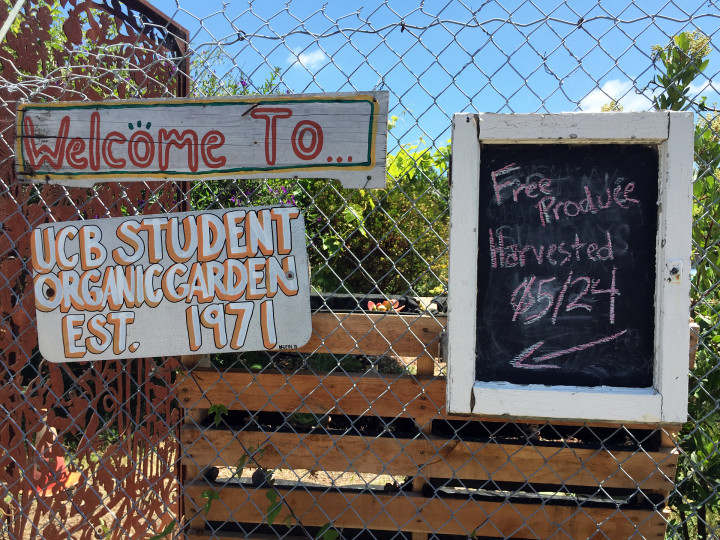
A sign outside the garden tells when there’s produce being given away. Photo: Alix Wall

by Alix Wall/Bay Area Bites

Whenever UC Berkeley student Sara Cate Jones has felt the blues coming on, she’s relied on the same remedy: she goes to the student garden on the corner of Walnut and Virginia streets and picks herself a bouquet of flowers.

“The garden is always here for you,” said Kate Kaplan.

Jones and Kaplan are two of several student garden managers for the SOGA (Student Organic Garden Association) garden.

Established in 1971 by a group of students shortly after the first Earth Day, the garden has offered students and the community at large an urban oasis in North Berkeley for over 40 years.

About a quarter acre in size, the garden sits on a plot of university-owned land and is overseen by SOGA’s student volunteers. SOGA was founded in 1999 when the university gave the garden space to EBMUD for a pumping station. The students protested and a compromise was reached; the pumping station is now adjacent to the garden.

IMG_0636-1920-720x540
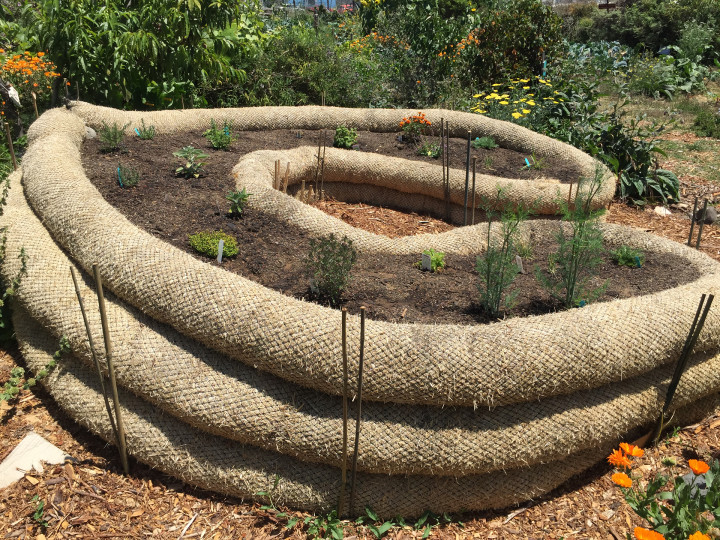
This keyhole raised bed, in which herbs are growing, is made out of straw wattles. It was a student project to experiment with cheaper solutions than planter boxes to grow above ground. Photo: Alix Wall

As for what’s planted, it’s entirely up to the students. There are several varieties of apple, plum and fig trees, flowering plants and bushes like sunflowers and lavatera, succulents and native plants, and of course, plenty of vegetables.

Though the garden gets some funding from student fees, SOGA is responsible for applying for grants to keep the garden running, and is also “meant to be the stewards of the garden, to make sure something like that doesn’t happen again,” said Kaplan. “We also make sure relations are good with the administration, and make sure they know what’s going on,” said Jones.

(For example, at one time students brought in chickens and goats without university approval – they are not allowed to raise animals.)

Kaplan emphasized that the garden gives students a chance to connect to a more nontraditional education, which “allows them to build off the lecture-based education we receive and get their hands in the dirt with hands-on experience.”

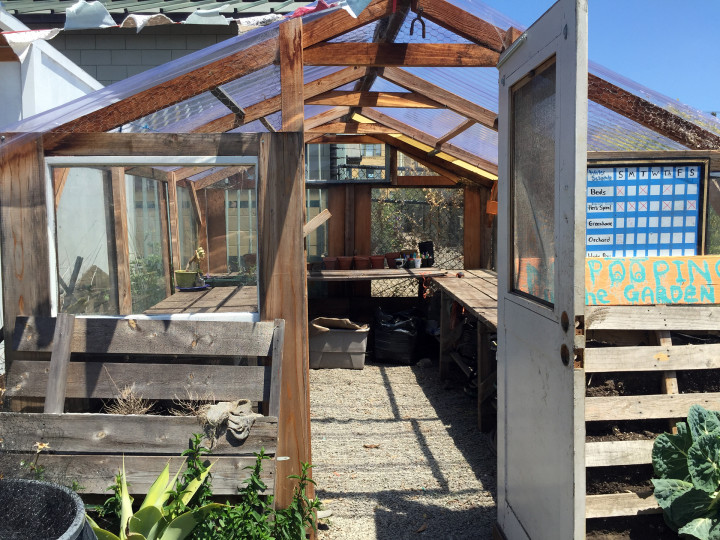
Several classes are held inside the garden. Organic Gardening and Food Justice is one and Garden Leaders is another, which “teaches students how to do project management within the context of a garden,” said Jones, while showing off several projects that were conceived of and brought to fruition by students recently. One such project was a greenhouse made entirely of reclaimed wood and glass.

Then there’s also what’s known as BUGI, or Berkeley Urban Gardening Internship, which connects students with other urban gardens in Berkeley and teaches students how to manage a garden.

IMG_0631-1920-720x540
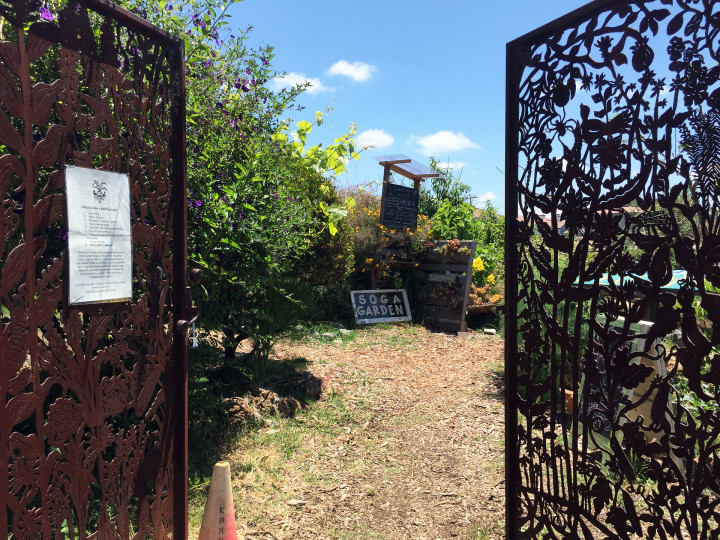
The entrance to the garden is on the corner of Walnut and Virginia Streets in North Berkeley. Photo: Alix Wall

And while those who take care of the garden tend to have more than a passing interest in environmentalism, those who take classes in it run the gamut of the entire campus.

In a class of 150 students this spring, their majors were “all over the map,” said Kaplan. “They had majors like math, business, French, everything.”

While only organic practices are used in the SOGA garden, the piece of land next door, called the Oxford Tract, is used by professors for their various research projects and the students worry about non-organic pesticides drifting over the fence.

One of the allies of the garden, Agroecology Professor Miguel Altieri, often tries to rent the space closest to the garden where he too gardens organically, but the students can’t control what happens on the other side of the fence.

While they sometimes put a sign outside offering the latest harvest to passersby, they don’t have a regular food giveaway because their output isn’t that regular.

IMG_0666-1920-720x540
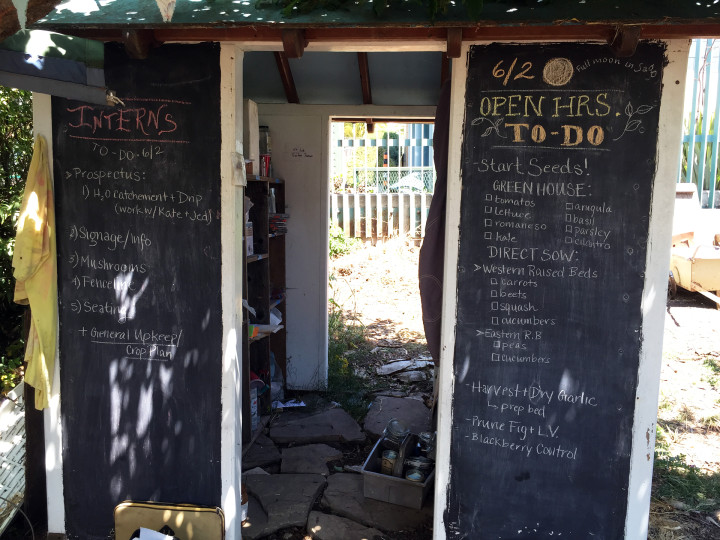
Several summer interns are getting paid to help oversee the garden while the students are away on summer break. Here they keep track of their to-do list. Photo: Alix Wall

“Last year we partnered with the UC Berkeley Food Pantry, providing fresh produce for them to give away,” said Kaplan, noting that their grant money only provided the pantry with non-perishables.

The students often take the produce to share with their roommates, and community members are welcome to drop by when the garden is open, to see if anything has been freshly harvested. (During my visit, one woman dropped by to ask advice about why her apple tree wasn’t fruiting, and another man came by to see if he could score some kale or chard leaves.)

However, many longtime neighbors barely know the garden is there.

“Most neighbors who come in are super excited to see it,” said Kaplan. “Most say they have to come by more often.”

While the students have led some programming for local schoolchildren, and offer workshops through Berkeley Unified School District, they admit that because of a lack of continuity in management, sometimes they aren’t the best at marketing what they have to offer.

“We’re trying to expand beyond the campus community,” said Kaplan. “Many people think it’s just for students, but we’re trying to break that barrier. The garden was started by students and is mostly run by students, but it’s open to everyone. We never turn away anyone if they want food or just want to walk around.”

IMG_0643-1920-720x540
This green house, made of reclaimed wood and glass, was completely student implemented and built. Photo: Alix Wall

Many students are also not aware of the garden’s existence.

“It does seem kind of hidden,” said Jones. “My favorite part of it is its ability to teach students. But it’s also such a great place to create community, especially in a university that can be so competitive, and that is so big, that students can get lost in it. It provides a kind of safe haven for us.”

The SOGA Garden is always open on Sundays from 10am to 2pm. This summer, it’s also open Tuesdays and Thursdays from 10am to 2 p.m. It is located on the corner of Walnut and Virginia Streets in North Berkeley.

Super Creative Organic Urban Gardens Around the World: Who Needs Biotech?

NationofChange.org is the original source of this post/images.

Not only are people around the world capable of growing nutrient-dense, nourishing food that will feed their communities, even if they live in an urban setting, but they can also do it with élan. Some of the most creative urban gardening projects around the globe can inspire us to create our own green space in the city, or add luster to a space that’s already underway which just needs a little oomph. Here are some off-the-(biotech)-chain gardens that will get our creative juices flowing so that we can carry the dream of living pesticide and GMO-free, further:

UrbanGardeningIdeas052614

Everyone who has kept abreast of national news has heard of the urban blight that has devastated Detroit. This once burgeoning center of the auto-trade in America is now a sprawling concrete wasteland – or is it? Food Field is an urban farm in the middle of central Detroit. It grows heaping amounts of organic produce using permaculture. They even raise chickens and ducks, grow food utilizing aquaculture, raise honey bees, and have their own organic fruit orchard. This all happens on a piece of land that is smaller than that of many McMansions. Even in one of this country’s most economically depressed cities, where unemployment rates are currently swollen to 14-17 percent, people are flourishing growing their own organic food.

Detroit isn’t the only city under economic duress, but this doesn’t sway the Distributed Urban Farming Initiative or DUfi in downtown Bryan, Texas from mixing sound agricultural practices with community building.  They want to spread their plan for city gardens everywhere:

“Our distributed urban farm program aims to resolve the weaknesses of other programs by engaging small businesses as key partners in the downtown farm. It is our intent to develop, implement and promote a sustainable downtown business model that will be available to communities that would otherwise lack the means or direction to execute urban farming.”

The city of Bryan works with the initiative to grant vacant or unused plots around downtown to be used to grow organic gardens. They also plan to provide some of the produce grown to local restaurants to make dining out healthier too.

If you think an urban garden is relegated to just growing vegetables and herbs, think again. People are successfully raising chickens in chicken coops in urban and suburban areas all over the country – and aside from providing nutrient-dense eggs, with sun-yellow yolks like you’ve never seen in a grocery store, these birds also create great compost to amend organic garden soil.

It seems we can do a lot with a little ingenuity.

One supermarket in Brooklyn, New York has decided to get in on the action, and now has an entirely organic rooftop garden. It was constructed via a partnership with Gotham Greens, a Greenpoint-based rooftop farm, and you can’t get more local than five miles from your borough! They produce tons of organic produce all year long and don’t use a single pesticide. I’m sure this miffs Monsanto, Bayer, and Syngenta signifcantly, but you can’t stop Americans who know the truth about GMOs and pesticides.

It isn’t just in the US, though, that people are taking sustainable agriculture into their own hands. Sky Greens in Singapore is the, “World’s first low carbon hydraulic water-driven, tropical vegetable urban vertical farm, using green urban solutions to achieve enhanced green sustainable production of safe, fresh and delicious vegetables, using minimal land, water and energy resources.” Singapore faces the dismal fact that Locally grown vegetables currently only constitute 7% of Singapore’s consumption.

With creative farming initiatives like the ones Sky Greens offers, fewer fruits and vegetables would need to be imported, and people could enjoy more locally sourced food that isn’t controlled by biotech monopolies. According to these innovative farmers, “the production yield of Sky Greens Farm is 5 to 10 times more per unit area compared to other traditional farms growing leafy vegetables using conventional methods in Singapore.” They also offer year-round production and are not subject to climate events like drought or tsunamis.

Finally, an organization in New Zealand, Canada and the US offers a supremely novel idea for helping people grow food who simply don’t have the land to grow it on. They are called Sharing Backyards. Taking advantage of the fact that many urban and suburban areas have lawns, yards, and empty spaces which people aren’t utilizing to grow food, but could be, individuals can logon to their site and either put in a request for space to garden, or offer land that currently sits idle. Not only does this idea help people who are often the most marginalized have better access to healthy food, but it teaches us to rely on each other instead of huge corporate conglomerates that don’t care about feeding the world, only poisoning the planet for profit.

If you have a creative idea about taking the food supply and redirecting it in a more sustainable direction, please share it with us at Nation of Change.

Meet Rob from “Bits Out The Back”, Urban Farming in Queensland Australia (Interview)

Urban Organic Gardener Interviewing Rob from “Bits Out The Back”:

How would you quickly describe yourself to others?

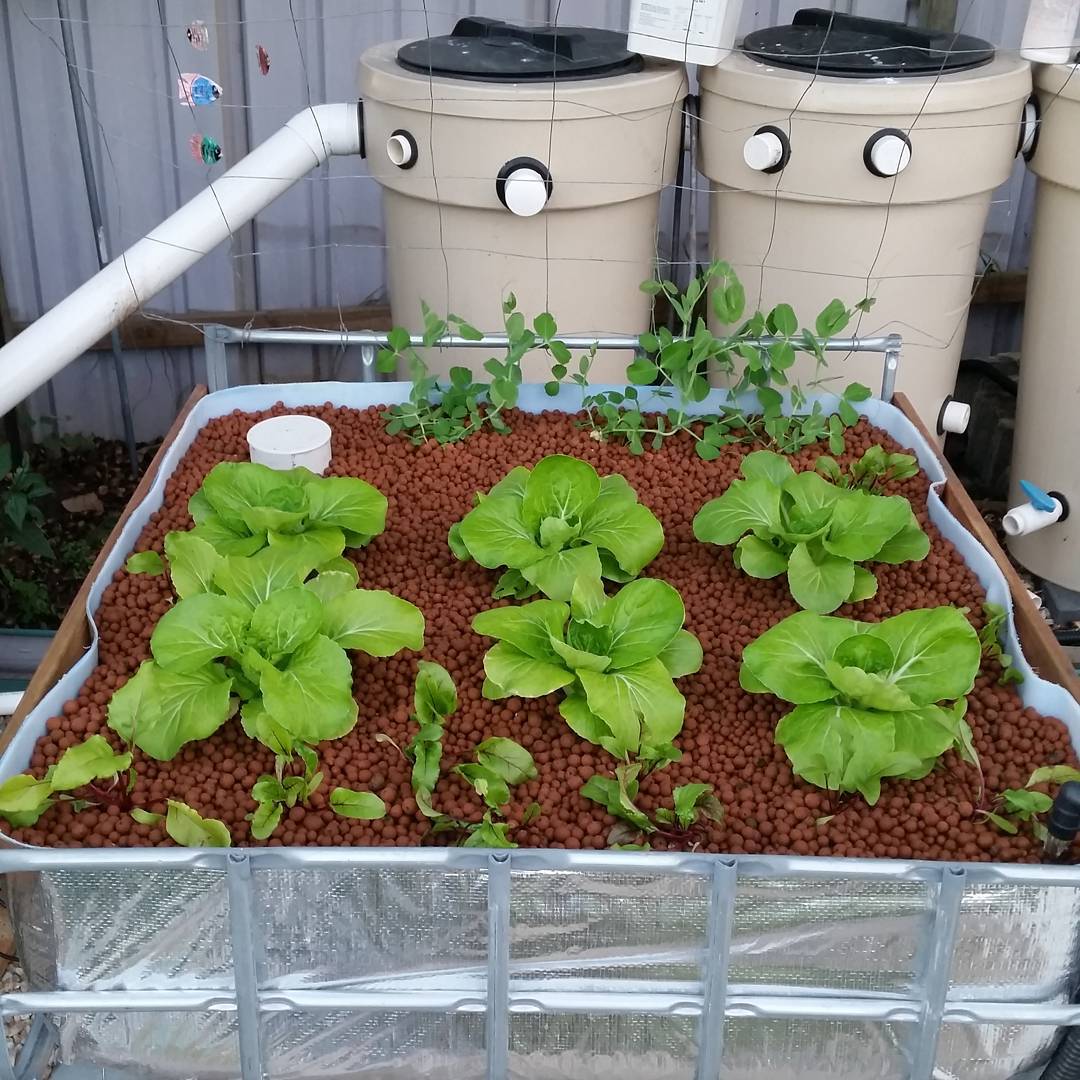
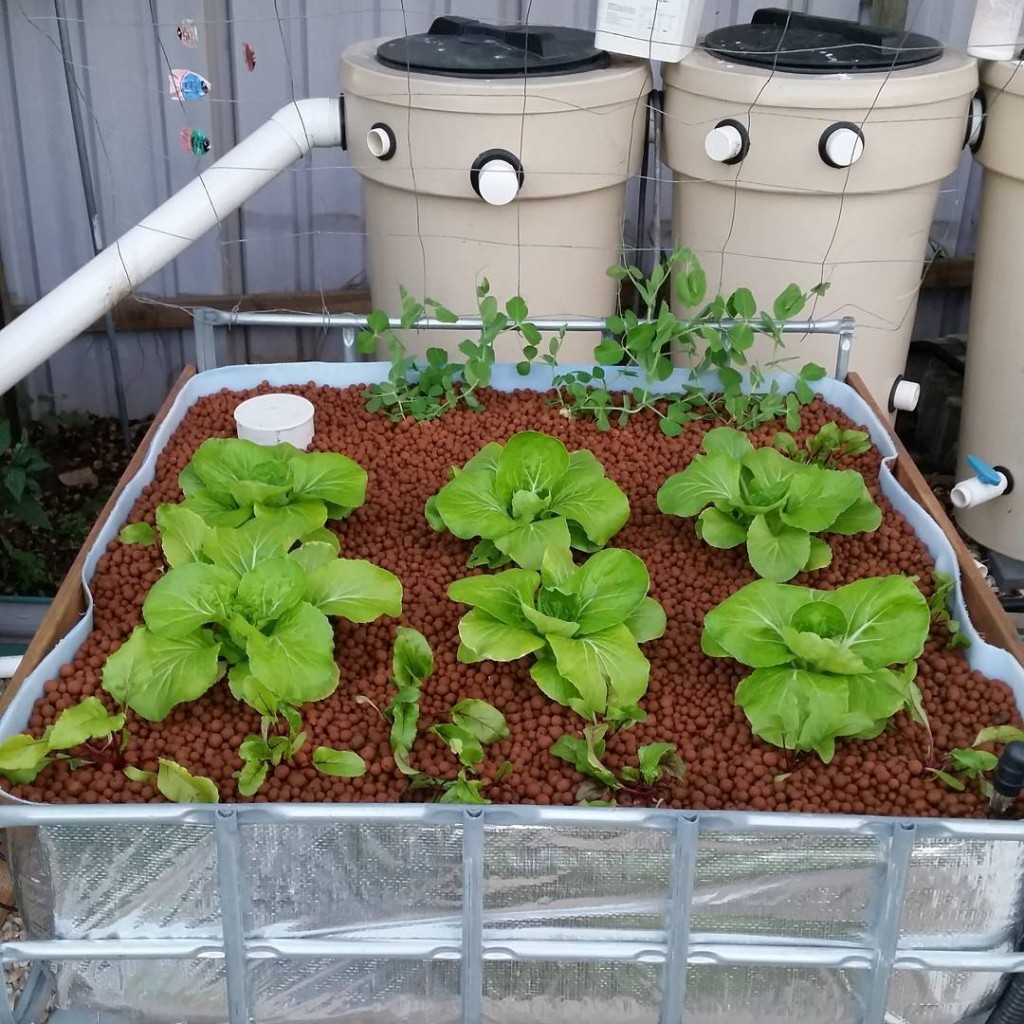
I’m a stay at home dad that’s very interested in growing as much nutritionally dense food as I can to help improve our health and reduce our dependence on the industrialized food system. We live in SE Queensland Australia in a subtropical climate and are lucky enough to be able to grow 12 months a year. Most of our food is grown in self watering wicking/sub irrigated garden beds but also have an ever expanding aquaponic system that has been pumping out a lot of herbs, greens and tomatoes of late. We also have 3 chickens that we quite happily feed scraps to and in return they provide us with a couple of eggs a day.

How did you get started with your blog/facebook page/etc?  

I initially started to post on our “Bits Out the Back” blog that was mainly focused on how we were setting up our small garden patch.  Friends and family were interested in seeing more of what we were doing, so I started to post Vlogs (video blogs) onto our YouTube channel to share with them. I found video to be the easiest medium to show what was happening around the patch as many of my relatives and friends live interstate. I think video helps people get a better idea on how to replicate some of the projects I do, especially intricate ones like the aquaponics, chicken feeders and wicking bed builds.

I started our Facebook page and Instagram account as an extension to our YouTube channel. People were interested in our harvests and daily goings on around the patch and I found using Facebook, Instagram and G+ sites were a great way to do small mini updates for them.

robinstavisit “Bits Out The Back” on Instagram!

Did you start your blog when you started your transition to live this life style?  

Growing up my grandparents on both sides of the family had quite impressive vegetable gardens and were able to provide the majority of the veggies and fruit for themselves as well as pass on excess to family.  To me this was a normal way of life and only when I got older did I see that many folks did not grow their own food or had stopped, becoming disconnected to how their food is grown/raised.

I started looking at growing food seriously in my mid 20’s when Bianca and I started living together. We had no internet then and only just really plodded along getting inspiration from self sufficiency magazines and making phone calls back to my parents when we needed advice. After we were connected to the web a whole new world opened up and I started to get inspiration from all over the place.

facebookrob

Bits Out The Back is on Facebook! Give ’em a “Like”!

Have you always been growing your own food?  If not, what sparked your passion? 

I grew a few plants like basil, tomatoes as well as salad greens just before Bianca and I started to live together in the mid 90’s. We didn’t seriously try to grow a lot of food until after our first daughter was born in 1998 when we started a rather substantial container based veggie patch. Gotta love rentals.

A few years after buying our small urban property we decided to turn a lot of the backyard to food production. We decided to do this, not only help ease the grocery bill but to also provide us with food that tasted a lot better and hopefully more nutritious than what was on offer in the local stores.

brain

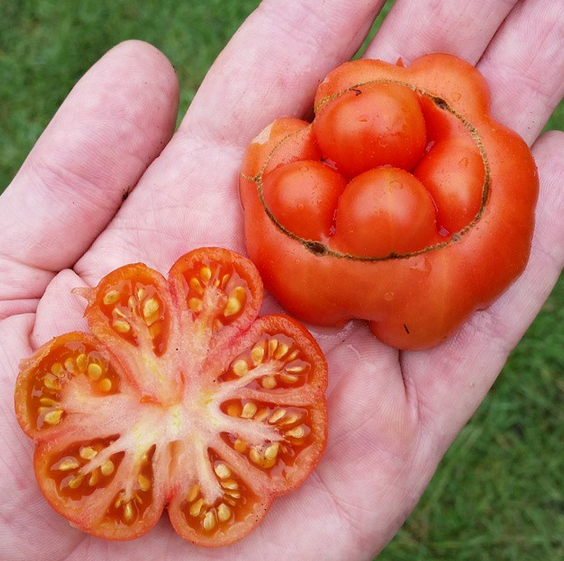
“Brain Tomatoes” grown organically on the Urban Farm

Have you ever made mistakes or failed doing something?  How did you overcome any obstacles?

11696426_850374098345337_1376631627996220837_o
Am very chuffed at how the new grow bed is going. “Looking at adding a very small NFT run at the front of this bed.”

😀  I’ve made MANY mistakes and had a few quite spectacular crop failures since starting out.
Our first raised garden beds were a bit of a mistake. We had bought in soil from a landscape supplier to fill our garden beds, added in some clay Wetpot irrigation devices, planted out our veggies and all was growing great for the first few months. After 2 or 3 months the plants started to look a bit wilted and we started to get the odd 1 or 2 that mysteriously died off.  On closer inspection it turned out that roots from our mango and some Chinese elm trees growing on the fence line had decided to take over the beds depriving the veggies of their water. We were also facing heavy water restrictions at that time, due to drought (similar to California is now) and after some research we decided to rebuild all the beds and turn them into water efficient wicking garden beds and haven’t looked back since.

Have lost whole tomato and capsicum/sweet pepper crops to the pesky Queensland fruit fly along with quite a few brassicas crops to the dreaded cabbage butterfly. We did a bit of research and found methods that work for us (exclusion netting) to save the crops now but it was a very steep learning curve at the beginning.

Through all our misadventures we have learnt a lot and found many like minded folks out there that have helped us out.

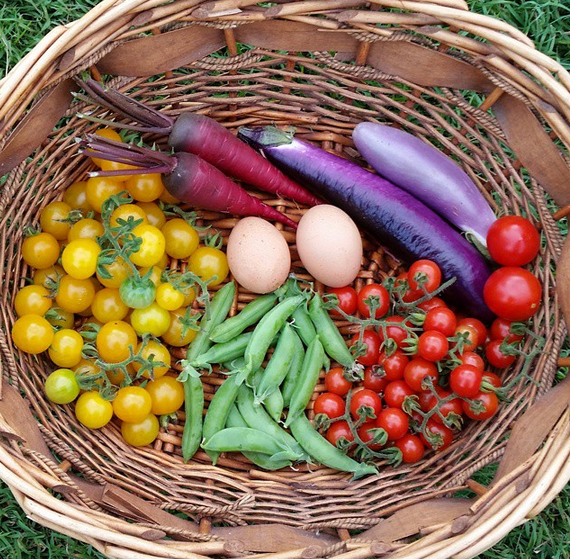
basketA regular “picking” from Rob’s Urban Garden

Have you ever dealt with a person who disregards your life style?

Have come up against a little bit of resistance from extended family members but nothing too serious. What I find more shocking is the couple of times I have had people ask me if we were allowed to grow our own food. I must say it took me very much by surprise and really shows how disconnected some people have become to believe they are not allowed to grow food.

What are some of your greatest rewards with a lifestyle such as the one you live?

The greatest reward would have to be being able to provide nutritious fresh food for the family that has been grown free of toxic chemicals.  That it takes less than 15 min for that food to make it from plant to plate is also a bonus. 😉

Being able to share how easy and rewarding it can be to grow your own food with others via the WWW is something that I’m grateful for.  Not only have we learnt from others but have also made dozens of friends along the way. I love that I can ask questions or get inspired by their posts no matter where they live in the world.

fishrob

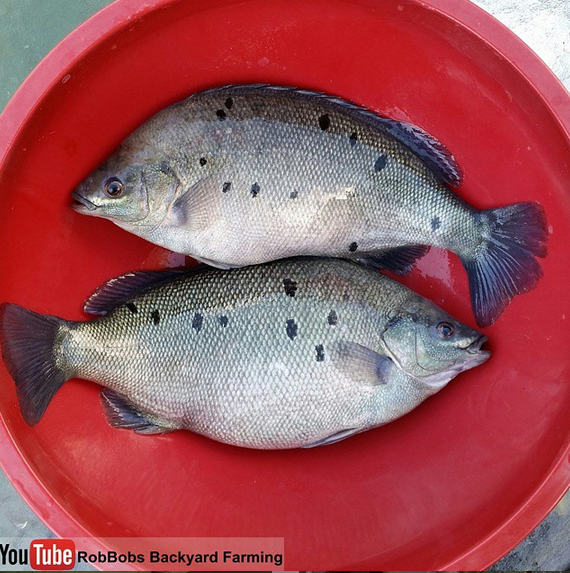
2 Jade Perch raised in their own aquaponic system.

What tips and tricks would you like to share with other people? 

First tip I would give anyone looking at growing their own food would be to start small and start now. I can guarantee you that once you’ve tasted your first tomato and basil on a homemade pizza, you’ll be hooked.

Don’t be disheartened if it doesn’t work. Have made plenty of mistakes here and have found that they are a great way to learn. I try not to take life to seriously, laugh off all the mishaps and try again.

Make your own compost and feed the soil is the best practical tip I could give. That’s one lesson I wish I’d learnt when I first started.  It would have to be the best ways to help you grow nutrient dense healthy food while recycling waste and feeding the soil at the same time.

What are some of the other things you would like to have other people understand about living a healthier and self-sufficient life style?

I find it extremely rewarding to be able to say I’m responsible for the production of a portion of my own healthy and nutritious food, something that only 2 generations ago was a given for a lot of families.

Starting off a garden is also a great way to educate kids and the local community as to how easy it is to be able to provide for yourself. Our garden has helped create these types of conversations with visitors, neighbors, friends and family, and has also inspired some to create their own gardens, which in-turn has gone on to inspire others to have a go at growing their own.

potatoes

What are your favorite plants to grow in the garden?

That’s a hard question as there are so many. Some of my favorite plants to grow at the moment would have to be greens like Okinawan spinach, kang kong, sweet potato leaf, rice paddy herb, Thai basil, Chinese cabbage. All of these veggies go into a very quick and fresh Asian inspired salad I like to make. The ginger spice family is another group of plants I love to grow. Broccoli and cauliflowers are also favourites. We only get to grow them during winter here so have been eating quite a bit over the past few weeks.

NEW! Seeds of the Month Club – – by Urban Organic Gardener

UOG-Mar15-2

Become a Urban Organic Gardener!

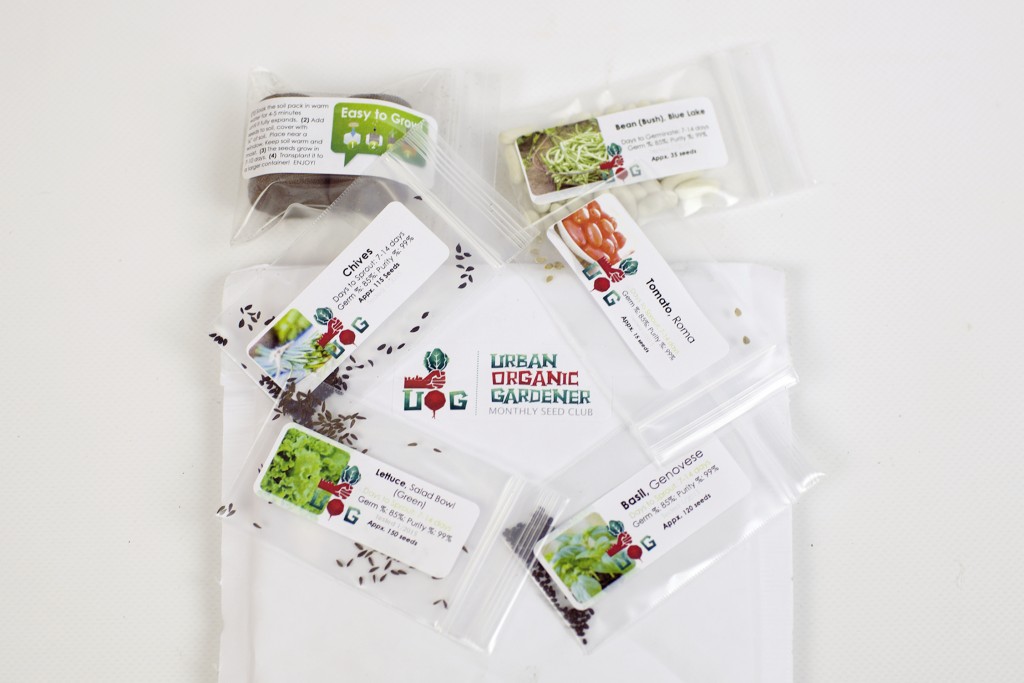
Here at UOG we believe that growing your own organic food can be one of the most rewarding things you can do for your mind, body, and soul. Become a member of the UOG Monthly Seed Club and receive a handpicked collection of seeds and garden goodies specifically catered to your exact growing requirements.

Whether you’re growing in containers on your patio or using hydroponics in your backyard we’ve got seeds for you.

Just start by answering a few basic questions about your gardening experience and where you will be planting your seeds.

Starting at $10.00/month
GET STARTED >

  • Pure 100% Non-GMO Heirloom Garden Seeds
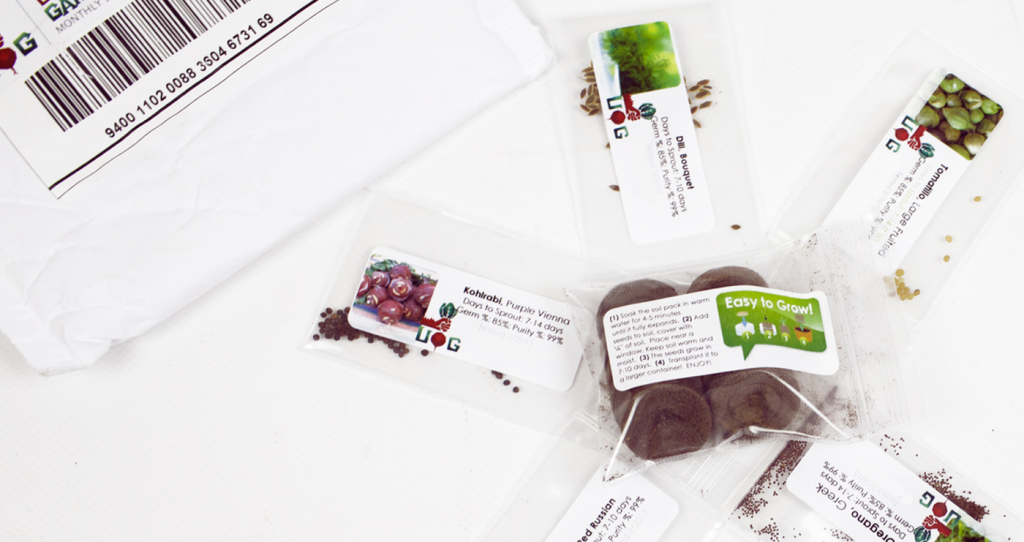
  • 5 Seed Packs Each Month
  • Receive a unique assortment of seed varieties each month –  culinary herbs, fruits, edible flowers, vegetables, and more!
  • Plus Bonus Items
  • $10/month


UOG Seed Club BG

BREAKING NEWS! Urban Gardener is told to dig up his urban paradise after neighbours complain!

Source of this post is www.express.co.uk

A RETIRED teacher who spent £5,000 of his life savings creating an urban garden paradise on wasteland has been ordered to destroy it.

Life-savings-311747
Jam Imani Rad put his life savings into creating the garden

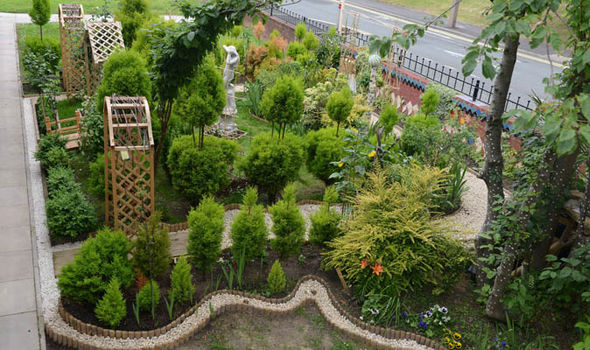
Jam Imani Rad, 65, installed statues, trellises and stone structures and dozens of plants to create the green outdoor haven outside his housing association flat for he and neighbours to enjoy.

But the Community Gateway Association in Preston, Lancashire, says he must return the land to its original derelict state after complaints from other residents.

The association says it agreed that work on the garden which Mr Rad had already done by 2012 could stay.

But it alleges that since the start of this year he has added the statues and other structures without permission and claims he has tried to restrict access to parts of the garden by other tenants.

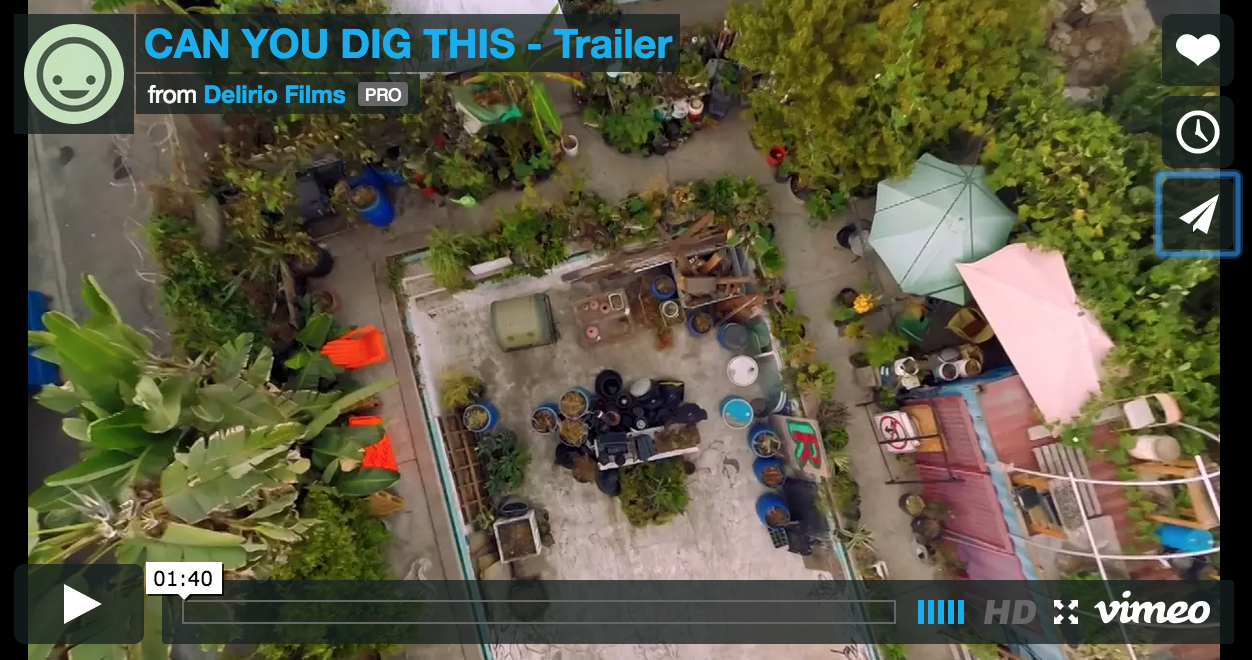
‘Can You Dig This’ L.A. Film Fest Trailer: Urban Gardens Grow With John Legend

Source of this content is deadline.com

John Legend’s Get Lifted Film Co. is planting a documentary about four “gangster gardeners” who discover what happens when they get their hands dirty — in the soil of South L.A. Check out the trailer for Can You Dig This, which has its world premiere Thursday at the Los Angeles Film Festival. Fusion already has nabbed TV rights to the pic about the urban gardening movement, which was cultivated by director Delila Vallot. It also features a new original song written and performed by defending Best Song Oscar champ Legend and additional music composed by TV on the Radio’s David Sitek.