How to Build a Safer Urban Garden

lead_largePhoto Cred: Mark Hogan/Flickr

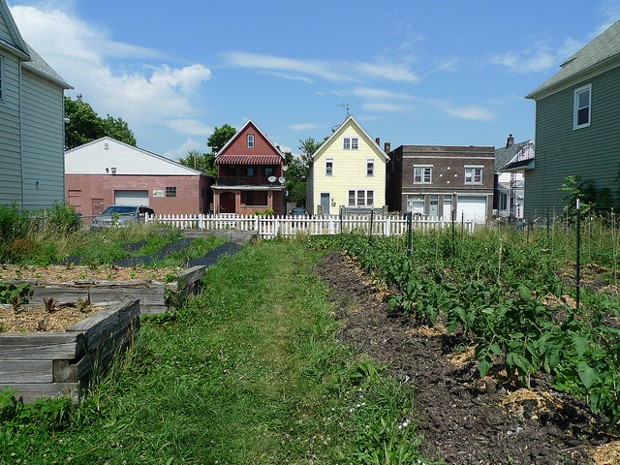
Lead is a being found in the soil in many urban gardens.  Recently surveyed were 71 urban gardens in New York City, and guess what? They all tested positive for high levels of lead and arsenic.  So what can you do to protect yourself if you’re gardening in the city?  Well, besides having your soil tested, here are some other ideas to help you keep gardening safe in your urban backyard.

“Learn about the land. Some businesses—such as dry cleaners, gas stations, and manufacturing facilities—leave more significant ecological footprints than others. Before you plant, consult historical materials, such as atlases of local businesses, to learn about what was on or adjacent to the property.

Build a better raised bed. If you do perform the soil testing and discover trace amounts of lead or other contaminants in the soil, you might choose to make a raised bed. That’s great, but it’s probably not enough, according to The Johns Hopkins Center for Livable Futures. That’s because crops with deep roots can extend to the dirt underneath. Consider adding a barrier in the form of a fabric cover, with holes big enough to let water through.

Choose plants wisely. Lead in urban soil doesn’t necessarily translate into contaminated fruits and veggies. Certain types of plants are more likely to take up lead than others. “Tomatoes aren’t a problem, while leafy greens and root vegetables you have have consider a bit more,” Cheng says. There’s also evidence to suggest that certain plants, such as sunflowers, are able to help extract harmful metals from soil through a process called phytoremediation.

Grow food in pots. If you don’t have space to build a raised bed, you can grow many varieties of vegetables in containers. Herbs and leafy greens are easy starter plants. Cheng suggests buying freshly bagged soil from the store; potted plants will do best in soil specifically designed for containers.” Source-“CityLab.com

To read the full article, please visit: “How to Build a Safer Urban Garden at CityLab”

5 Ways You Can Grow Food Without a Garden

indoor-gardeningPhoto by Rebecca Cuttler

Do you lack outdoor garden space? Are you an apartment or condo dweller who is wanting to start growing some of your own food?  Even YOU can grow nutritious food at home without a backyard or any raised garden beds.

“Growing food, even if it’s a small amount, is a beautiful, fun and creative experience. The subtle shift from being a consumer to being a producer can have profound effects. These activities may not give you the same yield as a full-size, outdoor garden, but they can spark the excitement that comes from connecting with our food.” Source: Rebecca Cuttler

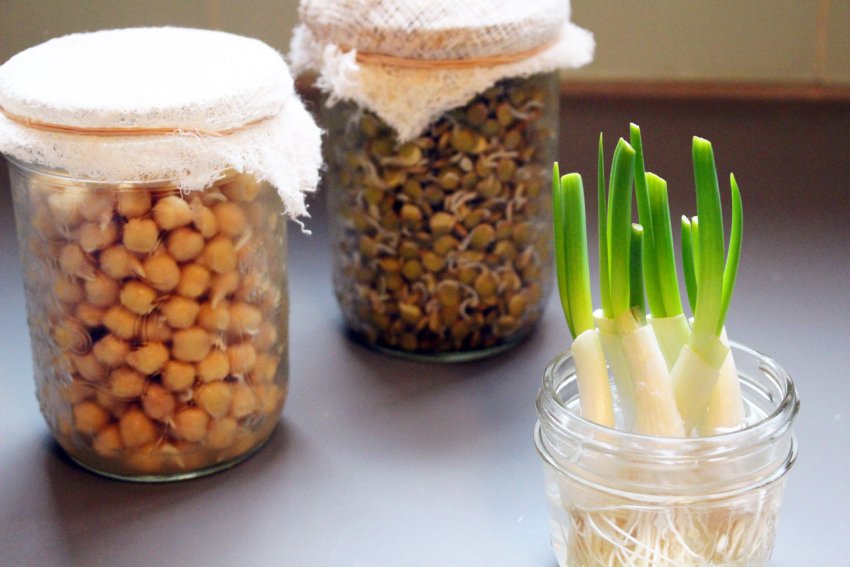
  1. Grow sprouts. Growing sprouts at home on your kitchen counter is a great way to grow a little food year-round even if you’ve packed up things in your outside garden because of it being winter.

  2. Re-grow green onions.  Onions can easily be re-grown from scraps by cutting the root end of your onion. Leave 1/2 inch of onion on the roots and place it in a sunny window.  Place the onion in a shallow bowl or mason jar. Keep a small amount of water on the roots at all time and spray the tops of the onion 1-2 times a week so that it does not dry out.

  3. Grow mushrooms. There are many products on the market today that have everything you need to start growing your own mushrooms at home.  Choose a variety you like and follow the manufactures instructions.

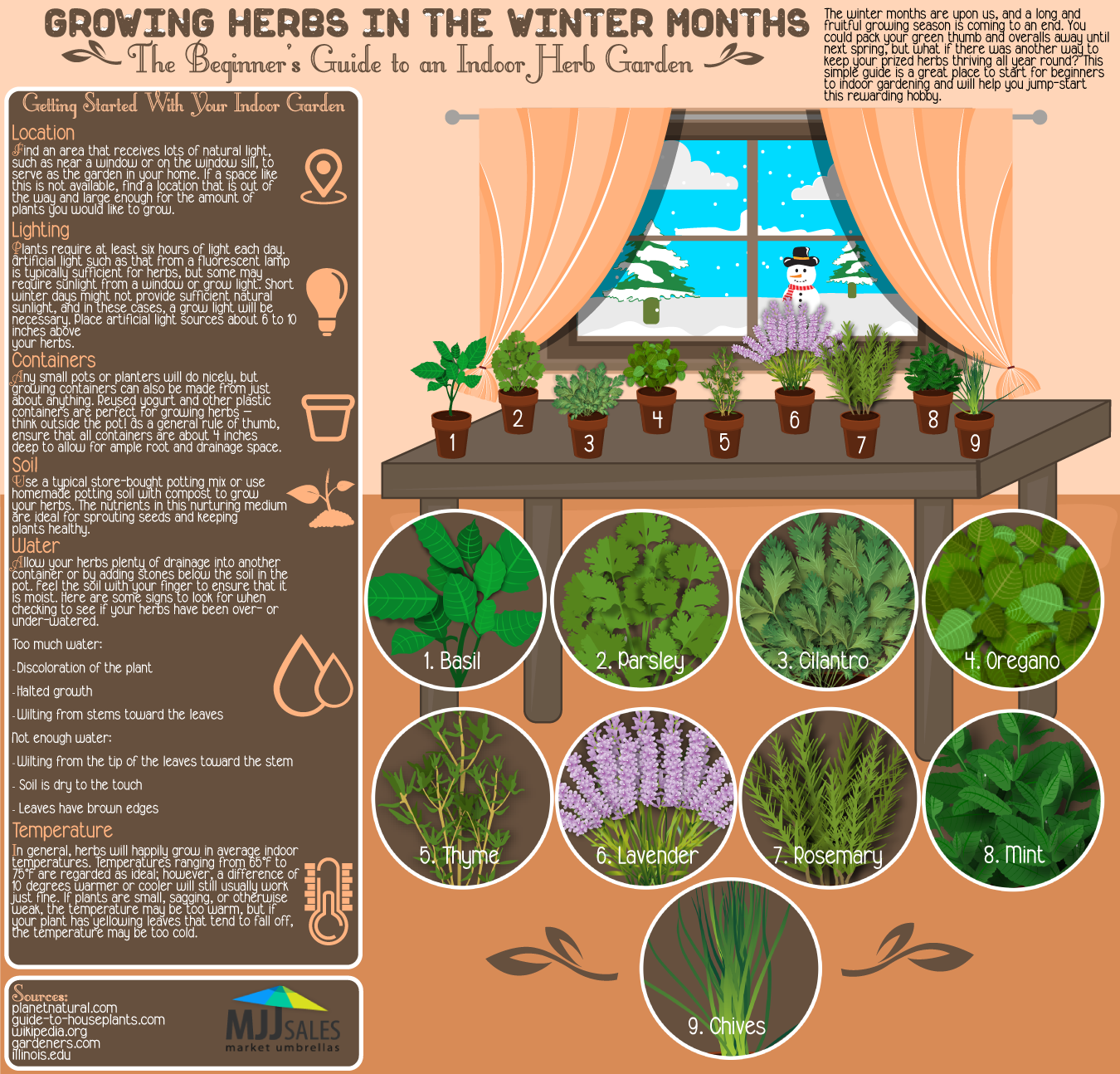
  4. Grow basil or other herbs on your windowsill. Indoor herbs need as much light as possible. Try placing your herb box or planter in a bright window with at least 4 hours of sunlight every day. Because most herbs are happy with temperatures that are commonly found inside homes, they should do well.

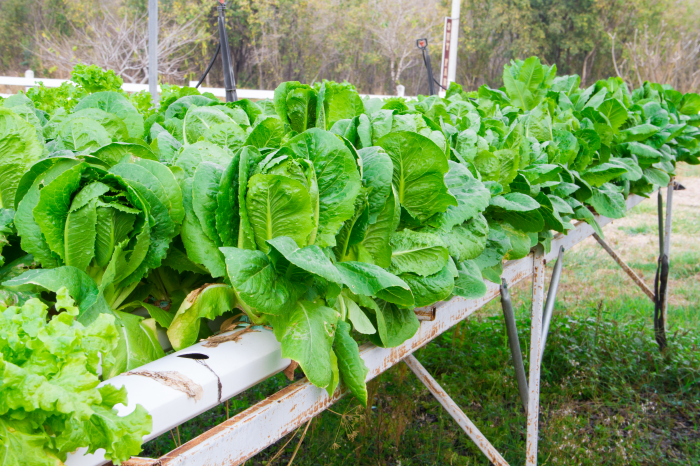
  5. Use an indoor herb or vegetable growing kit. You can purchase an indoor hydroponic grow system and grow everything from peppers, tomatoes, herbs, lettuce or leafy greens. 

Original post can be found at: http://www.vancouverobserver.com

An Incredible Edible Park That Feeds Over 200,000 People Per Month!

1528564_609013729152968_2024562804_n

source: The Incredible Edible Farm

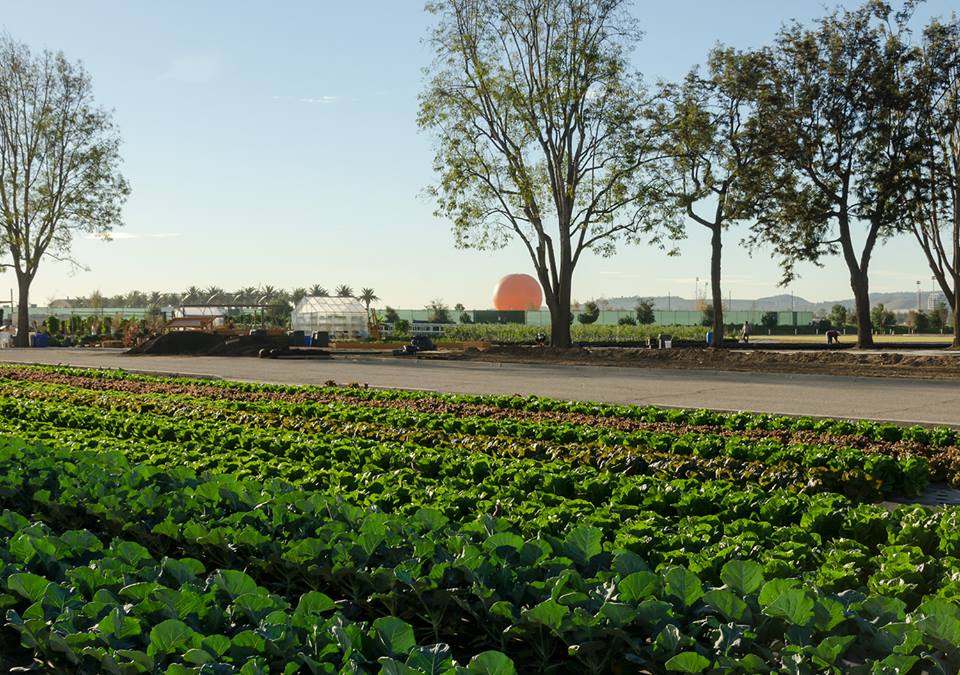
In Southern California, there’s an urban farm called The Incredible Edible Park and they are feeding about 200,000 people every month!  The park consists of 4 1/2 acres of land and is ran by the City of Irvine, the OC Great Park, Orange County Produce, and Second Harvest Food Bank.  The food grown in the park is taken to local shelters, mobile food banks, schools, and church distribution centers.  Last year over 228,000 lbs. of food was grown and harvested from the park which resulted in over 190,000 meals.


View the Incredible Edible Park’s Facebook Page


How to grow your own sprouts indoors using only a mason jar and some water

shutterstock_180358616

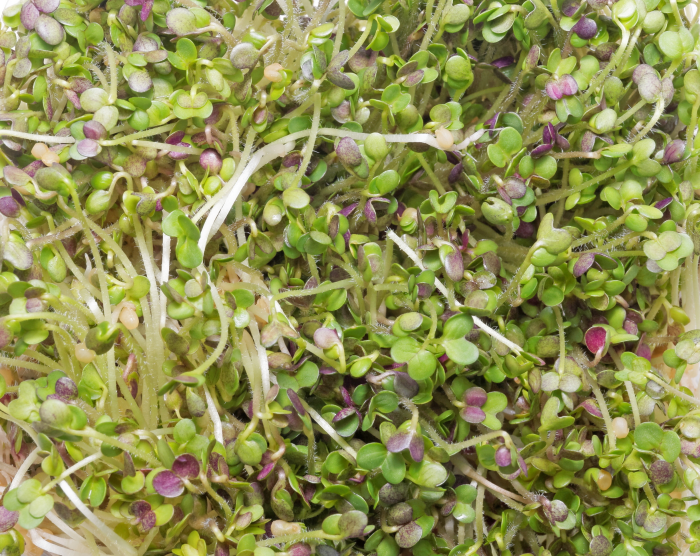
Growing sprouts is an easy way to still grow some food during the cold winter months if you’re unable to get out and work the soil in your garden.  Not only do they taste great, but you can be harvesting sprouts to eat in as little as 3-5 days! They are delicious on sandwiches, salads and stir-fry’s.

The most common sprouts that people are growing these days are:

Things you’ll need to start growing:

  • A wide mouth container or mason jar
  • Seeds
  • Water
  • Cheesecloth
  • Rubberband

How to start growing your sprouts:

  • Place 1 teaspoon of small seeds into a clean jar and place about 1 cup of water inside. (If you’re sprouting adzuki beans, use about 1/4 cup)
  • Let seeds soak overnight or for at least 12 hours.
  • Place the cheesecloth onto the top of your jar or container and secure with a rubberband. Now drain the water from the container.
  • Rinse the seeds with clean filtered water and then place the jar upside down on an angle so that the excess water can drain out easily.
  • Repeat the last step, several times a day until all of your sprouts have germinated and started to grow.
  • You’ll be ready to harvest your fresh sprouts in about 3-5 days.
  • When you’re ready to start harvesting, rinse one more time with filtered water, drain and store in an airtight container inside of the fridge for up to one week.

Start growing your own sprouts even faster and with less hassle by purchasing this kit from SeedsNow.com:

All-in-1 Sprout Seed Bank + Mason Sprout Jar

What’s Included:

  • 32 oz. Glass Mason Jar with Sprouting Lid and Mesh Screen
  • 6 of our most popular seed sprouting varieties
  • Over 1 lb. of sprouting seeds
  • Step-by-step sprouting instructions
  • Resealable Mylar packaging for long-term seed storage

Original post can be found at: “SeedsNow.com

6 Reasons Why You Should Switch to Growing Hydroponically

There are plenty of good reasons why you should get try getting your feet wet with hydroponics, but here’s 6 reasons that might just have you building your own system this weekend.


shutterstock_177572906

#1- You Are In Control:

You will become the master of the water, experimenting with different nutrients to come up with an easy formula to keep your plants at their healthiest.  You’ll decided when they eat, and how much of what they absorb.  Don’t let this intimidate you, it’s easier than it sounds.  Most hydroponic growers will express their favorite thing about growing this way is the fact they are in absolute control of how well their plants do.

#2- Hydroponics Will Free Up Your Time:

You’ll be able to produce crops faster hydroponically, which will allow you to plant more during the season.  You’ll spend less time weeding and doing other back-breaking chores too because there’s no soil to fuss with. Don’t forget, no soil means you’ll be spending a lot less time with pest control as well.  Hate watering? Problem solved. Growing in water means you’ll be breaking out the hose a lot less.  A LOT LESS.

#3- Less Plant Disease & Pests:

Both of these are drastically reduced when you’re growing hydroponically.  When you remove the soil from the equation you automatically reduce the soil-borne diseases and pests that many gardeners spend hours trying to combat.

#4-Hydroponics Actually SAVES Water:

Watering is part of gardening, however you can actually save about 90% of the water you’d regularly use in traditional gardening by switching to hydroponics.  Think about it, when you water your garden every day or every other day, much of that water actually runs off. It isn’t even being directed completely towards your plants.   Much of it drains from the bottom of your containers too, if you’re practicing container gardening. With hydroponics, there is no run-off.  Water is continually circulated through the plants roots. If you’re watering garden soil, you’re also bound to experience a lot more evaporation than if you had the water running through a hydroponic set-up.

#5- No Weeding:

No soil, no weeds. It’s pretty darn simple.  Exciting isn’t it?! 

#6- Space Saving:

You’ll be able to actually save space and grow more crops in the space you have if you switch to hydroponics.  The design of your hydroponic system is only limited to your own imagination.  Want to grow up? Not a problem.  Hydroponics allow you to pack in crops close together, and grow vertically at the same time.

Wondering what crops do best in a hydroponic set up? Click here. 

Original post can be found at: “SeedsNow.com”

Experimental “Urban Garden” Helps Cancer Survivors’ and Lowers Risk of Recurrence and Chronic Illness

In Columbus, Ohio there is a three acre plot of farmland devoted to healing people through a program called “Garden of Hope”.   There you’ll find fruits and vegetables being grown by cancer patients and cancer survivors.  Growing and harvesting their own organic food improves their health while reducing their risk of future cancer recurrences.

capture-20151208-163254

“After four months in our program, our survivors decreased their weight, fasting glucose, non-HDL cholesterol, and increased physical activity and skin carotenoids. In addition, they improved overall adherence to anti-cancer dietary patterns,” said Dr. Spees. “Not only do our survivors have weekly access to fresh fruits, herbs and vegetables, they learn why we recommend these cancer-fighting foods and how to safely prepare them. Participants also have access to nutrition experts both on and offsite that provide additional support and guidance.”

Gardeners are brought to the Garden of Hope several times a week to harvest and plant new crops.  The produce changes seasonally of course and they even offer things like cooking demonstrations to show how all of the food they are growing can be prepared and eaten.

“Having cancer brings everyone to the same place. The same fight. The Garden of Hope gives you a break from focusing on the fight. I get excited thinking about who I will see there, what vegetables are ripe, and what I’ll learn how to cook that night. Nobody has a bad day in the Garden,” said Anne, a self-described foodie, Growing HOPE study participant and breast cancer survivor.”

Original post can be found at: “Newswise.com”

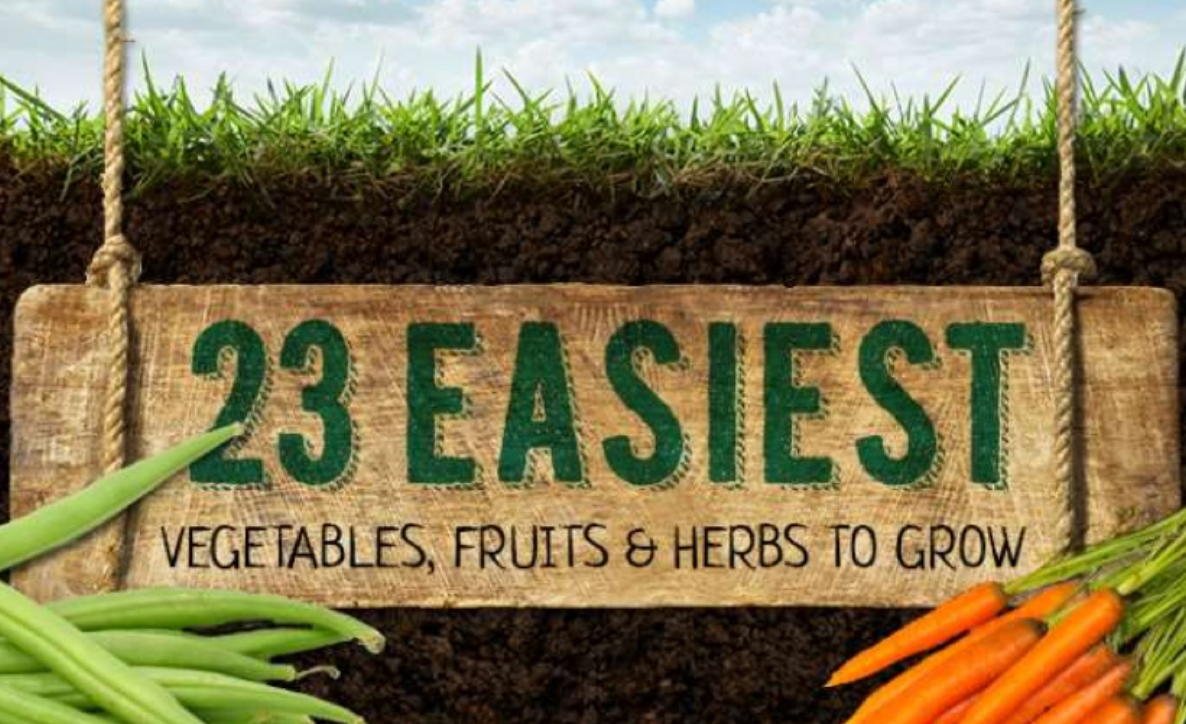
23 Easiest Vegetables, Fruits, and Herbs to Grow

From Visually by WebpageFX.


#1.  LETTUCE

Lettuce can be grown practically anywhere. Lettuce it is a cool-season vegetable, with an ideal temperature of 50-60 degrees. It does poorly in hot weather, and is tolerant to some frost and light freezes. The leafy types mature quickly and are more suited for warm climates. Cos is also more heat tolerant. It will prefer a little shade during the warmer part of the season. It can be grown year round with proper varieties, and some additional winter protection. Lettuce will generally grow best in the spring and fall seasons.

How to Grow Organic Lettuce from Seed

#2.  CARROTS

Carrots grow quickly at first, sending down a tiny orange root that expands and develops more quickly toward the end of its growing period. As with all root crops, rapid, steady development produces the best results. Keep the row weed free with light shallow cultivation or heavy mulching. The seedlings must have steady moisture to develop well, with less moisture as the roots mature. Too much moisture at the end of maturing will cause the roots to crack. To prevent greening the shoulders, hill up dirt around the greens.

How to Grow Organic Carrots from Seed

#3.  GREEN ONIONS & CHIVES

Chives are grown best in cooler weather, are cold hardy and usually are planted early in the spring.  Chives can quickly take over your garden if you allow the plant to go to seed. Chives are also very easily transplanted in case you wanted to dig up the plants and move them to another area. Sow your chive seeds directly into the soil as soon as it is workable and at least 60 degrees F.   Choose an area that is well drained, and add several inches of compost or organic matter around the plants to help fertilize the soil and to help cut down on weeds.

How to Grow Organic Chives (AKA Garlic Chives) from Seed

#4.  SPROUTS

The easiest method of growing sprouts is to use a Mason jar. The key is to provide plenty of fresh air to enter the jar and only cover the top with a mesh screen. Step 1: Soaking — For a quart-sized jar, put 1 ½ to 2 tablespoons of small seeds (up to 1 cup if using larger seeds like green peas or garbanzo) in the sprouting jar. Cover top of jar with cloth or sprouting lid and rinse the seeds in warm (not hot) water. Drain and refill so that water is about an inch above the seeds. Let the seeds soak 8-12 hours (overnight). Protect from light by covering with a dish towel or placing in a cupboard. Step 2: Rinsing — Rinse 2 to 3 times per day for 2 to 3 days. After thoroughly draining the rinse water, lay the jar on its side to spread out the seeds. Do not expose to light. After 2 to 3 days the sprouts should be filling up the jar.

Order Organic Sprout Seeds Online

#5.  GARLIC

Garlic can be planted in the spring as soon as the ground can be worked, but fall planting is recommended. Bulbs will grow bigger and more flavorful when you plant them in the fall.  Plant 6 to 8 weeks before your first hard frost.  In southern areas, February or March can be a better time to plant.

Guide to Growing Organic Garlic

#6.  ONIONS

Onions are easy to grow, have a fairly short growing period and take up little space in the garden. If you don’t have a vegetable garden, plant a few onions in your flower garden or in a pot or box and set them on your patio or in a sunny window.

Onions are a cool-season crop, hardy to frost and light freezes, although certain varieties are exceptions. They can be grown practically everywhere, and prefer a cool- season start. Onions are as hardy as they come. Frosts, freezing temperatures and snow will not kill them. They should have steadily moist soil and even growing weather to mature at a steady pace. Otherwise they bolt to seed or do not form good bulbs. High temperatures and low humidity are advantageous during bulbing and curing.

How to Grow Organic Onions from Seed

#7.  BROCCOLI

Broccoli is an annual cool-season crop hardy to frosts and light freezing, often overlooked and overcooked. Broccoli is sensitive to the heat, if the weather is too hot, it will flower quickly and won’t produce an edible head, it tends to grow best in the fall due to the more predictable cool weather. To prevent spreading clubroot and other soil-borne diseases, don’t compost brassica roots. Some gardeners won’t compost any part of the plant. Also, rotate the placement of brassica plants in your garden so they aren’t in the same 10-foot radius for at least 3 consecutive years. Some experts recommend a rotation of 7 years. Headed broccoli is the most common form in the United States, with big central heads closely packed with buds.

How to Grow Organic Broccoli from Seed

#8.  BELL PEPPERS

Peppers are easily second only to tomatoes as a home gardeners favorite. Try spot planting them around the garden for bursts of beautiful color too. Pepper roots don’t like to be disturbed, so plant them indoors in seed starting pellets two months before your last frost date, usually three or four seeds to a pellet.

How to Grow Organic Sweet Bell Peppers from Seed

#9.  THYME

Thyme can be grown in many climates.  It makes for an attractive and fragrant ground cover, and has fragrant, tiny flowers that the bees love. Grow thyme to attract pollinators for your garden.  Try using fresh thyme in meat dishes, incorporated into sausage, stuffing or your favorite soup recipe.  It also does very well in containers, both inside and outdoors. Plant seeds when the ground temperature has warmed to at least 70 degrees. Loosen soil and then sprinkle seeds on top.  Mist lightly, being careful not to allow the soil to become soggy.

How to Grow Organic Thyme from Seed

#10.  STRAWBERRY

#11.  ARTICHOKES

Artichokes have a preference for a long, frost-free season. They do not grow well when there is heavy frost or snow. The temperature should not be under 55°F at night. For best results, plant them on the average date of last frost for your area. Artichokes need rich, well-drained soil that will hold moisture. They also need as much sun as possible. 8 hours of sunlight is ideal.

How to Grow Organic Artichoke from Seed

#12.  RHUBARB

#13.  BEETS

Beets are an annual cool-season crop, half-hardy to frost and light freezes. They thrive in all parts of the country. Beets are closely related to spinach and chard, and once called “blood turnips” because of their bright red juice. Growing beets will provide delicious colorful roots and nutritious greens. Most beets are open-pollinated and multi-germ, where one seed yields a clump of 4-5 plants that need to be thinned.

How to Grow Organic Beets from Seed

#14.  BASIL

Basil is planted in the spring and dies at the first fall frost. It can be grown year-round indoors or in frost-free climate. Basil also needs daytime temperatures over 70° F and nighttime temps over 50° F. Basil thrives in warmer temperatures.  Sow your seeds outdoors in spring, after all danger of frost has passed. Basil needs at least 6-8 hours of full sun each day, so keep that in mind when choosing a location to start your seeds. Try to space your basil plants about 12 inches apart.

How to Grow Organic Basil from Seed

#15.  ZUCCHINI & SQUASH

Squash is a warm-season crop, very tender to frost and light freezes. Plan an average of 2 winter plants per person and two summer plants per 4-6 people. Summer squash can be grown almost anywhere, as the vines develop quickly. Harvest begins in 2 months. Winter squash requires a longer growing season and more garden space for sprawling plants. They generally do not tend to thrive in hot, dry regions where there is a limited water supply.

How to Grow Organic Squash & Zucchini from Seed

#16.  CUCUMBER

Cucumbers self regulate how many fruits they can carry at one time. In order to maximize production, harvest fruits as soon as they reach picking size. Pick daily, because under ideal conditions, cucumber fruits can double in size in just one day. Grow cucumbers where a long, warm growing season, minimum 65 days, can be assured. Cucumbers are a warm-season crop, very tender to frost and light freezing.

 How to Grow Organic Cucumbers from Seed »

#17.  GREEN BEANS

Beans can be grown in average soil, almost anywhere in the United States. They grow best if the soil is well drained and the summer is consistently warm. Seeds will rot in the ground in cold, damp weather. Plant seeds 2 inches apart, 1 1/2 inches deep in rows 2 feet apart. Thin to about 6-8 plants per foot of row. Bean plants produce the bulk of their crop for a 2 week period. Rather than plant the entire row, sections should be planted at 2 week intervals until mid-July or 8 weeks before the first killing frost. This will assure a steady crop all summer.

How to Grow Organic Green Beans from a Seed  »

#18.  MINT

Mint is said to be the easiest to grow out of all herbs. It’s great for beginning gardeners and grows best in zones 4-9.  Use Mint leaves to add flavoring to a wide array of food and beverages. It also serves as a natural pest deterrent around other vegetables.  Chewing on the leaves will freshen your breath and can calm an upset stomach. Mint is a hardy perennial that can really be started anytime as long as you’re about 2 months before your first Fall frost.  It also grows well indoors, year-round.  Start them inside in late winter, for your Spring planting, or wait until the soil warms up and sow the seeds directly outside in your garden.

How to Grow Organic Mint from Seed 

#19.  RADISH

Radishes are a fast growing, cool-season crop that can be harvested in as little as twenty days.  Eaten raw they can be whole, sliced, diced, or grated. You can also cook and pickle them. Most of them are typically eaten fresh, and make a good addition to salad or a substitute to pepper on a sandwich.

How to Grow Organic Radish from Seed »

#20.  TOMATO

The tomato is a warm-weather vegetable, it is very tender to frost and light freezes. Never plant near walnut family trees. The walnut trees excrete an acid that inhibits growth of nearby plants. Sow seeds using expanding seed starting soil pods about 8 weeks before the last frost date for your area. Seedlings will be spindly with less than 12-14 hours of light per day, try to keep them in a warm sunny location.

How to Plant, Grow, Harvest, and Save Organic Heirloom Tomato Seeds »

#21.  POTATOES

The ideal potato soil is deep, light and loose, a well-drained but moisture retentive loam. Most potato varieties are very aggressive rooting plants, and are able to take full advantage of such soil. In ideal soil, potatoes can make incredible yields. Fortunately, the potato is also very adaptable and will usually produce quite well even where soil conditions are less than perfect.

How to Plant, Grow, and Harvest 
 Organic Potatoes from Seed »

#22.  KALE

Kale is a very easy vegetable to grow. It is generally more disease and pest resistant than other brassicas. Kale also occupies less space than other brassicas. Use it as a spinach substitute in a wide variety of dishes. Kale maintains body and crunch which makes it a good substitute in dishes where spinach might not be suitable; its especially delicious in stir-fry dishes. It is recommended to cook over high heat to bring out the best flavor and prevent bitterness.

Many specialty growers are planting kale in wide beds only 1/2 to 12 inches apart and harvesting kale small as salad greens. In England, close plantings of kale have been shown to prevent aphid infestations through visual masking.

#23.  MICRO-GREENS

Each and every living seed will grow into a plant. It’s when that seed begins to grow (germinate) that we call the beginning growth stage of the plant a “sprout”. They are a convenient way to have fresh vegetables for salads, or otherwise, in any season and can be germinated at home or produced industrially. Sprouts are said to be rich in digestible energy, vitamins, minerals, amino acids, proteins, and phytochemicals!

Order Organic Sprout Seeds Online
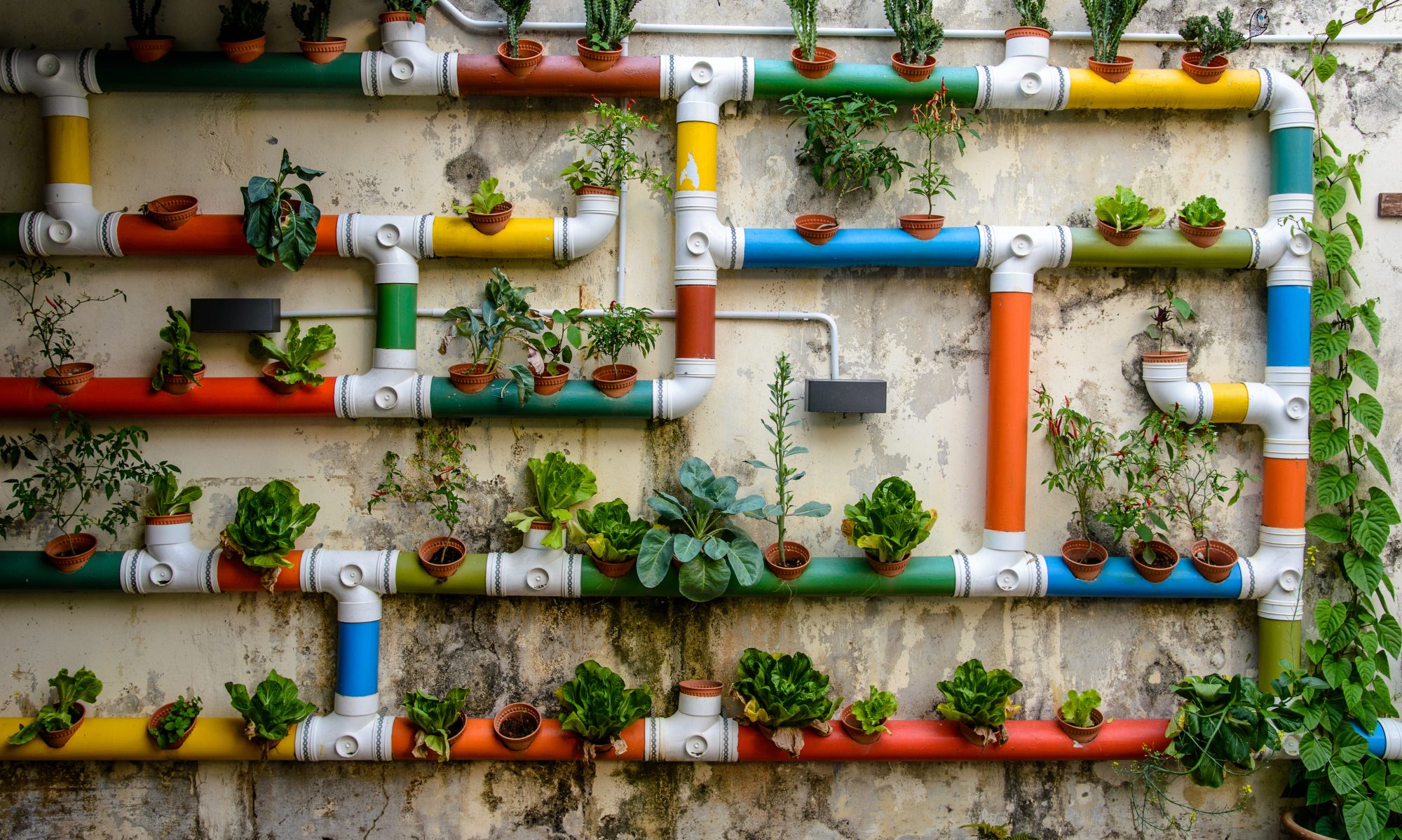
Farm in a Box. The ‘Swiss-Army knife’ of sustainable farming.

It’s pretty cool how people can use shipping containers.  We’ve seen people use shipping containers and transform them into homes, hotels, business.  In fact, here is an amazing collection photos of how people have used shipping containers.  People sure are creative!  And best of all, the containers aren’t all that expensive.  The possibilities are truly endless.

In fact, now a company has gone so far as to use them to create: MICRO-FARMS!

Ecowatch.com says, “Shipping containers already make great micro-homes, but one California-based company is using shipping containers to create micro-farms. Farm from a Box is a complete, small-scale farming toolkit that includes everything you might need to produce your own food. Each box comes in 10-, 20- and 40-foot units and is pre-installed with a photovoltaic system comprising of 10 high-efficiency solar modules, off-grid inverters, a transformer and distribution box and deep-cycle batteries for energy storage. The array is backed up by a 3,000-watt generator.”

Farm-from-a-Box
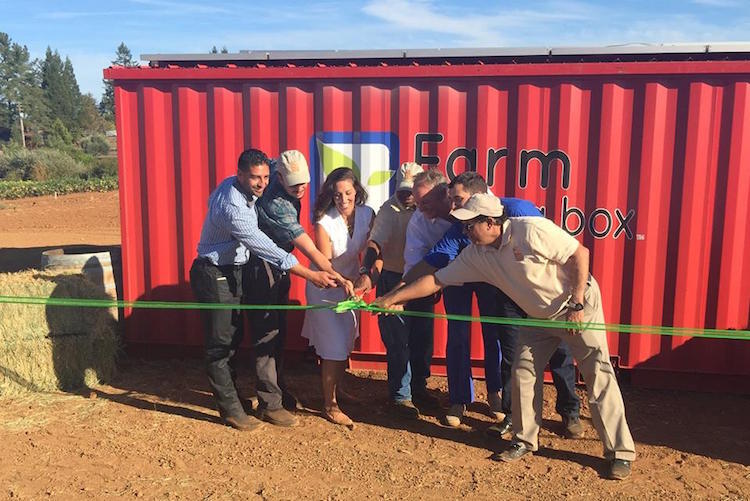
Farm from a Box is a modified shipping container with a built-in WiFi, irrigation system, solar panels, weather tracking devices, batteries and more. It also contains seedlings, farming equipment and a training program to provide communities with the tools the need to feed themselves. Photo credit: Farm from a Box


Ecowatch.com goes on to say, “…It’s also equipped with high-efficiency LED lighting, secured storage, a mobile charging area, Wi-Fi and a remote monitoring solution. Oh, and seeds and farming tools of course. Each unit is capable of producing crops for one hectare of land (2.47 acres), the company says.”

Click here to read the full article: www.ecowatch.com/2015/12/02/farm-from-a-box/


World’s Largest Organic Rooftop Farm Powered 100% by Renewables Opens in Chicago

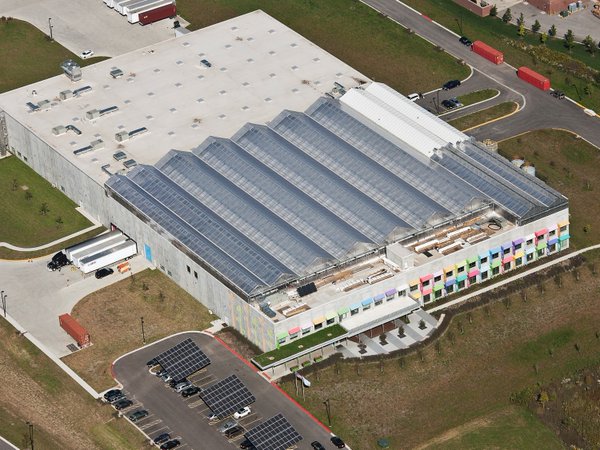
News from ecowatch.com:  Brooklyn-based urban farming company Gotham Greens opened the world’s largest rooftop farm in Chicago, the company announced Thursday.

CUQ6t6_XIAAaxk_
Gotham Greens ‏@gothamgreens #Chicago is now home to the World’s Largest Rooftop Farm! Check out our largest project yet http://prn.to/1Qx6Pot @gothamgreens

Click here to read more about the World’s Largest Organic Rooftop Farm Powered 100% by Renewables in Chicago

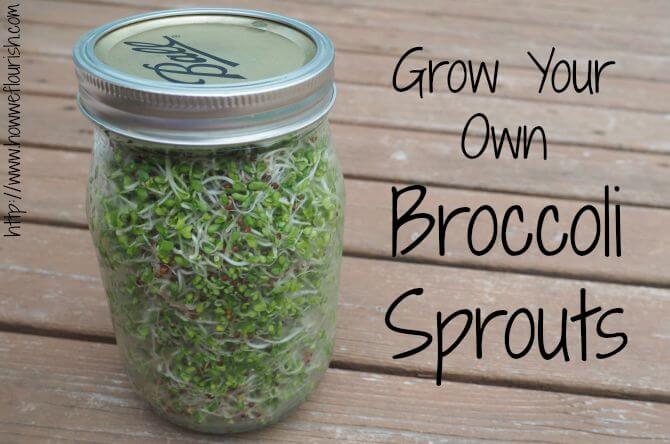
How to Grow Broccoli Sprouts at Home! SUPER HEALTHY!!!

Original source of this post: www.howweflourish.com

Growing Broccoli Sprouts at Home

There is a great blog we recently came across, howweflourish.com.  She recently wrote about why and how everyone should be growing and eating broccoli sprouts.  The results are overwhelmingly positive.

DID YOU KNOW?  Broccoli sprouts are 10x – 100x higher in some cancer fighting compounds than the actual mature vegetable!

She mentions in her article,  …”this past spring, we purchased the seeds for our garden from SeedsNow. I love this company because all their seeds are non-GMO as well as being raw, untreated, pure heirloom, non-hybridized varieties. This means you can save all your seeds from the plants you grow for next season!

But anyway, while I was there, I noticed that they also sell seeds for growing sprouts. I had just finished reading The Elimination Diet, where the praise the benefits of broccoli sprouts, so I thought I would check it out. I picked up a bag of the sprouts and anxiously awaited my delivery. Remember, I was waiting for my garden seeds AND the broccoli sprouts! It was an exciting day at the mailbox.”

Click here to read the full article about why and how to grow organic broccoli sprouts:

Instructions for Growing Broccoli sprouts:

  1. Add 2 tablespoons of broccoli sprouting seeds to a widemouthed quart jar.
  2. Cover with a few inches of filtered water and cap with the sprouting lid.
  3. Store in a warm, dark place overnight. I use a kitchen cabinet for this.
  4. The next morning, drain the liquid off and rinse with fresh water. Be sure to drain all the water off.
  5. Repeat this 3-4 times a day. Continue to store your seeds in a warm, dark place. After a few days, the seeds will start to break open and grow. The biology major in me is absolutely enamored with this process!
  6. Eventually, the sprouts will be an inch or so long and have yellow leaves. Now you can move the sprouts out into the sunlight.
  7. Continue to rinse them 3-4 times a day until the leaves are dark green. Now they are ready to eat!
  8. This whole process will take about a week. Patience is key!
  9. Once they are ready, replace the sprouting lid with a standard mason jar lid and store in the refrigerator.
  10. Serve on top of salads, stirred into soups, or however strikes your fancy.
Schema/Recipe SEO Data Markup by Yummly Rich Recipes

Teens Cultivate Urban Farm In Hamilton Heights, Manhatten

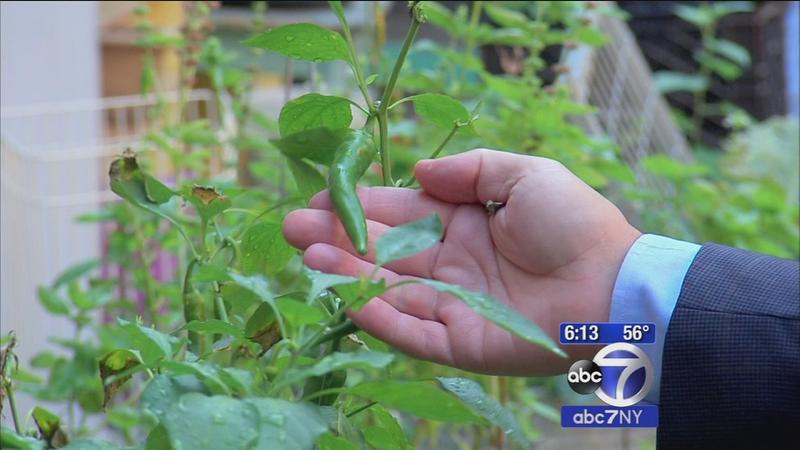
“All of our food here is grown by the kids but the community comes in and takes it for free,” said Rodriguez. “We don’t charge. There is no membership. They come in, take what they want, measure, and then we know how much we’ve grown throughout the year.” – Nando Rodriguez

Read the full news article on ABC 7 NY here:  http://abc7ny.com/food/teens-cultivate-urban-farm-in-hamilton-heights/1101080/


Local gardener transforms vacant lot into thriving urban farm

Original post can be found at: “richmondconfidential.org/

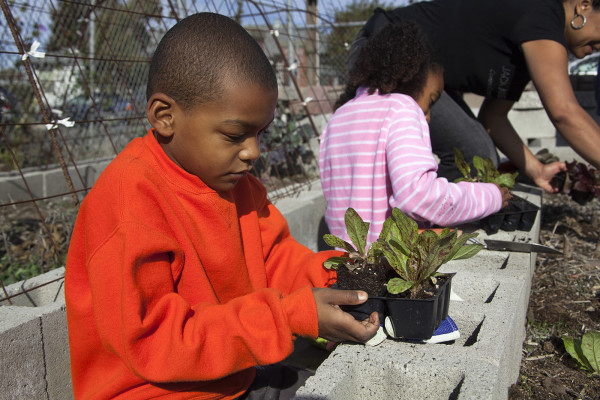
Copeland Cormier is learning the basics of planting seedlings during November’s volunteer day on the farm. (Photo by Brittany Murphy)Cole Dunford (center) and Copeland Cormier (right) enjoy a day on the Happy Lot Farm during November’s volunteer day. (Photo by Brittany Murphy)
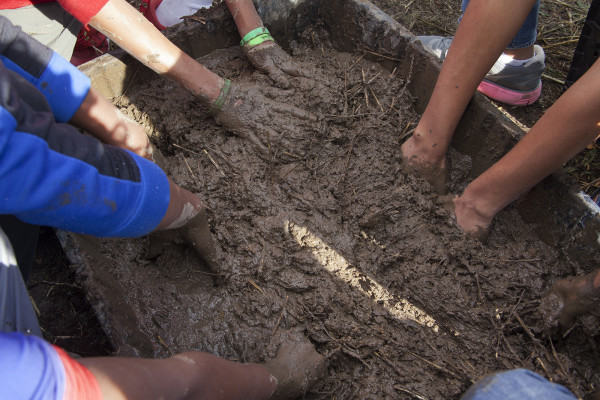
A trough of adobe clay is getting mixed by eight young hands at the Happy Lot Farm and Garden. (Photo by Brittany Murphy)
Georgie Fields shows off her mud-clad hands after mixing the adobe clay. (Photo by Brittany Murphy)
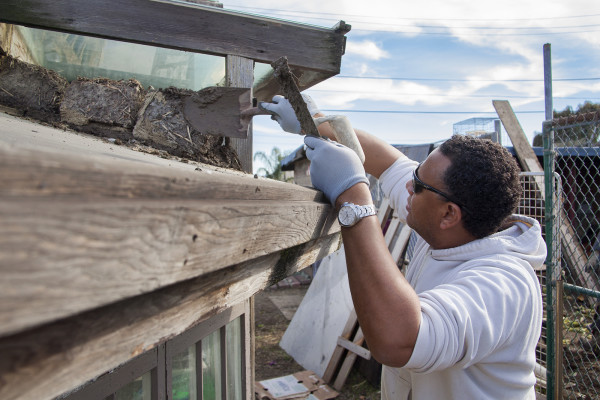
Terry Goode works to patch a weakening section of the greenhouse with the clay mixture that was just made that morning. (Photo by Brittany Murphy)
A hand painted sign stands next to the front gate of the Happy Lot Farm and Garden. (Photo by Brittany Murphy)
Andromeda Brooks is changing the way we look at vacant lots.

Tired of staring at the litter outside her window, Brooks decided to turn a blighted lot at Chanslor Avenue and First Street into an experiment in urban agriculture.

“I’m gonna put food on the corner instead of drugs,” Brooks said.

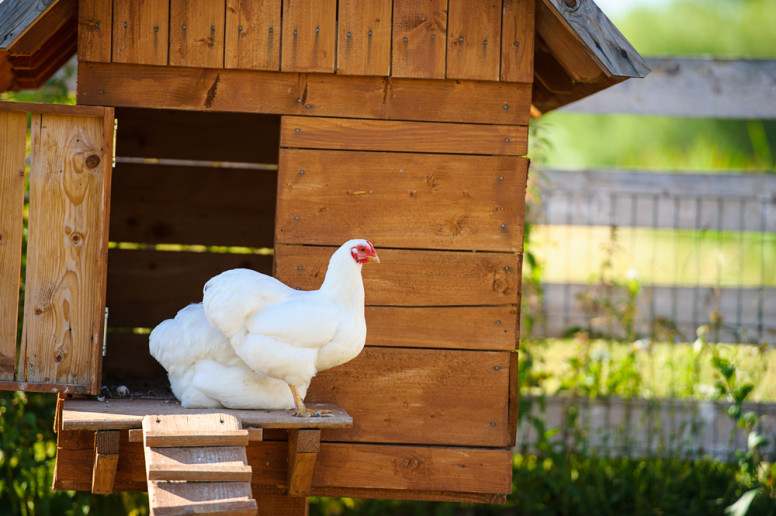
Starting the project solely on her own, Brooks turned a 14,000-square-foot lot full of weeds and debris into a thriving farm growing two dozen varieties of fruits and vegetables, a multitude of chickens and ducks, three rabbits, and even a quail.

She calls it the “Happy Lot Farm and Garden.” The enterprise has continued to grow and with it so has the surrounding neighborhood.

Brooks’ farm transformed a space previously used for loitering and illegal dumping into a source of healthy food for the neighborhood. Brooks gives away most of the produce to community volunteers, random passersby—and even the occasional driver who leaves a car door unlocked.

Community members help during monthly volunteer days. People have dug holes, planted seedlings, mucked out the chicken coop and built a pergola for the grapevines.

Karen Earby, a veteran Happy Lot volunteer, has been coming out to the farm for nearly three years.

“I don’t normally work with my hands,” she said. “I’m in finance. So to come out here and do something with my hands, it’s rewarding. It just makes you feel good.”

Nonprofit groups are reaching out to Brooks, offering volunteers and services. Most recently, a mothers’ organization, Jack and Jill of America, came out for volunteer day in November.

“We’ve had a great time—the kids are really enjoying the hands-on opportunity to be in the garden or actually working with the farm animals,” said Karla Fields, a member of the Jack and Jill group.

Nearly 30 moms, dads and children converged on the farm for the latest volunteer day. After a brief introduction and rundown of the farm rules, Brooks split everyone into groups and sent them off to their tasks.

Easily the most enjoyable task of the day was mixing new adobe clay to repair a section of the garden’s greenhouse. Children sat around a large trough filled with a mixture of mud, hay and water. Eight kids got to throw dirt-free standards to the wind and dug in for some good old-fashioned mud-pie-making. By the time they had finished, each one of them came away with mud splattered up to their elbows and smiles plastered across their faces.

It all sprouted from a plan Brooks started drawing up five years ago. Every detail of the future garden went into her early sketches, which showed where each planter bed would go, the placement of a driveway, even the heights of plants, so she would be able to see all the way across the garden from her house.

“Growing has always been a part of me,” Brooks said. “I guess in hindsight, working on that piece of paper, it’s always been in me.”

She recalled hours as a child running barefoot through her parents’ gardens growing up in San Bruno. Some of her earliest memories are of chickens. After her family moved to Vallejo, she had a whole backyard lined with fruit trees.

Now, her lifelong love of playing in the dirt has begun to change her neighborhood.
Not much dumping and loitering happens when Brooks is outside in her garden. If she suspects someone might be up to no good she may well enlist their help to work in the garden.

She dreams of expanding.

“It would be nice if it could be like a community-supported grocery store,” Brooks said, “where anybody and everybody can come and buy our food.”

Brooks wants the farm to sustain itself someday on its own resources. Already, she is part way there, using the greens from the garden to feed her rabbits and chickens, and in turn using their waste for fertilizer.

Nearly everything that went into building Happy Lot Farm was donated or built with reclaimed materials. Even the dirt for the driveway was donated by a Richmond supporter.

Her adobe greenhouse was built by Massey Bourke, a professor at the University of California at San Francisco. The 12-foot structure is made entirely out of recycled and reclaimed materials, even down to the clay soil that makes up its walls.

The greenhouse started from a piece of glass Brooks’ parents had given her from a sliding door.

Soil from her parents’ backyard in Solano County make up the walls. The roof panels are made from reclaimed shower door panels. The wooden structure of the roof is made of leftover deck material. Hundred-year-old handmade glass windows comprise part of the back wall, obtained from a family home in Oakland that was being demolished.

The striking chevron-patterned shed door, made from former fencing material, was designed and constructed by a group of students from Marin College. Colorful glass reclaimed bottles, stacked in the curving pattern of a leaf, are embedded in the walls on either side of the greenhouse. Rays of blue, green and yellow light beam through the bottles.

“The greenhouse has been essential here on the farm,” Brooks said. Having the ability to germinate her own seedlings and work year-round allows her to give more plants away while still maintaining a supply for the garden.

Brooks doesn’t worry about end-of-year produce tallies, or how many hours of work she puts in each week. Her big concern, she said, is to educate people about their food.

A Guide to Encinitas’ (Sub)Urban Farming Fight

State of the Farm

Current rules were taken from the county’s ordinance when Encinitas was incorporated in 1986 and on the verge of becoming a high-demand coastal city.

The rules allow a homeowner in a single-family area to have up to 10 chickens and 10 goats, and require coops and pens to be more than 35 feet from neighboring homes.

Additionally, homeowner associations can put their own rules in place to further restrict agriculture.

Residents are also allowed to have two bee hives in rural residential areas – places that are one house on one acre – 600 feet from the nearest property line. The county passed new rules in September lowering the setback distance significantly – only 35 feet from neighboring homes and 25 feet from roads. The Council will take up the question of accepting those lower standards at a later date.

Larger setbacks for livestock remain in place and often mean that only residents in Encinitas’ least dense areas can legally own chickens and goats – and those places are only becoming fewer in number.

The city has an agricultural heritage, including the largest poinsettia farm in the world, but a lot has changed in 30 years. Encinitas covers 20 square miles and has added roughly 100 housing units per square mile since 2000, according to census figures, most of those as single-family homes.

Kranz said there was no doubt urbanization has been limiting small livestock and agriculture in the city.

Click here to read the full article: www.voiceofsandiego.org/topics/government/a-guide-to-encinitas-suburban-farming-fight

This Rooftop Garden Is Feeding Atlanta’s Homeless

Original post can be found at: “Munchies.vice.com“”

It’s no surprise that rooftop farms have the potential to impact a local community.  The amount of food that can be grown on the top of a building is quite surpirsing.  In fact, Munchies.vice.com recently wrote an article about how a rooftop garden in Atlanta is directly benefiting its local homeless population.

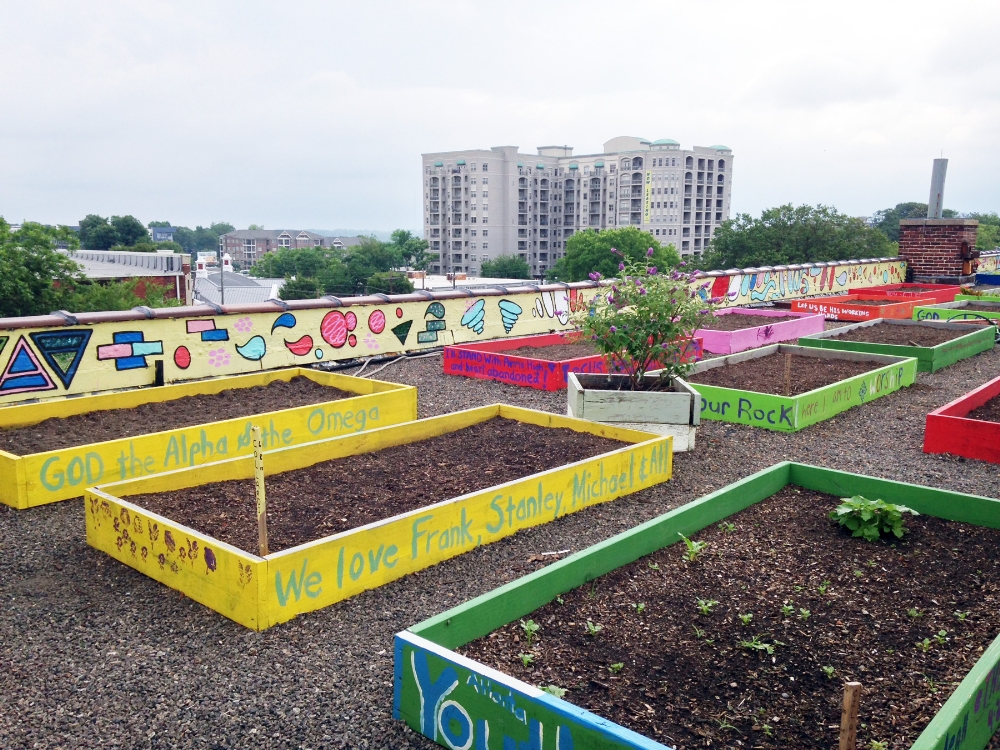
Munchies.vice.com wrote,  “Most residents of Atlanta are familiar with the city’s largest homeless shelter, the Metro Atlanta Task Force for the Homeless. Situated along the border of the affluent downtown and midtown business districts, the shelter has a controversial and beleaguered reputation, as well as a troublesome relationship with the city. While local politics is rife with talk of gentrification and displacement, the rooftop of the shelter has quietly blossomed into an oasis of organic food and practical life experience for its residents.”

rooftopgardenatlanta_IMG_1707
Source/Munchies.vice.com“

Munchies.vice.com also goes on to say that, “with 95,000 square feet, the Metro Atlanta Task Force for the Homeless is the largest shelter space in the southeastern United States. The garden of 80 colorfully painted raised beds atop the four-story concrete building at the corner of Peachtree and Pine streets provides rich work experience (including urban farming certification and licensing), therapy, and fresh, healthy food for the more than 400 men, women, and children who reside there. These beds, built and maintained by residents, have already raised what reads like a Whole Foods shopping list: small crops of organic tender lettuces, collard greens, kale, chard, carrots, strawberries, radishes, squash, watermelon, zucchini, bell peppers, tomatoes, green beans, and more.”

rooftopgardenatlanta_IMG_1637
Source/Munchies.vice.com“

Click here to read the full article: https://www.urbanorganicgardener.com/2015/11/this-rooftop-garden-is-feeding-atlantas-homeless/

Berlin eats its greens – urban gardening

Original Post Can Be Found At: dw.com

More and more people are turning to foods that are produced sustainably. And Berlin is a cornucopia of organic, regional and seasonal produce.

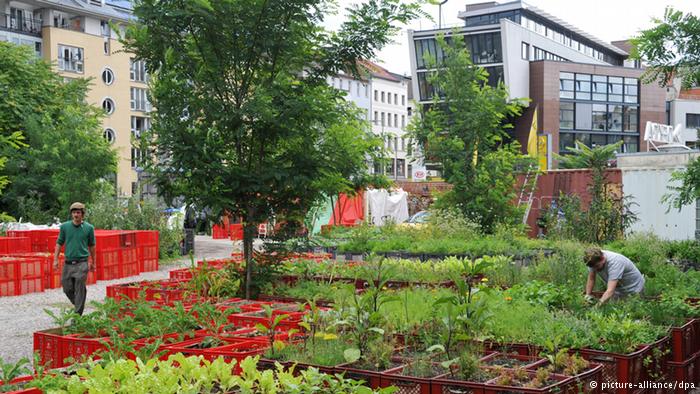
Urban Gardening project
An American gourmet magazine recently declared Berlin the vegetarian capital. In any case, more and more people in the German capital are going green when it comes to food. There are several good-sized urban garden projects, and market halls feature locally grown produce. There’s even a gourmet restaurant, Nobelhart & Schmutzig, whose specialties are prepared using ONLY locally grown ingredients.