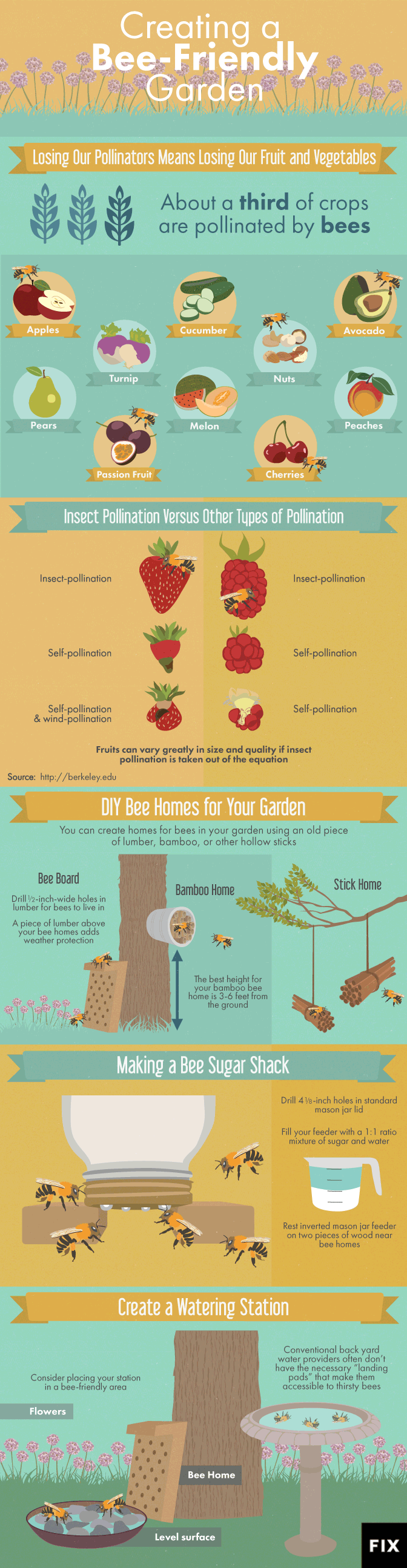
Source: Fix.com
How to Create a BEE-FRIENDLY Garden [INFO-GRAPHIC]

Urban-style organic gardening blog about growing your own food with limited space and creative resources.
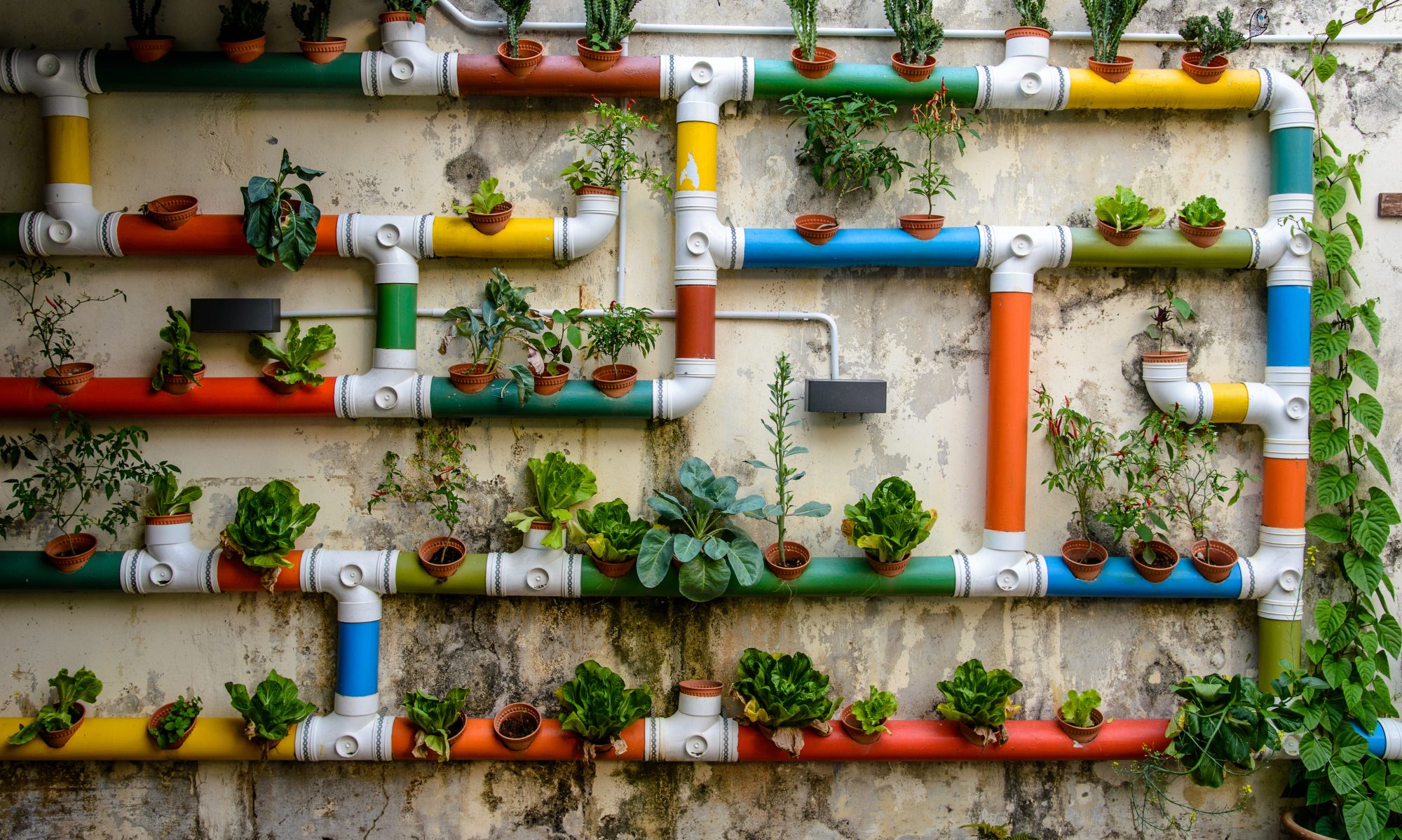
Source: Fix.com

In residential areas near Battle Creek, backyard chickens, goats and honeybees may become more common. Recently, there have been proposed ordinance changes that would allow urban dwellers to keep small livestock, bees and grow gardens all in their backyard.
The new ordinance changes would also allow urban residents to sell fruits and vegetables grown on their property between certain hours.
“Urban farming could be beneficial for the city.” They’ve “pointed to studies that claim urban agriculture raises home values, generates additional economic activity, creates jobs and helps increase access to healthy food.”
To read the rest of the article, visit: “BakerCreekEnquirer.com“
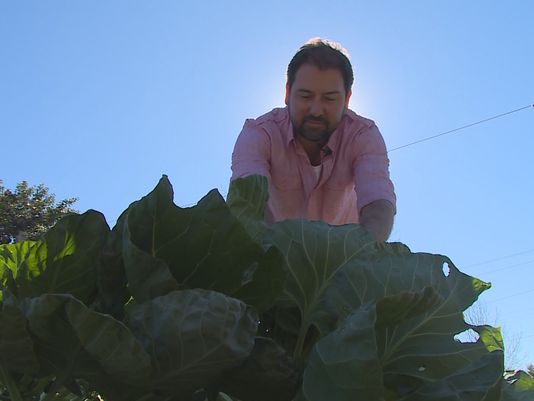
San Antonio’s city council has recently changed city codes that makes it legal to grow and sell food from your own backyard. One resident recently bought two vacant lots next to his home and has transformed them into a vegetable garden!
Read the entire article at: “Kens5.com”
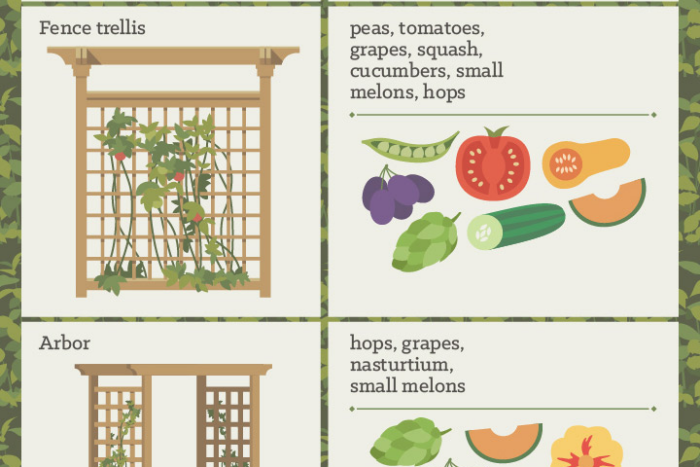
 source: “CustomMade.com“
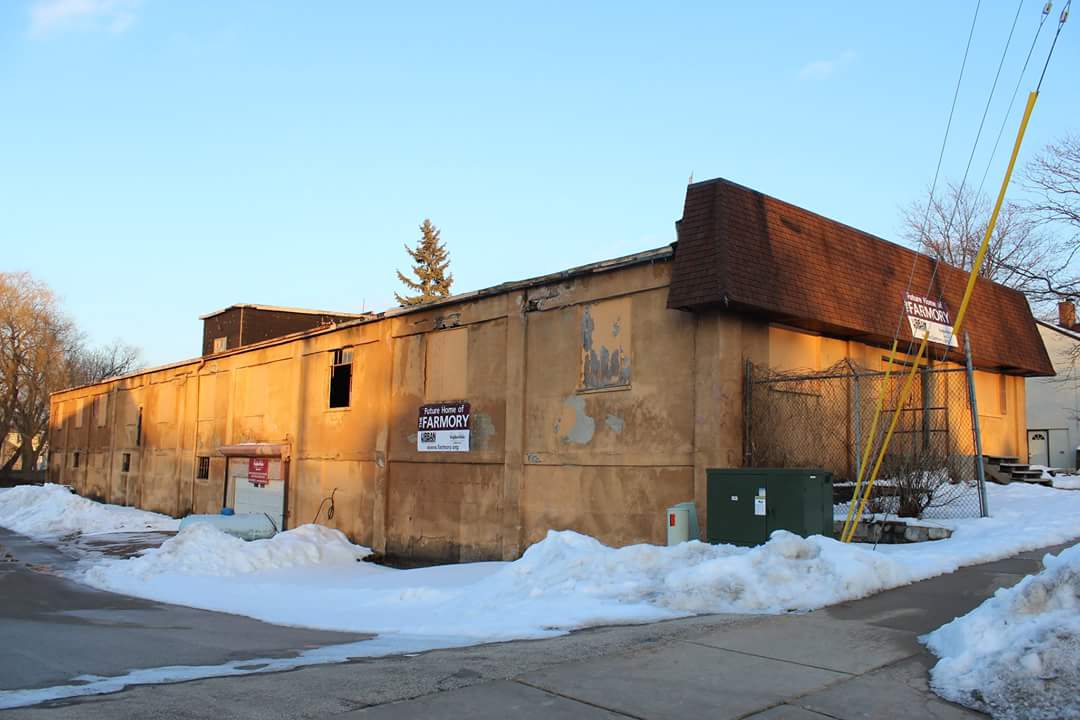
You won’t believe what’s happening inside of an old military armory in downtown Green Bay.
“The non-profit group NeighborWorks Green Bay is spear-heading the construction of the Farmory.”
They are looking forward to serving it’s community with locally grown produce such as leafy greens and herbs. Not only that, but they’ll have mushrooms and even fish with their aquaponic set-up.
Read more about the Farmory, here at: “WBay.com“
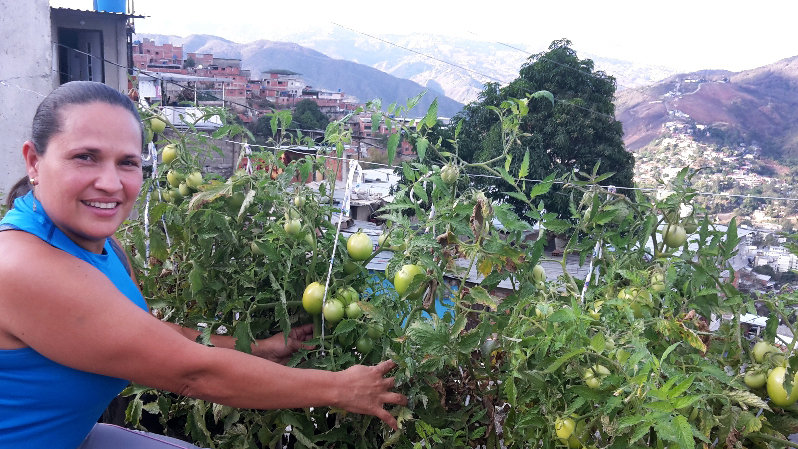
Recently, Venezuela has declared a “food emergency”. Because it is facing a shortage of bread, milk, and meat, along with other staples…the government has urged Venezuelans to help feed themselves by growing food in their own urban gardens. They’ve also encouraged keeping chickens, even in urban areas.
Josefina Requena is one citizen who has heeded the call. “Cucumbers, green pepper, passion fruit and other produce grow in the front yard of her home in a slum in Caracas, the Venezuelan capital. She also has a chicken coop.”
Read more about the new Urban Gardening trend happening right now in Venezuela.
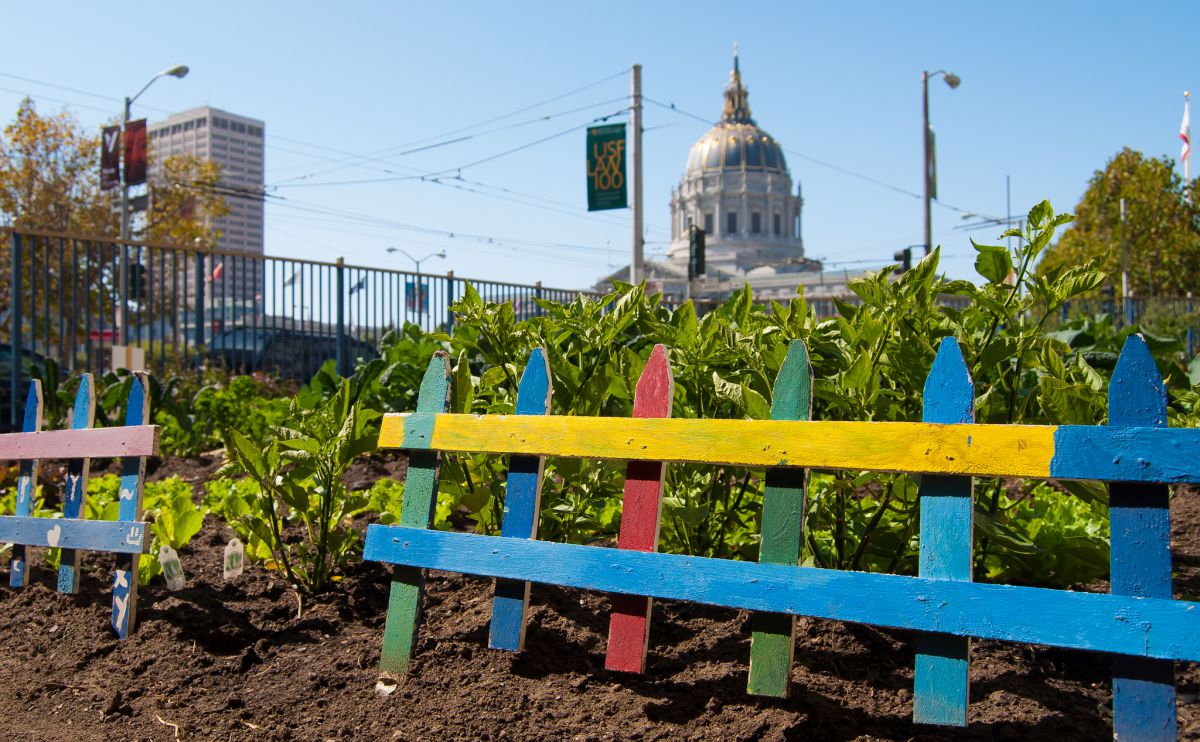
When trying to figure out if it’s safe or not to grow your own food in urban soil, it’s important to first determine what real possible dangers there are. Is the risk is high enough to cause harm?
“Urban farming does present some difficulties not seen in more rural environments; the greater concentrations of people and pollution can have an adverse effect on soil. The most common contaminants in soil are lead, other heavy metals like arsenic and copper, and a group of baddies known as polycyclic aromatic hydrocarbons, or PAHs. These come from a wide variety of places, including paint, fuel emissions, treatments on wood, coal ash, sewage, and pesticides.”
Read the rest of the article, at: “ModernFarmer.com“

New York City has been the home of major supermarkets, farmers markets and even the stock market but some residents are longing to turn unused or empty space within city limits to produce more local produce. Staten Island now even houses it’s first “LIVE-IN Urban Farmer”.
“Zaro Bates has been hired as the resident farmer at Urby, a 900-unit, $150 million development in Staten Island’s Stapleton neighborhood. She’s described by the Post as “a Brooklyn woman with extensive urban farming experience, [who] will get a salary of around $40,000 and a free apartment.” Bates will be in charge of growing herbs, greens, cucumbers, eggplants, peppers, and heirloom tomatoes on a small farm at the Urby site, and will also tend to rooftop beehives and a composting operation.”
Read more about Bates and all she plans on accomplishing over at: “Gothamist.com”
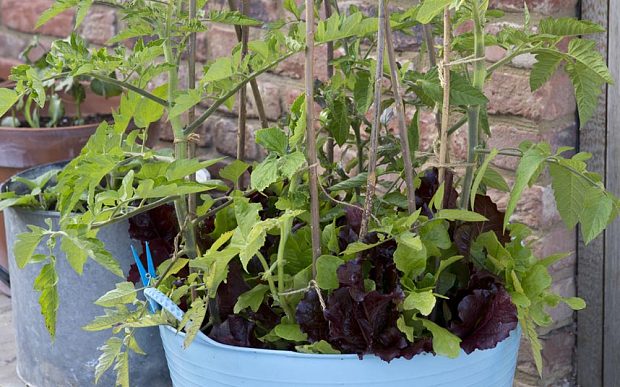
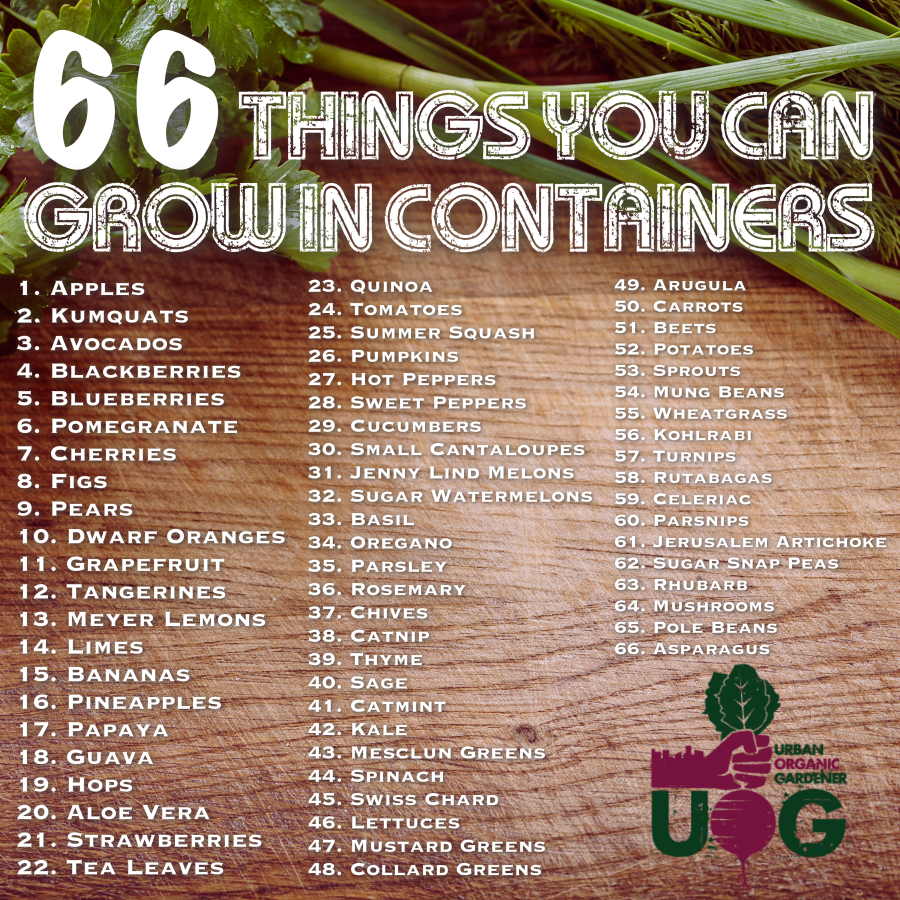
Even if you’re short on space, or gardening in urban areas, you can still grow some of your own food and enjoy a year-round garden. Container gardening can be very productive as long as you maximize your containers potential. As long as you have one large pot, (we suggest 18″ or larger in diameter) you can grow “10 different crops in a single year if you combine compatible plants and plan the growing year carefully.” -source “Telegraph.uk.co”
To Get Started, You will need:
• 1 large pot – a rubber tub bin is ideal or any plastic pot at least 45cm diameter
• Household drill and drill bit if no drainage holes
• Multipurpose, organic, peat-free compost
• A wigwam support made from bamboo canes or any strong flexible sticks such as willow
Click here to read the rest of the article on how to grow 10 different crops in one container!
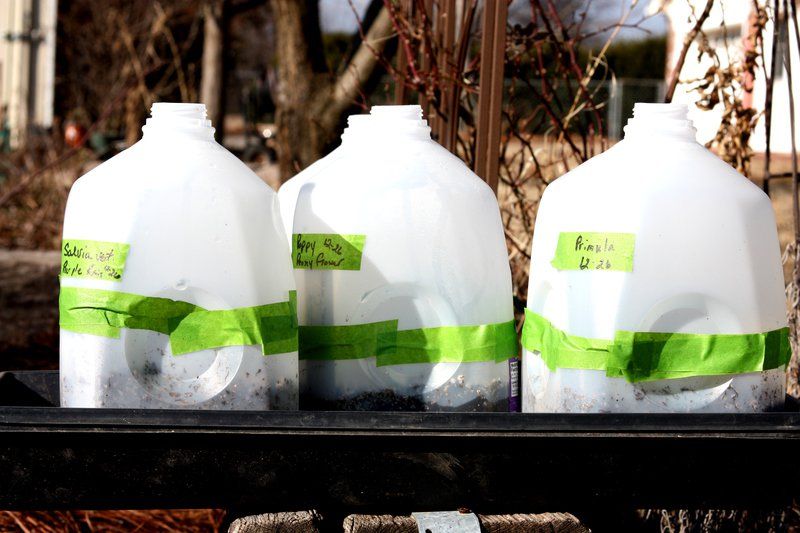
If you want to get a jump start on your gardening outside, but temperatures are still quite cool, you can use milk jugs to create mini-greenhouses.
“Three cold-treatment methods that work include: 1) Plant in recycled containers that are monitored outside; 2) Pre-chill the seeds in the refrigerator; and, 3) directly sow the seeds on prepared beds that are either open to the elements or mulched.”
Steps for making a milk-jug greenhouse:
To read the entire article, visit: “TheMuskogeePhoenix.com”
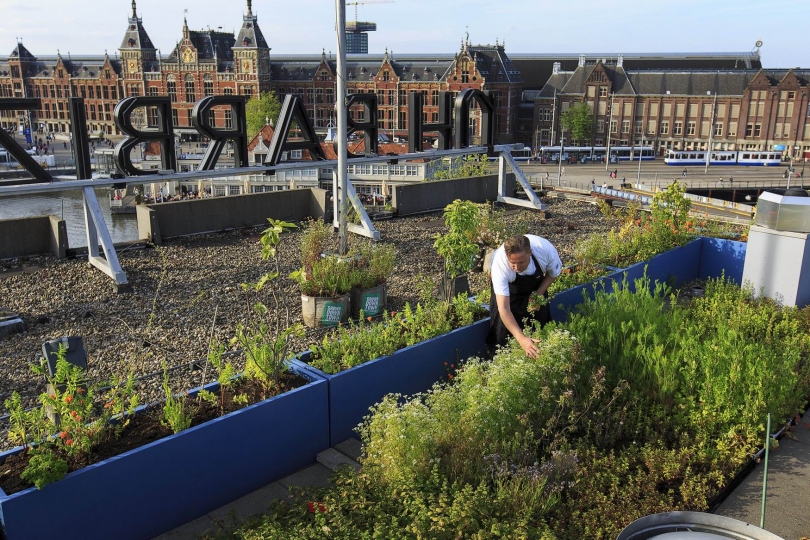
Around the world, urban farming is becoming an important part of the city landscape. The new reality in which we live in, is that more than half of the worlds population is now urbanized. That number is expected to rise to nearly 70% by the middle of this century.
In places like “Manila, Bangkok and Jakarta, people grow vegetables on any land they can find for day-to-day survival. Meanwhile, in Tokyo it is high-tech vertical farming on a massive commercial scale.”

To read the entire article, visit: “CommercialAppeal.com“
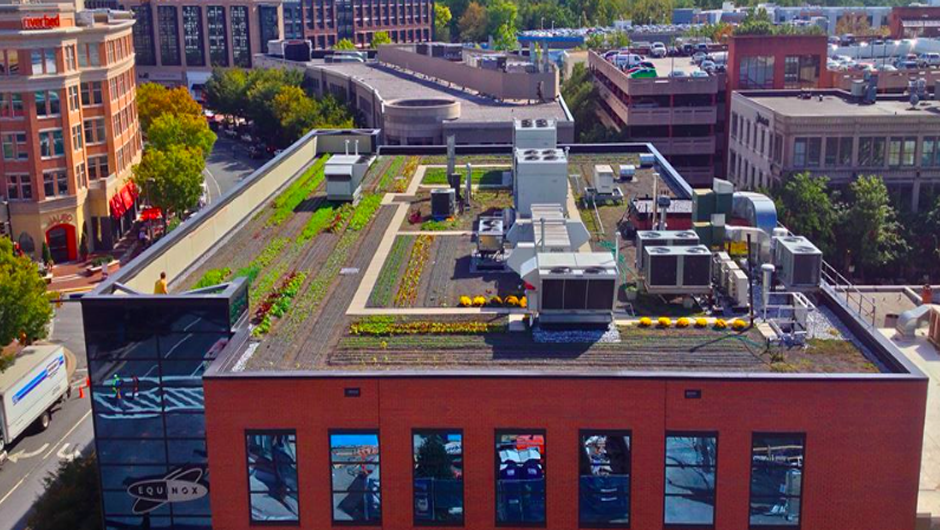
More than 50% of US land, is being used for agricultural purposes, but still land is a limited resource. Here’s two new innovative companies that are taking US farms to the rooftops.
“The founders of the New York, NY-based Gotham Greens – Viraj Puri, Eric Haley, and Jenn Nelkin Frymark – had a vision for a local, ecologically-driven, urban farm operation that could offer city dwellers the freshest and highest quality culinary ingredients, year-round, at competitive prices.”
“Founders of the Washington, DC-based Up Top Acres – Kristof Grina, Kathleen O’Keefe, and Jeffrey Prost-Greene – having grown up together, found a similar passion for creating a space in the city that benefited residents environmentally, socially and economically. Kristof was working on a small farm in Maryland, Kathleen was working in urban planning and Jeff was working on a start up. The idea of rooftop farming sprouted.”
Read more of the original article at: “Tech.Co”
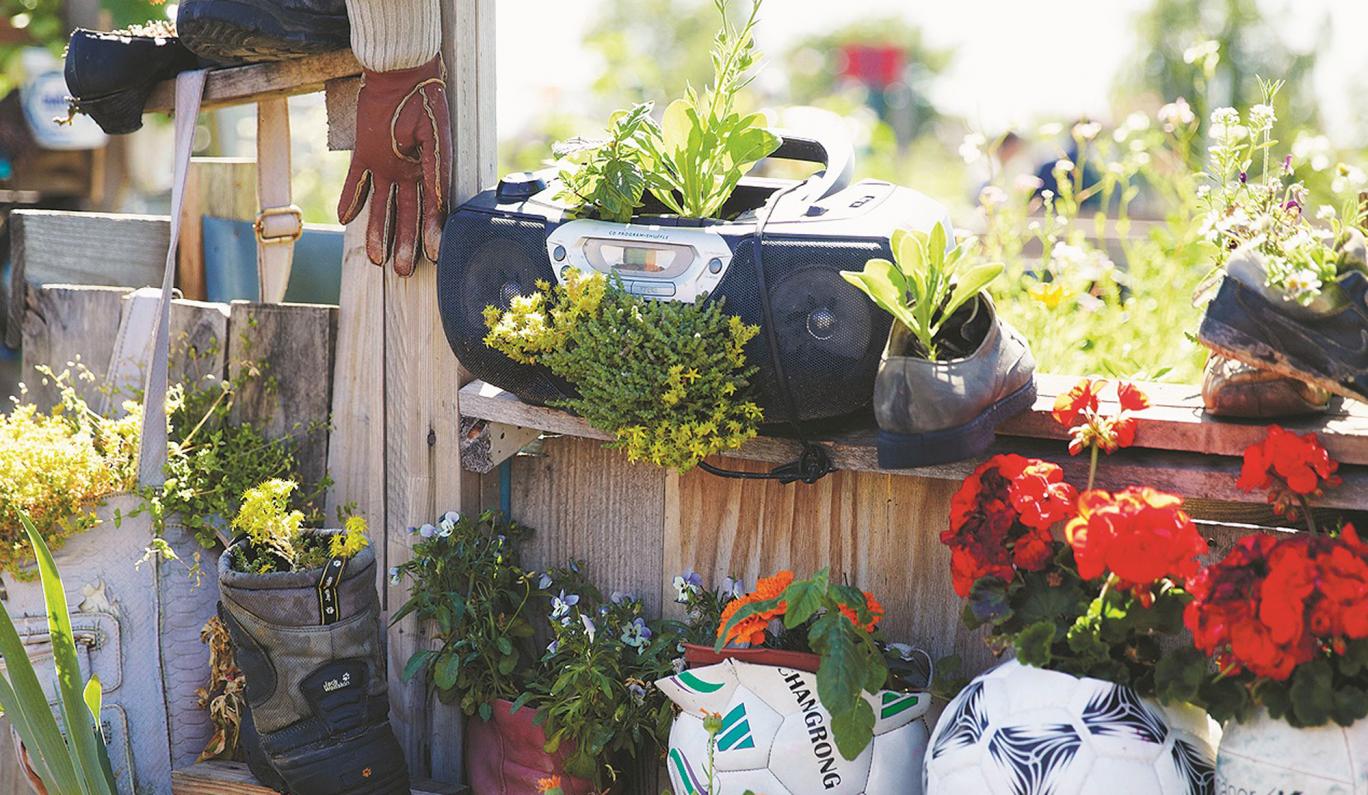
Many urban dwellers have found that even in the smallest of spaces, you can create beauty through urban gardening. All you need is some creativity!
“Inventive urban gardeners don’t dwell on what they don’t have, but use what they do have. ”
Check out the full article here to find out how you can transform any piece of concrete, wall, rooftop or piece of soil into your own little garden oasis…even in the city.
Source: “HomesAndProperty.co.uk“
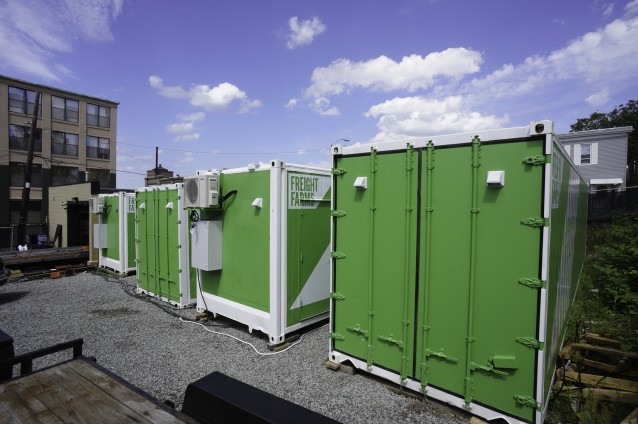
“All Freight Farms units are built in repurposed 40-foot insulated shipping containers. Everything from water to the LED lights in the units are digitally controlled, and each unit is also a Wifi hotspot, connected to the network of Freight Farm units across the country.
Today more than 50 farmers are growing produce in refrigerated shipping containers known as “Leafy Green Machines”. The are functioning mini farms that boast vertical hydroponics and LED lighting systems. The machines “are 320 square-foot self-contained farming units that can grow as much produce as two acres of farmland using less water per day than the average American needs for a single shower.”
To read to full article, visit: “ThinkProgress.org“
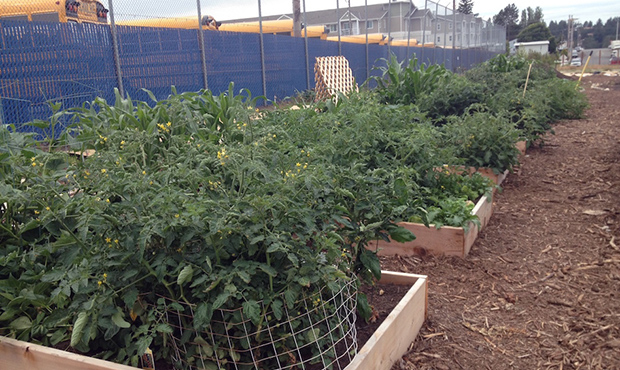
People living in urban areas are sometimes frightened about lead being in their soil. In a new study, they found that by using compost you can help keep yourself and your family safe from toxic lead poisoning. “Good compost will also guarantee that you will have plenty of vegetables to harvest.”
The University of Washington led a study that looked at potential risks that commonly are associated with urban gardening. The conclusion was, that the benefits of consuming locally produced vegetables, outweighed any risks from gardening in “contaminated” soils.
“We’ve shown that lead is harmful by eating the dirt, not from eating the lettuce grown in the dirt.”“People are terrified of soils in urban areas. They always think it’s a mystery brew of toxins in the soil, but in vast majority of cases, the contamination is lead,” said lead author Sally Brown, a UW research associate professor of environmental and forest sciences.
Go here to read the rest of the article at: “WashingtonEdu“
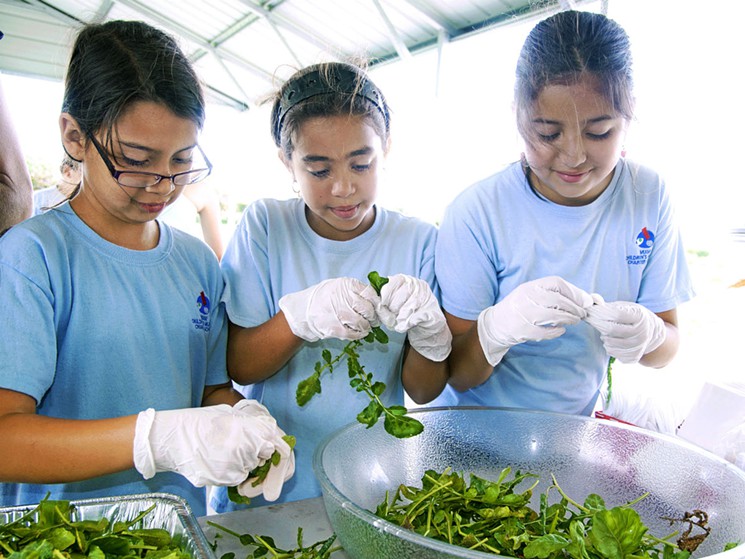
People are becoming more aware about the benefits of plant-based diets, especially when it comes to the field of preventative medicine. Hospitals all over the world are starting to pay more attention to the food they serve. Instead of jello-cups, more hospitals are starting to use fruits and vegetables as healing tools.
“Baptist Health South Florida’s Homestead Hospital (975 Baptist Way, Homestead), for one, is stepping up its nutrition game with the Grow2Heal community garden. ”
“In efforts to address our community’s socioeconomic issues, we dedicated 10 acres of vacant land adjacent to the hospital to develop an organic garden as a bold, innovative attempt to offer our community preventative health through fresh, nutritious foods,” says Thi Squire, the garden’s project manager. “We feel that our garden shows that there is no greater loving action than to feed and nourish our community.”
Read the entire article, here: “MiamiNewTimes.com“
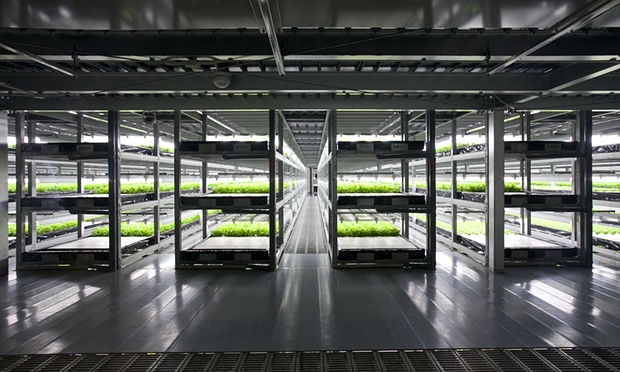
One Japanese company is about to open up a “robot farm”, the first of it’s kind in the entire world. The plan is that the robots will carry out all but just one task needed to grow tens of thousands of plants each and every day. Starting in mid 2017, robots will do everything from watering, thinning, and harvesting lettuce. The farm should produce nearly 21,000 – 50,000 lettuces a day!
“The seeds will still be planted by humans, but every other step, from the transplanting of young seedlings to larger spaces as they grow to harvesting the lettuces, will be done automatically,” said JJ Price, Spread’s global marketing manager.”
To read the rest of the article, visit: “TheGuardian.com“
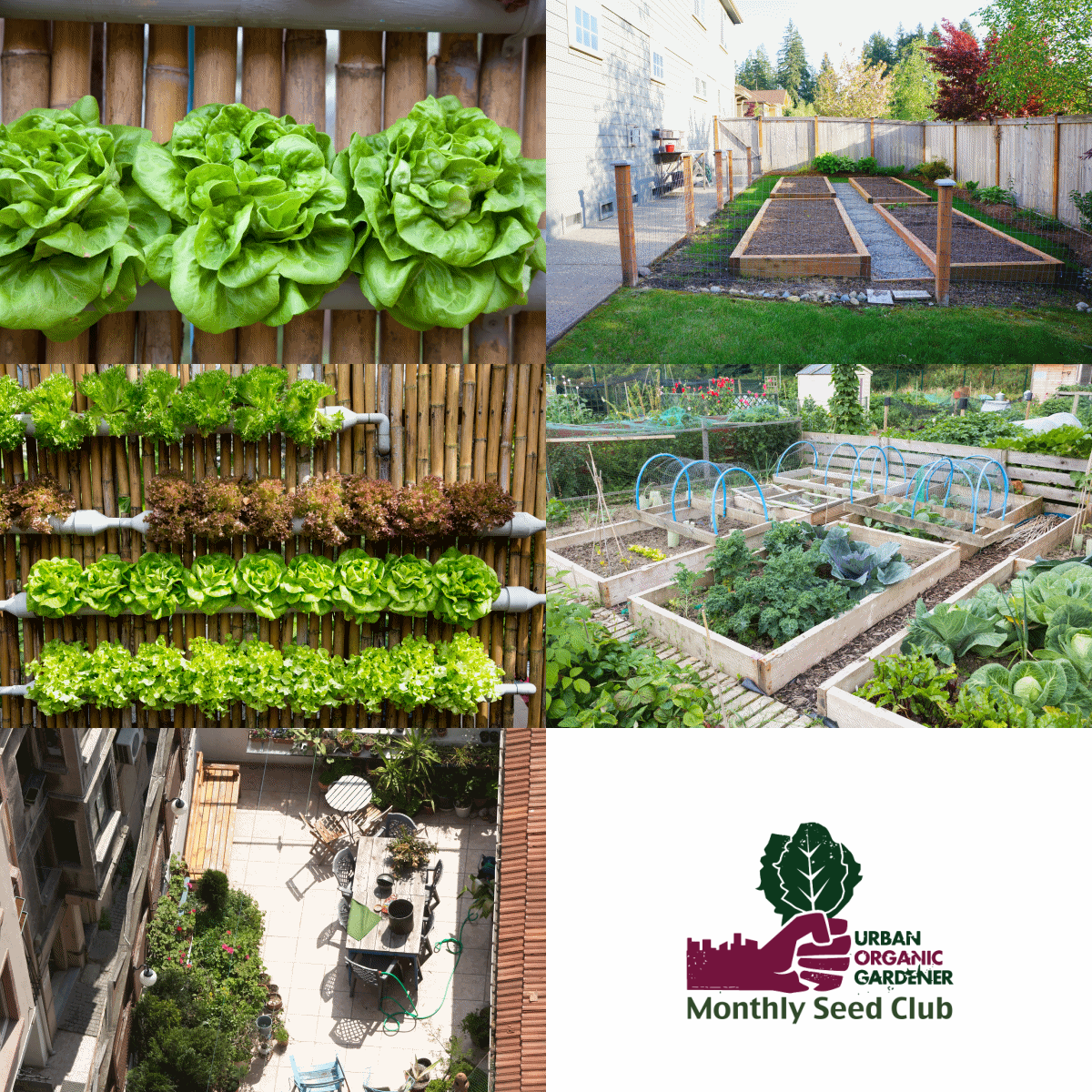
Join the club that delivers you garden seeds at just the right time of the year to plant them – hand selected based on your garden specs. Every month you’ll receive a collection of heritage garden seeds and everything you’ll need to get growing. Buy a subscription for yourself or give one as a gift!
Sign up here: https://urbanorganicgardener.cratejoy.com/
It’s simple: $10/month + s/h
Ready to start receiving monthly shipments of seeds, customized for your exact grow zone? START HERE!