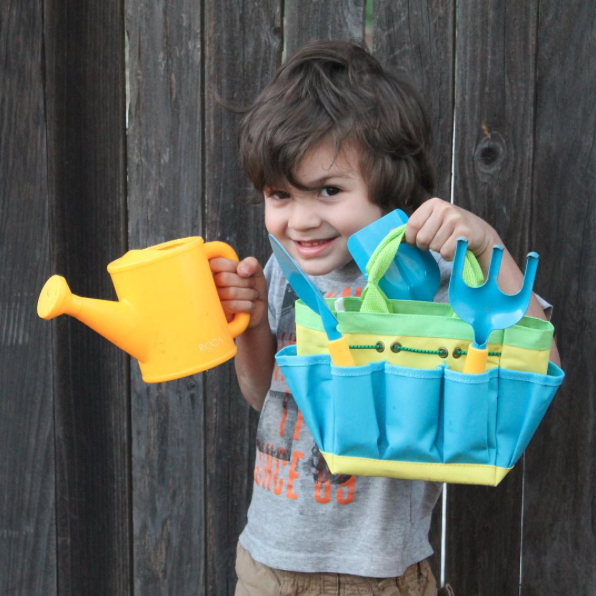
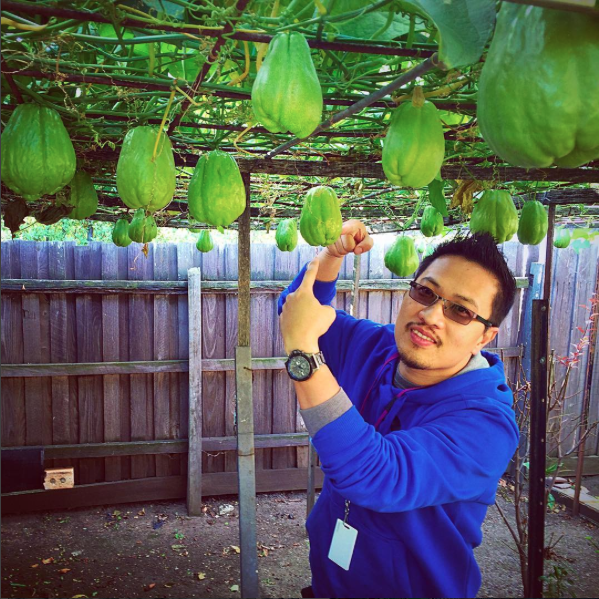
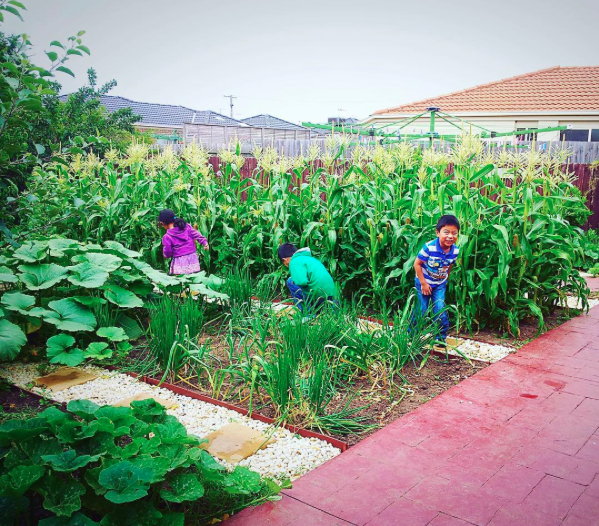
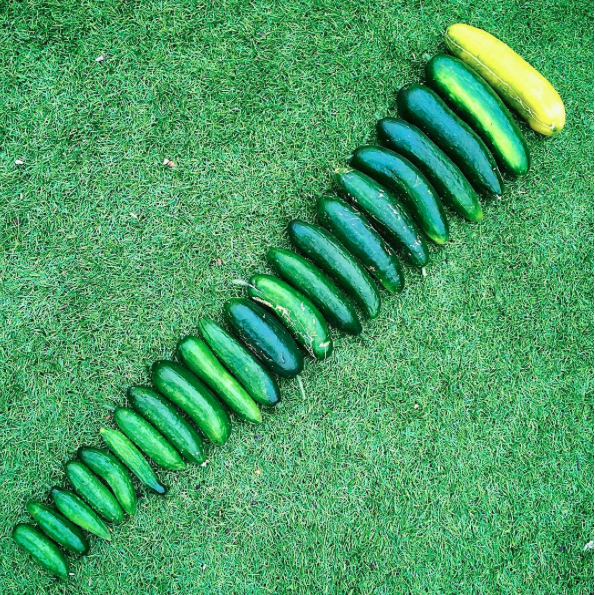
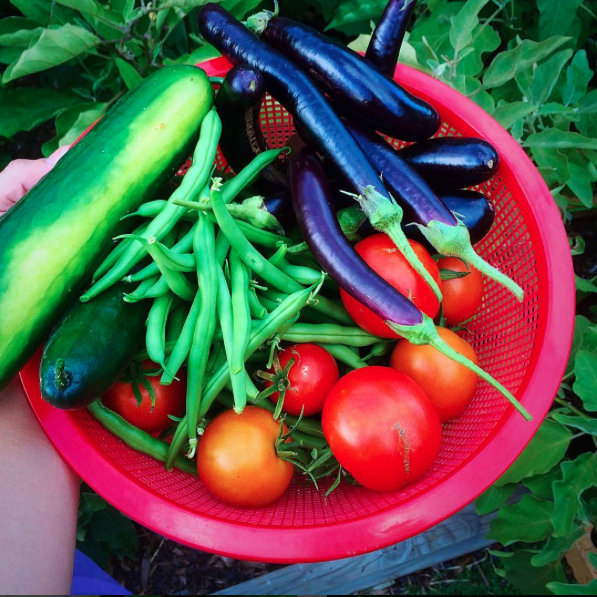
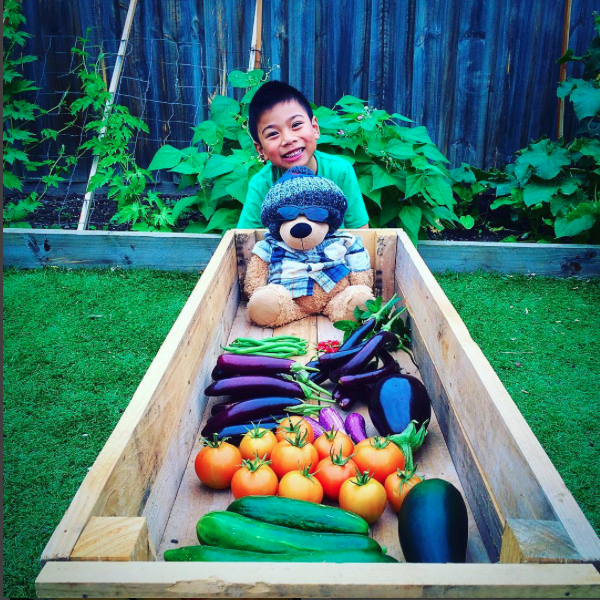
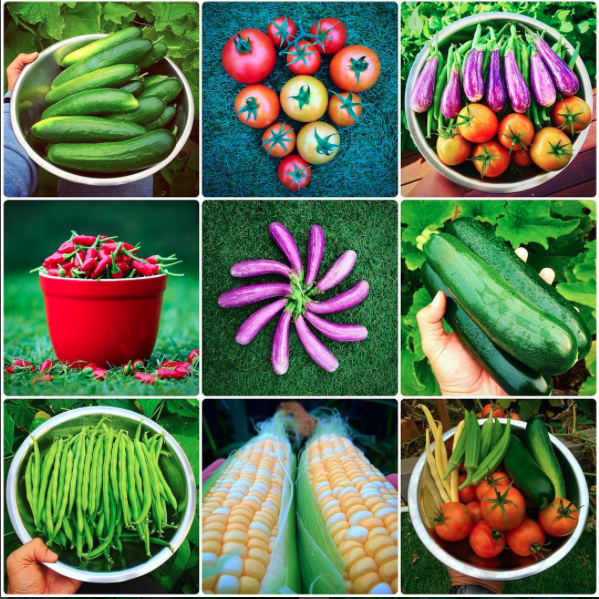
Meet Mike, a 4 Year Old Gardener Living in our Nations “Farm to Fork Capital”!

4_934eda82-4e8c-452e-a422-5ad93338ffbbGardening is so easy, a 4 year old can do it! If you’re looking for an inspirational Instagram account to begin following, we highly suggest visiting @mikes_homegarden! This charming little boy will inspire you to garden like you’ve never gardened before.  Below you can read our interview with Mike’s Mommy, who kindly gave us an in-depth look at this adorable pint-sized gardener.

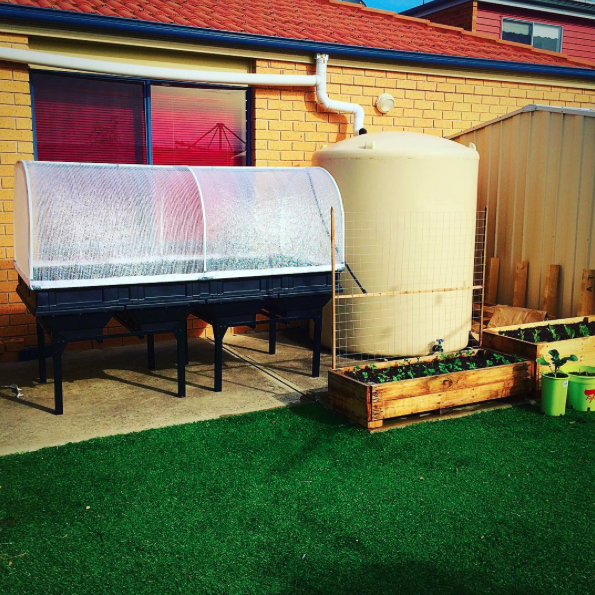
What made you want to start documenting Mike’s home garden? What sparked his interest AND yours to start growing your own food? We’ve been fans of homesteading for a while, and right now we are working with what we have to come as close as we can to it. With a backyard of about 800sqft in a urban area we have managed to grow food for two years now, and we absolutely love it. We come from families that know what it means to work with the soil and grow food, and we wanted Mikey, our son, to learn where food comes from and appreciate all the hard work and dedication put into farming/gardening in order for people to eat good food.

Read the entire interview at: “SeedsNow.com

Israeli Brings Urban Gardening to Harlem Kids

SeedStreet_2CreditNickSmithA new urban farm has sprouted up in Harlem “the northern Manhattan neighborhood synonymous with New York City’s African-American culture”.  A woman with strong hometown roots in Israel, had the goal to supply her community with organic and locally grown produce.

Children from her community are now planting hydroponic vegetable gardens inside of repurposed, old shipping containers.

“Israel was out of necessity forced to innovate agriculturally and generate its own food sources, and became a leader in agriculture innovation,” she says. “As a result, it has a much more natural cohesive ecosystem and way of being. People are already eating directly from the farm. That’s really beautiful, but it makes hydroponic farming a more difficult market to penetrate in the mainstream.”

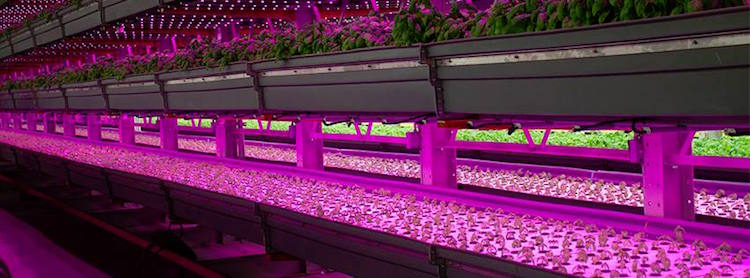
Growing hydroponically requires about 90 percent less water, takes up less space, and can produce more than growing in tradition soil.

To read more about this project, visit: “TheTower.org


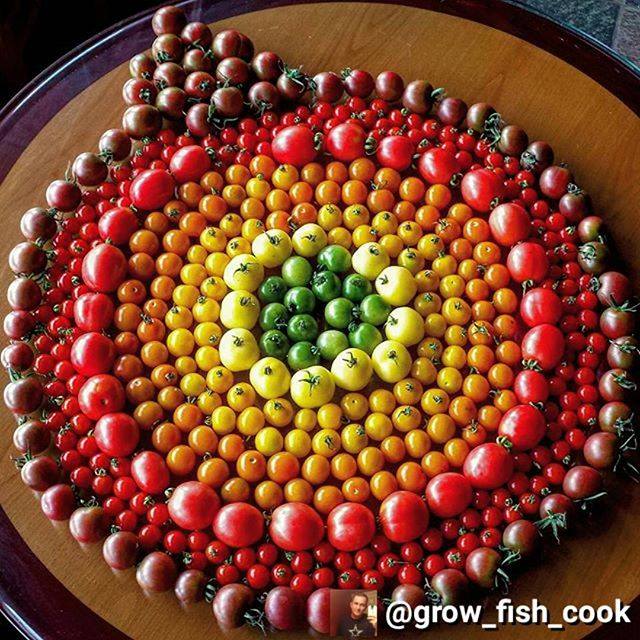
Mid-July Is a Superb Time to Plant Late-Season Tomatoes

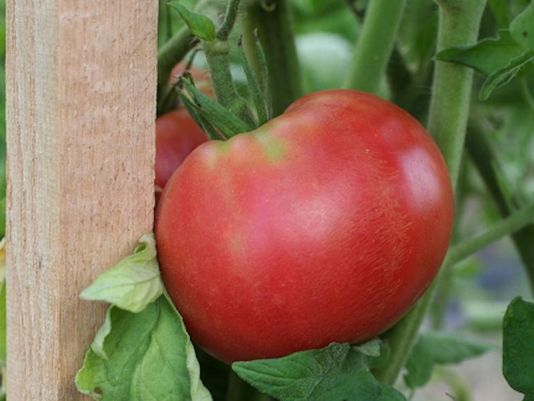
B9322895571Z.1_20160709174230_000_GR0ETRUR4.1-0Craving fresh, homegrown tomatoes but maybe you didn’t have a chance to plant some earlier this year? Not a problem! By choosing the right variety of late-season tomato, you can be slicing into a homegrown heirloom tomato sometime this October.

“When growing late-season tomatoes, I encourage gardeners to consider using a fungicide to prevent blight. Both early blight and late blight are a serious problem with tomatoes grown in humid conditions (late summer). I always try to grow tomatoes without chemical application, but with late season tomatoes, a fungicide is often necessary. Using a general fungicide from either Ortho or Dragon will help prevent this devastating vegetable disease. Follow label directions for best results.

If transplanted no later than the third week of July, you should do well growing late season tomatoes. Fruiting will begin in mid-September. With a modest effort at frost protection, late-season tomato plants will provide an abundant crop until the first hard freeze this fall.”

To learn about their Top 4 Recommended “Late-Season” Varieties, visit: “NewsLeader.com

Fort Worth Rolls Out Veggie-To-Curbside Delivery Service & More Urban Farms are Planned for Vacant Properties


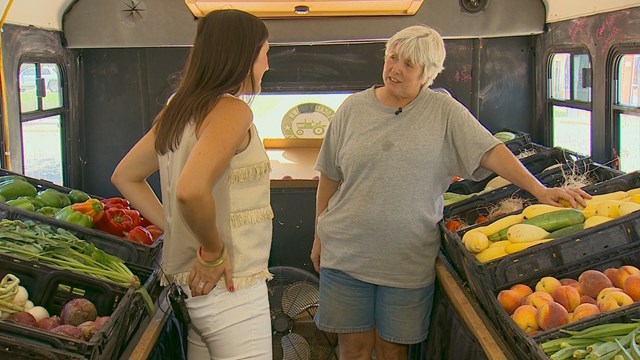
“Currently there is one woman, Beverly Thomas of Cold Springs Farm running what she calls her “Veggie Van”. It’s packed with vegetables she grows locally on her own farm. Currently she is restricted to only distributing to existing members or customers and she can only do it on commercially zoned areas.”

Read more about Urban Farming coming to Fort Worth, here: “WFAA.com

First Harvest of Ancient Southern Wheat Exceeds Expectations

160620112257_1_900x600

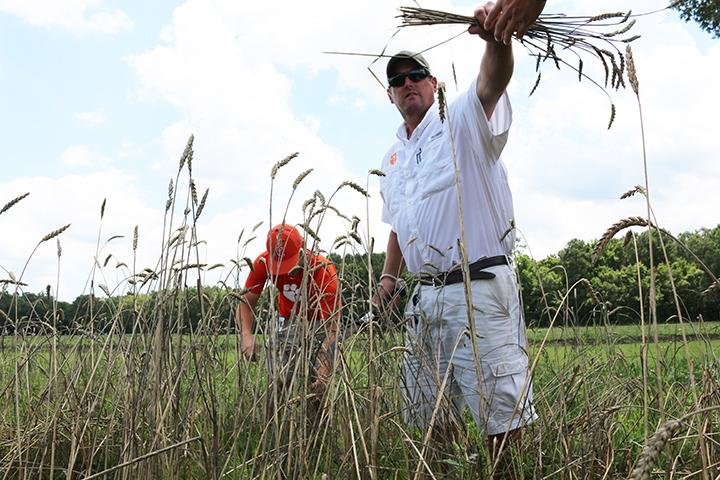
“Last month, a scientist harvested about 145 pounds of Purple Straw seed, which was grown from less than half a pound. Purple Straw is the only heirloom wheat to have been cultivated continually in the South from the Colonial Period into the last quarter of the 20th century.”

Scientists are taking the first steps of bringing back a valuable heirloom variety of wheat back from near extinction.   Scientist Brian Ward and his team planted and now is harvesting roughly 145 lbs. of Purple Straw seed, which originally started from just less than half a lb.  This variety of wheat had been cultivated in the South from the Colonial Period into the last quarter of the 20th century.  It was abandoned in the 1970’s and replaced with modern hybrids.

“Thus far, it’s been a complete and total success, even better than expected,” said Ward, who planted and nurtured the wheat in the nutrient-rich organic fields surrounding Clemson University’s Coastal Research and Education Center in Charleston. “The panicles (loose, branching clusters) turned out really great, we didn’t have a problem with insects or disease. Everything worked out perfectly.”

To read the entire article, visit: “ScienceDaily.com

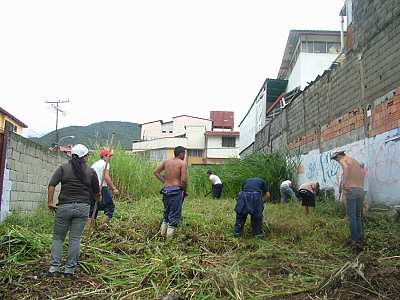
Starved by Socialist Policies, Venezuelans Urged to Take Up Urban Farming

dscf5088“In February, the country launched a Ministry of Urban Farming, tasked with encouraging more home and community gardening and chicken-keeping. Its head, Lorena Freitez, said the push will help bring “food sovereignty” to Venezuelan cities, where both local food production and food imports are down and social unrest is increasing. ”

So now between narrow roads and dilapidated homes, you might just find the unexpected tomato plant or patch of fresh herbs growing.  Neighbors are working together to grow things like root crops, beans, lettuces and leafy greens just to name a few.

Residents of these “slums” are hauling garden soil to balconies, rooftops, basically anywhere they think they can grow a little bit of food.

Read the entire article at: “Reason.com

A NEW SEED CLUB – Fully Customized Around YOU!

final seed club
Don’t wait, join the new Urban Organic Gardener’s Monthly Seed Club now! MUST JOIN BEFORE JULY 4th at 11:59pm PST to receive the next shipment. Sign up now at: https://urbanorganicgardener.cratejoy.com

For $10/month our garden experts will build a custom curated collection of seeds & garden supplies designed around you – your grow zone – garden space – and your preferences.

Includes everything you need to grow 5 new edible plant varieties every month – varieties can include herbs, vegetables, flowers, sprouts, micro-greens, bulbs, and more!

Join the rest of the UOG community and get growing now! We promise to make this a great experience for you and your family.

This City Is Home to 820 Urban Farms and Quickly Becoming America’s Urban Ag Capital

farmedhere

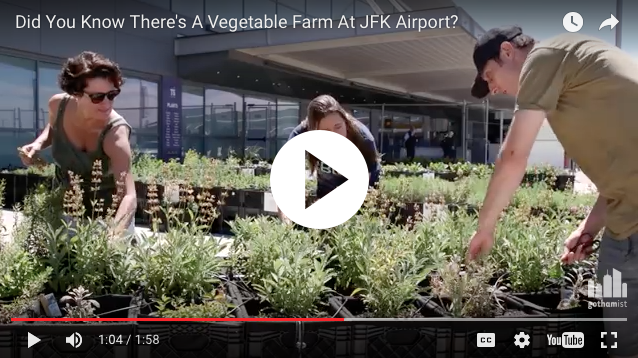
The Windy City has quickly become one of the country’s TOP urban agricultural cities with over 821 growing sites spreading across it’s city limits. “From small community gardens to multimillion dollar indoor farms, according to the Chicago Urban Agriculture Mapping Project. Even O’Hare’s Terminal 3 is home to the world’s first airport aeroponic garden.”

To read more about Chicago’s Urban Farming movement, visit: “EcoWatch.com

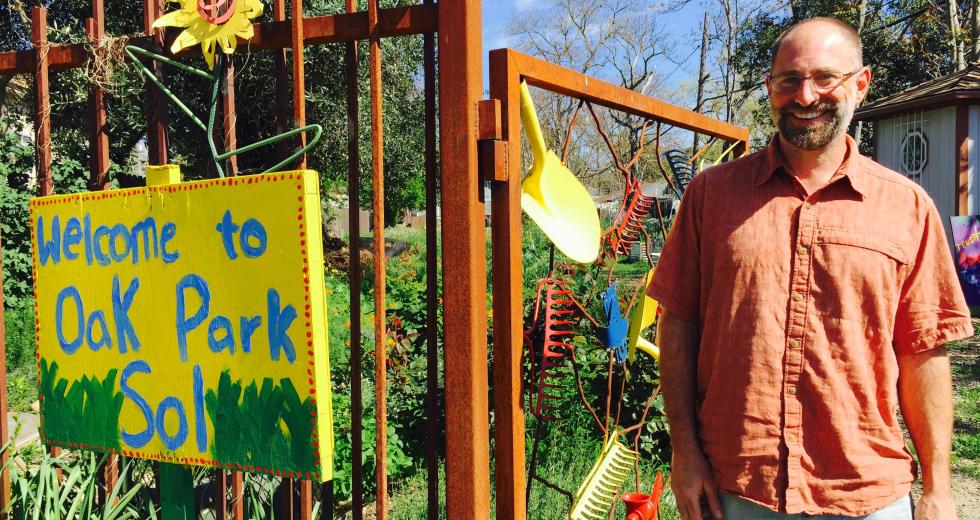
Oak Park Sol Brings Nature Back to City Dwellers

0616_blog_food1Thanks to the new non-profit Oak Park Sol, a neighborhood is bringing nature back to its city-dwelling folks.

“Most Americans, at 95 percent, live in urban areas, according to the U.S. Census. More than half of people over age 6 don’t spend time participating in outdoor recreation, according to Conservation Horizons, a report by a California Council of Land Trusts’ Initiative. Kids exposed to the outdoors, according to the Child Mind Institute, are smarter, happier and less anxious. Yet, you don’t have to be a kid to experience this type of respite.”

To read more about Oak Park Sol’s community garden, visit: “ComstocksMag.com

@SeattleUrbanFarmCo. Shows Clients How to Grow Vegetables Successfully in a Maritime Climate. (INTERVIEW)

capture-20160623-090802

Urban Organic Gardener Interviewing @SeattleUrbanFarmCo.

The Seattle Urban Farm Company has a rich and passionate philosophy which is “we thrive on pioneering new ideas and empowering city dwellers to reap the rewards of local food production. We believe that sustainable urban agriculture can promote healthy diets, environmental stewardship, stronger communities and improved quality of life. We hope that developing economically sound, city-based farming ventures will increase public awareness of agricultural issues and foster a greater appreciation of farmers everywhere.” 

What Grow Zone do you live in?

Seattle is in USDA Plant Hardiness Zone 8b

capture-20160623-090844

Tell us more about your blog/business and how you got started there.

Seattle Urban Farm Company started in 2007. The idea was to provide a service that would help beginning vegetable growers find success. We help clients design, build and maintain their gardens, creating beautiful and productive spaces year-round. Our blog and social media outlets have sprung from the idea that, homegrown food production is a great tool for community-building both online and off.

capture-20160623-090926

What crops do you find grow extremely well in your maritime climate?

Most traditional vegetable crops grow well in our climate. In particular, brassica crops like kale, cabbage and broccoli love the mild temperatures. Additionally, because we have relatively cool weather even during summer nights, salad greens like lettuce and arugula can be grown through most of the season. Heat loving crops like tomatoes and basil can be challenging, but most growers find ways to adapt their growing practices to make even these plants successful. The Pacific Northwest is also a great climate for perennial fruits like blueberries, strawberries and raspberries.

capture-20160623-091013

Have any tips for those that might want to start gardening year-round?

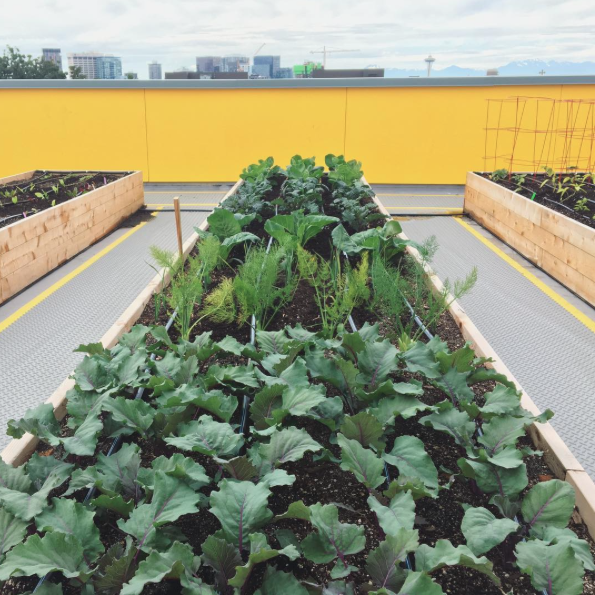
No matter what Zone you live in, winter crops are much more successful with some type of coverage. Coverage can come from glass, greenhouse plastic or floating row cover, depending on your scale, crops and budget. Covers like this can make a surprising difference in growing conditions, changing the soil and air temperature in a planting bed by entire USDA zones. Additionally, crop planning is very important for success in year-round growing. Most overwintering crops actually need to be planted mid-summer in order to mature enough to survive the winter. Here in Seattle, we plant our overwintering kale and broccoli in July! So plan ahead and make sure to save space for the planting of fall and winter crops in the middle of your primary growing season.
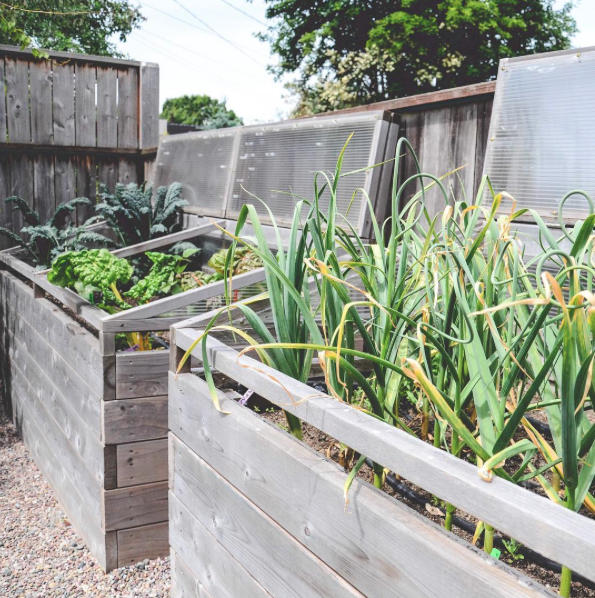
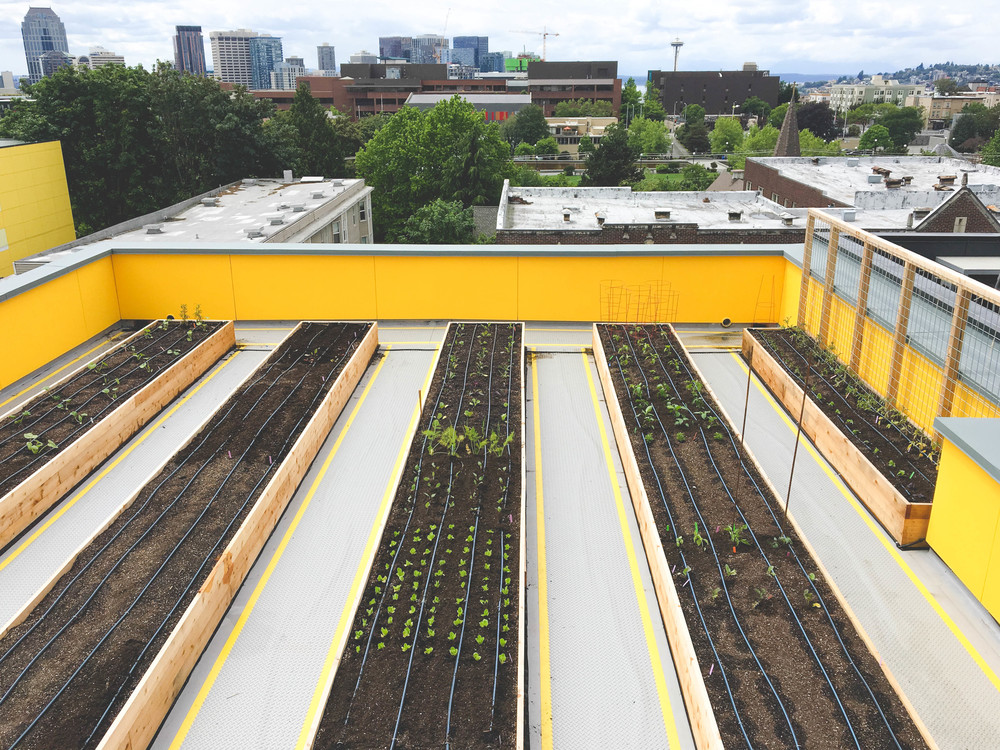
Capitol+Hill+Urban+Cohousing_Seattle+Urban+Farm+Co.

Join the new Urban Organic Gardener’s Monthly Seed Club

JULY UOG

Don’t wait, join the new Urban Organic Gardener’s Monthly Seed Club now! Must join before July 4th at 11:59pm PST to receive the next shipment.

Sign up now at: https://urbanorganicgardener.cratejoy.com

For $10/month our garden experts will build a custom curated collection of seeds & garden supplies designed around you – your grow zone – garden space – and your preferences.

Includes everything you need to grow 5 new edible plant varieties every month – varieties can include herbs, vegetables, flowers, sprouts, micro-greens, bulbs, and more!

Join the rest of the UOG community and get growing now! We promise to make this a great experience for you and your family.

‘Veggielante’ helps folks grow food in small spaces

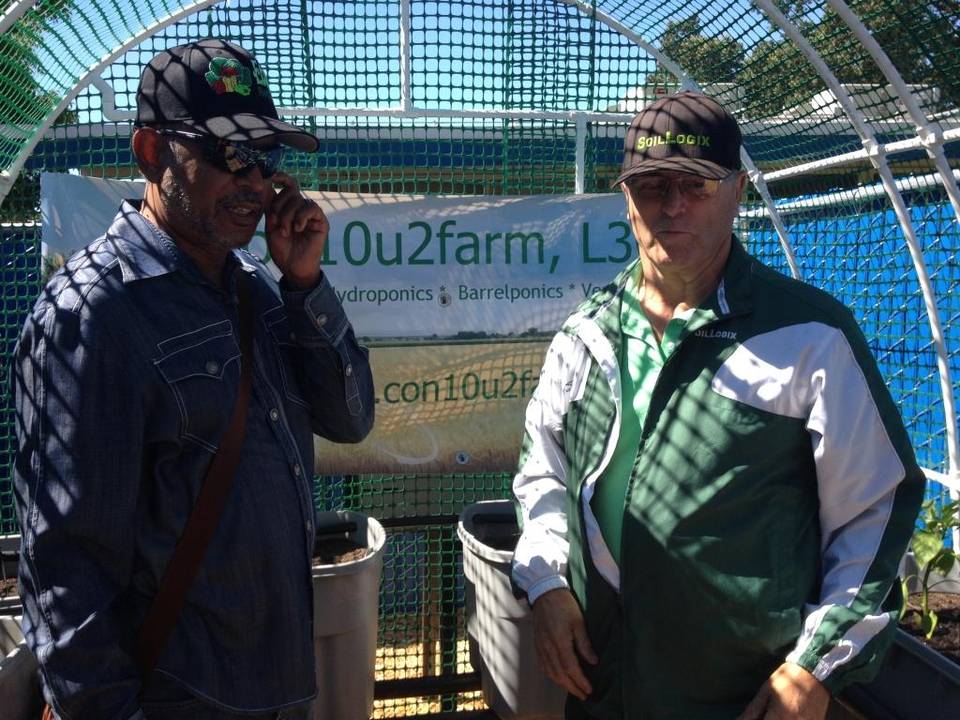
con10u2farm

James Brady has a passion about urban farming. They call him a “veggielante and a veggie preacher, but that doesn’t stop his proselytizing.” Brady is on a mission to teach school-aged children the benefits of growing their own produce, especially in small and non-traditional spaces.

“Part of your next meal should come from no (more) than 10-15 feet from your kitchen table,” Brady said, “so that means if you’re in an apartment building, you can put a bin like this on your patio or we could design these and put them on a rooftop or blacktop. It doesn’t matter. We can grow in small spaces. You can get food to feed your family, lower your carbon footprint and hopefully contribute to making your family healthier.”

Read more here: “SacBee.com

Meet ERWIN aka Garden.Of.Oz, “LET’S MAKE GARDENING MORE FUN!” (Interview)

Urban Organic Gardener Interviewing Erwin from “@garden.of.oz

If you’re looking for a new account to follow on Instagram that is loaded with beautiful imagery, interactive “games”, and some amazing homegrown produce you’ll need to look no further than Garden.Of.Oz

capture-20160617-174031
Have you always been growing your own food? If not, what sparked your passion?

For years, my parents have urged me to “plant something” in my backyard garden. YES, I did have a “garden”, approximately 40 square meters in size… But it had NOTHING in it but mulch, and some low maintenance plants! The type I didn’t have to water or take care of. They didn’t even produce flowers from what I remembered! EASY! No mess, no fuss!

And then it all started about 3 years ago… My parent’s invited us over to their house one summer afternoon… because their corn was ready for picking (FYI: I think you guys at @UrbanOrganicGardener recently featured that very photo which showed my kids playing in my parent’s backyard amongst the thriving mini-field of corn!).

capture-20160617-173933

My kids absolutely LOVE corn! And I love it too! Our 3 kids came up to me and said… “We should plant some corn Dad!” “Yeah Dad!” “Yeah we want some corn Dad!” “I have money Dad, let’s buy some corn seeds, I’ll pay for it!” I DON’T REMEMBER who said what, but they just inundated me with requests to plant corn! I remember hearing my wife in the background saying “Dad won’t do it… he’s too lazy!”. It was supposed to be a joke, but it had so much truth in it! I was lazy! I have always thought “Why plant some, when I can just come HERE (at my parent’s house)!”

But not that day! After hearing my kids beg me to plant them, I was determined to do it! Too bad, my parents told me that I would have to wait until NEXT SPRING before I could plant corn again, as it was already late summer and there just wouldn’t be enough time to plant and see a harvest of corn.

But I was so motivated I HAD TO PLANT SOMETHING! Hahaha My Dad gave me some Green Beans seeds they have saved from previous seasons and said “Here, plant these! They will do well all the way through Autumn!” And so I did! I remember checking EVERYDAY whether the seeds have sprouted yet… hehe (too keen!) And when they finally sprouted, something ‘changed’ inside me. I said to myself, “I wanna do this!”

Needless to say, those batch of green beans went crazy prolific and the rest was history!

capture-20160617-174100

Have you ever made mistakes or failed doing something?  How did you overcome any obstacles?

During my early days of gardening, I failed at so many different things! For example:

·         Planting seeds/seedlings too close together

·         Planting the wrong seeds in the wrong season

·         Not realising that different plants have different needs

And up to now I continue to make mistakes! Some I have found ways to deal with, and some I am yet to figure out how to solve.

I find that the best way to overcome any obstacles in gardening is that you must have patience. I am very patient… I do a lot of research… I talk to a lot of like-minded gardeners on Instagram… Check blogs and watch YouTube videos… ALL OF THESE TOGETHER is a powerful learning tool!

But if I have to choose one that I like the most, it is talking to like-minded people. There is nothing better than getting first-hand information from people who have successfully done it before. And that is why whatever I learn, I always make sure to share it with others! To help them with their own journey!

capture-20160617-174253

What are some of your greatest rewards with a lifestyle such as the one you live?

This is a tough question to answer, not because I don’t know what to say… but because I don’t know which one to tell you first!

On a personal note, the sheer joy of knowing that all these vegetables I harvest is the result of all the hard work I’ve done… it really is a truly wonderful feeling! From a SINGLE SEED, comes baskets and baskets of beans, or eggplants, or tomatoes! Isn’t it AMAZING!??

capture-20160617-174458

My family gets to eat fresh vegetables free from all the chemicals! On top of that, my kids get to learn where food comes from! And since they help me around the garden, I know for a fact that one day, they too will be doing exactly what I’m doing… Feeling exactly the same happiness I am feeling!

The amount of like-minded people I got to meet, both on Instagram and in person… it is unbelievable! Some of the people I have met in person through Instagram will now forever be my friends… 

capture-20160617-174332

And last but not the least… many people would randomly message me on Instagram THANKING ME… about how I have inspired them in their own gardening journey! These are people whom I have never met… from all over the world… quietly watching my posts…  Whenever something like this happens, I feel a sense of accomplishment… a sense of pride… that what I am doing is truly worthwhile and rewarding!

This is part of the reason I run those “Garden of Oz Games”! TO BRING PEOPLE TOGETHER! A lot of people on Instagram just “watch on the sidelines”… I feel that these games bring them out of their shells. I have been overwhelmed by the support… And many have thanked me for introducing them to so any wonderful accounts! So this is definitely another rewarding aspect of gardening! 🙂

capture-20160617-174405

visit @Garden.Of.Oz on Instagram

The Urban Garden: Making Most of Small Spaces

BN-OJ441_tot060_H_20160607143327Owner of Brook Landscape in Brooklyn, N.Y., knows all about urban gardening and how to design the perfect “small space” edible landscape.

“The goal is to fabricate an alternative to the reality,” says Mr. Klausing. When you step into a space, “it should offer a sense of transition and change.”

Read all of Mr. Klausing’s urban gardening tips & tricks at: “WSJ.com

Urban Farming Highlights Agriculture’s Imagination

unspecified

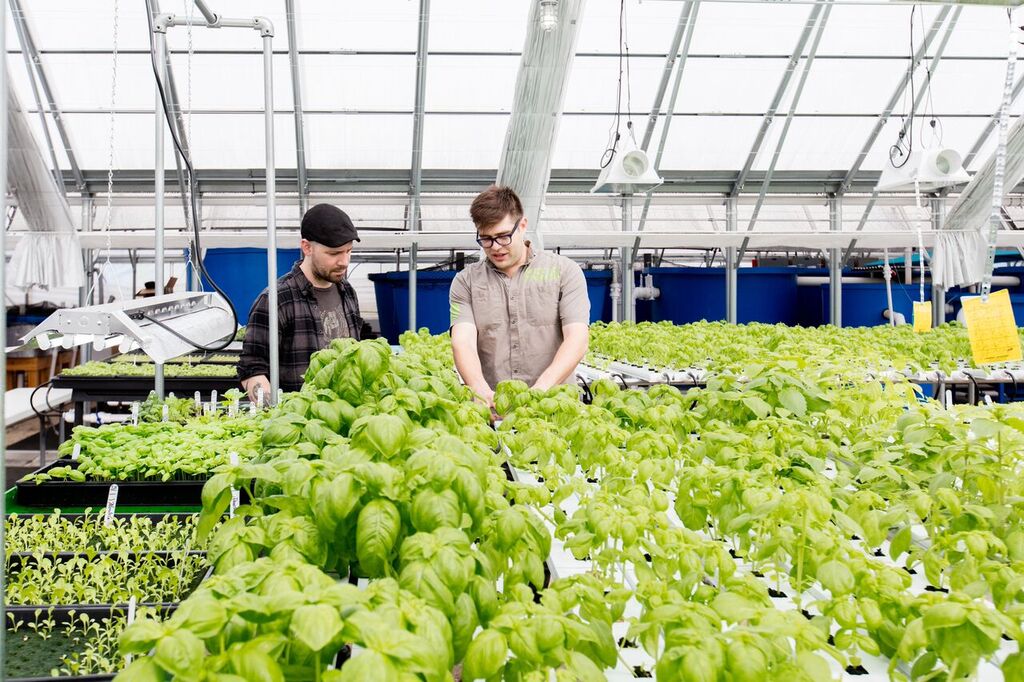
Metropolitan Farms has been around since 2015 and contains roughly 10,000 square feet of greenhouses, and aquaculture facilities.  One of the best parts? It’s all taking place in the middle of Chicago!

“Kant calls aquaponic farming a “healthier, more secure and environmentally sustainable food system.” Tilapia is a good low-risk species for getting started, he says – they are relatively hardy and are sociable enough to co-exist safely in tanks. As a bonus, their waste can undergo nitrification and help feed the lettuce crops.”

This facility is producing around 92,000 heads of lettuce, and almost 6,000 lbs. of fish annually.  “Most of the goods never leave Chicago, delivered to local farmers markets, restaurants and grocers.”

To read more about Metropolitan Farms, visit: “AGWeb.com

Yankees continue Hope Week with a visit to urban farm Harlem Grown

garden

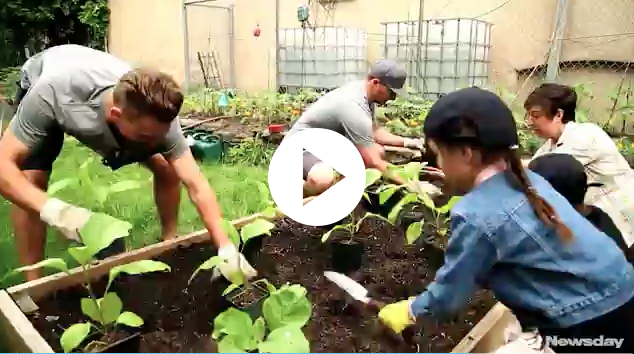
“Bronx resident Tony Hillery founded Harlem Grown, turning an abandoned urban space into an “urban farm” using farming skills he learned on the Internet. Harlem Grown inspires youth to live healthy and ambitious lives through hands-on education in urban farming, sustainability and nutrition. On Wednesday, June 8, 2016, Yankees players Masahiro Tanaka, Andrew Miller, Michael Pineda, Ivan Nova, Austin Romine, Chasen Shreve, Kirby Yates and Richard Bleier surprised Hillery with a visit and a $10,000 donation to Harlem Grown. Hillery was also invited to throw out the ceremonial first pitch at Wednesday night’s game against the Angels. (Credit: Yankees on Demand (@YankeesonDemand))”

To read the entire article, visit: “NewsDay.com

Eatery with ‘urban farm’ theme to open Monday on Bearden Hill

K0013967639--982168

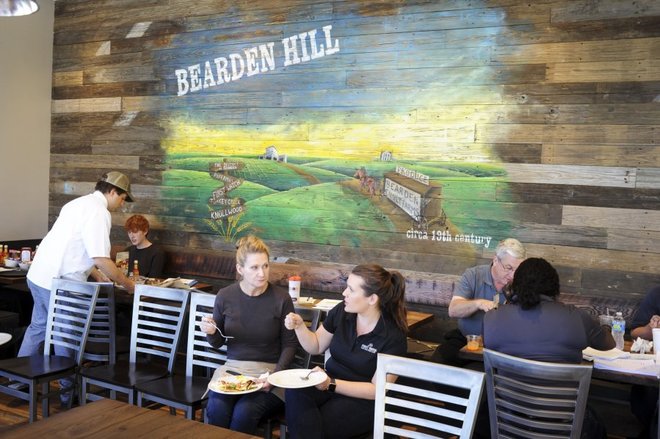
Nadim Jubran has returned to his hometown roots in West Knoxville to open a new cafe’ in the Bearden Hill neighborhood.   He wants his diners to experience agrarian culture set in the 1800’s and hopes that the “rustic farmhouse feel” complimented with modern touches will allow just that.

“The new look is urban farm,” Jubran said Thursday during a sneak preview. “It is a rustic, urban, high-energy vibe, but with a flair of revitalized woods and reused hardwoods.”

“The restaurant, which will offer breakfast, brunch and lunch, will use this same theme with its food by having dishes featuring cage-free eggs, a variety of vegetables and other items grown or produced the older and natural way.”

“We don’t use any heat lamps or fryers,” he said. “It is all fresh and ready to eat right now.”

To read the rest of the article, visit: “KnoxNews.com

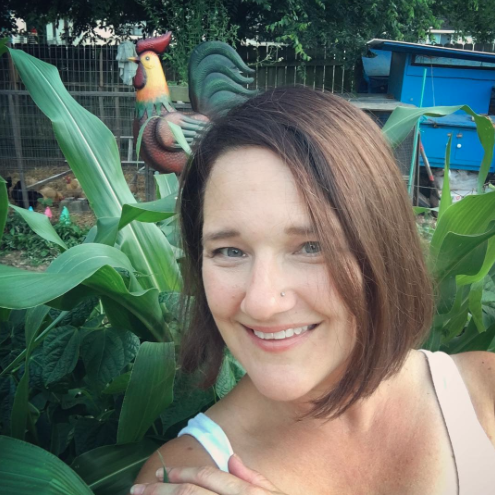
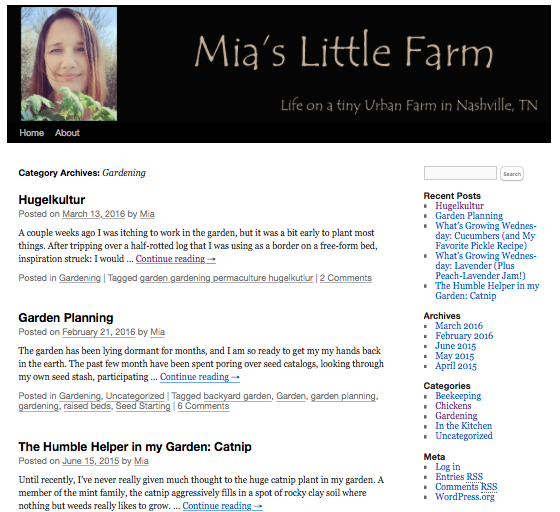
Meet Mia from “Mia’s Little Farm”, Life on a Tiny Urban Farm in Nashville, TN. (Interview)

Urban Organic Gardener Interviewing Mia from “@miaslittlefarm

capture-20160608-100742

What state and grow zone do you live in?

I live (and garden!) in Nashville, TN, which is zone 7a. We are blessed with an incredibly long growing season here. It’s not unusual to be able to grow things from March – December.
capture-20160608-100034

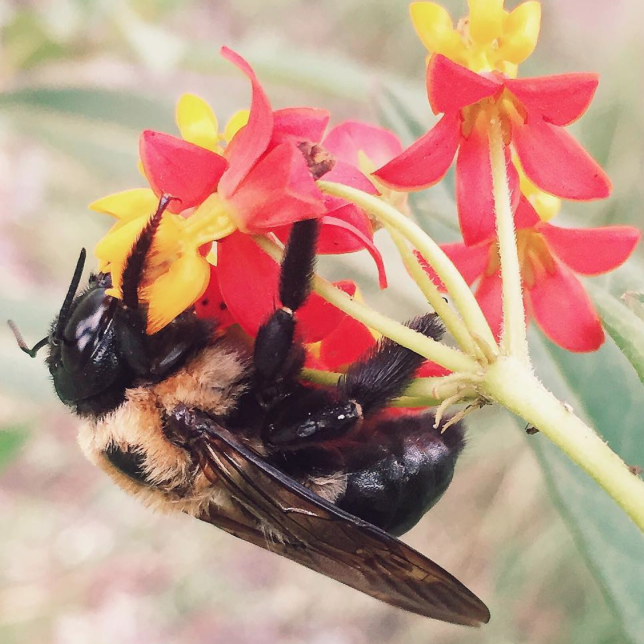
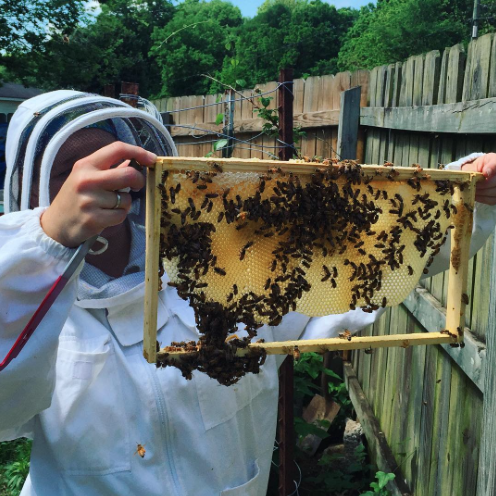
Tell us more about your efforts in Beekeeping!

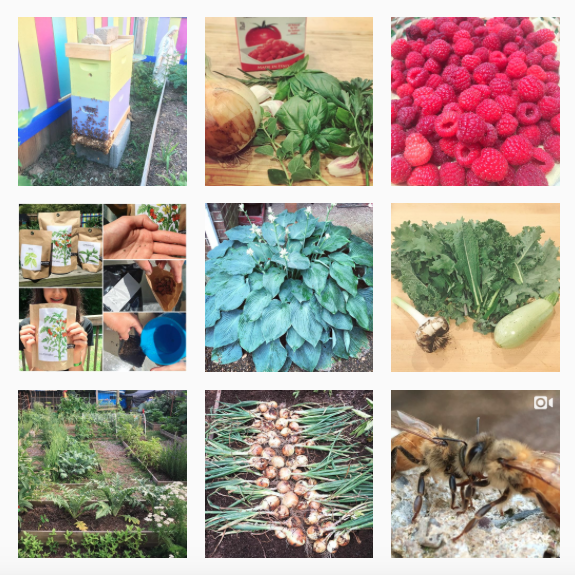
I’ve been concerned for quite awhile over the diminishing honey bee population, and starting looking into beekeeping several years ago. I was thrilled to discover a thriving beekeeping community in Nashville, and to discover that Tennessee is very accommodating of beekeepers, making it legal for almost anyone, anywhere to keep bees. Last year I took a class and plunged into the world of honey bees. We now have 4 hives on our tiny urban farm. Since keeping bees I’ve noticed a huge improvement in pollination in the garden. Unfortunately honey bees are plagued by many pests and diseases. I use only natural beekeeping methods (and constant vigilance!), and so far our bees seem happy and healthy. I love talking with friends and neighbors about the importance of honeybees, urban beekeeping, and how to help save the bees. Being that we are in an urban setting we have to deal with whatever chemicals and poisons neighbors might spray in their yard, that could compromise the bees and other beneficial insects. Not surprisingly, many people don’t realize that something so simple as trying to eradicate mosquitoes in their yard can have dire consequences for bees.
capture-20160608-100615

capture-20160608-100223

capture-20160608-095243

follow Mia’s blog

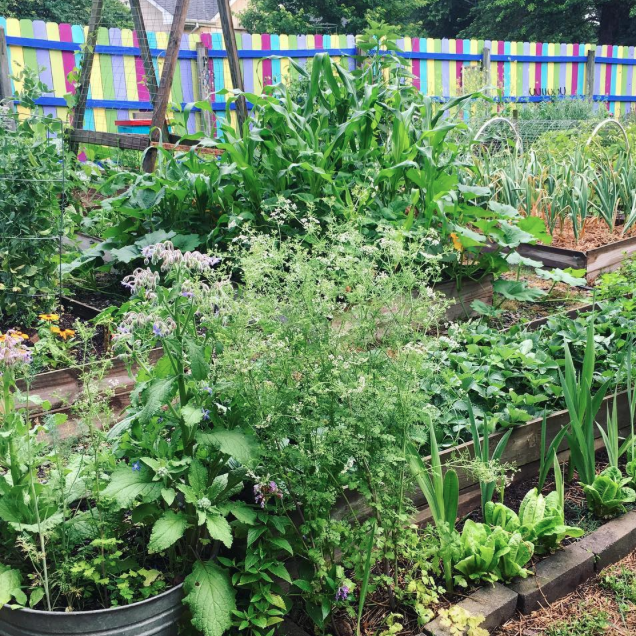
We love your bright and colorful garden. How does your garden space reflect your own personal taste or personality the most?

Having a colorful, eclectic garden is important to me. There is nothing better than looking out the window when I’m stuck inside and seeing the rainbow colored fence, the brightly colored beehives, my Grandaddy’s horseshoes hanging on the fence – it makes me happy to be surrounded by vibrant colors. Having little pops of art and brightness in the garden is wonderful on a dreary winter day when nothing is growing.  Although I plant mainly in raised beds, my garden is a bit wild. I love letting plants go to seed and then having the new sprouts pop up to surprise me. There are always volunteer dill, borage, basil, or zinnia popping up throughout the garden, and to me it makes the space so inviting (the beneficial insects think so too!) Although I really admire geometric gardens that have perfectly straight rows and magazine-cover looks, my garden will never look like that. I rarely try to tame or confine my plants (unless it’s necessary for their health or an issue of space); I let them grown and reach and spread. I like to try unconventional combinations (Right now I have a volunteer sunflower growing right in the middle of a bed of tomatoes and peppers. I’ve heard that sunflowers shouldn’t be grown alongside other plants because they could inhibit growth, but so far everything is doing great). I like to tuck flowers and herbs throughout all my planting spaces – borage and basil with tomatoes, dill and nasturtiums with squashes or cucumbers, zinnia and marigolds everywhere! Like me, my garden is a bit untamed and maybe a little messy, but underneath it all my garden does what it is supposed to do – provides my family and friends with healthy, organically grown food.
capture-20160608-095917

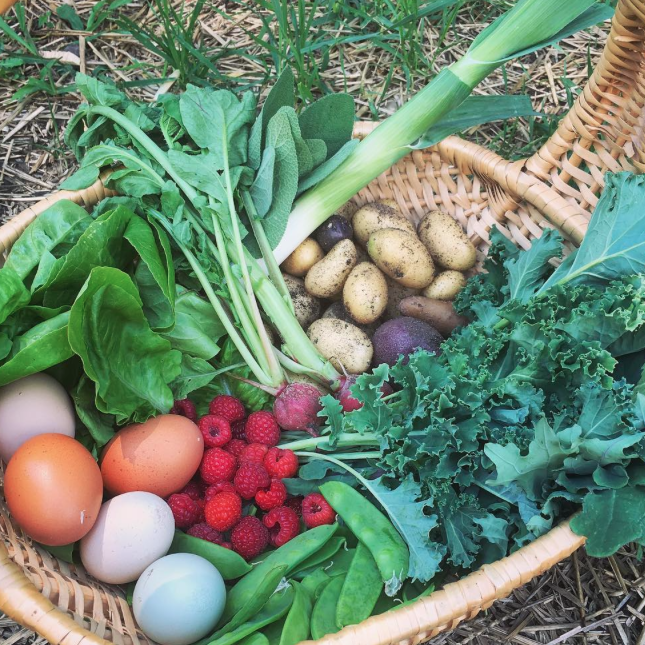
What’s your favorite crop to grow and why?

A favorite crop – I have to pick a favorite crop? That’s so hard! I think I love my perennial culinary herbs the best. I have two perennial herb beds, one in the front yard and one in back. Just about year round there is some sort of fresh herb growing and ready to add a touch of freshness to a meal. Even in the dead of winter I can usually find some thyme or sage to use. Herbs add so much to even the most simple meal, and there is nothing like growing your own. It’s also great that most herbs attract beneficial insects when they flower in the spring. Flowering thyme and oregano especially seen to attract lots of good bugs.
capture-20160608-095017

visit @MiasLittleFarm on Instagram