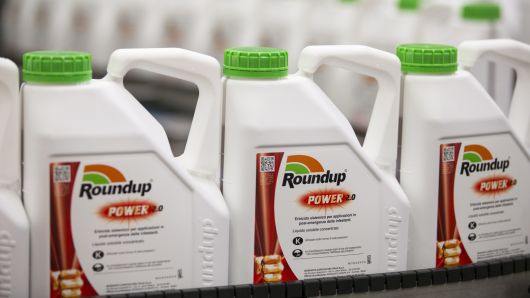
Monsanto ordered to pay $289 million in California Roundup cancer trial

“A California jury on Friday found Monsanto liable in a lawsuit filed by a man who alleged the company’s glyphosate-based weed-killers, including Roundup, caused him cancer and ordered the company to pay $289 million in damages.

The case of school groundskeeper Dewayne Johnson was the first lawsuit alleging glyphosate causes cancer to go to trial. Monsanto, a unit of Bayer AG following a $62.5 billion acquisition by the German conglomerate, faces more than 5,000 similar lawsuits across the United States.

The jury at San Francisco’s Superior Court of California deliberated for three days before finding that Monsanto had failed to warn Johnson and other consumers of the cancer risks posed by its weed killers.

It awarded $39 million in compensatory and $250 million in punitive damages.”

READ THE FULL ARTICLE AT: “CNBC.COM

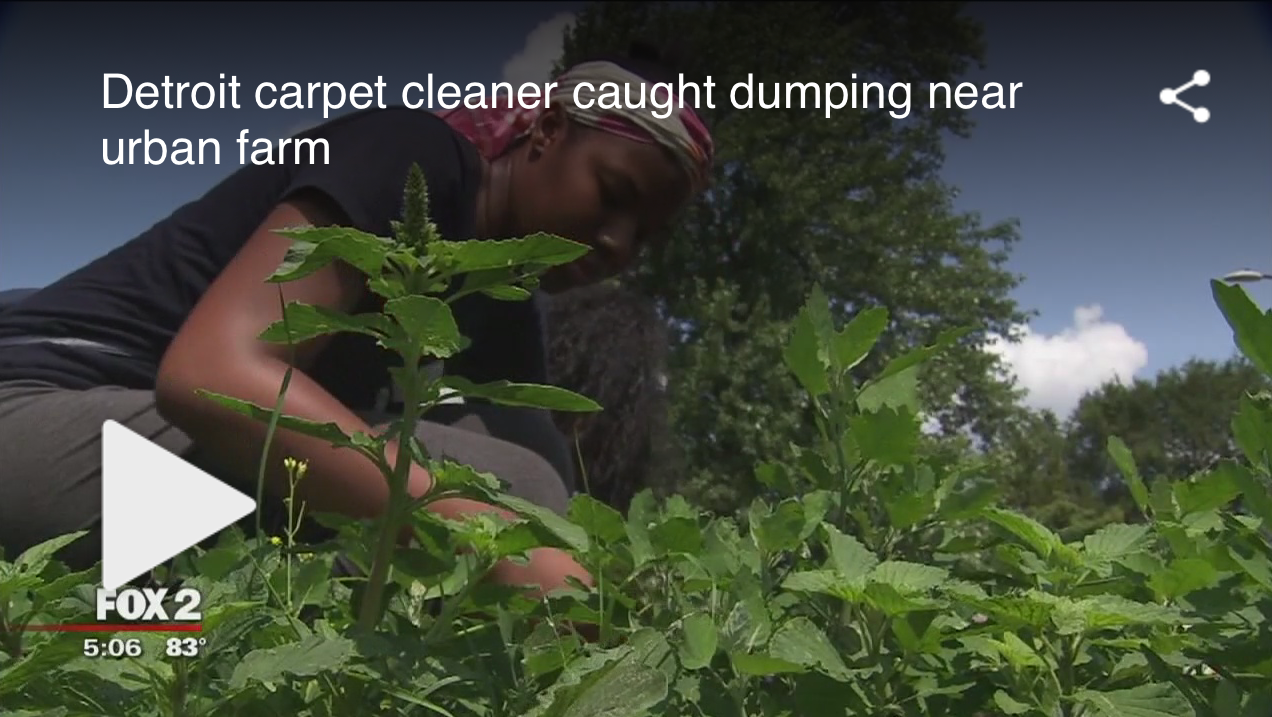
Detroit carpet cleaner caught dumping near urban farm

– A suburban business owner was busted doing his dirty work in Detroit. His job is to clean carpets, but a FOX 2 viewer caught him making a nasty mess, dumping some sort of liquid on the edge of an urban farm.

The urban farm is six acres of crops on Detroit’s north end taken care of by teens proud of their community. More than 5,000 visit the farm each year to see how it’s done — peas, blueberries, pears, strawberries, collards, kale – all the good stuff.

Jerry Hebron started the Oakland Avenue urban farm 10 years ago near Oakland and I-75 and she’s pretty proud of the work they do there. So she was not at all happy two days ago when she says a man from Mystic Touch Carpet and Upholstery Cleaning in Macomb County showed up on Cameron Street at the edge of the farm and used the street to dispose of his wastewater.”

READ THE FULL STORY AT: “Fox2Detroit.com

19 Crops You Should Try Growing This Fall or Winter


Having a thriving vegetable garden doesn’t have to end when summer does. With a little bit of planning, and preparation you can grow vegetables well into the winter months or even year round if you live in a warmer climate down south.  But regardless of where you live, there are a few crops you can count on to withstand cooler temps, frost, and even sometimes snow.  

Did you know that there are vegetables you can plant now that will only become sweeter and more delicious if they go through a frost? 

When a frost comes into contact with a lot of these cool-season vegetables, they naturally react to the cold and produce extra sugars which can make some of the more bitter tasting vegetables taste rather sweet.

Prepare now to have the garden you’ve always wanted during Fall/Winter! With these crops, put the fear of your plants being damaged or destroyed aside. When Winter weather rolls around, these vegetables will do well & actually THRIVE!

Here is a list of 19 Frost Hardy Vegetables you should plant this fall:

1. Beets 

Although beets grow well during warm weather, the seedlings are established more easily under cool, moist conditions.  Order Beet Seeds >

2. Broccoli

Broccoli plants thrive in cool temperatures, they have been known to survive temperatures as low as 28 F. Order Broccoli Seeds >


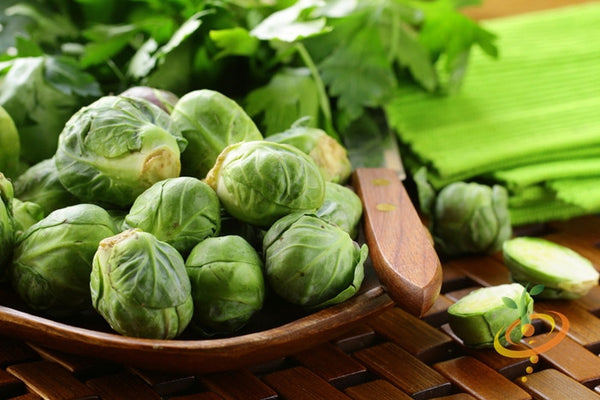
3. Brussels Sprouts


The plant will withstand frost and can be harvested until a hard freeze strikes. The best-quality sprouts are produced during sunny days with light frosts at night.  Order Brussel Sprouts Seeds >
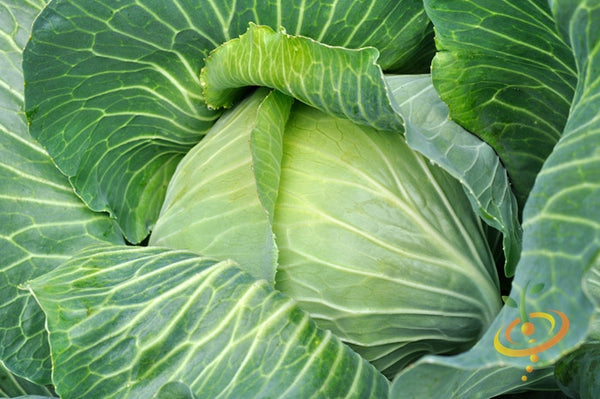
4. Cabbage

Cabbage can withstand frost down to 20 degrees or even 15 degrees F. Order Cabbage Seeds >


5. Carrots

Carrots can survive temperatures as low as 15 degrees Fahrenheit, but prolonged periods of cold results in long, pale roots. Order Carrot Seeds >


6. Cauliflower

Cauliflower can survive temperatures as low as 10 degrees Fahrenheit. Order Cauliflower Seeds >


7. Celery


Celery tolerates light frost only. Order Celery Seeds >


8. Collards


Collard greens are the most cold resistant of any plant in the cold-hardy Brassica family. Collards can withstand winter temps. down to 5 F. and they usually come through the cold even more flavorful.  Order Collard Seeds >

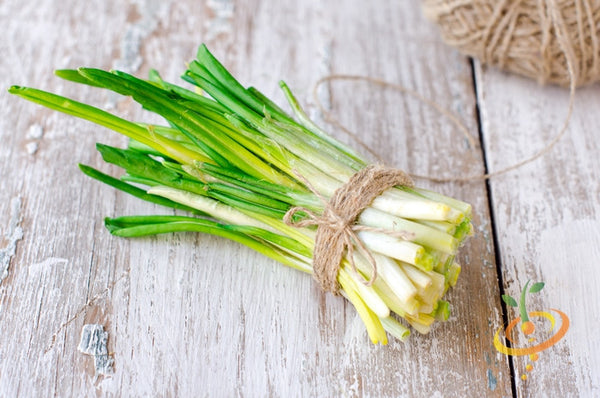
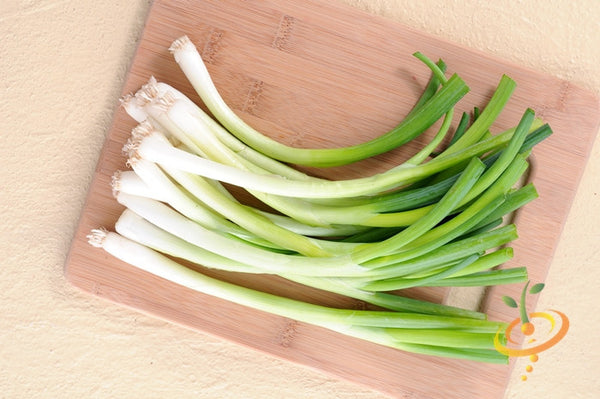
9. Green Onions


Onions are as hardy as they come. Frosts, freezing temperatures and snow will not kill them. Order Green Onion Seeds >
10. Leafy Lettuces

Frost damage on leafy vegetables doesn’t render the plant inedible like a disease. You can harvest non-damage parts by cutting away brown areas and edges that are frost damaged and save just the leaf parts that are uninjured and your plant will continue to grow. Order Lettuce Seeds >


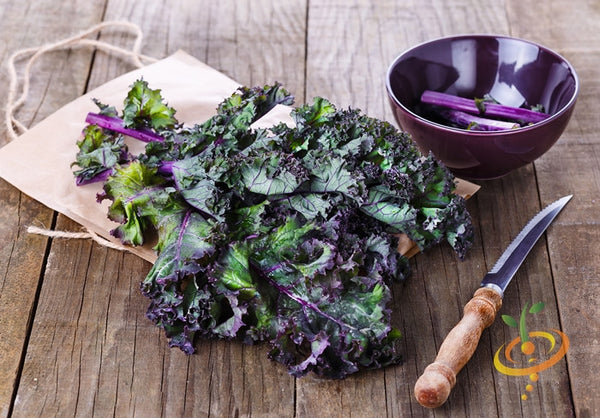
11. Kale

Snow can protect plants from extreme cold so that they stay in the garden longer. Kale is one of these plants! Very cold-hardy.  Order Kale Seeds >


12. Leeks

Leeks are very cold-tolerant, most likely to survive plunges to 0 °F.  Order Leek Seeds >


13. Mustard

When spent days under the cover of snow they have been known to emerge in perfect condition once the snow melts. Order Mustard Seeds >


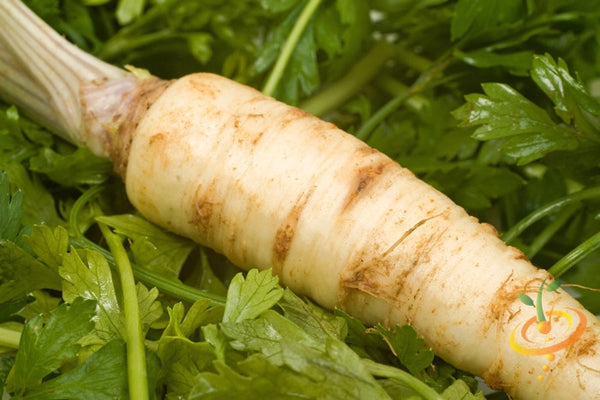
14. Parsnips

Parsnips are generally tolerant to 0 °F and will sweeten in flavor if hit with a light frost or two. Order Parsnip Seeds >


15. Radishes

Radishes thrive in the cooler weather when frost can be a threat to other crops.  They can survive hard freezes as well. Order Radish Seeds>


16. Rutabagas

When exposed to light frost, rutabagas can actually taste sweeter. To extend the harvest season & protect the crops from heavier frosts, just add a thick layer of straw. Order Rutabaga Seeds >


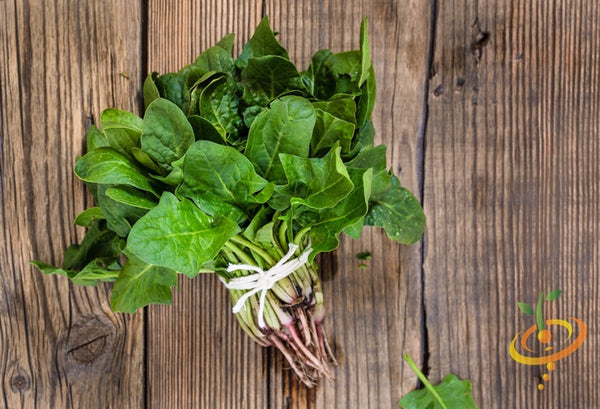
17. Spinach

Grows slowly through the winter but will always bounce back in early spring. Order Spinach Seeds >


18. Swiss Chard

Swiss chard is very cold-tolerant, & can survive dips to 15 °F without any protection. Order Swiss chard Seeds >


19. Turnips

Turnips lose much of their spiciness and accumulate sugar when they mature in cold weather. Order Turnip Seeds >



Richmond couple creates urban farm to help feed their community

NBC12 – WWBT – Richmond, VA News On Your Side (WATCH THE VIDEO!)

“From high above, the Bellemeade-Oak Grove neighborhood looks like any other one in south Richmond. However, if you move in a bit closer, you’ll see one backyard on Wright Avenue that makes the neighborhood unique. That’s because you are looking at a farm right in the heart of the area, and it yields much more than fruits and vegetables. Farm life. It is the lesson of the day for these young ladies of Camp Diva.”

“They are showing them that no matter the size of a farm, if they till the soil and plant the seed, greatness can grow. It’s a lesson that applies in many areas of life. “If they feel like they don’t have access to it, well guess what? You can create it,” said Chambers. You can usually find Alia and Jeremy at the Birdhouse Farm Market every other Tuesday. However, later this month, they will begin opening the farm to everyone on Saturday mornings.

READ THE FULL STORY AT: “NBC12.COM


Replacing Vacant Lots With Green Spaces Can Ease Depression In Urban Communities

“Growing up in Washington, D.C.’s Columbia Heights neighborhood, Rebecca Lemos-Otero says her first experience with nature came in her late teens when her mother started a community garden.

“I was really surprised and quickly fell in love,” she recalls. The garden was peaceful, and a “respite” from the neighborhood, which had high crime rates, abandoned lots and buildings, she says.

Inspired by that experience, years later, Lemos-Otero, 39, started City Blossoms, a local nonprofit that has about 15 children-focused community green spaces across Washington, D.C. She wanted to give kids from minority and low-income communities easy access to some greenery.

Kids love the gardens, she says. It gives them a way to briefly forget their worries.”

READ THE REST OF THE STORY AT: “NPR.ORG

Urban farmers forced off land find new ground to grow

“The wind-whipped rooftop of a converted warehouse in the Kinzie Industrial Corridor might be the last place you’d expect to find fertile farmland, unless you’re Jen Rosenthal, founder and owner of Planted Chicago.

“I got my start in farming on the rooftop at Uncommon Ground, the restaurant up in Edgewater,” said Rosenthal. It was the first certified organic rooftop farm in the nation.

These days, urban farming is increasingly common, but the burgeoning business sector is not without its challenges, namely space and literal room to grow.”

READ THE FULL ARTICLE, HERE: ChicagoTribune.com

4 Trap Plants You Can Grow To Help Control Pests


Controlling insects in the garden may seem like a never ending battle for some, but have you ever considered that fixing the problem may be as simple as just planting a few “sacrificial crops” for the problematic bugs to feast on instead of your prized fruits or vegetables?

Planting a variety of “trap plants” will lure those pests away from your favorite crops. It is an organic, natural, and quite effective way to approach controlling pests and insects in your garden.

Different insects prefer different types of crops, so do your research to find out what those pesky buggers are drawn to, and plant them in your garden away from the crop you’re trying to protect. Usually a border of “trap plants” around your garden area will help minimize the damage to the plants you want to thrive.

Always practice good crop rotation, and companion planting to help maximize the effectiveness of growing “trap plants”.

When your “trap plants” become over-run with insects, feel free to remove the plant all-together and dispose of it to keep the pests from breeding and creating a larger habitat in your garden.

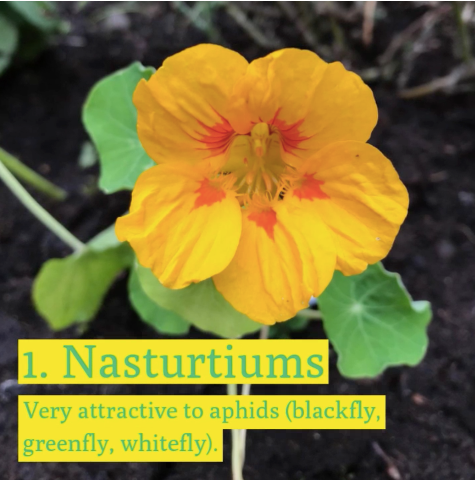
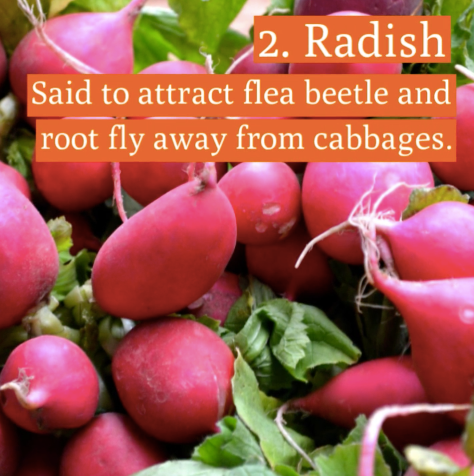
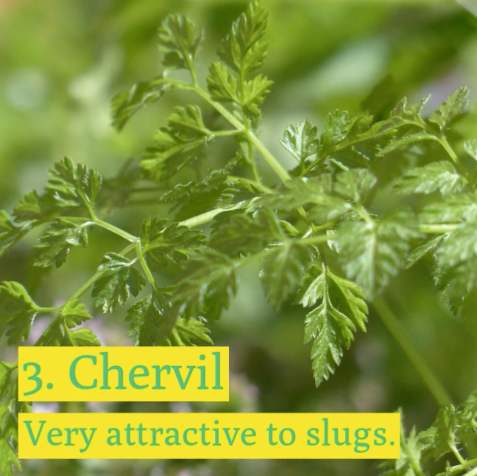
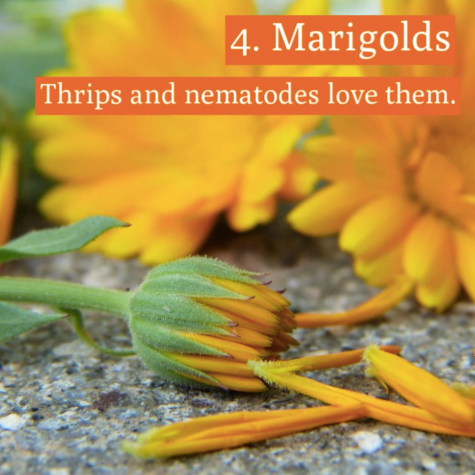
Nasturtium, Marigold, Chervil, & Radish are some of our favorite “Trap Plants”! Planting each of these will cover a wide variety of pests you may have lurking in your garden waiting to destroy your precious crops.

Controlling insects in the garden may seem like a never ending battle for some, but have you ever considered that fixing the problem may be as simple as just planting a few “sacrificial crops” for the problematic bugs to feast on instead of your prized fruits or vegetables?

Planting a variety of “trap plants” will lure those pests away from your favorite crops. It is an organic, natural, and quite effective way to approach controlling pests and insects in your garden.

Different insects prefer different types of crops, so do your research to find out what those pesky buggers are drawn to, and plant them in your garden away from the crop you’re trying to protect. Usually a border of “trap plants” around your garden area will help minimize the damage to the plants you want to thrive.

Always practice good crop rotation, and companion planting to help maximize the effectiveness of growing “trap plants”.

When your “trap plants” become over-run with insects, feel free to remove the plant all-together and dispose of it to keep the pests from breeding and creating a larger habitat in your garden.

Nasturtium, Marigold, Chervil, & Radish are some of our favorite “Trap Plants”! Planting each of these will cover a wide variety of pests you may have lurking in your garden waiting to destroy your precious crops.

Ohio State Producing New Crop Of Urban Farmers [Radio Podcast]

“Farmer Mark Van Fleet started growing vegetables at Harriet Gardens on Columbus’ South Side two years ago. He came to this once-vacant lot with about a decade of experience in gardening.”

Van Fleet gave up his job as an arts administrator because he did not like working inside all day. Now he spends his days tending to his vegetables.

“I felt this scale of operation was something I could handle with my limited amount of experience,” says Van Fleet. “I never worked on a farm before starting this one. I don’t know how to drive or fix a tractor.”

LISTEN TO THE RADIO BROADCAST HERE

Reviving monastery’s city farm, started a century before urban agriculture was cool

“Members of religious orders have always had a need to garden, inspired no doubt by one of the Christian faith’s noted cultivators, Saint Fiacre, a green-fingered holy man who became the patron saint of gardeners.

When monks, friars and nuns established their enclaves, they turned to gardens of herbs, wildflowers and vegetables to feed and heal themselves. Other essential elements: a dairy and a fruit orchard. Apiaries also played a key role, providing honey, mead and beeswax for candles.

The garden, as Westerners know it, survived the Dark Ages because of monasteries. Given these traditions, it was natural for the founders of the Franciscan Monastery of the Holy Land in America to count on a small farm when in 1897 they purchased 100 acres of open land in Northeast Washington.

Its visitors and pilgrims would have been more familiar with its attractive Byzantine-style church and surrounding arcade, or the reproductions of shrines from the Holy Land, but the farm in the city became a vital, if largely hidden, element of the institution. In their brown robes and open-toed sandals, the brothers were into urban agriculture a century before it became trendy.”

Read the FULL STORY at: The Washington Post

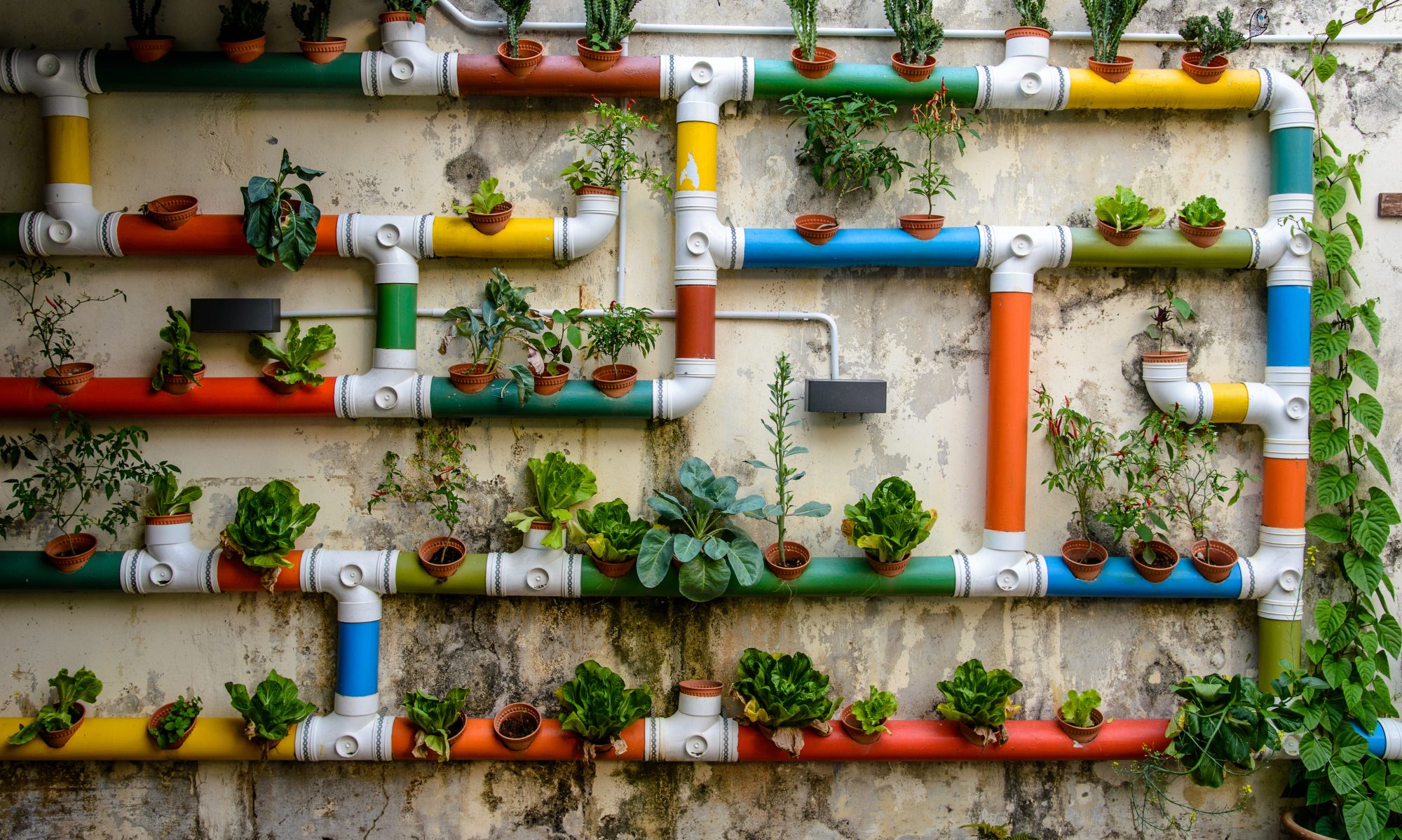
How to Create The Perfect Vertical Garden

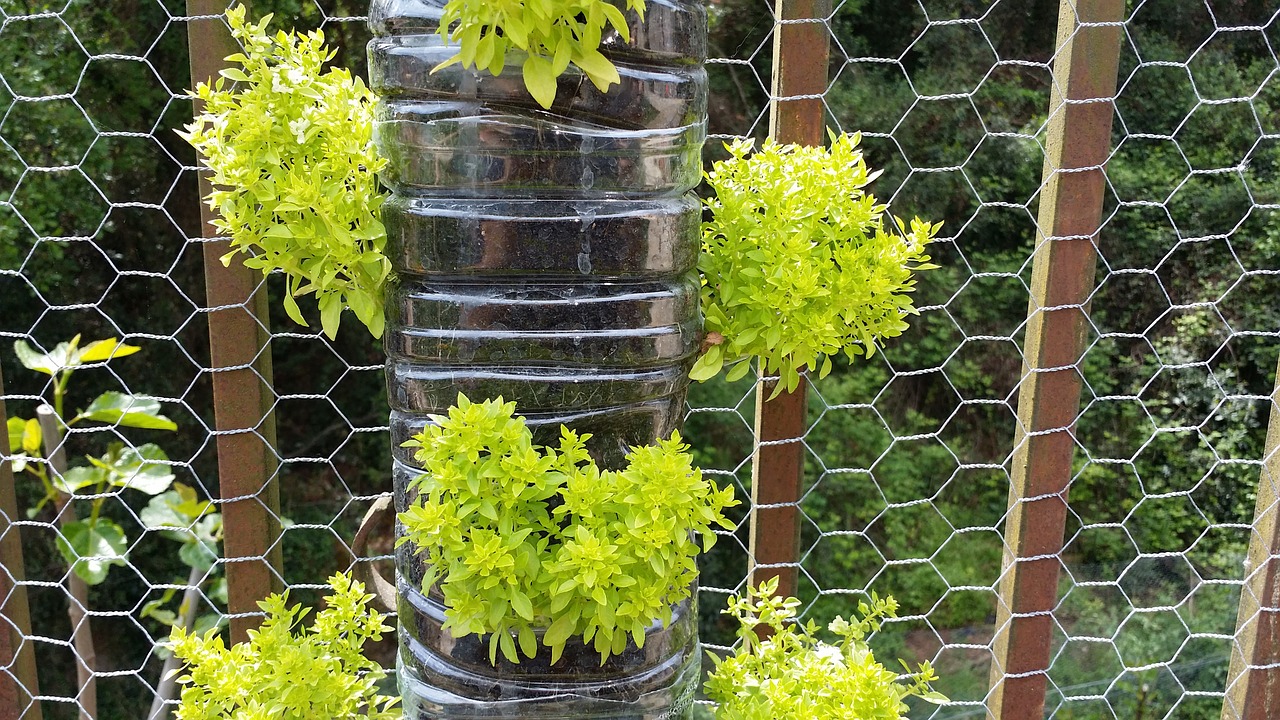
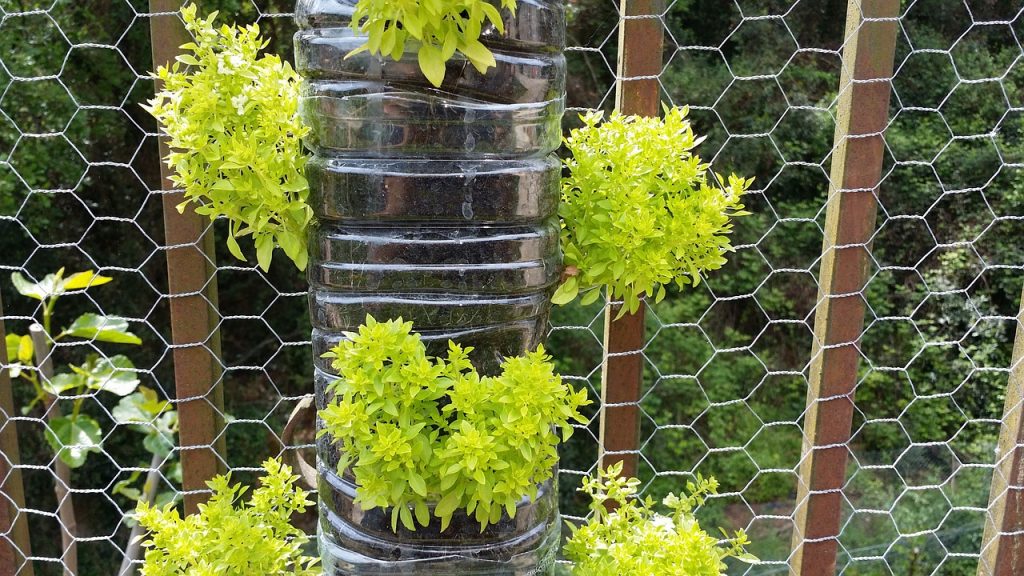
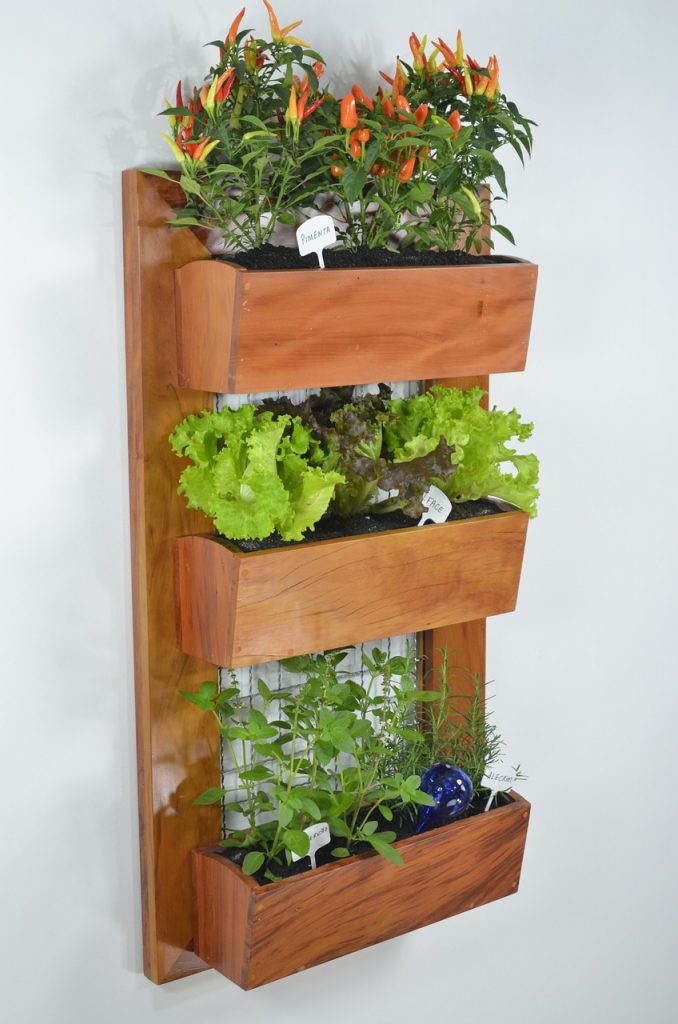
“Vertical gardening is a great way to maximize your living space and enhance the beauty and enjoyment of your home. Easy to create, customize and care for, a vertical garden can be made of anything from hanging flower pots and plastic soda bottles to old mailboxes, wheelbarrow, and crates. And the many options allow you the flexibility to get creative and capture your unique sense of style. Here’s what you need to know to create a stunning, low-maintenance vertical garden of your own.

KNOW WHERE TO START

Knowing how much space and sunlight you have to work with is essential to getting your vertical garden off on the right foot. Whether you’ve chosen a window in the kitchen, a wall in your sunroom or the railing along your patio, it’s important to evaluate its size and surroundings, as well as the amount of natural light it gets, before moving forward with your project.

Once you have a better picture of the space you’ll be using, you can determine what you want to grow in your vertical garden and how.”

READ THE REST OF THE ARTICLE AT: “HeraldCourier.com

Dubai gets the world’s largest vertical farm — for an international airport

“When passengers board their flights at Dubai International Airport, most are served in-flight meals that include salads or greens atop sandwiches. These crops usually come from traditional, outdoor farms in the United Arab Emirates.

By 2020, flights taking off from the airport will serve greens and herbs grown from a more high-tech source.

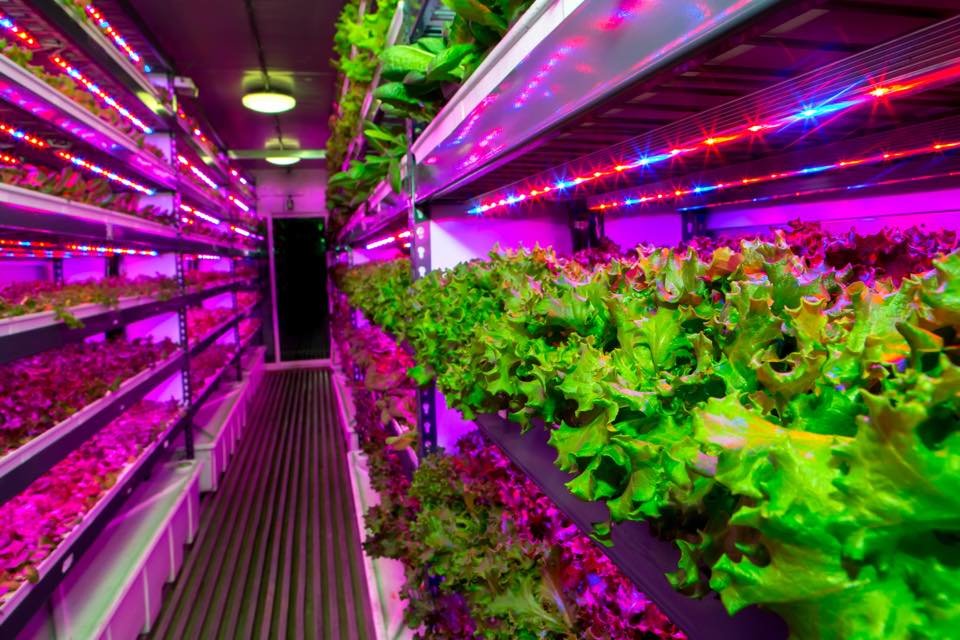
Emirates Flight Catering (EKFC), one of the world’s largest airline catering operators, and Crop One Holdings, a San Francisco Bay Area food startup, are building a massive vertical farm to supply crops for in-flight meals.

EKFC provides catering for Emirates Airlines and all other airlines at Dubai International Airport, which is the world’s largest airport by passenger traffic.

Read the FULL ARTICLE at BusinessInsider.com

Best ‘Secret’ Urban Gardens Around the World

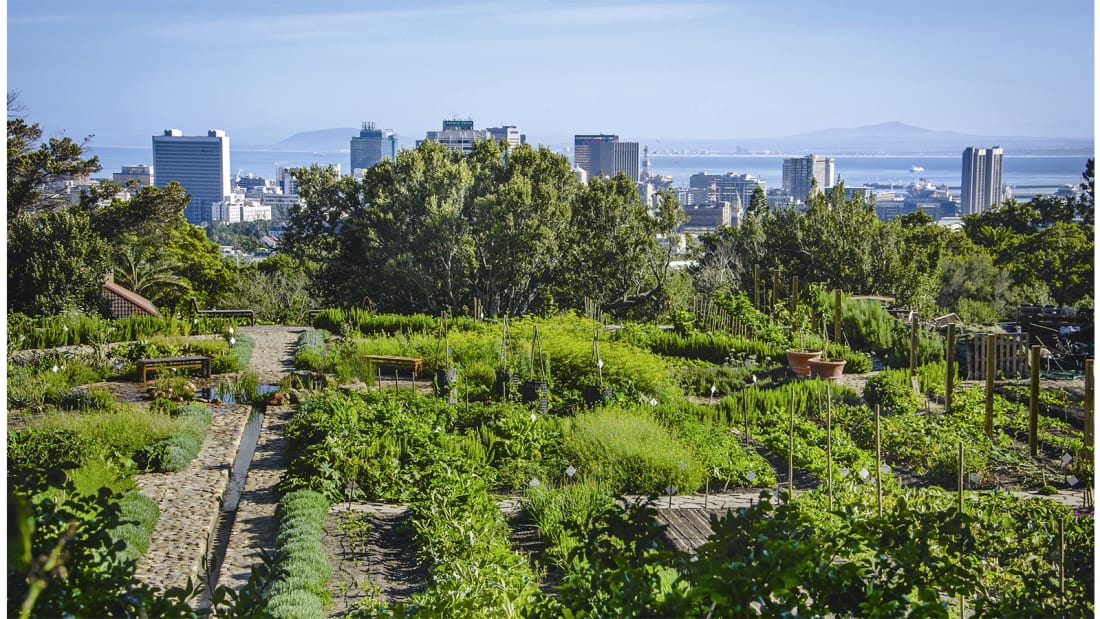
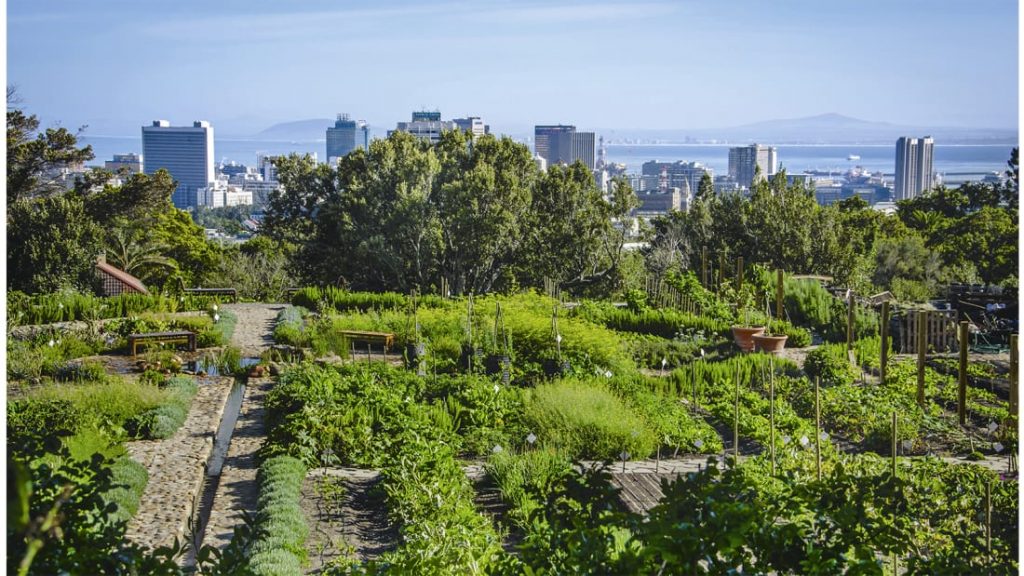
The contrast between the cityscape and the greenery is often striking. Pictured here: Oranjezicht City Farm, Cape Town, South Africa. – Courtesy Coco VanOppens Photo/Phaidon.com
“(CNN) — From derelict train tracks turned scenic walkways, to rooftop treasures atop train stations, sometimes the best bits of cities are the bits that don’t feel like cities at all.

Urban centers might be 24-hour hubs of activity, but often you just need some green space in the concrete jungle.
“One of the things I always like when I go traveling or go to new cities is trying to find a little place to get away from it all, a little bit of a retreat, a bit of a haven,” says Dr. Toby Musgrave, an eminent garden expert based in Denmark.

Musgrave has compiled some of his favorite gardens into a new book, “Green Escapes,” published by Phaidon: It’s an encyclopedia of green oases found in cities across the globe.”

Urban Farm Offers Opportunities to Ex-Offenders

INDIANAPOLISA soon-to-open nonprofit urban farm on the south side of Indianapolis aims to give formerly-incarcerated women a chance to “craft a future story” while combating the city’s food desert issue. Bellfound Farm spans 17 acres and allows young women to run an urban farm while receiving counseling, coaching and business training. Founders Nekoma Burcham and Alena Jones, who are Women’s Fund of Central Indiana NEXT Fellows, say Bellfound coaches will continue to support the women after they leave the farm to help them earn a degree or certificate and find long-term employment and housing.”

READ THE FULL STORY

How To Identify and Prevent Mosaic Virus in Your Garden

WHAT ARE MOSAIC VIRUSES?

  • “Mosaic viruses are plant viruses that cause the leaves to have a speckled appearance.” –wiki

HOW TO IDENTIFY MOSAIC VIRUSES AND DAMAGE:

  • Yellow, white or green spots on foliage
  • Wrinkled or curled leaves
  • Yellowing of veins in leaves
  • Reduced yields or stunted growth
  • “Warty”, or mottled fruit

HOW TO CONTROL & PREVENT MOSAIC VIRUSES:

  • There is NO CURE for the Mosaic Virus. Once it infects a plant, there is no saving it.
  • Your best course of action is to remove the entire plant completely, and destroy it.
  • Be sure to clean and disinfect any garden tools used during the clean-out.
  • Plant strong, disease resistant varieties.
  • Cover your plants with floating-row covers to keep insects away.
  • Control your weeds. Some can serve as hosts for the virus.

VARIETIES MOST COMMONLY AFFECTED ARE:
Tomatoes, Cucumbers, Squash and Cauliflower

7 Tips for A Better Summer Garden

Summer has arrived and for a lot of us, that means long, hot days in the garden. Before you get too exhausted or overwhelmed, consider these 7 easy tips for having a beautiful and happy summer garden!


TIP # 1 – BE WISE WITH YOUR WATER

Make sure to keep your garden beds cool and moist by adding plenty of organic mulch around the base of your vegetables, herbs, and flowers. This will also greatly help reduce unwanted weeds from coming up.

Whenever possible, use drip irrigation, and water close to the base of the plant. If using sprinklers or wands, water as early or as late in the day as possible to avoid evaporation.

During the day, avoid splashing water on the leaves as it can sometimes cause them to burn in the hot temperatures.


TIP # 2 – KEEP YOUR COOL SEASON CROPS SHADED

Cool-season crops can generally only take between 3-6 hours of sun per day. If you still have some spring veggies in the ground you can keep them from bolting by adding shade cloth over them, or if they are in containers you can move them to a location with more shade.


TIP # 3 – FRESHEN UP YOUR DECK OR PATIO

Summer should be enjoyed! Take pride in your outdoor space by making it a comfortable gathering place for friends and family. Consider adding a new patio set, or painting an old one!
Add a festive shade umbrella, new pillows or an outdoor rug. Compliment your outdoor gathering space with a container garden full of fresh culinary herbs! These will not only come into use while cooking up your favorite dishes, but some of them can actually help deter mosquitos!


TIP # 4 – KEEP THE POLLINATORS HAPPY

Insects, hummingbirds and bees all play a crucial part in healthy vegetable gardens. Make sure you incorporate plenty of native plants and flowers to help attract these pollinators into your garden.


STEP # 5 – START A GARDEN JOURNAL

If you didn’t start a journal during your spring plantings, make sure you start one now! Begin recording things like what you’re growing, and dates you harvest.

You can purchase a small food scale, and document the size of all of your harvests!  You can also include beautiful photographs, or other important information such as problems with the weather or pests that you may encounter through the summer months.

Use your garden journal in the future as a reference for what worked in years past or what didn’t to avoid making the same garden mistakes twice.


TIP # 6 – PLAN YOUR FALL AND WINTER GARDEN

Now is the perfect time to start planning your fall/winter garden and sourcing seeds for the next round of plantings. You can also start drafting up new designs for plot layouts or raised beds.

Use the internet to do plenty of research for what designs might best suit your needs. When you’re ready to start planting, check out this planting calendar to find out when it’s safe to start planting your fall/winter crops for your exact grow zone.


TIP # 7 – ENJOY THE FRUITS OF YOUR LABOR

It’s summer, so don’t forget to kick back and relax! Enjoy your beautiful gardens and be proud of all of the hard work you have put in.

Maybe try one of these refreshing and delicious drink recipes made with your homegrown mint!

‘Fresh, free and beautiful’: the rise of urban gardening

“From providing fresh food for the community to regenerating unused spaces, urban food-growing projects have flourished in the US. In Minnesota, fish and green vegetables are farmed in a former brewery by Urban Organics; in New York, Brooklyn Grange grows produce on the roof of its office.

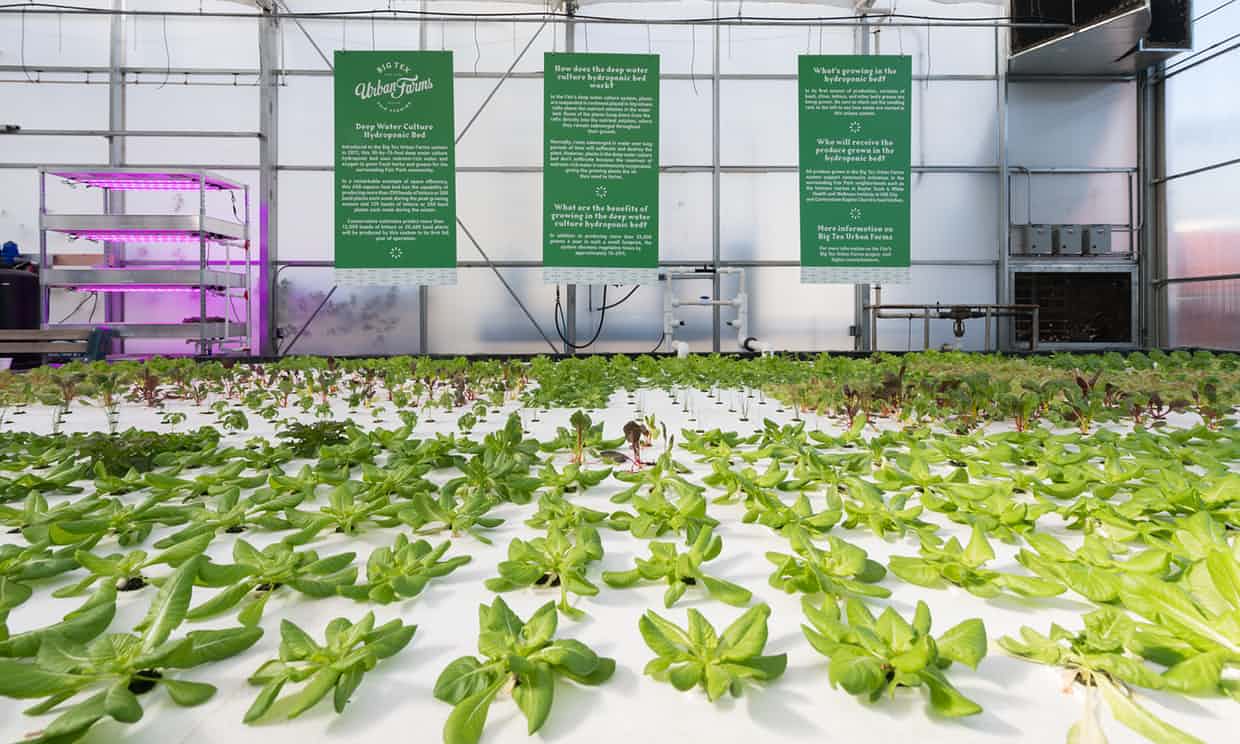
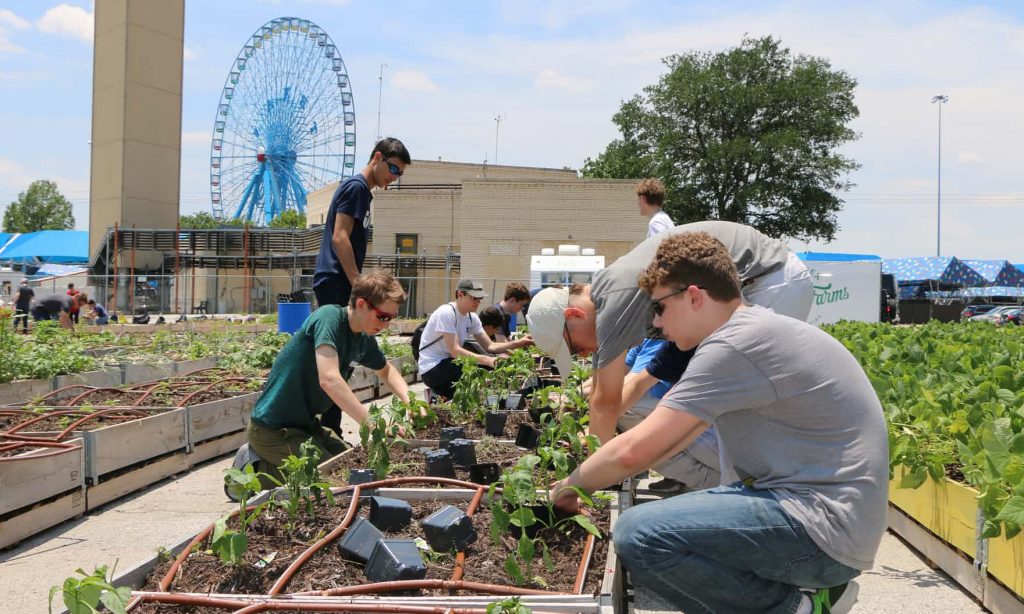
In Dallas, Texas, in an area designated as a food desert, meaning access to fresh fruit and vegetables is difficult, Big Tex urban farms have donated 85,000 servings of fruit and vegetables to the community since 2016.

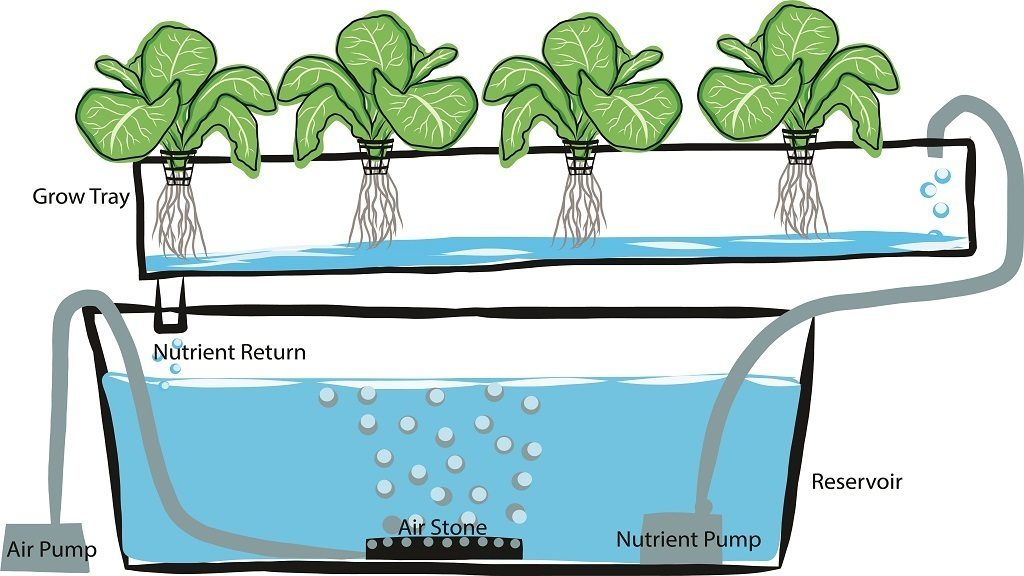
Developed for and funded by the annual State Fair of Texas, the project consists of mobile beds in car parks and a hydroponic greenhouse which allows plants to grow without soil.”

READ THE FULL STORY AT: “TheGuardian.com”

Hydroponics Guide: Learn To Grow Plants Without Soil 2018

“Hydroponics is the art/science of growing plants in a soil-free environment. Historically, hydroponics isn’t that new. In fact, there are many ancient records of people using the concept of hydroponics to grow plants.

One such important record is the Hanging Gardens of Babylon, which is considered one of the Wonders of the Ancient World. In Babylon, they used gravel and stones to grow plants.

While the system is certainly more primitive than what we can create now using our own two hands, it’s important to note that the underlying principles remain the same.

This hydroponics guide will give you a bird’s eye view of how hydroponics works, how it actually grows plants and how you can start your own hydroponic system.”

LEARN MORE about GROWING HYDROPONICALLY, Here!

Urban farm located in the South BX seeks to provide quality, affordable food

SOUTH BRONX

A group of women from the South Bronx are trying to improve poor eating habits in the borough.

La Finca Del Sur, which translates to “Farm of the South,” is located between the Major Deegan and 138th Street. The founders of this urban farm say that being there is nothing like being in any of the five boroughs.

“We are really proud of the fact that people come and spend half an hour here and say they forget they’re in the city,” said Nancy Ortiz-Surun, a farmer and founder of La Finca Del Sur.

The farmers feel they have a right to decide where their community’s food comes from so they took it upon themselves to foster fresh, unprocessed produce that is free of pesticides.”

Read the FULL STORY at: “Bronx.News.12

Camp Washington Urban Farm feeds the needs of its community

CINCINNATI — It’s not hard to notice the salt dome along Interstate 75. But many drivers may miss the urban farm across the street.

The Camp Washington Urban Farm is in its fifth year, created as part of an effort to deal with a food desert in the neighborhood. Community organizer James Heller-Jackson said they’re on target to raise 300,000 pounds of produce this year.

READ THE FULL STORY at: WCPO.com