Homemade WEED KILLER: This is how well vinegar, epsom salt & dishwashing soap works!

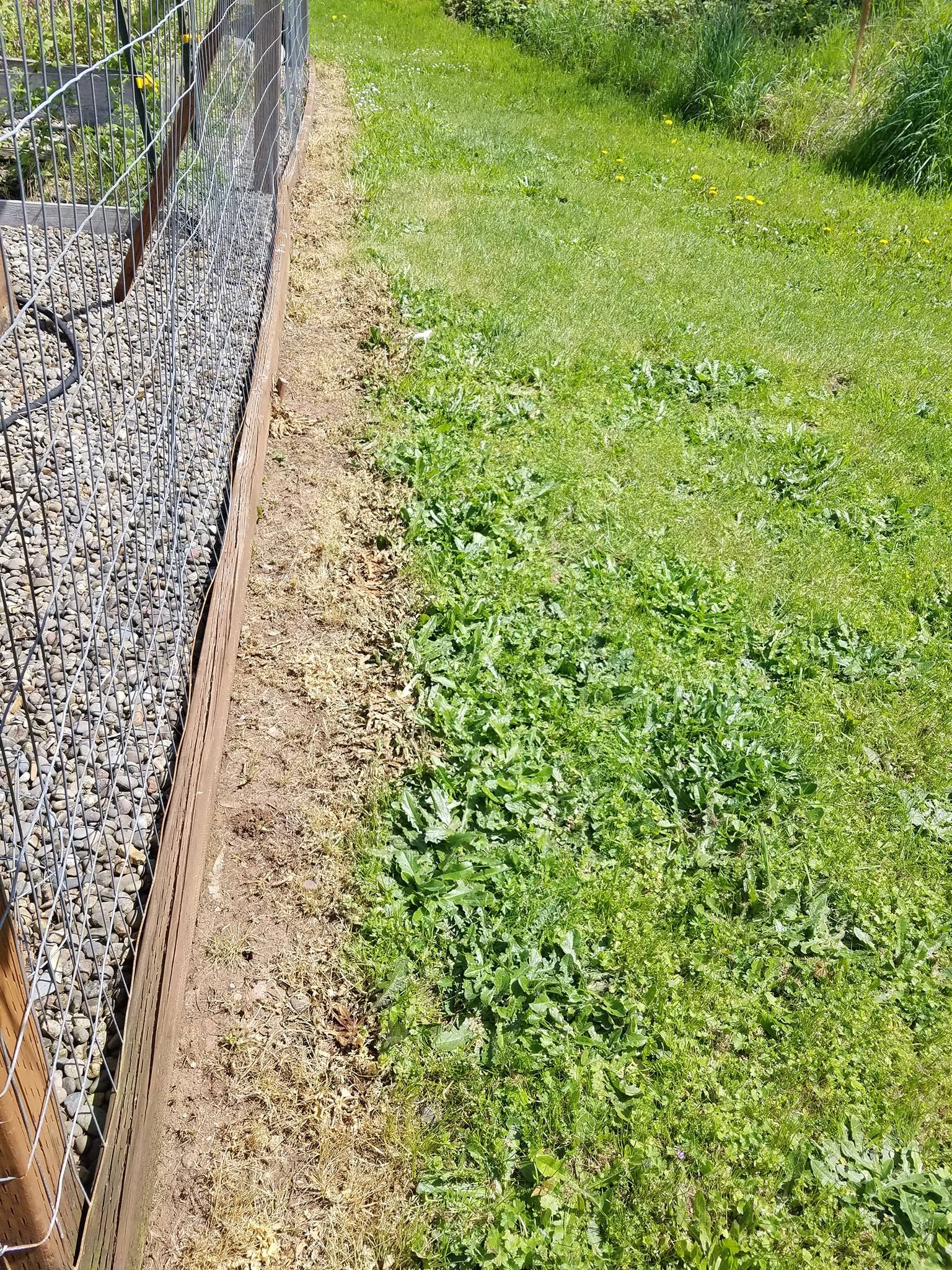
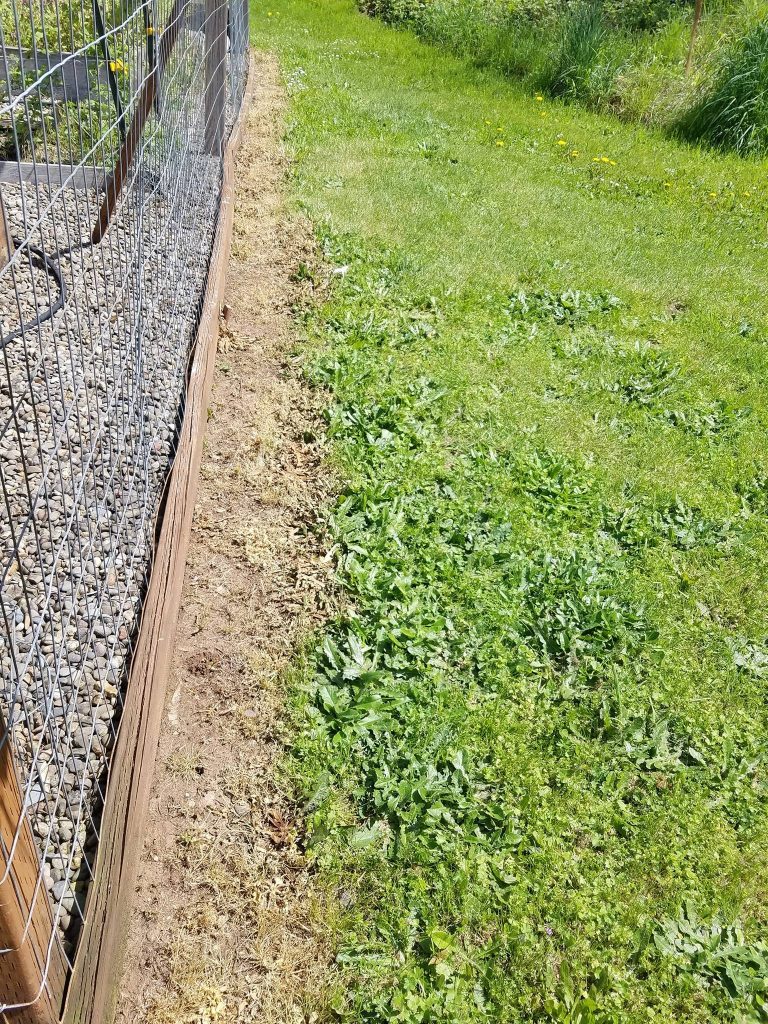
If you hate weeds in your garden but despise chemicals even more than this homemade weed killer might just be your new best friend! Spray this mixture to immediately begin killing weeds in and around your garden area.

  • 1 gallon of vinegar
  • 1 1/2 cups Epsom salts
  • 2 tablespoons dishwashing liquid

READ THE ORIGINAL POST ON FACEBOOK: https://www.facebook.com/photo.php?fbid=10215884001387445&set=a.1084844875854&type=3&theater&ifg=1


Could Dandelion “Weeds” Kill Cancer Cells & Leave Healthy Cells Intact?

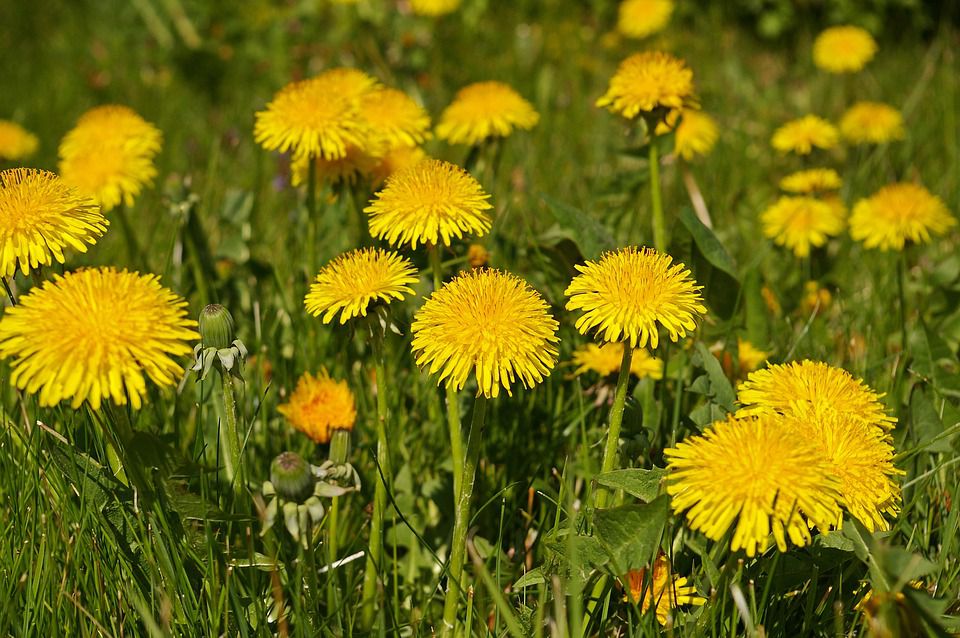
Those yellow dots that “litter” your otherwise “perfectly green” lawn are more than just pesky weeds. Dandelion has been considered a valuable food and medicine in both Eastern and Western culture for thousands of years and is now being researched for it’s cancer-fighting abilities.

The use of the dandelion plant in both Greek and Chinese medicine predates written records.  Traditional healers use it to cleanse the liver, flush toxins from the kidneys and purify the blood.

It’s blood purifying compounds led researchers at the University of Windsor in Canada to hypothesize that dandelion could help patients with end-stage blood cancer.

READ THE FULL ARTICLE Return To Now

DANDELION & HONEY ICE CREAM [Get The Recipe!]

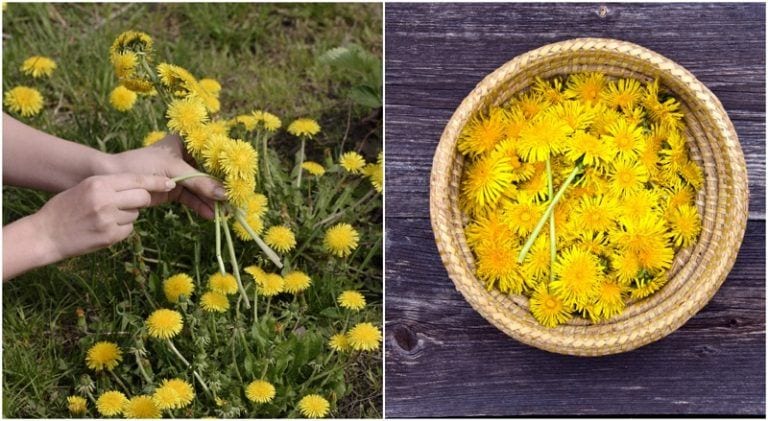
If dandelion wine captures the essence of summer for adults, then dandelion ice cream sums it up for kids.  This flower infused treat is sweetened with honey.  All you need is one cup of dandelion petals, which should be available on any respectable pesticide-free lawn.

Making dandelions into ice cream isn’t a new idea, but rather than blossoms, most recipes use roasted dandelion roots.  The book Pacific Feast: A Foragers Guide to West Coast Cooking and Cuisine has a recipe for roasted dandelion root ice cream.  I’d imagine that it tastes a bit like coffee, given that roasted dandelion roots are used as a wild coffee substitute.

The blossoms have an entirely different character, and they taste like honey when made into a summertime dandelion jelly.  I’m playing up their honey notes by sweetening this ice cream with a light clover honey.

GET THE RECIPE AT https://practicalselfreliance.com

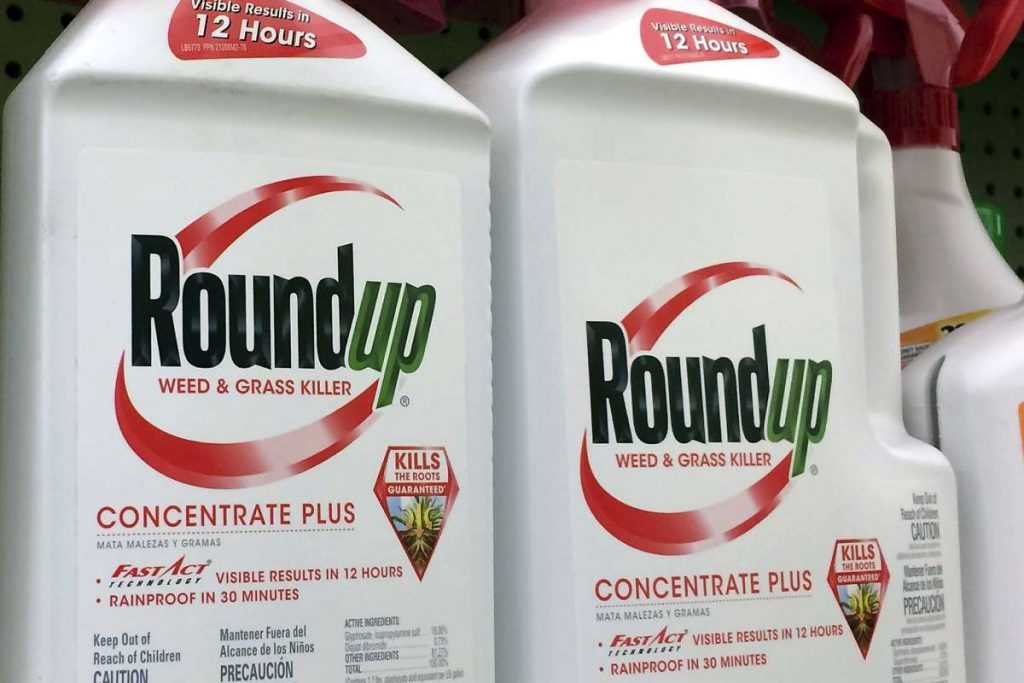
Monsanto hit with staggering $2 billion verdict in Roundup cancer suit

An Oakland jury awarded a staggering $2 billion-plus in damages Monday to a Bay Area couple who both came down with cancer after spraying Monsanto Co.’s widely used Roundup weed killer on their properties for more than 30 years.

It’s the third such verdict against Monsanto, all in Bay Area lawsuits, and by far the largest judgment against the company.

Alva Pilliod, 76, of Livermore was diagnosed with non-Hodgkin’s lymphoma in 2011, and his wife, Alberta Pilliod, 74, was diagnosed in 2015. They had used Roundup to kill weeds on the grounds of three properties they owned in the area, applying it once a week for nine months out of the year. Their lawyer estimated they sprayed 1,500 gallons of the herbicide over three decades.

READ THE FULL STORY https://www.sfchronicle.com

Monsanto asks court to overturn $78.5 million damage award for Bay Area groundskeeper

Photo: Josh Edelson / Associated Press 2018

Monsanto Co. asked a state appeals court Wednesday to overturn a groundbreaking $78.5 million damage award to a Bay Area groundskeeper who was diagnosed with cancer after years of spraying the company’s best-selling herbicide, arguing that there is no credible evidence the product is dangerous.

In the years that plaintiff Dewayne “Lee” Johnson applied the glyphosate-based weed killer to the school grounds on Benicia, and when he was diagnosed with non-Hodgkin’s lymphoma in 2014, “the best scholarship available … was unanimous in concluding that exposure to glyphosate does not pose a carcinogenic risk to humans,” Monsanto’s lawyers said in their opening brief to the First District Court of Appeal in San Francisco.

READ THE FULL STORY https://www.sfchronicle.com

25 Reasons To Go & Pick Dandelions Right Now

Who hasn’t seen those pesky yellow weeds pop up in the garden from time to time? Yet try as you might – from picking them to poisoning them – nothing keeps them at bay for too long.

Perhaps it’s time you embraced the tenacious dandelion and all the benefits it can bring?

The Health Benefits of Dandelions

Dandelion has been used throughout history to treat everything from liver problems and kidney disease to heartburn and appendicitis.

Every part of this common weed – from the roots to the blossoms – is edible. It’s a good thing too, as the humble dandelion is bursting with vitamins A, B, C and D, as well as minerals such as iron, potassium, and zinc.

READ ALL OF THE HEALTH BENEFITS OF DANDELIONS AT https://www.naturallivingideas.com/things-to-do-with-dandelions/?fbclid=IwAR0uCT9KN5WPHDVUxdJFzg_NNz9X7yAymxePDZ-uIPTgw1zX7mLcX11z2XQ

Permaculture Puts Organic Gardening on Autopilot

Organic food and farming have seen a huge increase over the past ten years, and for good reason. Farming and gardening techniques that use fewer harmful, synthetic fertilizers and pesticides are better for the environment and better for human health. Permaculture methods of growing food reach far beyond these benefits. Growing food organically is just the starting point.

According to a report from 2014 by Stephen Daniells titled US organic food market to grow 14% from 2013-18, 81% of American families reported buying organic food at least sometimes. For many people, the barriers to buying organic food are accessibility and cost. Growing organic produce at home overcomes both of those issues. Permaculture practices are a great way to achieve the best results.

What is Permaculture 

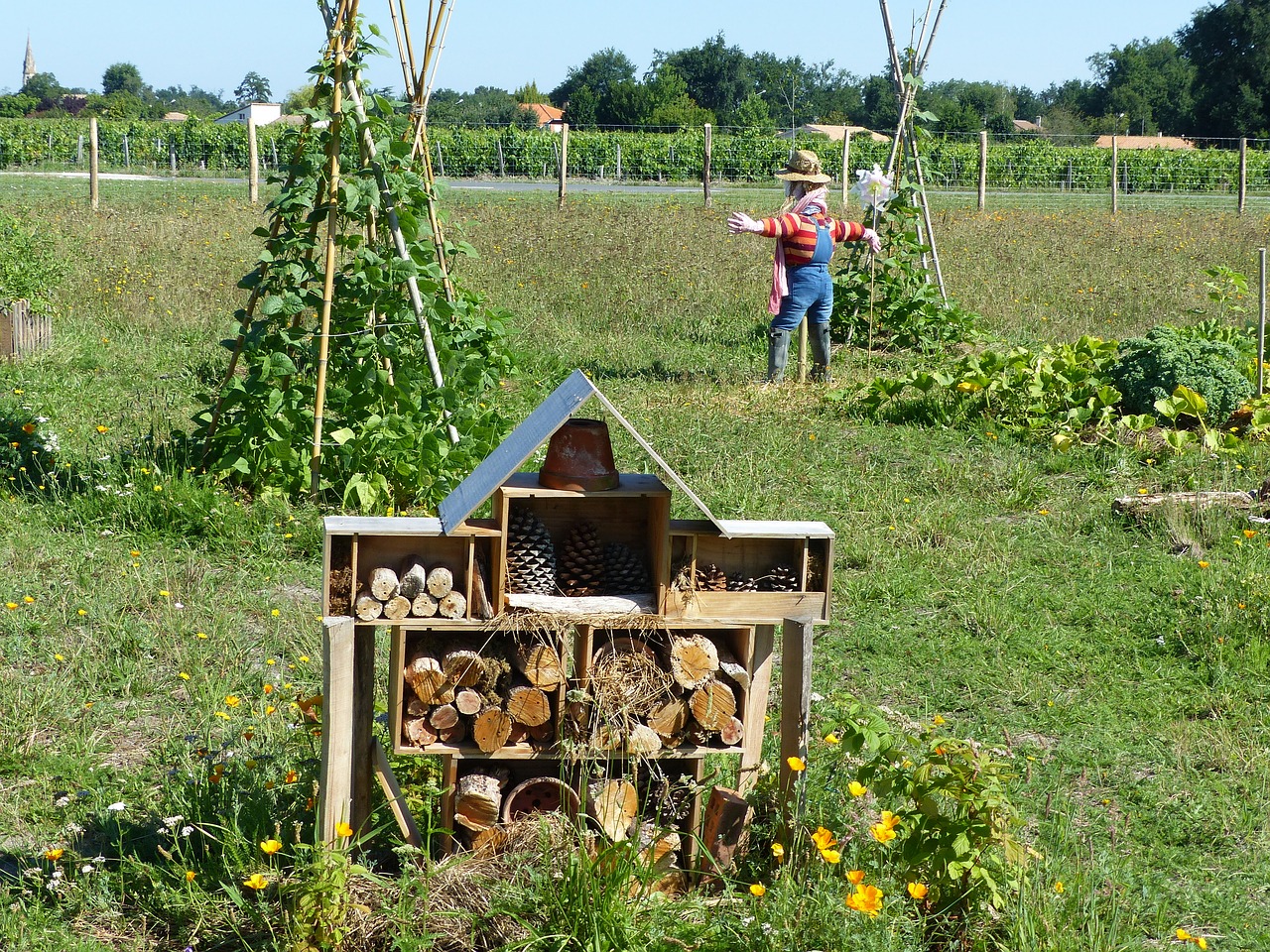
Permaculture (permanent + agriculture) was developed in the late 1970s by Bill Mollison and David Holmgren. It’s a set of principles and techniques for food production at any scale that focuses on mimicking natural systems, instead of competing against them. It puts humans into the system as engaged participants, departing from the conventional agricultural approach of conquering nature. The principles can be applied to container gardens on apartment balconies, large scale agricultural operations, and anything in between.

READ THE FULL STORY AT https://thehomestead.guru/permaculture/?fbclid=IwAR2uez2yUOTZ4_KM8Yttd92ZXYK6rCKTNAUUUnmHn33hPA3h7YLh4K7ATHM

The Other Monsanto Chemical Bayer Investors Should Watch

“Some Bayer AG investors were surprised to learn about the thousands of farmers lining up before U.S. courts to argue that Roundup — the blockbuster weedkiller the German company recently acquired when it bought Monsanto Co. — had given them cancer. But Roundup is hardly the only chemical in Monsanto’s portfolio carrying legal risks.

There are also lawsuits aplenty for dicamba, its next best-selling herbicide, which U.S. farmers are spraying on about 50 million acres of soybean and cotton crops this summer to combat weeds that have become resistant to Roundup.

Dicamba has a tendency to vaporize after being sprayed and drift onto neighboring fields, harming crops and other plants that aren’t genetically modified to withstand its effects. More than 1 million soybean acres are claimed to have been damaged this year as of mid-July, and last summer, that number was more than 3 million.

Monsanto and other crop-chemicals companies have come up with formulations that they say will stay put when applied correctly. St. Louis-based Monsanto pins the crop damage on incorrect application by farmers, and that’s going away with increased training. The company has received only a third of the complaints about an off-target movement that it did last year, while acres have more than doubled, said Scott Partridge, vice president at Monsanto. Moreover, 12 states last year saw record soybean yields.”

READ THE FULL STORY AT:Bloomberg.com

We’re on SNAPCHAT! [Let’s Get Snapping]

We want to be where our fans and fellow gardeners are, so we’ve headed over to snapchat and created an account! We hope you’ll share all of your awesome gardening successes/tips/and learning experiences with us over there.

Let’s be friends! Just use the snap code below to quickly and easily add us and see more great content from us, everyday!

SnapChat UOG IG


UOG SnapChat Logo

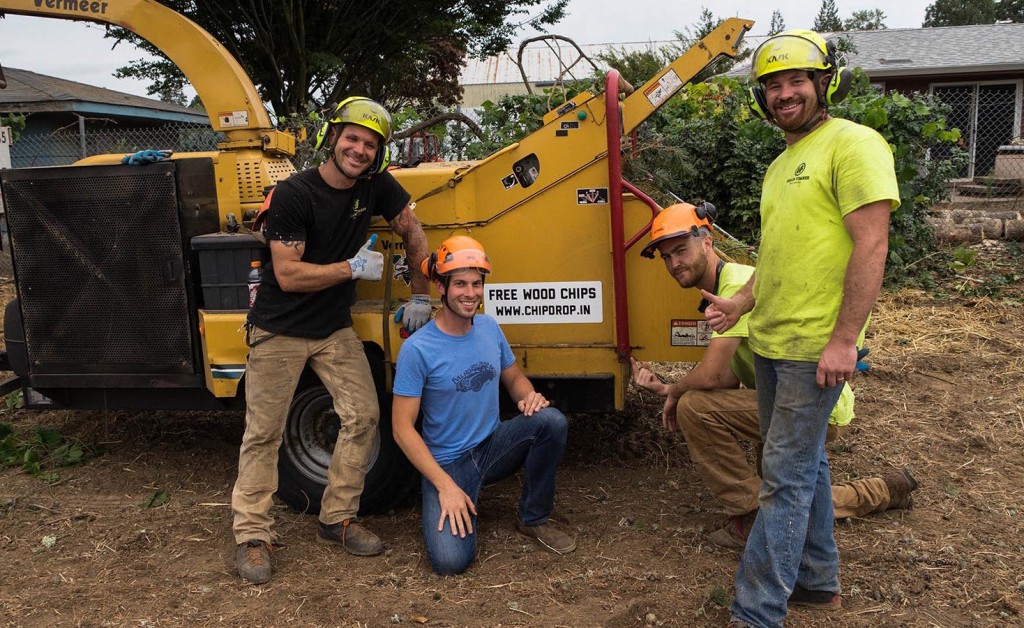
Chip Drop – Get Free Wood Chip Mulch, DELIVERED!

profile2

Chip Drop is a web service that helps homeowners and gardeners get free wood chip mulch from local tree companies who work in the area. It’s been operating since 2014 and has facilitated +22,000 deliveries of wood chips to 25 cities across the US and Canada. It was founded by Bryan Kappa in Portland, OR, and is rapidly expanding to serve most major metropolitan areas in the US. There’s a good chance that Chip Drop already serves your area, so check out their website to find out how you can get a delivery to your home or garden.
6

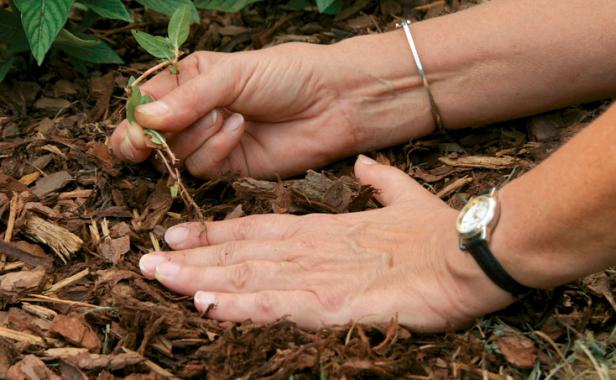
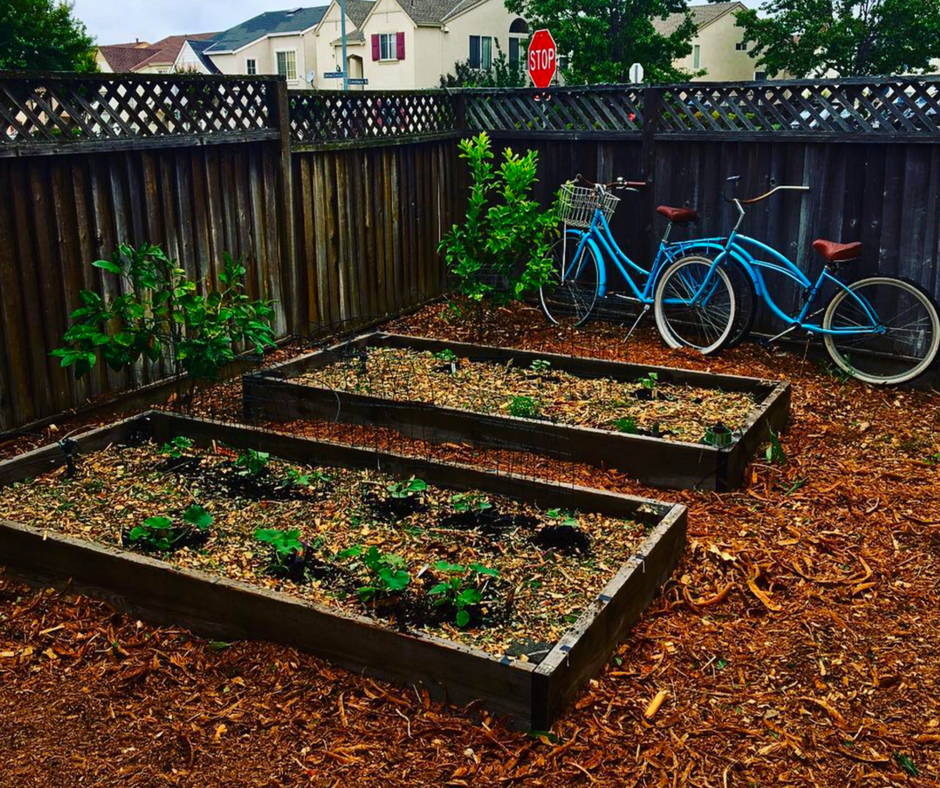
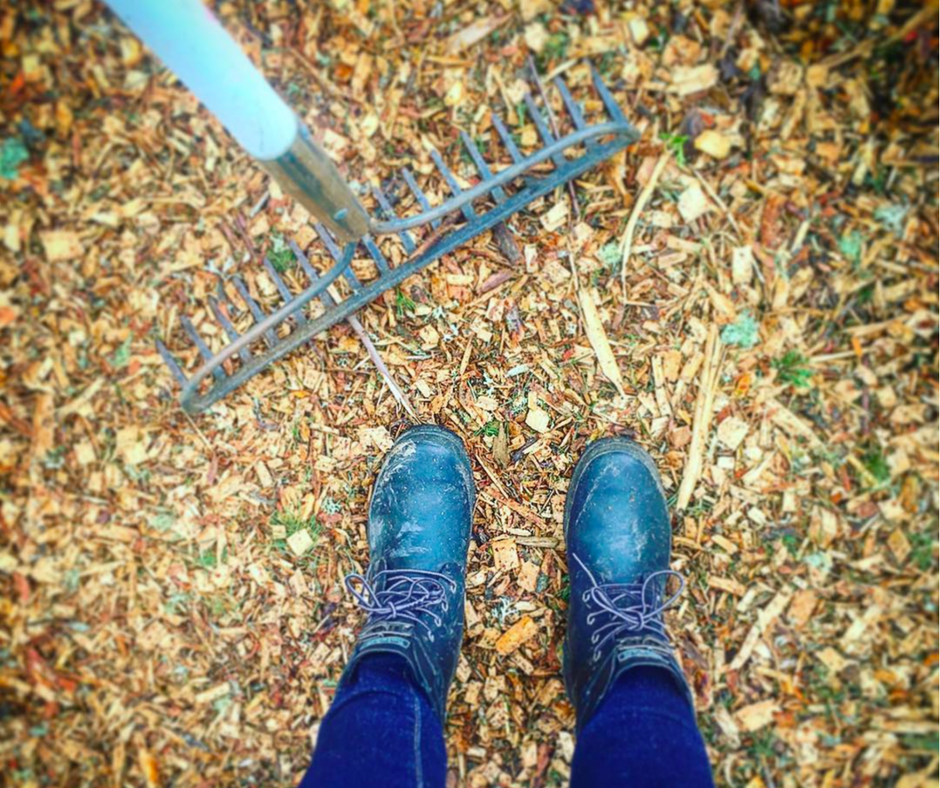
Using wood chip mulch in your yard is a great way to suppress weeds and retain water and nutrients in the soil. It works great for landscaping along paths and around garden beds. It also works as a soil amendment for most gardening applications.
gallery10

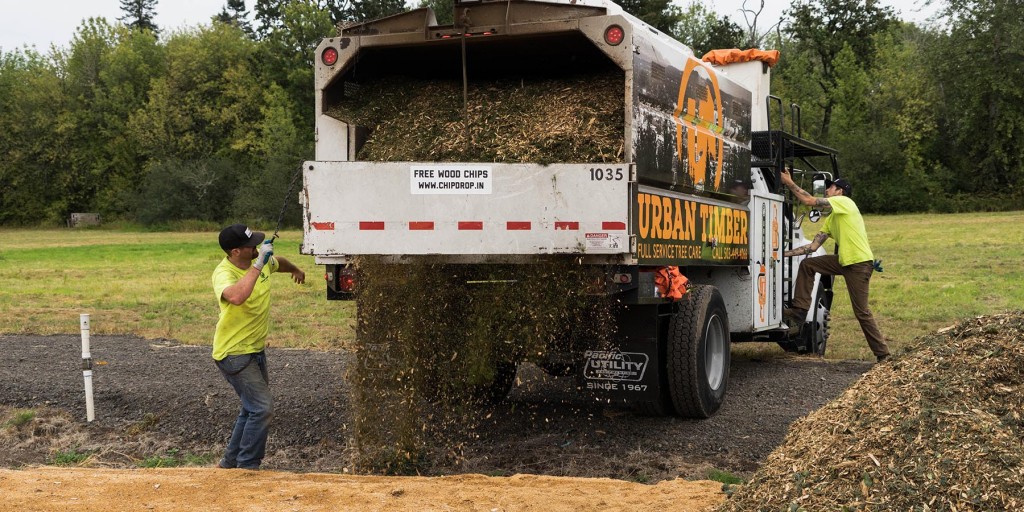
Using local tree mulch is a great way to help your local economy and save money. It keeps green waste out of landfills, reduces drive time of heavy trucks on the road, and keeps the plant material in your neighborhood in the same location. There’s no way to get a more local mulch product than getting it straight from an arborist!

Here are some common questions people have about the service, and getting wood chips from arborists in general.


Q: How much wood chips come with a delivery, and is there a way to ask for a small or specific quantity?

A: Most arborists will not deliver a partial load of wood chips, because it takes too much time for their crew to set up the delivery, and lost time is their number one cost. Tree companies are willing to deliver wood chips only because it is fast and easy for them, and for this reason, you must be willing to accept a whole truck load, which is about 10 – 15 yards in a single delivery. We always encourage folks to share a delivery with their friends and neighbors on nextdoor.com. It’s a great way to meet some folks and share a valuable resource.


Q: What about logs, leaves, pine needles, trash, etc. in a delivery? Are they ‘clean’ chips?

A: The short answer is ‘no’, they are not clean chips that you would buy from the store. They are usually a mixed variety of species and size and they always have leaves and pine needles mixed in. You can specify whether or not you’re willing to accept logs in your load. You can even sign up for a load of all logs if you’re looking for a cheap source of firewood. There is sometimes a small amount of trash in the pile that you’ll have to pick out, although it should be a very small quantity. The crews who do the tree work are often raking and sweeping up along the side of the road, and all kinds of interesting things can end up in the load.


Q: How will I know when to expect a delivery?

A: You won’t know when a delivery will be showing up, so you’ll need to have a drop site that is clear and accessible all hours of the day until a delivery arrives. That means making sure cars won’t be blocking the drop site. It’s also important to make sure there are no low overhead power lines or tree branches that might block the lift bed of the truck. You typically need about 15′ – 20′ of overhead clearance for the trucks to be able to deliver.
5 (1)

Fun Facts:

  • Chip Drop has helped keep 70,451 tons of wood waste out of landfills to date.
  • It has reduced the driving distance of arborists by 81,459 miles.
  • It has distributed 220,160 yards of affordable, locally sourced mulch to gardeners, schools and community gardens.
  • It has helped homeowners save 248,990 gallons of water per day, a total of 107 million gallons since 2014.