Garden in East LA Helps Gardeners Connect with their Roots

Mott-Street-Farm-Photo-Courtesy-Boyle-Heights-Beat

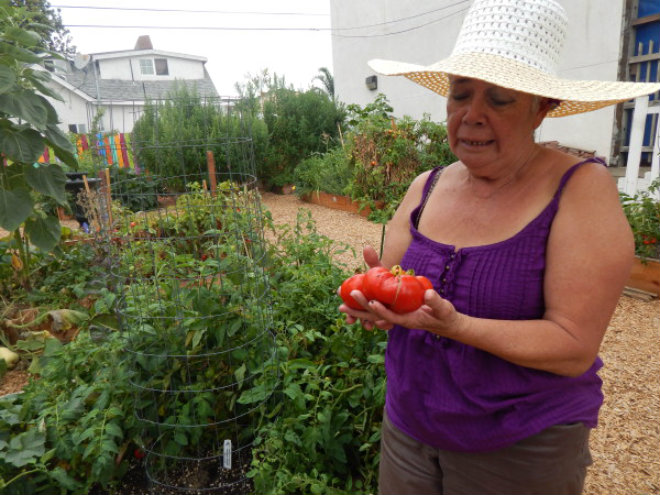
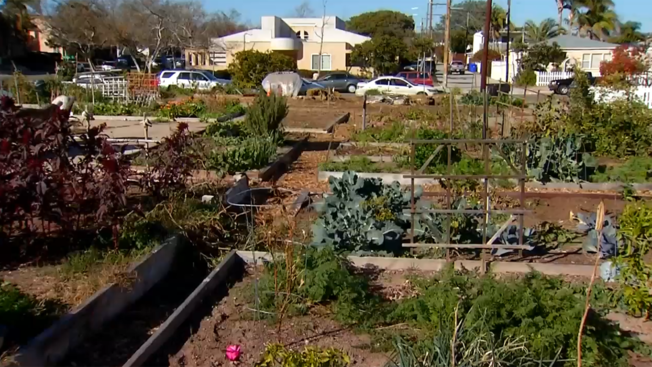
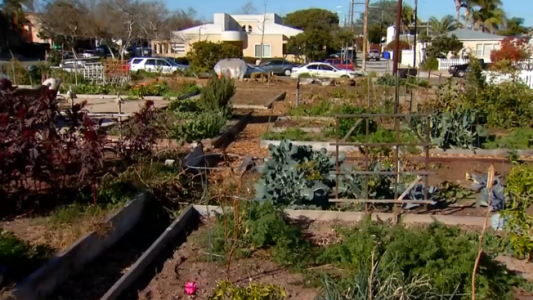
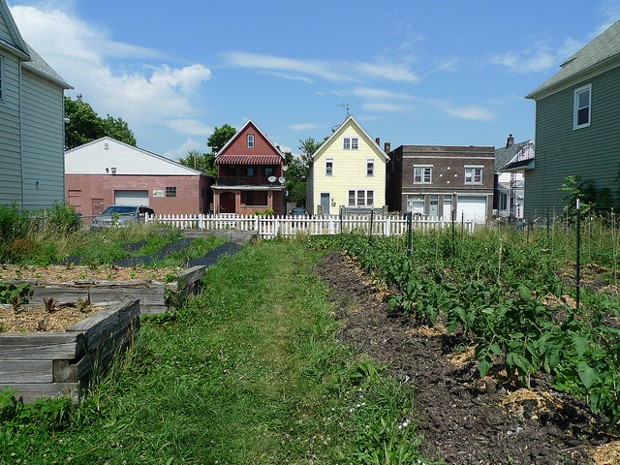
With the sound of busy free-ways near by, this community gathers at the Boyle Heights Urban Garden to find peace and relaxation.  At the Mott Street Urban Farm, there is a school garden, and room for community members to garden in their own plots. People of all ages, and all income levels come together to do one thing. Take back control of their food source.

“The farm is part of a trend in community gardening that can be seen in urban areas across the nation. Urban agriculture is a way for people to take control of what they grow and eat, as well as their overall health. According to the National Gardening Association, gardening in urban areas increased 29 percent from 2008 to 2013.”

To read the full article, visit: “TheEastSiderLA.com

Earning a Living By Urban Farming

03b1tayse-2

Urban farms are popping up all over the country and providing the farmers with extra income, some even enough to support their families and lifestyle.   They usually consist of novice farmers and small plots that cater to providing the community members with fresh, organic produce that’s grown locally. Something people are very attracted to. From the farmers in most of these scenerios, business is booming and for some, they can’t even keep up with demand.  If you’re interested in making money by urban farming read more about Mr. Swain and Ms. Tayse’s business.  “Mr. Swain’s business, Swainway Urban Farm, is for-profit, and he’s been at it for seven years, making him just about the longest-tenured urban farmer in Columbus. He and his partner, Rachel Tayse, farm two backyards and grow indoors in a warehouse in Clintonville.”

“While urban land represents only 3 percent of the 2.3 billion acres in the nation, according to the USDA’s 2007 land-use report, it is home to 81 percent of the U.S. population.

Those people need to eat, and one of the hottest food trends in the past few years is buying locally produced food.”

Read the full article at: “Toledoblade.com


After Four Decades this Community Garden Closes for Good

pacific+beach+community+gardenAfter four decades, San Diego’s Pacific Beach Community Garden has closed for good but there is hope.  “…The end of the garden does not mean the members will stop exercising their green thumbs. They are hoping to section off a portion of land in De Anza Cove to create a new garden. They will also turn to their neighbors for help.

“The gardeners are the real seeds,” said Gandolfo. “Us gardeners are going to fan out into the community — whether it is De Anza in a few years, whether it’s somebody’s neighborhood, front yard/back yard in the next couple of months — and we’re the ones taking the garden to new places here in Pacific Beach.”

The gardeners are volunteering to plant and tend new gardens for any neighbor willing to donate his or her yard.”

You can read the full article at-“NBCSanDiego.com” 

How to Become a Gardener in 2016

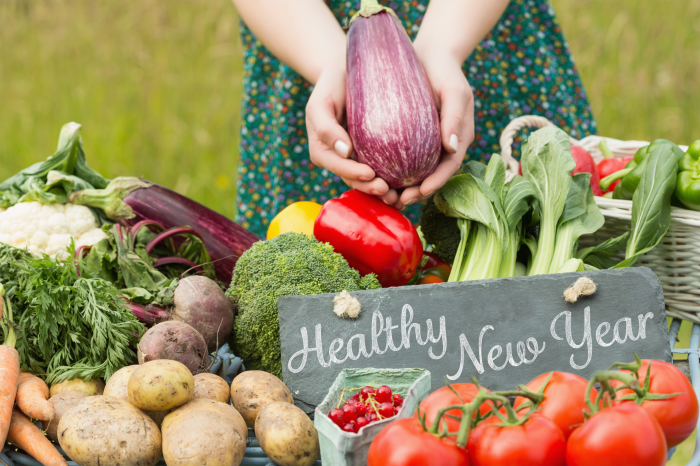
“The new year is the perfect time to set new goals for yourself, especially if you have been thinking about growing a garden. THIS IS YOUR YEAR!  Don’t be discouraged by lack of space, or knowledge about growing specific varieties.   Set some small attainable goals for yourself in the gardening department and before the year is over you’ll be sporting that new green thumb you’ve always wanted but thought you’d never have.”-SeedsNow.com

  • Get some houseplants growing. Pick several varieties of herbs or maybe a pepper plant and place them in a sunny windowsill.  Get your green thumb without having to even go outside. By growing food indoors where you’re likely to pass the plant numerous times a day, it will make it easier to care for.  Windowsill gardens are a fun way to bring the outdoors in, and grow some food with very little effort.
  • Get some books.  Find some aspects of gardening that you’re interested in and begin digging a little deeper for the knowledge you’re looking to gain. Interested in hydroponics, aquaponics, herb gardening, or composting? There’s plenty gardening books per topic available. Grab your reading glasses and soak up all the information you can.
  • Take some classes.  One of the best sources you may find is your local Master Gardener Chapter in your area. You can take classes that will teach you the “in’s and out’s” of everything gardening and work with others who have like-minded goals.  Plus, gardening is always more fun when you have someone to share your successes with!
  • Join a community garden.  This is one of the best ways to be a part of a community and learn a lot about gardening.  Here you’ll see countless different approaches to growing many crops and you’ll be able to take those examples with you to try in your own plot at the garden.  Plus, it’s great exercise, tending to your garden plot throughout the year. You’re most likely to keep up with something if you’ve made a commitment on paper, like what you usually find with “renting” a community garden plot.” -Full article can be found at “SeedsNow.com

7 Easy to Build Vertical Gardens

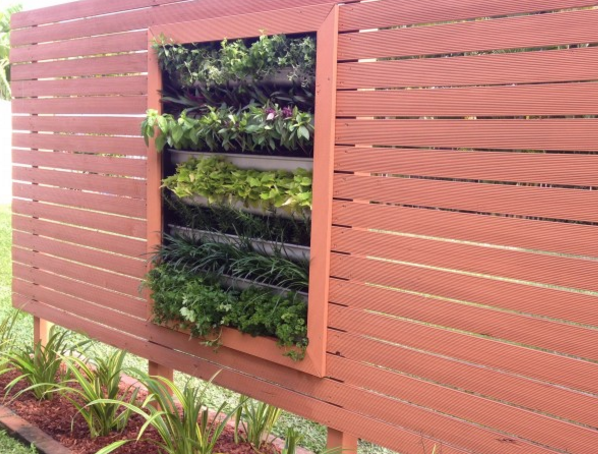
Not everyone who grows their own food has acres of land or even a large suburban backyard. Many home gardeners everywhere are learning how to grow their favorite fruits, veggies and herbs vertically to save space. This is important for high-rise dwellers, balcony or rooftop gardeners and even renters who are unable to use what little space they may have in their yard.

Here’s 7 easy to build vertical gardens, perfect for those who are short on space!

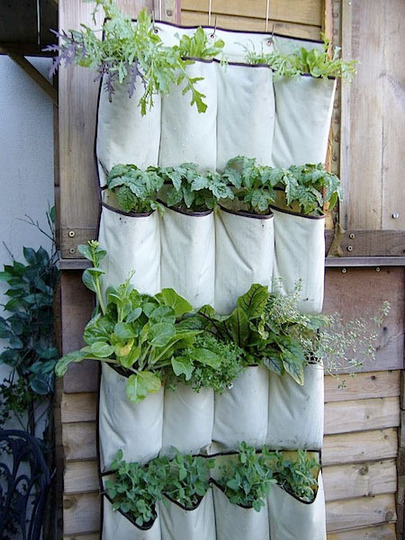
4.Shoe Organizer Garden

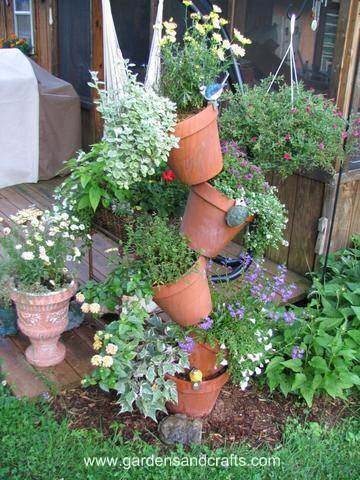
clayplanter071806Tipsy Tower Garden

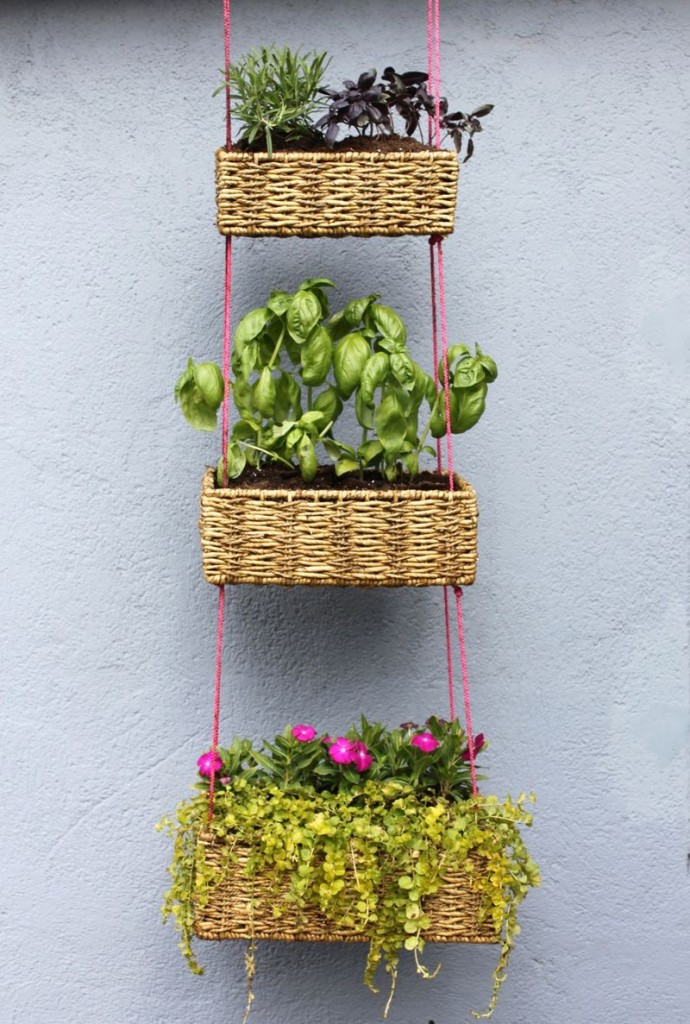
basket-01Hanging Basket Garden

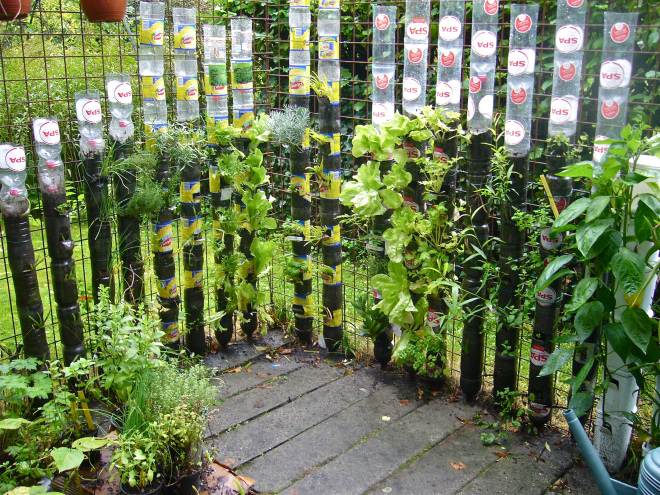
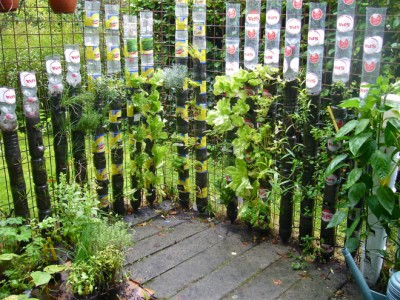
p1070455Bottle Garden

capture-20151227-173953Vertical Living Wall

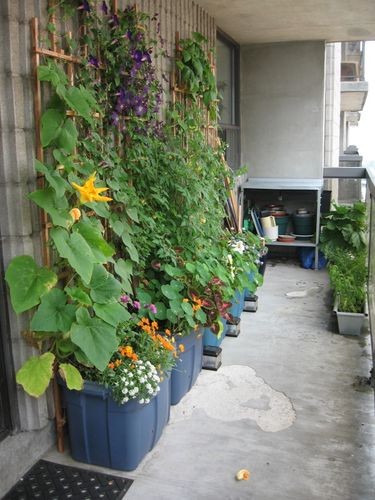
toronto-sip-balcony-garden-in-the-skyBalcony Garden with Trellis

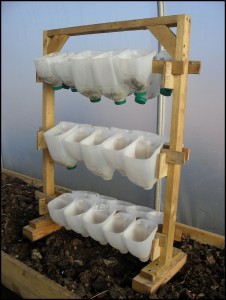
garden project9 (1)Milk Carton Vertical Garden

Fenway Park Serves Up Organically Grown Produce to Baseball Fans

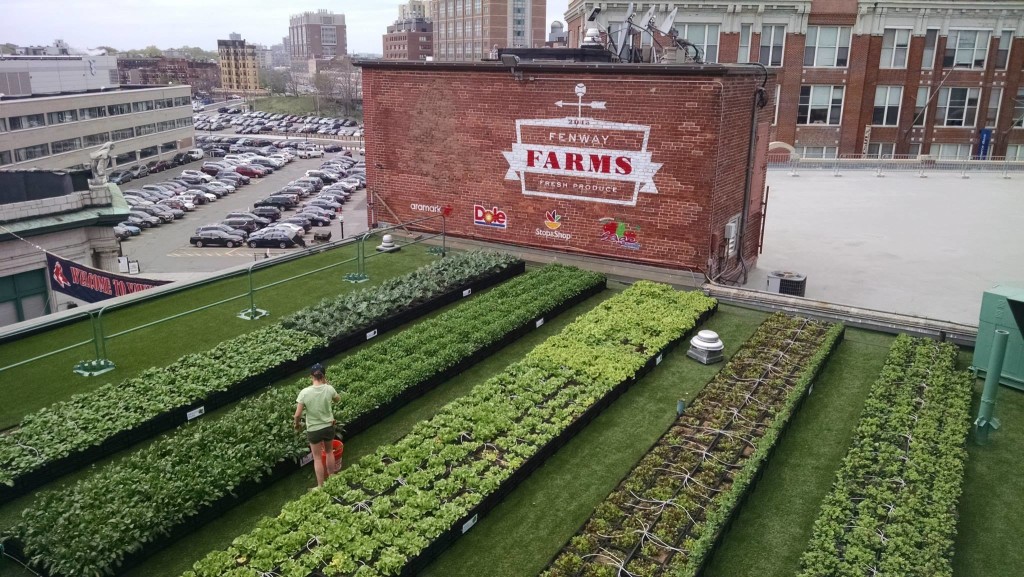
fenway-farms-may-11-1024x577

Next time you’re at a Red Sox game at Fenway Park, wander over to the Third Base side of the EMC Level for a peek at their 5,000 square foot urban farm. Positioned on top of their Front Office, they’re growing an estimated 4,000 lbs. of broccoli, kale, sweet potatoes and more!  If you’re hungry, sit down at the Fenway Park’s EMC Club restaurant to sample some of the organic vegetables grown right there on the rooftop.

Original post can be found at: “GreenCityGrowers.com

How to Build a Safer Urban Garden

lead_largePhoto Cred: Mark Hogan/Flickr

Lead is a being found in the soil in many urban gardens.  Recently surveyed were 71 urban gardens in New York City, and guess what? They all tested positive for high levels of lead and arsenic.  So what can you do to protect yourself if you’re gardening in the city?  Well, besides having your soil tested, here are some other ideas to help you keep gardening safe in your urban backyard.

“Learn about the land. Some businesses—such as dry cleaners, gas stations, and manufacturing facilities—leave more significant ecological footprints than others. Before you plant, consult historical materials, such as atlases of local businesses, to learn about what was on or adjacent to the property.

Build a better raised bed. If you do perform the soil testing and discover trace amounts of lead or other contaminants in the soil, you might choose to make a raised bed. That’s great, but it’s probably not enough, according to The Johns Hopkins Center for Livable Futures. That’s because crops with deep roots can extend to the dirt underneath. Consider adding a barrier in the form of a fabric cover, with holes big enough to let water through.

Choose plants wisely. Lead in urban soil doesn’t necessarily translate into contaminated fruits and veggies. Certain types of plants are more likely to take up lead than others. “Tomatoes aren’t a problem, while leafy greens and root vegetables you have have consider a bit more,” Cheng says. There’s also evidence to suggest that certain plants, such as sunflowers, are able to help extract harmful metals from soil through a process called phytoremediation.

Grow food in pots. If you don’t have space to build a raised bed, you can grow many varieties of vegetables in containers. Herbs and leafy greens are easy starter plants. Cheng suggests buying freshly bagged soil from the store; potted plants will do best in soil specifically designed for containers.” Source-“CityLab.com

To read the full article, please visit: “How to Build a Safer Urban Garden at CityLab”

Experimental “Urban Garden” Helps Cancer Survivors’ and Lowers Risk of Recurrence and Chronic Illness

In Columbus, Ohio there is a three acre plot of farmland devoted to healing people through a program called “Garden of Hope”.   There you’ll find fruits and vegetables being grown by cancer patients and cancer survivors.  Growing and harvesting their own organic food improves their health while reducing their risk of future cancer recurrences.

capture-20151208-163254

“After four months in our program, our survivors decreased their weight, fasting glucose, non-HDL cholesterol, and increased physical activity and skin carotenoids. In addition, they improved overall adherence to anti-cancer dietary patterns,” said Dr. Spees. “Not only do our survivors have weekly access to fresh fruits, herbs and vegetables, they learn why we recommend these cancer-fighting foods and how to safely prepare them. Participants also have access to nutrition experts both on and offsite that provide additional support and guidance.”

Gardeners are brought to the Garden of Hope several times a week to harvest and plant new crops.  The produce changes seasonally of course and they even offer things like cooking demonstrations to show how all of the food they are growing can be prepared and eaten.

“Having cancer brings everyone to the same place. The same fight. The Garden of Hope gives you a break from focusing on the fight. I get excited thinking about who I will see there, what vegetables are ripe, and what I’ll learn how to cook that night. Nobody has a bad day in the Garden,” said Anne, a self-described foodie, Growing HOPE study participant and breast cancer survivor.”

Original post can be found at: “Newswise.com”

World’s Largest Organic Rooftop Farm Powered 100% by Renewables Opens in Chicago

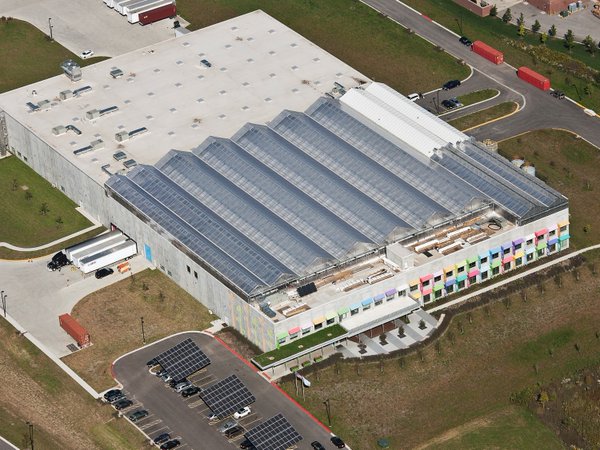
News from ecowatch.com:  Brooklyn-based urban farming company Gotham Greens opened the world’s largest rooftop farm in Chicago, the company announced Thursday.

CUQ6t6_XIAAaxk_
Gotham Greens ‏@gothamgreens #Chicago is now home to the World’s Largest Rooftop Farm! Check out our largest project yet http://prn.to/1Qx6Pot @gothamgreens

Click here to read more about the World’s Largest Organic Rooftop Farm Powered 100% by Renewables in Chicago

This Robot-Run Indoor Farm Can Grow 10 Million Heads Of Lettuce A Year

3050750-poster-p-1-this-indoor-farm-run-by-robots-can-grow-10-million-heads-of-lettuce-a-year

Original post can be found at: http://www.fastcoexist.com/

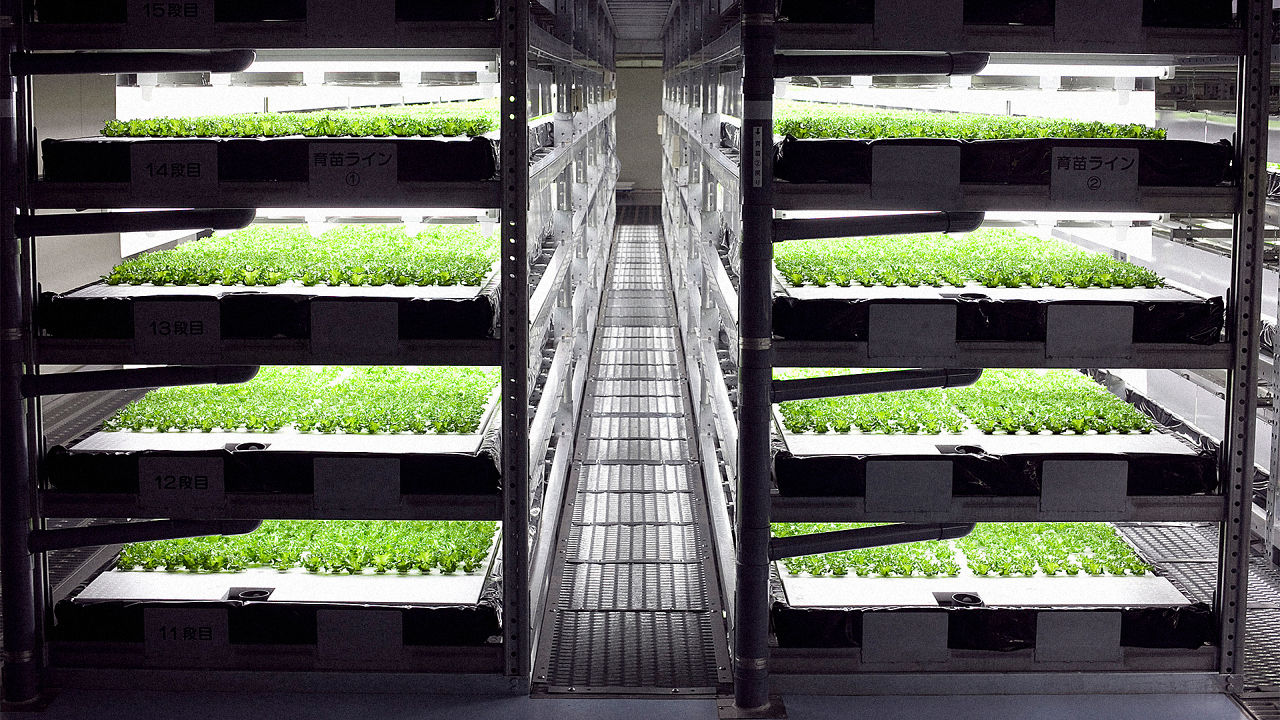
This massive Japanese vegetable factory saves water and energy—along with human labor.When a sprawling new “vegetable factory” opens near Kyoto, Japan in 2017, it will be the first farm with no farmers. Robots will plant lettuce seeds, transplant them, raise the vegetables, and automatically carry the fully-grown lettuce heads to a packing line, where they can get ready to be sent to local grocery stores.

In a single day, the farm can harvest 30,000 heads of lettuce. On a traditional farm, a field of the same size can grow about 26,000 plants—but only harvest two or four crops a season.

Spread, the Japanese company planning the factory, opened its first indoor farm in 2006, and already supplies lettuce to 2,000 stores around Tokyo. But it saw the opportunity to make its process even more efficient. It sees the new farm as a model for the future of farming.

“There are several reasons vegetable factories will be needed in the future in order to create a sustainable society,” says Kiyoka Morita from Spread. Like other indoor farms, Spread’s new factory uses far less water than traditional agriculture; the factory’s new technology also allows them to recycle 98% of that water. Because the factory is sealed, there’s no need for pesticides or herbicides. The ultra-efficient lighting system can run on renewable energy. Japan imports about 60% of its food each year, but the factory can supply it locally.

As climate change increases extreme weather like drought and floods, the fully sealed environment can grow a much more reliable supply of produce. The factory automatically controls temperature, humidity, the level of carbon dioxide, and light to optimize growth.

Those things are true of other vertical farms, but the fact that the process is now fully automated also makes it cheap. Compared to Spread’s current factory, the new one will cut labor costs by 50%, so the company can sell lettuce at a lower price (now, it sells for the same cost as regular lettuce from the field).

The new system also protects the food from contamination from pesky humans. “Full automation also reduces the crops’ exposure to human contact during cultivation, further reducing the risk of contamination, and increasing the hygienic levels in the area,” Morita says.

It isn’t easy to automate every step of the process, and Spread is still tweaking some of the steps, like planting the seeds. And the equipment had to be designed to carefully handle the plants, something that was a little hard for robotic arms to do. “It’s challenging to make sure that the machines all run quickly and efficiently without damaging the delicate vegetables,” she says.

The new farm will begin construction in early 2016, and the company is hoping to start building similar vegetable factories around the world.

[All Photos: via Spread]

Urban Farms Are Sprouting Up Like Weeds!

Original post can be found at: Inquisitr
capture-20151013-054532
If your town isn’t on board with urban gardens, they are living in the past, because urban gardens are sprouting up all over the nation as people search for more sustainability and more control over what they put in their mouths.

Farmland is scarce and costly, according to WGBH News, which featured an article on urban farms. Courtney Hennessy and John Stoddard were two urban farmers interviewed for the article. Instead of plowing the fields, they tend produce on a rooftop in Boston.

“We literally biked around looking at big buildings,” Hennessy, owner of Higher Ground Farm, said while harvesting arugala on the roof above the Boston Design Center in the Seaport District to sell to restaurants. Their rooftop farm is so new it’s only breaking even right now, so the couple kept their other jobs. Both Hennessy and Stoddard believe that urban farming businesses have no where to go but up, because growing city populations are increasingly wanting to know where their food comes from.

“There’s a lot of really amazing urban agriculture going on in this country, but all of it’s through nonprofits and grant funding,” Hennessy explained. “And we’re determined to see if we can do this as a for-profit company. Can you live and work in a city and still be a farmer, I guess, would be the thing we’re trying to figure out.”

Catherine Bertini, a former executive director of the United Nation’s World Food Programme, says that she doesn’t believe that urban farms will have a very big impact on the food stem.

“I’d like to be proven wrong, but it’s not going to change the world because it’s the big-volume farms that can do that,” Bertini said. “And until these small projects become very large, they’re not going to have a big impact.”

It’s not just rooftops, urban farmers are using their front yards, their back yards, and even their closets to grow food in. Grove Labs is a startup company that is encouraging people to grow their own produce from cabinets right inside their homes. Jamie Byron and Gabe Blanchet, MIT graduates, started Grove Labs and fully believe that home-grown food is the wave of the future.

“In the future we see people being able to grow lots of things in their home and maybe have an entire room that’s dedicated to growing,” Byron said.

“The reality with a new technology like this is we want to make sure it’s beautiful and works really well,” Blanchet said of the indoor mini-farms. They’re a few thousand dollars, but the pair is committed to changing the way food is brought to the table. “And so the price point isn’t — we didn’t just go for the bare minimum we could scrape by with. So for those who are really price sensitive, we plan to release do-it-yourself plants so people can build their own ecosystem.”

Byron and Blanchet’s opinion on the food demands of the future are contrary to Catherine Bertini’s opinion. The MIT graduates believe that the newer generation of adults don’t want to repeat the mistakes of past generations.

The newer generations, Byron and Blanchet say, will want to stay connected to their food sources.

“Besides providing a green space for customers and crew members, it will help us become even more sustainable,” Brian Holtman, JetBlue’s manager of concession programs, explained. Food scraps from the restaurants there will become compost for the urban farm. Meanwhile, a rotunda garden at Chicago’s O’Hare International Airport supplies nearby restaurants with beans, peppers, leafy greens, and herbs from 26 aeroponic growing towers. O’Hare has even utilized landscaping goats, sheep, llamas, and burros to clear “dense scrub vegetation,” according to a Take Part article.

Whether the agriculture leaders of the country want to believe it or not, a farming revolution is happening. Urban farms are found everywhere from high rise buildings to street dividers. Many urban farmers are using vertical farming techniques. After all, for decades, we’ve heard threats that there isn’t enough farmland to feed the nation, so innovative sustainable folks went vertical instead. The new designs allow for larger yields and better control over crops. Traditional farming ends up with a 50-50 risk of crop loss, according to Food World News.

Not only do urban farms let people feel good about what they are eating, urban farms’ green benefits also reduce the number of delivery trucks, cuts back on fuel needs, and promote cleaner air. Besides, with urban farming, food can go from farm to table in less than a day. Food from urban farms maintain their fresh-picked taste, because they’re actually fresh, not artificially ripened or preserved.