 via: “CustomMade.com“
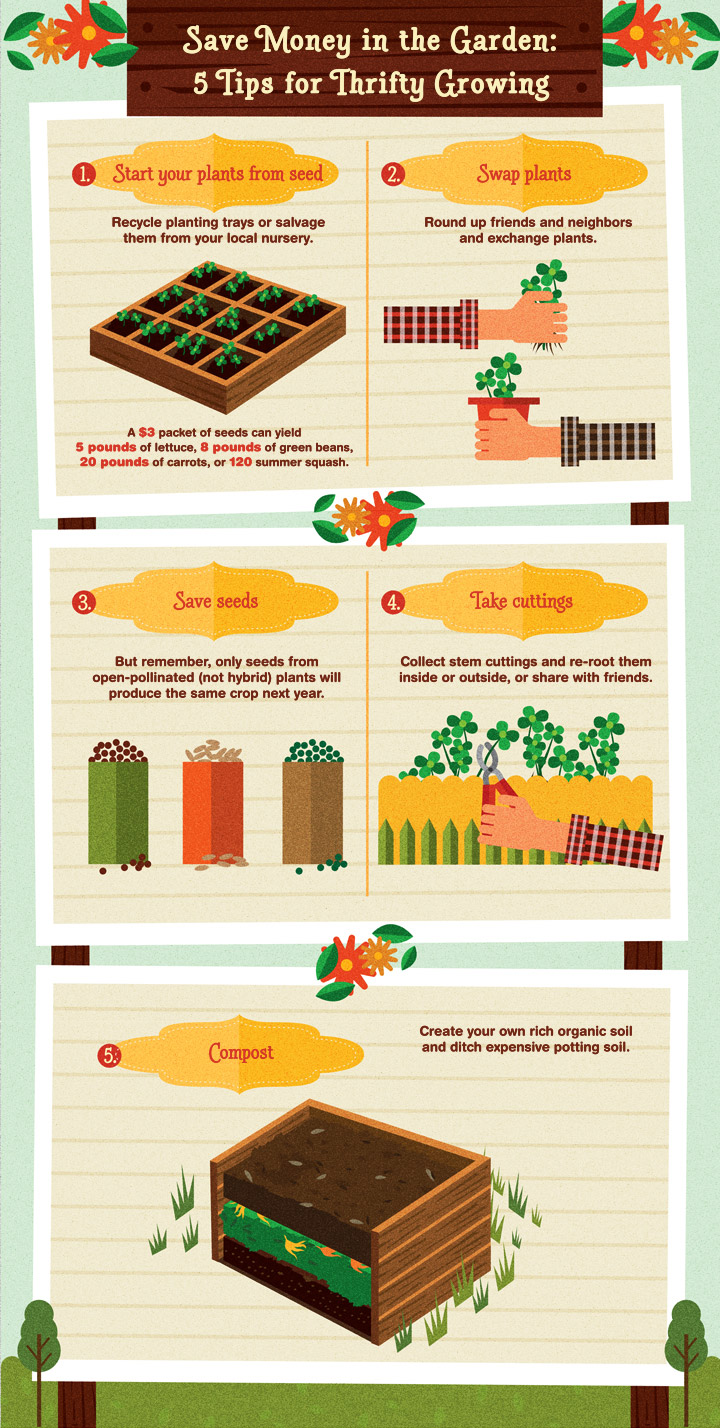
5 Tips for Thrifty Gardening

Urban-style organic gardening blog about growing your own food with limited space and creative resources.
via: “CustomMade.com“
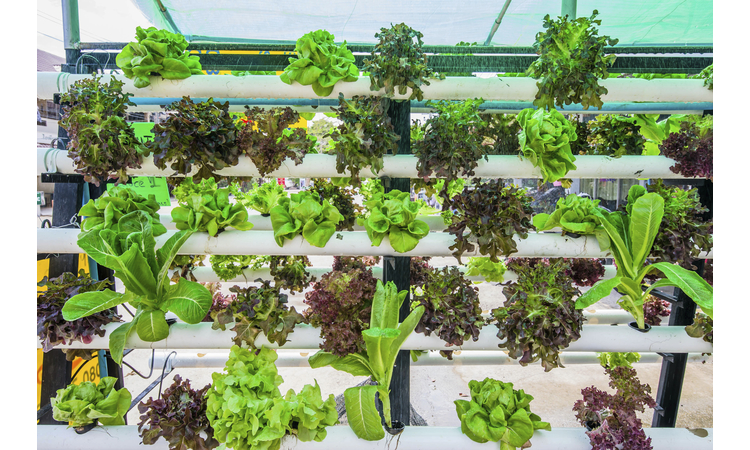
A Zoo in England now uses vertical farming systems to help feed it’s 2,000 animals. Growing food for the animals at the zoo has several advantages. By using hydroponic methods there are no weeds, or soil-borne pests. The produce will also have no toxic pesticides, be grown with less water, and the yields will be of top quality.
“The zoo’s hydroponic growing system is made up of different layers of crops, including lettuce and spinach. The sun’s rays hit the stacked plants at different points. For example, plants at the top of the stack receive the majority of direct sunlight. Plants at the bottom of the stack receive the minority of direct sunlight.”
To read the rest of the article, visit: “FoodTank.com“
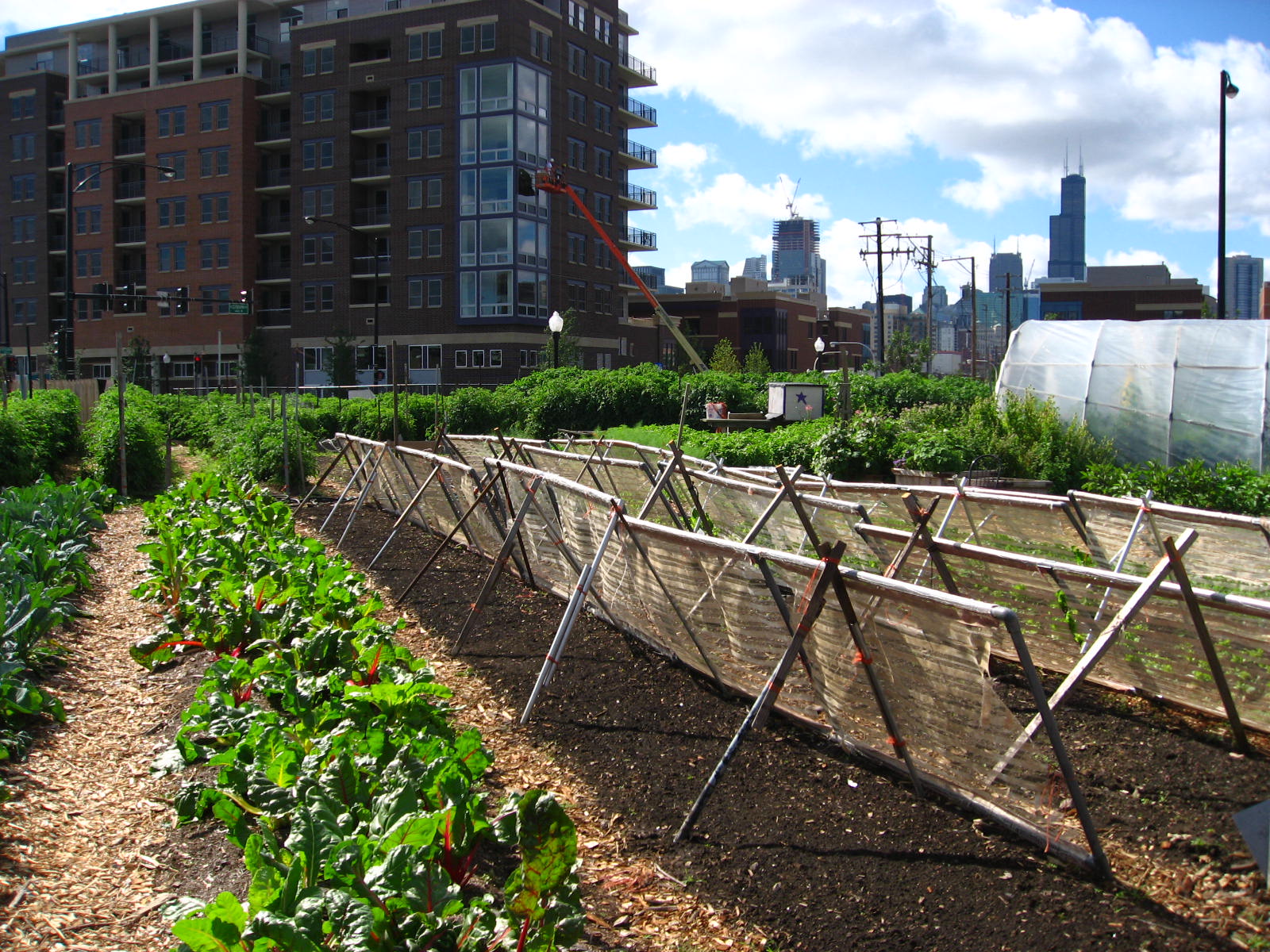
1. Every municipality should establish publicly supported agricultural training centers in central and accessible locations. I’m not talking about think tanks or demonstration gardens. I’m talking about working urban farms that model not only the social, cultural, and ecological benefits of farming in the city, but the economic benefits as well. We can talk about all of the wonderful reasons to farm in urban areas, but until we can demonstrate that it’s possible to make a decent living doing it, it’s going to be a tough sell.
2. Regular folks are now so removed from the work of farming that they need to literally see what’s possible. They need access to those who have maintained this knowledge and those who are serious and active practitioners. Every city should have teams of trained farm advisers in numbers proportionate to the population devoted to urban food production. Those agents should operate out of their local urban agriculture centers to run training workshops and classes; they should also venture out into the community to provide on-site technical support in production, in marketing, and in food processing and preparation.
3. The nutrient cycle that once tied farms with those they supplied has been interrupted. We need a full-cycle food system that allows for the return of organic waste via central regional composting facilities that can support the nutrient needs of both urban farms and farms on the fringes of our urban centers. Every community could be composting all its cardboard, paper, old clothing, shoes, restaurant and grocery store waste, and on and on. We need to reduce what comes into our communities from elsewhere, but we also need to reduce what leaves those communities, especially if it has nutritional or soil conditioning values for our land.
To read the rest of the article, visit: “Alternate.org“
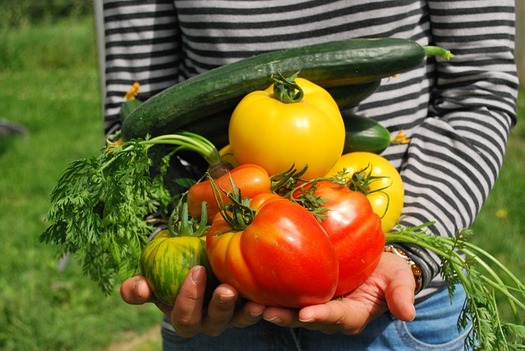
“I think that experience can be a really important piece of their education,” Palmer said. “There is a fair amount of evidence that when kids grow their own food, they’re much more likely to try different foods, and that can lead to some healthier eating patterns overall.” Especially for kids living in urban areas, the process of watching worms in the soil, seeds sprouting into flowers visited by butterflies, and eventually harvesting food they can taste, makes life cycles real to students in ways that are hard to achieve in a classroom, Palmer said.
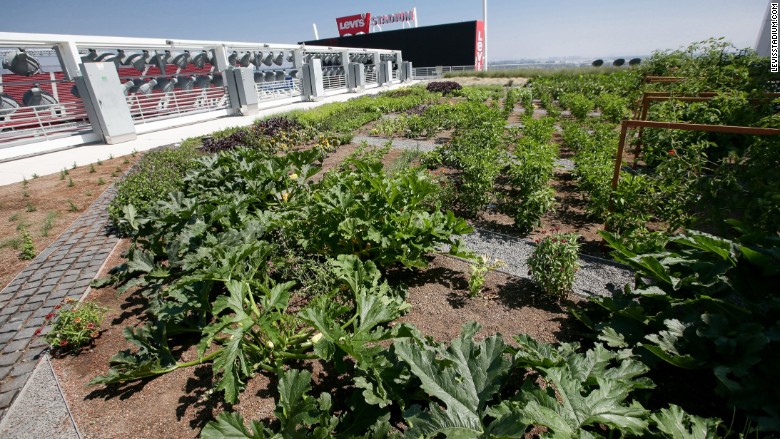
The home of the San Francisco 49ers has recently unveiled their new roof-top urban farm! The football stadium roof-top garden is expected to generate 150 pounds of fresh produce each week that will be used to cook up food items for club spaces and private events at the stadium
To read the rest of the article, visit: “MoneyCNN.com“
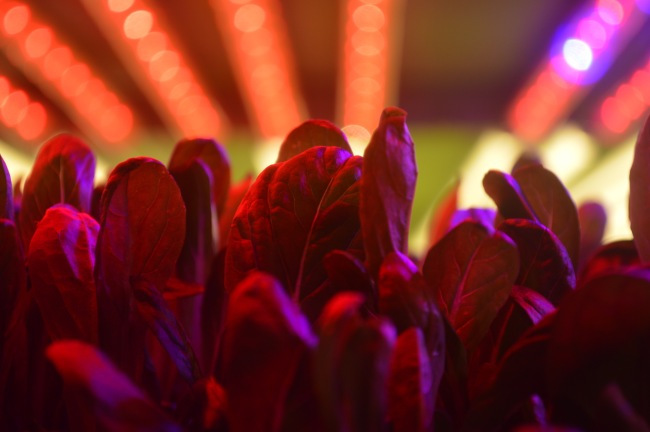
“Forget sunshine and soil to grow leafy greens and fresh vegetables for health-conscious consumers. A US venture firm is leading a new wave of future agriculture by adopting the latest technology to produce something fresher, safer and more environmentally conscious at the heart of urban spaces.”
Instead of growing food, traditionally with the use of pesticides and water, AeroFarms is producing greenhouse grown, quality, FRESH food all year round with the use of indoor vertical farming.
This company currently produces an incredible amount of edible greens, which are grown stacked vertically in rows that reach all the way to the ceiling of a temperature controlled environment. Nutrients and lighting are also closely monitored. They use “95 percent less water, about 50 percent less fertilizers and zero pesticides.”
To read the entire article, visit: “KoreaHerald.com“
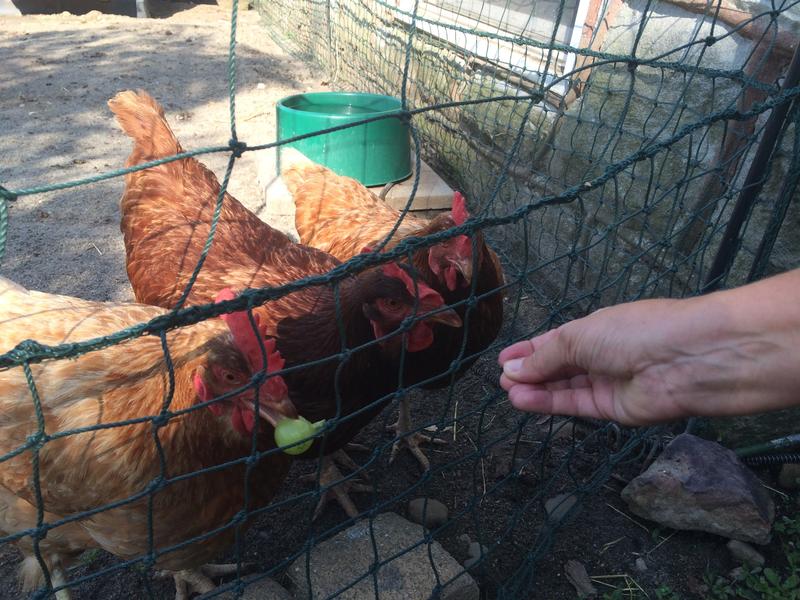
Urban agriculture is rare in West Virginia, and a newly proposed urban agriculture ordinance combined with the Hopecrest Chicken lawsuit has sparked a prolonged debate between neighbors about who can garden what and where.
“More cities in the U.S. are experimenting with urban agriculture, by growing crops on roofs or indoors with the help of LED lighting. The USDA’s push for urban agriculture isn’t only fueled by aesthetic and environmental concerns, but by a sustainable one too. As the country’s population grows, there’s less land on which to grow food to feed them.”
“There are six million dollars in food that has to be brought into West Virginia every year that could be grown here in West Virginia,” he said. “It’s imported from other states or countries. And, that’s one of the things the Commissioner of Agriculture is very concerned about – how can we create more of those crops at home?”
“To read the entire article, visit: “WVPublic.org.“
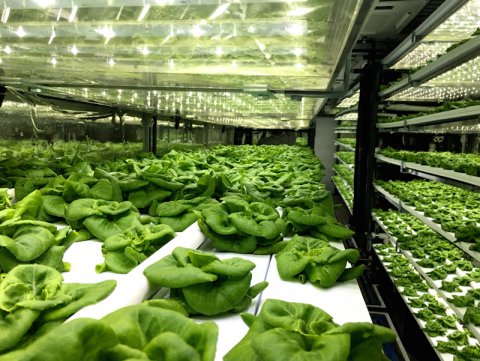
In Los Angeles, three farms are changing the face of urban farming. They don’t grow food outside, but rather inside of three small shipping containers.
“The startup uses vertical hydroponic farming, a method where plants grow year-round with LEDs rather than natural sunlight. Instead of soil, the seeds lie on trays with nutrient-rich water, stacked from the floor to the ceilings inside the shipping containers. The containers live inside Local Roots’ warehouse in California.”
The farms are comprised of 3, 320-square foot shipping containers which are able to produce as much food as four acres of traditional farmland.
To read more about these shipping container farms, visit: “BusinessInsider.com”
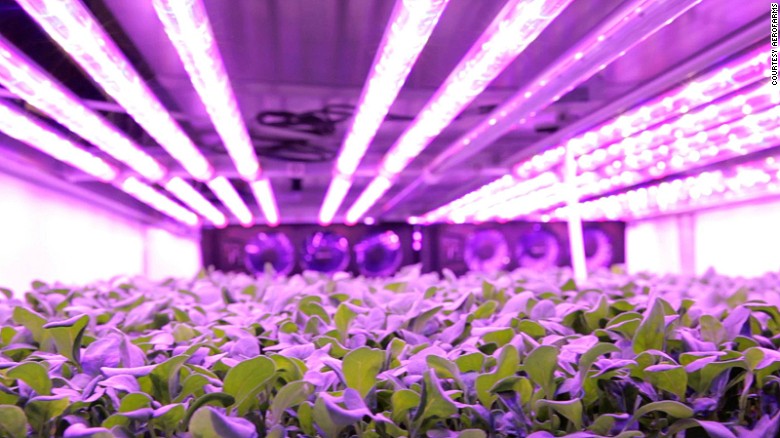
Growing food without sun, soil and almost no water? This is the new reality in urban farming. The world’s largest and possibly even the most sophisticated indoor urban farm is using 95% less water than a conventional outdoor farm.
“Set to open in September in Newark, New Jersey, the 69,000-square-foot farm will be hosted in a converted steel factory. It combines a technique called “aeroponics” – like hydroponics, but with air instead of water – with rigorous data collection, which will help these modern farmers figure out optimal conditions for growth.”
To read more about Aerofarms, visit: “CNN.com”
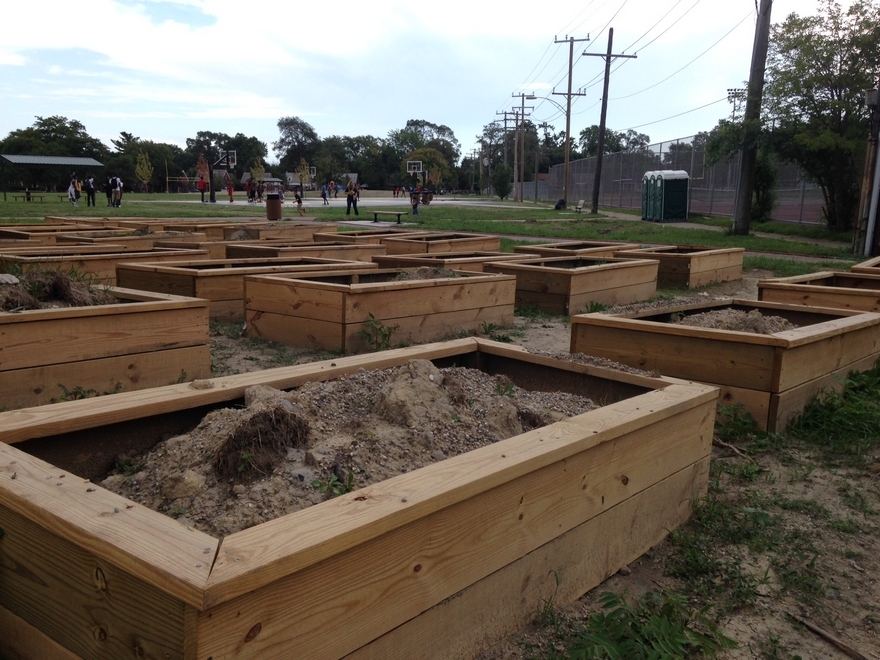
In Detroit, on the east-side, neighbors and volunteers have recently gathered to celebrate the completion of a 1.4 million dollar project at Skinner Park.
“About 10,700 volunteers worked on the park during the first six days of August. They also cleared more than 300 blocks of blight, remodeled 80 houses, created safer pathways for neighborhood schoolchildren and boarded up 362 vacant houses beginning in June.”
They are finishing up this project by completing custom wooden raised beds for a new urban garden where members of the community will be able to grow food together.
To read more about this project, visit: “CrainsDetroit.com”
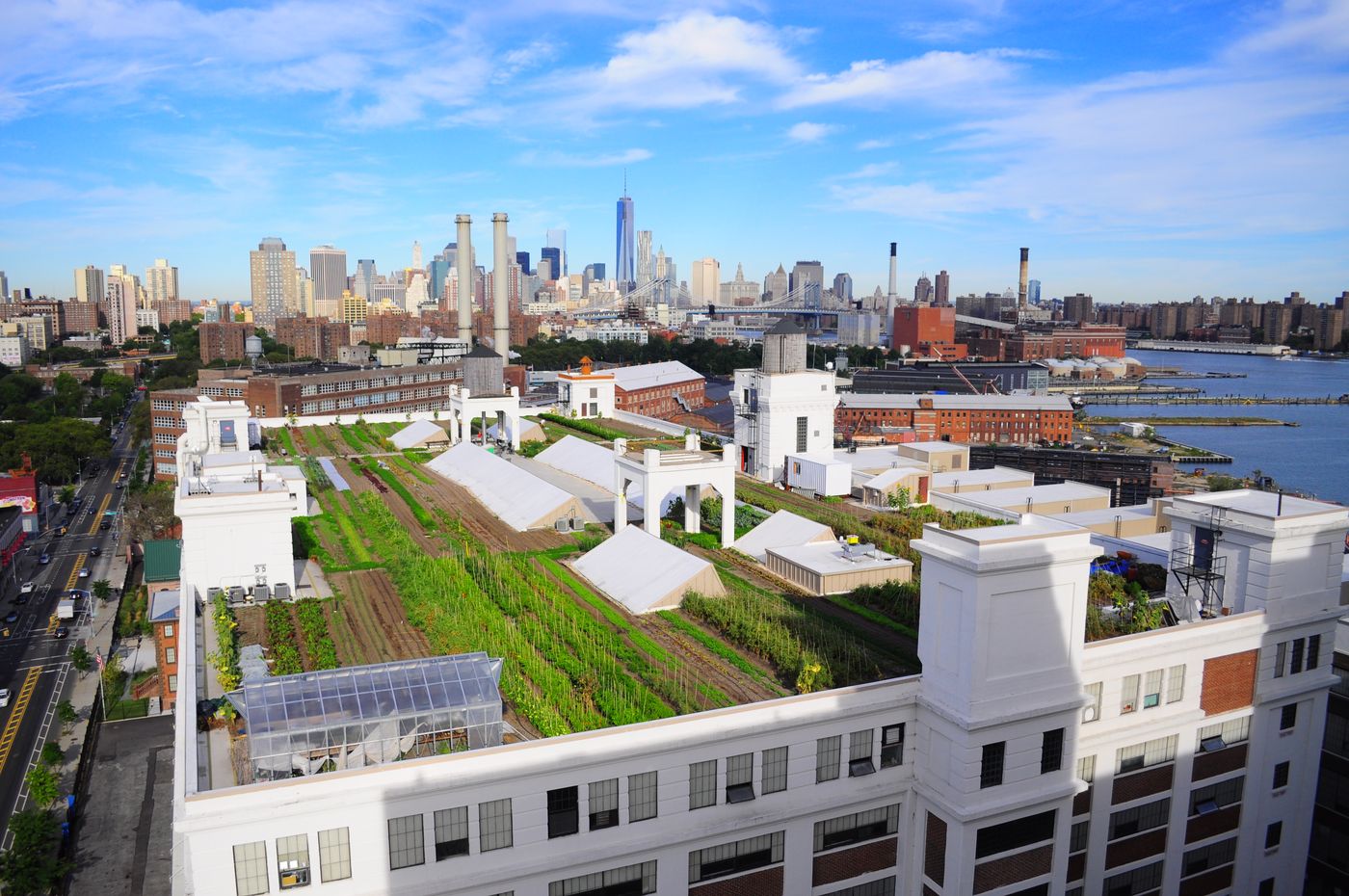
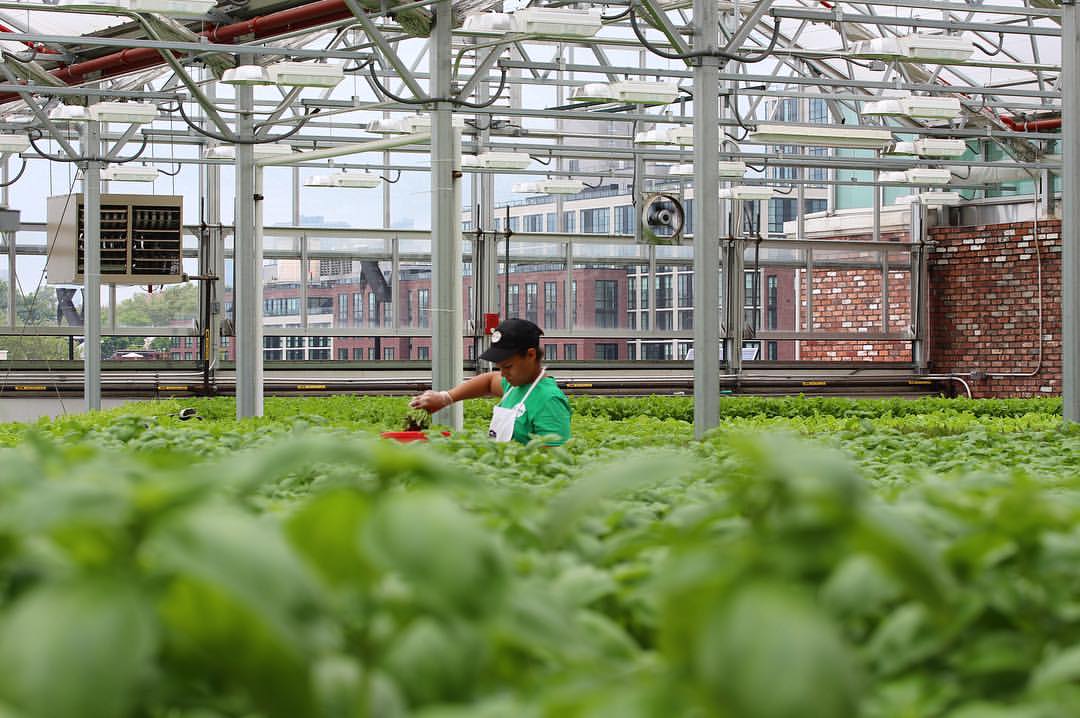
Remember when rooftop farming might have been viewed as a trend that would soon blow over and pass? People who yearned for open spaces to grow food but couldn’t imagine giving up their urban city life or loft? Well good news, it seems as if rooftop farming isn’t going away anytime soon. In fact, it’s “staying power” has been said to have the potential to transform cityscapes all over the world.
“Brooklyn is full of backyard chicken coops and rooftop apiaries. But seeing the sophistication and skill level of the pros makes me think that urban farming as a business and food source will outlive the fad. The Navy Yard roof, on which Brooklyn Grange has a 20-year lease, required some skillful designing and planning.”
Read more about Brooklyn’s Booming Rooftop Industry, here: “Technical.ly”
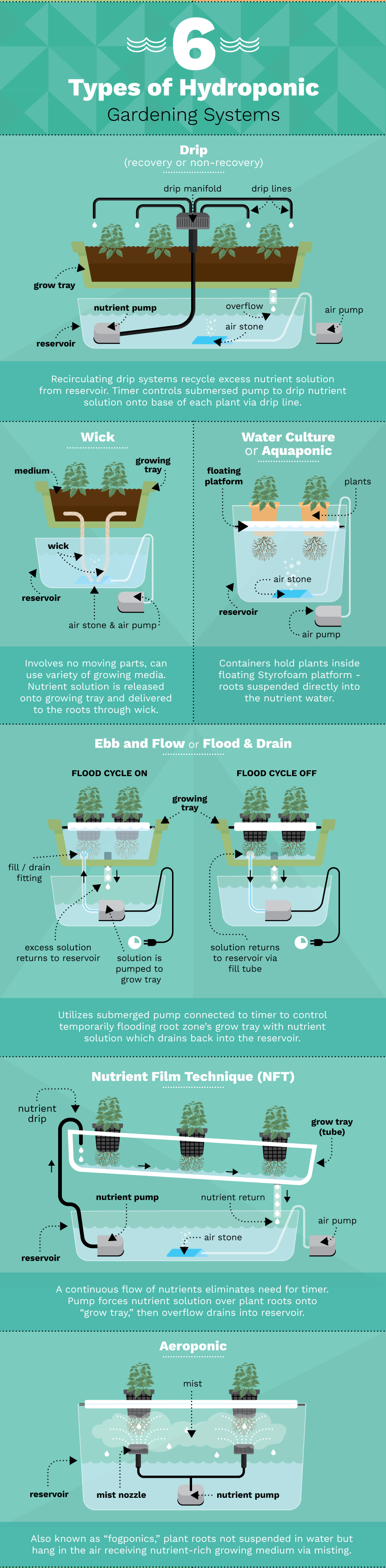
To read more about these 6 different hyroponic systems, visit: “Fix.com”
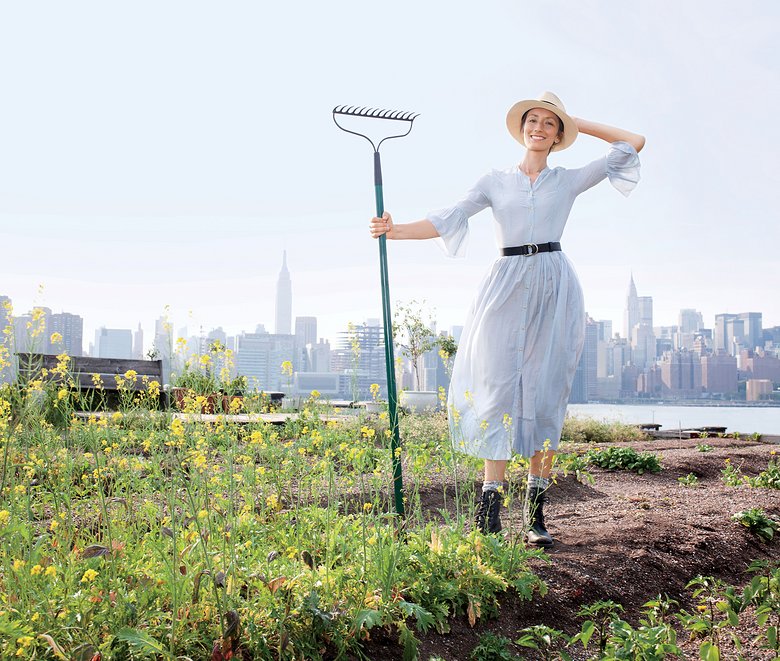
Many urban farmers are finding themselves at the forefront of a strong movement. Growing fruits, vegetables and herbs in a urban garden or farm has become increasingly popular. Why are people leaning towards growing more of their own food? Every urban farmer has their reasons but most would agree about environmental costs of farming, needing to get fresh food into poor communities and let’s not forget about the importance of food education and teaching people where food really comes from.
“A staggering number of cities—Austin, Seattle, Baltimore, Minneapolis, Milwaukee, Chicago—have all adopted zoning codes, tax breaks, and other financial easements for urban gardens. At the movement’s front edge is the plagued but ever-innovating Detroit, which has so successfully encouraged food production on its 30 square miles of vacant lots that it now claims 1,500 urban gardens. Chicago is home to more than 800; Philadelphia, 450. Not since the victory gardens of the 1940s—which I admit I have always longed to see, blooming.
To read more about eating local, and rooftop gardening, visit: “Vogue.com”
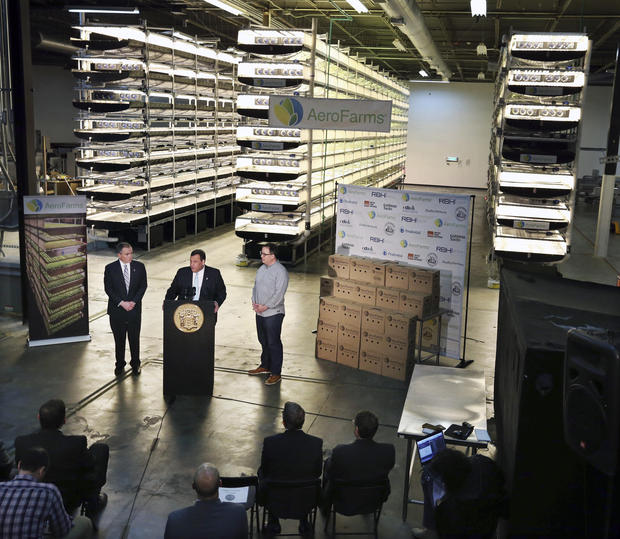
In New Jersey, an old steel mill will change it’s face into the world’s largest indoor vertical farm. This new facility will be able to produce up to 2 million pounds of food in a year.
Read more at “CBSNews.com“
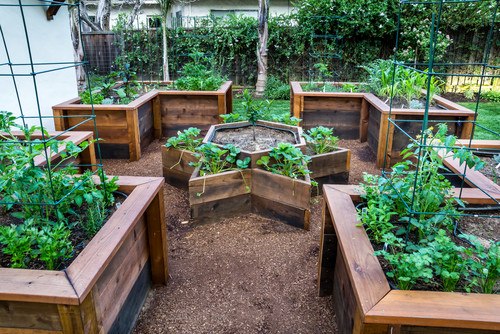
Gardening in raised beds has long been a tradition among gardeners both in urban and suburban neighborhoods. For decades now, people have been turning to their creative side to come up with lovely ways to construct raised beds that are not only purposeful but easy on the eyes. Here’s just a few of our favorites!
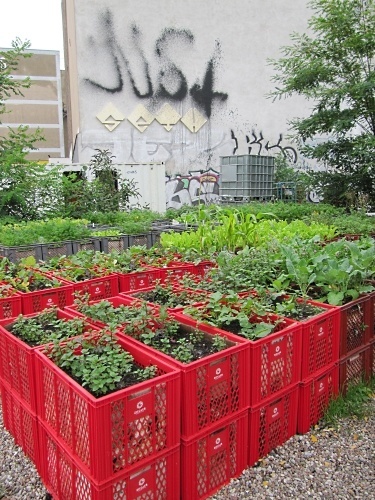
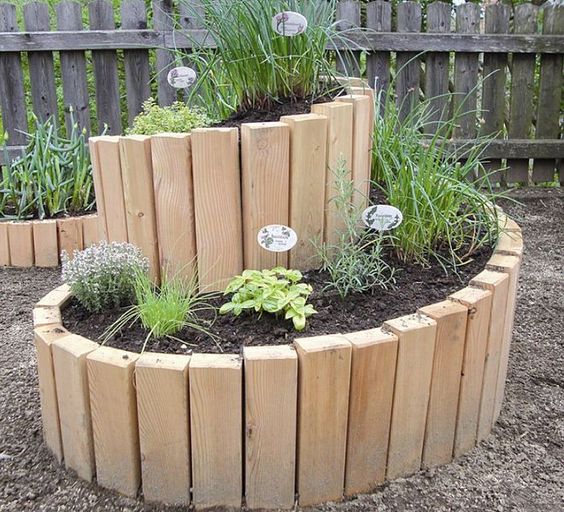
To see the other 9 Unique and Fun Raised Garden Bed Ideas, visit: “SiteForEverything.com“
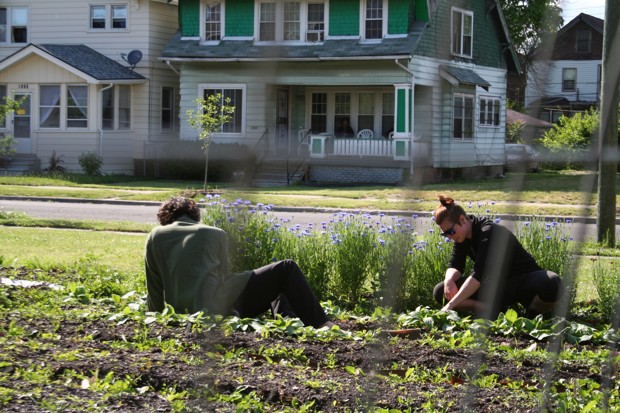
Urban farmers are growing in numbers all over the country, especially in Detroit, Michigan. An estimated 1,400 of them are growing approximately 400,000 lbs. of food in the metro area alone EVERY YEAR.
“Detroit has no shortage of land, but accessing it can prove difficult for many farmers who worry that the tide of development is sweeping by without them. The Detroit Land Bank holds 95,387 parcels of property that are up for sale. Yet dozens of farmers describe years of agitating for land ownership without success. As the city sets about the business of doling out resources and revitalizing blighted neighborhoods, the question is: why is it taking so long for urban farmers to access land? And can the mosaics of community gardens and farms flourish amid larger-scale development projects?”
To read the entire article, visit: “CityLab.com“
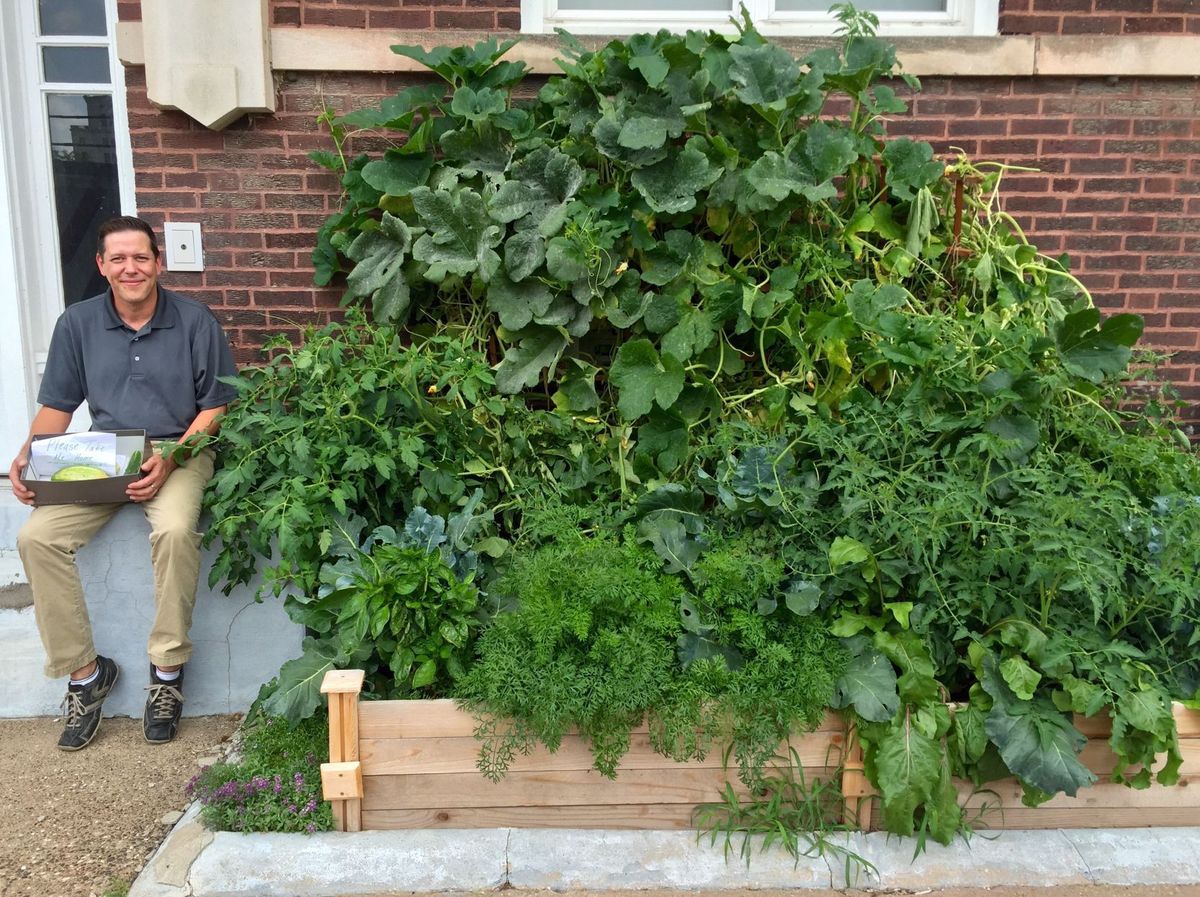
“Struck by the lack of fresh, inexpensive produce in downtown Davenport, one resident is trying to feed his hungry neighbors this summer.
Wesley Arnold, a Quad-City transplant who moved here from the Detroit area in 2013, seeded a variety of food-producing plants over Memorial Day weekend in front of his apartment complex near the corner of West 5th and Brady streets. And they’re almost ripe for the taking.”
Read the entire article at: “qctimes.com“
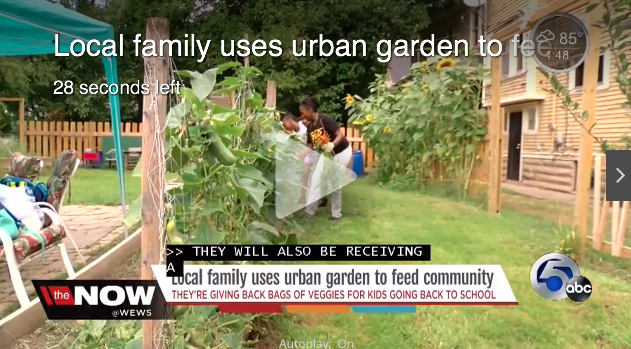
CLEVELAND – In a neighborhood where there’s more check cashing places then grocery stores, there’s the Acy family and their garden.
“This is a food desert where the average corner store sells nothing but junk food,” said the father, Stephen Acy.
His wife, Erika Acy, started the idea of a community urban garden after tending to dozens of fresh pots in their backyard.
“It’s just something that’s been in me, it was passed down from my grandmother. It’s great, I love it,” she said.
Read the entire article at: “NewsNet5.com“
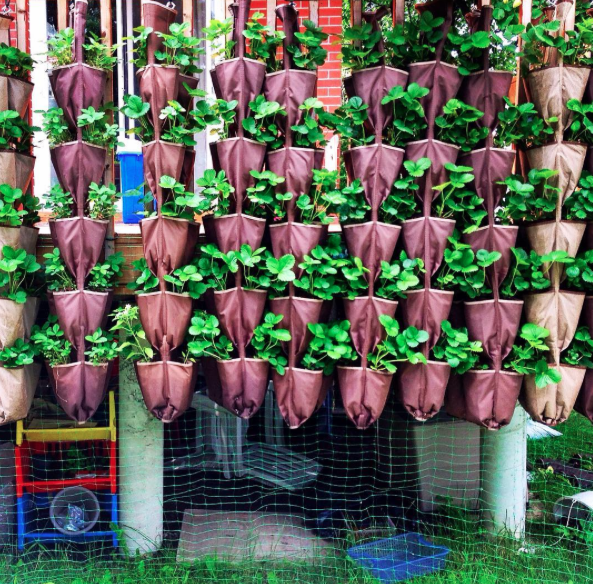
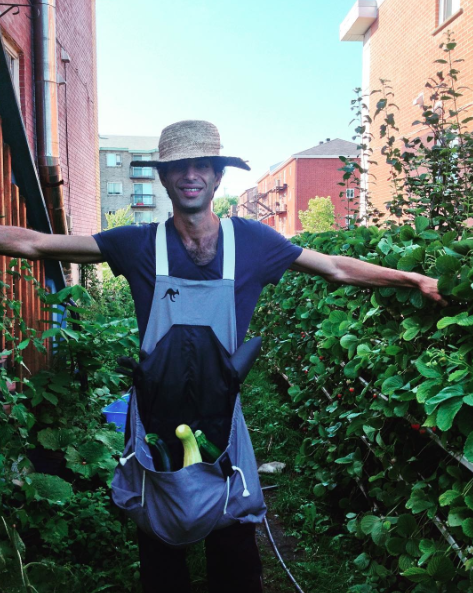
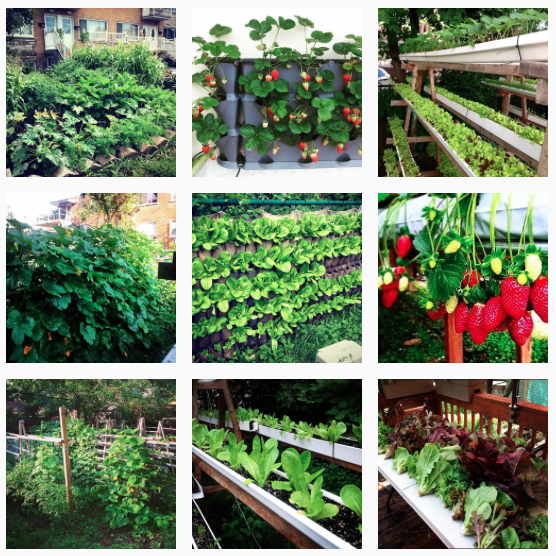
I was always fascinated by growing food but turned off by how inefficient “conventional” methods are. I did try them but between weeds, bugs, bending over, digging, and the rest, I knew there had to be a way to come up with a better mouse trap! I started looking for something that could be used for vertical growing and that could be deployed at scale while staying within reasonable cost. The idea was of course to lower production costs and increase productivity. While cruising the local store alleys I came across the over the door shoe organizers and that became my first vertical system.
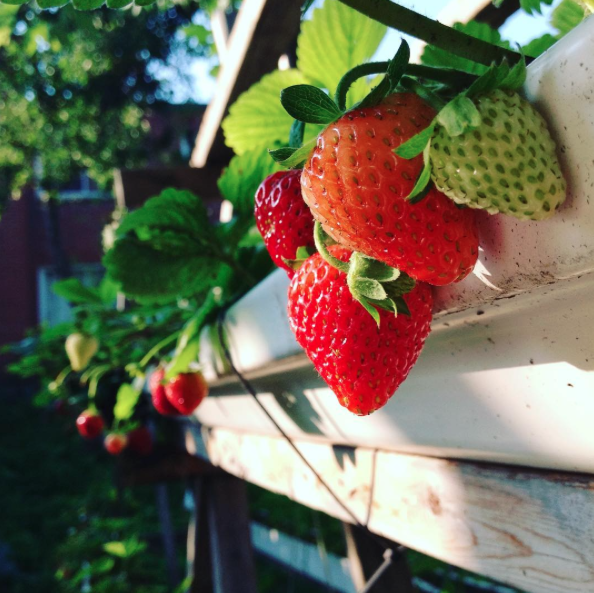
I have photos of this on my Instagram @ThePlantCharmer and it’s obvious from those that it grew plants REALLY WELL! The issues came when it was time to amend/fertilize. We had to put a little bit of chicken manure pellets in each pocket and that took forever. Second issue was that each pocket being sealed from the next, the roots were limited in how much they could grow. That also prevented me from deploying affordable automatic irrigation. I started looking for a solution that would solve these challenges. Enter the rain gutter systems. Cheap to build, durable, easy to operate, solves all challenges mentioned above and yields up to 100$ per square foot at retail values. I call it the holy grail of vertical farming. One massive difference between what I do and other vertical operations is that we are WAY profitable. We fixed all the quirks associated with vertical production and that translates into the highest production farming operation on the globe, however small it may still be at this point. We’ve mastered production of over 100 crops in vertical systems and our catalog keeps on expanding rapidly.
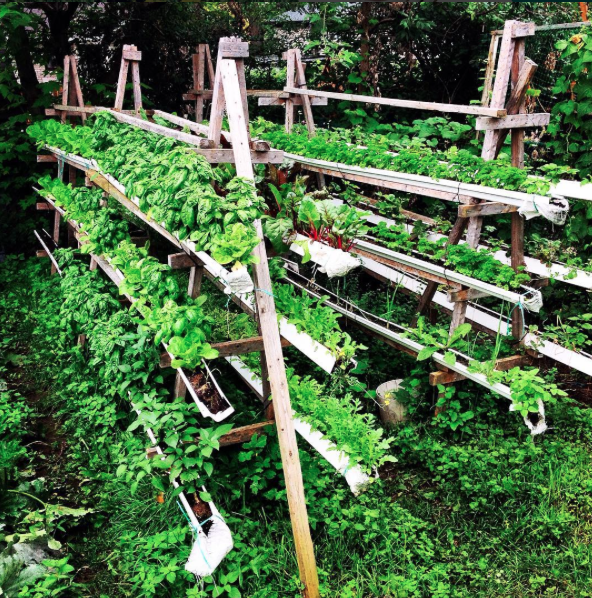
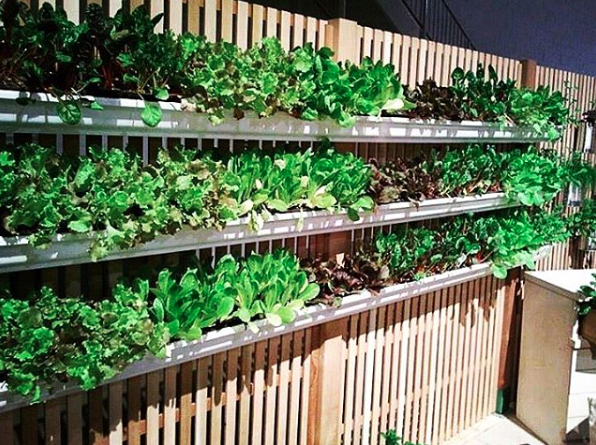
One of the main reasons we research vertical production in such an obsessive way is that this is the key to bringing local, fresh, affordable, chemical free food everywhere. I am building a full size farm next year and will be opening a sales location in a large city in parallel. I will bring in a truck of fresh food every morning from our farm. Our production levels, low labour requirements and direct sales model allows us to beat the competition on all levels. Once this first operation is established we will slowly expand into every large city in Canada first, then the US. We are in essence ushering in a new industry and pushing all middlemen aside. Enter the era of seed to retail, traceable food systems.
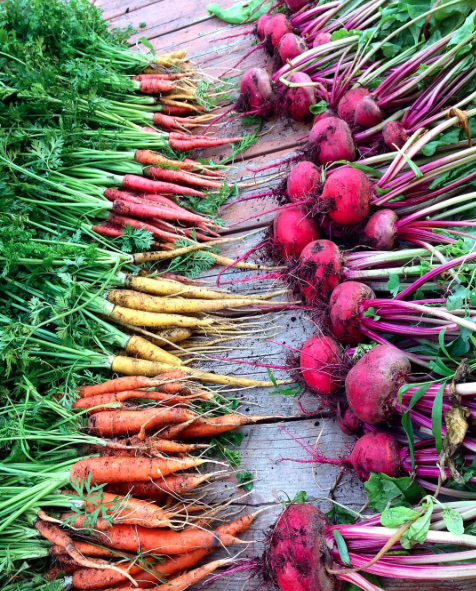
The produce I grow is what supports me and the research I conduct as well. I sell it to neighbours, friends and people who have heard about us on social media. This also is part of the research; I really wanted to go full circle and prove the model, from seed to repeat sales to a crowd of satisfied customers. I give A LOT to charity. My mom comes from a very poor background and I have always been extremely sensitive to poverty. A smile from someone in need is better than a pay check for me. I also try to balance this out with the very real need to pay my bills! But ya it’s always a fresh food party on my block. The neighbours are always like ” whats he gonna come up with next ” and that’s just awesome! Me and my girlfriend also freeze and dehydrate a lot of stuff and are pretty much self sufficient in produce, bar the grain based foods and I think it’s pretty cool to know that we are eating real healthy foods!
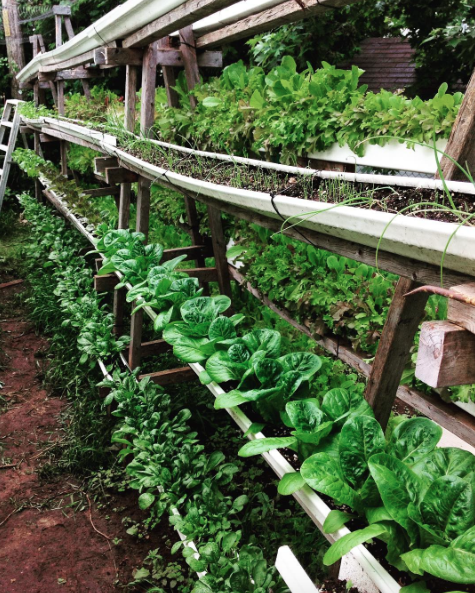
My favourite plant is the strawberry by far! From a cultural point of view at least. I love it’s fruit, yet it can be a very finicky plant. Mastering its production vertically has been my biggest challenge so far. It’s one of those fruits that you never seem to have enough off. I’m particularly proud of my work on them as they are the most chemical sprayed crop out there so growing them clean is always a pleasure!