
82 Sustainable Gardening Tips

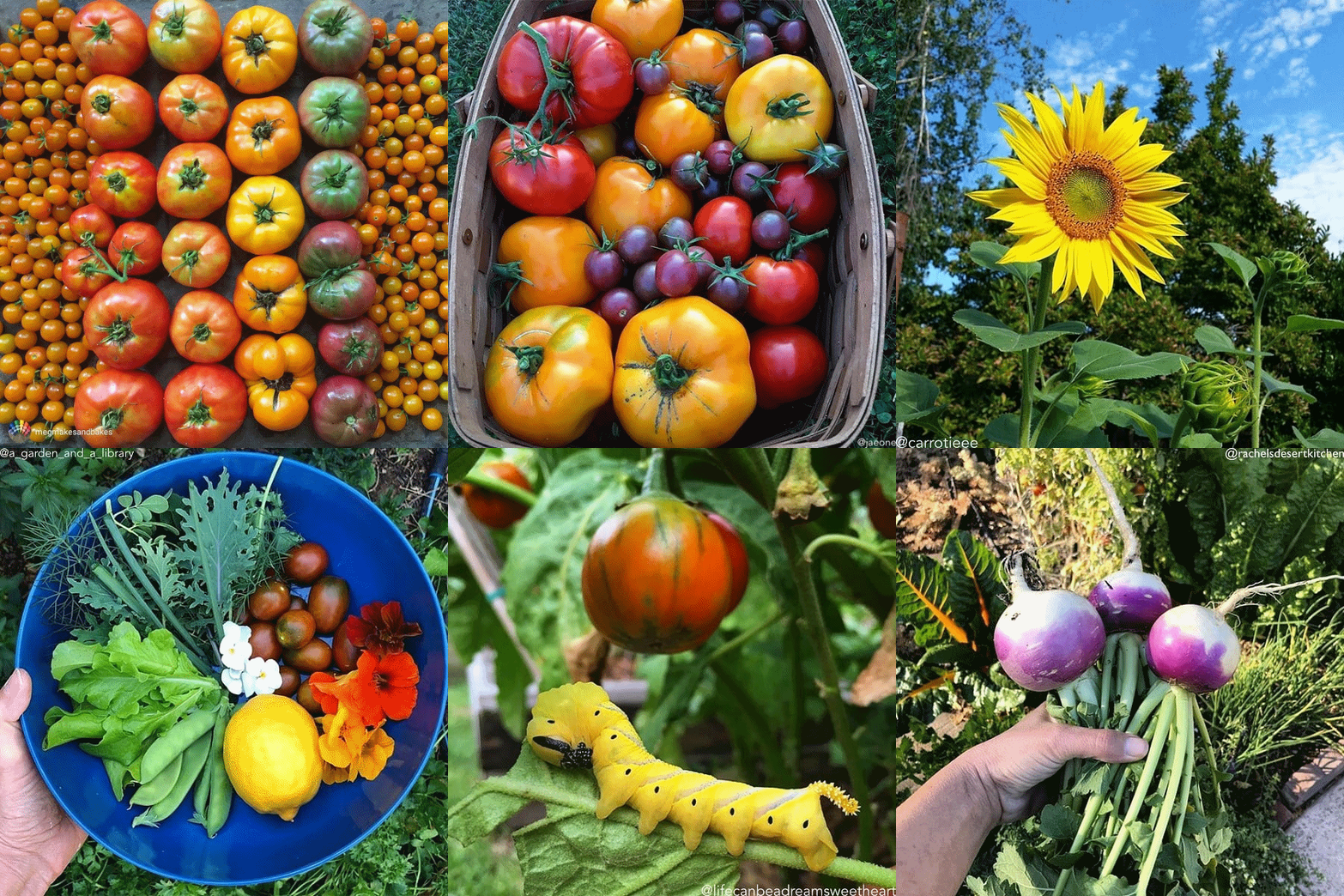
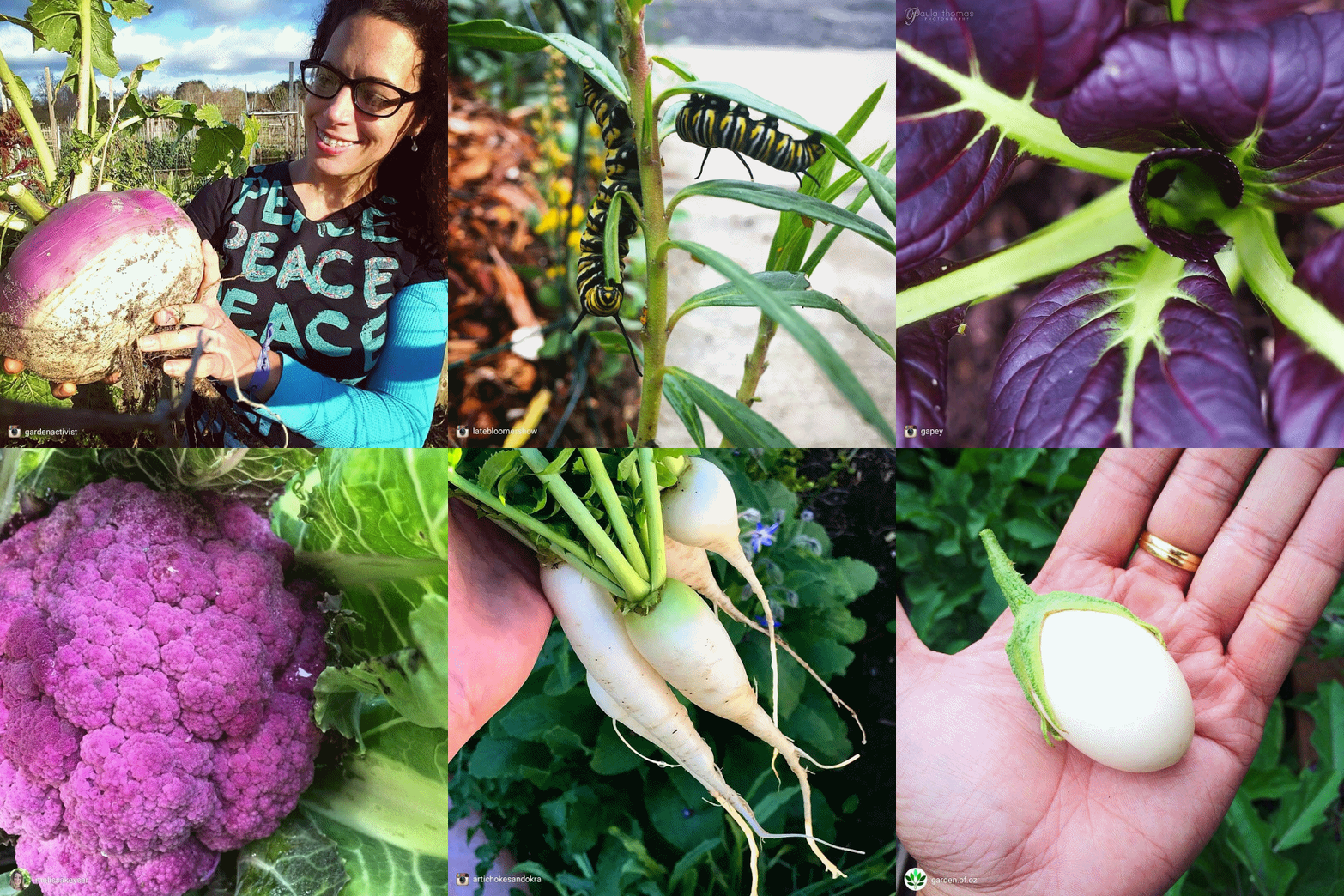
collage

1. I use an old plastic mesh bag to round up leftover slivers of soap. I rubber-band the bag so it’s tight and hang it next to the hose. The combo of the slightly abrasive bag and the soap scrubs off garden dirt. — Irene, Washington

2. I make row covers out of tomato cages, old rebar I got free, and used blankets I got at the local thrift store. — Cathy, Florida

3. Instead of purchasing expensive weed-blocking landscape cloth, I use free old tarps from my local lumber store that they used to cover wood during shipping. — David, Utah

4. I gather pieces of concrete to use as stepping stones in my garden. — Susan, Virginia

5. I recycle drink cups to grow tomatoes from seed. When they’re ready to transplant, I simply remove the bottom inch or so of each cup and plant directly in the ground. This prevents cutworms from making a meal of my transplants. — S., California

6. I was given some heavy-duty metal “for sale” sign frames, and I placed them in my raised beds to support bed covers in early spring. — Kat, California

7. Old pantyhose are my friends: They make garden ties, and I use them to “bag” cantaloupes growing on trellises so the melons have extra support. — Donna, North Carolina

8. I make all my garden fencing with scrap wood and build my veggie trellises and arbors with fallen branches and saplings. — Irene, New Jersey

9. My plant tags are twigs with a shaved-off area to write on. — Michelle, New York

10. For a cold frame in late winter, we prop old windows against straw bales. When I know we’re in danger of a frost, I take old bean poles and jab them into the ends of my beds, throw old sheets over them, use stones or bricks to hold down the edges, and voilà! I have a makeshift tent in my garden. — Liz, Ohio

Read 72 MORE TIPS, here: “MotherEarthNews.com

What Would Make Urban Agriculture in New York City More Equitable?

180305-urban-farms-top2Reverends Robert and DeVanie Jackson, founders of the Brooklyn Rescue Mission Urban Harvest Center in New York City, are proud of the fig trees and raised beds in their organization’s urban garden. Since 2002, local students and senior citizens have tended the crops that help stock the mission’s food pantry. A mile and a half away, Bushwick City Farm, which started in 2011 with volunteers reclaiming a vacant, garbage-strewn lot, now provides free, organically grown food to in-need community members.
Despite deep roots in their communities, both of these urban farms are at risk of collapse. The Jacksons may lose their land in March unless a crowdsourcing campaign can raise the $28,000 they owe the bank for the lot, located in a rapidly gentrifying neighborhood. And though the owner of Bushwick City Farm’s lot originally told the farmers they could use the space, in August, he changed his mind and gave them 30 days to vacate. The owner has yet to enforce that order, but that could change at any moment.

“We’ve got 30 chickens there, and we didn’t have anywhere to go; we felt like we were participating in the community and he wasn’t,” said Bushwick volunteer James Tefler. “The neighborhood rallied around us and we had meetings with city government representatives.”

Read the FULL STORY: “CivilEats.com

This Swedish Indoor Urban Farm Wants To Revolutionize How We Live And Eat

5a9709de1f00005200168c13

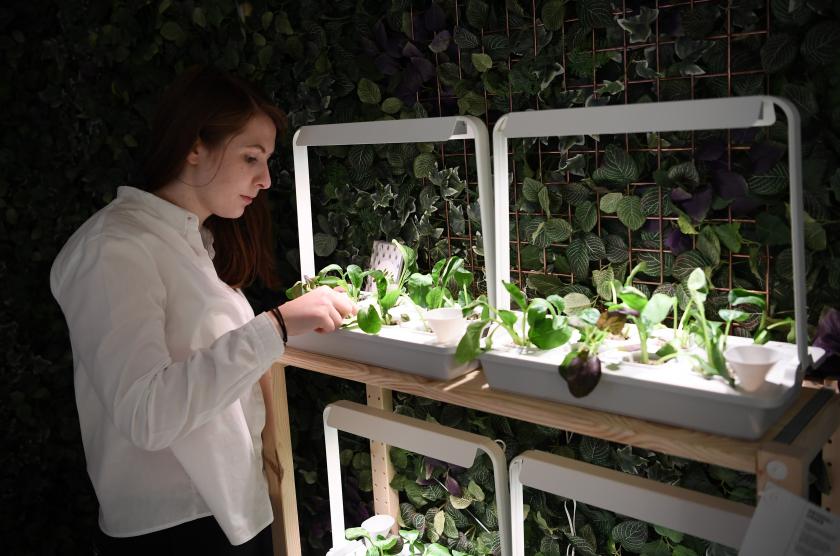
In the basement of a landmark 27-story tower in Stockholm’s central Kungsholmen district, Owe Pettersson is hoping to sow the seeds of an indoor urban farming revolution.

Pettersson is the chief executive of Plantagon, a new Stockholm-based urban farming venture set to kick off operations in the basement of an office block in the Swedish capital later this month.

“This will be one of the most advanced food factories located in a city that we have today,” says Pettersson, who has spent more than 25 years in the insurance and banking industries.

He is by no means the first enthusiast for indoor farming, which has become increasingly fashionable in recent years. Claims for the practice of growing food in basements or warehouses range from feeding people in desert environments to reversing the negative environmental effects of monoculture farming.

Read the FULL Article, HERE: “HuffingtonPost.com

Win a FREE Seed Club Subscription!

Seed Club GIF

Win a FREE 1 Month Subscription to UOG’s Monthly Seed & Garden Club! https://urbanorganicgardener.cratejoy.com/offer.html

Everything is delivered to you at just the right time of the year. [All based on your grow zone – growing conditions – garden location – preferences – and more!]

Now is the perfect time to join as we are currently getting ready for the upcoming spring planting season!

Let our Garden Guru’s curate a collection of seeds & garden supplies just for you – your grow zone – garden space – location – and more. Includes everything you need to grow 5 new edible plant varieties every month – varieties can include herbs, vegetables, flowers, sprouts, micro-greens, bulbs, and more! Join the rest of the UOG community and get growing now!

ENTER TO WIN: https://urbanorganicgardener.cratejoy.com/offer.html

Is Personalized, Next-Day Delivery the Future of Urban Farming?

692e7eebb

940

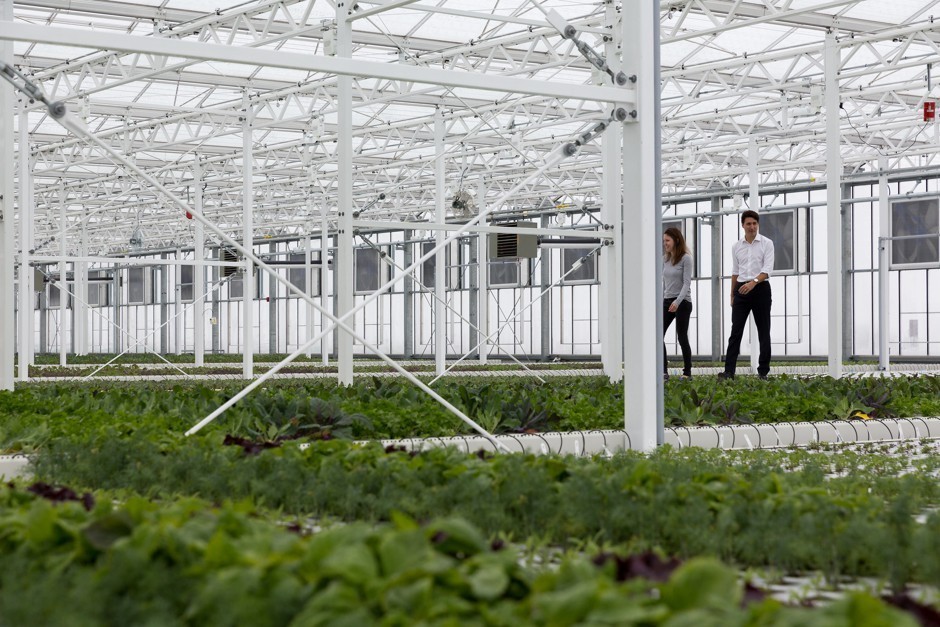
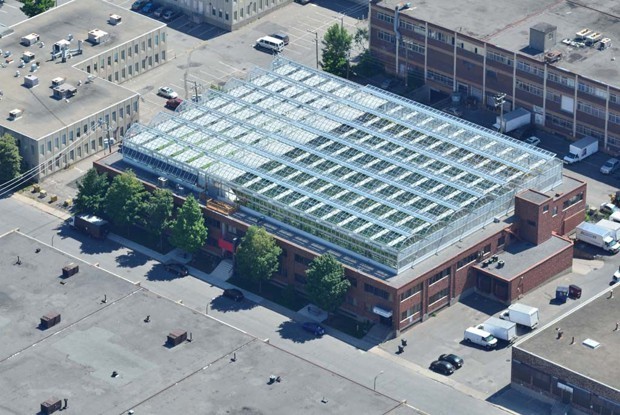
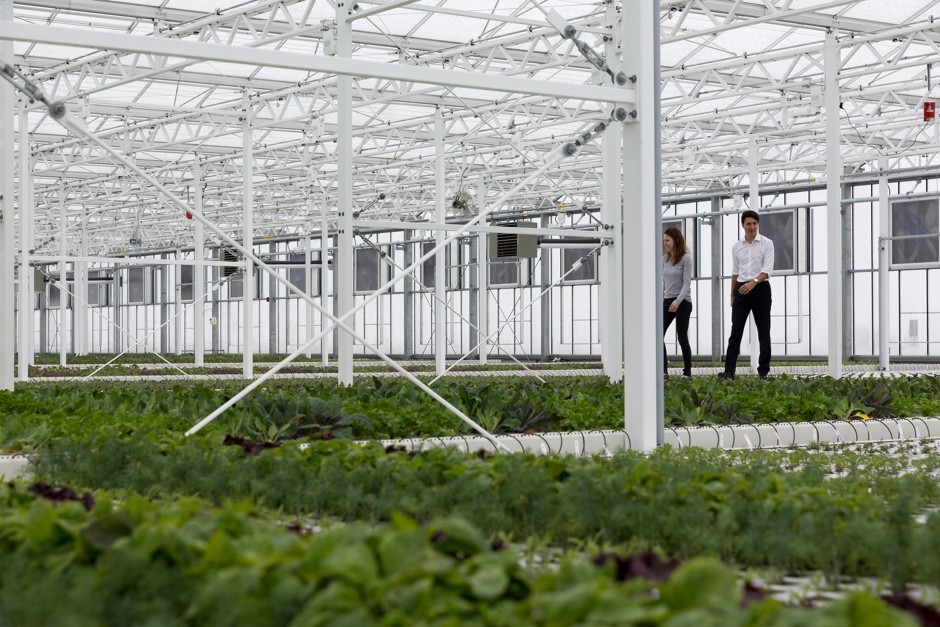
“Canadians have grown accustomed to seeing Prime Minister Justin Trudeau pop up in unlikely photos, sometimes shirtless or in athletic gear. But Trudeau was wearing a suit for a planned photo op when he toured Lufa Farms, a 63,000-square-foot rooftop greenhouse in Montreal, last March. During his visit, Trudeau took a moment to harvest a bag of greens for his family.

One of Canada’s largest urban farming projects, Lufa Farms is the brainchild of Mohamed Hage and Lauren Rathmell. Back in 2011, Hage and Rathmell—partners in business and life—opened the world’s first commercial rooftop greenhouse, a 31,000-square-foot space atop an old Montreal warehouse. They now oversee three hydroponic greenhouses, each placed on a sturdy, low-rise building, with a combined 138,000 square feet.”

Read the FULL STORY “CityLab.com

49 Beautiful DIY Raised Garden Beds Ideas

preview

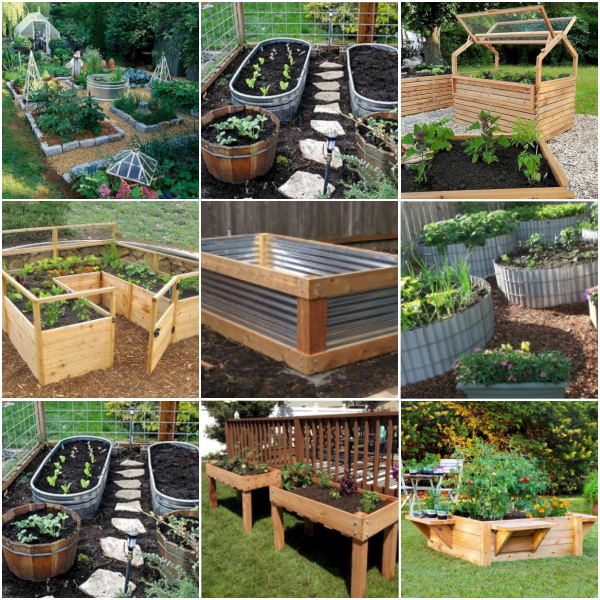
“If you are planning to a vegetable garden, the best place to plant it may not be in the ground, many gardeners today use raised beds which lift the plants and their roots above ground level. There are a number of good reasons to garden this way; you can choose your soil for good plants and good harvest. Raised bed also brings the garden up where it’s easier to reach for weeding and harvesting.”

See all 49 Raised Bed Garden Ideas, HERE!

Urban farmers are learning to grow food without soil or natural light

gettyimages-862655512Growing food in cities became popular in Europe and North America during and immediately after World War II. Urban farming provided citizens with food, at a time when resources were desperately scarce. In the decades that followed, parcels of land which had been given over to allotments and city farms were gradually taken up for urban development. But recently, there has been a renewed interest in urban farming – albeit for very different reasons than before.

As part of a recent research project investigating how urban farming is evolving across Europe, I found that in countries where growing food was embedded in the national culture, many people have started new food production projects. There was less uptake in countries such as Greece and Slovenia, where there was no tradition of urban farming. Yet a few community projects had recently been started in those places too.

Read the FULL Story at: “CityMetric.com


Urban Farmer Makes $1000 a Week Growing Vegetables in Rental Home

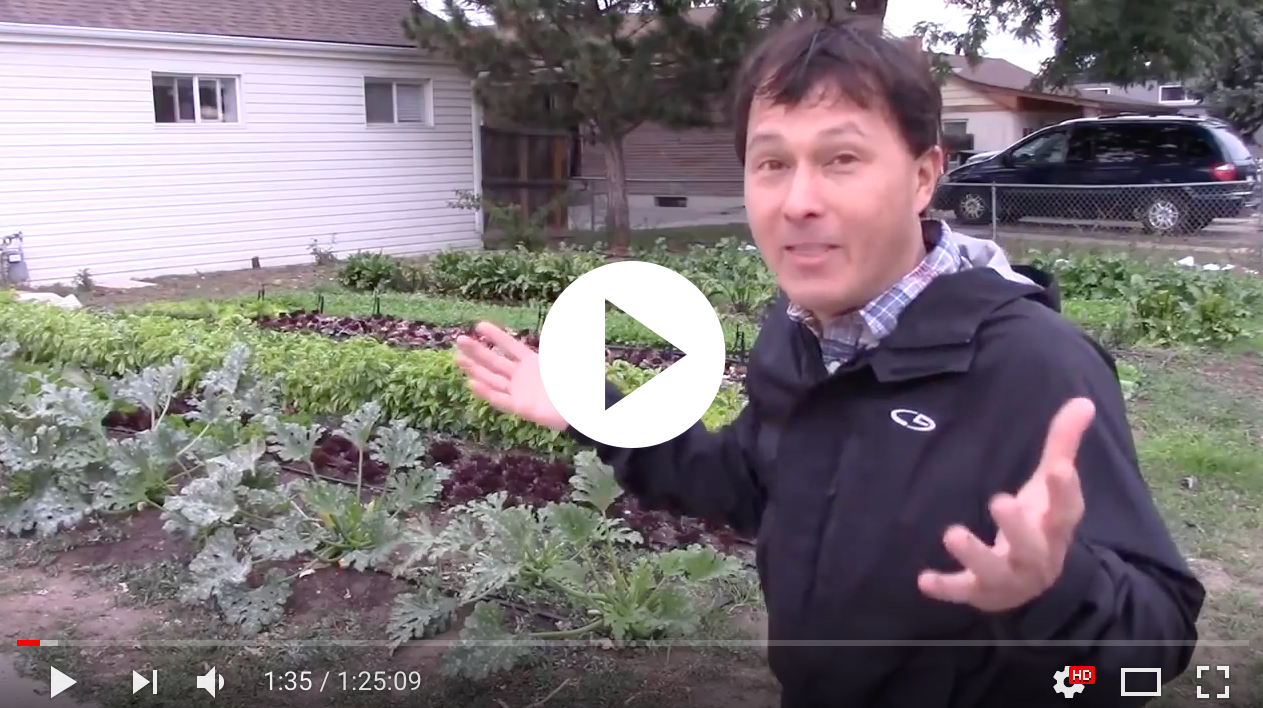
“In this episode, you will learn how in just 7 months the Farmers transformed an empty yard into a fully operational farm growing microgreens, leafy green vegetables, root vegetables, and fruits. You will get a tour of the entire farm showing you all the different areas and some of the infrastructures that have been built that can be easily removed if necessary.

You will discover how this farm is able to gross $1000 a week by selling food they grow on their 1/3 acre lot including washing, drying, cleaning and storing the vegetables when necessary. You will learn about some of the most important equipment that was purchased to get this farm up and running. You will discover how hoop houses allow them to get an early start on the season, and grow foods until late in the season to produce an income for the longest period of time.”

Video via: “GrowingYourGreens.com

Vertical Gardens on Parking Garages Boost Well Being

r0_0_1200_800_w1200_h678_fmax

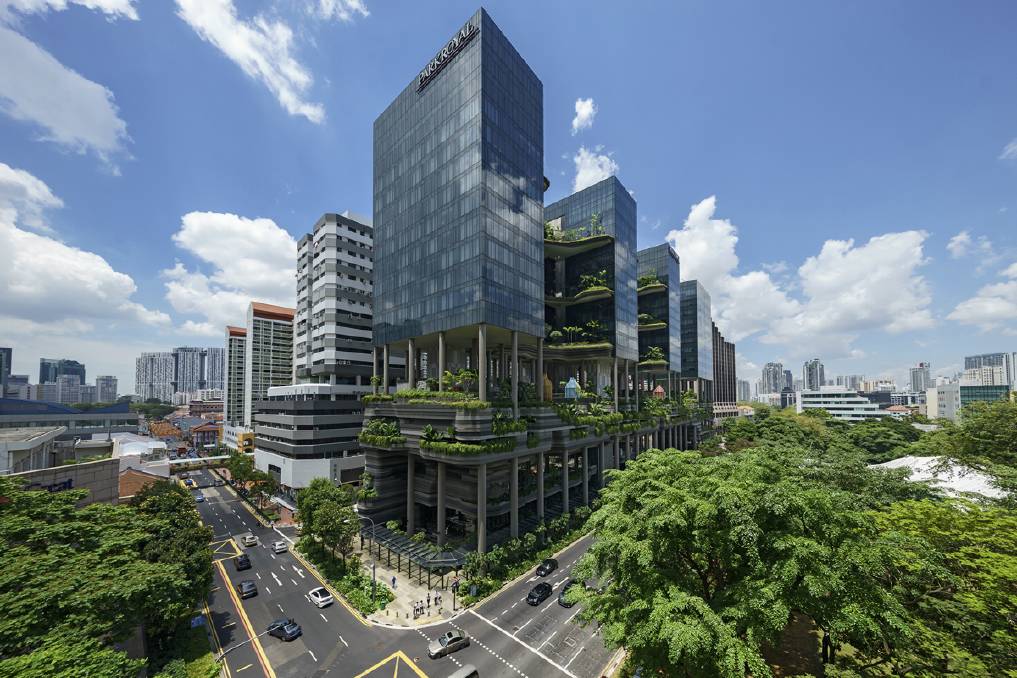
If you’re going to build something like a car park, why not make it beautiful?

This is the philosophy of Maitland’s Bob Dennerley, a craftsman with a passion for creativity and design.

Bob is urging the Hunter’s city planners and politicians to push for vertical gardens on multi-level car parks.

What Bob is trying to say, is that car parks are ugly. Hideous, even.

And who would disagree?

Many [or all] of them are concrete monstrosities often frequented by understandably moody commuters, struggling to get to work on time or desperate to get home.

Bob says vertical gardens have an “aesthetic value on people’s mental health”.

READ the FULL STORY at: “TheHerald.com.au

Do not eat your veggies — if they are grown in your front yard!

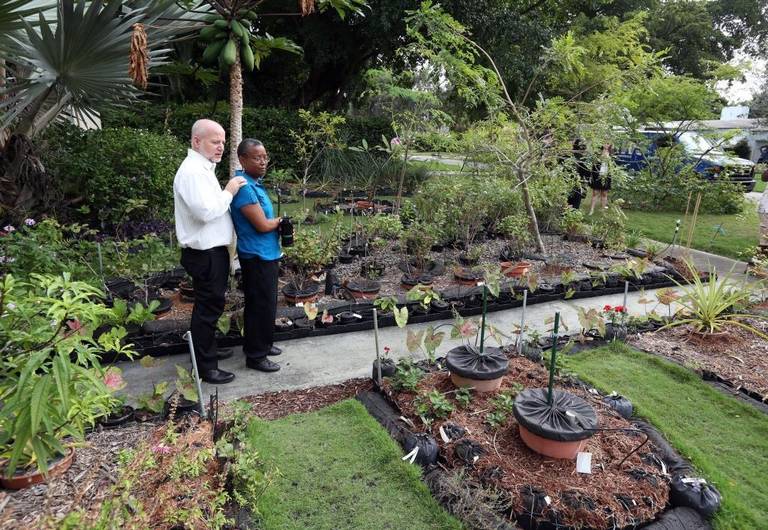
Hermine Ricketts and her husband Tom Carroll may grow fruit trees and flowers in the front yard of their Miami Shores house. They may park a boat or jet ski in their driveway. They may place statues, fountains, gnomes, pink flamingoes or Santa in a Speedo on their property.

Vegetables, however, are not allowed.

Ricketts and Carroll thought they were gardeners when they grew tomatoes, beets, scallions, spinach, kale and multiple varieties of Asian cabbage. But according to a village ordinance that restricts edible plants to backyards only, they were actually criminals. They didn’t think they were engaged in a Swiss chard conspiracy or eggplant vice, yet they were breaking the law.

Florida’s 3rd District Court of Appeal upheld Miami Shores’ ban on front-yard vegetable gardens in a recent decision, so the couple will take their case to the Florida Supreme Court. They argue, on behalf of gardeners everywhere, that the village’s restriction is unconstitutional and an infringement on their property rights.

Read more here: “MiamiHerald.com”

Join UOG’s Monthly Seed Club, Just in Time for Spring!

UOG GIF

Collect heritage seeds and GROW A GARDEN, ALL-Year-ROUND!

Join the club that delivers you garden seeds at just the right time of the year to plant them – hand selected based on your garden specs. Start by telling us a little bit about your garden, preferences, and location. Then, each month we’ll send you a curated collection of heritage garden seeds.

Now is the perfect time to join.
Spring is right around the corner!

Visit: https://urbanorganicgardener.cratejoy.com

**NEXT SHIPMENT: FEBRUARY 5**

Urban Agriculture and the New Meaning of “Eating Local”

annie-novak-rooftop-farm-00

A bumper crop of city farms, rooftop gardens, and futuristic urban greenhouses here and abroad is changing what it means to eat local.”

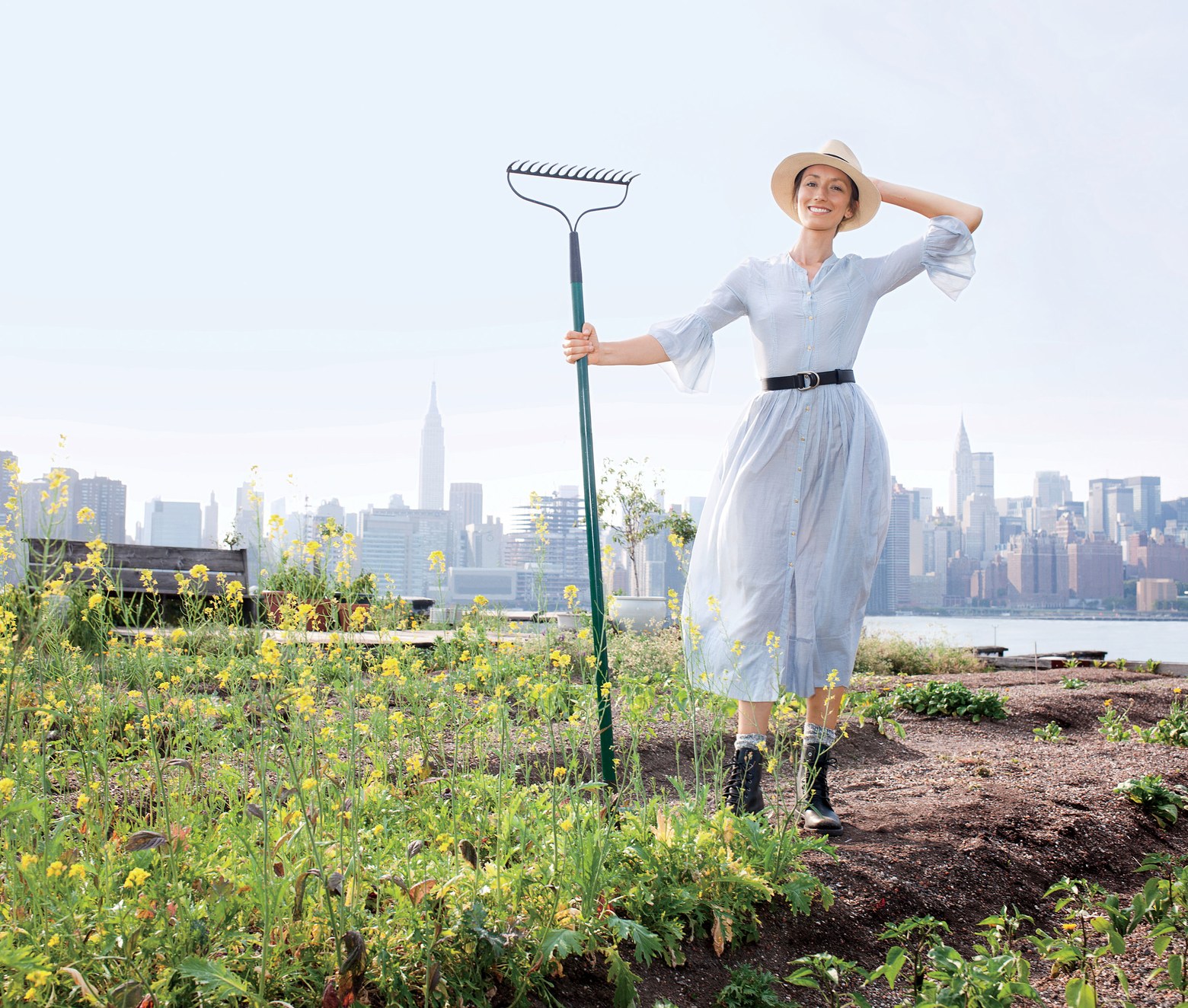
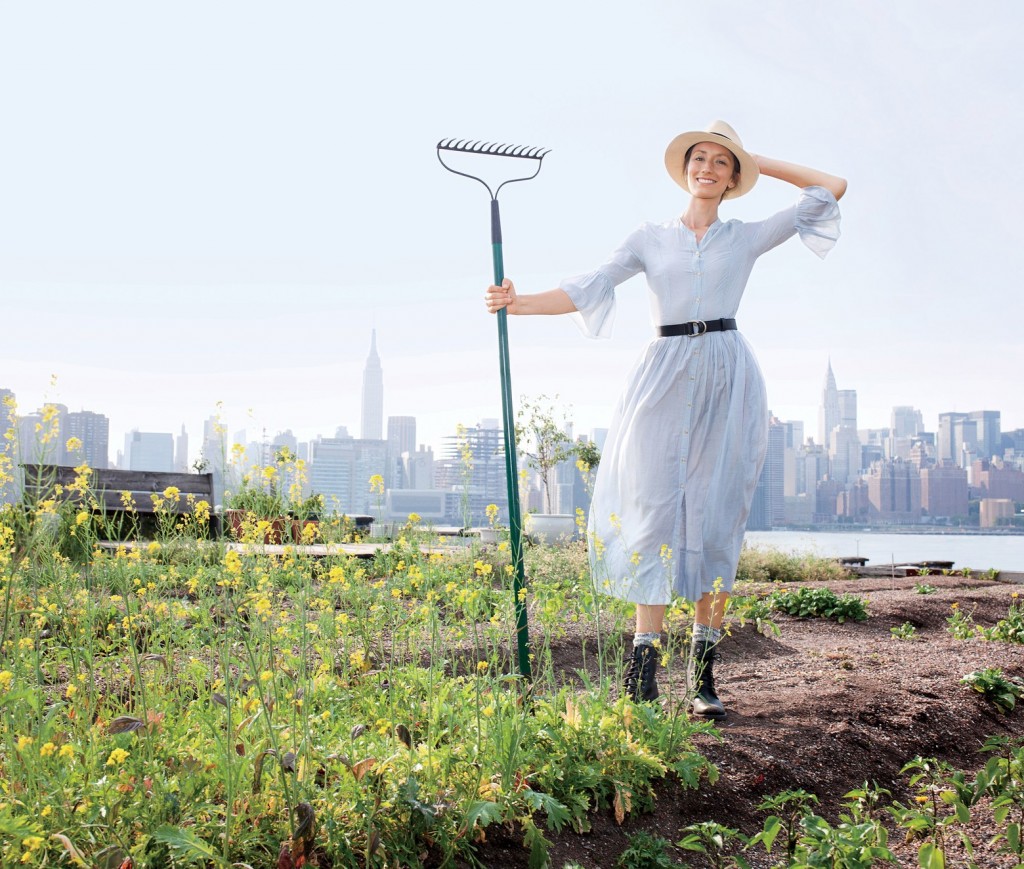
“That’s our mockingbird,” says willowy Annie Novak, immaculate and breezy in ankle-length linen and high-heeled strappy sandals. She points at a bird in a beleaguered tree outside the industrial building in Greenpoint, Brooklyn, whose stairs we’re about to climb and apologizes that the bird is about to run through its entire repertoire. “I hope it’s not too annoying.”

Read the FULL STORY at: “Vogue.com”

The Rise of Vertical Farming – A Documentary

“Food flats and vertical farming as an alternative to our inefficient food system: in order to do vertical farming in a sustainable way, we must integrate the food production into the urban infrastructure for a significant part. At present, our food system is inefficiently organized: our food travels many kilometers, uses a lot of water, is wasted and pollutes the environment. Nevertheless, the 7 billion inhabitants, often living in large cities, need to be fed. Food flats and vertical farming in urban agriculture are important alternatives to our current inefficient food system.”

Video via: “vpro documentary


The Science Behind Vertical Farming

“Everything we create, everything we build, and everything we send out into the world has an impact on people and the planet. We take that responsibility seriously. We operate ethically and strive constantly to increase our operational standards to deliver high quality food.”

Learn more about Aerofarms and their project by visiting: “AeroFarms.com

Santa Monica gardener reveals secret behind his green thumb

012918-_-farmscape1-600x350

Tucked away around the north side of his Ocean Park home, Conrad Clark has a very productive garden.

Cilantro, parsley, kale, arugula, lettuce and spinach plants produce enough vegetables for fresh soups and salads every week from the four-by-ten-foot raised bed. A nearby Tsasuma tree is heavy with fruit.

It’s an impressive set-up for a 13-month-old amateur, who keeps his mom busy as he pulls out sticks and taste the soil for himself.

“It’s foolproof,” said his mom, Sharon, as she took a stick back from his dirty fingers and placed it where it belonged near the parsley. “It’s the easiest thing for a working mom.”

Admittedly, Sharon and Conrad have little to do with their garden’s success. They are just two of Farmcape’s many Santa Monica clients who have discovered the secret to a successful garden is hiring an expert to toil in the soil. The company built bed, installed a drip irrigation system and presented the working mother with a menu of seeds to choose from. Her personal famer, Nick Barner, shows up once a week to tend the garden and gather vegetables he leaves by Sharon’s back door.


Read the REST OF THE STORY, at: “SMDP.com

Gardening May Help Cancer Survivors Eat Better, Feel Greater ‘Worth’

food-photography-2834549_1280

“For cancer survivors, three seasons of home vegetable gardening may increase physical activity, fruits and vegetables in the diet and also enhance feelings of self-worth, researchers say.

Possibly as a result of these healthy behaviors, gardeners in the small study also tended to gain less weight around their waists compared to their counterparts on a waiting list for the gardening intervention, the study team reports.

It’s estimated there are more than 15 million cancer survivors in the U.S., over two thirds of whom are over age 60, they note in the Journal of the Academy of Nutrition and Dietetics.

“For cancer survivors, especially those who are older, we look for lifestyle changes that can help them get healthier but are also holistic and have meaning,” said lead author Wendy Demark-Wahnefried, chair of nutrition sciences at the University of Alabama at Birmingham’s Comprehensive Cancer Center.”

Read the FULL STORY, here: “VOA.News.com

Community gardens across Houston work to end food deserts’ thirst

IMG_6444

“There are no fresh food markets or commercial grocery stores in the Third Ward, making it one of the many neighborhoods in Houston and the United States classified as a food desert. When neighborhoods, usually low-income and ethnic ones, lack access to affordable, nutritious and fresh foods, they fall under that classification.

To alleviate the severe lack of fresh foods in the Third Ward, the community garden on Ennis St. help to supply food sources. Thirteen other community gardens are spread out throughout the city in a variety of neighborhoods.

Food security plans

Most people do not think of the fourth largest city in the United States being the greatest hub for agricultural development. That’s where the expertise of Joe Icet, a public health educator who runs the community gardens, comes in handy. Icet is an urban farmer who has been managing numerous garden and agriculture projects over the course of 18 years in the Third and Fifth Wards.

“I’ve been collaborating with some innovators and local agriculture farmers building what I call ‘food security plans’ for urban neighborhoods,” Icet said.”

Read the FULL STORY, at: “TheDailyCougar.com

A Jeff Bezos-backed warehouse farm startup is building 300 indoor farms across China

img0028

“In the past two decades, China has experienced several food scandals. Between 2001 and 2006, toxic mushrooms killed 148 people and poisoned over 500 others in Yunnan. In 2010, Hunan police shut down a large operation that produced “green beans” from dyed soybeans.

As a result, a growing number of Chinese residents are turning to organic produce, which is considered safer since its production is more regulated, according to The Guardian.

A Jeff Bezos-backed indoor farming company called Plenty will soon harvest some of this organic produce. But unlike traditional farms, it will grow crops on LED-lit 20-foot-tall towers, which do not require soil, pesticides, or even natural sunlight. The technique is called vertical farming.

Plenty says it will build 300 vertical farms in or near major Chinese cities, where it will capitalize on the country’s growing middle-class demand for organic produce. The first farm will open next year, Bloomberg reports. In Beijing and Shanghai, the company will also build centers where customers can taste produce.”

Read the FULL STORY at: “BusinessInsider.com

Urban Farming Is the Future of Agriculture

d5-1200x900

“The planet is growing more food than ever, and yet millions of people continue to starve worldwide. People are hungry everywhere — in the country, in the suburbs. But increasingly, one of the front lines in the war against hunger is in cities. As urban populations grow, more people find themselves in food deserts, areas with “[l]imited access to supermarkets, supercenters, grocery stores, or other sources of healthy and affordable food,” according to a report by the U.S. Department of Agriculture.

New technologies are changing the equation, allowing people to grow food in places where it was previously difficult or impossible, and in quantities akin to traditional farms.”

Read the FULL STORY, at: “Futurism.com

Discovery of wild truffle on Paris rooftop hailed as boon for urban gardeners

61fbec366fc82003752fc75f99f166a43df272a49276ecbb94aa502166e248c6
“French gourmets were celebrating Friday after a wild truffle was discovered for what experts said was the first time ever in Paris. It’s not exactly the sort of thing you expect to find nestled on a rooftop in the centre of the bustling French capital. In fact, experts believe it to be the first discovery of its kind in Paris. The discovery in a hotel roof garden in the shadow of the Eiffel Tower comes as prices for the aromatic fungus have doubled to more than 5,000 euros ($6,000) a kilo.

Coming just before Christmas, when truffles are used to flavour such seasonal foods as foie gras and chestnut soup, it raises the hope of an undreamt-of windfall for the new wave of urban gardeners colonising city roofs.”

Read the FULL STORY at: “TheLocal.fr.com