Five Ways To Prepare Now For Gardening In 2021

HERALDANDNEWS.COM – Gardening in all forms — from window boxes to major landscape renovations — surged in 2020. Whether for mental peace, food security, or a meaningful “socially distanced pastime,” people turned to gardening this year. Increased interest in all things gardening led to temporary shortages in seeds and plants this year, causing a similar surge in interest in seed banks and seed saving.

Now that freezing nights have put an end to most gardening this year in the Klamath Basin, some forward-thinking gardeners are already looking ahead to next year. Recent horticulture questions at the Extension office included seed saving techniques, advice for overwintering small trees, how to prepare beds for winter, and the big question: Given that 2021 is projected to be equally popular food gardening, will there be shortages of seeds and plants again? How can a gardener prepare now, in the quiet time? The following are a few suggestions.

READ THE FULL STORY: https://www.heraldandnews.com/news/local_news/community/sanchez-five-ways-to-prepare-now-for-gardening-in-2021/article_1853e16a-2ce7-57b5-990a-a5e5aabbc47e.html

Gardening is Booming During This Pandemic – and You Can Still Start Planting in July

Time has not ran out! There’s still plenty of days left on the calendar to get your summer gardens planted. It’s all about variety and days to maturity.

“Gardening businesses have been booming during the coronavirus lockdowns, and nurseries have busily tried to keep up with the unexpected—and unprecedented—demand.

Tending plants has always been one of the world’s most popular hobbies, but no one was prepared for this surge in gardening—and nurseries are still propagating as fast as they can to keep up.

Even sales of houseplants are up, as people look for ways to brighten their days in lockdown.

“The establishment time for a plant is so much faster in the summer months, and the watering time for new plants is much shorter,” explains Avent. “If you plant in the winter, you can get by with infrequent waterings, but if you plant in summer, you need to water every day. But the tradeoff is that you only have to water for a week or so before the plant is fully established.”

Pollinators are also more active in the summer months and can be a gardener’s good friend; native bees, honeybees, butterflies, but also wasps.”

READ THE FULL STORY: https://www.goodnewsnetwork.org/gardening-is-booming-during-this-pandemic/

Quick Maturing Crops You Can Grow Almost ANYWHERE!

Don’t let space or time hold you back from growing your own food! There are plenty of things you can plant in your garden, windowsill or tiny patio that will produce in less than 45 days. In some cases, you can even enjoy homegrown food in less than 1 week! Here are our top selections if you’re short on time & space in the garden.
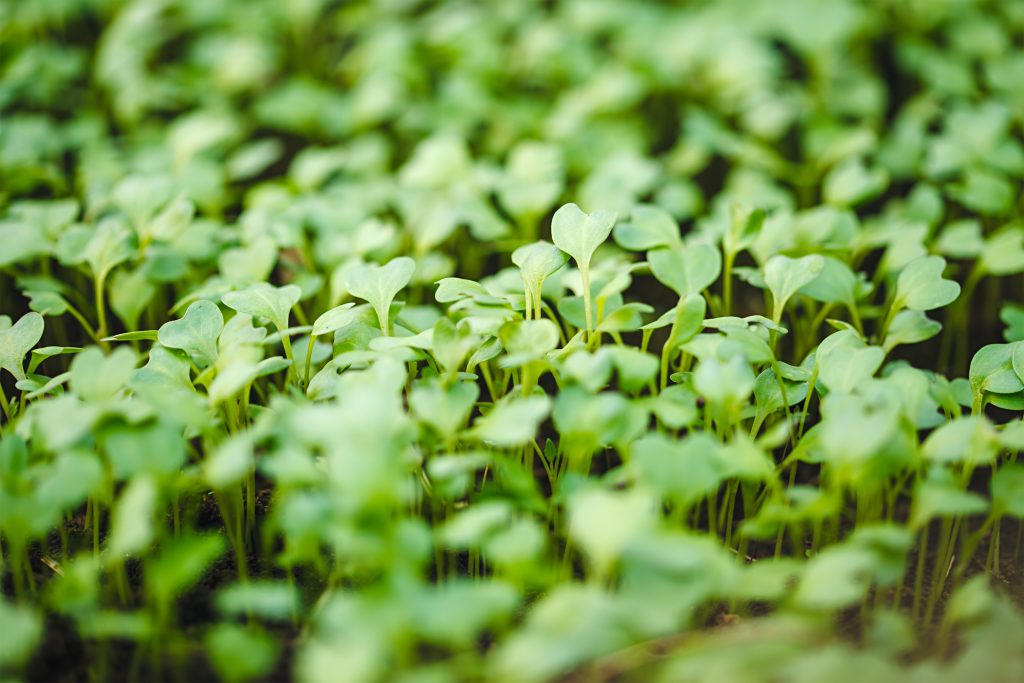
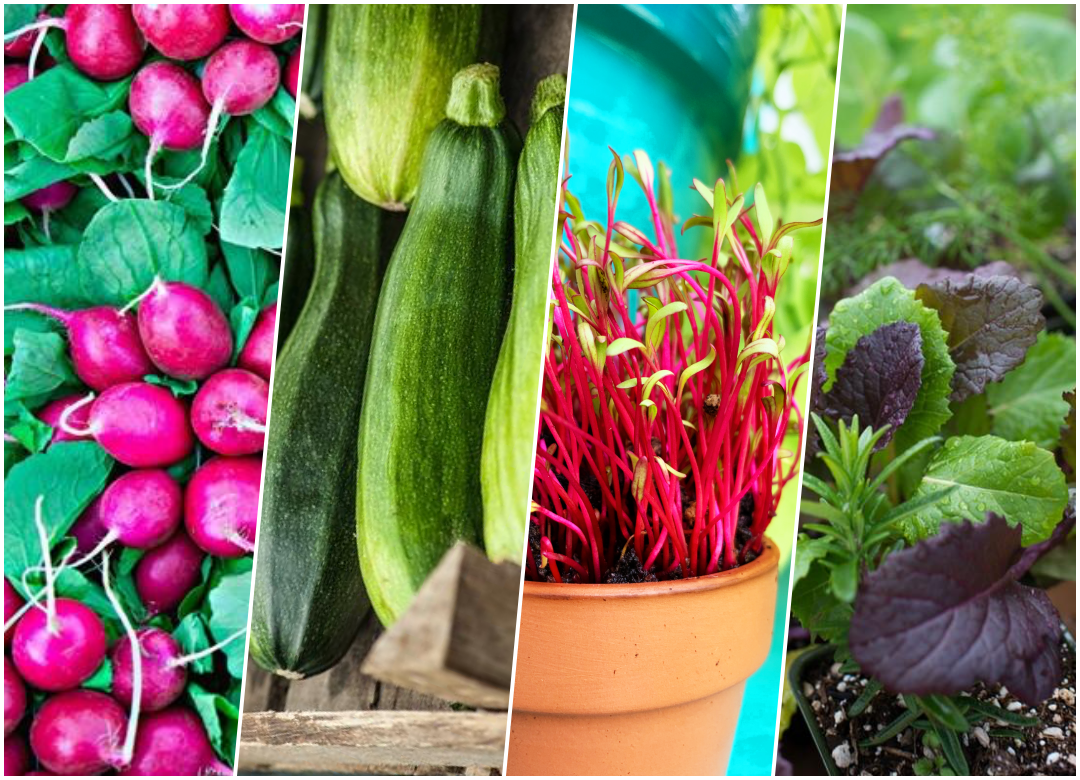
Sprouts / Microgreens – Ready to eat in 3 days to 2 weeks

Each and every living seed will grow into a plant. It’s when that seed begins to grow (germinate) that we call the beginning growth stage of the plant a “sprout”. They are a convenient way to have fresh vegetables for salads, or otherwise, in any season and can be germinated at home or produced industrially. Sprouts are said to be rich in digestible energy, vitamins, minerals, amino acids, proteins, and phytochemicals! See MORE Sprout/Microgreen Varieties, here! 
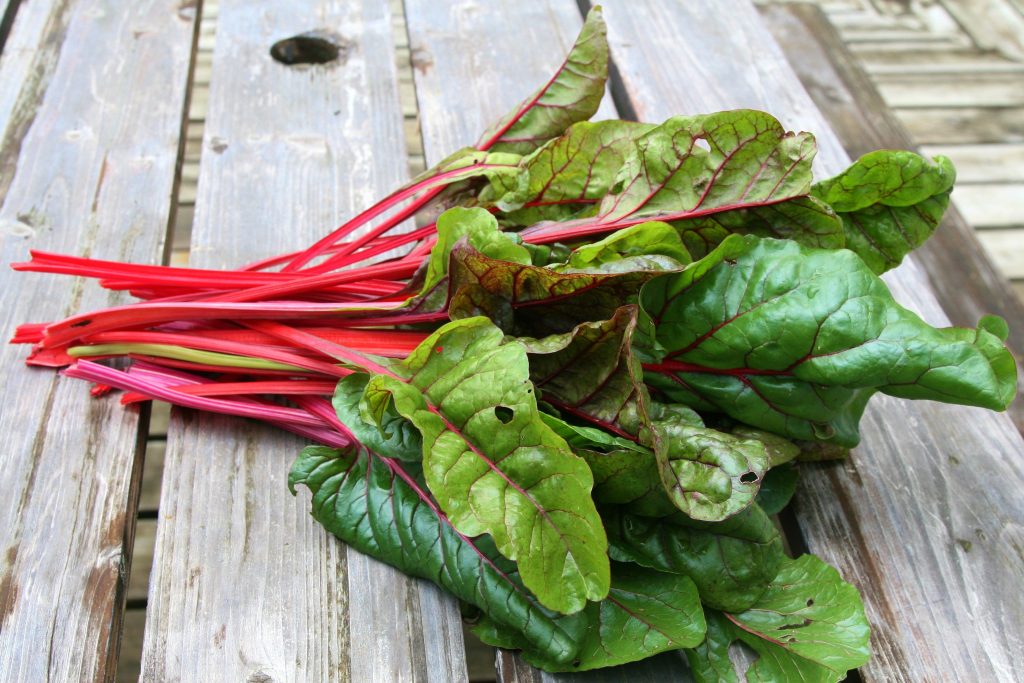
 

Swiss Chard – Ready to eat in about 5 weeks

Chard is a leafy green vegetable often used in Mediterranean cooking. Fresh young chard can be used raw in salads. Mature chard leaves and stalks are typically cooked or sauteed; their bitterness fades with cooking, leaving a refined flavor which is more delicate than that of cooked spinach. See MORE Swiss Chard Varieties, here!
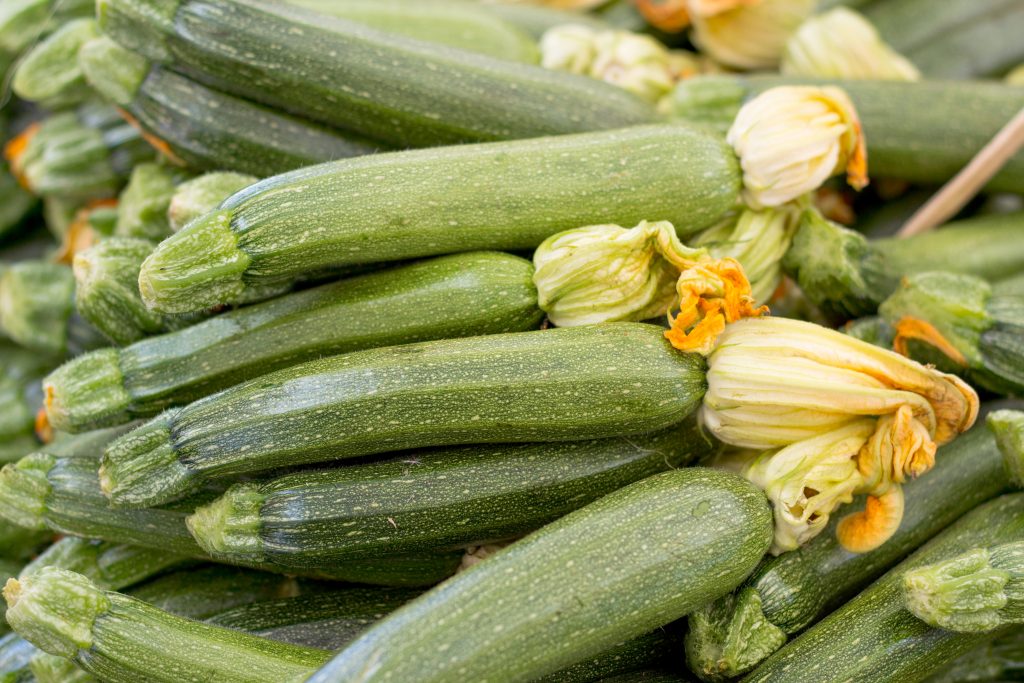
 

Zucchini Squash – Ready to eat in about 6 weeks

Though considered a vegetable in cooking, botanically speaking, squash is a fruit (being the receptacle for the plant’s seeds). Squash can be served fresh (in salads) and cooked (squash stuffed with meat, fried squash, baked squash). See MORE Squash Varieties, here!
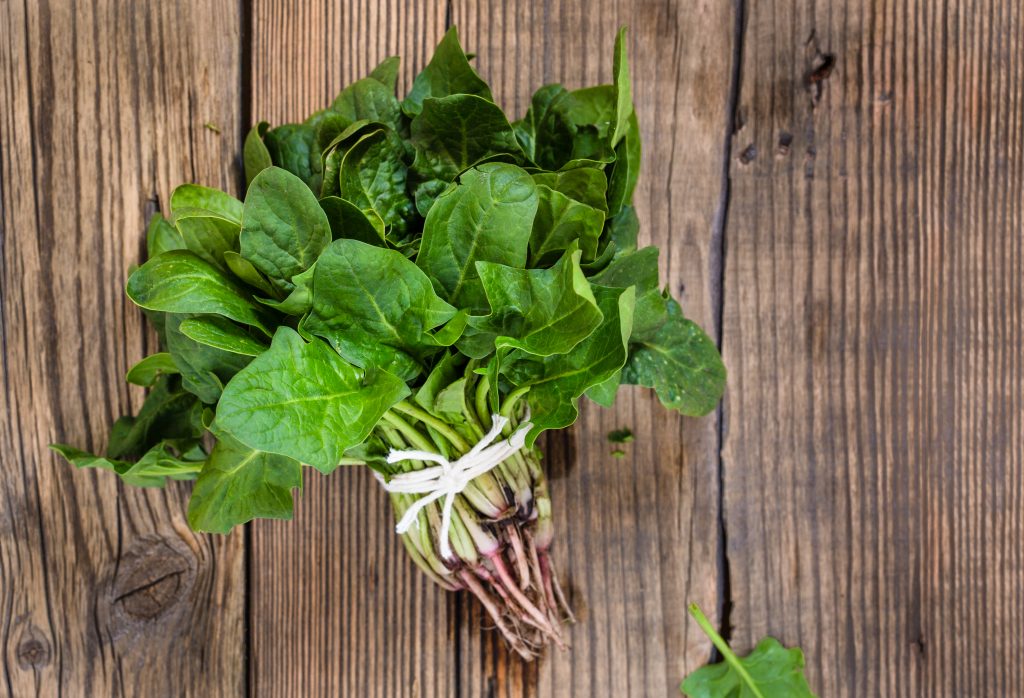
 

Spinach – Ready to eat in about 5 weeks

Spinach can grow anywhere there is at least a month and a half of cool growing weather. Spinach is a cool-season crop, hardy to frosts and light freezes. In rows 12 inches apart, space seedlings 3 inches apart. After thinning, cover the plants with row covers to keep the pests away.  (Soak seeds overnight before planting because it germinates slowly.) See MORE Spinach varieties, here!
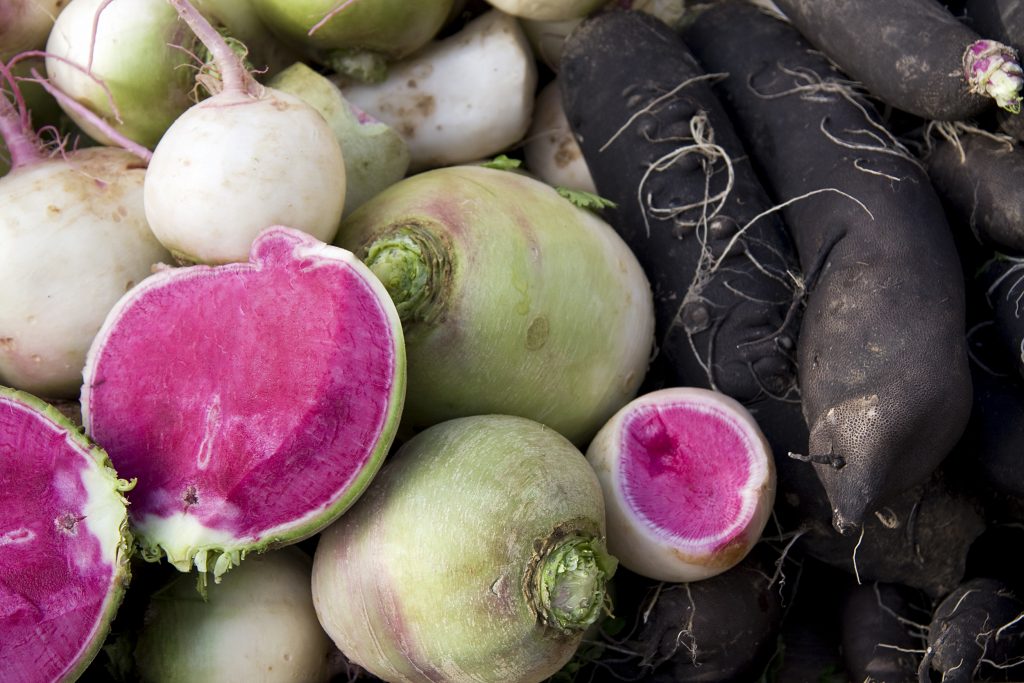
 

Radishes – Ready to eat in 4 weeks

Radishes are a fast-growing, cool-season crop that can be harvested in as little as twenty days.  Eaten raw they can be whole, sliced, diced, or grated. You can also cook and pickle them. Most of them are typically eaten fresh and make a good addition to a salad or a substitute to pepper on a sandwich. See MORE Radish varieties, here!
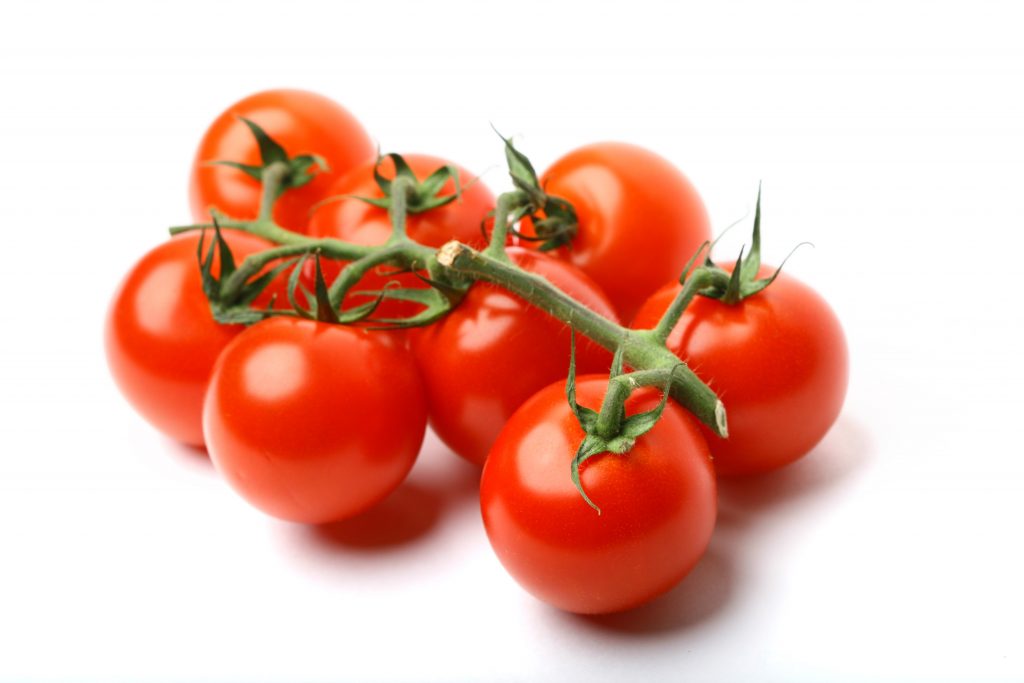
 

Tiny Tim Tomatoes – Ready to eat in about 6-8 weeks

The Tiny Tim tomato plant is a dwarf type plant produces excellent yields of ¾” – 1″  bright red cherry tomatoes. They are perfect for patio gardens. Grows well in pots, containers, and windowsill gardens. See MORE Tomato varieties, here!
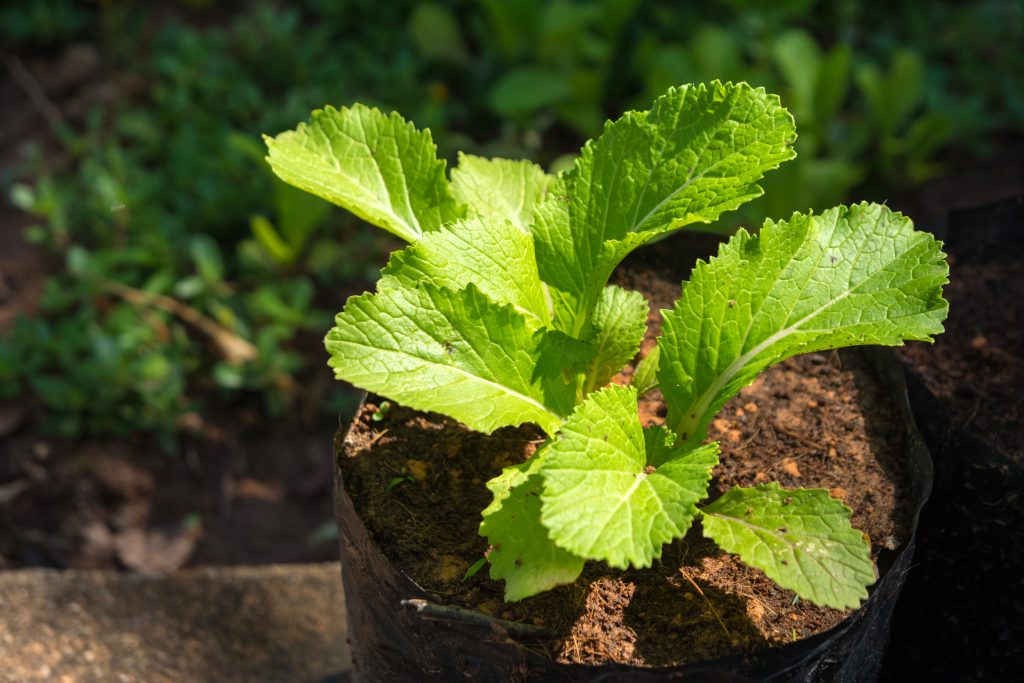
 

Mustard Greens – Ready to eat in about 6 weeks

Growing mustards are a quick and easy crop to grow in your home garden.  They are a spicy green, which will quickly become one of your favorite crops. When growing from seed, start them outdoors 3 weeks before the last frost. For a more steady harvest, plant seeds about every 3 weeks or every month to give you a successive harvest. Mustard greens prefer cooler weather, so plant late in the summer for a fall harvest, or very early in spring before the summer heat sets in. See MORE Mustard varieties, here!
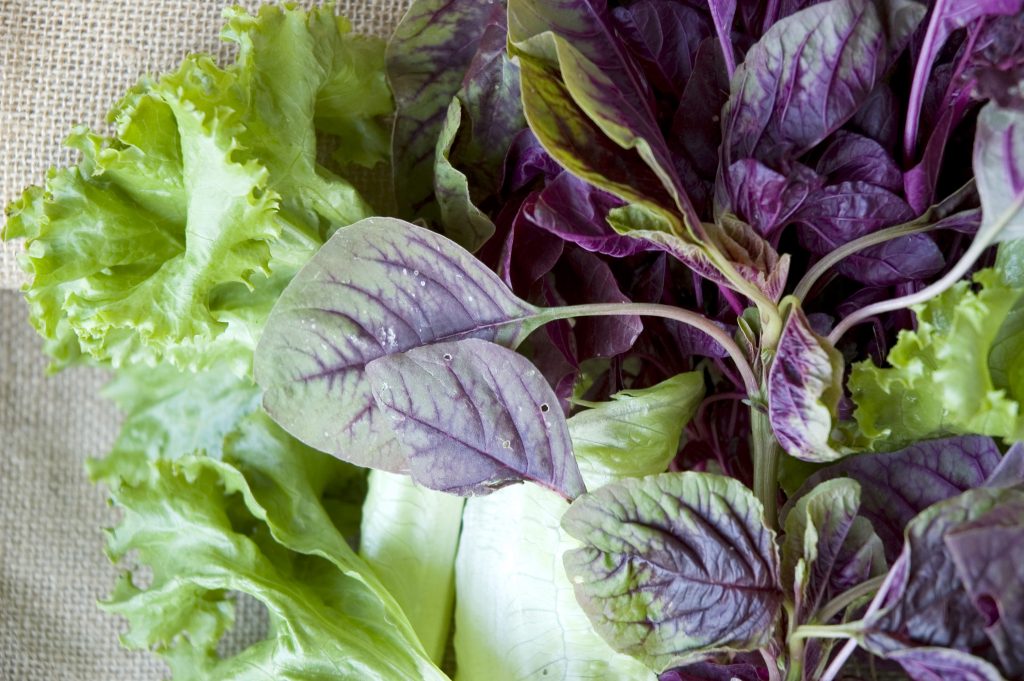
 

Lettuce – Ready to eat in as little as 6-8 weeks

Seed should be sown thinly in rows 1 foot apart; for leaf types, thin plants to 2-3 inches apart, then thin again by pulling every other plant when half-grown. This will encourage thickly developed plants. For head types, space rows 18 inches apart, plants 8-10 inches apart. Closer spacing results in smaller heads, which may be preferable for small families. Specialty growers are spacing lettuce very close for selling baby lettuces, a rapidly growing produce market. See MORE Lettuce varieties, here!
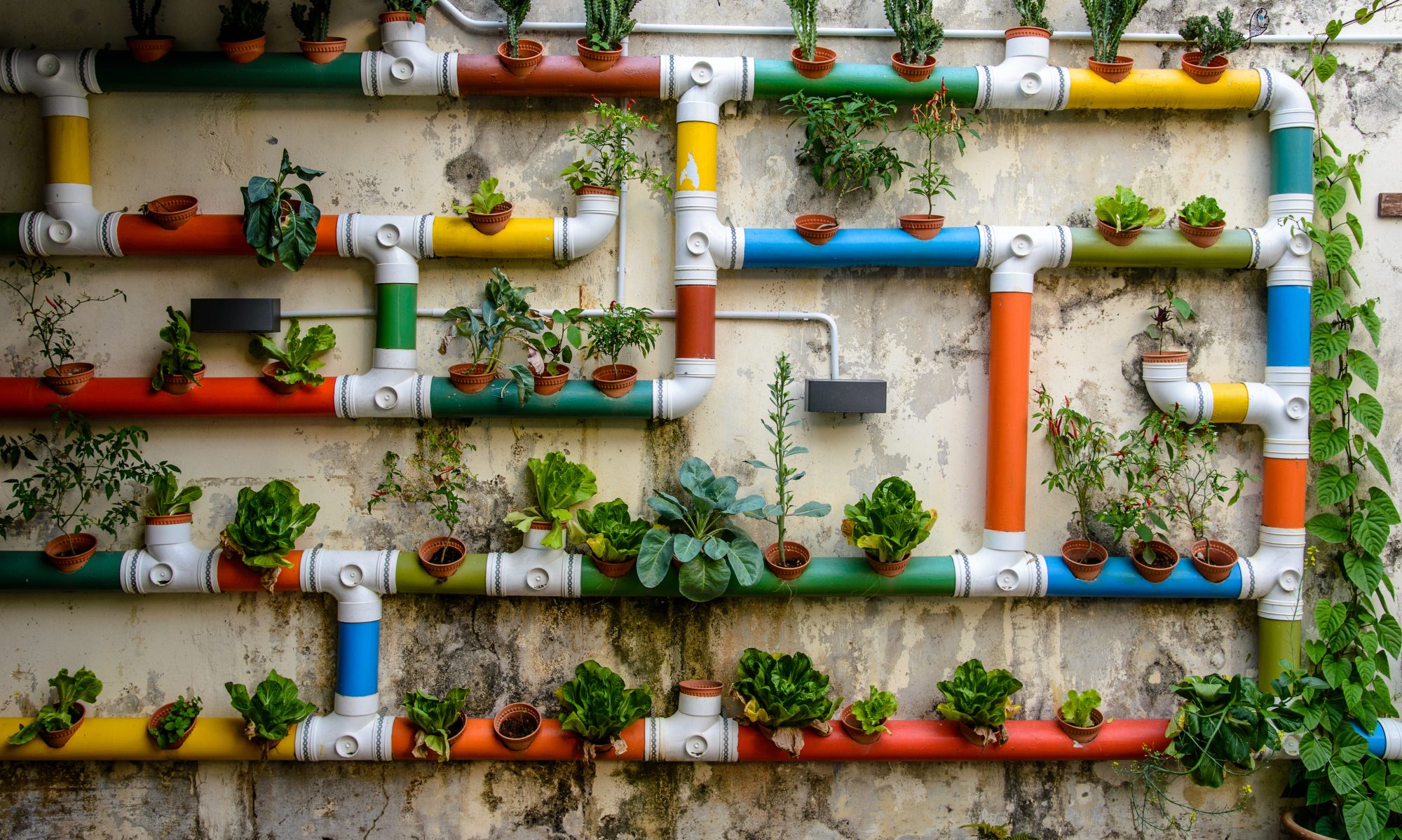

 

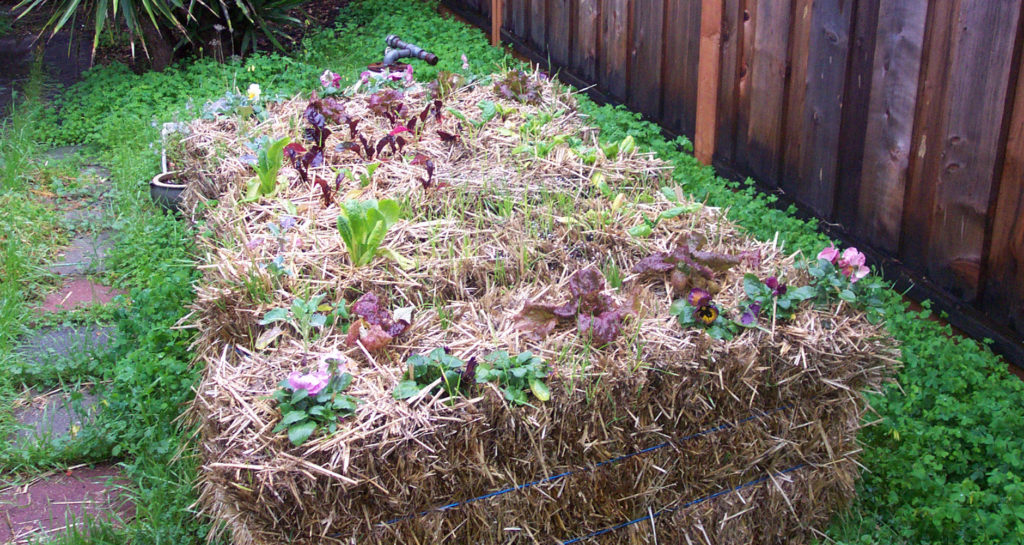
Gardening Made Easy With Straw Bales!

Image credit: Ruth Temple @ Flickr

Gardening can be tricky even when you are graced with good soil, but what if you’re dealing with unpleasant growing conditions? Or does the very idea of endless weeding give you a backache? Starting a straw bale garden this spring may be the answer to all your gardening prayers. This method of gardening uses bales of straw as your garden beds — with no soil — and is a versatile, thrifty, and easy way to garden.

What Is Straw Bale Gardening?

Straw bale gardening is essentially a form of container gardening with the container being the bale of straw itself. Straw’s hollow tube design helps to soak up and hold moisture, making it an ideal material for growing vegetables. These mud-free and weed-free gardens can be started anywhere that gets six to eight hours per day of direct sunlight. Arrange as few or as many bales as you wish right on your lawn, or even in your driveway (maybe you will inspire a neighbor or two!).

READ THE REST OF THE ARTICLE AT https://www.farmersalmanac.com

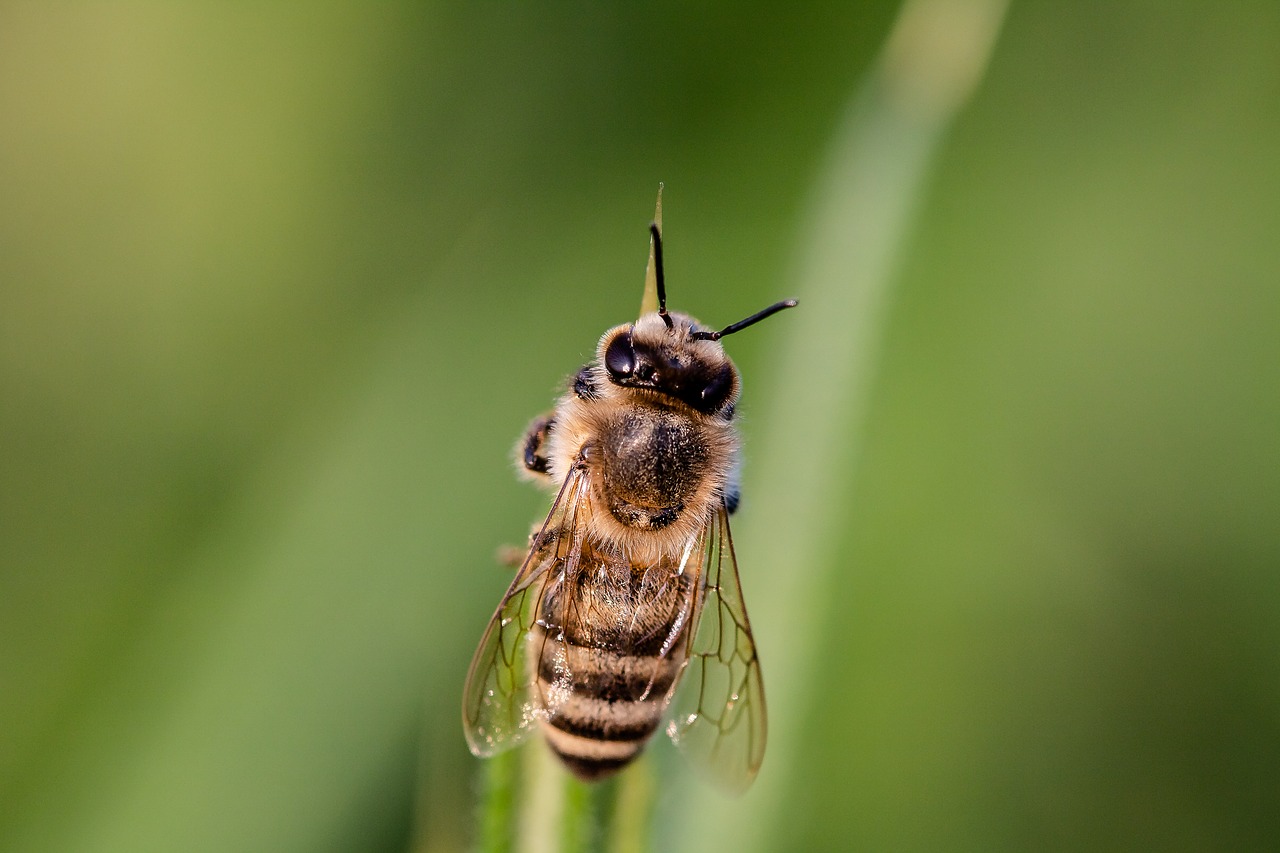
Save bees by holding back on the mowing, gardeners urged

Gardeners should leave at least a strip of their lawn un-mowed this summer to help halt the decline in bees, experts have said.

Perfectly manicured grass is depriving the crucial pollinating insects of the wildflowers they need to feed on, according to the Centre for Ecology and Hydrology (CEH).

A major study by the organization, published on Tuesday, shows wild bees and hoverflies have suffered widespread losses across the UK in recent decades.

It found that between 1980 and 2013 a third of the more than 300 pollinating species included in the research experienced population declines, while only 11 per cent became more abundant.

READ THE FULL ARTICLE AT: https://www.telegraph.co.uk

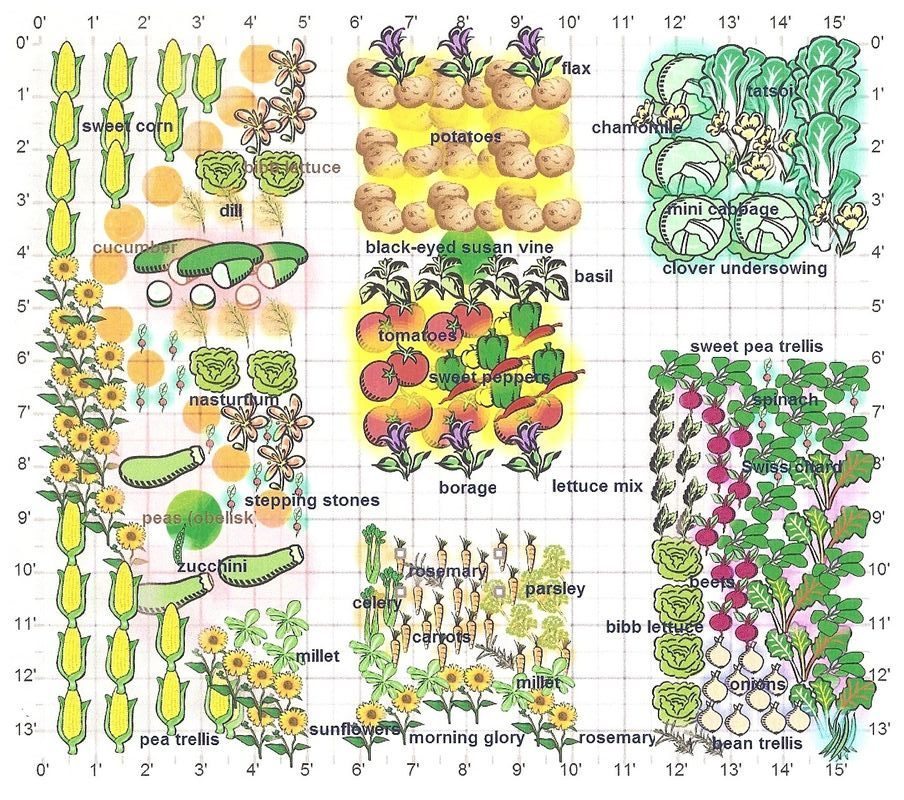
Secrets of Companion Planting + Popular Planting Combinations

Did you know that tomatoes hate cucumbers?

While they might taste great together in a salad, tomato plants actually dislike growing in close proximity to any member of the cucurbit family, which includes cucumbers.

Tomatoes love carrots and basil, however – so planting these together will actually make them each grow more vigorously!

Planting your veggies in neat rows with labels is satisfying to the eye, and easier to harvest. However, when we look to nature, we don’t see rows anywhere, nor do plants all grow clumped up in groups of the same thing together.

READ MORE FROM THE ORIGINAL STORY AT https://thehomestead.guru/companion-planting-2/?fbclid=IwAR05qOCv3BBuE4sa2BKzQaepcBMDtBzOaEaYUUezr8J6QsIcnd0dkGPK9gc

Do’s and don’ts for early spring gardening

“A warm day in March can inspire a kind of madness in gardeners. It can cause them to burst out the door, desperate after months cooped up by cold and snow, and start work way too soon.

“Be careful what you do right now,” said Sharon Yiesla, plant knowledge specialist at the Morton Arboretum in Lisle. “There are things it’s just too early for.”

Here are some do’s and don’ts for early spring gardening:

Do get rid of tree wrap. If you wrapped the trunk of a young tree to protect it from animals over the winter, unwrap it now. “Leaving tree wrap on too long can trap moisture and encourage disease,” Yiesla said.

Don’t walk on or dig in wet soil. “That can compact the soil, which smothers plant roots,” Yiesla said. “Compacted soil is a very difficult condition to correct.” Even as the soil thaws at the surface, a hidden layer of impermeable ice often remains below, trapping water like a soup bowl. Wait until the soil has thawed all the way down and water is draining freely through it before you start digging or even walking on any part of the yard, including the lawn.

Do force branches of flowering shrubs. Cut branches of forsythia, flowering quince or other spring bloomers and stand them in a vase of warm water to encourage them to bloom indoors. “Just make sure you prune carefully and leave the overall shape of the shrub looking good,” Yiesla said.”

READ THE REST OF THE ARTICLE at ChicagoTribune.com

Spring Gardening Checklist


Spring will officially be here on March 20th and whether there’s still snow out where you are, or it’s already feeling like summer… Spring is a great time of year to start working on a few things in the gardening department.

In March, in addition to starting seeds indoors, gardeners with cold frames (see season extension techniques) may use them either to start an early crop of greens (especially spinach) or to start plants like broccoli that will later get transplanted outside the cold frame.

Each grow zone will be a little bit different when Spring finally does roll around, so we encourage you to do what you can and what the weather is permitting in your unique location.

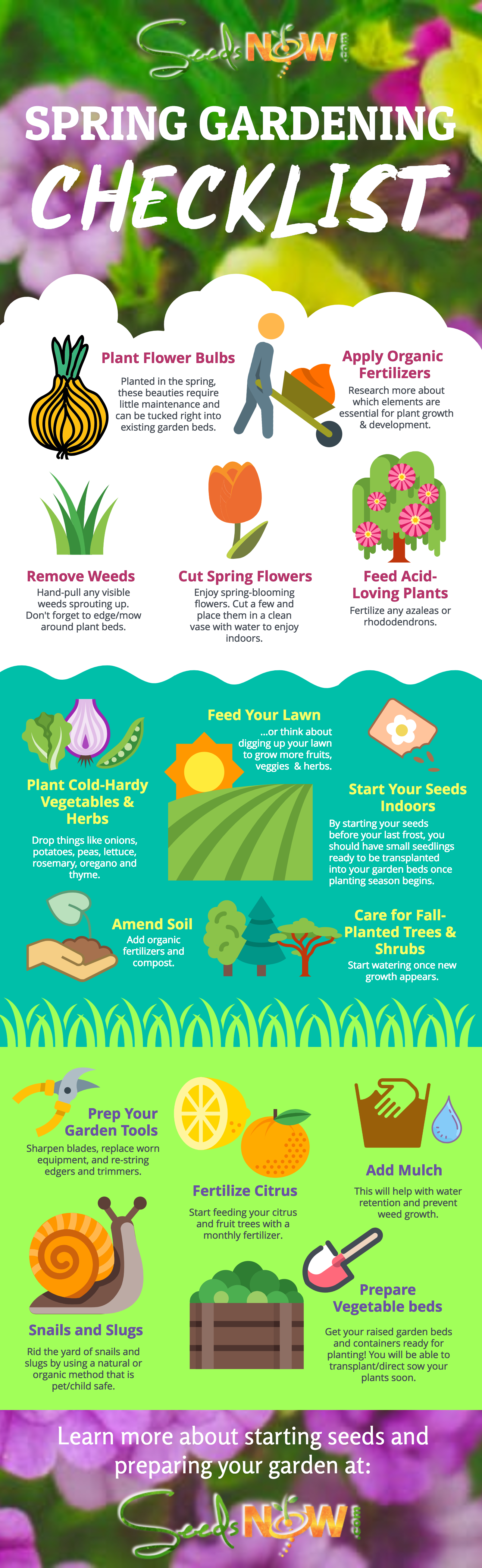
Below is a list of chores that we’ve compiled to help give you some things to start thinking about this time of year.

  • Plant summer bulbs.
  • Read up on applying organic fertilizers.
  • Remove winter weeds and edge plant beds.
  • Cut flowers of spring-blooming bulbs and place them in water & a clean vase to enjoy indoors.
  • Feed acid-loving plants such as azalea & rhododendron.
  • Plant cold-hardy vegetables and herbs, such as onions, potatoes, peas, lettuce, rosemary, oregano, and thyme. (View more cold-hardy vegetables and herbs, here!) 
  • Feed your lawn with a high nitrogen fertilizer. (Or think about digging up your lawn to grow more fruits, veggies and herbs!)
  • Remove weeds before they flower, to keep them from multiplying.

  • Start seeds indoors. (Read our tips on how to start seeds indoors!) 
  • Amend soil by adding organic fertilizers and compost.
  • Water fall-planted trees and shrubs once new growth appears.
  • Sharpen hand tool blades, replace worn equipment, and re-string edgers and trimmers.
  • Fertilize citrus and feed it monthly thereafter.
  • Prepare vegetable beds for when the soil is warm enough to sow seeds or transplant tender plants. For tomatoes, that temperature is 55 degrees.
  • Deadhead spent spring bulb blooms leaving the leaves to continue to produce food that will be stored in the bulb for next year’s blooms.
  • Plant bare root trees and plants just as they are about to break dormancy.
  • Apply mulch around the base of trees. This will help with water retention and prevent weed growth.
  • Rid the yard of snails and slugs, using a natural or organic method that is pet/child safe.
  • Take cuttings of roses, azaleas & geraniums to start new plants.

This Garden Planner makes urban gardening easy

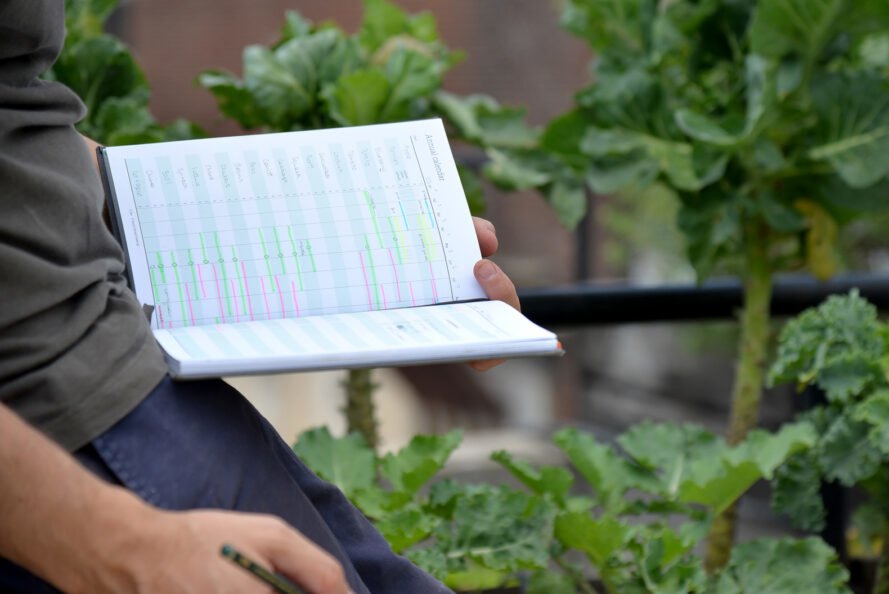
Gardening can seem like a daunting task. When do you plant? What should you plant in your area? How can you effectively grow produce? When you start asking the questions, it may become too overwhelming to tackle. But don’t walk away from the idea of a balcony overflowing with greenery just yet, because the team at The Green Conspiracy understands your angst.

The template allows the user to list what was planted and then chart the plant growth in order to keep a record of problems, timelines, and harvests. The goal is not only to identify problems early but also to produce a record that will provide information for successful subsequent planting seasons. Another section of the planner actually includes a planting calendar, so you can organize when seeds or plants should go into the ground.

LEARN MORE ABOUT THIS: https://inhabitat.com/this-garden-planner-makes-urban-gardening-easy/

11 Essential Fall Planting Tips

1. At the nursery: Buy the best

Look for plants that have healthy foliage and no roots creeping out of the nursery container’s bottom drain holes (which means they’re probably rootbound).

2. Small is smarter

When you have a choice, buy little plants (in 4-inch nursery pots); they’re less expensive (usually under $5), easier to handle, and will catch up to the larger ones with winter rains. Smaller plants are your best bet if you need multiples to fill out a bed. Gallon-size plants, on the other hand, start around $10 each but can provide instant effects.

3. Check plant tags

Find out how big the plants will grow, and whether they need sun or shade. Then choose plants that will thrive in the spot you have in mind for them. “Full sun,” for example, means you should plant in a spot that gets at least six hours of sun a day.

4. Consider compost

Unless you have your own compost pile at home, or perfect garden soil that drains well, buy bagged compost to add to the soil before planting annuals, edibles, and many ornamentals (trees and native plants generally do not need added compost). It’s often sold at nurseries in 1- and 2-cubic-foot bags, and in bulk at garden suppliers. Avoid bagged compost that looks as though it has been piled and stored in hot sun for months—it won’t do much for your soil.

SEE THE REST OF THE TIPS, HERE: “Sunset.com


Join UOG’s Monthly Seed Club, Just in Time for Spring!

UOG GIF

Collect heritage seeds and GROW A GARDEN, ALL-Year-ROUND!

Join the club that delivers you garden seeds at just the right time of the year to plant them – hand selected based on your garden specs. Start by telling us a little bit about your garden, preferences, and location. Then, each month we’ll send you a curated collection of heritage garden seeds.

Now is the perfect time to join.
Spring is right around the corner!

Visit: https://urbanorganicgardener.cratejoy.com

**NEXT SHIPMENT: FEBRUARY 5**

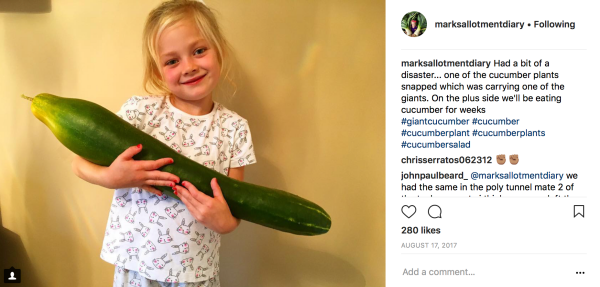
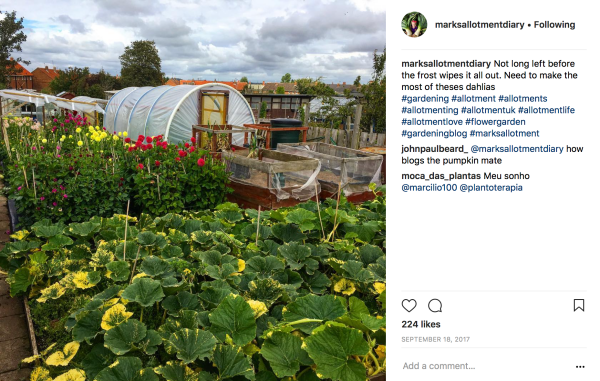
UK Gardener Grows Giant Organic Vegetables for Garden Shows

smallcapture-20180114-200308

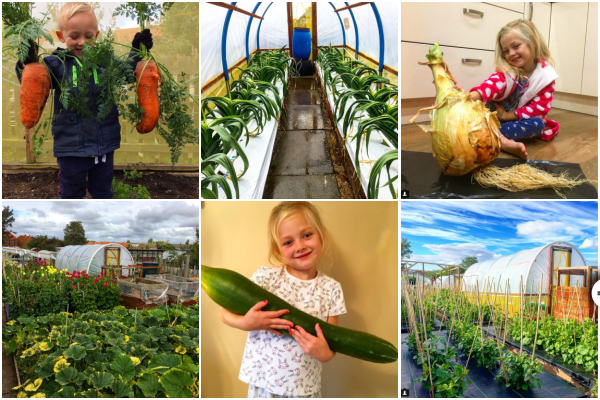
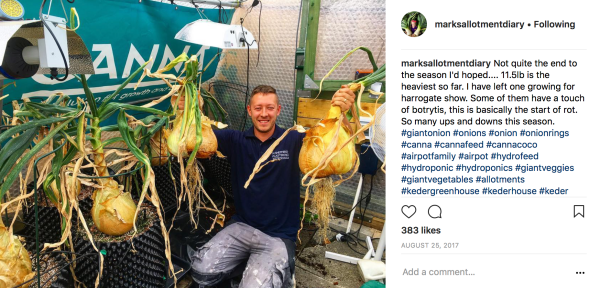
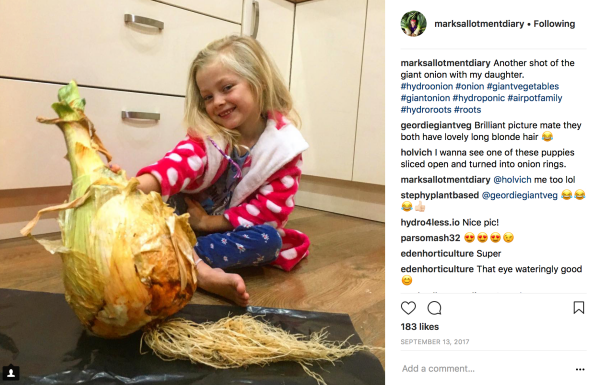
“Today I lifted my giant onions which have been growing for almost a year. They have been grown hydroponically in an RTA air-pot dripper system. There are a couple of things which I could have changed which could have altered the end result.”

smallcapture-20180114-195557

smallcapture-20180114-195732

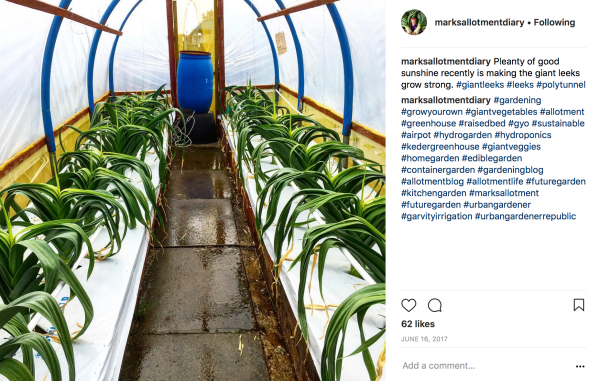
“Down on the allotment in the polytunnel I lifted my giant pot leeks for exhibition/show. This show requires 3 pot leeks 6 inches to a tight button. in this video I show you how I lift and wash my leeks in preparation for show. This was the second show (ever) that I had benched/ exhibited my leeks at and I managed to scoop first place in style by smashing the record and showing 512cc for three leeks. The purpose of growing these leeks is for exhibition but they are also edible and taste good. They are not genetically modified nor are they pumped with chemicals.”

smallcapture-20180114-200349

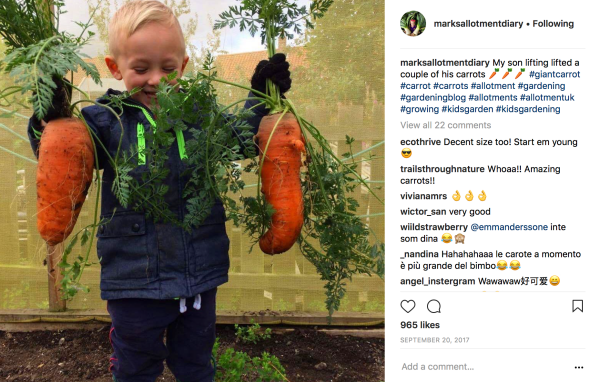
“Here’s how I prepare sand boxes to grow my exhibition stump root carrots.”

smallcapture-20180114-195802

smallcapture-20180114-195519

smallcapture-20180114-195436

Follow @marksallotmentdiary on Instagram, today!

Grow a Fall/Winter Garden! Join the Monthly Seed Club, TODAY!

Fall UOG Seed Club GIF
ORDER BEFORE 11:59 PM PST November 4th to receive a shipment THIS MONTH! https://urbanorganicgardener.cratejoy.com/

Grow food ALL-YEAR-ROUND with us! Now is the perfect time to start stockpiling seeds for your fall, winter and even early spring gardens!All of our seed club members will be receiving varieties that are perfect for growing during the cooler months. Let us hand-select 5 varieties of heirloom, GMO-free seeds to ship to you EVERY MONTH!

TO LEARN MORE or SIGN UP just visit: https://urbanorganicgardener.cratejoy.com/


We’re on SNAPCHAT! [Let’s Get Snapping]

We want to be where our fans and fellow gardeners are, so we’ve headed over to snapchat and created an account! We hope you’ll share all of your awesome gardening successes/tips/and learning experiences with us over there.

Let’s be friends! Just use the snap code below to quickly and easily add us and see more great content from us, everyday!

SnapChat UOG IG


UOG SnapChat Logo

Start Planning Your Fall and Winter Gardens NOW!

UOG Fall Club

Now is the time to start planting seeds for your fall/winter gardens. Let our Garden Guru’s hand select popular heirloom, GMO-FREE varieties for you to start each month, customized to your location and grow zone! (Think frost hardy crops or varieties that can be grown indoors such as sprouts, lettuces, leafy greens and MORE!)

Sign up today at https://urbanorganicgardener.cratejoy.com

During sign-up, just let us know whether you prefer to grow indoors, outdoors, in partial shade or in the sun. Do you grow hydroponically? Not a problem, we’ve got that figured out too!

Grow a Fall Garden! Join UOG’s Monthly Seed Club NOW!

UOG Seed Club

**IF you wish to receive a shipment for this month, you MUST JOIN before 11:59 pm PST Monday, September 4th!**

Now is the time to start collecting seeds for your fall/winter gardens. Let our Garden Guru’s hand select popular heirloom, GMO-FREE varieties for you to start each month, customized to your location and grow zone! (Think frost hardy crops or varieties that can be grown indoors such as sprouts, lettuces, leafy greens and MORE!)

Sign up today at https://urbanorganicgardener.cratejoy.com

During sign-up, just let us know whether you prefer to grow indoors, outdoors, in partial shade or in the sun. Do you grow hydroponically? Not a problem, we’ve got that figured out too!

Each month you’ll receive a 5 varieties, and everything you need to start growing more food! Happy Gardening to you, in 2017!

Grow an indoor herb garden: easily, sustainably and veganically

The Joy of Growing Window Herbs Year-Round

Have you ever thought about growing your own indoor herbs? If you’re kitchen windowsill isn’t already crammed full of pots overflowing with leaves, then it should be!

The beauty of keeping a “windowsill herb garden” is that you can rely on a steady supply of leaves all through the year. When outdoor plants have died back or gone dormant over winter, your window herbs will keep happily ticking along.

The process of starting your own “kitchen herb garden” from seed is simple. The great thing is that many plants not normally found in garden centers are available to you. Scrumptious edibles like dark basil, chamomile, lovage and yarrow (to name a few) are all options. What about the magical, medieval plant mugwort? Or that favourite for making lozenges, horehound?

Old favourites like thyme and rosemary will also fare wonderfully indoors as long as they’re properly looked after. Energetic perennials like chives will continue to grow even when light levels dip in winter. So you can lightly harvest even through the darkest months.

All you need are some pots, a good potting mix and some plant feed. If you’re starting your seeds indoors, where there’s no risk of critters eating the young seedlings, you can sow directly into the pots.

Let several seeds germinate and keep the best after they’ve put on some growth, snipping off the others with a pair of scissors. During late spring, summer and early autumn, your plants will be grateful for a bi-monthly or monthly liquid feed. Use a balanced NPK fertilizer (nitrogen-phosphorous-potassium) and a micronutrient feed like liquid seaweed. Many of the problems with herbs are due to trace element deficiencies.

And that’s it! The infographic included below is a visual guide to the process. Remember not to overcomplicate things and don’t be afraid of killing the odd plant…they don’t mind too much.

Herb-Gardening-Infographic

Indoor herb gardening is growing in popularity by the day. Space-stretched city-dwellers, foodies, and even people with big gardens are filling their kitchen windowsills with potted herbs.

There are so many benefits and almost no drawbacks. It’s cheaper, tastier and also possible to grow unusual and forgotten plants…yarrow or lovage, anyone?

In this little guide, and with the help of my infographic below, I want to cover the main steps involved in growing a scrumptious indoor herb garden.

View the original post with infographic at UrbanTurnip.org

Enter to WIN a FREE 1 Month Subscription to UOG’S Monthly Seed & Garden Club!