
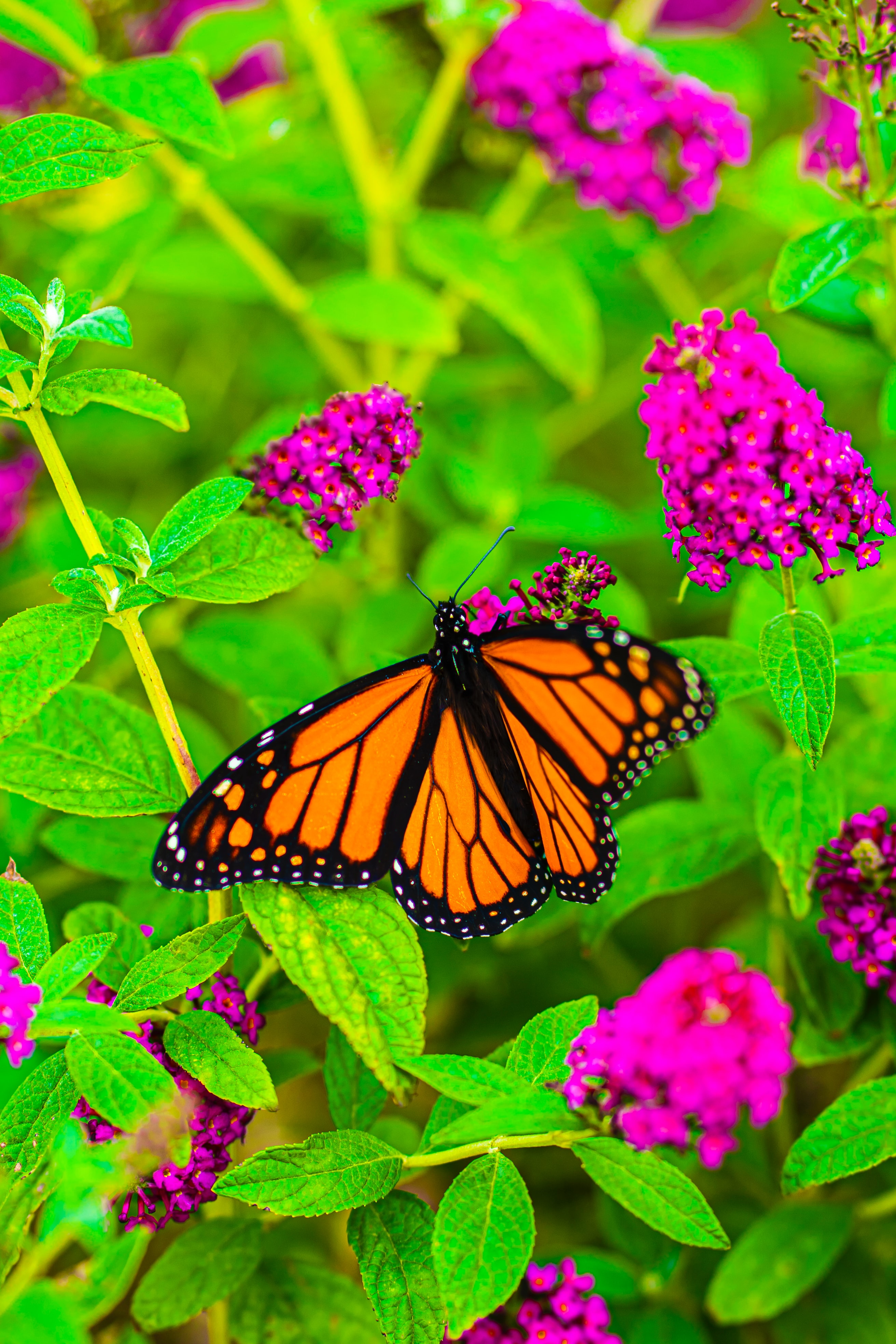
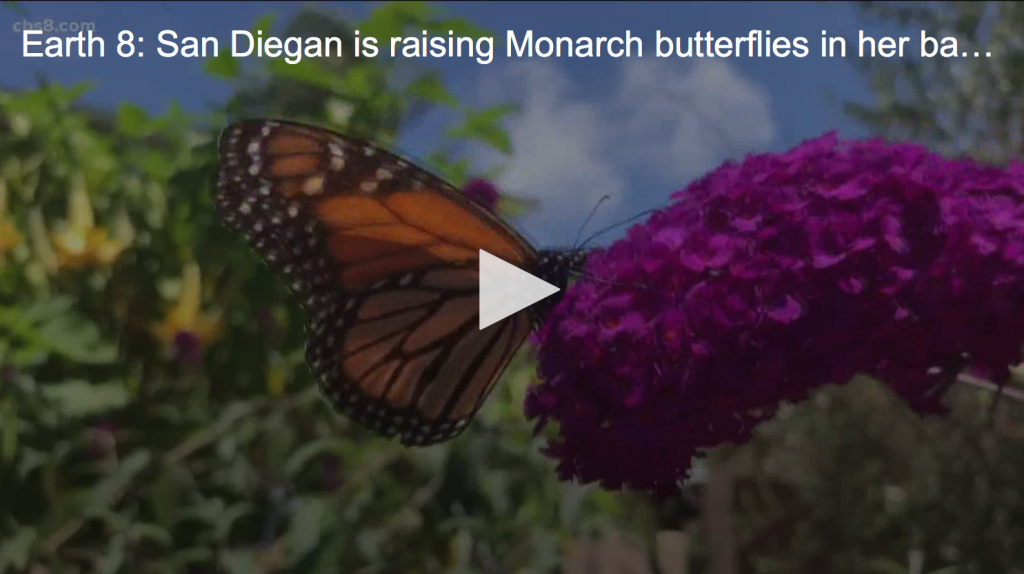
San Diegan is raising Monarch butterflies in her backyard

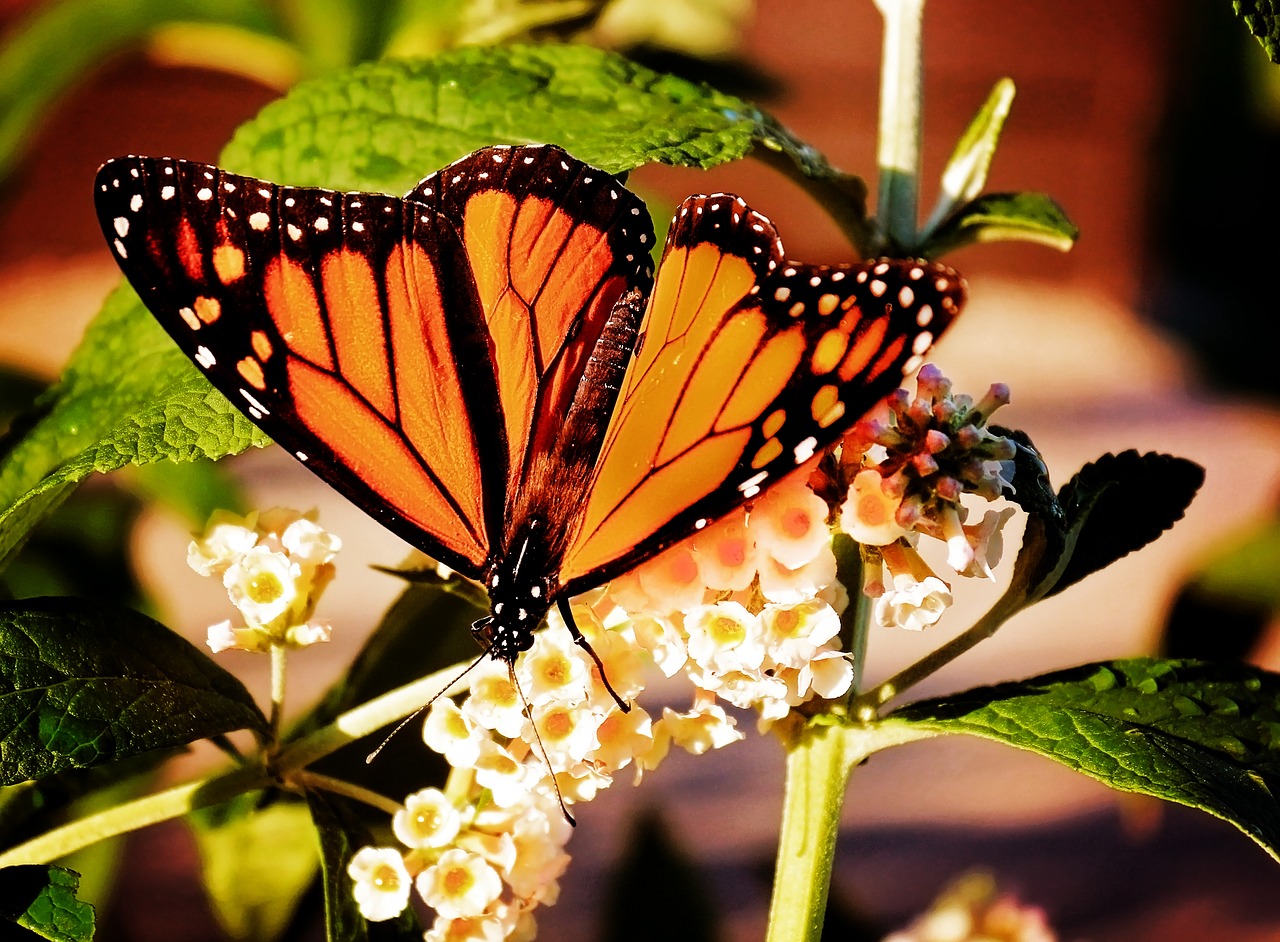
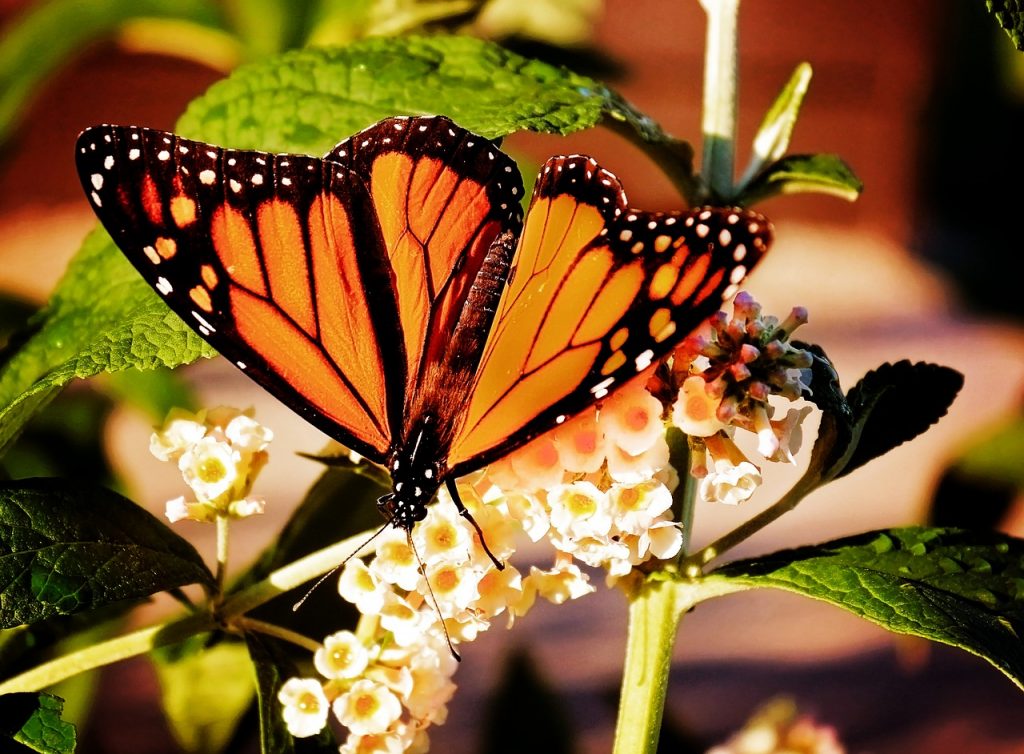
SAN DIEGO COUNTY, Calif. — I designed my garden to attract pollinators like bees and butterflies, specifically Monarchs.

A family in Eastlake is doing the same.

“I went out and bought Milkweed and they just showed up. They have radar for milkweed,” said Airam Marlett, who was inspired by an Instagram post and has had success from day one. “My first year, I had 30 Monarchs, and it’s been wonderful to watch.”

READ THE ORIGINAL ARTICLE: https://www.cbs8.com/article/news/local/outreach/earth8/earth-8-san-diegan-is-raising-monarch-butterflies-in-her-backyard/509-d249de4b-64a0-4d7d-ba0e-60ef8f1dea24


Protecting Our Pollinators

Hannah Ridings, Daily Sun

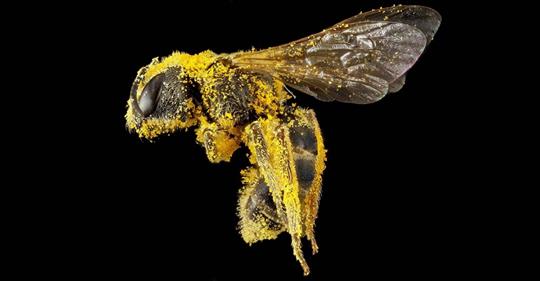
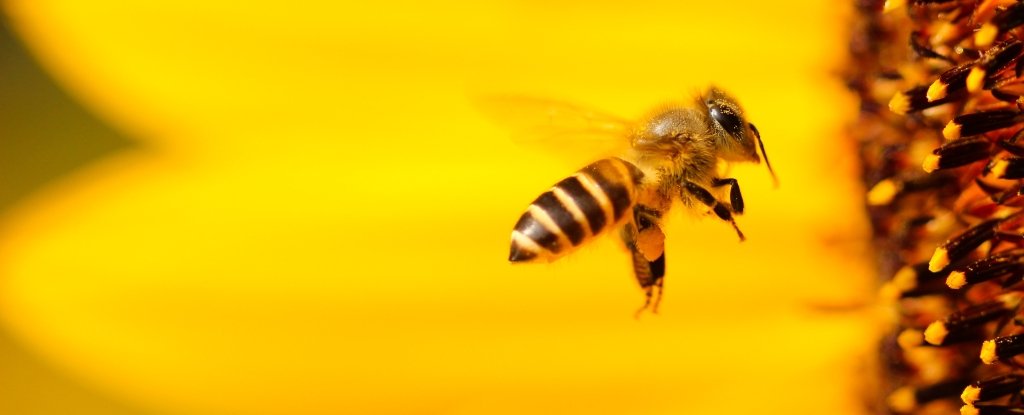
Take a look at the butterflies and bees in a garden, and the colorful flowers they feed on for nectar. They all serve a $24 billion purpose.

Pollinator species are responsible for one out of every three bites of food, pollinating 87 of the world’s 124 leading food crops, according to the United Nations.

Pollinators contribute about $24 billion to the U.S. economy, including $15 billion from bees alone, the White House estimated when it launched the Pollinator Partnership Action Plan in 2016.

Conscious of the roles pollinators play in the food we eat and the products we buy, Villagers are helping conserve the tiny species that have enormous environmental and agricultural footprints.

Many have transformed their home landscapes into habitats for butterflies, birds and non-aggressive bee species.

Ann Marie Acacio, a butterfly gardener from The Villages, said the reason she gardens for pollinators is simple: to help the planet.

READ THE FULL STORY: https://www.thevillagesdailysun.com/local_news/protecting-our-pollinators/article_7903d7ea-a980-11ea-85a2-479580936c10.html

What is Diatomaceous Earth (DE) and How Can You Use It In The Garden as a Pest/Insect Repellent?


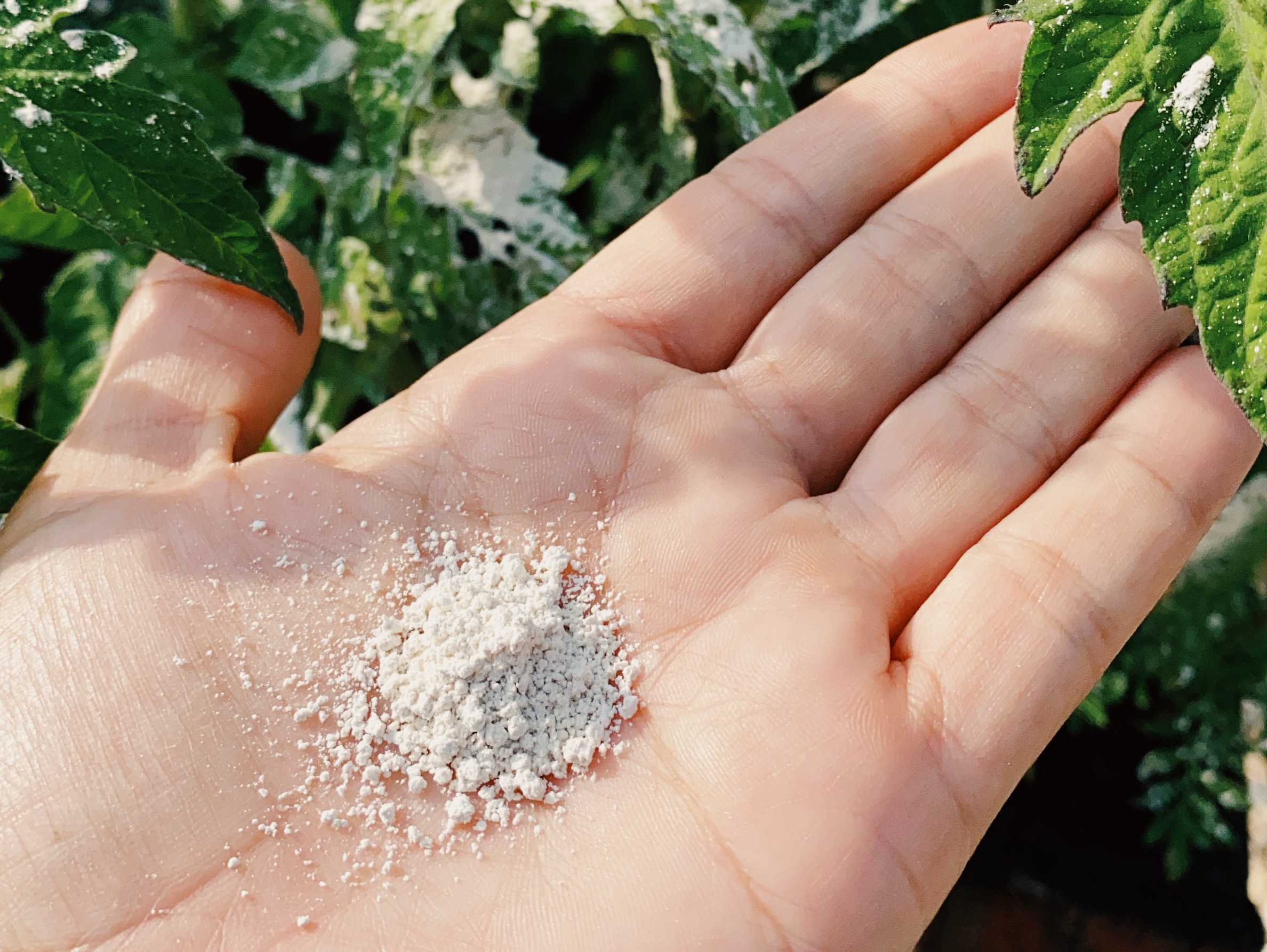
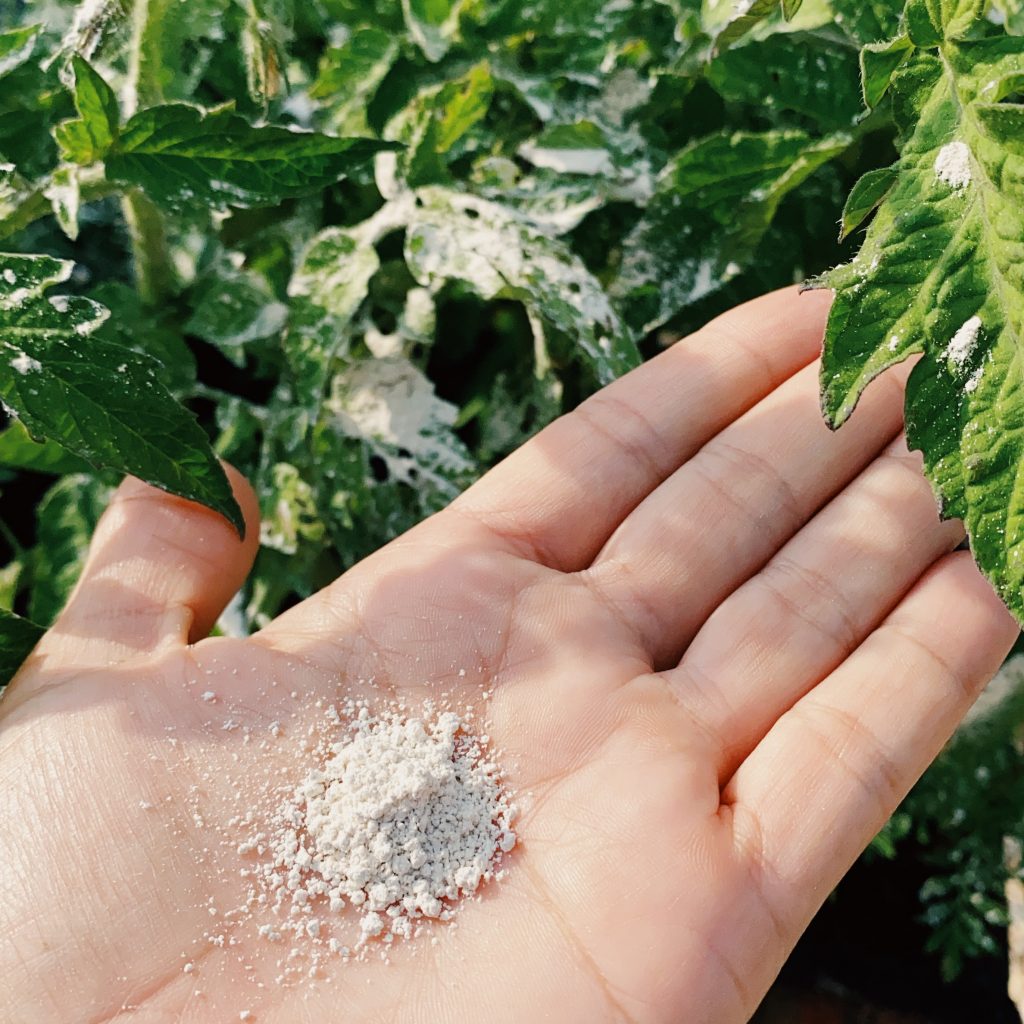
Diatomaceous earth is a naturally occurring, soft sedimentary rock that is crumbled into a fine white powder. Wondering how you can use DE in your garden? Well, as a natural method of pest control!

DE works at killing insects because the microscopic particles are very sharp and as an insect crawls over it, it gets cut. DE also can stick to the insect causing it to dry out.

Diatomaceous Earth is completely NON-TOXIC! Because it harms insects physically, and not chemically, it is very safe for you and your garden. Just remember to wear a mask, to avoid breathing in the dust particles.

It is very effective against slugs, beetles, worms, fleas, mites, spiders and MORE! Have you tried DE in your garden?

Learn more about ORGANIC PEST CONTROL: https://www.seedsnow.com/blogs/news/natural-pest-control

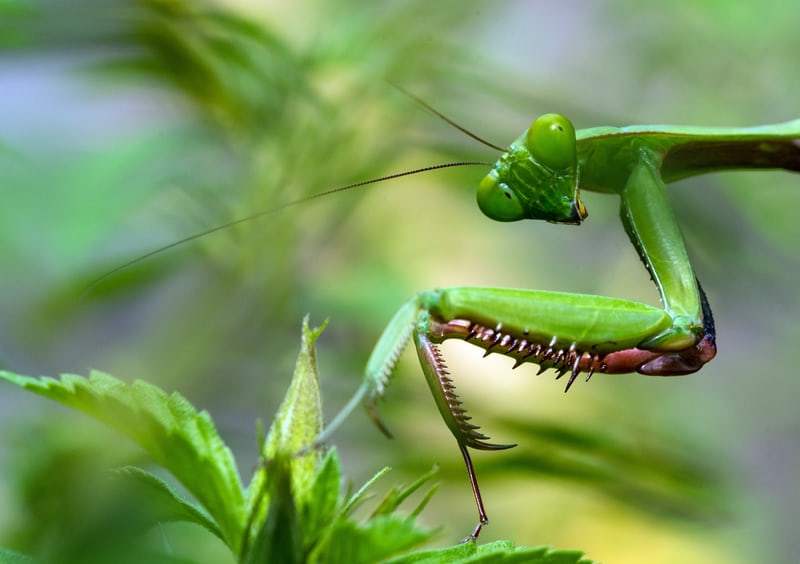
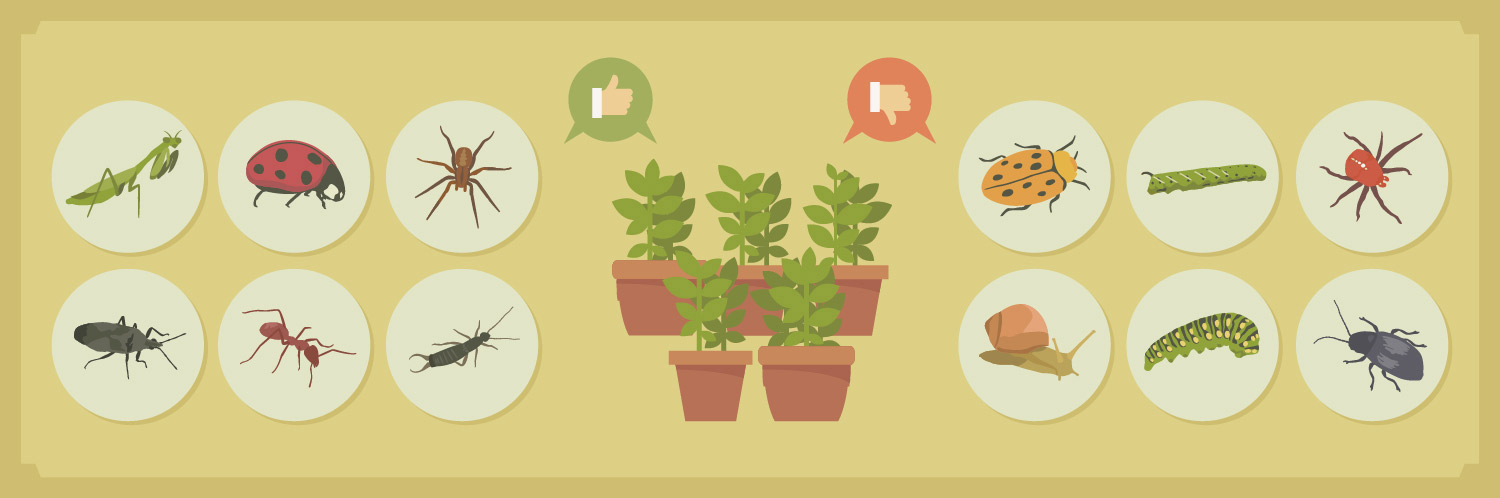
What Do Praying Mantis Eat: Are They Good For Your Garden

You walk onto your front porch. A praying mantis perches on a porch rail or table.

It appears something like an odd-looking animated baby string bean, propped up with green toothpicks.

As you move, it turns its triangular head toward you.

You shift first one way, then another, and the gaze from its large compound eyes follows you with ease.

You become slightly alarmed. This creature appears almost human, you think.

An insect closely allied to the grasshopper family and known scientifically as an orthopterous insect of the family Mantidae, order mantodea.

This bug is not poisonous and will cause you no harm, but to other members of the insect world, it is a deadly killer.

It is the only known bug that can direct its gaze wherever it wishes, moving the head freely in all directions.

Look for it in your vegetable garden, among your flowers, or wherever insects are attracted.

The Praying Mantis are very beneficial insects that make a career of eating large numbers of pest insects.

READ THE FULL ARTICLE: https://plantcaretoday.com/praying-mantis.html?fbclid=IwAR3atYi2iKieLm0AJsDxEaM0CevctglPx8khW7uJc7Va2Pseg4GDgZmEsaQ

Creating a buzz in Detroit’s vacant lots

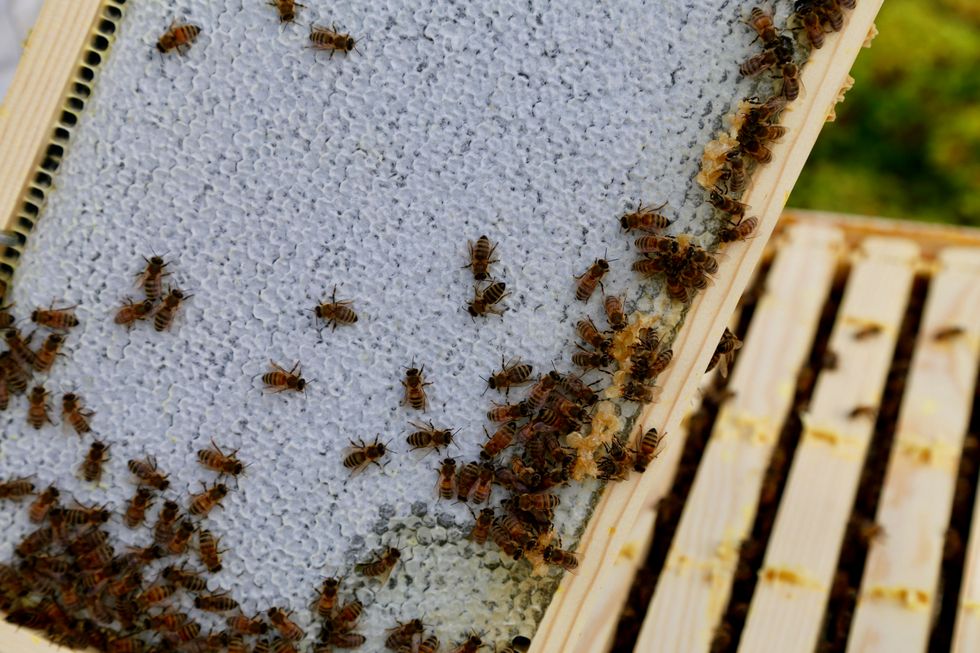
DETROIT — Timothy Paule Jackson’s affinity for bees began in 2016.

In the midst of a bad cold, he discovered “the power of raw honey” and became infatuated.

Jackson, formerly a self-employed entrepreneur in commercial photography and advertising, and his partner, Nicole Lindsey — both 35-year-old lifetime Detroiters — saw opportunity in Detroit’s tens of thousands of vacant lots.

“We were born and raised in Detroit … so we see (vacant lots) everywhere we go,” Jackson told EHN.

The couple made a pitch to a local micro-crowdfunding campaign, earning $1,600 that led to the purchase of a land plot and three beehives in 2017—and thus began Detroit Hives.

And they’re not alone—across Detroit, unused space is being used for urban gardening, farms and, increasingly, bees. As bees decline around the world, urban entrepreneurs like Jackson are trying to fill the void. Detroit Hives is one of the city’s two major beekeeping nonprofits, combining to operate nearly 200 hives in the metro area.

READ THE FULL ARTICLE: https://www.ehn.org/detroit-urban-beekeeping–2641553348.html?rebelltitem=7#rebelltitem7

Father and Son Build 50,000 New Beehive Colonies Around the World

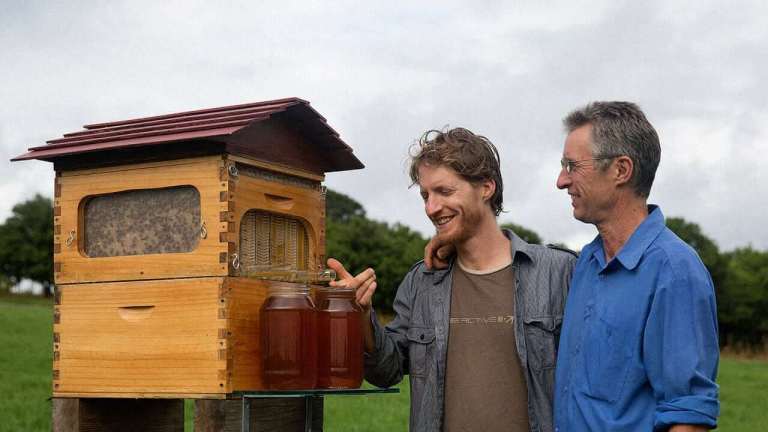
These two men have increased the global honeybee population by 10 percent with their invention – a hive that lets humans harvest honey without harming bees.

The “Flow Hive” is a man-made bee house, that bees can’t tell apart from their own hives, that allows the honey to flow out of it without harming bees.

In the past, bees were disturbed, crushed or made homeless by the invasive methods beekeepers used to harvest their honey.

Now, beekeepers can just turn on the tap and let the honey flow out.

READ THE FULL STORY: https://returntonow.net/2019/10/08/father-and-son-create-50000-new-honeybee-colonies-around-the-world/?fbclid=IwAR1_VL0eoVptoyu0JeUDJlNitN_NvR82E3Oy9akH8m9G0EFjtNlisnU1rB4

10 Amazing Facts About The Monarch Butterfly

Each fall, millions of monarch butterflies leave their summer breeding grounds in the northeastern U.S. and Canada and travel some 3,000 miles south to Mexico to escape the cold of winter—a migration that’s one of the greatest natural events on Earth.

How much do you know about the monarch butterfly? These 10 facts will amaze!

10 Amazing Facts About The Monarch Butterfly

  1. The adult female monarch butterfly lays tiny eggs covered with a sticky substance on the underside of milkweed leaves, which are extremely toxic. The caterpillar hatches from its egg several days later and survives on these milkweed leaves.
  2. The monarch caterpillar and adult butterfly retain the poison from the milkweed leaves in its body, thus protecting it from being eaten by predators.
  3. Every spring, adult monarch butterflies head north from their winter respite in the southern forests of Mexico and California, and return in the fall—a journey some 2,000-3,000-miles each way!
  4. The monarch butterfly will continue to feed, fly, and reproduce throughout the U.S. and southern Canada, for several generations. It is the fourth generation of monarch butterflies that actually migrate to Mexico in fall.

READ THE REST OF THE ARTICLE: https://www.farmersalmanac.com/monarch-butterfly-facts-32092?fbclid=IwAR0wdxLRkTL4IpbNMsgynMD-XBgDG_Y36hoX1BY3n8wc6UqTSnS_4ISowr4

The Bee Is Declared The Most Important Living Being On The Planet

Its sting hurts a lot, but if they were to disappear, it would hurt much more.
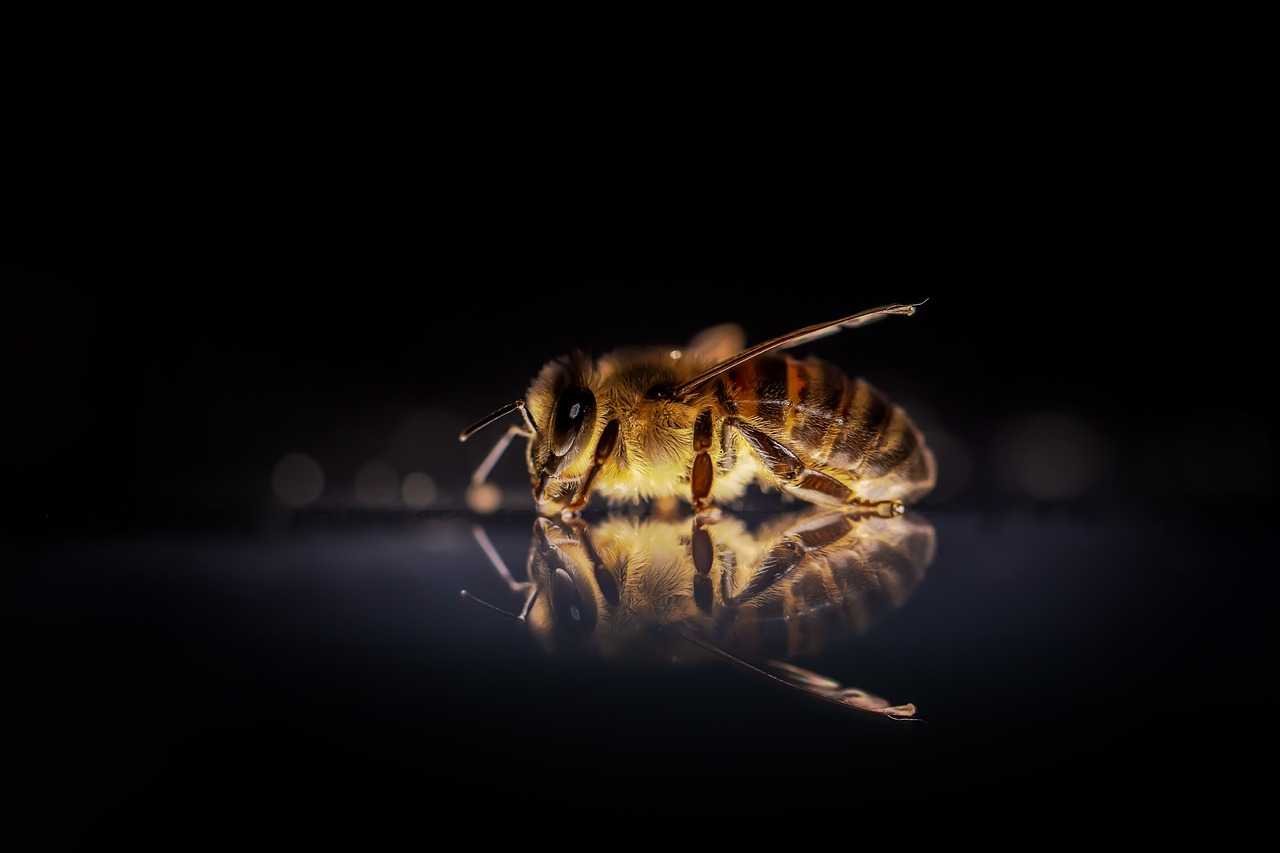
The Earthwatch Institute concluded in the last debate of the Royal Geographical Society of London, that bees are the most important living being on the planet, however, scientists have also made an announcement: Bees have already entered into extinction risk.
Bees around the world have disappeared up to 90% according to recent studies, the reasons are different depending on the region, but among the main reasons are massive deforestation, lack of safe places for nests, lack of flowers, use uncontrolled pesticides, changes in soil, among others.

Someone burned beehives in Texas and killed more than half a million bees

Police want to know who burned dozens of beehives in a town just south of Houston. One of the beekeepers said the losses are truly staggering.

“We’re looking at 500,000 to 600,000 (bees) that have been destroyed out of that environment,” Steve Brackmann, who sells beekeeping supplies and queen bees, told CNN affiliate KTRK.

“It’s bad enough to think in today’s world this would happen but dumping them over and then setting fire to them is beyond comprehension,” the association wrote in a Facebook post. “Club has offered a reward to lead to conviction and anyone with info please forward it to the sheriff’s office.”

Brazoria County Crime Stoppers is offering a reward of up to $5,000. The beekeepers association is offering a $1,000 reward as well as asking for donations to help it recover from the losses.

READ THE FULL STORY AT CNN.com

Morgan Freeman Converted His 124-Acre Ranch Into A Giant Honeybee Sanctuary To Save The Bees

Morgan Freeman, the actor, film director and philanthropist has added a new title to his name: Beekeeper. The 81-year-old celebrity decided to convert his 124-acre Mississippi ranch into a bee sanctuary.

Freeman’s foray into beekeeping began in 2014, where he discussed his new hobby with Jimmy Fallon during The Tonight Show. Freeman had taken up beekeeping just a couple of weeks before appearing on the show and talked about his experience keeping bees and the need to preserve and save wild bees for healthy environments.

READ MORE ABOUT THIS STORY Forbes.com

8 Practical Things You Can Do To Help Save The Bees

In case you’ve somehow missed it: The bees are dying and yes, it’s something we should all care a lot about, because bees are IMPORTANT.

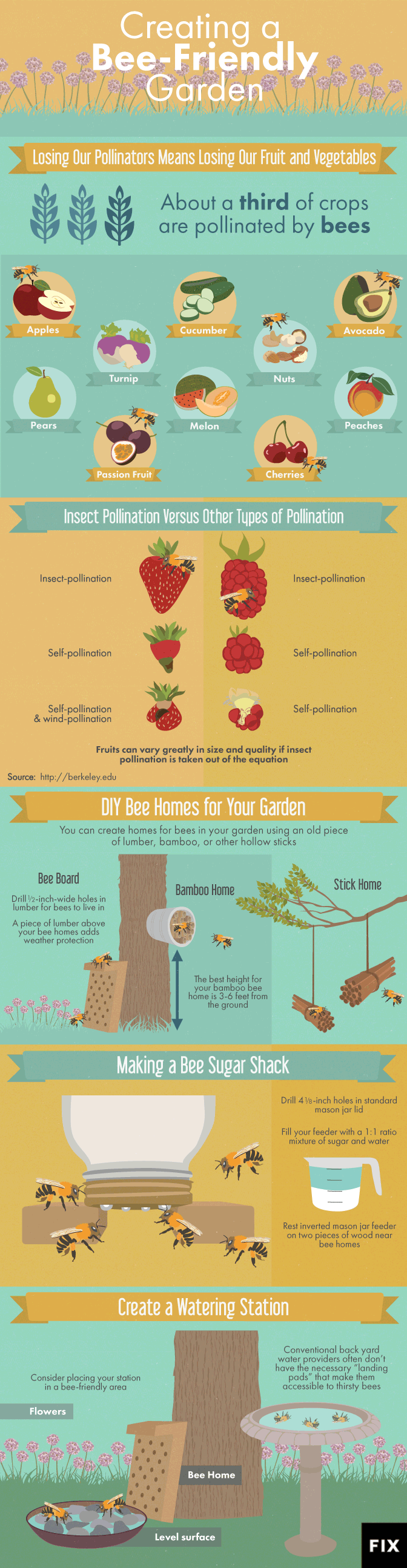
We have bees to thank for around one-third of the world’s food supply, including avocados, almonds, onions, and a whole lot of fruits and vegetables that would be extremely missed if they were to disappear.

But in the past year alone, US beekeepers have reported that 40% of their hives have died unexpectedly, possibly partly due to erratic weather conditions that are a result of climate change. Other threats to bee populations include habitat loss, pesticides and herbicides, monoculture (where farmers only grow a single crop at a time), and disease.

READ 8 THINGS YOU CAN DO TO SAVE THE BEES: Buzzfeed.com

WIN A FREE SAVE THE BEES VARIETY PACK!

EPA blocks a dozen products containing pesticides thought harmful to bees

The Environmental Protection Agency is pulling from the market a dozen products containing pesticides known to be toxic to a linchpin of the U.S. food system — the honeybee.

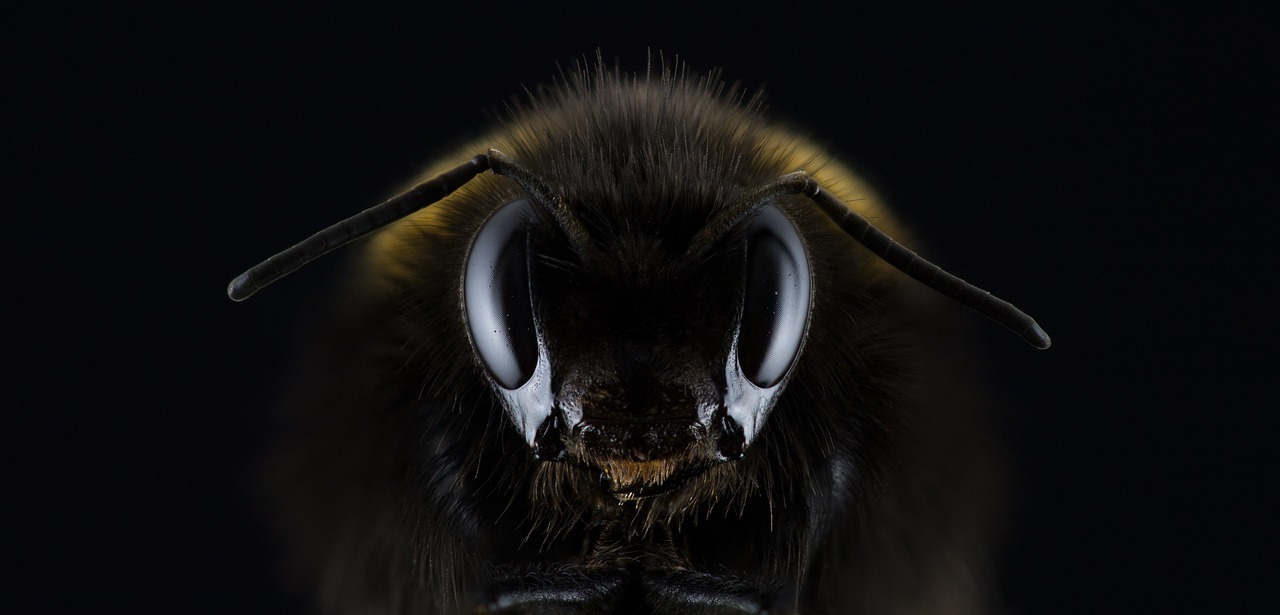
The agency announced Monday it has canceled the registrations of 12 pest-killing products with compounds belonging to a class of chemicals known as neonicotinoids, as part of a legal settlement.

For years, beekeepers and wildlife conversationalists alike have voiced concern that the widespread use of neonics, as the chemicals are commonly called, is imperiling wild and domesticated bees crucial to pollinating commercial fruit, nut and vegetable crops.

READ THE ORIGINAL ARTICLE https://www.washingtonpost.com

How To Identify and Prevent Mosaic Virus in Your Garden

WHAT ARE MOSAIC VIRUSES?

  • “Mosaic viruses are plant viruses that cause the leaves to have a speckled appearance.” –wiki

HOW TO IDENTIFY MOSAIC VIRUSES AND DAMAGE:

  • Yellow, white or green spots on foliage
  • Wrinkled or curled leaves
  • Yellowing of veins in leaves
  • Reduced yields or stunted growth
  • “Warty”, or mottled fruit

HOW TO CONTROL & PREVENT MOSAIC VIRUSES:

  • There is NO CURE for the Mosaic Virus. Once it infects a plant, there is no saving it.
  • Your best course of action is to remove the entire plant completely, and destroy it.
  • Be sure to clean and disinfect any garden tools used during the clean-out.
  • Plant strong, disease resistant varieties.
  • Cover your plants with floating-row covers to keep insects away.
  • Control your weeds. Some can serve as hosts for the virus.

VARIETIES MOST COMMONLY AFFECTED ARE:
Tomatoes, Cucumbers, Squash and Cauliflower

Are we witnessing the extinction of bees ?

hummel-1353423_1280

It’s official. As tragically revealing as the move might be, the rusty-patched bumble bee has now joined the grizzly bear, gray wolf, northern spotted owl, and some 700 others on the endangered species list — the first bee ever to garner those protections in the continental United States.

Once abundant in the grasslands and prairies in 31 states in the East and Midwest, the rusty-patched bumble bee’s population has been decimated by as much as 95 percent by some estimates, and now exists only in isolated pockets in 12 states and the province of Ontario, Canada.

“There are a few little spots where we know they are,” James Strange, a research entomologist and bumble bee ecologist with the USDA, told Forbes.”

READ THE FULL STORY: “MindFoster.co

We’re on SNAPCHAT! [Let’s Get Snapping]

We want to be where our fans and fellow gardeners are, so we’ve headed over to snapchat and created an account! We hope you’ll share all of your awesome gardening successes/tips/and learning experiences with us over there.

Let’s be friends! Just use the snap code below to quickly and easily add us and see more great content from us, everyday!

SnapChat UOG IG


UOG SnapChat Logo

What’s Eating My Plants? [Info-Graphic]

what-eating-my-plants

10 Leaf-Eating Bugs and How to Stop Them From Destroying Your Garden

Gardening is such a rewarding experience. But it can also be absolutely devastating when all your hard work goes to the bugs.

There are 10 main munching culprits to look out for to protect your plants from getting destroyed before they can produce the flowers and vegetables you can enjoy. Safer Brand created the below infographic detailing how to tell which bug is eating your plant and natural ways to get rid of them without spraying harmful chemicals.

IMAGE URL: http://www.saferbrand.com/blog/wp-content/uploads/2016/08/what-eating-my-plants.jpg

10 Leaf-Eating Bugs

  1. Leafminers, which are the larvae of flies and beetles, often will leave maze-like tunnels in a leaf. They are most harmless but if you want to get rid of them for aesthetic reasons you can use neem oil.
  2. Sucking insects-like box suckers, aphids, squash bugs, and spider mites- often will leave needle-sized holes in a leaf. While a few will hardly be noticeable, enough sucking insects can gradually kill your plants by sucking all the nutrients out. Spray an insecticidal soap on both sides of the leaves to keep those sucking insects away.
  3. Vine weevil larvae in the soil will eat a plant’s roots till it collapses. Your plant may seem like it’s suffering from a nutrient deficiency at first so be sure to check the soil for any creepy crawlies hiding there. You can soak the soil in insecticidal soap or dust plant leaves with diatomaceous earth to get rid of the adult vine weevils.
  4. Caterpillars are often the bug that comes to mind when gardeners see holes eaten out of their plants’ leaves. Caterpillars can be a pain to get rid of. The easies method is to brush leaves with B.T. on a dry night. B.T. will kill the caterpillar.
  5. Sawfly larvae (which look like caterpillars) leave transparent holes in leaf tissue. Use insecticidal soap or horticultural oil on the top and bottoms of leaves to get rid of them.
  6. Bees are both a blessing and a curse. We need bees to pollinate plants but they can sting and leaf-cutting bees can even cause damage to your plant’s leaves. However, the missing half-moon pieces shouldn’t kill your plant.
  7. Earwigs are common leaf-eating bugs in indoor plants. To get rid of them dust your plant with diatomaceous earth or fill a cup with straw and tilt on it’s side. The earwigs will craw into the hay away from the plant and then you can dispose outside.
  8. Japanese beetles can cause some of the most extensive damage to plants killing them in just a few days. Adult Japanese beetles eat all the leaf tissue in between the veins on your plant. You can use a Japanese beetle trap to make sure you don’t have issues with them all summer long or spray your plant with neem oil every few days to keep them away.
  9. Viburnum beetles and larvae can be taken care of by releasing lady bugs in your yard every spring.
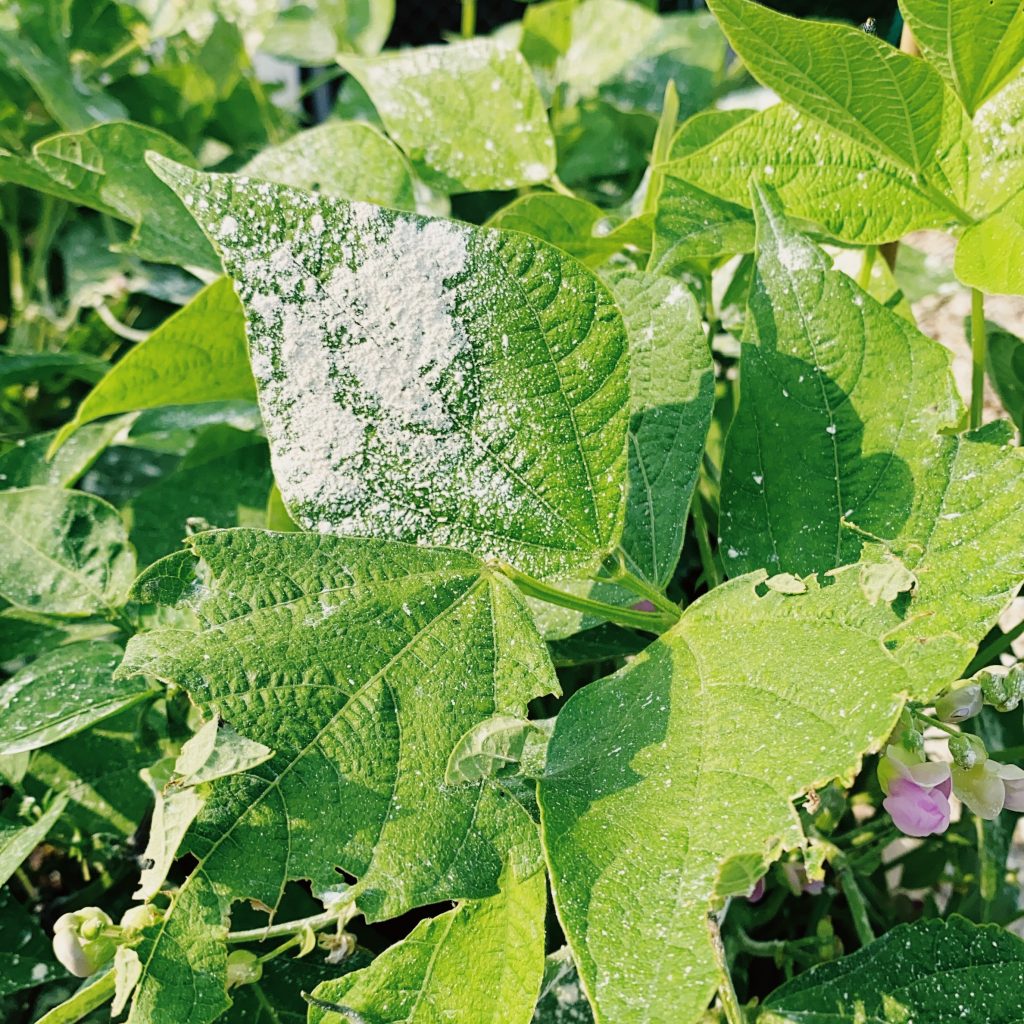
  10. Cucumber beetles are well known for the devastation they cause to squash plants. While row covers are a great way to keep these insects away, you can also dust the leaves with diatomaceous earth to kill any beetles who may come into contact with it. Just remember that diatomaceous earth only works when dry and it has to come into contact with the insects.


To learn more visit: “http://www.saferbrand.com/blog/whats-eating-my-plants/